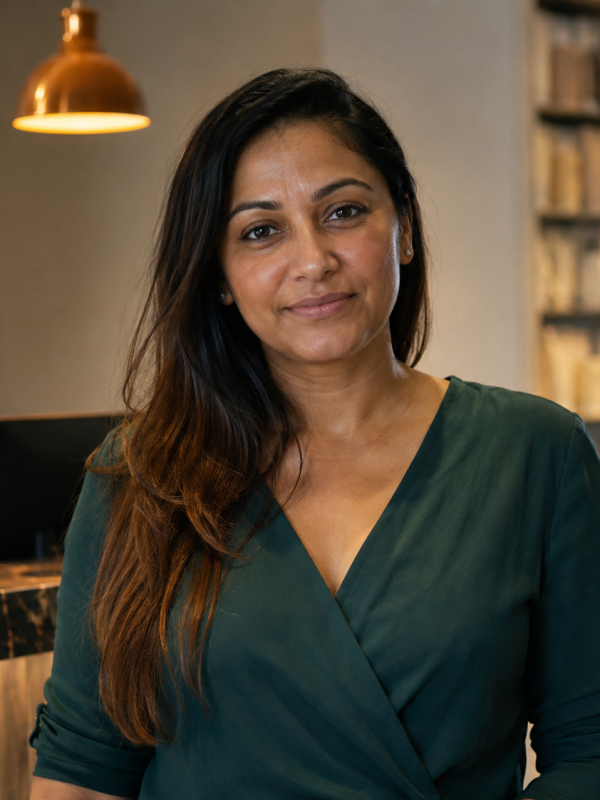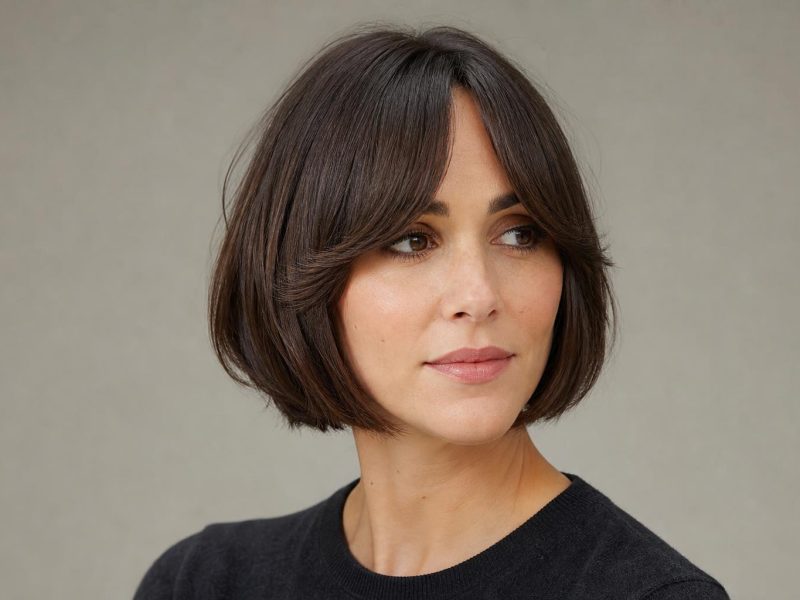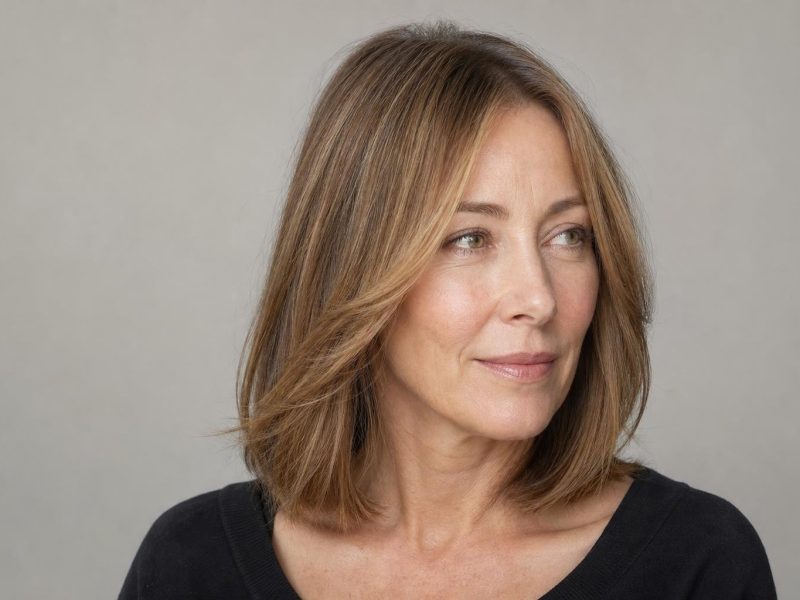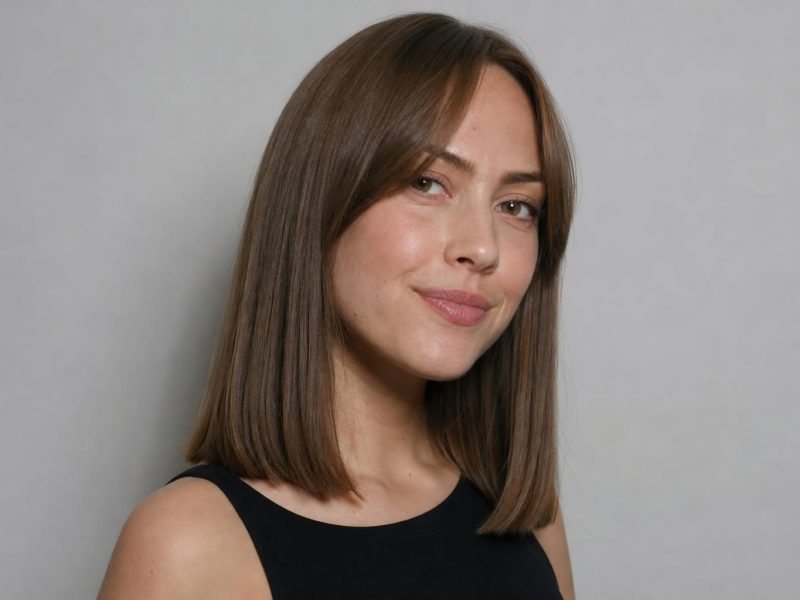
The butterfly haircut on long hair keeps your length intact while adding shorter rounded layers around the face, so the top sections fall like folded wings and the bottom stays well past the shoulders.
This is the version of the cut that lets you keep real length. The shortest face-framing pieces graze the chin or cheekbone, the longest layers reach the mid-back, and the gap between them is what gives the style its lift. On long hair the contrast has more room to breathe, so the volume reads soft rather than stacked. Below you will find 25 ways to wear it, grouped by how the layers are cut, how your texture behaves, and how you plan to style it day to day.
If you are still deciding whether the cut suits you at all, our main butterfly haircut guide covers shorter and medium versions too. This page stays focused on long hair specifically.
Quick Reference: Long-Hair Butterfly Layers at a Glance
The butterfly cut is defined by two layer zones. The face-framing layers sit short and curved; the length layers stay long and barely touched. Where you place the shortest piece changes the whole mood of the cut, so this table maps the most common placements against the look they create.
| Shortest Layer Lands At | Effect on Long Hair | Best For |
|---|---|---|
| Cheekbone | High, dramatic wing lift near the face | Thick hair that needs weight removed up top |
| Chin | Balanced framing, soft movement | Most face shapes and textures |
| Collarbone | Gentle layering, length stays dominant | Fine hair or those wary of losing density |
| Below shoulder | Barely-there layers, very subtle wing | Anyone growing out a previous cut |
Classic Long Butterfly Layers
These are the foundational versions, the cuts a stylist reaches for when you ask for a butterfly on long hair without any extra modifiers. They keep the silhouette familiar and put the focus on the curve of the face-framing pieces.
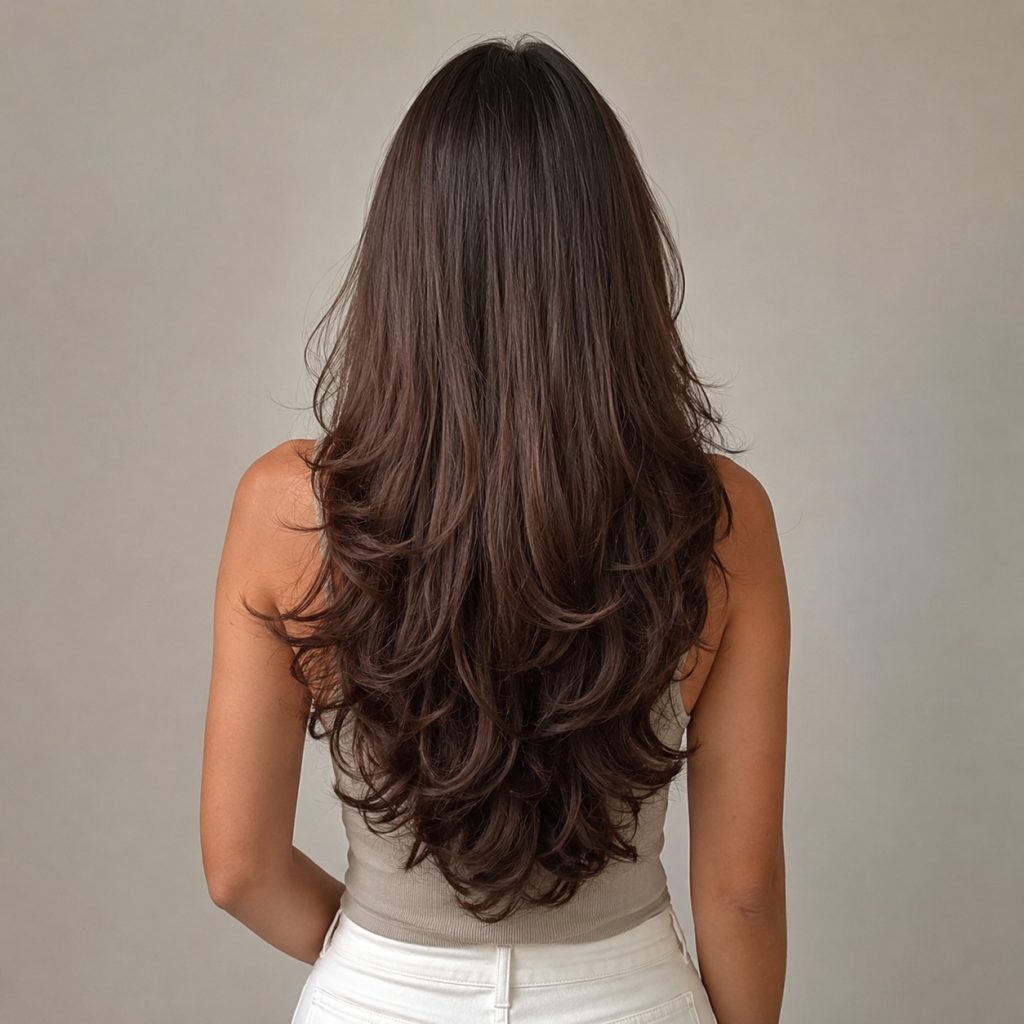
1. Chin-Length Front Layers With Mid-Back Length
Starting the shortest layer at the chin gives you the textbook butterfly proportion. The front pieces curve in toward the jaw while everything underneath stays long enough to braid, so you get framing without sacrificing the part of your hair you have spent years growing.
2. Soft Cheekbone Wings
Cutting the top layer up at the cheekbone pushes the wing effect higher and opens up the face. Because the length below remains untouched, the eye reads volume at the top and a long clean line at the bottom. This placement flatters round and square faces by drawing attention upward, much like the framing in our long layered hair guide.
3. Collarbone Frame, Waist-Length Ends
For hair that reaches the waist, keeping the shortest layer at the collarbone protects your density. The layering is gentle, the wings are understated, and the overall shape still moves when you walk. A good pick if people compliment your length and you do not want to lose it.
4. Curtain-Split Butterfly
Here the face-framing layers part cleanly down the center like curtain bangs that never stop, flowing into the longer layers below. The split keeps both sides symmetrical and the curve frames the cheekbones on each side. It suits anyone who already wears a middle part.
5. Heavy Bottom, Light Top
Some people want layers only around the face and nowhere else. This version removes weight strictly from the top sections and leaves the perimeter blunt and dense. The result keeps the bottom looking thick and healthy while the face frame does all the shaping work.
Butterfly Cuts by Hair Texture
Texture decides how the wings sit. Straight hair shows the layer lines cleanly, wavy hair softens them, and curls turn each layer into its own rounded shape. These entries match the cut to what your hair does naturally so the butterfly works with your texture instead of against it.
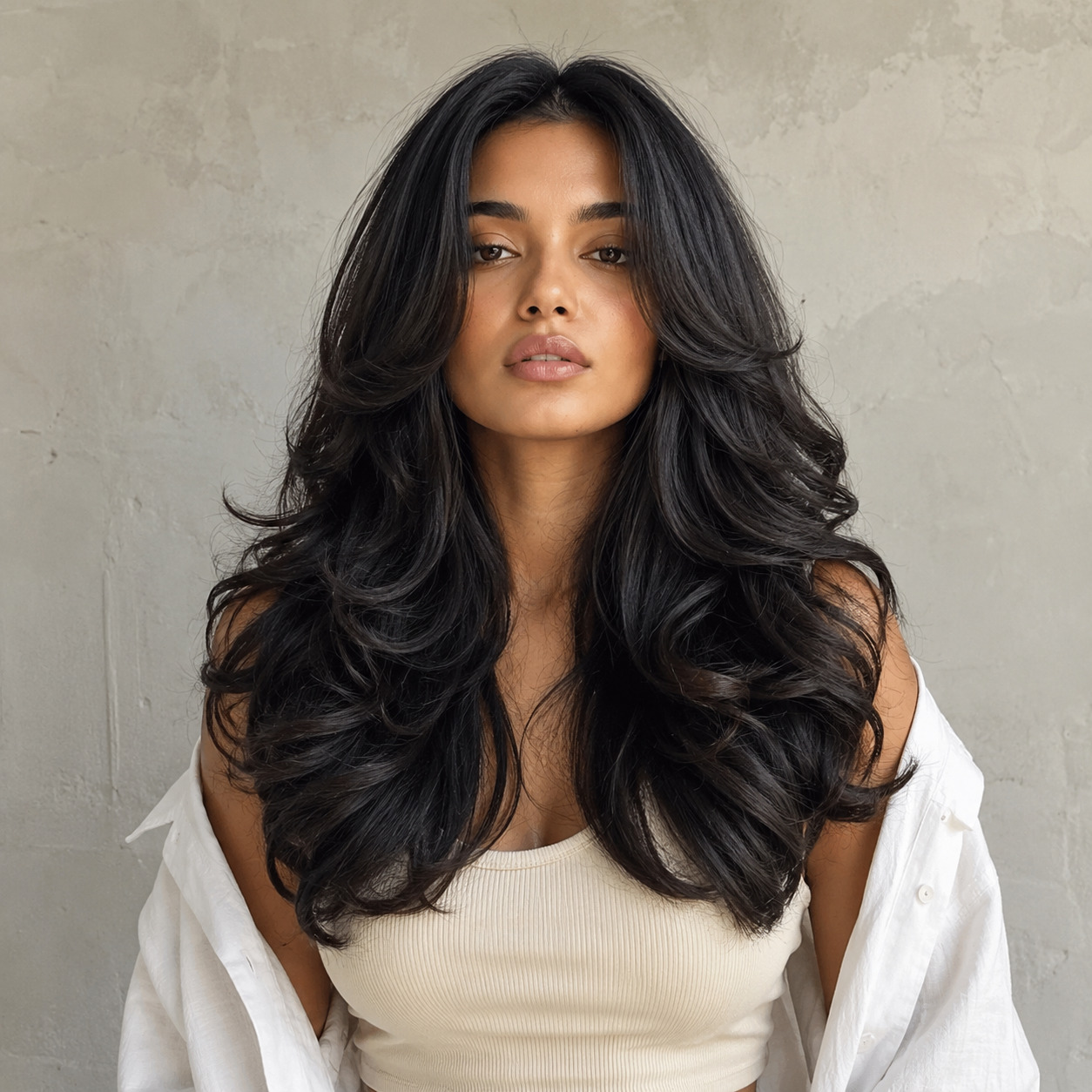
6. Sleek Straight Butterfly
On straight hair the layers fall in defined sheets, so the wing curve is crisp and visible. A light point-cut on the ends keeps the shortest pieces from looking too blunt. Smooth this version with a flat brush and the framing layers fold neatly against your cheeks.
7. Wavy Butterfly With Natural Bend
Waves do half the styling for you. The natural S-bend catches the layered sections and lifts them into the wing shape without heat. Ask your stylist to keep the ends slightly textured so the waves do not stack into a triangle at the bottom.
8. Type 3 Curly Butterfly
Curly hair turns the butterfly into a halo of shorter ringlets near the face over long spirals below. The shortest layers spring up, so cut them longer than you would on straight hair to account for shrinkage. Our curly hair layers guide explains how much length curls lose when dry.
9. Coily Butterfly on Long Natural Hair
On tight coils the layering reads as a soft cloud shape rather than distinct wings. The cut still works, but the contrast lives in volume rather than line. Keep the face-framing pieces long enough to fall past the brow when stretched, and the silhouette stays balanced.
10. Fine Hair Butterfly With Density Tricks
Fine long hair benefits from fewer, longer layers so the perimeter never looks wispy. A single shorter layer at the cheekbone creates the wing illusion without thinning the ends. Blow-dry with the head flipped forward to build the root lift that fine hair often lacks.
Styling Variations
The same cut can read polished or undone depending on how you finish it. These entries show how blowouts, air-dried texture, and updos change the personality of a long butterfly without a single extra snip.
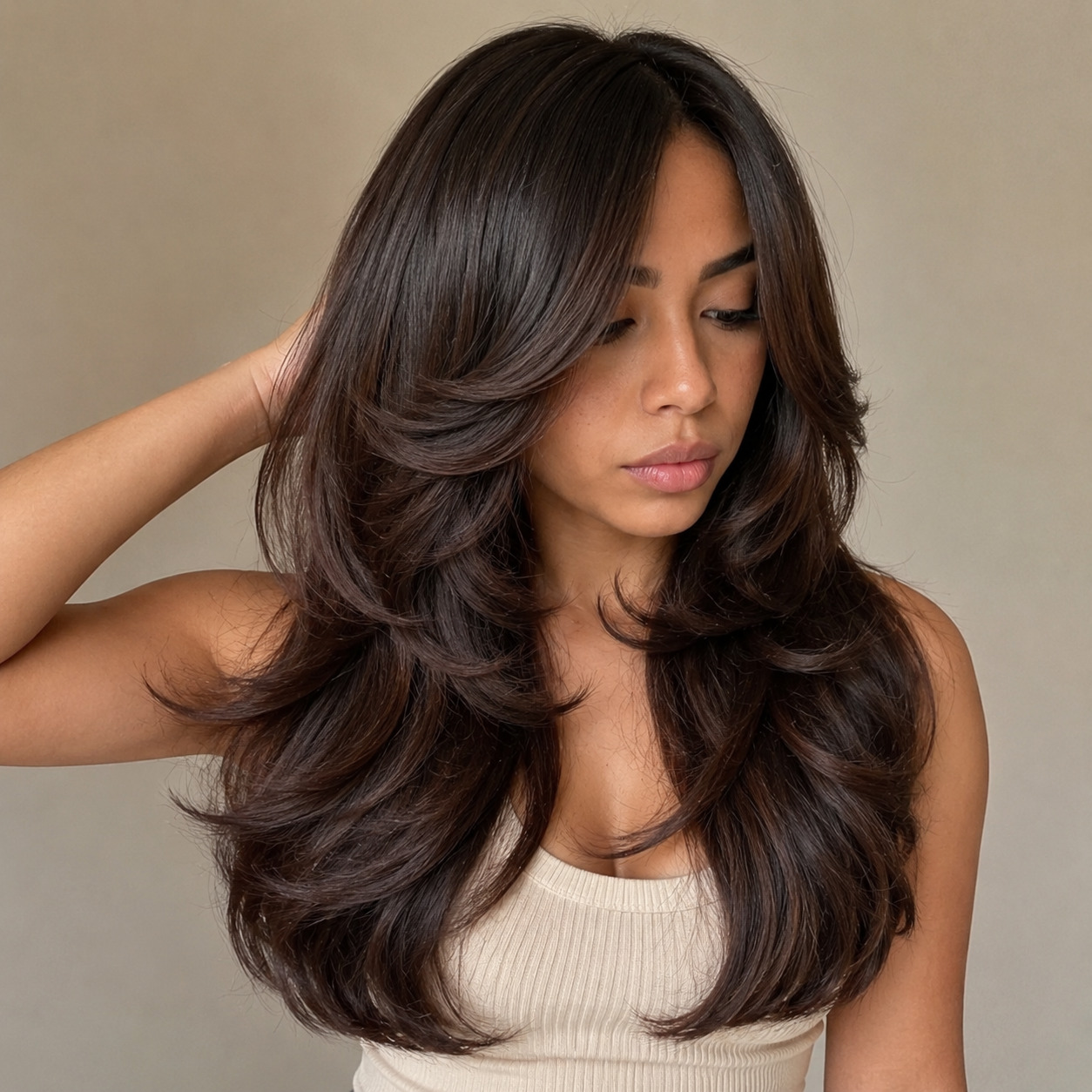
11. Bouncy 90s Blowout
A round-brush blowout is what made this cut famous. Curl the face-framing layers away from the face and they flick back like wings while the long length swings underneath. Hit the roots with a cool shot at the end to lock the lift in place.
12. Air-Dried Lived-In Texture
Skip the heat and the butterfly reads effortless. Work a light cream through damp hair, scrunch the layers, and let them dry into soft loose movement. The shorter top pieces dry faster and lift on their own, which keeps the style from going flat.
13. Half-Up With Face Frame Loose
Pull the back length into a half-up clip and leave the chin-length layers down to frame your face. This is the move that proves long butterfly hair is practical. You get the hair off your neck while the wings stay visible and soft.
14. Slicked-Back Length, Soft Front
Gel the long sections back into a low pony and let the shortest face-framing layers fall loose. The contrast between sleek length and soft framing pieces is what makes the look feel deliberate. A few drops of oil on the ends keep the loose pieces from frizzing.
15. Braided Length, Framed Face
Long hair means you can braid the bottom and still wear the frame. Plait the length into a single braid or two, and the face-framing layers stay out to soften the look. Practical for the gym, pretty enough for anywhere else.
Butterfly Cuts by Color
Color and layers feed each other. A well-placed highlight follows the curve of the wing and makes the layering look intentional, while a solid shade keeps the shape clean and graphic. These entries pair the long butterfly with the color work that flatters it most.
16. Money-Piece Butterfly
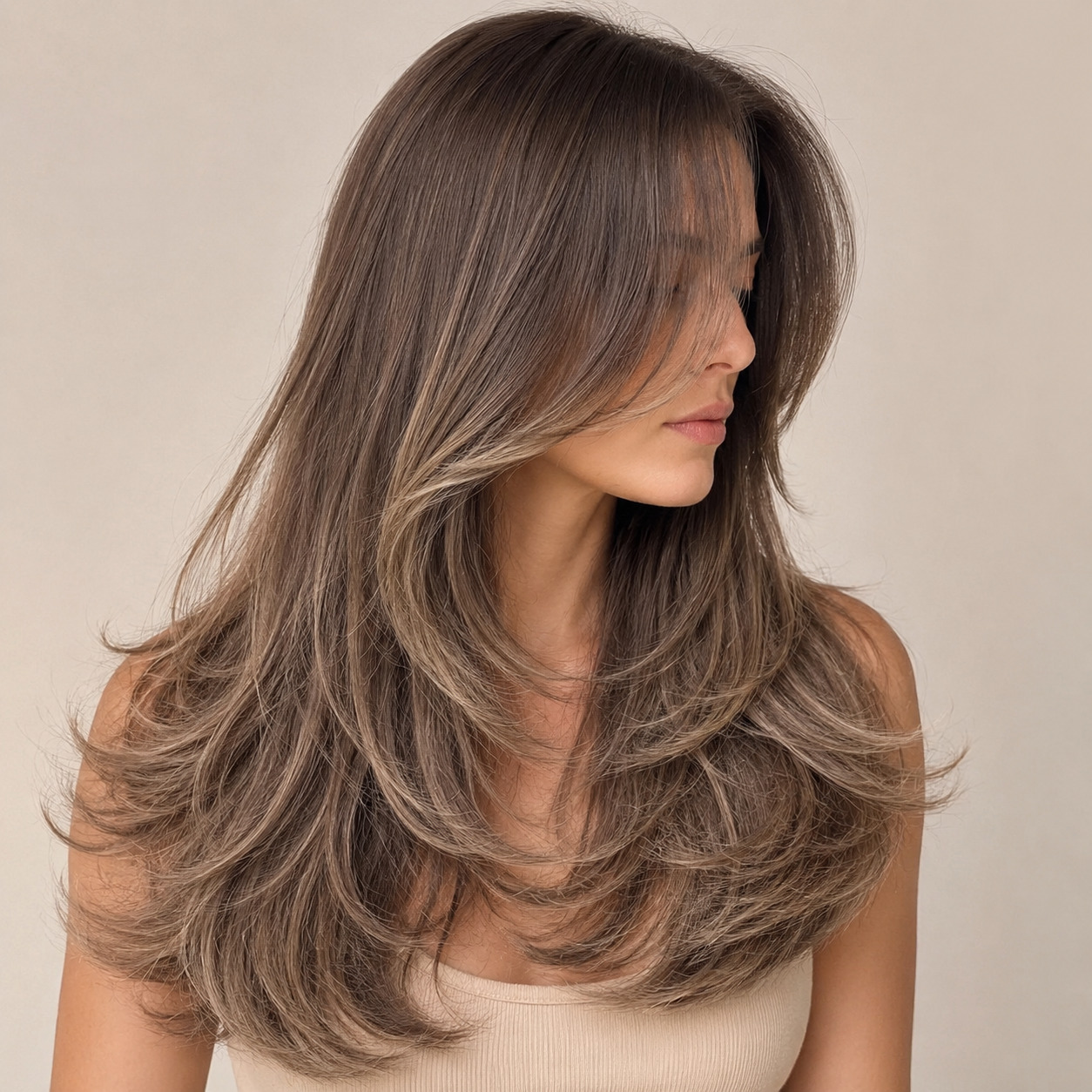
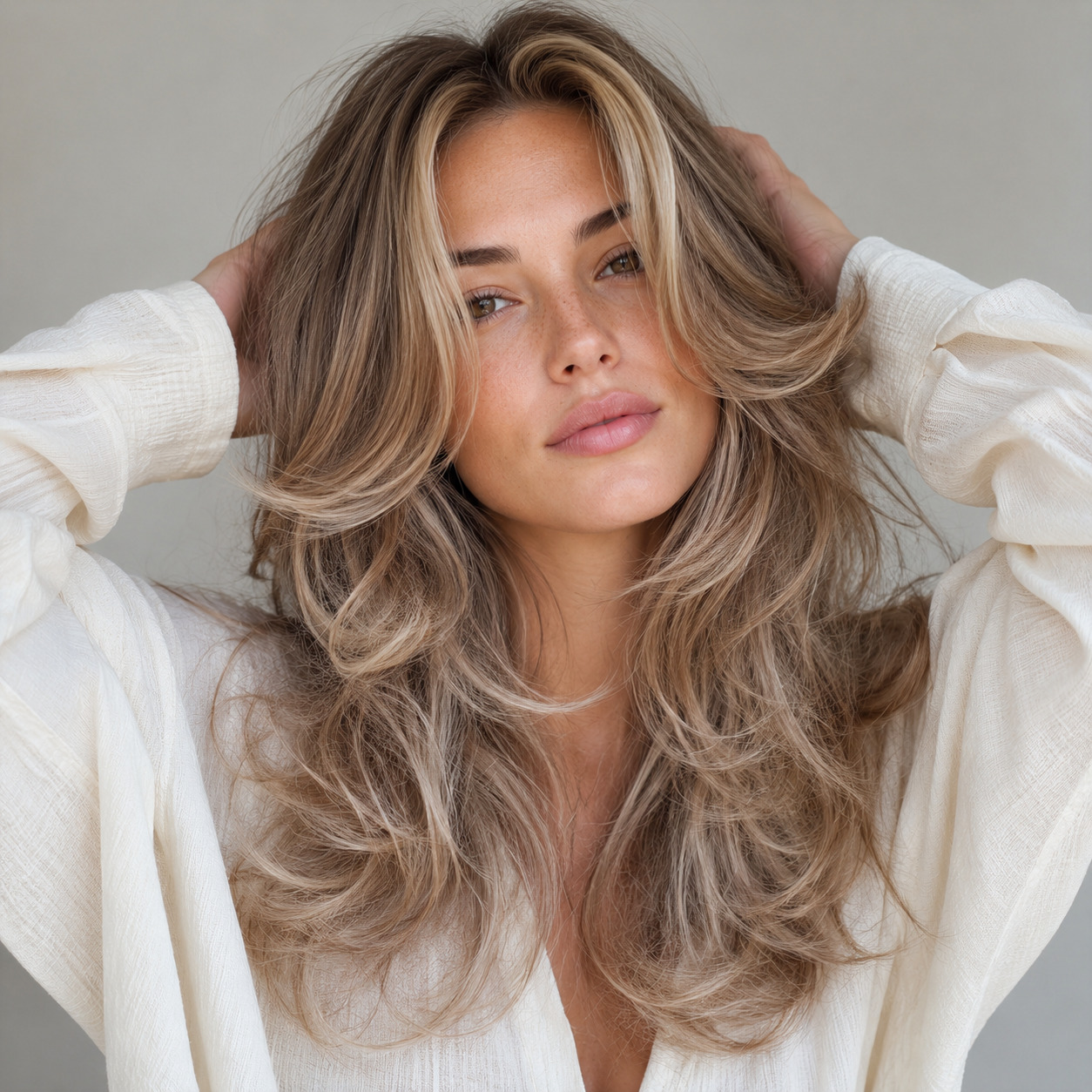
Brightening just the front face-framing layers, the money-piece, traces the wing and pulls light up to your face. On long hair the effect is strong because the lighter pieces sit against darker length. Pair it with our face-framing highlights guide for placement ideas.
17. Balayage That Follows the Layers
Hand-painted color sweeps from mid-length to the ends and catches the long layers as they fall. Because the butterfly already creates movement, a soft brown-hair balayage looks dimensional with very little effort. Ask your colorist to keep the brightest pieces near the face frame.
18. Solid Brunette Butterfly
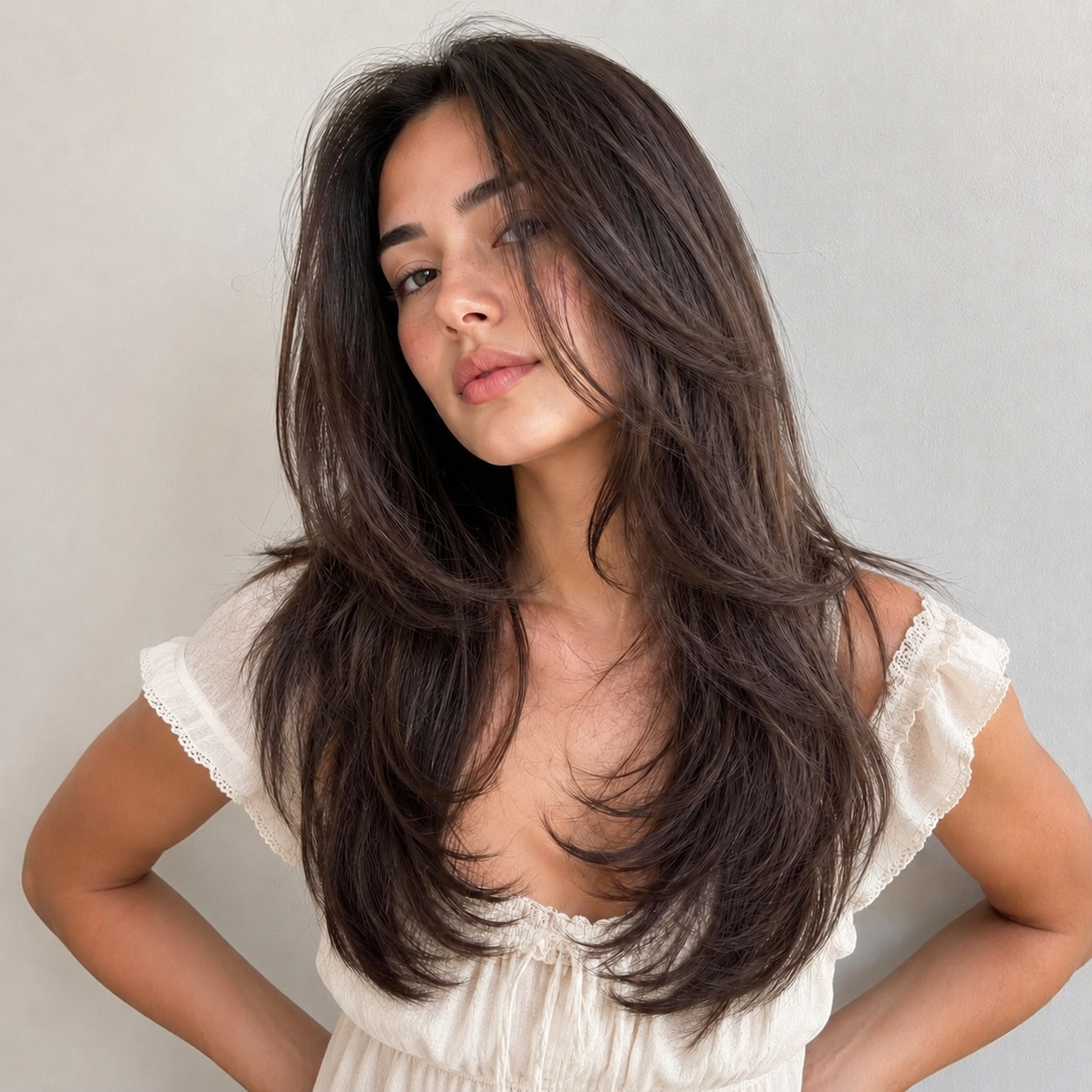
A single rich brown shade lets the cut speak for itself. With no color contrast competing, the wing layers and the long perimeter create the only lines in the look. This is the lowest-maintenance way to wear the style and the easiest to grow out.
19. Sun-Kissed Ends on Long Length
Lightening only the bottom few inches of the long layers gives a grown-out beachy fade. The face frame stays your natural shade, so root upkeep is minimal. A relaxed choice for anyone who wants color without a strict salon schedule.
Cut and Maintenance Details
A long butterfly is more of a commitment to upkeep than a blunt long cut, because the short layers grow at a different rate than the length. These entries cover the practical side, the trims, the products, and the small choices that keep the shape reading clean for months.
20. Grow-Out-Friendly Long Layers
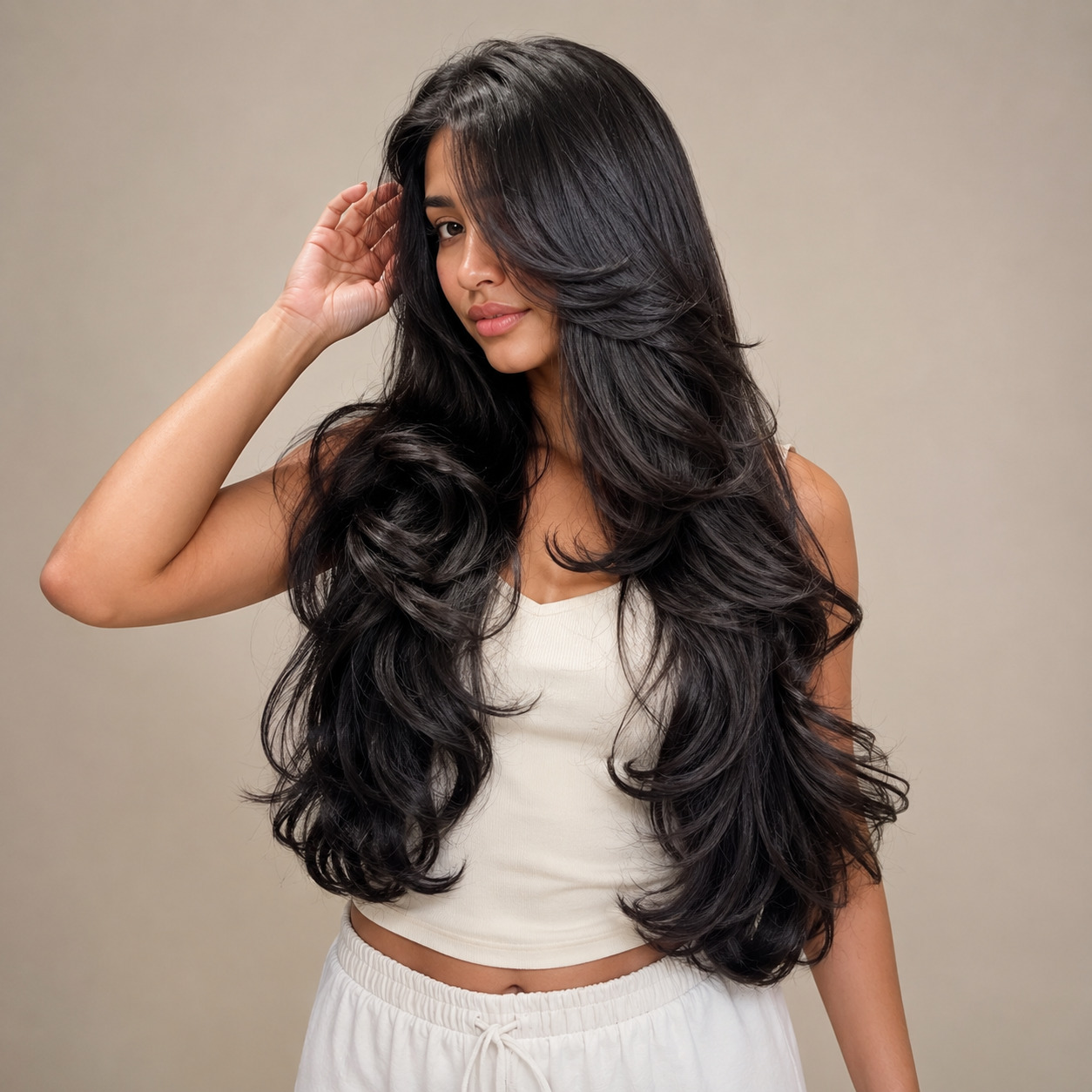
Cut with longer face-framing pieces, this version is built to grow out gracefully. As the short layers lengthen they simply blend into the next tier down, so you never hit an awkward stage. Ideal if you can only get to the salon twice a year.
21. Razor-Cut Soft Wings
A razor finish on the face-framing layers gives feathered, wispy ends that fold softly against the cheek. The technique suits thick straight hair that needs weight taken out. It is not the best choice for very fine hair, where a razor can thin the ends too far.
22. Blunt-Perimeter Butterfly
Keeping the longest layer cut blunt rather than tapered protects the look of thickness at the bottom. The wings stay soft up top while the hemline stays strong. This pairing reassures anyone worried that layers will leave their ends stringy.
23. Low-Maintenance Long Wash-and-Go
For wavy and curly textures, a butterfly cut dialed in for wash-and-go wear needs almost no daily effort. The layers fall into place as the hair dries, and a weekly deep condition keeps the long ends healthy. Minimal heat, minimal fuss.
24. Layered for Volume on Thin Long Hair
Strategic layering can make thin long hair look fuller by lifting the top sections away from the scalp. Keep the cut conservative, removing only a little weight, so the perimeter does not lose what density it has. The wing lift creates the impression of more hair.
25. Extra-Long Statement Butterfly
For hair past the mid-back, the butterfly turns into a true statement, with face-framing layers softening a dramatic length. The longer the hair, the more striking the contrast between short frame and sweeping ends. This is the version that keeps every inch of length you own while still adding shape.
What to Tell Your Stylist
The butterfly is widely requested now, so most stylists know the term, but results vary because the cut is defined by proportion rather than a single technique. Bring specifics. The clearer you are about where the shortest layer should land, the closer you will get to the photo in your head.
Say exactly where you want the shortest face-framing piece to fall: cheekbone for height, chin for balance, collarbone to protect length. If you are unsure which suits you, our face shape guide helps match framing to your features. Tell your stylist how much length you are unwilling to lose at the back, because the butterfly should never shorten your overall length. Ask them to point-cut or feather the ends of the short layers so the wings fold softly instead of sitting blunt.
Stylist tip: Bring two photos, one showing the front framing and one showing the back length. The butterfly is a cut of two zones, and a single front-facing photo never communicates how long you want the perimeter to stay.
When a Long Butterfly Is Not the Right Cut
This style flatters most people, but it is not universal. The butterfly relies on having enough length to create two distinct layer zones, so very short or one-length goals work against it.
If your hair is shorter than the collarbone, there is not enough length below the face frame to read as a butterfly, and the cut will simply look like long layers. If you want to keep a heavy, blunt, all-one-length curtain of hair, the layering will fight that goal. And if your hair is very fine and already sparse at the ends, removing weight up top can make the perimeter look thinner rather than fuller.
Stylist tip: If you love the framing but worry about losing density, ask for just one face-framing layer at the cheekbone and leave the rest blunt. You get the wing effect without committing to layers throughout.
Frequently Asked Questions
Does a butterfly haircut make long hair shorter?
No, a proper butterfly cut keeps your overall length the same. Only the top face-framing layers are cut short, while the perimeter stays exactly where it was. Tell your stylist directly that the back length should not move.
How long does hair need to be for a butterfly cut?
Hair should reach at least the collarbone for the cut to read as a butterfly. Below that length there is not enough room to create the two distinct layer zones that define the style. Mid-back and longer hair gives the most dramatic version.
Will the layers ruin my ability to put hair in a ponytail?
The longest layers still reach a ponytail, though the shortest face-framing pieces may fall loose. Most people find this flattering rather than annoying, since the loose front frames the face. Cut the shortest layer at the collarbone instead of the chin if you want everything to reach a tie.
How often does a long butterfly cut need trimming?
Plan on a trim every three to four months to keep the layer proportions balanced. The short face-framing pieces grow faster relative to the length, so they need occasional reshaping. If you cut the layers long and grow-out-friendly, you can stretch to twice a year.
Is the butterfly cut better for thick or thin hair?
It works for both with adjustments. Thick hair benefits from more layers to remove weight, while thin hair needs fewer, longer layers placed only near the face. The placement of the shortest layer matters more than your density.
Can I get a butterfly cut on curly long hair?
Yes, curly long hair takes the butterfly well, but the layers should be cut longer to allow for shrinkage. A stylist who dry-cuts curls will place the wings more accurately. The result reads as a soft rounded halo near the face rather than sharp wings.
The butterfly haircut on long hair earns its popularity because it solves a real problem: it adds shape and face-framing movement without asking you to cut off the length you have grown. Choose your shortest-layer placement based on your face and your texture, keep the perimeter as long as you like, and the cut will work whether you wear it sleek, air-dried, or pulled half-up on a busy morning.
This article is for inspiration and general guidance only. Individual results depend on your hair type, density, and the skill of your stylist. Consult a licensed professional before making significant changes to your hair.