
Table of contents
- Why Scalp Care Matters for Hair Growth
- Identify Your Scalp Type First
- The 5-Step Scalp Care Routine
- Scalp Massage: The 30-Second Step with Outsized Results
- The Scalp Microbiome: What You Need to Know (and What’s Still Hype)
- When to See a Dermatologist Instead of Treating at Home
- Ingredients to Look For — and Ingredients to Question
- FAQ
A 5-step scalp care routine built around your scalp type — with the products, frequency, and techniques that actually make a difference
Your scalp is skin — and it needs a care routine just like your face does. It has its own oil production, its own microbiome, and its own set of problems when neglected. A clogged, inflamed, or dehydrated scalp can’t produce healthy hair, no matter how many conditioners and serums you apply to the lengths. This guide gives you a structured, 5-step scalp care routine (cleanse, exfoliate, treat, hydrate, protect) tailored to your scalp type, with clear guidance on how often each step is needed and what ingredients to look for.
You’ll learn how to identify your scalp type, build a routine that matches it, understand when common scalp issues need professional attention versus home care, and find out which trending scalp products are worth your time — and which are marketing noise.
Why Scalp Care Matters for Hair Growth
Every strand of hair on your head grows from a follicle embedded in your scalp. If that follicle is buried under product buildup, suffocated by excess oil, or surrounded by inflammation, the hair it produces will be thinner, weaker, and more prone to falling out prematurely. This isn’t speculation — research published in Experimental Dermatology has shown that the scalp’s microbiome directly influences hair follicle cycling and immune regulation around the hair root. Disrupting that microbial balance is associated with conditions ranging from dandruff to inflammatory hair loss.
The beauty industry has started calling this shift “the skinification of hair care” — treating the scalp with the same multi-step approach we’ve been applying to facial skin for years. The concept is sound: your scalp has the same basic structure as the skin on your face (epidermis, dermis, sebaceous glands), but most people give it zero dedicated attention beyond shampooing.
Stylist tip: If you’ve been dealing with flat, limp hair at the roots despite using volumizing products, the culprit is often scalp buildup rather than the wrong styling product. A single clarifying wash or scalp scrub session can restore root lift that no mousse can replicate on a clogged scalp.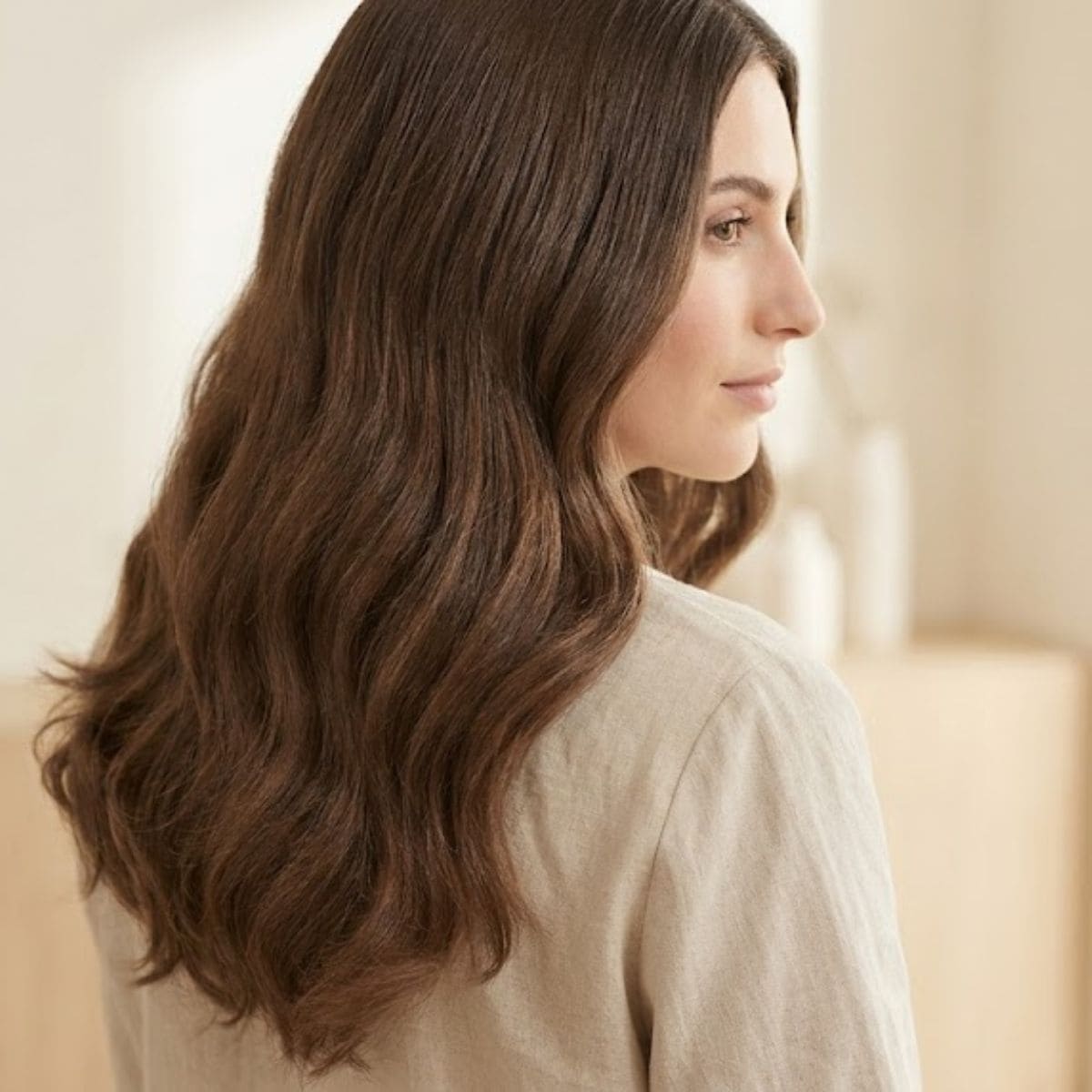
Identify Your Scalp Type First
Before building a routine, you need to know what your scalp is doing. Scalp type is not always the same as your skin type, though they often correlate. Your scalp may behave differently from the rest of your skin due to the density of hair follicles, higher sebaceous gland activity, and the trapping effect that hair itself creates.
| Scalp Type | Signs | Common Issues | Routine Priority |
|---|---|---|---|
| Oily | Greasy roots within 24 hours of washing; hair looks flat and heavy at the crown | Product buildup, seborrheic dermatitis, clogged follicles | Cleansing and exfoliation |
| Dry | Tightness after washing; visible white flakes; itchiness | Dry flaking (not dandruff), irritation, barrier damage | Hydration and gentle cleansing |
| Combination | Oily at the crown and front; dry or normal at the nape and sides | Inconsistent product performance; zone-specific issues | Targeted application by zone |
| Sensitive | Redness, stinging, burning after product application; reactive to fragrance or sulfates | Contact dermatitis, eczema, psoriasis flares | Barrier protection and fragrance-free products |
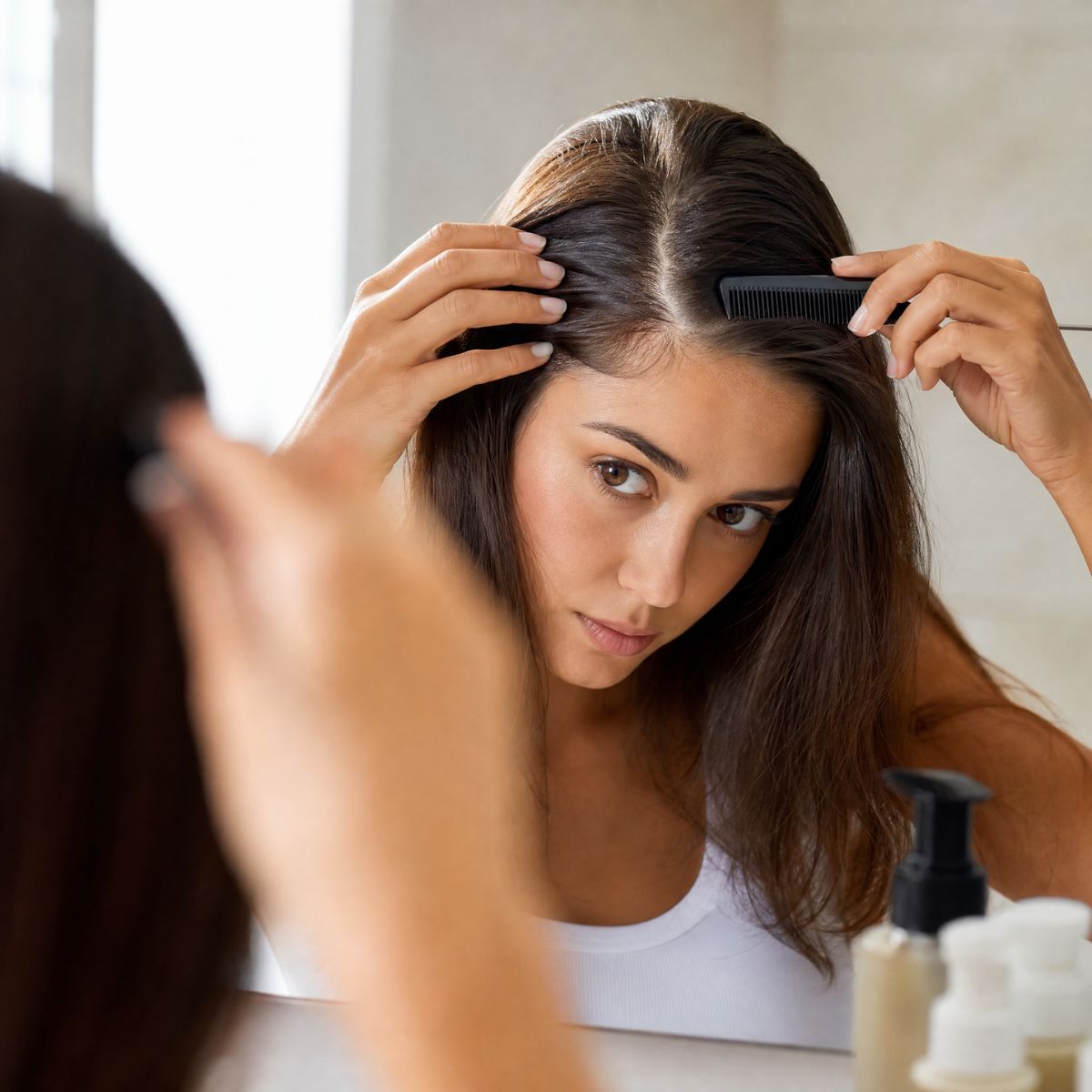
To identify your type, wash your hair with a gentle shampoo, skip all styling products, and observe your scalp over the next 48 hours. Check the crown, the hairline, and the nape separately — they can differ. Where and when oil appears (or doesn’t) tells you more than any quiz.
The 5-Step Scalp Care Routine
This routine mirrors the logic of a facial skincare routine: cleanse to remove what shouldn’t be there, exfoliate to clear dead skin and buildup, treat to address specific concerns, hydrate to support the skin barrier, and protect to prevent future damage. Not every step happens every wash — frequency depends on your scalp type. The full framework is below, followed by detailed guidance on each step.
| Step | What It Does | Oily Scalp | Dry Scalp | Combination | Sensitive |
|---|---|---|---|---|---|
| 1. Cleanse | Removes oil, dirt, product residue | Every 1–2 days | Every 3–5 days | Every 2–3 days | Every 2–4 days |
| 2. Exfoliate | Clears dead skin cells and stubborn buildup | Weekly | Every 2–3 weeks | Every 1–2 weeks | Monthly (or skip) |
| 3. Treat | Targets specific concerns (flaking, inflammation, thinning) | As needed | 1–2x per week | As needed | 1–2x per week |
| 4. Hydrate | Replenishes moisture to the scalp skin | Lightweight only | Every wash day | Dry zones only | Every wash day |
| 5. Protect | Shields from UV, pollution, heat styling | SPF spray on part line | SPF + pre-wash oil | SPF on exposed areas | Mineral SPF only |
Step 1: Cleanse — The Foundation of Every Scalp Routine
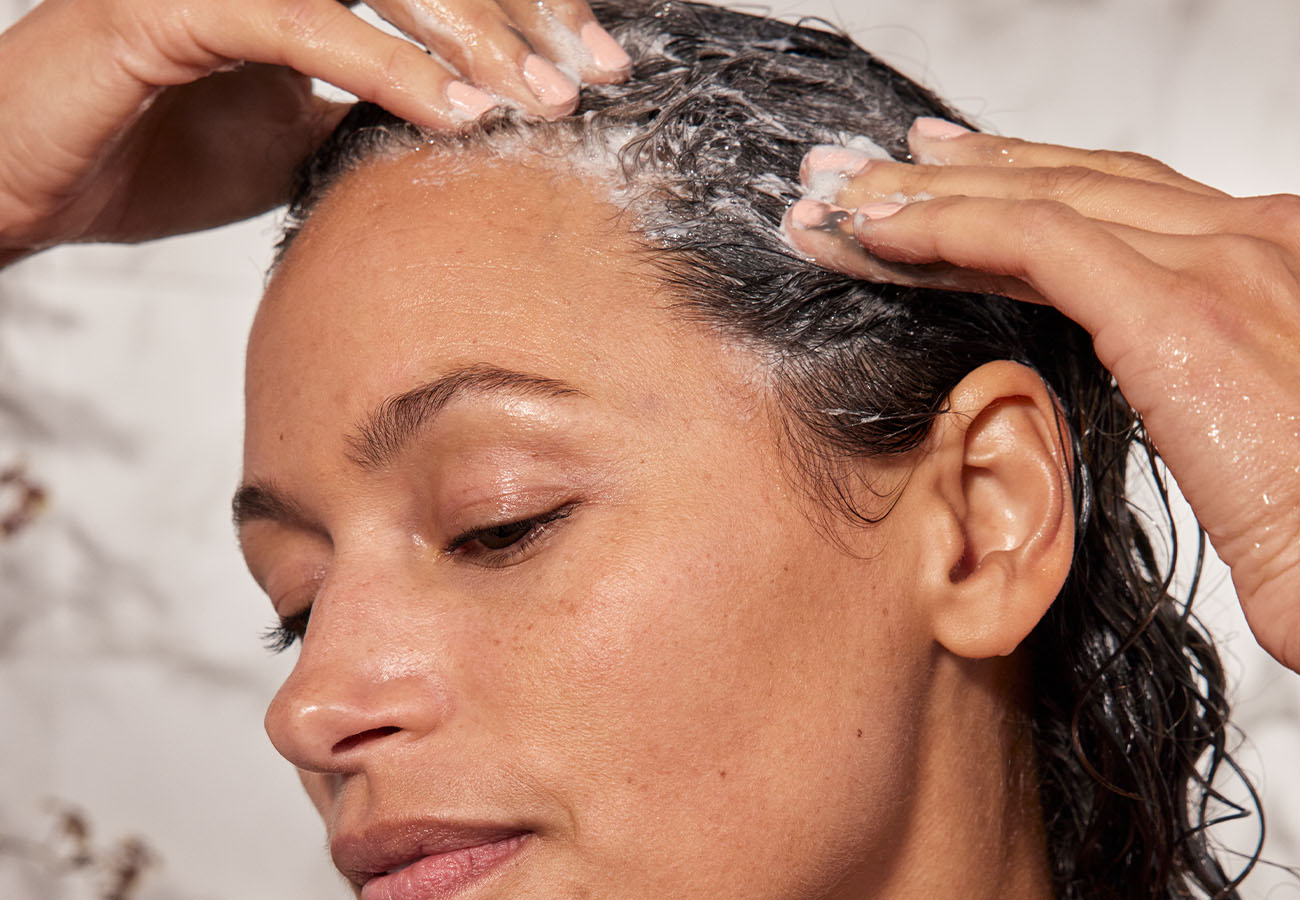
Cleansing the scalp is not the same as washing your hair. When you shampoo, you should be focusing on your scalp — massaging the product into the skin with your fingertips (not your nails) for a full 60 seconds. This loosens sebum, product residue, and dead skin. The suds running through your lengths as you rinse are enough to clean the hair itself.
For oily scalps, a clarifying or balancing shampoo with mild surfactants (look for sodium lauroyl methyl isethionate or cocamidopropyl betaine on the label) removes excess oil without the aggressive stripping that triggers rebound oil production. For dry scalps, a sulfate-free, cream-based shampoo preserves what little natural oil is there. Sensitive scalps should avoid fragrance entirely and look for formulas with soothing ingredients like aloe vera, centella asiatica, or oat extract.
Double cleansing — the concept borrowed from K-beauty skincare — works well for scalps with heavy product buildup. The first shampoo breaks up styling products and oil; the second shampoo actually cleans the skin. You only need to double cleanse on heavy buildup days (post-workout, post-dry-shampoo streak, or after using heavy styling products), not every wash.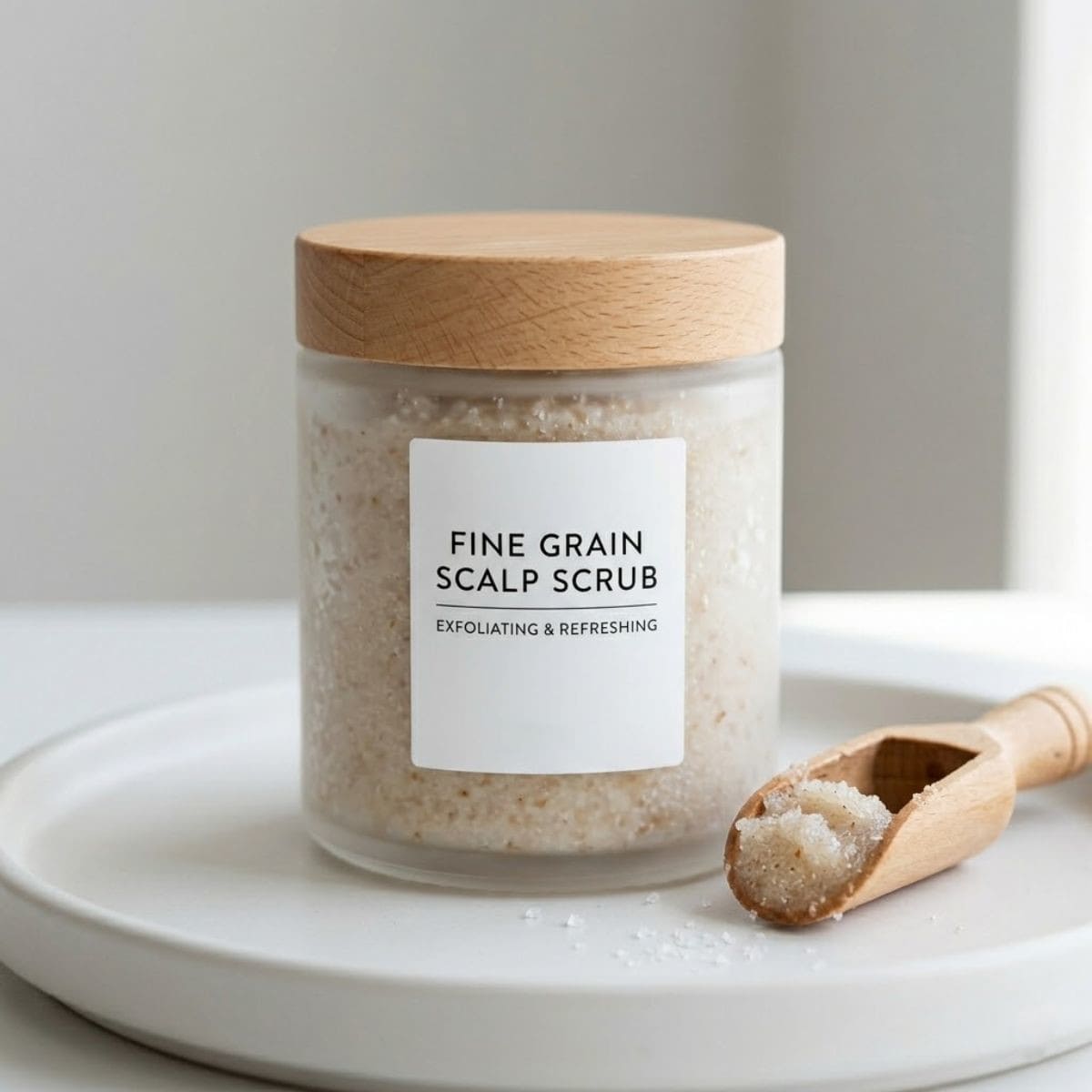
Step 2: Exfoliate — Removing What Shampoo Can’t
Shampoo removes surface oil and dirt, but it can’t break up the compacted layer of dead skin cells, product residue, and sebum that accumulates at the follicle opening over time. Scalp exfoliation does what shampoo alone can’t — it unclogs the follicle entrance and allows oxygen and nutrients to reach the hair root more efficiently.
There are two types of scalp exfoliants. Physical exfoliants (scalp scrubs) use fine granules — sugar, salt, or dissolvable polymer beads — that you massage across the scalp. Chemical exfoliants use acids (salicylic acid, glycolic acid, or lactic acid) that dissolve dead skin without physical friction. Chemical exfoliants are generally gentler and better for sensitive or inflamed scalps, while physical scrubs give a more immediate “deep clean” sensation.
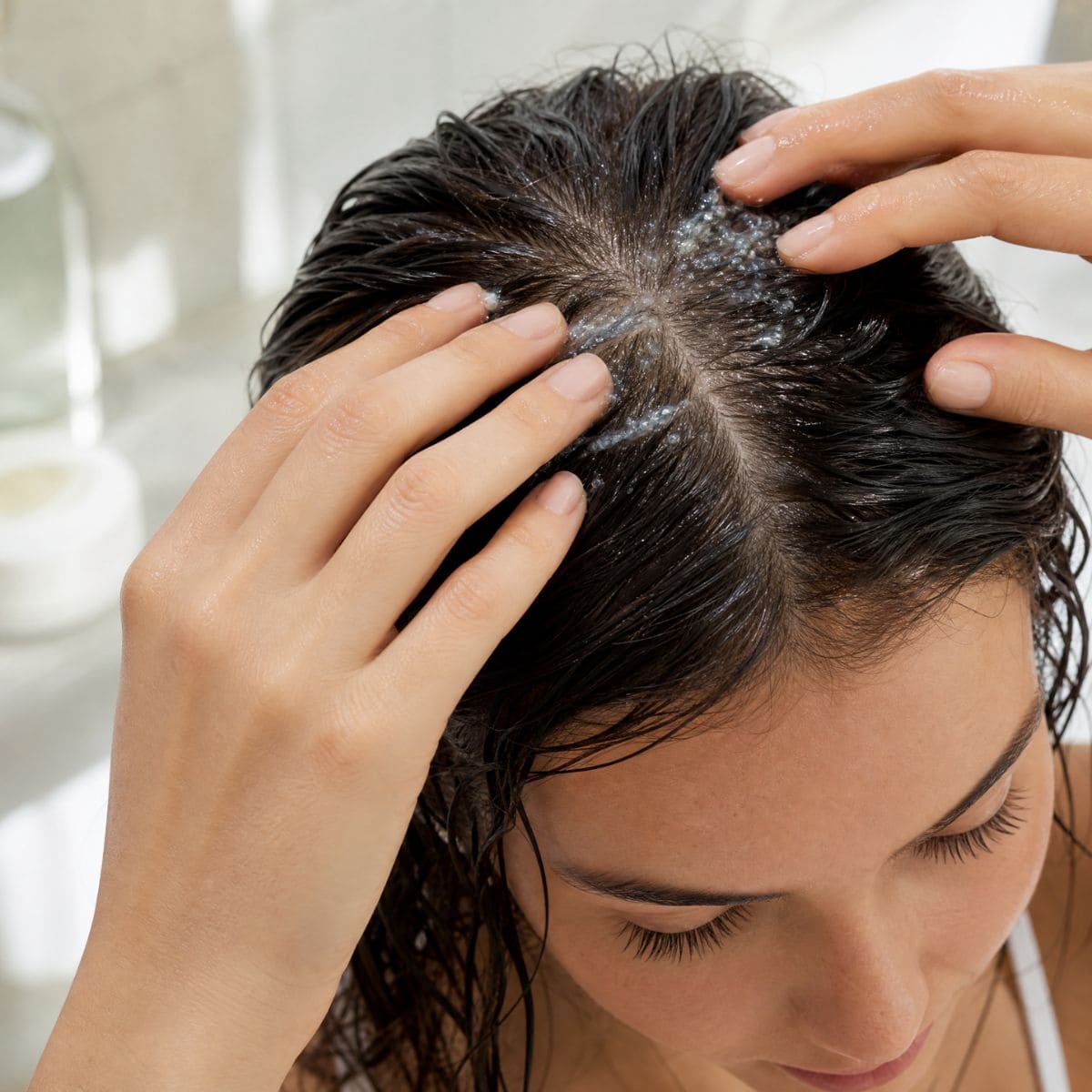
Apply your exfoliant to a wet scalp before shampooing (not after), section your hair to access the scalp directly, and massage in gentle circular motions. Focus on the crown and hairline — the areas with the highest sebaceous gland density. Rinse thoroughly, then shampoo as usual. Over-exfoliating can damage the scalp barrier, so stick to the frequency in the table above and skip this step entirely if your scalp is currently irritated, sunburned, or has open cuts.
Step 3: Treat — Targeting Specific Scalp Concerns
The treatment step is where you address what’s actually bothering you. Not everyone needs this step — if your scalp is healthy, balanced, and symptom-free, skip it. If you’re dealing with a specific issue, choose a treatment matched to the concern.
| Concern | What to Look For | How to Use |
|---|---|---|
| Dandruff / seborrheic dermatitis | Zinc pyrithione, ketoconazole, selenium sulfide, or piroctone olamine | Medicated shampoo 2–3x per week, let sit 3–5 minutes before rinsing |
| Dryness and flaking (not dandruff) | Hyaluronic acid, glycerin, squalane, ceramides | Scalp serum or lightweight oil applied to damp scalp after washing |
| Thinning or slow growth | Caffeine, peptides, rosemary oil, niacinamide, minoxidil (OTC) | Scalp serum or drops applied directly to the scalp daily, usually at night |
| Redness and irritation | Centella asiatica (cica), allantoin, bisabolol, panthenol | Soothing scalp tonic or mist between washes |
| Excess oil production | Salicylic acid, tea tree oil (diluted), niacinamide, clay-based treatments | Pre-wash scalp mask or toner applied 10–15 minutes before shampooing |
Important distinction: Dry flaking and dandruff look similar but have different causes and treatments. Dry flaking produces small, white, powdery flakes and is caused by dehydration — it improves with moisture. Dandruff produces larger, oily, yellowish flakes and is caused by an overgrowth of Malassezia yeast — it needs antifungal treatment, not just hydration. If you’re not sure which you have, a dermatologist can tell you in one visit.
Step 4: Hydrate — Your Scalp Needs Moisture Too
Most people moisturize their face daily but never think about moisturizing their scalp. The result is a dehydrated skin barrier that overcompensates by producing more oil (on oily scalps) or tightens and flakes (on dry scalps). Scalp hydration doesn’t mean slathering on conditioner — it means using a lightweight, scalp-specific hydrator that absorbs into the skin without weighing down your roots.
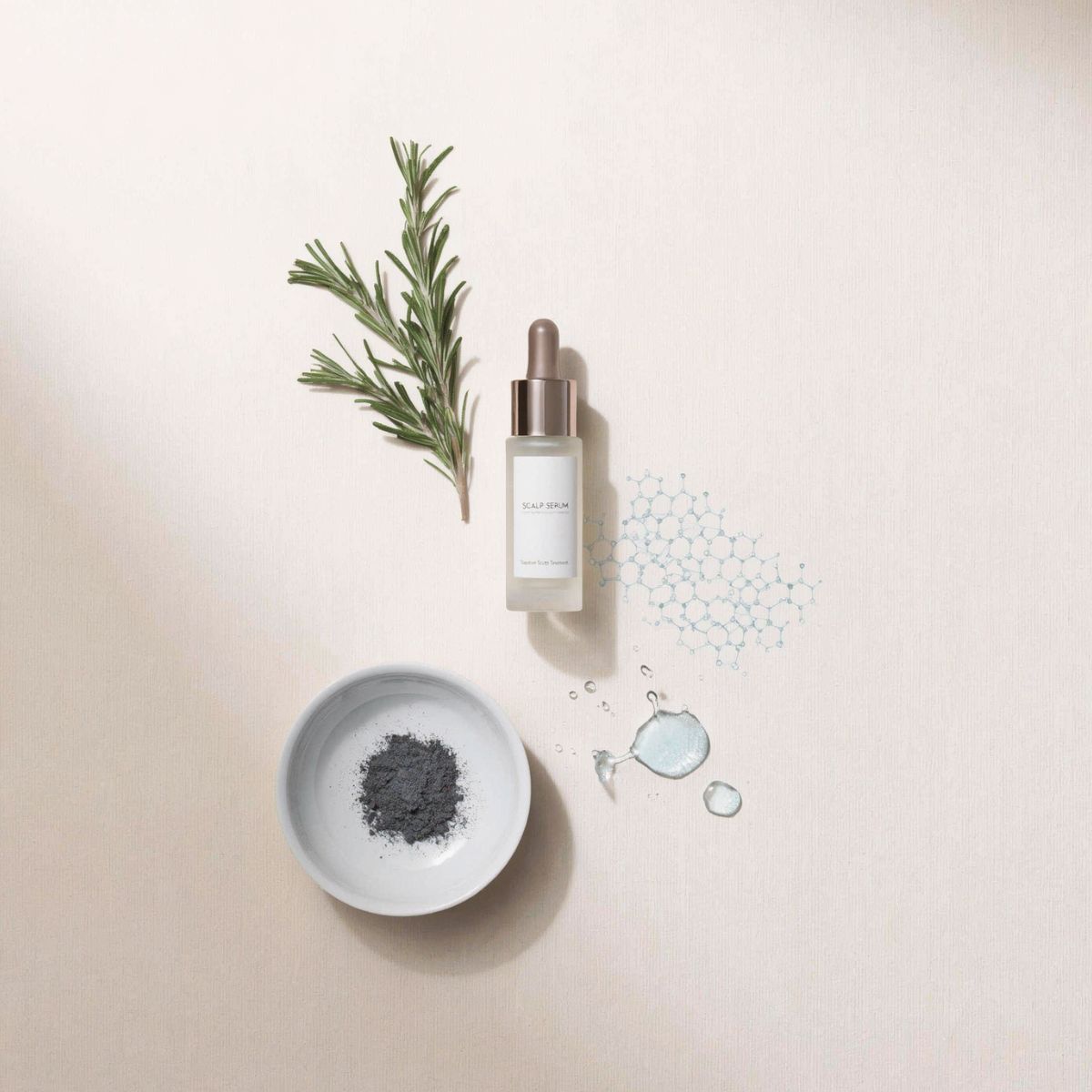
Scalp serums and tonics have become increasingly popular for a reason — they deliver hydrating ingredients (hyaluronic acid, panthenol, squalane) directly to the scalp skin without coating the hair. Apply to a clean, damp scalp after washing, using the dropper or nozzle tip to part your hair and target the scalp surface. A few drops per section is enough. Oily scalps should stick to water-based formulas and avoid anything oil-heavy; dry scalps can tolerate richer formulations.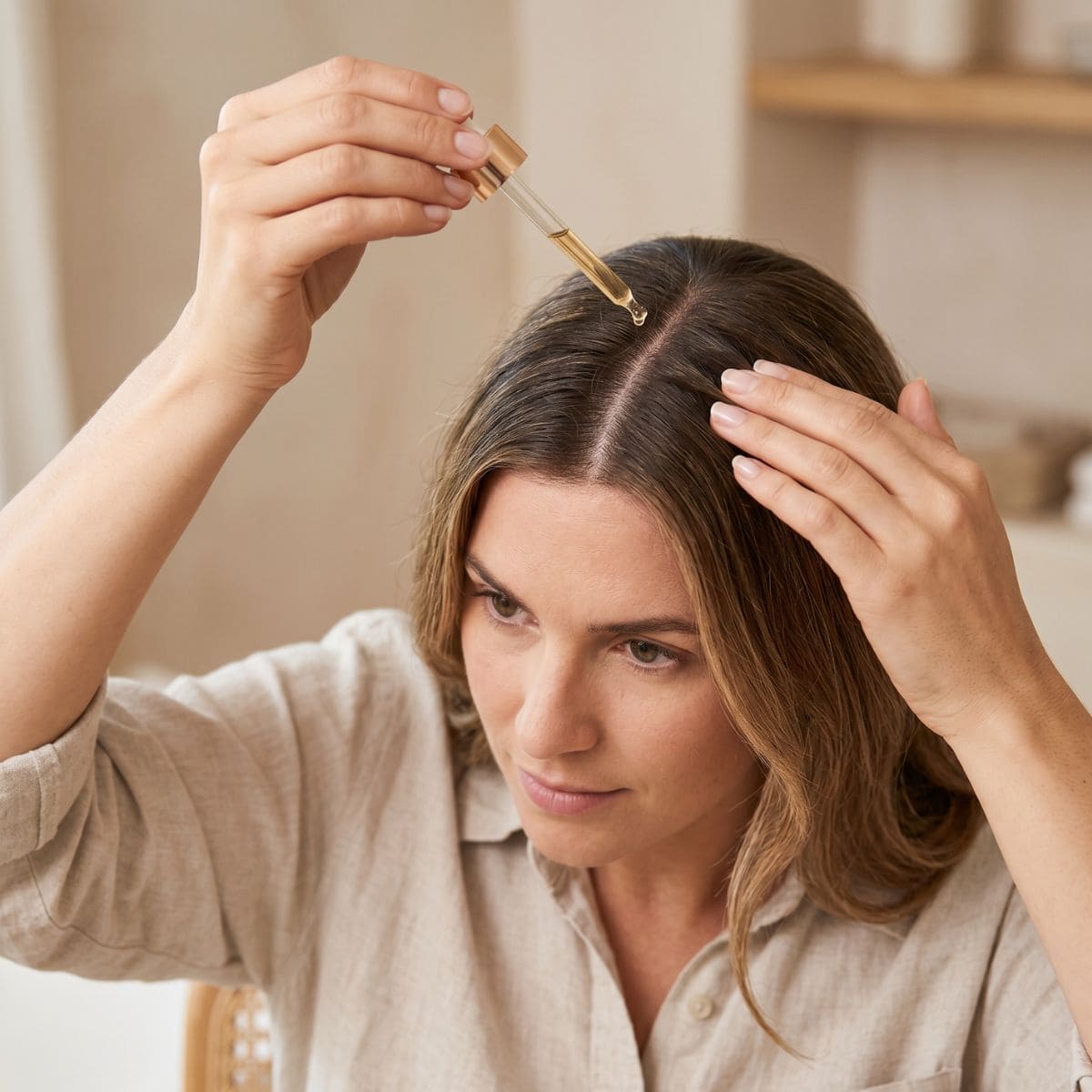
Step 5: Protect — Prevention Is Cheaper Than Treatment
The scalp is one of the most sun-exposed areas of the body, especially along the part line, at the crown, and wherever hair thins. UV damage to the scalp accelerates follicle aging, contributes to thinning, and can cause sunburn that’s painful and difficult to treat under hair. A lightweight SPF spray designed for the scalp (powder-based or mist formulas work best) applied to the part line and any exposed areas adds a layer of protection that most people skip entirely.
Beyond UV, protect your scalp from mechanical damage — tight ponytails and braids that pull on the hairline (traction alopecia), aggressive towel-drying that creates friction on the scalp skin, and sleeping on rough cotton pillowcases. A satin or silk pillowcase reduces friction on both the scalp and hair, and it takes no additional effort.
Scalp Massage: The 30-Second Step with Outsized Results
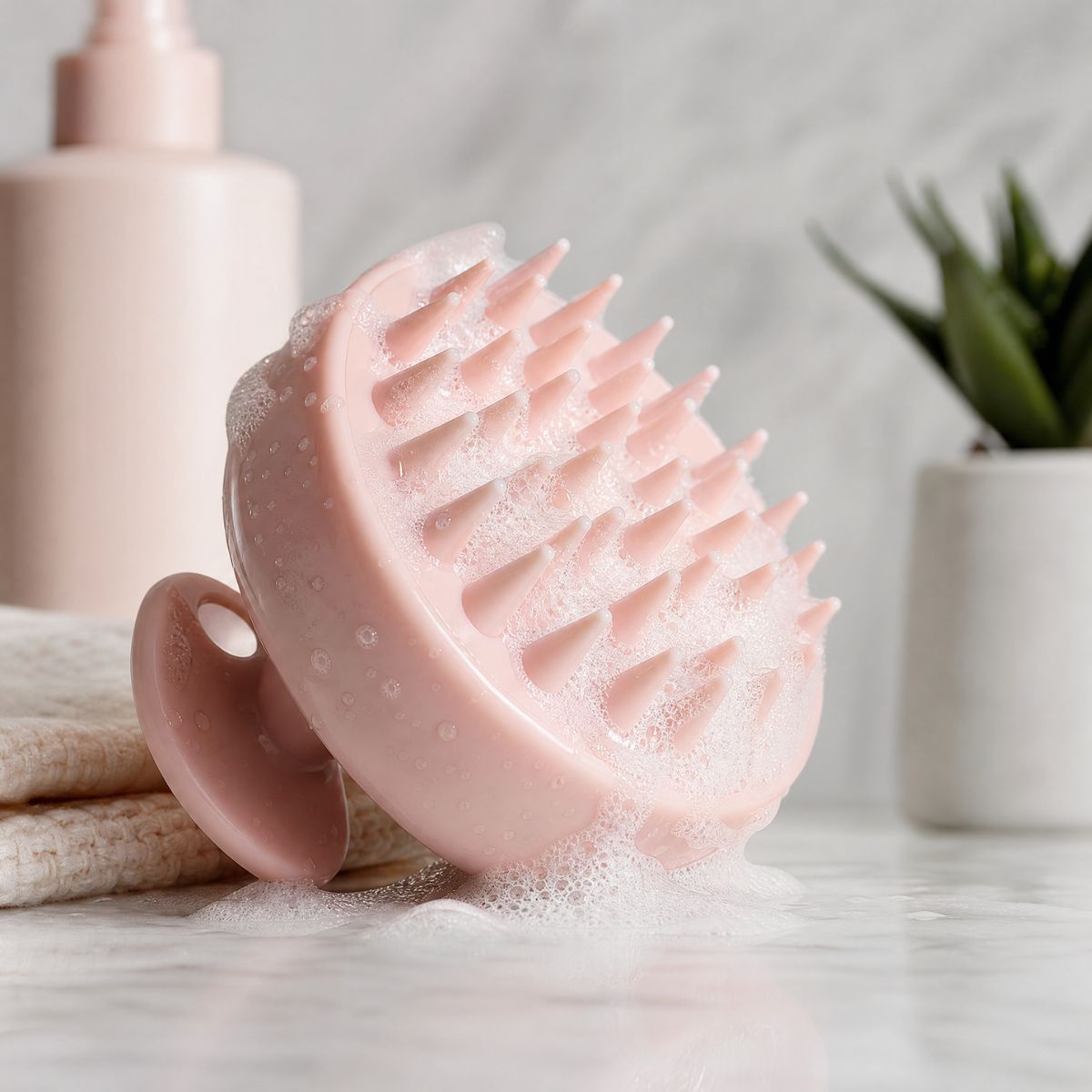
Scalp massage during shampooing isn’t just relaxing — it increases blood flow to the hair follicles, helps loosen buildup before your shampoo has to do the heavy lifting, and may support hair thickness over time. You can use your fingertips or a silicone scalp massager brush, applying medium pressure in small circular motions across the entire scalp for 30–60 seconds during each wash.
Consistency matters more than duration. A brief massage every wash day for months will produce better results than an intense weekly session. Some people incorporate dry scalp massage (no product, just fingers or a massager) on non-wash days as well — this is particularly useful for stimulating circulation in areas where thinning has started.
The Scalp Microbiome: What You Need to Know (and What’s Still Hype)
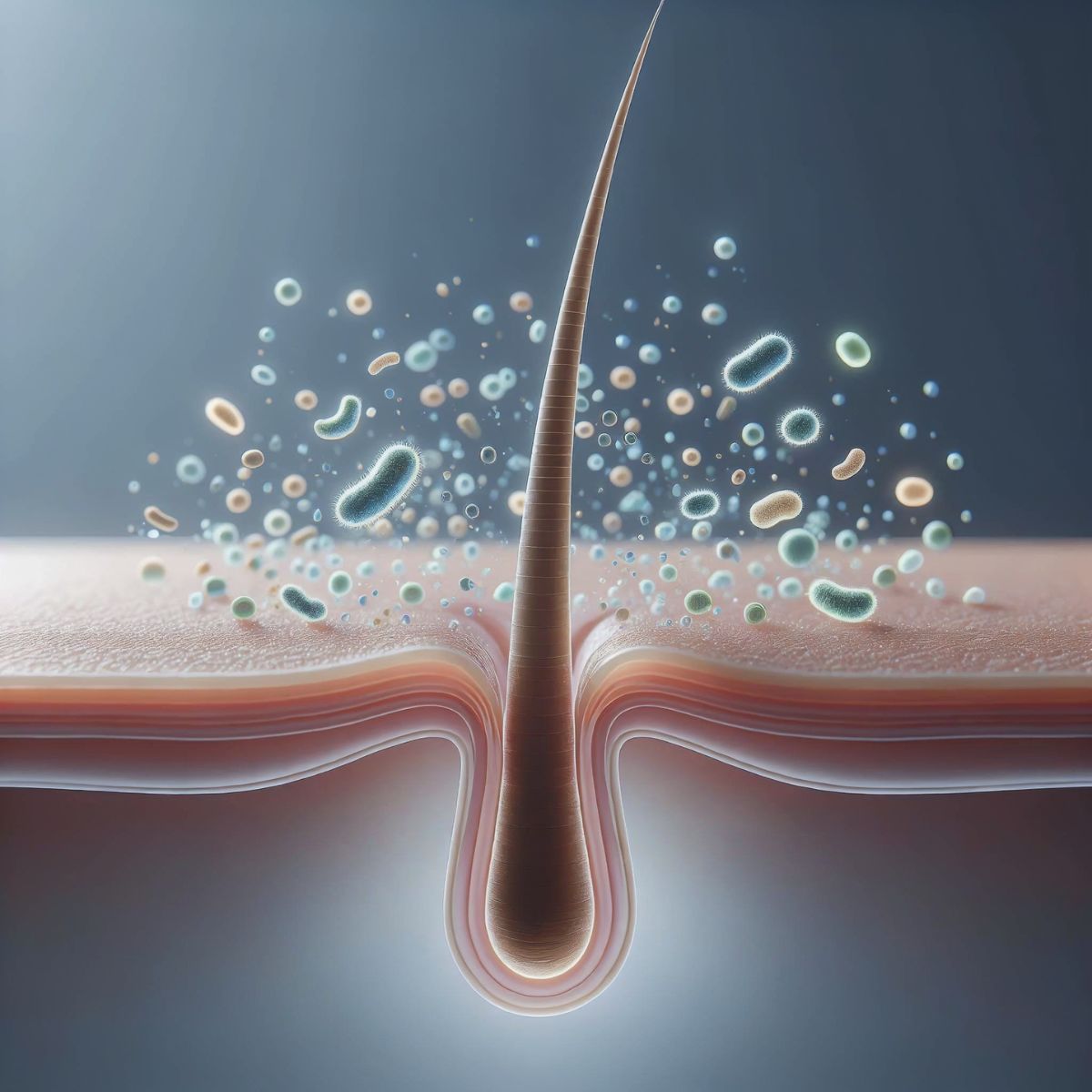
Your scalp hosts a complex community of bacteria, fungi, and yeast — collectively called the scalp microbiome. Research in the field of dermatological science has established that this microbial community influences hair growth, immune responses at the follicle level, and resistance to pathogens. When the balance is disrupted — through overwashing, harsh products, antibiotics, or stress — conditions like dandruff, seborrheic dermatitis, and inflammatory hair loss can follow.
The practical takeaway is straightforward: don’t over-sanitize your scalp. Washing too frequently with aggressive sulfate shampoos strips the beneficial microbes alongside the harmful ones, creating an opportunity for problematic species to recolonize faster than the protective ones. This is one reason dermatologists have moved toward recommending gentler, less frequent cleansing for most scalp types.
“Microbiome-friendly” is becoming a marketing term on product labels. Some of these claims are backed by testing; many are not. What you can do without any special product is simple: wash at the right frequency for your scalp type, avoid unnecessary antibacterial ingredients in your shampoo (triclosan, for example, is rarely needed), and don’t overuse medicated shampoos when your scalp doesn’t need them.
When to See a Dermatologist Instead of Treating at Home
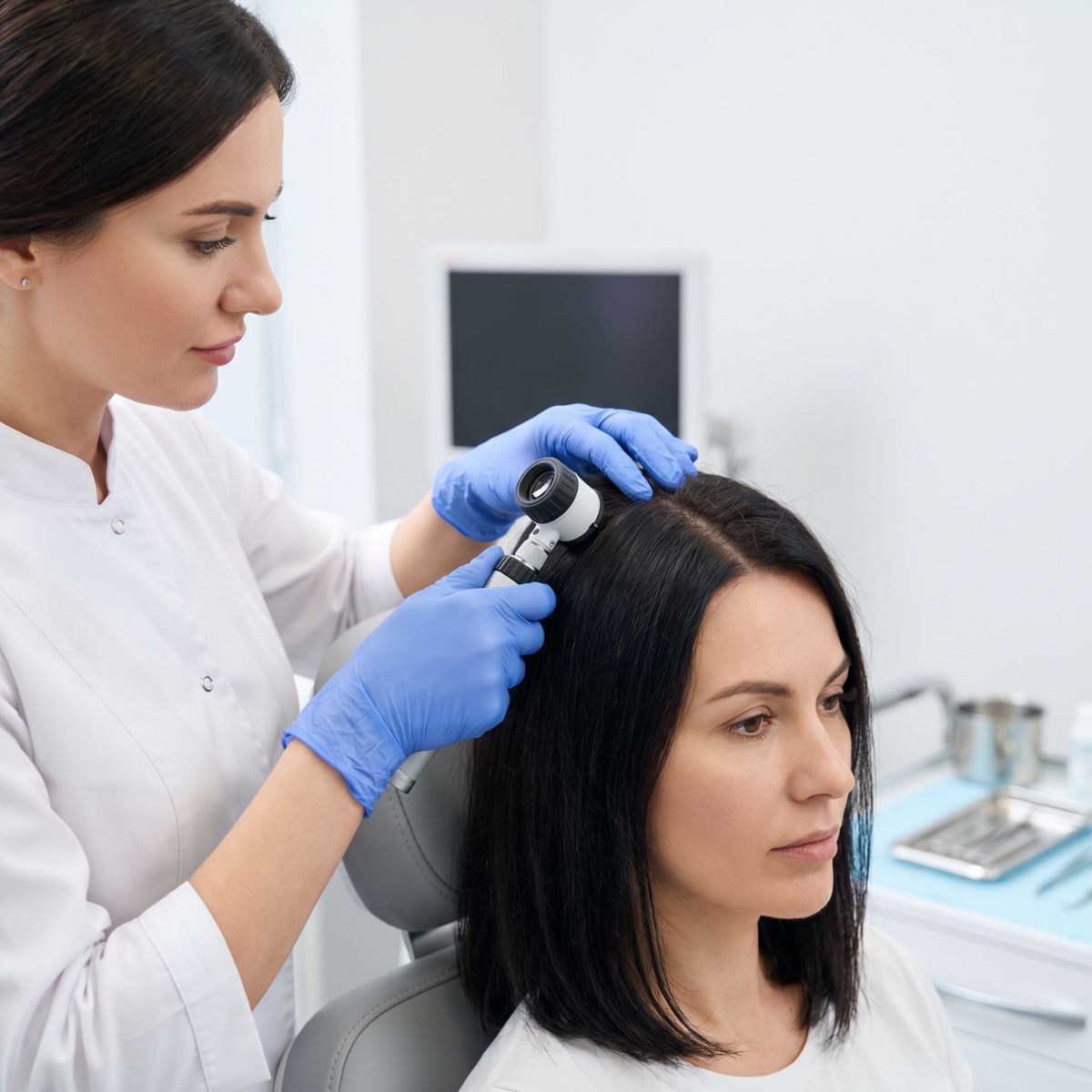
A scalp care routine handles maintenance and minor issues. It cannot treat medical conditions. If you’re experiencing any of the following, see a board-certified dermatologist rather than adding more products to your routine.
- Persistent flaking that doesn’t respond to medicated shampoo after 4–6 weeks of consistent use — this may be scalp psoriasis or another condition that requires prescription treatment.
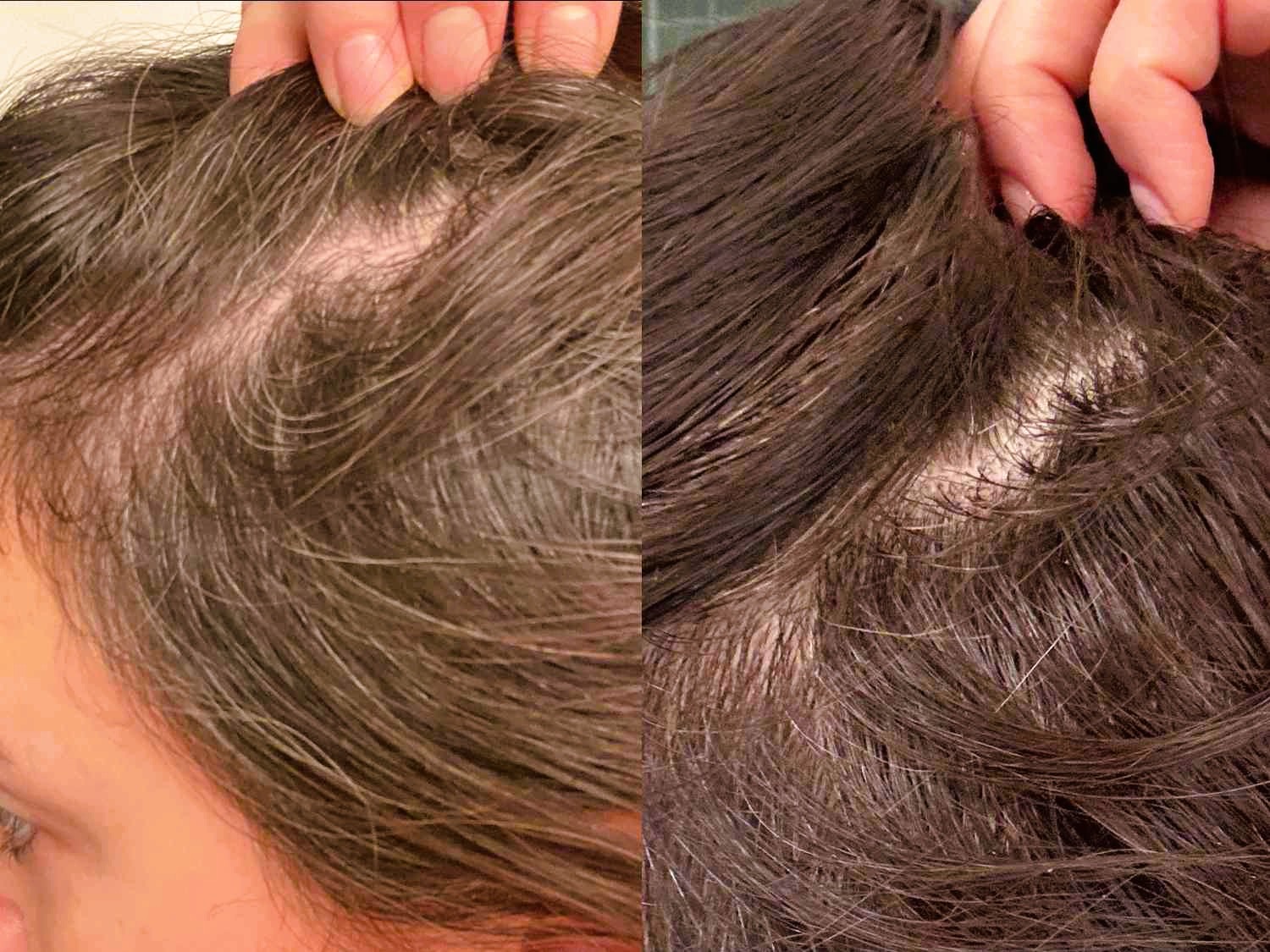
- Visible hair thinning or bald patches — sudden or patterned hair loss needs a diagnosis before treatment. Alopecia areata, hormonal hair loss, and nutritional deficiencies all look different under a dermatoscope.
- Painful or oozing sores on the scalp — these could indicate an infection, folliculitis, or a more serious condition that needs medical attention, not just better shampooing.
- Severe itching that keeps you awake or causes you to scratch until the skin breaks — chronic itch has many causes (fungal overgrowth, allergic contact dermatitis, eczema, nerve-related itch) and needs a differential diagnosis.
- Scalp redness or burning after using a new product — this may be allergic contact dermatitis, and the trigger ingredient needs to be identified through patch testing.
A routine-focused approach works for maintaining scalp health and addressing common issues like mild buildup, dryness, and manageable oiliness. But it’s not a substitute for medical care when something is genuinely wrong.
Ingredients to Look For — and Ingredients to Question
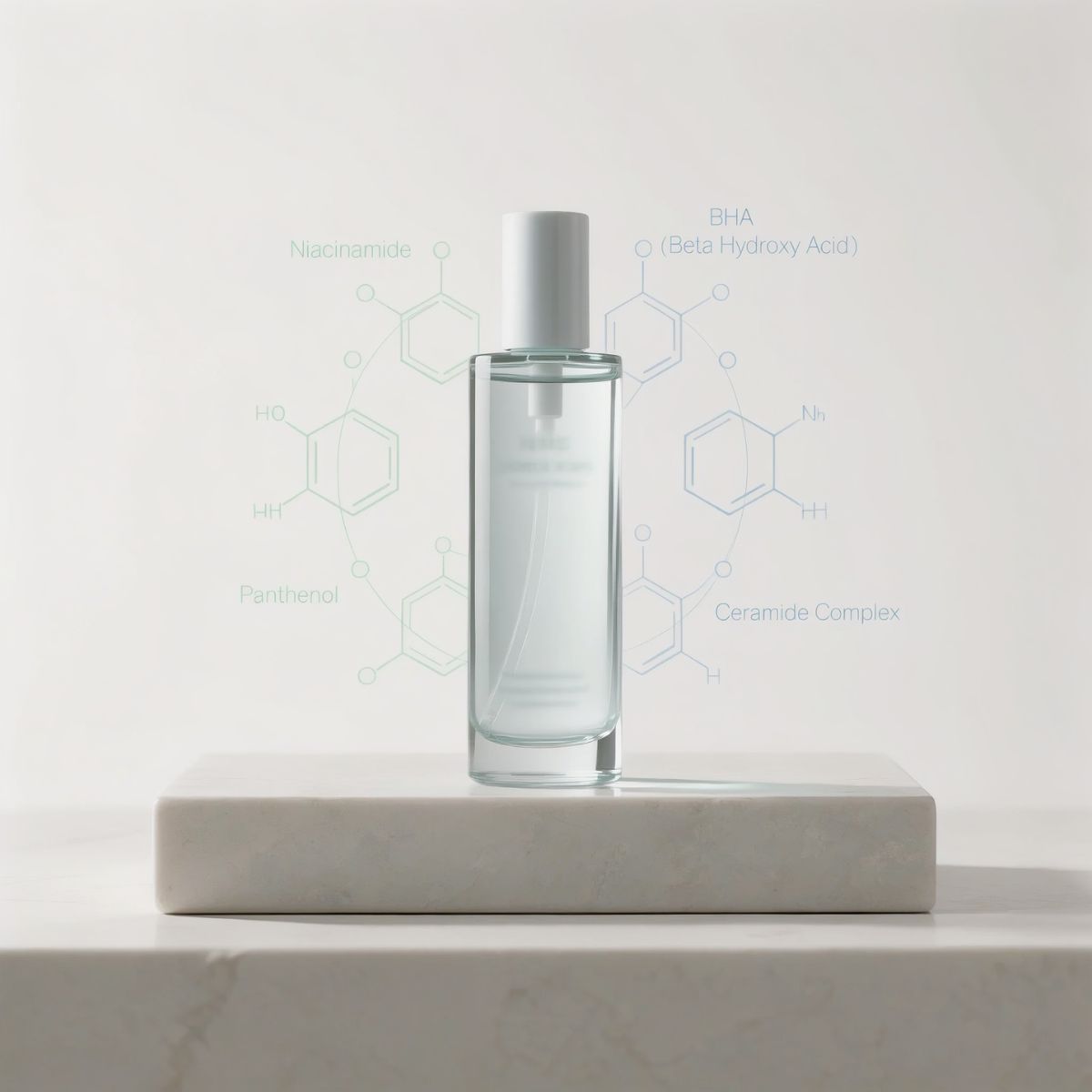
The scalp care market has exploded with products, and not all of them are necessary. Here’s a practical breakdown of ingredients that dermatologists and trichologists consistently recommend, versus ingredients that are popular in marketing but have limited evidence for scalp health.
| Ingredient | What It Does on the Scalp | Evidence Level |
|---|---|---|
| Salicylic acid (BHA) | Dissolves oil and dead skin in pores/follicles; anti-inflammatory | Strong — well-established in dermatology |
| Zinc pyrithione | Antifungal; targets Malassezia yeast that causes dandruff | Strong — decades of clinical use |
| Niacinamide (vitamin B3) | Regulates oil production, strengthens skin barrier, anti-inflammatory | Strong — well-studied for skin; emerging for scalp |
| Tea tree oil (diluted) | Antimicrobial, anti-inflammatory, helps with mild dandruff | Moderate — effective but can irritate sensitive scalps |
| Rosemary oil | May support circulation and hair density | Moderate — some clinical evidence for hair growth |
| Caffeine | Stimulates follicle activity; may counteract DHT at the follicle | Moderate — shown in lab and some clinical studies |
| “Scalp probiotics” | Intended to support microbiome balance | Early — promising research, but most products lack validated clinical data |
A good rule of thumb: if a product claims to “detoxify” your scalp, be skeptical. Scalps don’t accumulate toxins — they accumulate oil, dead skin, and product residue, which are removed by cleansing and exfoliation, not by “detox” ingredients. Stick to products with specific, named active ingredients that match a specific concern you can identify.
FAQ
Is scalp care the same as hair care?
No. Hair care focuses on the strands — moisturizing, smoothing, styling, and protecting the hair shaft. Scalp care focuses on the skin underneath — cleansing, exfoliating, treating, and hydrating the scalp tissue where hair grows. Most people do plenty of hair care and almost no scalp care. The two routines complement each other but target different things. If you had to prioritize one, scalp care has a bigger impact on long-term hair health because it affects the follicle itself.
How do I know if I have dandruff or just a dry scalp?
Dandruff produces larger, oily or yellowish flakes and is caused by an overgrowth of Malassezia yeast — it doesn’t improve with more moisture and typically needs an antifungal ingredient like zinc pyrithione or ketoconazole. A dry scalp produces small, white, powdery flakes and improves with hydration and gentler cleansing. If you’ve been moisturizing consistently for 3–4 weeks with no improvement, it’s more likely dandruff, and switching to a medicated shampoo is the next step.
Can I exfoliate my scalp if I have dandruff?
Yes, but choose a chemical exfoliant (salicylic acid) rather than a physical scrub. Salicylic acid dissolves the flaky buildup without creating micro-abrasions that can worsen irritation. Avoid aggressive scrubbing on an inflamed or itchy scalp — the friction can increase redness and trigger more flaking. Exfoliate before your medicated shampoo, not after, so the antifungal ingredients can reach the scalp surface more effectively.
Do scalp massagers actually help with hair growth?
There’s some evidence that regular scalp massage increases blood flow to the follicles and may contribute to slightly thicker hair over time, though the research is limited. What scalp massagers definitely do is improve the effectiveness of your shampoo — the silicone bristles reach the scalp surface better than fingertips and loosen buildup more efficiently. Even if the hair growth benefits are modest, the cleansing improvement alone makes them worth using.
How often should I use a scalp scrub?
For oily scalps, once a week works well. For normal or combination scalps, every 1–2 weeks is enough. For dry or sensitive scalps, every 2–3 weeks at most — and if your scalp is currently irritated, skip it until the irritation resolves. Over-exfoliating strips the scalp barrier and can make flaking, dryness, and sensitivity worse. More is not better with exfoliation.
Should I oil my scalp?
It depends on your scalp type. Dry scalps often benefit from a lightweight pre-wash oil (jojoba, argan, or squalane) applied 15–30 minutes before shampooing — the oil softens buildup and adds moisture before the shampoo strips it. Oily scalps generally don’t need additional oil and can find that it makes buildup and greasiness worse. If you do use a scalp oil, make sure to shampoo it out thoroughly — oil left sitting on the scalp can clog follicles and feed yeast overgrowth.
Can a scalp routine help with hair loss?
A scalp routine can help with hair thinning related to buildup, poor circulation, and mild inflammation — these are maintenance issues that improve when the follicle environment is cleaned up. It cannot reverse genetic hair loss (androgenetic alopecia), autoimmune hair loss (alopecia areata), or hormonal thinning without medical intervention. If you’re losing more than 100 hairs a day or noticing your part widening, see a dermatologist for a proper diagnosis before investing in products.
What’s the minimum scalp routine if I don’t want a multi-step process?
If five steps feels like too much, focus on two: cleanse properly (60-second scalp massage with shampoo, at the right frequency for your type) and exfoliate once every 1–2 weeks. These two steps alone handle 80% of common scalp issues. Add the other steps only if you have a specific problem that cleansing and exfoliation haven’t resolved after a month. A simple routine done consistently beats an elaborate routine done sporadically.
Hair results vary based on your natural hair type, texture, density, and condition. Always consult with a licensed hairstylist before making significant changes, especially with chemical treatments or dramatic length changes. Photos may show styled results that require professional tools and products to replicate.