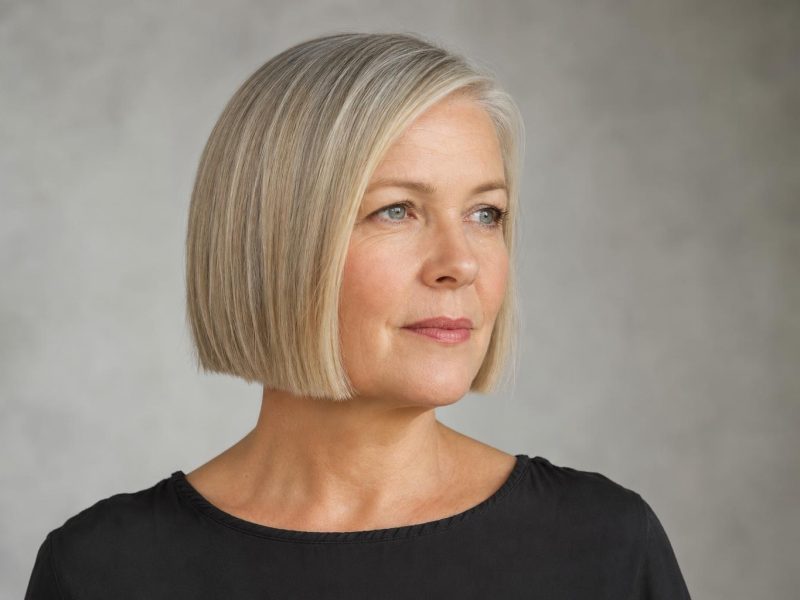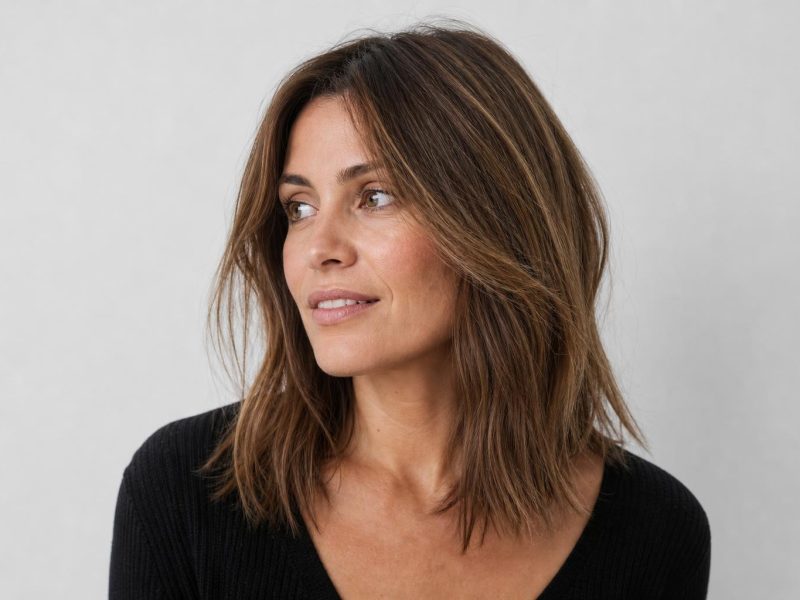
How the Korean bob works as two cuts in one — and how to decide if it’s right for your hair type, face shape, and lifestyle
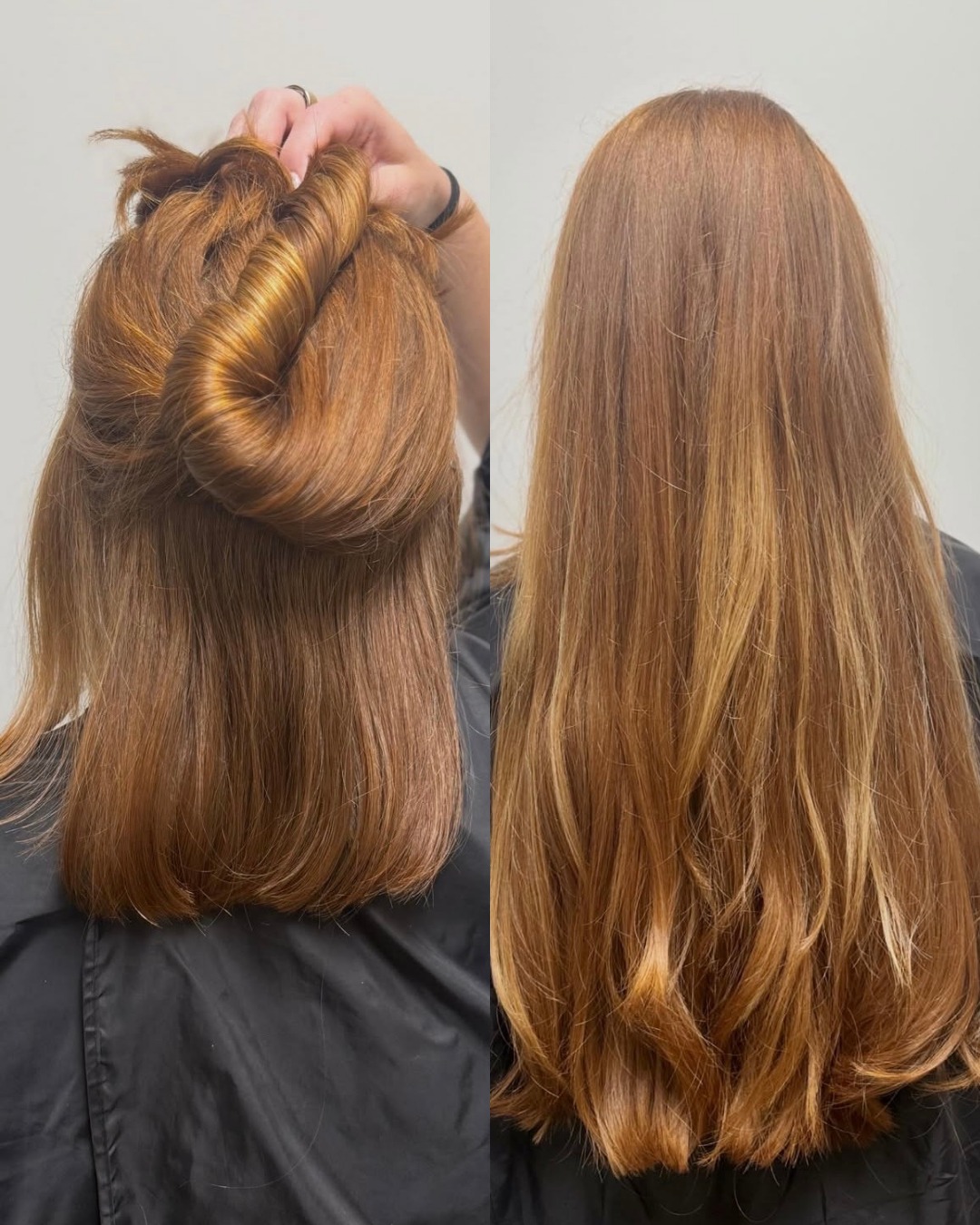
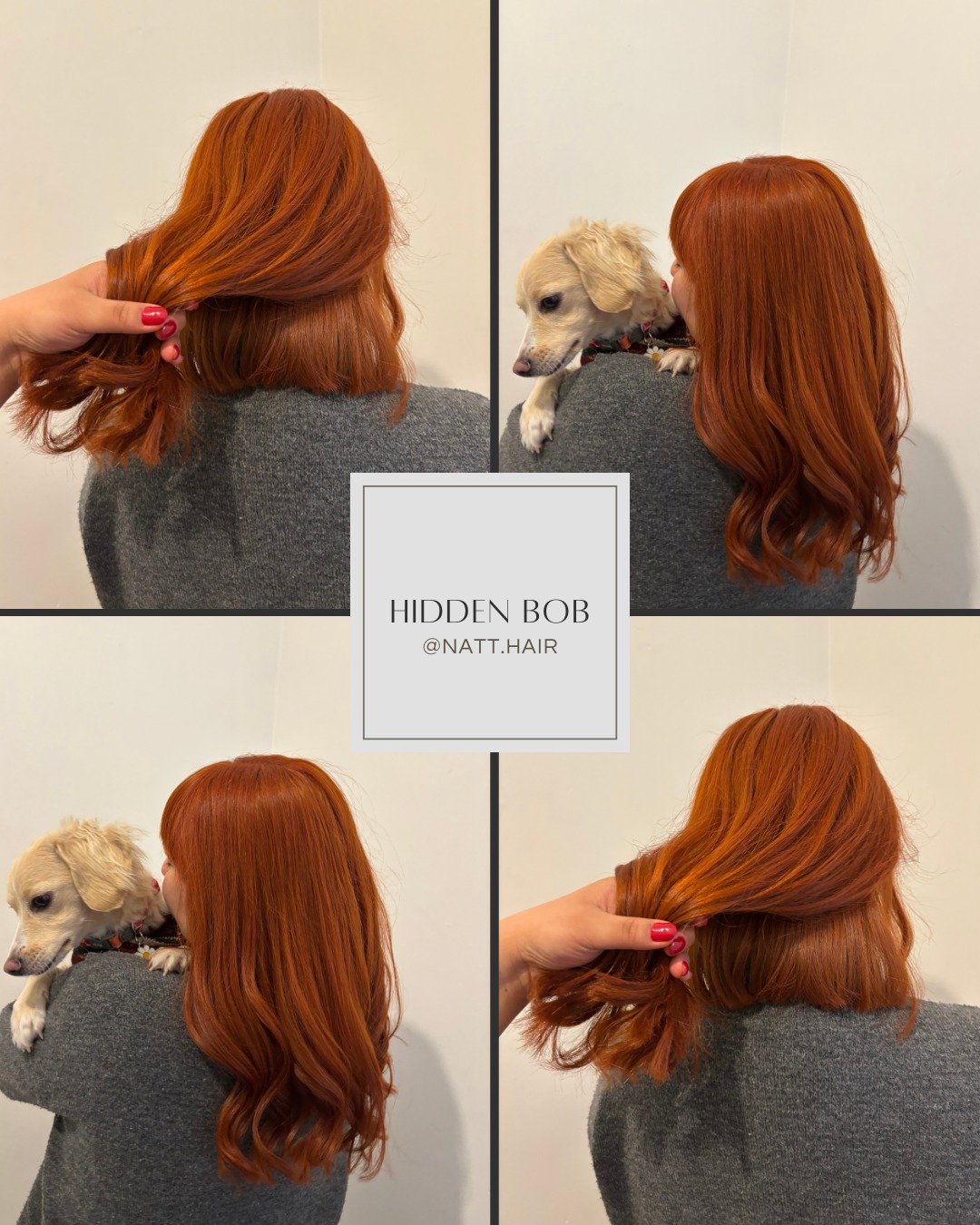
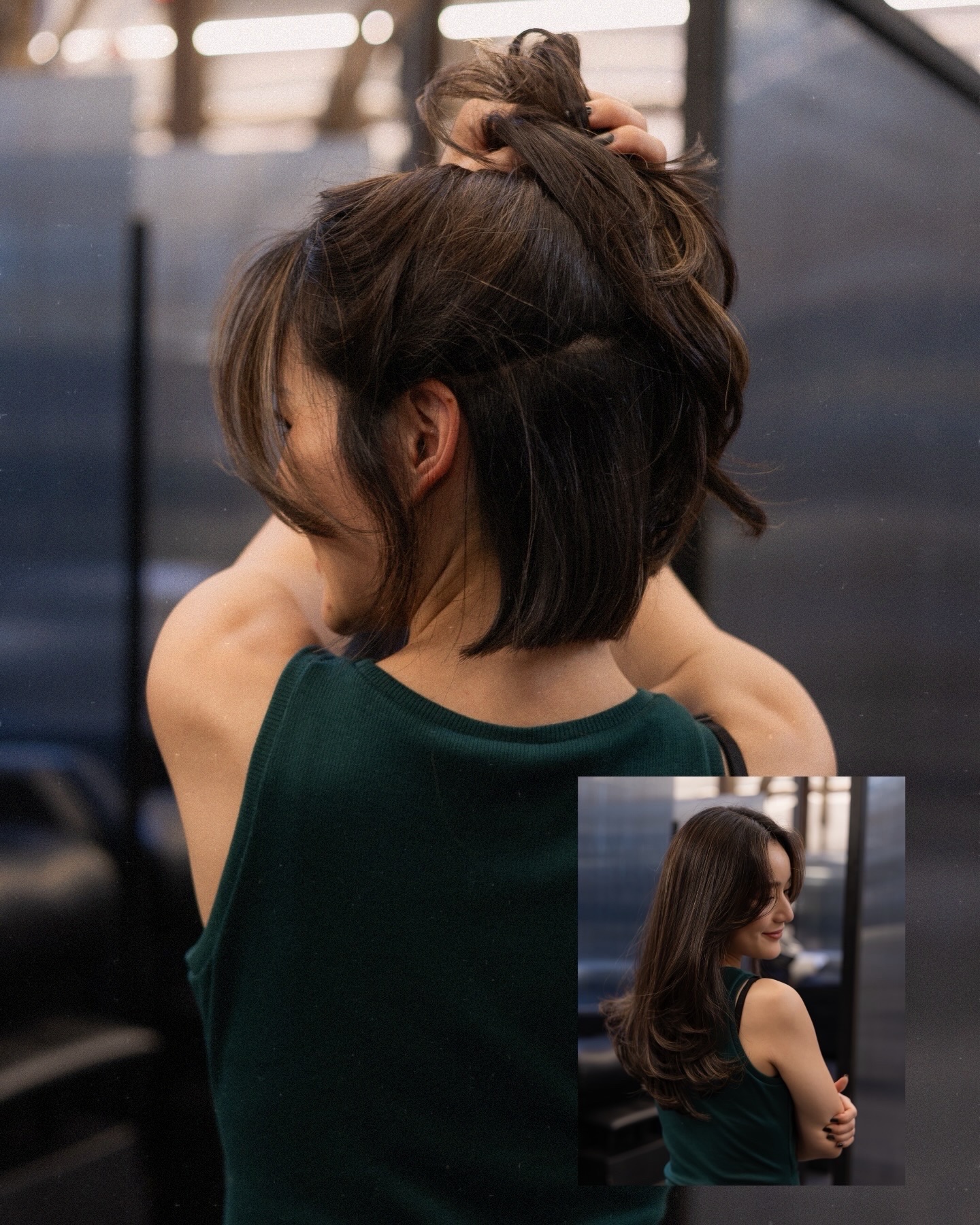
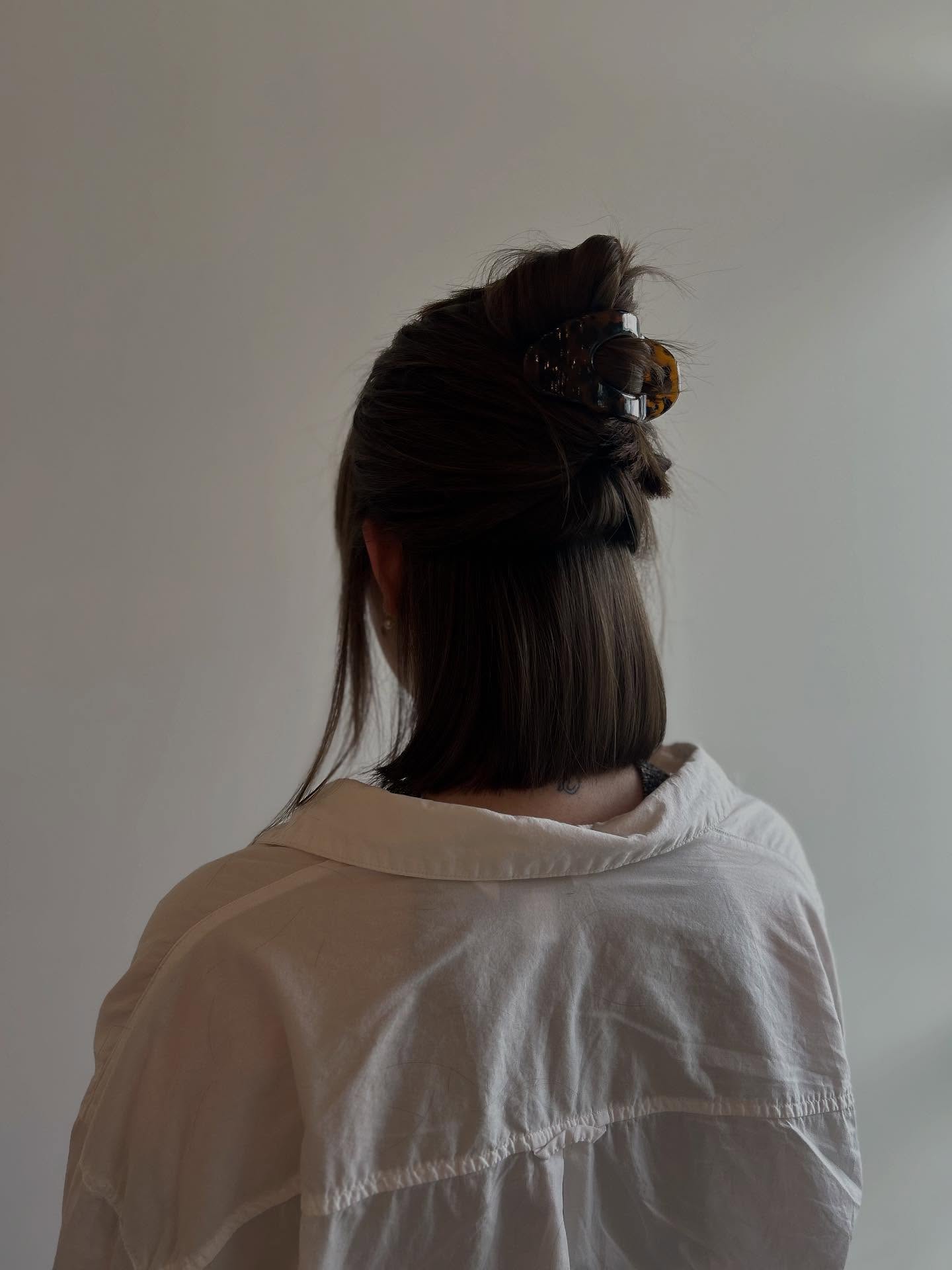
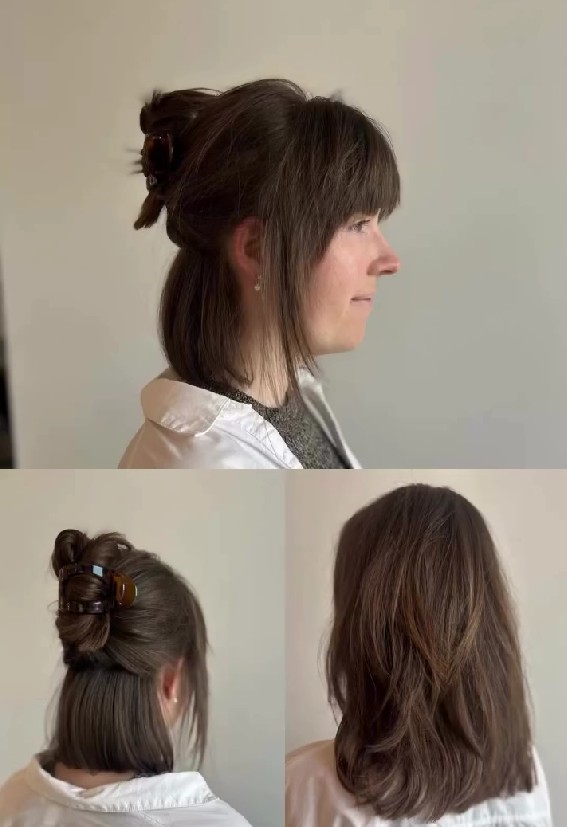
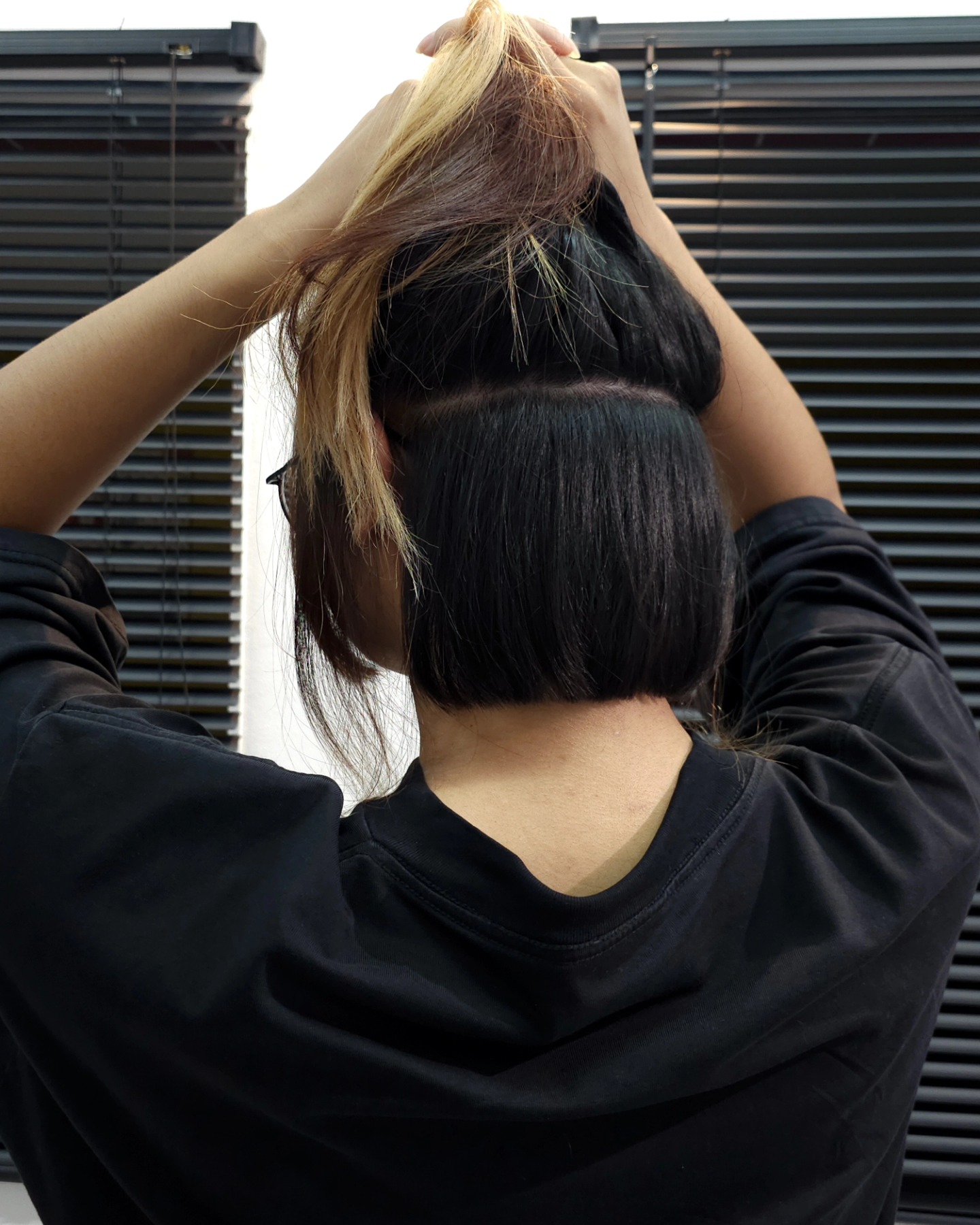
The Korean bob is actually two haircuts layered on top of each other: a blunt bob cut into the inner (lower) section of your hair, hidden beneath longer top layers that drape over it. Wear the top layers down and you have a long, softly layered hush cut. Clip or tie them up into a half-bun and the bob underneath is revealed — giving you a sharp, chin-to-shoulder-length bob in seconds. The technique originated in Seoul salons and spread globally through K-pop styling and TikTok, and it solves the oldest question in the salon chair: short or long?
This guide breaks down: how the Korean bob is actually cut (the technique behind the illusion), which hair types and face shapes get the best results, how it compares to the jellyfish cut and hush cut, realistic maintenance requirements, styling options for both the long and short looks, and exactly what to tell your stylist when you book the appointment.
| Aspect | Details |
|---|---|
| Also called | Korean two-in-one haircut, 2-in-1 bob, hidden bob |
| Best for | Medium-to-thick hair, straight to softly wavy texture, mid-back length or longer |
| Trim frequency | Every 6–8 weeks for the bob layer; the long top layer can go 10–12 weeks |
| Daily styling | 5–10 minutes (less when wearing it long, more when exposing the bob) |
| Products needed | Heat protectant spray, lightweight smoothing serum, texturizing spray (optional) |
| Tools needed | Flat iron or medium-barrel round brush, claw clip for style switching |
| Avoid if | Fine or thin hair (bob layer shows through), very curly or coily texture (requires extra daily styling to maintain the contrast), hair shorter than mid-back |
How the Korean Bob Is Actually Cut
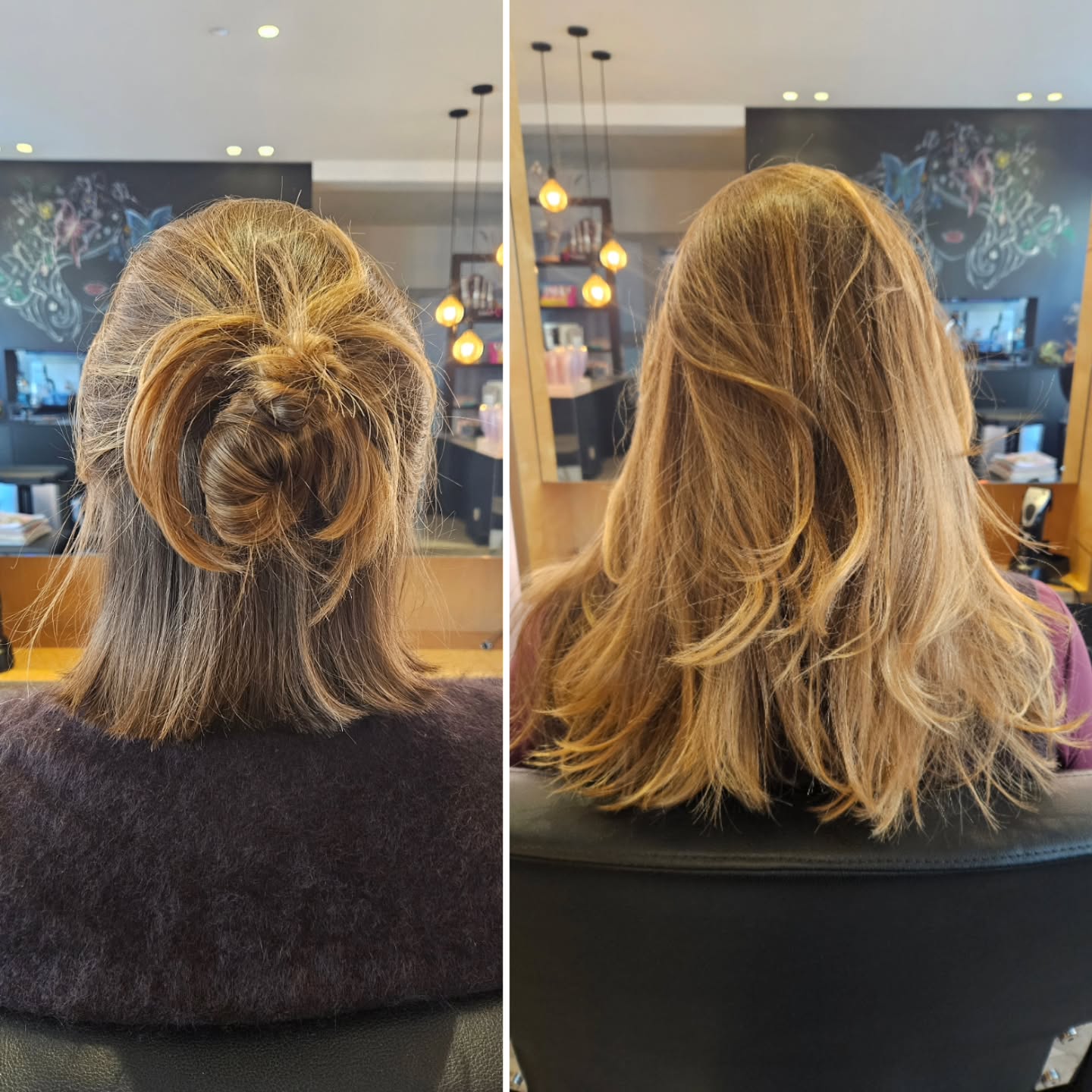
The technique relies on a clean horizontal division of your hair into two distinct sections. Your stylist parts the hair at or just below the occipital bone — the bony ridge at the back of your skull — separating the lower section from everything above it. The lower section is then cut straight across into a blunt bob, typically landing somewhere between chin and shoulder length. The upper section stays long, receiving only light trimming or face-framing layers to blend the two lengths when worn down.
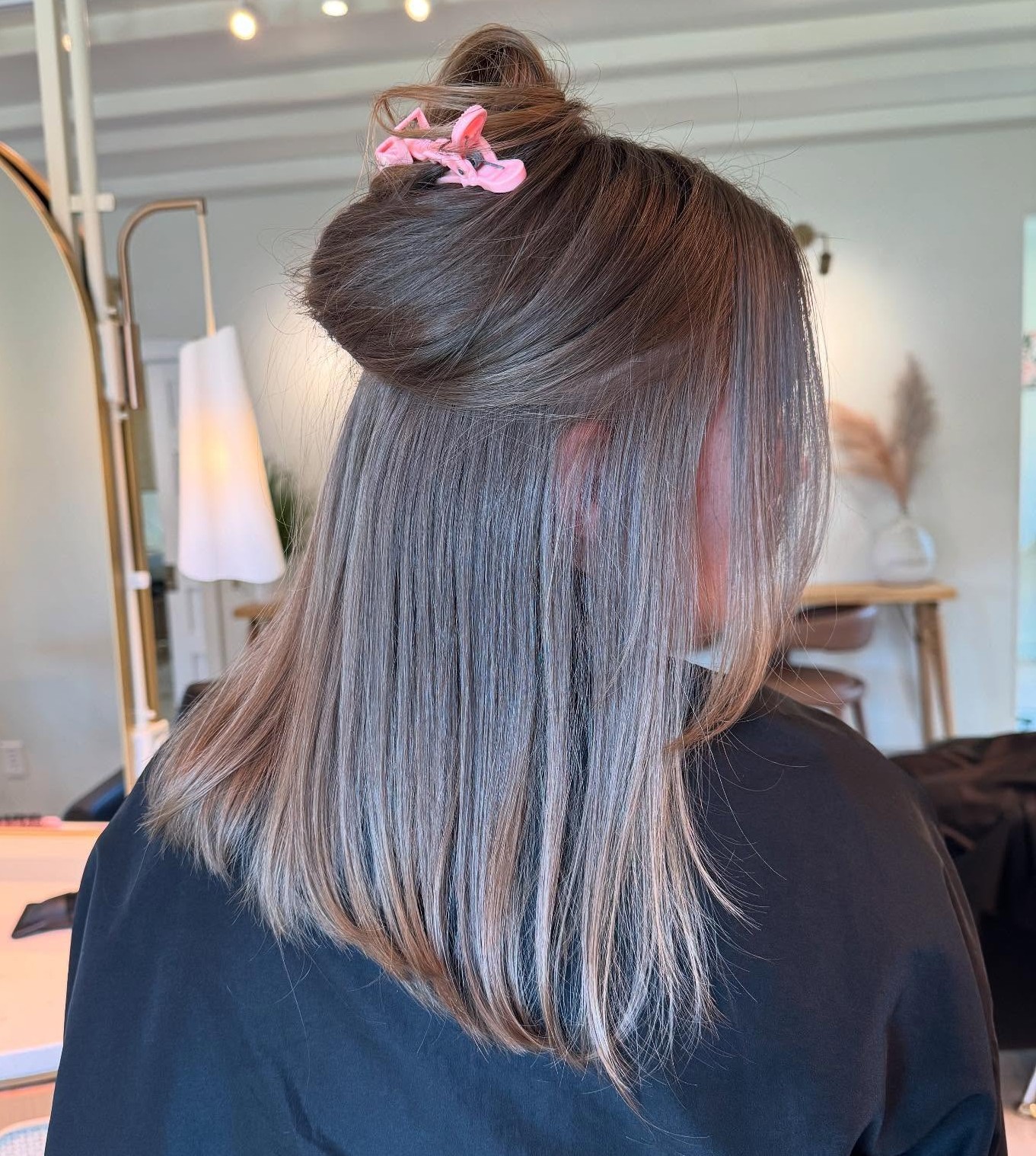
What makes this different from a standard undercut is the length of the shorter section. A traditional undercut buzzes or closely clips the bottom, while the Korean bob keeps the under-layer at a wearable bob length — long enough to look like a deliberate, polished haircut on its own. When the top layers fall over it, the bob disappears entirely. When you gather those top layers into a half-bun or twist them up with a claw clip, the bob reappears.
The Blending Point Determines How Seamless the Transition Looks
The stylist’s skill shows in how they handle the transition zone where the two lengths meet. A clean disconnection (no blending at all) creates a dramatic, editorial contrast when both layers are visible — think half-up, half-down with a visible length difference. A softened transition, where the stylist point-cuts or adds light internal layers around the divide, makes the long version look more like a natural hush cut with movement. Ask your stylist which approach they recommend based on how often you plan to wear each style.
The Cutting Section Starts at the Occipital Bone
Stylists use the occipital bone as a natural landmark because it creates a consistent division that works with your head shape. Everything from that ridge down becomes the bob. Everything above it stays long. If the division is placed too high, the bob becomes too prominent and harder to hide. Too low, and the bob section is too thin to read as a full haircut when exposed. A stylist experienced with this technique will assess your hair’s density at that specific divide point to make sure both sections have enough volume to work independently.
Which Hair Types Get the Best Korean Bob Results
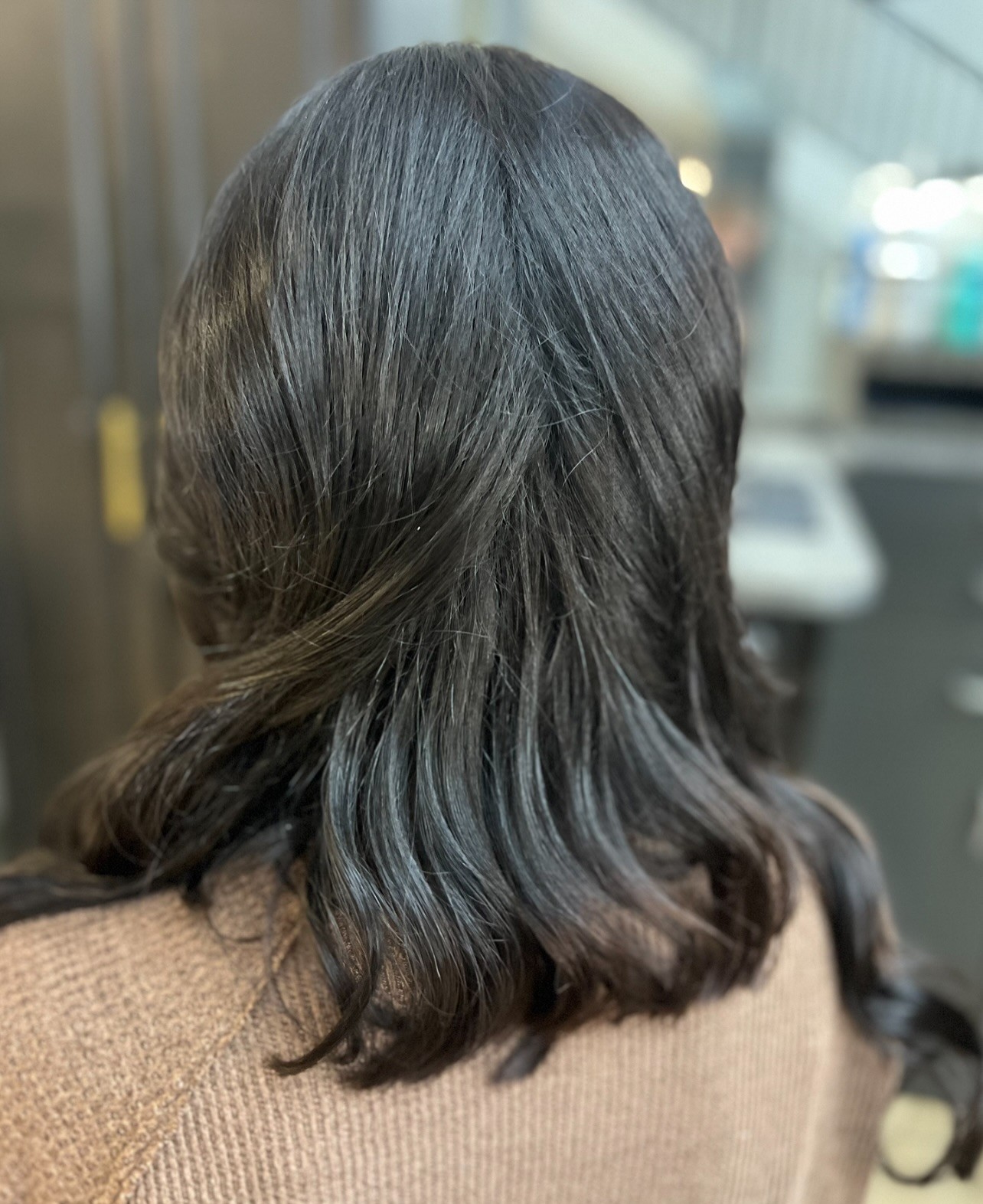
Hair density matters more than almost any other factor with this cut. You need enough hair in each section — upper and lower — for both looks to appear full and intentional. This is the one haircut where thick hair is genuinely an advantage rather than a styling challenge.
Medium-to-Thick Straight Hair Is the Ideal Match
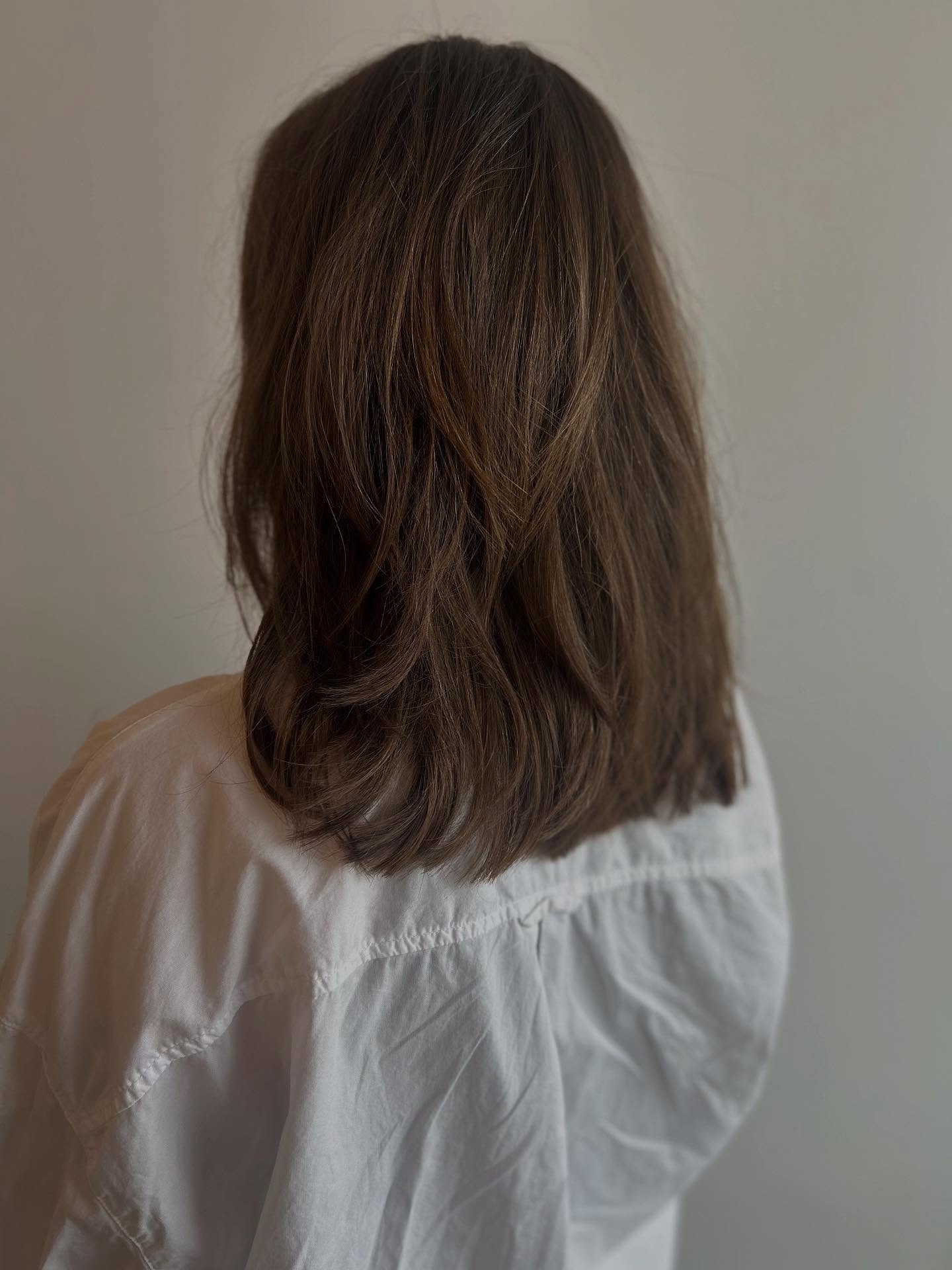
Straight to slightly wavy hair (type 1a through 2a) with medium or high density produces the cleanest result. The top layers lie flat and fully conceal the bob underneath. The bob section holds a sharp, blunt line without extra effort. Switching between long and short takes seconds — clip up, clip down. If you’ve always been told your hair is “too thick” or “too heavy,” this cut actually uses that density as its main structural advantage.
Wavy and Curly Textures Need a Modified Approach
Wavy hair (2b–2c) can work, but the natural texture may cause the shorter layer to peek through the longer one at unexpected moments, especially in humidity. You’ll likely need to flat-iron or blow-dry both sections smooth for the illusion to hold. Curly and coily textures (3a and beyond) present a bigger challenge: curl shrinkage changes the apparent length of the bob section, and individual curls don’t fall in uniform layers the way straight hair does. It’s not impossible — but it requires a stylist experienced with textured hair who can adjust the weight distribution and cutting angle accordingly. Book a consultation before committing.
Fine Hair Doesn’t Have Enough Density to Support Two Separate Looks
This is the biggest limitation of the Korean bob. Fine or thin hair lacks the volume to convincingly split into two independent haircuts. The bob layer tends to show through the longer top section, ruining the concealment effect. If you have fine hair and love the concept, consider a standard layered bob with face-framing layers instead — you’ll get the K-beauty aesthetic without the structural problem.
Korean Bob vs. Jellyfish Cut vs. Hush Cut
These three Korean-origin haircuts share some DNA but differ in construction, silhouette, and who they flatter. Understanding the differences helps you walk into the salon knowing exactly which one matches your goals.
| Feature | Korean Bob (2-in-1) | Jellyfish Cut | Hush Cut |
|---|---|---|---|
| Structure | Bob underneath, long layers on top | Bob or bowl shape on top, long extensions underneath | Continuous layers throughout, heaviest at the ends |
| Visible contrast | Hidden by default — you choose when to reveal it | Always visible — the disconnection is the point | No contrast — subtle, blended layers throughout |
| Best for | Indecisive about length; wants two styles in one | Bold, editorial aesthetic; comfortable with attention | Low-key volume and movement; minimal-effort styling |
| Maintenance | Moderate — two different trim schedules | High — top section needs frequent trims (every 4–6 weeks) | Low — grows out gracefully |
| Workplace safe? | Yes — wear it long for conservative settings | Depends on the environment — the disconnect reads as bold | Yes — reads as polished, understated layers |
The simplest way to remember: the Korean bob hides its short layer underneath (you control visibility), the jellyfish cut is the inverse — short on top, long underneath (always visible), and the hush cut has no dramatic length contrast at all (just softly feathered layers throughout).
Face Shape Compatibility for the Korean Bob
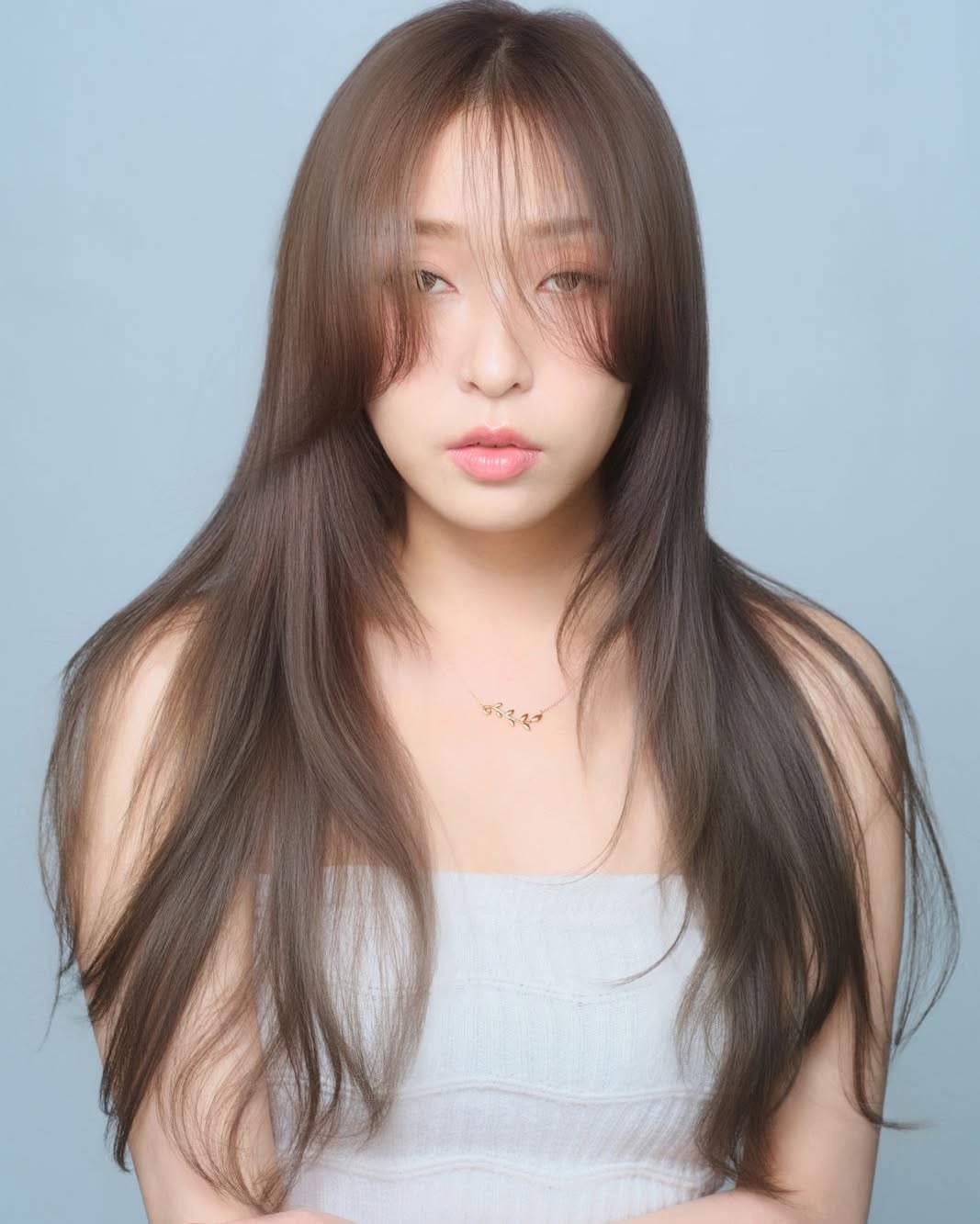
Because the Korean bob gives you two silhouettes, face shape considerations apply twice: once for the long version and once for the bob. The good news is that the long layers flatter nearly everyone, so the main question is whether the bob length works for your bone structure.
Oval and Heart-Shaped Faces Have the Most Flexibility
Oval faces can pull off virtually any bob length — chin, jaw, or shoulder. Heart-shaped faces benefit from a bob that hits at or slightly past the jawline, which balances a narrower chin. For both face shapes, a center part or a curtain fringe works well in the long version, while the bob can go with or without bangs depending on your preference.
Round and Square Faces Need a Longer Bob Length
If you have a round face, ask your stylist to set the bob length at or below the jawline — never chin-length, which emphasizes width. Pair it with a deep side part to create asymmetry that elongates. Square faces follow the same principle: a slightly longer bob with soft, face-framing pieces around the jaw softens angular features. Avoid a blunt, one-length bob at jaw level on a square face — the horizontal line amplifies the jaw’s width. Instead, ask for subtle point-cut texture at the ends.
Long and Oblong Faces Should Add Bangs to the Equation
A longer face benefits from width-creating elements. Add see-through bangs (also called wispy or air bangs, a staple in Korean styling) to the long version — they visually shorten the face. When the bob is exposed, the side volume at jaw level adds horizontal dimension. Keep the bob on the shorter side (closer to chin than shoulder) to avoid elongating the face further.
How to Style Both Versions at Home
The Korean bob’s appeal is versatility, but it does require knowing how to handle each look. The long version is generally lower effort; the bob version needs a bit more attention to look intentional.
Styling the Long Version (Top Layers Down)
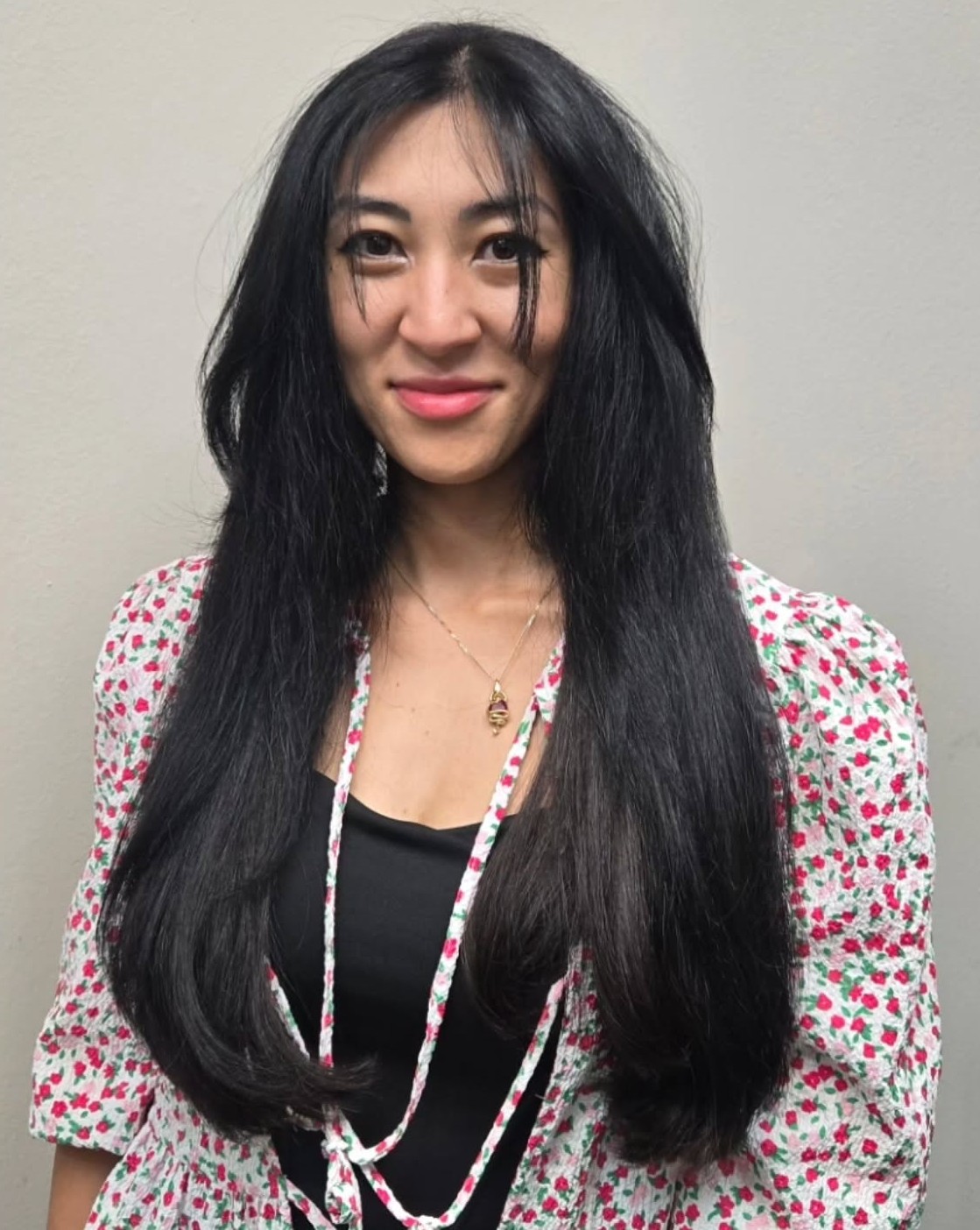
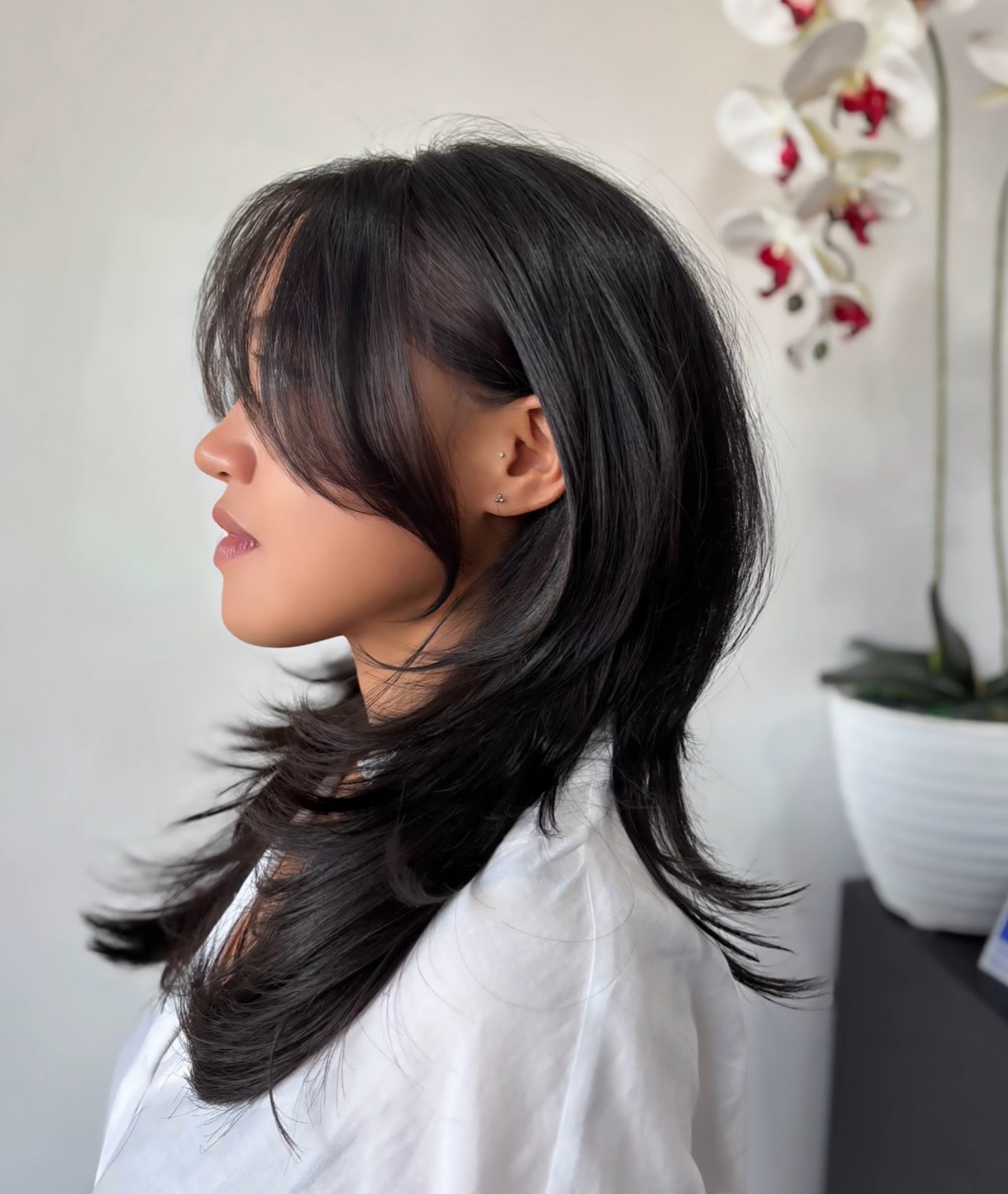
When both layers are down, the cut resembles a long hush cut with naturally graduated ends. Most of the time, you can air-dry or do a quick blow-dry with a paddle brush. Apply a lightweight smoothing serum or anti-frizz cream to damp hair before drying — this keeps the top layer lying flat enough to fully conceal the bob. For a more polished look, run a flat iron through the mid-lengths and ends to create a sleek, glass-hair finish. On second-day hair, a dry texturizing spray at the roots refreshes volume without needing a full restyle.
Styling the Exposed Bob (Top Layers Up)
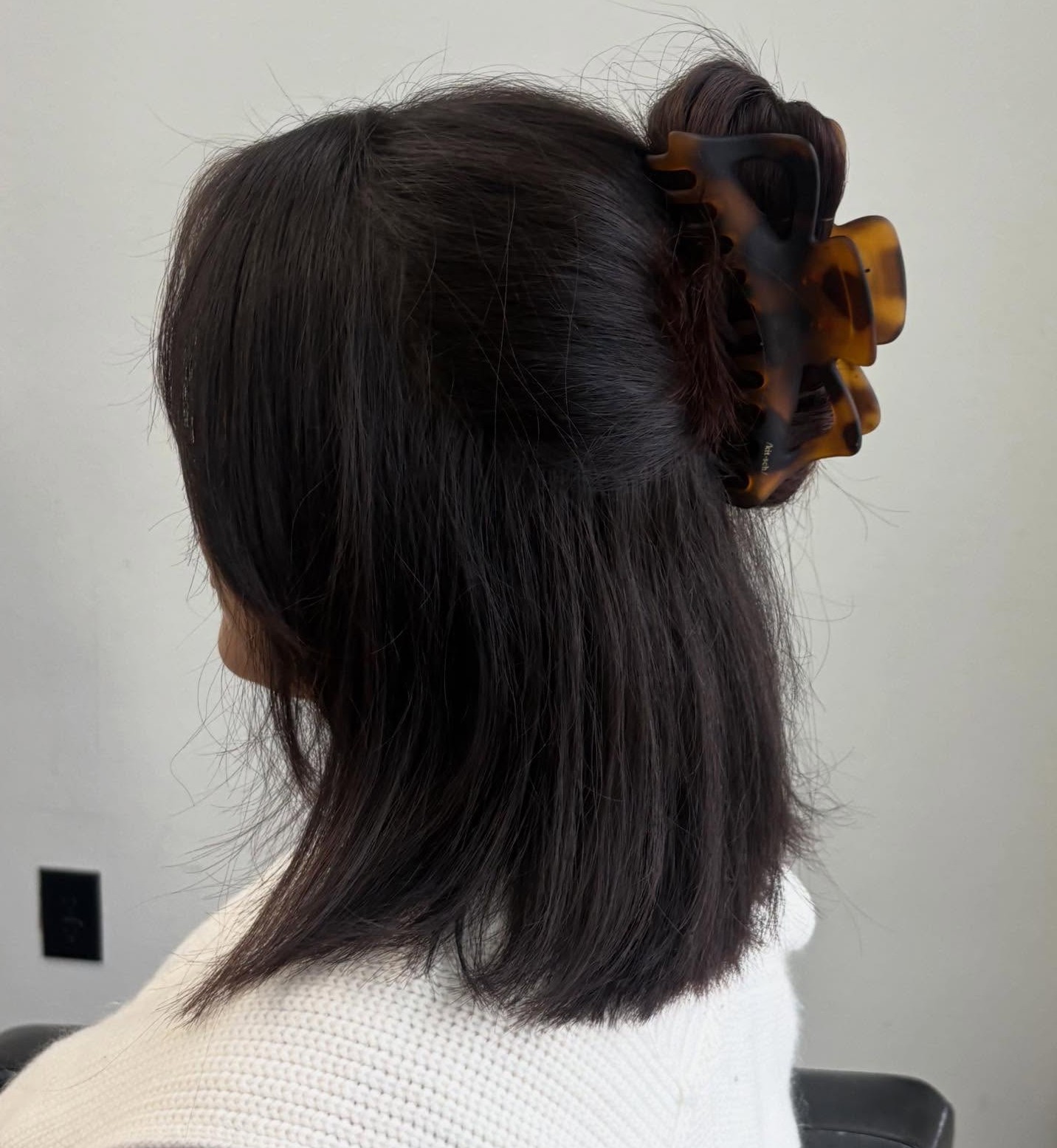
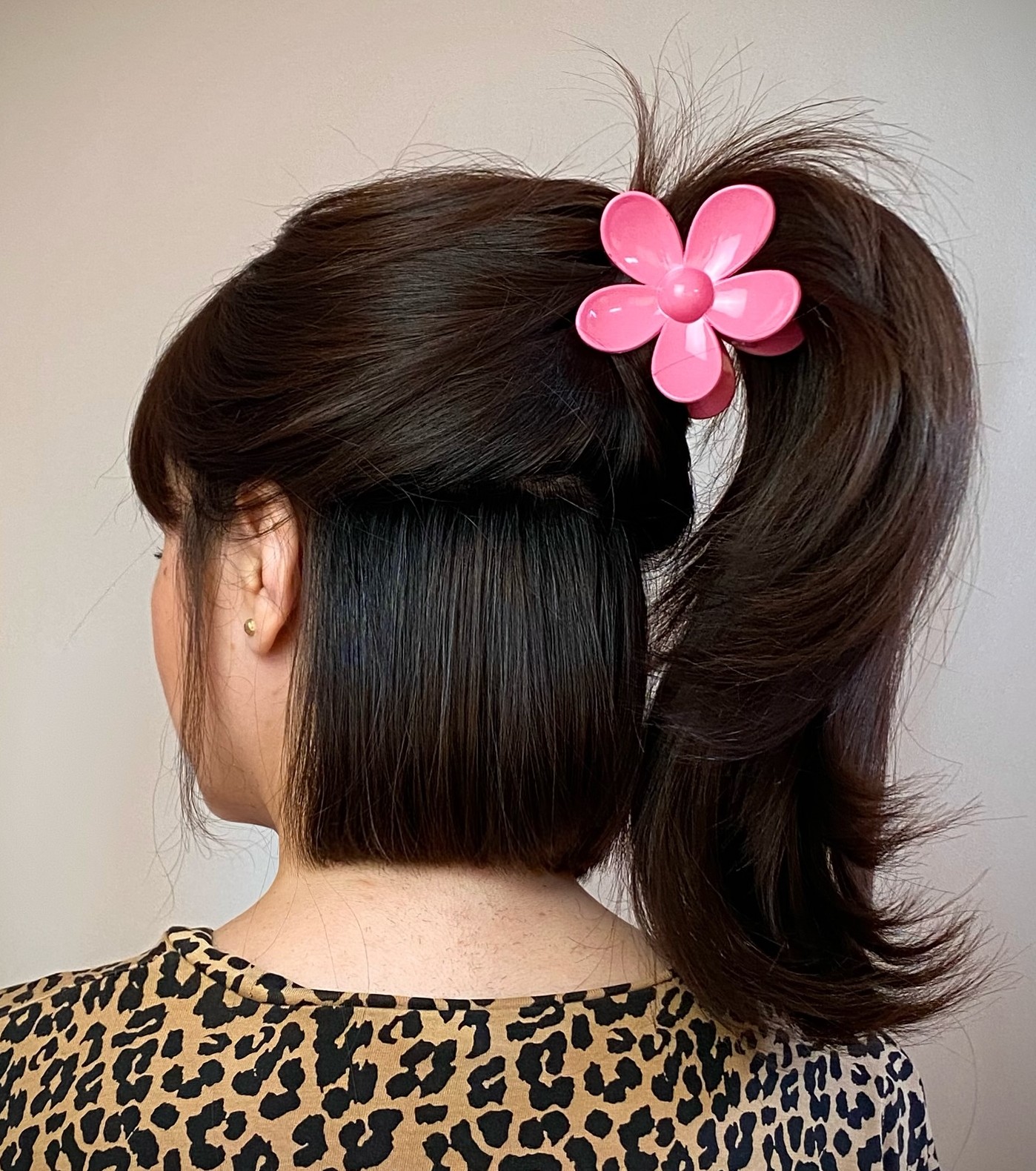
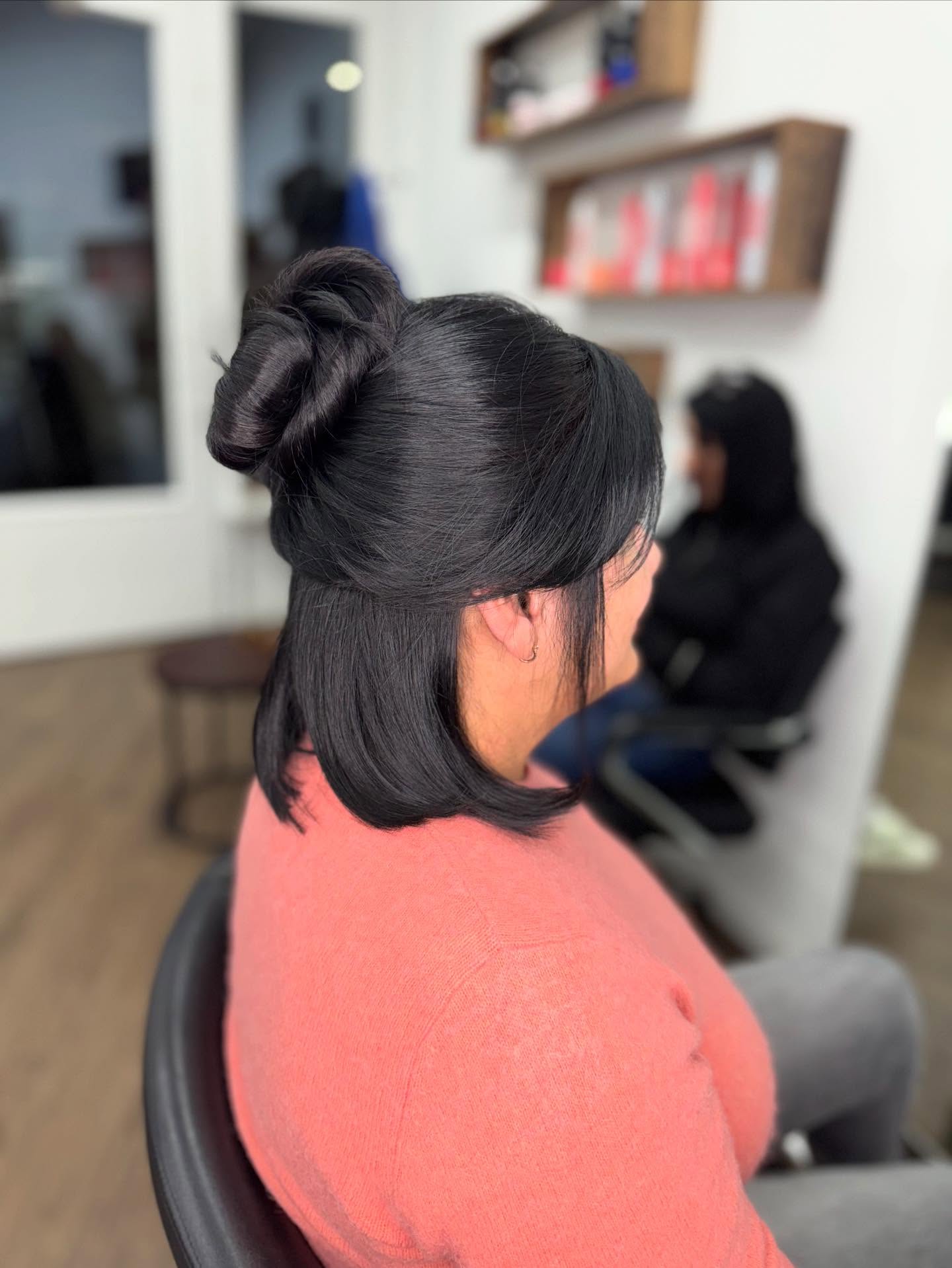
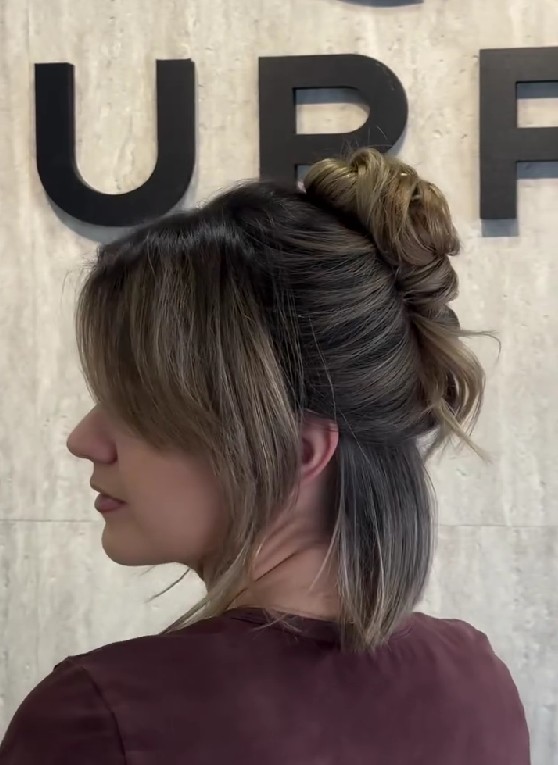
This is where the Korean bob earns its “two cuts in one” reputation. Gather the longer top section and twist it into a half-bun or secure it with a claw clip at the crown. The bob underneath should now be fully visible. For a sharp, clean look, flat-iron the bob section smooth — sleek styling reads as the most polished. For a softer effect, use a 1-inch curling iron or flat iron to create a single C-curl or S-wave at the ends, which is a signature Korean salon styling technique. Finish with a light-hold hairspray to keep the bob’s shape without stiffness.
One Practical Trade-Off to Expect
When you pull all your hair up — for working out, washing your face, or sleeping — you now have two different lengths to manage. Some people find they need both a claw clip and a headband (or scrunchie) to keep everything contained. It’s a minor daily reality worth knowing before you commit.
Maintenance and Salon Visit Schedule
The Korean bob is not a single-appointment cut. You’re maintaining two haircuts simultaneously, which means two trim schedules — though they don’t always need to happen on the same visit.
The bob section needs sharpening every 6–8 weeks. Because it’s blunt-cut, grow-out shows faster than it would on a layered style. After week 6, the crisp line starts to look uneven, especially on straight hair where every millimeter of unevenness is visible. The top (long) section is more forgiving — you can go 10–12 weeks between trims unless you’re maintaining face-framing layers or bangs, which need attention every 6–8 weeks to hold their shape.
The first 2–3 weeks after the initial cut are the adjustment period. You’re learning which products keep the top layer smooth enough to hide the bob, how quickly you can switch between styles, and whether you prefer the bob or the long version for daily wear. Some people find they wear the long version 80% of the time and only reveal the bob for evenings out or weekends — which means the bob grows out more slowly and needs fewer trims.
What to Tell Your Stylist When Booking
This cut is still relatively new in many Western salons, so clear communication matters more than usual. Not every stylist has done one, and showing up with vague instructions increases the risk of a result you didn’t expect.
Start by sending reference photos before your appointment — ideally a video showing the style transition from long to short. TikTok has abundant examples tagged #2in1haircut and #koreanhaircut. When you’re in the chair, specify three things: where you want the bob to hit (chin, jaw, shoulder), how clean or blended you want the transition between lengths, and whether you want bangs or face-framing layers incorporated. Ask your stylist to section the hair and show you the division point before cutting — this lets you visualize how much hair goes into each section and adjust if needed.
If your stylist hasn’t performed this specific cut before, it’s worth booking a consultation first. The technique isn’t complicated for an experienced cutter, but the proportioning — how much hair to allocate to each section based on your density — requires judgment that benefits from a dry assessment before any scissors come out.
When a Korean Bob Is Not the Right Choice
This cut solves a specific problem (wanting both long and short hair), but it’s not universally flattering or practical. Be honest about these scenarios before booking:
- Your hair is fine or low-density: The top layer won’t fully conceal the bob, breaking the illusion. You’ll end up with a cut that looks unfinished rather than intentional. A standard layered bob or a classic Korean soft bob (single-length, below the jaw, with face-framing layers) gives you the K-beauty aesthetic without requiring high density.
- Your hair is shorter than mid-back: There isn’t enough length difference to create the two-look contrast. You need at least 5–6 inches of visible difference between the bob and the long layer for the switch to read clearly. If your hair currently hits your shoulders, grow it out first or consider a layered lob instead.
- You don’t like half-up styles: Revealing the bob requires putting the top section up. If you never wear your hair half-up, you’ll only ever see the long version — and you’ve just created an invisible haircut you paid for but never use.
- You have very curly or coily hair and minimal styling time: The illusion depends on both layers behaving predictably. Curly textures add beautiful dimension but require more daily effort to maintain the contrast between sections. If you’re a wash-and-go person, this cut may frustrate you.
FAQ
Can I Get a Korean Bob If My Hair Is Wavy?
Yes, but you’ll need to flat-iron or blow-dry both sections for the cleanest long-to-short switch. Waves (2a–2b) work well when smoothed; deeper waves (2c) may cause the shorter layer to peek through unpredictably. A consultation with your stylist is worthwhile to assess whether your specific wave pattern cooperates with this technique.
How Long Does My Hair Need to Be for a Korean Two-in-One Cut?
Your longest layer should reach at least mid-back — roughly bra-strap length. This provides enough contrast between the hidden bob and the visible long layer. If the top section is too short, it won’t fully cover the bob, and the two-look effect breaks down. The more length you start with, the more dramatic the contrast.
Does the Korean Bob Work with Bangs?
It works beautifully with bangs — especially curtain bangs and Korean-style see-through (air) bangs, which add a face-framing softness in both the long and short configurations. Blunt, full bangs also work but commit you to trimming them every 3–4 weeks. If you’re adding bangs for the first time alongside this cut, ask your stylist to start longer and adjust downward.
How Is the Korean Bob Different from an Undercut?
A traditional undercut buzzes or shaves the lower section very short (clipper-short), creating a contrast of shaved versus long. The Korean bob keeps the lower section at a wearable bob length — chin to shoulder — so both sections look like complete, intentional haircuts on their own. The Korean bob is more versatile and far less dramatic during grow-out than a true undercut.
Will the Korean Bob Grow Out Awkwardly?
Less awkwardly than you’d expect. As both sections grow, the length difference gradually narrows, and the cut transitions into a heavily layered long style. Skip a few trims and the bob section blends into the longer hair naturally over 4–6 months. If you decide you want to grow it out fully, ask your stylist to add internal layers during your last trim to smooth the transition rather than leaving the blunt bob to grow out on its own.
How Much Does a Korean Two-in-One Haircut Cost?
Pricing depends on your salon and location, but expect to pay roughly the same as a standard precision cut — the technique is specialized but doesn’t take dramatically more time. In most U.S. salons, that’s between $60 and $150 depending on your market. Ask whether the price includes blow-dry styling of both the long and bob versions so you can see the full effect before you leave.
Can I Color My Hair with a Korean Bob?
Absolutely — and color actually enhances the cut. A popular approach is to add hidden color or highlights to the bob section that only appear when you pin the top layers up. Alternatively, dimensional balayage across both lengths creates movement and depth in the long version. Avoid dramatic root-to-tip single-process lightening, which can thin out the hair and reduce the density that makes this cut work.
Is the Korean Bob the Same as a Hime Cut?
No. The hime (princess) cut features blunt, cheekbone-length sidelocks framing the face with longer hair behind them — the short pieces are always visible and part of the style’s identity. The Korean bob hides its shorter section underneath, giving you the choice of when to reveal it. They share Korean and Japanese hair design roots but are structurally and visually different cuts.
Hair results vary based on your natural hair type, texture, density, and condition. Always consult with a licensed hairstylist before making significant changes, especially with chemical treatments or dramatic length changes. Photos may show styled results that require professional tools and products to replicate.