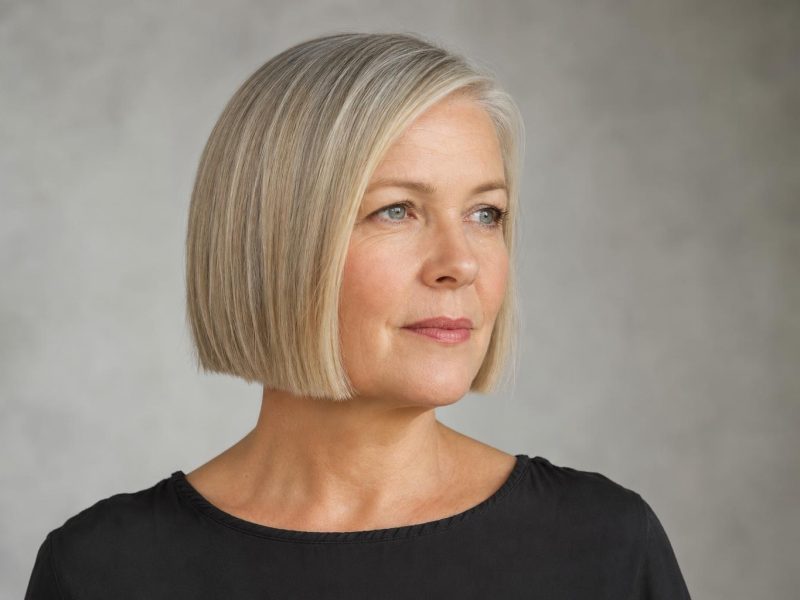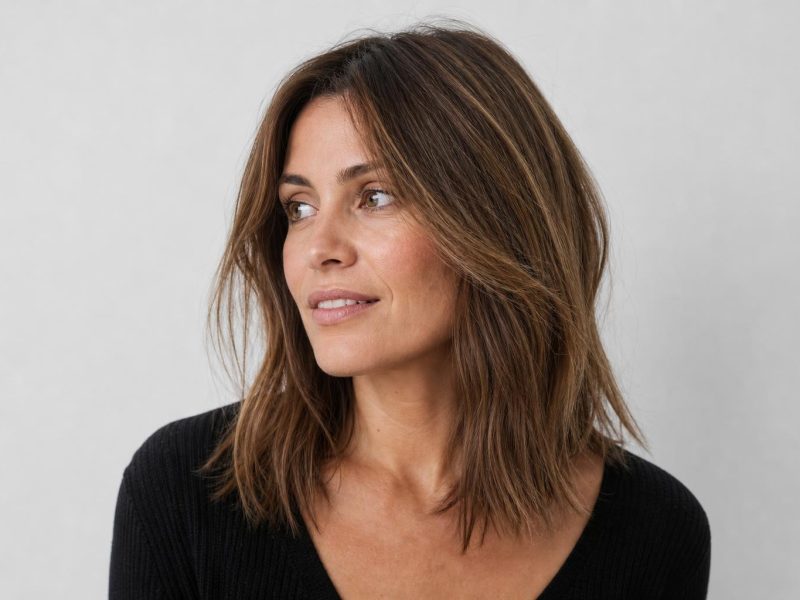

Fifty stylist-approved lob haircut ideas organized by texture, face shape, and color technique.
A lob haircut falls between the collarbone and the shoulders. It’s longer than a classic bob but short enough to feel like a real change. It’s the cut stylists recommend most often when a client wants to go shorter without losing versatility, and for good reason: lobs work across nearly every hair texture, face shape, and age group when the details are dialed in. Below are 50 lob variations from working stylists, each with a breakdown of what makes the cut work and who it flatters most.
You’ll find these sorted into sections by style category: classic and blunt cuts, layered options, lobs with bangs, textured and wavy versions, cuts tailored to specific hair types, and color-enhanced lobs that use placement to make the shape pop. After the gallery, there’s a face shape guide, salon communication tips, and a realistic maintenance breakdown so you know exactly what you’re signing up for.
| Feature | Lob Haircut Overview |
|---|---|
| Length range | Collarbone to 2 inches below the shoulders |
| Best for | All hair types and textures, especially versatile on medium-density hair |
| Maintenance level | Low to moderate; trims every 8–12 weeks |
| Daily styling time | 5–20 minutes, depending on texture and finish |
| Grow-out behavior | Graceful — transitions into long hair without an awkward stage |
| Avoid if | You want a dramatic short-hair transformation; a lob is a safe middle ground, not a big chop |
Classic and Blunt Lob Haircuts
A blunt lob is the cleanest version of the cut — one length, no layers, sharp perimeter. The lack of graduation keeps all the weight at the ends, which gives fine hair the appearance of thickness and density it wouldn’t have with layers. These work best on straight to slightly wavy textures where the clean line remains visible. On very thick or curly hair, a blunt lob can look boxy without some internal texturizing.
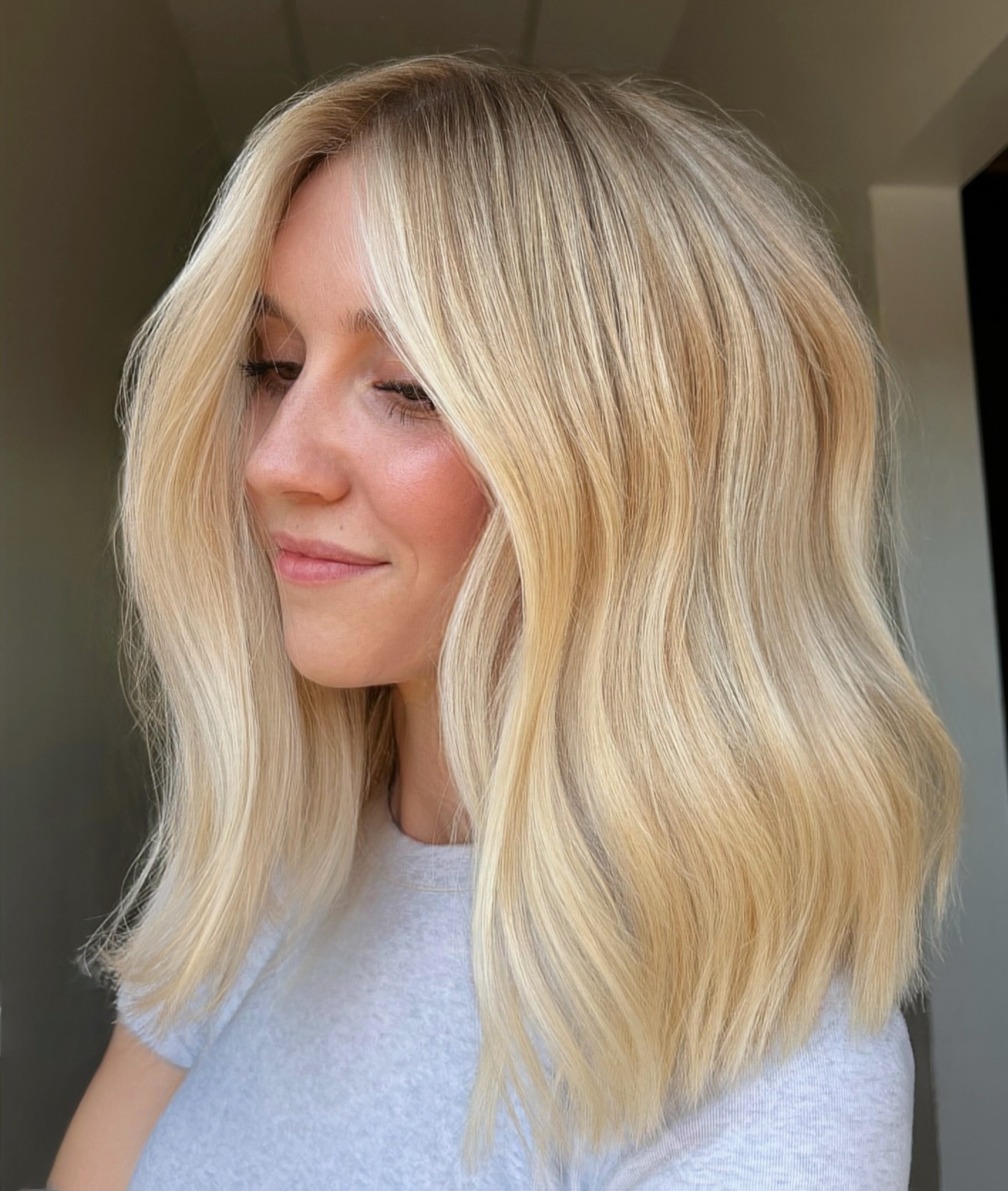
1. One-Length Blunt Lob
It’s the simplest version of the lob haircut, with one clean line at the collarbone, no layering or texture. On straight, medium-density hair, this cut almost styles itself. You can blow-dry for smoothness or air-dry, and the weight does the work. Oval and heart-shaped faces carry this length and bluntness well, since the horizontal line at the bottom balances narrower jawlines.
2. Blunt Lob with Deep Side Part
Shifting the part to one side transforms a basic blunt cut by adding asymmetry and volume at the crown. The heavier side drapes across the forehead and creates a diagonal line that slims wide cheekbones. It’s a good strategy for round and square face shapes. Keep the ends trimmed every 6–8 weeks to maintain that sharp perimeter.
3. Collarbone-Grazing Blunt Cut
Sitting right at the collarbone gives this lob a bit more length to play with while staying in true lob territory. Thick hair benefits here because the extra inch of weight keeps ends from flipping outward unpredictably. Ask your stylist for a slight undercut or internal thinning if bulk at the nape feels overwhelming.
4. Sleek Glass Lob
A “glass” finish means the surface reflects light evenly from root to end — no flyaways, no frizz, no texture. Achieving this requires a flat iron, heat protectant spray, and a lightweight serum applied to dry ends. Fine, naturally straight hair gets here fastest; thick or coarse hair needs more tool time and a smoothing product with silicone for slip.
5. Blunt Lob with Minimal Face-Framing
Two short pieces cut from temple to cheekbone — that’s all the layering happening here. The rest stays one length. Face-framing on a blunt lob softens the cut without sacrificing the density at the ends, making it a smart compromise for anyone who wants the clean look of a blunt cut but finds the all-one-length version too severe around their features.
6. Blunt Lob on Thick Straight Hair
When thick, straight hair is cut into a blunt lob, the weight line creates a natural volume at the perimeter that thinner textures can’t replicate. The key is internal texturizing. Your stylist should thin from underneath rather than taking layers from the surface, which preserves the blunt edge while removing bulk. Expect 10–15 minutes of blow-dry time to get this sitting right.
7. Rounded Blunt Lob
Slightly curving the ends inward with a round brush during a blowout turns a standard blunt lob into a more polished, structured shape. The inward curve frames the jawline rather than hanging straight past it. Works particularly well on straight to wavy hair when you want a finished look for professional settings without committing to daily curling iron time.
8. Center-Parted Blunt Lob
A center part demands facial symmetry and confidence. It exposes both sides of the face equally, which means the cut needs to be precise and even. Oval faces handle this best; round faces may find it widening. Fine hair actually looks thicker in this style because the center part distributes hair evenly on both sides, maximizing coverage.
Layered Lobs for Extra Movement
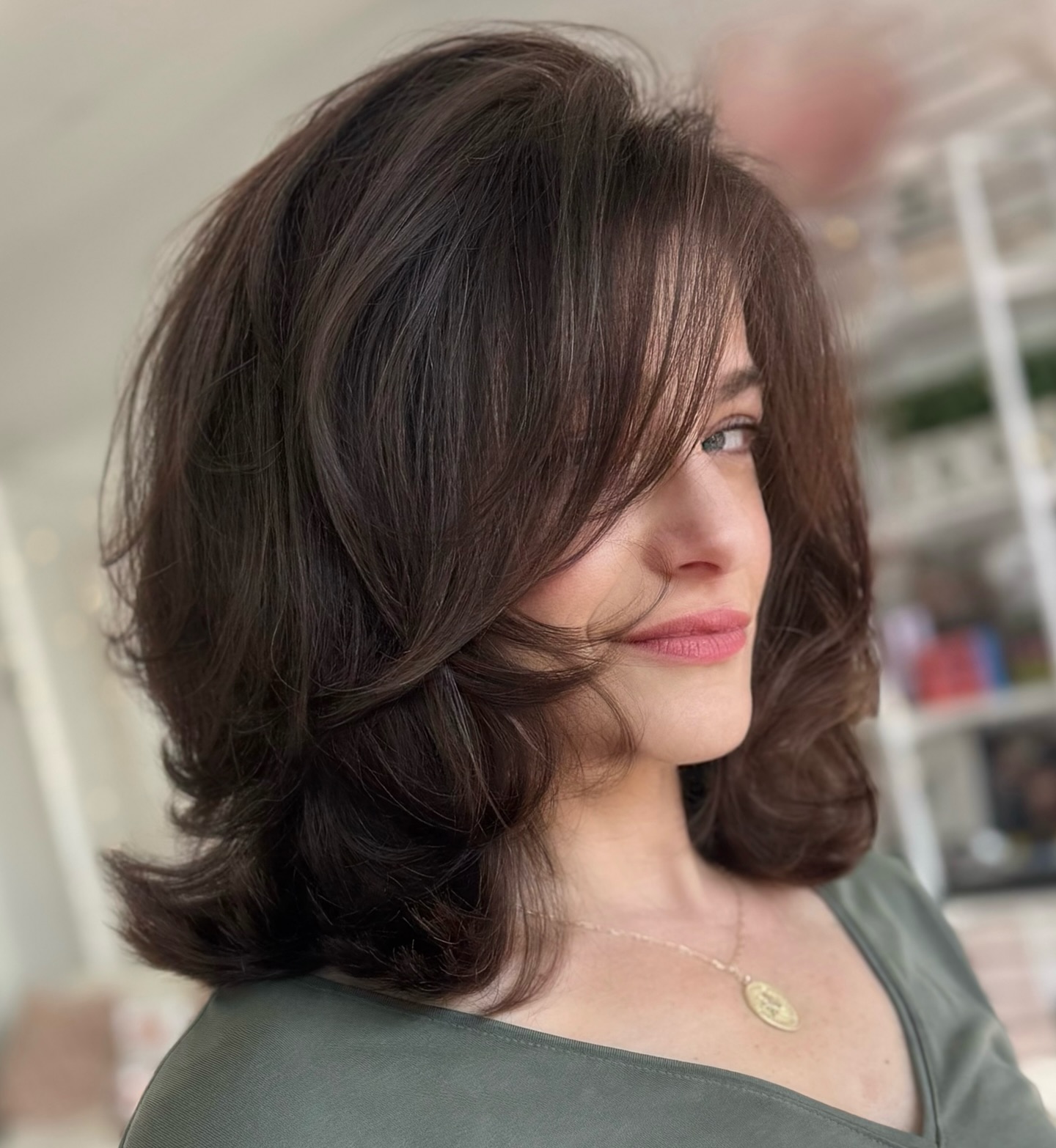
Layers transform a lob from a static shape into something with swing and dimension. The placement matters more than the number. Long layers that start around the chin keep your length but add movement, while shorter internal layers take out bulk without touching the shape. For fine hair, fewer, longer layers are safer; for thick hair, more intensive layering prevents the cut from feeling like a helmet.
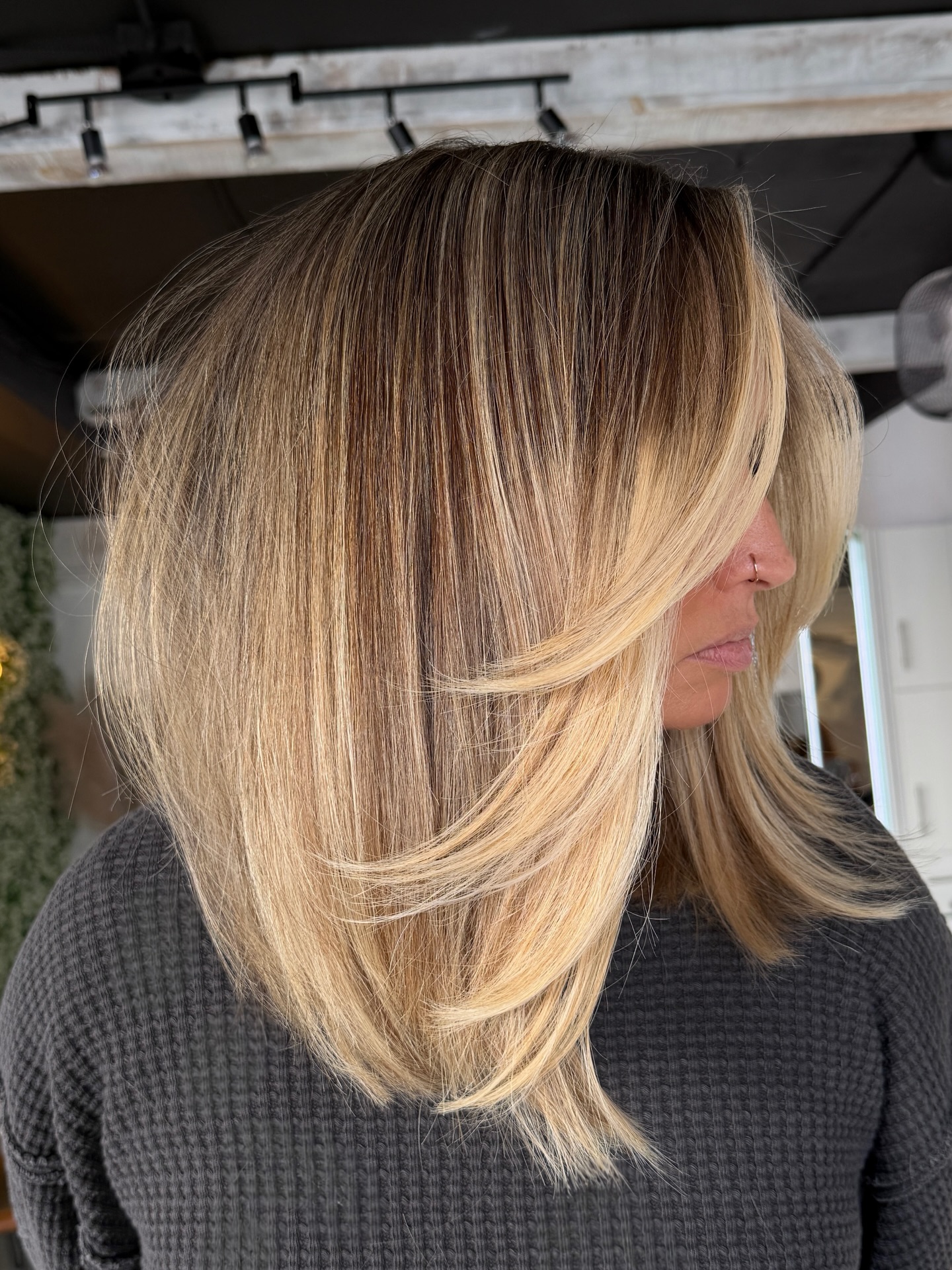
9. Long-Layered Lob
Layers that start just below the chin and taper gently to the ends add swing without losing overall length or density. This is the standard layered lob — the most requested version in most salons. Medium-thick hair responds best because the layers create visible movement; on very fine hair, long layers can look like the cut just grew out unevenly.
10. Choppy Layered Lob
Razored or point-cut ends give this lob a deliberately undone, editorial edge. The choppiness breaks up the perimeter line and creates the kind of texture that looks intentional even without product, although a texturizing spray amplifies the effect. Square and oblong face shapes benefit from the visual interruption of a choppy line, which softens angular jaw contours.
11. Face-Framing Layered Lob
Face-framing layers starting at cheekbone level and blending into the main length draw the eye inward and create a flattering oval around the face. On a lob, these layers add dimension to what can otherwise feel like a shapeless middle length. Ask your stylist to point-cut the framing pieces rather than blunt-cutting them. The softer ends blend more naturally into the longer hair.
12. Layered Lob with Flipped Ends
Flipping the ends outward with a flat iron or large-barrel curling iron gives the layered lob a retro-modern energy that reads more styled than a standard blowout. The flip only works when layers are present. Without them, one-length ends just bend awkwardly. Best on collarbone length or slightly longer, where there’s enough hair to hold the flip shape.
13. Invisible-Layer Lob
Internal layers are hidden underneath the surface, removing bulk without changing the outline of the cut. From the outside, this lob looks blunt; from the inside, it’s been thinned strategically so it moves and falls naturally instead of forming a stiff block. Thick, coarse hair types need this approach. It’s the difference between a lob that swings and one that just… sits there.
14. Shaggy Lob
A shag-lob hybrid pushes the layers higher and choppier than a standard layered lob, creating more disconnection and a lived-in, undone texture. It borrows the shag’s face-framing drama but keeps the lob’s manageable length. Wavy and curly textures bring this cut to life without much effort; straight hair will need a curling wand or texturizing spray to maintain the tousled shape between washes.
15. A-Line Layered Lob
Shorter in the back and angling gradually longer toward the front, an A-line lob naturally draws the eye toward the jawline and collarbone. Adding layers to the A-line prevents the back from looking flat and keeps the longer front pieces from feeling heavy. Round and square faces get the most benefit, as the forward angle creates vertical lines that visually elongate.
16. Heavily Layered Lob for Thick Hair
When thick hair needs serious weight removal, heavy layering through the mid-shaft and ends transforms a dense lob into a shape that actually moves. The risk with heavy layering is creating see-through ends, so your stylist should cut with shears (not a razor) and check density as they go. Expect this cut to look different wet versus dry. Always ask for a dry-cutting finish to assess the final shape accurately.
17. Subtle V-Shaped Lob
Instead of a horizontal cut line across the back, a V-shape lob dips slightly at the center, creating a soft point that adds visual interest to otherwise plain straight hair. The angle doesn’t need to be dramatic. Even half an inch of difference between the sides and center changes the silhouette. Long faces and angular features pair well with this shape because the V mirrors and softens strong vertical lines.
Lob Haircuts with Bangs
Adding bangs to a lob changes the proportions of the entire cut. They shorten the visible forehead, redirect attention to the eyes and cheekbones, and give the cut a more finished feel. The type of bang is as important as the decision to get them: curtain bangs are the most forgiving (easy to grow out, easy to pin back), while blunt micro bangs are a high-commitment statement. Bangs also mean more frequent trims (every 3–4 weeks) to keep them out of your eyes.
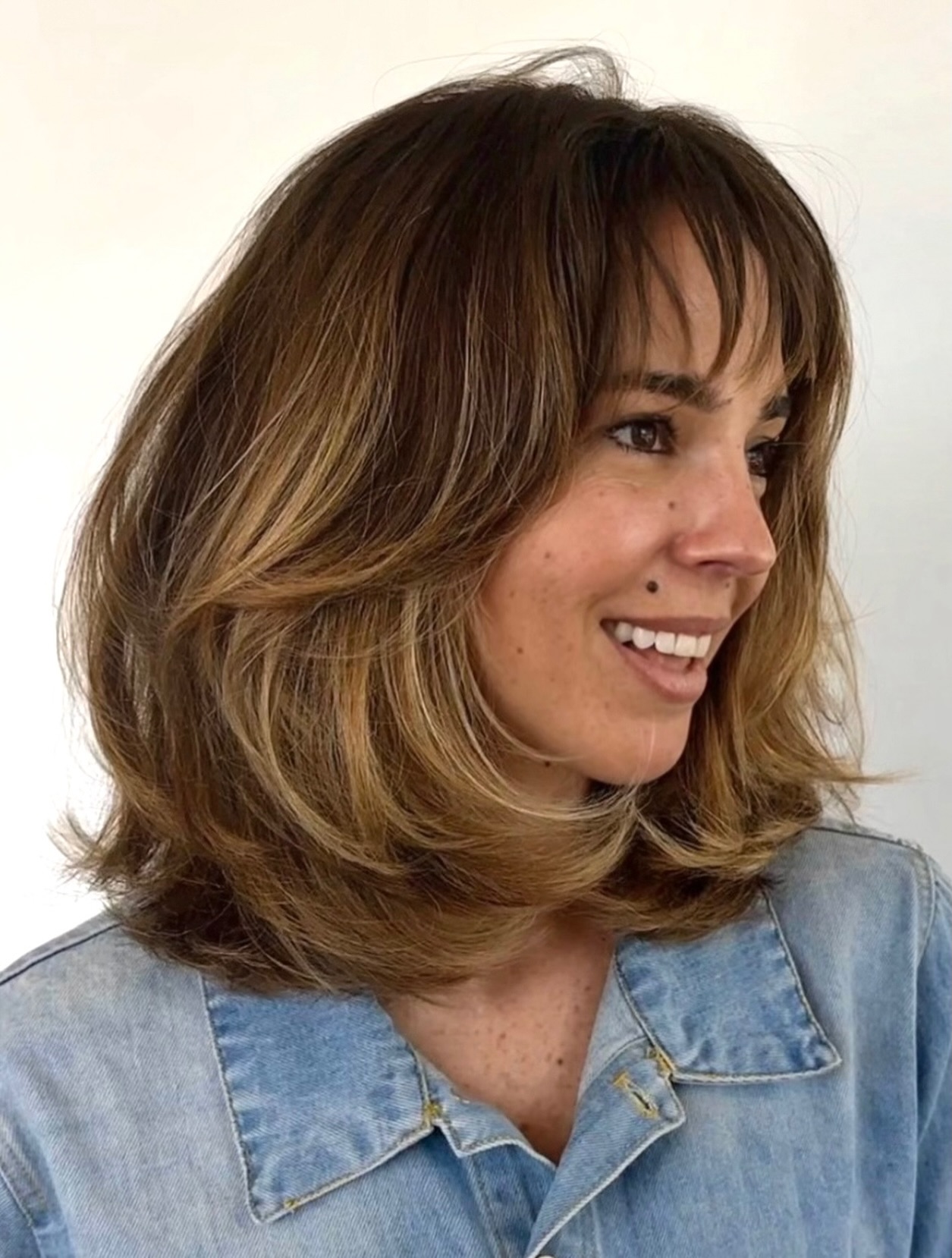
18. Curtain Bangs with a Lob
Curtain bangs part in the center and sweep to each side of the forehead, framing the face without fully covering it. On a lob, they create the illusion of layers and face-framing even if the rest of the cut is one length. Every face shape can wear curtain bangs if the length is right: cheekbone level for round faces (to avoid adding width), eyebrow-grazing for oblong faces (to visually shorten).
19. Wispy Bangs on a Straight Lob
Wispy bangs are cut thinner and more sparsely than a full fringe, which keeps them from overwhelming a fine-haired lob. The lightness lets the forehead show through slightly, so they don’t create a heavy horizontal line. Fine and medium textures carry wispy bangs best — thick hair tends to push them apart at the center, exposing the forehead unevenly.
20. Blunt Bangs with a Blunt Lob
Matching blunt bangs to a blunt lob creates a geometric, structured frame around the face. The look is bold and deliberate. There’s no hiding behind texture here. Thick, straight hair holds this shape best because the density keeps both the bangs and the perimeter looking solid. Oval and oblong face shapes can carry the strong horizontal line; round faces should approach with caution, as the bangs add visual width.
21. Side-Swept Bangs on a Layered Lob
Side-swept bangs blend into the longer layers of the lob, creating a seamless diagonal across the forehead that softens angular features. Unlike curtain bangs, they commit to one direction, which adds asymmetry and visual interest. The sweep naturally directs attention toward the cheekbone on one side. It’s useful for heart and diamond face shapes where you want to balance a wider forehead with a narrower chin.
22. Bottleneck Bangs on a Lob
Bottleneck bangs are shorter at the center of the forehead and get progressively longer as they move toward the temples, then blend seamlessly into the main length. The shape resembles the neck of a bottle, hence the name. On a lob, they have the same face-framing effect of curtain bangs, but with a more gradual, less segmented transition. Works across most textures except very curly hair, where the shorter center pieces tend to shrink and separate.
23. Micro Bangs with a Textured Lob
Micro bangs sit well above the eyebrows (mid-forehead or higher) and create a deliberately unconventional contrast against the longer lob body. This is a fashion-forward choice, not a safe one. Oval and diamond face shapes handle the extreme proportional shift best. The commitment is real: micro bangs take months to grow into a conventional fringe length if you change your mind.
24. Birkin Bangs on a Lob
Named after Jane Birkin’s effortlessly undone fringe, these bangs are cut to eyebrow length but styled with a slight center gap and textured ends that look like they’ve been slept in — in the best way. The casualness pairs naturally with a wavy or textured lob. Ask your stylist to point-cut the fringe and avoid blunt-cutting it; the softness at the ends is what separates a Birkin bang from a standard full fringe.
25. Long Bangs Blending into a Lob
Long bangs that reach past the cheekbones and blend into the front sections of the lob are the lowest-maintenance fringe option — they’re essentially face-framing layers with a fringe origin story. You can tuck them behind one ear, let them fall forward, or part them in the center. This style works best as a grow-out strategy for anyone moving away from shorter bangs, or as an entry point for someone curious about bangs but not ready for a full commitment.
Textured and Wavy Lobs
Texture turns a lob from a structured shape into something more organic and relaxed. Whether you’re working with natural wave, heat-styled bends, or product-created grit, a textured lob has a casual, lived-in quality that reads more “off-duty model” than “boardroom ready.” The trade-off: textured lobs need product to look intentional. Without a texturizing spray or sea salt spray, they can come off a bit unstyled instead of giving that relaxed and cool finish.
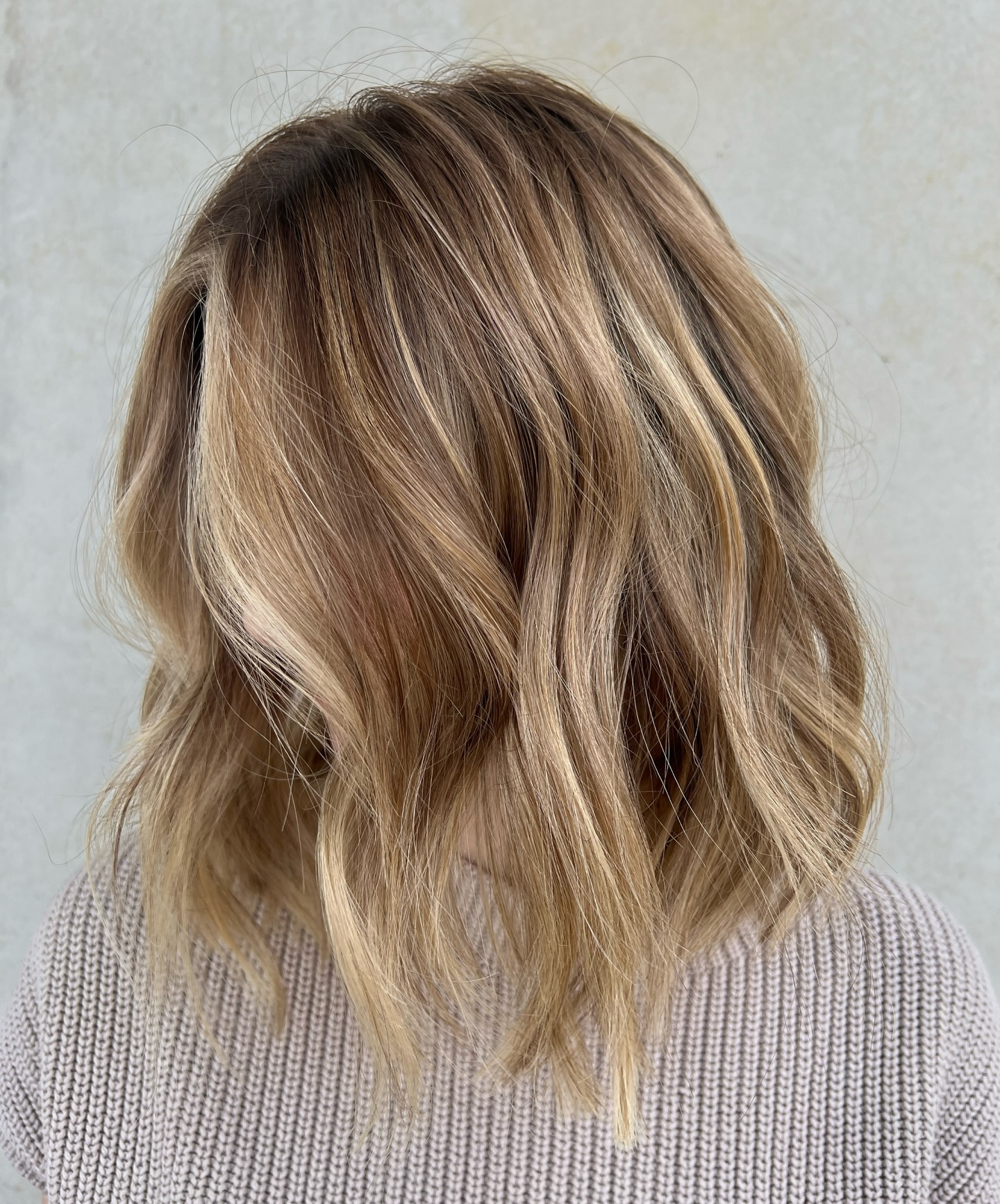
26. Beachy Waves Lob
Loose, irregular waves created with a 1.25-inch curling iron (alternating directions, leaving ends straight) give this lob its signature vacation texture. The finish relies on a salt spray or texturizing spray to keep the waves from relaxing into smooth bends. Naturally straight hair needs heat styling for this look; naturally wavy hair just needs product and diffusing to enhance what’s already there.
27. Lived-In Waves Lob
Subtler than beachy waves, the lived-in texture mimics the soft bends your hair forms when you braid it overnight and shake it out in the morning. A flat iron creates this more precisely than a curling iron. To recreate the effect, bend the hair in alternating S-shapes rather than wrapping it. Medium-density hair holds this pattern longest; fine hair may need a flexible-hold spray to maintain it past midday.
28. Air-Dried Wavy Lob
If your natural texture falls in the 2A–2B wave range, an air-dried lob can be your lowest-effort option. The cut should include light layering to encourage wave formation and reduce the triangle effect that one-length cuts create on wavy hair. Apply a curl-enhancing mousse or cream to damp hair, scrunch, and leave it alone. The key is resisting the urge to touch it while it dries — handling wet waves stretches them flat.
29. Tousled Lob with Piece-y Ends
Point-cut or razor-cut ends create natural separation that shows up as individual “pieces” when styled with a matte texturizing paste. The piece-y effect adds edge and dimension to an otherwise basic silhouette. Apply a pea-sized amount of paste to dry ends and twist individual sections for definition. Works on any texture but looks most striking on straight to slightly wavy hair, where each separated piece is clearly visible.
30. Romantic Soft-Wave Lob
Uniform waves created with a 1.5-inch curling iron and brushed out lightly shape into a softer, more polished wave pattern suited to events and occasions. Unlike beachy waves, these are deliberate and consistent. Every wave curves in the same direction and sits at the same height. Finish with a lightweight shine spray rather than a matte texturizer. Medium to thick hair holds the pattern best throughout an event.
31. Messy Undone Lob
A deliberately disheveled lob relies on razor-cut layers and dry shampoo to create volume and movement that looks effortless but isn’t accidental. The razor creates jagged, uneven ends that naturally separate and add grit. This cut actually looks better on second- or third-day hair, when natural oils and a fresh application of dry shampoo add the weight and texture that hold the shape. Freshly washed hair tends to fall too flat for this look.
32. Crimped Texture Lob
Modern crimping is nothing like the heavy zigzags of the ’90s. Today’s version creates a fine, almost kinked texture throughout the mid-lengths and ends that adds massive volume to fine, limp hair. A mini crimping iron or triple-barrel waver achieves this. The effect works best on lobs because the length is short enough to crimp entirely in 10–15 minutes. Fine, straight hair transforms the most dramatically with this technique.
33. Wet-Look Textured Lob
A slicked, high-shine finish using a strong-hold gel or mousse applied to soaking-wet hair and left to air-dry creates an editorial wet-look lob that works for events and fashion-forward settings. The product has to coat every strand evenly — missed sections dry matte and break the illusion. This isn’t an everyday style for most people, but it’s a striking way to wear a lob when you want to make an entrance.
Lob Haircuts by Hair Type
The same lob silhouette behaves completely differently on fine hair versus thick hair, on straight hair versus coily hair. The cut has to be adapted to work with your texture, and that means adjusting the layering, perimeter, and product strategy based on what your hair naturally does. A lob that falls flat on fine hair might be the wrong layering technique, not the wrong cut.
34. Lob for Fine, Thin Hair
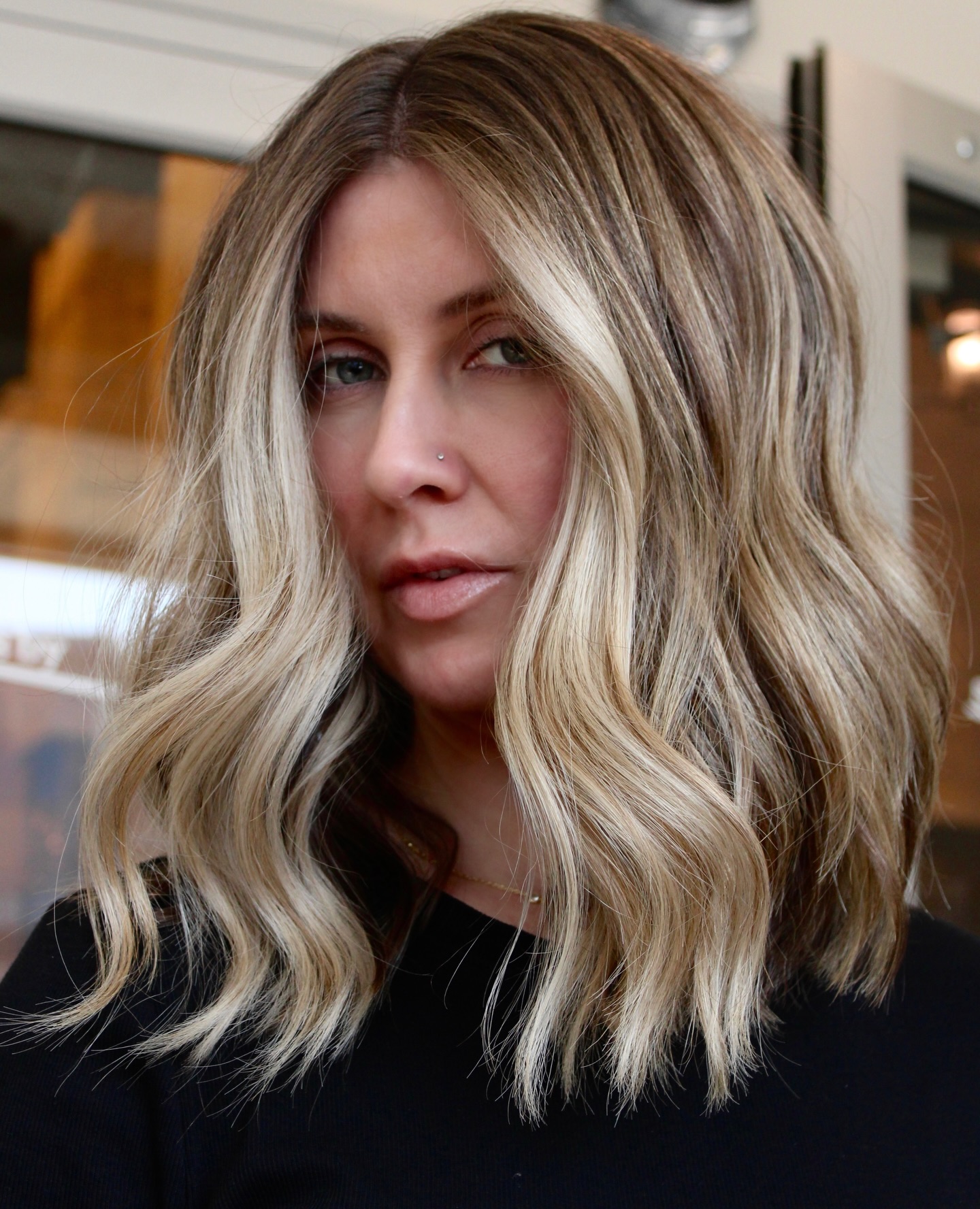
Fine hair needs weight at the perimeter to look full, so skip heavy layering and keep the ends blunt or very subtly point-cut. A lob length just below the collarbone hits the sweet spot where fine hair can still hold shape without looking stringy. Adding a root-lift mousse and blow-drying with a round brush at the crown creates the volume that fine hair lacks naturally. Expect to wash and style more frequently, since fine hair shows oil faster.
35. Lob for Thick, Coarse Hair
Thick hair without layers in a lob becomes a triangle: wide at the bottom, heavy at the sides, no movement. Internal thinning and mid-shaft layers are non-negotiable for this texture. Ask your stylist to remove bulk from underneath (not the top surface) to keep fullness, but make the cut manageable. A smoothing cream or anti-frizz serum applied to damp hair before drying controls flyaways and adds polish.
36. Lob for Type 2A–2B Wavy Hair
Loose waves are a lob’s best friend. They add natural texture and body without any heat tools. Light layers starting at chin level encourage the wave pattern to form rather than weigh it down. For styling, a curl cream applied to damp hair and scrunched gently defines the waves; avoid brushing dry, which separates the waves into frizz. This texture-length combination is the closest thing to a truly wash-and-go lob.
37. Lob for Type 2C–3A Curly Hair
Curly hair shrinks — a collarbone-length cut on wet hair might bounce up to chin level when dry. Always ask for a dry cut on curly lobs so the stylist sees the finished length and spring in real time. Layers should be longer and more gradual than on straight hair to prevent the dreaded pyramid shape. A defining gel or cream scrunched into soaking-wet hair and diffused on low heat is the standard styling approach for this curl pattern.
38. Lob for Type 3B–3C Curly Hair
Tighter curl patterns create incredible volume at lob length, but they also require careful layering to avoid bulk concentration at the sides. Rounded layers that shape the cut into a soft oval rather than a triangle are the goal. Hydration is the non-negotiable product need. Apply a leave-in conditioner or curl cream to soaking-wet hair, then diffuse or air-dry with minimal handling. A silk or satin pillowcase preserves curl definition overnight and reduces frizz the next morning.
39. Lob for Type 4 Coily Hair
Coily hair at lob length sets you up with a naturally rounded silhouette with maximum volume. The shrinkage factor is significant, so the cut may need to be several inches longer when stretched to achieve the desired dry length. Work with a stylist experienced in natural hair textures, and discuss whether you want the lob to be worn stretched (blow-dried or twist-out) or in its shrunken state. Each wear style changes the visible length and shape dramatically.
40. Lob for Straight, Flat Hair
Completely straight, flat hair can look lifeless in a lob without some engineering at the roots. A hidden volumizing technique: velcro rollers at the crown while you do your makeup, removed right before you leave. Alternatively, a root-lifting powder or spray applied to the roots at the part adds grip and lift without visible product. Light layers or texturized ends give straight hair something to “catch” on rather than sliding flat against the neck.
41. Lob for Hair in Transition (Growing Out a Short Cut)
Growing a bob into a lob hits an awkward stage around ear-to-shoulder length, where the back catches up to the front unevenly. A skilled stylist can shape the transition by trimming just the sections growing faster and leaving the shorter areas alone. The goal is to maintain a wearable shape at every stage as opposed to simply waiting for all the hair to reach one length. Expect trims every 6–8 weeks during grow-out.
42. Lob for Thinning or Fine-Density Hair
Thinning hair and fine hair are not the same. Thinning involves a visible scalp through reduced follicle density, which changes the approach. A lob for thinning hair should avoid center parts (which expose the scalp along the part line) and favor a side or zigzag part. Layers should be minimal and focused on the surface to create the illusion of movement without reducing the already-limited density. A volumizing powder at the roots makes a significant visible difference.
Color-Enhanced Lobs
Color influences both the shade and the shape of a lob. Strategic placement draws the eye to certain areas, creates the illusion of depth and movement, and makes layering more visible. A well-placed highlight can make a simple, one-length lob look more dimensional than a layered cut. The color technique should be chosen based on the cut’s structure, not applied independently.
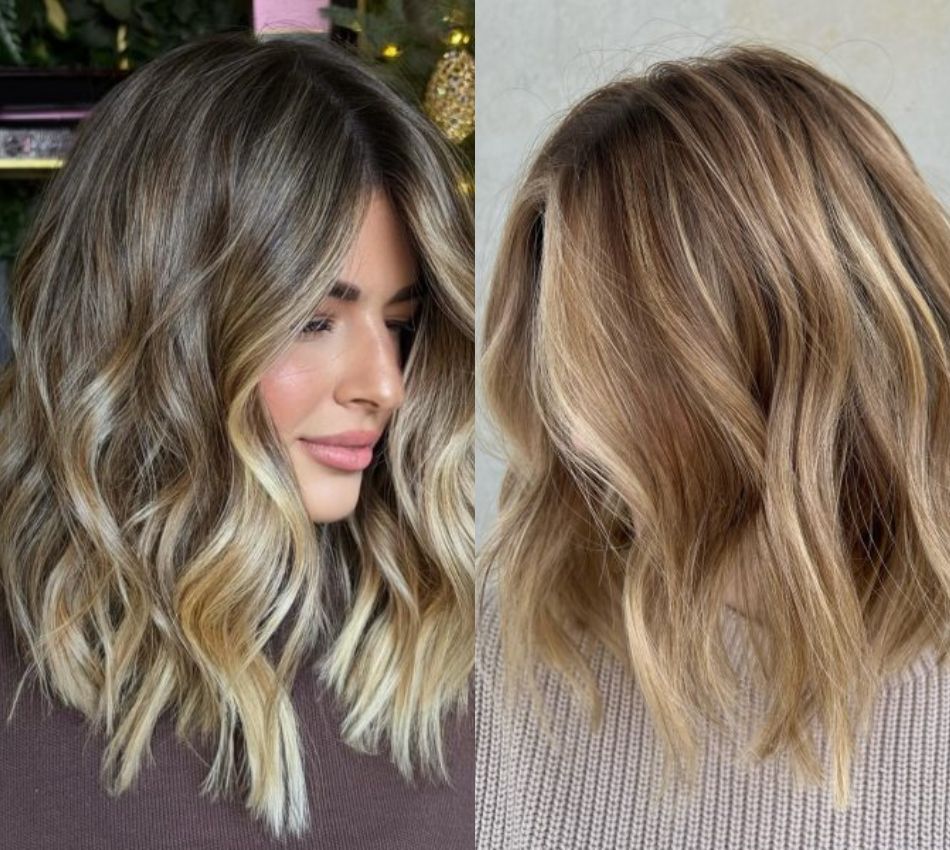
43. Balayage Lob
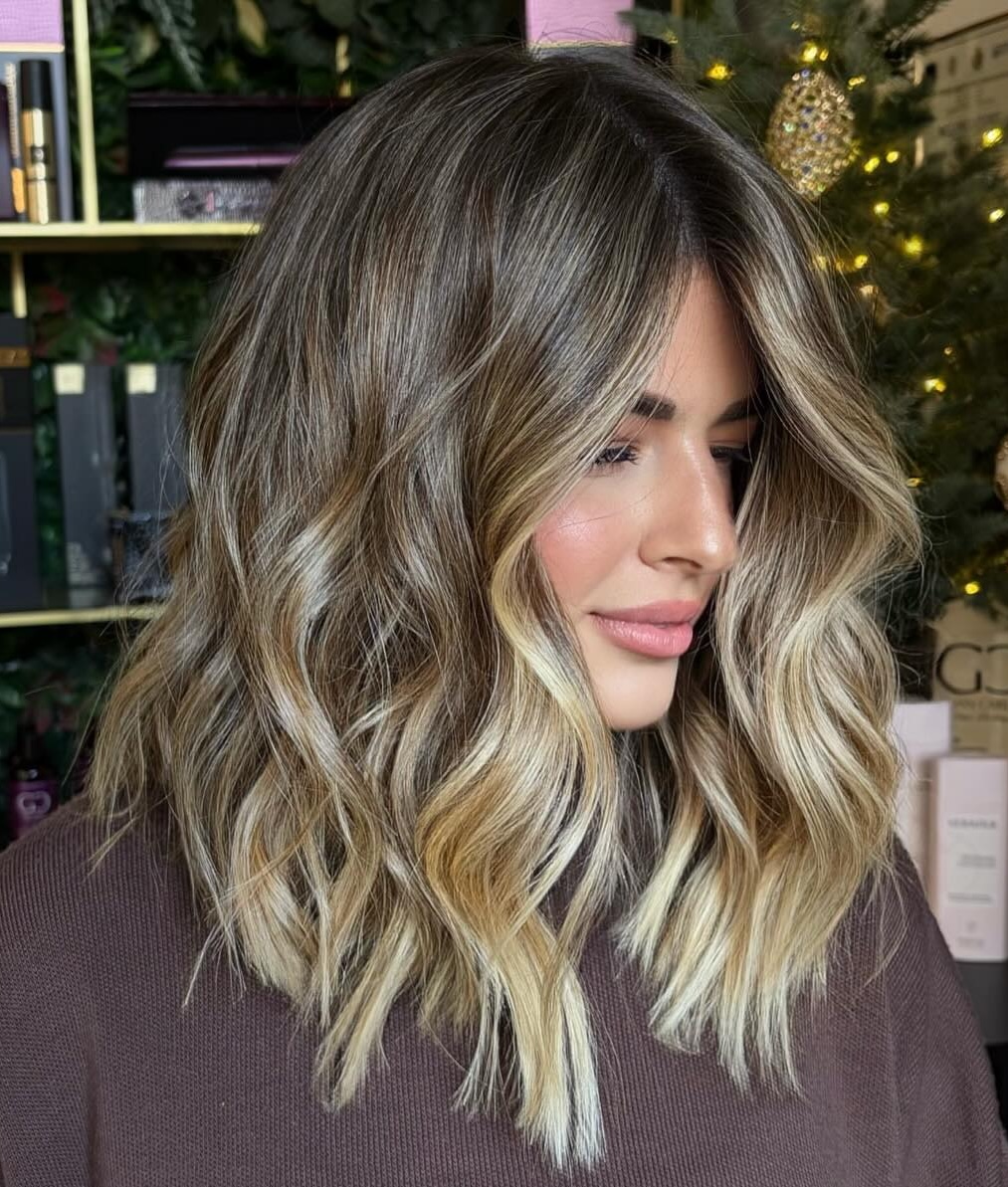
Hand-painted balayage concentrates lighter tones at the mid-lengths and ends, which visually emphasizes the movement in a layered or textured lob. The freehand application means no two placements are identical, and each strand catches light differently, adding organic dimension. A brunette base with caramel or honey tones is the most requested combination, though balayage works across all base colors. Maintenance is low: the grow-out is seamless because the color doesn’t start at the root.
44. Babylights on a Blunt Lob
Babylights are ultra-fine highlights woven through very thin sections to mimic the natural sun-lightened hair you had as a child. On a blunt lob, they add dimension that the one-length cut wouldn’t have on its own. The subtle tonal shifts make the hair look thicker and more textured even without layers. The downside is salon time: babylights take significantly longer to apply (3–4 hours) than traditional highlights, and they need refreshing every 10–14 weeks.
45. Face-Framing Money Pieces on a Lob
Two chunky highlighted sections at the front of the face, aka “money pieces,” add brightness and draw attention directly to the eyes and cheekbones. The contrast against a darker base is the point, so this works best when the highlights are at least 2–3 shades lighter than the rest of the hair. On a lob, money pieces create the same visual impact as face-framing layers but through color rather than cutting. Quick to apply, high impact, and grows out gracefully.
46. Ombré Lob
Ombré fades from a darker root to a lighter end with a visible gradient — more obvious than balayage, more deliberate. On a lob, the transition zone sits around ear level, which means the color shift is visible from every angle. The technique adds visual length to the cut because the lighter ends draw the eye downward. Ombré requires less maintenance than full highlights since the roots are your natural color, but the ends will need toning every 8–10 weeks to prevent brassiness.
47. Single-Process Warm Copper Lob
An all-over copper shade turns a textured lob into a statement cut without complex color technique. Copper shows every layer and texture detail because of how it catches warm light, which makes a layered or wavy lob look dramatically more dimensional in this shade. The trade-off is maintenance: red-family colors fade faster than any other shade, requiring color-depositing conditioner between salon visits and sulfate-free shampoo exclusively.
48. Platinum Lob
Going platinum means lifting the hair to its lightest possible level and toning to a cool, almost white blonde. On a lob, the short length means less overall damage than lightening long hair, which makes this a realistic option for many textures. However, the process requires a skilled colorist and often multiple sessions. Post-lightening care is intensive: a bond-repair treatment weekly, purple shampoo to counteract yellow tones, and reduced heat styling to prevent breakage on compromised hair.
49. Subtle Dimensional Brunette Lob
Not all color on a lob needs to be obvious. A skilled colorist can add depth within the brunette spectrum, layering chocolate, chestnut, espresso, and caramel tones throughout the cut, so the dimension only shows up in direct light or when the hair moves. The effect is natural richness rather than visible highlights. This is the ideal low-maintenance color approach for brunettes who want their lob to look more expensive without obvious color work.
50. Color-Melted Lob
Color melting blends the root shade seamlessly into the mid-length and end color with no hard line or visible demarcation, like an ombré with the transition zone erased. The technique requires a colorist who understands blending at a high level, because the seamless transition is the entire point. On a lob, color melting creates an effect that looks like your hair naturally shifts shade from crown to tips. Maintenance falls between balayage (low) and all-over color (high) — roughly every 10–12 weeks for a touch-up.
How to Choose the Right Lob for Your Face Shape
The lob’s versatility comes from its adaptable length, but the details of how it’s cut and parted should respond to your face shape. A lob that hits at the wrong point or frames the face with the wrong angle can widen, shorten, or flatten features instead of flattering them. Below is a shape-by-shape breakdown of what works and what to avoid.
| Face Shape | Best Lob Approach | What to Avoid |
|---|---|---|
| Oval | Most lob variations work. Experiment freely with blunt, layered, or textured. Center or side part both flatter. | Excessively voluminous styling at the sides, which can widen an already balanced shape unnecessarily. |
| Round | Longer lobs past the collarbone with a deep side part. Layers starting below the chin. Angled or A-line shapes are ideal. | Chin-length lobs, center parts, and blunt horizontal lines at the widest point of the face. |
| Square | Soft layers around the jaw, side-swept or curtain bangs, and textured ends. Anything that breaks up the strong jawline. | Blunt, one-length lobs that end exactly at the jawline — they echo the jaw’s horizontal line and make it more prominent. |
| Heart | Lobs with volume or curl at the ends to add width at the jaw. Side parts balance a wider forehead. | Heavy volume at the crown with flat ends amplifies the forehead-to-jaw imbalance. |
| Oblong | Lobs that add width, such as waves, curls, or layers with volume at the sides. Bangs shorten the visible face length. | Super-straight, flat lobs with a center part. They add more vertical length to an already long face. |
| Diamond | Chin-length or longer lobs with side-swept bangs. Volume at the forehead and chin levels balances wide cheekbones. | Heavy volume at the cheekbone level without counterbalance above or below emphasizes the widest part of the face. |
Stylist tip: Not sure about your face shape? Pull all your hair back tightly, look in a mirror, and trace the outline of your face on the glass with a dry-erase marker or lipstick. The shape that appears most closely matches one of the categories above. Or simply show your stylist these guidelines. They assess face shape as part of every consultation.
What to Tell Your Stylist
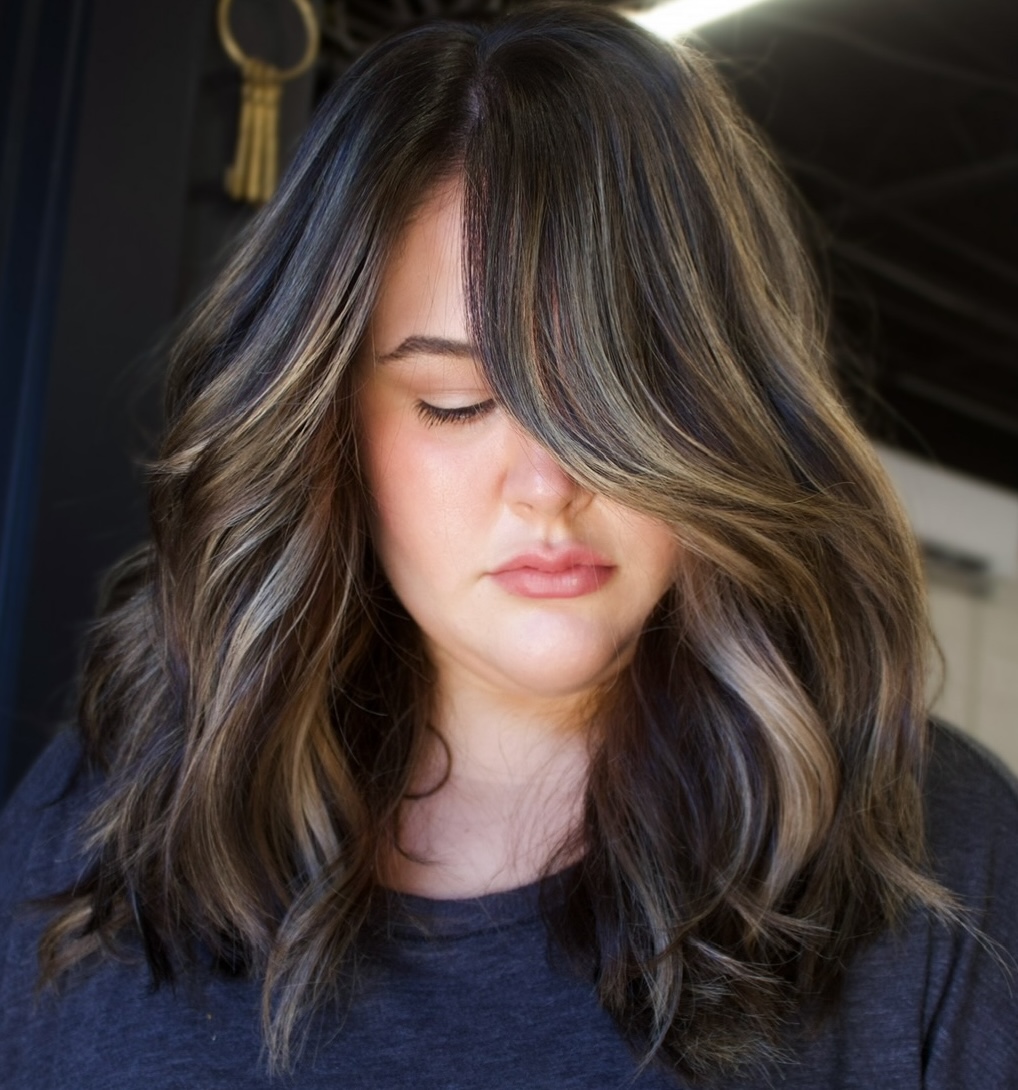
Walking into the salon with a photo is a good start, but photos alone don’t communicate the details that make or break a lob haircut. Your stylist needs specific language to translate what you want into what they cut. Here’s how to communicate effectively:
For a blunt lob: “I want a one-length lob at collarbone level, no layers, with a clean perimeter line. I’ll be wearing it with a [center/side] part.” Mention whether you want the ends point-cut for very subtle softness or razor-sharp blunt.
For a layered lob: “I want layers starting at [chin/cheekbone/jaw] level, blending down to the length. I want them to create movement, but I don’t want to lose density at the ends.” Specify whether you want face-framing pieces as a separate request.
For a textured lob: “I want the ends texturized so there’s natural separation when I style it. Point cutting or razor cutting, whichever you think works better for my texture.” The stylist will choose the technique based on your hair type.
For a lob with bangs: “I want [curtain/side-swept/blunt] bangs that sit at [eyebrow/cheekbone] level. Can you cut them dry so we both see the final length before committing?” Dry cutting bangs eliminates the surprise of shrinkage, especially on wavy or curly textures.
Stylist tip: Bring 2–3 reference photos, not just one. Multiple images help the stylist identify the pattern of what you’re drawn to. The common thread across your references reveals your actual preference more accurately than a single picture. Also, mention what you dislike in your current cut. Knowing what to avoid is sometimes more useful than knowing what you want.
Lob Maintenance and Styling
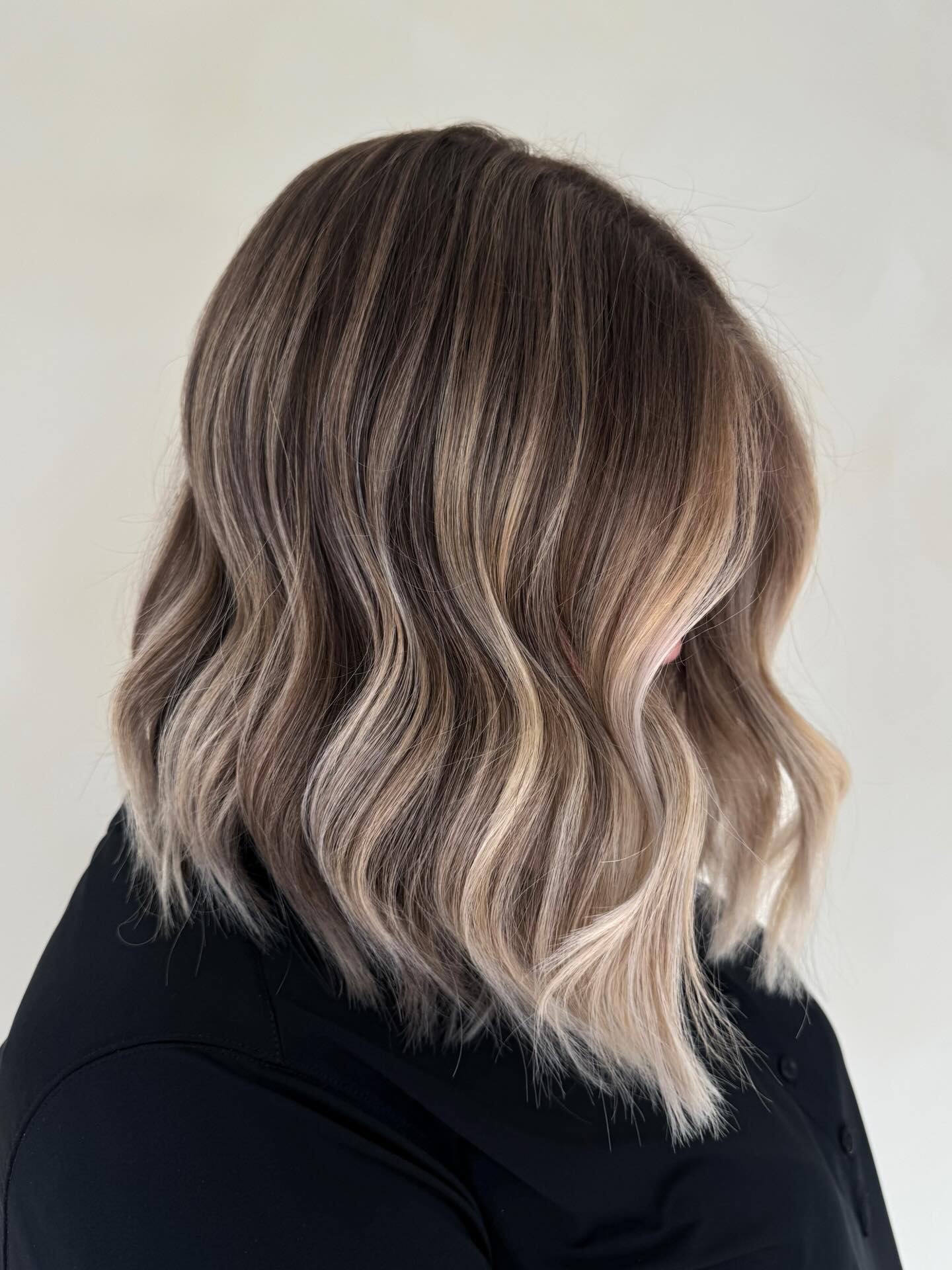
A lob sits in a sweet spot for maintenance. It’s short enough to dry quickly and style easily, but long enough to pull back into a ponytail or low bun on no-effort days. What your specific routine looks like depends on your texture and the cut structure.
Trim frequency: Blunt lobs need reshaping every 6–8 weeks to keep the line sharp. Layered and textured lobs are more forgiving — 8–12 weeks between trims without looking grown-out. Bangs need their own schedule: every 3–4 weeks, regardless of the rest of the cut.
Daily styling time (realistic estimates): A blowout on a blunt lob takes 15–20 minutes with a round brush. Air-drying a wavy lob with product takes 5 minutes of hands-on time (plus 30–60 minutes of drying). Curling iron waves on a lob take 10–15 minutes. Straightening takes 10–15 minutes, depending on thickness.
Products by category: Fine hair needs a volumizing mousse or root-lift spray as a foundation, plus a lightweight finishing spray. Medium and thick textures do better with a heat protectant, a smoothing cream or anti-frizz serum, and a flexible-hold hairspray. Textured and wavy styles call for a texturizing spray or salt spray, plus a curl-enhancing cream if you’re working with natural waves. Avoid heavy oils or thick serums on fine-haired lobs, as they flatten the cut within hours.
Tools: A medium round brush (1.5–2 inch diameter) handles most lob blowouts. A 1.25-inch curling iron creates the most natural-looking waves at this length. A flat iron works for both straightening and creating bends. Velcro rollers at the crown add root lift without heat damage.
Grow-out behavior: Lobs grow out more gracefully than almost any other cut. As the length extends past the shoulders, the shape simply becomes long hair, with no awkward stages or weird flip-outs at the nape. This is one of the lob’s biggest selling points for anyone who doesn’t want to commit to regular trims on a strict schedule.
FAQ
What Is the Difference Between a Lob and a Bob?
A bob typically falls between ear level and the chin, while a lob haircut sits between the chin and the collarbone, sometimes extending an inch or two below. The extra length gives the lob more styling versatility: it can be pulled into a ponytail, braided, or half-up styled in ways that most bobs can’t accommodate. If you want short-hair energy without losing the ability to tie your hair back, the lob is the more practical choice.
Can a Lob Haircut Work on Curly Hair?
Absolutely, but the cutting technique needs to account for shrinkage and spring. Curly lobs should be dry-cut by a stylist experienced with curly textures, since wet cutting can result in a length that bounces several inches shorter than expected. Layering should be longer and more gradual to prevent the pyramid effect that tight curls create at this length. A leave-in conditioner and curl-defining cream are the baseline products for maintaining shape and hydration between washes.
How Often Does a Lob Need Trimming?
Blunt lobs need a trim every 6–8 weeks because the clean perimeter line shows growth quickly. Layered and textured lobs can go 8–12 weeks between trims without losing their shape. If you have bangs, plan for a separate bang trim every 3–4 weeks. Many salons offer quick bang trims at no charge or a reduced fee between full appointments.
Is a Lob Low-Maintenance?
Compared to a pixie or a sharp bob, yes, the lob is one of the most forgiving cuts to maintain. It grows out gracefully, doesn’t require frequent reshaping, and works with air-drying on most textures. That said, “low-maintenance” is relative. A blunt, sleek lob still needs blowout time; a curly lob still needs product. The lowest-maintenance version is a slightly layered lob on naturally wavy hair, styled with a curl cream and left to air-dry.
What Face Shape Looks Best with a Lob?
Oval faces suit nearly any lob variation. Round faces look best with longer lobs past the collarbone, angled shapes, and side parts that create vertical lines. Square faces benefit from soft layers around the jaw and textured ends that break up strong angles. Heart-shaped faces work well with lobs that add width at the jaw level, because waves or curls at the ends help balance a wider forehead. The lob’s adjustable length means it can be tailored to flatter virtually any face shape with the right details.
Can I Get a Lob If My Hair Is Very Fine?
Fine hair is actually well-suited to a lob. The collarbone length gives fine strands enough weight to look full without the thinning-out effect that happens at longer lengths. Keep the ends blunt rather than heavily layered, which preserves the appearance of density. A root-lifting mousse applied before blow-drying and a light finishing spray are usually enough to give a fine-haired lob shape and volume. Avoid heavy products, like thick creams or heavy oils, that weigh fine hair down.
Will a Lob Suit Me If I Have a Short Neck?
Length placement matters here. A lob that ends right at the neckline can visually shorten the neck further, while one that falls an inch below the collarbone creates more separation between the jaw and shoulders. Ask your stylist to keep the back slightly shorter than the front (an A-line shape) or add layers that lift at the nape. Both strategies create the illusion of a longer neck. Avoid turtlenecks and high collars that compress the space between the lob’s hemline and your jawline.
How Do I Style a Lob for a Special Event?
A lob has more event-styling versatility than people expect. Soft, uniform curls created with a 1.5-inch iron and brushed out create an Old Hollywood wave. A low textured bun or chignon works once you secure the shorter pieces at the nape with bobby pins. Half-up styles with face-framing tendrils are among the most photogenic lob options for weddings and formal events. Accessorize with a barrette, pearl pins, or a thin headband to elevate any of these beyond everyday styling.
In the world of evolving trends, long bob haircuts endure because they occupy the magnetic middle ground between bold transformation and effortless utility. Rather than a mere compromise, lobs serve as a structural foundation that allows for high-fashion sharpness or lived-in, organic movement. By embracing a silhouette that hits just where the collarbone meets the neck, you aren’t just shortening your hair—you’re refining your visual signature with a shape that feels as intentional at a formal gala as it does on a morning coffee run.
Hair results vary based on your natural hair type, texture, density, and condition. Always consult with a licensed hairstylist before making significant changes, especially with chemical treatments or dramatic length changes. Photos may show styled results that require professional tools and products to replicate.