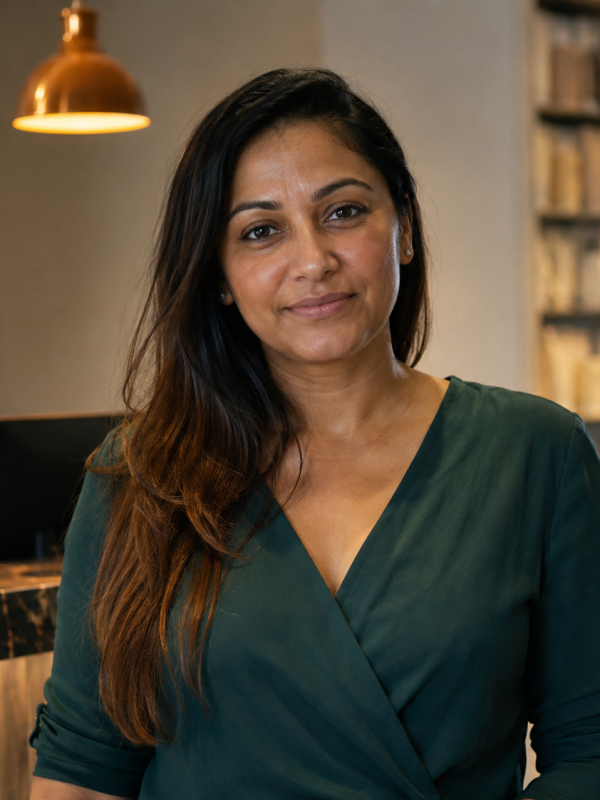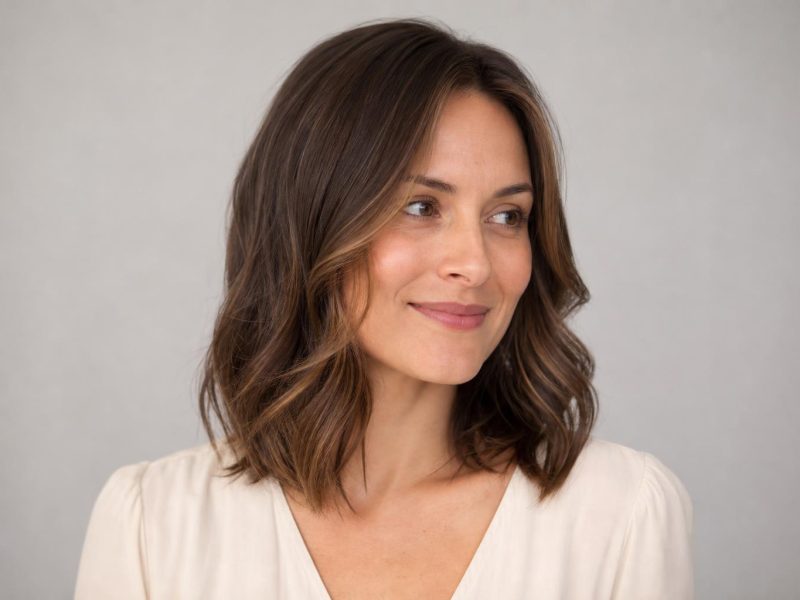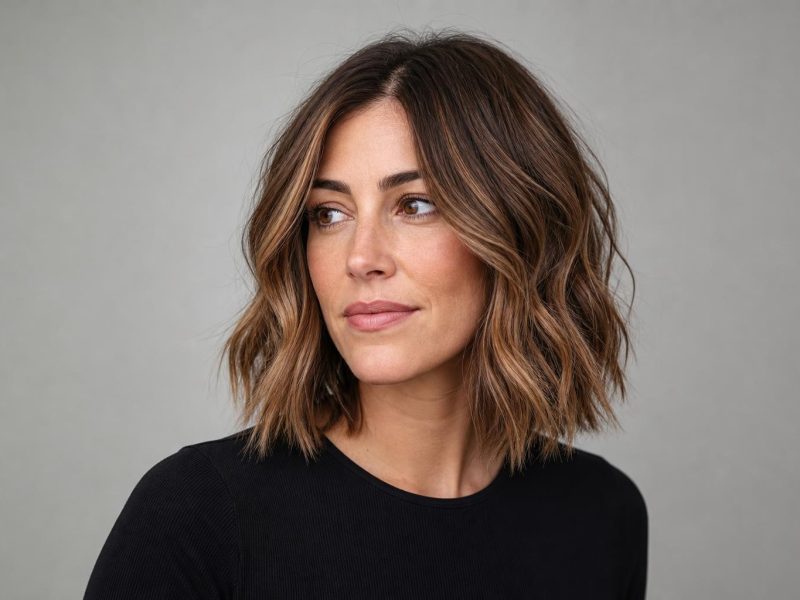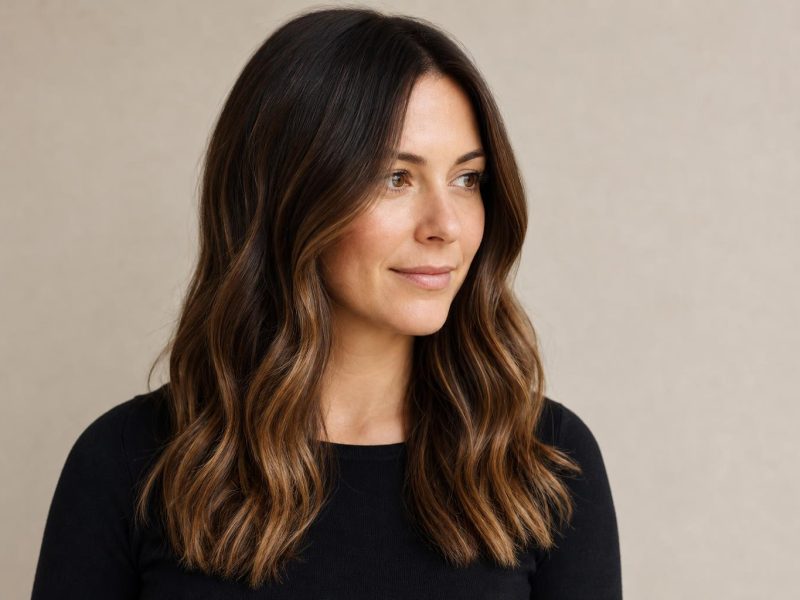
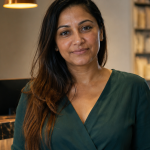
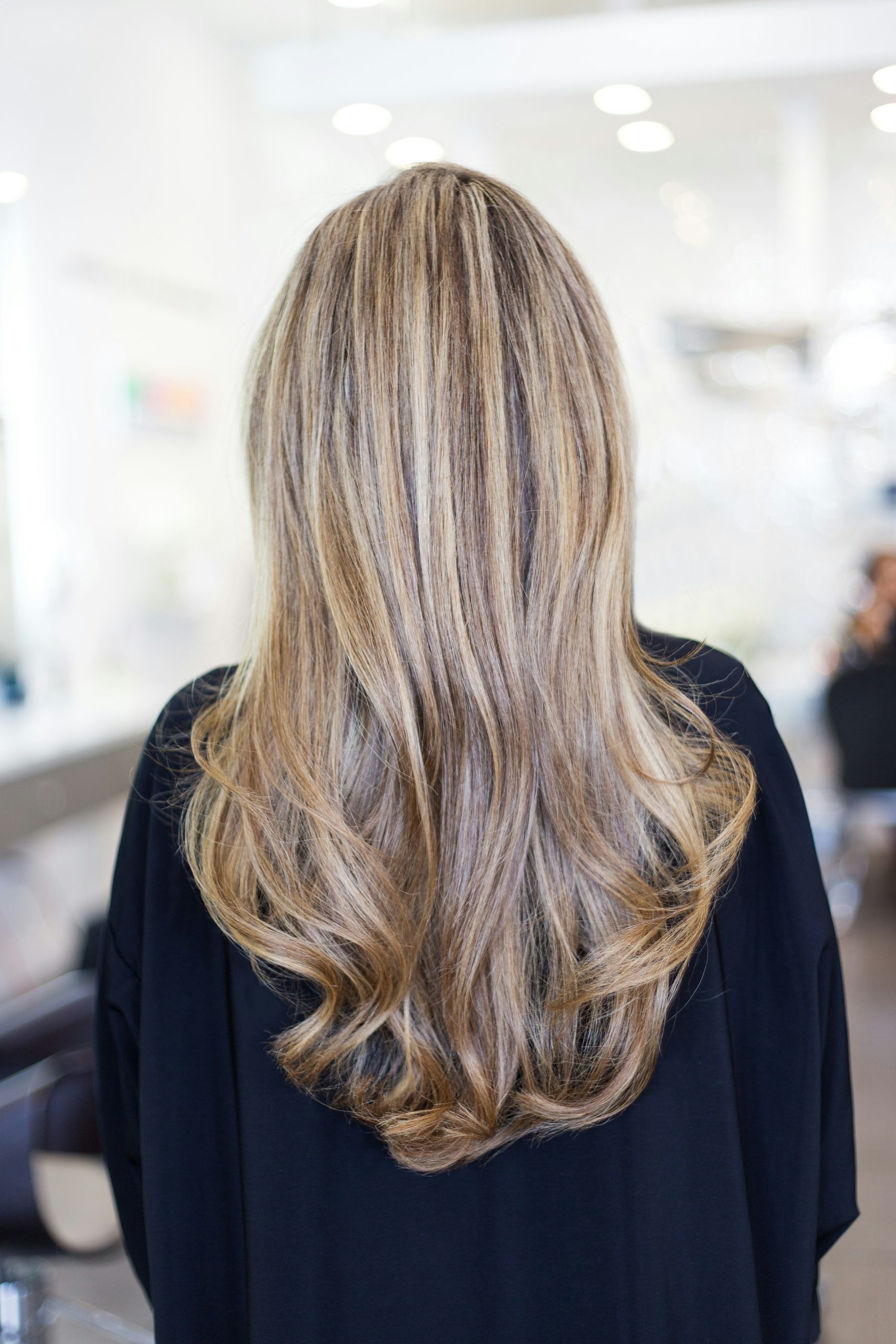
Face-framing highlights are lighter pieces placed only in the front sections of your hair, right where the strands fall against your cheeks and jaw, so they brighten your complexion without committing to an all-over color change.
The placement is the whole point. A colorist concentrates the lift around your hairline and the pieces that frame your face, which is where light naturally hits and where brightness reads as a healthy glow. You keep your base color, the upkeep stays low because there is no harsh root line across the whole head, and the effect flatters almost everyone. Below are 30 ways to wear them, sorted by shade, by placement, and by how much contrast you want against your base.
These pair beautifully with layered cuts that already move around the face. If you are pairing color with a fresh cut, our long layered hair guide shows how framing layers and framing color work together.
How Face-Framing Highlights Differ From a Full Head
Before the gallery, it helps to understand what you are actually asking for. A full head of highlights lifts color from root to tip across the whole head. Face-framing highlights stay in a narrow zone at the front, which changes the cost, the upkeep, and the look. This table lays out the practical differences so you can decide which version of brightness fits your life.
| Factor | Face-Framing Only | Full Head Highlights |
|---|---|---|
| Salon time | About 1 to 1.5 hours | 3 hours or more |
| Typical cost | Lower, fewer foils | Higher, full foiling |
| Upkeep schedule | Every 3 to 4 months | Every 6 to 8 weeks |
| Effect on face | Direct brightening at the front | Overall lightness, less targeted |
Blonde Face-Framing Highlights
Blonde is the most requested shade for framing because it bounces the most light back at the face. The trick is matching the blonde to your base so the contrast looks placed rather than patchy. These entries cover warm, cool, and natural blonde framing for a range of starting colors.
1. Buttery Blonde Money Piece
The money piece is the boldest version, two thick lightened sections that frame the face directly. A buttery, slightly warm blonde keeps it soft against medium and light brown bases. Wear it with a center part so both bright pieces sit symmetrically.
2. Cool Ash Blonde on Brunette
Against a dark brown base, a cool ash blonde frame gives high contrast without going brassy. Ask your colorist for a toner that leans beige rather than gold. This pairing reads modern and works especially well on cool-toned complexions.
3. Soft Vanilla Strands
Thinner, scattered vanilla pieces around the hairline give a barely-there glow rather than a bold stripe. The effect mimics how hair naturally lightens in the sun at the temples. Good for a first-timer who wants to test brightness before committing to thicker pieces.
4. Golden Blonde for Warm Skin
Warm and olive complexions glow next to golden blonde framing rather than ashy tones. The gold picks up warmth in the skin and makes the whole face look lit. Keep the rest of the hair your natural shade so the gold stays the focal point.
5. High-Contrast Platinum Frame
For dark bases that want a real statement, platinum framing pieces create the sharpest contrast possible. This needs a skilled colorist and a good toner schedule to avoid yellowing. Reserve it for those willing to keep up with purple shampoo at home.
Brunette and Caramel Framing
You do not have to go blonde to frame the face. Lifting your front pieces just a shade or two into caramel, honey, or warm brown still brightens the complexion while keeping the look rich. These entries suit anyone who wants glow without high contrast.
6. Caramel Ribbons
Caramel framing on a dark brown base adds warmth that flatters tan and deep skin tones. The pieces catch light like ribbons without the maintenance of blonde, and they pair well with the framing layers in a butterfly cut on long hair. A toner refresh every few months keeps the caramel from fading orange.
7. Honey Money Piece
Swapping platinum for honey gives the same money-piece placement with a softer, warmer feel. The honey tone bridges the gap between brown and blonde, so regrowth is forgiving. This is a low-stress entry point for anyone nervous about a hard color line.
8. Chestnut-on-Espresso Dimension
On a near-black base, lifting the front pieces just to chestnut creates subtle dimension instead of obvious highlights. The brightness is gentle, the upkeep minimal, and the result still opens up the face. A smart pick for very dark hair that wants softness, not stripes.
9. Bronde Blended Frame
Bronde, the blend of brown and blonde, gives framing pieces that never fully commit to either. The seamless mix grows out without a visible line and flatters a wide range of skin tones. Ask for a balayage application so the color melts down the front sections.
10. Mushroom Brown Lowlight Frame
Sometimes framing means going slightly cooler, not lighter. Mushroom brown pieces around the face add a smoky, dimensional softness that flatters cool complexions. This reverse approach suits anyone whose hair already has too much warmth.
Placement Variations
Where the color starts and how thick the pieces are matters as much as the shade. A highlight that begins at the root reads differently from one that starts mid-length. These entries focus on placement choices that change the whole effect.
11. Classic Two-Piece Money Frame
The simplest placement is one bold piece on each side of the part. Starting the lift right at the root gives maximum brightness against the face. This is the look most people picture when they hear money piece.
12. Root-Shadow Money Piece
Leaving a soft shadow at the root and lifting from an inch down gives a lived-in, grown-out feel from day one. The shadow buys you months between touch-ups because regrowth blends in. Ideal for low-maintenance schedules.
13. Curtain-Bang Brightening
If you wear curtain bangs, concentrating highlights in just those pieces makes the fringe glow. The brightness follows the sweep of the bang and frames the eyes. Our curtain bangs guide covers how to style the cut that this color flatters most.
14. Teardrop Placement
A teardrop technique places the brightest color at the cheekbone and fades it up toward the root and down toward the ends. The result lights the exact spot that flatters the face most. Subtle, dimensional, and very wearable.
15. Underneath Peekaboo Frame
Placing lighter pieces just under the top layer lets brightness peek through when the hair moves. Around the face this gives a soft glow without a solid block of color. A playful option for anyone who wants framing that comes and goes.
16. Thin Ribbon Scatter
Instead of two thick pieces, a scatter of thin ribbons across the front sections gives a more natural, sun-kissed look. The brightness is diffuse rather than graphic. This placement ages out gracefully with almost no hard line.
Highlights by Hair Texture
Texture changes how framing color reads. Straight hair shows a clean line, waves break the color into movement, and curls turn each highlighted piece into a bright spiral. These entries match placement to what your hair does on its own.
17. Straight-Hair Sleek Frame
On straight hair, framing highlights show their placement clearly, so precision matters. A clean money piece looks graphic and intentional. Smooth styling lets the brightness sit exactly where the colorist placed it.
18. Wavy Sun-Kissed Pieces
Waves catch framing color and scatter it as the hair bends, which softens any hard line. A looser, painted application suits this texture best. The result looks like a summer spent outdoors rather than a salon appointment.
19. Curly Halo Brightening
On curls, brightening the front pieces creates a glowing halo around the face as each highlighted coil catches light. Place the color on curls cut dry so it lands on the spiral, not buried inside it. The brightness moves with every curl.
20. Coily Edge Brightening
For tight coils, lightening the pieces right at the hairline frames the face and defines the edges. The effect is bold because coils pack a lot of color into a small area. Keep the lift gentle to protect the integrity of textured strands.
Subtle and Bold Contrast Levels
The gap between your base and your highlights sets the mood. A one-shade lift whispers; a four-shade jump shouts. These entries span the contrast range so you can dial the drama up or down to suit you.
21. Whisper-Soft Tonal Frame
Lifting only one shade lighter than your base gives the most natural framing possible. The brightness is felt more than seen, a quiet lift that flatters without announcing itself. Perfect for professional settings or a first try.
22. Medium-Contrast Everyday Glow
A two-to-three-shade lift hits the sweet spot most people want, visible brightness that still looks believable. This is the everyday version of face framing. It reads polished without veering into high-maintenance territory.
23. Bold Statement Stripes
Going four or more shades lighter creates a graphic, fashion-forward frame. The contrast is the point, so lean into clean placement and a sharp money piece. Best for those who enjoy a look that turns heads.
24. Reverse Dark Framing
Not all framing brightens. Placing darker pieces around a light base adds depth and sculpts the face in the opposite direction. This reverse trick flatters anyone whose hair has gone too uniformly light.
25. Two-Tone Split Frame
A bolder choice places one shade on one side and a slightly different tone on the other. The asymmetry is subtle but adds interest to a simple style. Works best on those who part their hair off-center.
Color-Maintenance and Trend Picks
Framing color lasts longer than full highlights, but it still needs care to stay bright and avoid brass. These final entries cover the low-upkeep options and the current trends worth knowing before your appointment.
26. Toner-Friendly Cool Frame
Choosing a cool-toned frame means committing to a toning gloss every few months to hold the shade. The payoff is a clean, expensive-looking brightness that never goes yellow. Pair it with a purple shampoo at home.
27. Grow-Out-Proof Babylights
Babylights are ultra-fine highlights that mimic natural hair, so they grow out with no visible line. Around the face they give the softest possible brightening. The lowest-maintenance way to frame, by a wide margin.
28. Glossed Warm-Honey Trend
The expensive-brunette trend leans on warm honey framing finished with a high-shine gloss. The gloss is what makes it look rich rather than flat. A gloss refresh every couple of months keeps the warmth glowing.
29. Lived-In Balayage Frame
A balayage application on the front sections gives a painted, grown-out look from the start. Because there is no foil line, the regrowth is forgiving and the upkeep relaxed. This is framing for people who hate salon schedules.
30. Copper-Kissed Framing
Copper framing pieces have surged in popularity for warm and red-leaning bases. The copper brightens the face with warmth instead of lightness, which flatters fair and freckled complexions, much like a full copper hair color does at lower commitment. Be ready to refresh, since red and copper tones fade fastest of all.
What to Tell Your Colorist
Face-framing color goes wrong when the brief is vague. Walking in and asking for highlights can get you a full head you did not want. Be specific about placement, shade, and how much contrast you are after, and bring a photo that shows the front of the hair clearly.
Say the words face-framing or money piece directly, and point to where you want the brightest sections to land. Name the contrast level you want, whether that is one soft shade or a bold platinum jump, and reference your starting level from our hair color levels guide so the target is realistic. Ask whether a root shadow or balayage application would stretch your time between visits, since that single choice changes your upkeep more than the shade does.
Stylist tip: Bring a photo taken in natural light, not a filtered one. Filters shift hair color toward tones that no colorist can replicate, and the gap between the filter and reality is the most common cause of disappointment.
When Face-Framing Highlights Are Not the Right Choice
This is one of the most flattering color services available, but a few situations call for a different approach. Knowing when to skip it saves you money and protects your hair.
If your hair is already damaged or over-processed at the front, adding lightener to those exact pieces risks breakage right where everyone sees it. If you want an even, all-over brightness rather than targeted glow, framing alone will look incomplete and you are better served by a partial or full head. And if your base is very dark and you want platinum framing, be honest with yourself about the toning upkeep, because neglected platinum on dark hair turns brassy fast.
Stylist tip: If your front pieces are fragile, ask your colorist about a bond-building additive mixed into the lightener. It will not undo existing damage, but it reduces further stress on the strands that frame your face.
Frequently Asked Questions
How much do face-framing highlights cost compared to full highlights?
Face-framing highlights cost noticeably less because they use far fewer foils and less salon time. A full head can run two to three times the price. Exact numbers vary by region and salon, but the savings are consistent.
How often do I need to touch up face-framing highlights?
Most people refresh every three to four months, which is gentler than the six-to-eight-week cycle a full head demands. Because the lightened zone is small and near a part you can shift, regrowth is less obvious. A root-shadow or balayage application stretches this even further.
Will face-framing highlights damage my hair?
Any lightening causes some stress, but framing limits it to a small section rather than the whole head. A skilled colorist and a bond-building additive keep damage minimal. The front pieces do take the most styling heat, so condition them well.
Can I get face-framing highlights on dark hair?
Yes, dark hair takes framing well, though the shade you can reach depends on your starting level. Caramel and honey lift easily, while platinum needs more processing and upkeep. Discuss a realistic target with your colorist before the first session.
What is the difference between a money piece and face-framing highlights?
A money piece is a bold, concentrated version with two thick lightened sections right at the part. Face-framing highlights is the broader term that includes thinner, scattered, and softer placements too. Every money piece is face-framing, but not every face-framing look is a money piece.
Do face-framing highlights suit all face shapes?
They flatter every face shape because you control where the brightness lands. Placing the lightest pieces at the cheekbone draws the eye to the center of the face, which balances most shapes. A colorist can adjust placement to elongate, soften, or widen as needed.
Face-framing highlights remain popular because they deliver the most visible payoff for the least commitment, brightening your complexion and adding dimension while your base color and your wallet stay largely intact. Pick the shade that flatters your skin, decide how much contrast feels like you, and ask your colorist for the placement that keeps upkeep on your terms.
This article is for inspiration and general guidance only. Individual results depend on your hair type, condition, starting color, and the skill of your colorist. Consult a licensed professional before making significant changes to your hair.