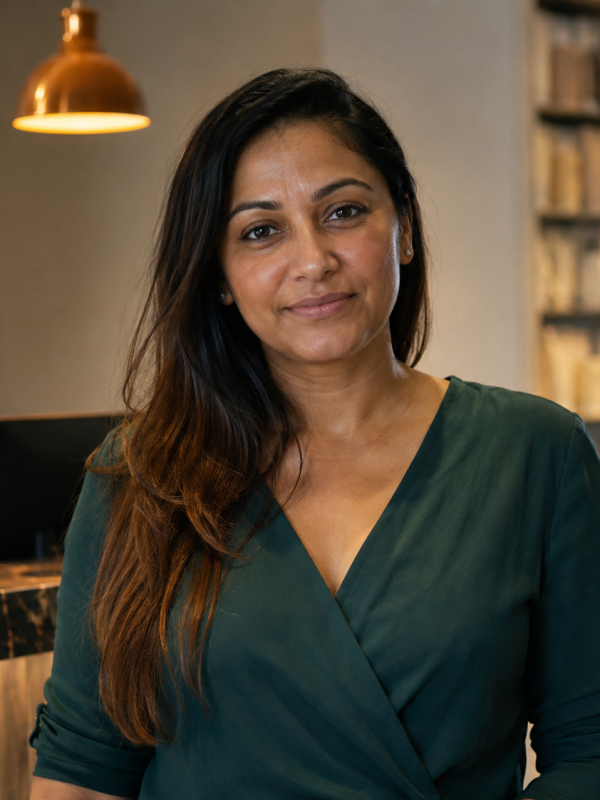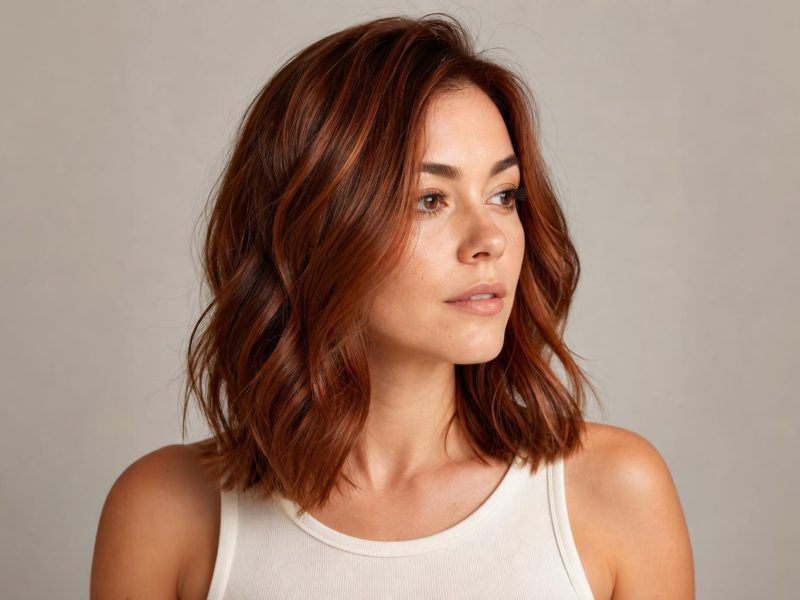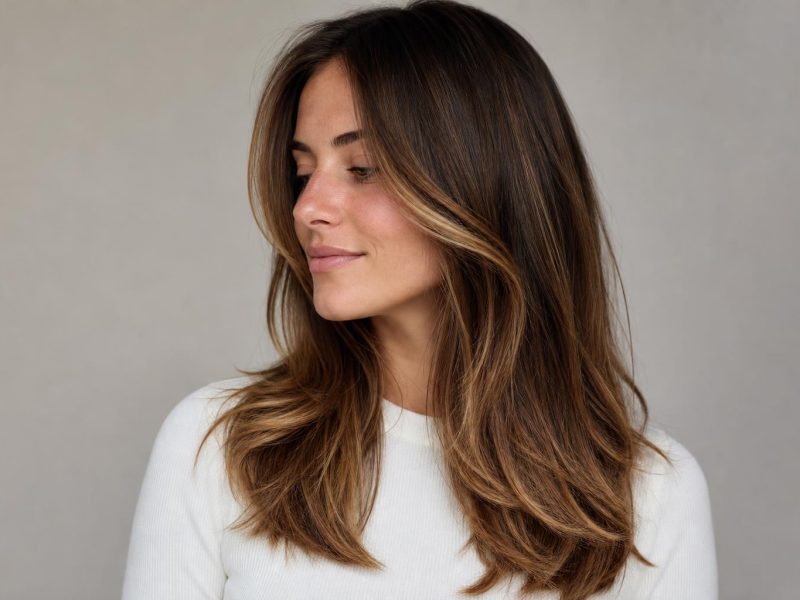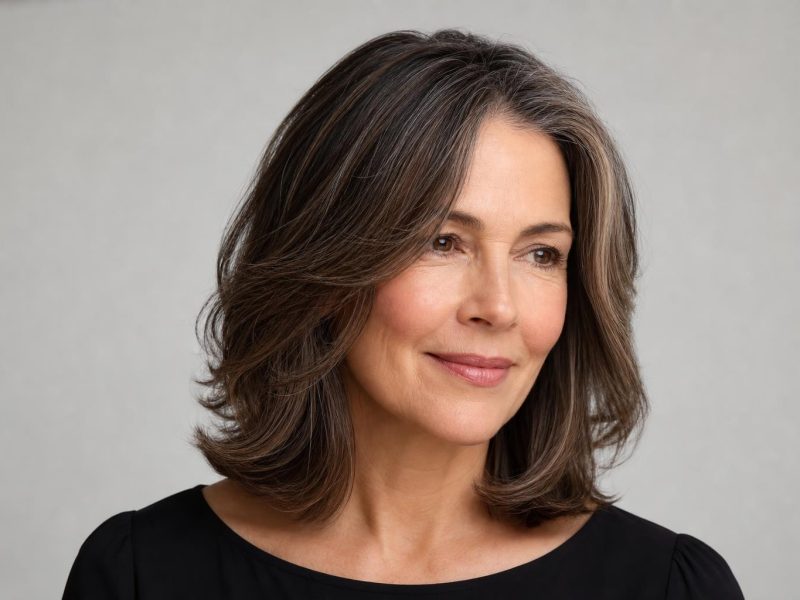
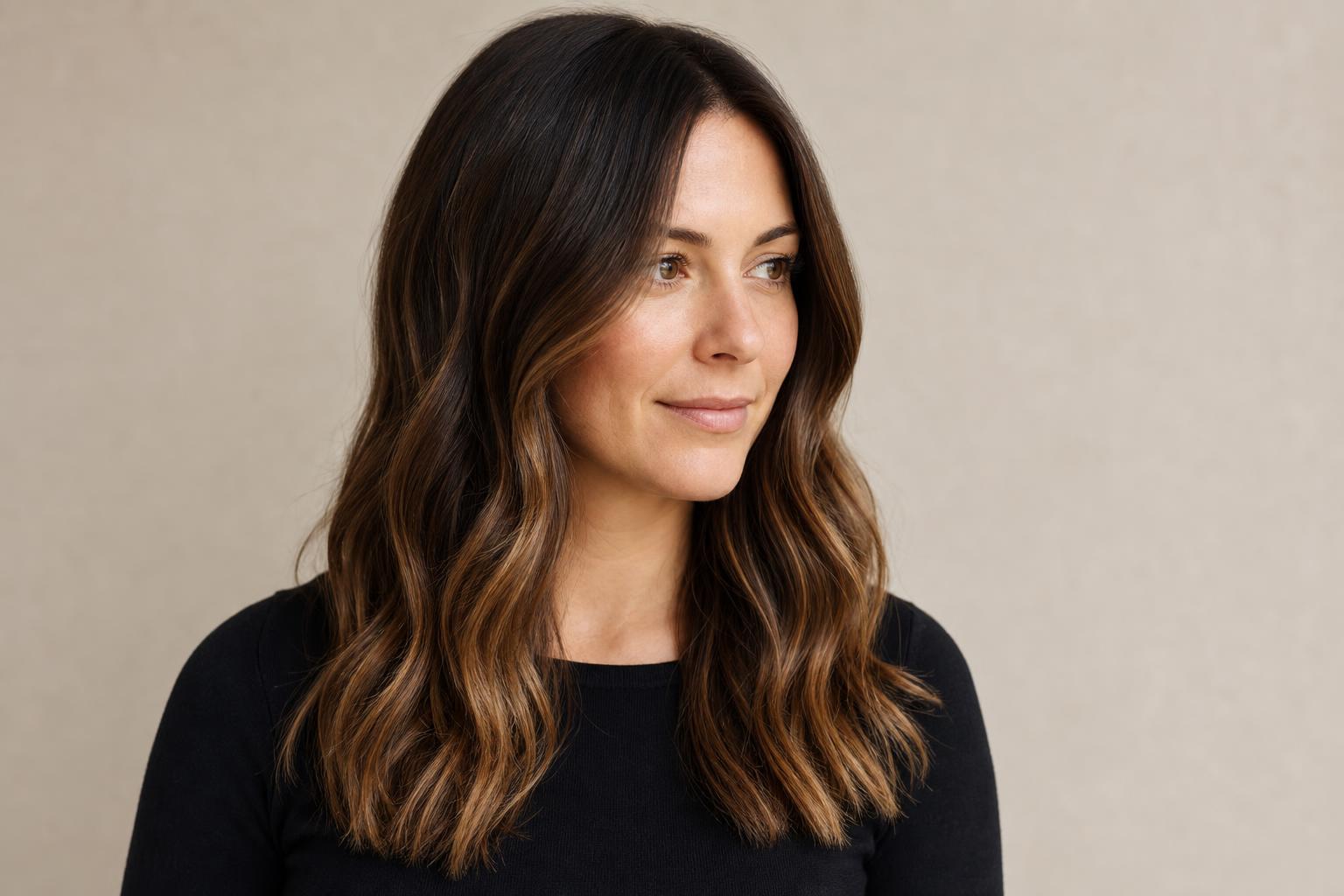
The trick to asking for balayage is to describe the result you want in plain language, bring photos of hair that starts like yours, and talk about placement so the color feathers instead of striping.
Most striped balayage happens because the request was vague, not because the colorist lacked skill. If you walk in and only say the word “balayage,” you are leaving every important decision, how bright, how low the color starts, how soft the blend, up to guesswork. The fix is to speak in results: “lighter through the ends, soft and natural at the roots, brighter around my face” tells a colorist far more than a single technique name.
This guide covers why balayage turns out striped, the exact results-based phrases to use, what to bring to your consultation, the questions worth asking in the chair, and how the request changes on dark versus light hair. The goal is a soft, lived-in blend you can grow out without a hard line.
Why Balayage Ends Up Striped
Striping is a placement and blending problem, not a flaw in the technique itself. When sections are too wide, spaced too evenly, or painted with a hard starting line, the brightness reads as distinct bands instead of a soft gradient. Understanding the three usual causes helps you describe what you want to avoid.
- Sections that are too thick or evenly spaced, which create visible rows of light rather than a scattered, natural look.
- A hard saturation line where the lightener starts abruptly, instead of being feathered so it fades into the darker root area.
- Placement that ignores how you part and wear your hair, so the bright pieces land in blocks rather than where the sun would naturally hit.
Stylist tip: Ask your colorist to “feather the tops of the sections and keep the placement random, not uniform.” Those two words, feather and random, are what separate a soft grow-out from a striped one.
Use Results Language, Not Technical Terms
Colorists read a described result more accurately than a named technique, because words like balayage, foilayage, and teasylights mean slightly different things in different salons. Tell them the effect you want and let them choose the method to get there. This table pairs common technical requests with the plainer language that actually communicates your goal.
| Instead of Saying | Say This | Why It Helps |
|---|---|---|
| “I want balayage” | “Lighter ends, soft natural roots, no hard line” | Describes the finish, not just the tool |
| “Make it blonde” | “A few levels lighter than my base, brighter at the ends” | Sets a realistic level from your starting color |
| “Face-framing highlights” | “Brighter pieces right around my face” | Places the money piece where you want it |
| “Low maintenance” | “I want to go three to four months between visits” | Turns a vague goal into a concrete plan |
What to Bring to Your Consultation
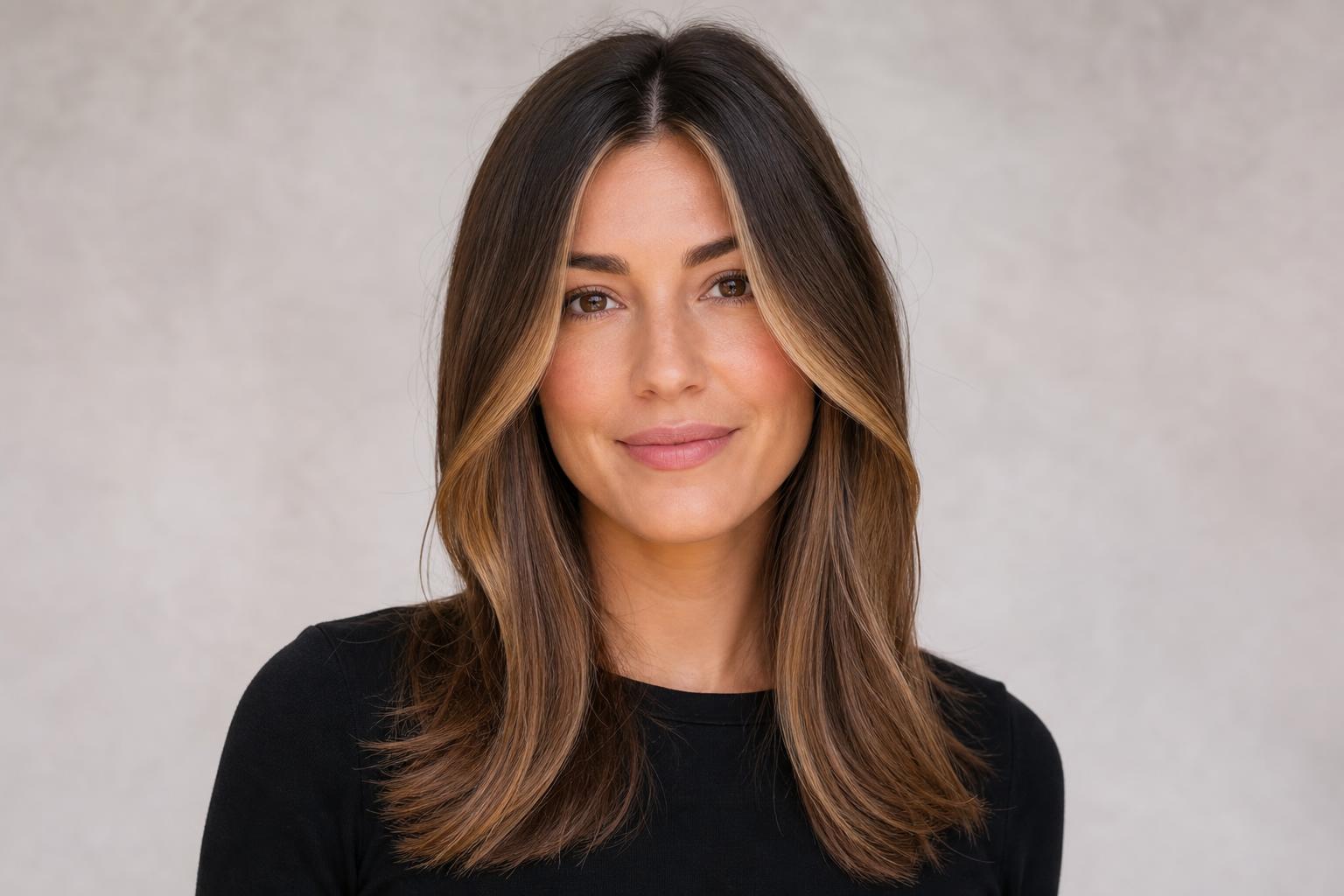
Reference photos do most of the talking, but only if they start from a base close to yours. A platinum balayage on naturally light hair is not a fair target if you start dark, so choose images where the before color and texture look like your own. Bring two or three photos you like and, if you can, one that shows a result you want to avoid.
Also come ready to share your hair history, since past color, box dye, and previous lightening all affect what is possible in one session. A colorist who knows you used box dye two years ago will plan differently than one caught off guard mid-appointment. If you are still weighing techniques before you book, our breakdown of babylights, highlights, and balayage helps you land on the right effect first.
The Consultation Questions Worth Asking in the Chair
A good consultation is a two-way conversation, and asking the right questions sets clear expectations before any lightener touches your hair. These are the ones that prevent surprises.
Ask How Many Sessions It Will Take to Reach the Photo
If your inspiration is several levels lighter than your natural color, one appointment rarely gets there safely. Ask directly whether the look is a single-session result or a plan across two or three visits. A colorist who is honest about this is protecting your hair from over-processing.
Ask Where the Brightness Will Start on the Strand
The starting point of the color decides how soft or bold the grow-out looks. Ask them to keep the lightener starting lower and feathered near the top, so there is no defined line as it grows. This is the single detail that most affects whether your balayage looks striped or seamless.
Ask What Toner and Home Care Will Keep It From Going Brassy
Balayage on brown hair warms up as the toner fades, so ask what gloss or toner they are using and how to maintain it. Your colorist can recommend a routine, and knowing how to handle warmth at home, covered in our guide to toning brassy brown hair, keeps the color cool between visits.
How to Ask for Balayage on Dark Versus Light Hair
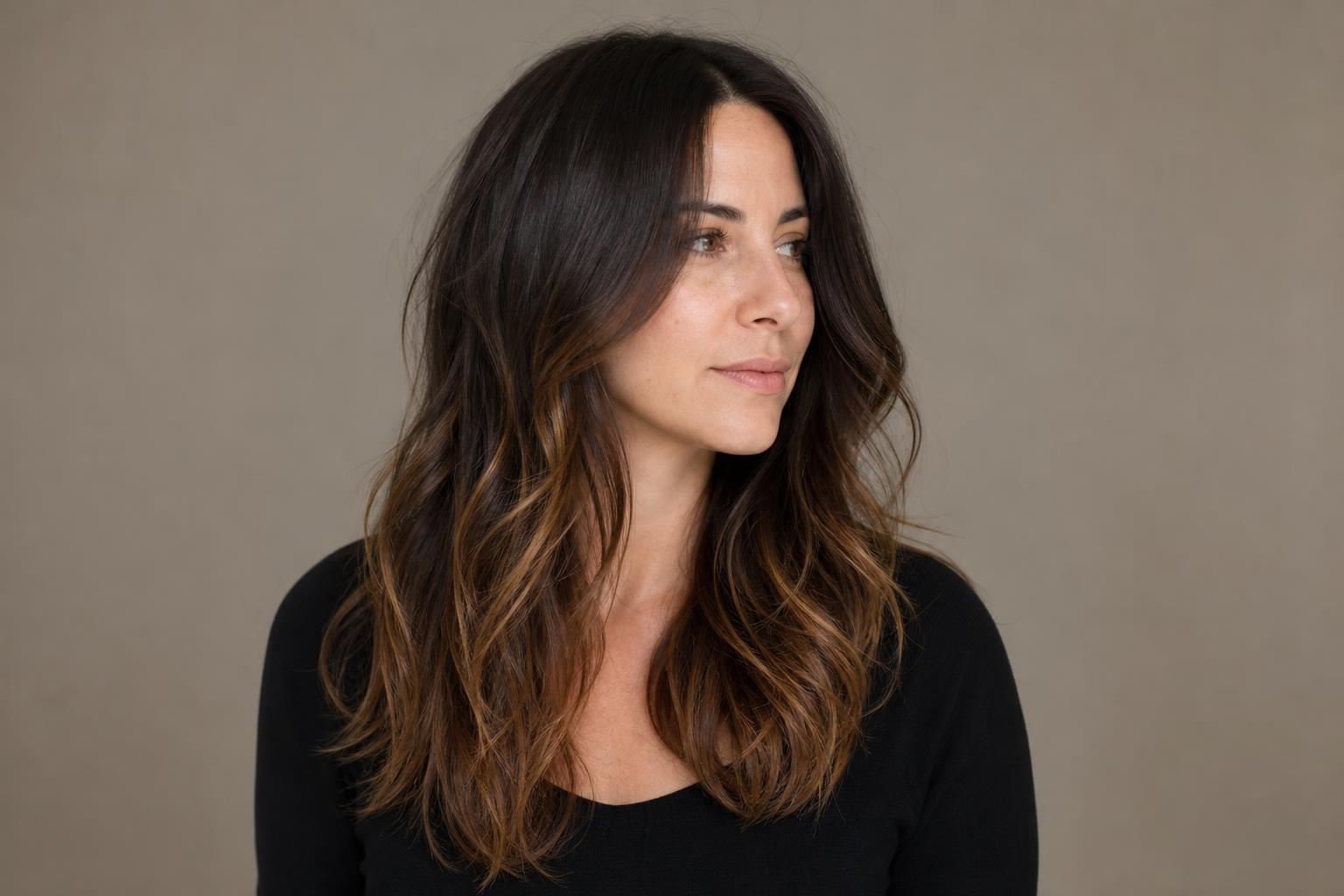
Your starting color changes the conversation completely. On dark hair, the honest request is warmth and dimension in the first session, with brightness built over time. On light hair, you can push for more contrast right away, but you also risk losing the soft, natural quality that makes balayage appealing.
For dark brown or black hair, ask for “warm caramel or bronze dimension through the ends, and we can go brighter next time.” For light or previously lightened hair, ask for “soft, blended brightness, nothing too stripey or high-contrast.” This seamless blending is closely related to color melting, where tones fade into each other with no line at all, and it is worth naming that finish if a truly invisible transition is your goal.
Common Mistakes That Lead to Striped Balayage
Avoiding a few predictable errors does more for your result than any single request. Each of these quietly pushes the outcome toward bands of color instead of a blend.
- Showing a photo of freshly styled, curled hair, which hides where the brightness actually sits and leads to placement that disappears when you wear it straight.
- Asking to go too light in one visit on dark hair, which forces wide, heavy sections and a more striped result.
- Saying only “balayage” and leaving placement, level, and blend entirely undefined.
- Skipping the maintenance conversation, so the color turns brassy and the once-soft blend starts looking patchy within weeks.
Exact Phrases to Bring to the Appointment
If you want a script, borrow these and adjust the tone words to your goal. Saying something like this in the chair covers the decisions that matter most.
“I want a soft, lived-in balayage with brightness through the mid-lengths and ends. Keep my roots natural and dark, feather the tops of the sections so there is no hard line, and place the brighter pieces around my face. I would rather it look natural than high-contrast, and I want to stretch three to four months between appointments. What is realistic for my hair in one session?” That last question invites the honesty that keeps your hair healthy and your expectations grounded. Naming techniques accurately helps too, and our salon color glossary covers the terms your colorist uses.
FAQ
What Should I Say to Avoid Striped Balayage?
Ask your colorist to feather the sections and keep the placement random rather than uniform. Striping comes from thick, evenly spaced sections and a hard starting line, so requesting a soft, scattered blend addresses the cause directly. Adding “no hard line at the roots” makes your priority clear.
Should I Ask for Balayage by Name or Describe What I Want?
Describe the result first, then use the name as a starting point. Because balayage and its cousins mean different things in different salons, phrases like “lighter ends, soft roots, brighter around my face” communicate more than the word alone. Let the colorist choose the exact technique to reach that finish.
How Light Can I Go with Balayage on Dark Hair in One Session?
On dark hair, one session usually reaches a warm caramel or bronze, not a bright blonde. Going lighter safely takes two or three visits so the hair is not over-processed. Ask your colorist directly what level is realistic for your starting color before you commit.
How Many Reference Photos Should I Bring?
Bring two or three photos you like, ideally showing hair that starts at a similar base and texture to yours. One photo of a result you want to avoid is just as useful, since it clarifies your taste. Choose images of unstyled or naturally styled hair so placement reads accurately.
Will Balayage Look Striped as It Grows Out?
Well-placed balayage grows out softly because the roots are left natural and the color is feathered, so there is no line to chase. Striping usually shows up right away from poor placement, not from grow-out. If it was blended well at the start, three to four months of growth still looks intentional.
Is Foilayage the Same as Balayage?
Foilayage is hand-painted like balayage but wrapped in foil to lift lighter and brighter, so it is useful on darker or more stubborn hair. It gives more contrast, which can read bolder and less soft than classic open-air balayage. Ask for it by describing the brightness you want and letting the colorist decide if foil is needed.
Knowing how to ask for balayage comes down to trading vague technique names for a clear description of the finish you want, backed by honest reference photos and a question about what is realistic for your hair. Talk about placement, level, and maintenance, and ask your colorist to feather the sections so the color grows out soft instead of striped. Walk in with the finish in mind, and the word balayage becomes the easy part.
Hair results vary based on your natural hair type, texture, density, and condition. Always consult with a licensed hairstylist before making significant changes, especially with chemical treatments or dramatic length changes. Photos may show styled results that require professional tools and products to replicate.