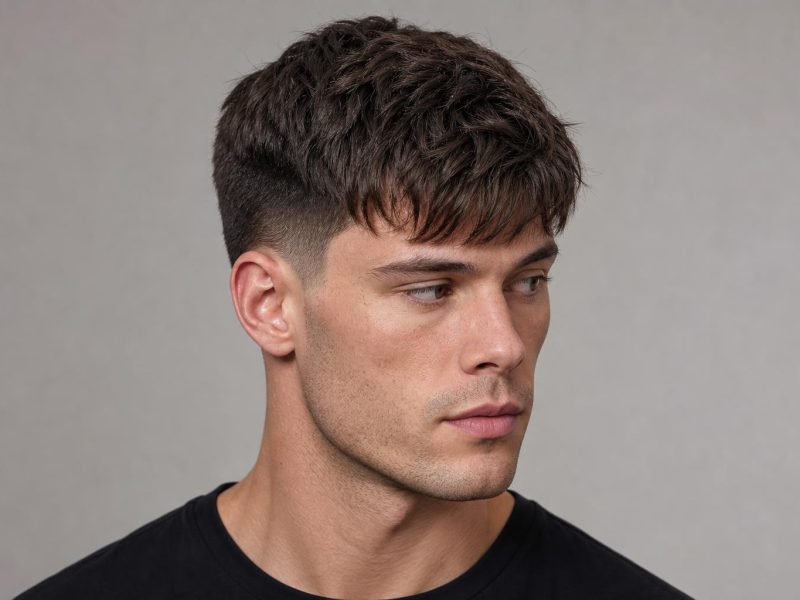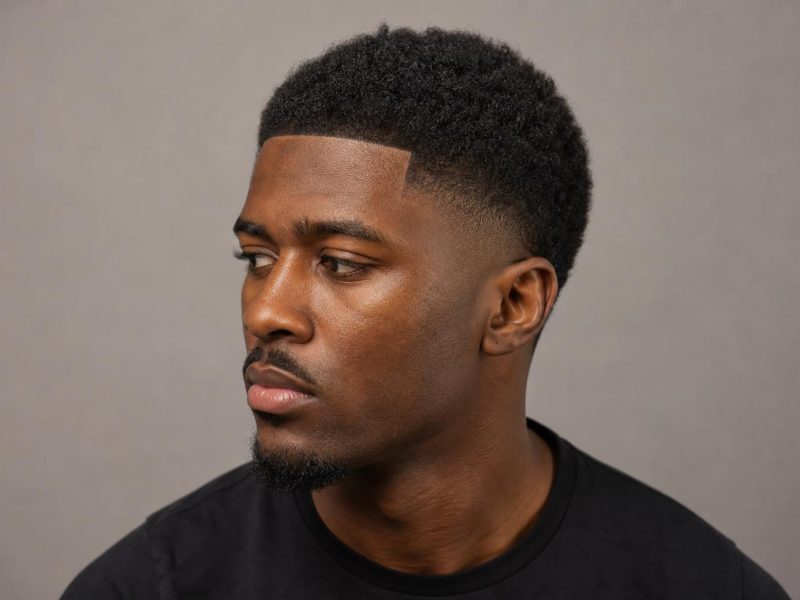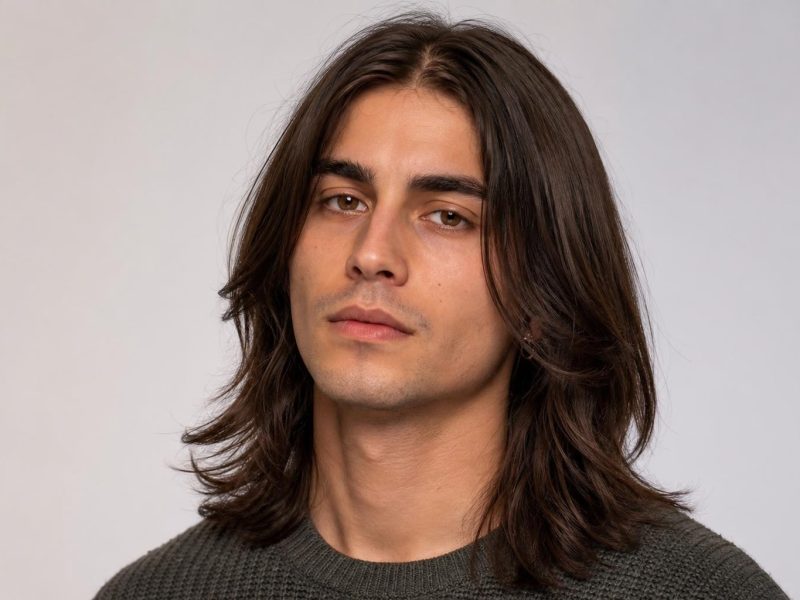

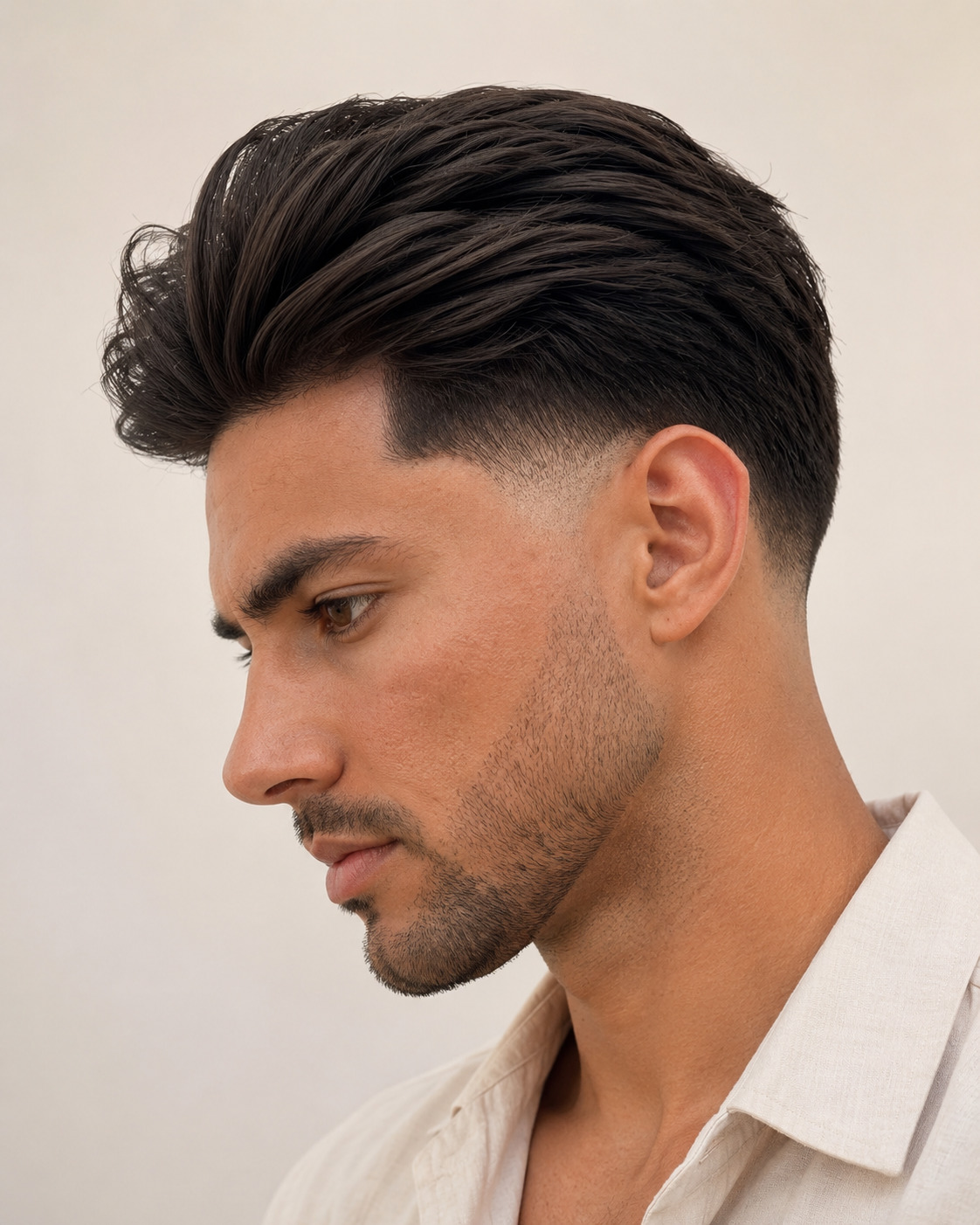
A slick back fade combs the top hair straight back and pairs it with faded sides, so the length on top stays sleek and controlled while the sides taper short for a clean, sharp contrast.
The cut splits into two jobs: the barber fades the sides and back, and you comb the longer top straight back with product. The fade height and the finish, whether glossy or matte, decide how formal or casual it reads. It suits most face shapes and works for the office or a night out. Below are 25 versions, grouped by fade type, by length, by texture, and by finish, so you can match the cut to your hair and your routine.
If you are weighing fade heights, our mid taper fade guide breaks down where each one sits, since the same options apply to a slick back.
Choosing Your Fade Height
The fade is half the cut, and where it starts changes the whole look. A low fade keeps things conservative, while a high fade makes the contrast bold. This table maps the common fade heights to the effect they give a slick back.
| Fade Height | Look It Gives | Best For |
|---|---|---|
| Low fade | Subtle, conservative contrast | Office and formal settings |
| Mid fade | Balanced, versatile contrast | Most face shapes and lifestyles |
| High fade | Bold, sharp contrast | A modern, statement look |
| Skin fade | Maximum contrast, faded to bare | The cleanest, edgiest finish |

Classic Slick Back Fades
These are the foundational versions, the cuts a barber pictures when you ask for a slick back fade without extra detail. They keep the shape clean and let the combed-back top and faded sides do the work.

1. Low Slick Back Fade
Starting the fade low, just above the ears, keeps the look conservative and office-ready. The longer sides ease the transition to the slicked top. A safe, versatile starting point.
2. Mid Slick Back Fade
A mid fade starting around the temples balances clean sides with enough length to frame the face. The contrast reads sharp without going extreme. The most popular version for good reason.
3. High Slick Back Fade
Taking the fade up high leaves a bold strip of length on top against very short sides, the same bold contrast you see in our high taper fade guide. The contrast is striking and modern. Best for those who want the cut to make a statement.
4. Skin Slick Back Fade
Fading the sides down to bare skin gives the sharpest, cleanest contrast possible. The slicked top stands out against the smooth sides. Plan on a touch-up every couple of weeks to keep the skin fade fresh.
5. Taper Slick Back
A softer taper instead of a hard fade keeps the sides short but gradual. The understated edge suits conservative settings. A subtle take on the classic shape.
Slick Back Fades by Length
How much length you keep on top changes the whole feel, from a tidy short slick to a flowing longer one. These entries span the lengths so you can match the cut to how much hair you want to manage.
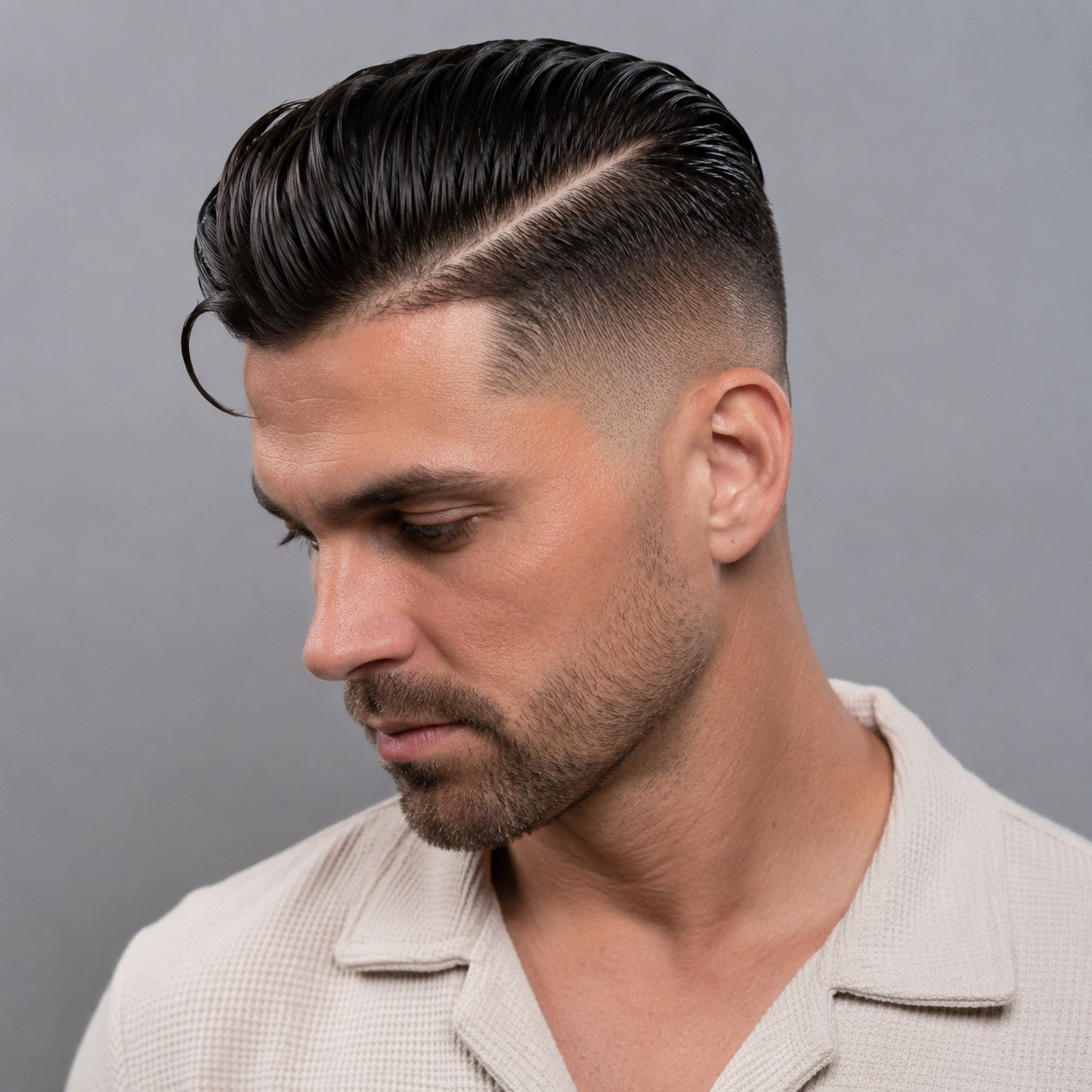
6. Short Slick Back Fade
Keeping the top short makes the slick back easy to manage and quick to style. A small amount of product holds the short length back cleanly. Ideal for low-maintenance mornings.
7. Medium-Length Slick Back
A medium top gives the slicked-back hair more flow and presence. The length catches the light when styled with a glossy product. A versatile middle ground that styles a few ways.
8. Long Slick Back Fade
Longer top hair slicked back reads bold and a little rebellious, with length pooling at the back. It needs more product to hold all day. A striking choice for those growing the top out.
9. Slick Back With Undercut Length
Pairing a longer slicked top with a disconnected faded side gives a sharp two-zone look. The hard contrast between top and sides is the appeal. A bold, modern silhouette.
10. Slick Back Man Bun Hybrid
Long enough to tie back, this version slicks the top into a small bun or tail with faded sides. It blends the slick back with a tied style. A flexible option for longer hair.
Slick Back Fades by Hair Texture
Your natural texture changes how the top slicks back and how much product it takes. The cut works across hair types with the right approach. These entries match the slick back to your texture.

11. Straight-Hair Slick Back
Straight hair slicks back the most easily, falling into clean lines with minimal product. The smooth finish is effortless, and it pairs neatly with a grown-out middle part on days you skip the product. The classic canvas for the cut.
12. Wavy Slick Back Fade
Wavy hair slicks back with soft texture and movement rather than a flat finish. A light pomade controls the waves without flattening them. The texture adds character to the cut.
13. Curly Slick Back Fade
Curly hair slicked back keeps visible curl and volume on top against the faded sides. A strong-hold cream defines the curls while holding them back. Our curly fade guide covers pairing curls with a fade.
14. Coily Slick Back
On coily hair, the slick back reads as defined texture brushed back rather than a flat sheet. A brush and a holding product shape the coils back. The texture gives the cut natural depth.
15. Thick-Hair Slick Back Fade
Thick hair holds a slick back well but needs a strong product to stay controlled. The density gives the top serious presence. A smoothing pomade keeps the bulk in line.
Slick Back Fades With Added Detail
Small additions like a part, a beard pairing, or design work change the slick back from simple to sharp. These entries cover the details worth asking your barber for.
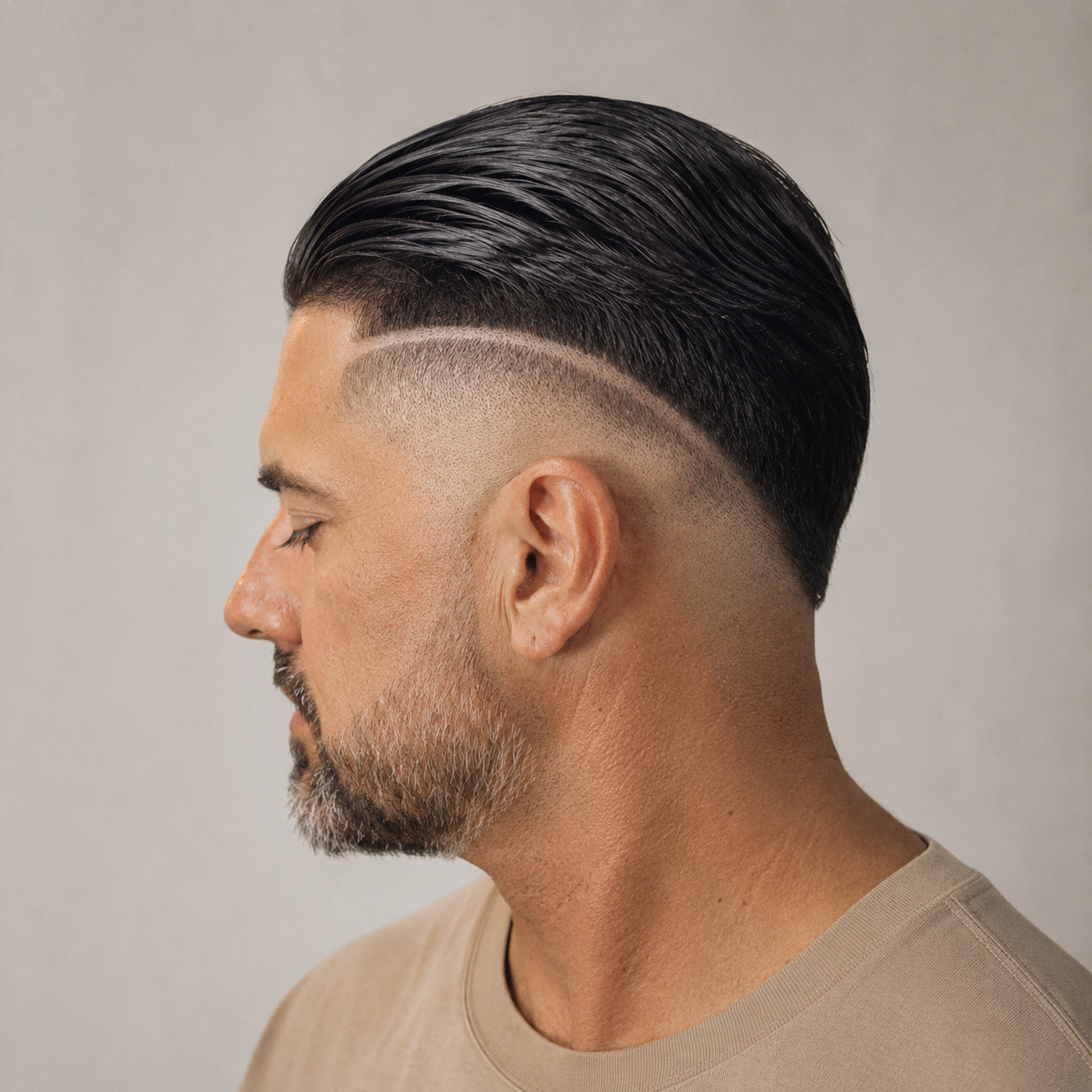
16. Slick Back With Hard Part
Adding a razored hard part gives the slick back a crisp, defined line. The shaved part adds structure to the combed-back top. A sharp detail that reads polished.
17. Slick Back With Beard Fade
Connecting the fade into a faded beard ties the whole look together. The continuous line from hair to beard reads intentional. See our drop fade guide for how the fade connects.
18. Slick Back With Line-Up
A crisp line-up at the hairline sharpens the front of the slick back. The clean edge frames the face. A barbershop detail that keeps the cut looking fresh.
19. Disconnected Slick Back
Leaving a hard, undisguised line between the top and the fade gives a bold, graphic look. The disconnection is deliberate and modern. Best on straight hair where the line shows clearly.
20. Slick Back With Design
Adding a shaved design into the faded side gives the cut personal flair. The detail suits those who want something custom. Our haircut designs guide covers the options.
Finish and Styling
The product and finish you choose change the slick back from wet-look glossy to natural matte. These final entries cover the finishes that define the everyday look.
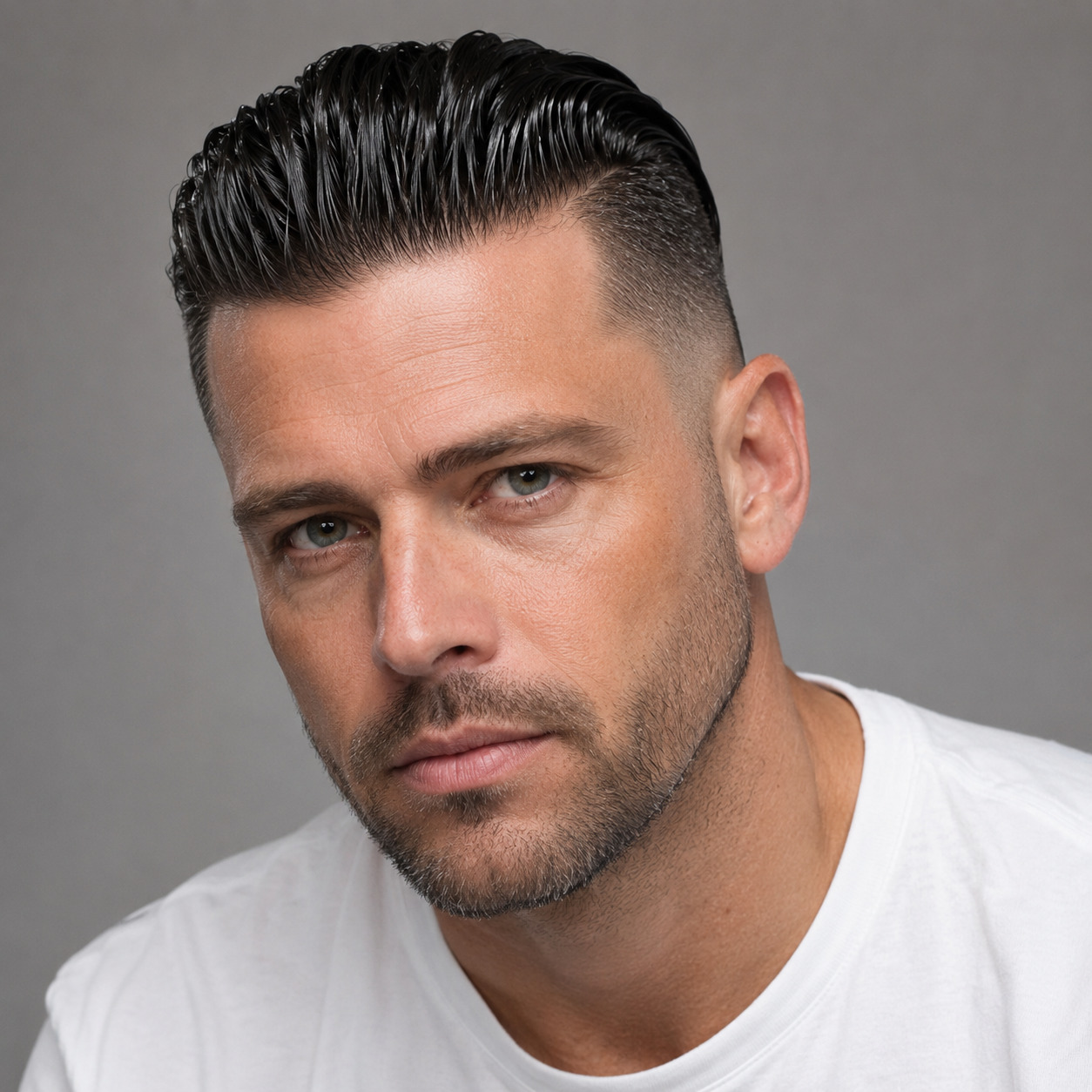
21. Glossy Wet-Look Slick Back
A high-shine pomade or gel gives the classic wet-look finish that reads formal and sharp. The gloss is bold and polished. Best for events and a dressed-up look.
22. Matte Natural Slick Back
A matte clay or paste slicks the hair back with a natural, low-shine finish. The understated look reads modern and casual. A versatile everyday choice.
23. Textured Slick Back
Working a matte product through for separation gives a piece-y, textured slick back rather than a smooth sheet. The texture adds a relaxed, current feel. A softer take on the cut.
24. Low-Maintenance Slick Back
Keeping the top short and using a light product makes this version quick to style each morning. A few seconds of combing is all it takes. Ideal for a busy routine.
25. Blow-Dried Volume Slick Back
Blow-drying the top back before adding product builds volume and lasting hold. The lift keeps the slick back from looking flat. A polished finish for a fuller look.
What to Tell Your Barber
A slick back fade has two parts to communicate: the fade and the top. Being clear about both gets you closer to the cut you want, since barbers interpret a vague request differently.
Name the fade height you want, whether low, mid, high, or skin, and say how short you want the sides taken. Tell your barber how much length to leave on top, since that decides how the slick back falls and how much product it needs. Mention whether you want a hard part, a beard connection, or a line-up, and bring a photo so the fade height matches what you picture.
Stylist tip: Ask your barber to leave a little extra length at the front of the top. The front pieces do the most work in a slick back, and having length there lets you control how the hair frames your face.
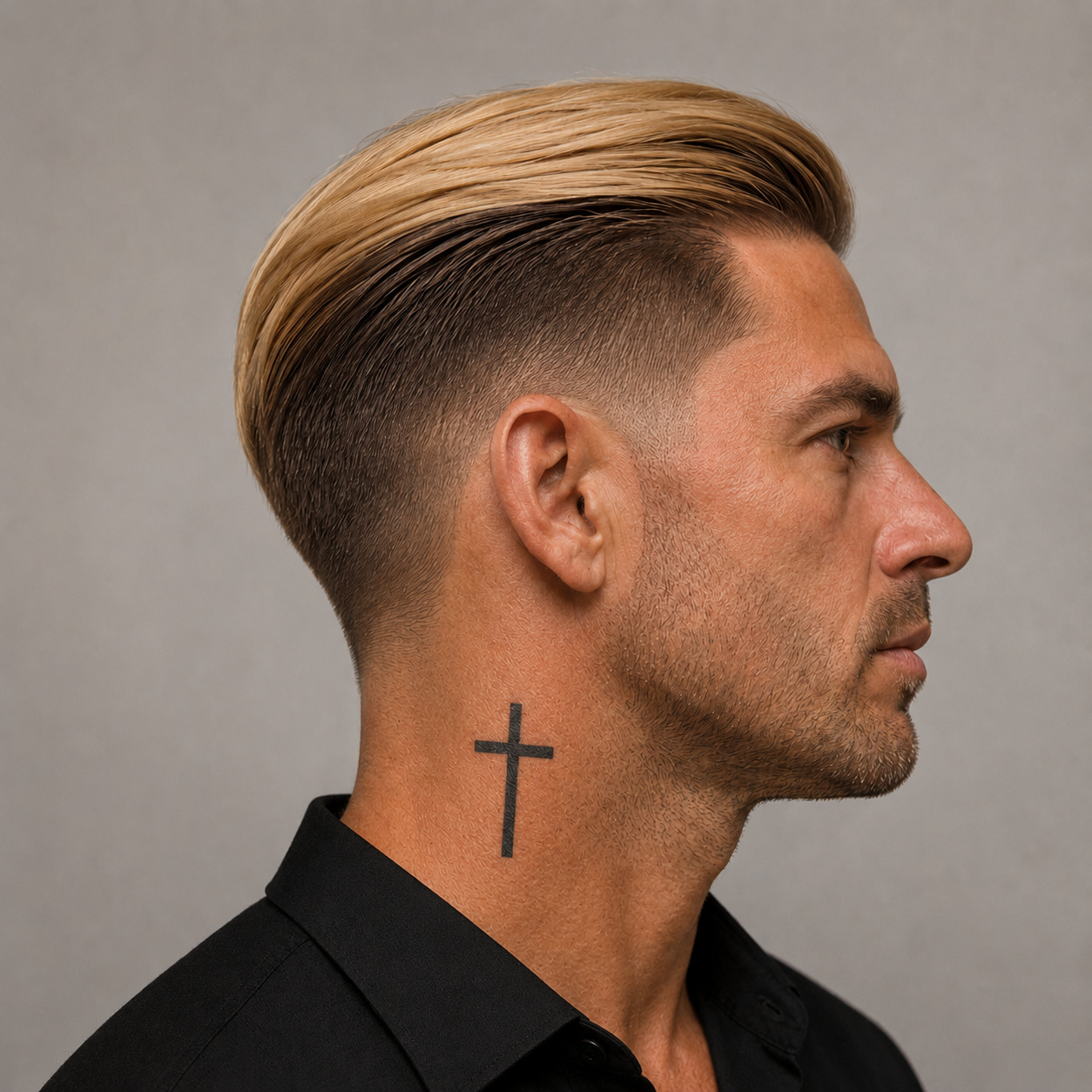
When a Slick Back Fade Is Not the Right Choice
The cut suits most people, but a few situations make it a harder fit. Knowing them ahead of time saves a frustrating grow-out.
If your hair is very fine or thinning at the crown, slicking it back can reveal the scalp rather than hide it, so a textured forward style may flatter more. If you dislike using product daily, the slick back needs it to hold, so a shorter low-maintenance cut suits you better. And if a receding hairline concerns you, combing everything back draws attention to the hairline rather than away from it.
Stylist tip: If your hairline is receding but you love the look, ask for a slightly textured slick back rather than a flat one. The texture breaks up the hairline and looks softer than a smooth, combed-back sheet.
Frequently Asked Questions
What is a slick back fade?
A slick back fade combs the top hair straight back and pairs it with faded sides and back. The top stays long enough to slick, while the sides taper short for contrast. It is a versatile cut that works for both formal and casual settings.
How long does my hair need to be for a slick back fade?
The top usually needs to be at least three to four inches so it can be combed back and hold. Shorter hair can slick back but gives less flow. The sides can be any length since they are faded short.
What product is best for a slick back fade?
Pomade and gel give a glossy, formal finish, while matte clay or paste give a natural, low-shine look. The right one depends on the finish you want and your hair texture. Thicker hair generally needs a stronger hold.
Does a slick back fade work on curly hair?
Yes, curly hair slicked back keeps visible texture and volume against the faded sides. A strong-hold cream defines and controls the curls. The result reads fuller than a straight-hair slick back.
How often does a slick back fade need a trim?
The fade needs a touch-up every two to four weeks to stay sharp, sooner for a skin fade. The top can grow longer between visits since length helps the slick back. Regular fade maintenance is what keeps the cut clean.
Is a slick back fade high maintenance?
The styling is quick once you have the product down, but the fade needs frequent barber visits to stay sharp. Daily styling takes only a comb and a small amount of product. The upkeep is mostly in the fade, not the styling.
The slick back fade endures because it pairs a clean, controlled top with sharp faded sides, giving a look that works in the office and out at night. Choose your fade height, match the length and finish to your hair and routine, and be clear with your barber about both the fade and the top, and the cut will read sharp and intentional every time you comb it back.
This article is for inspiration and general guidance only. Individual results depend on your hair type, features, and the skill of your barber. Consult a licensed professional before making significant changes to your hair.