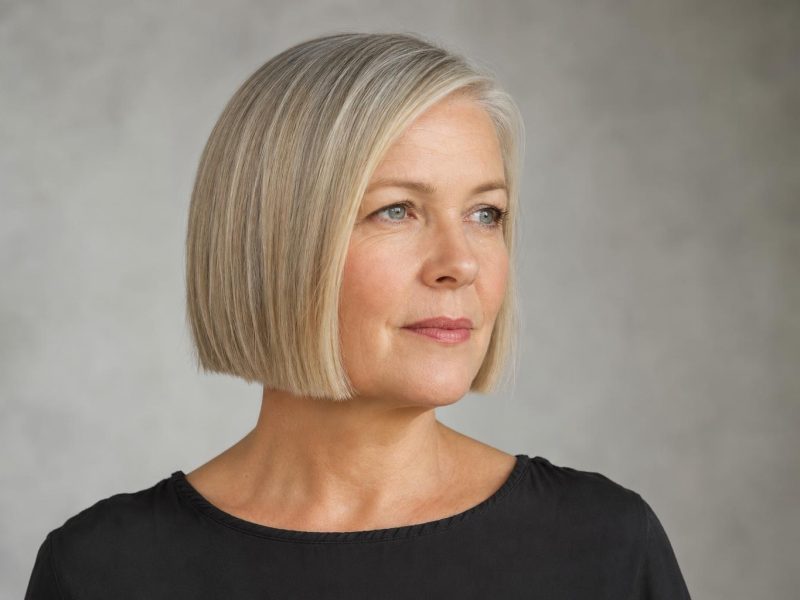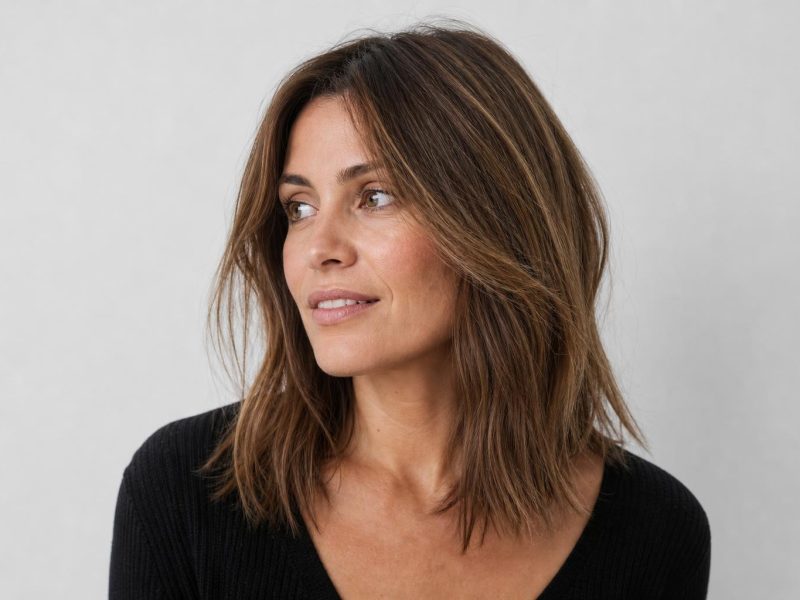


The undercut pixie sits at the intersection of softness and precision, and when the balance between the two is right, it delivers a level of versatility that most short styles can’t match.
These 30 feminine pixie cuts with undercut range from subtle nape shaves to fully disconnected side-and-nape combinations, with tops styled as soft waves, swept fringes, textured crops, or piece-y layers. The gallery is organized by undercut depth and placement, so you can find the level of contrast that fits your preferences before walking into a salon.
A face shape guide, grow-out reality section, and salon script follow the gallery, covering which undercut type suits which proportions, what to expect during the four to six months it takes to grow back to one length, and the exact phrases that give your stylist the direction they need.
| Factor | Details |
|---|---|
| Best for | Fine to medium density hair; oval, heart, and long face shapes get the strongest results |
| Maintenance | Undercut sides every 3-4 weeks; top section trim every 5-7 weeks; grow-out is a 4-6 month commitment |
| Works with | Straight, wavy, or lightly curly hair on top; the shaved or clipped sides work across all textures |
| Avoid if | You want a truly low-maintenance cut; the grow-out phase requires active styling to avoid looking unkempt |
| Salon time | 45-75 minutes for the cut alone; add 30-60 minutes for color or bleach work on the shaved sections |

Nape Undercut Pixie Cuts
The nape undercut is the most accessible entry point into the undercut pixie, the shaved or clipped area sits at the back of the head and remains largely hidden under the top section when styled down. It adds a clean neckline and reduces the bulk that makes pixies feel heavy at the back, without creating the visible contrast of a side or temple undercut. Women who want the structural benefit of an undercut without committing to a bold side shave often start here. Many of the tapered pixie cuts in this cluster use a nape undercut as their base.
1. Classic Nape Shave with Soft Textured Top
The nape is clipped to a grade 2 or 3, removing the heaviness at the back while the top section keeps 3-4 inches of length that can be styled in multiple directions. Point cutting throughout the top creates texture that makes the style feel deliberately edgy rather than simply short. This structure is the most forgiving of any undercut pixie when it comes to growing back out, since the shaved section grows into a gradual taper rather than a hard disconnected line.
2. Nape Undercut with Side-Swept Fringe
Heart-shaped and oval faces carry this combination well because the longer fringe swept across the forehead creates a soft diagonal line that balances the clean, angular nape. The contrast between the feminine sweep at the front and the close-clipped back creates a front-to-back visual journey that keeps the style interesting without requiring color. Keep at least 2 inches of fringe length so the sweep maintains direction through a full day without needing product re-application.
3. Fine Hair Nape Undercut with Volume on Top
Fine hair gains the most from a nape undercut because removing the heavy back section eliminates the weight that pulls the crown flat. The reduced bulk at the nape lets fine strands sit higher and fuller at the crown without the blow-dry work a longer back section requires. A small amount of volumizing mousse worked into the roots before air-drying keeps the crown lifted through the day without the stiffness that heavier products create on fine strands.
4. Wavy Nape Undercut with Piece-y Crown
Work a medium-hold wax through slightly damp hair and use fingertips to separate the top into individual pieces, then let air-dry without touching it further. The wave pattern in the top section creates organic movement, while the clipped nape keeps the back structured enough to prevent the look from reading as simply grown-out. Avoid blow-drying the top upward, the natural fall of the wave through each piece is what gives this look its relaxed quality.
5. Nape Undercut Pixie with Long Grow-Out Fringe
A nape undercut combined with a longer fringe section that reaches the brow or below means the top continues growing while the back is freshened every 3-4 weeks. At the 3-month grow-out mark, the nape undercut begins blending into the back, making the transition away from the undercut much smoother than a side or temple version allows. Women planning to eventually move back to a longer short cut often use this combination as a bridge style.
6. Copper-Tinted Nape Undercut
Copper and warm auburn tones make the contrast between the shaved nape and the colored top section more pronounced, since the color boundary becomes visible as the top falls away from the back at the neckline. This combination is striking in natural light without needing a dramatic undercut depth, so women who want visual interest without a skin-fade shave can achieve a similar effect through color contrast alone. Copper fades through warm peach and gold rather than turning ashy, so the color stays flattering through the grow-out cycle.
7. Nape Shave with Soft Curtain Front
Tell your stylist: “I want a nape shave at a grade 2, blending gradually up into the back, with the top kept at around 3 inches and cut so I can center-part it into a soft curtain-style split at the front. No hard line where the shaved section meets the top.” The curtain front softens the precision of the undercut and creates a look that reads as feminine and relaxed from the front while the back reveals the structural detail. This is the combination to show if you want the cut to present differently depending on the angle.
8. Nape Undercut vs Tapered Neckline
A nape undercut is clipped to a single short length and creates a defined horizontal boundary between the short back and the top section, while a tapered neckline gradually blends from short to longer with no clear separation line. The undercut produces more graphic contrast and a cleaner neckline edge, but shows grow-out within 2-3 weeks. A tapered neckline is more forgiving on a 4-6 week schedule and suits women who want a clean back without the maintenance demand of a true shave.
Side and Temple Undercut Pixie Cuts
Side and temple undercuts are where the feminine pixie undercut earns its visual strength. The shaved or close-clipped section is visible above the ear when the top is styled, creating an immediate contrast between softness on top and structure at the sides. The depth of the side shave determines how bold the contrast reads: a grade 3 clip produces a subtle tonal difference, while a skin fade or zero guard creates a sharp separation. Women with fine or medium density hair often find that a moderate side undercut eliminates the puffiness that can develop at the sides of a pixie without precise thinning.
9. Single-Side Temple Undercut with Swept Top
Undercutting one temple and leaving the other natural creates a built-in asymmetry that makes the style read as more editorial than either a fully symmetrical cut or a standard side part. The shaved side is clipped to a grade 1-2 from the top of the ear down to the sideburn line, while the opposite side blends in through a standard taper. The asymmetry works with the natural direction the hair falls, so choose the undercut side based on which direction your hair naturally sweeps.
10. Temple Undercut for Heart-Shaped Faces
Heart-shaped faces, wider at the forehead and temple, narrowing to a pointed chin, benefit from a temple undercut because it reduces the visual width at the widest point of the face. Keeping more volume at the top of the crown and near the cheekbones, while clipping the temple area tight, creates a more balanced proportion than a standard pixie that adds volume at exactly the point where heart faces are already widest. Women exploring hairstyles for heart-shaped faces often find the temple undercut pixie resolves the width issue more directly than softer styling choices.
11. Thick Hair Side Undercut with Natural Texture on Top
Thick hair benefits from a side undercut that removes the bulk at the ear and temple, where the density tends to push the hair outward and create a triangular silhouette. Leaving the natural texture untouched on top while clipping the sides tight creates a strong contrast that makes the style feel deliberately structured. Diffuse the top section on low heat to enhance natural texture without adding product weight, and let the shaved sides air dry.
12. Side Undercut with Finger-Waved Crown
Apply a firm-hold gel to slightly damp top hair and use a fine-tooth comb to create soft S-shaped waves across the crown, then clip each wave in place until the hair dries completely before removing the clips. The finger wave creates a polished, vintage-inspired finish on the top that contrasts with the close-clipped sides in a way that reads as deliberately stylish rather than low-effort short. This styling approach works best on straight to slightly wavy hair with medium density.
13. Side Undercut Grow-Out Reality
A side undercut needs a fresh clip every 3-4 weeks to stay defined; at 5 weeks the regrowth starts to lose its contrast with the top section and the style transitions through an undefined middle phase that many women find the hardest part of maintaining a pixie undercut. The awkward phase peaks around weeks 4-6 between trims and is easiest to manage by keeping the top section styled with product to create deliberate separation from the growing-out sides. Planning refresh appointments on a strict schedule is more important for side undercuts than for nape versions.
14. Platinum Side Undercut with Dark Natural Top
Bleaching the shaved side to platinum while leaving the top at its natural dark shade produces a color contrast that doubles the visual impact of the undercut, since the tonal shift is visible at the boundary between sections. The lifted undercut section requires purple or blue toning every 4-6 weeks to prevent brassiness, which adds a maintenance step that nape undercuts with all-natural color don’t require. Women who want maximum drama from minimum hair length consistently return to this combination.
15. Side Undercut with Long Layered Top
Tell your stylist: “I want the sides clipped to a grade 2 from just above the ear down, blending into a short taper below the ear. The top should stay long enough to fall past my jaw when it falls forward, with internal layers for movement. I want the undercut boundary visible when I tuck the top behind my ear.” The length contrast between the long layered top and clipped sides creates a dramatic reveal that appears as a standard long pixie when the top is worn forward and shows the undercut detail when tucked.
16. Side Undercut Pixie vs Standard Short Sides
A side undercut clips the hair at the temple and above the ear to a uniform length with no blending into the top, creating a hard line at the section boundary. Standard short sides taper gradually from the top downward with blending throughout, producing no visible boundary. The undercut look requires the hard boundary to read correctly; if the stylist blends the transition, the definition disappears. Specify “no blending at the top boundary” when asking for a defined undercut to ensure the distinction is preserved.
Full Disconnect Undercut Pixies
A full disconnect undercut extends across both sides and wraps around the nape, creating a clear separation between the top section and the short-clipped perimeter. This is the boldest undercut configuration and the one most associated with editorial and barbershop-style pixie cuts. The top section floats visually above the disconnected sides, which means volume, texture, and parting choices at the crown have a significant impact on how feminine or sharp the overall result reads.
17. Full Skin-Fade Disconnect with Soft Top Waves
Fading the sides and nape to skin at the lowest point and blending through grades 1-3 up to the disconnection line creates a graphic silhouette where the contrast between the bare skin and the soft wave texture on top is maximized. The fade is typically highest at the temple and lowest behind the ear, so the shaved area appears to curve around the head rather than ending in a flat horizontal line. This combination reads as both precise and feminine because the technical barbershop work at the sides contrasts with the soft texture above.
18. Full Undercut for Long Face Shapes
Long and oblong face shapes can carry a full disconnect undercut confidently because the width added visually by the clipped sides balances a face that already has vertical emphasis. Keeping the top section styled with volume at the sides rather than height at the crown distributes the visual weight horizontally, which suits long faces better than a high quiff or pompadour variation. Women with very long face shapes find this combination more flattering than a nape-only undercut, which adds no horizontal balance.
19. Curly Top with Full Shaved Sides
Natural 3a-3b curls styled freely on top while the sides and nape are clipped short creates a look that is sometimes called a modern take on the Mohawk shape without the height required. The curl shrinkage factor is important: what looks like a large volume of curl at the top may shrink significantly when dry, so ask your stylist to cut the top section with the curls in their natural dry state rather than stretched. Diffuse rather than air-dry if the top section has significant shrinkage, which gives the curls more height without heat damage.
20. Slicked-Back Full Undercut
Apply a strong-hold pomade to completely dry hair and use a fine-tooth comb to pull everything straight back from the forehead, working section by section from the hairline to the crown. The slicked-back top contrasts with the skin-faded sides in a way that creates a defined gender-fluid aesthetic, reading as polished and intentional rather than simply short. This is the styling approach for women who prefer a composed, deliberate look over the relaxed texture that most feminine pixie undercut styles use.
21. Full Undercut Maintenance Schedule
A full disconnect undercut at its sharpest needs a refresh every 2-3 weeks, the sides and nape grow out faster than the top section, and the definition of the disconnection line blurs as soon as regrowth reaches a quarter inch. Budget for this frequency before committing; at 12 visits per year for undercut maintenance alone (plus top-section trims every 6-8 weeks), the annual salon cost is considerably higher than a standard pixie without undercut work. A less extreme grade 2 undercut rather than skin can extend the maintenance window to 3-4 weeks.
22. Pastel Full Undercut with Bleached Top
Bleaching both the top and the undercut sections and then toning the top to a soft lavender, dusty rose, or ice blue while leaving the sides silver-blonde produces a tonal variation where the undercut reads as a light-catching frame for the colored crown. The pastel on the top section requires a re-toning appointment every 4-6 weeks as the color fades to blonde, and the undercut sides should be kept at the same lifted level to maintain the relationship between the sections. This is a short hair color approach that requires a committed chemical maintenance schedule but produces a result that no single-process color achieves.
Long Pixie and Bixie with Undercut
The long pixie and bixie, the hybrid length sitting between a pixie and a bob, sit closer to a standard short cut on most days but reveal an undercut element when the hair is tucked, pinned, or styled back. This is the most versatile category in the gallery and the easiest starting point for women who want the undercut detail without the full commitment to short, exposed sides. The top section at this length provides enough hair to style multiple ways, which means the look can shift from professional to editorial depending on how the top is worn.
23. Bixie with Hidden Nape Undercut
Tell your stylist: “I want a bixie length, top section that just reaches my jaw, with internal layers for movement. Under the top section at the nape, I want a grade 2 undercut that stays hidden when my hair falls naturally but shows when I push the top section up or pin it back.” The hidden undercut is the entry point for women who want the feel of an undercut without it being visible during their normal daily styling routine. It provides a clean neckline and reduces bulk without committing to the aesthetic.
24. Long Pixie Undercut vs Standard Long Pixie
A standard long pixie tapers all sides and the nape with gradual blending throughout, while a long pixie undercut maintains a longer top section and clips the sides or nape to a distinct shorter length with no transitional blend at the boundary. The undercut version creates a more dramatic before-and-after when styled differently, while the standard taper grows out as one cohesive shape. Women who want versatility in how the look presents choose the undercut version; women who prioritize easier maintenance and grow-out choose the taper.
25. Long Pixie with One-Side Undercut and Balayage
Placing balayage highlights on the longer top section while leaving the undercut side at a natural base shade creates a color shift that emphasizes the movement of the top section falling over the clipped side. The balayage picks up the most color at the ends of the longer pieces, which means the highlight pattern shifts as the top is styled in different directions. On medium-length bixie hair, a warm caramel or honey balayage over brown base creates the most natural-looking version of this combination.
26. Long Pixie Undercut for Square Faces
Square face shapes with strong jawlines benefit from a long pixie undercut that keeps the side volume reduced through the undercut while maintaining length at the top that can be styled forward or to the side to soften the angular jaw. Undercutting the sides reduces the horizontal width at the ear level, which prevents the already-wide jaw from being framed in additional volume. A soft fringe or longer side-swept pieces at the front further redirect the eye upward rather than emphasizing the jaw width.
27. Thick Wavy Long Pixie with Deep Side Undercut
Thick wavy hair styled naturally on top of a deep side undercut produces a high-contrast look where the wave pattern in the top section visually maximizes the volume difference between the two sections. The deep side undercut on thick hair also solves the common problem of the side sections puffing outward and making the overall silhouette look wide rather than sleek. Scrunch a light curl cream through the top section and air-dry for the natural wave to develop without adding product weight that would flatten the volume difference between sections.
28. Pinned-Back Long Pixie with Nape Reveal
Use a small bobby pin or barrette to push the top section entirely back from the face, exposing the undercut at the sides and nape. When the top falls forward, the cut looks like a standard long pixie or bixie; pinned back, the undercut framework becomes the whole aesthetic. Placing a decorative pin at the temple rather than hiding the fastening creates a deliberate styling moment rather than a utilitarian move, which elevates the pinned version to something that reads as intentional.
29. Grow-Out Planning for the Long Pixie Undercut
The long pixie undercut grows out more gracefully than a short version because the top section already has length that can absorb the growing-out sides over time. At months 4-5, the undercut sides reach the length of the lower portion of the top section and the two begin to merge, creating a chin-length graduated cut that requires no intervention to look intentional. Women who want to grow from a pixie to a chin-length bob should use this as their transition cut, since it provides defined styling through the awkward middle length.
30. Long Pixie Undercut with Face-Framing Highlights
Bright highlights placed specifically on the face-framing pieces of the long pixie top section, the strands that fall forward near the forehead and cheeks, pull the eye toward the face and away from the undercut sides, creating a more traditionally feminine focal point for the style. The undercut then becomes a structural element rather than the visual center, which suits women who want the cut’s benefits without the undercut reading as the main statement. A money-piece effect using bleached or highlighted strands at the temples achieves this with a single targeted foil session.
Face Shape Guide for Pixie Undercut Styles
The undercut changes the visual proportions of a pixie more dramatically than parting or styling choices, since it removes volume at the sides where most face shapes are balanced. Use this table as a starting point, and ask your stylist to assess your specific face proportions during consultation, since the actual contour of your face (not just its general category) affects which undercut placement and depth works best for you. Women with oval face proportions have the widest range of undercut options.

| Face Shape | Best Undercut Placement | Top Section Styling | Avoid |
|---|---|---|---|
| Oval | Any placement works; full disconnect or nape both flattering | Most styles, height, sweep, or natural fall all work | Over-engineering; proportions are already balanced |
| Round | Side or full undercut to reduce temple width; avoid nape-only | Height at crown; off-center part; avoid symmetrical center parts | Wide, voluminous tops that add horizontal emphasis at the temples |
| Heart | Temple undercut on the wider-forehead side; reduces upper face width | Volume near the chin and cheekbone level; soft fringe | Full undercut with very flat, slicked top that exposes the wide forehead |
| Square | Side undercut to reduce ear-level width; reduces jaw framing | Soft, swept layers; avoid severe geometric top styling | Hard skin-fade with very sharp undercut line (doubles angular geometry) |
| Oblong/Long | Full undercut gives width; avoid nape-only which elongates further | Side volume; horizontal sweep; fringe to interrupt vertical length | Very tall crown styling that adds to the face’s vertical emphasis |
| Diamond | Nape undercut works well; temple undercut needs care at narrow forehead | Volume at forehead and crown to widen the narrow upper face | Temple undercut that further narrows an already narrow forehead |
What to Tell Your Stylist
The most common consultation problem with undercut pixies is not being specific about where the undercut starts and ends. “I want an undercut pixie” gives a stylist less direction than you need them to have, the variation between a grade 1 nape shave and a full skin-fade disconnect is significant, and an ambiguous request can land anywhere on that spectrum.
For a subtle nape undercut: “I want the nape clipped to a grade 2 or 3, blending gradually up into the back of the head with no hard line. Keep the top section at [length], and don’t shave any higher than the occipital bone.”
For a side undercut: “I want the sides clipped from just above the ear down, at a grade 1-2, with no blending into the top section at the boundary, I want the disconnection visible. Leave the opposite side either natural or with a standard taper.”
For a full disconnect: “I want a complete undercut across both sides and the nape at a [specify: grade 1 / skin fade / grade 2]. The boundary should sit at approximately [ear top / temple line / describe using your own hairline]. The top section should be [length and style direction].”
Stylist tip: Bring at least two reference photos, one showing the top section styling you want, and a second showing the undercut side or nape. Top and side references from different photos are fine and often more accurate than a single photo that doesn’t show both angles clearly. A stylist working with one photo is likely looking at only the angle the photo was taken from.
When a Pixie Undercut Is Not the Right Choice
The undercut pixie is frequently presented as a universally flattering choice for women going short, but there are real scenarios where the cut is a poor match for the person’s lifestyle or hair.
- Very low hair density or significant crown thinning: the undercut removes the side coverage that balances a thin or sparse top section. If density loss is concentrated at the crown, the undercut will make the sparse area more visible by removing the surrounding context. A soft taper is more forgiving.
- Strict professional environments with dress code requirements: a visible side shave or full undercut can conflict with professional settings that require conservative appearance standards. The hidden nape undercut is the only variation that reliably passes without disclosure.
- Anyone who dislikes frequent salon visits: a defined undercut requires a refresh every 3-4 weeks at minimum to stay deliberate-looking. Women who prefer 8-12 week maintenance cycles will find the undercut in a chronic state of grow-out that is harder to style than the original cut.
- Hair with strong cowlicks at the nape or temple: cowlicks in the shaved area can cause the regrowth to grow in a different direction than the surrounding hair, creating uneven texture in the clippered section that is difficult to manage without constant trimming.
Stylist tip: If you are considering a pixie undercut primarily because someone else wore it well, bring that reference photo and ask your stylist to give you an honest assessment of whether your hair growth patterns and face shape produce a similar result. The undercut reads differently on different head shapes, and the assessment takes less than two minutes during a consultation.
FAQ
How Is a Feminine Pixie Undercut Different from a Standard Pixie?
A standard pixie tapers all sides and the nape with gradual blending, while an undercut pixie clips the sides or nape to a distinct shorter length with a visible disconnection between the top section and the shorter perimeter. The undercut creates a more graphic contrast and allows the top section to appear visually separate from the sides. The feminine version typically adds softness at the top through waves, layering, or a swept fringe to balance the precision of the undercut.
How Long Does It Take to Grow Out a Pixie Undercut?
A full return to one length typically takes 4-6 months for the undercut sections and 6-9 months for the top section to reach jaw length, depending on your hair’s growth rate. The most challenging period is months 2-4, when the undercut sides have grown enough to be noticeable but not enough to blend with the top section. Keeping the top styled with product through this phase helps the two sections read as one intentional cut rather than uneven growth.
Can I Get an Undercut Pixie with Curly Hair?
Yes, and curly hair often produces particularly strong results because the contrast between the curl texture on top and the flat shaved sides is more pronounced than with straight hair. The key is having the top section cut dry so the stylist works with the curls at their resting length rather than their stretched wet length. A shorter-than-expected top section is the most common outcome of cutting curly hair wet, which is why the dry-cut approach for curly pixies matters especially when an undercut is involved.
Will an Undercut Pixie Suit My Round Face?
Yes, but the placement matters. A side or temple undercut that reduces the visual width at the ear level works better for round faces than a nape-only undercut, which adds no horizontal balance. Styling the top with height at the crown and off-center rather than center-parted further elongates the face shape. The combination of reduced side volume through the undercut and added crown height through styling is specifically effective for round faces seeking a more oval-looking proportion.
Does an Undercut Pixie Damage Hair?
The clipping and shaving of the undercut sections does not damage hair, clippers remove hair cleanly without the mechanical or chemical stress that causes breakage. The risk of damage applies to the top section if bleaching or repeated chemical coloring is added to create color contrast. If you plan to lighten the top section for a two-tone effect, ask for a bond-strengthening treatment alongside the bleach and avoid overlapping bleach onto previously processed hair during refresh sessions.
What Products Work Best for Styling a Pixie Undercut?
The right product depends on the top section’s texture and the finish you want. Matte clay or paste works for textured, piece-y tops on straight or wavy hair. A volumizing mousse applied to the roots before blow-drying works for fine hair needing lift at the crown. Light-hold wax is best for long pixie or bixie tops where you want movement and flexibility. Avoid heavy creams in the undercut sections, they sit on the short clipped hair and create a product-residue look rather than adding anything to the style.
Can You Add Color to Just the Undercut Sections?
Adding color to only the undercut area is done but less common, since the sections are short and the color is largely hidden under the top when the hair is worn down. The more effective approach is coloring the top section or creating a two-tone effect where both sections are a different color, the contrast between them is what makes color work in an undercut pixie. If you specifically want the undercut sections colored, ask your stylist to apply the color in sections so the two colors remain separate at the disconnection boundary.
Finding the right feminine pixie cut with undercut is mostly about deciding how visible you want the contrast to be and how often you are willing to maintain it. The nape undercut is the quietest starting point for women trying the look for the first time; the full disconnect is for those who want the undercut to be the primary visual statement. Bring two or three reference images from this gallery to your appointment and use the face shape table to narrow down which undercut placement works with your proportions before committing.
Hair results vary based on your natural hair type, texture, density, and condition. Always consult with a licensed hairstylist before making significant changes, especially with chemical treatments or dramatic length changes. Photos may show styled results that require professional tools and products to replicate.