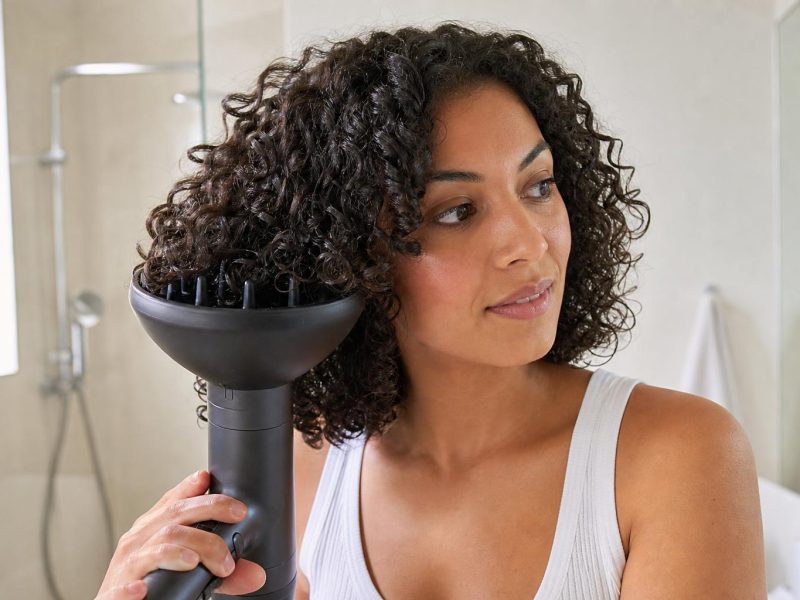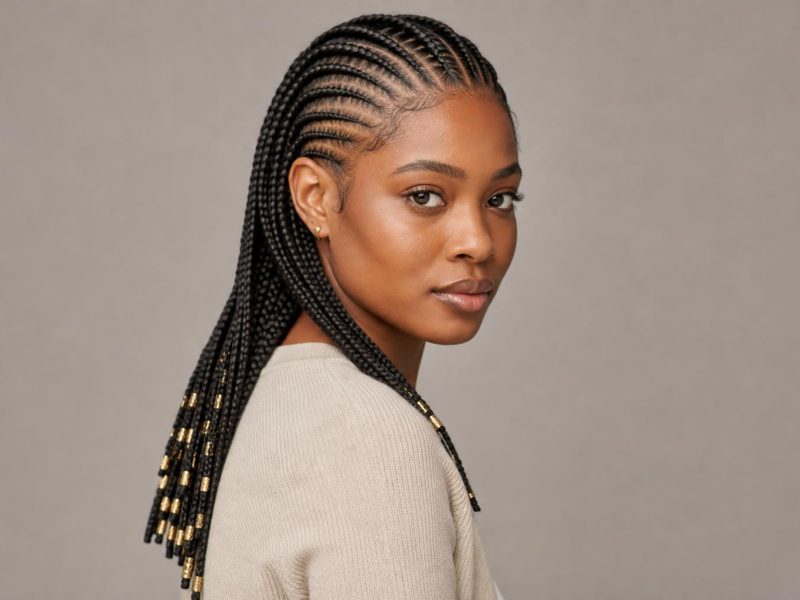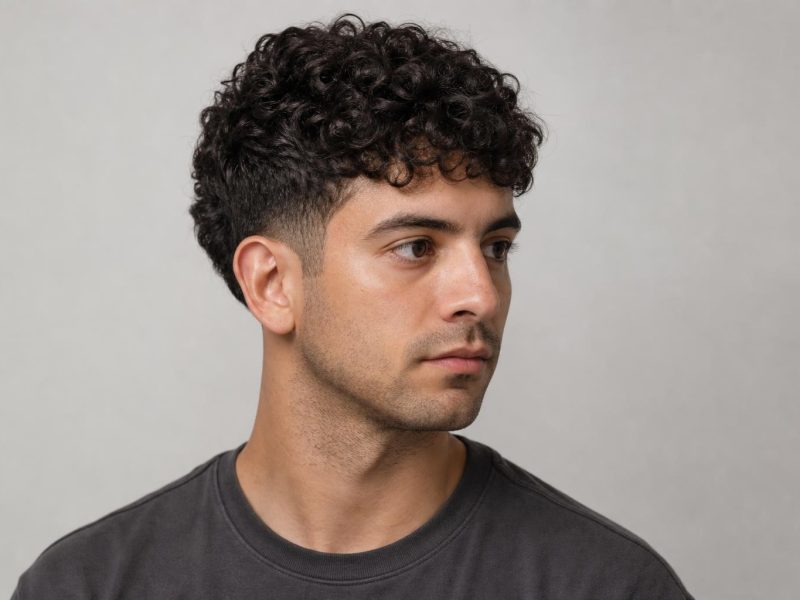

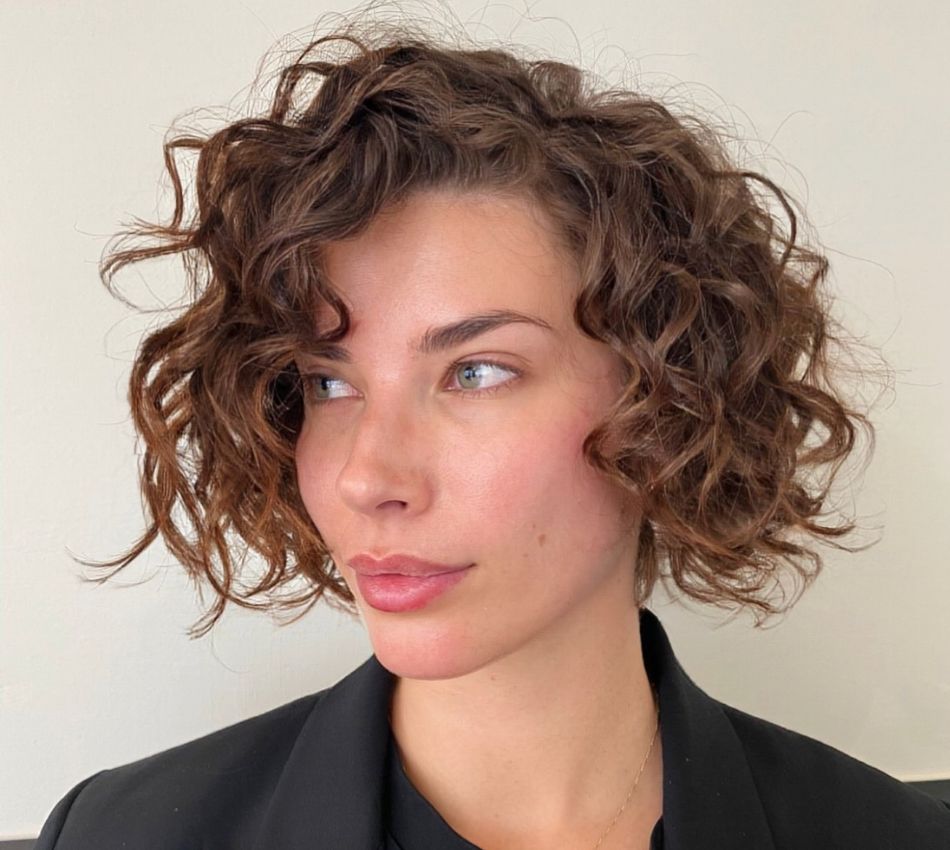
The right curly bob can frame the face, lighten dense curls, or build fuller shape around finer textures.
Curly bob haircuts let your natural texture do the heavy lifting. The right cut boosts volume, controls shape, and eliminates the daily fight against what your hair already wants to do. The 40 variations below span every curl pattern from loose 2B bends to tight 4C coils, organized by length so you can zero in on what works for your face and lifestyle.
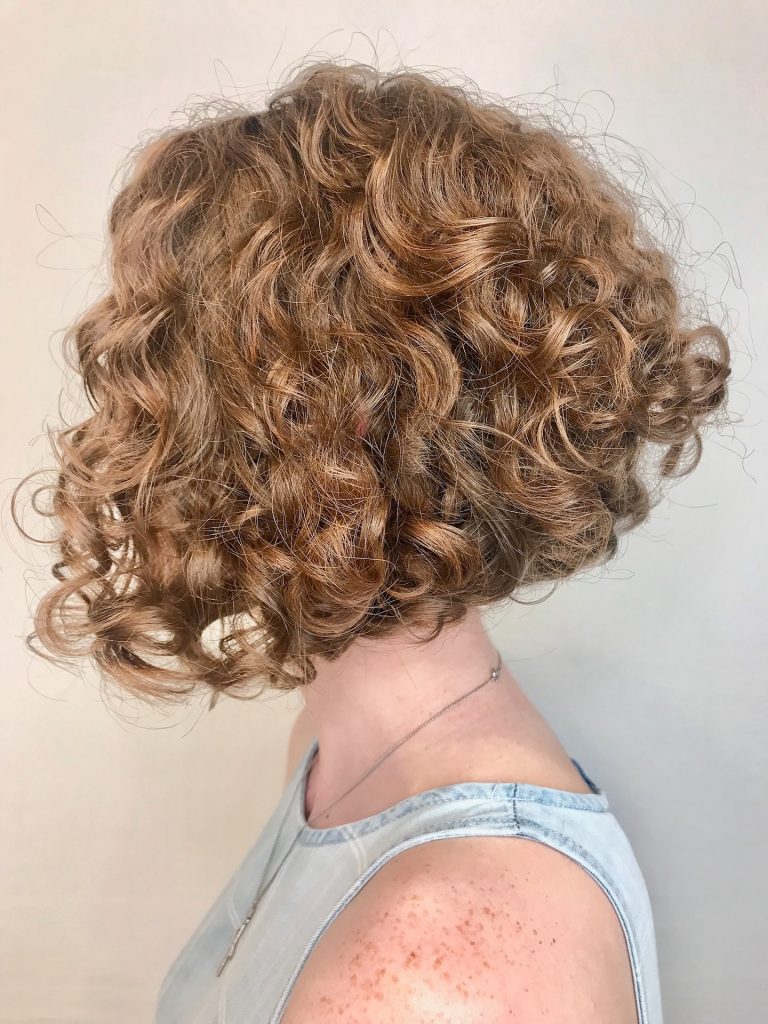
Each entry explains what makes the specific cut work, who it suits, and what to tell your stylist to get it right the first time. Below the gallery, you’ll find a face shape compatibility table, salon communication tips, and answers to the most common curly bob questions.
| Factor | What to Know |
|---|---|
| Best for | Natural curls (2B–4C), wavy hair seeking definition, anyone growing out a pixie |
| Trim schedule | Every 8–12 weeks, curls compress length, so shape loss is slower than with straight bobs |
| Daily styling | 5–15 min (scrunch and go); add 10 min if you diffuse |
| Key products | Leave-in conditioner, curl cream or gel, microfiber towel, diffuser attachment |
| Critical salon note | Always request a dry cut. Wet cutting doesn’t account for shrinkage, and every curl shrinks differently |
Short Curly Bobs (Above the Chin)
Short curly bobs rely on curl spring rather than gravity for their shape. Shrinkage is the biggest variable here. Expect the finished length to be 2–4 inches shorter than the hair measures when pulled straight. If you’ve been told a short bob won’t work on curls, that advice usually applies to straight-hair rules; curls add height at the crown that changes the proportions entirely.
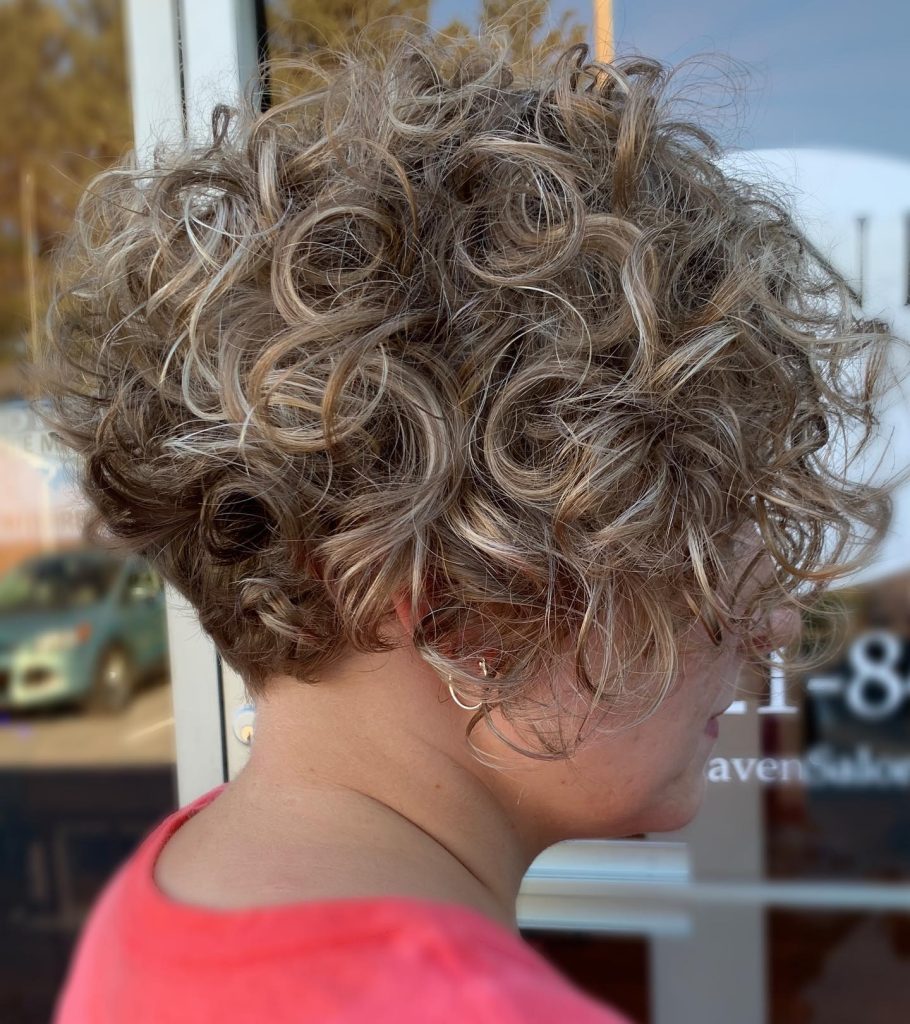
1. Cropped Curly Bob with Tapered Nape
Point-cut layers through the crown paired with a closely tapered nape create a lifted shape that opens up the neck. On 3C–4A curls, the volume contrast between the full top and clean nape gives this bob architectural precision without stiffness.
2. Ear-Length Curly Bob for Round Faces
A deep side part at this length throws volume diagonally across the forehead, which visually narrows a round face. The shorter side exposes one ear and jawline, adding the vertical line that center-parted short bobs can’t.
3. Curly Pixie Bob on Fine Hair
Fine curls gain their best density at pixie-bob length because each coil stacks closely against its neighbor, filling in sparse gaps that show at longer lengths. The trick is keeping the perimeter solid. Ask for point cutting on interior sections only, leaving the outline unbroken.
4. Wash-and-Go Micro Bob
Apply curl cream to soaking-wet hair, scrunch with a microfiber towel, and leave it alone. This bob is cut specifically to air-dry into shape with zero tools. Uniform layering at jawline length lets gravity and curl pattern reach balance on their own.
5. Rounded Bob on 4B–4C Coils
Expect trims every 6–8 weeks to maintain the silhouette. Coily hair holds a shaped bob well between cuts, but once the nape grows past the round line, the structure softens fast. A light oil on the ends between washes keeps coils hydrated without weighing them down.
6. Curly Bob with Honey Highlights
Honey-toned highlights on a dark base follow the outer curve of each curl cluster, creating dimension that straight hair simply can’t replicate. The lighter pieces catch light as coils turn, which makes the bob look fuller and more three-dimensional even on thinner hair.
7. Short Curly Bob with Bangs
Bring a photo showing the bangs at the length you want them after they curl. Then ask your stylist to cut them at least an inch longer to account for shrinkage. Curly bangs that are cut too short bounce up to mid-forehead and take weeks to grow back to a wearable position.
8. Textured Undercut Curly Bob
Unlike a standard short bob, where bulk collects at the nape, the undercut version removes roughly 40% of that weight while keeping the visible silhouette identical. The shaved section stays hidden with hair down, but appears in a half-up style or when the wind catches it.
9. Layered Short Curly Bob for Thick Hair
Internal layers carved through the mid-shaft reduce bulk without touching the perimeter. This technique prevents thick curly bobs from defaulting to a pyramid shape. Tell your stylist “internal layers with a solid outline” so the density drops but the shape stays clean.
10. Side-Parted Short Curly Bob for Oblong Faces
The width at the sides and a horizontal visual break across the forehead, both created by the side part pushing volume sideways, counteract the length of an oblong face. Keeping the bob above the chin adds to that widening effect instead of elongating further.
Chin-to-Jaw-Length Curly Bobs
The chin-to-jaw range is where most curly bob requests land, and for good reason. It’s long enough to show off the curl pattern and short enough that weight doesn’t stretch coils flat. Stylists who specialize in textured hair call this the “sweet spot” because curl types from 2C through 4B tend to form their best clumps here.
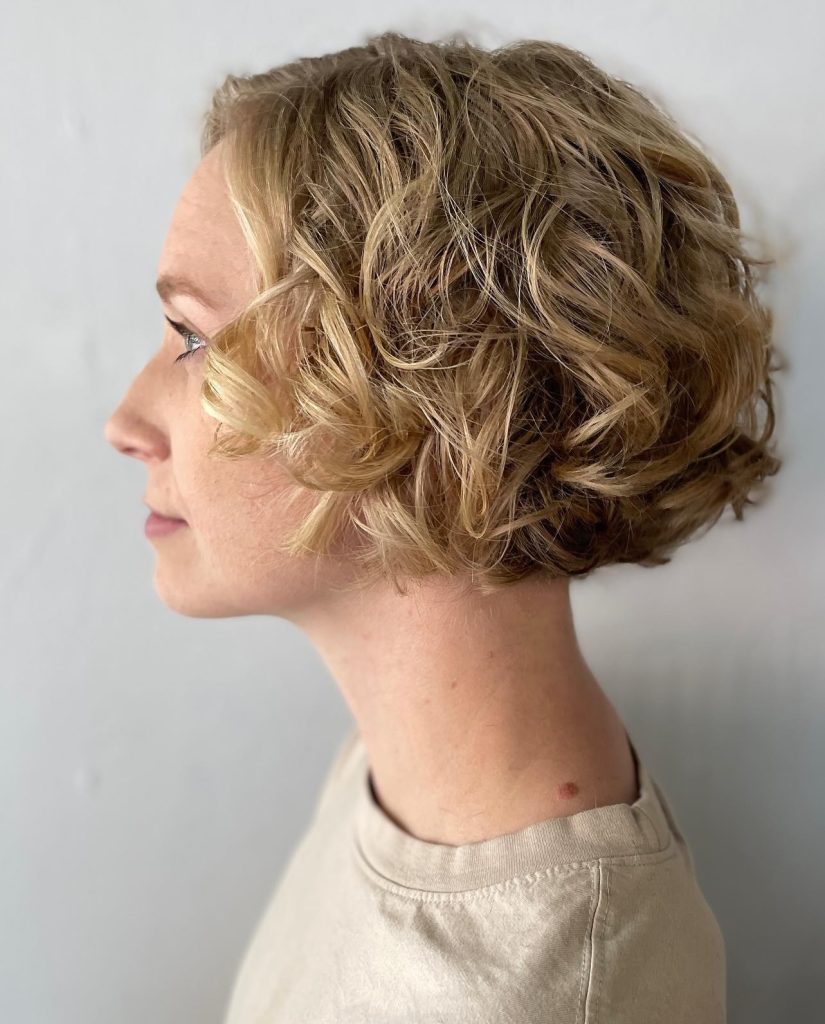
11. Classic One-Length Curly Bob
Razor cutting would break up the curl clumps at this length, so a blunt scissor cut curl-by-curl preserves the uniform perimeter that makes a one-length bob look deliberate. On 3A curls, the center part creates symmetrical framing that works best on oval and oblong faces.
12. Curly A-Line Bob for Heart-Shaped Faces
The A-line graduation, with shorter back and longer strands toward the jaw, adds fullness exactly where heart-shaped faces need it: at the narrower chin and jawline. Aim for at least a two-inch length difference (on stretched hair), because shrinkage compresses the shorter back section further.
13. Jaw-Length Curly Bob on 4A Coils
On 4A coils, a jaw-length cut (measured stretched) jumps about two inches higher once coils retract, creating a halo-like rounded shape. A silk or satin bonnet at night preserves the coil definition for three to four days between wash-and-go resets.
14. Diffused Curly Bob with Root Lift
Flip your head upside down while diffusing on medium heat for the first five minutes. The roots are set in a lifted position that prevents the flat-on-top, wide-at-the-bottom silhouette. Pair with a golf-ball-sized amount of volumizing mousse scrunched into roots only, then diffuse the rest right-side up.
15. Low-Maintenance Curly Bob
Among all 40 options here, this grows out the most gracefully. Uniform layers at chin length mean the shape simply gets longer without losing proportions, buying you 10–12 weeks between trims. A leave-in conditioner and air-drying are the only upkeep required.
16. Curly Bob with Copper Red
Single-process copper deepens the shadows between curls and brightens the high points where coils catch light, creating more visible dimension than the same bob in a flat color. The catch is that copper fades faster than any other shade, so using a colordepositing conditioner every two weeks is essential.
17. Devacut Curly Bob
Ask specifically for a “Devacut” or “curl-by-curl” cut. With this technique, each curl is shaped individually while dry, which eliminates the post-shrinkage surprises of a wet cut. Appointments are 60–90 minutes and typically cost $80–$150, but the precision means every curl lands where it should.
18. Curly Shaggy Bob
Unlike a clean-perimeter bob, the shaggy version uses heavy interior layering to create a deconstructed, lived-in shape where each section curls at a different length. Dense, thick curls that feel helmet-like in a one-length bob suddenly have air and separation, and the grow-out is almost invisible because the intentional unevenness just keeps working.
19. Blunt Curly Bob on Fine Hair
Fine curly hair tends to thin out and taper at the ends. A blunt perimeter cut to a single length (when stretched) solves that by stacking all the end weight at one point. The visual difference is immediate: the hem looks thicker, fuller, and more defined than a layered version on the same hair.
20. Curly Bob with Face-Framing Layers
Shorter pieces starting at cheekbone level and blending into the main length at the jaw create a curtain of curls that spring forward and frame the face. On diamond and square faces, this softens the widest points by adding movement around the cheekbones instead of drawing a hard line.
Longer Curly Bobs and Curly Lobs
A curly lob falls between the jaw and collarbone, giving you enough length to tie a short ponytail or clip back the sides. The compromise is that longer curls weigh more, which stretches the pattern at the root. If root volume matters to you, the styling and layering techniques in this section address that directly.
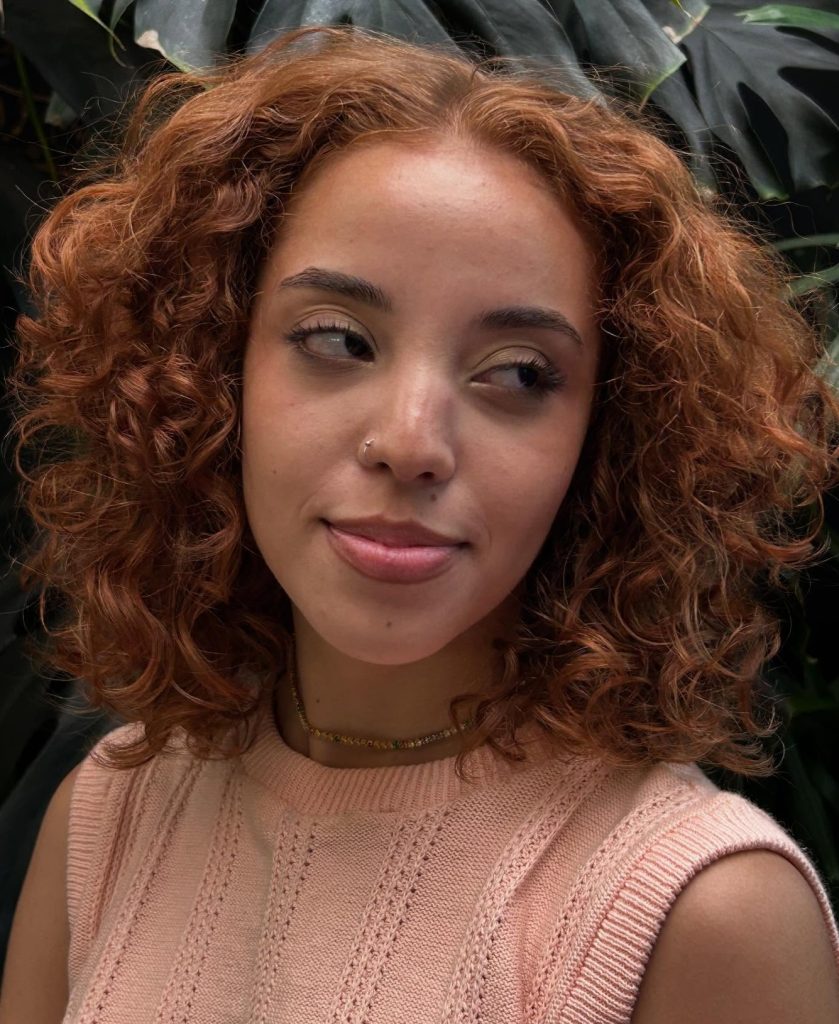
21. Collarbone-Length Curly Lob
Layers starting at the chin and graduating downward keep this lob from going triangular, removing enough internal weight on thick 3B curls to shave 15–20 minutes off air-drying time. On finer patterns, skip the layers and let the one-length weight help curls form fuller clumps at the bottom.
22. Curly Lob for Square Faces
Soft, rounded curls at collarbone length extend below the jawline, which prevents the horizontal emphasis that shorter blunt bobs create on square faces. A side-swept part adds asymmetry that further softens the angular jaw, and curtain bangs — if you’re open to them — break up the strong horizontal forehead line.
23. Curly Lob on Wavy 2B–2C Hair
Wavy hair in the 2B–2C range often straightens under its own weight at longer lengths. A lob is the maximum length where most waves still hold their S-pattern without product. If yours flatten by afternoon, a lightweight curl-enhancing mousse scrunched into damp hair locks the pattern in.
24. Curly Lob with Curtain Bangs
Cut curtain bangs dry and at least 1.5 inches longer than your target length. Curly bangs shrink upward and sweep outward as they dry, landing shorter and wider than they measured when wet. Budget for a bang trim every 5–6 weeks; the rest of the lob only needs attention every 10–12.
25. Layered Lob That Grows Out Gracefully
Graduated layering at lob length builds in a “grow-out buffer” — the shape stays presentable for up to 14 weeks before needing a reshape. A blunt-perimeter lob looks overgrown by week 8; the layered version actually gains dimension as it grows.
26. Curly Lob with Balayage
Hand-painted balayage wraps around the outer surface of each curl, leaving the dark base visible in the shadows between coils. Ask your colorist to avoid placing color within two inches of the roots for the most natural grow-out.
27. Shoulder-Length Curly Bob with Blunt Hem
Show your stylist a photo with the blunt line marked at the exact point where you want it after shrinkage — “shoulder-length” means different things to every curl pattern. Fine hair benefits most because the solid hem visually thickens the ends.
28. Air-Dried Curly Lob
Scrunch curl cream into soaking-wet hair, blot (never rub) with a microfiber towel, then resist the urge to touch, as handling curls mid-dry disrupts the gel cast and invites frizz. Full drying takes 2–3 hours, depending on density, but the payoff is zero heat damage.
29. Curly Lob with Disconnected Layers
Disconnected layers are cut to deliberately different lengths with no blending. They let each section curl independently at a different height. The cascading effect looks effortless but requires a stylist confident enough to leave visible gaps in the layering.
30. Curly Lob with Money Pieces
Two lightened sections flanking the hairline curl forward and frame the face at cheekbone level, brightening the complexion without a full highlight session. Only these two front pieces need touch-ups (every 8–10 weeks), keeping the rest of the hair untouched by bleach. It’s a major advantage for curl integrity.
Curly Bobs with Color and Creative Details
Color changes the way a curly bob reads entirely. Highlights trace the outer surface of each coil, single-process shades deepen the shadows between spirals, and placement techniques designed for straight hair rarely translate without adaptation. Every entry in this section notes the maintenance reality alongside the visual payoff.
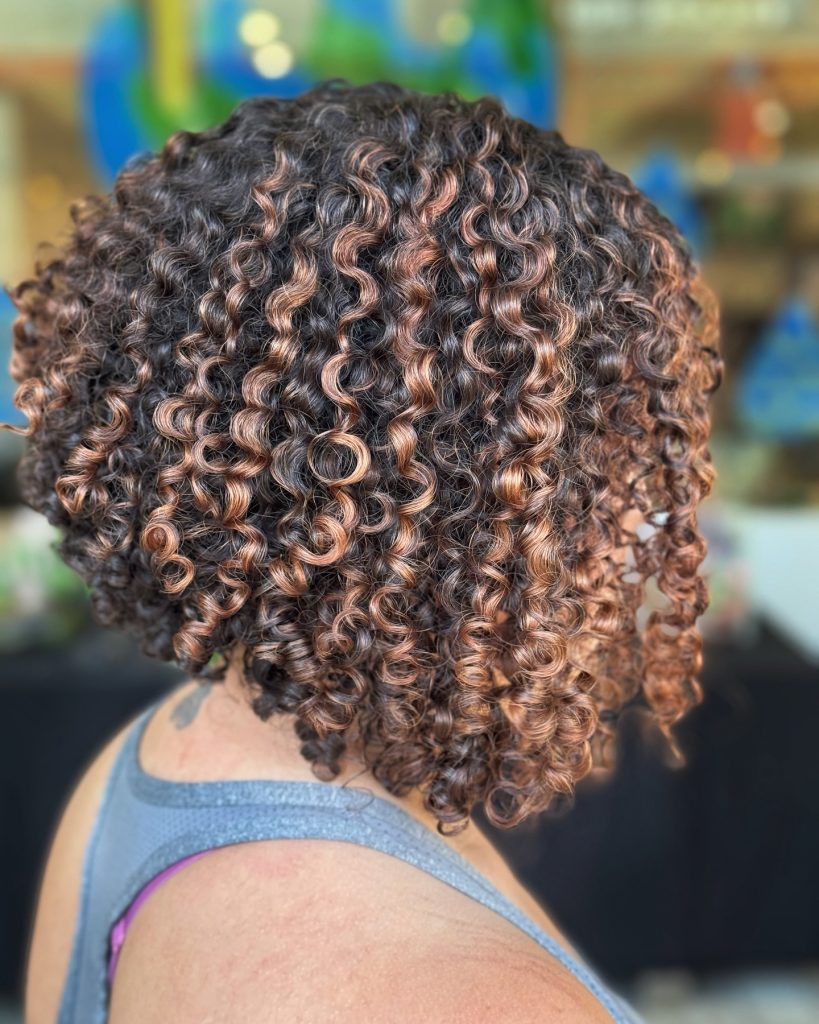
31. Platinum Highlighted Curly Bob
Platinum on curly dark hair creates high-contrast drama, but the bends in each curl strand are natural weak points where breakage concentrates. Insist on a bond-building additive during the session and plan for a weekly deep conditioning mask to maintain curl integrity.
32. Natural Gray Curly Bob for Mature Hair
Letting gray grow in rather than covering it results in one of the most texturally complex bobs in this gallery. Gray strands are often coarser, which can shift the curl pattern and add unexpected density. A stylist experienced in gray transitions can blend the demarcation line with strategic lowlights so the grow-out looks deliberate at every stage.
33. Curly Bob on Thick, Dense 3C Curls
Dense 3C curls need strategic weight removal — not thinning shears (which create frizzy, uneven ends on curly hair), but slide cutting through the interior to reduce volume without disrupting the curl clumps. The resulting shape should feel lighter but look just as full at the perimeter.
34. Curly Bob with Defined Baby Hairs
Swooped baby hairs along the hairline, laid with a small edge brush and strong-hold edge control gel, add a polished finish rooted in Black hair artistry. Apply to slightly damp edges for the smoothest hold, and wrap with a silk scarf for ten minutes while the product sets.
35. Two-Tone Curly Bob
Dark roots fading to lighter ends make a curly bob appear roughly an inch longer than it actually is. The lighter color at the tips draws the eye downward, visually extending the silhouette. The two-tone transition also highlights each coil individually because the color shifts as the curl turns.
36. Curly Bob with Subtle Caramel Highlights
Highlights one to two shades warmer than the base add movement without any visible “stripe” effect. On dark brunette curls, these micro-highlights appear only when curls shift — a sun-kissed glow rather than an obvious salon job. Maintenance is minimal because there’s no stark regrowth line as it grows out.
37. Curly Bob with Shaved Nape Design
Request a specific pattern — line, chevron, geometric shape, or fade — and ask how often you’ll need to come back to maintain it (usually every 3–4 weeks). The design is completely hidden with hair down and reveals itself only in updos, making it a low-risk way to add edge to a conventional curly bob.
38. Curly Bob with Side-Swept Bangs
Unlike blunt bangs that form a horizontal block across the forehead, side-swept curly bangs create a diagonal line that flatters nearly every face shape except very narrow, oblong proportions. Cut them at nose-length — the curls will contract upward and sweep naturally to one side, landing at the brow without blocking vision.
39. Asymmetric Curly Bob
One side is two to three inches longer than the other, and curl volume amplifies the asymmetry further than the same cut on straight hair. Find a stylist willing to commit to the imbalance. The most common mistake is “evening things out” during the cut, which defeats the purpose.
40. Curly Bob Styled with a Twist-Out
A twist-out on a curly bob creates a more uniform, elongated wave pattern, stretching 3C–4B coils into ribbon-like waves that add roughly an inch of visible length. Twist in sections the night before using curl cream, unravel in the morning, and separate with oiled fingertips. The pattern holds for two to three days before the natural curl bounces back.
How to Choose the Right Curly Bob for Your Face Shape
Curly bobs play by different rules than straight-hair bobs because curls add volume outward in every direction. The table below accounts for that added dimension.
| Face Shape | Best Curly Bob | Avoid |
|---|---|---|
| Oval | Any length or curl type | Heavy, full bangs that obscure balanced proportions |
| Round | Jaw-to-collarbone length, side part, face-framing layers | Chin-length with center part (adds width at the widest point) |
| Square | Soft layers, lob length, side-swept or curtain bangs | Blunt jaw-length bob (emphasizes angular jawline) |
| Heart | Chin-to-jaw bob with fullness at the bottom | Very short bobs that expose a narrow chin |
| Oblong | Short to chin-length with bangs and lateral volume | Long lob with center part (adds more vertical length) |
| Diamond | Chin-length with face-framing layers and a side part | Slicked-back styles that expose a narrow forehead |
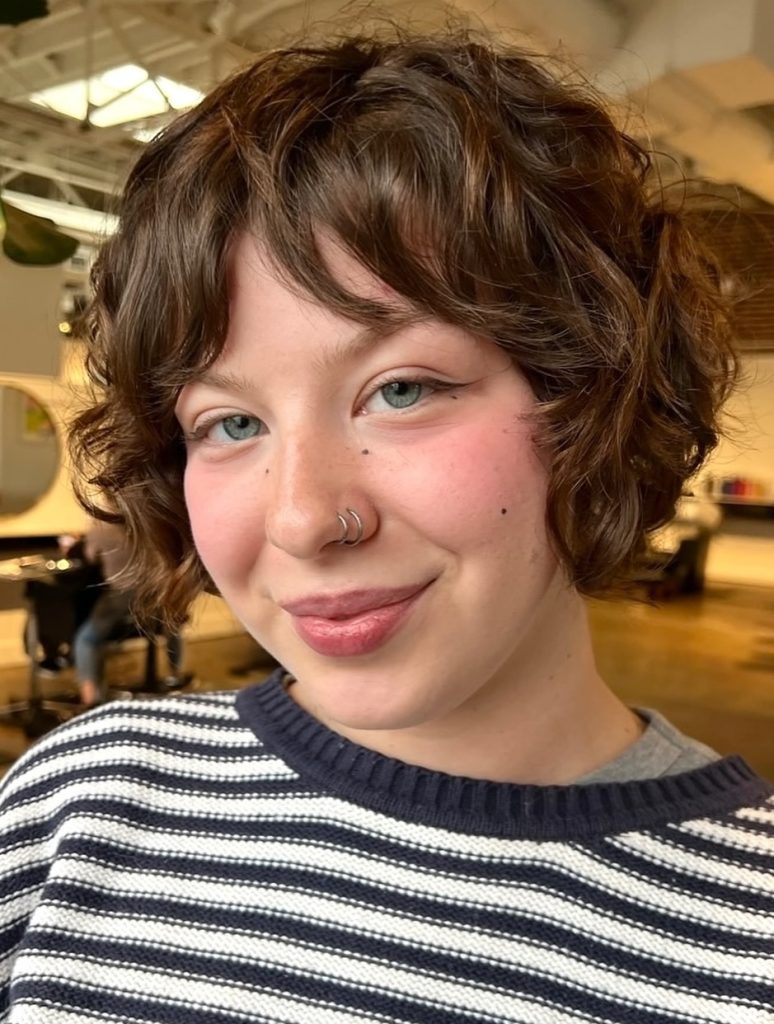
Stylist tip: Bring a reference photo from this gallery, but also show your stylist a picture of yourself with your hair pulled completely back. Many people misidentify their own face shape. A stylist who can see the actual bone structure will steer you toward the right bob variation faster than any online quiz.
What to Tell Your Stylist
Before the appointment: Search for a stylist who lists curly or textured cutting on their service menu. Look for terms like “dry cutting,” “Devacut,” “Rezo cut,” or “curl-by-curl.” A generalist who cuts curly hair wet and straight will almost certainly produce a bob that looks different from your reference photo once it dries and shrinks.
In the chair, say: “I’d like a curly bob that falls to [chin / jaw / collarbone] after my curls spring up. My shrinkage is about [your estimate — typically 25–50%], so please cut longer.” Specify the shape (rounded, A-line, blunt, or asymmetric) and whether you want layers or a one-length cut.
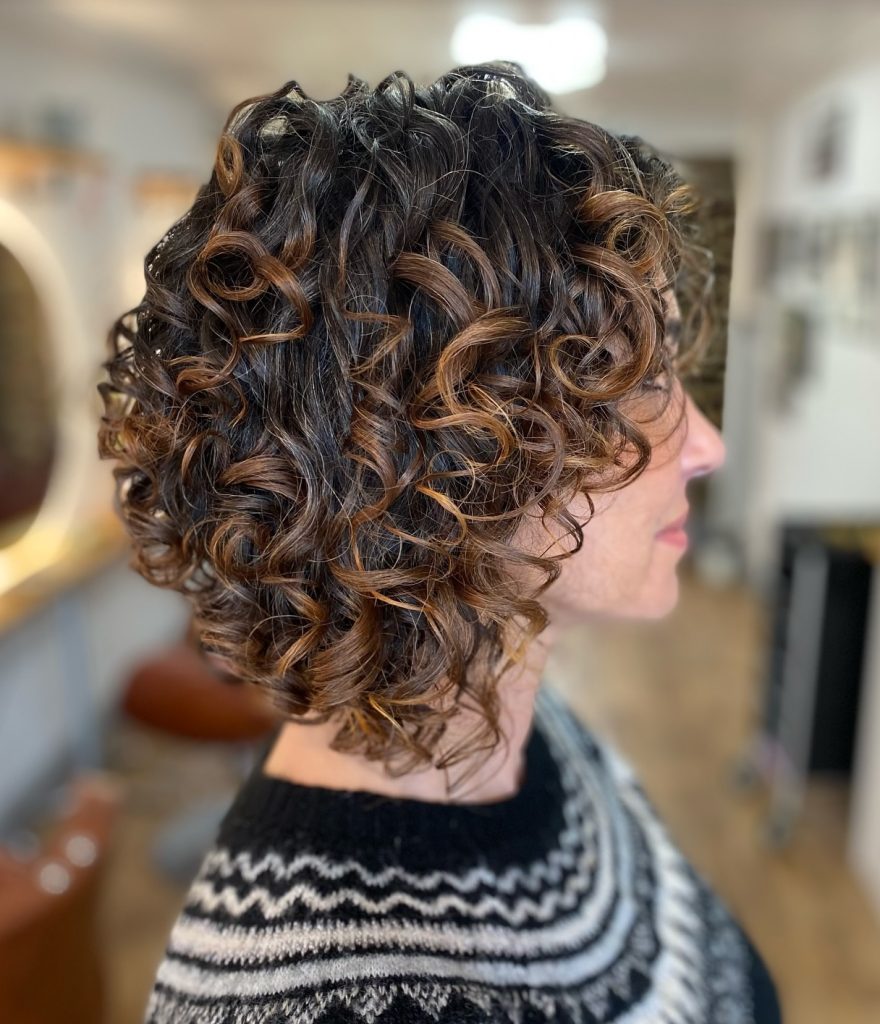
Stylist tip: Insist on a dry cut. Wet cutting curly hair introduces guesswork because every strand shrinks at a different rate. Dry cutting takes longer, but your stylist can see exactly where each curl falls.
FAQ
How short can a curly bob go before the curl pattern disappears?
Most curl types maintain definition down to about 3 inches of actual length. Below that, looser waves (2B–3A) may not form a full curl, while tighter coils (3C–4C) can go even shorter because each spiral uses less length.
Do curly bobs work on fine hair?
They often work better than long curly hair, because removing length removes the weight that pulls fine curls straight. A chin-length curly bob on fine hair bounces more and holds definition longer. Opt for a blunt perimeter rather than layers — the solid line adds density where fine hair thins most.
How often does a curly bob need trimming?
Every 8–12 weeks for the main shape. Curly hair compresses length as it grows, so you have more time before the silhouette visibly deteriorates compared to a straight bob. Bangs are the exception. They need reshaping every 5–6 weeks, since even half an inch of growth changes where they land.
Will my curly bob look shorter than the reference photo?
Almost always, unless your stylist specifically cuts for shrinkage. Specify where you want the bob to land on your face after curls spring up, not how long you want it cut. Expect 25–50% shrinkage depending on curl tightness.
What products are essential for a curly bob?
Four products handle most needs: a sulfate-free shampoo, a leave-in conditioner applied to soaking-wet hair, a curl cream or gel for hold and definition, and a microfiber towel for frizz-free drying. A diffuser attachment is optional but cuts drying time in half.
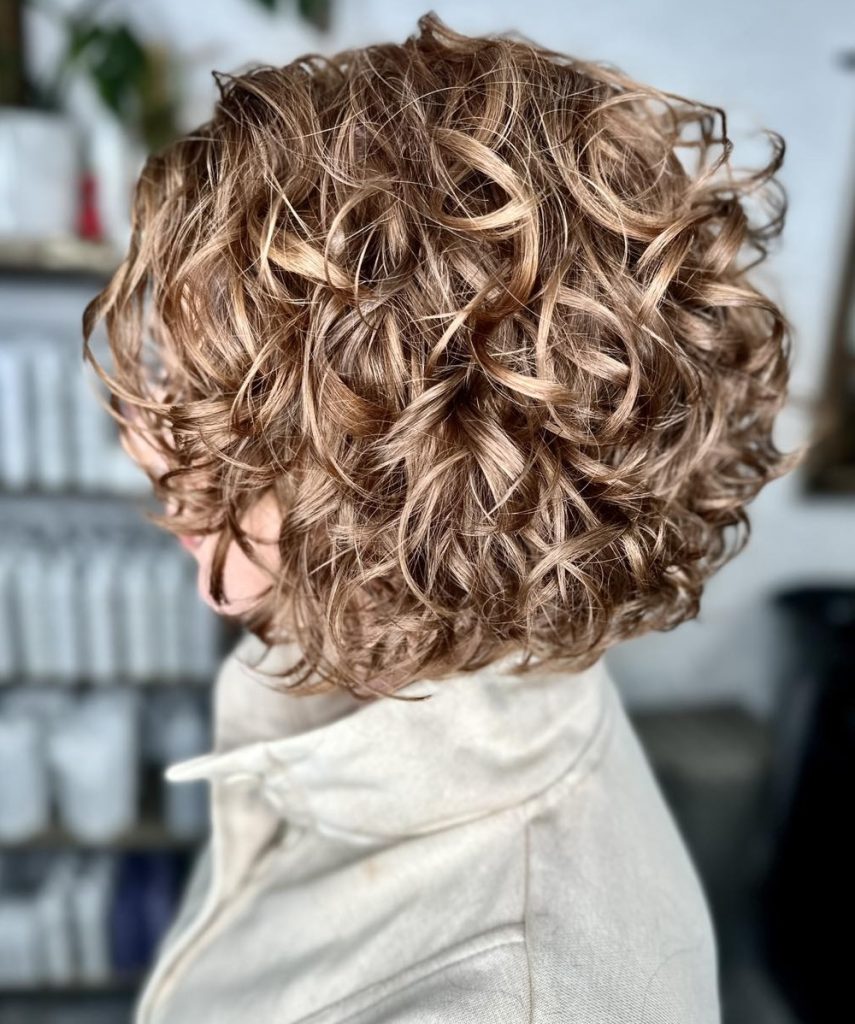
Ultimately, the success of your transformation depends on embracing the unique way your hair moves and reacts to moisture. By selecting one of these curly bob haircuts, you aren’t just changing your look—you’re choosing a lifestyle of enhanced volume and effortless definition that celebrates your natural texture every single day.
Hair results vary based on your natural hair type, texture, density, and condition. Always consult with a licensed hairstylist before making significant changes, especially with chemical treatments or dramatic length changes. Photos may show styled results that require professional tools and products to replicate.