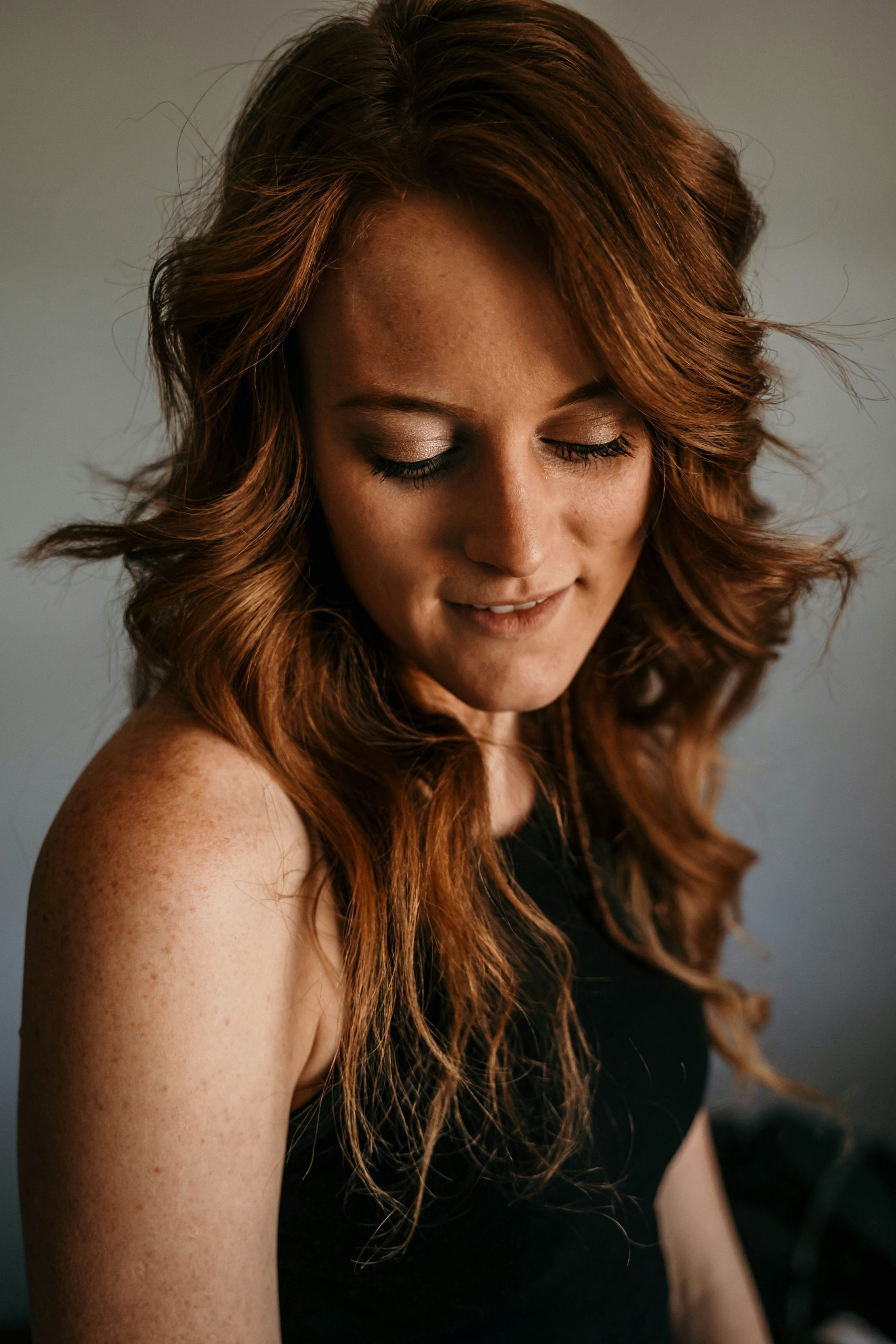

If your hair looks straight at the roots but picks up a loose bend or slight wave through the lengths, you most likely have 1C hair, the most textured member of the straight-hair family.
1C hair is straight hair with a faint S-shaped bend, usually flat at the crown and slightly wavy underneath or toward the ends. It tends to fall limp on top while getting oily at the roots and dry at the tips, which is the exact combination that makes it tricky to care for. The fixes are specific: lightweight products, root-focused volume, and a wash routine that respects the oil pattern.
This guide explains what separates 1C from straight 1B and wavy 2A, how to build a daily routine that adds body without grease, which products and haircuts work with the texture, and the common mistakes that leave 1C hair flat or frizzy.
| Factor | Details |
|---|---|
| Pattern | Straight at the root with a loose S-bend through the mid-lengths and ends |
| Common traits | Flat crown, oily roots, drier ends, frizz in humidity |
| Wash frequency | Every 2 to 3 days for most; daily roots may need dry shampoo between washes |
| Best products | Lightweight mousse, sea-salt spray, smoothing serum, dry shampoo |
| Avoid | Heavy creams and butters, conditioner at the roots, over-washing |
What 1C Hair Actually Is
1C hair is the third subtype of type 1 (straight) hair, sitting just before the wavy type 2 category begins. Where 1A hangs perfectly flat and 1B has more body, 1C holds a definite bend, often a soft S-wave that shows up most at the nape and through the ends. Strand thickness varies more in 1C than people expect: it can be fine, but it is frequently the coarsest and most wiry of the straight types, which is part of why it frizzes.
The defining challenge of 1C is its split personality between root and end. Natural scalp oil travels down a straight shaft quickly, so the roots turn greasy while the wavier ends stay dry and rough. Treating the whole head the same way is the most common error, since the roots and ends genuinely need opposite things.
Stylist tip: Map your own pattern before buying products. Wash your hair, let it air-dry with no product, and look at where the bend starts. If the wave begins at the ears or lower, you can encourage it; if your hair dries nearly straight with only end movement, lean your routine toward volume rather than wave.
How to Tell 1C Apart From 1B and 2A
The line between 1B, 1C, and 2A is where most people misjudge their hair, and getting it right changes which products help. The quick test is what your hair does after an air-dry with no product: 1B dries mostly straight with body, 1C dries straight on top with a loose bend below, and 2A dries with a defined, consistent wave from roots to ends.

| Type | Pattern | Tells |
|---|---|---|
| 1B | Straight with body | Holds a curl briefly, no natural bend, looks full |
| 1C | Straight root, loose S-bend below | Flat crown, wave at the nape and ends, frizzes in humidity |
| 2A | Defined wave throughout | Consistent S-wave from roots, takes product well, looks tousled air-dried |
If you land between 1C and 2A, treat your hair as wavy on the ends and straight at the roots, the routine below is built for exactly that overlap. For the next texture up, the THP guide to 2B wavy hair covers the curl-leaning end of the spectrum.
A Daily Care Routine for 1C Hair
The whole routine for 1C hair works around one rule: weightless at the roots, moisture at the ends. Heavy products are the enemy of a flat crown, while the drier ends need hydration that never travels up to the scalp. The four steps below handle the split.
1C Hair Needs a Lightweight, Sulfate-Free Shampoo
A gentle, sulfate-free shampoo cleans the oily roots without stripping the ends into straw. Harsh sulfates trigger the scalp to produce even more oil, which makes the greasy-root problem worse over time. Concentrate the lather at the scalp and let it rinse through the lengths rather than scrubbing the ends directly.
Condition Mid-Lengths and Ends, Never the Roots
Apply a lightweight conditioner from the ears down, keeping it well away from the crown where it would flatten and grease your hair within hours. The wavier ends are the part that actually needs the moisture, so that is where the product belongs. A leave-in mist on the ends after washing helps the bend stay defined without weight.
Deep Condition Every Week or Two
A weekly or biweekly hair mask keeps the drier ends from roughening into frizz, which is the most common complaint with 1C. Use a light, rinse-out mask rather than a rich butter-based one, and again keep it off the roots. Ten minutes is enough; longer does not add benefit on hair this fine to medium.
Clarify Monthly to Reset Buildup
A clarifying shampoo once a month strips the product and dry-shampoo residue that quietly flattens 1C hair over weeks. Because the roots get oily and people reach for volumizers and dry shampoo, buildup accumulates faster than on other types. Follow a clarifying wash with a light conditioner on the ends to rebalance.
How to Style 1C Hair for Volume and Wave
Styling 1C hair is a choice between two directions: play up the volume and keep it straight, or coax out the natural wave. You can switch between them day to day, but the products and drying methods differ, so decide before you start.
Root Lift Comes From Drying Upside Down
Flipping your head over and blow-drying the roots first builds the volume a flat 1C crown lacks. Direct the airflow at the base in the opposite direction of how the hair naturally falls, then flip back upright to finish. A round brush at the crown sets the lift so it lasts through the day.
Sea-Salt Spray Brings Out the Natural Wave
Scrunching a sea-salt spray into damp hair and letting it air-dry pulls the loose S-bend into a more defined wave. Salt sprays add grip and texture that hold the bend the cuticle would otherwise drop. Skip this on days you want a sleek look, since the texture works against a smooth finish.
Lightweight Mousse Beats Heavy Creams
A golf-ball-sized amount of lightweight mousse on damp roots adds body without the weight that drags 1C hair flat. Heavy styling creams and oils, which suit coarse curly hair, smother fine-to-medium 1C and kill the volume. If your ends need smoothing, use a pea-sized drop of serum on the tips only.
Heat Styling Needs a Protectant Every Time
Because 1C hair frizzes and the ends already run dry, a heat protectant before any blow-dryer, flat iron, or curling iron is not optional. Set tools to medium heat rather than high, since fine-to-medium strands scorch faster than coarse ones. Finish an air-dried look with the cool-shot button to lock the cuticle and cut frizz.
The Best Haircuts for 1C Hair
The right cut works with the natural bend and the flat crown rather than against them. Long layers are the strongest match, since they remove the weight that drags 1C straight and let the wave through the ends show. A long layered cut or a lob both give movement without sacrificing the length that fine 1C needs for fullness.
Curtain bangs suit 1C well because the face-framing pieces fall into the natural bend instead of fighting it. A heavy blunt one-length cut is the riskier choice: it can look flat and lifeless on fine 1C, though it can add the illusion of density if your strands are on the coarser side. If you wear bangs, a soft, slightly textured fringe holds up better than a razor-straight one that the wave will disrupt.
Common 1C Hair Mistakes That Cause Flatness and Frizz
Most 1C frustrations trace back to treating the hair as something it is not. These are the misconceptions that lead people astray.
Myth: 1C Hair Is Just Straight Hair
Reality: 1C carries a real wave pattern that straight-hair routines ignore. Loading it with smoothing products meant for poker-straight 1A flattens the bend and wastes its best feature. The fix is to treat the ends as lightly wavy while keeping the roots straight and voluminous.
Myth: More Conditioner Fixes the Dry Ends
Reality: Piling on heavy conditioner weighs 1C down long before it solves dryness. The ends need targeted, lightweight moisture and the occasional mask, not a thick daily coating that creeps toward the roots. Quality of product placement matters more than quantity here.
Myth: Washing Daily Keeps Oily Roots Under Control
Reality: Over-washing strips the scalp and pushes it to produce even more oil, locking you into a daily-wash cycle. Stretching washes to every two or three days, with dry shampoo on the roots in between, retrains the scalp over a few weeks, and a steady scalp care routine speeds the adjustment. The ends benefit from the break too, since each wash roughens them slightly.
What to Tell Your Stylist
Tell your stylist you have 1C hair that runs flat at the crown and wavier through the ends, and that you want a cut that adds movement without removing length. Ask specifically for long layers or face-framing pieces rather than heavy thinning, which can make fine 1C look stringy. If you color, mention that your ends are drier so they can adjust the developer and bond protection accordingly.
Stylist tip: Ask whether your hair should be cut dry or damp. On 1C that leans wavy, a stylist who checks the bend with the hair dry can place layers where the wave actually falls, which prevents the ends from springing up shorter than you wanted.
FAQ
Is 1C Hair Considered Wavy or Straight?
1C is officially straight hair, the last subtype before the wavy type 2 range begins. It carries a loose S-bend, especially at the nape and ends, but the roots fall straight rather than holding a true wave. Many people with 1C sit on the border with 2A and can style their hair either way.
Why Does My 1C Hair Get Oily So Fast?
Scalp oil slides down a straight shaft quickly, so 1C roots turn greasy faster than wavy or curly types where the bend slows the oil. Over-washing makes it worse by prompting more oil production. Stretching washes and using dry shampoo at the roots between them is the long-term fix.
How Do I Make My 1C Hair Wavier?
Scrunch a sea-salt spray or light wave-enhancing mousse into damp hair and let it air-dry without touching it. Plopping the hair in a microfiber towel for ten minutes first encourages the bend to set. Avoid brushing once it is dry, since that breaks up the wave into frizz.
What Products Should People With 1C Hair Avoid?
Skip heavy creams, butters, and rich oils designed for coarse curly hair, since they flatten fine-to-medium 1C. Also keep conditioner and leave-ins off the roots entirely. Lightweight mousses, salt sprays, and a small amount of serum on the ends are the safer toolkit.
How Often Should I Wash 1C Hair?
Every two to three days suits most 1C hair, balancing oily roots against dry ends. Washing daily strips the ends and overstimulates the scalp, while waiting too long lets the roots go limp and greasy. Dry shampoo bridges the gap on the days in between.
Can 1C Hair Be Fine and Thick at the Same Time?
Yes, strand thickness and density are separate things. Your individual strands can be fine while you still have a lot of them, or your strands can be coarse with lower density. 1C in particular often has coarser, wirier strands than the smoother 1A and 1B types, which is why it frizzes more. If yours runs fine and you want more body, the THP tips on how to get thicker hair apply directly.
Caring for 1C hair comes down to honoring its split nature: keep the roots light and lifted, give the wavier ends targeted moisture, and choose a layered cut that lets the natural bend show. Once you stop fighting the texture with heavy products and daily washing, 1C hair settles into an easy, low-effort wave with real body. Build the routine around your own pattern and adjust the wave-versus-volume balance to match the day.
Hair results vary based on your natural hair type, texture, density, and condition. Always consult with a licensed hairstylist before making significant changes, especially with chemical treatments or dramatic length changes. Photos may show styled results that require professional tools and products to replicate.