
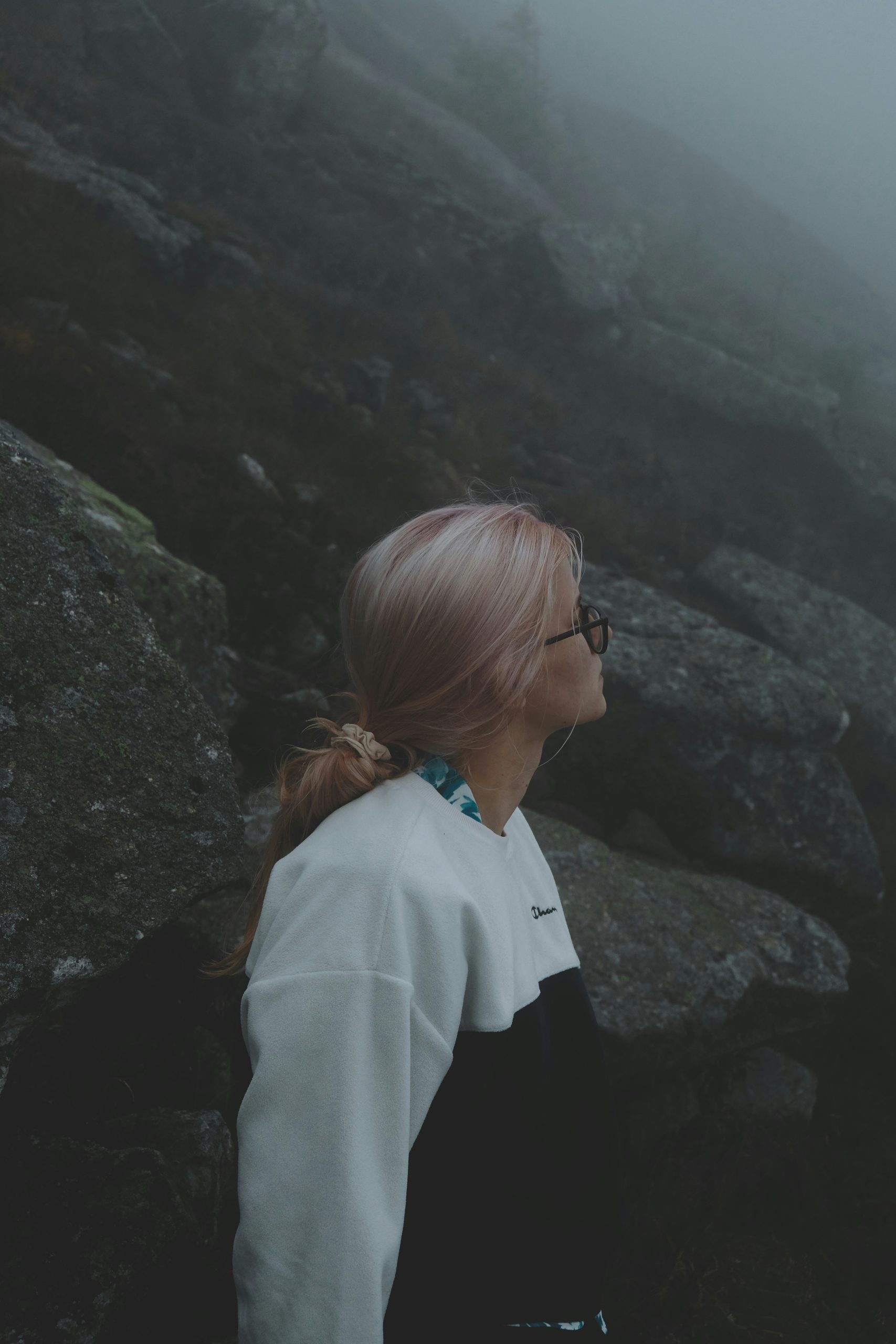
Pink hair spans a wider spectrum than almost any other color category, from the barely-there blush of a pastel toner to the electric saturation of vivid fuchsia, and the technique and base required for each shade are completely different.
Pink is a direct-dye or vivid-toner color applied over a pre-lightened base. It does not lift the hair, so the shade your colorist can achieve depends on how light the starting base is: soft pastels need a near-white canvas (level 9 to 10), vivid hot pink and fuchsia deposit most cleanly over level 8 to 9 blonde, and rose gold and dusty pink can work from a warmer lifted base around level 7 to 8 if the formula accounts for residual yellow pigment.
The 30 ideas here are organized by intensity and technique, moving from soft pastels and blush tones through vivid hot pink and fuchsia into rose gold, dusty pink, and partial placement approaches. Each entry covers what makes that variation distinct and which base, texture, or face shape it suits best. For comparisons with adjacent warm-toned color families, the guide to strawberry blonde hair covers where pink-adjacent warmth overlaps with red-based blonde formulas.
| Factor | Details |
|---|---|
| Best for | All skin tones with the right shade selection; all face shapes with correct placement |
| Pre-lightening required | Yes for most bases above level 6; pastels require level 9 to 10 lift |
| Fade rate | Fast — vivid pink fades noticeably in 4 to 6 washes without proper maintenance |
| Maintenance schedule | Refresh every 4 to 8 weeks depending on shade intensity and wash frequency |
| Salon time | 2 to 4 hours for first session (lift plus color); 1 to 2 hours for a refresh appointment |
Pastel Pink and Blush Ideas
Pastel pinks require the most thorough pre-lightening of any pink shade, typically to a level 9 or 10 canvas, because any residual yellow in the base shifts the pastel formula toward peach or tan rather than clean pink. These eight entries cover the soft end of the spectrum from barely-there blush through a clear cotton candy saturation.
1. The Level-10 Pastel Pink Canvas
Pastel pink requires a cleaner lift than nearly any other fashion color because the formula deposits a very thin layer of pigment over the existing base tone. Any residual yellow from an incomplete bleach turns the pastel toward peachy-tan, which is why your colorist insists on reaching level 9 to 10 before applying the pink toner. If your natural base is medium brown or darker, budget for multiple lifting sessions spread across separate appointments before you even reach the color step.
2. The Blush Pink for Round Faces
Soft blush pink distributed evenly across the full head creates a gentle warmth that softens round face shapes without the strong contrast of vivid color. The diffuse quality of a well-applied pastel avoids drawing horizontal attention across the widest part of the face, making it a more flattering choice for round structures than a high-contrast color placement. Ask your colorist to keep the blush toner very even from the root area through the ends rather than concentrating warmth at the face frame, which would add apparent width.
3. The Fine-Hair Pastel Deposit
Fine hair is highly porous after bleaching, which means pastel formulas deposit faster and more intensely on fine strands than they would on coarser textures at the same processing time. Reduce toning time by 5 to 10 minutes compared to a standard application, and ask your colorist to use a lower-pigment mix to avoid over-saturation on porous fine shafts. A bond-strengthening treatment used before and during the bleaching process helps fine hair retain the structural integrity it needs to carry the pastel color evenly across the head.
4. The Pastel Pink Blowout Finish
A smooth blowout on pastel pink creates a glassy, seamless finish where the soft color reads as a continuous warm tone rather than individual strands. Use a medium-barrel round brush and dry at low heat, since high heat degrades pink pigment faster than cool or low settings, and lightened hair is already heat-vulnerable. Apply a small amount of lightweight smoothing serum before drying to seal the cuticle and enhance the pastel’s translucency on the finished blowout.
5. The Cotton Candy Grow-Out Strategy
Cotton candy pink, a medium-intensity pastel with slightly more saturation than a pure blush, fades toward warm champagne-peach as the pigment washes out, which can look deliberate if managed with the right timing. Letting the color fade gradually and scheduling a toner refresh at week 6 rather than week 4 allows the fade to reach a predictable pale blush before the next appointment. Many clients find the week-5 fade more wearable for daily life than the initial bright saturation, making cotton candy a smart gateway shade for pink first-timers.
6. The Pastel Pink on Pre-Bleached Blonde
Previously bleached or highlighted blonde hair already sitting at level 8 to 9 accepts pastel pink overlays without additional lifting, which reduces both processing time and damage accumulation at the appointment. Ask your colorist to check the underlying tone with a strand test first, since older or poorly conditioned bleached hair can absorb pigment unevenly and produce a patchy result. Thoroughly conditioning the hair in the 1 to 2 weeks before the pastel appointment significantly improves the evenness of the final deposit.
7. Communicating Pastel Pink Saturation to Your Colorist
The phrase “pastel pink” covers a wide range in a salon setting, from a barely visible blush to a full cotton candy tone. Bring two or three reference photos that show the specific saturation level you want and specify whether you want the pink to lean cool (blue-pink, lavender-adjacent) or warm (peachy-pink, blush-adjacent). A useful script: “I want a pastel that is clearly pink, not peach, leaning cooler rather than warmer, applied as a full-head toner rather than as highlights.”
8. Pastel Pink vs Dusty Pink
Pastel pink and dusty pink look similar at first glance but behave differently in formula. Pastel pink is a pure, low-saturation pink with no brown or grey mixed in, giving it a clean candy quality. Dusty pink contains a small percentage of neutralizing pigment, typically grey or violet, that mutes the brightness to a more matte, vintage feel. If your reference photo looks faded or gently washed-out rather than fresh and bright, you want dusty pink — not pastel.
Hot Pink and Vivid Color Ideas
Hot pink and vivid shades require a thorough lift to level 8 to 9 but deposit more forgivingly than pastels because the higher pigment concentration covers residual warmth more effectively. These seven entries cover the range from bold fuchsia through vivid hot pink into cherry-pink tones.
9. The Full-Head Vivid Hot Pink
Full-head vivid hot pink is applied using a direct dye with high pigment concentration over a uniformly lifted level 8 to 9 base. The root shadow management step that most clients don’t see involves applying a slightly deeper, more muted version of the pink at the root area, which prevents the regrowth line from turning stark white as natural roots grow in and extends the wearable life of the color by 2 to 3 weeks. Without this root treatment, vivid pink shows a sharp regrowth contrast within 3 to 4 weeks regardless of product quality.
10. The Hot Pink Money Piece for Heart Faces
Heart-shaped faces have a wider forehead and narrower chin, which means bold face-framing placement can amplify the forehead width if the placement is not managed carefully. For hot pink on a heart face, concentrate the vivid panels through the lower sections of the face frame and keep the crown area closer to natural or a soft pink, drawing the eye downward and balancing the proportions. Avoid solid vivid panels running from root to tip at the temples, as this adds horizontal width exactly where a heart face shape needs less visual emphasis.
11. Hot Pink on Thick, High-Density Hair
Thick, coarse hair lifts unevenly across the head because inner layers receive less heat and developer during processing than outer sections, producing a lighter outside and darker inside. To achieve uniform hot pink saturation on thick hair, the bleach application must be thorough through the inner layers, which typically means a sectioned application starting from the underneath sections. Accept that the first bleaching session may not reach a uniform level and schedule the color appointment as a separate visit after confirming lift uniformity.
12. Loose Waves with Vivid Hot Pink
Large, loose waves on vivid hot pink create movement through the saturated sections that makes the color appear to shift between deeper and brighter tones as it catches light from different angles. Achieve this with a 1.5-inch barrel curling iron, working in sections from ear level down and alternating the curl direction on each section. Leave the last 2 inches of ends uncurled for a modern, undone finish rather than a formal wave pattern.
13. The Hot Pink 4-Week Refresh Cycle
Vivid and hot pink formulas fade faster than any non-vivid color family because direct dyes sit on the outside of the hair shaft rather than bonding inside the cortex. Washing frequency drives fade rate more than any other variable: clients who wash daily see noticeable fading within 2 to 3 weeks, while clients who wash twice weekly can extend vivid color to 5 to 6 weeks of reasonable saturation. A professional color refresh every 4 weeks is the realistic schedule for clients committed to maintaining full intensity.
14. The Fuchsia-to-Pink Gradient
A deeper fuchsia root blending into true hot pink through the midshaft and a lighter candy pink at the ends creates a dimensional gradient that looks more complex than solid vivid application. The technique applies the darkest fuchsia formula at the root area and the lightest at the tips, then blends the transition zone with a brush before the color develops. On longer hair, the gradient travels 4 to 6 inches from the root tone to the end tone, creating a depth effect that reads as natural-light variation through the hair.
15. Asking for Hot Pink Without Orange Undertones
Hot pink formulas applied over an insufficiently lifted base shift toward coral or orange-pink, which most clients do not want. A direct script: “I want a true hot pink with no orange or coral in it. If the base needs another lifting session to get there cleanly, I am willing to do that before we apply the color.” This framing tells your colorist you understand the process and prevents them from applying pink over a warm base to save time at the cost of the result.
Rose Gold and Dusty Pink Ideas
Rose gold and dusty pink sit between vivid pink and standard warm blonde, occupying a range achievable on lifted bases from level 7 to 9 depending on how warm or cool the formula runs. These seven entries cover rose gold balayage, dusty vintage pinks, and the formulas that distinguish each from adjacent warm blonde tones.
16. The Classic Rose Gold Balayage
Rose gold balayage applies a hand-painted warm pink-gold formula through mid-lengths and ends over a blonde-to-light-brown base, creating a multidimensional shimmer that photographs as pink in warm light and soft golden in neutral tones. The hand-painted technique produces a soft, unfussy root transition that grows out gracefully, making rose gold balayage one of the more practical vivid-adjacent options for clients who cannot return to the salon every 4 weeks. The full spectrum of warm-toned blonde formulas that overlap with rose gold is covered in the guide to honey blonde hair.
17. Dusty Pink on Square Face Shapes
Square face shapes with strong jawlines carry dusty pink better than vivid hot pink because the muted, grey-adjacent tone of dusty formulas does not amplify the face frame’s angularity the way a high-contrast vivid color would. Place the dusty pink evenly through the full head rather than concentrating warmth specifically at the face frame, which keeps visual weight distributed rather than framing the jaw with a bright, attention-drawing placement. A slightly deeper dusty root shadow adds vertical movement without creating strong contrast.
18. Rose Gold on Coarse, Low-Porosity Hair
Coarse, low-porosity hair resists color deposit more than finer or higher-porosity textures, which means rose gold formulas need extended processing time and a slightly higher developer to penetrate the shaft cleanly. Ask your colorist to apply gentle heat during the rose gold toning step, which opens the cuticle and allows the pink-gold pigment to deposit more evenly. Without the heat assist, low-porosity coarse hair often ends with a result that leans more golden than rose because the pink component cannot fully bond.
19. Air-Dried Rose Gold on Wavy Texture
Allowing rose gold to air dry on 2A to 2C wavy hair distributes the warm pink-gold tones through each wave curve, creating a visually rich result without heat tool work. Apply a curl-enhancing cream or lightweight mousse to damp hair before air drying to define the wave pattern and reduce frizz, which appears more prominently on chemically colored hair. Clients working with 2B wave patterns often find rose gold is the shade that makes their natural texture look most vivid.
20. Rose Gold Fade vs Hot Pink Fade
Rose gold and hot pink age at different rates and in different directions. Rose gold fades toward a warm, peachy blonde that blends naturally with a lifted blonde base, making the grow-out period relatively low-visibility. Hot pink fades toward a lighter, more diluted candy tone that can look patchy against a warm blonde base if the original application was uneven. If choosing between the two primarily based on how each color behaves as it ages, rose gold is the more forgiving long-term option for clients who cannot commit to 4-week refreshes.
21. The Dusty Pink Formula Adjustment
Dusty pink is made by adding a small percentage of grey, brown, or violet neutralizer to a standard pink formula, which mutes the brightness to a more matte, vintage quality. A general benchmark is 10 to 20 percent neutralizer in the pink base, adjusted based on how muted you want the final result. Too much neutralizer produces a brown-grey result; too little produces a pastel rather than a dusty tone. Bring a specific reference photo so your colorist can calibrate the ratio visually before applying the formula.
22. The Rose Gold Maintenance Rotation
Rose gold typically needs a toner refresh every 6 to 8 weeks to maintain the pink quality before it fades fully to warm golden. Between salon appointments, a weekly rose or pink color-depositing conditioner extends the saturation by refreshing the outer pigment layer without a full chemical commitment. Use the depositing conditioner every 7 to 10 days rather than at every wash, which prevents over-deposit that can push the tone too dark or too saturated between professional appointments.
Pink Highlights and Balayage Ideas
Partial pink placement through highlights or balayage creates dimension and warmth without committing the full head to a single color. These eight entries cover underlayer placement, chunky streaks, and classic face-framing approaches across different base colors and hair types. The technical differences between highlight and balayage placement techniques for vivid color are covered in more detail in the guide to balayage hair ideas.
23. The Peekaboo Pink Underlayer
Placing pink highlights through the underlayer, below the natural parting line, creates a flash of color that appears when the hair moves or is pulled up but stays concealed when worn down naturally. The technique requires lifting only the lower sections to the appropriate base level for the chosen pink shade, leaving the upper layers at natural color, which dramatically reduces both cost and damage compared to a full-head approach. Low commitment, reversible as the color fades, and professional-appropriate for workplaces with conservative dress codes.
24. Pink Highlights for Oval Face Shapes
Oval face shapes have the proportional balance to support almost any highlight placement and intensity, from bold pink streaks through the face frame through all-over woven sections and partial panels through the crown. The freedom with oval proportions is that both warm and cool pinks complement the face shape because balanced features do not require color to compensate for or minimize any specific dimension. If you have an oval face and are deciding between placement options, choose based on maintenance preference rather than face shape restrictions.
25. Pink Highlights on Dark Natural Hair
Dark natural bases (level 3 to 5) require pre-lifting the highlighted sections before any pink pigment can deposit cleanly, meaning the highlighted sections go through a two-step process even though the rest of the hair stays at natural depth. The lifted sections need maintenance separately from the natural base, creating a more complex touch-up schedule than highlights on already-light hair. Chunky, deliberate streaks rather than fine, blended highlights tend to look more considered on dark base hair and require less overall lifting to make a visible impact.
26. Tousled Waves with Pink Highlights
Pink highlights woven through a tousled wave style scatter the color across the hair surface in a way that changes the perceived saturation with movement, making even subtle highlights look more impactful than they appear when styled straight. Use a sea-salt texturizing spray on damp hair before air drying to enhance the wave pattern without defining individual curls into ringlets. The slightly matte texture of a sea-salt finish complements the diffused quality of blended pink highlights better than a glossy, smoothed finish.
27. The Pink Highlight Grow-Out Timeline
Pink highlights placed through a naturally dark or medium base show a distinct root regrowth line as the natural color grows in alongside the lightened, pink-toned sections. A root smudge applied at the time of the highlight appointment deposits a slightly deeper tone at the root of each panel, creating a softer transition that makes the grow-out look designed rather than neglected. Expect to return for a touch-up every 8 to 10 weeks to maintain defined highlights, or every 12 to 14 weeks if the root shadow is substantial enough to carry a longer interval.
28. Chunky Pink Streaks for Contrast
Wide, bold pink panels placed through the top and crown sections reference the visible-contrast highlight aesthetic that gained traction through 2025 and 2026, where the color is meant to be clearly defined rather than blended. Against a dark natural base, chunky pink streaks stand out as a deliberate editorial choice rather than a faded grow-out. Against a medium blonde base, wide pink panels create a softer mixed-tone result where the pink and blonde merge visually from a distance even though the application is distinct panel by panel.
29. Choosing Between Pink Highlights and Full Pink
Pink highlights and full-head pink color serve different purposes, and the choice depends primarily on how much of your daily life and professional context tolerates visible vivid color. Full pink makes a clear statement from a distance and requires ongoing commitment to maintain. Pink highlights allow a natural base to coexist with the color, making the look more adjustable: the highlights can be grown out and returned to natural without the full-head correction process that a vivid all-over application requires. Specify which outcome matters most when discussing the two options with your colorist.
30. Pink Highlights vs Rose Gold Balayage
Pink highlights and rose gold balayage can produce similar-looking results but use different techniques with different grow-out behaviors. Traditional highlights are foil-applied, producing precise, defined sections with clear edges and a more abrupt root contrast as the natural color grows back. Rose gold balayage is hand-painted with intentionally imprecise placement, creating a softer gradient between the pink and the base that grows out with much less visible delineation. If your reference photo shows defined, distinct pink sections, ask for foil highlights; if it shows a soft, diffused warmth, ask specifically for balayage placement.
Skin Tone Compatibility
Pink hair adapts across all skin tones because the shade family spans both warm and cool subfamilies. The key is matching the pink’s temperature to the skin’s undertone: warm pinks (rose gold, peach-pink, dusty rose) for warm and neutral complexions; cool pinks (true pastel, vivid hot pink, magenta-leaning fuchsia) for cool undertones. Face shape primarily affects placement choices rather than shade selection.
| Skin Tone | Best Pink Shades | Shades to Approach Carefully |
|---|---|---|
| Fair / Cool | Cool pastel, icy pink, magenta, vivid hot pink | Peach-pink, rose gold (can blend into fair cool complexion) |
| Fair / Warm | Rose gold, blush pink, warm dusty rose | Coral-adjacent pinks (can blend into warm fair complexion) |
| Medium / Neutral | Full range; rose gold and hot pink work especially well | Very muted dusty pink (low contrast against medium skin) |
| Medium / Warm | Deep rose, vivid hot pink, fuchsia | Pastel blush (low contrast against warm medium complexion) |
| Deep | Vivid fuchsia, hot pink, deep rose for maximum contrast | Pastel pinks (very low contrast, barely visible against deep skin) |
For clients choosing between rose gold and warmer blonde tones based on skin tone, the detailed breakdown in the guide to rose gold hair covers the formula adjustments per undertone in more detail.
The Pre-Lightening Process
Every pink shade that is not applied over a pre-existing light blonde base requires pre-lightening before the color appointment. The number of sessions depends on your starting level: level 6 to 7 natural bases typically need one solid bleaching session to reach level 8 to 9. Level 4 to 5 bases usually need two sessions. Level 3 and below may need three or more, spaced 2 to 4 weeks apart to allow recovery between chemical services.
Stylist Tip: A bond-strengthening treatment added directly to the bleach formula significantly reduces structural damage across multiple lifting sessions. If your colorist offers a bond additive, use it at every bleaching appointment, not just the first. The cumulative protection across two or three sessions is where the real difference shows in hair condition by the time you reach the pink application step.
Porosity increases substantially with each bleaching session, and higher porosity means faster color fade and less even deposit. Schedule a deep conditioning or bond-repair treatment between bleaching sessions if doing multiple lifts, and arrive at your color appointment with hair that has been treated. Applying pink over deeply dried-out, high-porosity hair produces a result that fades within days rather than weeks, regardless of the formula quality.
Stylist Tip: Ask your colorist for a strand test before the full pink application if your hair has been through multiple bleaching sessions. Strand tests on previously lifted hair reveal whether current porosity will produce an even result or whether additional conditioning is needed before the color can deposit cleanly across the head.
What to Tell Your Colorist
Pink is one of the most variable color requests a colorist receives, because the word covers everything from a barely-there blush to an electric fuchsia. Arriving with specific language, and specific reference photos, prevents the most common outcome: a shade that does not match the mental image.
For pastel pink: “I want a soft pastel, clearly pink rather than blush or peach, leaning cooler rather than warmer. I understand this requires a level 9 to 10 lift and I am willing to do whatever sessions are needed to get there cleanly before the pink goes on.”
For vivid hot pink: “I want a saturated, vivid hot pink. Not coral, not fuchsia unless the base demands it. I want the pink to be clearly pink from across the room. I am aware it fades fast and I am prepared to maintain it with a refresh every 4 weeks.”
For rose gold: “I want rose gold, which I understand is a warm pink-gold blend rather than a vivid pink. I want it to look more golden than pink in most lighting but shift toward rose in warm light. Balayage placement rather than all-over color.”
When Pink Hair Is Not the Right Choice
Pink hair is a high-commitment color family, and several circumstances make it a poor fit regardless of how appealing the result looks in inspiration photos.
Dark natural bases with limited time for multiple sessions. Achieving a clean pink on dark natural hair takes at minimum two separate appointments spaced weeks apart. Attempting it in one session produces orange with a pink toner on top, which is a different result entirely from the pastel or vivid pink in your reference photo. If you only have time for one appointment, pink is not achievable from a level 5 or below starting point without compromising the result.
Heavily compromised or breakage-prone hair. Pre-lightening already damaged hair risks significant breakage during the lifting process. If your hair currently has notable breakage, split ends, or elasticity loss, the lift required for vivid pink will likely worsen the structural damage. A restorative treatment phase before pursuing pink is the correct sequence, not a shortcut.
Low-maintenance lifestyle or infrequent salon visits. Pink fades faster than any non-vivid color category. Clients who return to the salon every 12 weeks or less frequently will find the pink long gone before their next appointment, leaving a washed-out warm blonde or peach result that was not part of the plan. If regular maintenance visits are not realistic, a less fade-prone color family will serve you better.
Professional environments with strict appearance policies. Full vivid pink is clearly visible in professional settings that do not accommodate conspicuous hair color. Pink highlights or underlayer placement gives access to the shade with more control over when it is visible, but full-head vivid pink is not a subtle look. Assess your context before committing to the full application.
How to Maintain Pink Hair
Direct-dye pink pigment sits on the outside of the hair shaft, which makes every wash, heat exposure, and UV exposure an opportunity for pigment loss. Maintenance for pink hair is more intensive than for permanent oxidative color and requires consistent daily habits to extend the color life meaningfully.
Reduce wash frequency first. Every wash removes a layer of surface pigment regardless of water temperature or shampoo type, so dropping from daily washing to every 2 to 3 days produces an immediately measurable difference in fade rate. On non-wash days, dry shampoo at the root area manages oil without exposing the mid-lengths and ends to water. For a broader overview of color-safe care approaches, the hair color ideas guide covers the maintenance principles that apply across vivid and fashion shades.
Use a sulfate-free, color-safe shampoo at every wash. Sulfates strip surface pigment faster than any other common ingredient. For vivid pink specifically, choose a formula with no sodium lauryl sulfate or sodium laureth sulfate. A pink-pigment depositing shampoo used once per week can refresh the shade between appointments, though it adds saturation rather than replacing professional color.
Protect from UV exposure. UV fades vivid pink and red-family pigments at a rate comparable to direct heat exposure. A leave-in conditioner or styling product with UV filters adds protection during outdoor time without adding extra styling steps to your routine.
Frequently Asked Questions
Does all pink hair require bleaching?
Most natural hair bases require pre-lightening before pink pigment can deposit visibly. Levels 8 and above can sometimes achieve rose gold or blush without additional lifting if the base is warm rather than very yellow, but true pastel, hot pink, and vivid shades all require a lifted canvas. Natural bases at level 5 or below will need multiple lightening sessions before pink can deposit at the intended shade rather than fading into a reddish-brown or orange overlay.
How long does pink hair color last?
Vivid pink hair typically fades noticeably within 4 to 6 washes, with significant visible fading by week 3 to 4 for daily washers. Rose gold and dusty pink last slightly longer because the formulas blend direct dye with toner rather than using pure vivid pigment. With sulfate-free shampoo, reduced wash frequency, and a professional refresh every 4 to 6 weeks, vivid pink can maintain adequate saturation for 5 to 7 weeks between full color appointments.
Can I go pink on dark brown hair in one appointment?
No. Natural dark brown hair (level 4 and below) cannot be lifted to the level required for clean pink application in a single salon visit without risking significant breakage. The process requires at minimum two appointments: one to lift the base and a second to apply the pink color. Attempting to combine both into one session produces orange hair with a pink toner deposited on top, which is not the same as a true pink result.
What pink shade works best on a warm skin tone?
Rose gold, warm dusty pink, and vivid fuchsia work best on warm skin tones. Cool pastel pinks and icy blush shades can create a washed-out effect against warm or yellow-based complexions, while rose gold and fuchsia provide enough contrast to stand out. Deep, warm skin tones carry vivid hot pink and fuchsia particularly well because the contrast between the deep complexion and the saturated pink creates a strong visual result.
How do I prevent pink hair from turning peach?
Pink turns peach when the base was not lifted cleanly enough before the toner was applied, leaving residual yellow to mix with the pink formula and push it toward peach or orange-pink. If the result is already peachy, ask your colorist for a corrective toner that leans cooler, with blue or violet in the formula, to neutralize the warmth. Preventing it from the start means confirming the lift reached level 9 or above before applying a pastel, and specifying a cool-leaning formula explicitly at the appointment.
Is pink hair damaging?
The pink pigment itself does not damage hair — direct dyes deposit on the shaft surface without altering the internal structure. The damage associated with pink hair comes from the pre-lightening required to create the canvas. Multiple bleaching sessions increase porosity and reduce elasticity cumulatively. Using a bond-strengthening additive during bleaching, spacing sessions 2 to 4 weeks apart, and maintaining with deep conditioning treatments between appointments manages the structural impact far more effectively than skipping any of those steps.
Pink hair rewards clients who treat the pre-lightening process with as much care as the color itself. Whether you choose a barely-there pastel blush, a vivid hot pink at full saturation, or a rose gold balayage that blends warm blonde and true pink, the outcome depends on the integrity of the lifted base as much as the formula applied to it. With a clean lift, the right shade selection for your skin tone, and a consistent at-home routine, pink hair can stay vibrant well beyond what the shade’s fast-fade reputation suggests.
Hair color results vary based on your natural hair level, texture, porosity, and condition. Pre-lightening involves chemical processes that should be performed by a licensed professional. Consult a colorist before making significant changes, especially when starting from a dark natural base or previously colored hair. Photos shown may represent results after professional styling.