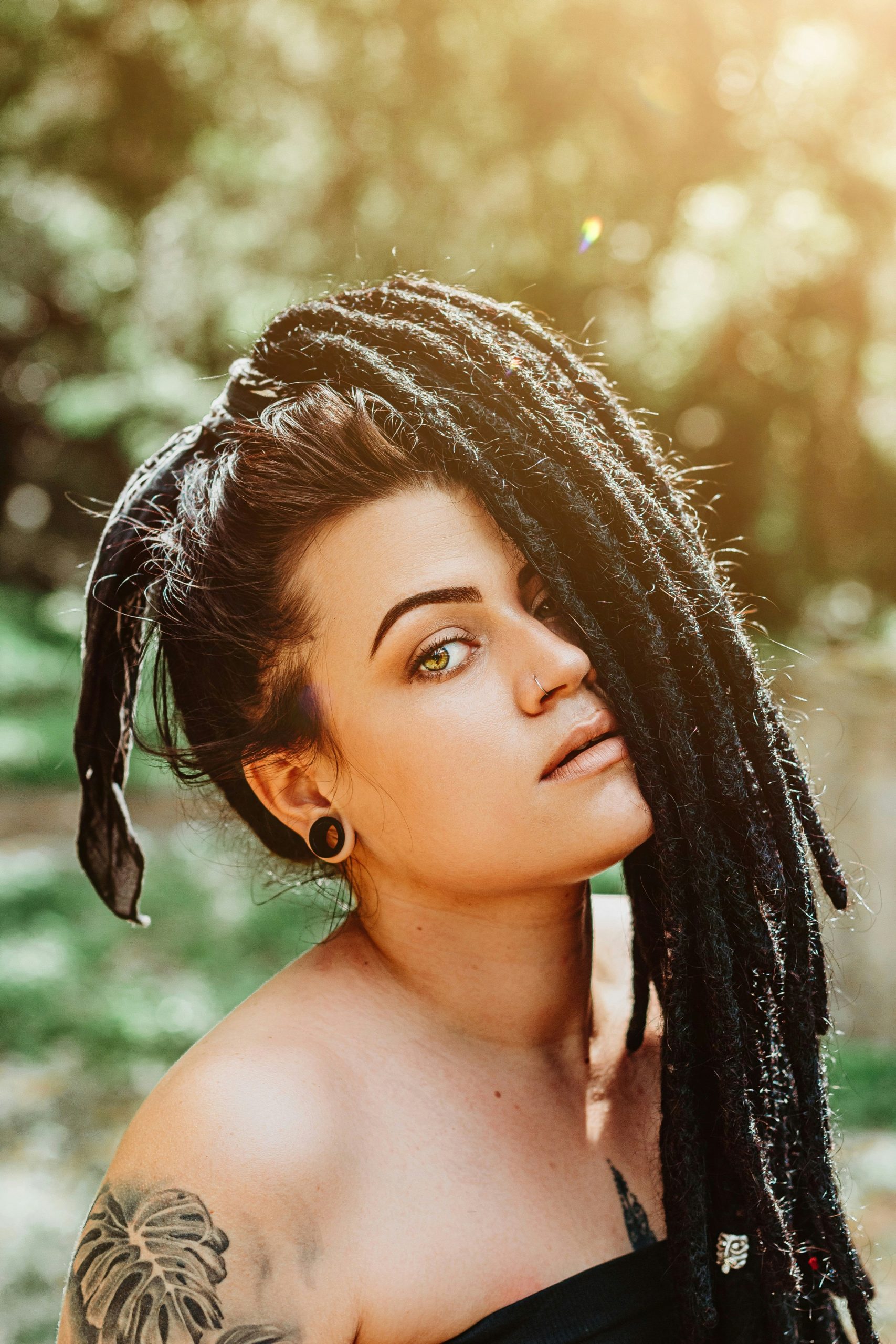

Soft locs are a lightweight faux loc style made by wrapping soft extension hair around your natural braids or crocheted locs, giving the look of mature locs with a smoother, more flexible feel and far less tension on the scalp.
The 30 styles below run from short and shoulder-grazing to waist-length, with boho curly ends, color variations from honey blonde to burgundy, and updo options for every occasion. Each entry covers what makes that look distinct, who it suits, and a practical styling or maintenance note. Soft locs sit in the same protective-style family as boho knotless braids, but the wrapped loc texture gives a completely different finish.
After the gallery you will find a spotlight on what soft locs actually are and how they differ from butterfly and faux locs, plus a face shape guide, salon language, and a full maintenance schedule through the six-to-eight-week lifespan.
| Factor | Details |
|---|---|
| Style type | Lightweight faux locs, wrapped over braids or crocheted locs |
| Extension hair | Spring twist or water-wave hair for wrapping; pre-looped locs for the base |
| Install time | 4 to 8 hours depending on length, loc count, and wrapping detail |
| How long they last | 6 to 8 weeks with consistent scalp and moisture care |
| Best for | Anyone wanting a loc look without the long-term commitment of real locs |
Soft Locs by Length
Length changes everything about how soft locs feel and how much upkeep they need, from breezy short styles to dramatic waist-length sets. Shorter lengths stay light and easy, while longer ones carry more weight and need more careful wrapping at the ends. These eight entries move from short to long.
1. Short Bob-Length Soft Locs
Cut to chin or shoulder length, short soft locs stay lightweight and need almost no styling, since the locs hang cleanly on their own. The shorter length puts less tension on the attachment point, which makes this a gentle option for anyone with finer edges. Tuck one side behind the ear for an easy asymmetrical finish on busy mornings.
2. Shoulder-Length Soft Locs with Wrapped Ends
At shoulder length, soft locs hit a sweet spot between manageable and expressive, long enough to style but short enough to stay light. Sealing the ends with a neat wrap keeps them from unraveling as the style ages. This length suits a first-time soft loc wearer who wants to test the look before committing to waist-length.
3. Mid-Back Soft Locs for Heart-Shaped Faces
Mid-back soft locs add length that draws the eye downward, which balances a heart-shaped face that is wider at the forehead and narrow at the chin. Parting them with a soft side sweep rather than a center part reduces width at the top. The flowing length fills in visual space around the jaw, evening out the proportions.
4. Waist-Length Goddess Soft Locs
Waist-length soft locs make the boldest statement, with curls or waves left out along the length for a goddess finish. This length carries real weight, so the braided base needs to be secure enough to hold it without strain. Gather the locs into a loose low style on heavy days to take the weight off your scalp.
5. Soft Locs vs. Faux Locs at the Same Length
Traditional faux locs use firmer wrapping and feel stiffer and heavier than soft locs at the same length. Soft locs use a softer spring-twist wrap that bends and moves, so they feel more like mature natural locs. If your last set of faux locs felt rigid or heavy, soft locs at the same length solve both complaints.
6. Hip-Length Soft Locs with Minimal Parting
Extra-long hip-length soft locs look fullest with a clean, simple parting that lets the length be the focus rather than the scalp pattern. Fewer, slightly thicker locs reduce install time and weight at this dramatic length. Keep a satin scarf handy, since this much length needs protecting at night to prevent frizz and tangling.
7. Collarbone Soft Locs for a Square Face
Collarbone-length soft locs with soft movement around the face help soften a strong, angular jawline on a square face. Leaving a few face-framing locs slightly curled at the ends adds the roundness that balances sharp features. This medium length is practical for work and easy to gather back when needed.
8. Jumbo Soft Locs for Faster Install
Jumbo soft locs use thicker sections and fewer locs overall, which cuts the install time significantly compared to a small-to-medium set. The chunkier locs read bold and modern, and they are lighter to wear than a dense set of thin locs. This is the practical pick if you want the look without an all-day appointment.
Boho and Curly Soft Locs
The boho version leaves curly or wavy hair out along the locs for a soft, undone, lived-in finish that has driven much of the style’s popularity. The amount of curl left out and where it sits changes the whole vibe. These eight entries cover the boho and curly range.
9. Classic Boho Soft Locs with Curls Throughout
Boho soft locs leave loose curls woven through the length for a carefree, romantic finish that feels softer than uniform locs. The curls catch the light and add movement, so the style never looks flat or stiff. Refresh the curls with a little water and mousse when they start to loosen after the first couple of weeks.
10. Boho Locs with Curls Only at the Ends
Keeping the locs clean for most of the length and leaving curls only at the bottom few inches gives a more polished take on the boho look. This version reads tidier than curls-throughout while still adding softness where it shows most. It also makes the style easier to gather into an updo, since the upper length stays smooth.
11. Boho Soft Locs for Round Faces
Long boho soft locs with curls concentrated lower down add vertical length that slims and lengthens a round face. A deep side part adds asymmetry that further breaks up the roundness. Avoid heavy volume around the cheeks, which would add width exactly where a round face does not need it.
12. Water-Wave Soft Locs
Using water-wave hair for the curls gives a looser, beachier wave pattern than tight spring-twist curls. The effect is soft and natural, almost like loc’d hair caught in a sea breeze. This curl type loosens faster than tighter textures, so plan to refresh it more often if you want the wave to stay defined.
13. Distressed Boho Soft Locs
Deliberately roughing up the wrap and leaving more hair out creates a distressed, free-form finish that looks lived-in from day one. This style sits between soft locs and butterfly locs in feel, with more visible texture than a clean wrap. It is forgiving as it ages, since a little extra frizz only adds to the intended look.
14. Half-Curly Soft Locs with a Defined Part
Leaving curls out on the lower half while keeping the crown and parts clean gives structure up top and softness below. The defined part keeps the style looking intentional and salon-fresh at the scalp. This balance photographs beautifully and suits anyone who wants boho softness without losing a neat finish.
15. Boho Soft Locs with Accent Beads
Threading a few wooden or gold beads onto select locs, much like the accents worn on stitch braids, adds personality to a boho set without much added weight. Space the beads out rather than clustering them so they do not pull on any single loc. Beads also mark the style as yours, turning a standard set into something personal.
16. Curly Soft Locs Compared to Butterfly Locs
Butterfly locs have a distinct looped, pinched texture from the crochet method, with intentional gaps along the loc. Curly soft locs keep a smoother wrapped body with curls left out, so they read softer and more uniform than the deliberately distressed butterfly look. Choose soft locs for a flowing finish and butterfly locs for that pinched, textured character.
Soft Locs by Color
Because the color lives in the extension hair, soft locs let you try bold shades with zero commitment to your natural hair. From warm blondes to deep wine tones, color transforms the same install completely. These seven entries cover the color range.
17. Honey Blonde Soft Locs
Honey blonde soft locs brighten the face and add warmth without the damage of lightening your own hair. The golden tone suits a wide range of skin tones and reads softer than a stark platinum. Pair it with curly ends to let the lighter color catch the light along the curls. For more on the shade itself, our honey blonde hair guide breaks down the tones.
18. Ombre Soft Locs from Dark Roots to Light Ends
An ombre install keeps the roots dark and blends to a lighter shade down the length, giving dimension without an obvious color line. The gradual fade looks natural and grows out cleanly since the roots match your own hair. This is a great first step into colored locs for anyone nervous about an all-over bold shade.
19. Burgundy Soft Locs for a Rich Finish
Deep burgundy extension hair gives a rich, wine-toned finish that reads as color without being loud. The dark base of the tone keeps it wearable for work while still standing out in the light. Burgundy holds its depth through the full lifespan of the style without the fading that lighter reds can show.
20. Caramel-Highlighted Soft Locs
Mixing caramel-toned locs through a dark base creates a highlighted effect that adds dimension and warmth. Scattering the lighter locs rather than clustering them gives the most natural, sun-touched look. The contrast shows best when the locs move, so it suits longer lengths that swing as you walk.
21. Jet Black Soft Locs for Maximum Shine
A clean jet-black set keeps the focus on the loc texture and the shine of a fresh install. Black is the most forgiving color as the style ages, since it hides frizz and lint better than lighter shades. This is the timeless choice when you want the style itself, not the color, to be the statement.
22. Two-Tone Soft Locs with a Money Piece
Brightening just the front few locs that frame the face creates a money-piece effect that lifts and highlights your features. The contrast draws attention to the face without committing to all-over color. This placement is easy to refresh and reads modern against an otherwise dark set.
23. Ginger Soft Locs for a Bold Statement
A warm ginger or copper set makes the boldest color statement and flatters warm and deep skin tones beautifully. The vivid tone reads striking against a clean wrap, especially at longer lengths. Like all warm reds in extension form, ginger keeps its tone far better than it would on lightened natural hair.
Soft Locs Updos and Styling
One of the biggest advantages of soft locs is how easily the length builds into buns, ponytails, and half-up styles throughout the install. Each updo also shifts weight off the scalp, which extends comfort and wear. These seven entries cover styling options.
24. High Bun Built from Long Soft Locs
Gathering long soft locs into a high bun shows off the wrapped texture while keeping the length controlled for active days. Use a soft scrunchie rather than a tight elastic to avoid stressing the attachment points. The bun resets in under a minute, making it the go-to for workouts and hot afternoons.
25. Half-Up Half-Down Soft Locs
Pulling the top half up while leaving the rest down balances a polished crown with flowing length below. This style frames the face and keeps locs out of your eyes without committing to a full updo. A few face-framing locs left loose at the front soften the whole look.
26. Low Ponytail for Office-Ready Soft Locs
A sleek low ponytail at the nape is the most understated, work-appropriate way to wear soft locs. The wrapped texture stays visible while the style reads neat and professional. Lay your edges with a little gel and a soft brush before gathering for the cleanest finish.
27. Soft Locs Styled with a Headwrap
A patterned headwrap or scarf tied at the crown is both a style choice and a practical way to refresh the look at week four when the roots soften. The wrap covers any new growth at the parts while adding color and texture. This is the easiest way to stretch time between maintenance without a salon visit.
28. Top Knot with Curly Ends Left Out
Twisting soft locs into a top knot while leaving the curly ends spilling out gives a playful, undone finish. The contrast between the sleek gathered base and the loose curls keeps the look soft rather than severe. This style suits boho soft locs especially, since the curls are already part of the design.
29. Asking Your Stylist for the Right Soft Loc Set
Tell your stylist three things up front: your desired length, whether you want boho curls or a clean wrap, and your loc size from small to jumbo. Mention if you have fine or fragile edges so they keep the base braids gentle at the hairline. Showing one photo of the length and one of the texture removes most of the guesswork.
30. Soft Locs with Laid Edges and Baby Hairs
Finishing a fresh install with laid edges and styled baby hairs frames the face and gives the whole set a polished, salon-finished look. The contrast between the soft locs and the sleek edges is what makes a new install photograph so well. Refresh the edges with edge control and a soft brush whenever they soften through the week.
What Soft Locs Are and How They Differ from Butterfly Locs
Soft locs are a faux loc style built by first braiding or crocheting a base, then wrapping soft spring-twist or water-wave hair around that base to create the loc. The wrapping is what gives them their signature smooth, flexible feel, closer to mature natural locs than the stiffer traditional faux loc. Because the base does not need tight braiding, soft locs put less tension on the scalp than many other protective styles.

The most common point of confusion is soft locs versus butterfly locs. Both are crochet-based faux locs, but they look and wear differently, as the comparison below lays out. Soft locs read sleeker than a braided protective set like coi leray braids and softer than the pinched butterfly loc.
| Feature | Soft Locs | Butterfly Locs |
|---|---|---|
| Texture | Smooth, flexible, uniform wrap | Pinched, looped, intentionally distressed |
| Hair used | Spring twist or water-wave wrapping hair | Wavy hair looped with a crochet needle |
| Install time | Longer, due to careful wrapping | Often quicker, fewer wrapping steps |
| Overall vibe | Sleek, flowing, mature-loc look | Lived-in, free-form, boho-distressed |
| Lifespan | 6 to 8 weeks | 8 to 12 weeks with care |
Stylist tip: If you have struggled with tension headaches or sore edges from braided styles, ask your stylist to crochet the loc base instead of braiding it down tightly. The crochet method holds the locs with almost no pull at the roots, which is one of the main reasons soft locs are gentler than a tightly braided protective style.
How to Choose Soft Locs for Your Face Shape
Length and where you place curls or volume are what make soft locs flatter your face. Length adds vertical line, a side part adds asymmetry, and curls placed high or low shift where the eye lands. The same balancing logic applies whether you are choosing locs or a cut, and our guide to hairstyles for a big forehead covers the parting tricks in more depth. Matching those to your face shape turns a pretty style into the right one for you.

| Face Shape | Best Length and Part | Why It Works |
|---|---|---|
| Oval | Any length, center or side part | Balanced proportions carry almost any soft loc style |
| Round | Long, deep side part | Vertical length and asymmetry slim and lengthen the face |
| Square | Medium with curls at the ends | Soft curls around the jaw balance angular features |
| Heart | Mid-back, soft side sweep | Length adds fullness at the jaw to balance a wide forehead |
| Oblong | Shorter with volume at the sides | Width and less length keep a long face from looking longer |
What to Tell Your Stylist
A soft loc appointment goes smoothly when you arrive with clear answers on length, texture, loc size, and color. Vague requests lead to a set that is heavier, curlier, or longer than you pictured. Bring two reference photos, one for the length and one for the texture, since a single photo rarely captures both.
The four things to communicate before the install begins:
- Length: Name where you want them to end, such as shoulder, mid-back, or waist, since this sets the amount of hair and the price.
- Texture: Clean wrapped locs, boho with curls throughout, or curls only at the ends. This is the biggest look decision.
- Loc size: Small, medium, or jumbo. Smaller locs take longer and read more refined; jumbo locs are faster and bolder.
- Base method: Ask for a crocheted base if your edges are fine or fragile, since it puts the least tension on your hairline.
Stylist tip: Wash and deep condition your natural hair two to three days before your appointment, not the morning of. Freshly washed hair on the same day can be too slippery for the base to hold, while hair washed a couple of days prior is clean but has enough grip for a secure, long-lasting install.
“I’d like soft locs to mid-back, boho with curls at the ends, medium size, on a crocheted base since my edges are fine. Honey blonde ombre from dark roots.”
Soft Locs Maintenance Schedule
Soft locs are low-maintenance but not no-maintenance, and a little weekly care keeps them looking fresh through the full lifespan. The scalp and the wrap are the two things to watch, since dryness and frizz are what age the style. Most upkeep takes under ten minutes.
| Week | What to Do |
|---|---|
| 1 to 2 | Sleep in a satin bonnet or scarf nightly. Let the locs settle and avoid heavy product. |
| 3 | Spray the scalp with a lightweight oil or leave-in two to three times this week to prevent dryness and itch. |
| 4 | Cleanse the scalp gently with diluted shampoo, letting suds rinse down rather than scrubbing. Refresh curls with water and mousse. |
| 5 to 6 | Lay edges and consider a headwrap to disguise softened roots. Decide whether to remove or extend. |
| Removal | Unwrap carefully, detangle the base, then deep condition. Give the scalp a week before reinstalling. |
Stylist tip: When you shower, wear a loose shower cap even if you are not washing your hair. Soft locs absorb water readily, and a fully soaked set takes a long time to dry and is more prone to frizz and slippage at the base. Keeping them dry between intentional wash days protects both the wrap and the install.
When Soft Locs Are Not the Right Choice
Soft locs suit most hair types and are gentler than many protective styles, but a few situations call for something different.
- Severely damaged or shedding edges: Even a gentle install adds some weight at the hairline. If your edges are actively breaking, give them a rest with a style that does not pull at the front at all, then revisit soft locs once they recover.
- You want a wash-and-go everyday style: Soft locs need a satin bonnet nightly and scalp care weekly. If you cannot commit to that, a shorter natural style or a quicker protective option like two-strand twists may fit your routine better.
- An active scalp condition: Any wrapped or braided style seals the scalp under it for weeks. Treat dandruff, psoriasis, or irritation first, since you cannot properly address it once the locs are in.
- You want maximum longevity: Soft locs last six to eight weeks. If you want a protective style that holds longer, butterfly locs or knotless braids stretch further between installs.
FAQ
How Long Do Soft Locs Last?
Soft locs typically last six to eight weeks with consistent scalp and moisture care. The limiting factor is new growth at the base loosening the locs and frizz building up along the wrap. Removing at the eight-week mark protects your natural hair from matting and excess shed hair caught inside the locs.
What Is the Difference Between Soft Locs and Butterfly Locs?
Soft locs have a smooth, flexible, uniform wrap that mimics mature natural locs, while butterfly locs have a pinched, looped, intentionally distressed texture with visible gaps. Both use the crochet method, but soft locs involve more careful wrapping and read sleeker. Butterfly locs look more lived-in and tend to last a little longer.
Do Soft Locs Damage Your Hair?
Soft locs do not damage your hair when installed on a gentle base, kept moisturized, and removed on time. They are actually one of the lower-tension protective styles because the crochet base avoids tight braiding at the roots. Damage happens when the base is too tight, the locs are left in past eight weeks, or they are removed without careful detangling.
How Much Hair Do I Need for Soft Locs?
You need enough natural hair to braid or crochet a secure base, generally at least two to three inches. Soft locs install over a base of your own hair, so very short hair may not give the loc enough to grip. A stylist can assess your length at consultation and recommend loc size accordingly.
Can You Wash Soft Locs?
Yes, you can and should cleanse the scalp every week or two. Use a diluted shampoo applied directly to the scalp and let the suds rinse down the locs rather than scrubbing the length, which causes frizz. Dry them thoroughly afterward, since locs that stay damp are prone to mildew smell and slippage at the base.
How Long Does It Take to Install Soft Locs?
A soft loc install usually takes four to eight hours depending on length, loc size, and whether you choose boho curls. Smaller locs and longer lengths sit at the upper end of that range, while jumbo locs go faster. Bringing water, a snack, and something to do makes a long appointment more comfortable.
The right set of soft locs comes down to your length, texture, loc size, and color, all built on a base gentle enough to protect your natural hair. Bring two reference photos to your appointment, ask for a crocheted base if your edges need extra care, and keep up the simple weekly routine to get the full eight weeks of wear. Chosen well, soft locs give you the look of mature locs with the freedom to change your mind.
Hair results vary based on your natural hair type, texture, density, and condition. Consult a licensed braiding or loc specialist before any protective style, especially if you have fragile edges, active scalp conditions, or hair loss. Individual results and wear time will vary, and styled results in photos may require specific products to recreate.