
Most failed heatless curls come down to one fixable mistake, and it happens before you wrap a single section.
Heatless curls set properly when hair is barely damp, roughly 80 percent dry and cool to the touch, wrapped in sections no wider than two inches, and left alone until it is completely dry. Wrap soaking hair and you unwrap stringy, half-formed bends in the morning. Wrap bone-dry hair and the shape drops out within the hour. The dampness level does more work than the method you choose.
This guide covers the five overnight methods worth knowing, what curl each one actually produces, which hair lengths and textures they suit, how to diagnose curls that did not hold, and the situations where going heatless is the wrong call. It also explains the mechanism underneath all of it, because once you understand why a curl sets, the troubleshooting stops being guesswork.
Why a Heatless Curl Holds at All
Water is doing the same job heat does, just more slowly. Wetting hair breaks the hydrogen bonds inside its keratin structure, which lets the strand take a new shape; as the water evaporates, those bonds reform in the new position and lock the curl in place. A 2024 review of chemical bonds and hair behaviour in the International Journal of Cosmetic Science describes hydrogen bonds as individually weak but roughly nine times more numerous than disulphide bonds, which is exactly why plain water can reshape hair and why the result vanishes the moment humidity or a shower puts water back in.
That mechanism explains the two rules people break most often. The hair has to be wet enough for the bonds to release, and it has to be bone dry before you unwrap, because bonds that are still forming will simply reform straight when you pull the section loose.
Stylist tip: Run the back of your hand over a wrapped section before you take it out. If it feels cool, there is still moisture evaporating and the curl has not finished setting. Room-temperature hair that feels neutral to the touch is dry hair.
The Four Variables That Decide Whether It Works
Every troubleshooting question about heatless curls traces back to one of four things. Get all four right and almost any method works on almost any hair. Get one wrong and the best tool on the market will not save the result.
Lightly Damp Hair Sets Better Than Wet or Dry Hair
The target is hair that has been towel-dried and left to air-dry most of the way, or dry hair misted lightly from ear level down with a spray bottle. Soaking hair cannot dry through a wrapped section overnight, so you unwrap damp, shapeless pieces. Fully dry hair has nothing to release and reset, so the shape is only a bend held by tension and it drops within an hour or two.
Section Width Controls Curl Size More Than the Tool Does
A two-inch section produces a loose wave; a one-inch section produces a defined curl; a half-inch section produces a tight spiral. This is why two people using the same robe tie get completely different results and blame the product. Thick hair needs more sections than it feels like it should, because a wide section of dense hair will not dry all the way through.
Tension Should Be Firm at the Root and Softer Toward the Ends
Loose wrapping at the root is why roots look flat while the mid-lengths curl fine. Overtightening at the ends is why you get a kink instead of a curve, and it is also where overnight breakage happens. Wrap so the section is smooth and secure but you can still slide a finger under it near the ends.
Hair Must Be Completely Dry Before It Comes Down
This is the step people rush, and it is the single most common reason for stringy morning curls. Drying time depends on your starting dampness, your hair’s density and porosity, and the humidity in the room. Fine hair may be ready in four hours; thick or low-porosity hair can genuinely need eight or more, which is the real argument for setting it overnight rather than before dinner.
The Five Overnight Methods, and What Each One Produces
These five cover the realistic range of results, from a barely-there bend to a defined corkscrew. The differences between them are less about quality and more about the shape of the curl and how much setup you are willing to do at bedtime.
| Method | Curl Produced | Best Length | Setup Time |
|---|---|---|---|
| Robe tie or curling ribbon | Uniform, polished, medium-loose curl | Collarbone to mid-back | 8 to 12 minutes |
| Sock curls | Soft, irregular bends with a lived-in finish | Shoulder length and longer | 10 to 15 minutes |
| Flexi rods | Defined corkscrew spirals with real separation | Chin length and longer | 15 to 25 minutes |
| Overnight braids | Crimped beachy waves, flatter at the root | Shoulder length and longer | 3 to 6 minutes |
| Bantu knots | Tight coils with strong volume at the root | Ear length and longer | 12 to 20 minutes |
The Robe Tie Method Gives the Most Uniform Result
A long satin or silk tie lies along the top of the head like a headband, and damp sections wrap around it in a rope motion, alternating from one side to the other as you work back. Because every section wraps around the same diameter, the curls come out matched in size, which is why this method photographs so consistently. It suits anyone who wants a polished, blow-out-adjacent finish rather than an undone one, and it is the easiest of the five to learn on your own head.
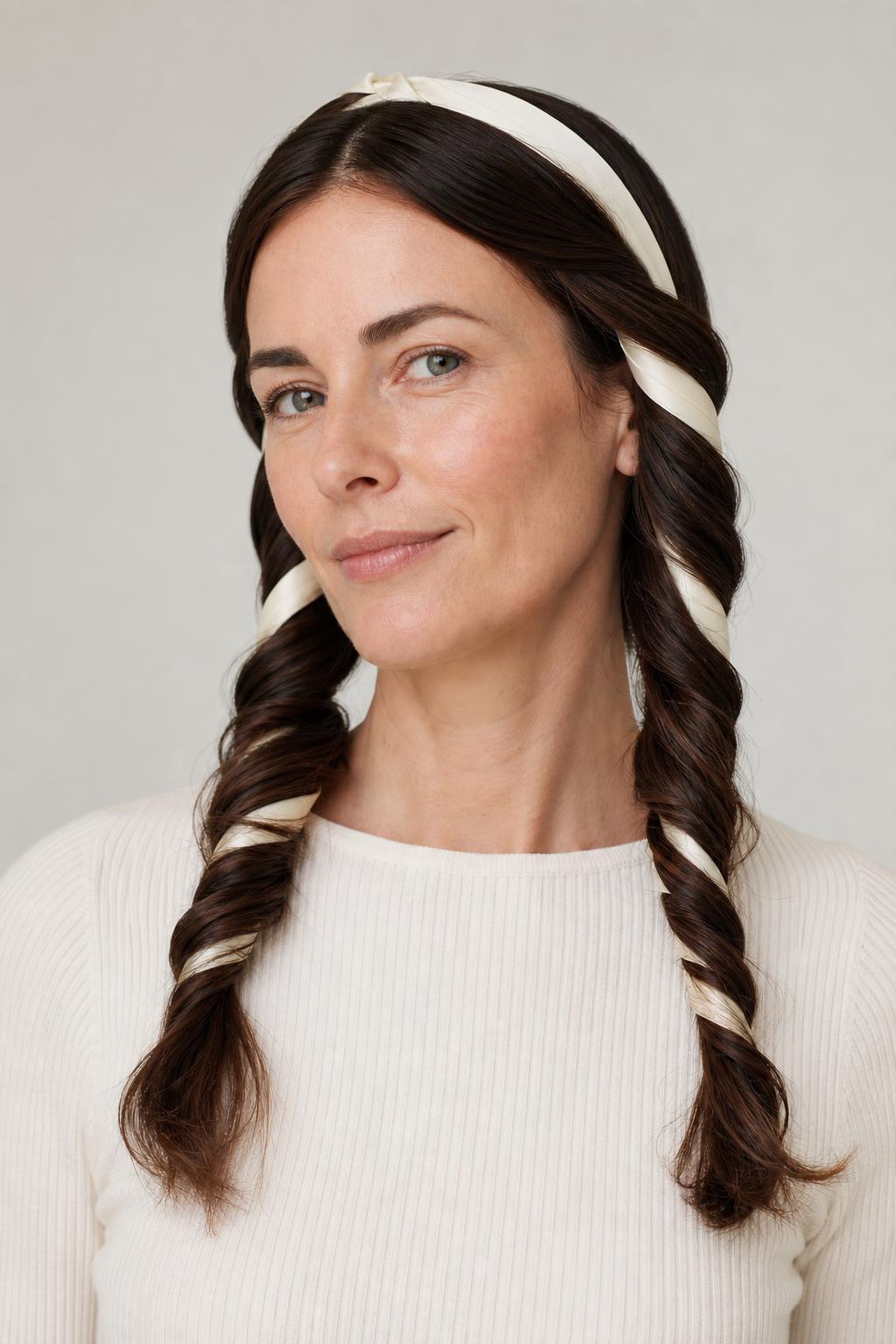
Sock Curls Cost Nothing and Give a Softer, Looser Bend
Long tube socks work as improvised rollers. You wrap a damp section around the sock from the ends upward, then tie the sock ends together to hold it. The fabric has more give than a rigid roller, so the result is a soft bend rather than a defined ringlet, and the slight unevenness between sections reads as natural rather than sloppy. This is the method to try first if you are not sure heatless curls suit your hair, since it costs nothing to test.

Flexi Rods Produce Real Spirals Rather Than Waves
Flexi rods are bendable foam-covered rods that you wrap hair around and then fold at both ends to secure. They hold a much tighter radius than fabric methods, so they deliver a genuine corkscrew with visible separation between curls. Smaller diameters give tighter coils, and the trade-off is time: a full head takes the longest setup of the five, and the rods are the least comfortable to sleep on.

Overnight Braids Are the Fastest Route to Beachy Texture
Two loose braids on damp hair take under five minutes and produce a crimped, S-shaped wave rather than a round curl. The shape is flatter near the root because braiding cannot start tight at the scalp without discomfort, so this method gives texture more than volume. Three or four smaller braids create a finer, more uniform crimp; two fat braids create a broad, loose wave. It travels better than any other method here, which makes it the practical choice for low-maintenance hair on vacation.
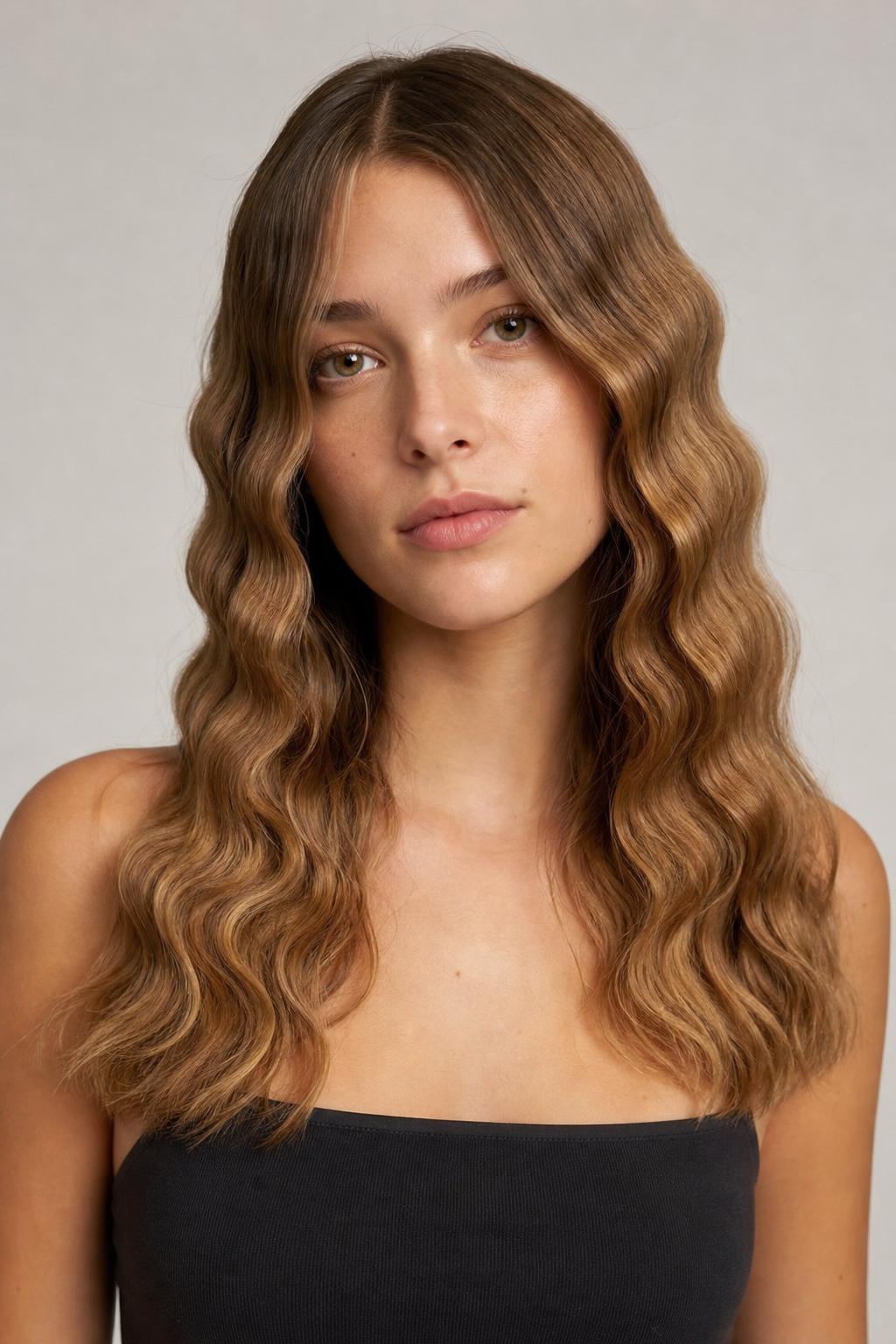
Bantu Knots Build Volume at the Root That Other Methods Miss
Sections are twisted into a rope, then coiled into a small knot flat against the scalp and pinned. Because the coil starts at the root rather than partway down, this is the only method on the list that reliably curls hair from the scalp outward. It works particularly well on coily and tightly curled textures, and on shorter lengths where wrapping methods run out of hair. Unravel each knot gently in the morning and separate with fingers rather than a brush.
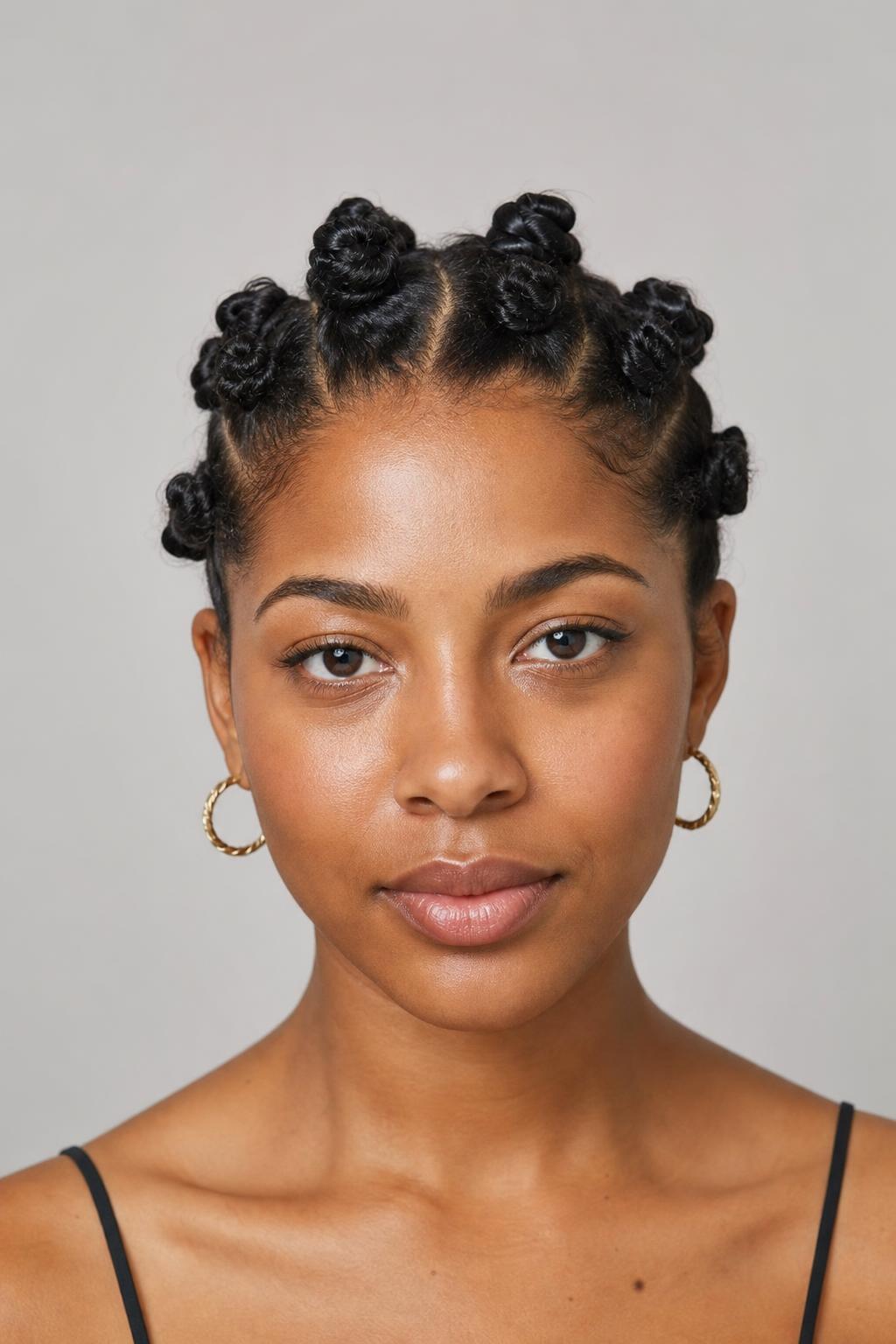
Matching the Method to Your Hair Type
Texture changes how quickly hair gives up moisture and how well it holds a set, so the method that works beautifully on 2a waves can barely register on 1a straight hair. The table below pairs each texture with the method that gives it the most reliable result, along with the section width to start from.
| Hair Type | Start With | Section Width | Why |
|---|---|---|---|
| Fine, straight (1a to 1c) | Robe tie | 1 to 1.5 inches | Holds a set poorly, so it needs even tension and a light hold product |
| Medium, wavy (2a to 2c) | Sock curls or braids | 1.5 to 2 inches | Natural bend already present, so it needs shaping rather than forcing |
| Thick, coarse | Flexi rods | 1 inch | Density needs more, smaller sections or the interior never dries |
| Curly (3a to 3c) | Flexi rods or bantu knots | 1 to 1.5 inches | Stretches and evens an existing pattern instead of fighting it |
| Coily (4a to 4c) | Bantu knots | 1 to 2 inches | Root-level coiling adds length and definition without heat stretching |
If you are unsure where your texture falls, the numbered curl scale is worth learning before you pick a method, and our breakdown of curl types from 2A through 4C makes the distinctions concrete. Texture and density are separate things, and it is density that decides how many sections you need.
Fixing Heatless Curls That Did Not Work
Almost every failure has a specific cause, and almost none of them are the tool’s fault. Work through the symptom you actually got rather than starting over with a different method.
| What You Got | Cause | Fix |
|---|---|---|
| Stringy, half-formed pieces | Hair was too wet or still damp at unwrapping | Start at 80 percent dry and add two hours of setting time |
| Curls dropped by lunchtime | No hold product, or hair was dry when wrapped | Mist damp and apply a light mousse or setting foam before wrapping |
| Flat roots, curly ends | Wrapping started too far down the strand | Begin the wrap closer to the scalp, or switch to bantu knots |
| Sharp kinks instead of curves | A fold or crease in the section, usually at the tie point | Smooth each section flat before wrapping and loosen the end tie |
| Frizz over the whole set | Brushing after unwrapping, or cotton pillowcase friction | Separate with fingers only and switch to a satin pillowcase |
| Curls fell out in humid weather | Airborne moisture reversed the hydrogen bonds | Use a humidity-resistant finishing spray, or choose a cut that works with the weather |
That last row is worth sitting with, because it is a limitation of the whole approach rather than a technique error. In genuinely humid conditions a water-set curl is fighting the air, which is why frizz-resistant cuts for humid climates tend to rely on shape rather than styling.
Stylist tip: Do not brush out a heatless set. Tip your head forward, shake the roots with your fingertips, then separate individual curls by pulling them apart gently. A brush turns five separated curls into one soft undifferentiated wave, and on fine hair it removes the shape entirely.
When Heatless Curls Are Not the Right Choice
Going heatless is often described as the damage-free option, and that is only partly true. The heat is gone, but overnight tension is not nothing, and there are situations where the trade is not worth making.
- Very short hair. Below chin length there is not enough strand to wrap around a tie or rod. Bantu knots are the only method that works reliably on short lengths, and even they need enough hair to complete a coil.
- Hair that is already breaking. Tight overnight wrapping puts sustained tension on the strand, and on fragile or chemically processed hair that produces mid-shaft breakage. Wrap loosely, or wait until a repair routine has done its work.
- A hard deadline in the morning. If the set is not fully dry, there is no rescue that does not involve heat. Anyone who needs a guaranteed result at 7am is better served by a heat tool with a proper heat protectant.
- Scalp tenderness or tension headaches. Sleeping on rods or knots is uncomfortable, and pulling sections tight at the scalp overnight can aggravate both. Loosen the root tension and accept a slightly softer curl.
- Fine hair that has never held a curl. Hair that drops a curling-iron set within an hour will usually drop a heatless one too. Product and section size help, but they do not fully override how a given strand behaves.
Making the Set Last More Than One Day
A well-executed heatless curl gives two to three wearable days on most hair, and the second day is often better than the first because the shape has softened. What kills it is friction and water, in that order.
Sleep on satin or silk rather than cotton, either as a pillowcase or a bonnet, and gather the hair loosely on top of the head in what stylists call a pineapple before bed. In the morning, reshape rather than restyle: mist very lightly with water on the pieces that have dropped, twist them around a finger, and let them air-dry for a few minutes. The same logic behind refreshing curls between wash days applies to a heatless set, since both are water-formed shapes that respond to a small amount of moisture rather than a full rewet.
On product, a light mousse or setting foam applied to damp hair before wrapping does most of the work. Heavy creams weigh down the curl and slow drying, and a strong hairspray applied after unwrapping tends to freeze the shape in a way that looks stiff. If your hair refuses to hold regardless of technique, ask your stylist to assess your porosity at your next appointment, since low-porosity hair takes far longer to dry and needs correspondingly longer setting time.
FAQ
Should Hair Be Wet or Dry for Heatless Curls?
Lightly damp, around 80 percent dry, is the target for every method here. Soaking hair will not dry through overnight and unwraps stringy, while completely dry hair has no bonds to release and the shape drops within an hour. If you are starting from dry hair, mist from ear level down with a spray bottle until the hair feels cool but not wet.
How Long Do Heatless Curls Need to Set?
Six to eight hours covers most hair types, which is why overnight is the standard. Fine or high-porosity hair can be ready in four; thick, coarse, or low-porosity hair sometimes needs longer than a full night’s sleep. The only reliable test is touch, since hair that feels cool anywhere along the section is still evaporating moisture.
Do Heatless Curls Damage Your Hair?
They avoid heat damage entirely, but they are not risk-free. Wrapping tightly at the root for eight hours creates sustained tension, and on fragile, fine, or chemically treated hair that can cause breakage along the mid-shaft. Wrap firmly enough to hold and no tighter, and use fabric methods rather than rigid rods if your hair is already compromised.
Which Heatless Method Works Best on Short Hair?
Bantu knots, by a wide margin. Wrapping methods need enough length to travel around a tie or rod several times, which chin-length hair rarely has. Knots coil from the scalp outward, so they work on anything from ear length upward, and flexi rods in the smallest diameter are the backup option.
Why Are My Roots Flat but My Ends Curly?
The wrap started too far down the strand. Most tutorials begin the rope motion at eye or ear level, which leaves several inches of hair uncurled at the top. Start the wrap closer to the scalp, or use bantu knots, which are the only method on this list that coils from the root by design.
Can You Get Heatless Curls Without Any Tools?
Yes. Two loose braids on damp hair produce a crimped beach wave in under five minutes with nothing but a pair of elastics, and a long sock or a t-shirt strip substitutes for a purpose-made curling ribbon at no cost. The tools mostly buy comfort and consistency rather than a fundamentally different result. The same no-heat principle carries over to cuts built for texture, which is why air-dry methods for a shag lean on the same damp-set logic.
Will Heatless Curls Work on Straight Hair That Never Holds a Curl?
Sometimes, and the odds improve with smaller sections and a light setting foam. Fine straight hair that drops a curling-iron set in under an hour will usually drop a heatless one too, because the issue is the strand’s elasticity rather than the styling method. Adding texture through the cut itself, as with bobs shaped for fine hair, gives any curl something to hold onto.
Heatless curls reward patience far more than equipment, and the readers who get consistent results are almost always the ones who nailed the dampness level and the drying time rather than the ones who bought the right ribbon. Pick the method that matches the curl shape you actually want, start with sections narrower than feels necessary, and give the set a full night before you judge it. If the first attempt drops flat, work through the troubleshooting table rather than switching methods, because the fix is usually one variable away.
Hair results vary based on your natural hair type, texture, density, and condition. Always consult with a licensed hairstylist before making significant changes, especially with chemical treatments or dramatic length changes. Photos may show styled results that require professional tools and products to replicate.