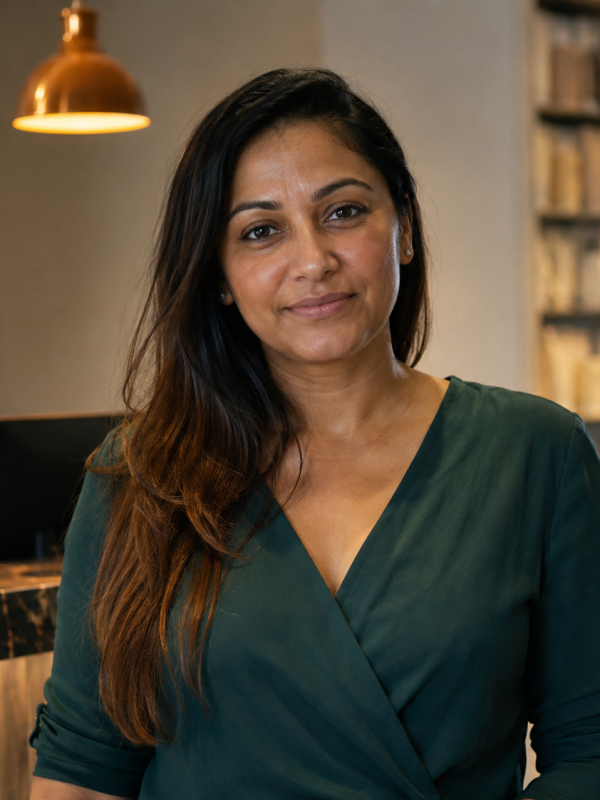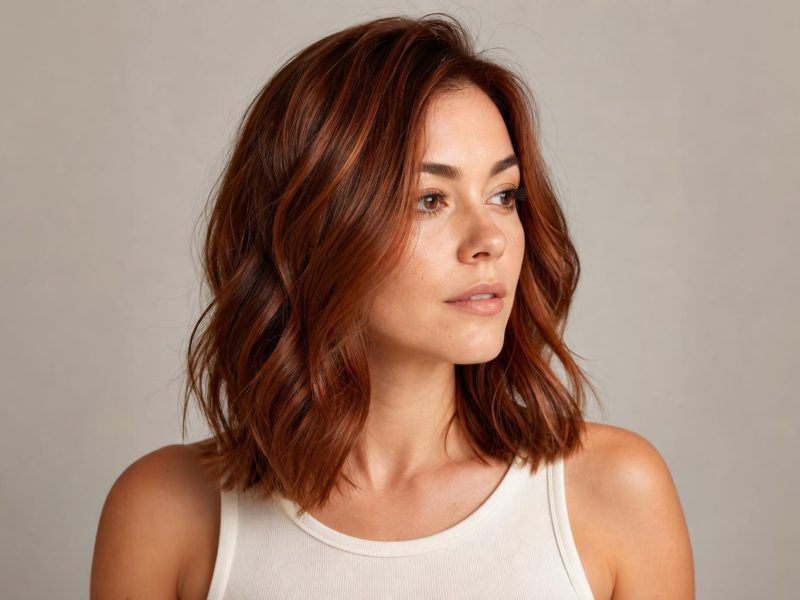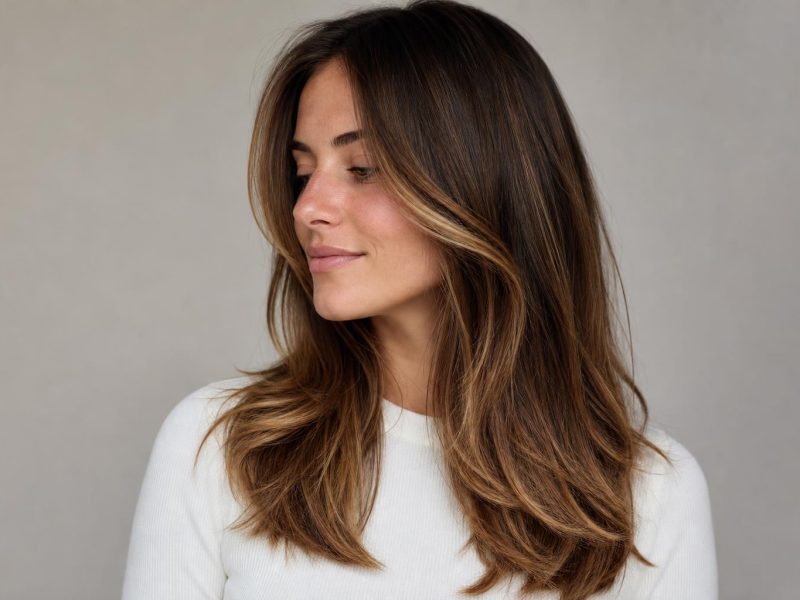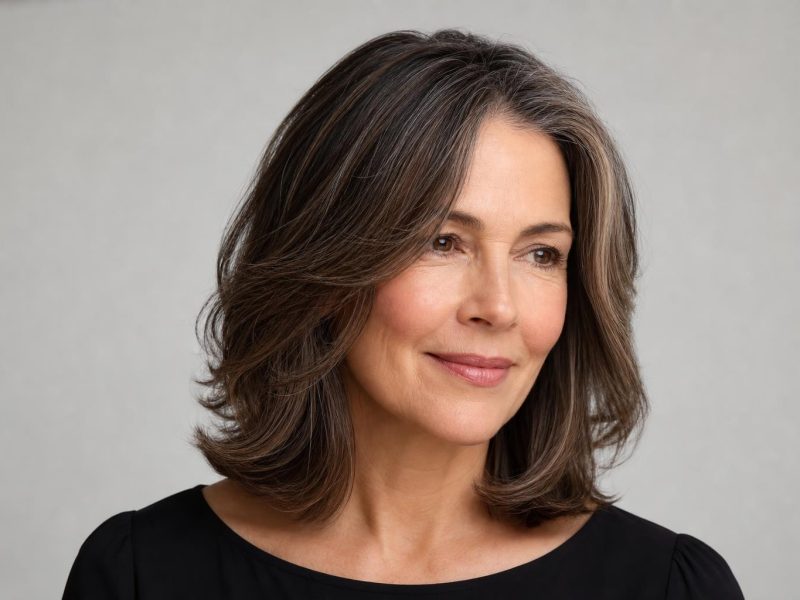



Red hair with blonde highlights works because both colors share the same warm undertone — the contrast between them is a difference in saturation and depth, not in temperature, which lets them sit next to each other without fighting.
The 25 combinations here range from subtle honey streaks through deep auburn to vivid fire-engine red with platinum pieces, with every entry specifying the technique, the base shade, and the face shapes and skin tones it suits best. The gallery is organized by base shade: entries 1 through 8 cover auburn and warm brown-red bases, entries 9 through 15 cover copper and orange-red bases, entries 16 through 21 cover strawberry and lighter red bases, and entries 22 through 25 cover bold, high-contrast pairings. Guidance sections on skin tone, technique selection, salon language, and maintenance follow the gallery.
| Factor | Details |
|---|---|
| Best skin tones | Warm and neutral undertones (golden, peachy, olive); cool undertones work with ashy-blonde, strawberry, or jewel-red combinations |
| Maintenance | Gloss treatments every 4 weeks; full touch-up every 8 to 12 weeks depending on technique; daily color-safe shampoo |
| Best techniques | Balayage (low-maintenance, soft edges); foil highlights (precise placement, stronger contrast); babylights (most natural); ombre (gradient from dark to light) |
| Fade speed | Red tones fade faster than any other color, expect visible fading in 4 to 6 weeks without a maintenance gloss |
| Salon time | 2.5 to 4 hours for full balayage or foil application; 45 to 60 minutes for gloss touch-up appointments |
Auburn and Deep Red Base Combinations
Auburn sits at the intersection of red and brown, which makes it the most versatile base for blonde highlight work. The brown-red mix accepts warm honey and golden tones without jarring contrast, and the overall palette stays earthy and dimensional regardless of how densely the highlights are placed. The eight combinations below range from a barely-there balayage to a fully saturated contrast highlight and cover fine, medium, and thick hair types.
1. Deep Auburn with Honey Balayage
Warm skin tones get the most depth from deep auburn layered with honey blonde painted from mid-shaft to ends using a balayage technique. The honey tone picks up the golden flecks in the auburn base and creates a multi-tonal effect that looks naturally dimensional rather than artificially highlighted. On fine hair, ask for the honey sections to be concentrated at the front and face-framing areas rather than distributed evenly, which gives the appearance of more density at the surface where light catches first.
2. Medium Auburn with Caramel Woven Foils
Foil highlights in a warm caramel shade placed every inch through a medium auburn base produce a brighter, more defined contrast than balayage at the same color pairing. The foil application allows the colorist to control exactly where each section lightens, making this the right choice when you want the highlights to be visible but strategic rather than soft and gradual. Thick hair responds well to foils because they ensure the highlighted sections reach full lightness — thick hair resists lifting with open-air painted techniques, so the enclosed foil environment does the work more effectively.
3. Chestnut Red with Face-Framing Blonde Money Piece
A money piece at the front hairline in warm blonde against a chestnut-red base brightens the face without requiring color through the entire length. The contrast is highest at the face-framing sections, which draws attention upward and works particularly well on square and round face shapes where you want the eye directed toward the cheekbones rather than the jaw perimeter. The money piece lightens faster than a full balayage and requires its own maintenance gloss every 4 to 5 weeks to prevent brassiness at the highlighted section.
4. Auburn Brown with Scattered Honey Babylights
Babylights are the finest foil highlights available, typically placed at 1 to 2mm widths rather than the standard 4 to 6mm, and on auburn hair they produce a shimmer effect rather than a visible stripe of color. The honey blonde tone in each strand blends seamlessly with the auburn base because the sections are too narrow to show as a distinct highlight, the overall effect is a warm luminosity rather than a two-tone contrast. Curly and wavy auburn hair holds babylights particularly well because the curl pattern diffuses the individual sections further, making the result even softer than it would appear on straight hair.
5. Deep Auburn with Champagne Blonde Ombre Tips
Letting the auburn base transition gradually into a cool champagne blonde at the ends creates a low-maintenance ombre that grows out naturally rather than looking neglected. The cooler temperature of champagne blonde against a warm auburn base creates a slight contrast at the temperature level, which works best on neutral and cool-neutral skin tones where the cool blonde at the tips does not clash with the warmth already in the skin. Expect this combination to require toning every 6 to 8 weeks at the tips, as champagne blonde is a pale enough shade to show brassiness quickly as the cool toner fades.
6. Rich Auburn with Warm Gold Panel Highlights
Panel highlights are wider foil sections, typically 1 to 2 centimeters, that create a more visible block of color than standard highlights. On a rich auburn base, warm gold panels placed at the surface layer of the hair create a deliberate sun-bleached effect that appears high-dimension without looking overly processed. This technique is more effective on straight to slightly wavy hair, where the panels remain visible on the surface; on curly hair, the curl pattern partially conceals the panel sections and reduces the visual contrast.
7. Dark Cherry Red with Soft Buttery Blonde Pieces
Dark cherry red bases have a violet-red depth that can make the transition to blonde more complex than a pure auburn base. Buttery blonde rather than platinum or cool blonde is the right pairing here because buttery tones have enough yellow warmth to bridge the warm-cool gap between the cherry red and a lighter shade without producing a muddy or greenish mid-tone at the transition zone. Only balayage or hand-painting should be used for this combination, foils can pull too light too quickly on a vivid red base, producing a brassy orange midpoint rather than a clean blend.
8. Auburn with Hidden Underlayer Blonde
Hidden underlayer highlights are foiled sections placed at the interior of the hair, below the surface layer, so they reveal only when the hair is parted, moved, or worn up. On auburn hair, blonde underlayer sections provide a surprise dimension that keeps the outside looking like a single-process auburn while the interior carries warmth and lightness. This is the auburn highlight approach with the lowest visible maintenance requirement, since the surface color fades uniformly and the underlayer sections are less exposed to UV and heat styling.
Copper and Orange-Red Highlight Combinations
Copper bases have a distinctly warm, orange-toned character that pairs naturally with gold and amber blonde highlights. All three shades sit in the same warm spectrum and share enough chromatic similarity to blend without obvious demarcation. The seven combinations below move from subdued copper-gold blends through higher-contrast pairings with lighter blonde shades, and each entry notes which skin undertones and hair textures respond best.
9. Copper Base with Gold Foil Highlights
Gold highlights on a copper base produce the warmest, most monochromatic of the red-blonde pairings, the overall result is a spectrum of warm tones from deep copper at the root through gold at the mid-shaft and tips. Olive and golden skin undertones carry this combination without the warmth becoming overwhelming; very fair, cool-undertone skin can find the combination too warm at the face-framing sections. Regular appointments every 8 to 10 weeks are necessary to keep the gold sections from pulling orange as the lightener oxidizes, a purple or blue toning shampoo used once a week maintains the cleaner gold tone between visits.
10. Copper Red with Strawberry Blonde Woven Pieces
Woven highlights alternate very thin highlighted and non-highlighted sections throughout a horizontal slice of hair, producing a richer blend than standard foils without requiring babylight-level precision. On copper red hair, strawberry blonde woven through the mid-lengths creates a seamless gradient that appears to deepen at the roots and lighten toward the tips without a definitive dividing line. Heart-shaped and oval face shapes suit this combination well because the distributed color draws the eye across the full length rather than focusing attention at any single point.
11. Dark Copper with Amber Face-Framing Sections
Amber sits between copper and gold on the warm spectrum and makes the softest possible face-framing choice on a dark copper base, the difference between the base and the highlight is subtle enough that the overall effect is warmth and luminosity rather than visible contrast. For oblong face shapes, placing amber sections only at the front sides rather than directly at the center part avoids adding vertical emphasis; for round face shapes, placing them at the temples and dragging them downward adds a lengthening diagonal to the face frame.
12. Bright Copper with Rose Gold Accent Pieces
Rose gold occupies the zone between pink and gold, which on a bright copper base creates a color pairing that sits in the red-blonde spectrum without being a conventional blonde at all. The rose undertone in the highlights picks up warm pink skin undertones and creates a cohesive warmth across the entire color result. Rose gold fades faster than straight gold or honey blonde on red hair, typically requiring a fresh toner every 3 to 4 weeks to maintain the pink-gold balance before the rose portion washes out entirely and leaves plain gold behind.
13. Deep Copper with Light Honey Balayage
Balayage on a deep copper base involves painting light honey from below the mid-shaft to the tips, allowing the copper root area to remain rich and dimensional while the ends lighten to a sun-touched honey tone. The effect is a natural gradient that looks as if the copper has faded at the sun-exposed portions of the hair. Fine hair benefits most from balayage at this color combination because the open, hand-painted application avoids the root-to-tip foil sections that can make fine hair look over-processed and flat. Expect the balayage sections to require a gloss or toner refresh every 6 to 8 weeks to keep the honey warm rather than pulling brassy orange.
14. Copper with Platinum Blonde Tips
Platinum blonde sits at the cool end of the blonde spectrum, which creates the highest possible contrast against a warm copper base. This pairing requires the most technical skill of any combination in this gallery because the transition zone between warm copper and cool platinum must be managed carefully — a toner at the mid-shaft prevents the midpoint from pulling orange, which would look overly processed rather than deliberately styled. Best suited for straight to wavy hair where the full length of the gradient is visible; on curly hair, the tip sections curl back toward the mid-shaft and reduce the visual impact of the ombre.
15. Copper Red with Toffee Highlight Sections
Toffee sits slightly warmer and darker than honey, making it the most conservative blonde option in the copper-red family. The difference between toffee and a warm copper is smaller than between honey and copper, producing a tone-on-tone effect that adds depth without obvious highlights. Colorists use this combination for clients who want dimension without a visible color service result, the goal is to look as if the copper naturally varies in depth rather than to show clear highlighted sections. Neutral and warm skin tones carry toffee-on-copper cleanly; cool skin tones may find even the warmest blonde in this pairing pulls too orange at the face-framing sections.
Strawberry and Light Red Combinations
Strawberry blonde occupies the lightest end of the red hair spectrum and sits closest to natural blonde, which means the blonde highlights placed through it require less lift and therefore cause less damage than highlighting darker red or auburn bases. The six combinations here range from a natural strawberry base taken even lighter with fine highlights to a created strawberry effect achieved by adding warm red tones to a naturally light blonde base.
16. Natural Strawberry Blonde with Pearl Highlights
Pearl highlights use a very slight cool toner to produce a soft, almost white-blonde shade that sits differently against a warm strawberry base than a straight warm blonde would, the subtle cool-warmth contrast between the pearl and the strawberry produces an iridescent effect rather than a flat two-tone result. On fine hair, pearl highlights add visual thickness because the cooler sections reflect light differently from the warm base, creating the optical impression of more depth. This combination requires the least lifting of any pairing in this section since strawberry blonde is already a light base.
17. Medium Strawberry with Lighter Strawberry Blonde Pieces
Placing highlights in the same color family but one level lighter than the base is called a tone-on-tone highlight, and on strawberry blonde hair it creates a soft natural result where the highlights blend almost imperceptibly at the roots while still adding visible dimension at the mid-lengths and ends. The effect is subtle enough that many people who have this service done receive compliments on their “natural” color even when the result is fully salon-applied. Low maintenance is the defining feature of this combination, because there is minimal contrast between base and highlight, the grow-out is nearly invisible, and full appointments can be stretched to 12 to 16 weeks.
18. Strawberry Blonde with Warm Gold Face-Framing Pieces
Gold is warmer than strawberry blonde, which makes gold face-framing pieces on a strawberry base create a subtle contrast where the forehead and face perimeter appear warmer and slightly brighter than the rest of the hair. Heart and round face shapes benefit from keeping the face-framing gold sections narrow, wide panels can make the face appear wider, while thin streaks add brightness without drawing attention to the face’s widest point. This combination requires minimal application time, typically 45 to 60 minutes for the face-framing sections only, making it the fastest starting point for anyone new to red-blonde color services.
19. Strawberry with Champagne Blonde Balayage
Champagne blonde applied via balayage from mid-shaft to tips on a strawberry base produces a very natural grown-out effect because both colors are already in the light blonde-to-light red zone, the transition between them looks like sun lightening rather than a color service. On wavy and curly strawberry hair, the champagne sections catch differently in each curl, producing a multi-tonal shimmer that moves as the hair moves rather than showing static highlighted stripes. Apply a weekly strawberry blonde color-depositing conditioner to extend the time between full appointments and keep the warmth balanced.
20. Strawberry Blonde with Buttery Bright Woven Highlights
Woven highlights in a bright buttery blonde through a strawberry blonde base raise the overall lightness of the hair by one to two levels without a full bleach application, giving the impression of a lighter, sunnier strawberry than the base alone would produce. On thick hair, woven highlights are more effective than balayage at ensuring the highlighted sections lift fully, since the thin woven pieces are fully enclosed in foil rather than left to lift in open air. The overall tone of this combination is the warmest and lightest in this section, making it best suited for olive and golden skin tones rather than very pale, cool-undertone complexions.
21. Faded Strawberry with Buttery Blonde Tips
Allowing the strawberry base to fade slightly toward a neutral before adding buttery blonde tips creates an ombre where the mid-shaft carries a naturally faded red-pink tone and the tips arrive at a clean warm blonde. This is the lowest-commitment version of the red-blonde combination because the middle phase of the fade does the blending work, no technical mid-shaft toner is required. Maintenance involves refreshing the buttery tips every 10 to 14 weeks and applying a weekly warm-toned glossing treatment on the mid-shaft to keep the fade from pulling muddy.
Bold and High-Contrast Red-Blonde Styles
High-contrast pairings use maximum lift at the highlighted sections to achieve the widest possible difference between base and highlight, producing vivid, clearly defined color results that are immediately visible. These four combinations suit clients who want color that comes across as a deliberate, styled choice rather than a natural enhancement, and they come with the highest maintenance requirements of any approach in this gallery.
22. Vivid Red with Bold Blonde Money Piece
A vivid red base next to a bold blonde money piece at the front hairline is the highest-contrast pairing available in the red-blonde family, the red is saturated and warm, the blonde is pale and cool, and the two meet at the face frame without gradual blending. On warm and olive skin tones, the vivid red and the blonde money piece both pull attention to the face in a complementary way; on very fair, cool-undertone complexions, the warm red can overpower the contrast at the hairline. Maintenance is demanding: the vivid red requires a color refresh every 4 to 6 weeks before visible fading, and the money piece requires a toner every 3 to 4 weeks to prevent orange pull.
23. Bright Red with Chunky Platinum Foil Highlights
Chunky highlights are wide foil sections, typically 2 to 3 centimeters, that create blocks of color rather than blended dimension. Platinum chunks through a bright red base produce the most graphic result in this collection, the contrast between the fully saturated red and the fully lightened platinum is the maximum possible in hair color without entering the territory of fashion colors. Anyone starting from a darker base should plan this as a two-session process, as attempting to reach platinum in one service over a warm red risks damage and an uneven platinum tone with orange mid-tones throughout.
24. Red and Blonde Split Dye
A split dye divides the hair into two distinct sections, typically left and right, applying red to one side and blonde to the other with a clean separation rather than a blended transition. The center part becomes the dividing line and the contrast is immediately clear from any angle. This is the least versatile of the bold combinations for everyday wear since it cannot be softened by styling alone, but for clients who want a fully committed statement color it delivers maximum visual impact with a single service. Maintenance for the blonde side mirrors standard bleached blonde upkeep, while the red side requires its own refresh schedule independent of the blonde.
25. Copper Red with Bright Blonde Face Wrap
A face wrap is an extended version of the money piece that brings highlights from the hairline down the sides and around below the ear, effectively wrapping the face perimeter in a lighter color. On copper red hair, a bright warm blonde face wrap creates a halo of lightness around the face that dramatically increases facial brightness and warmth. Oblong and long face shapes benefit most from the face wrap because the horizontal placement of the lighter color at the sides of the face adds visual width at the cheekbones and temples; round and square faces should request the face wrap only at the top sections rather than wrapped all the way under the ear.
Choosing Your Red-Blonde Combination by Skin Tone
Skin undertone is the most important factor in selecting a red-blonde pairing because both red hair and blonde highlights occupy a warm spectrum — the wrong combination can produce a result that washes the complexion out or makes the skin appear sallow. Use the table below as a starting framework and adjust based on how much contrast you want between the base and highlight.
| Skin Undertone | Best Red Base | Best Blonde Highlight | Avoid |
|---|---|---|---|
| Warm (golden, peachy) | Deep auburn, copper, warm red | Honey, caramel, gold, toffee | Platinum blonde, which is too cool against warm skin and creates a harsh contrast |
| Neutral | Any red, auburn, copper, bright red, strawberry | Any blonde, the widest range of combinations work | No major restrictions; very heavy warm-on-warm combinations may appear monochromatic |
| Cool (pink, bluish) | Cherry red, auburn with brown undertone, burgundy-red | Champagne, pearl, cool blonde, ashy blonde | Copper and orange-red bases, which clash with pink-cool skin |
| Olive | Rich auburn, copper, warm strawberry | Warm gold, honey, caramel | Very pale, cool blonde highlights that can create a visible disconnect from the warm skin tone |
Technique Guide: Balayage, Foils, Ombre, and Babylights
The technique your colorist uses determines the placement, visibility, and grow-out behavior of the highlights more than the specific shade chosen. Each technique produces a different result from the same red base and blonde highlight combination.
Stylist tip: “When a client comes in with a reference photo of red hair with blonde highlights, the first question I ask is whether they want it to look like a color service or not. Balayage and babylights produce a result that looks most like the hair naturally grew that way. Foils and panel highlights are for people who want the color to be visible and intentional. Once I know which camp the client is in, I can pick the right placement and shade combination.” (THP contributor, color specialist)
| Technique | Look | Grow-Out | Maintenance Interval | Best Hair Type |
|---|---|---|---|---|
| Balayage | Soft, gradient, natural-looking | Gradual and forgiving | Full service every 10 to 14 weeks | Fine to medium; all textures |
| Foil highlights | Precise, defined, visible contrast | Root line visible at 6 to 8 weeks | Full service every 6 to 10 weeks | Thick hair especially; fine hair OK with thin foils |
| Babylights | Extremely fine, shimmery, diffused | Very gradual; near-invisible grow-out | Full service every 12 to 16 weeks | Fine to medium; straight and wavy |
| Ombre | Gradient from dark root to light tip | Gradual; dark roots are part of the look | Toner refresh every 6 to 8 weeks; full service every 12 to 16 weeks | All types; most dramatic on thick, straight hair |
What to Tell Your Colorist
Red and blonde is a technically demanding combination because red hair resists lightening and the warm undertones in red can pull the highlighted sections orange rather than blonde without the right toner. Clear communication at your consultation helps the colorist choose the correct lifting schedule, blonde shade, and toner to produce a clean result.
Stylist tip: “Always tell your colorist your full color history: whether your red is natural or color-treated, how long ago the last service was, and what products you use at home. Natural red hair lifts differently from color-treated red — natural red is often very resistant to bleach, and color-treated red can have unpredictable underlying pigment. If I know the full history, I can calibrate the developer strength and processing time to get the blonde sections to the right lightness without damage.” (THP contributor, hair color educator)
- Base history: “My red is [natural / color-treated for X months / recently lifted from another color]”, this is the single most important piece of information for your colorist to plan the correct lightening approach.
- Target blonde shade: “I want the highlights to look [warm honey / gold / champagne / platinum]”, bring a photo reference for the specific blonde tone, not just a description, since the same word can mean different things to different colorists.
- Technique preference: “I want the highlights to look [soft and natural / defined and visible / concentrated at the face]”, this tells the colorist whether to use balayage, foils, or face-framing only.
- Damage concern: “I want to preserve the health of my hair, please use the lowest-lift approach that still reaches the blonde shade”, this signals to your colorist to plan multiple sessions if necessary rather than attempting maximum lift in one appointment.
- Maintenance tolerance: “I can come in every [6 / 8 / 12] weeks”, this determines whether a high-maintenance foil service or a low-maintenance balayage is the right approach for your lifestyle.
Maintenance Schedule for Red and Blonde Hair
Red pigment fades faster than any other hair color because red color molecules are the largest and leave the hair shaft most quickly during washing. Combined with blonde highlights that require their own toning maintenance, this color combination has the highest upkeep requirement of any non-fantasy color service. The schedule below is organized by technique.
| Technique | Gloss / Toner Refresh | Root Touch-Up | Full Color Service | Home Care |
|---|---|---|---|---|
| Balayage | Every 6 to 8 weeks | Not usually needed; roots blend naturally | Every 12 to 16 weeks | Sulfate-free shampoo; weekly color-depositing mask |
| Foil highlights | Every 4 to 6 weeks | Every 6 to 8 weeks (visible root line) | Every 8 to 10 weeks | Color-safe shampoo; weekly purple or brass-neutralizing toning mask on highlighted sections |
| Babylights | Every 8 to 10 weeks | Not typically needed; grow-out is near-invisible | Every 14 to 16 weeks | Sulfate-free shampoo; red-depositing conditioner every 2 to 3 washes |
| Ombre | Every 6 to 8 weeks (tip toner) | Not applicable; dark roots are designed in | Every 12 to 14 weeks | Separate products for roots (red-depositing) and tips (purple/toning) |
When Red Hair with Blonde Highlights Needs Rethinking
Red and blonde is not the right combination for every situation. These are the circumstances where the approach needs adjusting before committing to a service.
- Heavily color-treated or damaged red hair: Red hair that has been colored multiple times, especially with vivid or direct dyes, carries a high concentration of pigment that can produce unpredictable results when lightened. Attempting to add blonde highlights over heavily processed red often yields orange or green-toned sections rather than clean blonde. A professional consultation with a strand test is necessary before committing to any lightening over previously colored red hair.
- Very dark natural red hair (level 3 to 4): Deep natural red at level 3 or 4 is extremely resistant to lifting and requires significant developer strength to reach a blonde shade. This often means a multi-session process: lift the red as far as possible in session one, tone, then lift further and add the full highlight service in session two. Anyone expecting to go from dark natural red to visible blonde highlights in a single appointment is likely to be disappointed or to risk significant damage.
- Cool skin undertones and warm copper-blonde pairings: Very cool, pink-toned skin against copper red base and gold highlights creates a clash between the warm colors in the hair and the cool undertones in the face. Cool undertones need cherry red or burgundy-red bases paired with champagne, pearl, or cool blonde highlights rather than the warm copper-gold combinations that dominate this gallery.
- Low-maintenance lifestyle with high-contrast highlights: Anyone who cannot commit to salon visits every 6 to 8 weeks should not choose high-contrast foil highlights or a vivid money piece on a red base. Without regular toning, the blonde sections pull orange-brassy, and without regular red refreshing, the base fades to a washed-out orange-pink. Low-maintenance clients are better served by tone-on-tone babylights or a subtle balayage that grows out gracefully without requiring frequent intervention.
FAQ
Will blonde highlights damage red hair?
Lightening required to produce blonde highlights does cause some structural change to the hair shaft, and the extent of that change depends on how many levels of lift are needed to reach the target blonde shade. Red hair, especially natural red, is typically high in pigment and requires more developer time or strength than brown or blonde hair to lift to the same level. Choosing a more subtle blonde that requires fewer levels of lift, using a lower developer concentration, or doing the process in two sessions rather than one all reduce cumulative damage compared to attempting maximum lift in a single service.
How long do red and blonde highlights last?
The blonde highlighted sections themselves are permanent in structure, once lightened, the hair does not return to its original color. What fades is the toner applied to the blonde sections (typically every 4 to 8 weeks) and the red pigment in the base (typically visible fading within 4 to 6 weeks without a color-depositing product or gloss). Structurally, the highlights remain until the lightened sections are cut off, but the color result requires ongoing maintenance to stay vibrant and toned.
Can I get red hair with blonde highlights on dark hair?
Yes, but the starting darkness of your hair determines how many sessions are needed. On level 4 to 6 dark brown hair, adding a red tint and blonde highlights in one session is possible if the target blonde is a warm honey or gold rather than platinum. Going from very dark (level 3 or darker) to a visible blonde in one session risks uneven lightening and damage; a two-session approach gives better results. A colorist consultation with a strand test is the right first step for anyone starting from dark hair.
How do I stop blonde highlights from going brassy on red hair?
Brassiness on blonde highlights over red hair is caused by residual warm pigment that surfaces as the toner fades. Preventing it requires a combination of salon and home maintenance: a professional gloss or toner refresh every 4 to 6 weeks at the salon, and a weekly purple or brass-neutralizing toning shampoo at home applied to the highlighted sections only (leaving it on red sections turns the red muddy). Washing in cool or cold water also slows toner fade significantly compared to hot-water washing.
Does red hair with blonde highlights suit all skin tones?
Warm and neutral skin undertones carry the widest range of red-blonde combinations most naturally because the warm spectrum of both colors complements golden, peachy, and olive skin tones. Cool skin undertones can also wear red-blonde color but require more careful pairing: cherry red or burgundy-adjacent red bases work better than copper or orange-red, and champagne, pearl, or ashy blonde highlights work better than warm gold. The skin tone compatibility table earlier in this article provides a starting framework for matching undertone to combination.
Is red hair with blonde highlights high maintenance?
Red-blonde color is among the highest-maintenance in the natural color family because it combines two challenges: red pigment fades faster than any other color, and the blonde sections require regular toning to prevent brassiness. Balayage and babylights bring the maintenance schedule closer to manageable, with full appointments every 12 to 16 weeks. Foil highlights and vivid red bases require the most frequent salon visits, at 6 to 8 week intervals for toning, making them the most time-intensive and costly of the options in this gallery.
Red hair with blonde highlights covers a wider spectrum than most multi-tone color combinations — from the warmest honey-on-auburn to the highest-contrast platinum-on-vivid-red. Choosing the right combination starts with skin undertone, narrows to technique based on your maintenance availability, and finishes with a specific blonde shade matched to the red base you are starting from or planning. A consultation with a colorist who specializes in red hair color and a strand test before committing to any significant lightening over existing red pigment gives you the best chance of a clean, vibrant result from the first appointment.
Hair color results vary based on your natural or previously colored hair, porosity, and condition. Lightening services should always be performed by a licensed professional colorist. Always do a strand test before a full color service, especially over previously colored hair. Photos show results that may require multiple sessions to achieve.