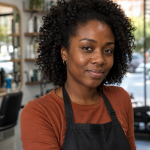
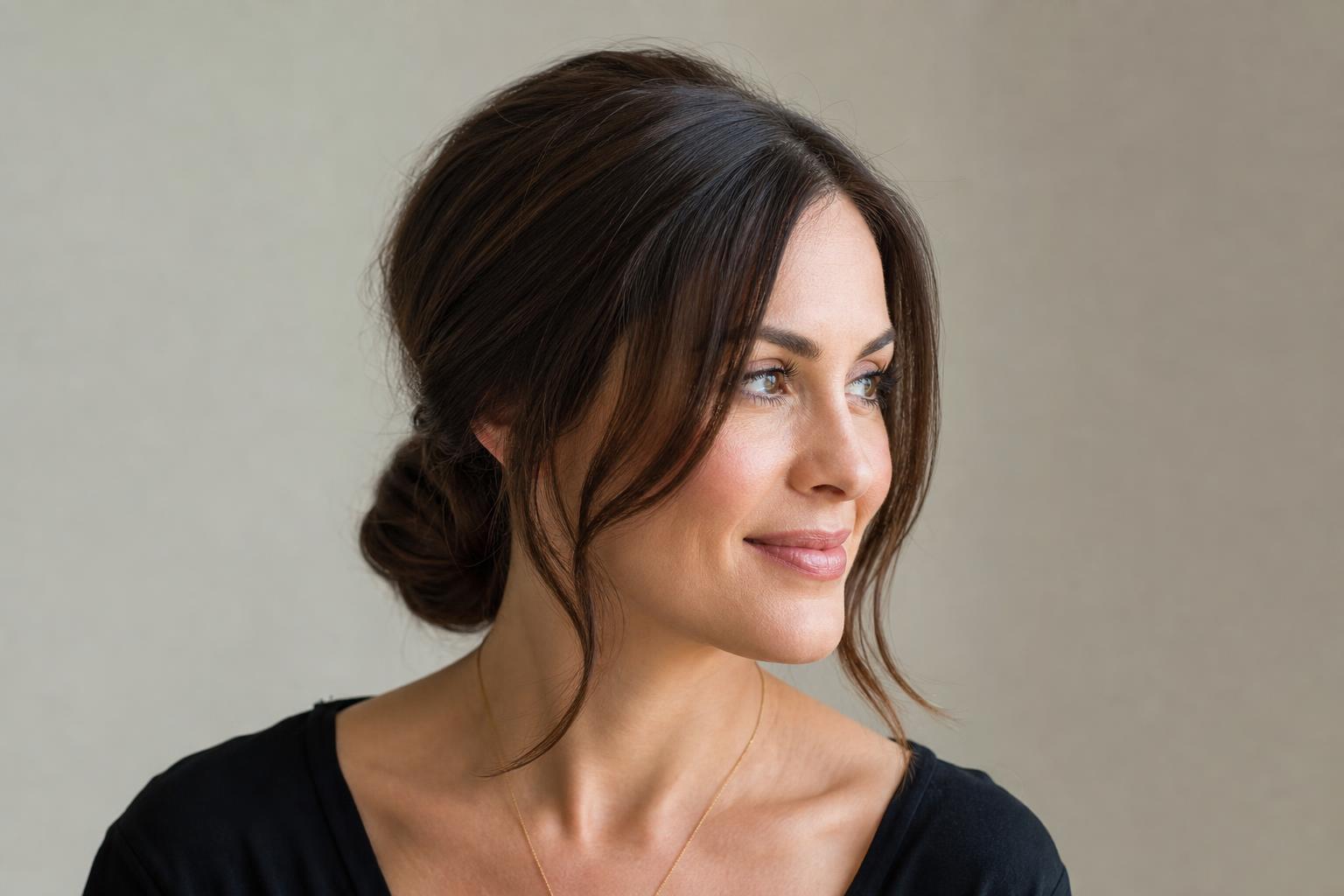
Professional does not have to mean a low bun and nothing else.
A work-appropriate hairstyle needs to do three things: stay put through a full day, keep hair off your face during meetings, and look deliberate rather than thrown together at a stoplight. Everything past that is negotiable, and the range is far wider than most offices suggest. Here are 25 styles that meet those three conditions without defaulting to the same slicked bun every morning.
The gallery moves from polished down styles through updos, half-up options, and short hair, so you can jump to your length. After it you will find a dress code table that maps styles to how conservative your workplace actually is, a face shape guide, an all-day hold chart with realistic timings, and an honest list of the styles that cause friction in traditional offices. Anyone rethinking their cut rather than just their styling will find the length trade-offs in our guide to the midi length between lob and long.
| Factor | Details |
|---|---|
| Best for | Office, client-facing, hybrid, and interview settings |
| Morning time | 2 to 15 minutes depending on the style |
| Works with | Pixie through waist length, all textures, second-day hair |
| Avoid if | Your role involves a hard hat, food service, or a lab coat |
| Kit needed | Claw clip, matte bobby pins, small elastics, light hold spray |
Polished Down Styles for the Office
Wearing hair down at work fails for one reason: it moves into your face and you keep touching it, which is what makes a style look unprofessional far more than the style itself. Every version below solves that with either a part that anchors the hair or a product that gives it enough weight to stay. None of them require a full blowout.
1. Smooth Collarbone Blowout
A round brush turned under at the ends for the last two inches gives a collarbone lob a finished edge that a flat iron cannot replicate, because the curve keeps hair moving toward the neck instead of flaring out. Take three sections per side and dry each one fully before releasing. Ten minutes on wash day carries through the next two.

2. Deep Side Part with Soft Waves
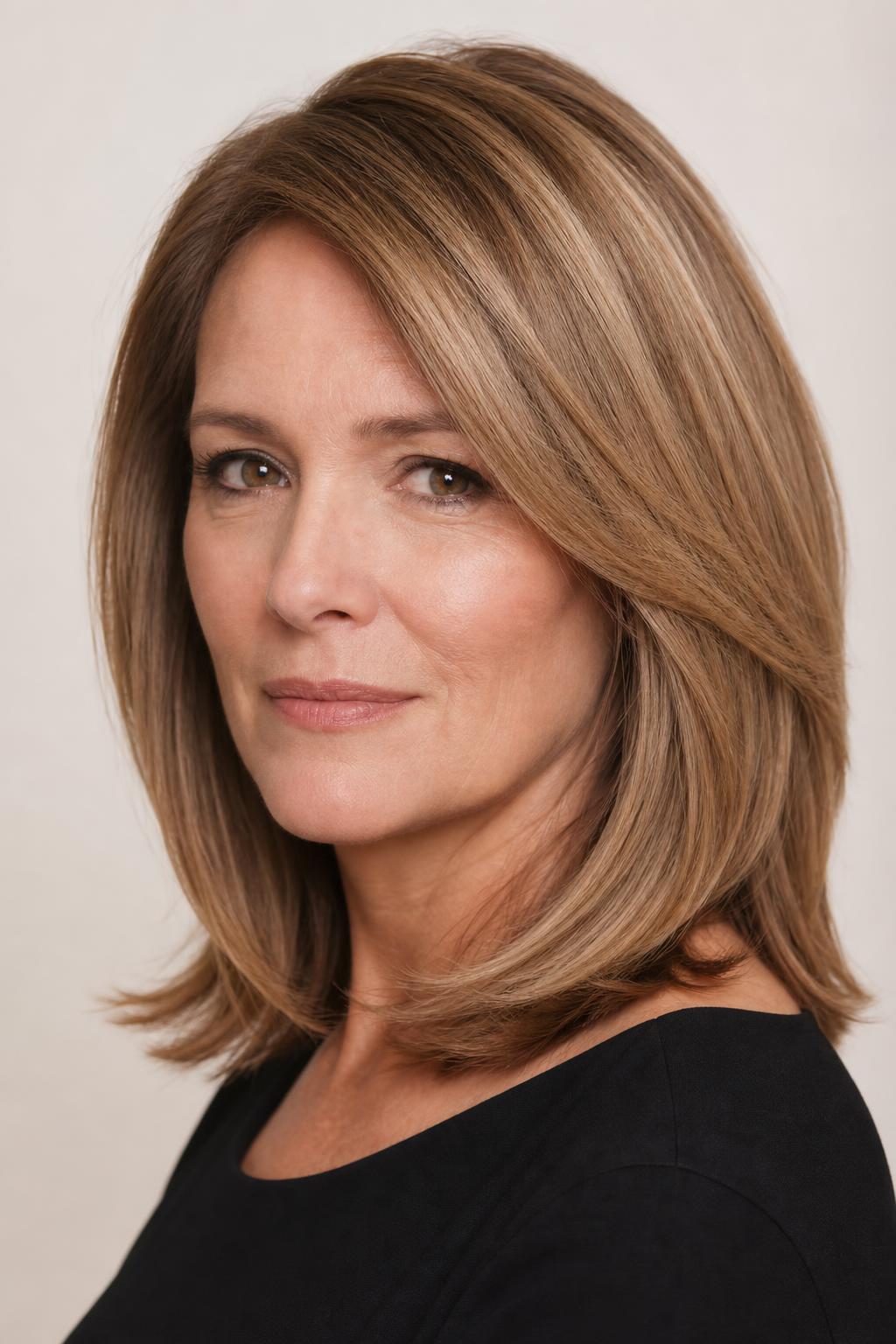
Round and square faces both gain definition from a deep side part, since the diagonal line across the forehead breaks up a symmetrical outline. Set the part further over than feels natural, then add loose waves from the ears down only. Leaving the roots flat is what keeps the look office-appropriate rather than evening.
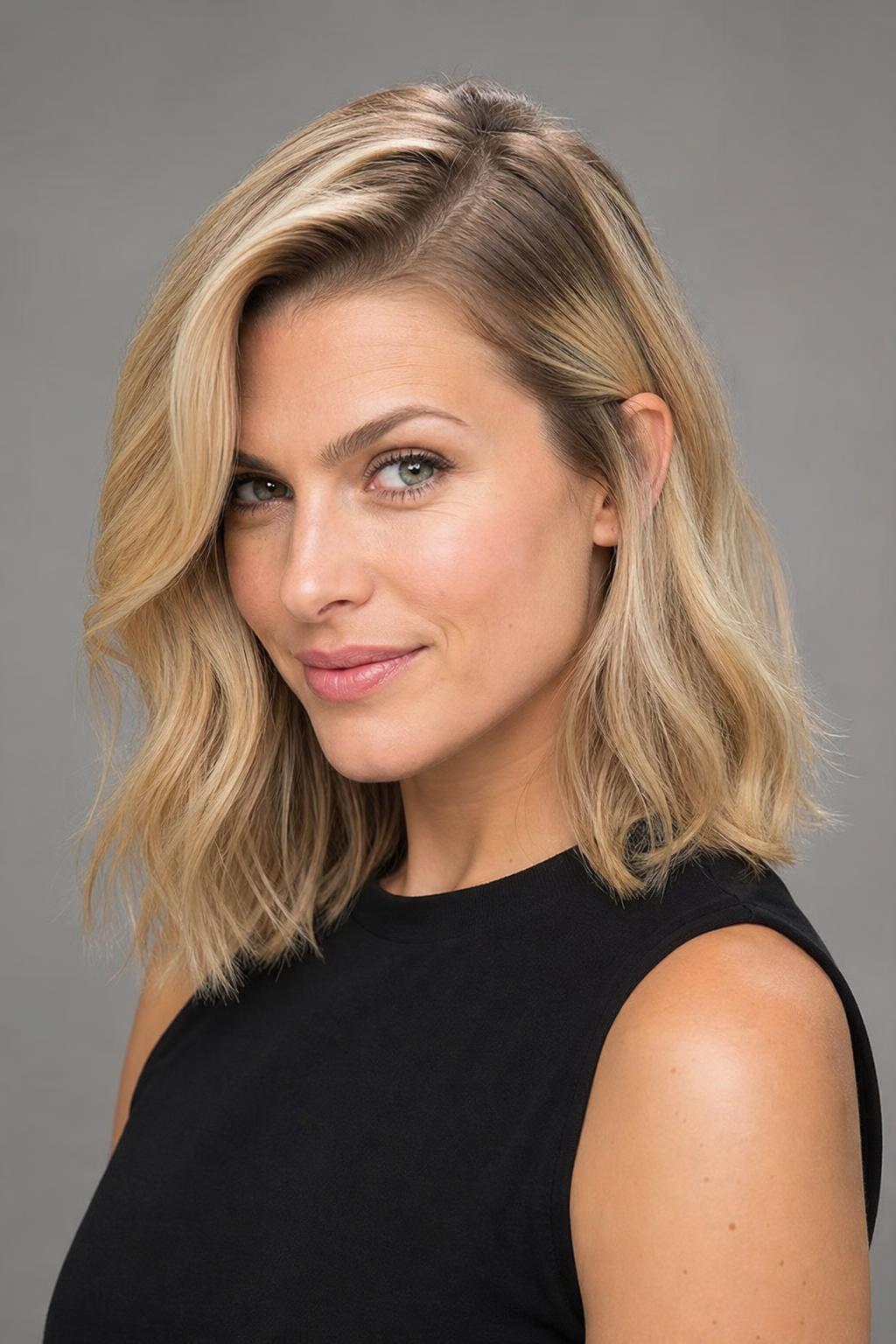
3. Blunt Straight Bob for Fine Hair
Fine hair looks thickest when the perimeter is cut in one clean line and left straight, because every strand ends at the same point and the edge stays dense. Layers do the opposite on this texture. A dry shampoo at the roots before styling adds the grip fine hair needs to hold a shape past lunchtime.

4. Air-Dried Waves with a Shine Finish
Two drops of lightweight hair oil rubbed between the palms and pressed onto the mid-lengths, never the roots, is the difference between air-dried hair that looks intentional and air-dried hair that looks unwashed. Apply while hair is still damp. Skip the ends until the hair is fully dry, then add one more drop.
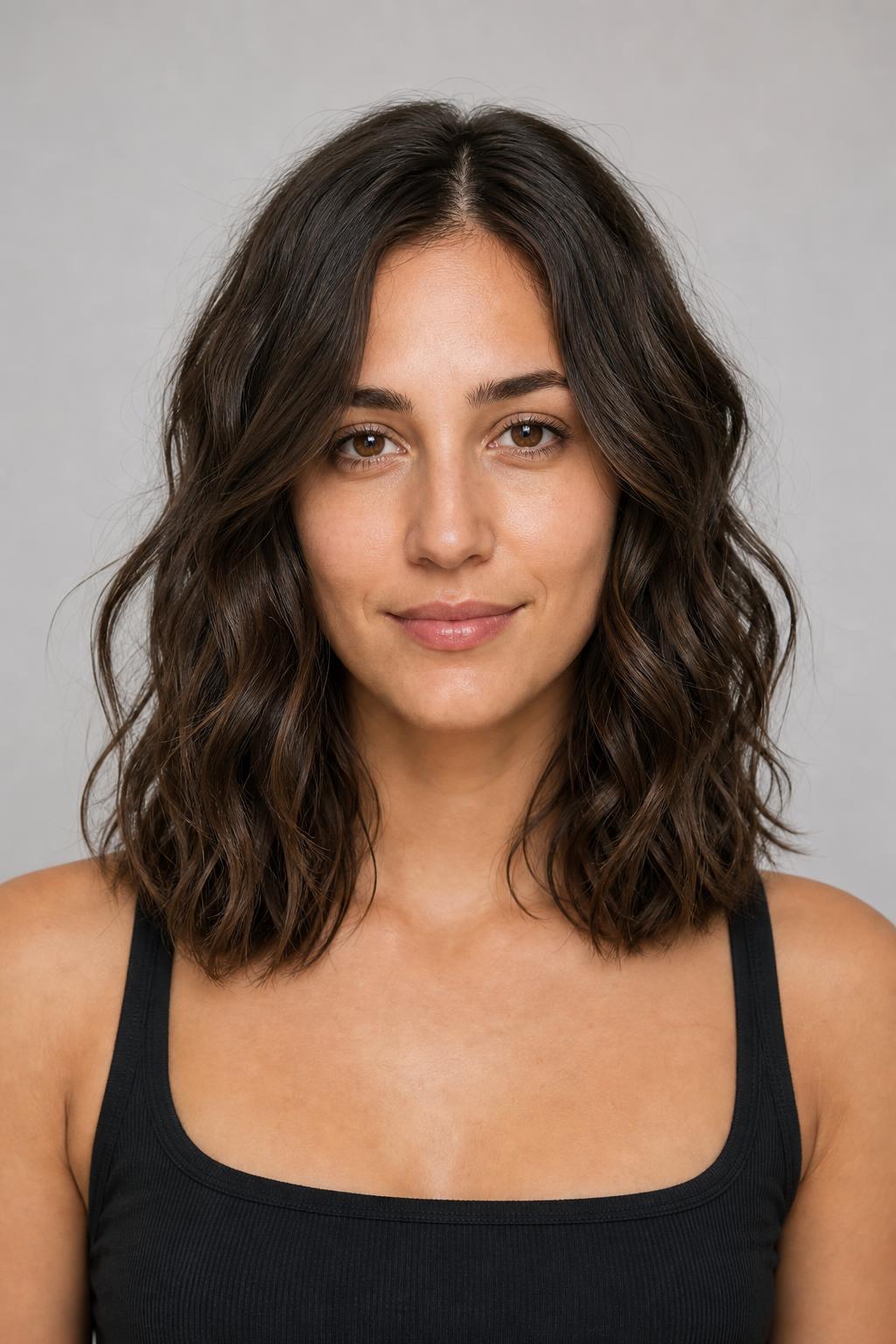
5. Silk-Pressed Straight Style
A silk press holds for one to two weeks with careful wrapping at night, which makes it one of the lowest daily-effort options on this list for natural hair. Budget 90 minutes in the salon and a heat protectant with a rated temperature. Humidity above 70 percent shortens the hold considerably, so check the forecast before booking around a big presentation.
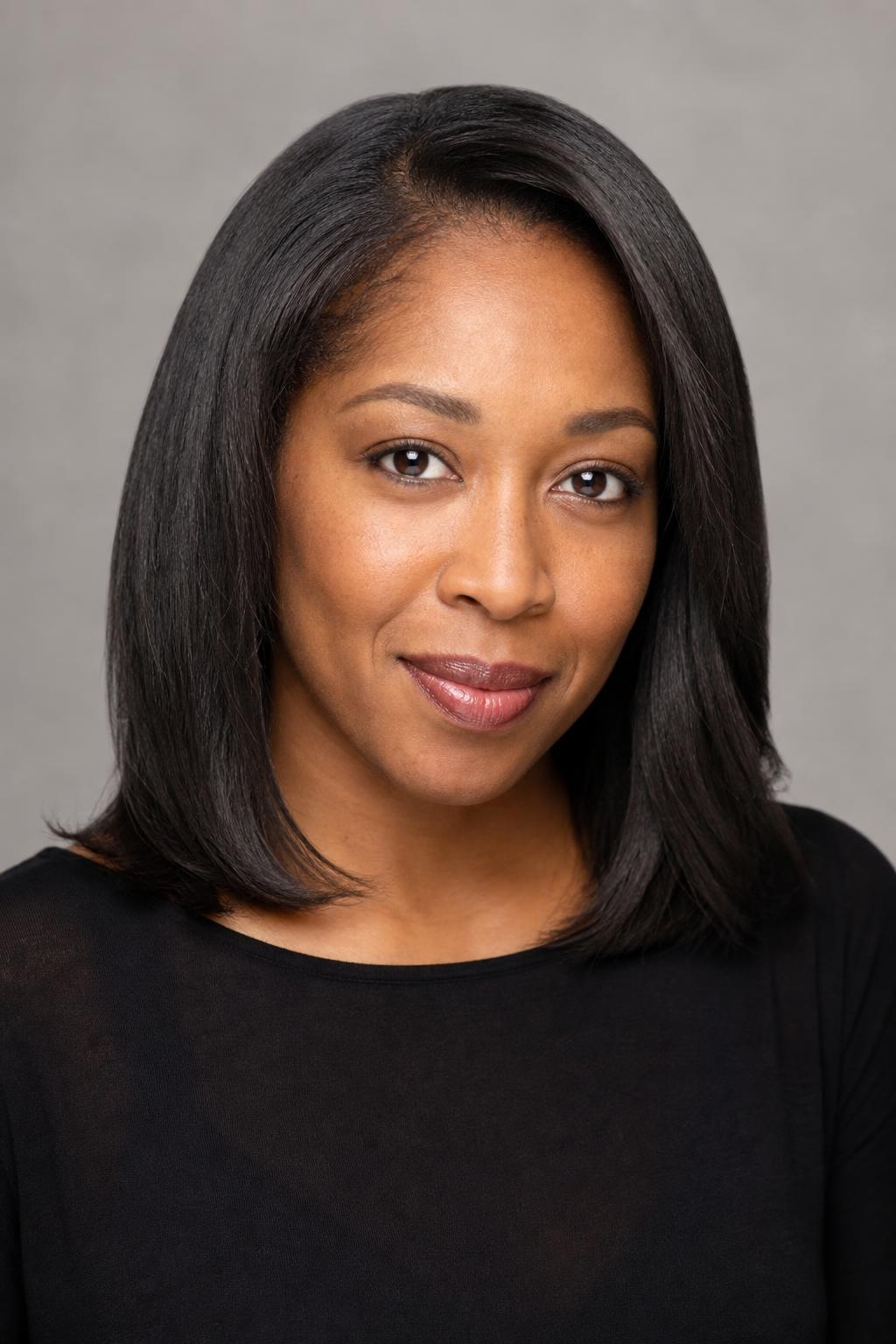
6. Single-Tone Gloss on Grown-Out Color
A clear or tinted gloss over grown-out highlights pulls the whole head to one depth for about four weeks, which buys time between full color appointments without a visible line. It costs a fraction of a highlight service and takes 20 minutes. Useful when a review cycle lands two weeks before your color is due.
Low-Effort Updos That Hold All Day
The updo that fails at 3pm is almost always one built on clean, freshly washed hair with nothing to grip. Second-day hair holds an updo dramatically better, and a light texturizing spray on day-one hair fakes the same effect. Our breakdown of what second-day hair can do by cut type covers which lengths benefit most.
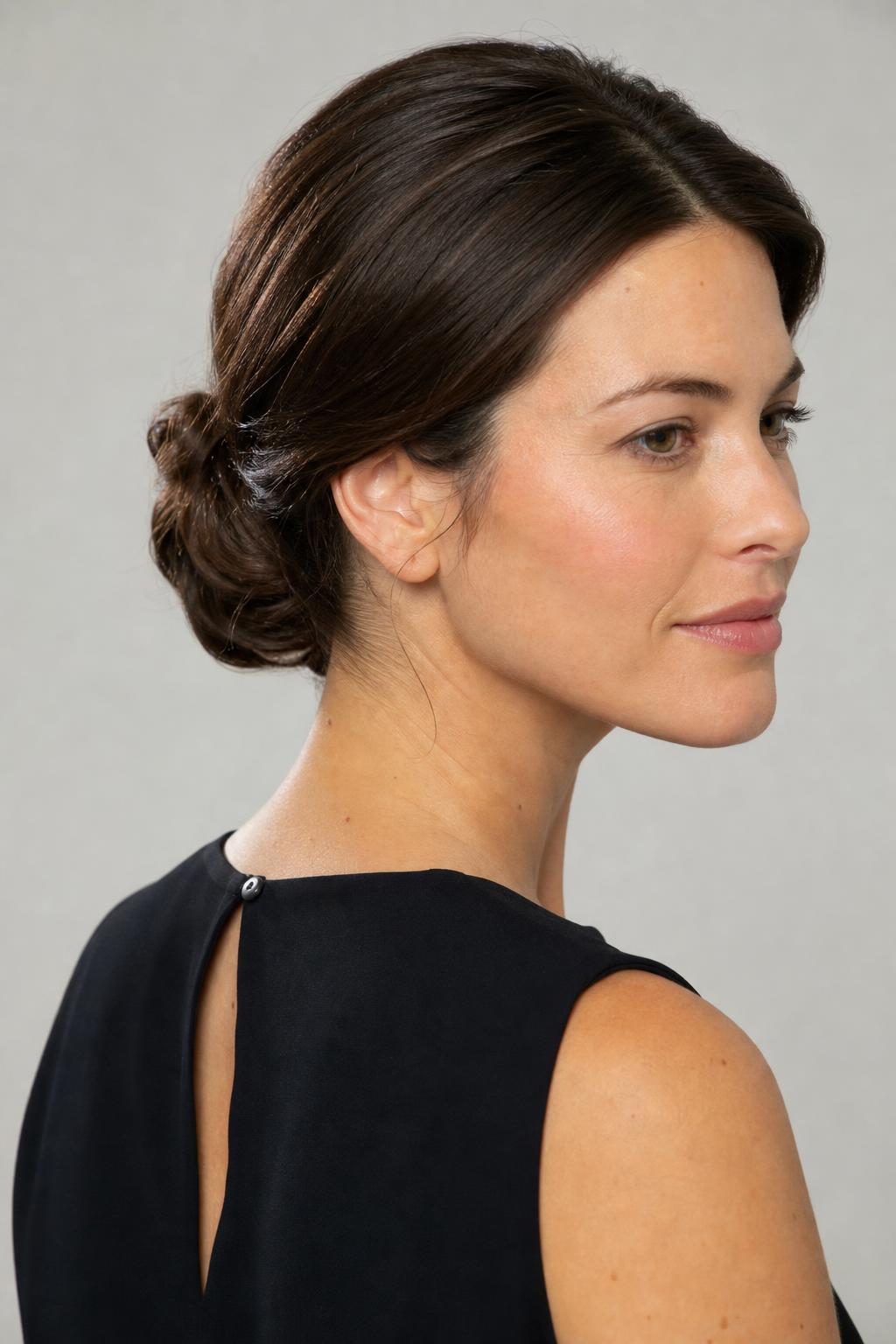
7. Low Chignon at the Nape
If you want a cut that supports this, ask your stylist to keep the underneath layers long enough to reach the nape when gathered, which means no short internal layering above the ear. Roll the ponytail under itself and pin at four points around the outside, not through the middle. Four pins hold better than eight.
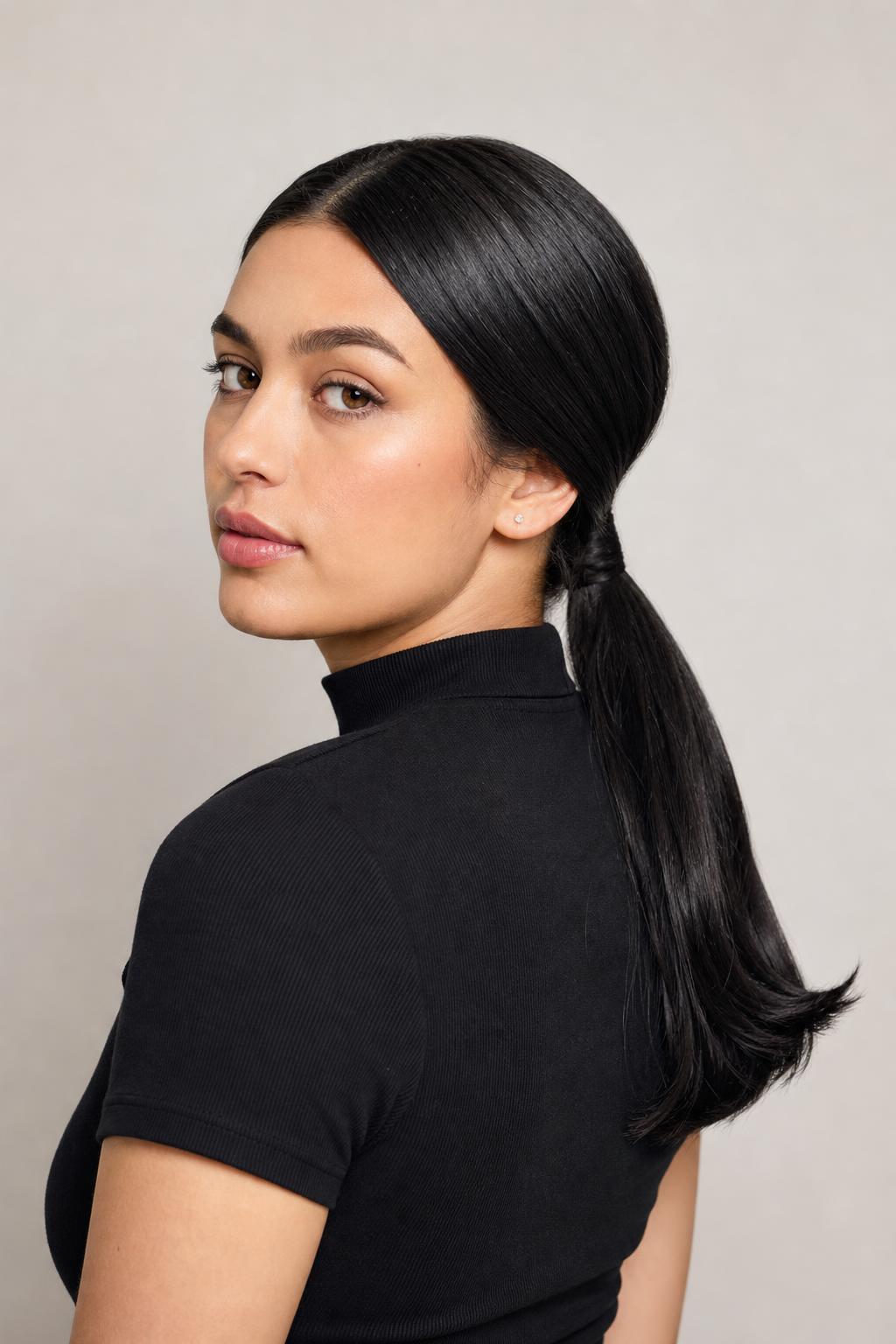
8. Sleek Low Ponytail with a Wrapped Base
Unlike a plain elastic ponytail, wrapping a half-inch section of hair around the band and pinning it underneath removes the only detail that makes a ponytail look casual. The style itself takes 90 seconds. That single wrap is what moves it from gym to boardroom.
9. Twisted Rope Bun
Split the ponytail in two, twist each half in the same direction, then wind the two around each other in the opposite direction. The counter-twist is what locks a rope bun in place with a single elastic and no pins at all. It survives a bike commute better than any pinned style.
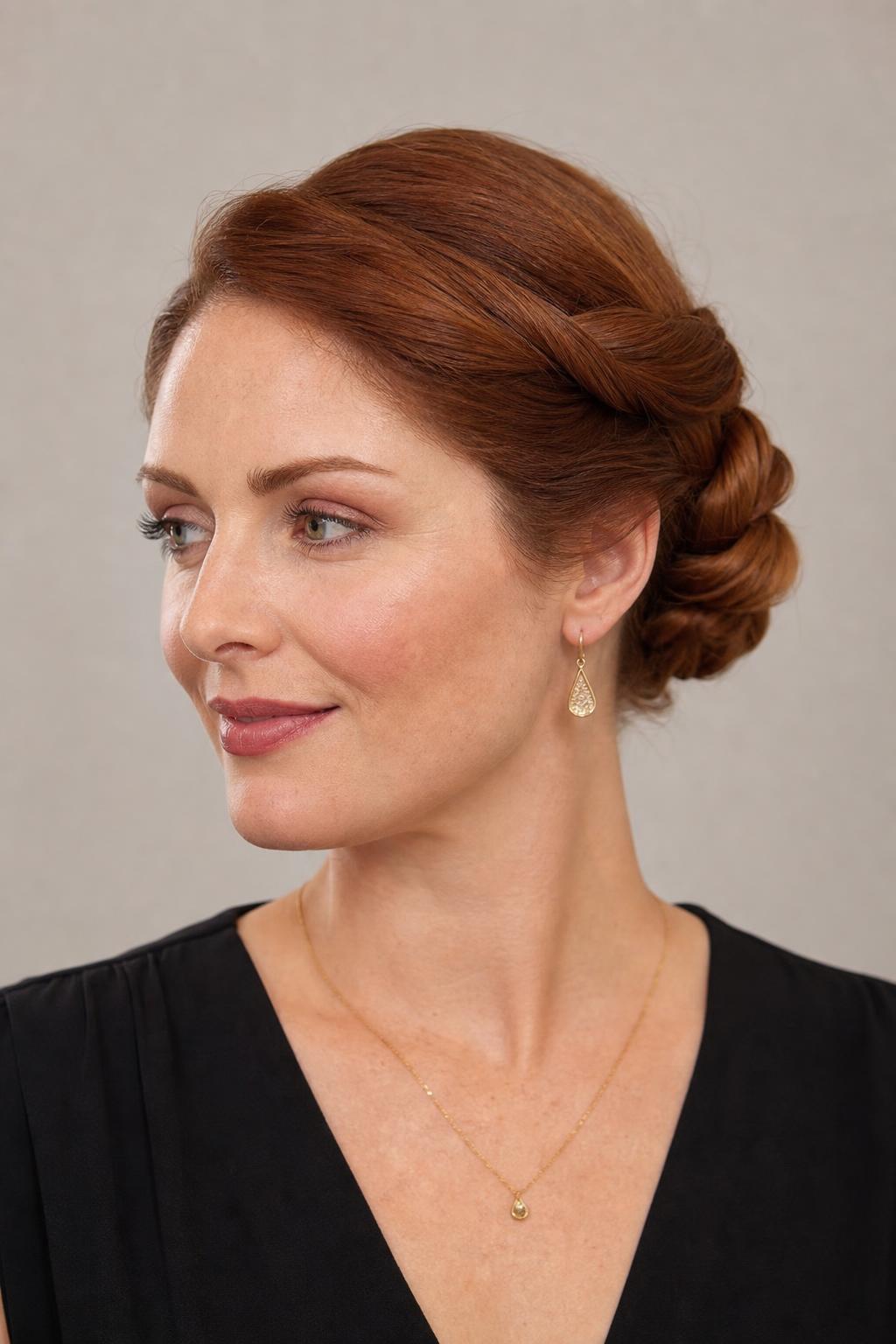
10. Mid-Height Bun for Round Faces
Round faces benefit from a bun placed slightly above the crown line rather than at the nape, because the added height at the top of the head lengthens the overall outline. Keep two thin pieces down at the temples to avoid a severe edge. A bun at the very top has the opposite effect and widens the cheeks.

11. Loose Bun for Thick Coarse Hair
Thick coarse hair snaps thin elastics and refuses to sit flat, so the fix is a spiral coil band plus two large hairpins rather than more small ones. Leave the bun deliberately loose. Fighting the volume produces a tight ball that pulls at the hairline by mid-afternoon and gives you a headache.
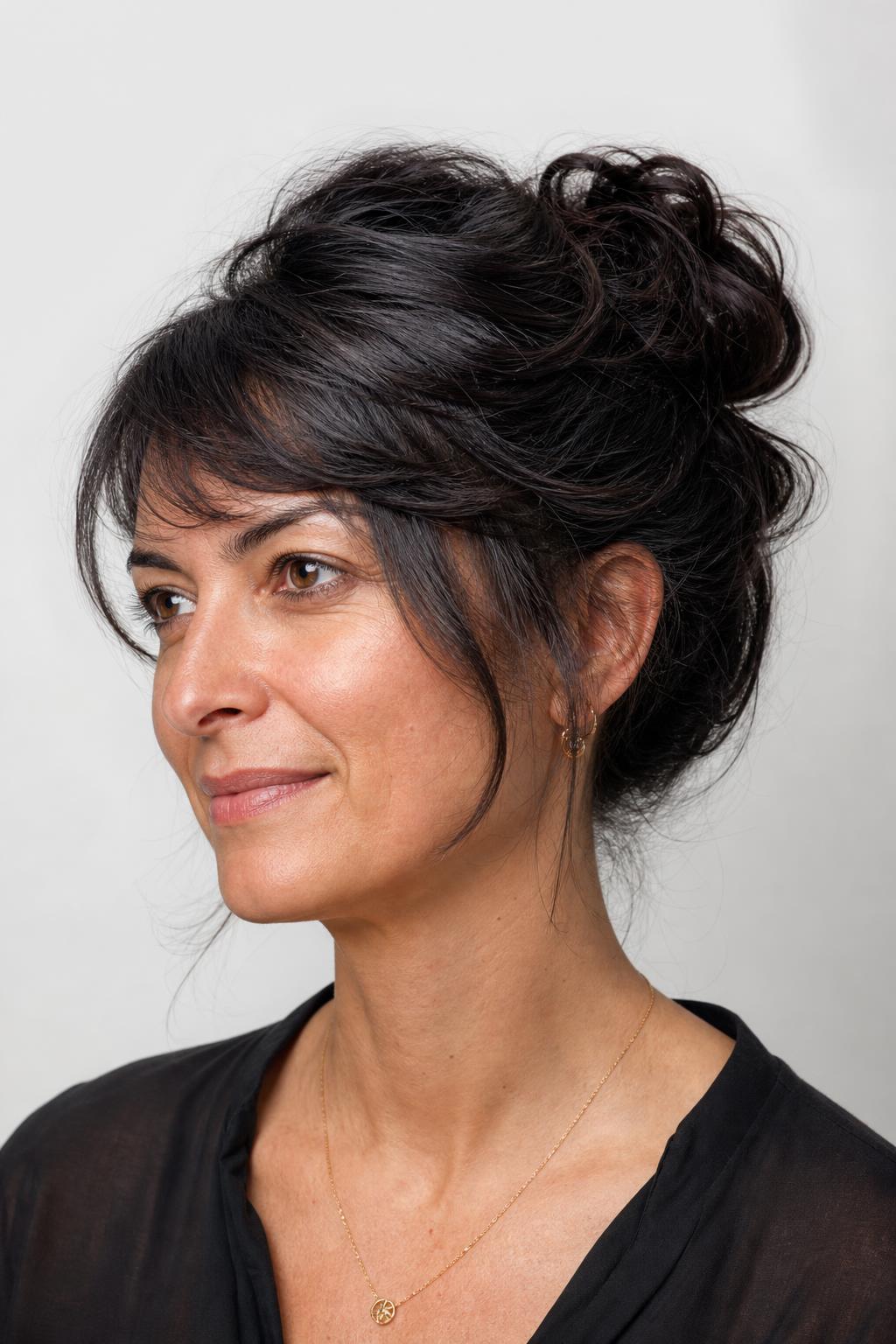
12. Two-Minute French Twist
Gather the hair to one side, twist upward against the head, and tuck the tail down into the fold before pinning along the seam. Pins go in horizontally into the twist, not vertically into the scalp, which is the step most tutorials skip. Works best on hair between shoulder and mid-back length.
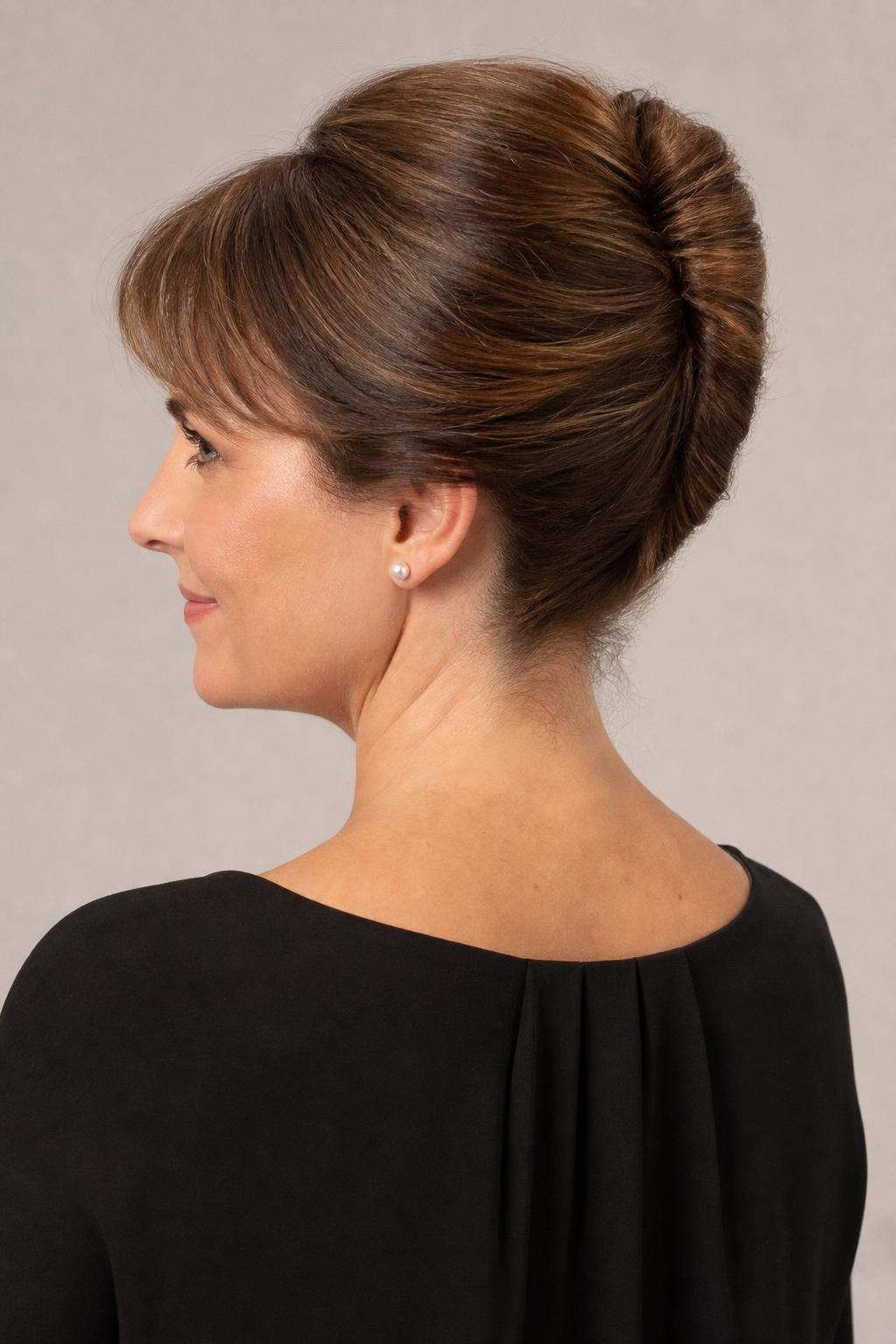
13. Braided Low Bun for Protective Wear
Worn over an existing braid set, a low bun keeps length tucked away for five days at a time and cuts down on the friction that causes breakage at the ends. Re-do the bun every second morning rather than sleeping in it. Longer braid styles that work under this approach appear in our collection of braided ponytail styles across textures.
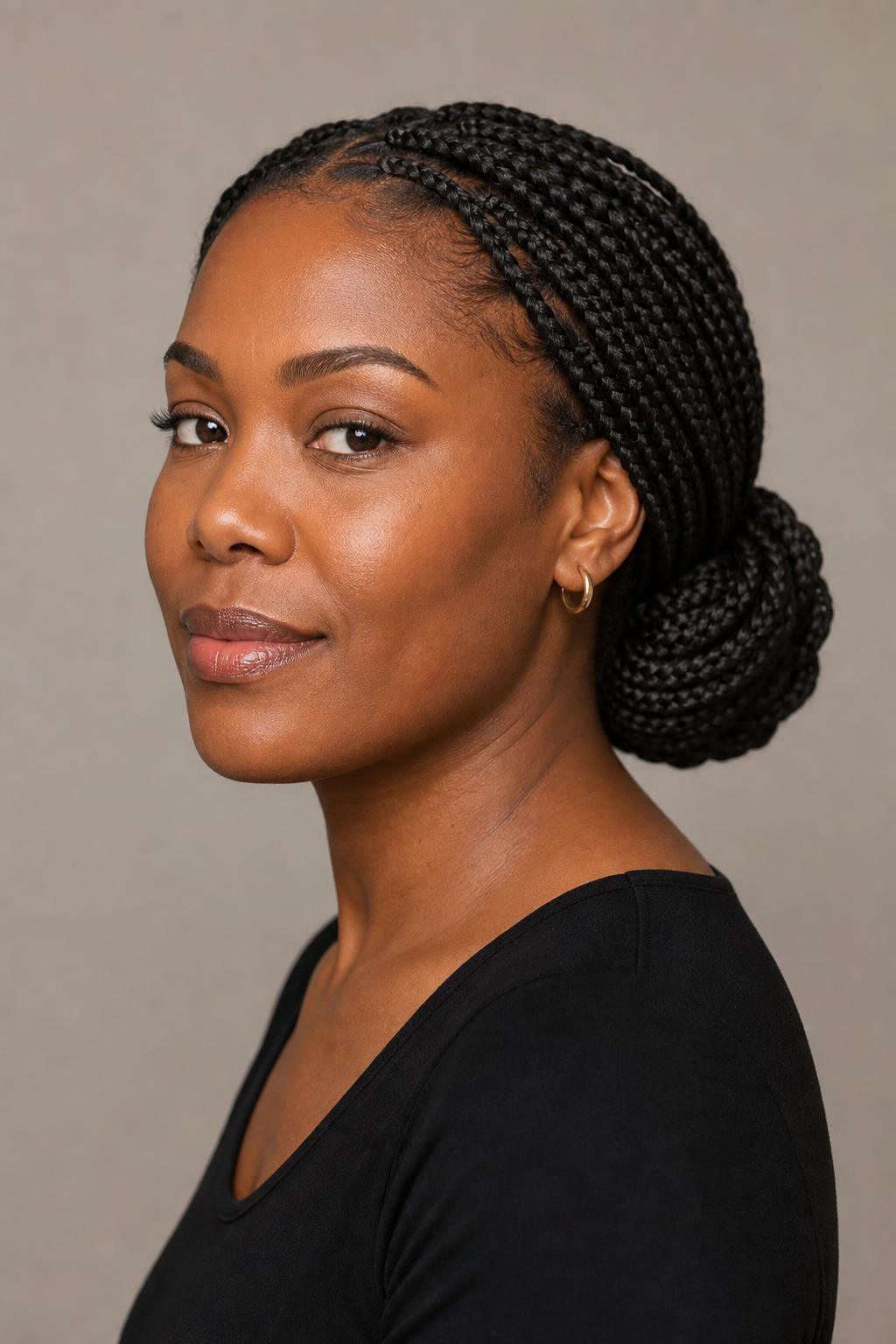
Half-Up and Clipped Styles
Half-up styles solve the specific problem of hair falling forward when you look down at a laptop, without committing to a full updo. They also photograph better than a bun on video calls, since the outline of the head stays soft. The three variables that matter are where the section starts, how much you take, and what holds it, and all three shift on textured hair, which our gallery of half-up half-down styles for Black hair works through in detail.
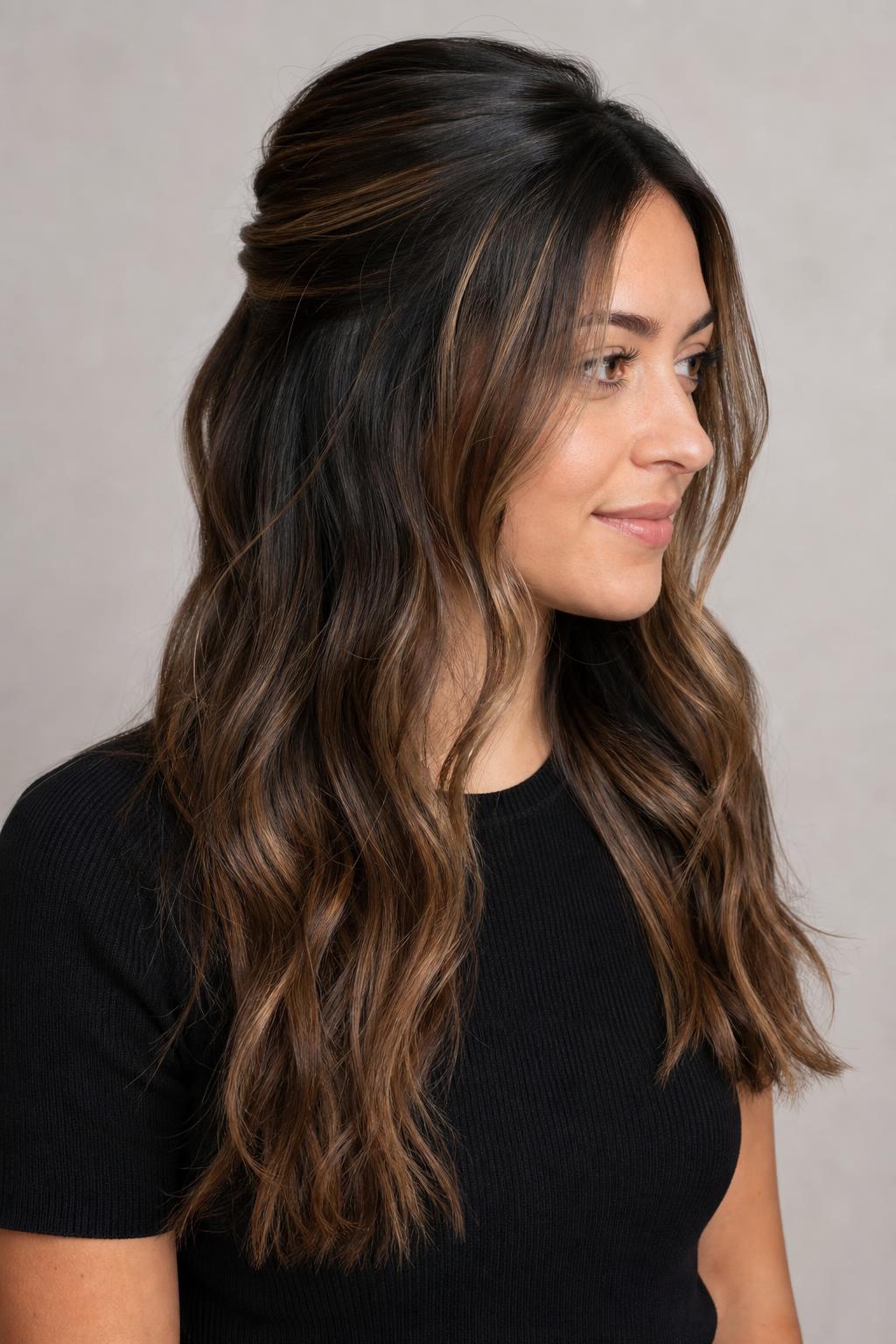
14. Half-Up on Balayage to Show Dimension
Pulling the top section back on balayaged hair exposes the darker underneath layer against the lighter surface pieces, which makes hand-painted color look more expensive than it does hanging loose. Take the section from temple to temple. Anything wider covers the contrast you are trying to display.
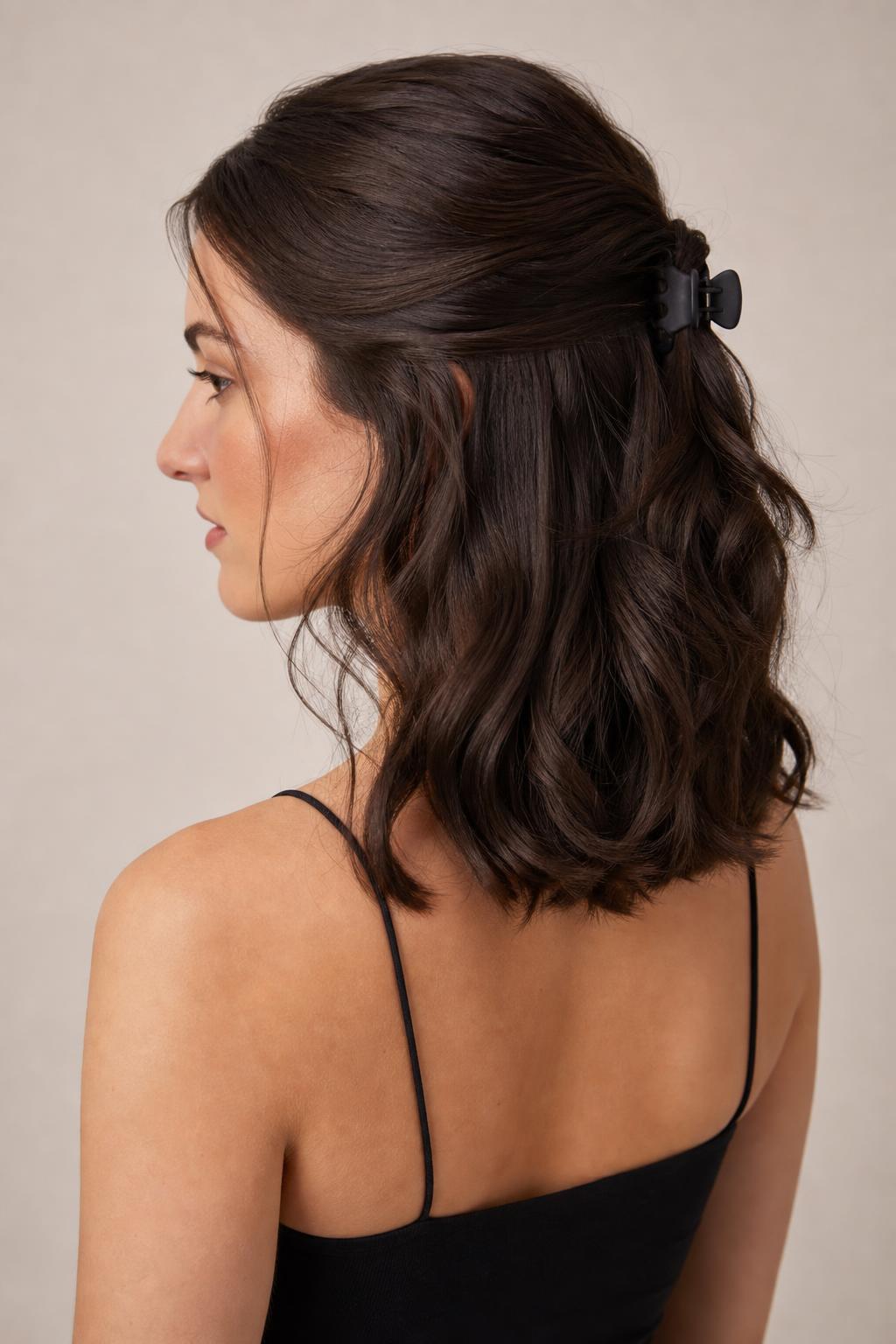
15. Claw-Clipped Half-Up
Ask for a matte claw clip in a shade close to your hair color and no wider than three inches, because oversized glossy clips are the detail most likely to draw a comment in a traditional office. Twist the section once before clipping. The twist stops the clip sliding down over the course of the morning.
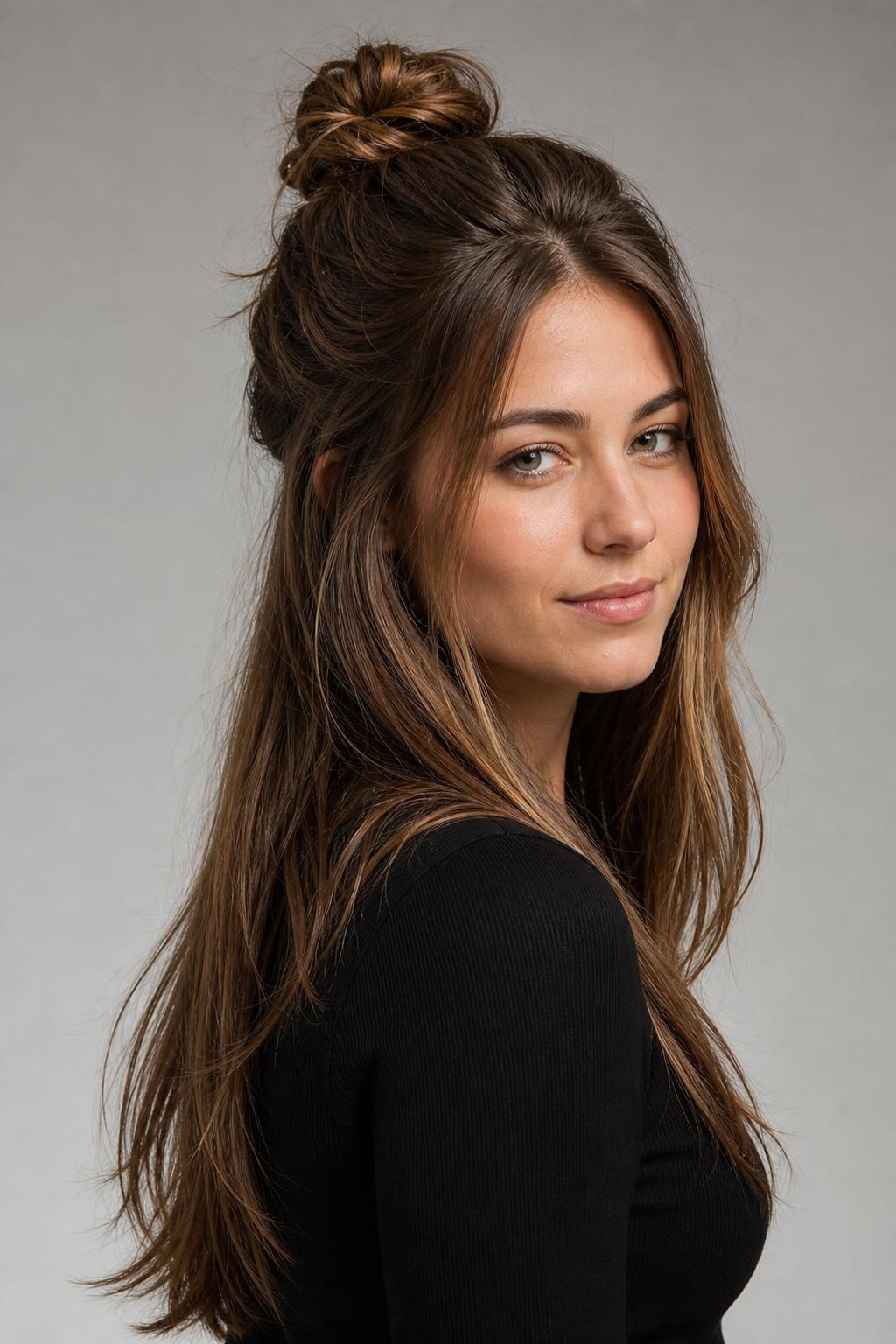
16. Half-Up Bun for Long Layers
Where a half-up ponytail leaves a tail that swings into your shoulders, a half-up bun keeps the whole top section compact and out of the way. Cuts with long layers running through the length benefit most, since the shorter pieces that normally escape a ponytail get wrapped into the bun instead. The trade-off is that it takes 30 seconds longer.
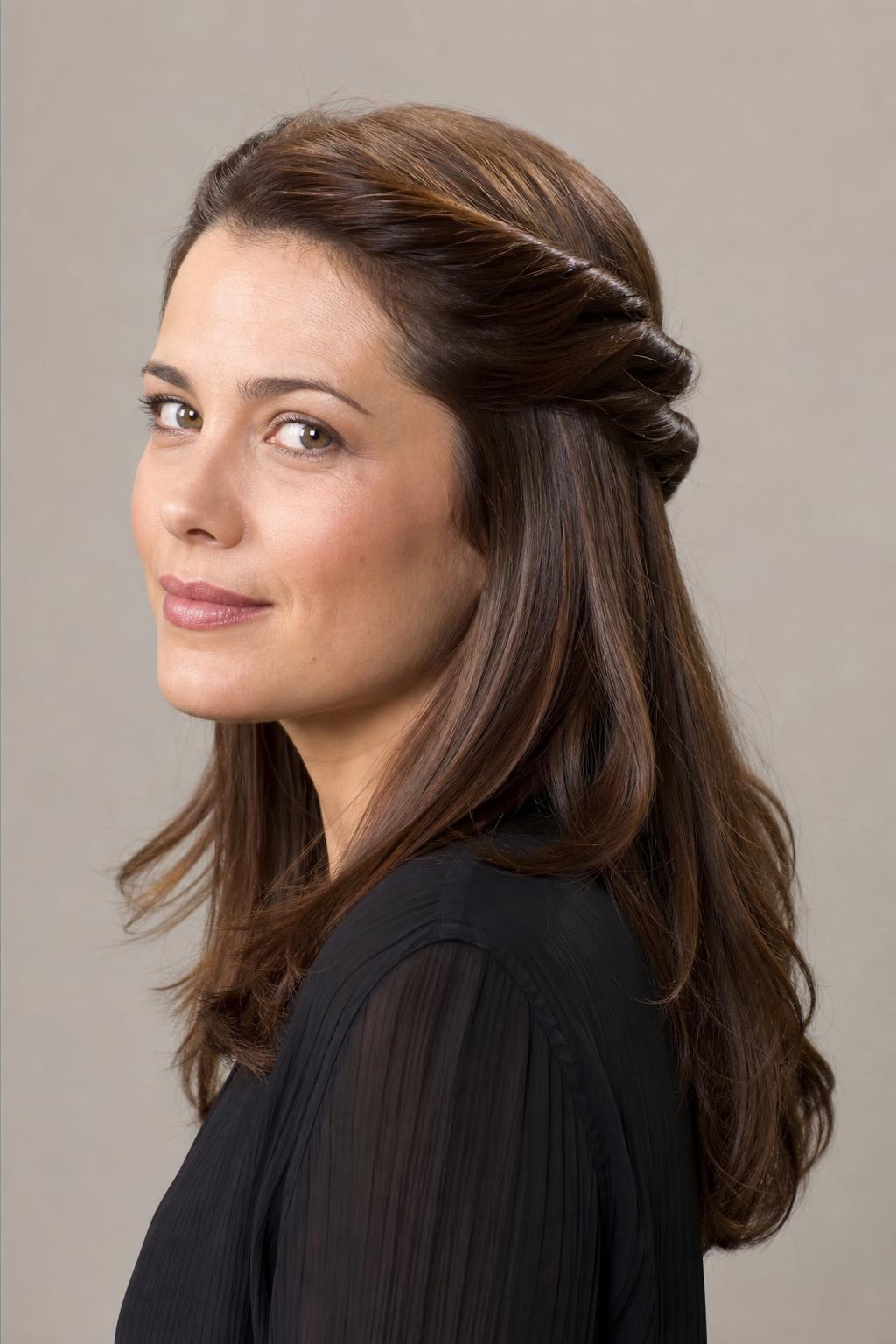
17. Twisted Half-Up with Hidden Pins
Take a one-inch section above each ear, twist them back, and cross one over the other before pinning underneath the crossing point. The pins disappear completely because the top twist covers them. This holds far longer than a single elastic and leaves no dent when you take it out.
18. Half-Up for Heart-Shaped Faces
Heart-shaped faces need width kept low, so the section for a half-up should start behind the temples rather than at the hairline, leaving hair covering the outer forehead. The remaining length then falls around the jaw where the face narrows. Pulling everything tight off the forehead exaggerates the width at the top.
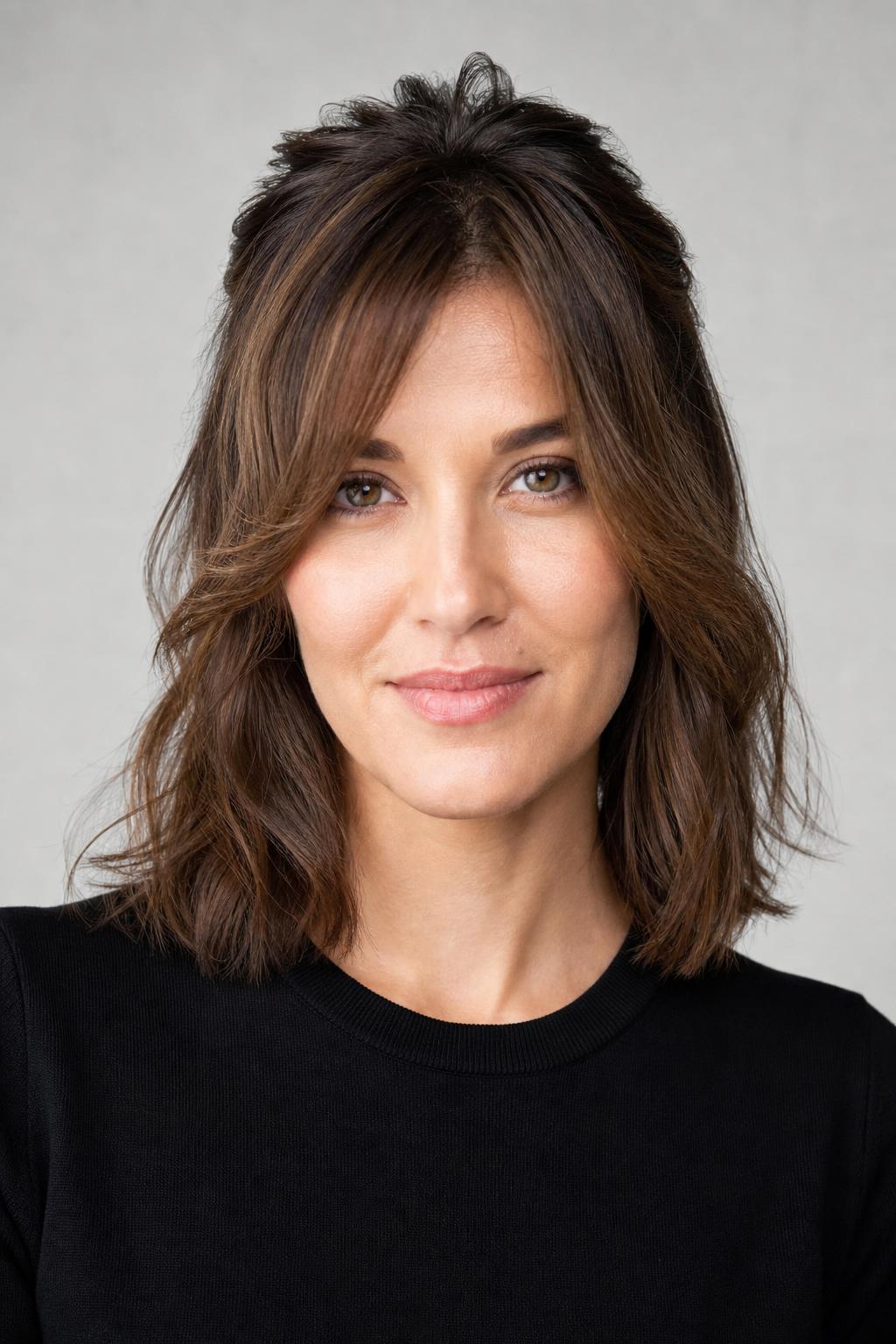
19. Half-Up on Fine Hair with Root Lift
Fine hair collapses the moment it is pulled back, so lift the crown section with a comb and a mist of volumizing spray at the roots before securing anything. Pin the section slightly forward of where you want it to land. It will settle back by about half an inch within the hour.

Short Hair at Work
Short hair is the least discussed category in office style advice and the most practical, because a good short cut is already finished when you wake up. The daily work moves from arranging to shaping, which takes two minutes rather than ten. What it costs instead is salon frequency.
20. Tucked Pixie with Texture Paste
Warm a pea-sized amount of matte paste between your fingertips and push it through the top from back to front, then tuck the sides behind the ears. Working front to back flattens the crown, which is the most common pixie styling mistake. Matte finish rather than wet-look keeps it office-neutral.
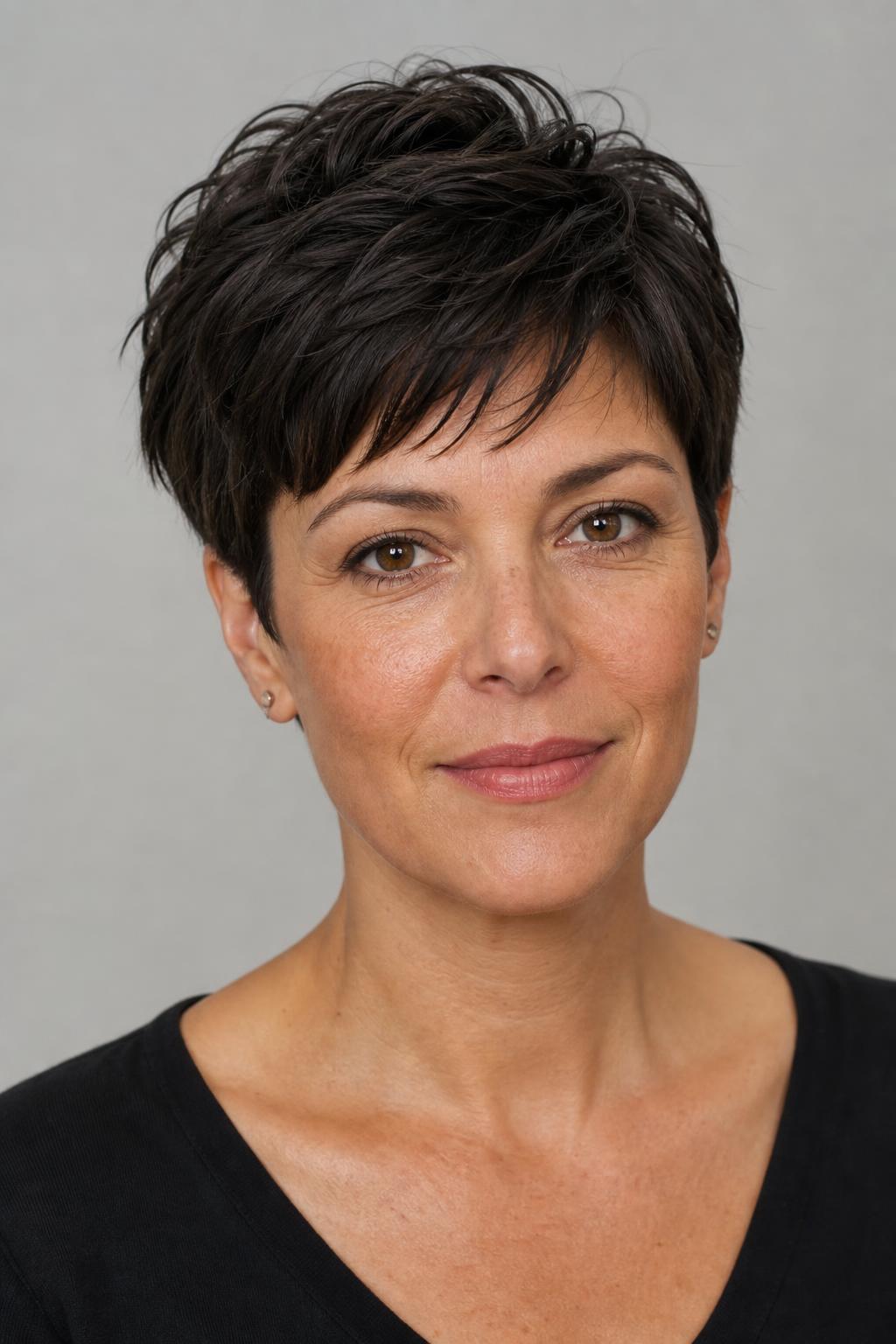
21. Grown-Out Pixie Between Cuts
Weeks six through nine of a pixie grow-out are the awkward stretch, when the sides catch on the ears and the crown flattens. A side part moved half an inch from its usual position redistributes the weight and buys two more weeks. Booking the next cut before leaving the salon is cheaper than a mid-cycle rescue appointment.
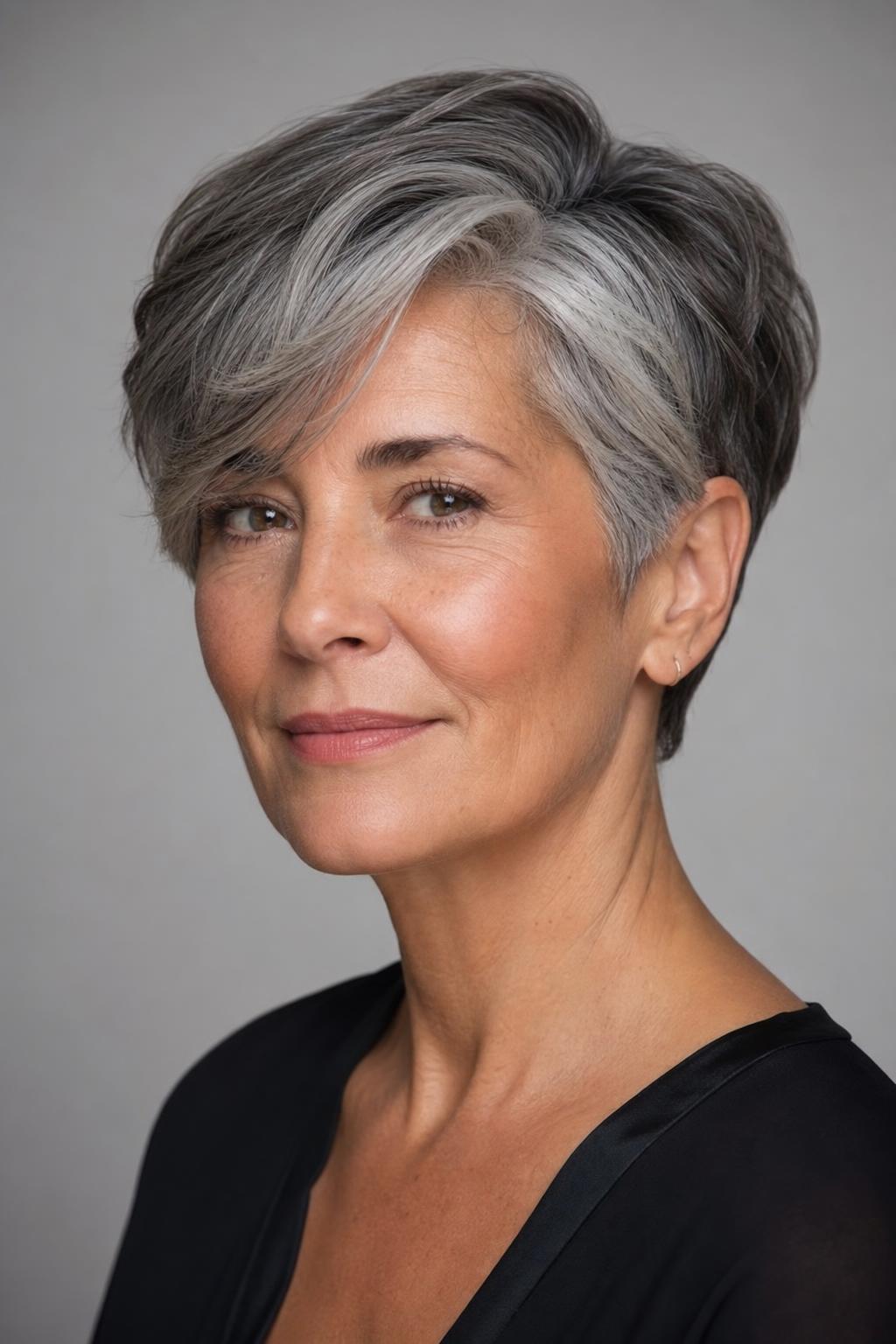
22. Ash-Toned Crop for Gray Blending
A cool ash tone applied over natural gray at the temples blurs the line between colored and uncolored hair, which stretches a short cut to eight weeks between appointments instead of four. Warm tones do the opposite and highlight the contrast. Ask for a demi-permanent rather than permanent color for the gentlest regrowth line.
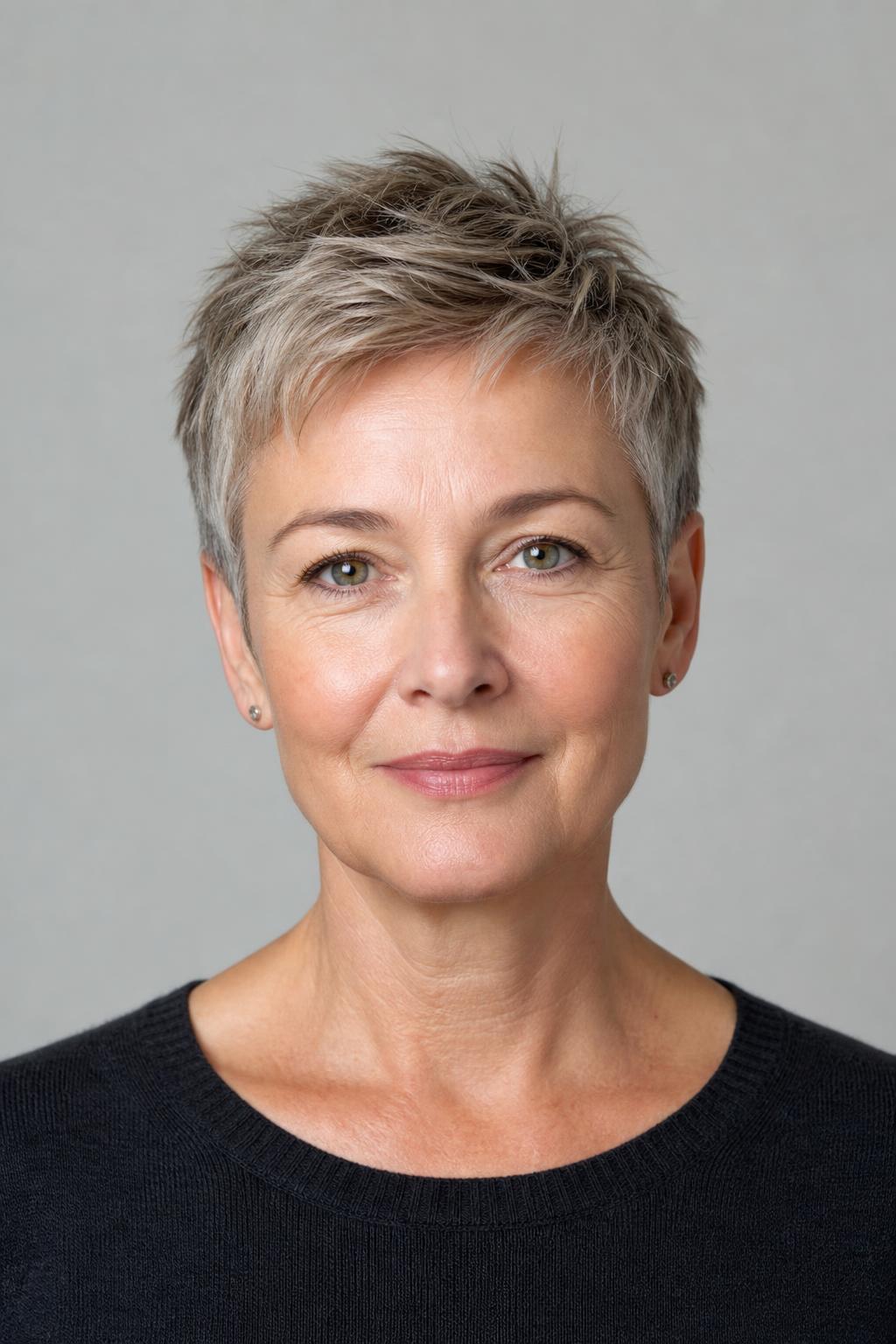
23. Tapered Cut with a Clean Neckline
The wording that gets this right is “tapered at the nape with a soft neckline, not blocked square.” A blocked neckline grows out as a visible shelf within three weeks, while a tapered one fades. Add “keep the length over my ears” if you want the option to tuck.
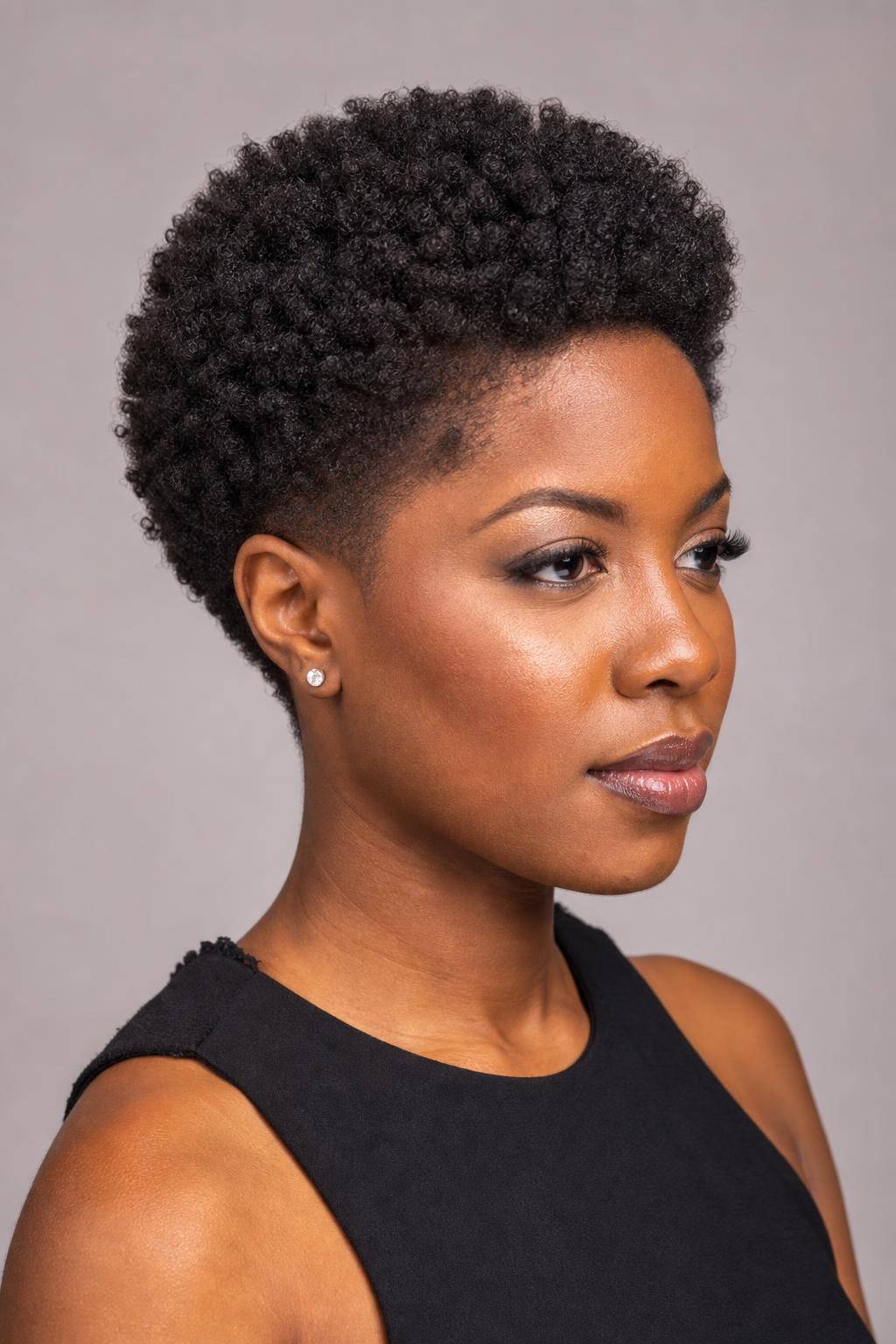
24. Micro Bob Worn Behind the Ears
Compared with a jaw-length bob, a micro bob ending at the earlobe cannot be tied back at all, which is either its main appeal or its dealbreaker. Tucking both sides behind the ears gives it the only variation it has. Consider whether your day involves anything that requires hair off your neck before committing.
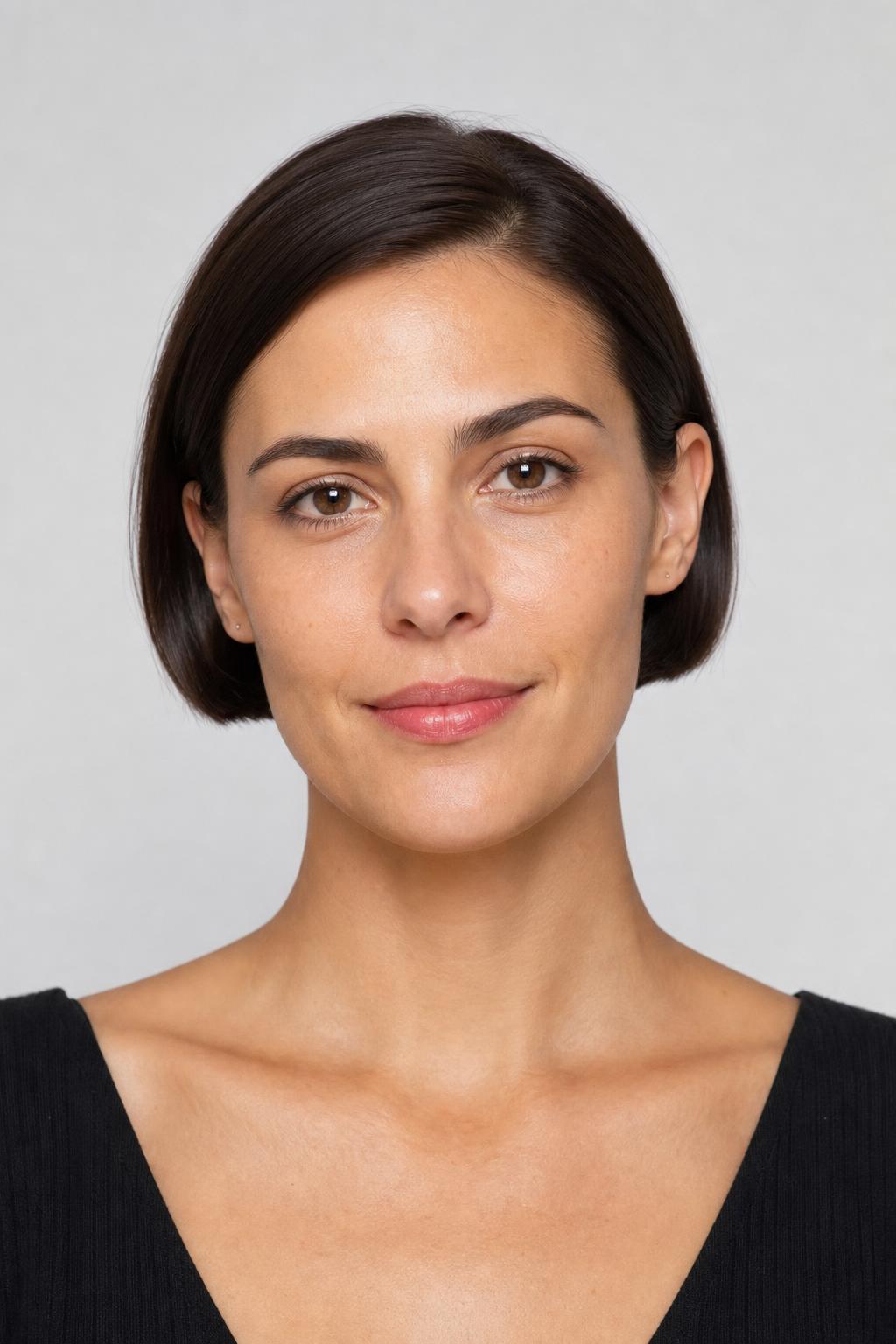
25. Slicked-Back Short Cut
A light styling gel raked through damp hair from the hairline back, then left to dry without touching, gives a short cut a clean architectural shape that holds all day. Use gel on damp hair and pomade on dry hair, never the reverse. The most polished option on this list for anyone with under four inches of length.
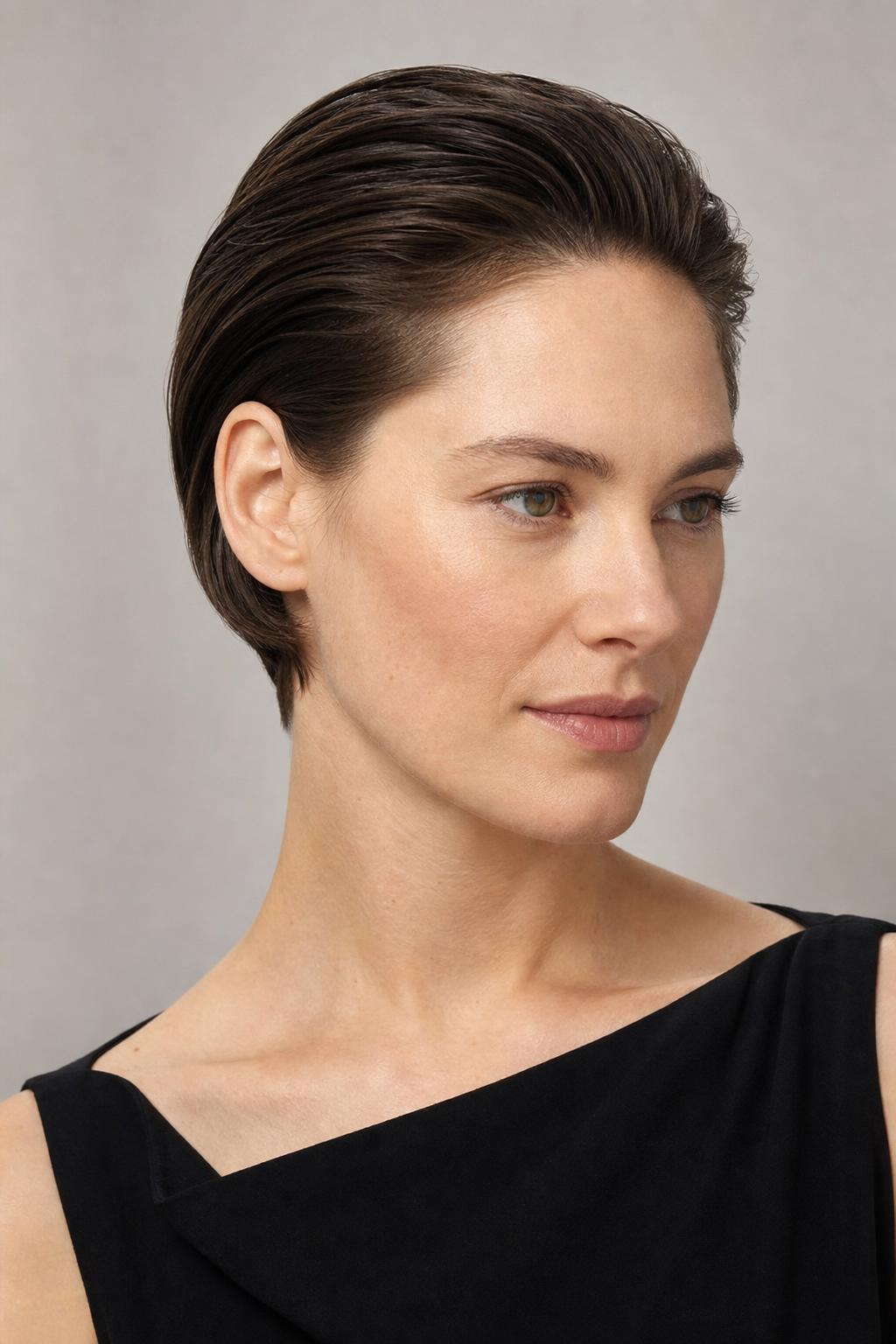
Matching Your Hairstyle to Your Office Dress Code
Workplace tolerance for hairstyles varies more than any written dress code admits, and the gap between a law firm and a design studio is wide enough that generic advice fails both. Read the table by finding your environment, not by finding the style you already want. If you are new somewhere, match the most senior person you report to for the first month, then adjust.
| Environment | Always Safe | Fine in Practice | Likely to Draw Comment |
|---|---|---|---|
| Conservative corporate | Low chignon, sleek ponytail, blunt bob, tapered short cut | Half-up with a small clip, soft waves, French twist | Bright fashion color, large ornaments, very high buns |
| Business casual | Almost everything in this gallery | Claw clips, textured pixies, braided buns, money pieces | Wet-look gel, anything visibly undone by midday |
| Creative studio | Any style here, plus color and texture experiments | Vivid color, shaved sections, statement accessories | Very little, though client days still tighten the range |
| Client-facing or interview | Anything that stays put without touching for an hour | Down styles with a firm part, half-up, low updos | Loose hair you adjust repeatedly while speaking |
Stylist tip: The style that draws negative attention is rarely the bold one. It is the one that starts neat and ends the day half-collapsed, because the contrast between 9am and 5pm is what people notice. Pick for hold before you pick for looks.
Choosing a Work Hairstyle for Your Face Shape
Face shape matters more for work styles than for weekend ones, because pulling hair back removes the softening effect that loose hair provides. The table names the version of each style that keeps proportions balanced once the hair is off your face.
| Face Shape | Best Work Style | Key Detail | Avoid |
|---|---|---|---|
| Oval | Any style here | Center or side part both work | Nothing structural, only overly heavy fringes |
| Round | Mid-height bun, deep side part | Height above the crown line | Low center-parted buns, which widen the cheeks |
| Square | Soft waves, twisted half-up | Loose pieces at the jaw corners | Severely slicked styles with no face-framing |
| Heart | Half-up starting behind the temples | Volume kept low, near the jaw | Tight high ponytails that expose the full forehead |
| Oblong | Low chignon, blunt bob | Width at the sides, no crown height | High buns and top knots, which lengthen further |
| Diamond | Half-up bun, tucked pixie | Softness at the forehead and jaw | Volume level with the cheekbones |
How Long Each Style Actually Holds
Hold is the number that decides whether a style works for your day, and it is rarely mentioned in styling advice. The figures below assume normal indoor conditions, one commute, and no gym session. Add a light hold spray and most of them gain two to three hours.
| Style | Time to Do | Holds Until | Best Hair Type |
|---|---|---|---|
| Low chignon | 4 minutes | End of day, no touch-up | Medium to thick, day-two hair |
| Rope bun | 3 minutes | End of day, survives wind | All types, needs shoulder length |
| Claw-clipped half-up | 30 seconds | 4 to 6 hours, one reset | Medium density, avoid very fine |
| Smooth blowout | 10 to 15 minutes | 2 to 3 days in dry weather | Straight to slightly wavy |
| French twist | 2 minutes | 6 to 8 hours | Shoulder to mid-back, medium texture |
| Textured pixie | 2 minutes | End of day | All types, needs a fresh cut |
What to Ask Your Stylist for Work-Friendly Hair
If your goal is a cut that supports professional styling rather than fights it, say so directly at the consultation. The wording that works: “I need this to go into a low bun or ponytail without pieces falling out, so please keep my shortest layer long enough to reach the nape.” That one constraint rules out the short face-framing layers that escape every updo. If a bob is the shape you want, the phrasing matters even more, and our word-for-word scripts for asking for a bob cover the exact terms.
Two follow-up questions are worth asking. First, how long does this cut take to style on a normal weekday, honestly. Second, what happens at week eight if you cannot get back in. A stylist who names a specific number for both has thought about your actual life. Being clear about upkeep tolerance up front is covered in our guide to telling a stylist how much maintenance you want.
Stylist tip: Bring a photo of yourself at work, not a celebrity photo. Your stylist can see your usual part, how you hold your head at a desk, and whether you already tuck one side behind an ear. Those habits shape a cut more than any inspiration image.
Styles That Cause Friction in Traditional Offices
A few choices reliably create problems in conservative workplaces, and knowing which ones lets you make the call deliberately rather than by accident. None of these are rules, and workplace hair policies have loosened considerably in recent years. They are simply the styles most likely to prompt a conversation you did not want.
- Wet-look gel on long hair. It photographs as unfinished in headshots and on video calls, where the camera flattens shine into a single bright patch. A matte cream gives the same sleekness without the effect.
- Anything that needs adjusting more than twice an hour. Repeated touching is what registers as unprofessional, far more than the style itself. If a look does not survive an hour untouched, it is a weekend style.
- A very high top knot in a formal setting. It shortens the visual length of the neck on camera and pulls focus above the eyeline. Drop it to just above the crown and the problem disappears.
- Large ornamental clips and scarves in client meetings. The accessory becomes the subject of the first comment, which costs you the opening of the conversation. Save them for internal days.
- Fresh vivid color the week of a major presentation. Not because bright color is a problem, but because the first three washes fade unevenly and can stain collars. Time it for a quieter week.
FAQ
What Is the Most Professional Hairstyle for an Interview?
A low chignon or a sleek low ponytail, because both keep hair completely off your face for the full hour without needing a single adjustment. Interviewers notice fidgeting, and loose hair invites it. If your hair is too short to tie back, use a firm side part and a light matte paste so nothing moves when you turn your head.
How Do I Keep a Work Hairstyle from Falling Apart by Afternoon?
Build it on second-day hair rather than freshly washed hair, and use fewer, larger pins instead of many small ones. Clean hair has no grip, which is why a bun done straight out of the shower slides down within two hours. A light texturizing spray at the roots before styling replicates day-two texture if you must wash that morning.
Are Braids and Locs Considered Work-Appropriate?
Yes, and a growing number of jurisdictions explicitly protect natural and protective styles at work. Braids, locs, twists, and cornrows are professional hairstyles, and a neat braided bun or gathered loc style meets any reasonable office standard. If a workplace suggests otherwise, that is a policy problem rather than a styling one.
Can I Wear My Hair Down at Work?
Yes, provided it stays where you put it. The practical test is whether you can get through an hour-long meeting without pushing it back from your face. A firm part, a light product for weight, and ends that are trimmed rather than split are what make a down style work in an office.
What Hairstyle Works Best for Video Calls?
Half-up styles, because cameras flatten depth and a full updo can make the head outline look severe while loose hair merges into the background. Keeping the top section back and the lower length loose gives the camera both structure and softness. Adding a little crown volume before the call compensates for the flattening effect entirely.
How Often Should I Trim Hair I Wear Up Every Day?
Every 10 to 12 weeks, which is longer than most guidance suggests, because hair worn up gets less friction from clothing and collars. The exception is the section that sits under the elastic every day, which weakens faster. Move the position of your ponytail by an inch every few days to spread that wear out.
Work-appropriate hairstyles are less about a narrow list of acceptable looks and more about picking something that holds for the length of your day and matches the room you are in. Try two styles from this collection on a quiet week rather than the morning of a presentation, and note how each one looks at 4pm rather than at 8am. That single test tells you more than any dress code ever will.
Hair results vary based on your natural hair type, texture, density, and condition. Always consult with a licensed hairstylist before making significant changes, especially with chemical treatments or dramatic length changes. Photos may show styled results that require professional tools and products to replicate.