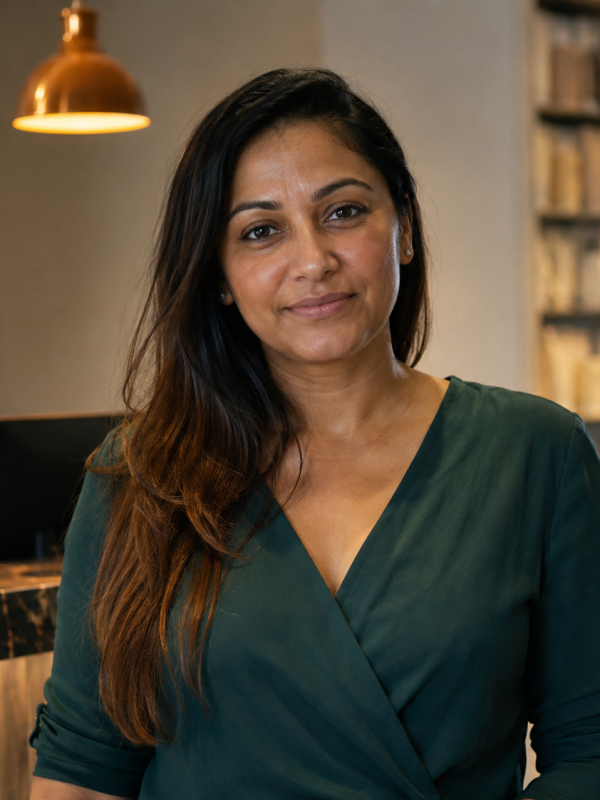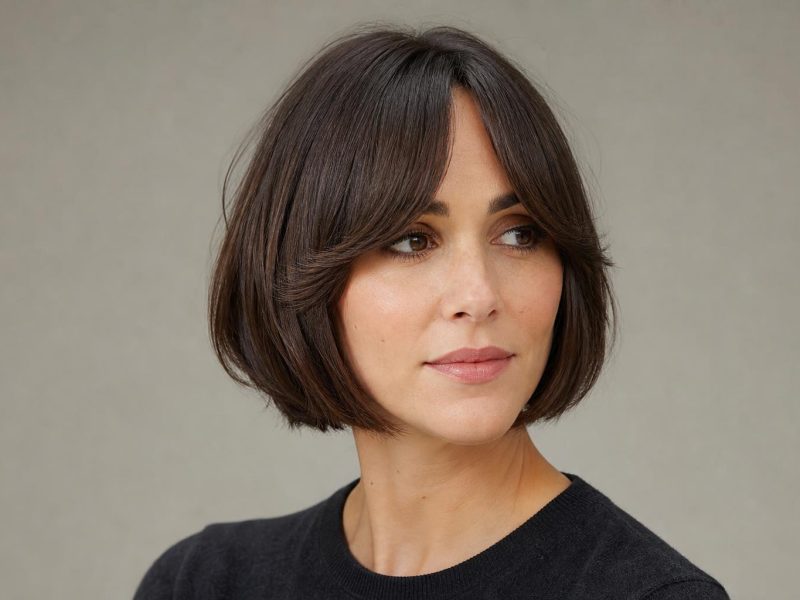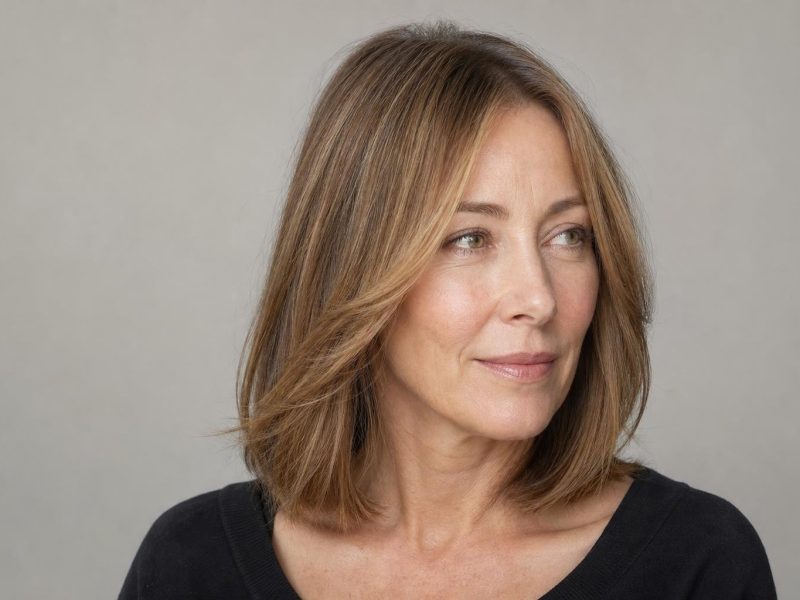


The butterfly haircut is styled to show off its layers, and four methods get you there: a round-brush blowout, a curling iron, a heatless overnight set, or an air-dry with the right product.
Styling a butterfly haircut is about creating volume at the crown and flicking the shorter face-framing layers away from the face, which is what gives the cut its signature full, wing-like shape. The cut itself does half the work, since the shorter internal layers are built to lift and the longer layers underneath keep the length. This guide walks through four styling methods, from a full blowout to a no-heat overnight set, with a product guide by hair type and the mistakes that flatten the shape.
This guide covers how to blow-dry the layers for maximum volume, curl them for defined movement, set them overnight with no heat, and air-dry them with product for an easy everyday finish. If you are still deciding on the cut, our butterfly haircut gallery shows the shape across lengths and textures first.
| Method | Best For | Time |
|---|---|---|
| Round-brush blowout | Maximum volume and a polished, bouncy finish | 20 to 30 minutes |
| Curling iron | Defined, longer-lasting waves and layer movement | 15 to 25 minutes |
| Heatless overnight | Soft waves with zero heat damage | 10 minutes to set; overnight |
| Air-dry with product | Easy everyday texture; wavy and curly hair | 5 minutes active; passive drying |
Why the Butterfly Haircut Styles the Way It Does
The butterfly haircut has two layers doing different jobs: short face-framing layers around the crown and cheekbones that create lift, and long layers underneath that keep the length. Styling works when you treat those two zones differently, adding volume to the short layers and movement to the long ones. Every method below builds the same shape, just with more or less heat and time.
Stylist tip: Always direct the shorter face-framing layers away from your face when you style, whether with a brush, an iron, or your fingers. Curling or flicking those pieces outward is what creates the wing shape that defines the cut, and turning them inward instead collapses the whole look.
Method 1: The Round-Brush Blowout
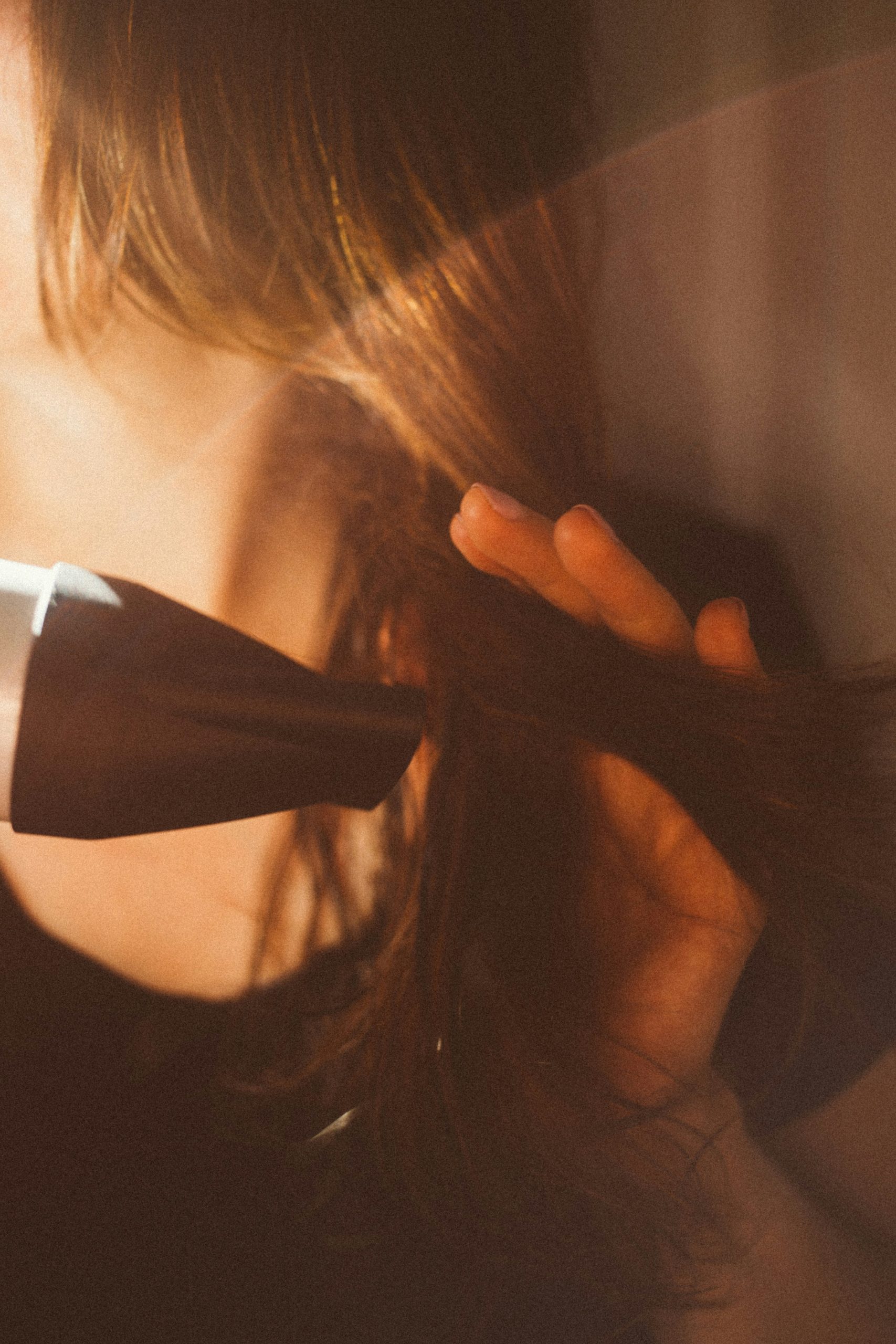
The blowout gives the most volume and the most polished, bouncy finish. It takes the longest of the four methods but lasts a couple of days, especially on straight to wavy hair. Work in sections and always finish each piece with a blast of cool air to set the shape.
Step 1: Prep with a Volumizing Mousse
What you need: A volumizing mousse and a heat protectant spray.
How: On towel-dried hair, work a golf-ball-sized amount of mousse through the roots and mid-lengths, then mist heat protectant over the lengths. Rough-dry to about 80 percent before you pick up the round brush.
Why: The mousse gives the fine, short layers grip so the volume holds, and drying most of the way first makes the brush work faster.
Common mistake: Starting the round brush on soaking-wet hair, which takes twice as long and drops the volume before you finish.
Step 2: Lift the Crown Layers with a Round Brush
What you need: A medium or large round brush and a blow-dryer with a nozzle.
How: Take the shorter crown sections, roll the brush under at the root, and direct the dryer down the brush while lifting straight up for height. For the face-framing pieces, wrap them over the brush and flick the ends away from your face.
Why: Lifting the crown at the root builds the volume the butterfly shape depends on, while flicking the front pieces out creates the wings.
Common mistake: Rolling the face-framing layers inward, which hides the layered shape instead of showing it off.
Step 3: Set with Cool Air
What you need: The cool-shot button on your dryer.
How: Hold each finished section on the brush and hit it with cool air for a few seconds before releasing. Finish with a light mist of flexible-hold hairspray, not a stiff one.
Why: Cool air locks the curl and volume in place as the hair cools on the brush, which is what makes a blowout last.
Common mistake: Reaching for a strong-hold spray, which stiffens the layers and kills the soft, bouncy movement the cut needs.
Method 2: The Curling Iron for Defined Layers
A curling iron gives more defined, longer-lasting waves than a blowout and works well on hair that drops a blowout quickly. A large barrel keeps the waves soft and bouncy rather than tight. The direction you curl matters more than anything for the butterfly shape.
Step 1: Prep and Section
What you need: A heat protectant and a 1.25 to 1.5-inch curling iron.
How: Mist heat protectant over dry hair and clip the top half up so you can work from the bottom. Larger barrels give the bouncy, blowout-like wave the cut suits best.
Why: Working in sections gives you control, and a larger barrel keeps the waves loose enough to look full rather than curly.
Common mistake: Using a small barrel, which creates tight ringlets that fight the soft, layered movement of the cut.
Step 2: Curl the Front Sections Away from Your Face
What you need: The curling iron and a sectioning clip.
How: Wrap each front section away from your face, hold for a few seconds, and release. Curl the shorter face-framing layers the same direction so they flick outward.
Why: Curling away from the face is what keeps the butterfly cut light and open around the face instead of curling inward and closing it off.
Common mistake: Alternating curl directions randomly, which muddies the clean, framing shape the cut is built for.
Step 3: Cool, Then Break Up the Curls
What you need: A wide-tooth comb or your fingers and a texture spray.
How: After releasing each curl, catch it in your palm and hold for five seconds to let it set. Once all the hair is cool, rake fingers through to loosen the curls into waves and mist with a light texture spray.
Why: Letting curls cool before touching them makes them last far longer, and breaking them up turns defined curls into the soft, undone wave the cut wants.
Common mistake: Brushing the curls out too hard, which flattens all the volume you just built.
Method 3: The Heatless Overnight Set
The heatless method gives soft waves with zero thermal damage and no morning time commitment. It works on all hair types and is the gentlest option for anyone growing out damage. Set it on damp hair before bed and unravel it in the morning.
Step 1: Braid or Wrap Damp Hair
What you need: A light styling cream and either loose braids or a heatless curling rod.
How: On damp, not wet, hair, work in a little styling cream, then either braid two to four loose sections or wrap the hair around a fabric heatless rod. For the front, wrap the face-framing pieces away from your face.
Why: Damp hair sets into the wave shape as it dries overnight, and wrapping the front pieces outward keeps the butterfly framing.
Common mistake: Braiding soaking-wet hair, which does not fully dry by morning and drops the wave.
Step 2: Unravel and Separate in the Morning
What you need: Your fingers and a light texture or dry-finish spray.
How: Undo the braids or rods gently, then separate the waves with your fingers rather than a brush. Mist a little texture spray at the roots for lift.
Why: Finger-separating keeps the waves intact, and a little root spray adds the volume the heatless method can lack on its own.
Common mistake: Running a brush through, which pulls the heatless waves straight almost immediately.
Method 4: Air-Dry with Product
The air-dry method is the easiest everyday option and suits wavy and curly hair especially well. It relies on the cut and the right product rather than tools, so it takes only a few minutes of active work. The key is dividing the product between the zones of the cut.
Step 1: Apply Product by Zone
What you need: A lightweight curl cream or air-dry lotion and a texture or sea-salt spray.
How: On towel-blotted hair, apply the cream from mid-lengths to ends for smoothness, then mist texture spray through the shorter crown layers only. Twist the face-framing pieces loosely around a finger and release.
Why: The lengths need moisture and the crown layers need grip, so splitting the products gives you smooth ends and a lifted, textured top.
Common mistake: Putting heavy cream through the crown, which weighs the short layers down and kills the volume.
Step 2: Leave It Alone Until Dry
What you need: Patience, and a diffuser if you want to speed it up.
How: Let the hair air-dry completely without touching it, or diffuse on low heat if you are short on time. Once dry, rake fingers through the crown only to separate any pieces.
Why: Touching hair while it dries stretches the wave and causes frizz, so leaving it undisturbed sets the cleanest texture.
Common mistake: Scrunching or fussing with the hair while it dries, which frizzes the layers before they set.
Product Guide by Hair Type
The right product depends on your hair type, since fine hair needs lift and curly hair needs moisture and hold. The table matches each hair type to the products that make the butterfly cut behave.
| Hair Type | Best Products | Best Method |
|---|---|---|
| Fine or thin | Volumizing mousse, root-lift spray, light texture spray | Round-brush blowout |
| Thick or coarse | Smoothing cream, shine serum on the ends | Curling iron or blowout |
| Wavy | Sea-salt spray, lightweight curl cream | Air-dry with product |
| Curly | Curl cream, leave-in, light gel; diffuser | Air-dry or diffuse |
Common Butterfly Haircut Styling Mistakes
Mistake: Curling the Front Layers Toward the Face
Reality: The face-framing layers should always flick away from the face to create the open, wing-like shape. Curling them inward closes off the frame and makes the cut look flat and heavy. Reverse the direction on the front pieces and the whole look opens up.
Mistake: Using Heavy Product on the Crown
Reality: The short crown layers need lift, and heavy creams or oils weigh them down until the volume disappears. Keep rich products on the mid-lengths and ends, and use only light texture spray or mousse up top. This one change fixes most flat-crown problems.
Mistake: Skipping the Cool-Down Step
Reality: Whether you blow-dry or curl, the shape sets as the hair cools, so touching it while warm drops the volume fast. Let each section cool on the brush or in your hand before moving on. This single habit is the difference between a style that lasts hours and one that lasts two days.
What to Tell Your Stylist for an Easy-to-Style Cut
A butterfly haircut styles far more easily when the layers are cut for your hair type, so the consultation matters as much as the styling. A reliable request: “A butterfly cut with the shortest layers starting at the cheekbone, face-framing pieces that flick out, and enough length kept underneath.” Ask for the internal layers to be texturized on thick hair and kept softer on fine hair so the volume falls where you want it. Mention how you plan to style it, since a cut meant to air-dry is layered differently than one meant for a blowout.
Stylist tip: Ask where your shortest layer will fall when styled, not just when wet. Curly and wavy hair springs up as it dries, so a layer that looks right wet can sit too short once styled, and confirming the finished position prevents a cut that will not lie the way you pictured.
If you love the layered, face-framing look, related cuts style with the same techniques. Our guides to long layers with face-framing and layered cuts for curly hair use the same zone-based styling approach.
Maintenance Between Styles
A blowout on a butterfly cut lasts two to three days on most hair if you protect it at night, so you can stretch the effort across several days. Sleep on a silk pillowcase or loosely pin the crown up to keep the volume, and refresh with dry shampoo at the roots on day two. A trim every eight to ten weeks keeps the layers in proportion, since overgrown layers lose the lift that makes the shape work.
Stylist tip: Refresh second-day volume by flipping your head upside down and misting dry shampoo or dry texture spray at the roots, then tousling. This revives the lift without a full re-style and stretches one blowout across several days.
FAQ
How Do You Style a Butterfly Haircut Without Heat?
Set damp hair in loose braids or a fabric heatless rod overnight, wrapping the front pieces away from your face, then unravel and finger-separate in the morning. This gives soft waves with no thermal damage. A light styling cream before setting and a little root spray after adds hold and volume.
What Products Do I Need to Style a Butterfly Cut?
At minimum, a heat protectant, a volumizing mousse or curl cream, and a light texture or hairspray. Fine hair does best with mousse and root-lift spray, while curly hair needs a curl cream and leave-in. Keep heavy products off the crown so the short layers stay lifted.
Why Do My Butterfly Haircut Layers Fall Flat?
Flat layers usually come from heavy product on the crown, skipping the cool-down step, or curling the front pieces the wrong way. Use only light product up top, let each section cool before touching it, and flick the face-framing layers away from your face. Fixing those three things restores the volume.
How Long Does a Butterfly Haircut Blowout Last?
A blowout lasts two to three days on most hair with proper nighttime care. Sleep on a silk pillowcase or pin the crown loosely, and refresh with dry shampoo at the roots on the second day. Fine hair may drop faster and benefit from a curling iron for longer hold.
Can You Style a Butterfly Haircut on Curly Hair?
Yes, curly hair suits the air-dry or diffuse method beautifully, since the layers give curls somewhere to spring. Apply a curl cream and light gel to wet hair, then diffuse on low or air-dry without touching it. Cutting the layers dry ensures they land right once the curls shrink up.
What Length Is Best for a Butterfly Haircut?
The butterfly cut works best on medium to long hair, since it needs enough length underneath for the long layers while the short layers frame the face. Very short hair does not leave enough length for the two-tier shape. Collarbone length or longer gives the cut its full, layered effect.
Learning how to style a butterfly haircut comes down to volume at the crown and face-framing layers that flick away from the face, whichever of the four methods you choose. Match the method to your hair type and the time you have, keep heavy product off the short layers, and let every section cool before you touch it. With those habits, the butterfly haircut styles into its full, layered shape whether you have twenty minutes and a round brush or five minutes and a bottle of curl cream.
Hair results vary based on your natural hair type, texture, density, and condition. Always consult with a licensed hairstylist before making significant changes, especially with heat styling or dramatic length changes. Photos may show styled results that require professional tools and products to replicate.