


Layered cuts remove weight and unlock bounce on curly hair, but the right layers depend entirely on your curl type, so this guide sorts the best options from 2A waves to 4C coils.
Layered cuts for curly hair work by removing internal bulk so each curl can spring up instead of being dragged down by the weight below it. The catch is that the wrong layers create a triangle or pyramid shape, and what flatters loose 2A waves is exactly wrong for tight 4C coils. That is why this collection is organized by curl type first, with face shape and length guidance layered on top.
Below you will find layered cut ideas grouped for wavy hair, 3A to 3B curls, 3C curls, and 4A to 4C coils, followed by a face shape table, the exact language to bring to your stylist, and honest maintenance expectations. The single most important thing to know before you book: curly hair should almost always be cut dry, so the stylist can see where each curl actually falls.
| Factor | Details |
|---|---|
| Best for | Curly hair that falls flat, looks bulky, or forms a triangle shape |
| Cutting method | Dry cutting, curl by curl, for accurate placement |
| Layer type by curl | Longer, softer layers for looser curls; internal layers for tight coils |
| Maintenance | Trim every 3 to 4 months; curls hide grow-out well |
| Avoid if | You want blunt, heavy density or have very fine, sparse curls |
Layered Cuts for Wavy Hair (2A to 2C)
Wavy hair carries the most weight of any curl category, so it benefits from layers that lift the crown and free the wave pattern lower down. Too few layers leave waves limp and flat on top; too many on fine waves can thin the ends out. The looks here add movement without sacrificing the density waves need to hold a shape.
1. Long Layers for 2A Waves
Soft long layers starting below the collarbone remove just enough weight to let loose 2A waves bend instead of hanging straight. The technique keeps most of the length while adding the internal movement waves lack on their own. A curl cream scrunched into damp hair brings out the pattern the layers reveal.
2. Collarbone Layers for Round Faces
Layers cut to graze the collarbone with longer face-framing pieces draw the eye downward, which lengthens a round face. Keeping the shortest layers below the chin avoids adding width at the cheeks where a round face is already full. It is a flattering middle length for 2B waves that want shape without a big commitment.
3. Curly Shag for 2C Waves
A curly shag stacks choppy layers through the crown and around the face, giving 2C waves lift up top and piecey movement throughout. This cut suits thicker waves that need weight removed to stop them looking like a solid mass. For more of this silhouette on longer hair, see our long shag haircut gallery.
4. Beachy Layered Lob for Loose Waves
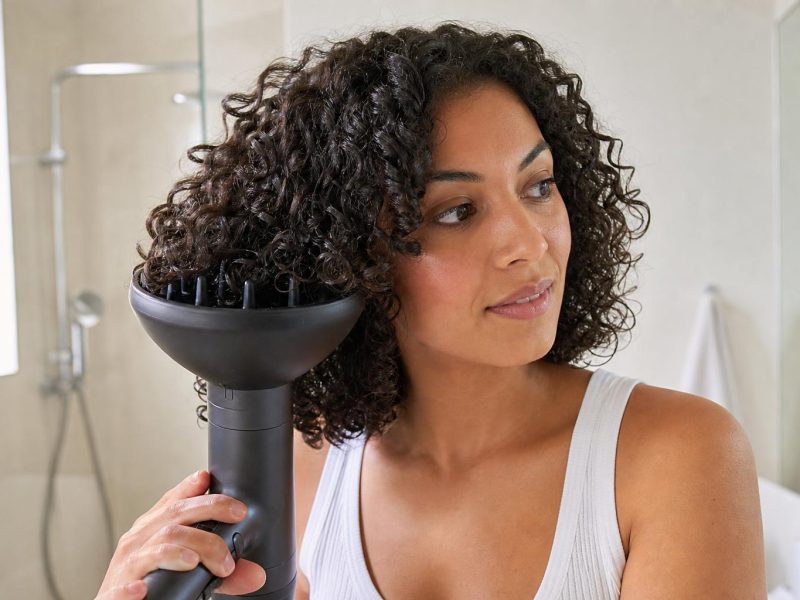
A layered lob just above the shoulders turns loose waves into effortless, tousled texture with barely any styling. Rough-dry with a diffuser and finish with a texture spray for that undone, beachy finish. The length is short enough to stay springy but long enough to tuck behind the ears.
5. Grown-Out Low-Upkeep Wave Layers
Long, widely spaced layers are the lowest-maintenance option for waves because they blur as they grow rather than forming an obvious grow-out line. You can push a trim to four or five months and the shape still holds. It is the cut for anyone who wants movement but rarely makes it to the salon.
6. Invisible-Layer Cut for Fine 2A Hair
Fine waves need “invisible” internal layering rather than visible face-framing, so ask your stylist for weight removed from underneath while keeping the surface length intact. This protects the appearance of density on top while still letting the waves move. Say “internal layers only, no short pieces on top” to get it right.
Layered Cuts for 3A to 3B Curls
Springy 3A and 3B curls are where layers really come alive, because the defined curl pattern stacks and bounces once the excess weight is gone. The main risk at this curl type is the triangle shape, where narrow layered top meets wide unlayered bottom. Well-placed layers solve that by distributing volume evenly from crown to ends.
7. Layered U-Cut Versus V-Cut for 3A
Unlike a blunt cut, a layered U-cut keeps length while rounding the perimeter so 3A curls stay full at the bottom instead of stringy. A V-cut, by contrast, narrows the ends for a more tapered shape that some find looks thin on curls. For most 3A hair, the U-shape holds a fuller, bouncier outline.
8. Face-Framing Layers for 3A Curls
A few layers cut to fall at the cheekbone make 3A curls look styled on purpose rather than heavy and shapeless. The framing pieces open up the face while the rest of the length stays intact for versatility. Ask for these to be cut dry so they land exactly where your curls sit.
9. Layered Curly Bob for Square Faces
A layered curly bob hitting at the jaw softens the strong corners of a square face, especially when the layers add roundness at the sides. Keeping internal layers short enough to lift the crown stops 3B curls from looking boxy. The rounded silhouette is what balances an angular jawline here.
10. Long Layers to Prevent the Triangle Shape
Dense 3B curls famously widen into a triangle when left one length, so graduated long layers remove weight through the mid-lengths and ends to even out the shape. The layering pulls volume up and in rather than letting it pile at the bottom. This is the single most requested fix for curly hair that grows out instead of down.
11. Diffused Layered 3A Curls
Layered 3A curls reach their bounciest when diffused, so the cut and the drying method work together. Dry upside down on low heat with a diffuser, cupping curls toward the scalp to build root volume. The layers give the curls somewhere to spring, and the diffuser sets the shape.
12. Grow-Out-Friendly 3B Layers
Softly blended layers on 3B curls grow out gracefully because the curl pattern hides the transition better than straight hair ever could. Most people get three to four months before a shape-up is needed. A refresh with water and a little leave-in revives the layers between washes.
13. The Curl-Customized Layer Request
Bring specific language for 3A to 3B hair: “dry-cut, curl-by-curl layers to remove weight and prevent a triangle, keeping length at the perimeter.” Naming the triangle problem tells the stylist you understand the goal and want shape, not just a trim. A curl specialist will thank you for the clarity.
Layered Cuts for 3C Curls
Tight, corkscrew 3C curls pack a lot of density, so layering here is about relieving bulk while protecting length and definition. Cut wrong, 3C hair either loses its shape or puffs into a pyramid. The looks below keep curls bouncy and rounded from crown to ends.
14. Layered Curly Bob Versus Tapered Crop for 3C
Where a layered curly bob keeps length and a rounded outline, a tapered crop cuts the sides and nape shorter to frame the face and show off curl definition. The bob suits those who want to keep length, while the taper flatters angular features and takes less effort. Both rely on internal layering to keep 3C curls from looking blocky.
15. Internal Layers for Dense 3C Curls
Heavy 3C density calls for internal layers that thin the interior without touching the outer length, so the curls lighten and lift where it counts. The surface stays full while the weight underneath comes out. This invisible weight removal is the key to 3C hair that moves instead of sitting like a helmet.
16. Rounded Layered Shape for Heart Faces
A rounded layered shape with fullness at the jaw balances the wider forehead and narrower chin of a heart-shaped face. Letting 3C curls build volume lower down draws attention away from the top of the face. Cascading length past the shoulders is especially flattering for heart and oblong shapes.
17. Wash-and-Go Layered 3C
Layered 3C curls are made for a wash-and-go, where the cut does the shaping and product does the rest with zero heat. Apply a gel over a leave-in on soaking-wet hair, then let it air-dry and scrunch out the cast. The layers keep the wash-and-go from looking flat or shapeless.
18. Shoulder-Length 3C Layers
Shoulder-length layered 3C curls hit a practical sweet spot, long enough to pull back but short enough to stay bouncy. Expect a shape-up every three to four months to keep the layers defined as the curls grow. A satin pillowcase and nightly pineappling protect the shape between salon visits.
19. Dry-Cut Layer Request for 3C
For 3C hair, insist on a dry cut and say “layers placed on dry curls to remove interior bulk, keep my length, and round out the shape.” Wet-cutting 3C curls is how people end up far shorter than they wanted once the hair dries and springs up. A stylist who cuts curls dry is worth searching for.
Layered Cuts for 4A to 4C Coils
Coily 4A to 4C hair shrinks dramatically, so layering here focuses on shape and volume rather than weight removal, and length is measured stretched, not shrunken. The goal is a rounded or tapered silhouette that showcases the coil pattern instead of flattening it. Every cut in this group assumes dry cutting on stretched or natural coils.
20. Ask for a Tapered Layered Cut on 4A
A tapered layered cut leaves more length on top and gradually shortens toward the nape, giving 4A coils a rounded, sculpted shape. Tell your stylist “a tapered cut with layered volume on top, cut on dry coils,” so the shape follows your natural shrinkage. It is one of the most flattering and low-effort shapes for coily hair.
21. Layered Afro Versus a TWA for 4B
Unlike a teeny weeny afro, a layered afro keeps enough length for the coils to form a rounded, dimensional shape rather than a close crop. The layering shapes the outline so the afro reads intentional and even. A TWA is the lower-maintenance option, while the layered afro offers more styling range.
22. Layered Tapered Coils for Volume
Layered tapered cuts build high volume on 4A to 4B coils by keeping length up top where the coils can stack and stand. The taper at the sides sharpens the shape and keeps it from spreading wide. This is the go-to for anyone who wants their coils tall and rounded rather than flat.
23. High-Volume Layers for Long Faces
Building layered width at the sides on 4B coils balances a long, oblong face by adding the horizontal volume the shape needs. Keeping the crown from stacking too tall stops the face from looking even longer. A rounded, side-heavy shape is the most flattering direction here.
24. Layered Curly Fro for 4C
Dense 4C coils shine in a layered fro where the layers carve a rounded shape and keep the density even from every angle. Because 4C shrinks the most, the stylist cuts for the stretched shape you want after styling. A moisturizing leave-in and regular deep conditioning keep the coils defined within the cut.
25. Twist-Out Layered Shape for 4B and 4C
A layered shape gives a twist-out its best canvas, because the layers let the unraveled coils fall into a rounded, full silhouette. Twist on damp, product-coated hair and unravel once fully dry for the most definition. The cut is what keeps the twist-out from looking bulky or uneven.
26. Layered 4C Cut Maintenance
Layered 4C cuts hold their shape for months because coils disguise grow-out better than any other texture, so a shape-up every three to four months is plenty. Focus daily effort on moisture rather than restyling, since dry coils lose definition faster than they lose their cut. Protective styling between wash days extends the life of the shape.
How to Choose Layers by Face Shape
Curl type decides how the layers are cut, but face shape decides where the volume should land. Because curls add their own width and height, the placement rules differ a little from straight hair. The table pairs each face shape with the layered curly approach that balances it best.
| Face Shape | Best Layered Approach | Ideal Length | Avoid |
|---|---|---|---|
| Round | Longer layers, volume at the crown | Collarbone or longer | Chin-length width at the cheeks |
| Square | Rounded layers softening the jaw | Jaw to shoulder | Blunt, boxy perimeters |
| Heart | Fullness and length below the jaw | Shoulder or longer | Heavy volume at the crown |
| Oblong / long | Side width, softer crown height | Chin to shoulder | Tall stacked crown volume |
| Oval | Most layered shapes work | Any length | Over-thinning that loses fullness |
What to Tell Your Stylist
The most useful thing you can do is find a stylist who cuts curls dry and name your curl type up front. A reliable script: “I have 3B curls, please dry-cut internal layers to remove weight and prevent a triangle shape, and keep my length at the perimeter.” Ask to see the shape before any wet styling, because curls spring up when they dry and there is no undoing a cut that went too short. If you are combining layers with a fringe, our curly curtain bangs guide covers how to ask for that on textured hair.
Stylist tip: Come to the appointment with your hair styled the way you normally wear it, not freshly washed and stretched. A stylist can only cut curls accurately when they can see how your hair actually behaves day to day.
For deeper routine help by exact curl type, our guides on 2B wavy hair and 4B coily hair walk through the products and washing methods that keep a layered cut looking its best.
Maintenance and Styling
Layered curly cuts are forgiving on grow-out because the curl pattern hides the transition, so most people trim every three to four months rather than every six weeks. The bigger daily factor is moisture: curls lose definition when they dry out long before they lose their shape, so a leave-in and regular deep conditioning matter more than frequent cutting. Sleep on satin or in a loose pineapple to protect the volume overnight.
Stylist tip: Refresh layered curls between washes with a spray bottle of water mixed with a little leave-in, scrunching curl by curl rather than raking through. Raking separates the clumps the layers were cut to enhance, which is why day-three curls often look frizzier than they need to.
When Layered Cuts Are Not Right for Curly Hair
Layers help most curly hair, but not every head or goal. Be honest about these before you book.
- Your curls are very fine and sparse: aggressive layering can thin already-delicate curls and expose the scalp. Ask for minimal internal weight removal, or keep a fuller one-length shape instead.
- You want maximum length and density: layers by definition remove weight, so if your goal is the longest, thickest possible hair, a blunt or single-length cut preserves more.
- You only have a stylist who cuts wet: wet-cut layers on curly hair are unpredictable, so it is worth waiting for a curl specialist rather than risking a shape that shrinks too short.
- You never restyle or use product: layered curls need a leave-in and some scrunching to look defined, so a wash-and-forget routine suits a simpler shape better.
Common Myths About Layering Curly Hair
Myth: Layers Cause Frizz
Reality: Well-placed layers reduce the bulk that makes curls look frizzy, so they usually calm the shape rather than worsen it. Frizz comes from dryness, damage, and disturbing the curl clumps, not from layering itself. A dry cut with internal layers often makes curls look more defined, not less.
Myth: Curly Hair Should Never Be Layered
Reality: Most curly hair benefits from layers because one length lets weight build until curls flatten or triangle out. The real issue is bad layering, not layering itself. The fix is a curl-literate stylist cutting dry, not avoiding layers altogether.
Myth: The Same Layers Work on Any Curl Type
Reality: Loose waves and tight coils need opposite approaches, since waves want weight removed to spring up while coils want shape built to stand tall. A cut copied from a different curl type is the most common reason a layered style disappoints. Match the layering to your specific pattern, from 2A through 4C.
FAQ
Should Curly Hair Be Cut Wet or Dry?
Curly hair should almost always be cut dry, so the stylist can see exactly where each curl falls and how much it springs up. Wet cutting hides shrinkage, which is how people end up far shorter than planned. If a salon insists on cutting your curls wet, it is usually worth finding a dedicated curl specialist instead.
What Layers Are Best for Curly Hair?
It depends on your curl type: looser waves want longer layers that remove weight, while tighter coils want internal layers and a shaped, rounded outline. Across all curl types, layers should be placed to prevent the triangle or pyramid shape that one-length curly hair tends to form. A dry, curl-by-curl cut is what makes any of these land correctly.
Do Layers Make Curly Hair Look Thinner?
Not when they are done right, because layers redistribute volume rather than remove density from the surface. Internal layering thins bulk you cannot see while keeping the fullness on top. The exception is very fine curls, which need only minimal weight removal to avoid looking sparse.
How Often Should I Trim a Layered Curly Cut?
Every three to four months is enough for most curl types, since the curl pattern hides grow-out far better than straight hair. Tighter coils can often go longer between shape-ups, while looser waves may want a trim closer to the three-month mark. Prioritize moisture between cuts, as dryness dulls the shape faster than growth does.
Will Layers Fix My Triangle-Shaped Curly Hair?
Yes, correcting the triangle is one of the main reasons to layer curly hair. Graduated long layers remove the weight that piles at the bottom and redistribute volume up and in for an even shape. Ask specifically for layering to prevent the triangle, and have it cut on dry curls for accuracy.
Can Fine Curly Hair Handle Layers?
Yes, but the layering should be minimal and internal rather than heavy or face-framing. Fine curls look fuller with invisible weight removal that keeps surface density intact. Tell your stylist to remove only interior bulk and avoid short pieces on top that can expose the scalp.
The best layered cuts for curly hair start with your curl type, then adapt to your face shape, length goal, and how much styling you actually do. Whether you have loose 2A waves that need weight removed or dense 4C coils that need a rounded shape built in, bring your curl type and a dry-cut request to the salon and describe the shape you want in plain terms. Matching the layers to your pattern is what turns curly hair from bulky or flat into the bouncy, defined shape it is capable of.
Hair results vary based on your natural hair type, texture, density, and condition. Always consult with a licensed hairstylist before making significant changes, especially with chemical treatments or dramatic length changes. Photos may show styled results that require professional tools and products to replicate.