

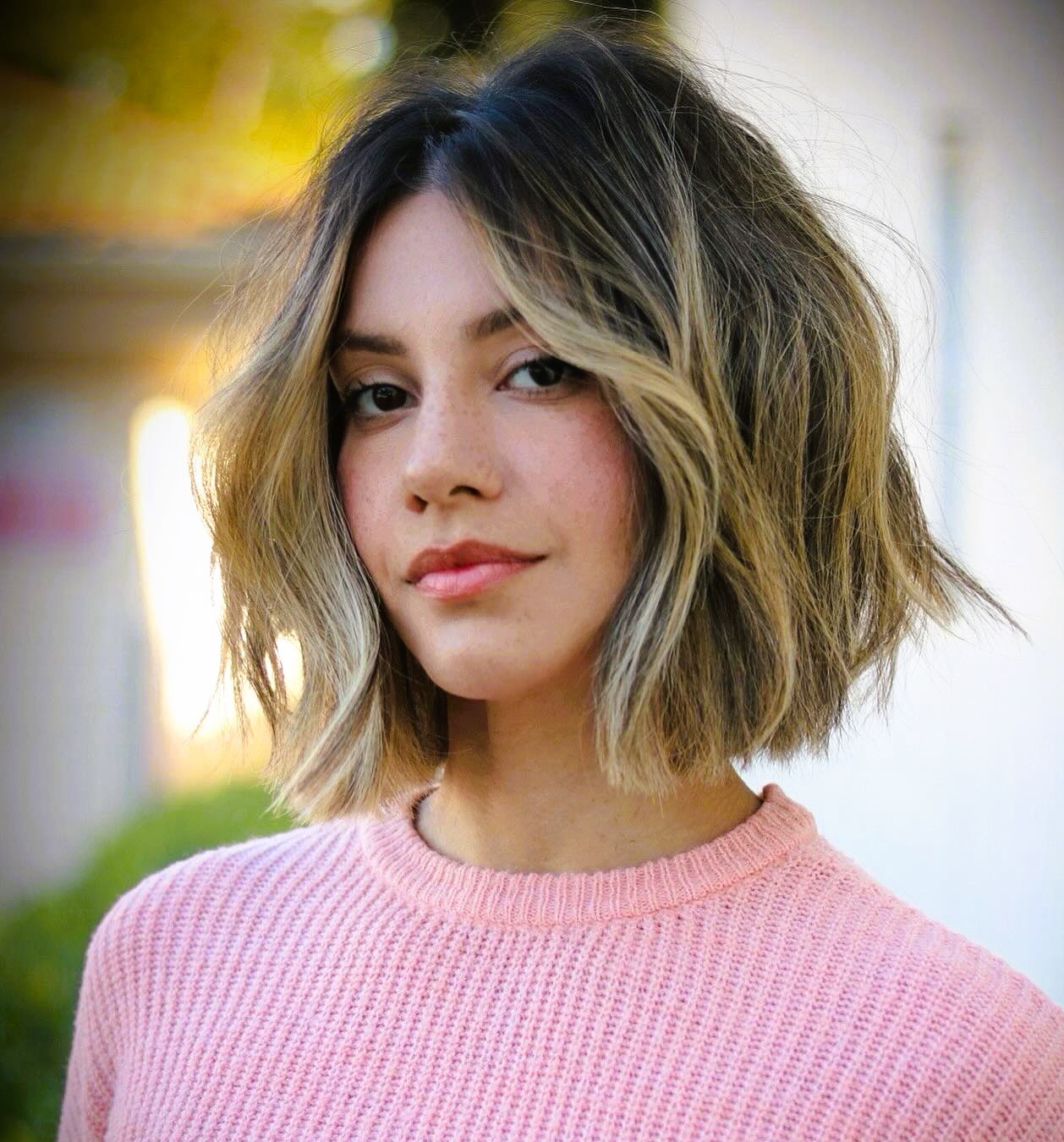
Stylist-approved layered bob ideas sorted by hair type, face shape, and texture
Layered bob haircuts add movement and reduce bulk on hair that falls between chin and shoulder length — here are 60 variations from working stylists, covering fine, medium, thick, wavy, curly, and straight textures. Each entry includes what makes the specific cut work, who it flatters most, and what to tell your stylist to recreate it.
Below the gallery, you’ll find a face shape compatibility guide, a maintenance schedule by hair type, and salon communication tips — everything you need to walk in with a reference photo and walk out with the right cut.
| Factor | Details |
|---|---|
| Best for | All hair types — fine, medium, thick, wavy, curly, and straight. Works on oval, heart, and oblong face shapes without modification; round and square faces need specific layering adjustments (see guide below). |
| Maintenance | Trim every 6–8 weeks for layered shapes. Daily styling: 5–15 minutes depending on texture. Lower maintenance than a blunt bob because layers grow out more gracefully. |
| Works with | Chin-to-shoulder length hair. Natural texture from straight to 3C curls. Color techniques that emphasize dimension (balayage, highlights, shadow root). |
| Avoid if | Very tight 4B–4C coils shorter than 6 inches (not enough length for visible layers). Very fine hair that’s also thin in density — heavy layering will make ends look transparent. |
| Salon time | 45–75 minutes for cut and style. Add 90–120 minutes if color is involved. |
Layered Bobs for Fine Hair
Fine hair benefits most from strategic, minimal layering — too many layers thin out the ends and make the hair look sparse. The goal is to create the illusion of movement and body without removing weight your hair can’t afford to lose. Stylists generally approach fine-haired clients with point cutting or slide cutting rather than razor cutting, which removes too much bulk from already-delicate strands.
1. Chin-Length Blunt Bob with Internal Layers
The blunt perimeter on this chin-length cut preserves the appearance of thickness at the ends, while hidden internal layers create movement you can see when the hair swings. Point cutting at the interior — not the perimeter — gives fine hair lift without sacrificing density. Best suited for oval and heart-shaped faces where the chin-length line draws attention to the jawline.
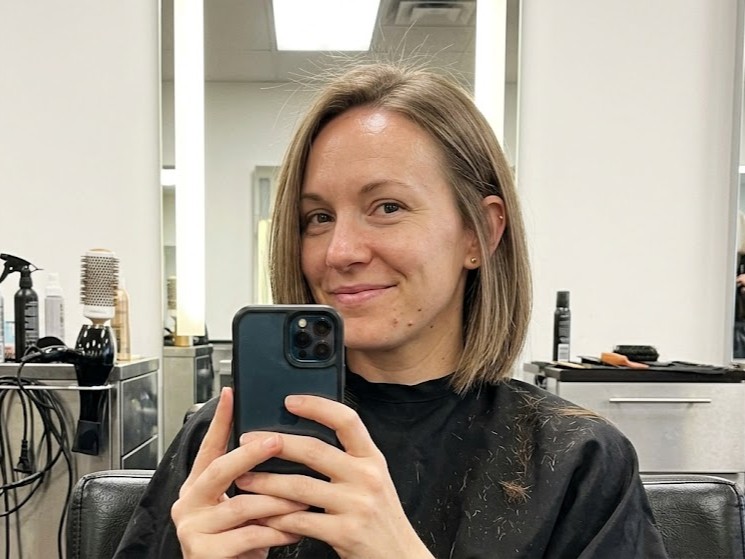
2. Textured Lob with Face-Framing Pieces
Ask your stylist for two to three face-framing pieces that start at cheekbone level and blend into the main length. On fine hair, these pieces create the suggestion of fullness around the face without requiring heavy layering throughout. A volumizing mousse applied to towel-dried roots before blow-drying upside down gives this cut its body — without product, fine lobs tend to fall flat by midday.

3. One-Length Bob with Texturized Ends
Ideal for fine hair that’s also thin in density, this cut keeps all the weight in one line and adds texture only at the very tips. The texturizing creates a soft, piecey edge without removing volume from the mid-shaft. Grow-out on this style is forgiving — you can push trims to every 8–10 weeks before it loses its shape.
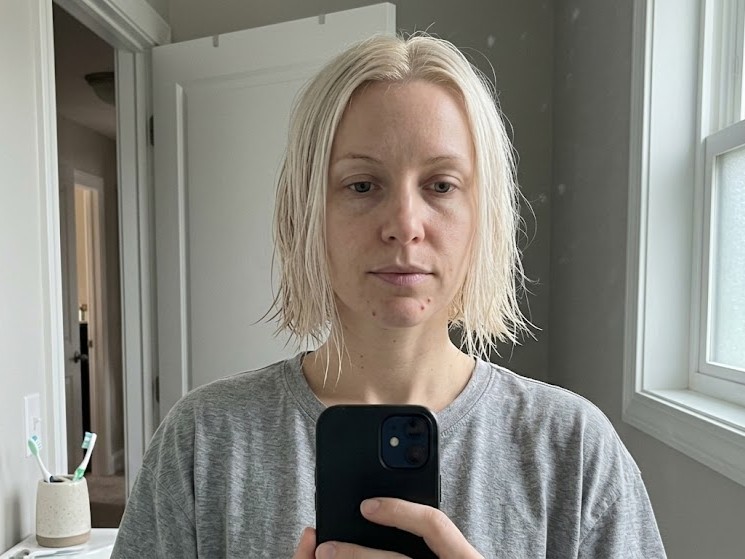
4. Soft A-Line Bob with Barely-There Layers
The A-line angle — shorter in back, gradually longer toward the front — creates an optical illusion of thickness at the front corners. Adding just one or two layers through the crown gives fine hair enough lift to avoid looking helmet-like. Square and round face shapes benefit from the elongating effect of the longer front pieces.
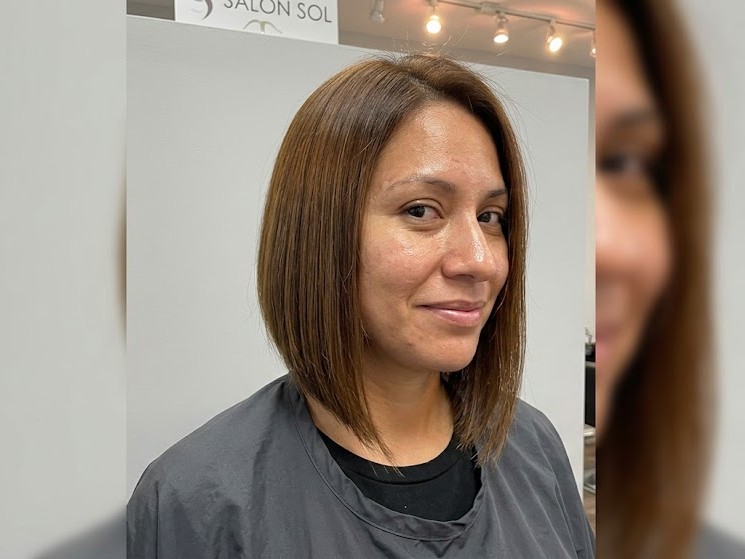
5. Side-Parted Layered Bob for Fine Hair
A deep side part instantly adds volume at the root by redirecting the hair’s natural fall. Combined with two graduated layers through the heavier side, this creates asymmetric fullness that fine hair rarely achieves with a center part. In the salon, a full bob cut with this kind of precision takes approximately 50–60 minutes.
6. Wispy Layered Bob with Curtain Bangs
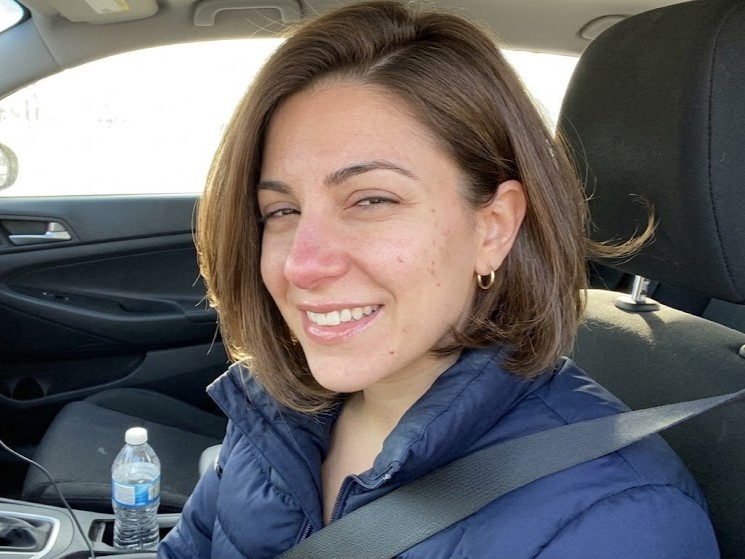
Curtain bangs pair well with fine-hair bobs because they frame the face without requiring a thick, blunt fringe that fine hair can’t support. The key is keeping bangs at cheekbone length or longer — anything shorter tends to separate and look stringy on fine textures. Achieve this lived-in finish with a flat iron bend at the ends and a light-hold texturizing spray.

7. Stacked Layered Bob
Stacking the layers at the nape creates volume at the back of the head — exactly where fine hair tends to fall the flattest. The graduated back lifts the crown area and creates a rounded shape that looks fuller from every angle. A common client concern with this cut is the nape growing out quickly; plan for trims every 5–6 weeks to keep the stack clean.
8. Feathered Layered Bob
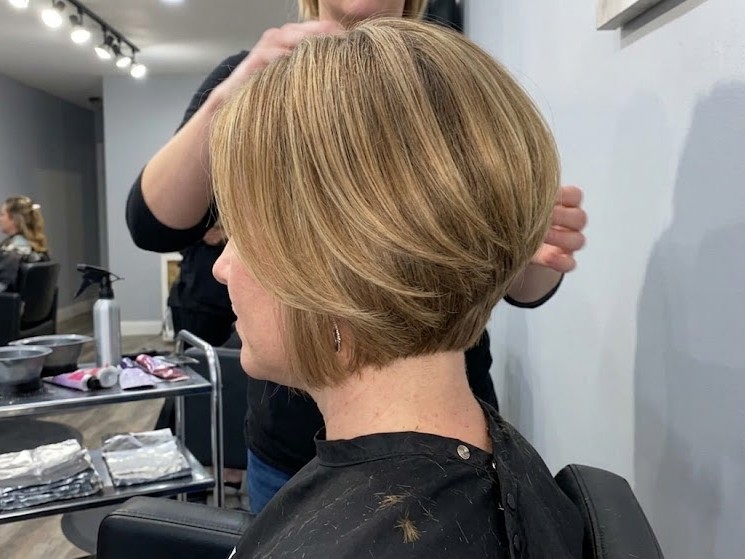
Feathered ends create an airy, tapered finish that gives fine hair a sense of lightness rather than weight. Unlike choppy layers, feathering uses a slide-cutting technique that produces soft, wispy tips. Blow-dry with a medium-barrel round brush, rolling the ends under slightly — this shape holds well on fine hair for a full day without heavy product.
9. Micro-Layered Bob with Root Lift
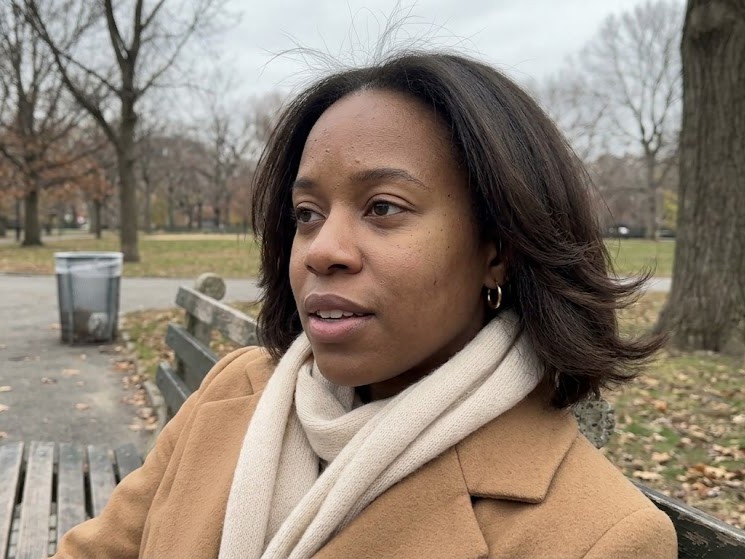
Shorter bobs work well on fine hair because there’s less length for gravity to pull flat. Micro-layers at the crown — spaced about half an inch apart — create the most volume with the least visible layering. Bring this photo to your appointment and specify that you want the layers concentrated at the crown, not through the sides.
10. Dimensional Blonde Layered Bob
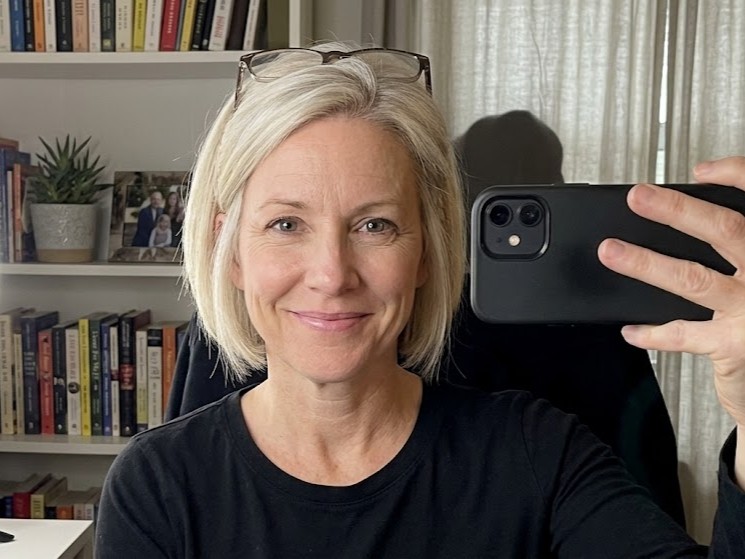
Color does heavy lifting on fine hair. Babylights woven through a layered bob create the illusion of depth and movement that the cut alone may not achieve. The shadow root — darker at the base, lighter through the mid-lengths — adds another layer of visual dimension. On fine hair, you won’t get the same volume shown in this photo without a blow-dryer and round brush.
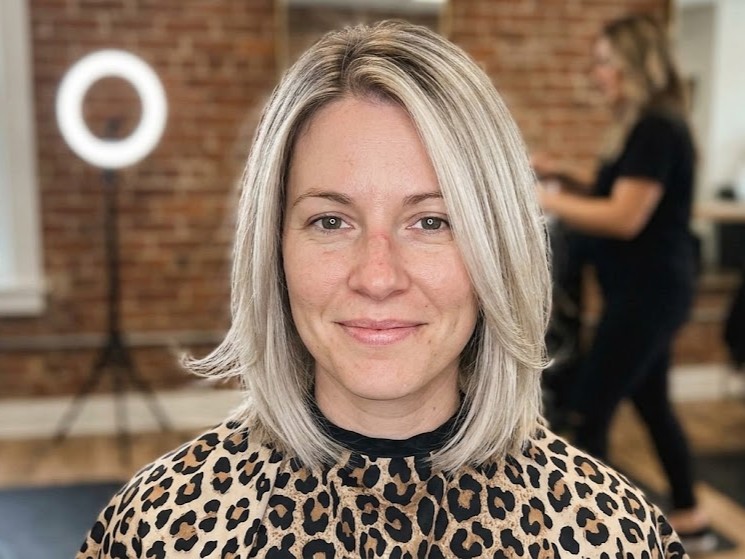
Layered Bobs for Thick Hair
Thick hair and bobs have a complicated relationship. Without enough layering, a bob on thick hair can look bulky, heavy, and triangle-shaped. The right layering removes weight from the interior and creates a controlled silhouette — your stylist should be working with thinning shears or point cutting to manage density, not just cutting shorter layers on top.
11. Heavily Layered Collarbone Bob
Thick hair needs more aggressive layering than you might expect to achieve a shape that moves naturally. The layers in this cut start at the cheekbones and cascade to the collarbone, removing bulk from the interior while maintaining a strong, full perimeter. Ask your stylist for internal thinning at the nape if your hair tends to push outward at the back.

12. Razor-Cut Layered Bob
Razor cutting is one of the most effective techniques for thick hair because it simultaneously cuts and thins each strand, creating natural texture that scissors alone can’t produce. The trade-off: razor-cut ends need more moisture and can look frizzy in humid conditions. Use a smoothing serum on damp hair before drying to keep the texture defined.
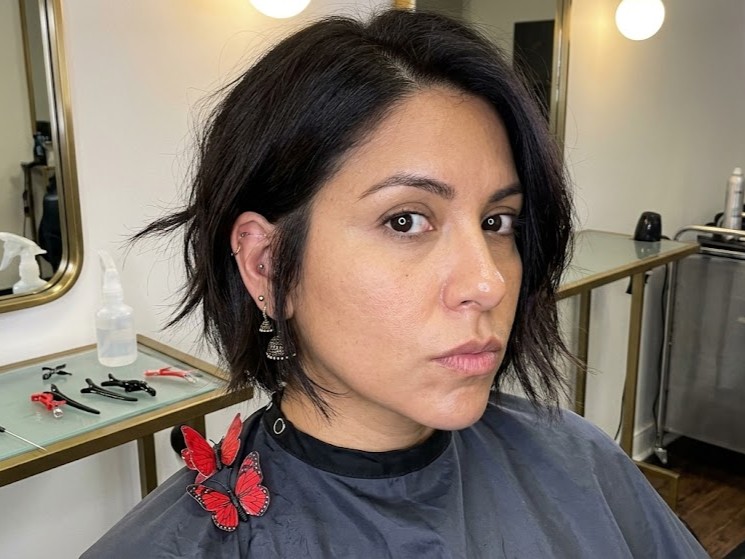
13. Angled Layered Bob for Thick Hair
Oval and oblong faces look particularly sharp with this angled silhouette, where the back sits at the nape and the front extends to the collarbone. On thick hair, the angle creates a visual narrowing effect that counteracts the natural width dense hair creates. The longer front pieces are ideal for tucking behind the ear on one side — a practical styling option for anyone who needs hair out of their face during the day.
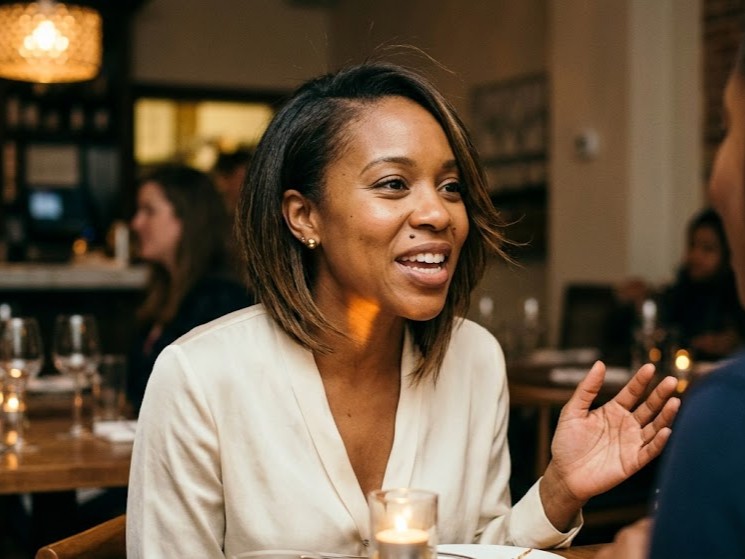
14. Choppy Layered Bob with Undercut
When surface layering alone isn’t enough to control thick hair, an undercut at the nape removes bulk where it matters most — underneath, where nobody sees it. The top layers sit smoothly over the undercut, creating a sleek shape that would otherwise be impossible on very dense hair. A hidden undercut reduces blow-drying time by roughly 10–15 minutes.
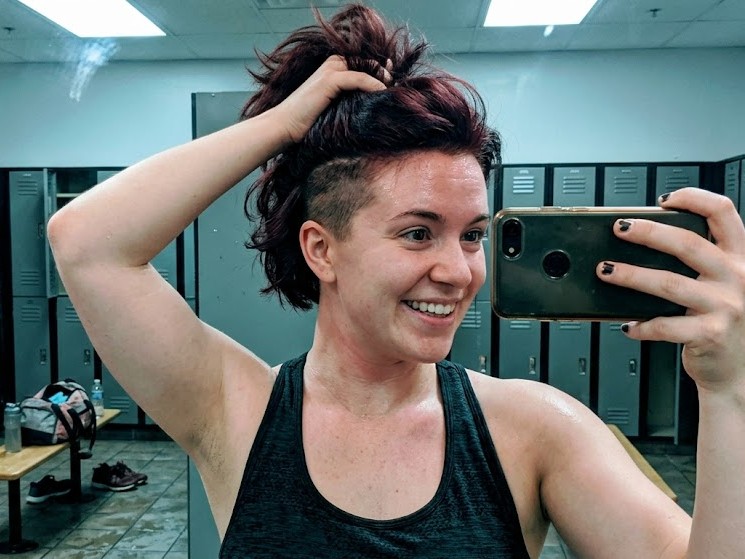
15. Textured Shaggy Bob
This cut borrows from the shag’s philosophy — lots of layers, lots of movement, minimal precision at the perimeter — but keeps the length in bob territory. Unlike a standard layered bob, the shaggy version has a deliberately imperfect outline that works with thick hair’s natural volume rather than fighting it. Air-dry with a texturizing cream and scrunch for the most natural result.
16. Layered Bob with Heavy Bangs
Thick hair is one of the few textures that can pull off a dense, blunt bang without the fringe looking thin or gappy. The weight of the bang balances the layered body of the cut, creating a polished frame around the face. Keep in mind that thick bangs on a bob require trimming every 3–4 weeks — they grow into your eyes faster than you’d expect.
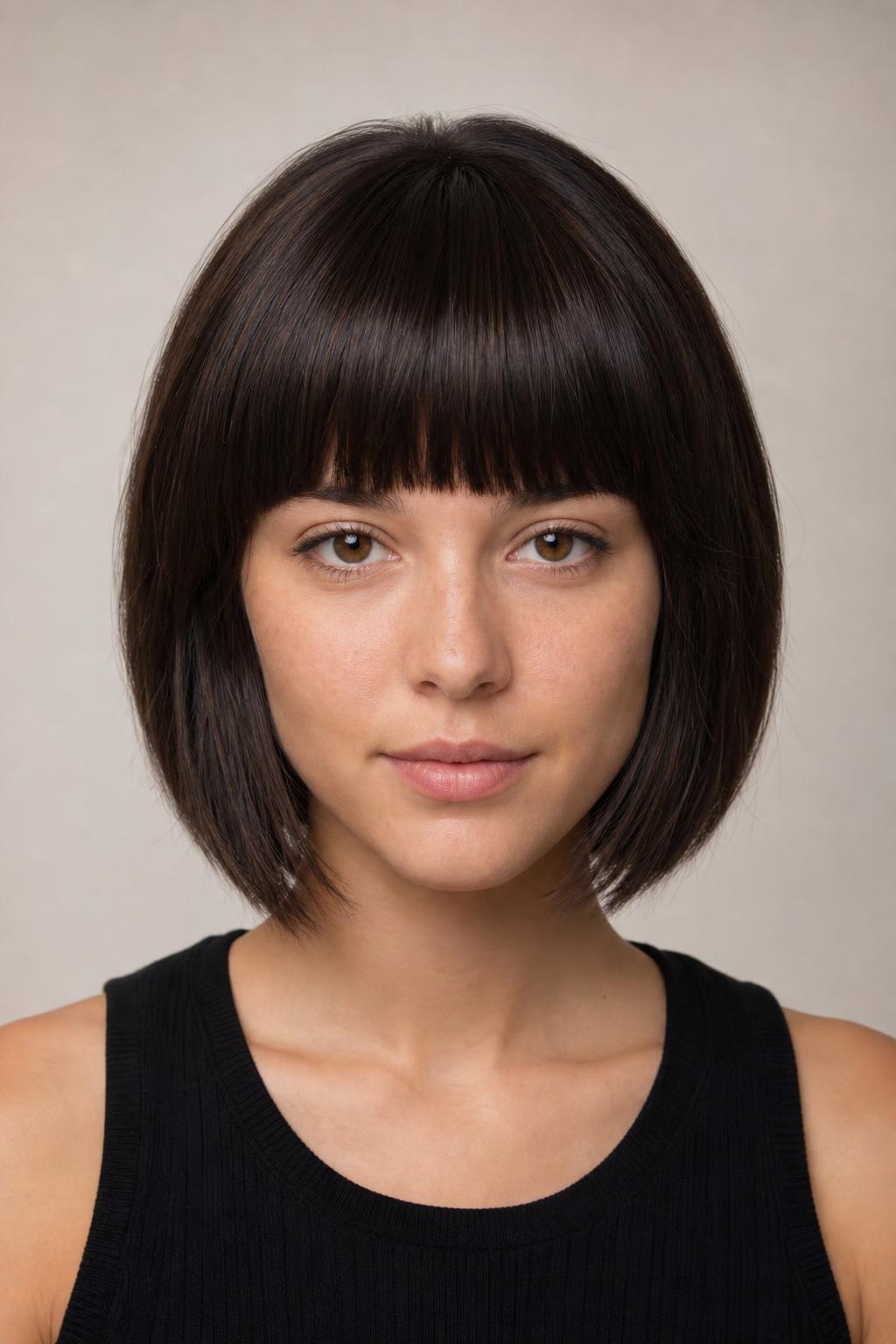
17. Rounded Layered Bob
Achieve this polished, rounded silhouette by having your stylist use a combination of elevation cutting and thinning shears at the interior. The result is a shape that curves inward at the ends — what stylists call a “beveled” perimeter — rather than flaring outward the way thick, blunt bobs tend to. Heart-shaped and oval faces wear this rounded shape particularly well.
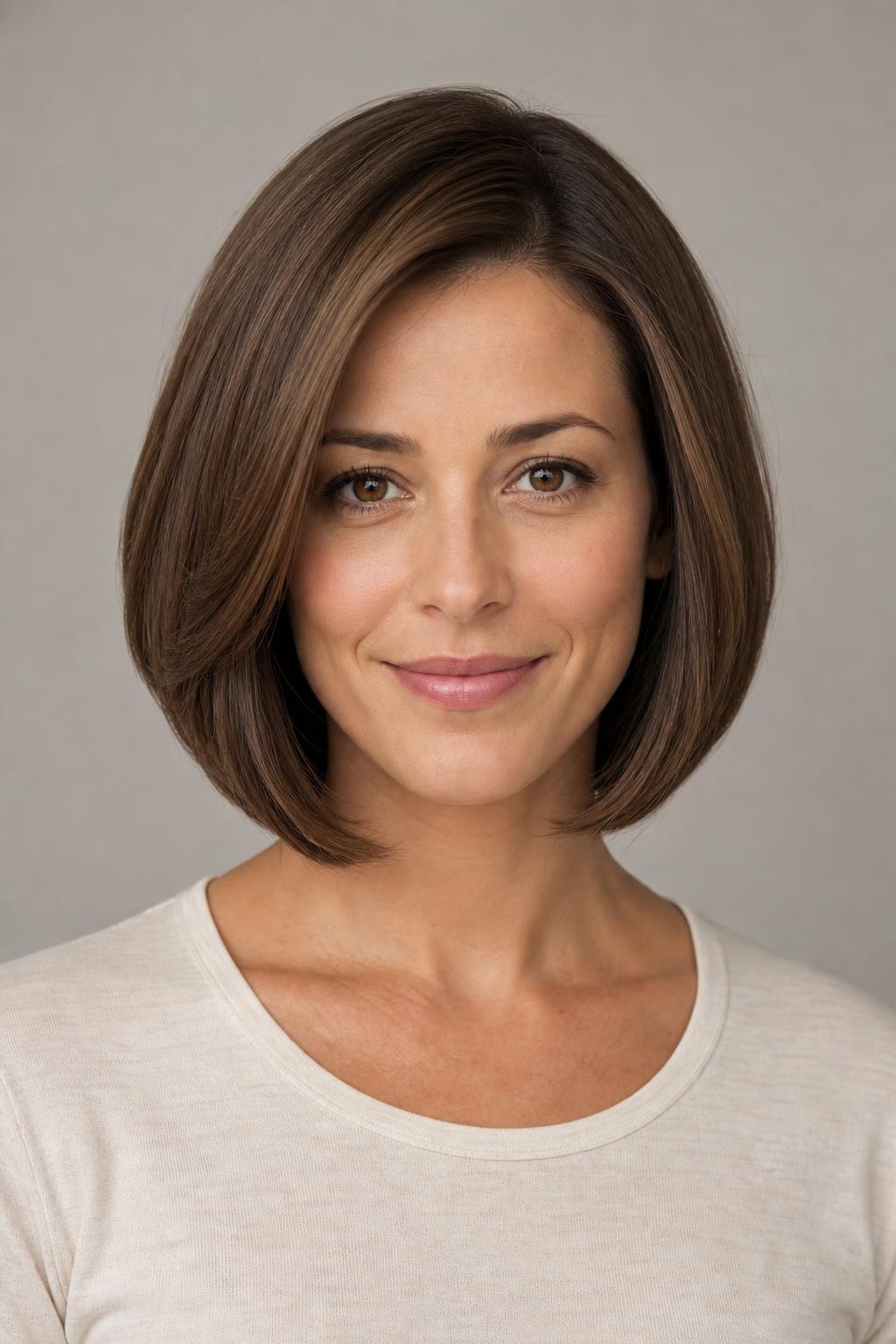
18. Disconnected Layered Bob
Disconnected layers — where the shortest layer is noticeably shorter than the rest — create a dramatic, editorial look that thick hair is uniquely suited to carry. Fine hair can’t sustain this level of disconnection without looking sparse. The contrast between the short, textured crown and the heavier perimeter gives this cut its visual impact.
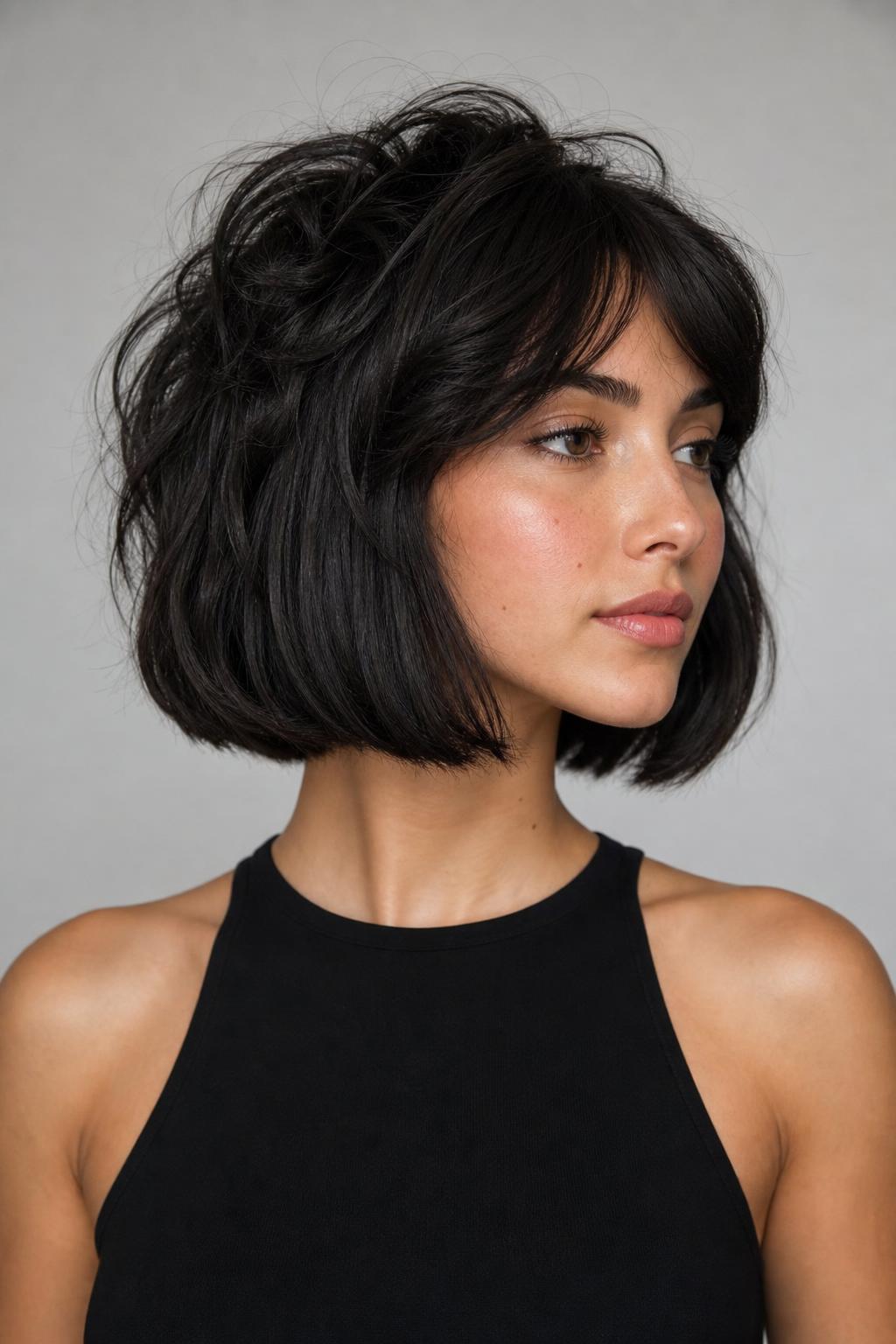
19. Long Layered Bob with Side Sweep
A deep side sweep directs all of the hair’s volume to one side, which is an effective way to manage thickness without cutting too much away. The layers start at the jawline and blend gradually toward the ends. Style with a flat iron for a sleek finish or a 1.25-inch curling wand for soft, controlled bends — both look intentional on thick hair rather than frizzy.
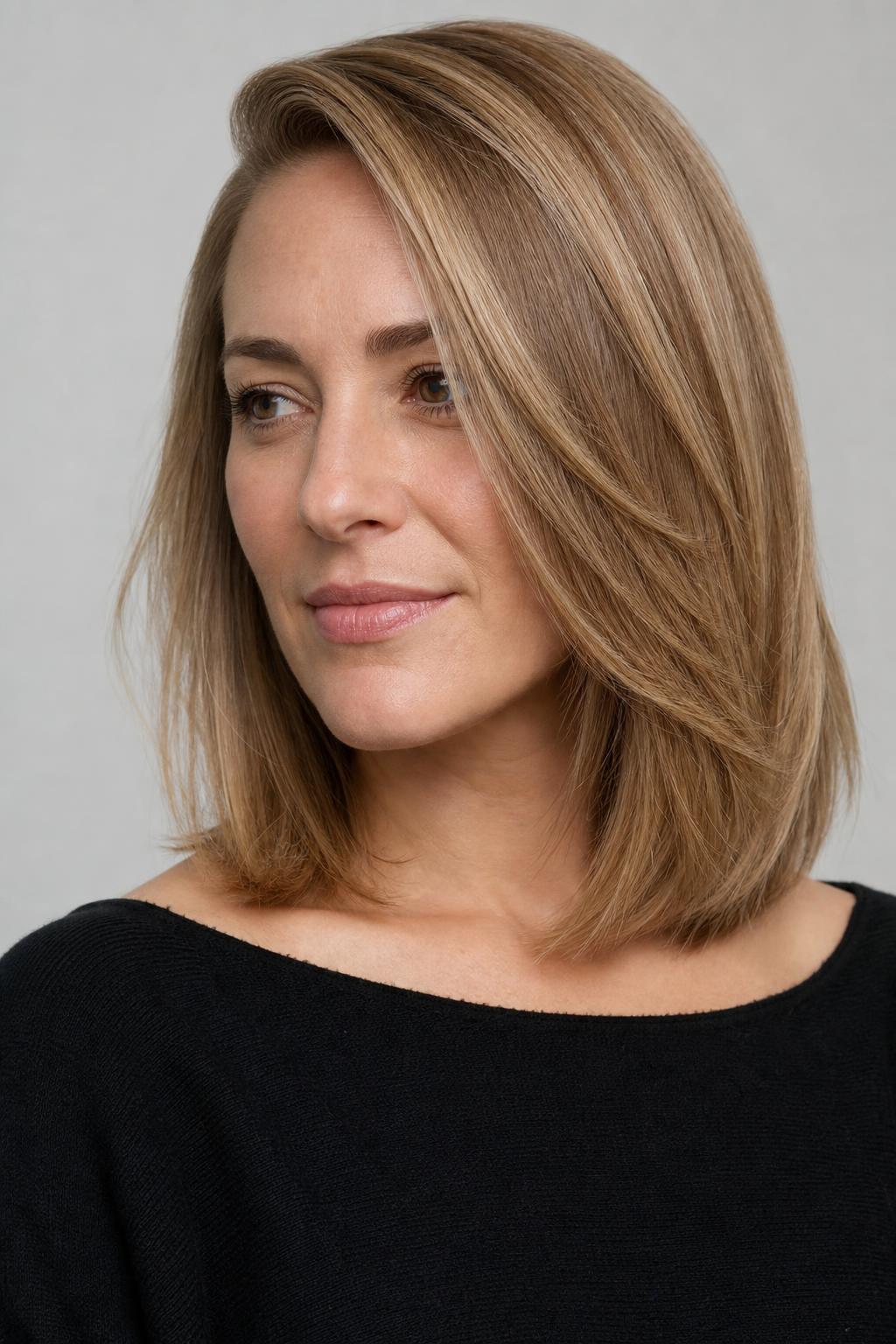
20. Graduated Layered Bob
Graduation — where each layer is slightly longer than the one below it as you move up the head — is one of the most effective cuts for controlling thick hair’s bulk at the back. The stacked graduation at the nape creates a clean, sculpted shape, while the longer front layers provide versatility for tucking, pinning, or wearing loose. This is a high-maintenance cut that needs reshaping every 5–6 weeks to prevent the graduation from growing out into a mushroom shape.
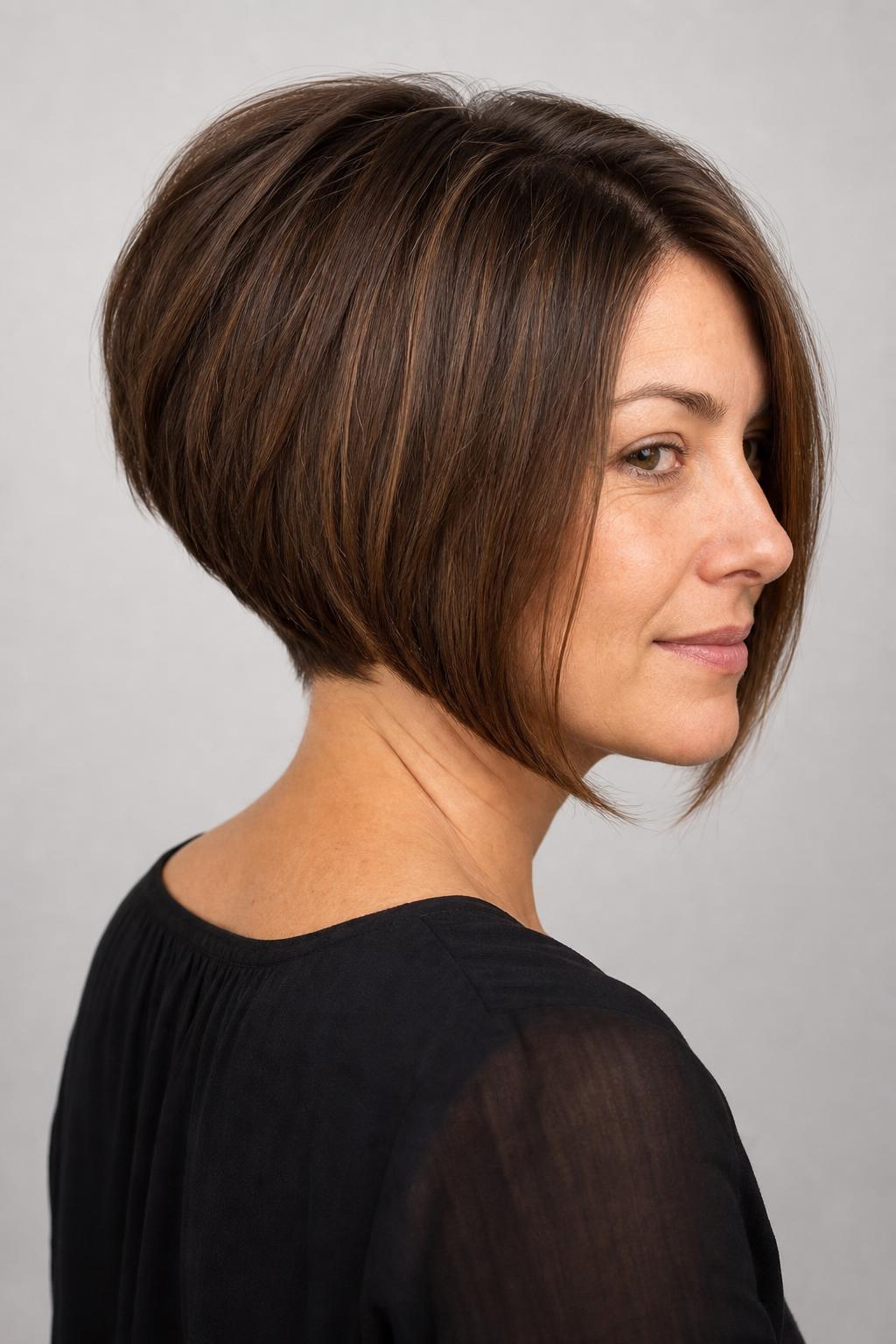
Layered Bobs for Wavy Hair
Wavy hair (types 2A through 2C) is arguably the ideal texture for a layered bob — the natural wave pattern does most of the styling work, and layers enhance the movement that’s already there. The biggest mistake stylists make with wavy bobs is cutting too many short layers at the crown, which can create puffiness rather than flow. For most wave patterns, longer layers starting at the chin work better than short, choppy ones.
21. Lived-In Wavy Bob
Achieve this effortless, undone look by applying a curl-enhancing cream to damp hair and letting it air-dry. The layers here are long and blended — no visible graduation — which lets the wave pattern create its own texture. Best for 2A and 2B wave patterns, where the hair has enough bend to hold the shape but isn’t so curly that it springs up significantly when dry.
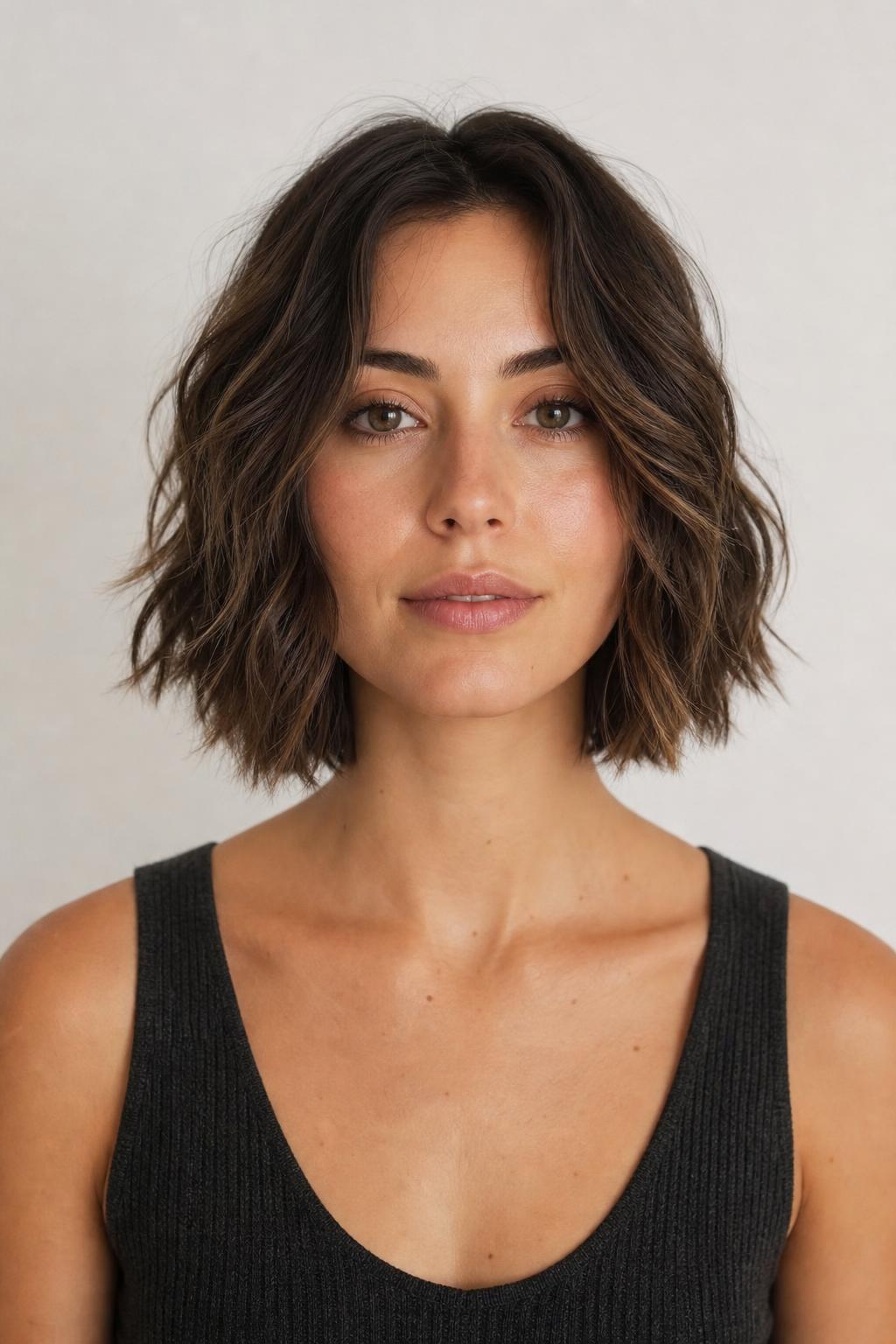
22. Beach Wave Layered Lob
Stylists often recommend a texturizing spray over a sea salt spray for this look — it gives the same separation and definition without the drying, crunchy effect salt sprays can leave behind. The lob length allows the waves to fall naturally without springing up too short, and the layers add enough dimension to prevent the back from looking flat. Round faces benefit from keeping the length at shoulder level or slightly below.
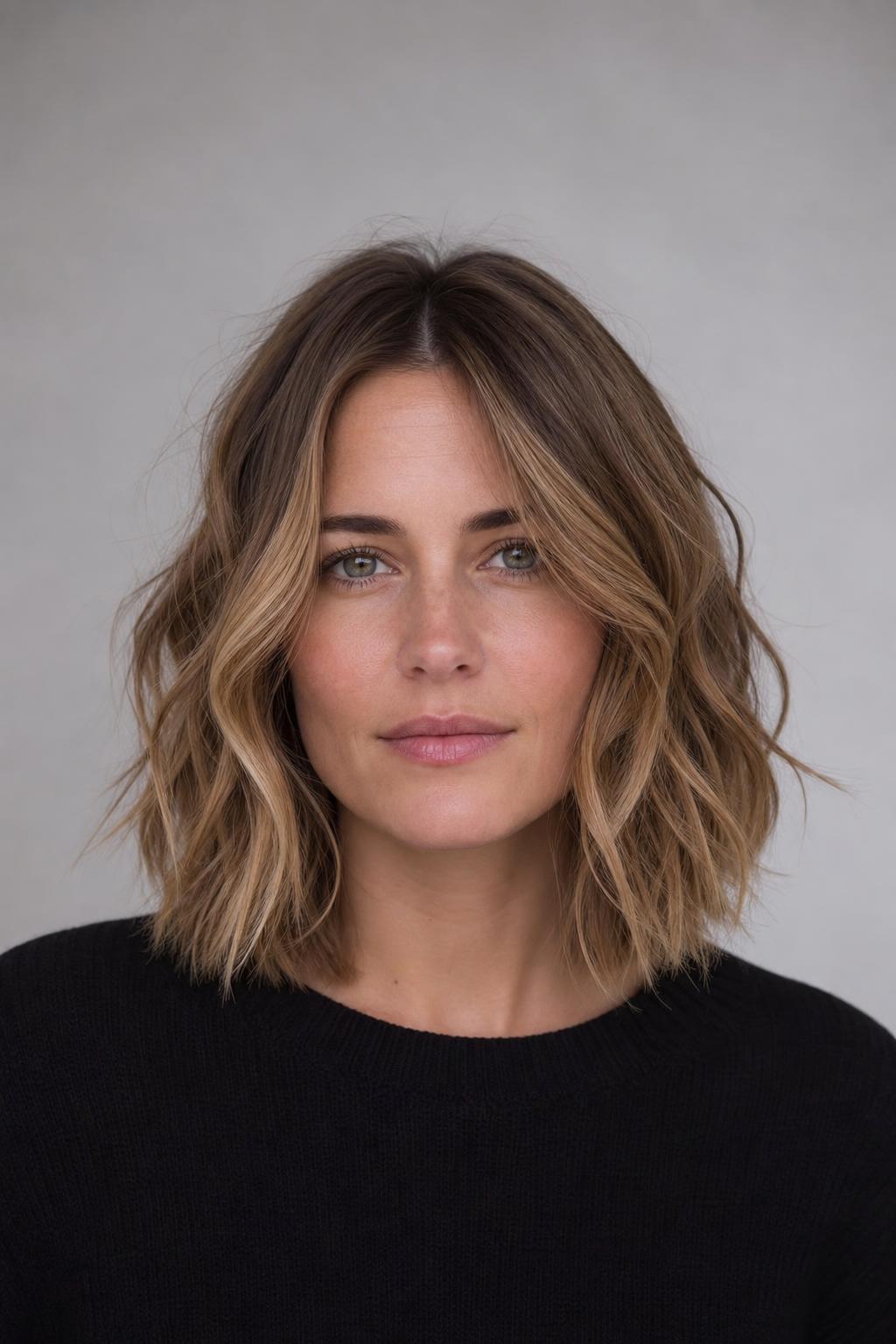
23. Wavy Bob with Blunt Ends
Combining a blunt baseline with internal layers gives wavy hair the best of both worlds — the blunt ends create the appearance of thickness, while the interior layers let the waves move freely. Bring this photo and ask your stylist for weight line layering (layers cut above the perimeter line, not at it). The result is a cut that swings and bounces without looking thin at the bottom.
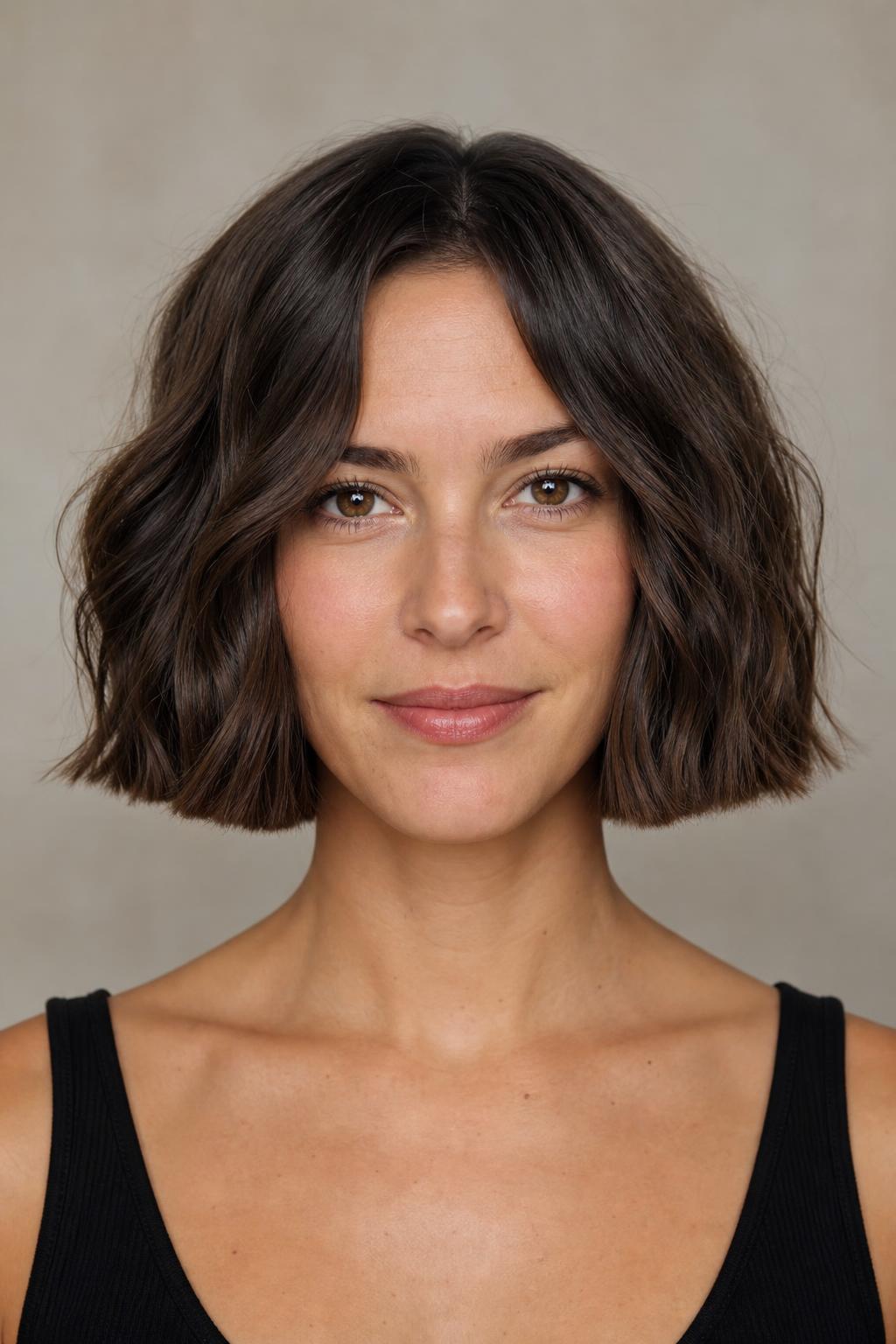
24. Choppy Wavy Bob
Choppier, more aggressive layers work on wavy hair when the density is medium to thick — the waves fill in any gaps the layers create, so the ends never look sparse. Point cutting at the perimeter creates that slightly uneven, piecey edge that complements wavy texture naturally. If you have fine wavy hair, ask for fewer choppy layers concentrated at the front rather than throughout.
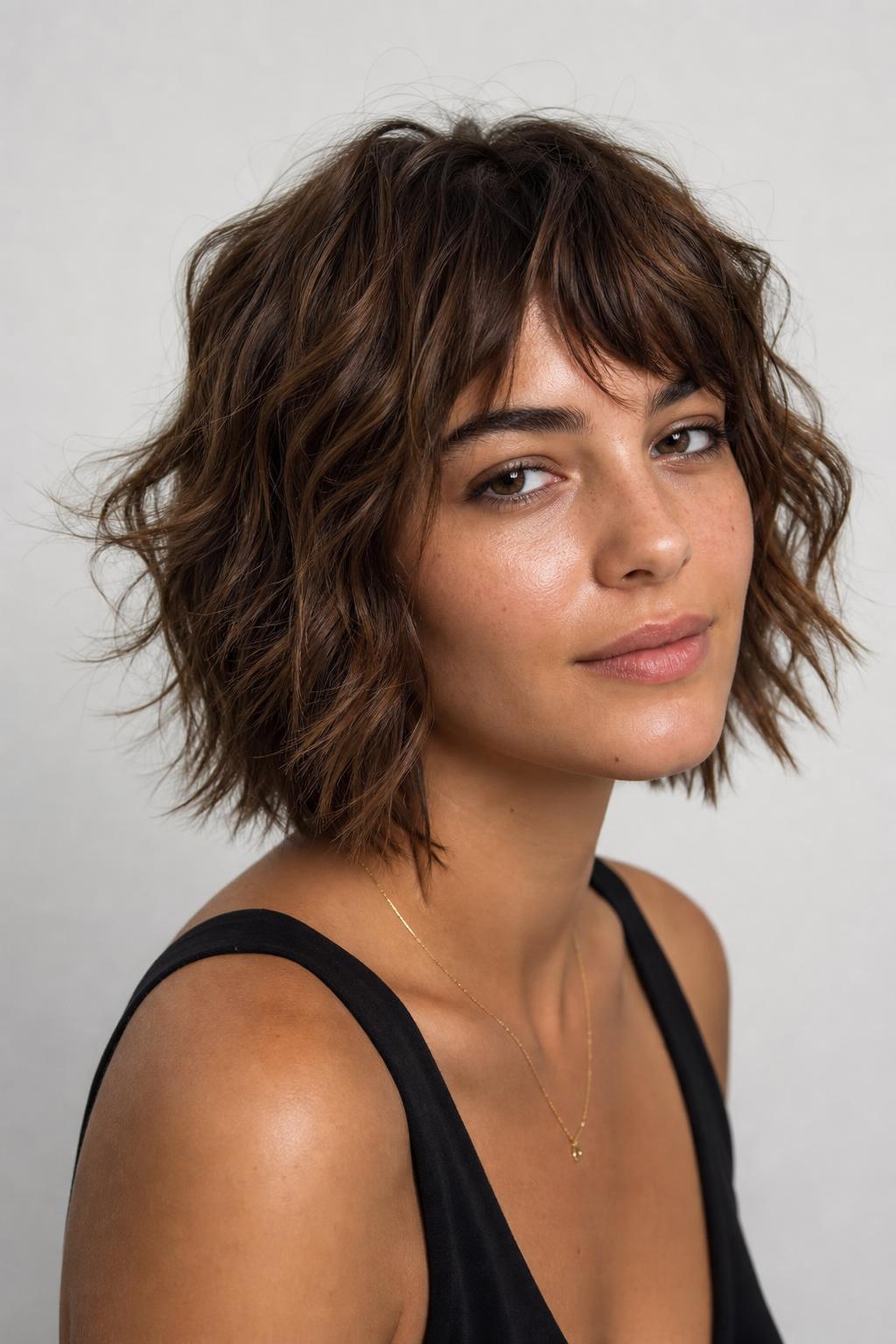
25. Side-Parted Wavy Bob with Face-Framing Layers
Face-framing layers starting at the cheekbone are a natural fit for wavy bobs because the wave pattern makes them curve gently around the face rather than falling flat. On square faces, these pieces soften the jaw angles. On oval faces, they emphasize the cheekbones. The side part adds asymmetric volume that makes the overall shape look more dynamic.
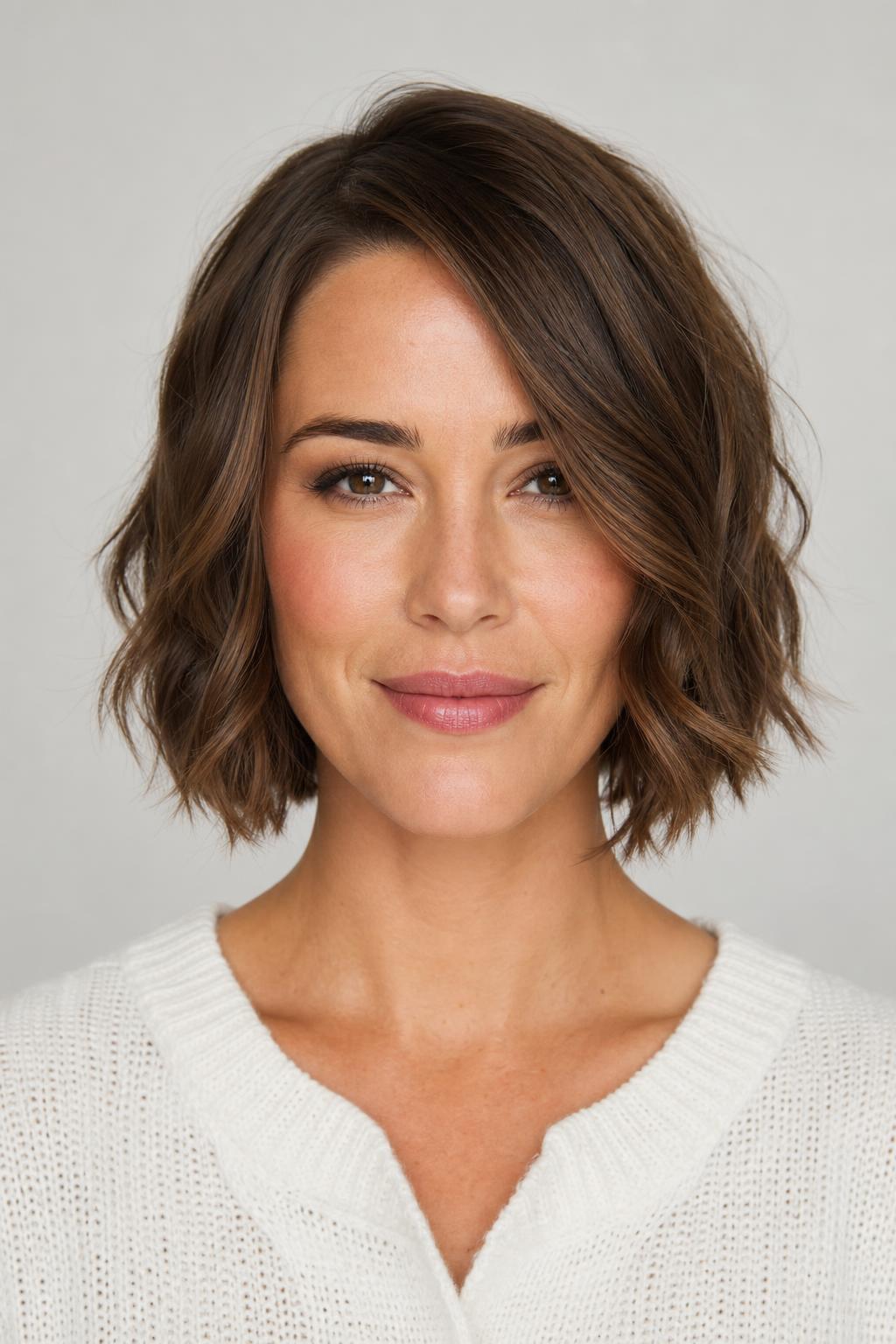
26. Wavy A-Line Bob
The A-line angle is particularly effective on wavy hair because the shorter back stays fuller thanks to the wave pattern’s natural volume, while the longer front pieces drape and move. A lightweight leave-in conditioner is the only product this style needs — anything heavier weighs down the waves and flattens the A-line effect.
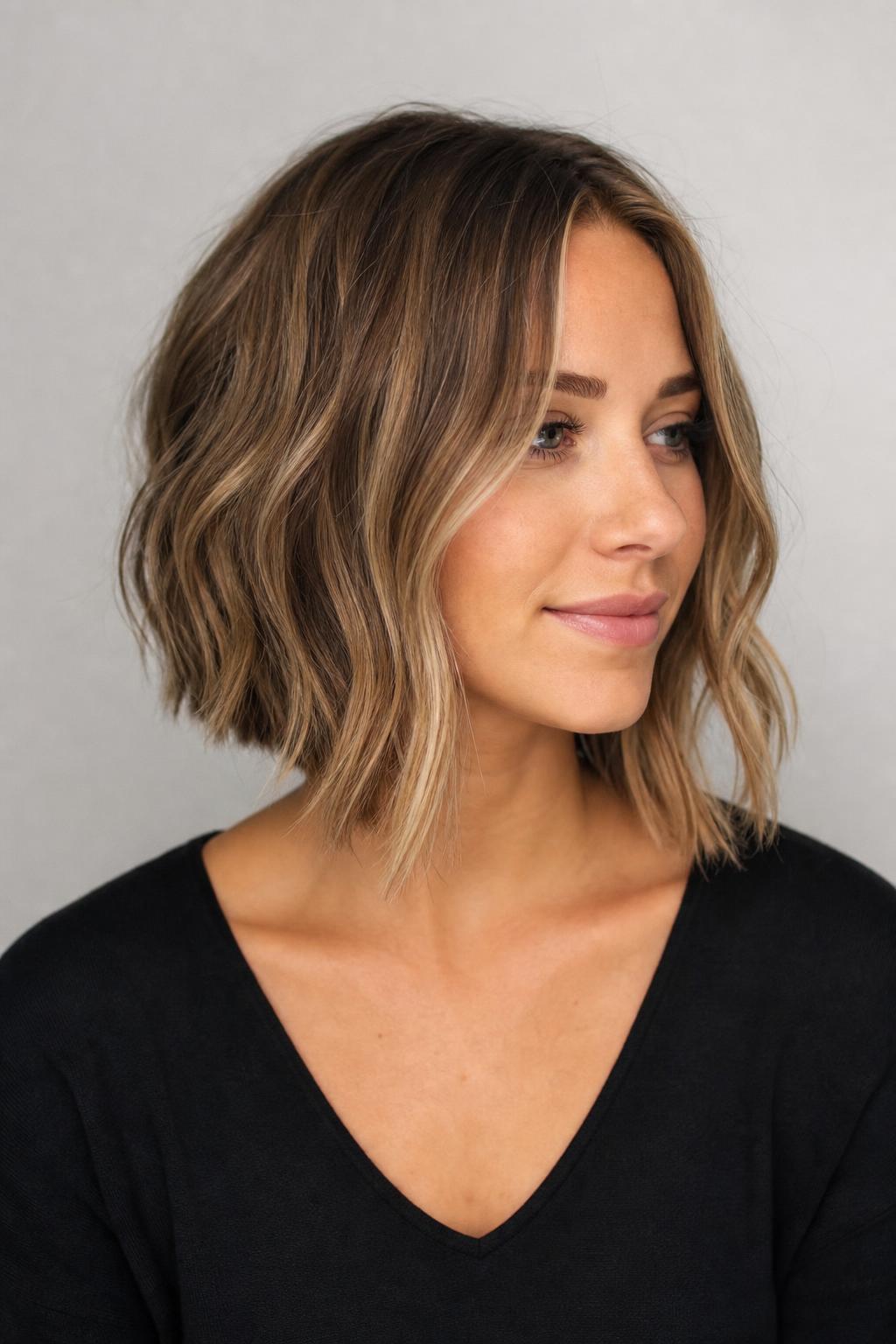
27. Messy Layered Bob for Wavy Hair
The difference between “messy” and “unkempt” is entirely in the layering. This cut uses strategically placed layers at the mid-lengths to create controlled disorder — the kind of texture that looks intentional, not neglected. After washing, scrunch with a microfiber towel and apply a light-hold mousse. Don’t touch the hair while it air-dries — that’s what prevents frizz on wavy textures.

28. Wavy Bob with Curtain Bangs
Curtain bangs on wavy hair need to be cut longer than you think. Stylists who specialize in wavy and curly textures typically cut curtain bangs dry, because wet hair elongates and the bangs will spring up 15–20% shorter once they dry. Start at lip length and let your stylist take it shorter gradually — it’s much easier to cut more than to wait for bangs to grow out.
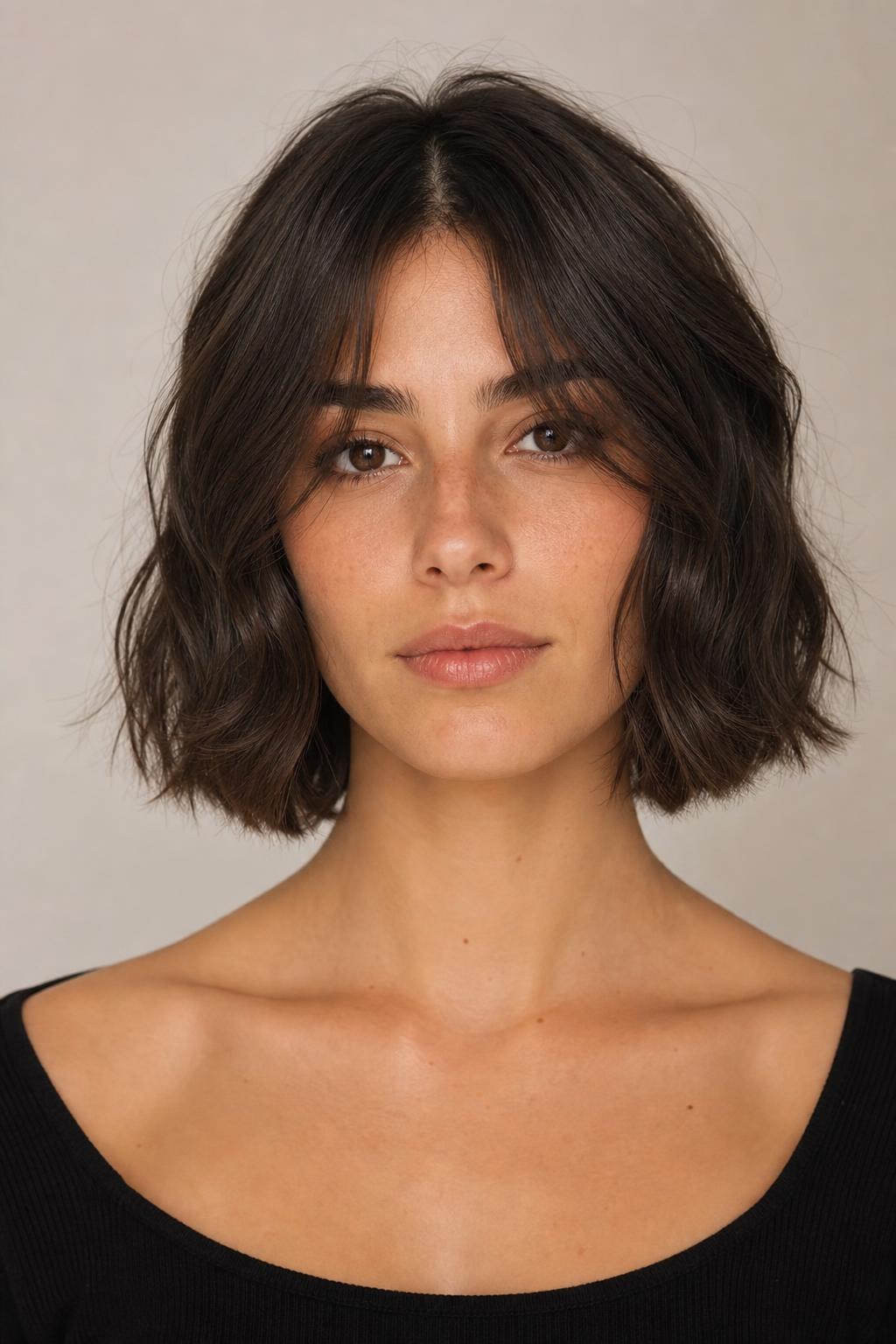
29. Voluminous Wavy Layered Bob
For maximum volume on wavy hair, blow-dry with a round brush, lifting each section at the root and rolling the ends away from the face. The layers in this cut are concentrated at the crown and mid-shaft, creating a cascading volume effect that wouldn’t be possible on one-length hair. Oblong and oval faces suit this voluminous shape best — round faces may find it adds too much width at the sides.

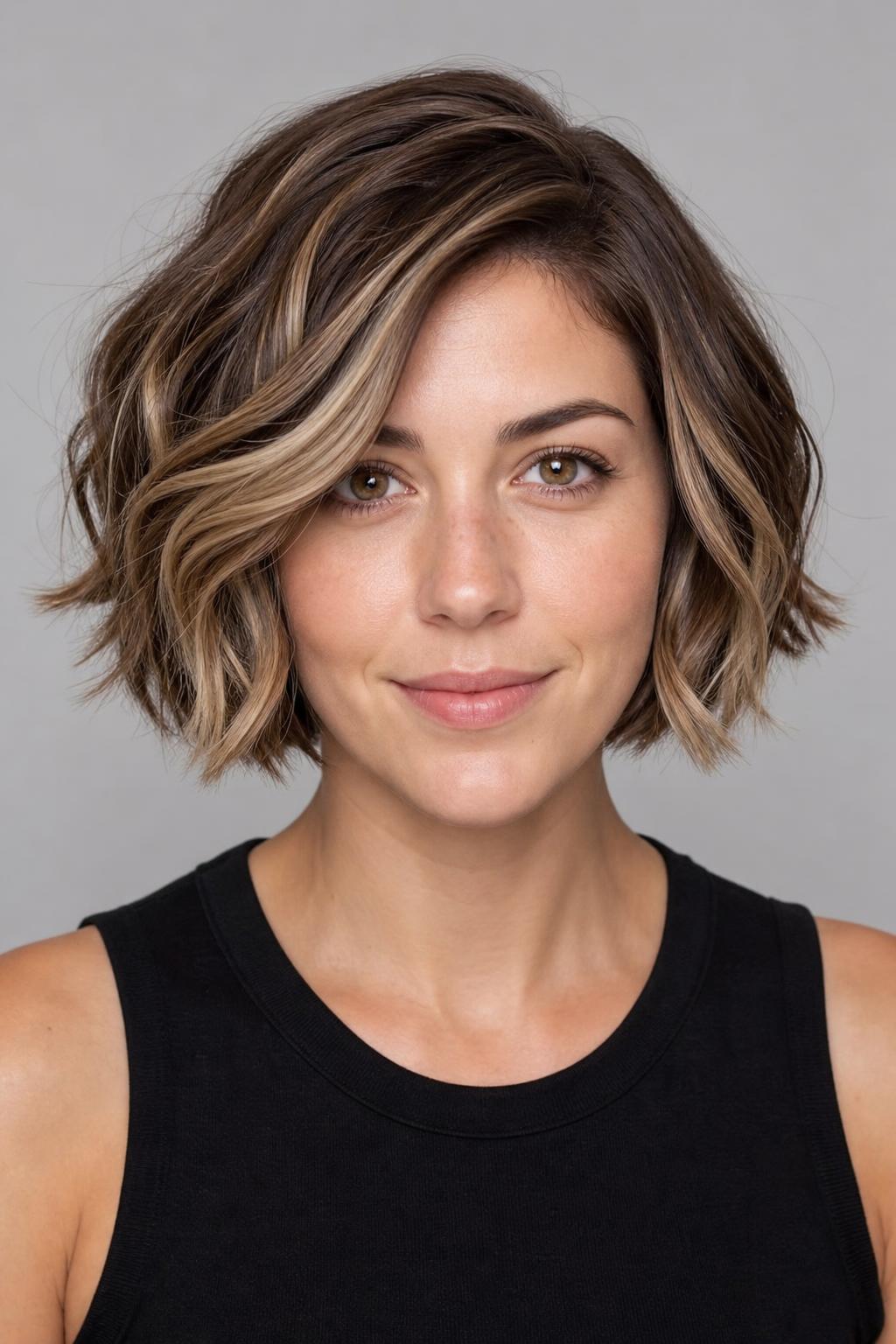
30. Wavy Bob with Ribbon Highlights
Ribbon highlights — thick, hand-painted sections of color — follow the wave pattern and make each layer more visible. On wavy hair, this technique creates contrast that’s especially striking when the hair moves. The layered cut gives each highlighted section its own space to catch light, which is why layered bobs show color dimension better than one-length cuts.
Layered Bobs for Curly and Coily Hair
If you have curly hair (types 3A through 4A), the single most important thing about your bob is how it’s cut. Curly bobs should be cut dry — always. Cutting wet curls removes the stylist’s ability to see where the hair actually falls, and you’ll end up with uneven layers once the hair springs back. Expect 25–40% shrinkage between wet and dry length on tighter curl patterns, and communicate your desired dry length to your stylist.
31. Curly Layered Bob with Defined Ringlets
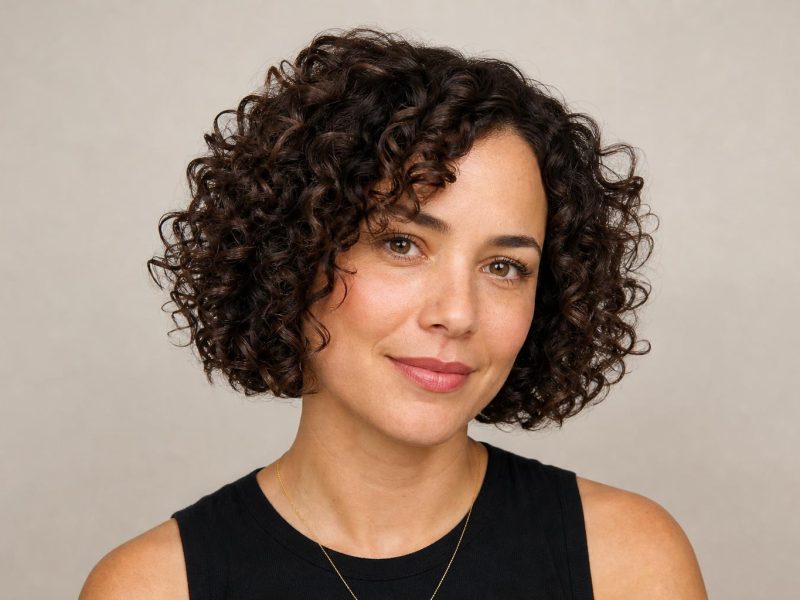
A layered bob on 3A curls needs longer layers than straight-hair bobs to account for curl shrinkage. What looks like jaw-length layers when wet will bounce up to cheekbone level when dry. The layers in this cut are spaced about two inches apart, giving each curl enough room to form its full spiral without being crowded by the layer above. A curl-defining gel applied to soaking-wet hair — not damp hair — produces the most definition.
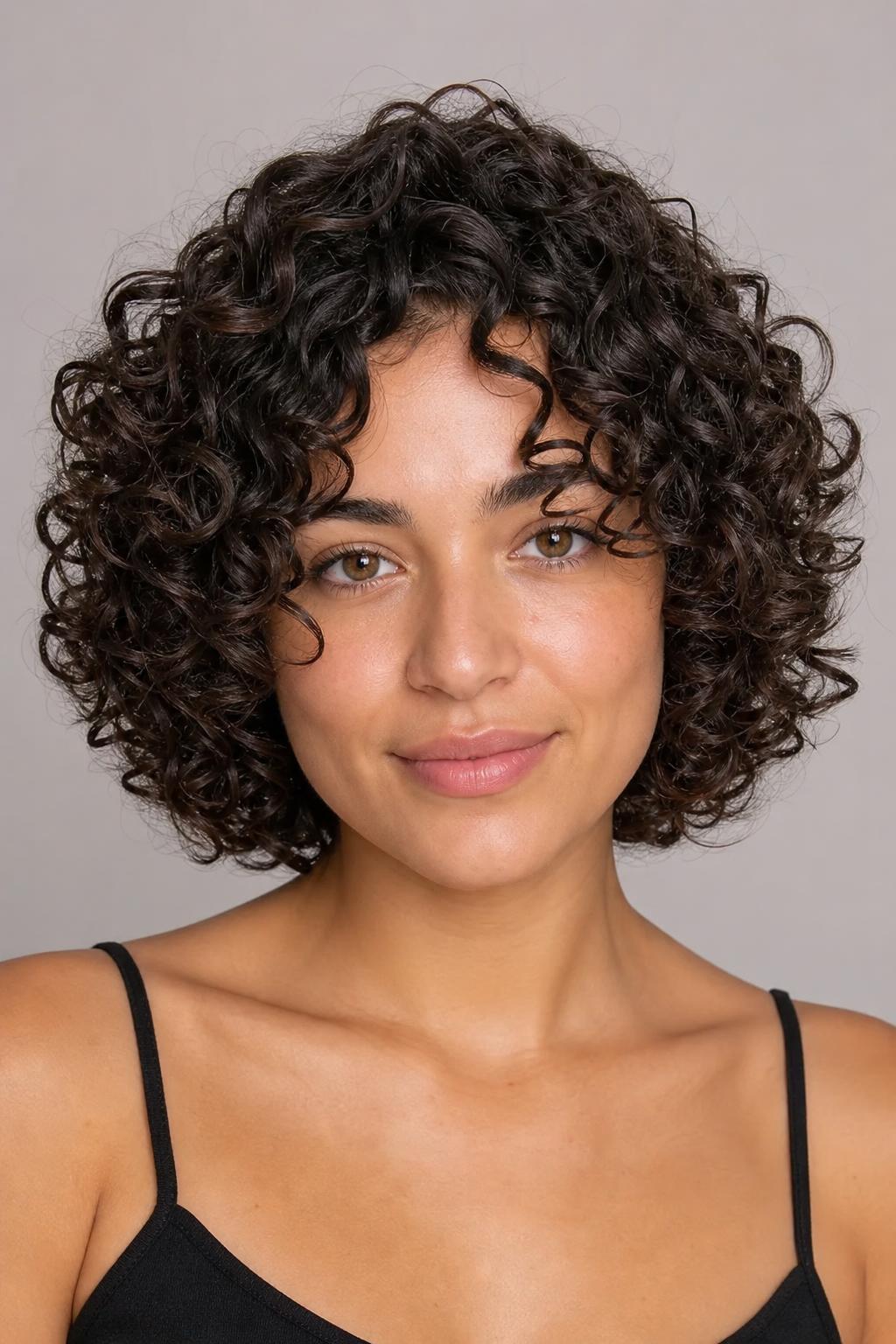
32. Curly Bob with Volume at the Crown
Shorter layers at the crown allow tighter curl patterns to expand upward, creating height and a rounded shape. Stylists often recommend diffusing the crown section first while flipping the head upside down — this sets the lift before gravity can pull the curls down. The mid-lengths and ends can air-dry after the crown is set.
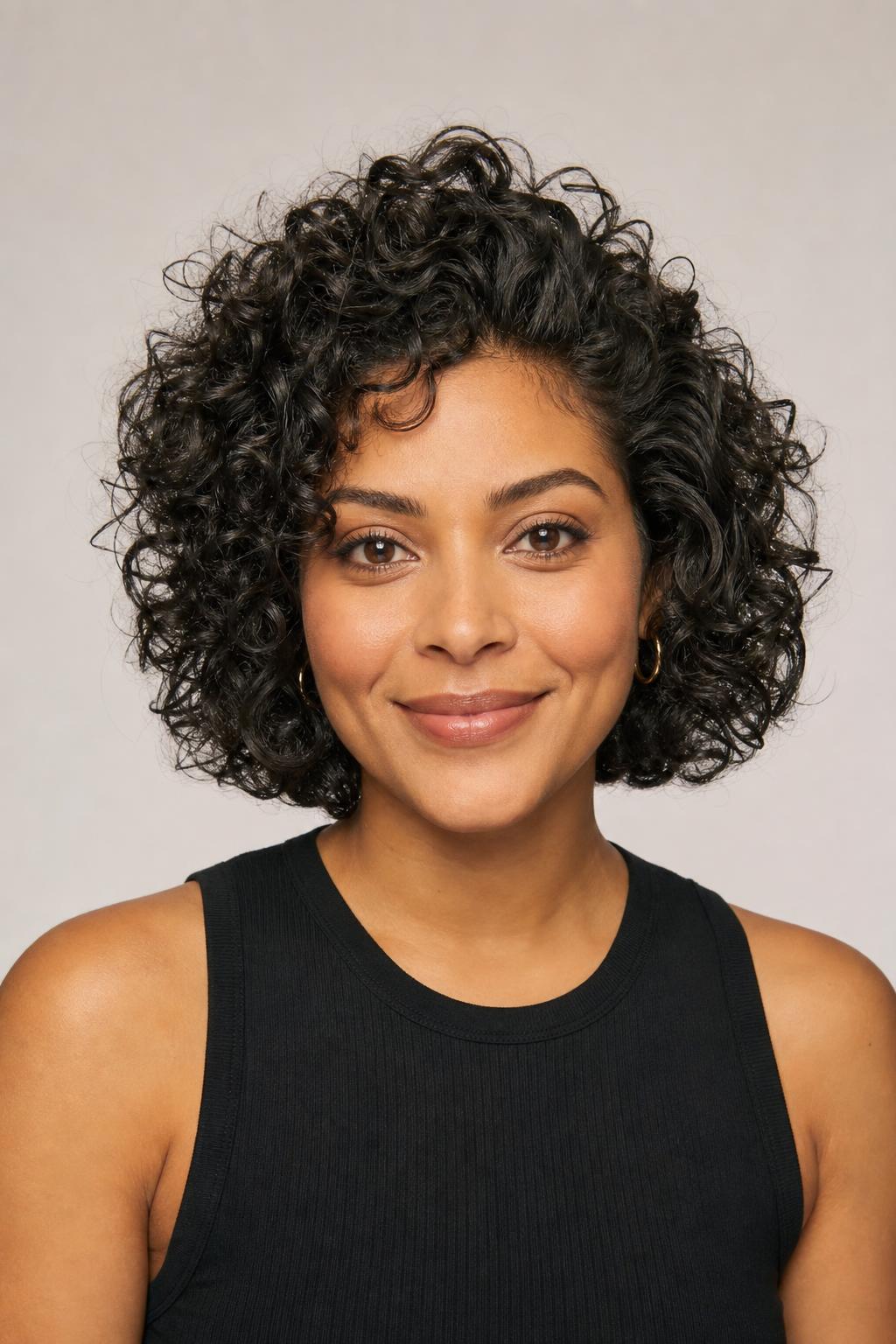
33. Stretched Curly Layered Bob
Not every curly bob needs to be worn fully natural. A stretched, elongated finish — achieved with a blow-dryer and round brush or a large-barrel curling wand on low heat — gives curly hair a different silhouette that reads polished and sleek. The layers create movement even in the stretched state, preventing the bob from looking stiff. Use a heat protectant rated for at least 400°F before applying any heat tools to curly hair.

34. DevaCut Layered Bob
A DevaCut is a curl-specific cutting technique where each curl is cut individually while dry, spring by spring. The result is layers that work with your specific curl pattern rather than fighting it. Not every salon offers this technique — look for stylists certified through DevaCurl or those who specialize in textured hair. Expect to pay 30–50% more than a standard cut, but the precision is worth it for curly bobs.
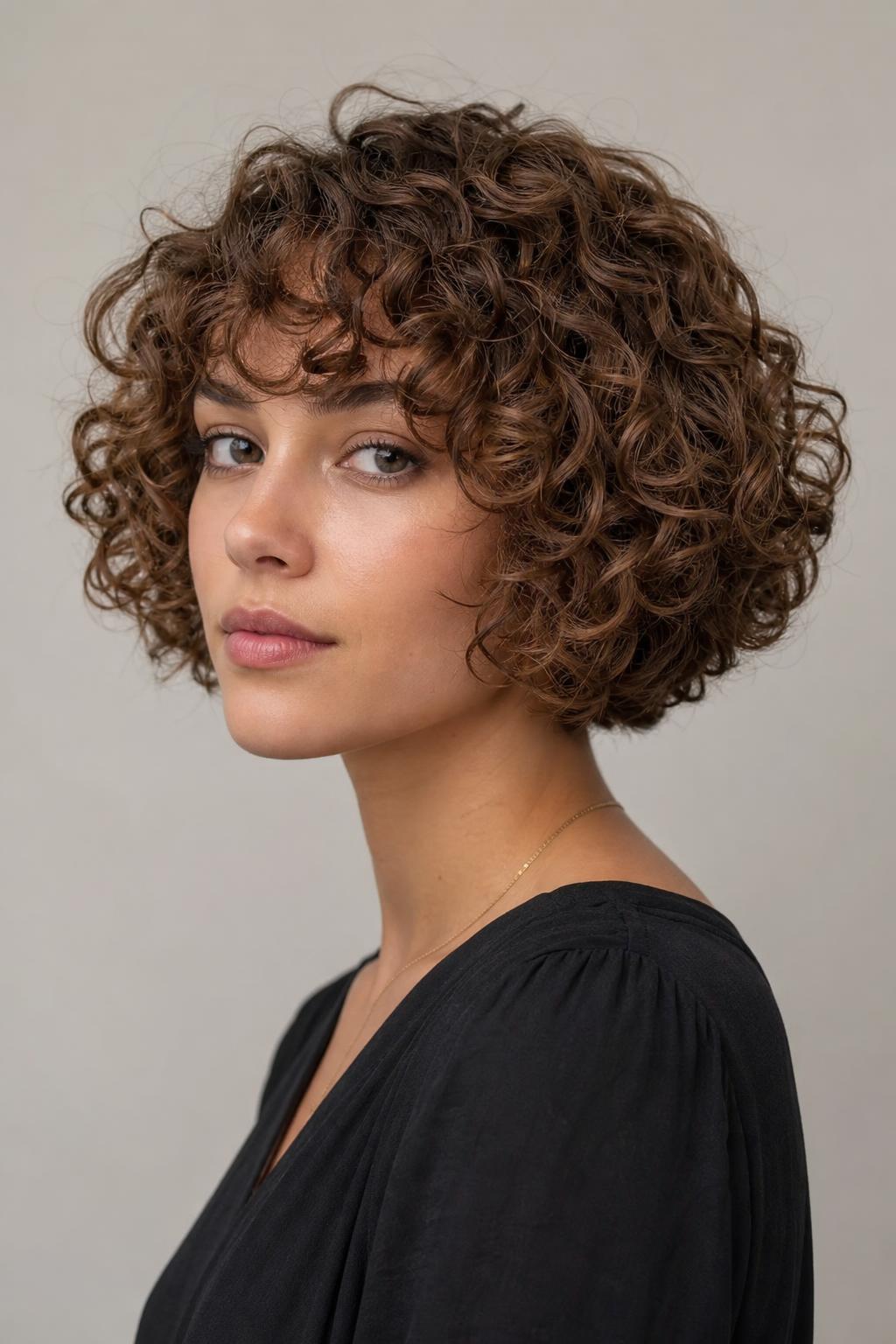
35. Wash-and-Go Curly Bob
The goal of this cut is a bob that looks polished with zero heat styling. Layers are positioned to encourage curls to fall in a flattering shape when air-dried with only product — no diffuser, no blow-dryer. Apply a leave-in conditioner followed by a gel to soaking-wet hair, scrunch gently, and let it dry completely before touching it. Breaking the gel cast with your hands once dry reveals soft, defined curls.
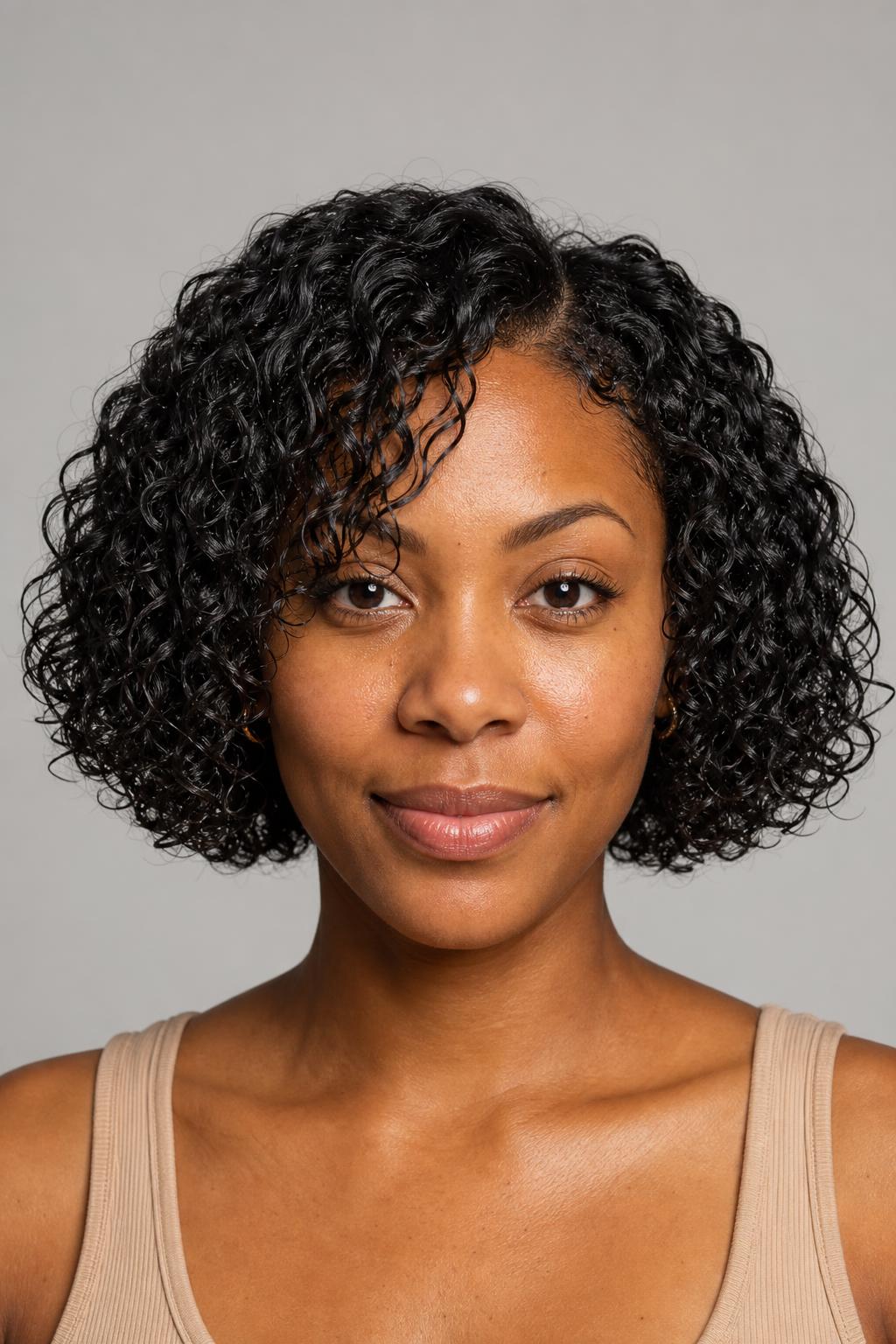
36. Curly Bob with Bangs
Curly bangs on a bob look best when they’re cut longer than you’d cut straight bangs — the curl shrinkage will shorten them. On 3A hair, cut bangs to the bridge of the nose wet; they’ll settle around the eyebrows dry. On tighter patterns, leave even more length. A common issue clients face with curly bangs is one side curling differently than the other — this is normal and not something a stylist can fully control.
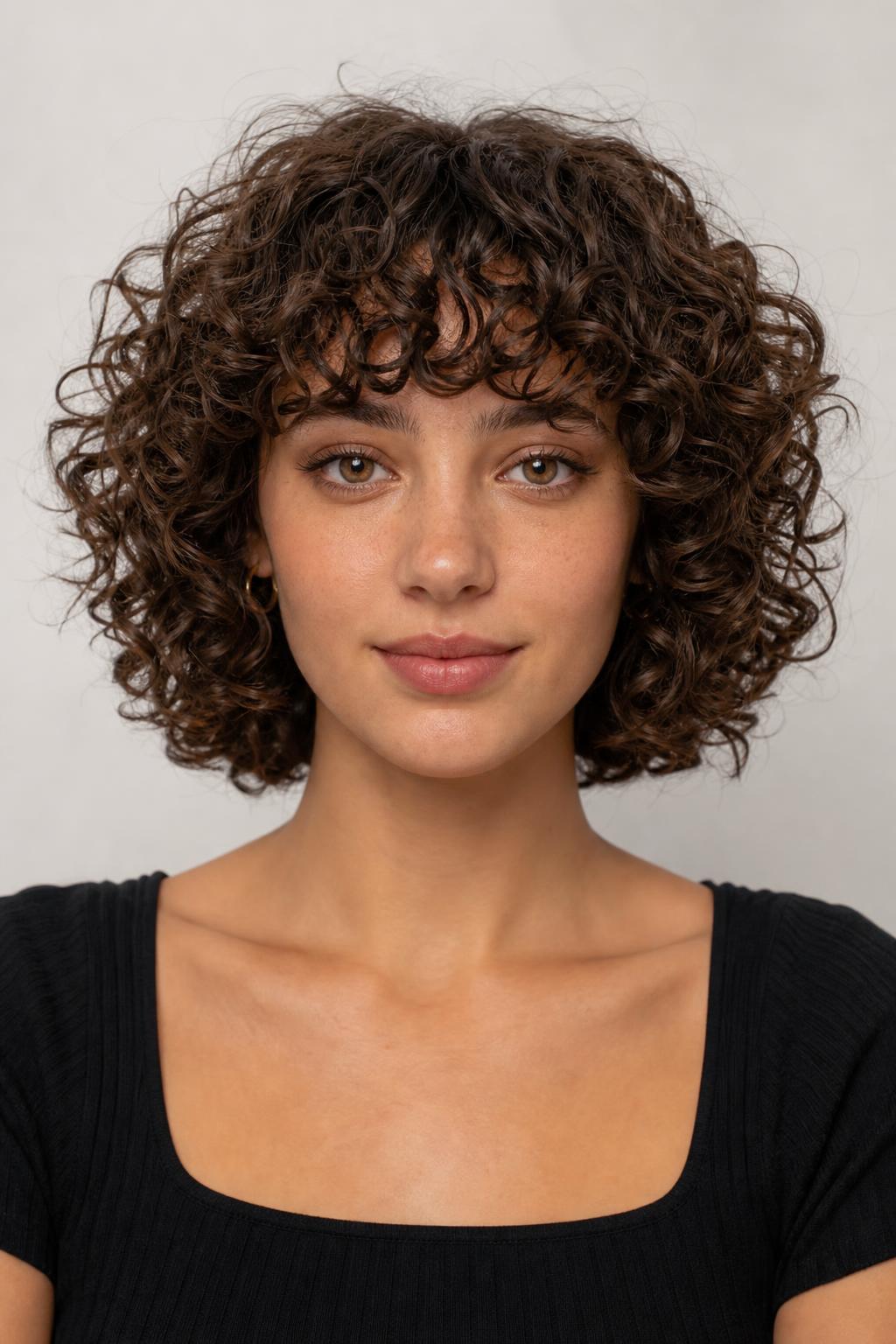
37. Tapered Curly Bob
Tapering — cutting the hair shorter at the nape and leaving it longer at the front and crown — creates a beautiful shape on tighter curl patterns. The shorter back keeps the nape area clean and controlled, while the longer curls at the top and front provide volume and frame the face. Heart-shaped and oval faces suit this silhouette, which narrows at the neck and widens at the crown.
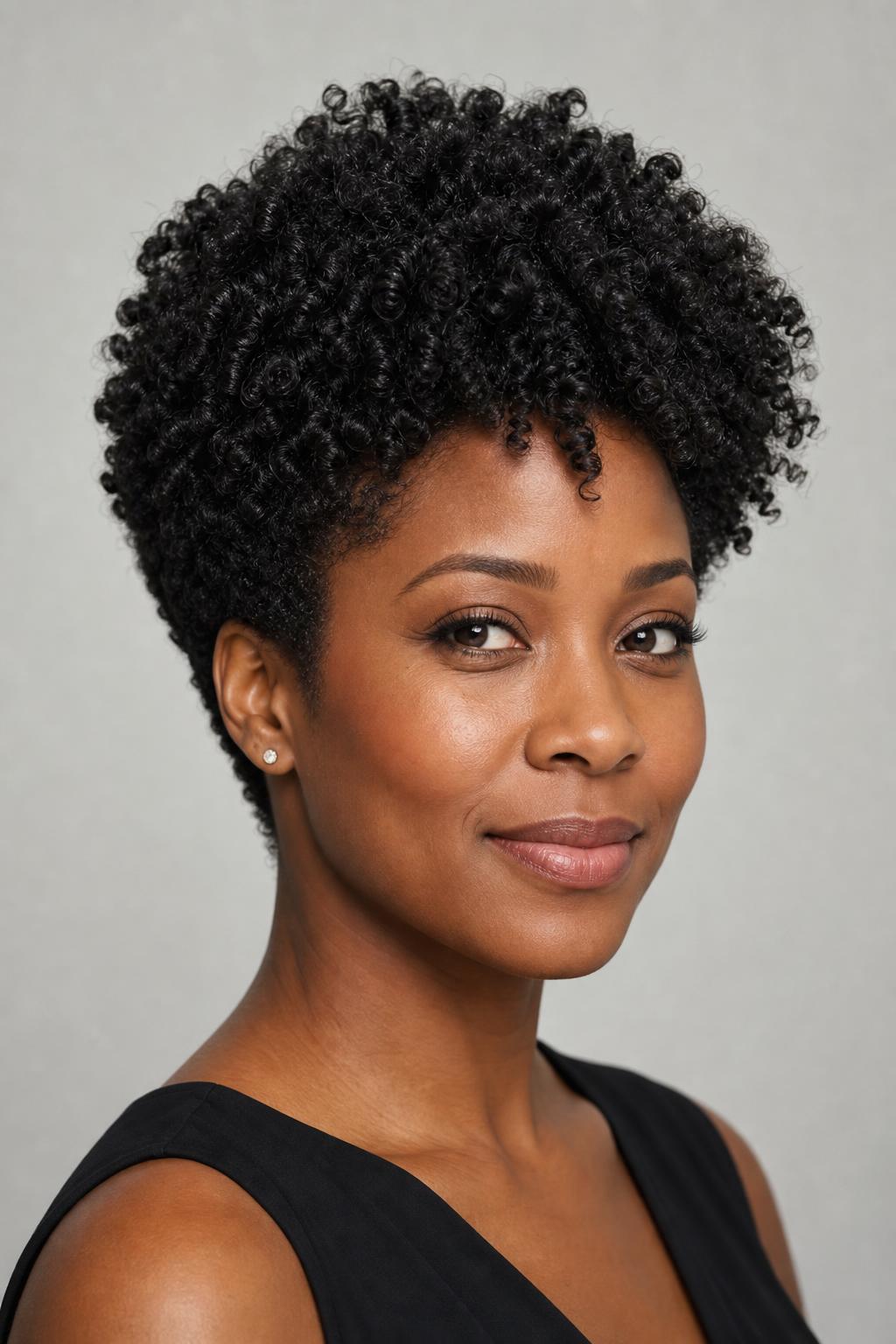
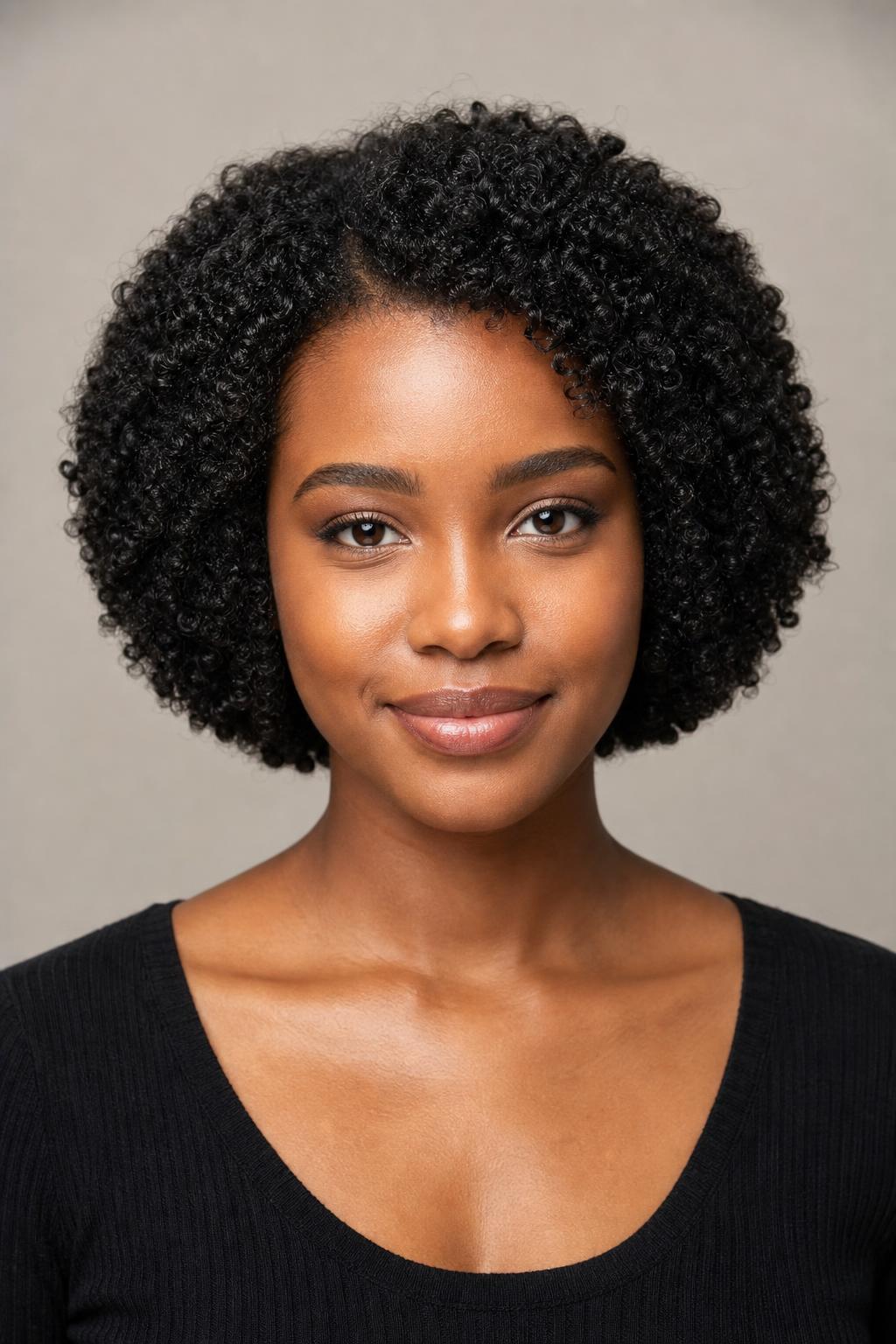
38. Coily Bob with Layered Shape
Coily textures (3C through 4A) carry layered bobs beautifully when the stylist shapes the silhouette rather than cutting individual layers. The hair is sculpted into a rounded or triangular shape when dry, with the natural coil pattern creating the texture within that shape. Use a lightweight oil or curl cream to maintain moisture — coily hair is more prone to dryness, and dry coils lose their definition faster.
Layered Bobs for Straight Hair
Straight hair shows every layer more prominently than wavy or curly textures because there’s no natural texture to blend the transitions. That precision can be an advantage — clean, graphic bobs look incredibly sharp on straight hair — but it also means any cutting errors are immediately visible. When sitting in the chair, ask your stylist to show you the layering in the mirror before finishing, and check that both sides are even.
39. Classic Layered Bob on Straight Hair
The quintessential layered bob: chin length, two to three graduated layers starting at the cheekbone, clean perimeter. On straight hair, this cut reads polished and intentional with minimal styling — just a blow-dry with a paddle brush for smoothness. The layers add enough movement to prevent the bob from looking like a solid block, which is the risk with one-length bobs on very straight hair.

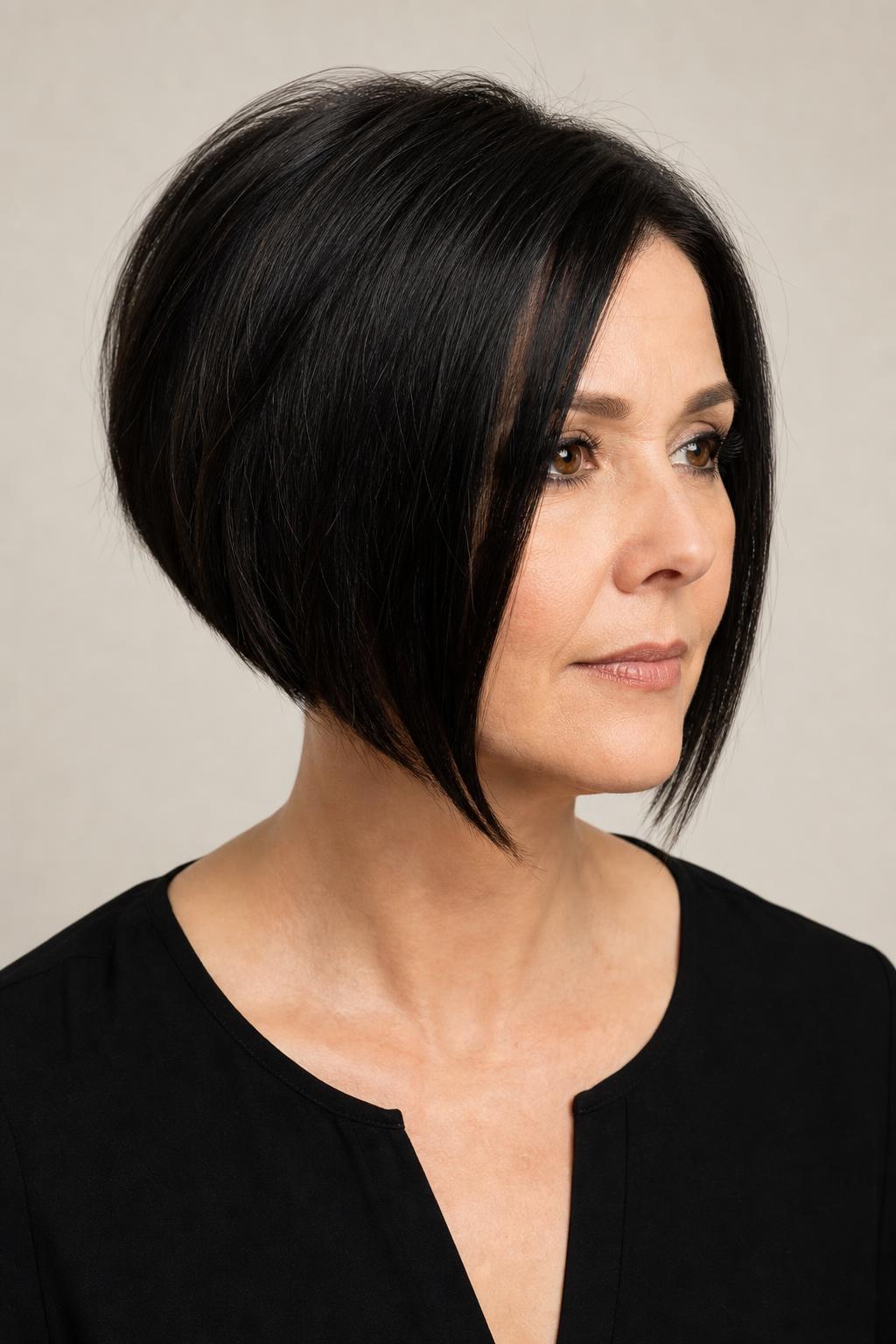
40. Sleek Inverted Bob with Layers
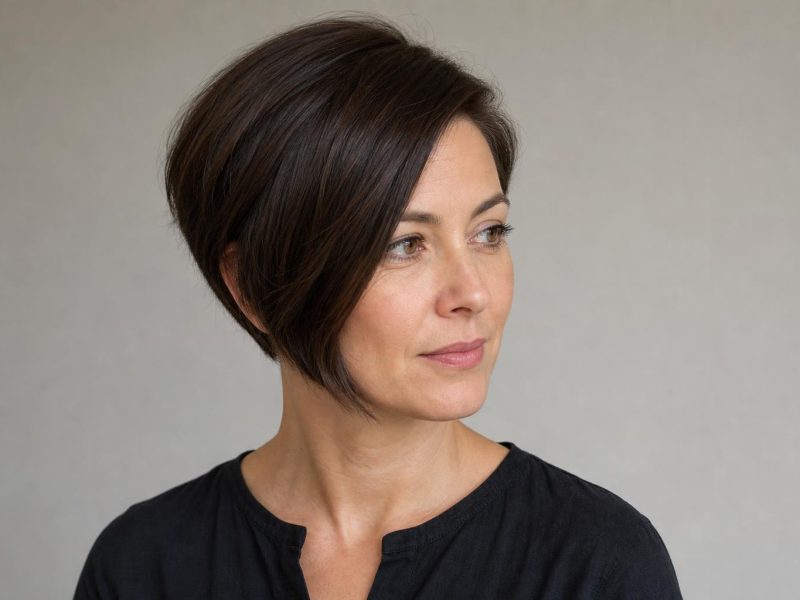
An inverted bob is shorter in the back and gradually longer toward the front — it naturally draws attention to your jawline and adds volume at the crown. On straight hair, the clean lines of the inversion are razor-sharp and geometric. If your hair tends to fall flat at the back of your head, this cut solves that problem without needing product.
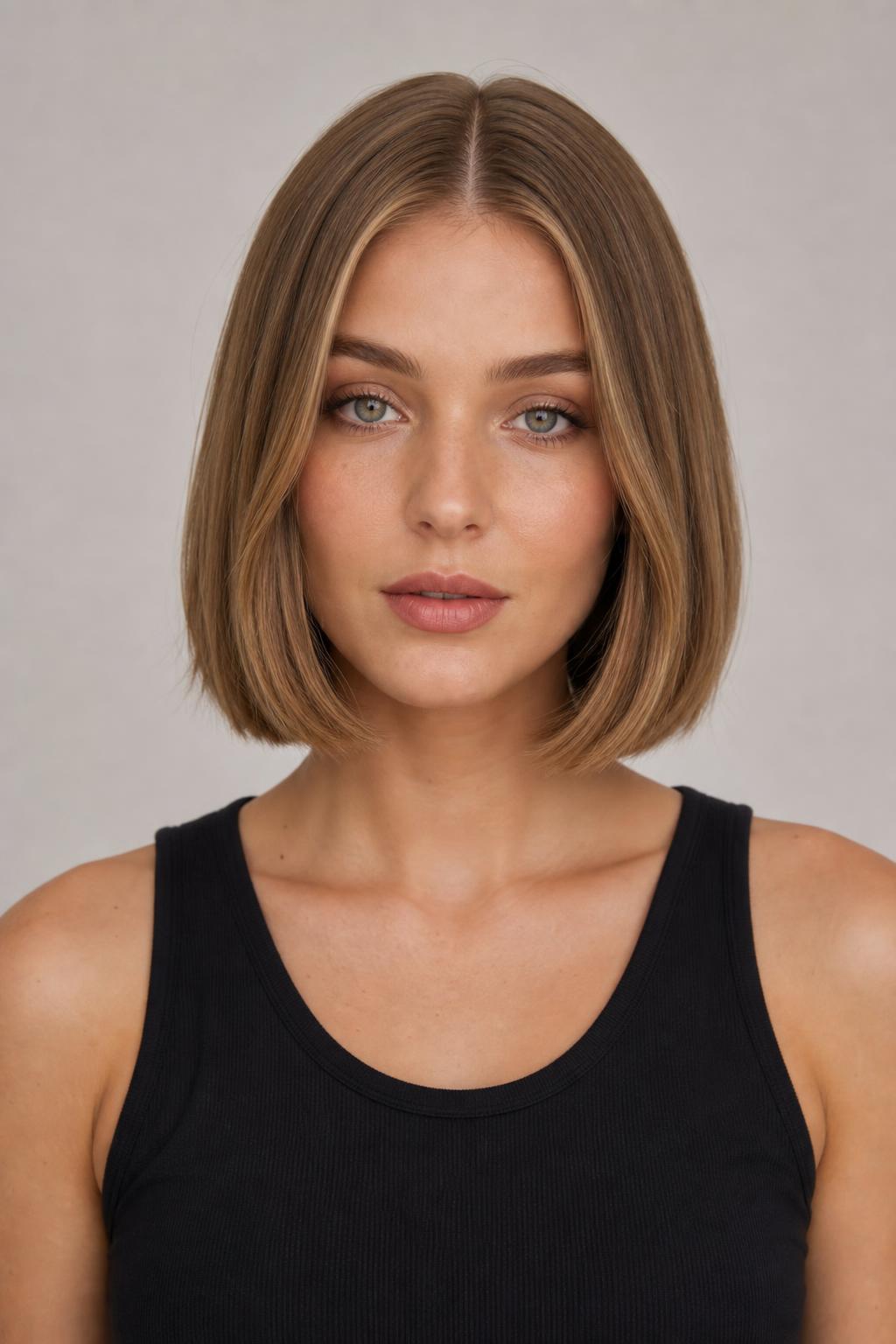
41. Blunt Layered Bob with Middle Part
A center part with a blunt layered bob creates perfect symmetry that works exceptionally well on oval faces. The layers are subtle — barely visible until the hair moves — creating a modern, minimalist look. Flat-iron the sections closest to your face outward slightly to prevent the bob from falling too close to the cheeks and narrowing the face.
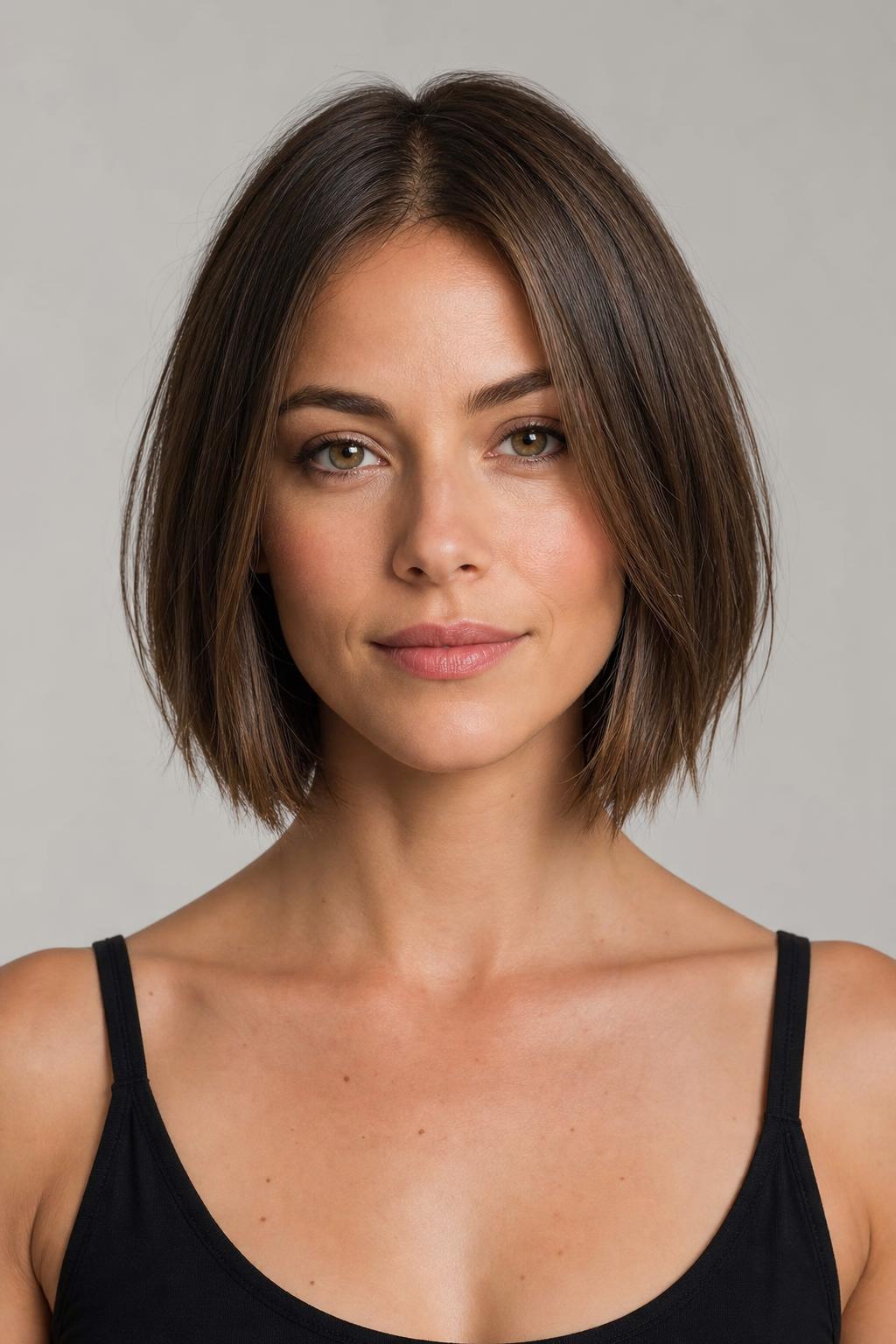
42. Layered Bob with Wispy Ends
Wispy ends soften the perimeter of a layered bob, making it look less structured and more lived-in. Stylists create this finish with slide cutting at the last inch of hair — the razor glides along the strand rather than cutting straight across. On straight hair, the wispy effect is more visible than on textured hair, so a little goes a long way.
43. Straight Bob with Long Layers
Long layers that start below the chin and blend into the perimeter are nearly invisible on straight hair — you see the movement only when the hair swings or catches air. This is the cut for anyone who wants the benefits of layering (movement, reduced weight) without a visibly layered look. It grows out well and can go 8–10 weeks between trims.

44. Asymmetric Layered Bob
One side sits at the jaw while the other extends to the collarbone, with layers blending the transition. This is a statement cut that creates visual interest on straight hair, which can otherwise look uniform. Round faces benefit from the asymmetry because it creates a diagonal line that elongates. Maintenance note: asymmetric bobs grow out unevenly, so you’ll need reshaping every 5–6 weeks to keep the angles intentional.
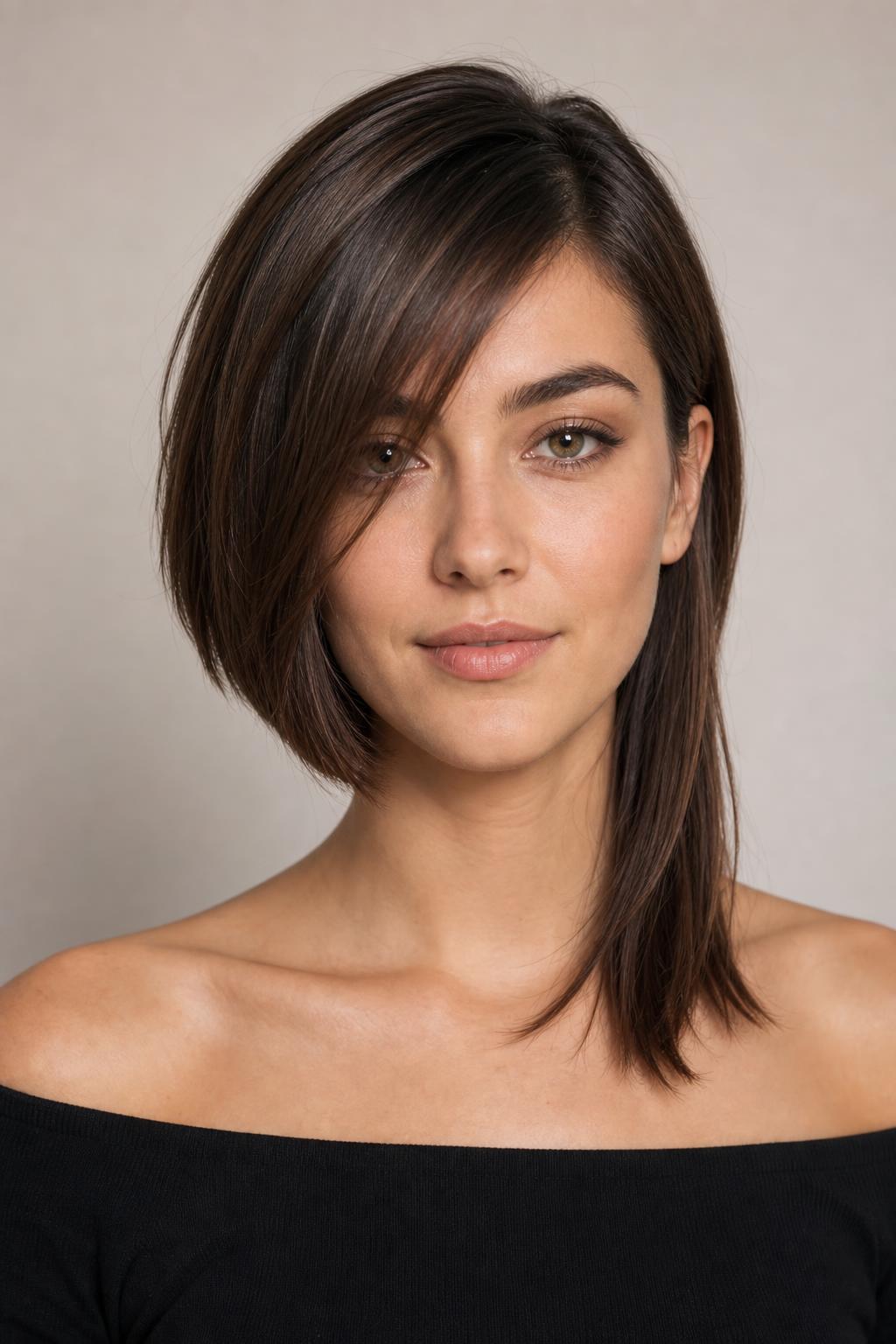
45. Poker-Straight Layered Bob
A flat-ironed finish on a layered bob shows the precision of the cut at its most graphic. Each layer is visible as a clean, defined line. Use a smoothing serum before flat-ironing and finish with a light-hold spray — the goal is reflective shine without any flyaways. This polished finish is high-effort but striking for formal occasions.
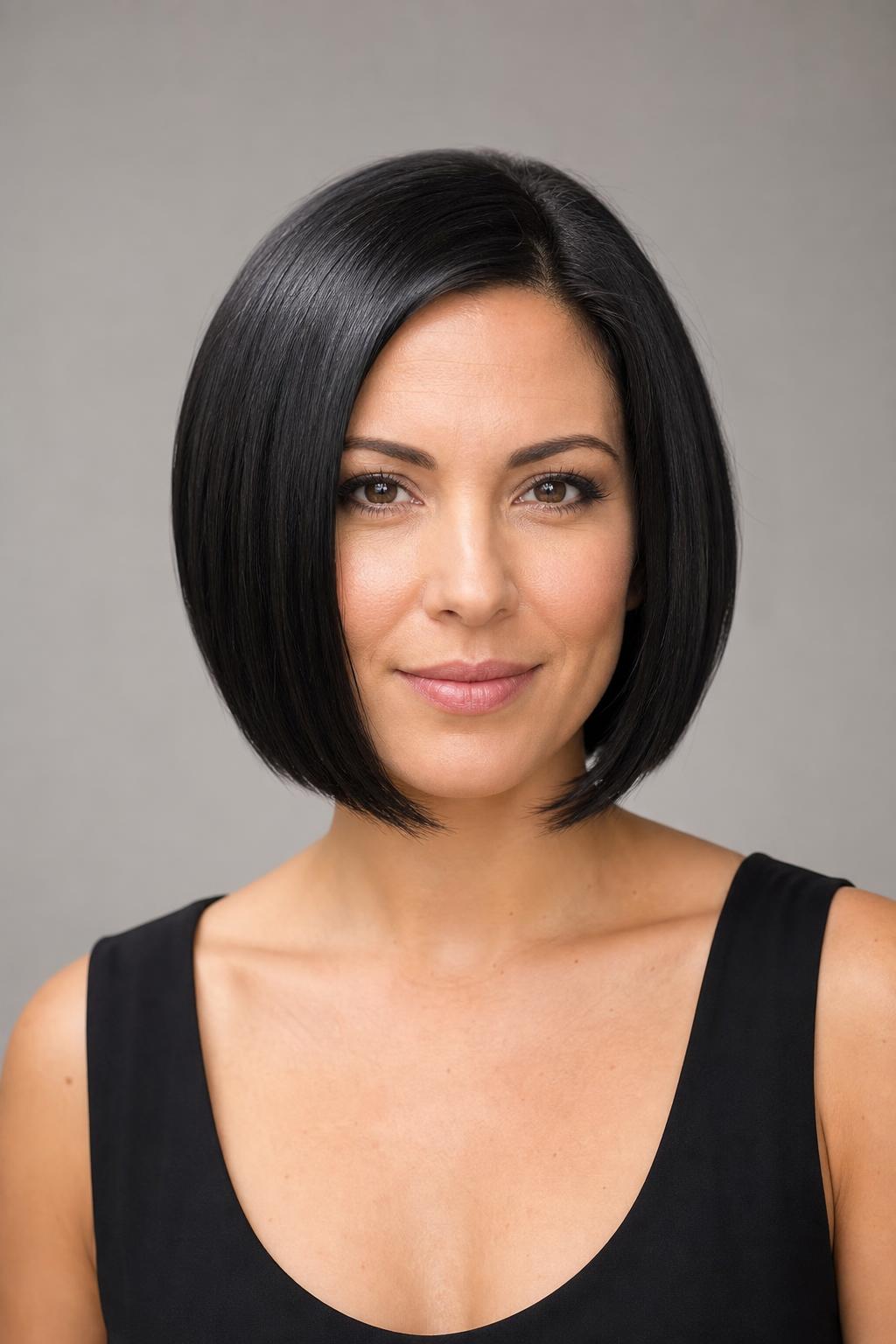
46. Piece-y Straight Layered Bob
Texture paste or clay worked through the mid-lengths and ends separates straight hair into individual sections, creating a deliberate, piecey effect. The layers give each piece its own trajectory, making the bob look more three-dimensional than a flat, one-length cut. Rub a small amount of clay between your palms until it warms, then twist individual sections — don’t rake it through, which just makes the hair look greasy.
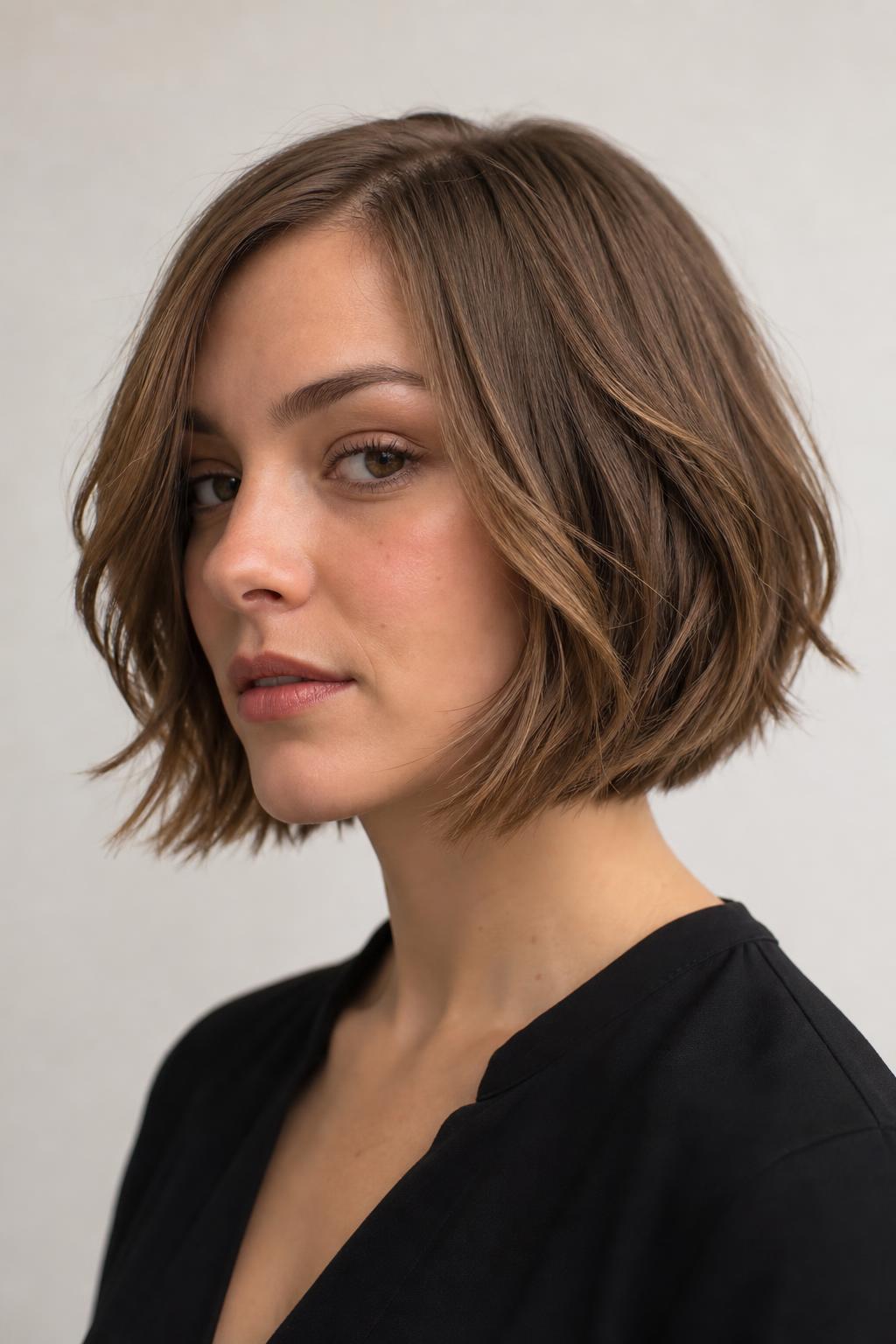
Short Layered Bobs
Shorter bobs — from ear length to just below the jaw — require more frequent maintenance than longer versions, but the trade-off is a cut that’s faster to style daily and has inherently more volume because there’s less length pulling the hair down. Short layered bobs show off necklines and earrings particularly well, and they work on more face shapes than most people expect.
47. Ear-Length Layered Bob
At ear length, layers create lift at the crown and fullness at the sides that frames the face like a soft halo. This length is particularly flattering on narrow and oblong faces because the volume at the sides creates visual width. On round faces, keep the layers slightly longer through the front to create a slimming angle.
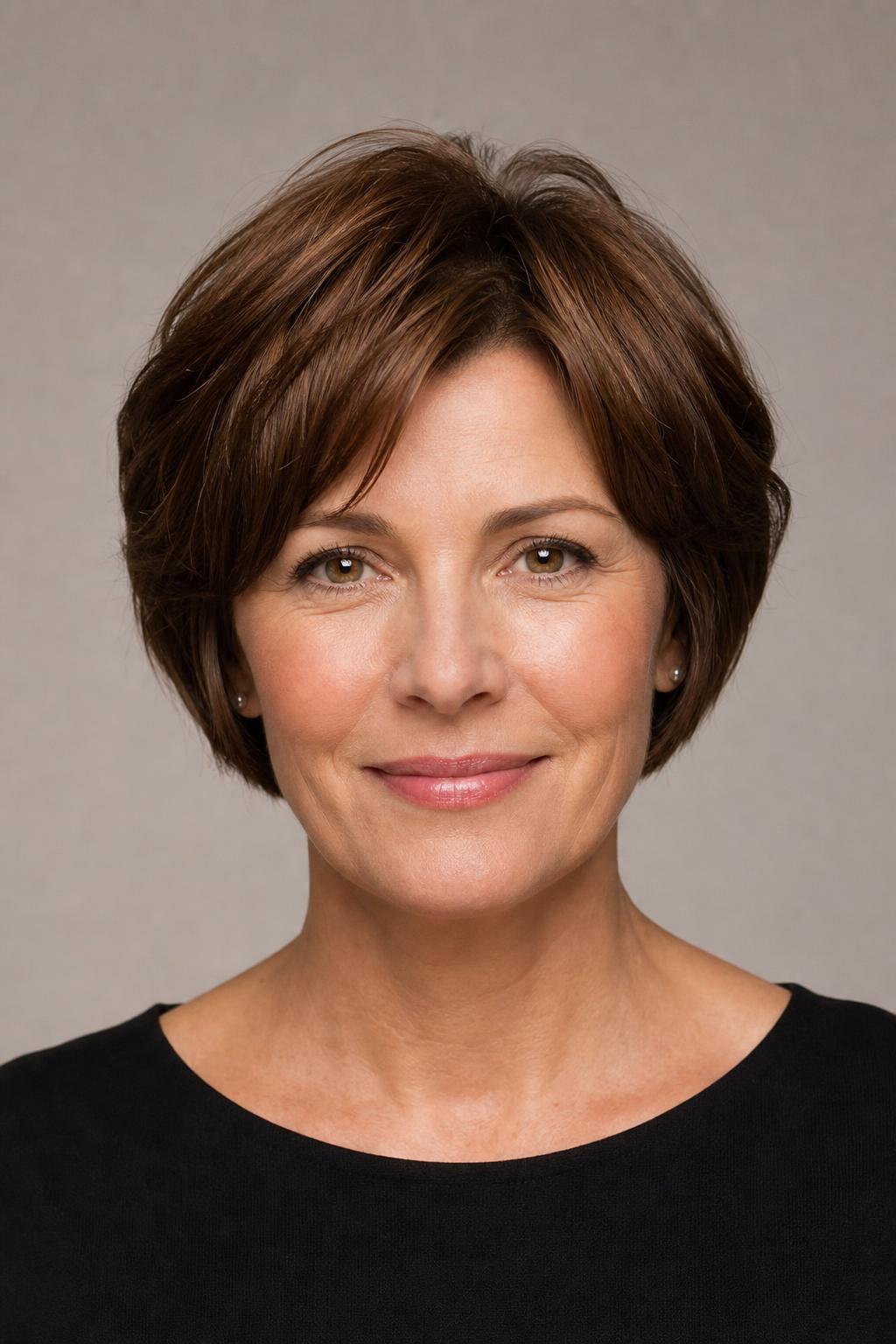
48. Jaw-Length Layered Bob with Side Bangs
Side bangs at this length blend seamlessly into the shortest layer, creating an integrated, flowing shape. The bangs transition into face-framing layers without a hard line, which makes them one of the most forgiving bang styles during grow-out. Blow-dry the bangs with a small round brush, sweeping them to the side with tension — this trains them to fall in the right direction over time.
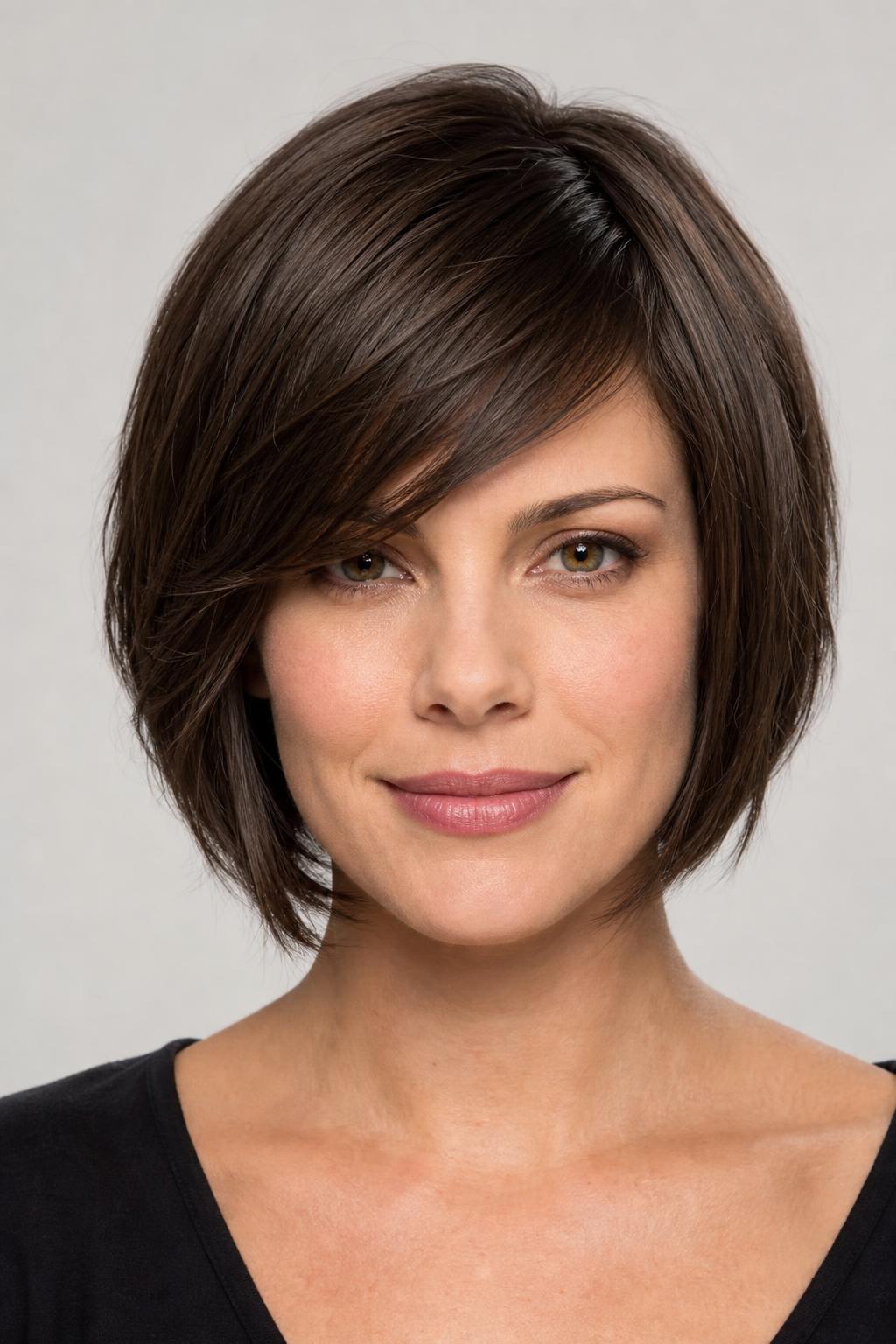
49. Mini Layered Bob
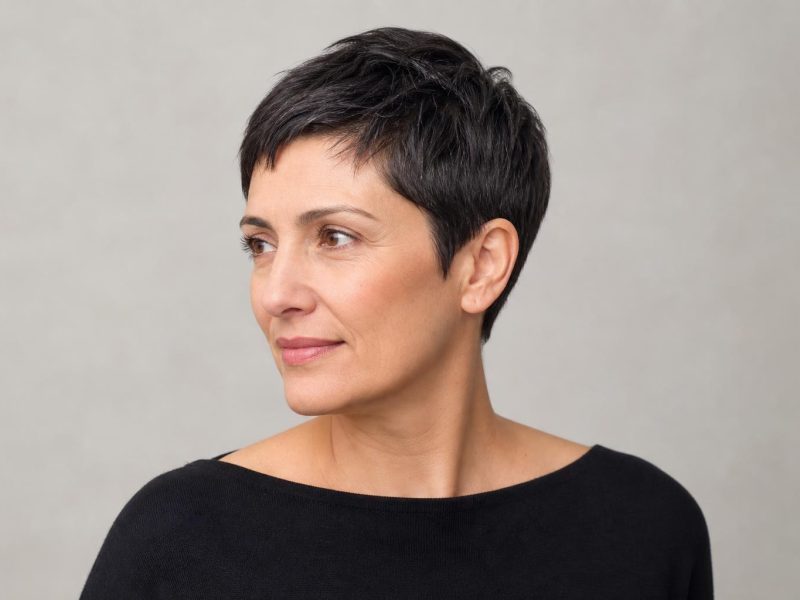
This cheekbone-length mini bob is bold and architectural. The layers are minimal — just enough to prevent the shape from looking heavy — and the perimeter is clean. This cut demands confidence and works best on those with defined jawlines and cheekbones that the short length can highlight. Styling takes under five minutes: a dab of smoothing cream and a quick blow-dry.
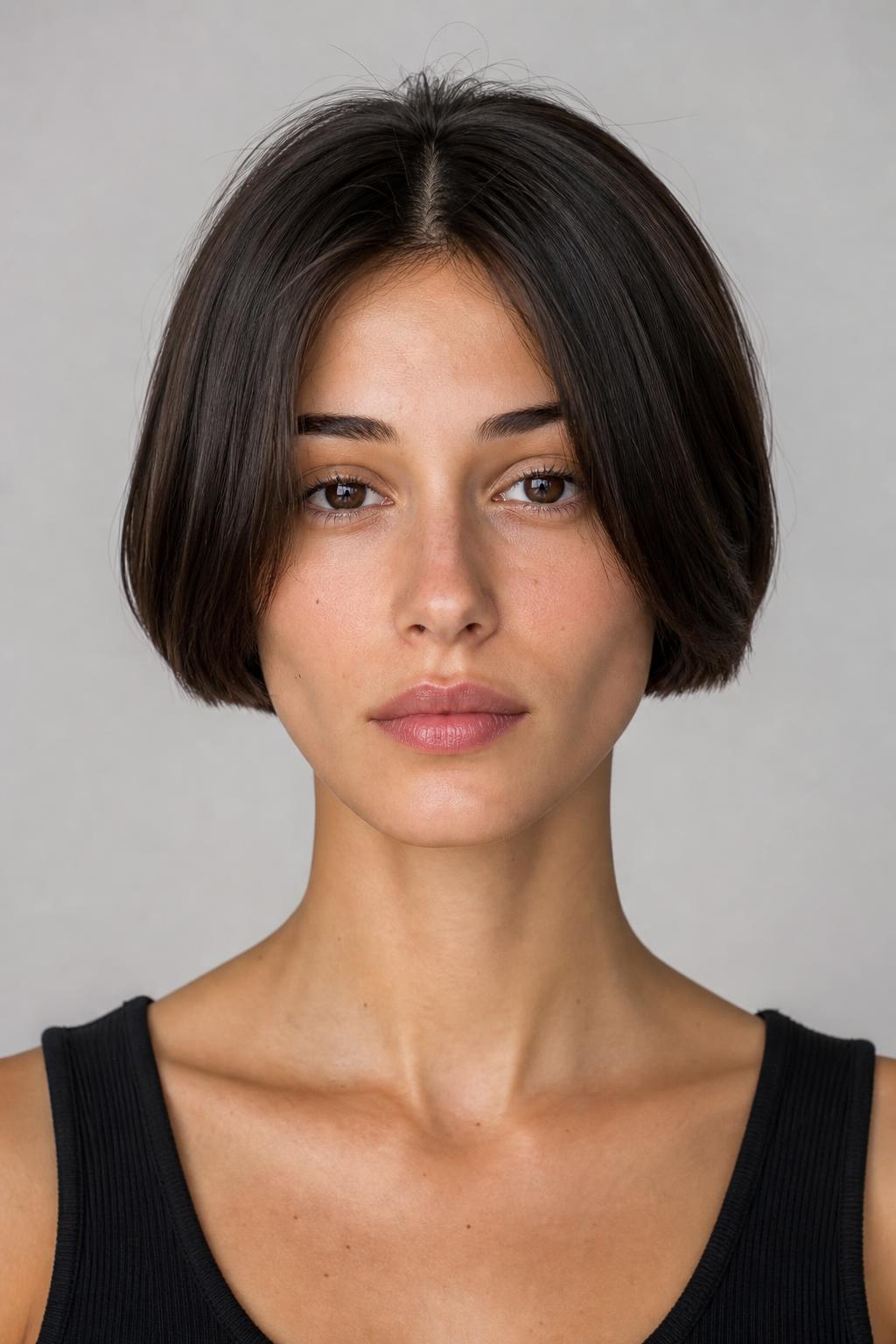
50. Short Stacked Layered Bob
Stacking at the nape on a short bob creates a pronounced, rounded shape at the back that lifts the entire cut. The graduated layers build on each other to form a voluminous crown, while the front stays sleek and controlled. This is one of the most structured short bob options — it looks polished from the moment you leave the salon, but it loses its shape faster than longer versions. Plan for trims every 4–5 weeks.
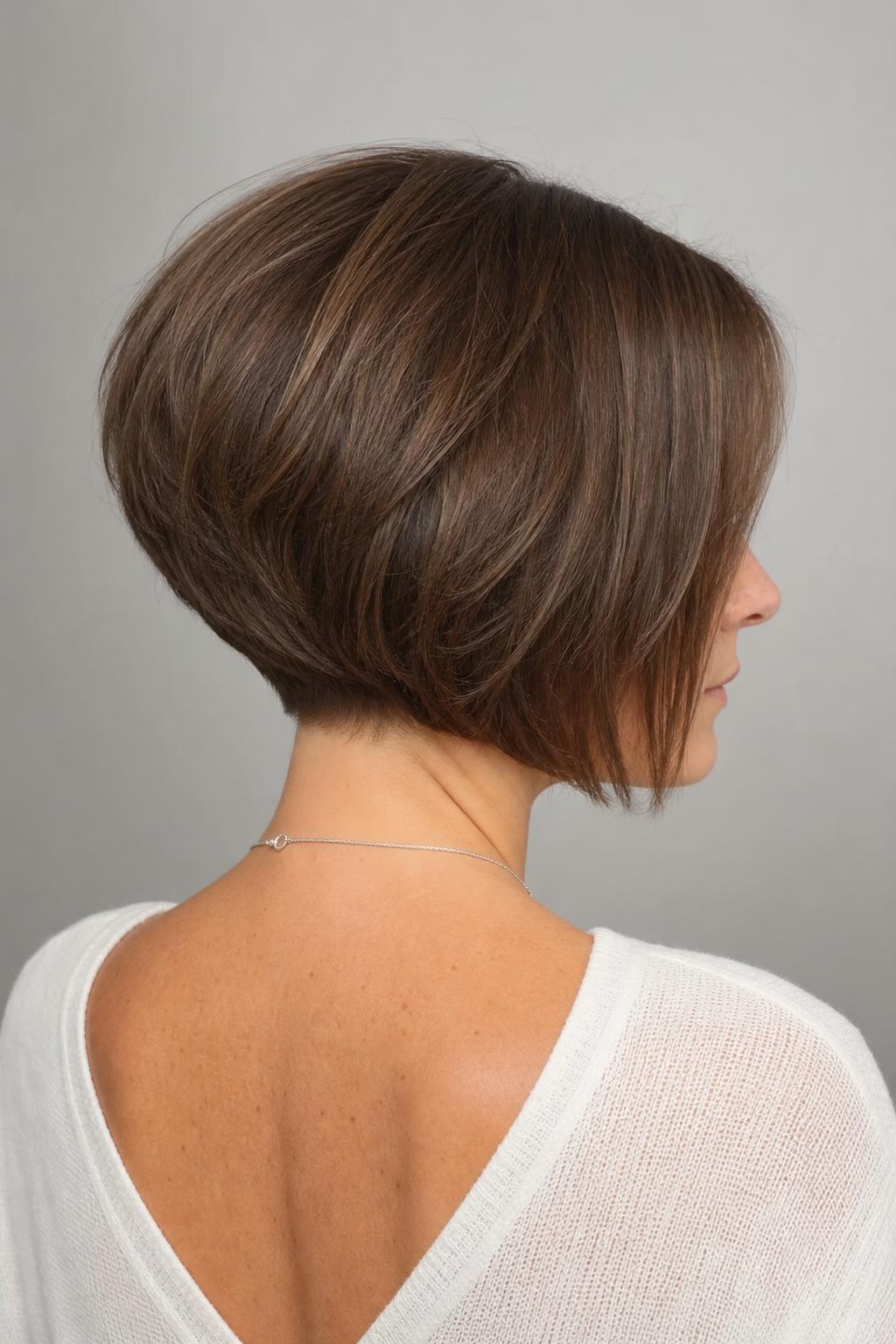
51. Choppy Short Layered Bob
Choppy layers at this short length create an edgy, textured look that works particularly well on medium-to-thick hair. The choppiness adds visual interest and movement to what could otherwise be a flat, conservative short bob. Use a matte-finish pomade or wax to define individual pieces and add grip — glossy products flatten the texture this cut is designed to show off.
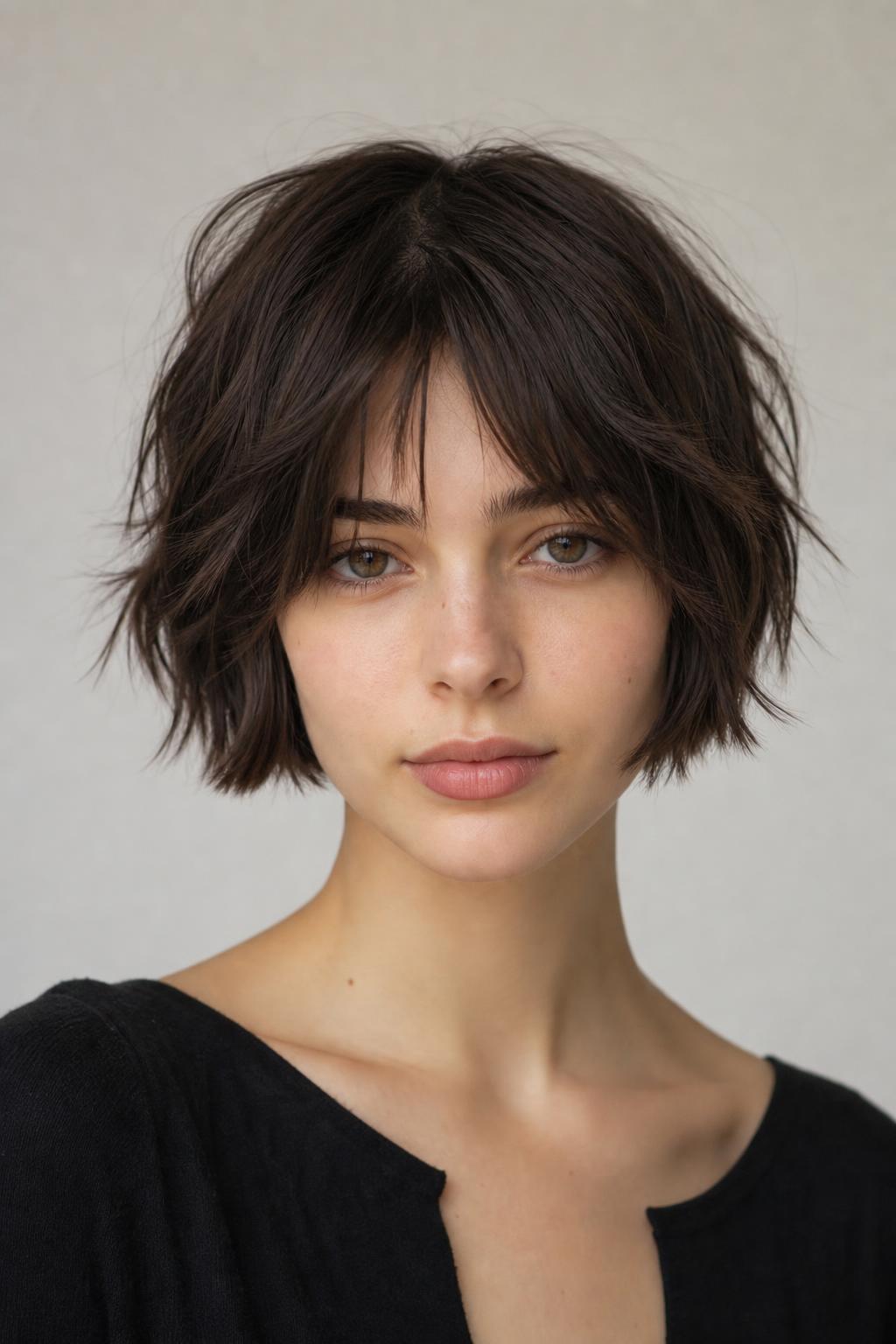
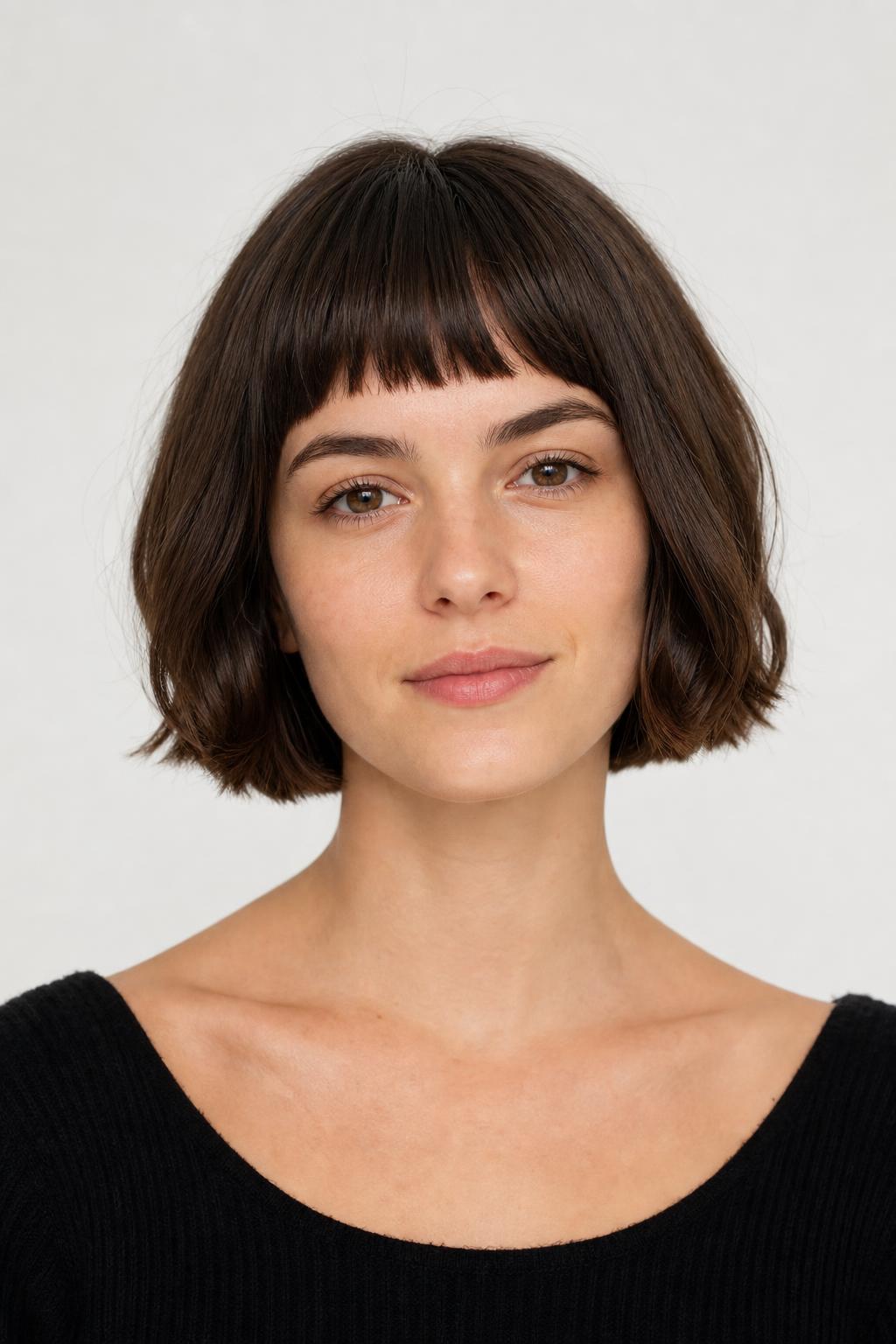
52. French Bob with Soft Layers
The French bob — typically chin-length with a slightly rounded shape and short bangs — gets a modern update with soft interior layers that add movement to the classic silhouette. This style is most work on thick hair because the rounded shape can look bulky without thinning. On fine to medium hair, the natural drape of the bob creates the Parisian effect with minimal effort.
Layered Lobs (Long Bobs)
The lob — a bob that extends past the chin to the collarbone — is the most versatile length in the layered bob family. It’s long enough to pull into a low ponytail, short enough to have body and movement, and forgiving enough to suit almost every face shape. Lobs are also the easiest entry point for anyone nervous about going short — you can always take more off later.
53. Classic Layered Lob
The foundational layered lob: collarbone length, layers starting at the chin, and a slight bend at the ends achieved with a round brush or large-barrel curling iron. This is the “safe bet” cut that flatters nearly every face shape and hair type — which is why it remains the most-requested bob variation in salons year after year. When you’re not sure what to get, this is where to start.
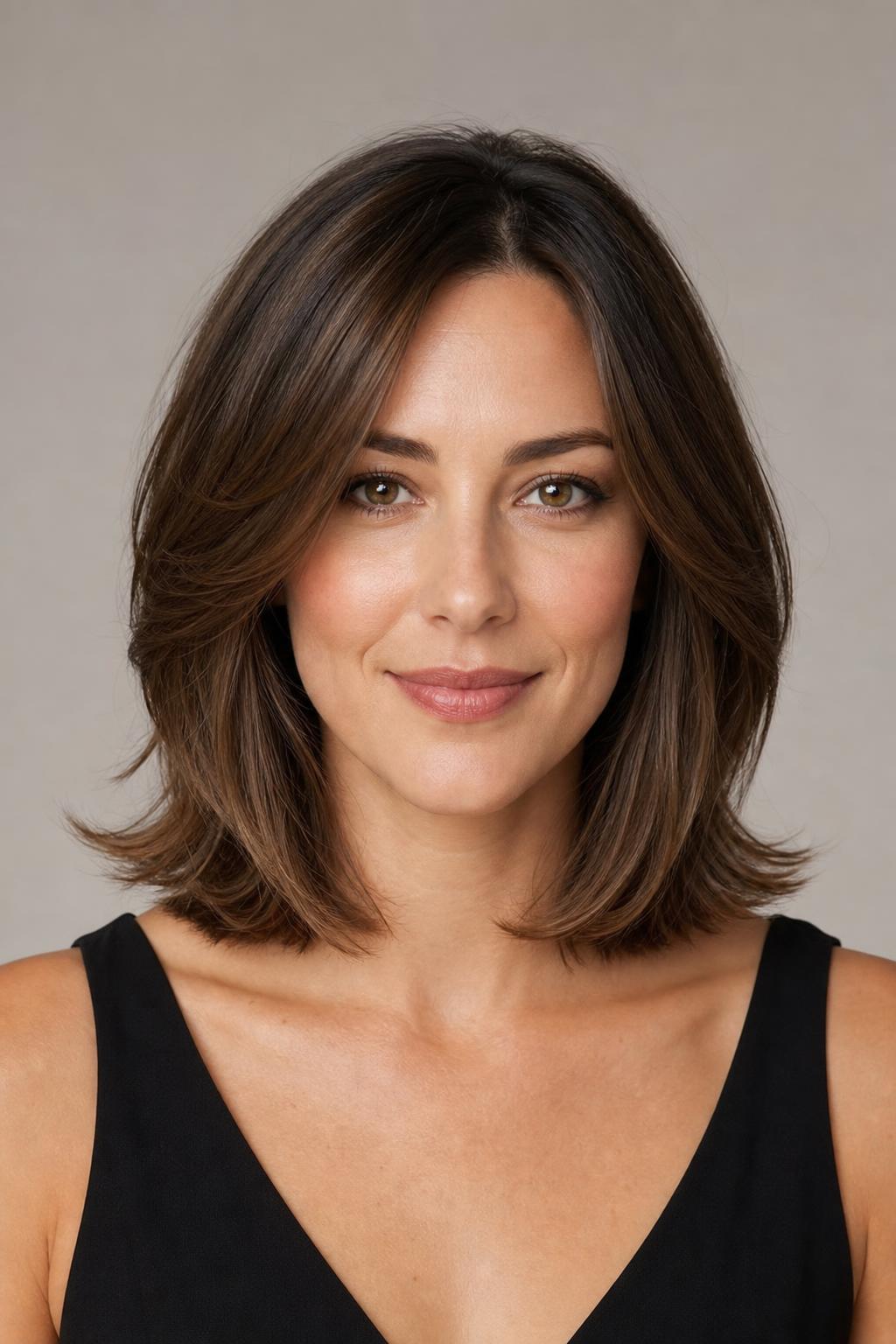
54. Layered Lob with Balayage
Balayage — hand-painted highlights that concentrate at the mid-lengths and ends — pairs naturally with layered lobs because each layer catches a different concentration of color. The result is a multi-dimensional, sun-kissed look that requires less maintenance than traditional foil highlights. Touch-ups every 12–16 weeks, since the hand-painted grow-out looks intentional rather than neglected.
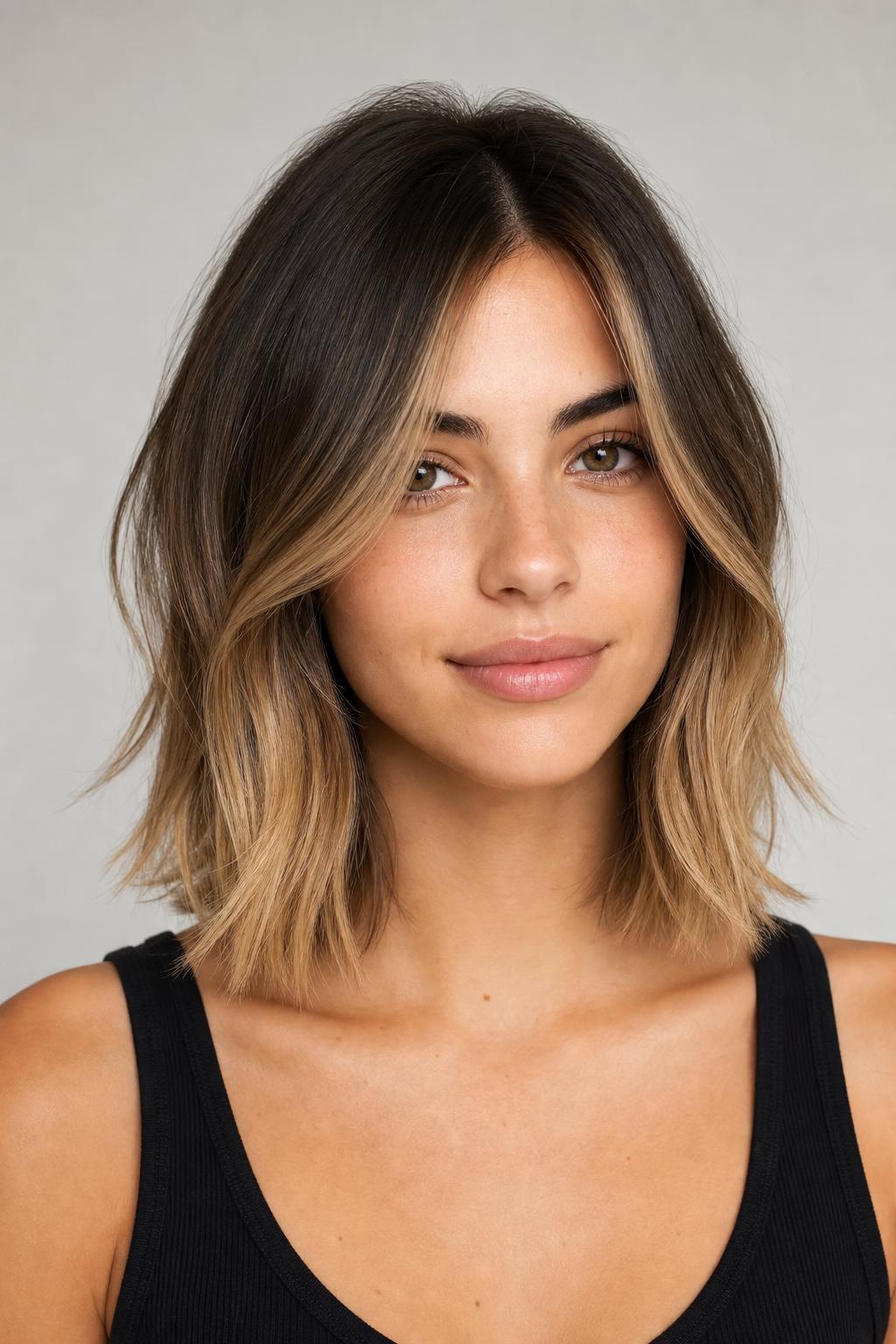
55. Textured Layered Lob
More layers, more texture, more movement — this is the layered lob dialed up. The texturizing is heavier through the ends, creating a shaggy, undone finish that thick hair handles well. Fine hair should approach this level of texturizing cautiously — the piece-y ends can look sparse rather than stylishly tousled. Apply a sea salt spray to damp hair, braid loosely, and let dry for effortless texture without heat.
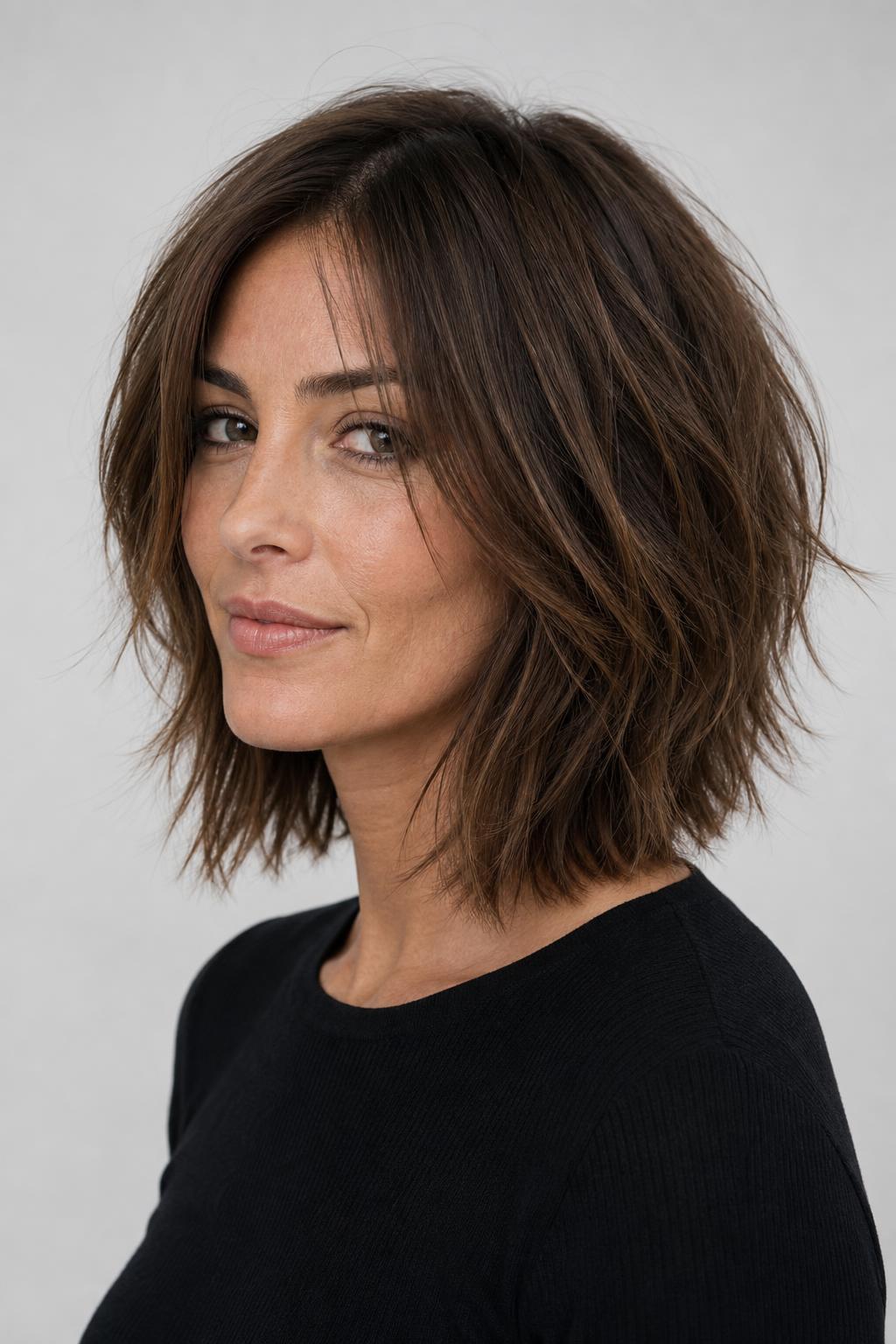
56. Layered Lob with Curtain Bangs
Curtain bangs that blend into the first layer of a lob create a seamless, face-framing effect that elongates the face. On round and square face shapes, this combination is particularly effective because the vertical lines of the bangs counteract facial width. The bangs need separate styling — blow-dry them away from the face with a round brush while the rest of the lob air-dries.
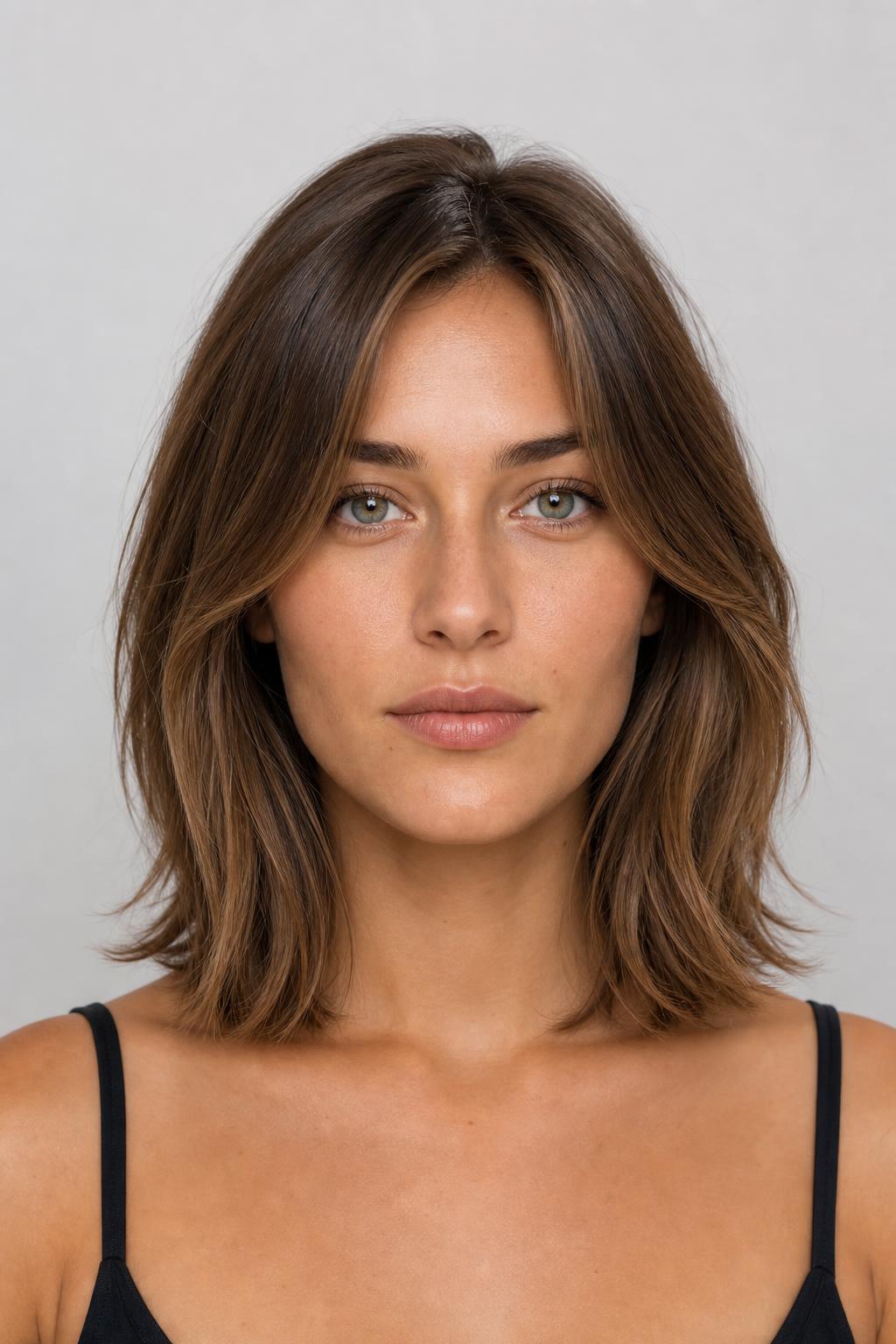
57. Blunt Layered Lob
The exterior line is perfectly blunt and even, but interior layers remove weight and add movement you can’t see until the hair swings. This “secret layers” approach is ideal for anyone who wants the clean look of a one-length lob with the manageability of a layered one. On straight hair, this creates a satisfying swinging effect; on wavy hair, the hidden layers let the wave pattern through more naturally.
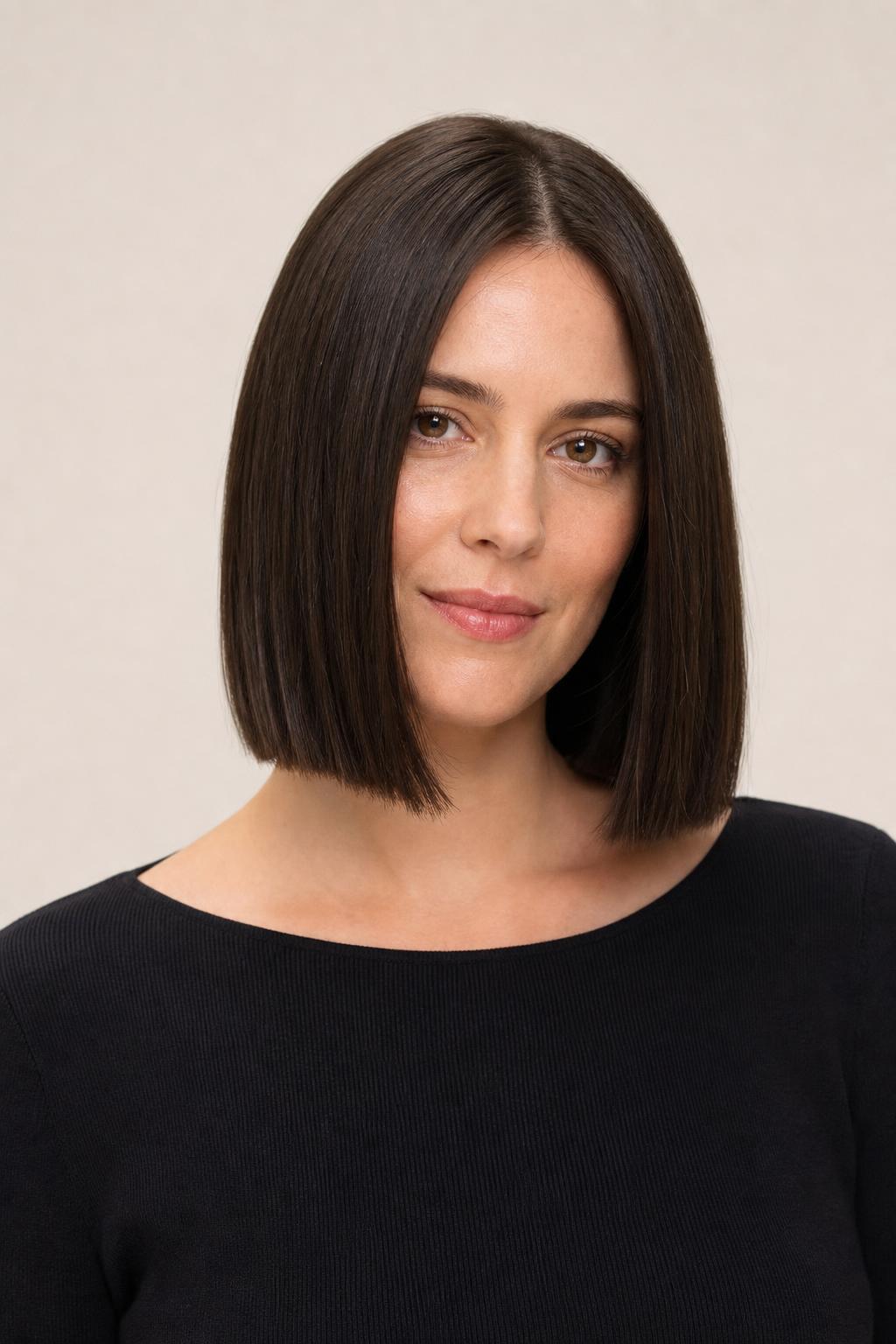
58. Layered Lob for Round Faces
For round faces, the key is keeping the lob length past the collarbone and adding layers that start below the jaw — layers that hit at the widest part of a round face add visual width. A side part and face-framing pieces that fall past the chin create vertical lines that elongate. Avoid short, bouncy layers at the cheekbones, which round out the face further.

59. Tousled Layered Lob
Wrap random 1-inch sections around a curling wand, alternating directions, and leave the ends straight. This gives the tousled, “I didn’t try” finish that looks more natural than uniform curls. The layers create varying lengths that catch the light differently and prevent the tousled texture from looking flat or one-dimensional. Skip the brush — finger-comb only.
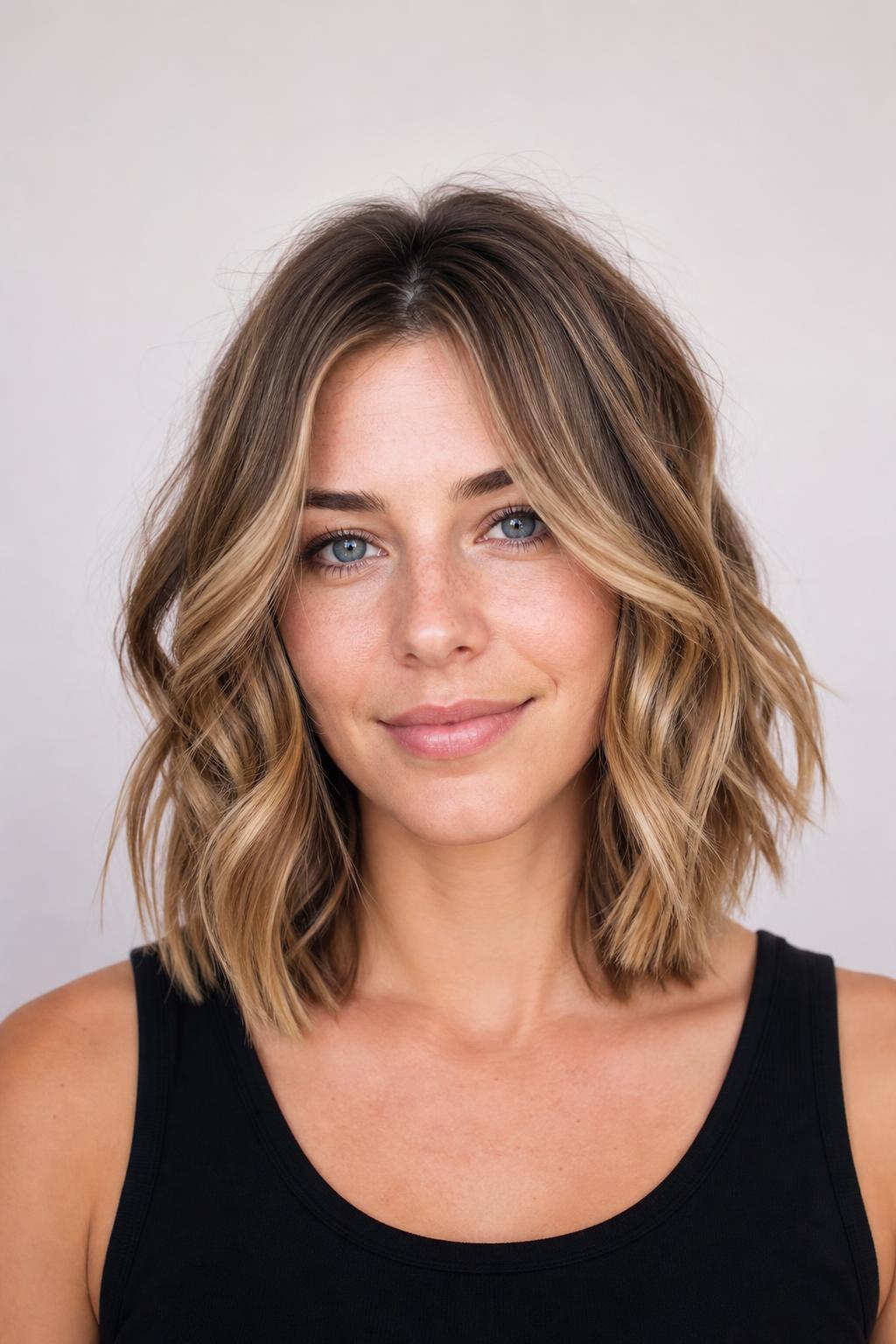
60. Layered Lob with Money Pieces
Money pieces — two bold, contrasting highlights framing the face — work as a visual accent on a layered lob, drawing immediate attention to the face and making the entire cut look more dynamic. On darker base colors, lighter money pieces create a high-contrast frame. On lighter bases, try warmer or cooler-toned pieces for a subtler variation. The layered cut ensures the money pieces don’t blend into the rest of the hair — they stay visible as distinct, face-framing accents.
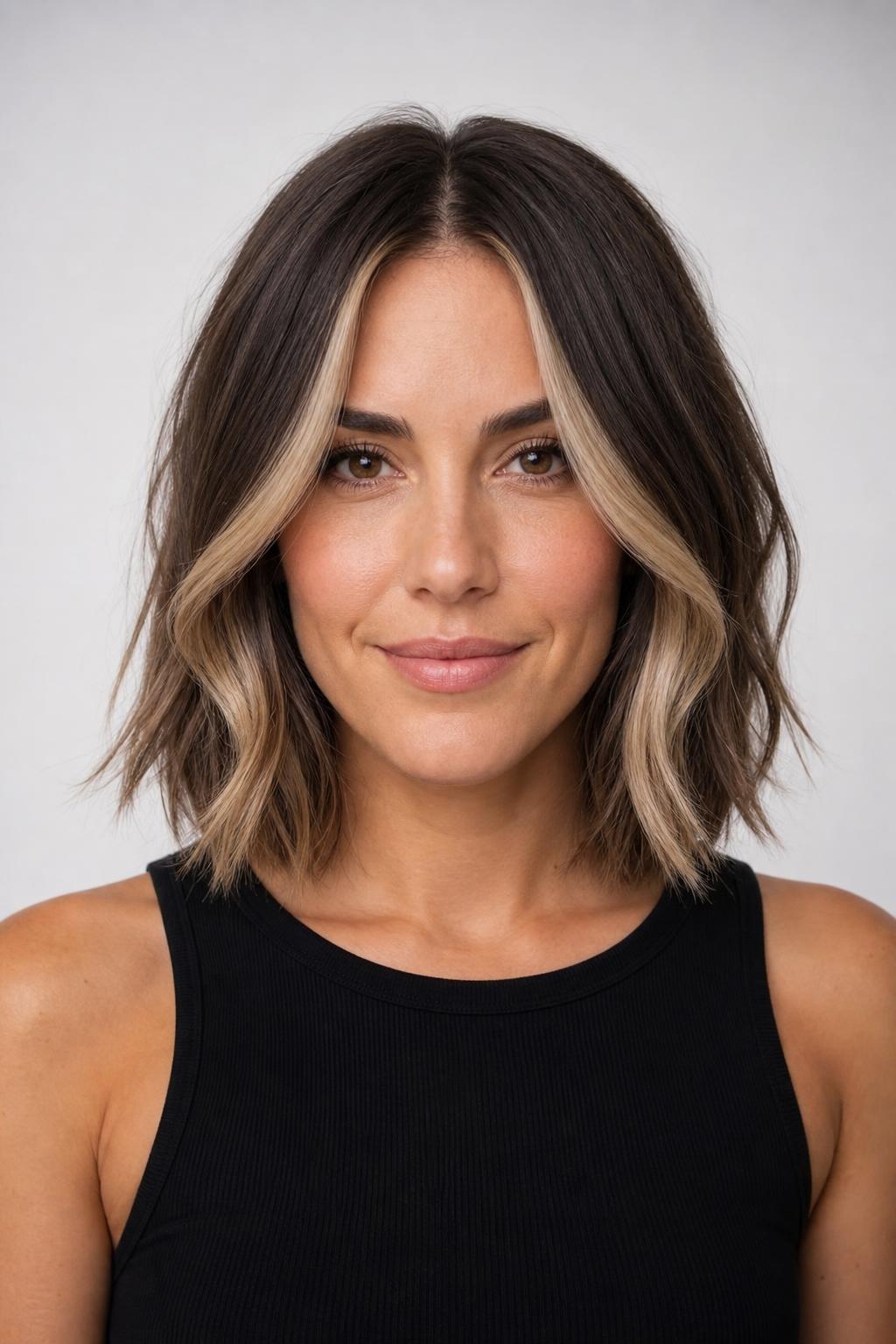
How to Choose the Right Layered Bob for Your Face Shape
The difference between a layered bob that flatters and one that works against your features comes down to three things: length, where the layers fall, and your part direction. Here’s what works for each face shape.
Oval Faces Have the Most Flexibility
Oval faces can wear essentially any layered bob variation — short, long, heavily layered, minimal layers, with or without bangs. The balanced proportions mean no specific length or layering pattern is off-limits. If you have an oval face, choose based on your hair type and lifestyle rather than face shape constraints.
Round Faces Need Length and Vertical Lines
Keep the bob at jaw length or longer — anything shorter adds visual width. Layers should start below the jawline, not at the cheekbones. A side part creates asymmetry that counteracts roundness, and face-framing layers that fall past the chin add the vertical lines that elongate. Avoid chin-length bobs with volume at the sides, which emphasize circular proportions.
Square Faces Benefit from Soft Layering at the Jaw
Layered bobs soften square jaws when the layers concentrate around the jaw and below, blending the angular jawline with movement. Longer bobs (lob length) work better than very short bobs, which expose and emphasize the jaw’s width. Soft, wispy layers are more flattering than blunt, choppy ones — the goal is to soften angles, not add more.
Heart-Shaped Faces Suit Chin-Length Bobs
A chin-length layered bob balances a wider forehead and narrower chin by adding volume at the jawline — exactly where heart-shaped faces are narrowest. Layers that flip outward at the ends create width at the bottom of the face. Avoid very short bobs with lots of crown volume, which make the forehead look even wider by comparison.
Oblong Faces Need Width, Not Length
Shorter, fuller layered bobs add the horizontal volume that oblong faces benefit from. Chin-length bobs with volume at the sides create the illusion of a wider face, balancing the elongated proportions. Avoid very long lobs that extend past the collarbone — these make the face look even longer.
Maintenance and Styling by Hair Type
Fine Hair Layered Bob Maintenance
Trim every 6–8 weeks to maintain the shape. Use a volumizing mousse at the roots before blow-drying and avoid heavy conditioners past the mid-shaft — they weigh fine hair down. Dry shampoo at the roots extends volume between washes. Expect to wash every other day; fine hair shows oil faster than other textures.
Thick Hair Layered Bob Maintenance
Trim every 6–8 weeks, and ask your stylist to thin the interior at every appointment — thick hair regains bulk quickly. A smoothing cream or anti-frizz serum applied to damp hair before drying keeps the shape sleek. You can wash every 2–3 days; thick hair doesn’t show oil as quickly. Blow-drying time: 15–25 minutes with a round brush.
Wavy Hair Layered Bob Maintenance
Trim every 8–10 weeks — wavy layered bobs grow out more gracefully than straight-hair versions. A curl-enhancing cream or mousse on damp hair enhances the wave pattern. Air-dry when possible; diffuse on low heat when you need faster results. Avoid brushing dry wavy hair — use a wide-tooth comb on wet, conditioned hair only.
Curly Hair Layered Bob Maintenance
Trim every 10–12 weeks — curly hair grows slower visually because of shrinkage. Deep-condition weekly to maintain moisture and curl definition. Sleep on a satin pillowcase or use a satin bonnet to prevent frizz overnight. Refresh second-day curls with a spray bottle of water mixed with a small amount of leave-in conditioner — scrunch lightly and let dry.
What to Tell Your Stylist
Walking into the salon with clear language makes the difference between getting the cut you want and getting a generic interpretation. Here’s how to communicate effectively.
Stylist tip: Bring two or three reference photos, not just one. Multiple photos show your stylist the range of what you like and help them identify what specifically appeals to you — the length, the layering, the texture, or the color. One photo can be misinterpreted; three photos tell a story.
Use specific language instead of vague descriptions. Rather than “I want layers,” say: “I want face-framing layers that start at my cheekbone and blend into the length.” Instead of “I want it shorter,” specify: “I want it to hit at my jaw, not my chin.” If you’re concerned about volume, say: “I want the layers to add movement but I don’t want to lose volume at the ends — can we keep the perimeter weight?”
If there’s something you’re worried about, say it upfront. “My hair tends to flip outward at the nape — can we cut it to fall inward?” or “I don’t use heat tools, so I need a cut that looks good air-dried” gives your stylist the constraints they need to customize the cut for your reality, not a styled photo.
FAQ
How Often Does a Layered Bob Need Trimming?
Every 6–8 weeks to maintain the layer shape and prevent split ends from traveling up the shaft. If you have bangs as part of the cut, those may need a trim every 3–4 weeks separately. Layered bobs are more forgiving on grow-out than blunt bobs — you can push to 10 weeks if your hair is thick and doesn’t show split ends quickly.
Can I Get a Layered Bob If My Hair Is Very Fine?
Yes — but the type of layering matters. Ask your stylist for internal layers or point cutting rather than heavy graduated layers, which make fine ends look transparent. A blunt or textured bob with minimal internal layering adds the illusion of density. Avoid razor cutting on fine hair, as it removes too much weight from strands that are already delicate.
What’s the Difference Between a Layered Bob and a Shag?
A layered bob has layers within a defined bob shape (chin to shoulder length, with a clear perimeter line). A shag has more dramatic layering throughout — often starting at the crown — with a deliberately imprecise, feathered perimeter. Shags are shaggier (no clean outline), while layered bobs are more structured. If you want a polished look, go layered bob; if you want an undone, rock-and-roll vibe, go shag.
Will a Layered Bob Work with My Curly Hair?
Absolutely — but the cutting technique needs to be different. Curly bobs should be dry-cut to account for shrinkage, which can be 25–40% depending on your curl pattern. Communicate your desired dry length, not wet length, to your stylist. Look for stylists who specialize in textured hair or are DevaCurl certified for the best results on curly layered bobs.
How Do I Style a Layered Bob Without Heat?
For wavy and curly textures, apply a curl cream or mousse to wet hair and air-dry — the layers will create their own movement. For straight hair, try overnight braids on damp hair for soft waves, or use a texturizing spray and scrunch for a piece-y, undone look. Flexi rods or small foam rollers on slightly damp hair give straight bobs curl without heat damage.
Is a Layered Bob High Maintenance?
It depends on the variation. A simple, long-layered lob is one of the lowest-maintenance cuts available — it grows out gracefully, looks good air-dried, and needs trimming only every 8–10 weeks. A short, stacked, heavily layered bob is higher maintenance — it loses its shape within 4–5 weeks and requires daily styling to look its best. Choose based on how much time you’re willing to invest.
What Face Shape Should Avoid a Bob?
No face shape needs to categorically avoid bobs — it’s about choosing the right variation. Round faces should avoid chin-length bobs with volume at the sides (which add width) but look great with longer, angled versions. Very narrow faces should avoid long, sleek lobs without volume (which elongate further) but suit fuller, ear-to-chin-length bobs. The cut can always be adjusted; the key is matching the length and layering to your proportions.
Hair results vary based on your natural hair type, texture, density, and condition. Always consult with a licensed hairstylist before making significant changes, especially with chemical treatments or dramatic length changes. Photos may show styled results that require professional tools and products to replicate.

1 response