
Ditch the security blanket of long hair and reclaim your morning with the high-impact crop that’s finally making “short” feel sexy.
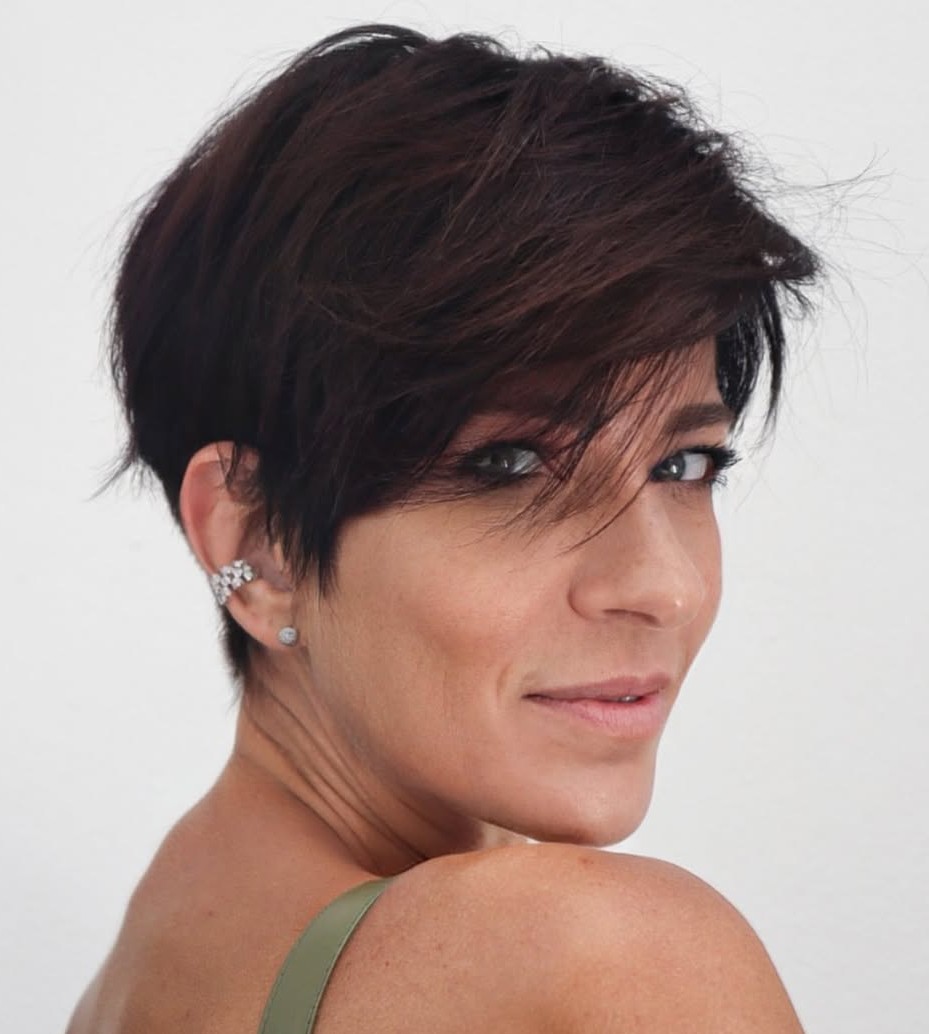
A long pixie cut sits between a cropped pixie and a short bob, typically 2–4 inches on top with shorter sides and nape, giving you room to part, tuck, sweep, or spike without committing to a full close crop. Below are 40 variations from working stylists, covering fine, thick, wavy, curly, and coily textures. Every entry includes what makes the specific cut distinct, who it suits, and how to talk to your stylist about recreating it.
Image source: @rodrigues_ricardoTextured Long Pixie Cuts
Texture is what separates a long pixie from a grown-out short haircut. These eight cuts use layering, razoring, and point-cutting to create shape and movement that holds on its own, even on second-day hair.
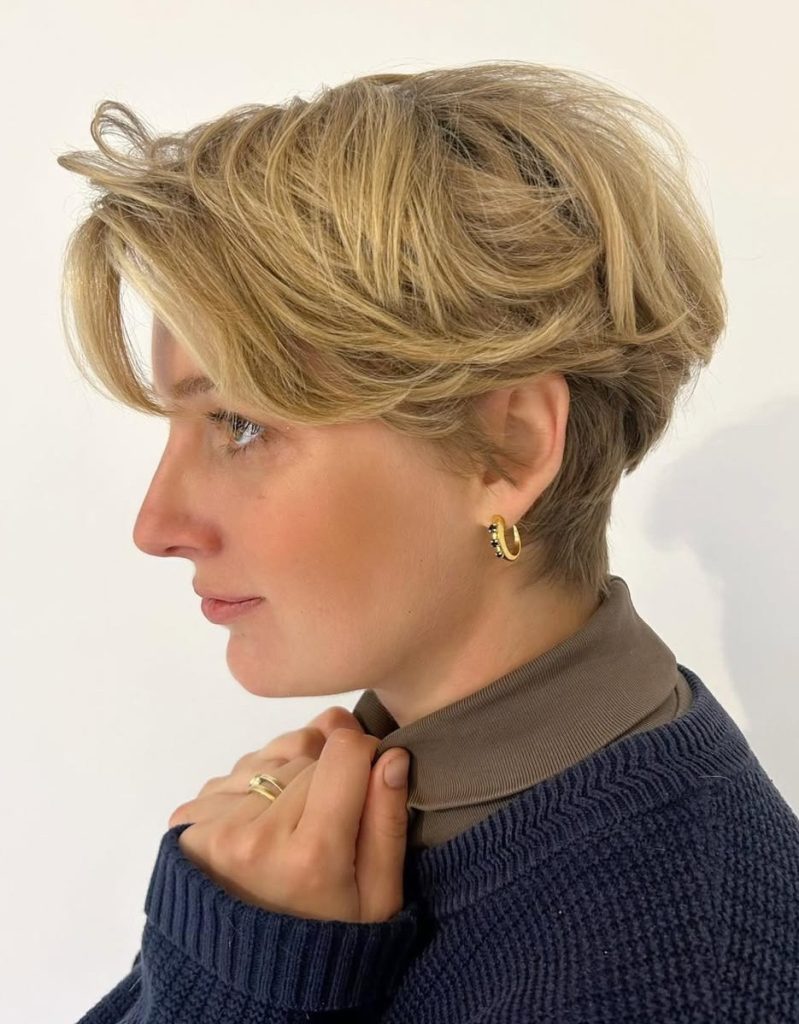
1. Razored Crop with Piecey Top
The razor takes weight off the mid-shaft without losing length on top, so you get separation between the pieces without them clumping together.
This version works particularly well on medium-density straight hair that tends to lie flat, the razored ends lift away from the scalp instead of hugging it. A dime-sized amount of texturizing paste raked through towel-dried hair is enough to hold the shape until your next wash.
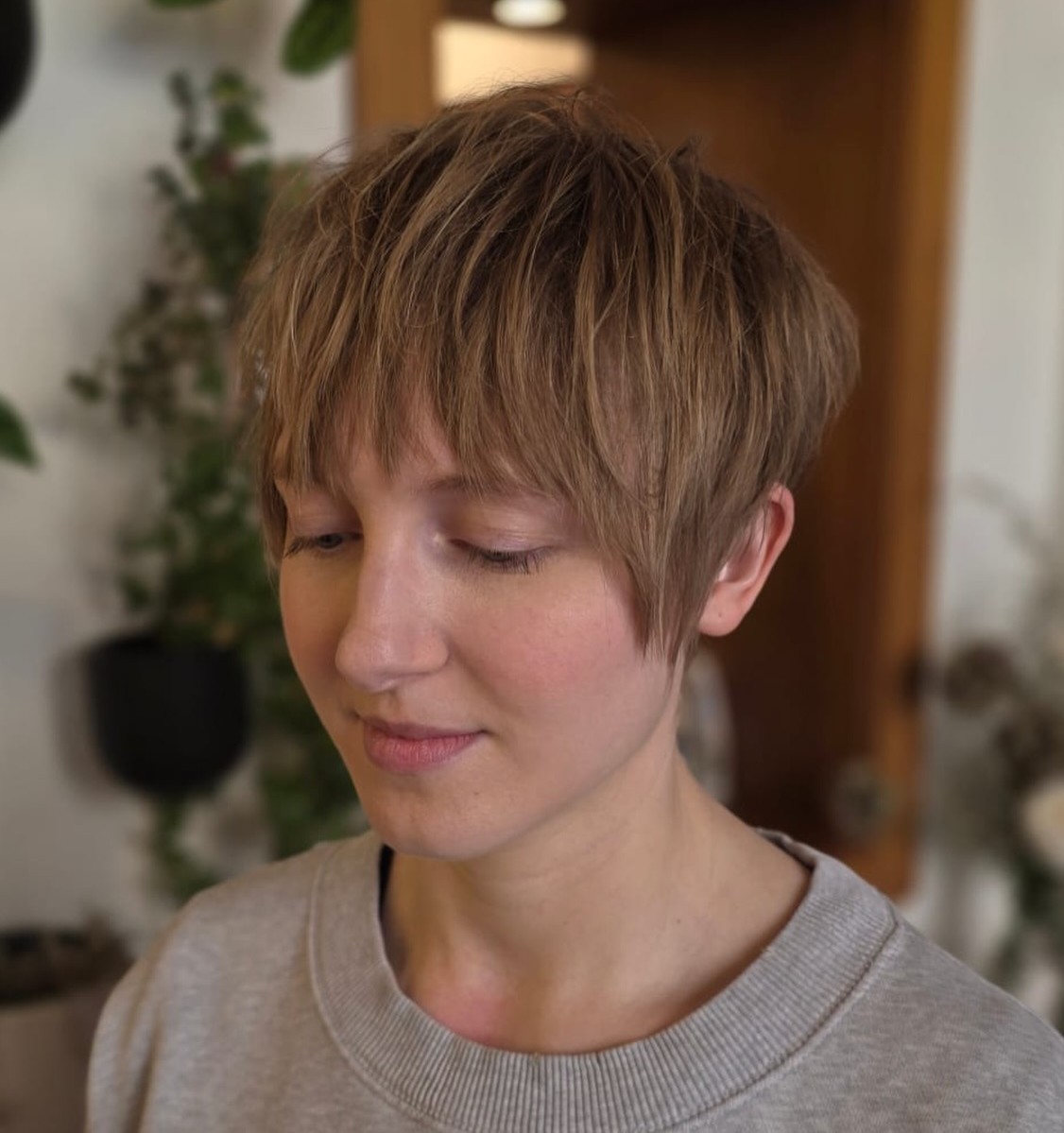
2. Choppy Layers with Tapered Nape
Thick hair gets heavy fast in a pixie, and the tapered nape solves that by gradually thinning the hair from crown to neck. The choppy layers on top are point-cut rather than blunt, which means the ends close at slightly different points and avoid that blocky helmet look. Oval and heart-shaped faces wear this one particularly well because the volume sits high rather than wide.
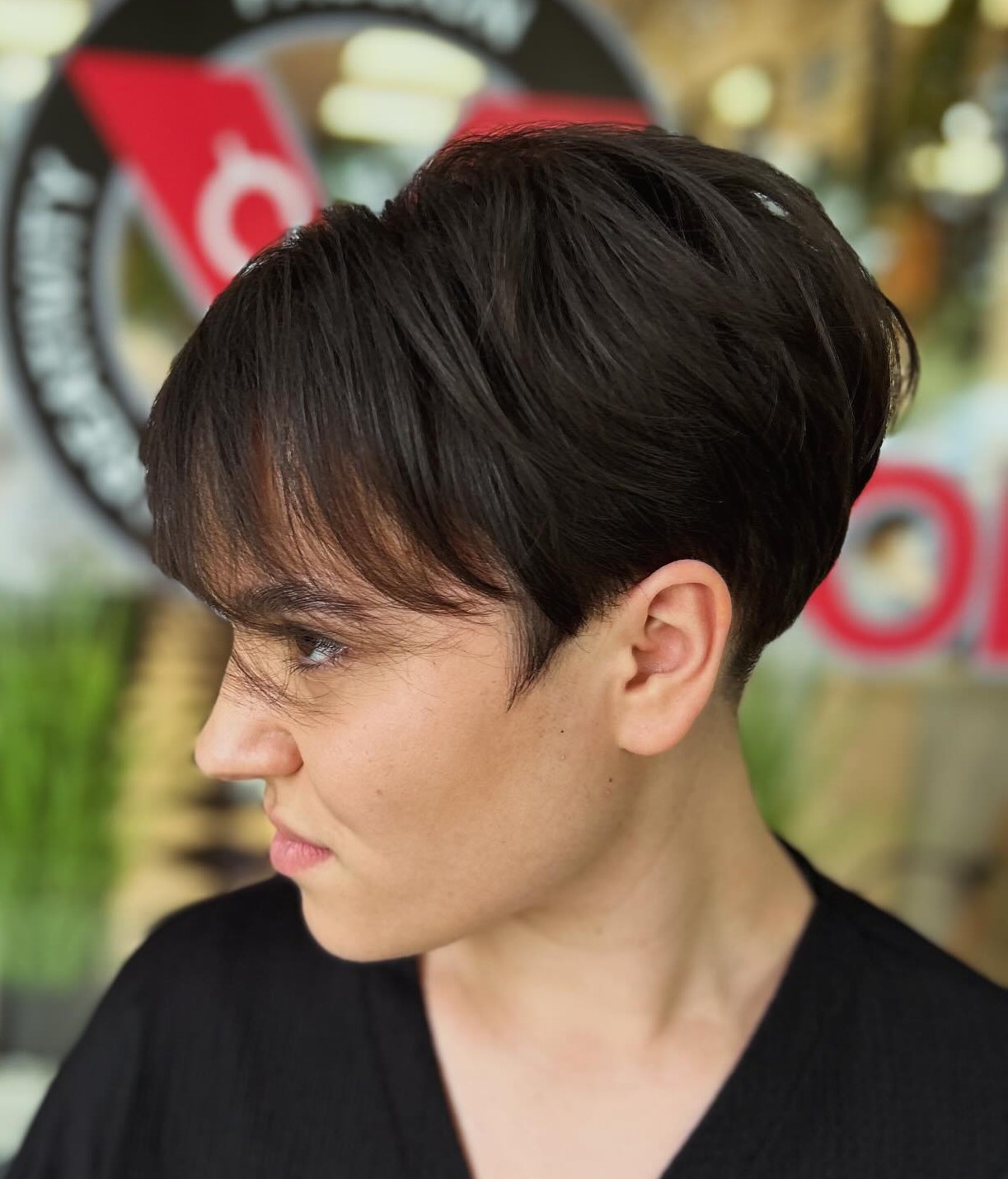
3. Shaggy Long Pixie with Side Part
If you’ve ever liked the idea of a shag but wanted something shorter, this is the intersection. The crown layers are cut at eyebrow level and get progressively longer toward the ears, creating that classic shag silhouette in miniature.
The deep side part gives you a curtain of hair to tuck behind one ear while the other side frames the cheekbone. Ask for the longest pieces to reach your earlobe for the most grow-out-friendly version.
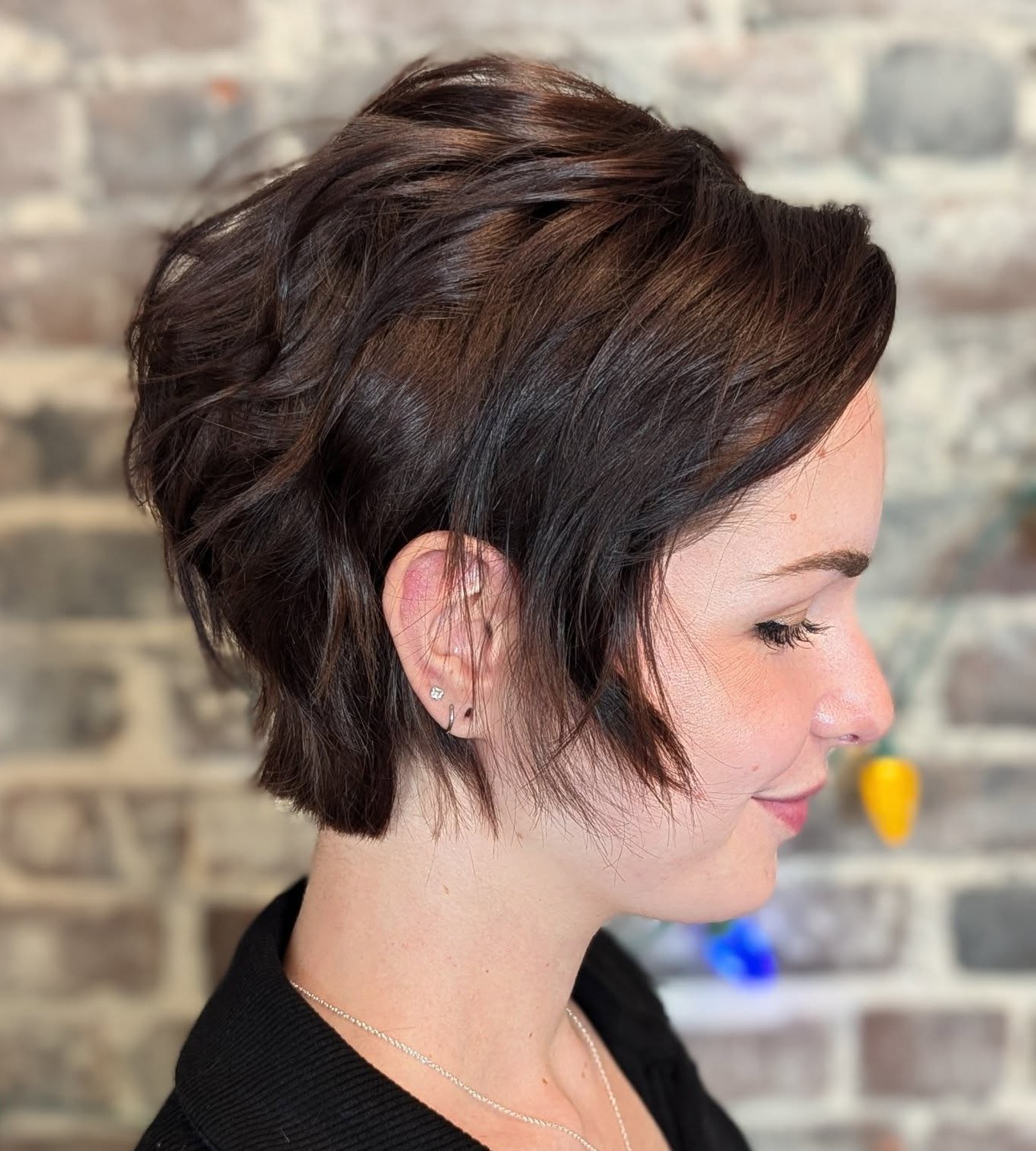
4. Disconnected Top with Close Sides
The disconnect here is between a 3-inch top section and sides clipped at a #4 guard, so there’s a visible line where length drops off rather than a gradual blend.
It reads more architectural than most pixies and looks especially striking on angular face shapes, square and diamond faces already have the bone structure to match the geometry of this cut. Style the top forward for a fringe effect or push it back with a matte pomade for a slicked look.
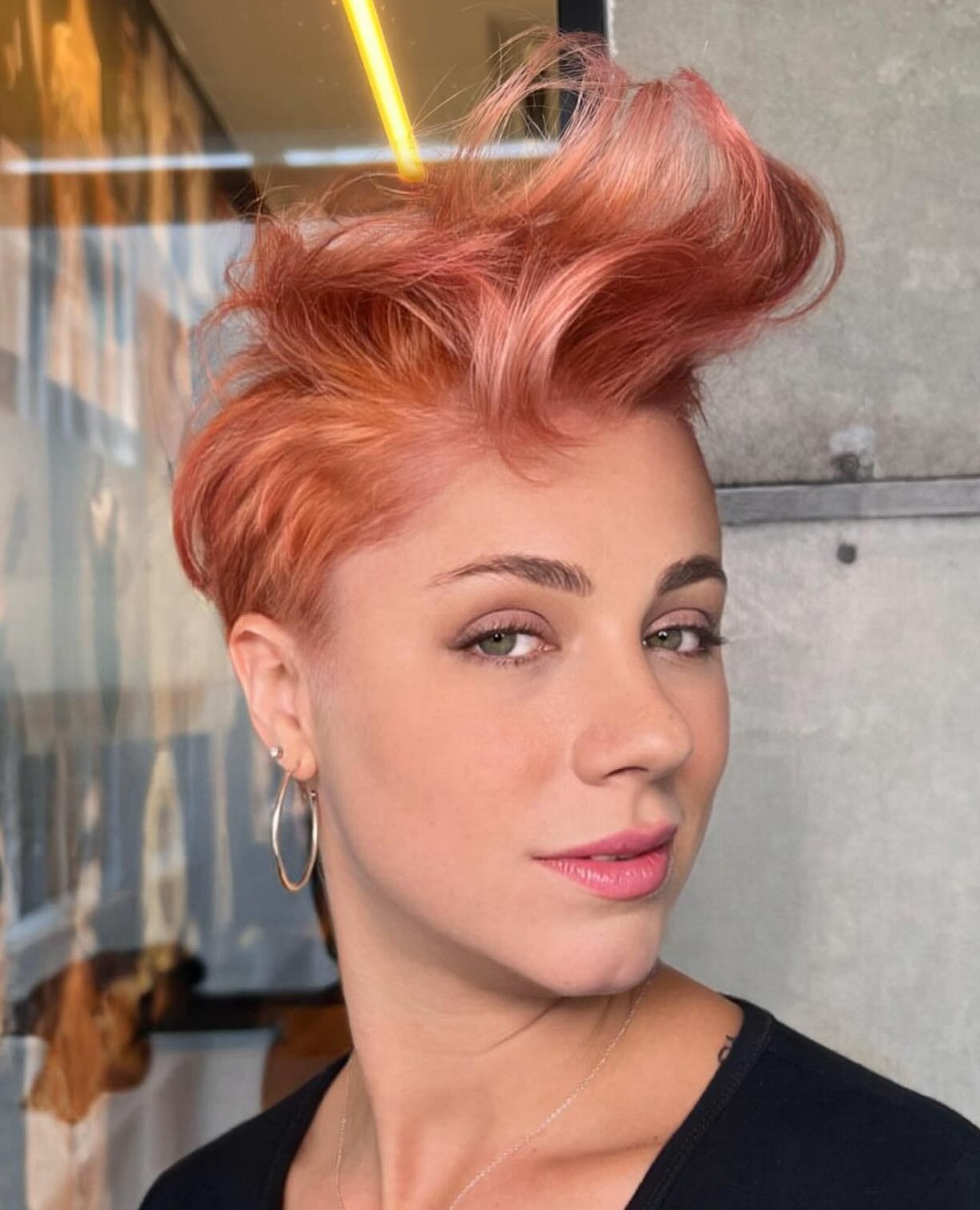
5. Feathered Pixie with Soft Edges
Feathering thins the very tips of each section, so the perimeter of the cut fades into the skin rather than stopping sharply. This is one of the most flattering options for fine hair because it creates the illusion of density without requiring much product. The soft edges also mean the grow-out phase looks intentional rather than overdue for a trim, you can comfortably push it to 6 weeks between appointments.
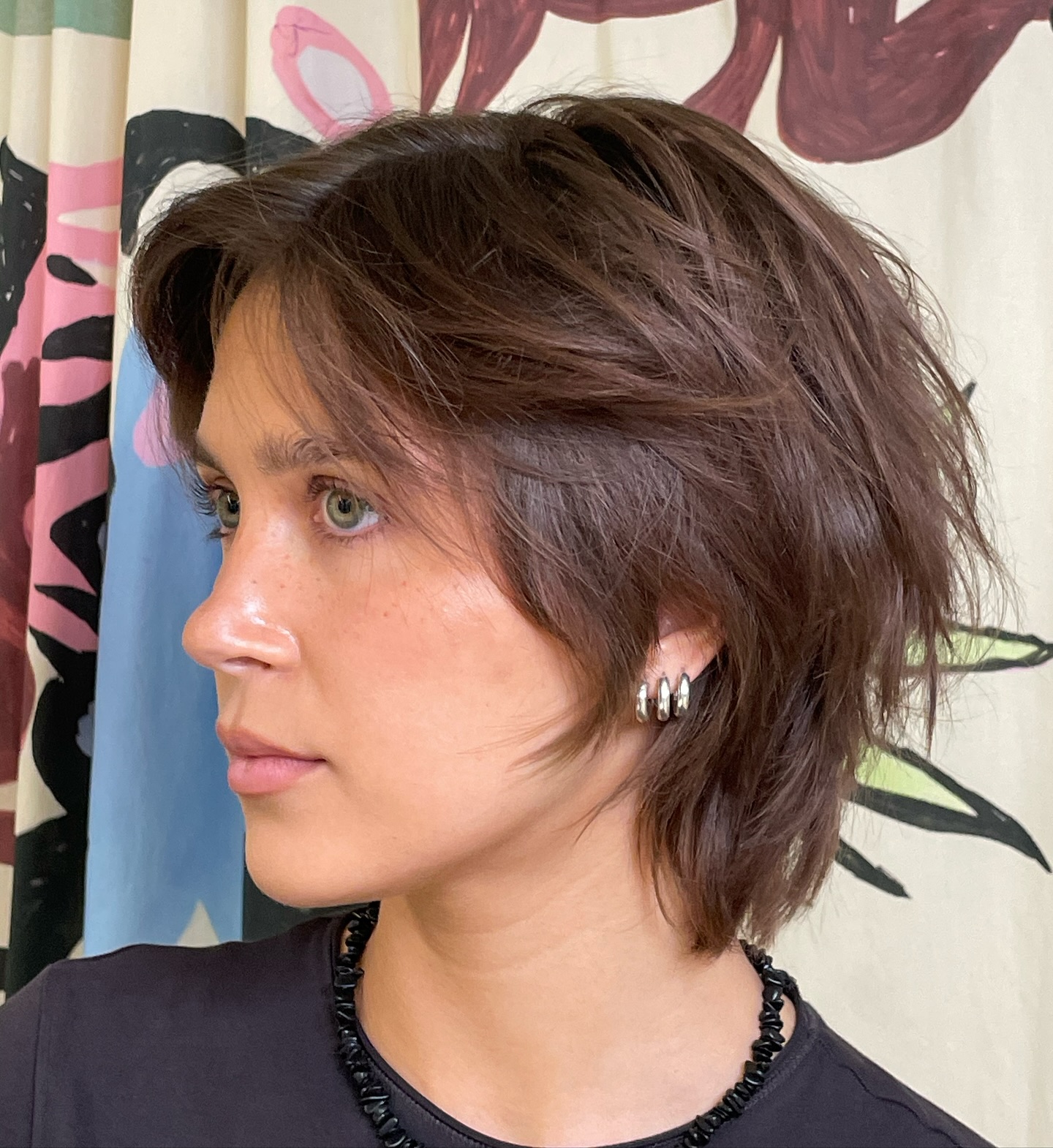
6. Tousled Bedhead Crop
This one is styled to look unstyled, and achieving that takes a solid cut underneath. The layers need to be uneven enough to create natural peaks and valleys when you scrunch and go. Wavy-haired people have an advantage here because the wave pattern does half the texturizing work. Spray a salt spray on damp hair, scrunch with your hands, and let it air-dry. Total styling time: about two minutes.
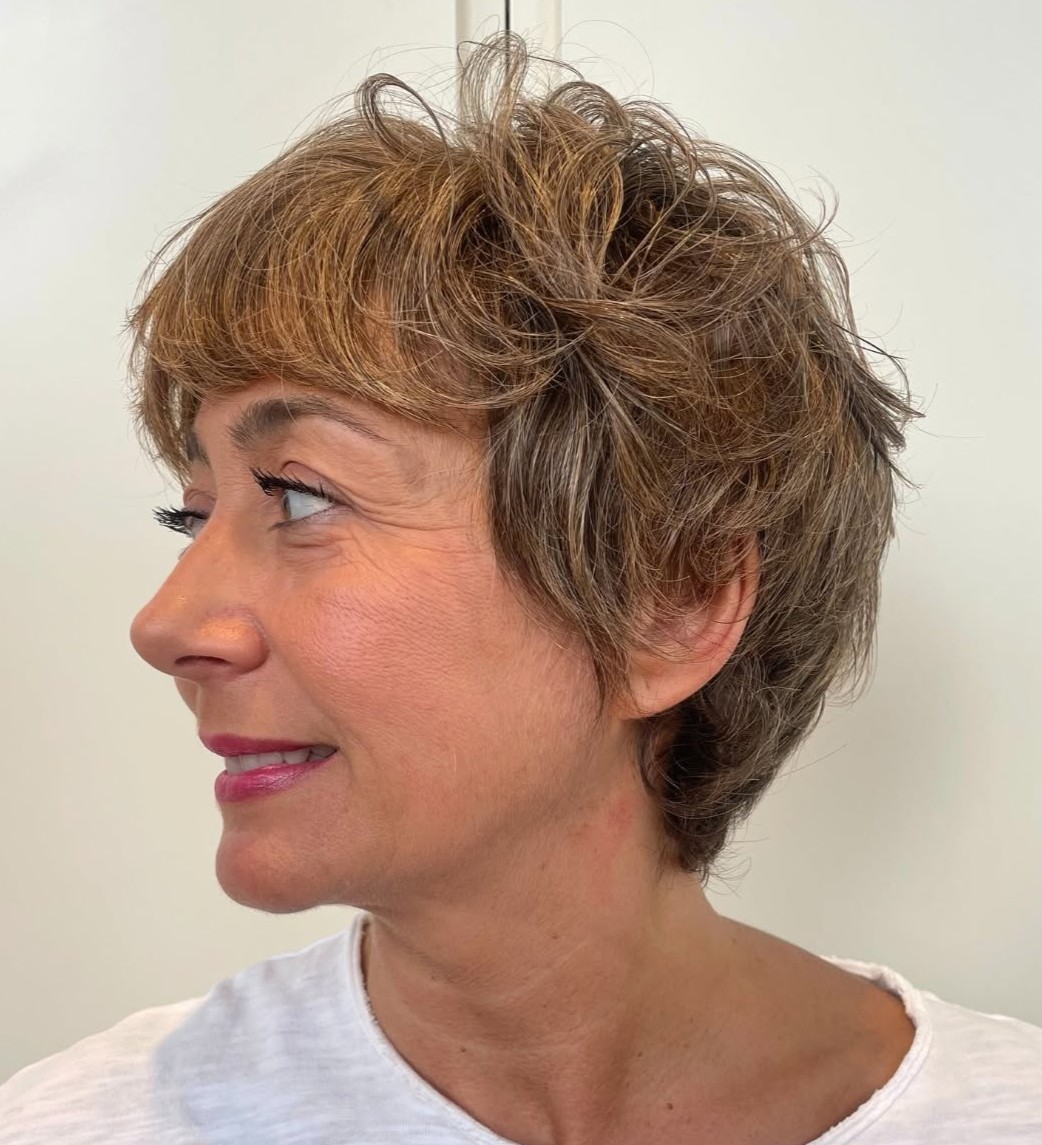
7. Textured Bixie (Between Bob and Pixie)
The bixie occupies the border between a long pixie and a very short bob, longer at the chin in front, graduated shorter toward the nape. The textured version uses interior layers to remove bulk through the crown and occipital bone area. If you’re growing out a standard pixie and want a planned shape rather than an awkward in-between stage, this is a strong option.
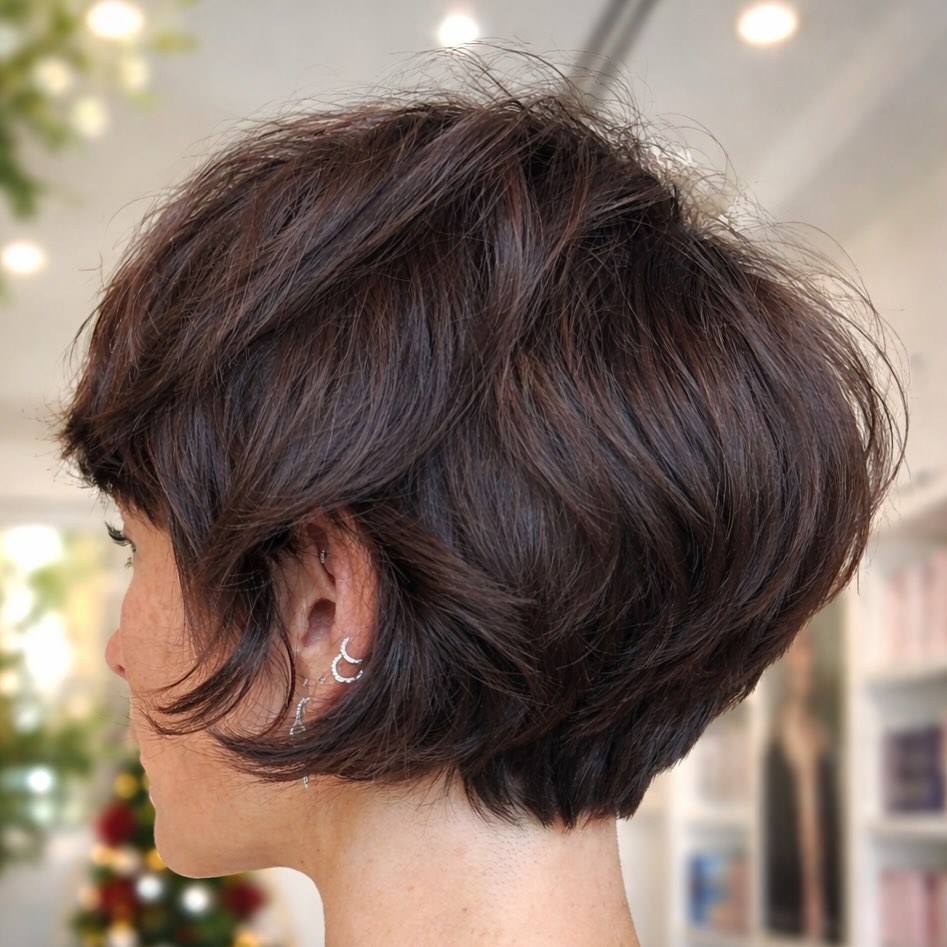
8. Piece-y Crop with Root Lift
The shape depends on volume at the root rather than length at the ends. A stylist builds this by cutting shorter interior layers that propping up the longer surface pieces. For home styling, flip your head upside down, blast the roots with a dryer for 30 seconds, and flip back up. Heart-shaped and round faces benefit from this upward volume because it draws the eye toward the forehead rather than the jawline.
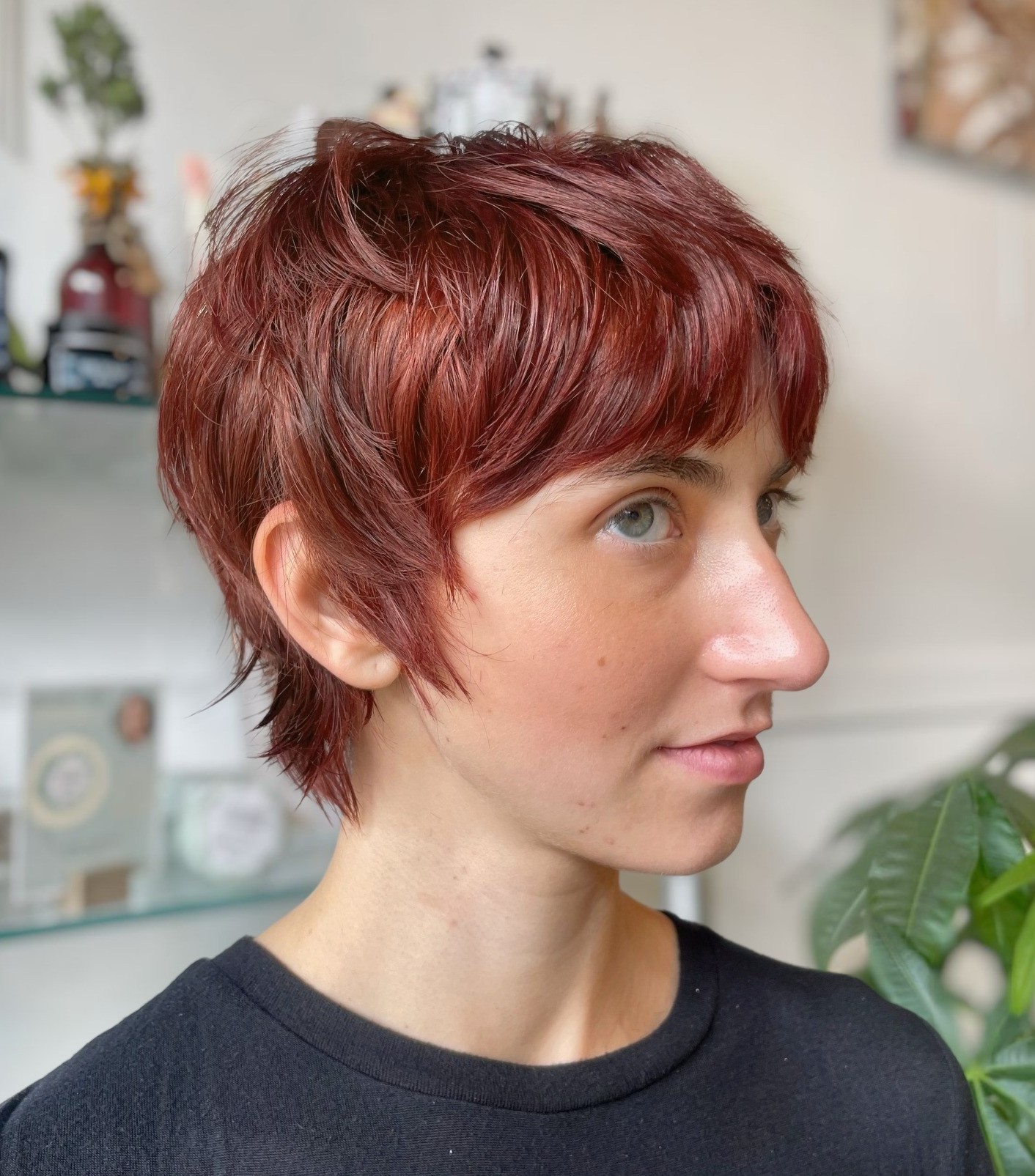
Long Pixie Cuts with Bangs
Bangs change everything about a pixie. They shift the focal point, alter how face shape reads, and give you something to work with on bad hair days. These eight variations cover side-swept, curtain, micro, and full fringe options.
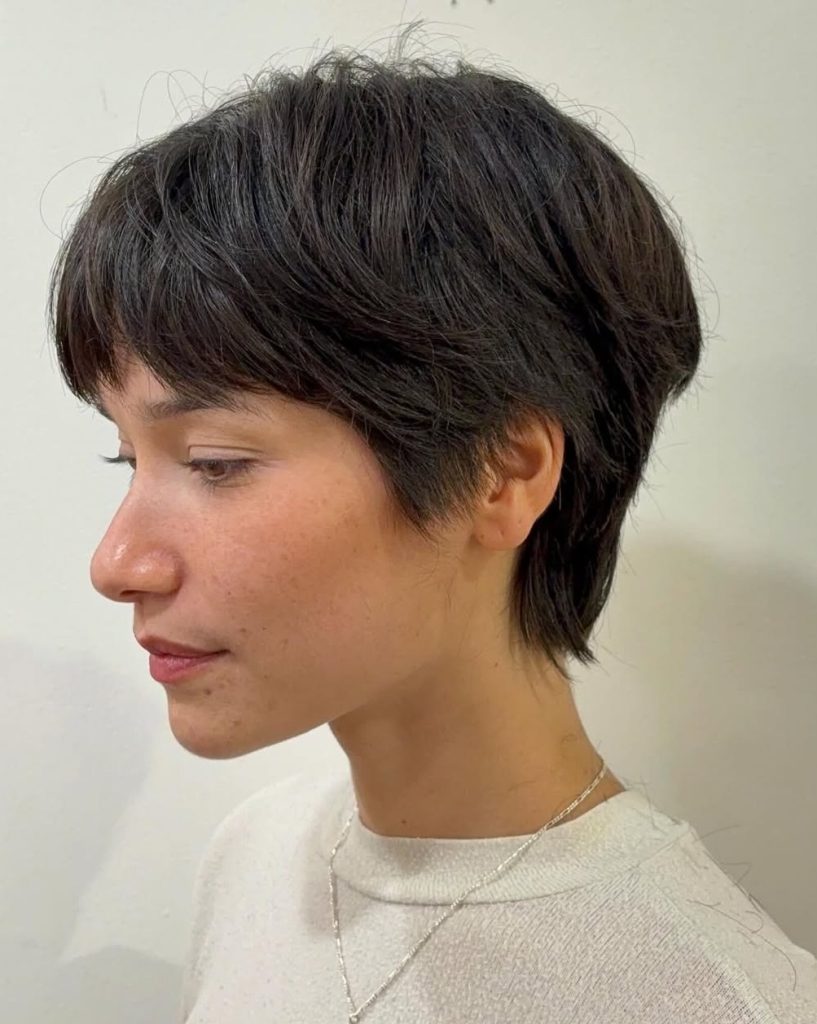
9. Side-Swept Fringe with Graduated Back
The fringe falls diagonally from a deep side part, crossing the forehead at brow level before sweeping past the temple. Combined with a graduated back that’s stacked at the nape, this creates a front-long, back-short silhouette that works on round and square faces alike, the diagonal line of the fringe interrupts both width and symmetry. Ask your stylist to point-cut the fringe edges so they blend into the side pieces rather than forming a blunt curtain.
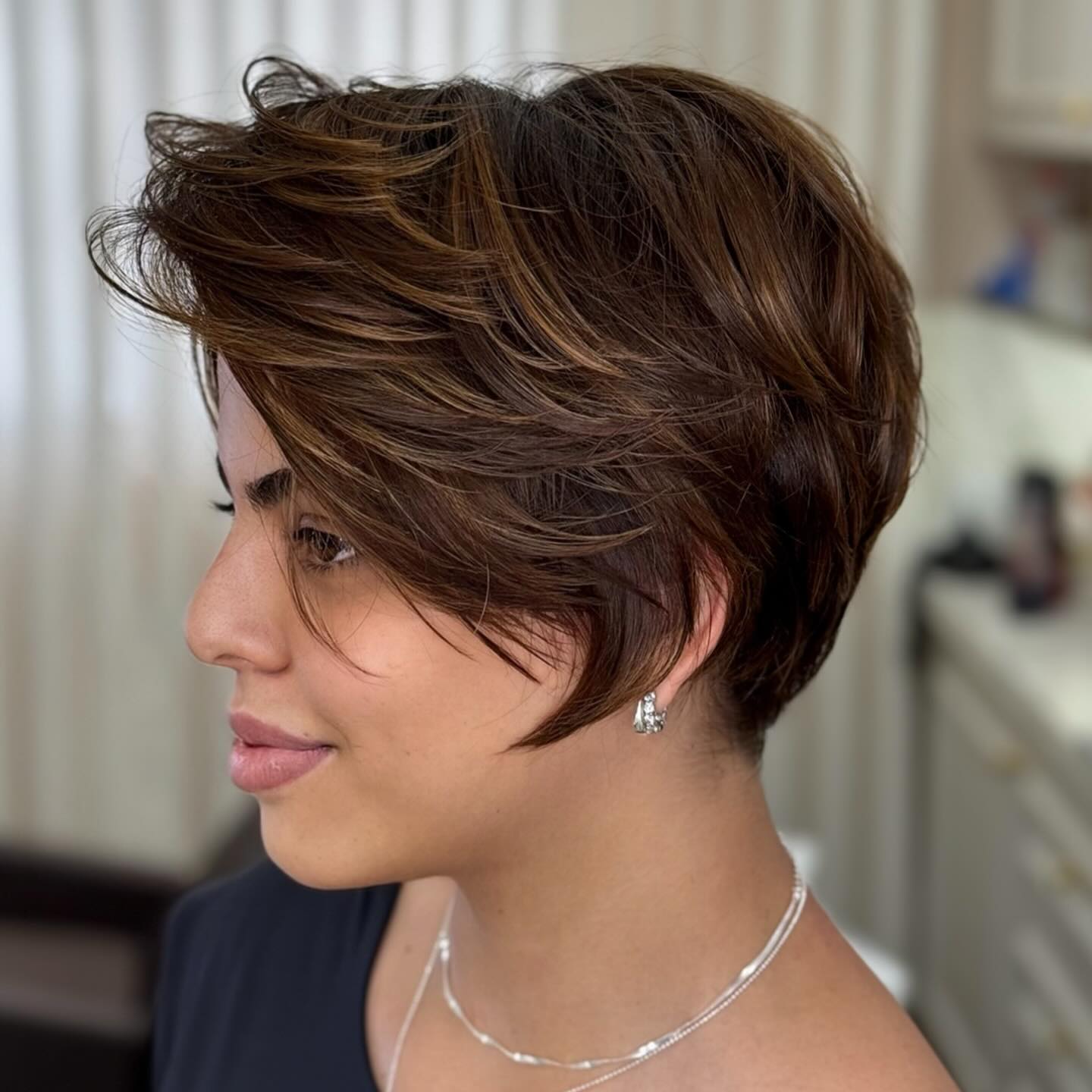
10. Curtain Bangs on a Long Pixie
Curtain bangs on a pixie are shorter than you’d expect, typically starting at the bridge of the nose and sweeping outward toward the temples. They frame the center of the face and soften the transition between the longer top and shorter sides.
This pairing is especially good for oblong or rectangular faces because the horizontal line of the part-to-sweep adds visual width. Round-brush the bangs away from the face during blow-drying to keep the curtain shape from going flat.
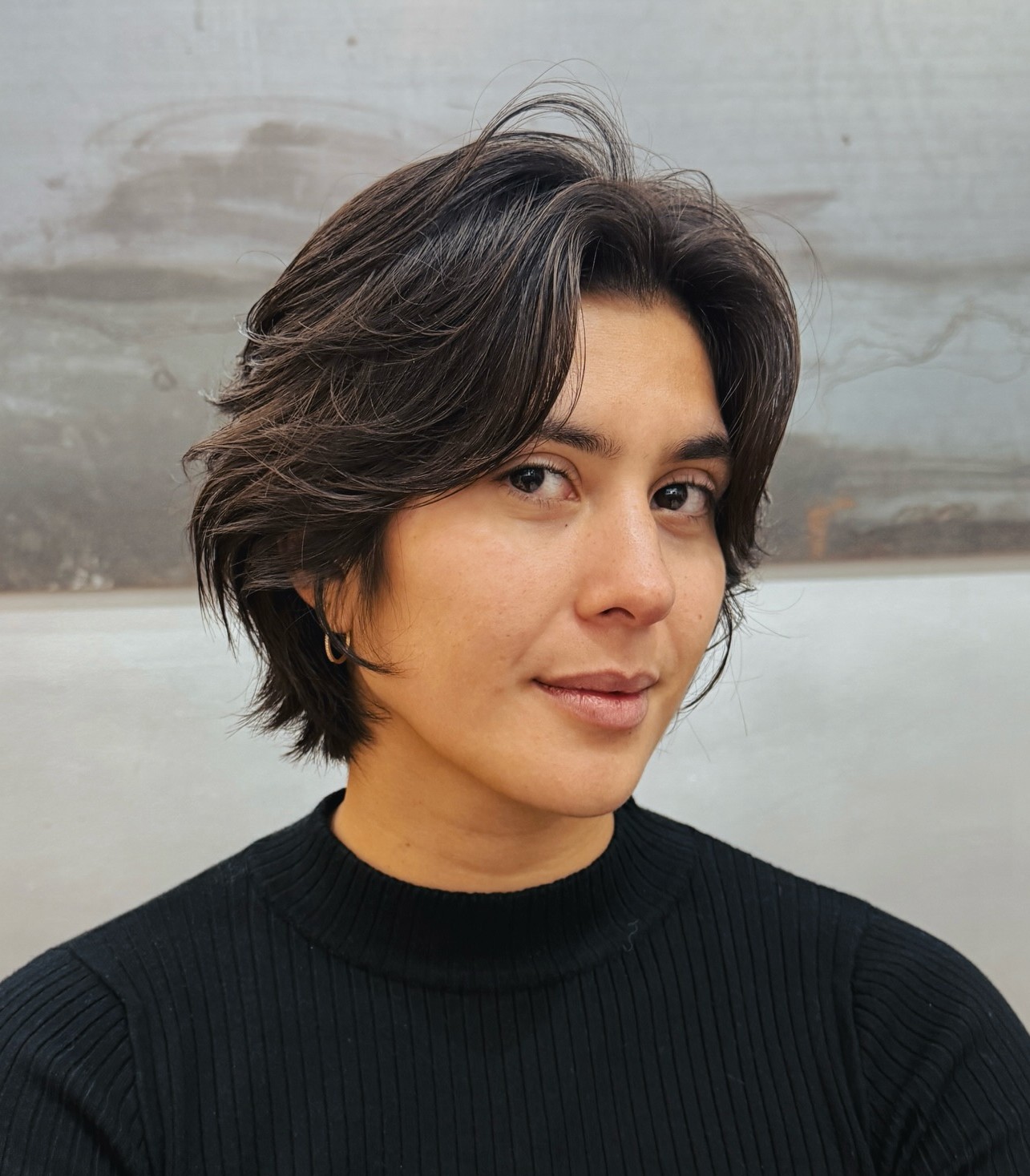
11. Micro Bangs with Textured Top
Micro bangs sit at least an inch above the brows, which exposes the full forehead and makes this one of the more daring combinations in the gallery. The textured top contrasts the blunt precision of the bangs, choppy and irregular above, clean and geometric at the fringe line. Oval faces carry this best because the proportions stay balanced. If your forehead is shorter or your face is rounder, this particular variation might not be the right fit, since the short fringe can emphasize width.
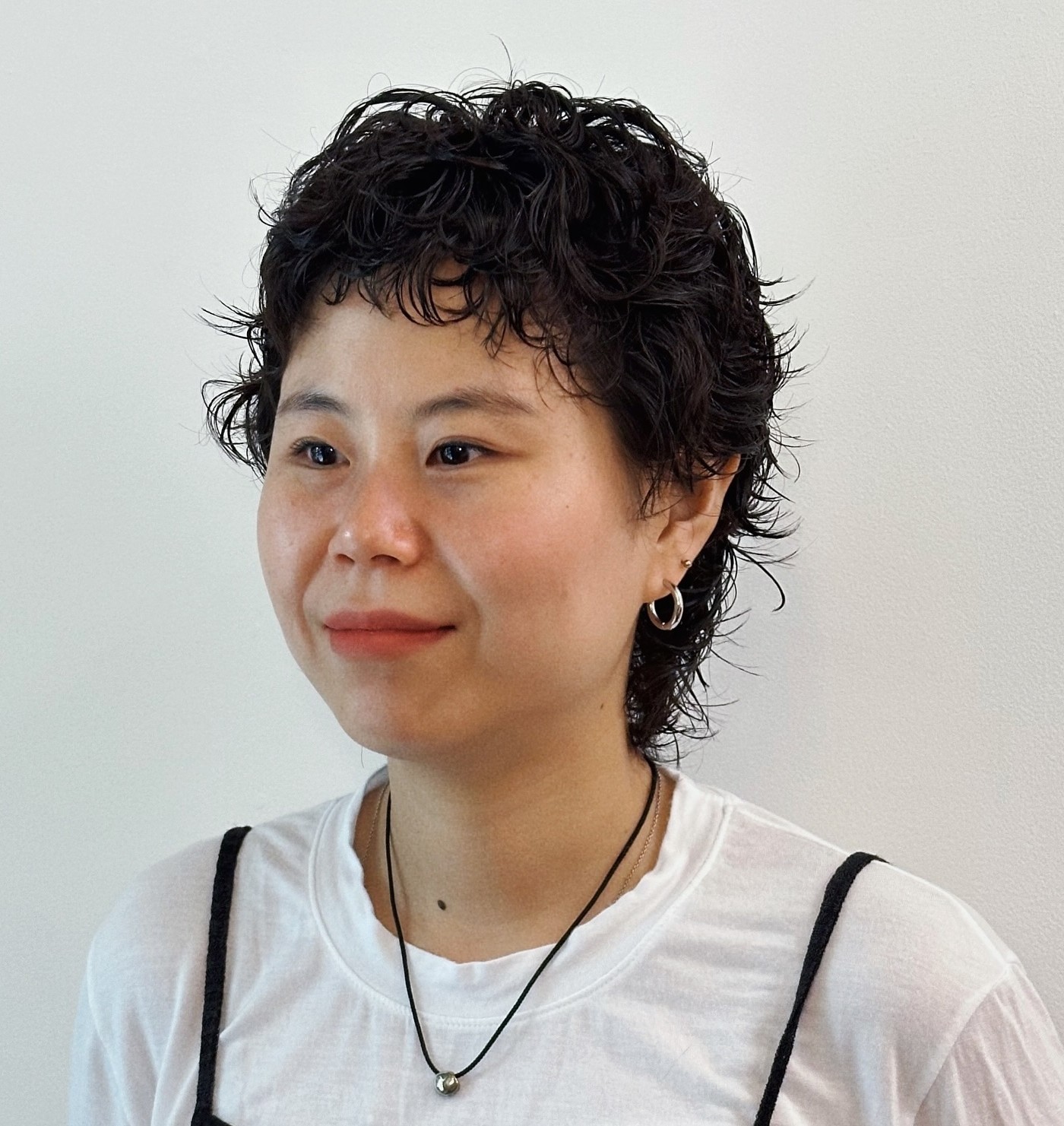
12. Wispy Bangs with Ear-Length Sides
Wispy bangs are thin enough to see the forehead through, which keeps them from feeling heavy or committal. When paired with side pieces that just touch the earlobes, the overall look is soft and low-effort. Fine hair thrives with this cut because there’s not enough density to weigh the wisps down, they move with every turn of your head. Maintenance is minimal: trim the fringe every 3 weeks or learn to snip the tips yourself with thinning shears.
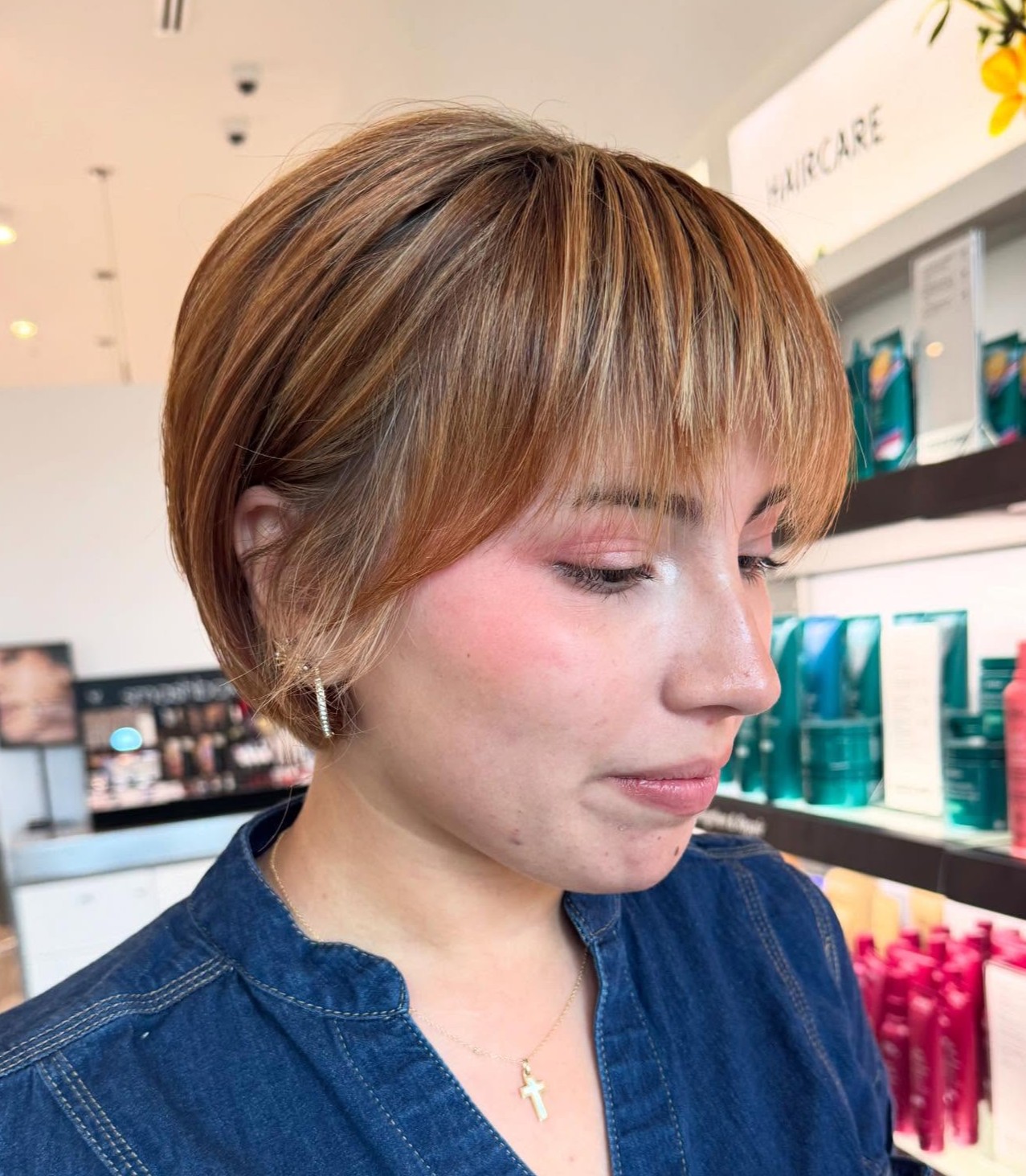
13. Full Blunt Fringe with Undercut
A full blunt fringe paired with an undercut creates maximum contrast, heavy and opaque across the forehead, shaved close at the nape. The undercut removes bulk low on the head, which pushes the visual weight upward and makes the fringe look even more deliberate. If you’re considering this one, keep in mind that the undercut needs a touch-up every 2–3 weeks with clippers (you can do this at home with a mirror and a steady hand).
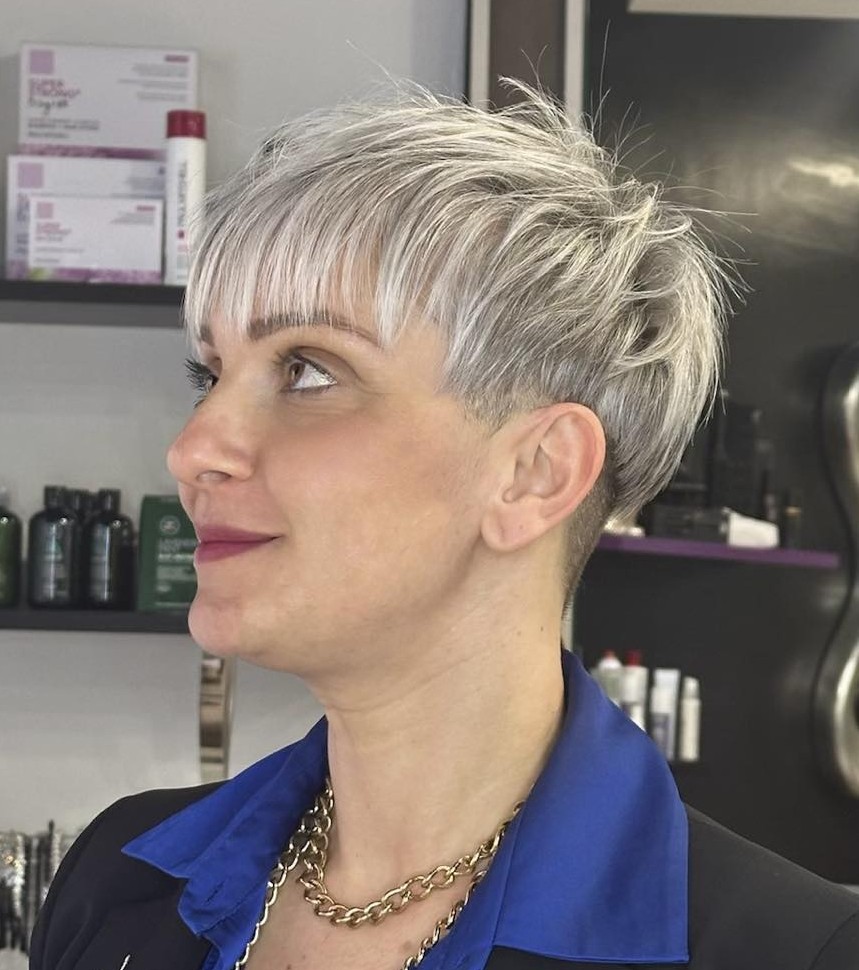
14. Asymmetrical Bangs with Longer Left Side
Asymmetry lets you create two different looks depending on which way you part your hair. This version keeps the left side long enough to tuck behind the ear while the right sits closer to the head. The bangs follow the asymmetry, longer on the left, gradually shortening across the forehead. Square and diamond face shapes respond well to this because the uneven lines break up the jaw’s angular structure.
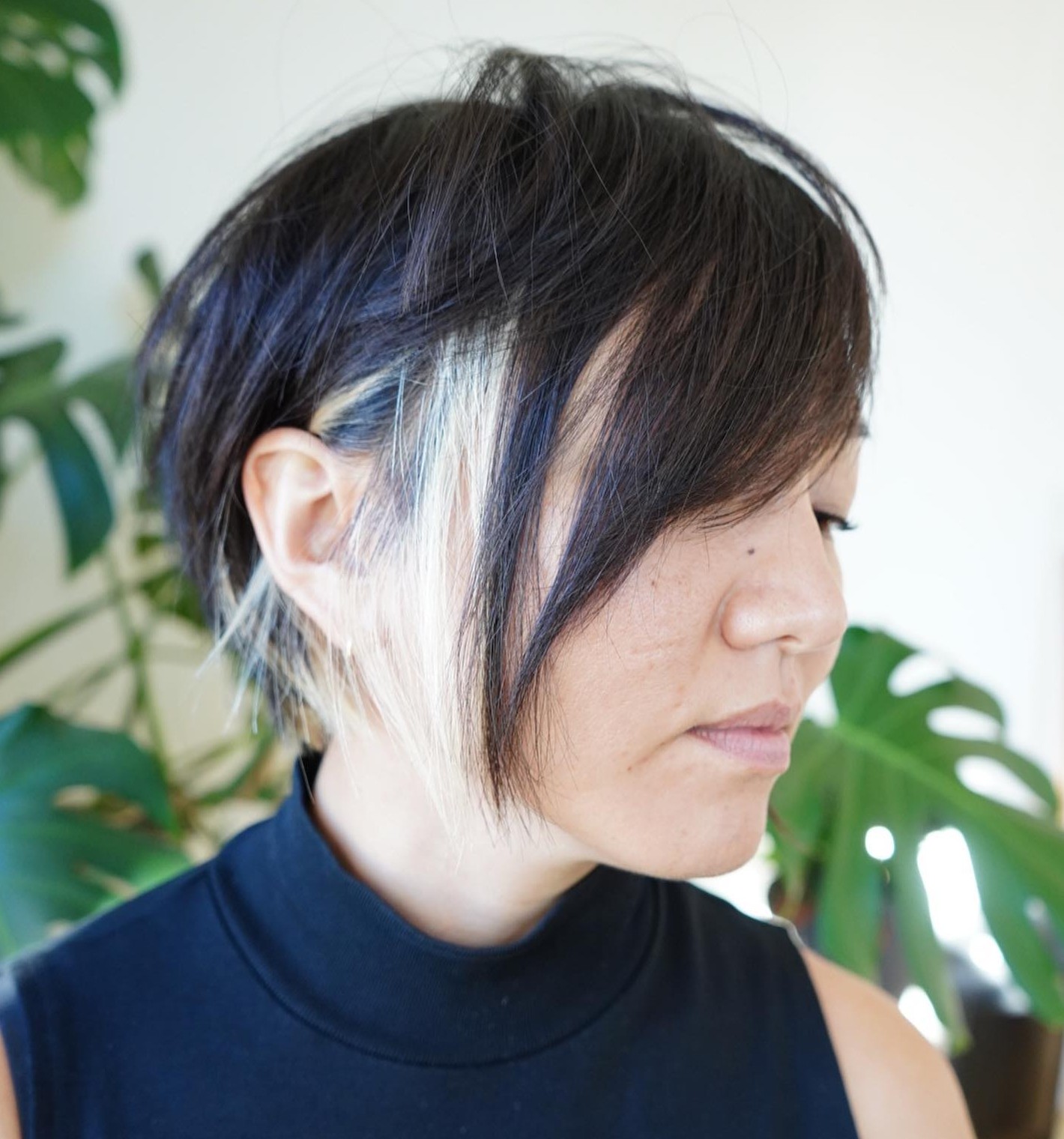
15. Swoopy Bangs with Layered Crown
The bangs curve across the forehead in a single arc from part to temple, creating a sweeping motion that draws the eye laterally. Crown layers sit shorter underneath and longer on top to generate lift without adding width. Women over 40 often gravitate toward this variation because the volume at the crown and the sweeping fringe work together to create a polished yet relaxed shape. A medium-hold mousse applied before blow-drying locks in the arc of the swoop.
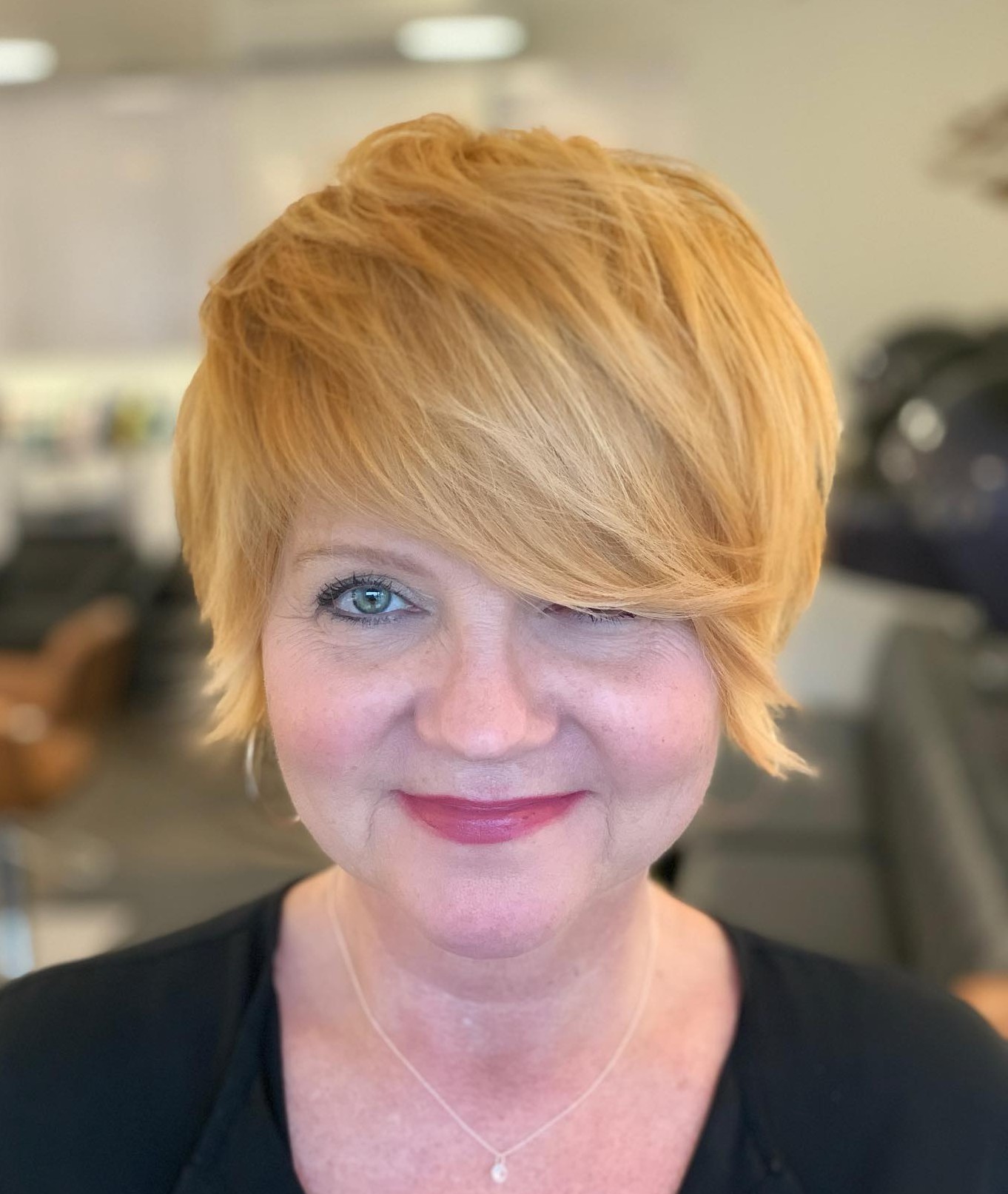
16. Bardot Fringe on a Cropped Cut
Inspired by that famous 1960s center-parted fringe, this version adapts it for a cropped length. The bangs split at the middle and fall to cheekbone level on each side, while the rest of the hair stays at ear length or shorter. The trick is keeping enough weight in the fringe pieces so they frame the face without looking stringy, your stylist can achieve this by skipping the thinning shears on the front section and only texturizing behind the ears.
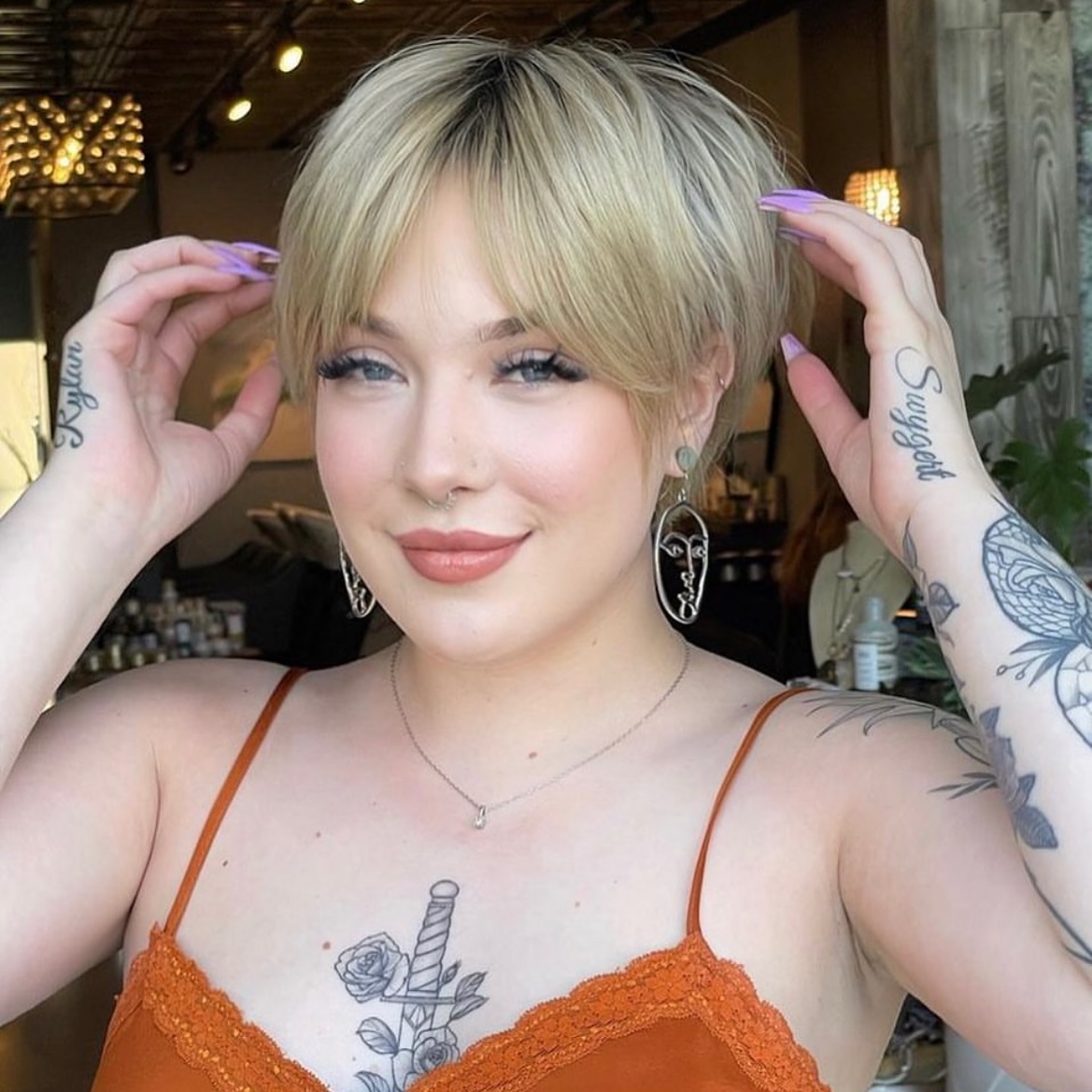
Long Pixie Cuts for Different Hair Types
A long pixie that looks effortless on straight, fine hair would be a completely different cut on someone with thick coils. These eight entries are matched to specific hair types, with notes on what technique makes each one work.
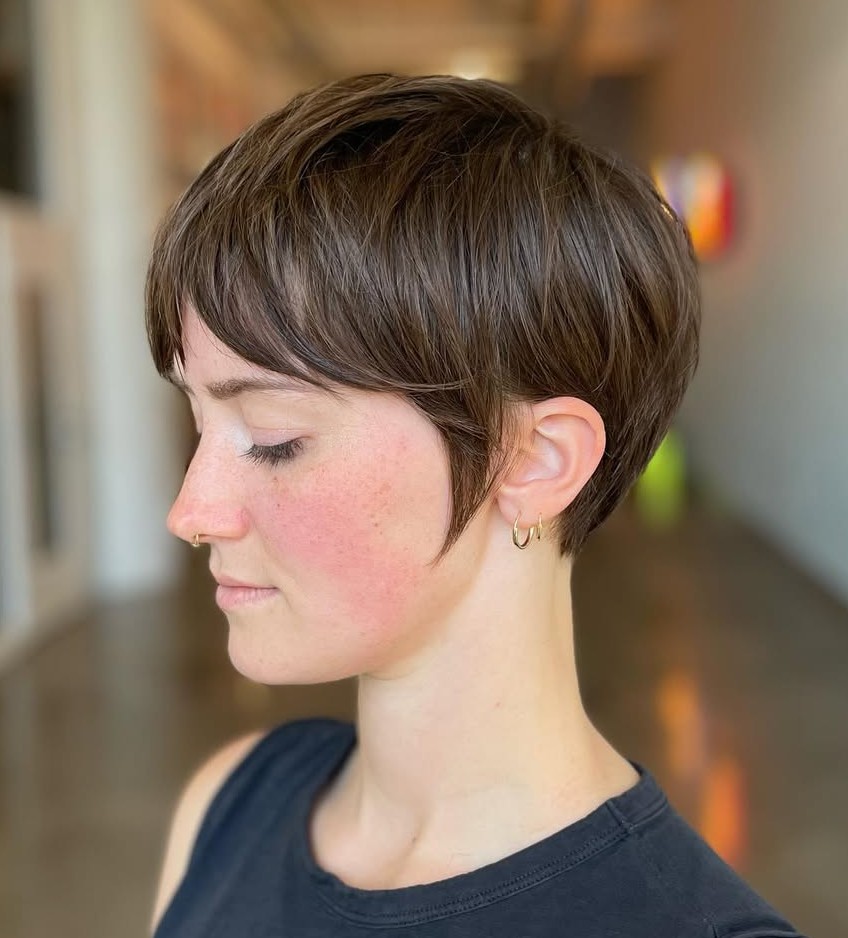
17. Volume-Building Pixie for Fine Hair
Fine hair needs interior structure. The short layers cut underneath the surface create a scaffolding effect that lifts the top layer away from the scalp. Avoid thinning shears entirely on fine hair, they reduce density you can’t afford to lose. Instead, ask for point-cutting on the ends only, which gives movement without sacrificing fullness. A volumizing powder dusted at the roots adds grip and lift that lasts through the day.
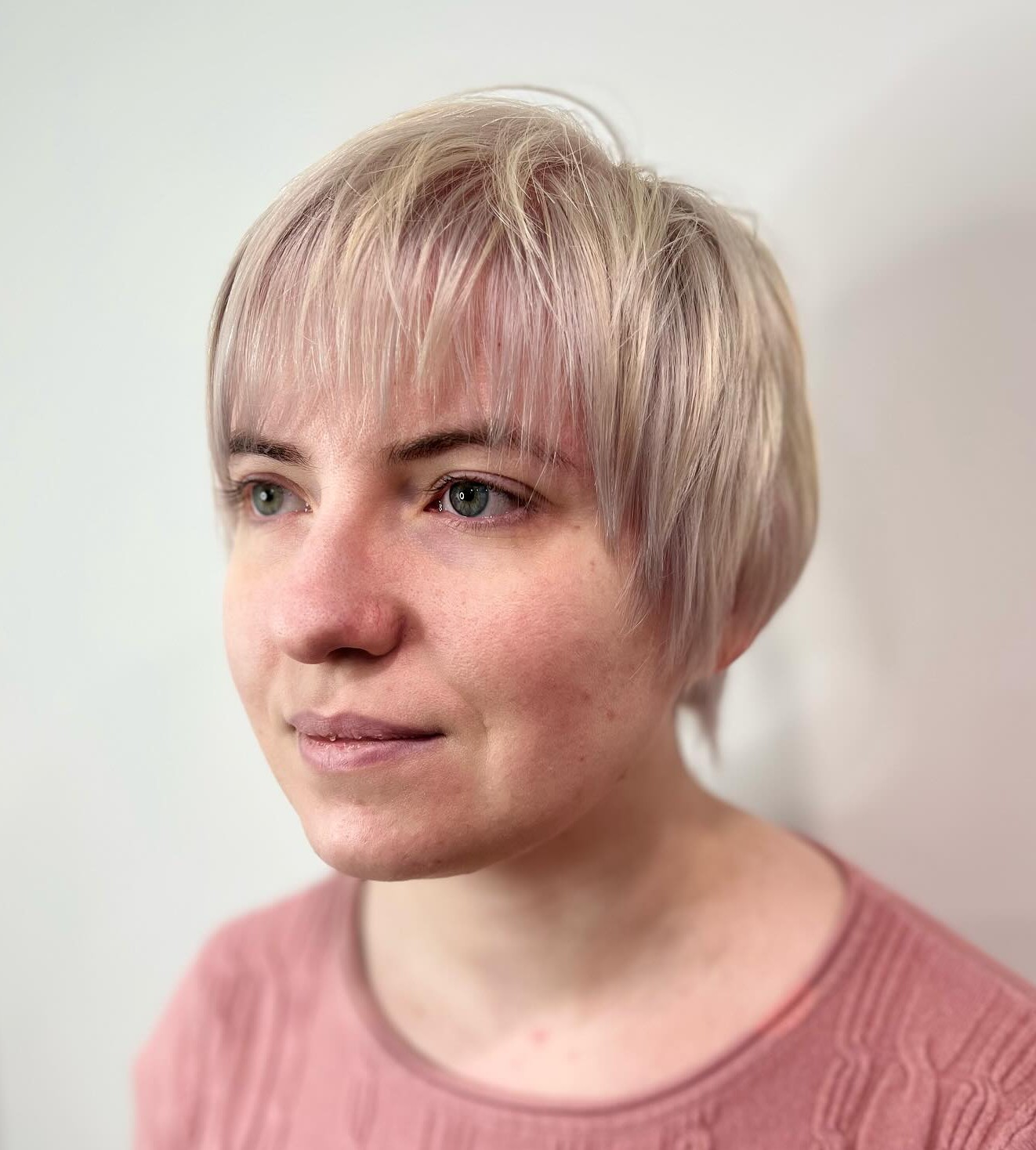
18. Weight-Removal Crop for Thick Hair
Thick hair in a long pixie can expand outward unless weight is strategically removed from the interior. The stylist uses thinning shears or a razor on the internal layers only — never the surface — to keep the silhouette tight without making the top look thin. The perimeter stays blunt for a clean line. You’ll know the weight removal is right when you can air-dry without the sides puffing out past your cheekbones.
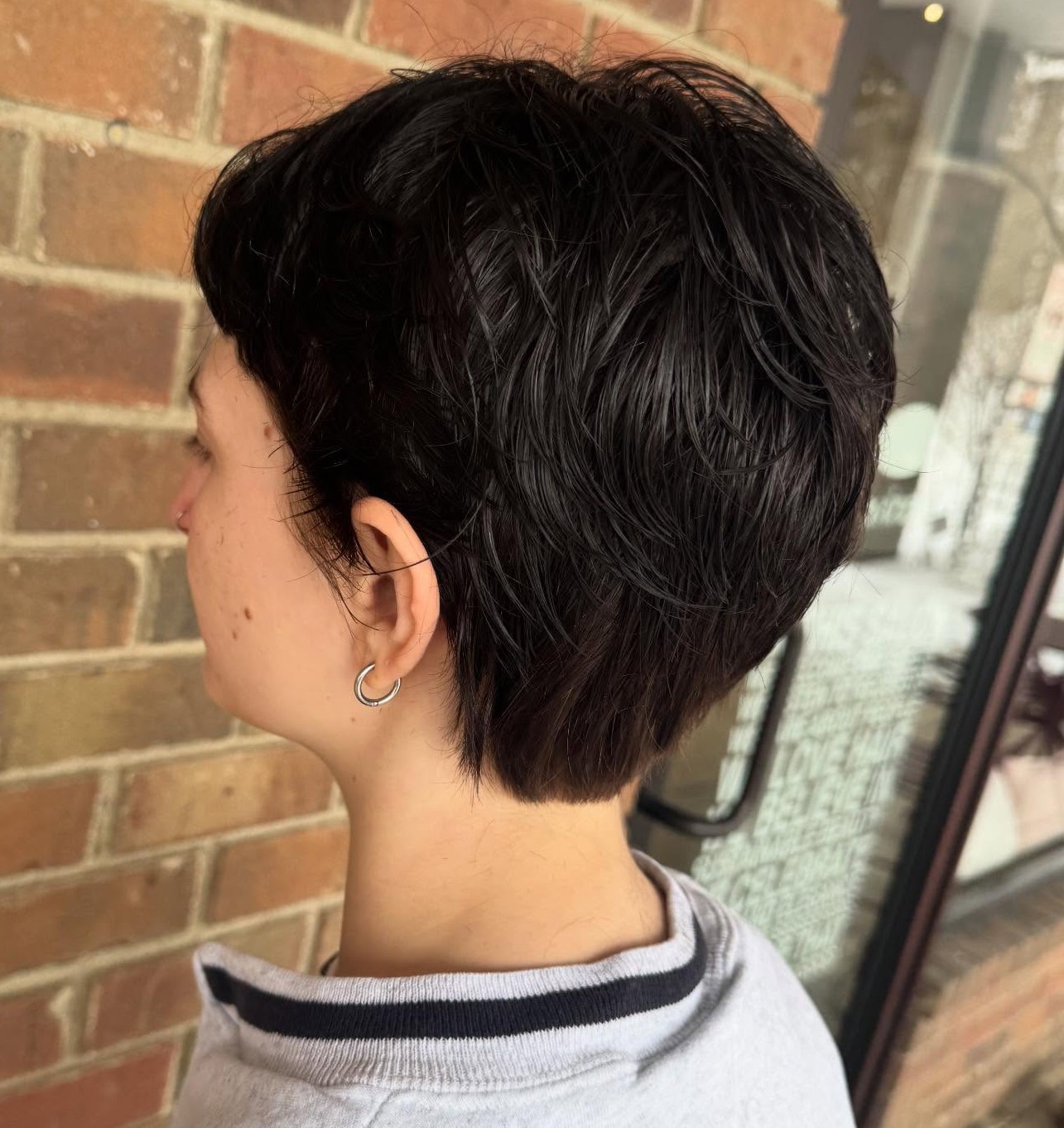
19. Wavy Texture Long Pixie
Wavy hair (type 2A–2B) creates natural body in a long pixie without any styling tools. The key is cutting the layers slightly longer than you would on straight hair, because waves shrink the visual length by about half an inch. Leave the top at 3–4 inches so the wave has room to form its S-pattern. A lightweight curl cream scrunched into damp hair defines the waves without crunching or weighing them down.
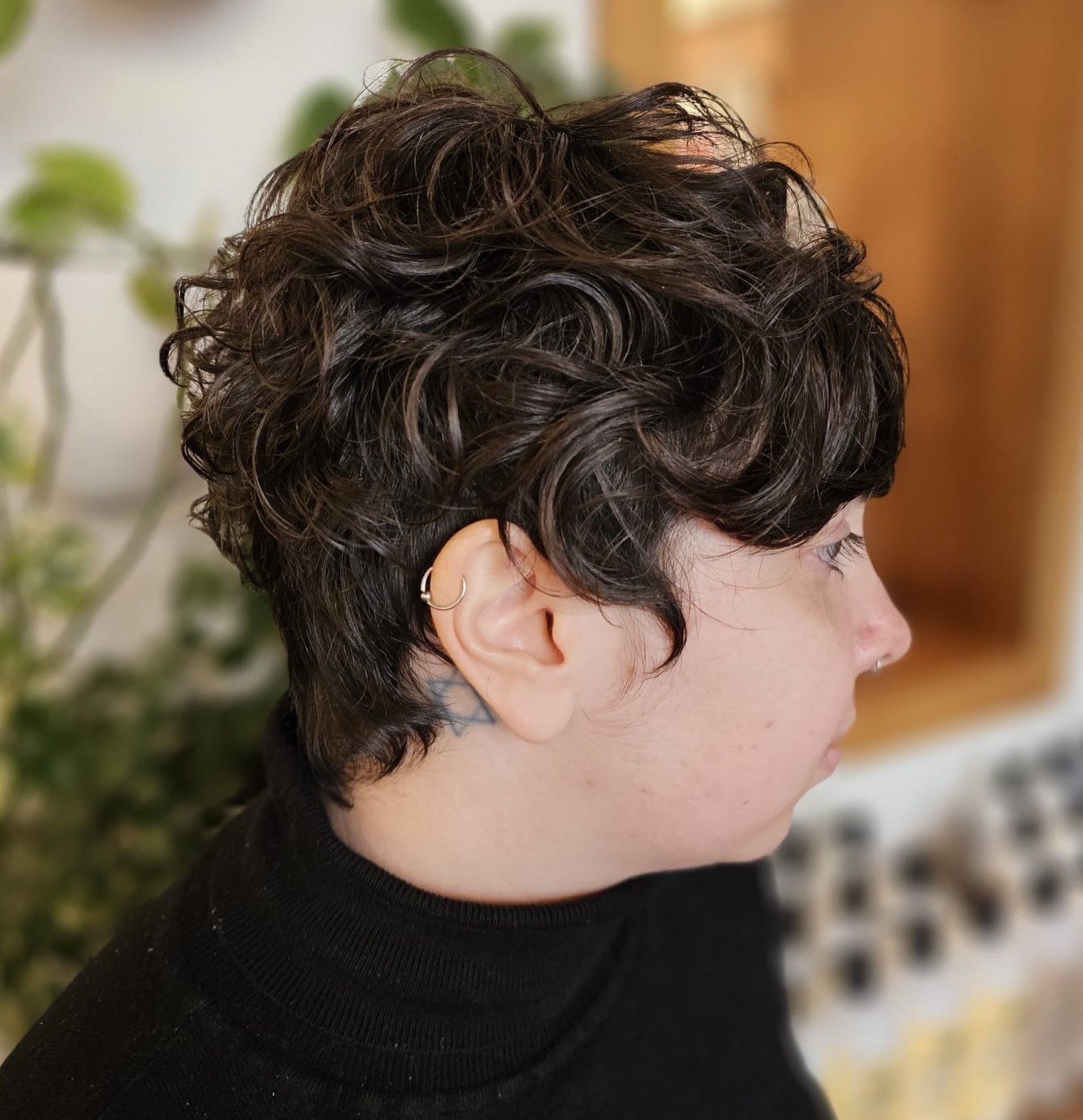
20. Curly Pixie with Defined Ringlets
Curly pixies need to be cut dry. Cutting wet hair removes too much length once it springs back, and you end up shorter than planned. A skilled stylist will cut curl by curl, shaping each ringlet individually and checking the fall pattern as they go. The sides can stay slightly longer than a straight-hair version, the curl pulls them upward and inward. Use a diffuser on low heat to set the shape without disturbing the curl pattern.
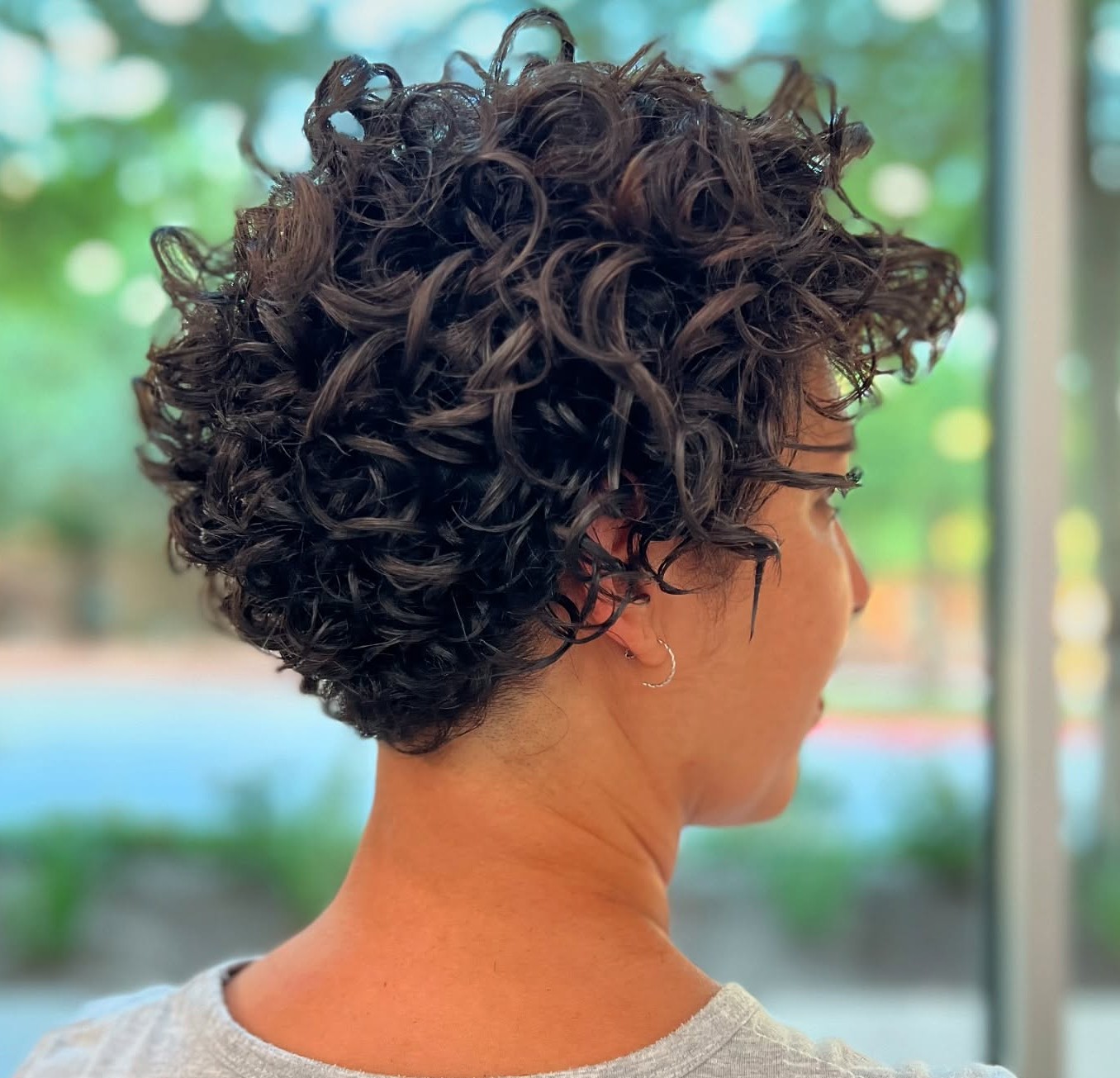
21. Coily Tapered Cut with Length on Top
This tapered cut keeps 3–4 inches of coil on top while fading the sides down to a half-inch. The contrast between the longer coils and the close-cropped perimeter gives it structure without hiding the natural texture. A twist-out or finger coils on top add definition for days when you want a more polished shape. The taper needs a touch-up every 3–4 weeks to keep the line sharp, but the top section can go 6–8 weeks between trims.
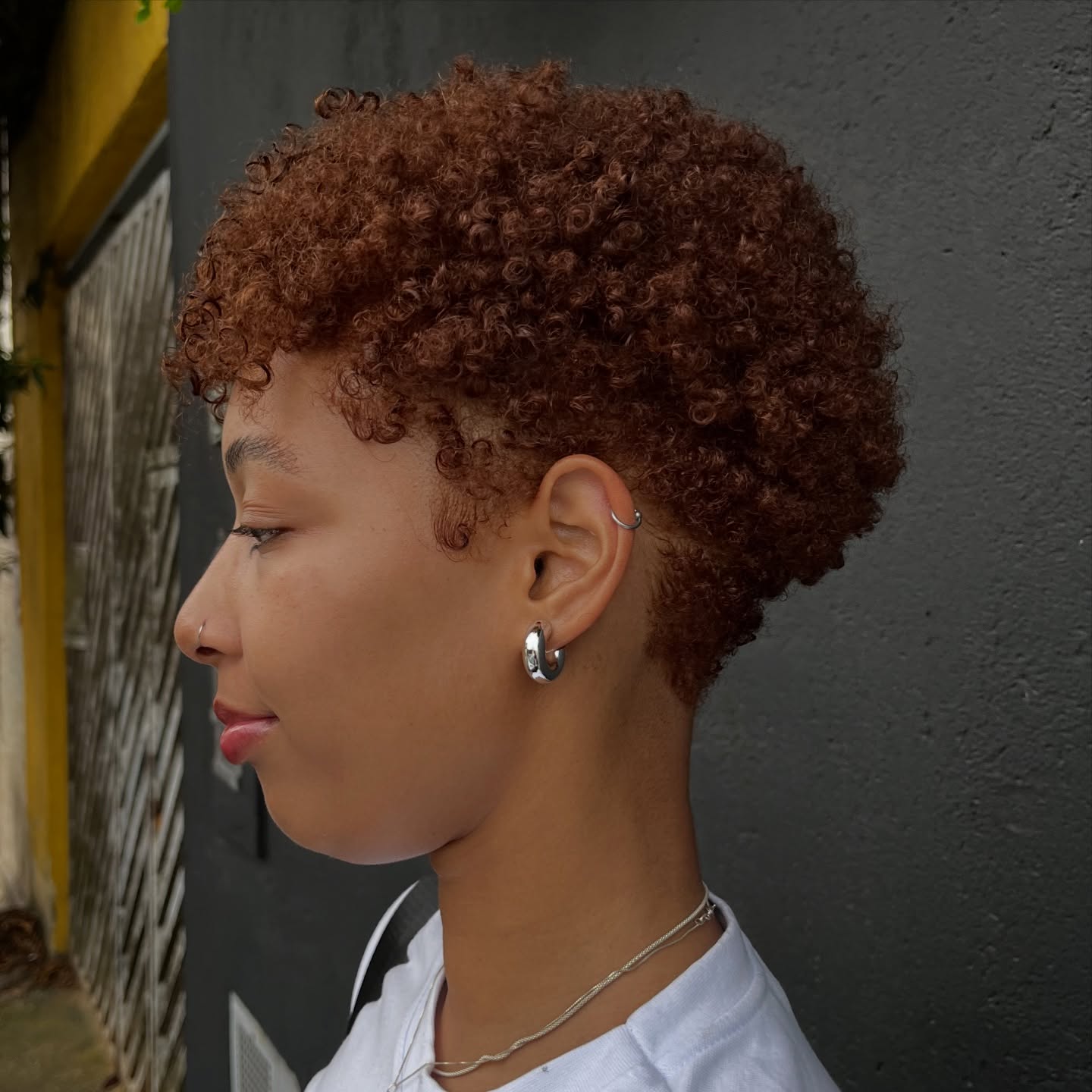
22. Straight and Sleek Long Pixie
For naturally straight hair that doesn’t hold a curl, leaning into the sleekness is the smartest move. A flat-ironed, smooth long pixie reads polished and professional — think tailored rather than tousled. The cut relies on precise geometry: every line is clean and the weight line sits exactly where the stylist placed it. A smoothing serum applied before blow-drying prevents flyaways and adds a reflective shine.
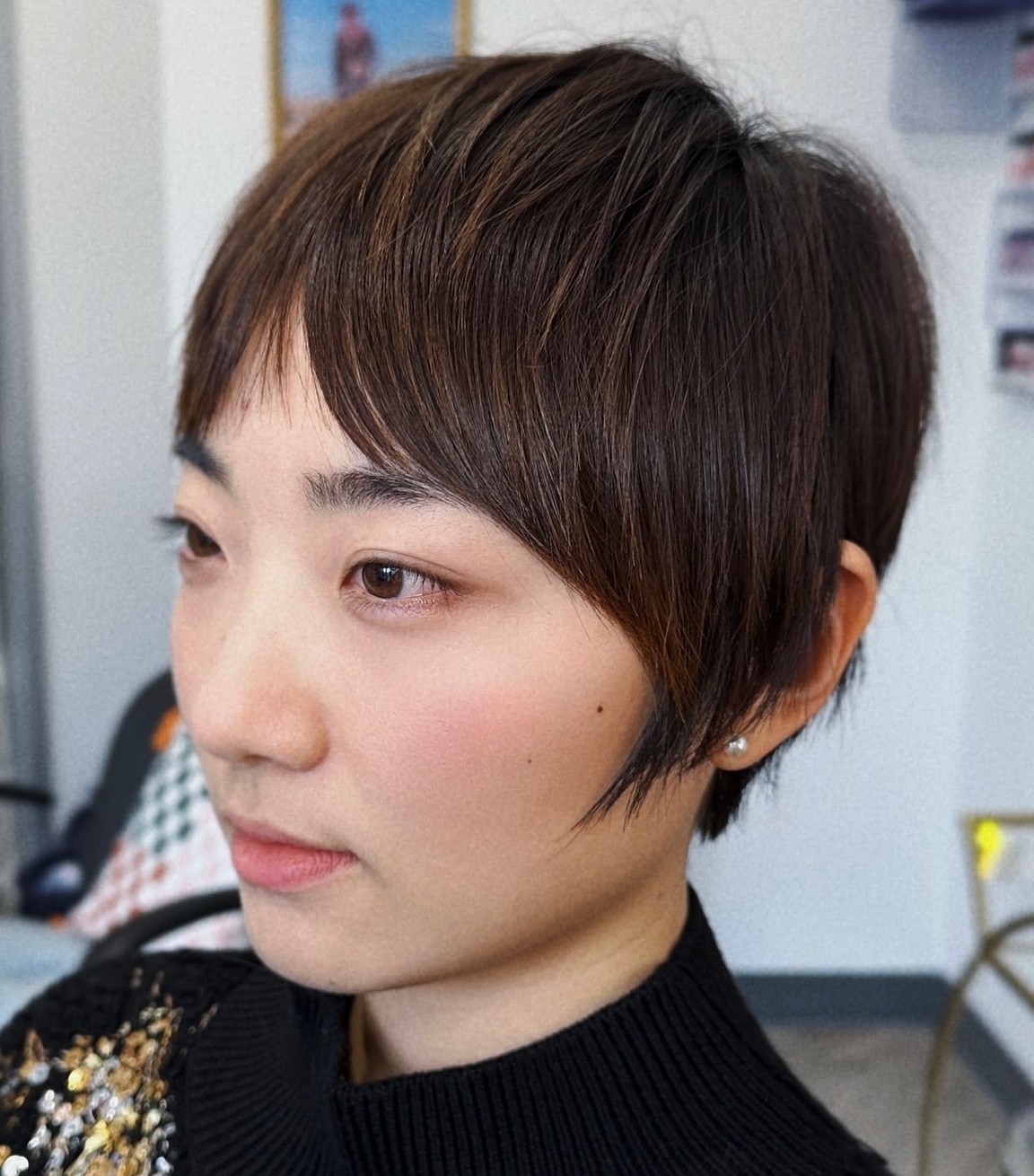
23. Salt-and-Pepper Textured Crop
Gray hair has a different texture than pigmented hair, it’s often coarser, wavier, and more resistant to lying flat. A textured long pixie works with that change rather than against it. The layers accommodate the wiry strands and turn them into visual interest instead of frizz.
If you’re growing out your color, this cut is an efficient way to remove most of the dyed length while keeping enough hair to style. A purple shampoo every third wash keeps the silver tones bright and free of yellowing.
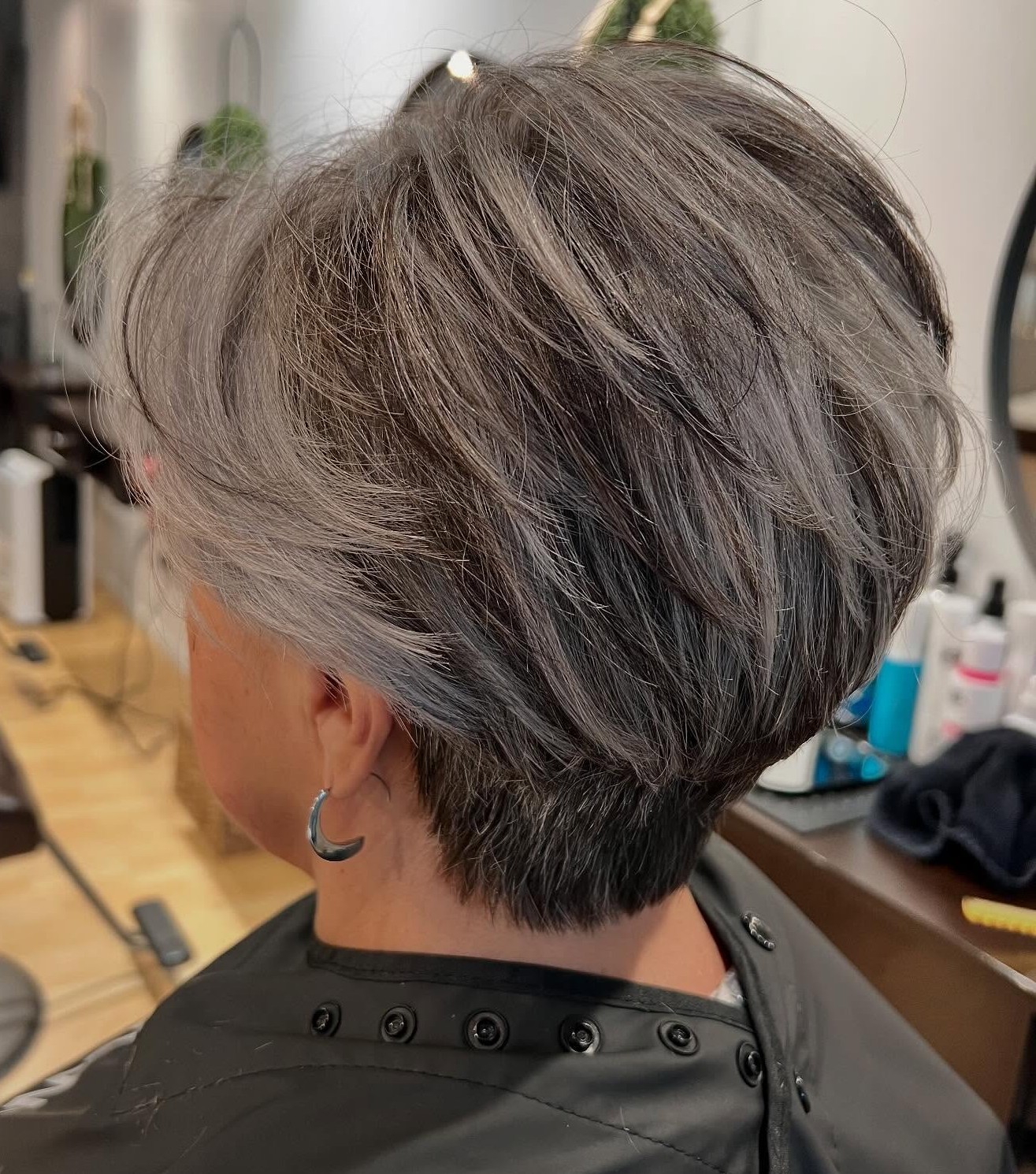
24. Relaxed Pixie for Chemically Treated Hair
Chemically relaxed hair is more fragile than virgin hair, so the cut needs to be strategic about where layers fall. Avoid stacking layers too close together, that creates weak points where breakage concentrates. Keep the layers at least an inch apart and skip razor cutting entirely (it frays already-compromised ends). A heat protectant is non-negotiable before any hot tool, and wrapping the hair at night with a silk scarf maintains the shape between washes.
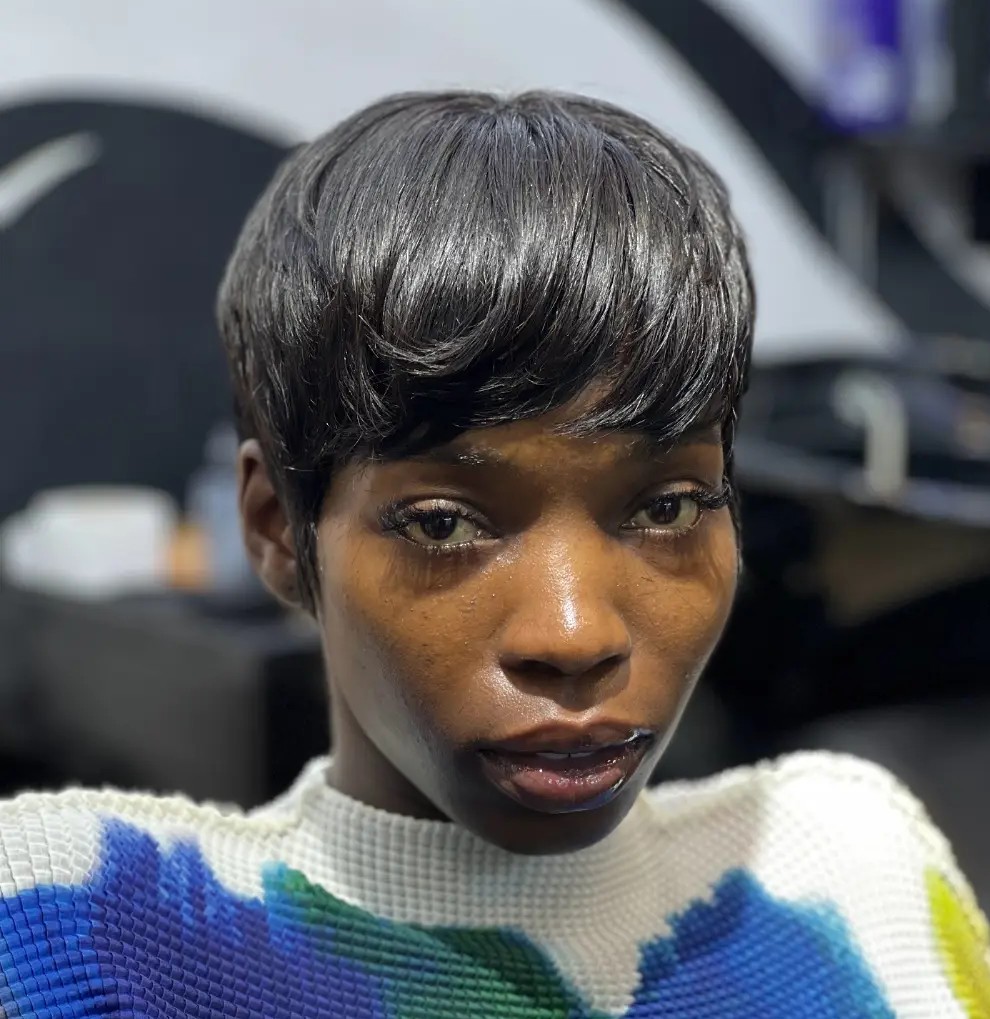
Bold and Edgy Long Pixie Variations
If you want your haircut to make a statement louder than “I cut my hair,” this section covers undercuts, shaved details, vivid colors, and geometric shapes that push the long pixie into standout territory.
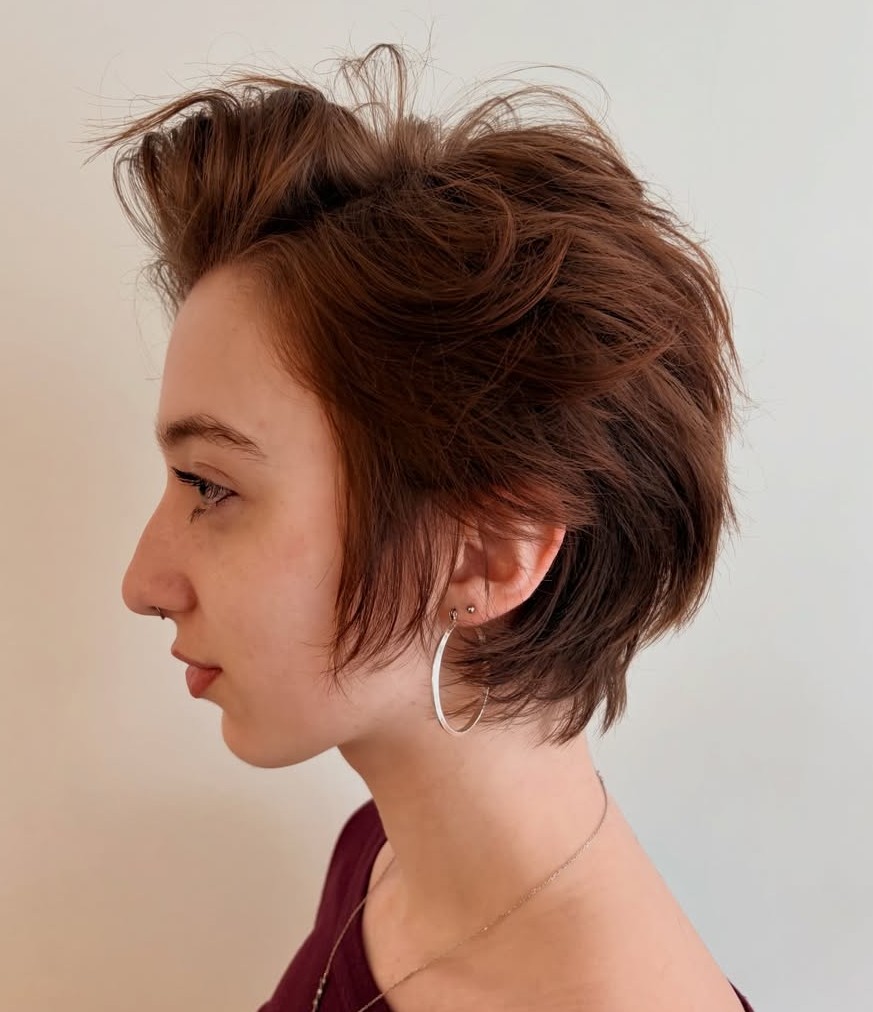
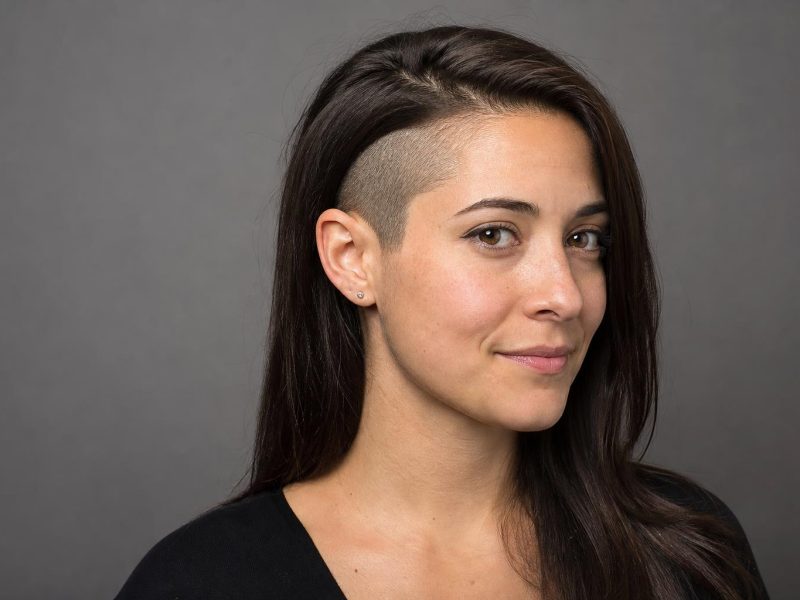
25. Shaved Side with Floppy Top
One side is buzzed at a #1 or #2 guard while the top falls 4 inches in the opposite direction. The drama comes from the contrast, exposed scalp on one side, full coverage on the other. This style is low-maintenance on the long side (just push it over) but the shaved section needs a buzz every 10–14 days to stay clean. Diamond and oval faces carry the asymmetry well. If your workplace has conservative grooming standards, you can comb the top over to cover the shaved side when needed.
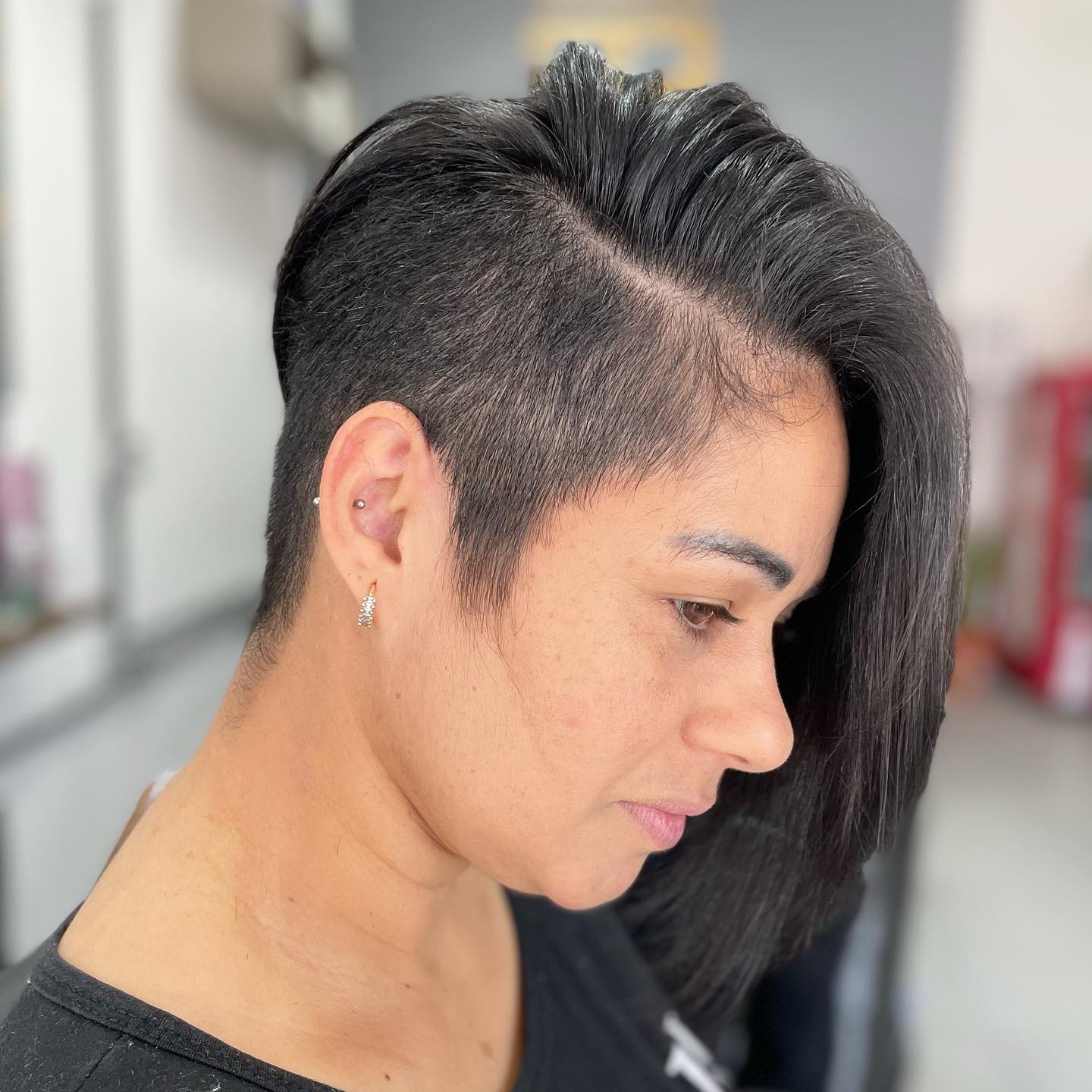
26. Geometric Undercut with Etched Design
An etched design in the undercut adds a custom element that’s visible when the hair is tucked forward or pulled up. Common patterns include parallel lines, triangles, or chevron shapes. The design is cut with a trimmer blade and typically lasts 2–3 weeks before it blurs. Keep in mind that the rest of the pixie needs to be long enough on top to cover the design when you want a more subdued look.
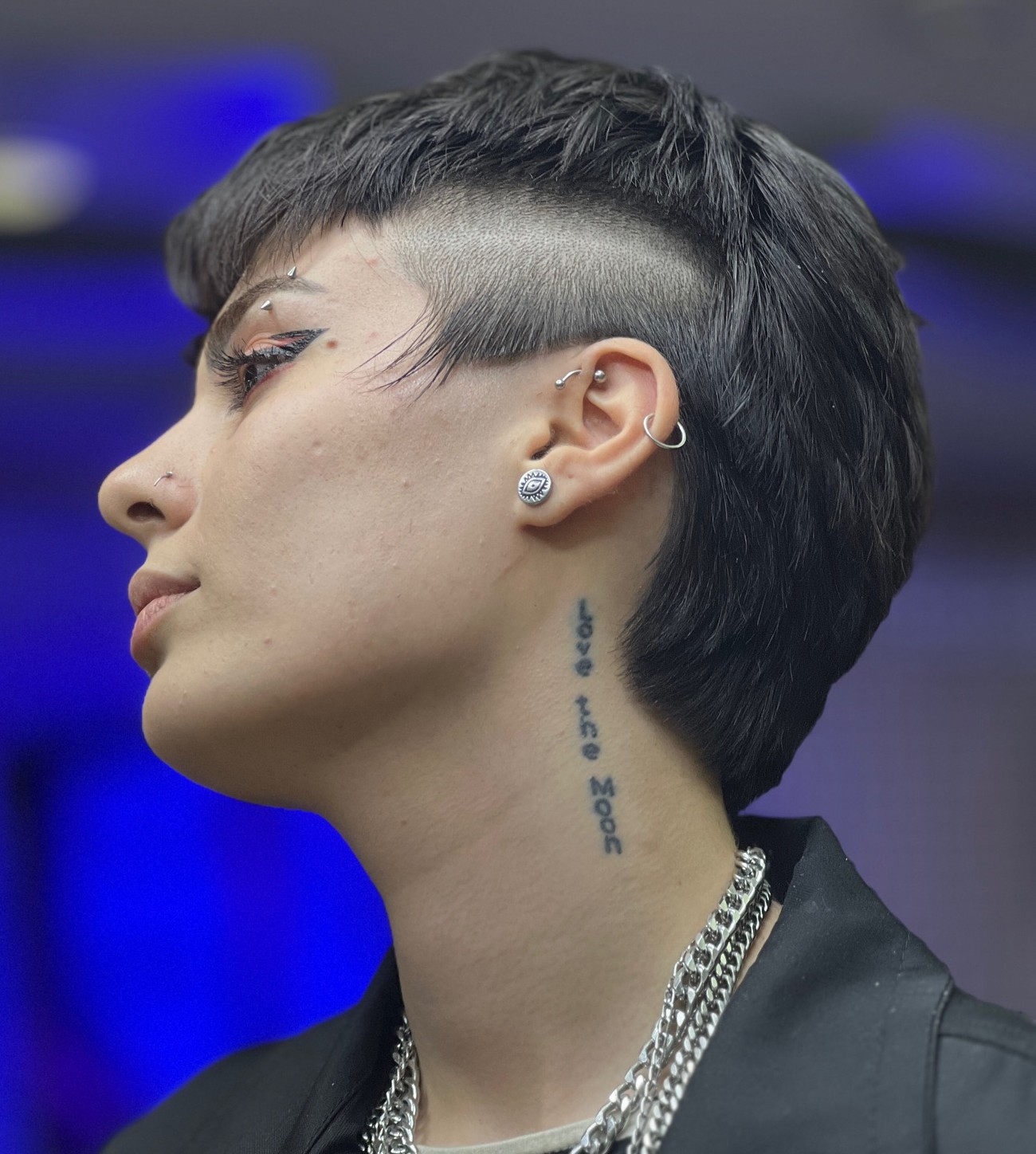
27. Vivid Color Long Pixie
A vivid fashion color (cobalt, magenta, emerald) reads completely differently on a long pixie than on shoulder-length hair. The short length means faster application, less product, and lower cost per session. But vivid colors fade fast — expect 4–6 weeks of peak color before it softens. Use color-depositing conditioner between salon visits to stretch the vibrancy. Cold water rinses and sulfate-free shampoo slow the fade noticeably.
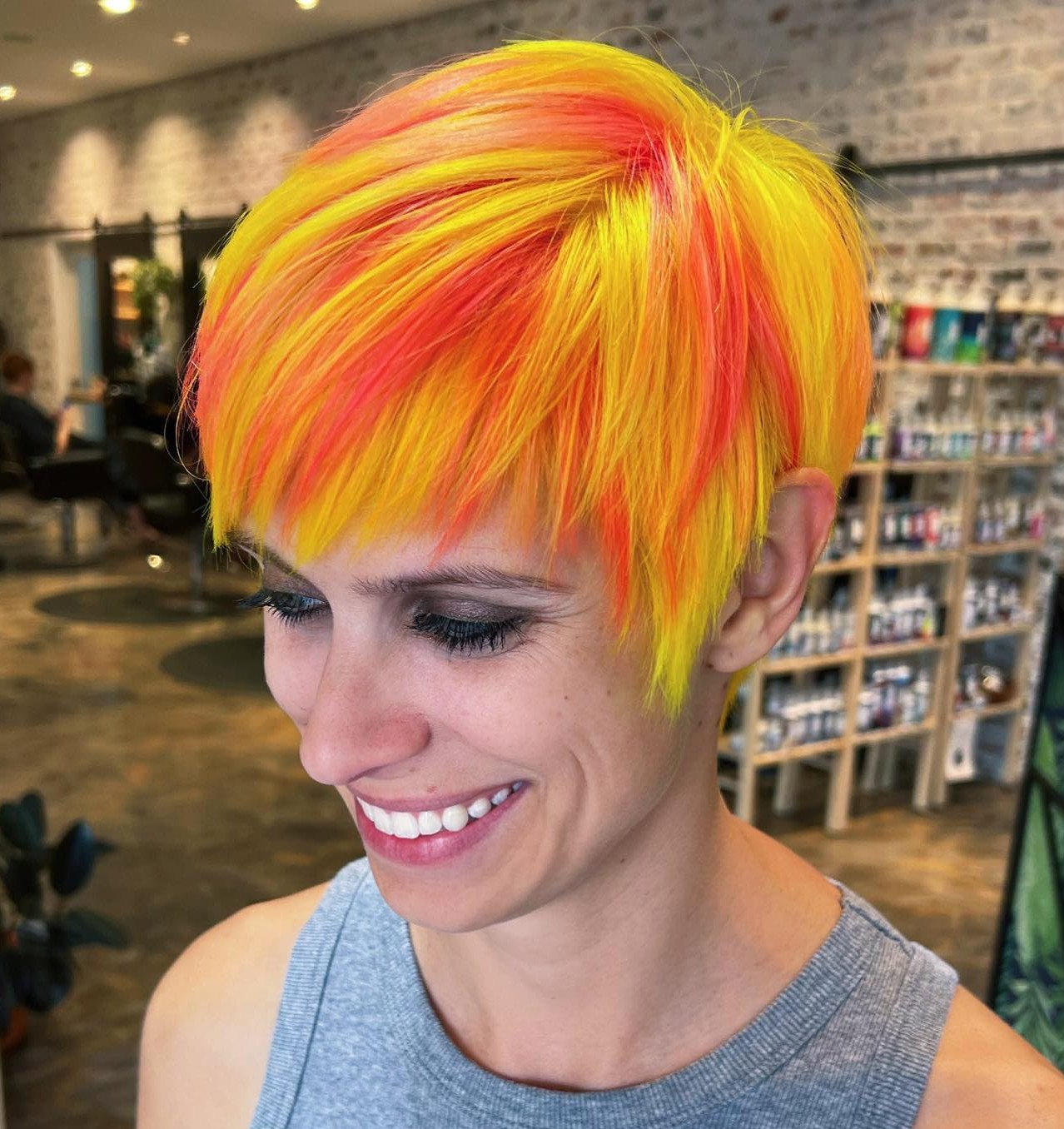
28. Platinum Buzz-to-Length Pixie
Going platinum on a pixie means less bleaching damage than a full head of long hair, there’s simply less hair to process. The buzz-to-length transition creates a natural gradient from near-scalp platinum to slightly toned longer pieces on top. Your stylist will need to tone the top section separately from the buzz since the shorter hair lifts faster and can pull yellow. Budget for a toner refresh every 4 weeks.
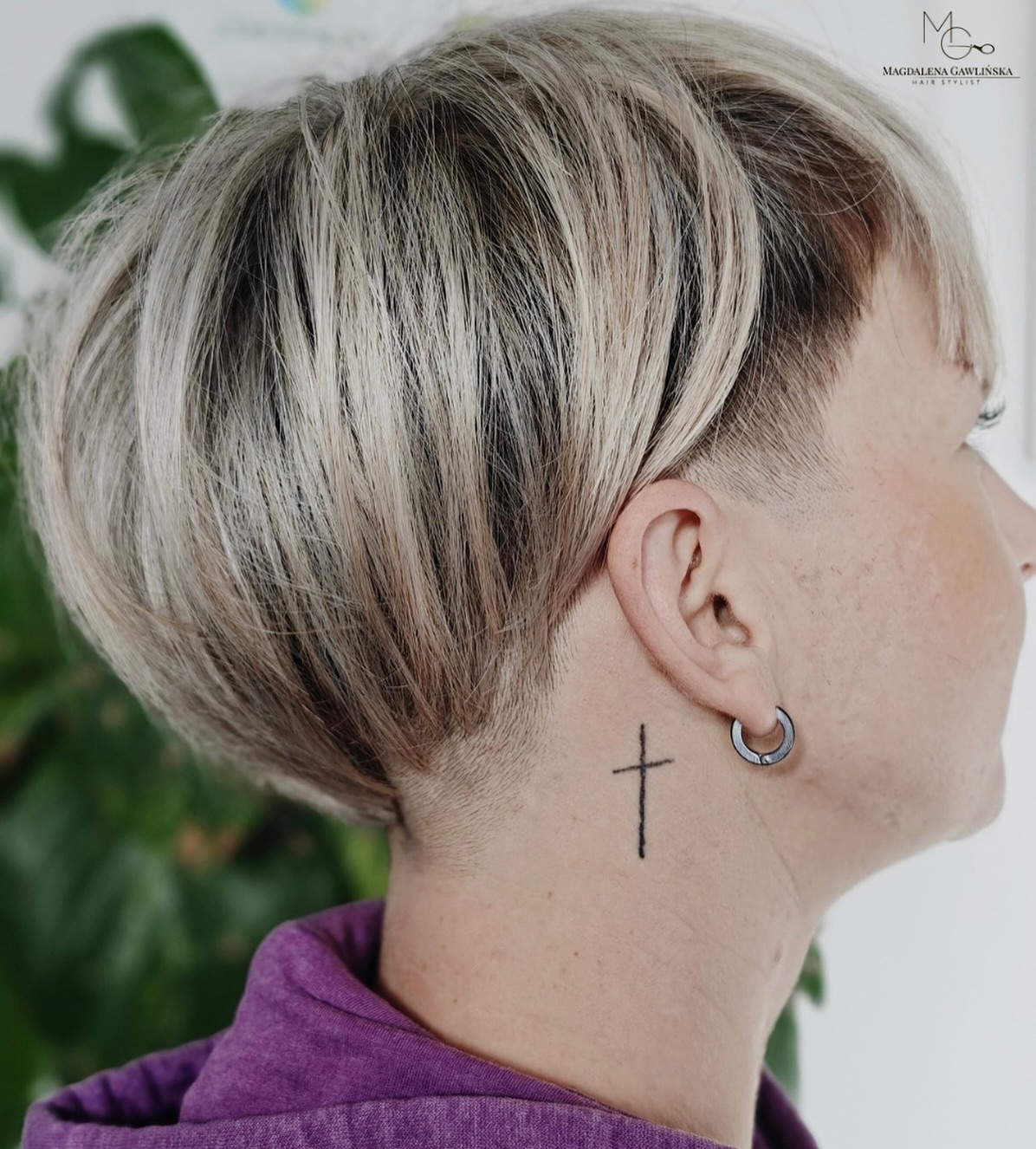
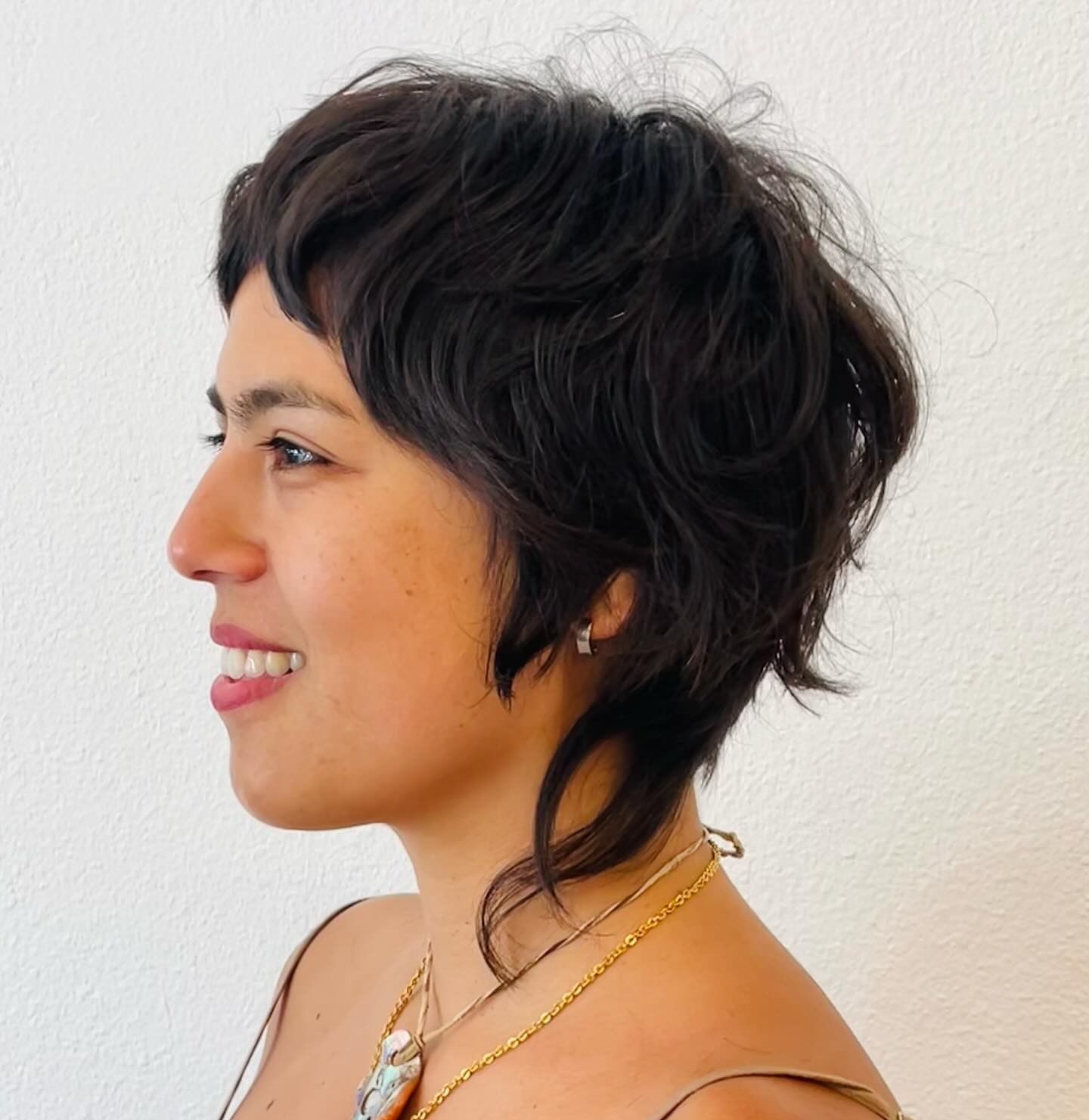
29. Mullet-Inspired Long Pixie
The modern mullet-pixie hybrid keeps the top and sides at standard long pixie length but lets the nape grow 2–3 inches longer. It’s a rebellious silhouette that’s been showing up on salon Instagram feeds consistently since late 2024. If you’re not sure about it, ask your stylist to leave the nape long on your next trim, it’s the easiest way to test the shape before committing.
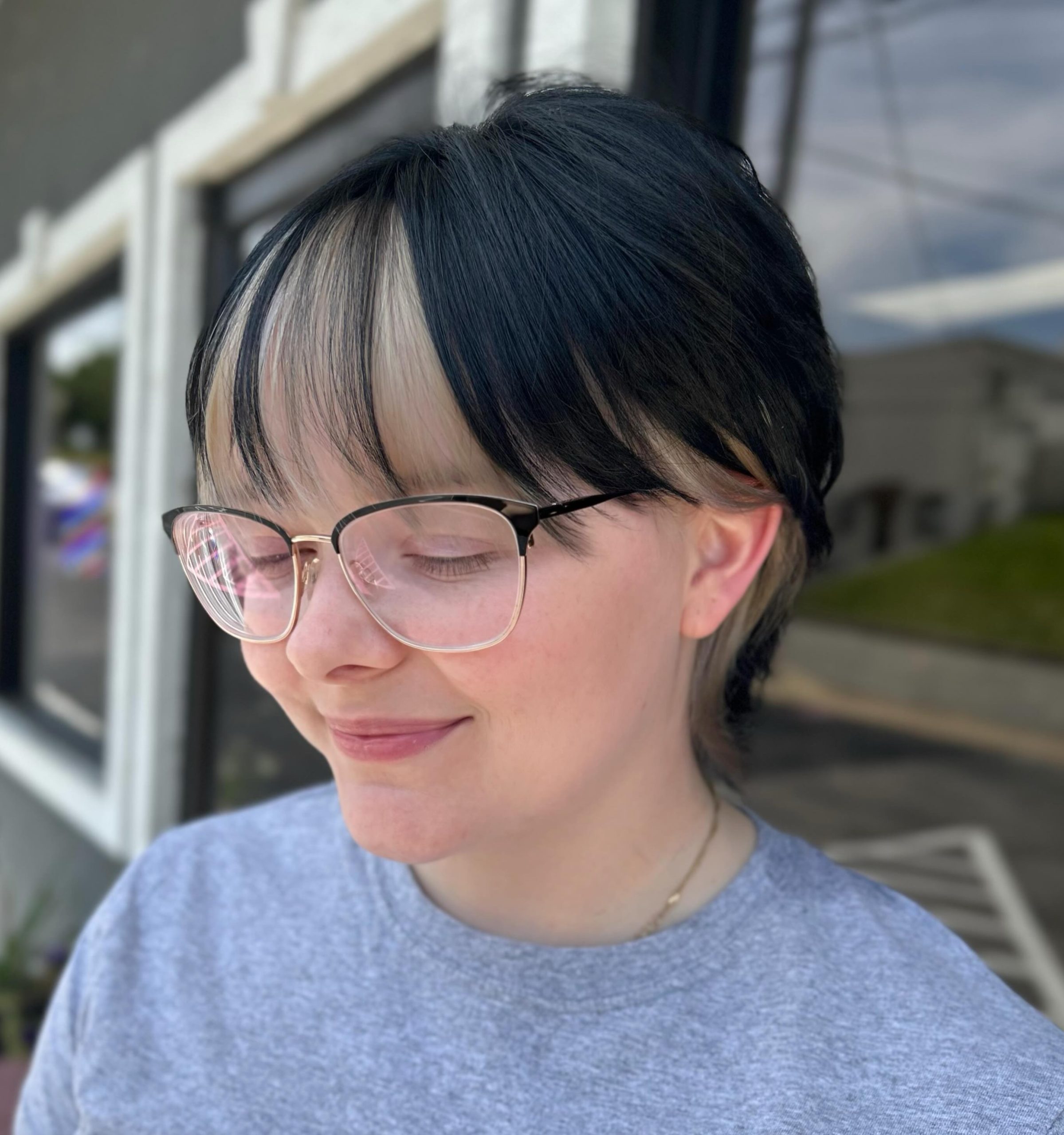
30. Two-Tone Split Color Pixie
A two-tone split (half black, half blonde, or any contrasting pair) turns a long pixie into a graphic statement. The center part is the most common dividing line, though some stylists split at the temple for an asymmetric version. Maintenance is manageable because regrowth shows at different rates on each side, the dark side stays clean longer while the blonde side needs root touch-ups every 5–6 weeks.
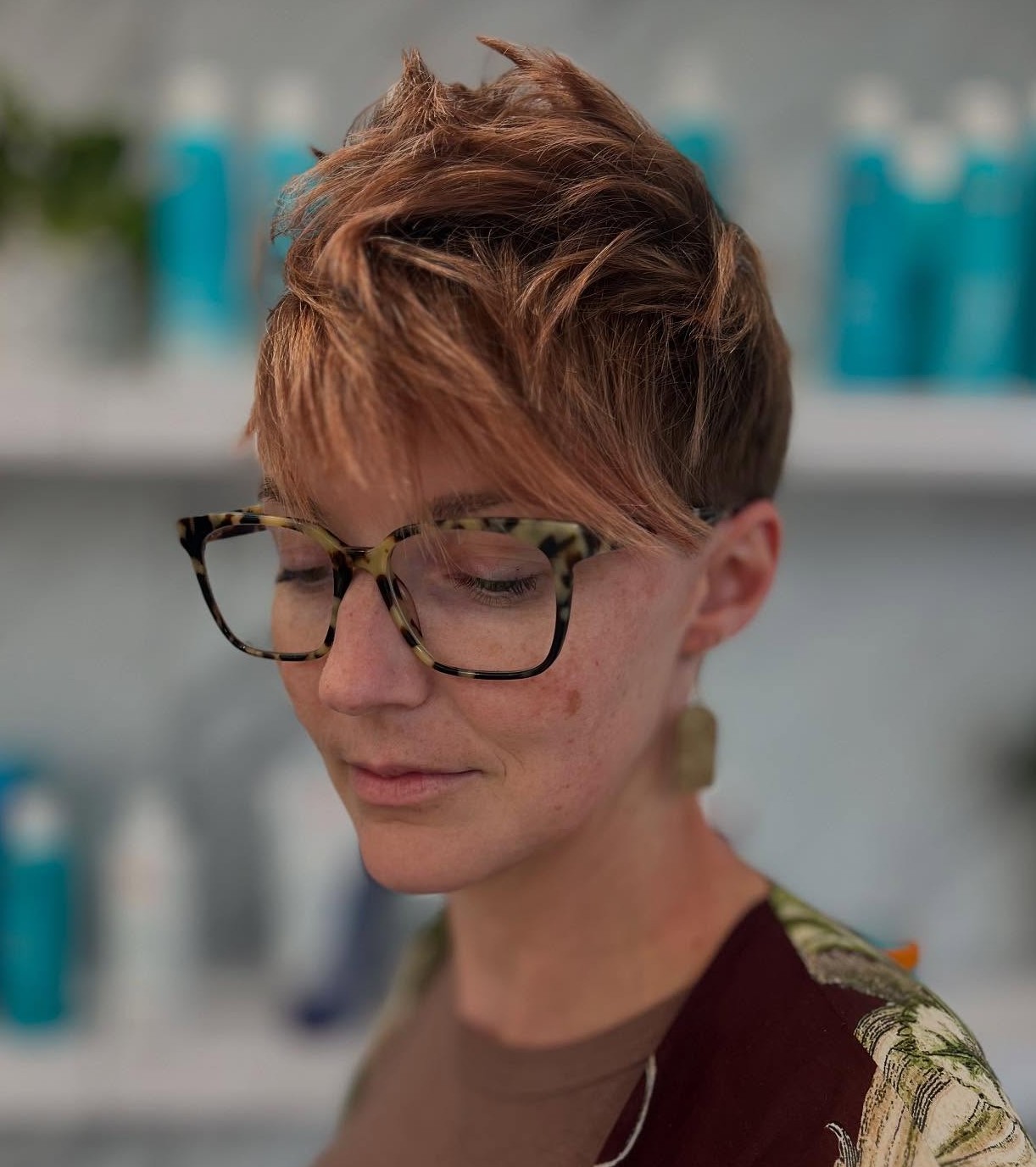
31. Spiky Long Pixie with Product Hold
Spikes are back, but the 2026 version is more controlled than the early 2000s approach. Use a strong-hold wax or fiber paste to lift individual sections vertically, keeping the spikes at roughly the same height for a uniform look. The sides stay flat and close while the top gets the lift. This works best on straight to slightly wavy hair that’s thick enough to hold the spike shape, fine hair collapses within an hour.
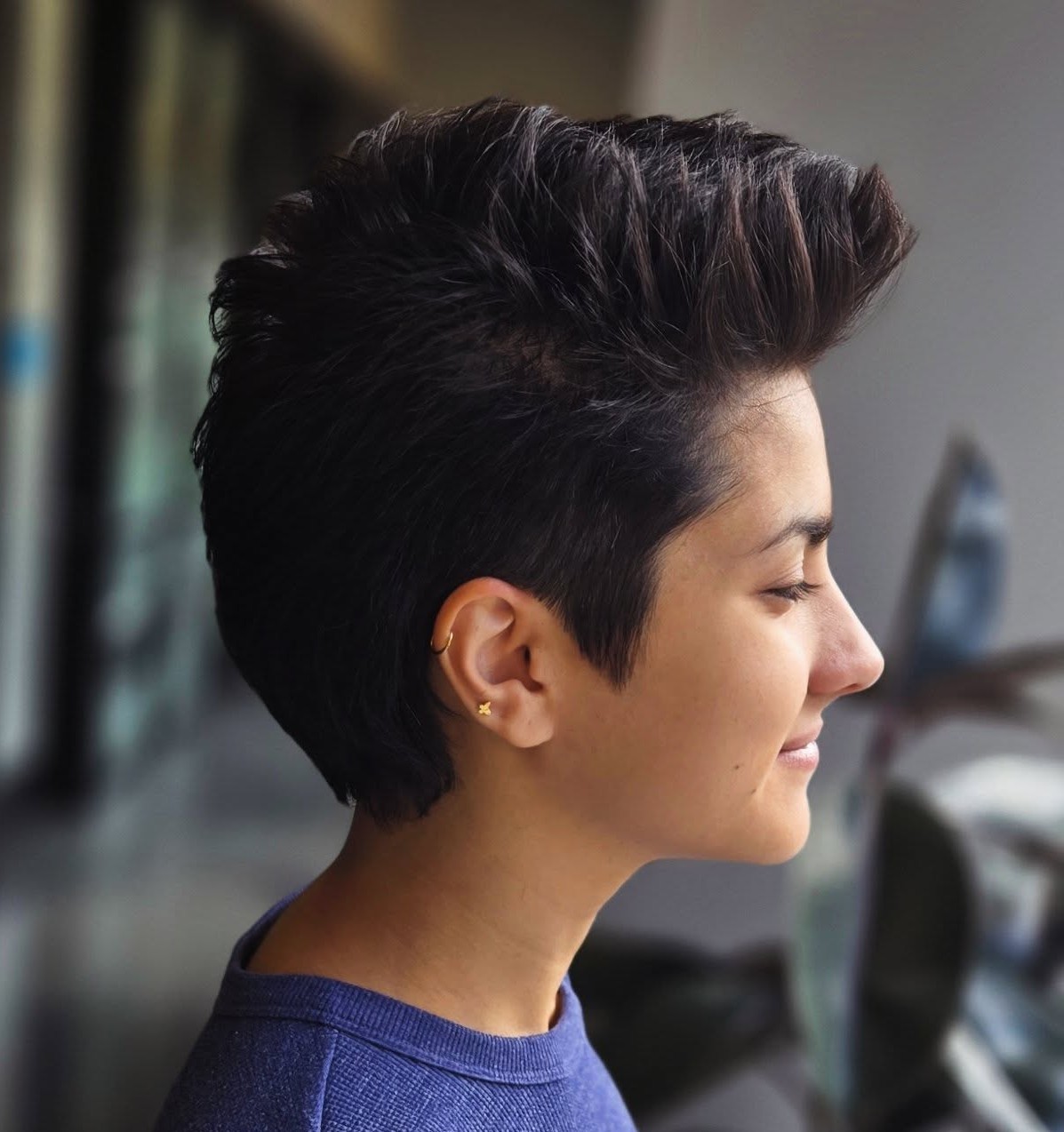
32. Faux Hawk Long Pixie
Everything is long enough to push into a central ridge, but the sides aren’t shaved, just combed down and held with a light gel. You get the hawk silhouette when you want it and a standard long pixie when you don’t. The versatility makes this a good option if you like to change your look day to day. Use a paddle brush and a blow dryer to direct the top section upward, then set the ridge with a flexible-hold spray.
Soft and Feminine Long Pixie Styles
Not every long pixie needs to look sharp or edgy. These eight entries lean toward soft edges, rounded shapes, and polished finishes that read elegant rather than rebellious.
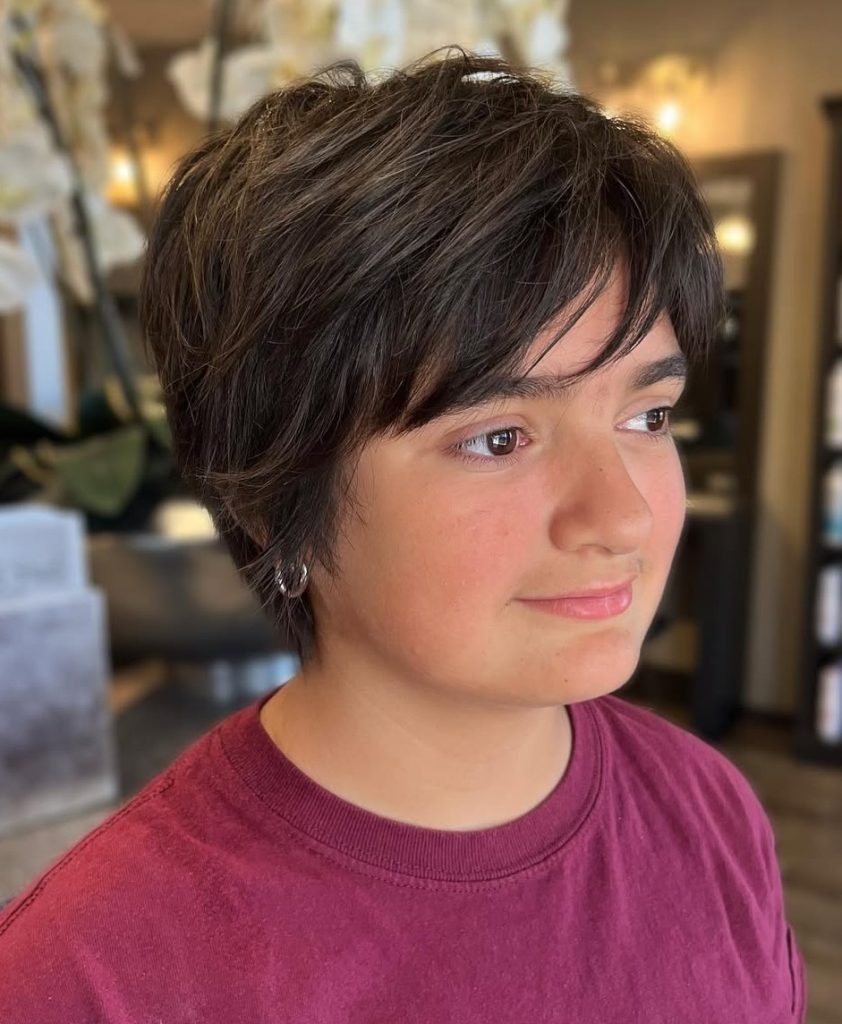
33. Rounded Bob-Pixie with Soft Layers
The perimeter curves inward slightly, creating a rounded silhouette that sits close to the head and follows the skull shape. Soft layers through the crown add movement without disrupting the clean, smooth outline.
This is one of the most professional-looking long pixie options, it reads polished in a corporate setting and doesn’t require much effort. A round brush during blow-drying encourages the inward curve at the ends.
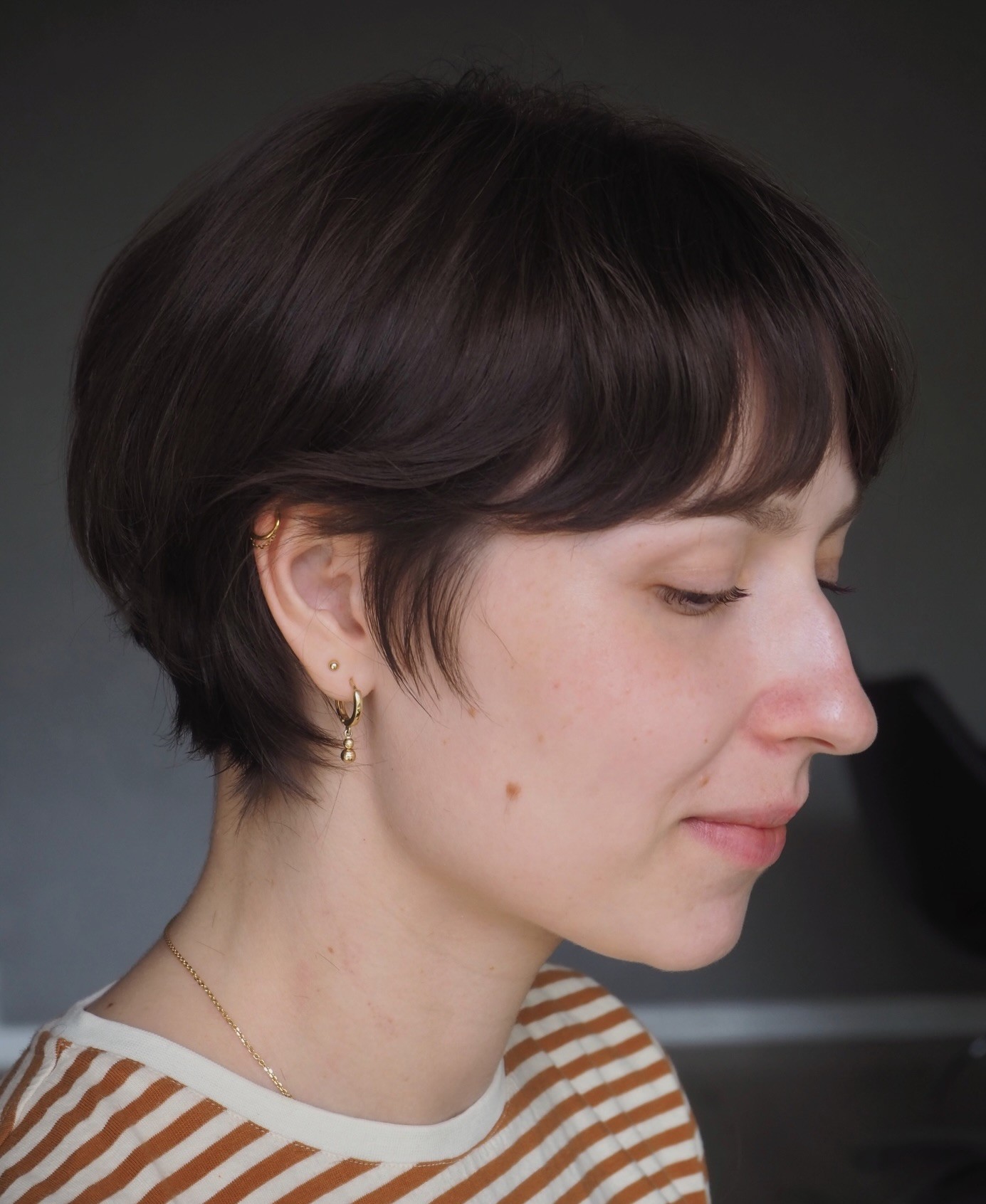
34. Ear-Tucked Pixie with Face-Framing Pieces
The sides are long enough to tuck behind the ears, with two or three shorter pieces left out at the temples to frame the cheekbones. The tucked look shows off earrings and opens up the face, while the framing pieces prevent the cut from looking too severe. This is a strong choice for oval and heart-shaped faces, where the cheekbones are already a natural focal point.
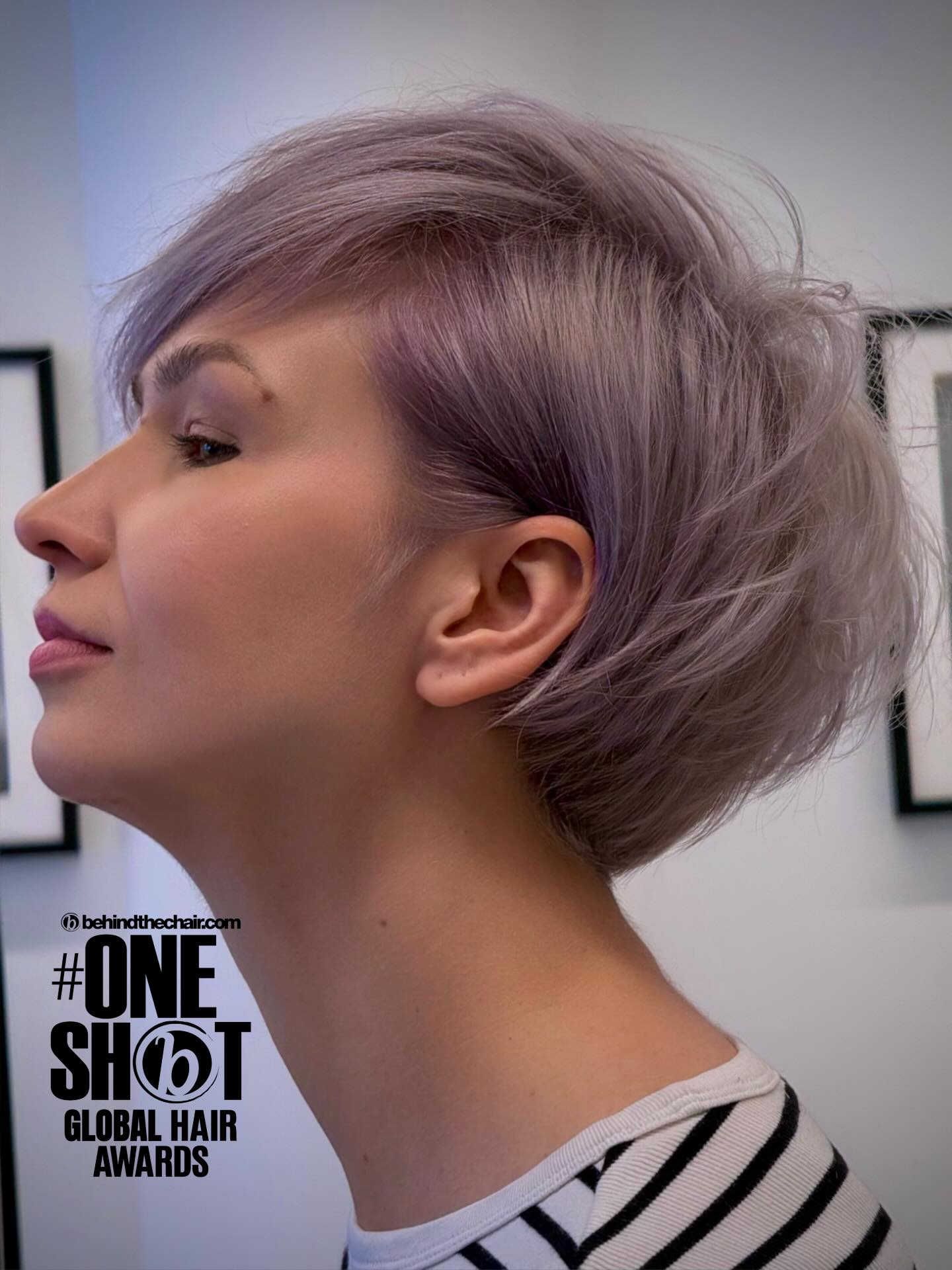
35. Soft Pixie with Natural Wave
Some cuts are designed for air-drying, and this is one of them. The layers are cut to fall with the hair’s natural wave so they form a soft, lived-in shape without heat tools. On days when you wash your hair, scrunch in a light hold mousse and walk out the door. The wave does the rest. If your wave pattern is inconsistent, a diffuser on low for two minutes evens things out without over-styling.
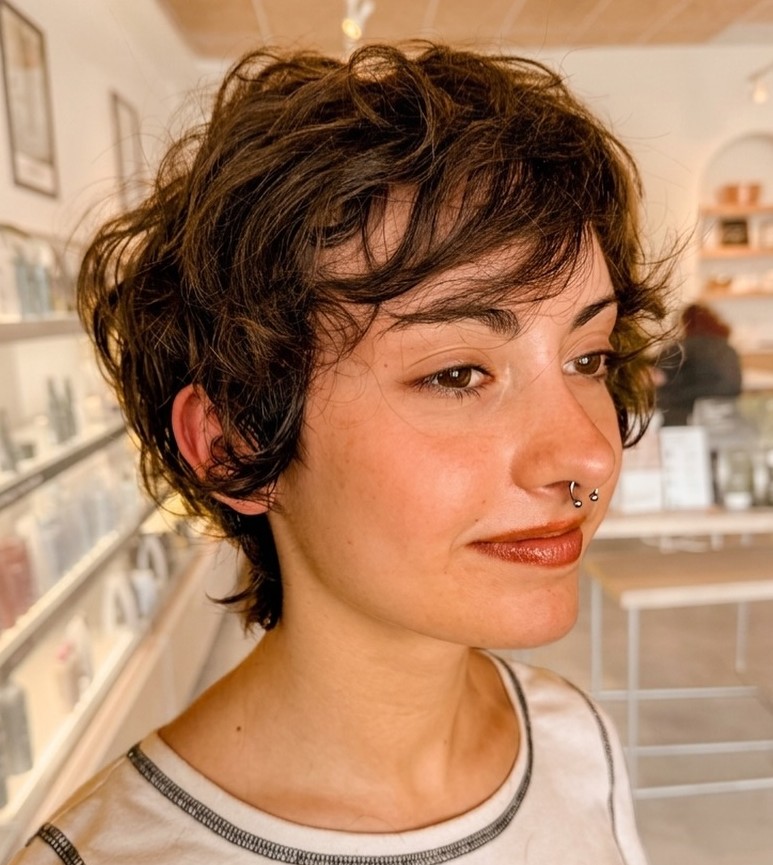
36. Polished Side-Part Pixie
A deep side part blown smooth and set with a light hairspray gives this long pixie a red-carpet feel. The heavier side sweeps across the forehead and falls just past the brow, while the lighter side stays close to the head. This is the long pixie variation you’d wear to a wedding or a job interview, it reads intentional and put-together. Oblong faces benefit from the horizontal sweep of the part, which adds width at the forehead.
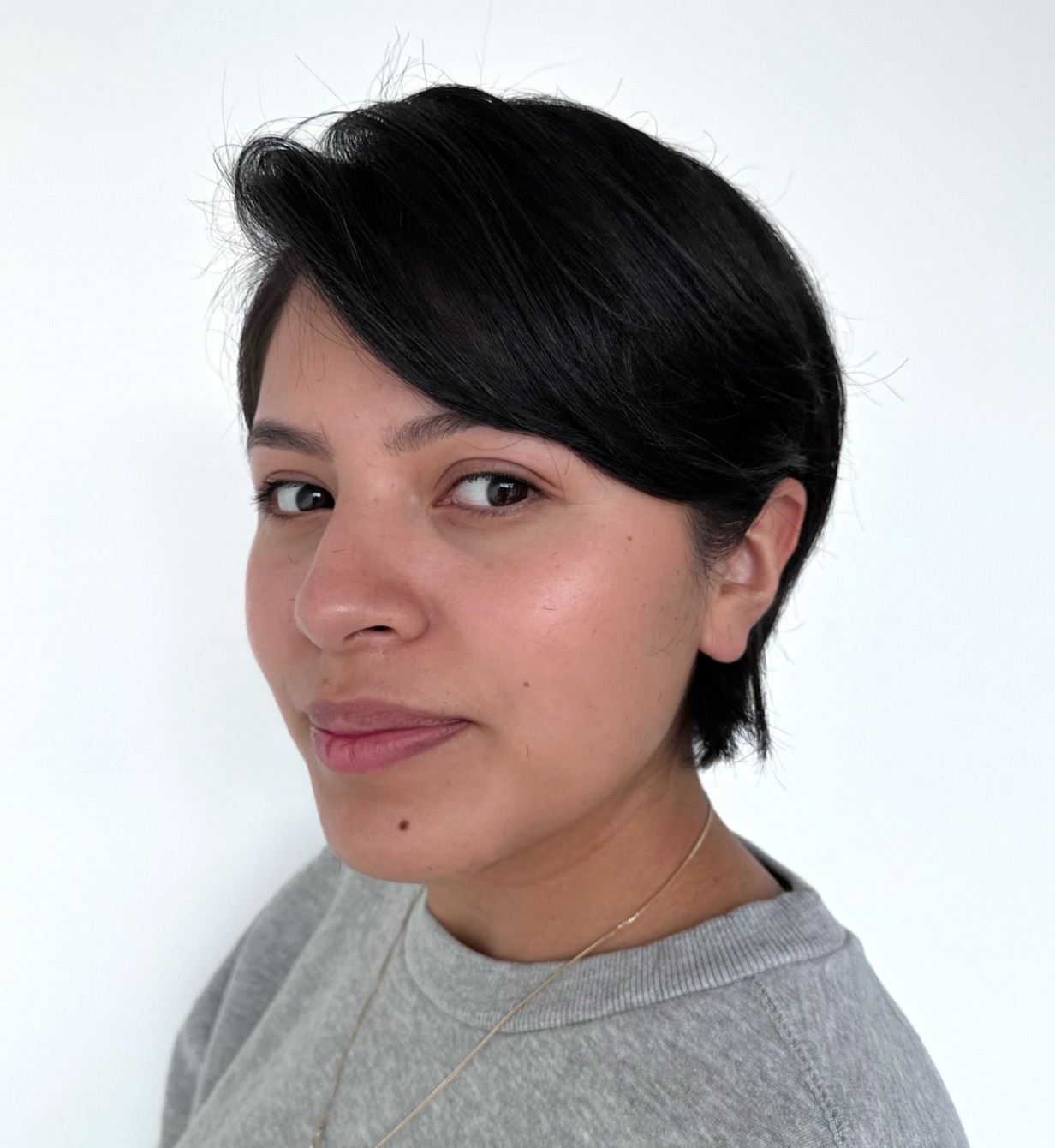
37. Pixie with Soft Highlights and Dimension
Highlights on a long pixie are applied differently than on longer hair. The stylist paints them on in narrow, precise strokes because there’s less surface area to work with.
The result is subtle dimension that makes the layers more visible, light catches the highlighted pieces and shadows fall in the troughs between them. Ask for highlights that are no more than two shades lighter than your base to keep the effect natural rather than streaky.
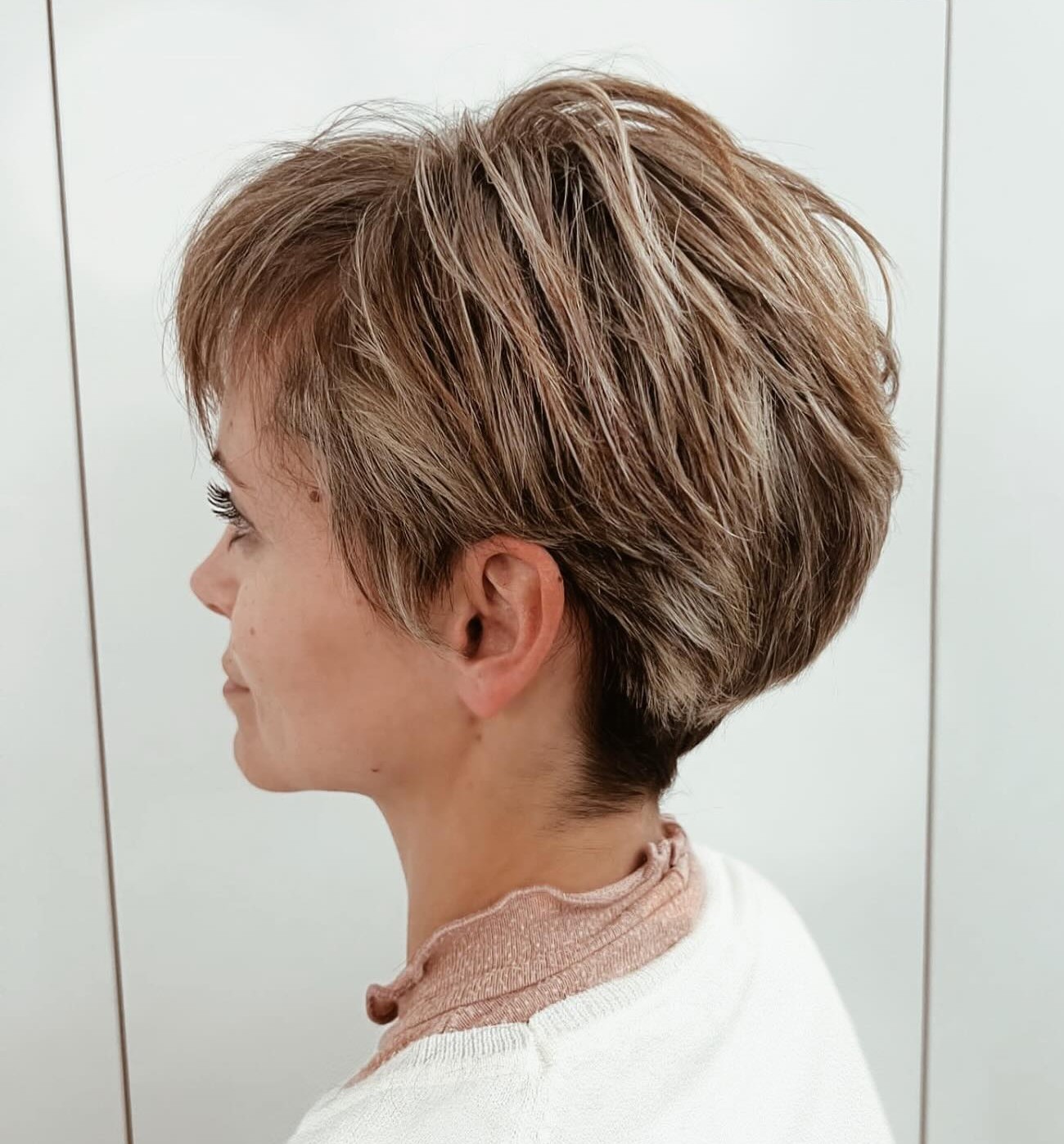
38. Vintage-Inspired Finger Wave Pixie
Finger waves give a long pixie a 1920s sensibility that works for formal events or anyone who appreciates retro styling. The waves are molded with a fine-tooth comb and strong-hold gel, then pinned and air-dried (or set under a hooded dryer). It’s a styling choice rather than a cut variation, you need smooth, straight hair and at least 3 inches of length to form the waves. The look lasts a full evening and photographs well from every angle.
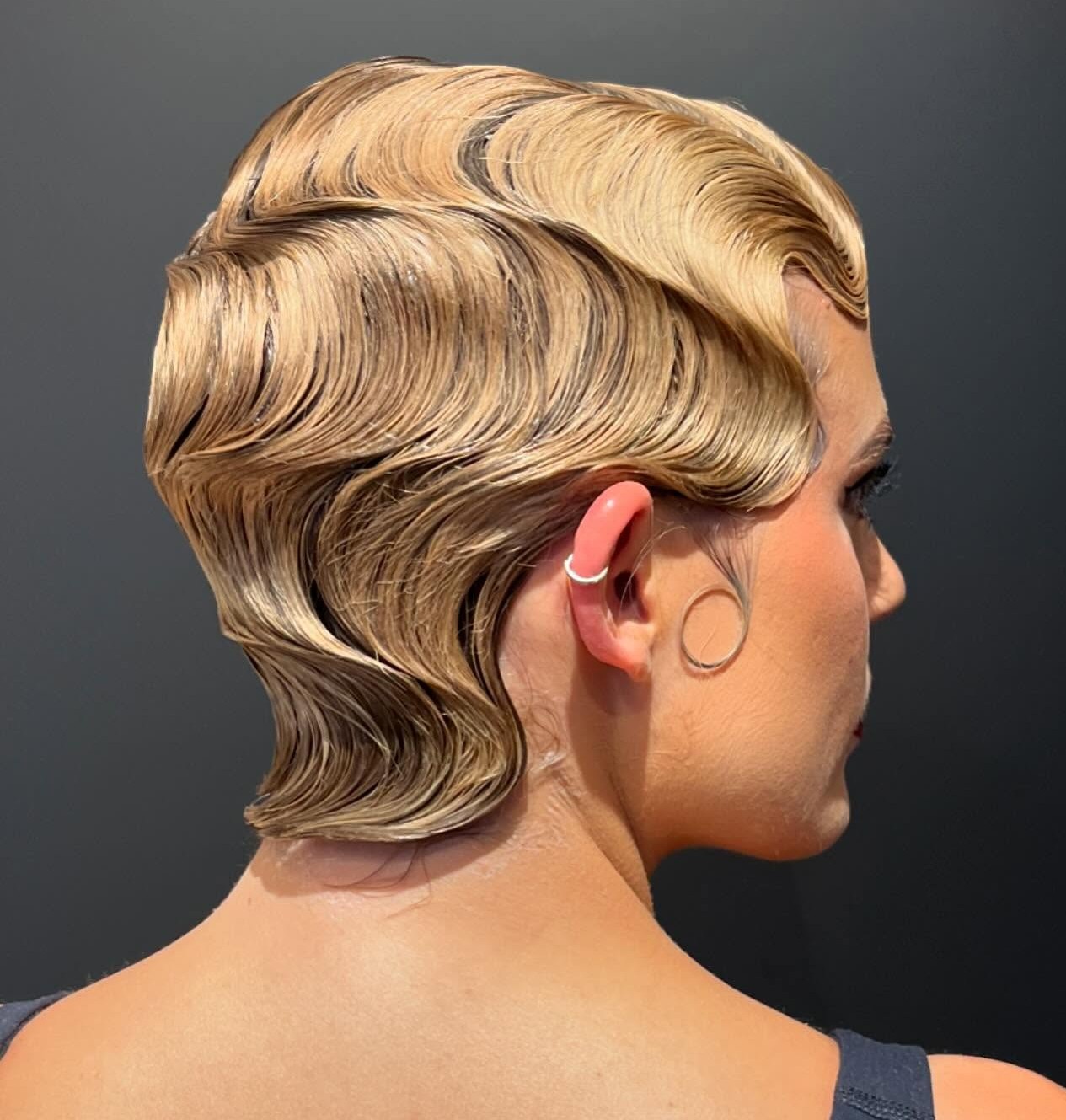
39. Feminine Tapered Pixie with Volume at Crown
The taper is gradual — from a full 3–4 inches at the crown down to half an inch at the nape, with no hard lines. The soft graduation looks polished without being rigid. Volume at the crown is created by blow-drying with a round brush while directing the hair upward and back. Women over 50 often find this variation flattering because the lift at the crown creates visual height and the taper keeps the neck area clean and defined.
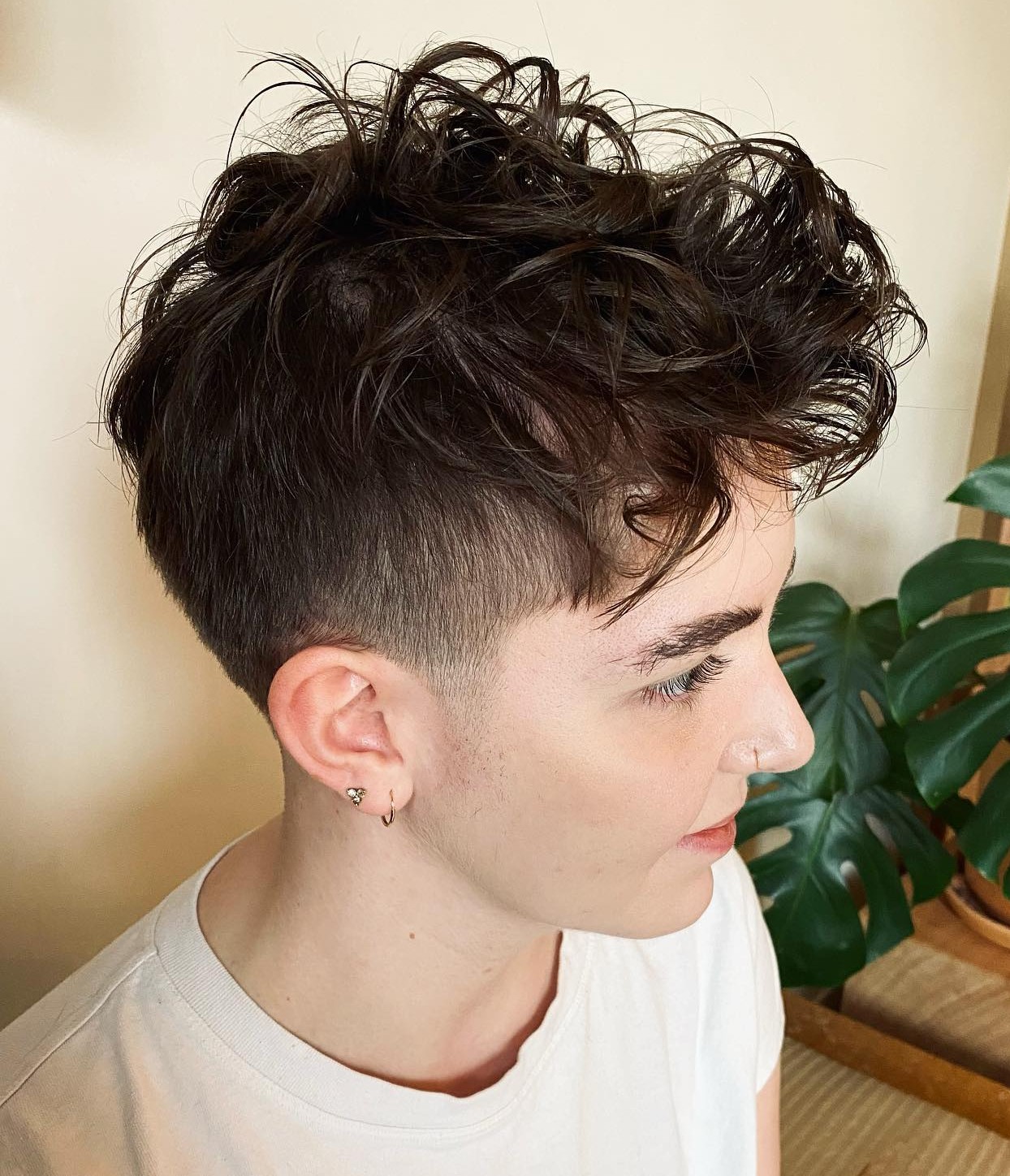
40. Romantic Tousled Long Pixie
This is the “I woke up like this” long pixie, loose, effortless, with movement that looks accidental even when it’s not. The styling trick is to blow-dry to 80% and then twist random sections around your finger while finishing with a cool shot. The result is irregular bends rather than uniform waves, which reads organic. Highlighted hair shows this off especially well because the light and dark pieces catch differently with each twist.
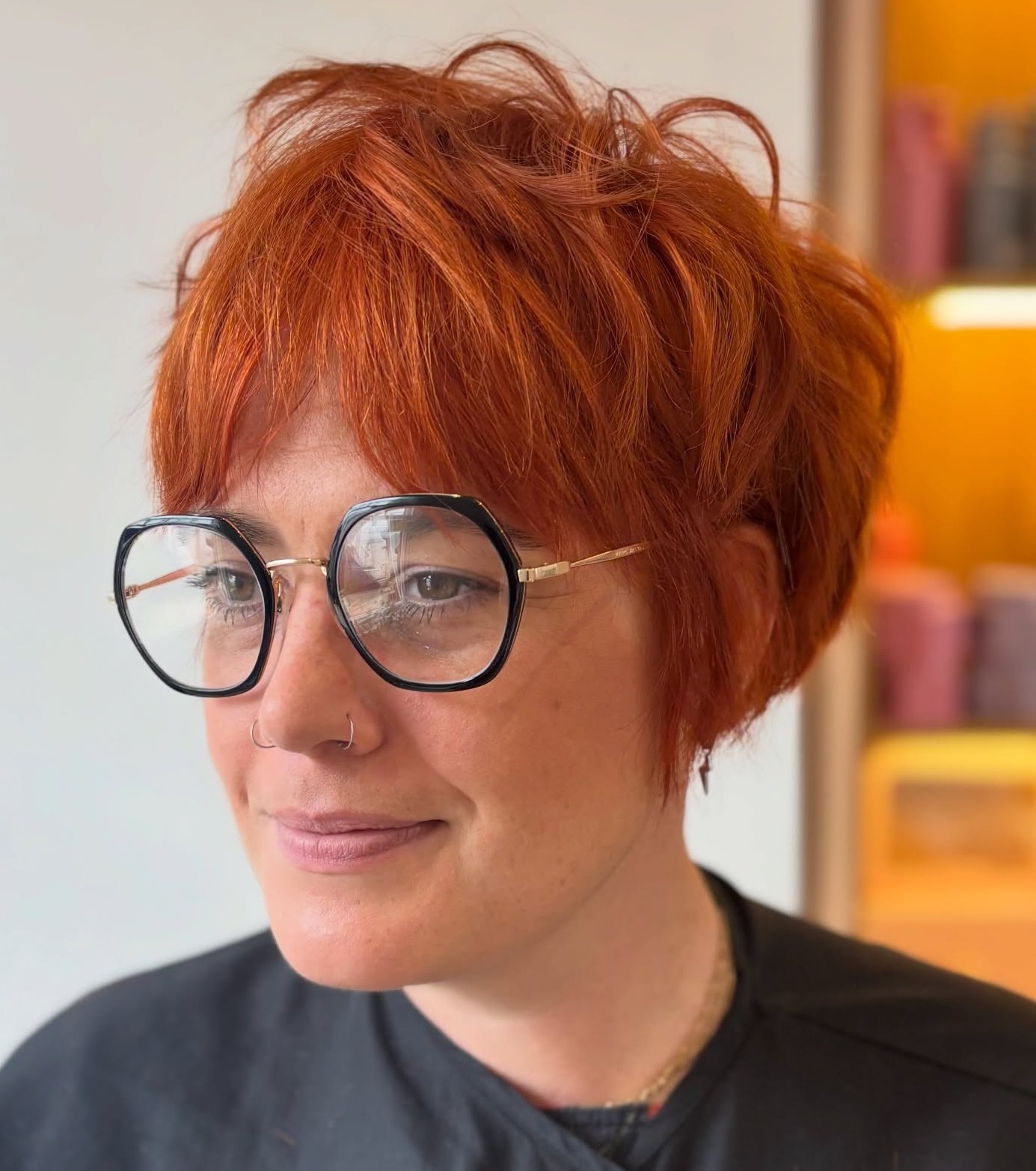
How to Choose the Right Long Pixie for Your Face Shape
Face shape determines where you need volume, where you need length, and where you need the cut to draw the eye. Here’s a breakdown of what works for each shape, with specific entry numbers from the gallery above.
| Face Shape | What to Look For | What to Avoid |
|---|---|---|
| Oval | Almost any variation. Experiment freely. | Very heavy, eye-covering bangs can shorten the face unnecessarily. |
| Round | Volume at the crown, side parts, height on top, asymmetric fringe. | Chin-length pieces adding width at the jaw. Center parts that emphasize roundness. |
| Square | Soft layers, side-swept bangs, textured edges to soften the jawline. | Blunt, geometric cuts that mirror the jaw’s angularity. |
| Heart | Width near the jaw or earlobes to balance a narrow chin. Curtain bangs. | Too much volume on top with nothing at the sides. |
| Oblong | Bangs to shorten the face visually. Width at the sides. | Extreme crown volume or very short sides adding more length. |
| Diamond | Fringe at the forehead and length near the jaw to balance cheekbones. | Slicked-back styles exposing the widest part of the face. |
Stylist tip: Bring photos of your top three picks from this gallery to your appointment. Your stylist can adjust any of these shapes to your specific bone structure, a photo gives them a starting point, and then they customize from there.
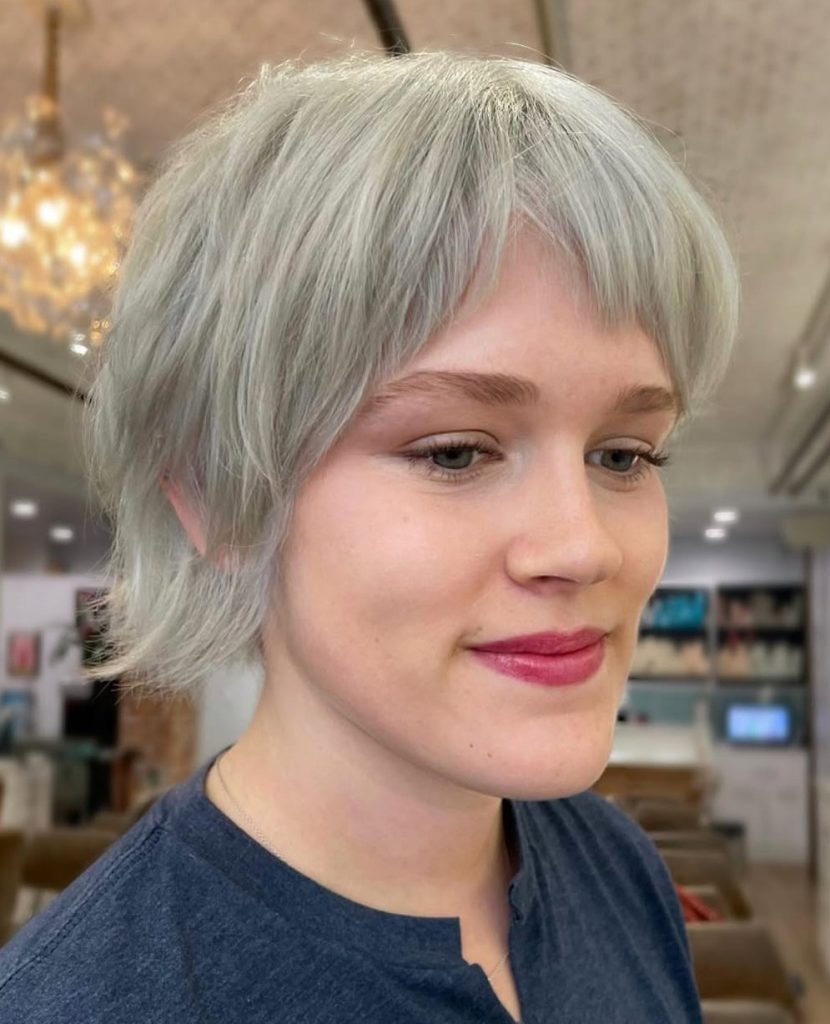
What to Ask Your Stylist Before Getting a Long Pixie
Salon communication matters more with short haircuts than long ones because every quarter-inch is visible. Here’s how to get what you want:
Specify length in inches, not adjectives. “I want 3 inches on top and a tapered fade at the sides” gives your stylist something measurable. “Short but not too short” does not.
Name the technique for the ends. Point-cut (textured, soft), blunt-cut (clean, defined), or razored (wispy, thin). Each produces a different finish on the same length.
Clarify the nape. Do you want a tapered nape (gradually shorter), a blocked nape (straight line across), or an undercut (clipper-short)? These create very different back-views.
Talk about your part. Side part, deep side part, center part, or no part? Where the hair falls from determines the entire silhouette.
Mention your grow-out plan. If you plan to keep this length, say so. If you’re using the long pixie as a grow-out stage toward a bob, your stylist can shape the cut to transition more smoothly.
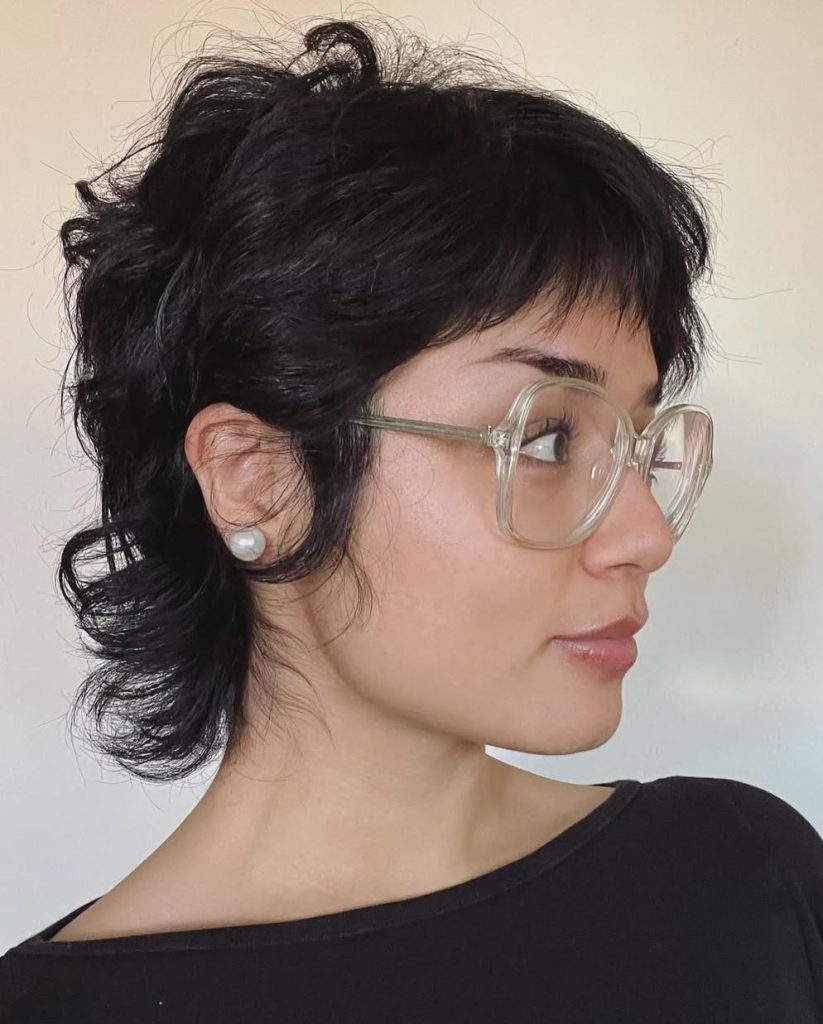
FAQ
What is the difference between a long pixie cut and a short bob?
A long pixie keeps the sides and nape noticeably shorter than the top, with the longest pieces typically reaching 3–4 inches. A short bob maintains more uniform length around the head, usually chin-length or longer. The key distinction is the ratio between the top and the sides, pixies have more contrast, bobs have more consistency. A bixie sits right at the border between the two.
Can a long pixie cut work on curly or coily hair?
Yes, but the cutting technique needs to match the curl type. Curly hair (type 3) should be cut dry so the stylist can see how each curl falls at its natural length. Coily hair (type 4) benefits from a tapered shape that lets the coils on top spring upward. The main adjustment is leaving more length than you would on straight hair, because curl shrinkage reduces the visible length by 25–50%.
How often does a long pixie cut need trimming?
Every 4–6 weeks to keep the shape defined. Pixies grow out faster visually than longer cuts because each quarter-inch of growth represents a larger percentage of the total length. The nape and sides tend to lose their shape first. If you’re on a budget, you can extend to 6 weeks for most variations, but undercuts and fades need touch-ups every 2–3 weeks.
How do you style a long pixie cut at home?
Start with towel-dried hair. Apply a product matched to your desired finish: texturizing paste for a piecey look, mousse for volume, smoothing serum for a sleek finish. Blow-dry with your fingers or a small round brush, directing the hair where you want it to fall. The whole process takes 5–10 minutes. On second-day hair, a dry texturizing spray revives the shape without rewashing.
Will a long pixie cut suit my face shape?
Every face shape can wear a long pixie — the specific variation just needs to match your proportions. Round faces do best with volume on top and a side part. Square faces benefit from soft, textured edges. Oval faces have the widest range of options. See the face shape table above for detailed guidance and gallery entry recommendations for each shape.
How long does it take to grow out a long pixie?
Hair grows about half an inch per month on average. Going from a long pixie to a chin-length bob takes roughly 6–9 months, depending on your starting length and how aggressively you trim during the transition. The most awkward stage is usually around months 2–4, when the sides stick out but aren’t long enough to tuck behind your ears. Strategic trims during this phase keep the shape intentional.
Is a long pixie cut high maintenance?
The cut itself is lower-maintenance than most medium or long styles — washing, drying, and styling takes a fraction of the time. The maintenance comes from trim frequency, not daily effort. Expect salon visits every 4–6 weeks versus the 8–12 weeks you might go with longer hair. Daily styling time ranges from 2 minutes (scrunch and go) to 10 minutes (blow-dry with a specific part and product).
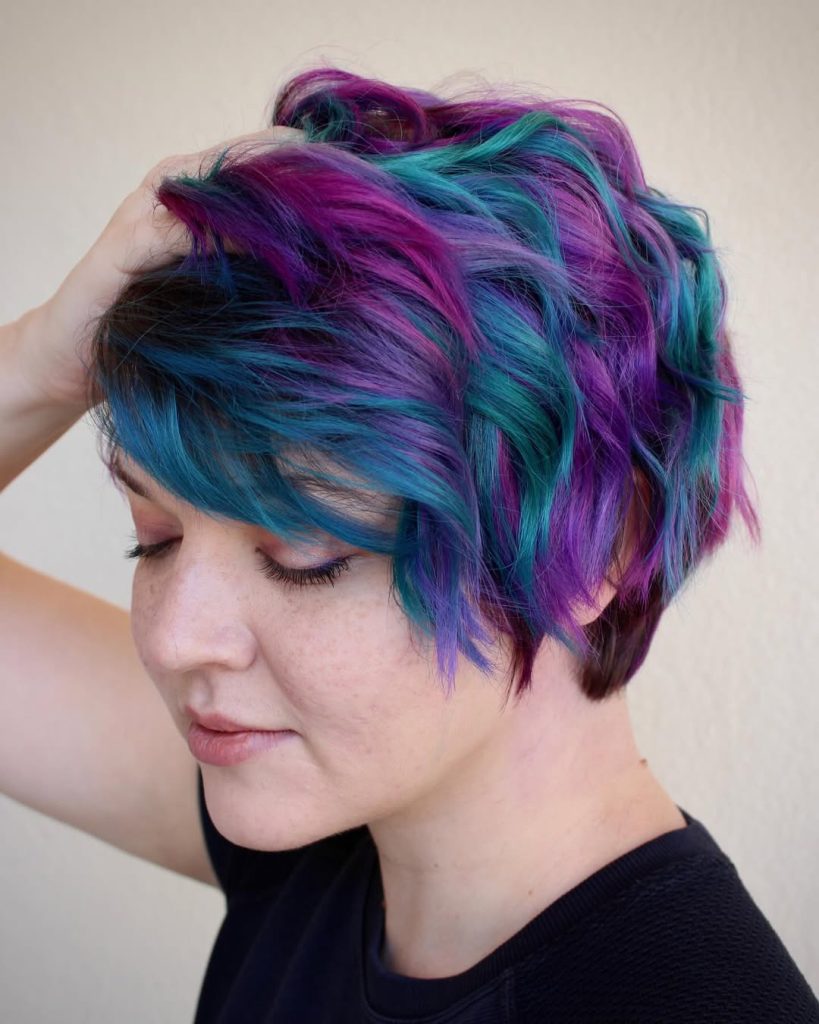
A long pixie cut gives you most of what people love about short hairx the speed, the lightness, the way it puts your face front and center, without the commitment of a close crop. Save the entries that caught your eye, bring them to your next salon appointment, and let your stylist adapt the shape to your specific bone structure and texture. The right long pixie is the one that makes you skip the mirror check on your way out the door because you already know it looks good.
Hair results vary based on your natural hair type, texture, density, and condition. Always consult with a licensed hairstylist before making significant changes, especially with chemical treatments or dramatic length changes. Photos may show styled results that require professional tools and products to replicate.