
A complete guide to shadow roots — what the technique actually involves, how it compares to root smudge and root melt, which hair types and base colors benefit most, and exactly what to say at the salon.
A shadow root is a color technique where a darker shade is applied at the roots and softly blended into lighter mid-lengths and ends, creating a seamless gradient that mimics natural hair growth. Unlike traditional single-process color, a shadow root is designed to grow out gracefully — meaning fewer salon visits, lower costs, and a look that actually improves with time rather than deteriorating into an obvious regrowth line. This guide breaks down how the technique works, who it suits, what it costs, how it differs from similar root-blending methods, and how to maintain it between appointments.
What a Shadow Root Actually Is (And What It Isn’t)
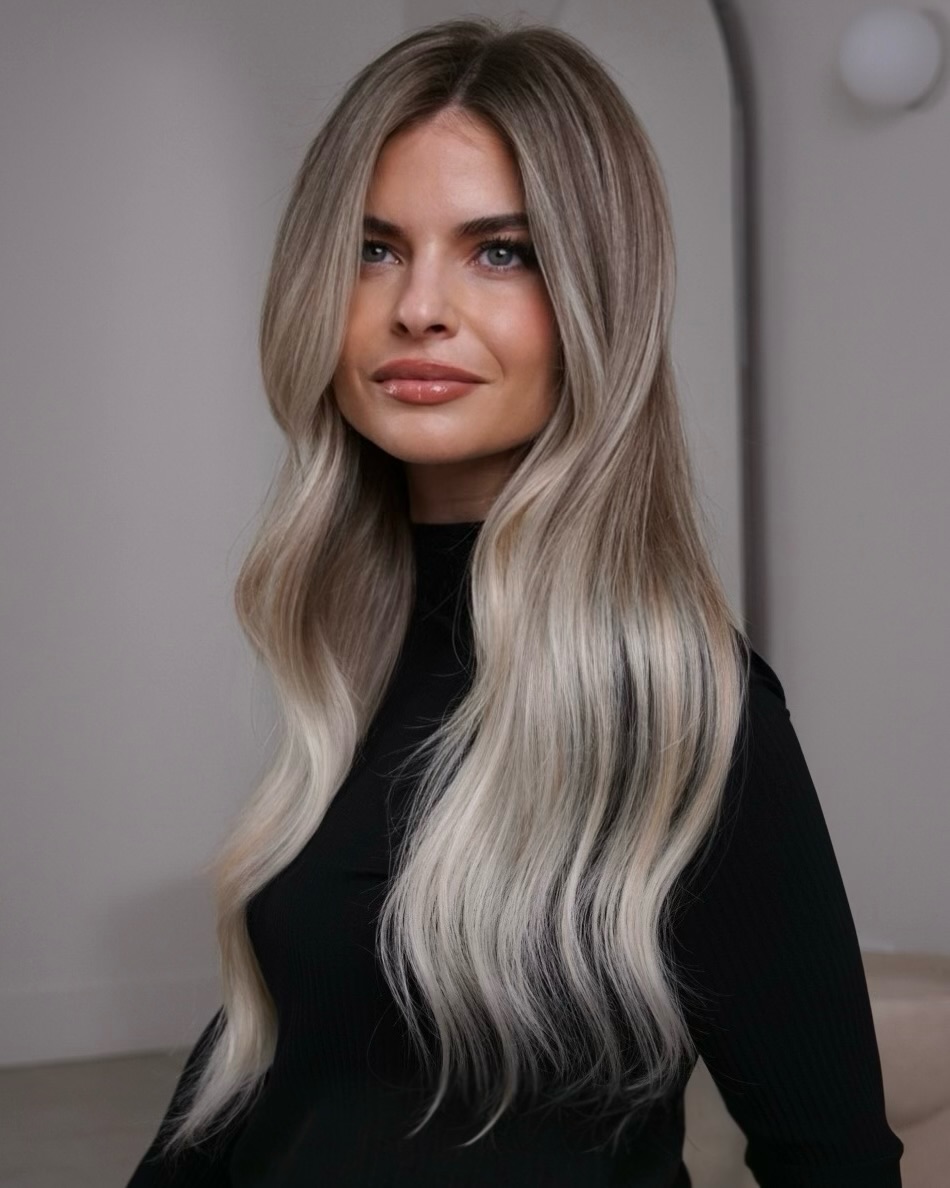
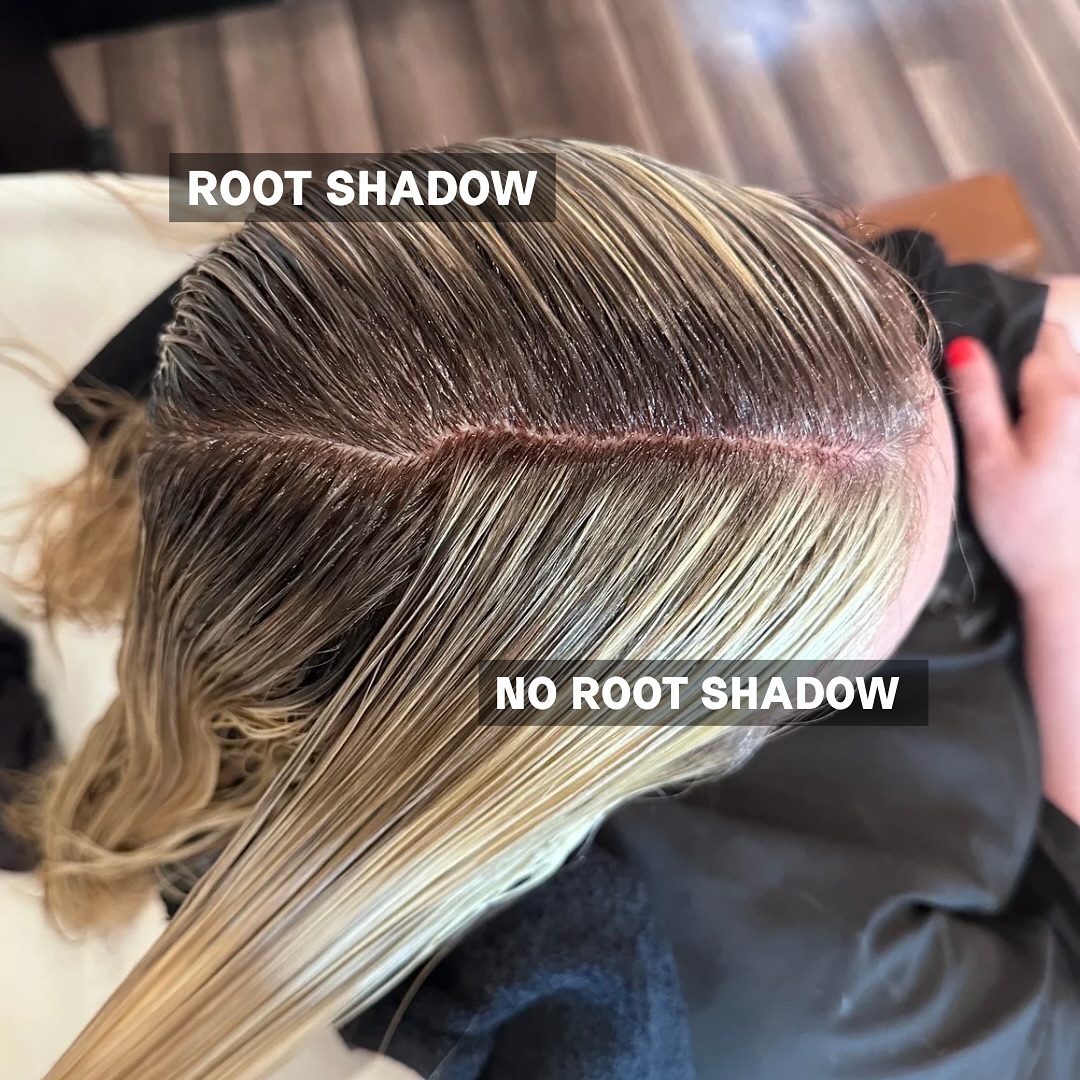
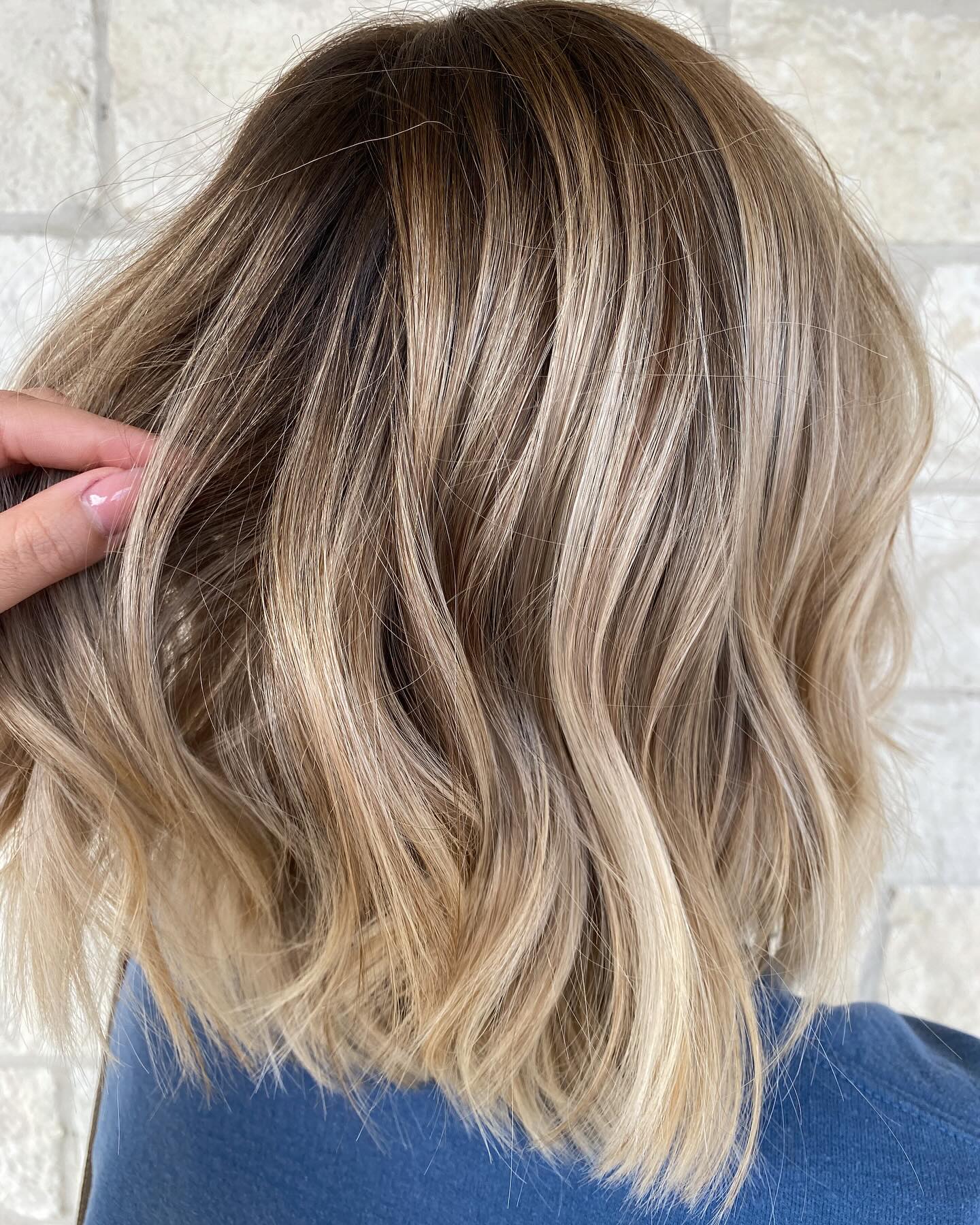
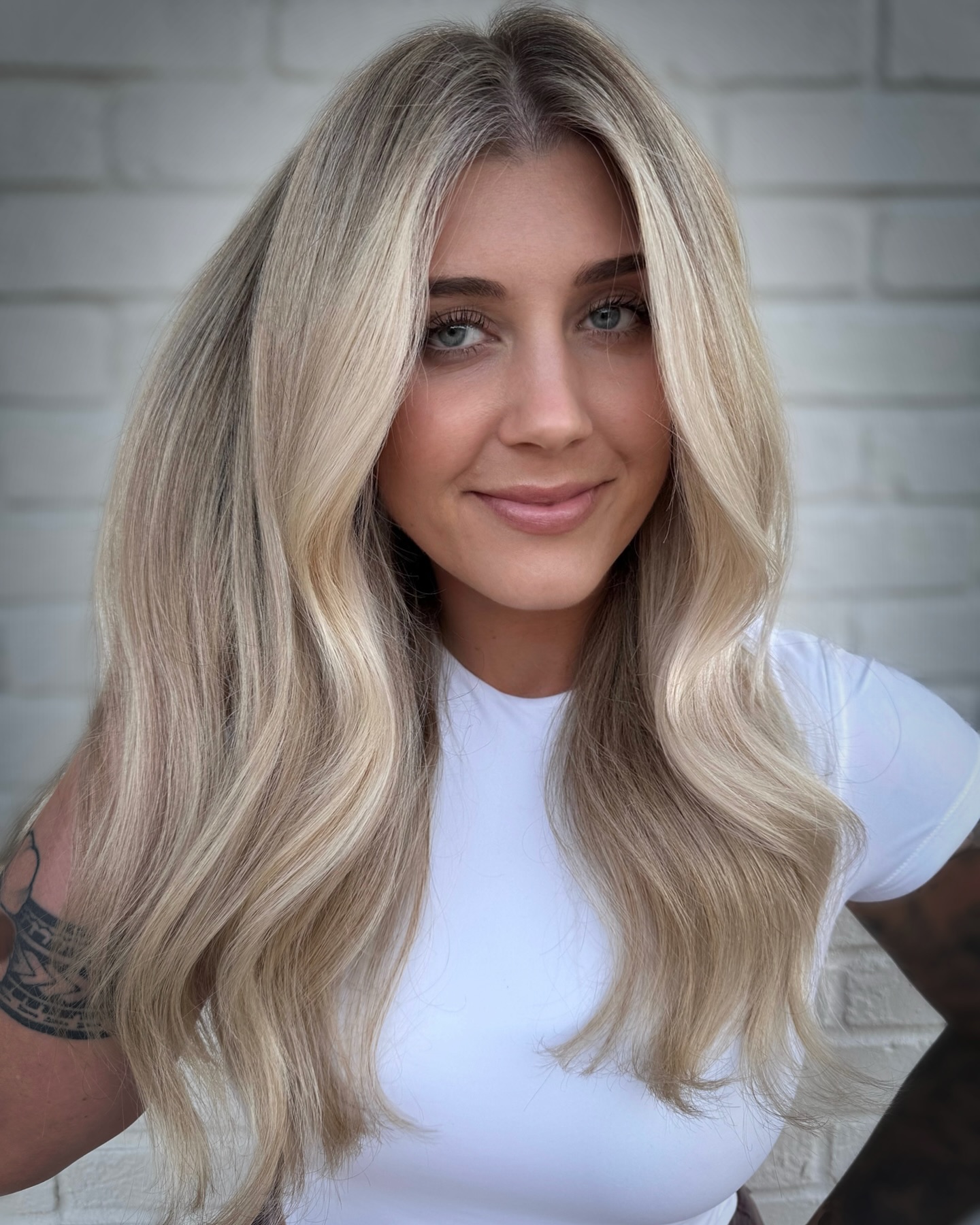
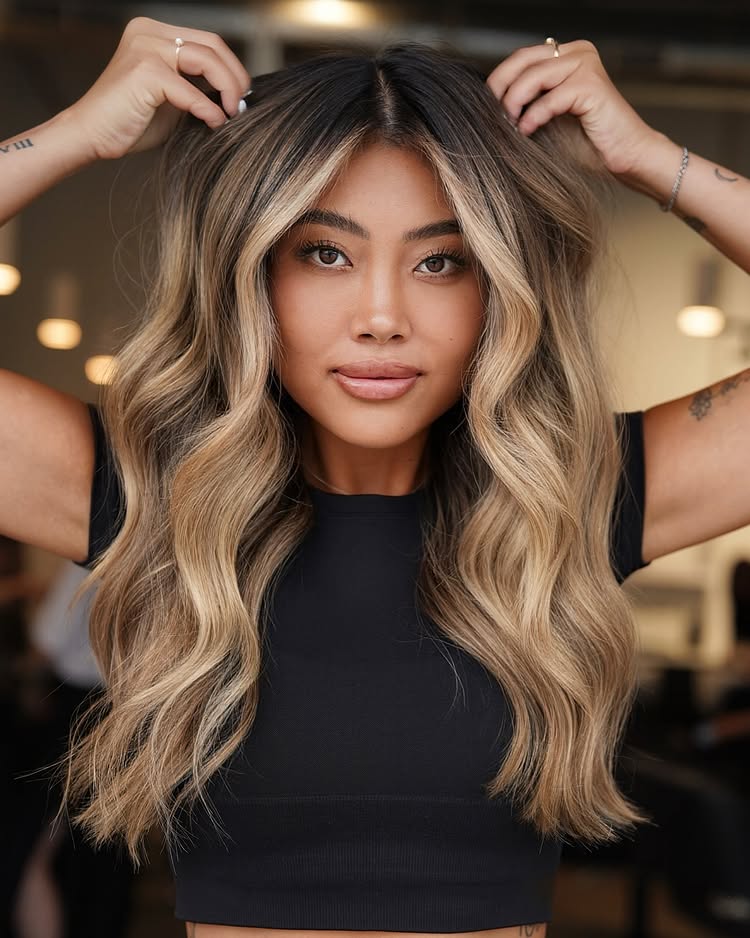
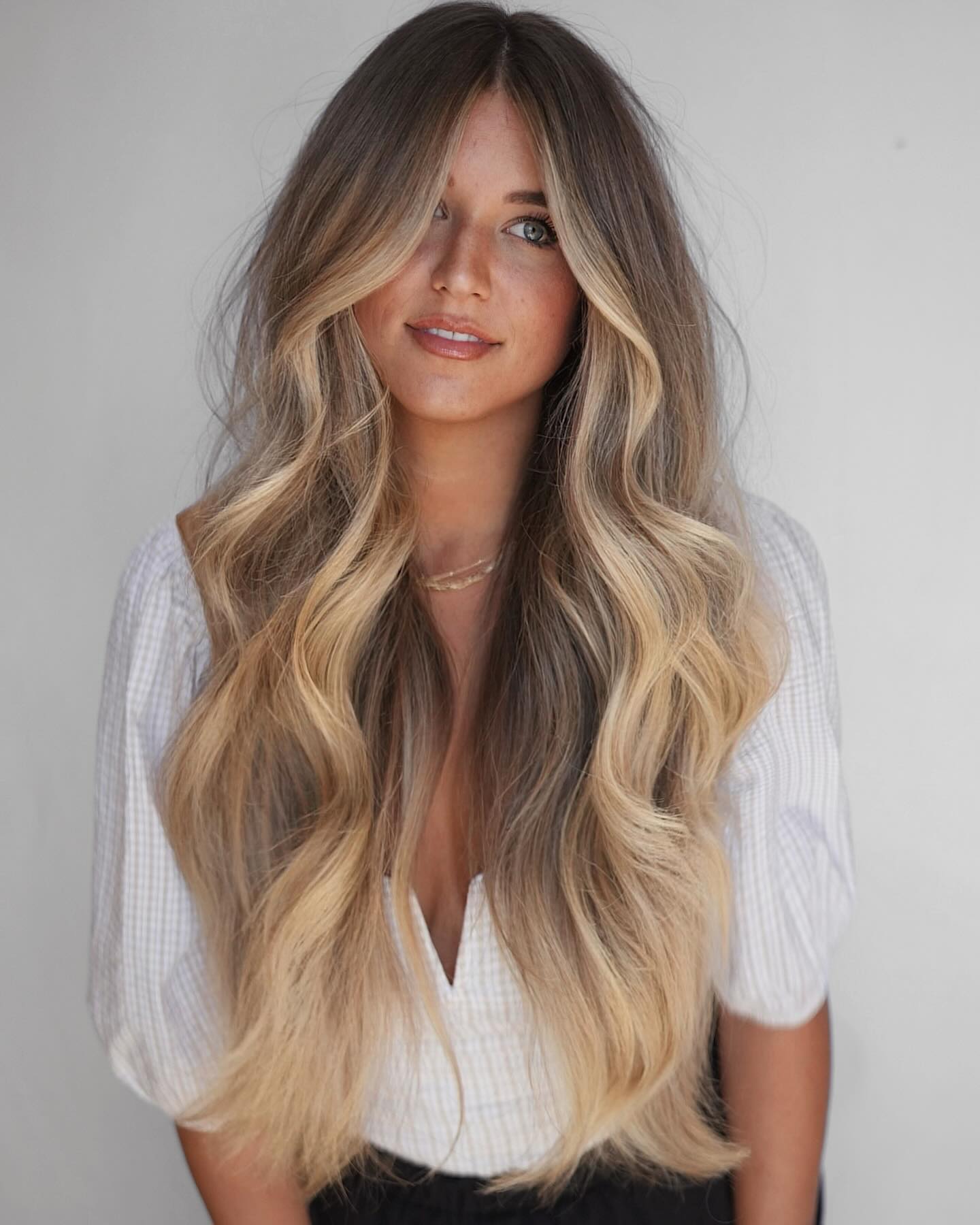
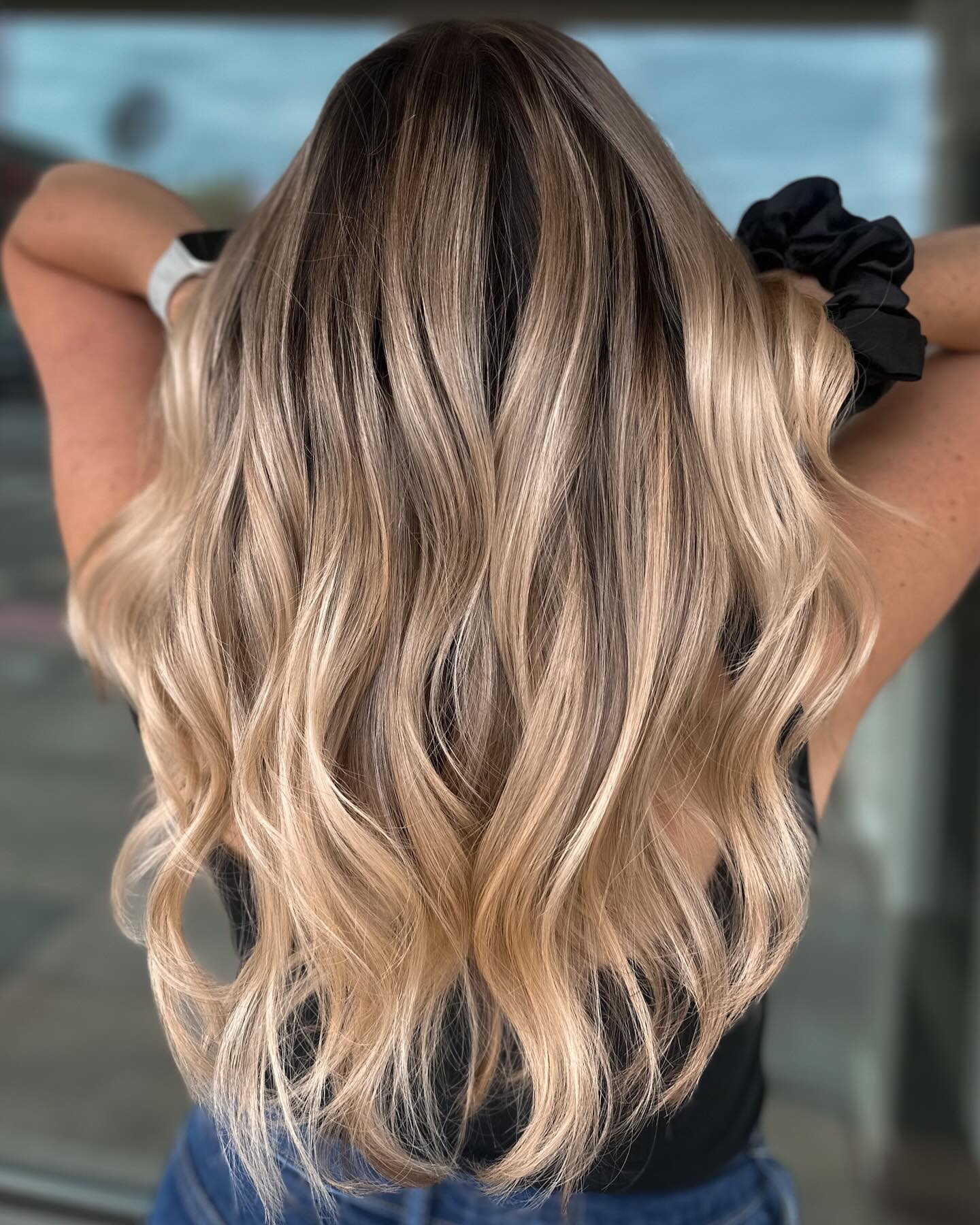
In salon terminology, a shadow root refers to a deliberately darkened root zone — typically 1 to 3 inches deep — that transitions gradually into lighter color through the mid-lengths and ends. The colorist applies a demi-permanent or semi-permanent dye close to the natural root shade (or sometimes a shade or two deeper), then feathers it downward using a brush or wide-tooth comb to avoid any hard lines. The result is a soft “shadow” at the crown that adds depth, dimension, and a rooted appearance.
The key distinction is intent. Grown-out roots happen by accident; a shadow root happens by design. A skilled colorist controls the depth of the shadow, the tone, and the transition point, so the gradient looks deliberate from day one and even more natural at week eight. This is what makes the technique genuinely low-maintenance — it’s engineered to look good during the grow-out phase, not just on the day you leave the salon.
Stylist tip: “Shadow roots work best when the root shade stays within two to three levels of the mid-lengths. Go darker than that, and you risk creating a band of color that reads as a stripe rather than a shadow — especially under direct sunlight.”
Shadow Root vs. Root Smudge vs. Root Melt vs. Root Tap
These four root-blending techniques get confused constantly, and for good reason — they share the same goal of softening the line of demarcation between your natural root color and lightened hair. But the methods, coverage depth, and visual effects differ enough to matter when you’re booking an appointment. Here’s how they compare side by side.
| Technique | What the Colorist Does | Depth of Application | Contrast Level | Lasts Between Touch-Ups | Best For |
|---|---|---|---|---|---|
| Shadow Root | Applies a darker dye at the root and feathers downward with a brush or comb | 1–3 inches from the scalp | Moderate to high (2–3 shade difference) | 8–12 weeks | Blondes wanting visible depth; dramatic yet natural gradient |
| Root Smudge | Applies toner or gloss near the natural shade at the root and smudges about an inch down | 0.5–1.5 inches | Low (1 shade difference) | 6–8 weeks | Subtle blending; keeping highlights as bright as possible |
| Root Melt | Blends root color down through the mid-lengths on wet hair for a painterly transition | 3–6+ inches | Moderate (gradual, extended fade) | 10–14 weeks | Lived-in balayage look; deep-rooted blondes |
| Root Tap | Taps a tiny amount of natural-shade color directly at the root line | 0.25–0.5 inches | Minimal | 4–6 weeks | Bleach blondes wanting to stay as light as possible with a soft foil line |
A practical way to think about it: a root tap is the lightest touch, a root smudge is a soft blur, a shadow root creates intentional contrast, and a root melt is the longest-reaching blend. Your colorist may use different terminology — some treat “shadow root” and “root smudge” as interchangeable — so describing the look you want (how much contrast, how deep the transition) matters more than the label.
How the Shadow Root Technique Works in the Salon
Understanding the process helps you communicate better with your colorist and set realistic expectations for timing, maintenance, and results.
Step 1: The Consultation and Color Selection
Your colorist will assess your natural base color (measured in levels from 1, which is black, to 10, which is lightest blonde), the current state of your highlights or lightened hair, and your undertone (warm, cool, or neutral). The shadow root shade is typically selected 1–3 levels deeper than the mid-lengths, staying within the same tone family. For example, a level 8 golden blonde mid-length might get a level 5 or 6 warm brown at the root.
Step 2: Application
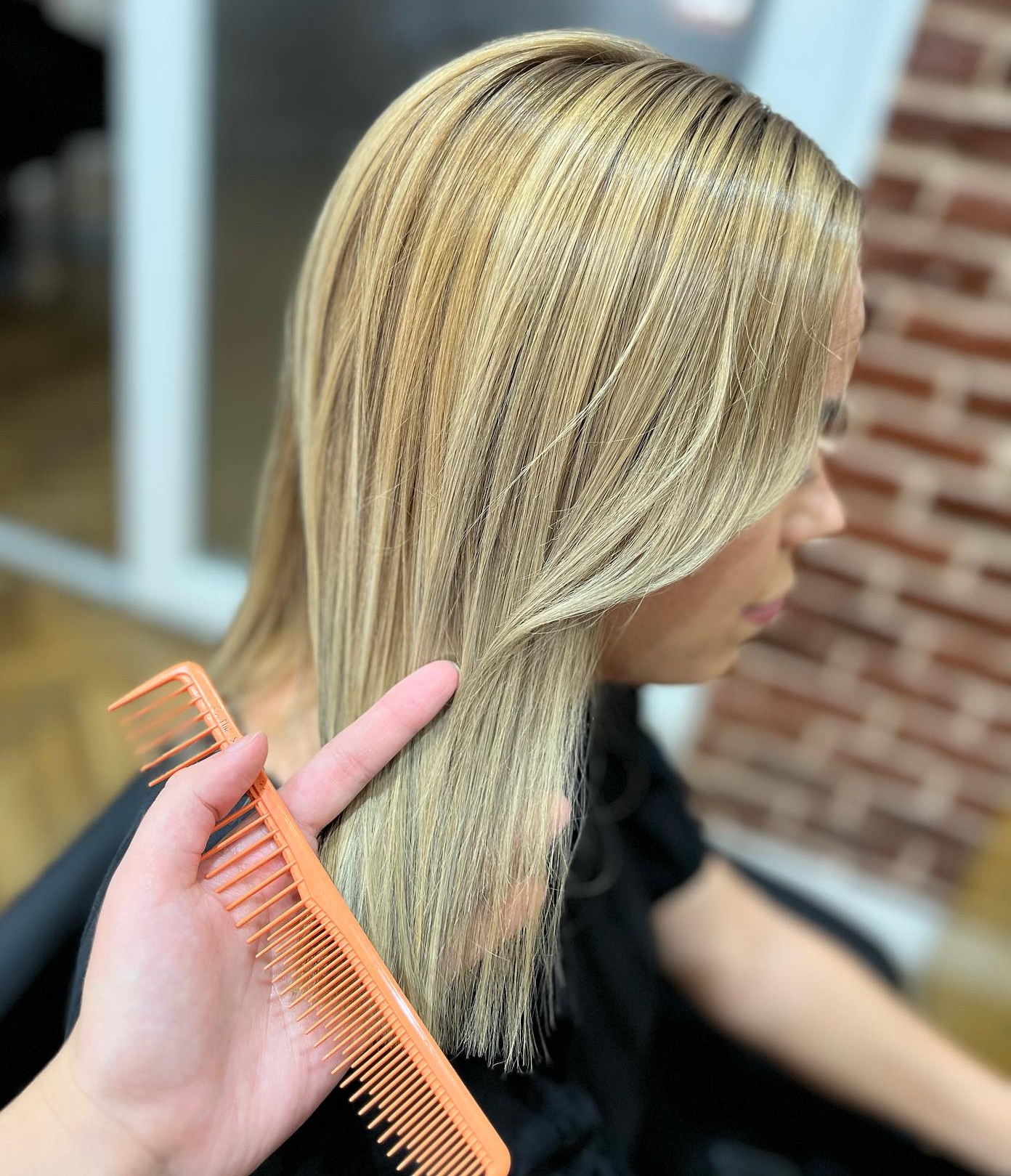
The colorist mixes a demi-permanent or semi-permanent dye — rarely permanent, since demi and semi formulas fade more naturally and are easier to lighten through during future appointments. Using a tint brush, the color is applied directly to the root area in thin vertical sections, typically on damp hair for a more translucent, blended result. Some colorists apply to dry hair when more coverage and longevity is the goal.
Stylist tip: “Applying shadow root color to damp hair dilutes the pigment slightly and creates a softer, more diffused transition. Dry application gives stronger coverage and more definition at the root — it depends on whether the client wants a whisper or a statement.”
Step 3: Blending the Transition
This is the skill-dependent step. The colorist uses the flat edge of the brush or a wide-tooth comb to drag the color downward, feathering it irregularly so there’s no hard stopping point. Some sections may extend further than others — this randomness is what makes the gradient look natural rather than uniform. Processing time is usually 10–20 minutes, depending on the depth desired.
Step 4: Toning and Finishing
After the shadow root processes, the colorist rinses and often applies a toner to the entire head to ensure the shadow root, mid-lengths, and ends all sit in the same tone family. A cool ash toner can neutralize warmth, while a warm gloss can unify everything into a golden or caramel palette. This step is critical — without it, the shadow root can read as a separate color rather than part of a cohesive gradient.
In the salon, expect a shadow root service to take 45–90 minutes if done as a standalone add-on, or longer when combined with a full balayage or highlight session.
Who Shadow Roots Work Best For
Shadow roots are adaptable, but they aren’t one-size-fits-all. Your base color, hair type, and texture all influence how the technique performs.
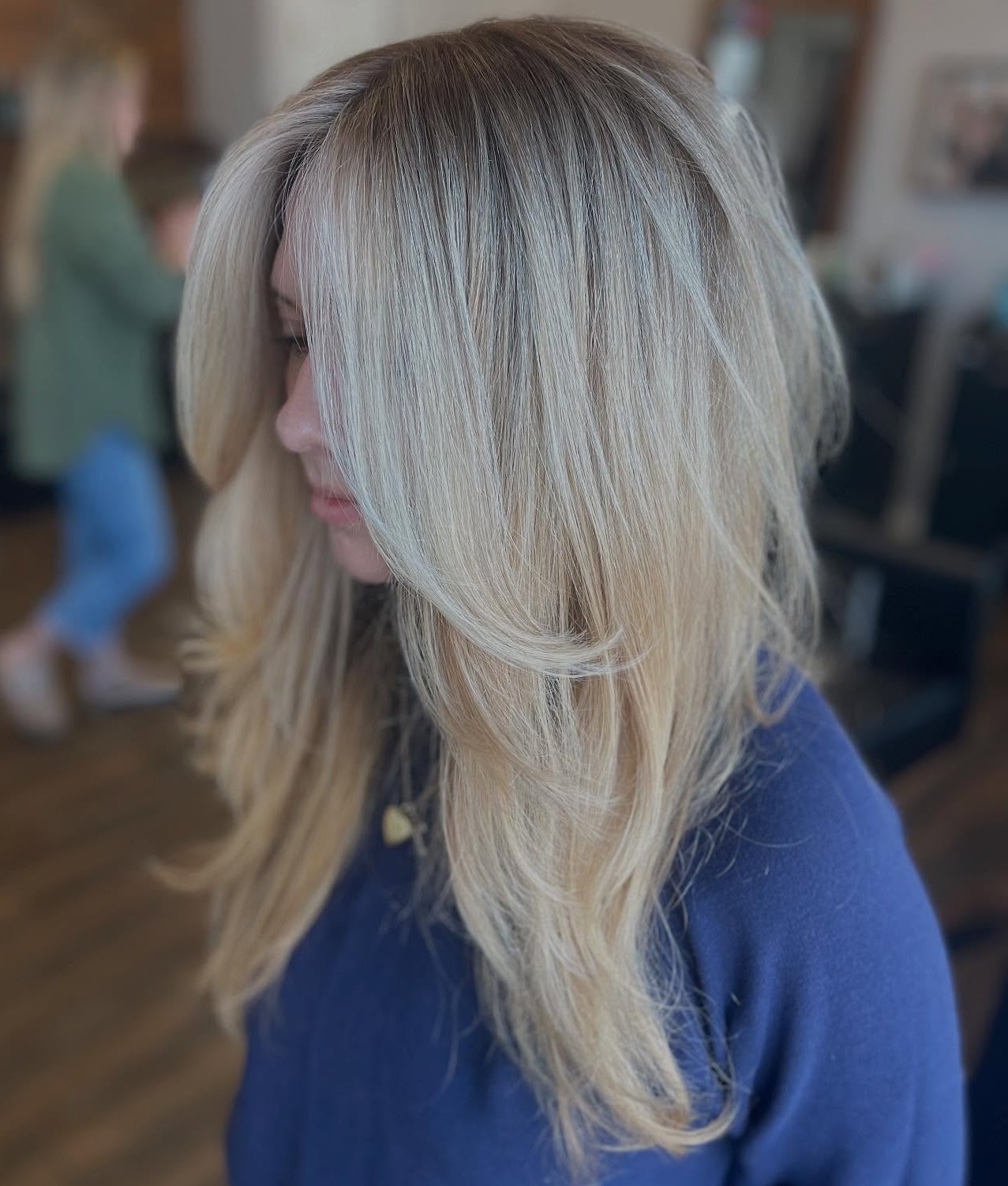
Shadow Roots on Blonde Hair Create the Most Dramatic Effect
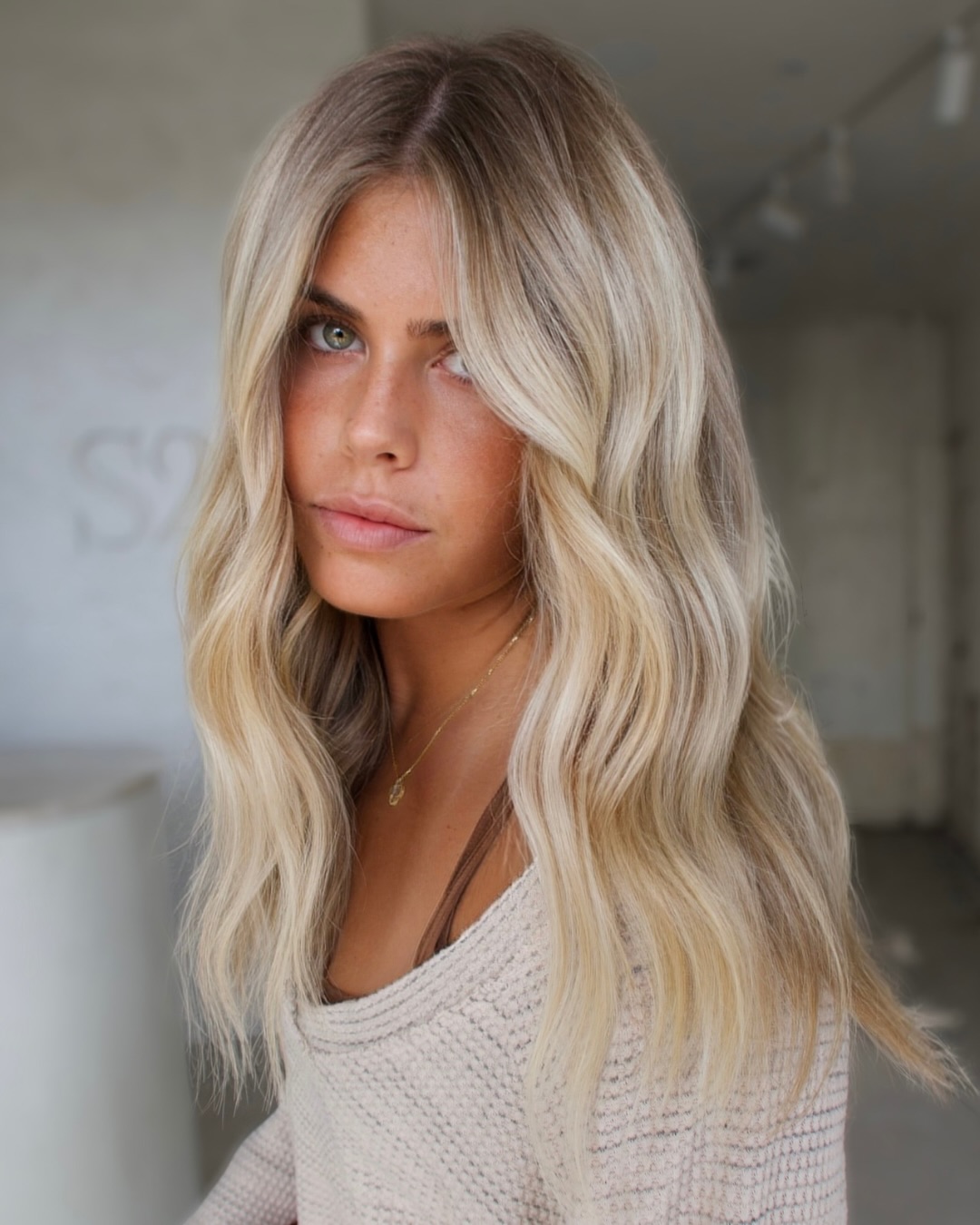
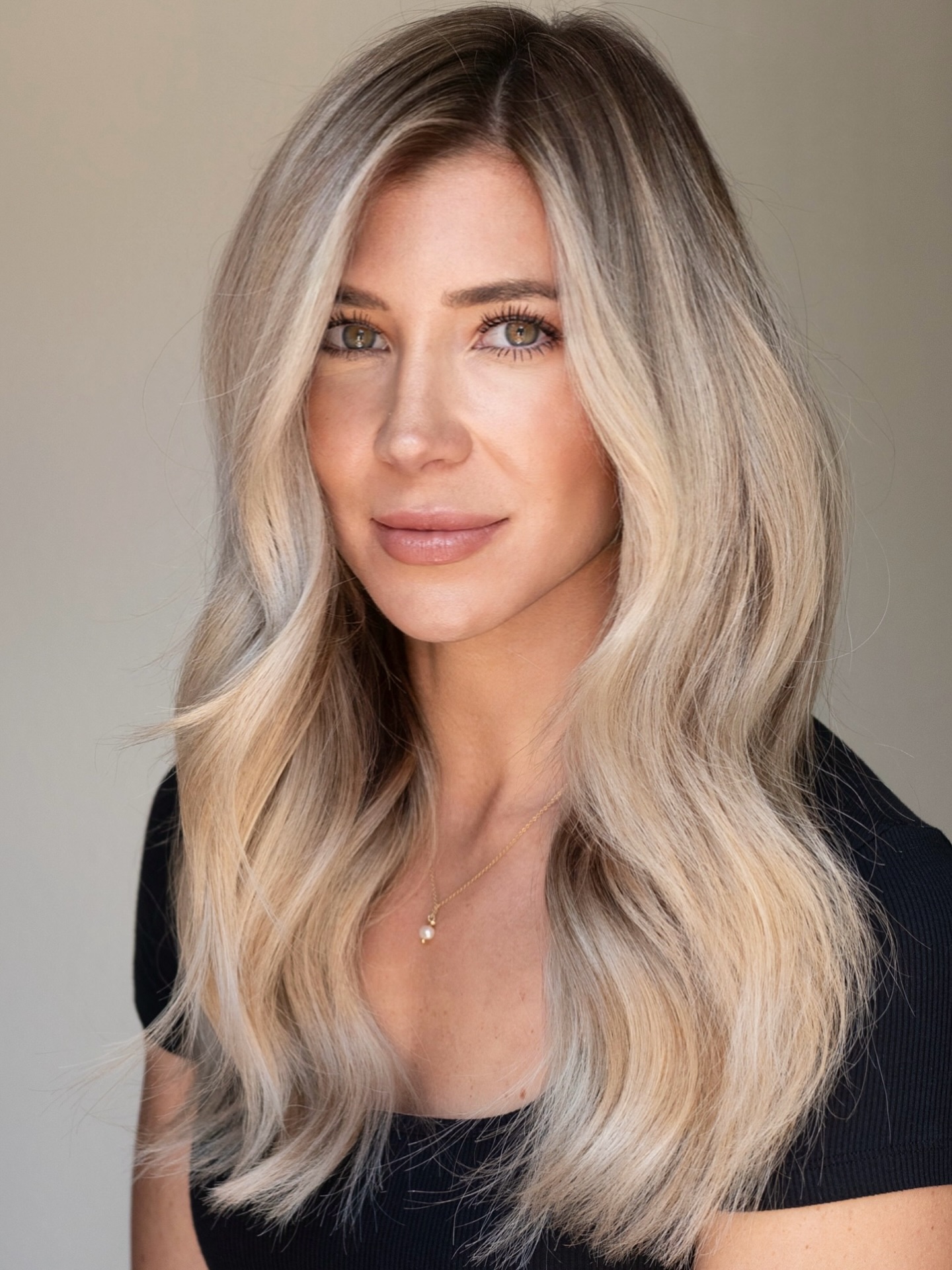
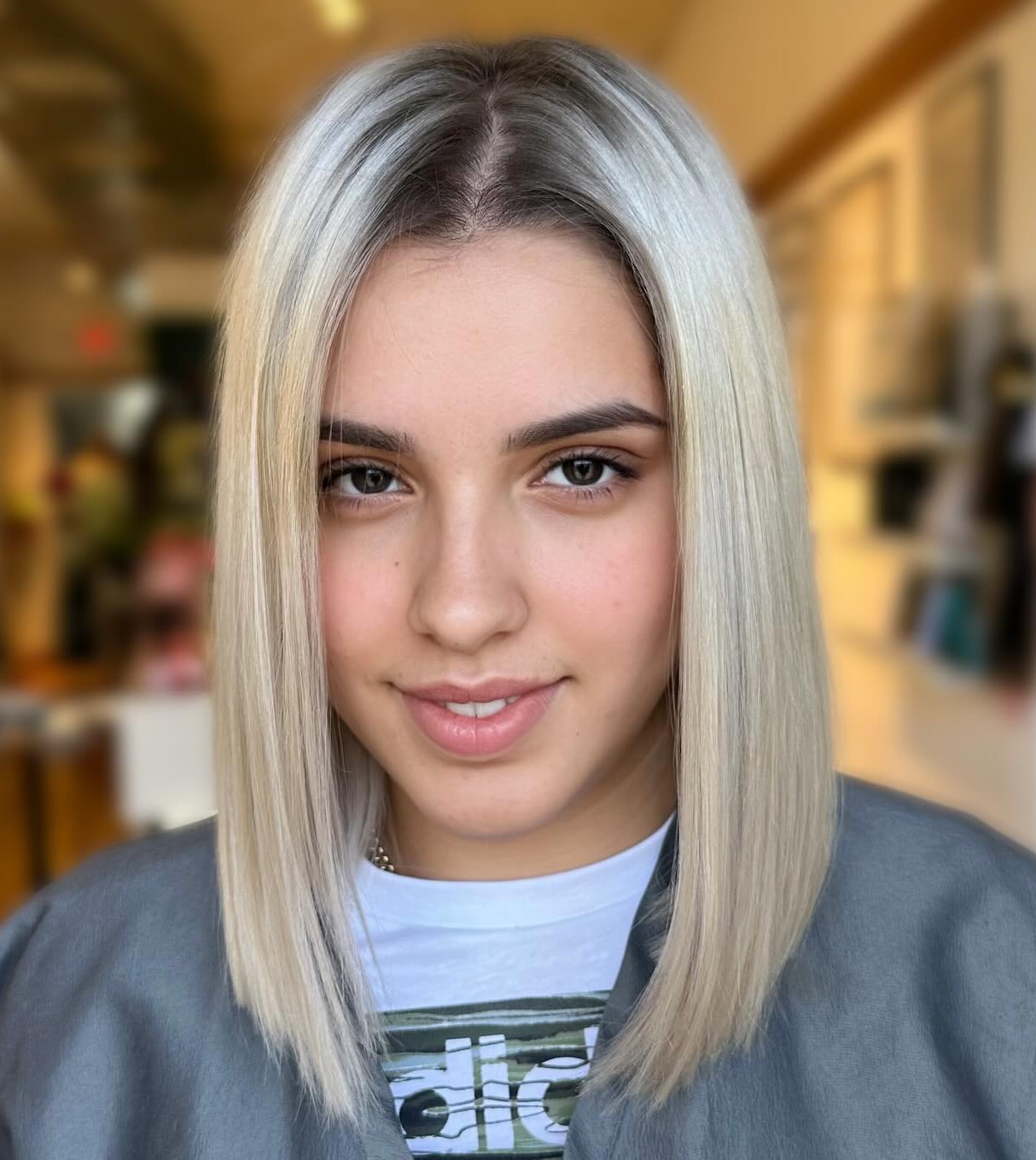
The technique is most popular — and most visually striking — on blonde hair because the contrast between dark roots and light ends is naturally eye-catching. Platinum and ice blondes pair well with ashy brown or dark blonde shadow roots for a cool, editorial look. Warm blondes benefit from caramel, honey, or light brown shadows that keep the overall palette golden and sun-kissed.
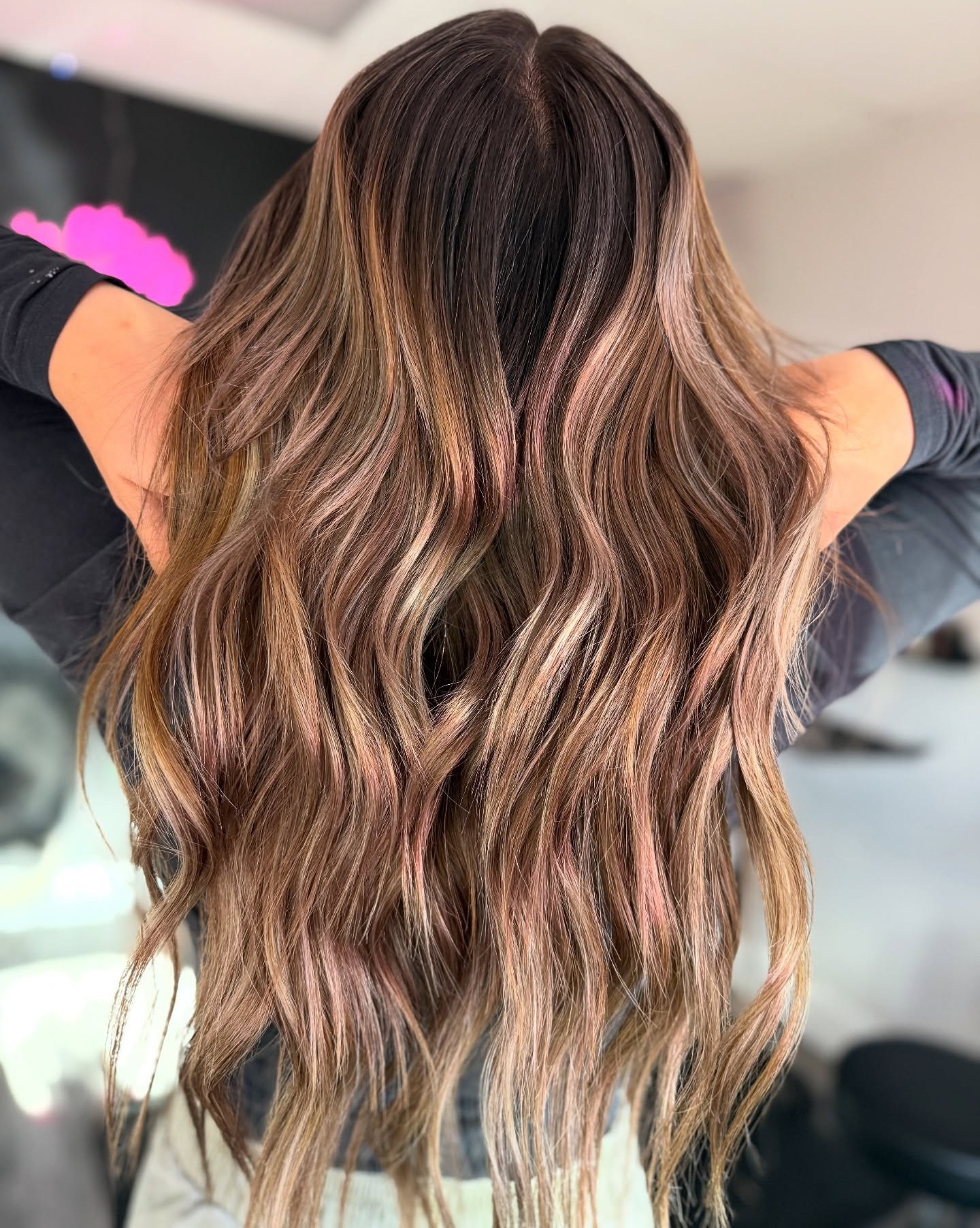
Brunettes Gain Dimension Without Lightening
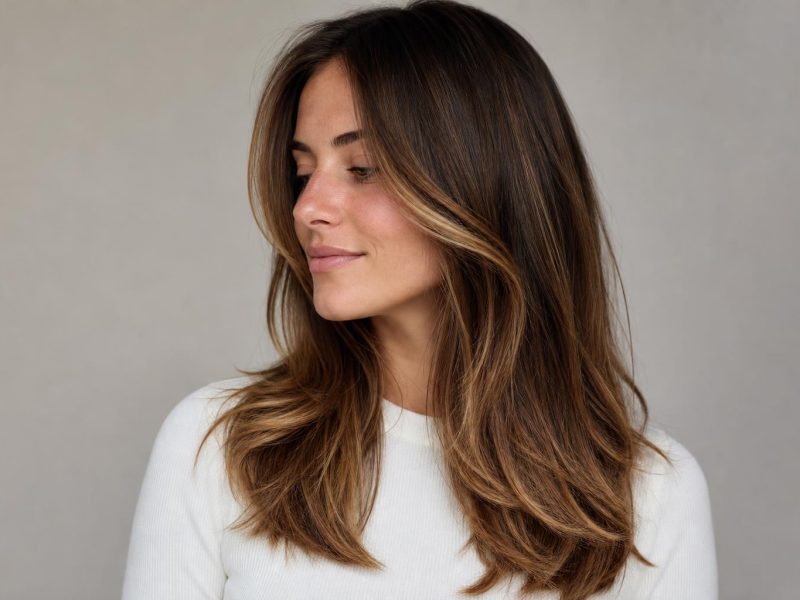
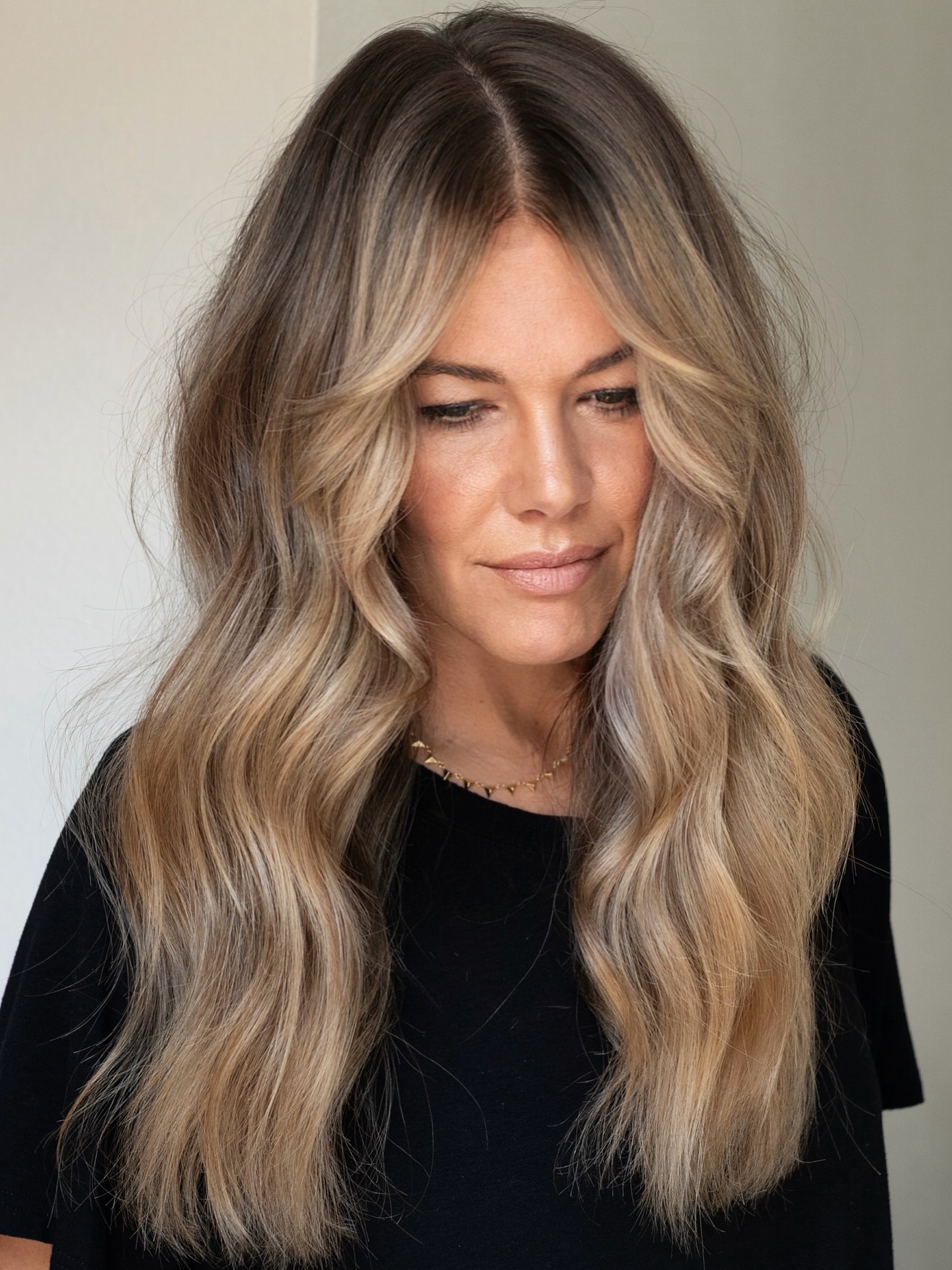
On brunette hair, the shadow root effect is subtler but equally effective. A level 3 or 4 root deepened against level 5 or 6 caramel or toffee mid-lengths creates richness and movement without requiring heavy bleaching. For dark brunettes who don’t want to go dramatically lighter, even a one-level shadow adds noticeable depth.
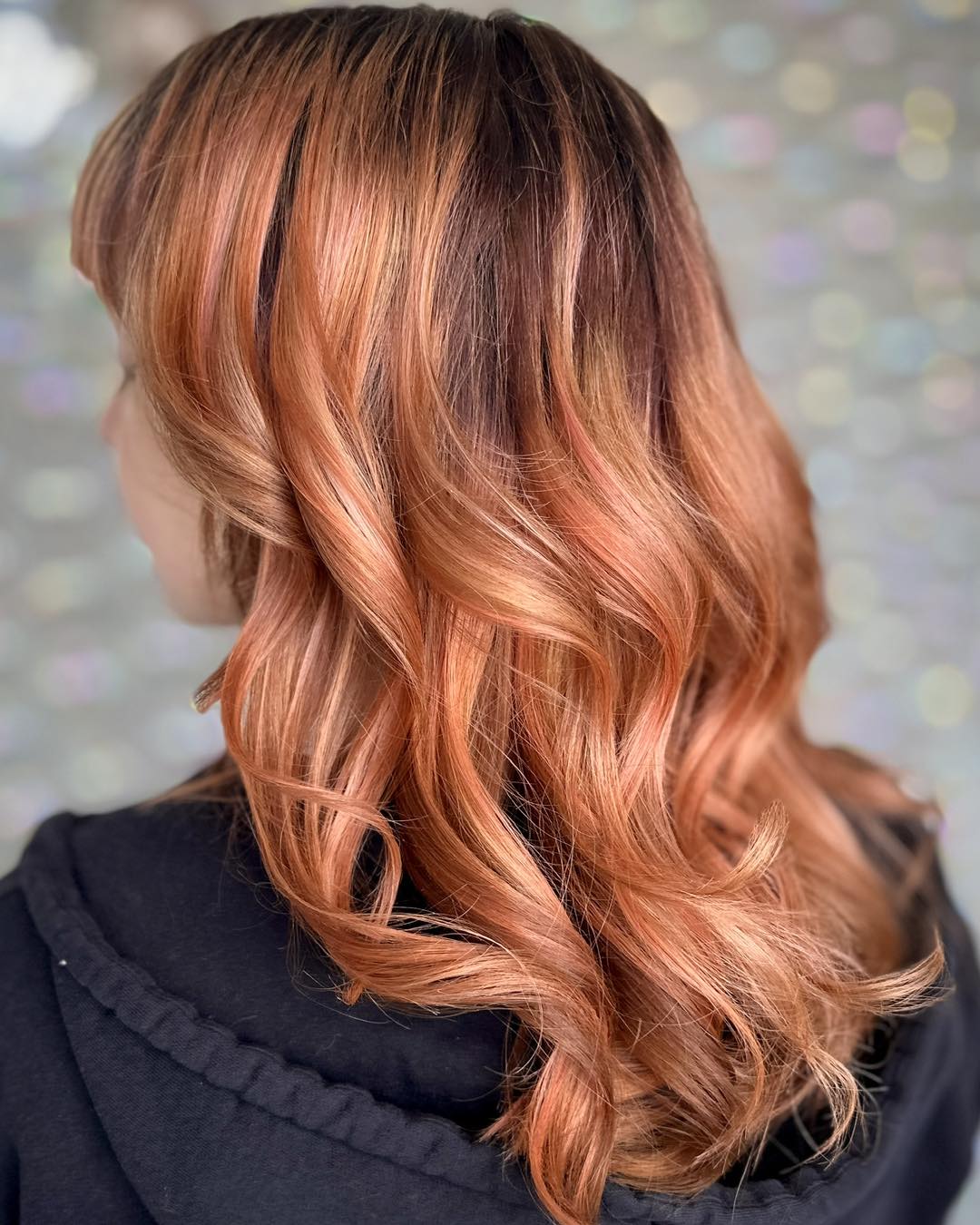
Red Hair Gets Extra Vibrancy
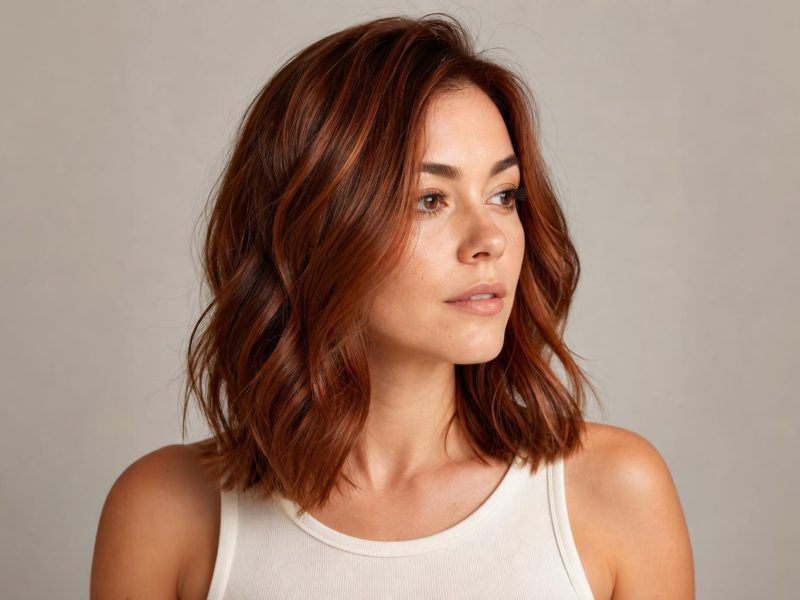
Shadow roots on red or copper hair amplify the color’s natural dimension. A deep cinnamon or auburn root melting into brighter copper or strawberry mid-lengths creates a flame-like gradient that looks expensive and intentional.
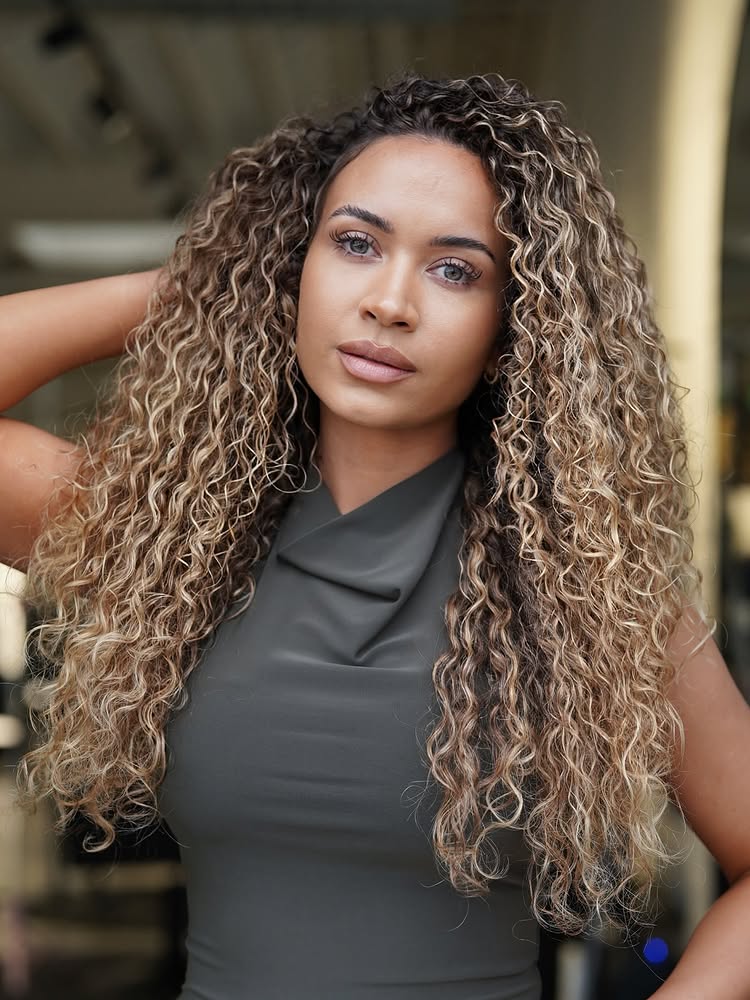
Hair Type and Texture Considerations
Fine, straight hair shows shadow roots most crisply — the gradient is clearly visible because the hair lies flat. Wavy and curly textures disperse the transition across the curl pattern, which creates a softer, more diffused shadow effect. Both look excellent; they just read differently. Thick, coarse hair may need a slightly longer processing time for the root color to deposit evenly, especially if porosity is low.
There’s no face shape restriction on shadow roots — since this is a color technique rather than a cut, it works on every face shape equally. That said, the placement of the shadow’s deepest point can create subtle visual effects: a deeper, lower-starting shadow can visually elongate a round face, while a shorter, closer-to-the-scalp shadow keeps volume and attention near the crown, which can balance longer face shapes.
Common Shadow Root Myths and Mistakes
Myth: Shadow Roots Only Work on Blonde Hair
Reality: Shadow roots work on every base color — brunettes, redheads, and even fashion colors like silver or rose gold. The contrast level changes, but the principle of a darker root zone gradually transitioning into lighter lengths applies universally. Colorists even use the technique with unconventional shades, creating purple-to-lavender or teal-to-mint gradients.
Myth: You Can Easily DIY a Shadow Root at Home
Reality: The application itself is straightforward, but color selection is where most home attempts go wrong. Choosing a root shade that’s too dark, using the wrong undertone, or opting for permanent dye instead of demi-permanent can create a banded look that’s difficult to correct. If you do attempt it at home, use a semi-permanent color-depositing conditioner as the safest option — it fades completely and won’t interfere with future salon lightening.
Myth: Shadow Roots Are the Same as Ombre
Reality: Ombre is a color style characterized by a visible, sometimes dramatic shift from dark to light, typically starting around the mid-lengths. A shadow root is a finishing technique focused specifically on the root zone — it blends the first 1–3 inches and is designed to look like natural regrowth, not a deliberate two-tone style. You can have a shadow root within an ombre, a balayage look, or even a full head of highlights.
Mistake: Using Permanent Dye at the Root
Why it’s a problem: Permanent color deposits pigment into the cortex and doesn’t wash out, which means when you want to lighten or refresh your blonde later, the colorist has to bleach through that permanent deposit. This causes unnecessary damage and can result in warm, brassy bands. Demi-permanent and semi-permanent formulas sit on or just below the cuticle, fading gradually and cleanly over 6–12 weeks.
Maintenance and Upkeep
This is where shadow roots genuinely earn their “low-maintenance” reputation — but low-maintenance doesn’t mean no-maintenance.
| Task | Frequency | What to Use |
|---|---|---|
| Shadow root refresh | Every 8–12 weeks | Salon appointment with demi-permanent color |
| Brass neutralization (for blondes) | Once or twice per week | Purple shampoo or purple conditioner on mid-lengths and ends only |
| Bond repair treatment | Weekly or biweekly | Bond-building mask (maleic acid–based or bis-aminopropyl diglycol dimaleate–based formulas) |
| Color-safe washing | Every wash | Sulfate-free shampoo and conditioner |
| UV and heat protection | Before heat styling or sun exposure | Heat protectant spray (up to 450°F/230°C) and UV-filtering leave-in |
The biggest advantage over traditional all-over color or root touch-ups: because the shadow root is designed to look like natural growth, the regrowth phase doesn’t create an obvious line. Most clients can comfortably go 10–12 weeks between refresh appointments, compared to the 4–6 week cycle that full-coverage root touch-ups demand.
Sulfate-based cleansers strip color faster by disrupting the cuticle layer, which is why color-treated hair benefits from sulfate-free formulas. Washing with lukewarm rather than hot water also extends color vibrancy — heat opens the cuticle and allows pigment molecules to escape more quickly.
How Much a Shadow Root Costs
Pricing varies widely depending on your location, the colorist’s experience level, and whether the shadow root is a standalone service or part of a larger color appointment.
As a standalone add-on to an existing highlight or balayage service, expect to pay $50–$100 on top of the base service cost. As a dedicated appointment (refreshing just the shadow root without additional lightening), pricing typically ranges from $100–$250. In major metro areas or with high-demand colorists, prices can go higher.
The cost-efficiency argument is where shadow roots shine compared to traditional maintenance. If full root touch-ups every 4–6 weeks cost $100–$200 per session, and a shadow root refresh every 10–12 weeks costs a similar amount per visit, you’re cutting your annual color budget by roughly 40–50% while spending less time in the chair.
What to Tell Your Stylist
Clear salon communication prevents misunderstandings and ensures you leave with the result you actually wanted. Here’s a framework for the consultation.
Start with the look, not the technique name: “I want my roots to look intentionally dark and gradually blend into my blonde — not a hard regrowth line, but a soft shadow effect.” Describing the visual outcome avoids confusion if your colorist uses different terminology for root-blending methods.
Specify the depth and contrast: “I’d like the shadow to extend about two inches from my scalp” or “keep the transition subtle — just one shade darker than my mid-lengths.” If you’re open to more contrast, say so: “I’m comfortable with a noticeable difference between my roots and my ends.”
Discuss tone: “I want the roots to stay cool and ashy” or “keep everything warm — no gray or muddy tones at the root.” Tone mismatches between the root shadow and the mid-lengths are the most common source of dissatisfaction.
Bring reference photos: Pull 3–5 photos from salon portfolios or stylist Instagram accounts showing the depth, contrast, and tone you’re looking for. Include at least one photo of hair similar to your own texture and length — a shadow root on thick, wavy hair looks very different from the same technique on fine, straight hair.
Ask these questions during the consultation:
“Will you be using demi-permanent or semi-permanent color for the root shadow?” (You want to confirm they aren’t using permanent dye at the root.)
“How long do you expect this to look good before I need a refresh?” (A realistic answer is 8–12 weeks; much shorter suggests a different technique might be more appropriate.)
“Will we need a toner on the lengths after the shadow root processes?” (The answer should almost always be yes if you’re combining it with highlights or balayage.)
Shadow Root Styling Tips
The right styling choices can enhance the gradient effect and make your shadow root look more dimensional.
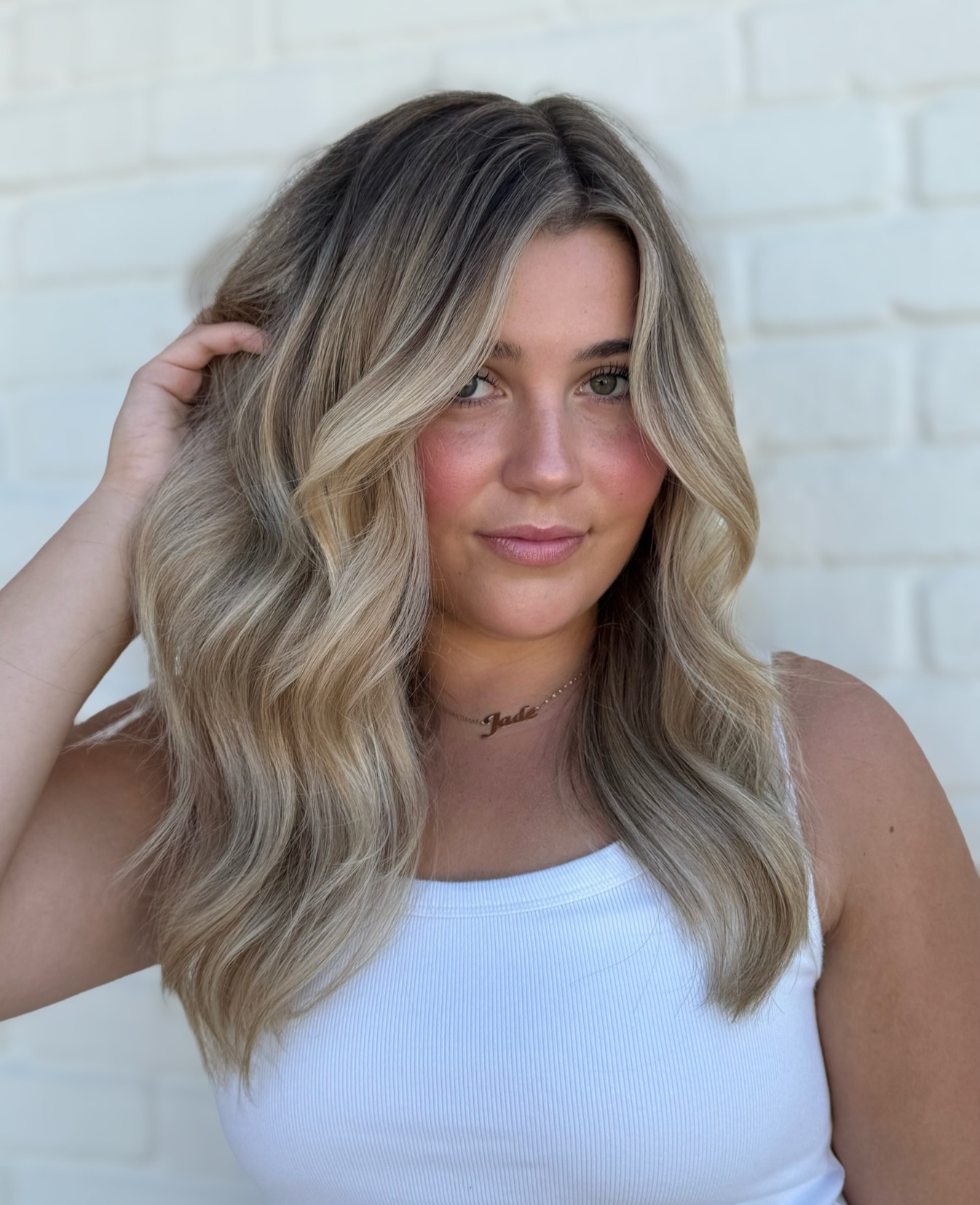
Waves and loose curls showcase shadow roots beautifully because the curled sections expose both the darker root and lighter mid-lengths simultaneously, creating visible depth. Use a 1.25-inch curling iron and alternate directions — wrapping some sections away from the face and others toward it — then gently shake out the curls for a lived-in finish.
A deep side part shifts the shadow root asymmetrically, which can add interest and works particularly well when the shadow is deeper on one side. Middle parts show the shadow root most symmetrically and work best when the transition is even on both sides.
Braids and updos reveal the shadow root dimension in unexpected ways — a Dutch braid on shadow-rooted hair creates a woven pattern of dark and light that looks especially striking on balayage-treated hair.
FAQ
How long does a shadow root last before it needs refreshing?
A shadow root typically looks good for 8–12 weeks, though some clients stretch it to 14 weeks or longer depending on their natural hair color and how close the shadow shade is to their regrowth. Because the technique is designed to mimic natural root growth, the “grow-out” phase is the entire point — it just keeps looking more natural as time passes.
Can I get a shadow root if my hair is already highlighted with foils?
Yes — shadow roots pair well with both foil highlights and balayage. In fact, adding a shadow root after a full foil highlight session is one of the most common applications of the technique, since it immediately softens the line where your natural root meets the lightened hair.
Does a shadow root damage your hair?
The shadow root itself causes minimal damage because it uses demi-permanent or semi-permanent color, which doesn’t require a high-volume developer. The damage risk in a shadow root appointment usually comes from the lightening process on the mid-lengths and ends — not from the shadow root application at the scalp.
Is a shadow root the same as a root smudge?
They’re closely related but not identical. A root smudge typically uses a shade close to your natural color and blends about half an inch to an inch and a half down. A shadow root creates more intentional contrast — using a shade 2–3 levels deeper — and extends the blend further, usually 1–3 inches from the scalp. Some colorists use the terms interchangeably, so always describe the look you want rather than relying on a technique name.
Can I do a shadow root at home?
It’s possible but risky. The application technique is manageable, but selecting the right shade, undertone, and formula type requires color theory knowledge that most non-professionals don’t have. If you want to try it, use a semi-permanent color-depositing conditioner — it washes out completely and won’t create permanent bands. Avoid permanent box dye for a shadow root; it deposits pigment that’s difficult to lighten through later.
What’s the best shadow root shade for platinum blonde hair?
Ash brown in the level 5–6 range creates a natural-looking cool contrast against platinum. For a warmer vibe, a level 6–7 light golden brown works well. The key is matching the undertone — cool platinum pairs best with ashy roots, while warm champagne blondes look more cohesive with caramel or honey root shades.
How much does a shadow root cost at the salon?
As an add-on to a highlight or balayage service, expect $50–$100 extra. As a standalone refresh appointment, pricing typically ranges from $100–$250 depending on the colorist’s experience level, location, and salon tier. Compared to full root touch-ups every 4–6 weeks, shadow roots are significantly more cost-effective on an annual basis.
Will a shadow root cover gray hair?
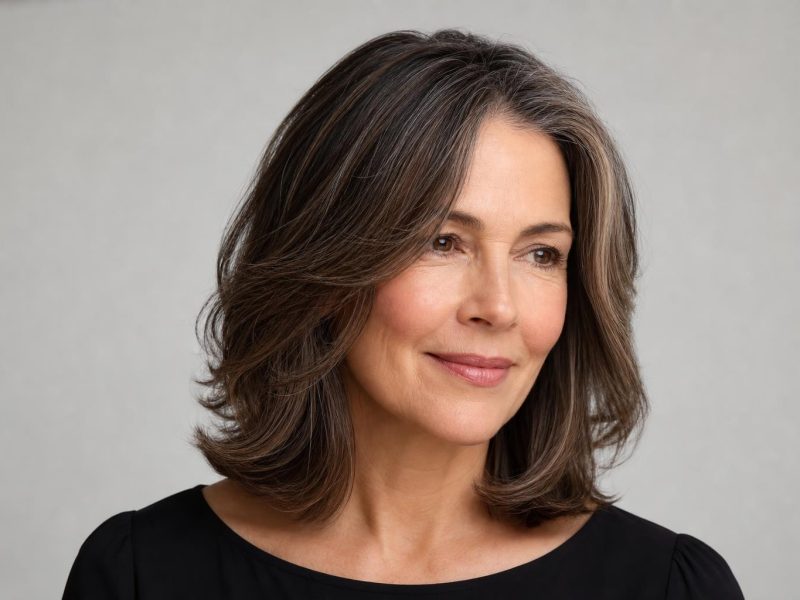
A shadow root can blend and camouflage scattered grays at the root zone, but it’s not a full gray coverage solution. If you have heavy gray concentration (above 40–50%), the demi-permanent formula used for most shadow roots may not provide enough opacity. In that case, your colorist might recommend a root smudge with a higher-coverage formula or a permanent gloss specifically formulated for gray blending.
Hair results vary based on your natural hair type, texture, density, and condition. Always consult with a licensed hairstylist before making significant changes, especially with chemical treatments or dramatic length changes. Photos may show styled results that require professional tools and products to replicate.