
Subheadline: Evidence-based hair regrowth options for women — what actually works, how long each takes, and what to discuss with your dermatologist
The only FDA-approved topical treatment for female pattern hair loss is minoxidil, and it works for roughly two out of three women who use it consistently — but it is not the only option worth considering. Dermatologists now regularly combine minoxidil with oral medications, in-office procedures, and targeted nutritional support to slow shedding and stimulate regrowth. This guide covers five treatments with real clinical evidence behind them, including realistic timelines, costs, and side effects that most articles leave out.
You’ll find a breakdown of each treatment’s mechanism, who it works best for, and what questions to bring to your dermatologist. Whether you’re noticing a widening part, postpartum shedding, or diffuse thinning that started around menopause, the right combination depends on the cause of your hair loss — not just the symptoms.
Why Women Lose Hair — and Why the Cause Matters for Treatment
Hair loss in women is not a single condition. The treatment that works depends entirely on what is driving the loss, which is why a dermatologist visit should come before any product purchase. The most common types include androgenetic alopecia (female pattern hair loss), telogen effluvium (stress- or event-triggered shedding), and hair loss linked to hormonal shifts like menopause, postpartum recovery, or polycystic ovary syndrome.
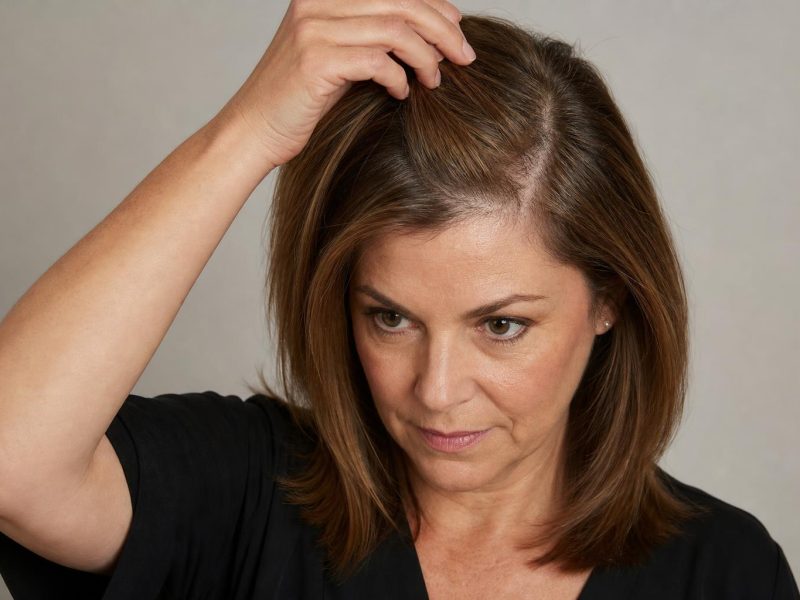
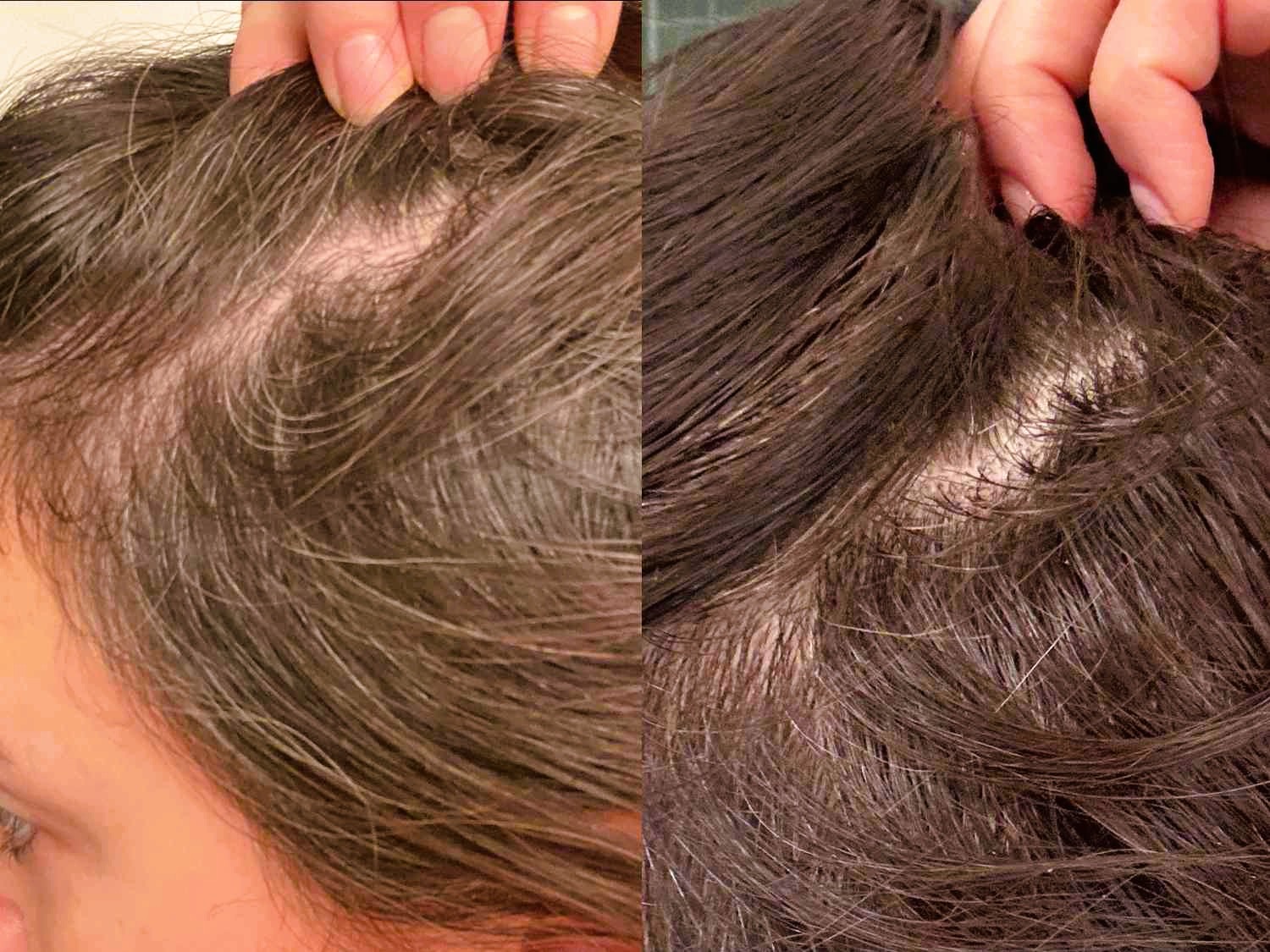
Androgenetic alopecia is the most prevalent form, affecting an estimated 25% of women by age 50, according to research published in Anais Brasileiros de Dermatologia. It presents as gradual thinning along the part line and crown — not the receding hairline pattern typical in men. Telogen effluvium, by contrast, causes diffuse shedding across the entire scalp and is usually temporary, resolving once the trigger (surgery, childbirth, extreme stress, nutritional deficiency) is addressed.
A dermatologist can distinguish between these through a scalp examination, pull test, blood work checking iron, ferritin, vitamin D, thyroid hormones, and sometimes a scalp biopsy. Getting the diagnosis right is the single most important step — applying minoxidil to hair loss caused by an iron deficiency, for instance, will not fix the underlying problem.
Treatment 1: Topical Minoxidil Remains the Gold Standard
Minoxidil is the only topical medication with FDA approval for treating female pattern hair loss. It works by prolonging the anagen (growth) phase of the hair cycle and increasing blood flow to follicles, which gradually thickens existing miniaturized hairs and can reactivate some dormant ones. The 2% solution was approved first for women, followed by the 5% formulation for cases that need stronger intervention.
Effectiveness is well-documented but not universal. According to Harvard Health, minoxidil can stimulate new fine hair growth and slow further loss in many women, but it cannot fully restore lost density. About 40% of patients do not see meaningful improvement with minoxidil alone, based on clinical review data. Results typically become visible after 4–6 months of consistent twice-daily application, and the treatment must be continued indefinitely — stopping causes any regrowth to shed within a few months.
How to Use Minoxidil Correctly
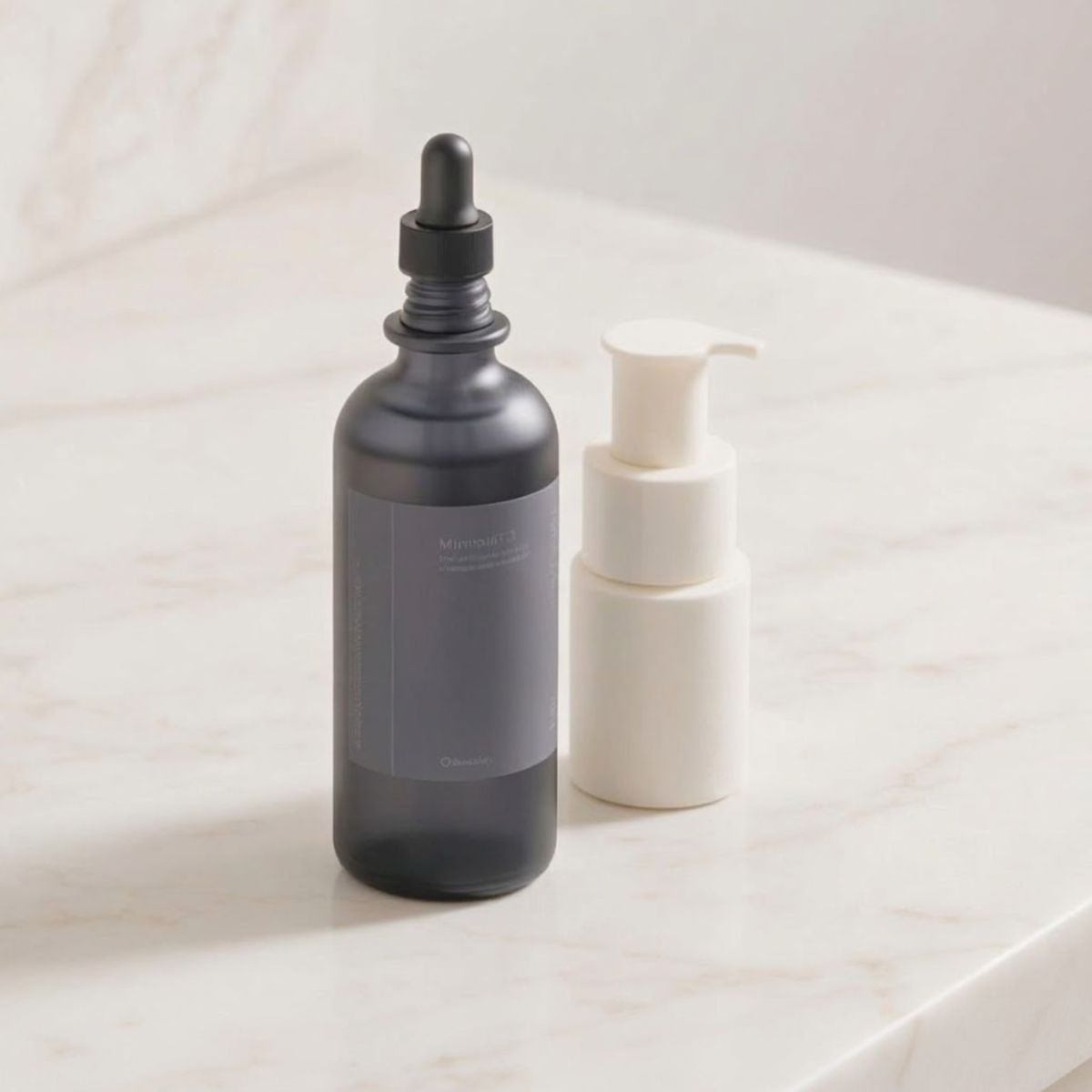
Apply 1 mL of solution or half a capful of foam to a dry scalp, focusing on the area of thinning. Part your hair to expose the scalp, apply directly, and massage gently with your fingertips. Do not wash your hair for at least four hours after application. Most dermatologists recommend applying at night so it absorbs fully while you sleep. Common side effects include scalp dryness, itching, and initial increased shedding during the first 2–8 weeks — this “dread shed” is actually a sign that dormant follicles are cycling into active growth and is temporary.
Important safety note: Minoxidil is not safe during pregnancy or breastfeeding. Women planning to become pregnant should discontinue use and discuss timing with their doctor.
| Detail | What to Know |
|---|---|
| FDA-approved | Yes — 2% and 5% formulations for women |
| Time to see results | 4–6 months minimum, 12 months for full effect |
| Cost | $10–$50/month (OTC, no prescription needed) |
| Best for | Female pattern hair loss (androgenetic alopecia) |
| Must continue? | Yes — regrowth reverses if you stop |
Oral Minoxidil Is Gaining Ground
Low-dose oral minoxidil (typically 0.25–2.5 mg daily) is increasingly prescribed off-label by dermatologists for women who find the topical version irritating or inconvenient. Early research and clinical experience suggest it may be equally or more effective than topical application for some patients, with the added benefit of compliance — swallowing a pill is simpler than applying liquid to your scalp twice daily. However, oral minoxidil requires monitoring for side effects including low blood pressure, fluid retention, and increased body hair. It is a prescription-only option that needs to be discussed with your dermatologist and is not appropriate for everyone.
Treatment 2: Spironolactone Targets Hormonal Hair Loss From the Inside
Spironolactone is an oral prescription medication originally developed to treat high blood pressure, but dermatologists prescribe it off-label for women with hormone-driven hair loss. It works by blocking androgen receptors and reducing the production of dihydrotestosterone (DHT) — the hormone that shrinks hair follicles in women genetically susceptible to androgenetic alopecia. This makes it particularly effective for women with elevated androgen levels, including those with hormonal hair loss linked to polycystic ovary syndrome (PCOS).
Clinical data supports its effectiveness. A systematic review and meta-analysis published in Cureus found that the overall improvement rate was approximately 57%, rising to 66% when spironolactone was combined with other treatments like topical minoxidil. The combination approach consistently outperforms monotherapy, which is why many dermatologists prescribe both together. It typically takes 6–12 months of consistent use to see noticeable improvement, and like minoxidil, it must be continued to maintain results.
Spironolactone Is Not for Everyone
This medication is strictly contraindicated during pregnancy because its anti-androgen effects can cause birth defects in male fetuses. Women of childbearing age who take spironolactone are typically required to use reliable contraception. Common side effects include breast tenderness, menstrual irregularities, frequent urination, and lightheadedness. Dermatologists usually start patients at 25–50 mg daily and gradually increase to 100–200 mg, monitoring potassium levels and blood pressure periodically — especially in the first few months.
Spironolactone does not work for hair loss caused by non-hormonal factors like nutritional deficiencies, thyroid dysfunction, or telogen effluvium triggered by stress. This is exactly why getting the correct diagnosis before starting treatment is essential — the medication is powerful, but only if the problem it addresses is the one you actually have.
Treatment 3: PRP Therapy Uses Growth Factors to Wake Up Follicles
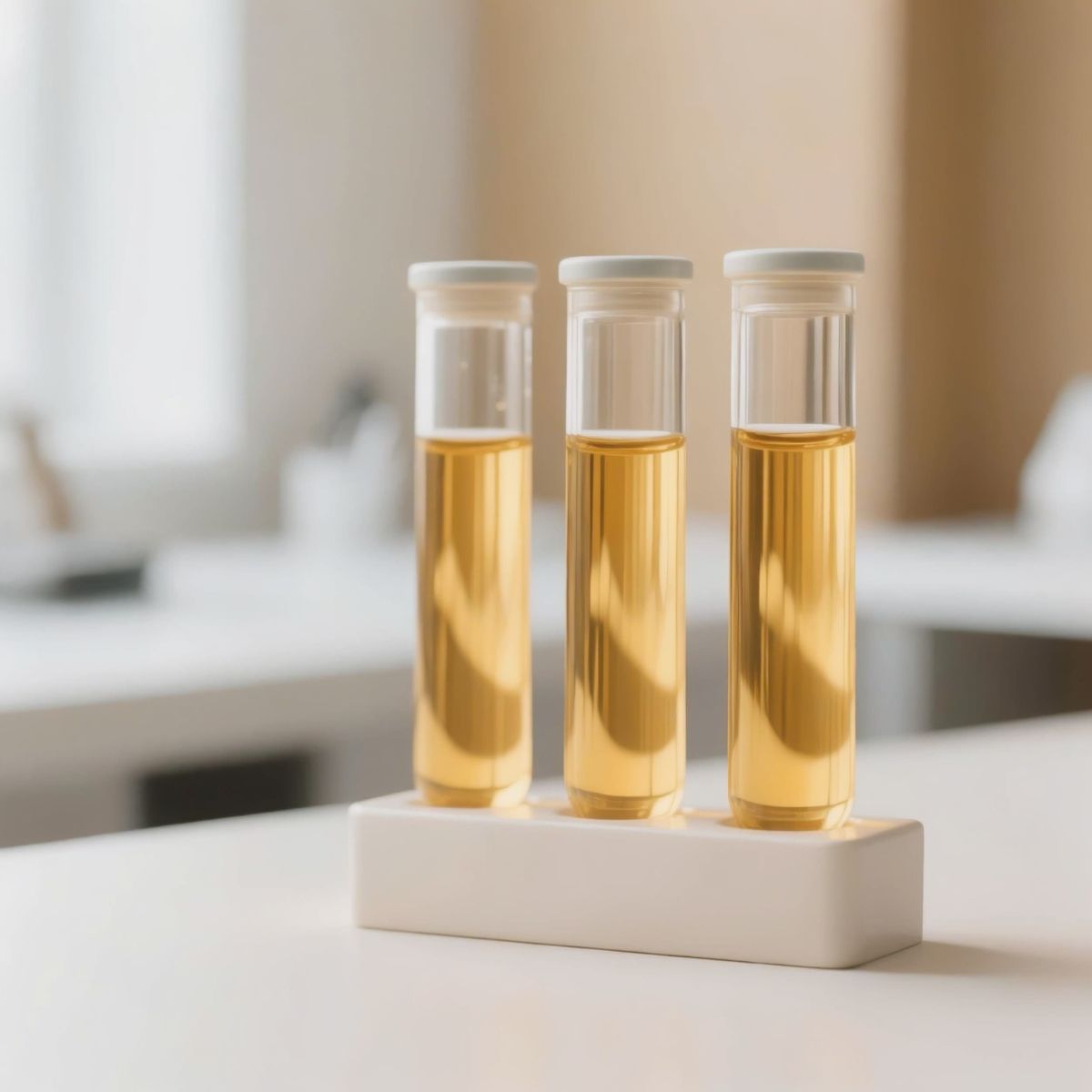
Platelet-rich plasma (PRP) therapy is an in-office procedure in which a small sample of your blood is drawn, processed in a centrifuge to concentrate the platelets and growth factors, and then injected directly into the scalp at sites of thinning. The concentrated growth factors stimulate dormant hair follicles, extend the growth phase of the hair cycle, and improve blood supply to the scalp.
The evidence for PRP has strengthened considerably. A 2025 meta-analysis published in Dermatology and Therapy concluded that PRP is safe and effective in improving hair density and reducing shedding, with moderate overall evidence quality. Clinical studies report improvements in hair density of roughly 25–40% after a series of 3–6 sessions. Patient satisfaction rates are generally high — around 76% in recent reviews — though results vary based on the severity of loss, the PRP preparation method, and individual biology.
For women specifically, PRP appears most effective in early-stage thinning and diffuse shedding patterns, including post-menopausal hair loss and postpartum telogen effluvium. Some research suggests the hair-promoting effects of PRP may be more enduring in women than the gains from topical minoxidil alone — though head-to-head studies are still limited.
| Detail | What to Know |
|---|---|
| FDA status | Not FDA-approved for hair loss (uses your own blood, minimal regulatory concern) |
| Treatment protocol | 3–6 sessions, 4–6 weeks apart, then maintenance every 4–6 months |
| Cost | $500–$1,500 per session (not covered by insurance) |
| Best for | Early-stage thinning, diffuse shedding, combination with other treatments |
| Downtime | None — mild scalp tenderness and possible swelling for 24–48 hours |
The PRP Preparation Method Matters
Not all PRP is created equal. The concentration of platelets, the centrifuge system used, and whether the PRP is activated before injection all affect outcomes. Research from 2025 confirms that double-spin preparation methods producing higher platelet concentrations correlate with more consistent results. When consulting clinics, ask specifically about their PRP preparation system, the platelet concentration they achieve, and how many sessions their protocol includes. A clinic that cannot answer these questions clearly may not be using a high-quality approach.
Treatment 4: Low-Level Laser Therapy Reactivates Follicles at Home
Low-level laser therapy (LLLT) is the only non-pharmaceutical treatment that the FDA has cleared for treating androgenetic alopecia in both men and women. LLLT devices — sold as laser caps, helmets, and combs — emit red light at specific wavelengths (typically 650–670 nm) that penetrate the scalp and stimulate cellular energy production in hair follicles. This increases blood flow, extends the growth phase, and promotes thicker hair strands.
The convenience factor is a significant advantage. Unlike minoxidil, which requires daily topical application, or PRP, which requires clinic visits, LLLT devices are used at home for 15–30 minutes every other day. According to a review published in the Journal of Clinical and Aesthetic Dermatology, LLLT is a viable non-pharmaceutical option for androgenetic alopecia, with multiple clinical trials demonstrating improvements in hair density. It works best as a complement to other treatments rather than as a standalone solution for moderate-to-advanced loss.
Choosing an LLLT Device
The device market ranges from $200 laser combs to $1,000+ laser caps. Higher-priced devices generally offer more diodes and better scalp coverage, which translates to more consistent results. Look for FDA-cleared devices specifically — “FDA-registered” is not the same thing and does not require proof of efficacy. Realistic expectations matter here: LLLT will not regrow hair in areas of complete baldness, and results are modest compared to minoxidil or combination therapy. Where it shines is in slowing further loss and slightly improving thickness when used alongside topical or oral treatments.
Side effects are minimal — occasional mild scalp warmth or tingling is the most commonly reported. LLLT is safe during pregnancy, making it one of the few options available to women who need to avoid minoxidil and spironolactone.
Treatment 5: Targeted Nutritional Support Fills the Gaps Medication Cannot
No supplement will override genetic hair loss on its own, but nutritional deficiencies can accelerate shedding and weaken the hair you are trying to keep. Correcting those deficiencies is a foundational step that makes other treatments work better. The nutrients most frequently linked to hair health — and most commonly deficient in women experiencing hair loss — are iron, ferritin, vitamin D, zinc, and biotin.
Iron deficiency is the most clinically significant. Even without full-blown anemia, low ferritin (stored iron) levels correlate with increased shedding, and some dermatologists recommend maintaining ferritin levels above 70 ng/mL for optimal hair growth — higher than the standard lab “normal” threshold. Vitamin D deficiency, also widespread, has been associated with telogen effluvium and alopecia areata in multiple studies. Blood testing is the only way to know whether supplementation is appropriate — taking iron without confirming a deficiency can cause harm.

Hair Growth Supplements: What the Evidence Actually Says
The supplement market is crowded with products making bold regrowth claims. Here is what the research supports and what it does not:
| Supplement | Evidence Level | Best Use Case |
|---|---|---|
| Iron/Ferritin | Strong (when deficient) | Women with confirmed low ferritin — especially with heavy periods |
| Vitamin D | Moderate–Strong | Women with confirmed deficiency (<30 ng/mL) |
| Biotin | Weak–Moderate | Only helpful if truly deficient (rare in balanced diets) |
| Zinc | Moderate (when deficient) | Women with dietary gaps or malabsorption conditions |
| Marine collagen peptides | Emerging | Hair shaft strength — not regrowth per se |
| Saw palmetto | Limited | Mild DHT-blocking effect; more studied in men |
Brand-name supplements like Nutrafol, Viviscal, and Vegamour each contain different combinations of vitamins, minerals, and botanical extracts. Some have small clinical trials supporting improved hair growth and reduced shedding, but none replaces medical treatment for androgenetic alopecia. If you choose to use one, continue it for at least 6 months before judging results, and let your dermatologist know — some ingredients interact with medications like spironolactone or blood thinners.
How to Choose the Right Treatment for Your Situation
The most effective approach for nearly all types of female hair loss is combination therapy. Dermatologists rarely prescribe a single treatment in isolation anymore — the data consistently shows that layering treatments produces better outcomes than any one option alone. That said, where you start depends on your diagnosis, budget, and lifestyle.
| If Your Diagnosis Is… | Start With | Consider Adding |
|---|---|---|
| Androgenetic alopecia (pattern thinning) | Topical minoxidil 5% | Spironolactone + LLLT |
| Hormonal hair loss (PCOS, menopause) | Spironolactone | Topical minoxidil + nutritional support |
| Telogen effluvium (stress/postpartum shedding) | Address the trigger + nutritional support | PRP or LLLT to speed recovery |
| Nutritional deficiency-related loss | Correct deficiency (iron, vitamin D, zinc) | Minoxidil if pattern thinning is also present |
| Early-stage thinning (mild, just starting) | Topical minoxidil + LLLT | PRP for acceleration |
Budget is a practical reality. Minoxidil and nutritional supplementation are the most affordable ongoing options — under $100/month combined. Spironolactone is inexpensive as a generic medication but requires a prescription and monitoring visits. PRP is the most expensive option but does not require daily compliance. LLLT has a high upfront cost but no recurring expense beyond device replacement every few years.
What to Ask Your Dermatologist at Your First Visit
Walking into a dermatology appointment with the right questions ensures you leave with a treatment plan, not just a prescription. Hair loss consultations are more productive when you arrive prepared.
Bring these questions with you:
- “What type of hair loss do I have?” — Get the specific diagnosis before discussing treatment. Pattern thinning, diffuse shedding, and inflammatory loss are treated differently.
- “Should I get blood work first?” — Iron, ferritin, vitamin D, thyroid panel, and hormone levels can all affect treatment decisions.
- “What combination of treatments do you recommend for my stage?” — Combination therapy is the current standard. Ask what they would combine and why.
- “What is a realistic timeline for results?” — Expect 6–12 months for any treatment. A dermatologist who promises faster results should be questioned.
- “How will we track progress?” — Standardized scalp photographs taken at each visit are the best way to objectively measure improvement over time.
If you’re seeing increased shedding, a widening part, or overall thinning that’s becoming hard to conceal, an appointment with a board-certified dermatologist — ideally one who specializes in hair loss — should be your first step. Waiting allows follicle miniaturization to progress, and some of that loss becomes permanent. Early intervention consistently produces the best outcomes across every treatment type.
Styling Tips While You Treat
Treatment timelines are measured in months, and managing the appearance of thinning hair in the meantime is a legitimate concern. A few practical adjustments can make a visible difference while your chosen treatment takes effect.
Volumizing mousse or root-lifting spray applied to damp roots before blow-drying upside down creates immediate visual fullness at the crown — the area where most women notice thinning first. A side part rather than a center part can disguise a widening part line. Hair fibers (keratin-based powders that cling to existing hair and fill sparse areas) are a discreet, temporary concealment option that washes out with shampoo. For more significant thinning, hair toppers offer natural-looking coverage without the commitment of a full wig.
Avoid tight hairstyles — ponytails, buns, braids with tension at the hairline — as these can cause traction alopecia on top of existing loss. Reduce heat styling to 2–3 times per week maximum, and always use a heat protectant spray. Sulfate-free shampoo is gentler on a scalp already sensitized by minoxidil or other topical treatments.
FAQ
Can Hair Loss in Women Be Fully Reversed?
It depends on the cause. Telogen effluvium — shedding triggered by stress, illness, or hormonal changes like childbirth — usually resolves fully once the trigger is removed, often within 6–12 months. Androgenetic alopecia (pattern thinning) is progressive and cannot be completely reversed, but treatments like minoxidil and spironolactone can slow progression significantly and partially restore density, especially when started early. The key is beginning treatment before follicle miniaturization becomes advanced.
Is Minoxidil Better as a Foam or Liquid?
Both are equally effective. Foam dries faster, does not drip, and contains no propylene glycol — a solvent in the liquid formula that causes scalp irritation in some women. Liquid is less expensive and may cover the scalp more evenly on thicker hair. If you experience itching or redness with the liquid, try switching to foam before abandoning minoxidil altogether.
How Long Does It Take to See Results from Hair Loss Treatment?
Expect a minimum of 4–6 months for any treatment to produce visible changes, and 12 months for full effect. This applies to minoxidil, spironolactone, PRP, and LLLT alike. Hair grows slowly — approximately half an inch per month — so even when a treatment is working, the new growth takes time to reach a visible length. Take monthly standardized photos to track progress objectively, because the gradual nature of improvement can be difficult to notice day-to-day.
Are Hair Growth Supplements Worth the Money?
Only if you have a documented nutritional deficiency contributing to your hair loss. If blood work shows low ferritin, vitamin D, or zinc levels, correcting those deficiencies through supplementation can meaningfully reduce shedding. If your levels are already normal, adding more of these nutrients provides no additional benefit for hair growth. Brand-name supplements like Nutrafol contain botanical extracts with some supportive evidence, but they are not substitutes for medical treatment of pattern hair loss.
Can I Use Minoxidil and Spironolactone Together?
Yes — this combination is one of the most commonly prescribed regimens for women with androgenetic alopecia. Minoxidil stimulates growth directly at the follicle while spironolactone addresses the hormonal driver (DHT) from the inside. Research consistently shows that combination therapy outperforms either treatment alone. Your dermatologist will determine the appropriate dosages for both based on your specific diagnosis and health profile.
Is PRP Therapy Painful?
Most patients describe the sensation as uncomfortable rather than painful. The scalp is numbed with topical anesthesia or local nerve blocks before injections, and the procedure itself takes about 30–45 minutes including the blood draw and centrifuge processing. You may feel some pressure and mild stinging during injections. Afterward, expect mild scalp tenderness and possible swelling that resolves within 24–48 hours. No downtime is needed — you can return to your usual routine immediately, though most providers recommend avoiding vigorous exercise for 24 hours.
What Hair Loss Treatments Are Safe During Pregnancy?
Most medical hair loss treatments — including minoxidil, spironolactone, and finasteride — are contraindicated during pregnancy and breastfeeding. LLLT is considered safe because it involves no chemicals or systemic medications. Nutritional support (prenatal vitamins, iron supplementation if deficient) is appropriate during and after pregnancy. If you are experiencing postpartum hair shedding, this is almost always temporary telogen effluvium that resolves on its own within 6–12 months.
When Should I See a Doctor About Hair Loss?
See a dermatologist if you notice a gradually widening part, increased hair in your brush or shower drain lasting more than 3 months, visible scalp through your hair, or patches of complete hair loss. Earlier evaluation leads to better outcomes because hair follicles that have fully miniaturized are much harder to recover. If you’re losing hair rapidly after an illness, surgery, or major life stress, this may be telogen effluvium — still worth a medical evaluation to rule out underlying conditions and to get a clear timeline for recovery.
Hair results vary based on your natural hair type, texture, density, and condition. Always consult with a licensed hairstylist before making significant changes, especially with chemical treatments or dramatic length changes. Photos may show styled results that require professional tools and products to replicate.
Content involving hair loss treatments is informational only and does not constitute medical advice. Consult a board-certified dermatologist or trichologist for personalized guidance on hair loss diagnosis and treatment.