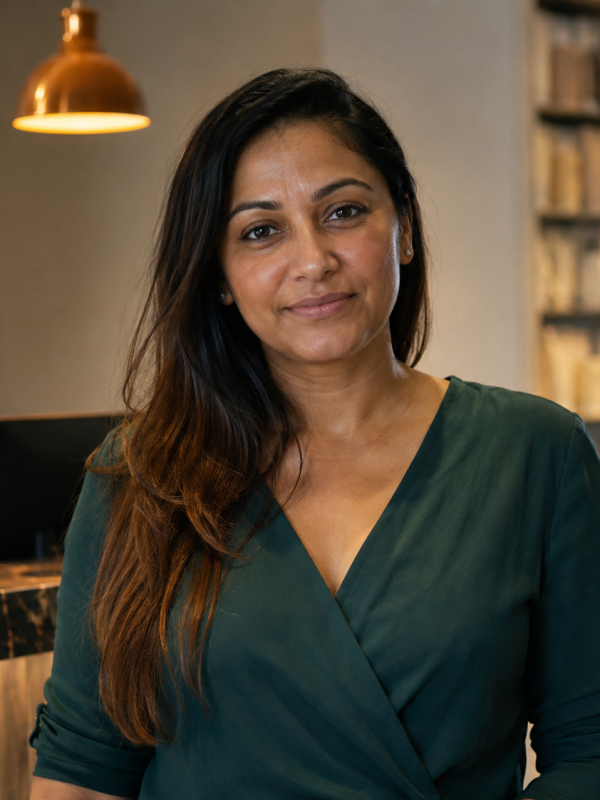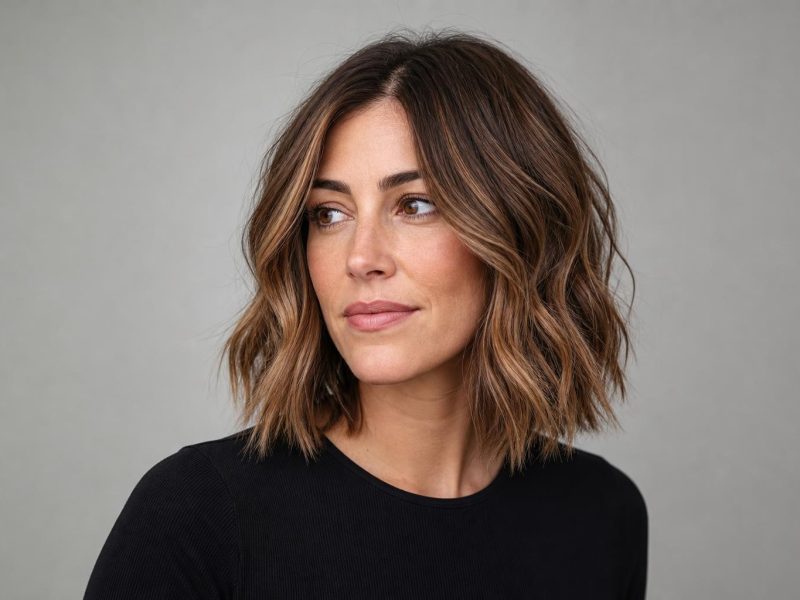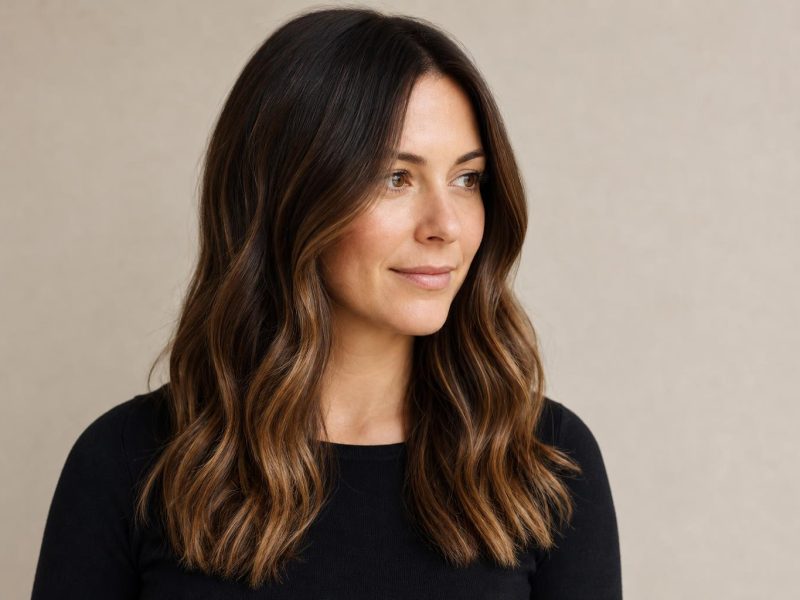


Chocolate brown is a deep, glossy brunette that sits around level 3 to 5 on the color scale, rich enough to read as a real shade rather than plain dark hair, and flattering on nearly every skin tone because you can dial its warmth up or down.
What makes a brown read as chocolate is depth plus shine. It is dark, but it carries a visible warm or cool undertone and a mirror-like gloss that keeps it from looking flat or muddy. Because most chocolate shades only deposit color rather than lifting it, they are one of the lowest-commitment, lowest-damage colors you can get, which is part of why they stay popular year after year. These 30 ideas run from solid espresso to caramel-swirled balayage, sorted so you can find the exact warmth and dimension that suits your skin and your upkeep tolerance.
If you are torn between staying dark and going lighter, comparing chocolate against a brighter option like our honey blonde collection shows the maintenance gap between a deposit-only brunette and a lifted blonde at a glance.
| Factor | Details |
|---|---|
| Color level | Roughly level 3 to 5; deep enough to read rich, light enough to show tone |
| Process | Usually deposit-only or low-lift, so minimal damage on most starting colors |
| Best undertones | Warm chocolate for warm skin; cool or ash chocolate for cool and fair skin |
| Upkeep | A gloss every 6 to 8 weeks for shine; root color as regrowth shows |
| Avoid if | You want a dramatic lightening result, which chocolate by definition does not give |
What Makes a Brown Read as Chocolate
Not every dark brown is a chocolate brown. The shade earns the name through a combination of depth and a deliberate undertone, the same way real chocolate ranges from milk to dark to a reddish cocoa. A flat, undertone-free brown looks dull; a chocolate brown has a warm or cool cast running through it that catches the light.
The most important choice is warmth direction. Warm chocolates carry red, golden, or caramel undertones that glow against tan and olive skin. Cool chocolates lean ashy or neutral, which flatters fair and pink-toned skin without adding redness. Getting this direction right is what separates a chocolate brown that brightens your face from one that drags it down, and it matters far more than the exact level of darkness.
Stylist tip: If your hair tends to pull warm or brassy after coloring, ask your colorist for a chocolate formulated with a green or ash base. Green sits opposite red on the color wheel, so a touch of it in the formula cancels the unwanted warmth and keeps the brown from turning orange in the weeks after your appointment.
Rich Solid Chocolate Browns
These eight shades are single-tone chocolates, the simplest and most timeless way to wear the color. A solid chocolate is the easiest brunette to maintain and the most forgiving to apply at any level of darkness.
1. Classic Milk Chocolate
A medium chocolate with soft golden warmth, milk chocolate is the universally flattering middle of the family, neither too dark nor too light. It suits most warm and neutral skin tones without any custom blending. This is the safe, reliable shade to ask for if you are new to coloring.
2. Dark Chocolate
A deep, near-espresso brown with subtle red-brown warmth, dark chocolate keeps the richness without going fully black. The depth makes thin hair look denser and adds serious shine. It grows out gracefully because it sits close to most natural dark roots.
3. Espresso Brown
Espresso is the darkest chocolate, a cool-leaning brown that reads almost black indoors and shows its brown depth only in bright light. It flatters cool and deep skin tones and gives the glossiest, most polished finish of the family. Add a clear gloss on top to push the shine even further.
4. Chestnut Brown
Chestnut is a slightly lighter chocolate with a bronzy, subtly reddish overtone that strikes a balance between soft and bright. It catches light beautifully on medium and tan skin. The warmth keeps it from ever looking flat, even as a solid color.
5. Cool Mushroom Brown
Mushroom brown mutes the warmth with a soft ashy-gray cast, a modern, understated take on chocolate that suits cool and fair skin. The grayed tone reads expensive and keeps any brassiness at bay. It needs a cool-based formula and the occasional toning gloss to stay true.
6. Chocolate for Gray Coverage
A solid chocolate is one of the best shades for covering grays because its depth blends regrowth and stubborn whites more seamlessly than a lighter color. Choosing a tone close to your natural brown keeps the root line soft between appointments. A demi-permanent formula covers early grays while staying gentle on the hair.
7. Soft Black-Brown
Sitting between black and dark chocolate, this shade gives the drama of dark hair with more warmth and dimension than a true flat black. It is more forgiving and less harsh against the skin than black, especially as you age. The brown undertone keeps it from looking severe in photos.
8. Glossy Neutral Brown
A true neutral chocolate avoids both red and ash, a clean, balanced brown that works when you are unsure of your undertone. The neutral cast is the most flexible base for adding dimension later. A glaze over the top is what gives this simple shade its signature shine.
Dimensional Chocolate with Highlights
These eight ideas add lightness and movement to a chocolate base, which is how you keep dark hair from reading flat. Placement controls both the drama and the upkeep, so these range from barely-there to high-contrast.
9. Chocolate Balayage with Caramel
Hand-painted caramel sweeps through a chocolate base give sun-kissed brightness without a hard regrowth line, which is why balayage is the lowest-maintenance way to add dimension. The caramel lands warm against the cooler brown for contrast that still looks natural. Our explainer on balayage versus ombre covers how the painting placement differs from a graduated fade.
10. Chocolate with Honey Highlights
Foiled honey highlights woven through chocolate add brighter, more uniform lift than balayage, ideal if you want noticeable lightness rather than a soft sweep. The honey warmth keeps the contrast cozy rather than stark. Plan a touch-up every couple of months as the foils grow out more visibly than painted pieces.
11. Chocolate Babylights
Babylights are ultra-fine highlights that mimic the natural lightness of childhood hair, giving chocolate a lit-from-within glow with almost no contrast line. They are the subtlest way to brighten a brunette. Because they are so fine, grow-out is soft and forgiving.
12. Caramel Money Piece on Chocolate
Brightening just the two face-framing sections to caramel against a chocolate base draws light up to the face for the least possible upkeep. The contained lightening means contained damage and a quick salon visit. It delivers a fresh, brightening effect without committing to all-over highlights.
13. Chocolate Ombre
An ombre keeps dark chocolate roots and fades to a lighter caramel or toffee at the ends, concentrating the brightness where regrowth never shows. The gradient is dramatic yet low-maintenance because the root stays your natural depth. It suits long hair where the fade has room to develop.
14. Chocolate with a Shadow Root
Adding a deliberately deep root over highlighted chocolate, a shadow root, blurs the regrowth line and stretches months between salon visits. The technique is the same low-upkeep approach in our guide to the shadow root. It is the smartest pairing for anyone who wants highlights without the constant touch-ups.
15. Tortoiseshell Chocolate
Also called ecaille, tortoiseshell weaves warm caramel, honey, and deep chocolate together like the layered tones of a tortoise shell. The multi-tonal blend gives rich dimension that looks expensive and grows out softly. It is the most editorial way to wear dimensional brown.
16. Chocolate Lowlights on Lightened Hair
Adding deep chocolate lowlights into over-highlighted or brassy brown brings back depth and dimension, the fix for hair that has gone too light or flat. The darker pieces make the remaining lightness read as intentional contrast. This is the move when your highlights have crept too far over time.
Warm Chocolate Variations
These seven shades push the warmth, blending chocolate with red, copper, or golden tones for a richer, cozier finish. They flatter warm and olive skin best and bring serious shine.
17. Chocolate Cherry
A chocolate base with deep red-cherry undertones, this shade glows with a juicy richness that comes alive in sunlight. It suits warm and deep skin tones and adds a bold edge to brunette without going full red, a deeper, darker cousin of a warm shade like strawberry blonde. The red note does fade faster than plain brown, so a color-depositing conditioner helps hold it.
18. Cinnamon Brown
Cinnamon blends chocolate with warm reddish-gold for a spicy, autumnal brown that brightens the complexion. It is a natural-looking way to add warmth without the commitment of a true copper. The shade flatters golden and olive undertones especially well.
19. Mahogany Chocolate
Mahogany leans red-brown with a cool purple-red depth, a rich, sophisticated shade that reads luxurious on medium and deep skin, and a softer, natural neighbor to the wine and plum tones in our purple hair shades. The cool red keeps it from looking orange as it fades. It is one of the most flattering warm browns for those who want red without brightness.
20. Caramel Chocolate Swirl
Swirling soft caramel throughout a chocolate base gives an all-over warmth that reads sun-lightened rather than highlighted. The blended warmth suits warm skin and looks effortless. It is brighter than a solid chocolate but softer than distinct highlights.
21. Golden Chocolate
Golden chocolate runs warm yellow-gold undertones through the brown for a luminous, honeyed finish. It is one of the most light-reflective browns, which makes fine hair look glossier and fuller. Warm and tan skin tones wear it most naturally.
22. Auburn-Chocolate Blend
Blending chocolate with auburn gives a brown that flashes copper-red in the light while staying grounded in brunette depth. It is a softer entry into red tones than a full auburn. The blend flatters warm complexions and fair skin with warm undertones.
23. Chocolate Copper Money Piece
Keeping a solid chocolate base and brightening only the front pieces to warm copper gives a pop of warmth that frames the face without an all-over commitment. The copper face-framing reads modern and bold. It is a low-upkeep way to test warmer tones before going all in.
Cool and Modern Chocolate
These seven shades strip out the warmth for an ashy, polished, expensive-looking finish. Cool chocolates flatter fair and pink-toned skin and are the answer for anyone whose hair tends to go brassy.
24. Cool Ash Chocolate
An ash-based chocolate neutralizes red and gold for a sophisticated, smoky brown that never looks warm. It is the go-to for cool and fair skin tones that warm browns overwhelm. Maintaining it means a toning gloss every few weeks to keep the ash from fading warm.
25. Expensive Brunette
The expensive brunette look layers fine, subtle ribbons of cool and neutral tone through chocolate for a glossy, dimensional finish that reads high-end and understated. The dimension is soft and seamless rather than striped. It is the modern, low-contrast way to wear a rich brown.
26. Cool Mocha
Mocha balances chocolate with a touch of ashy coffee-brown for a neutral-cool shade that suits almost everyone, including those between warm and cool. It is slightly lighter than espresso and a touch cooler than milk chocolate. The balanced tone makes it an easy, flattering default.
27. Smoky Chocolate
Smoky chocolate adds a hazy gray veil over the brown for a muted, moody finish that feels current and cool. The grayed tone is especially flattering on fair skin and those blending early silver. It needs a cool formula and regular toning to hold the smoke.
28. Chocolate with Cool Babylights
Fine, cool-toned babylights through a chocolate base brighten the hair without adding any warmth, which keeps the finish crisp and modern. The lift is subtle and the grow-out forgiving. It is the cool-skinned answer to warm caramel highlights.
29. Truffle Brown
Truffle is a deep, neutral-cool chocolate with a soft matte-meets-glossy finish, refined and a little mysterious. It avoids both red and gold, landing in elegant neutral territory. The depth flatters a wide range of skin tones while staying firmly cool.
30. Chocolate Lived-In Color
A lived-in chocolate combines a cool-neutral base with soft, hand-painted dimension designed to grow out beautifully over four to five months. The whole point is low maintenance, so the color looks intentional even as it grows. It is the most practical choice for anyone who wants brunette dimension on a busy schedule.
How to Choose Chocolate Brown for Your Skin Tone
Chocolate brown suits almost everyone, but the warmth direction is what makes or breaks it. Echo your skin’s undertone for the most flattering result: warm skin glows under warm chocolates, cool skin stays fresh under ash and neutral browns. The table below makes the match concrete.
| Undertone | Best Chocolates | Approach | Go Easy On |
|---|---|---|---|
| Warm | Caramel chocolate, golden, cinnamon, chestnut | Lean into red and gold undertones that harmonize with the skin | Heavy ash that can look dull and flat |
| Cool | Ash chocolate, mushroom, espresso, truffle | Choose neutral to cool browns that avoid added redness | Warm coppers that can clash with pink skin |
| Neutral | Milk chocolate, mocha, neutral brown, expensive brunette | Most chocolates work; pick by how much warmth you want | Nothing structural to avoid |
| Deep skin | Espresso, mahogany, chocolate cherry, dark chocolate | Rich, deep shades with red or cool depth read most luxurious | Very light caramel that can look washed out |
What to Tell Your Colorist
Chocolate brown is one of the harder colors to describe because the word covers everything from espresso to caramel-laced. Bring a reference photo and name the warmth out loud: tell your colorist whether you want a warm, golden chocolate or a cool, ashy one, since that single decision changes the whole result. Mentioning your skin’s undertone helps them steer you toward the flattering version.
Be clear about dimension too. Ask for a solid single-tone color if you want simple and low-maintenance, or name balayage, babylights, or a money piece if you want lightness and movement. If brassiness is your usual problem, say so directly so they build the formula on a cooler base from the start.
Stylist tip: Ask for a clear or tinted gloss at the end of every color appointment, and book a standalone gloss between full-color visits. Gloss is what gives chocolate brown its signature mirror shine, and it refreshes the tone and seals the cuticle in 20 minutes for far less than a full color service.
Maintenance and Shine
Chocolate brown is low-maintenance compared to lightened colors, but it is not no-maintenance. The work is less about regrowth and more about keeping the shine and stopping warm shades from going brassy. The schedule below keeps it glossy.
| Task | How Often | Why |
|---|---|---|
| Glossing treatment | Every 6 to 8 weeks | Restores mirror shine and refreshes tone between full colors |
| Root color | Every 4 to 6 weeks if covering gray | Keeps the regrowth line soft; less often for shadow-rooted looks |
| Color-safe shampoo | Always | Sulfate-free formulas hold tone and shine longer |
| Blue or green toning | As brassiness appears | A blue-toning product cancels the orange that warm browns can develop |
| Heat protectant | Every hot tool use | Protects shine and prevents color from looking dull and dry |
Common Chocolate Brown Myths
A few misconceptions lead people to either skip chocolate brown or end up disappointed. These are the ones worth clearing up before your appointment.
Myth: Chocolate Brown Is Just Plain Dark Hair
Reality: A true chocolate brown has a deliberate undertone and a gloss that plain dark hair lacks. The difference between flat brown and chocolate is the warm or cool cast running through it and the shine on top. A glossing treatment is often what turns ordinary brown into chocolate.
Myth: Dark Hair Is Always Low Maintenance
Reality: Solid chocolate is low maintenance, but warm shades like chocolate cherry and any version with highlights need regular toning or touch-ups. Warm browns go brassy and red tones fade, so they ask for more upkeep than a neutral solid. The maintenance depends on the shade, not just the darkness.
Myth: You Cannot Add Dimension Without Damaging Dark Hair
Reality: Balayage, babylights, and a money piece add lightness with limited, controlled lifting rather than an all-over bleach. Placed well, they brighten chocolate with minimal damage. A skilled colorist keeps the lightening off your scalp and concentrated where it does the least harm.
FAQ
Does Chocolate Brown Hair Require Bleaching?
No, most chocolate browns are deposit-only or low-lift, so they go on without bleaching and cause very little damage. The exception is adding lighter dimension like caramel highlights or balayage, which lifts small sections. Going chocolate from a darker base is one of the gentlest color changes you can make.
What Skin Tones Does Chocolate Brown Suit?
Nearly all of them, as long as you match the warmth to your undertone. Warm and olive skin glows under caramel, golden, and cinnamon chocolates, while cool and fair skin stays fresh under ash, mushroom, and espresso. Deep skin tones look richest in espresso, mahogany, and chocolate cherry.
How Do I Keep Chocolate Brown from Turning Brassy?
Use a sulfate-free, color-safe shampoo and add a blue-toning product as warmth starts to creep in, since blue cancels the orange that warm browns develop. A toning gloss every six to eight weeks resets the shade. Choosing a cool or neutral chocolate from the start also helps if brassiness is your usual problem.
How Often Does Chocolate Brown Need Touching Up?
A solid chocolate covering gray needs a root touch-up every four to six weeks, while a balayage or shadow-rooted chocolate can stretch three to five months because there is no hard regrowth line. Everyone benefits from a gloss every six to eight weeks to keep the shine. Your touch-up schedule depends far more on placement than on the color itself.
Will Chocolate Brown Cover My Grays?
Yes, chocolate brown is one of the best shades for gray coverage because its depth blends regrowth and stubborn whites well. A permanent or demi-permanent formula gives the most reliable coverage, and keeping the tone close to your natural brown softens the root line. Lighter or highlighted chocolates blend grays as they grow rather than fully covering them.
What Is the Difference Between Chocolate Brown and Espresso?
Espresso is the darkest, coolest member of the chocolate family, reading almost black with brown depth only in bright light. A standard chocolate brown is a touch lighter and often warmer, showing its color more readily indoors. Espresso flatters cool and deep skin tones, while warmer chocolates suit warm complexions.
Can I Add Highlights to Chocolate Brown Hair?
Absolutely, and it is the best way to keep dark hair from looking flat. Caramel or honey balayage, babylights, and a brightened money piece all add dimension to chocolate with controlled, limited lifting. For the lowest upkeep, choose a hand-painted technique with a shadow root so the highlights grow out softly.
The right chocolate brown hair comes down to two choices: how warm or cool you want the tone, and whether you add dimension or keep it solid. Match the warmth to your skin’s undertone, ask your colorist for a gloss to lock in the shine, and decide between a low-maintenance solid or a hand-painted balayage based on how often you want to sit in the chair. Done well, chocolate brown is one of the most flattering, lowest-damage, and most reliably glossy colors a brunette can wear.
Hair results vary based on your natural hair type, texture, density, and condition. Always consult with a licensed colorist before color changes, especially if lightening for highlights. Photos may show styled and professionally colored results that require salon tools and products to replicate.