
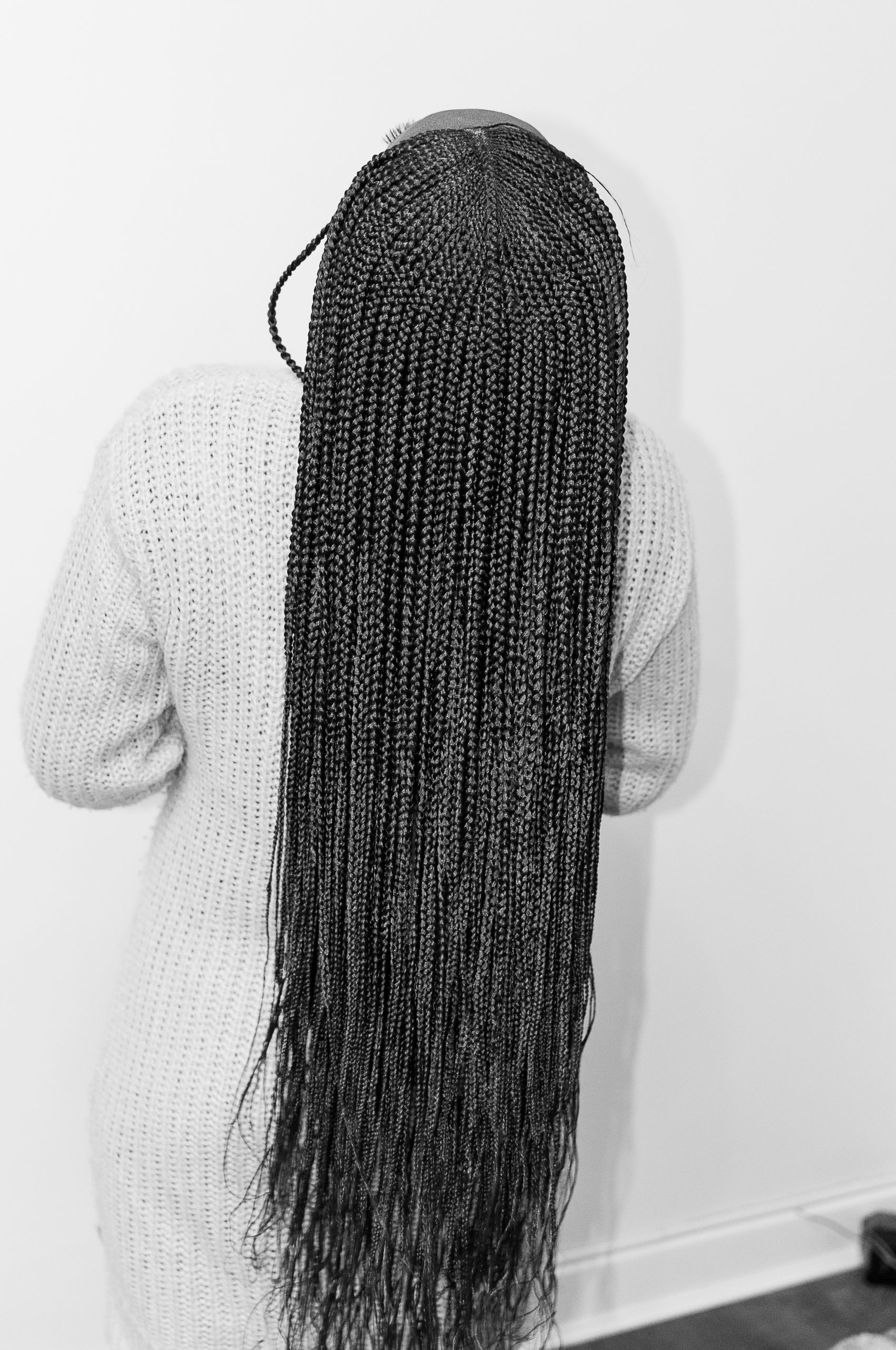

Braids for Black women cover everything from small box braids to chunky goddess cornrows, and the right pick comes down to your length, how much tension your edges can take, and how long you want the style to last.
Braids are the backbone of protective styling, shielding your natural hair while giving you weeks of low-manipulation wear and endless ways to switch up your look. The trick is matching the braid type to your goals: knotless styles for less tension, box braids for versatility, cornrow-based styles for sleek staying power. Here are 30 braid styles for Black women, sorted by braid type, twist, boho finish, and length.
The gallery moves through box braids by size, cornrow-based styles, twists and loc looks, boho and curly-end braids, then styling by length. After the photos you will find a braid-type comparison table, the exact language for your braider, a plan for protecting your hair and edges, and an honest look at when braids are the wrong call.
| Factor | Details |
|---|---|
| Best for | Protective styling, low daily manipulation, versatile length and color |
| Wear time | 2 to 8 weeks depending on the braid type |
| Works with | All natural hair types; most lengths once there is enough to grip |
| Avoid if | You have very fragile edges and want heavy, long, or tight styles |
| Install time | 2 to 8 hours depending on size and type |
Box Braids by Size
Box braids are the most versatile starting point, sectioned into squares and braided to the ends with or without a knot at the root. Size changes everything: smaller braids last longer but take hours to install, while jumbo braids go in fast but carry more weight. These entries move from small to large.
1. Small Box Braids
Small box braids give the most styling flexibility and the longest wear, often lasting up to eight weeks. The trade-off is a long install and more weight, so they suit anyone with healthy edges who wants longevity. For the full breakdown, see our small box braids guide.
2. Medium Box Braids
Medium box braids strike the balance most people land on, manageable to install and easy to style. They hold up for four to six weeks without overloading the scalp. This is a reliable everyday choice if you are unsure where to start.
3. Jumbo Box Braids
Jumbo braids go in quickly, often in a couple of hours, which makes them a favorite for a fast protective style. The larger sections mean less tension per braid but more overall weight. Keep them on the shorter side if you are worried about pull on your edges.
4. Knotless Box Braids
Knotless box braids feed your natural hair in gradually so there is no knot at the root, which reduces tension and lies flatter. They have become the default request for good reason, since they are gentler than the traditional version. The smooth root also makes them easier to style right away.
5. Bob Box Braids
A braided bob keeps the length at the chin or shoulders for a light, playful style that barely strains the edges. The short length makes it one of the most comfortable options for first-timers. Add curly or blunt ends to change the whole mood.
6. Waist-Length Box Braids
Long box braids that reach the waist make a dramatic statement with serious movement. The length adds weight, so smaller-to-medium sizing helps spread the tension. Gather them loosely at night to keep the lengths from tangling.
Cornrow-Based Braid Styles
Cornrow-based styles braid flat against the scalp, which keeps them sleek and long-lasting. They range from simple straight-backs to intricate geometric parts, and they double as a foundation for feed-in length. These entries cover the most popular cornrow looks.
7. Lemonade Braids
Lemonade braids sweep cornrows to one side for a face-framing, asymmetrical look made famous by Beyoncé. The side-swept angle flatters round and square faces by adding a diagonal line. Our lemonade braids gallery shows every length and part.
8. Stitch Braids
Stitch braids use clean horizontal divisions to create a raised, segmented pattern along each cornrow. The precise sectioning gives the style its crisp, graphic finish. See our stitch braids guide for the patterns and how to ask for them.
9. Feed-In Cornrows
Feed-in cornrows add extension hair gradually so the braid starts thin at the hairline and thickens down the row. The technique keeps tension off the edges while building length and fullness. Straight-back feed-ins are clean, classic, and quick to maintain.
10. Fulani Braids
Fulani braids blend cornrows with a few braids hanging loose, often with a center part and beads. The mix of patterns and accessories gives the style its rich, cultural detail. Keep the beads light so they do not weigh on the braids or edges.
11. Ghana Braids
Ghana braids are thick, feed-in cornrows that build from fine at the front to full at the back. The graduated thickness creates a bold, sculptural look that lies flat and lasts. They are a strong choice for a sleek style with staying power.
12. Pop Smoke Braids
Pop smoke braids run cornrows backward and to one side in a zigzag or curved pattern for an edgy, unisex look. The angled parts give the style movement and a modern feel. For variations, our pop smoke braids gallery covers classic to modern takes.
13. Goddess Cornrows with Beads
Chunky goddess cornrows are larger and more relaxed than tight feed-ins, often finished with beads or cuffs. The bigger braids install faster and read soft and laid-back. Adding a few curly pieces takes them into boho territory.
Twists and Loc-Inspired Styles
Twists and loc-inspired styles offer the protective benefits of braids with a different texture and rope-like finish. Many are lighter and faster to install than small braids. These entries cover the most popular twist and faux-loc looks.
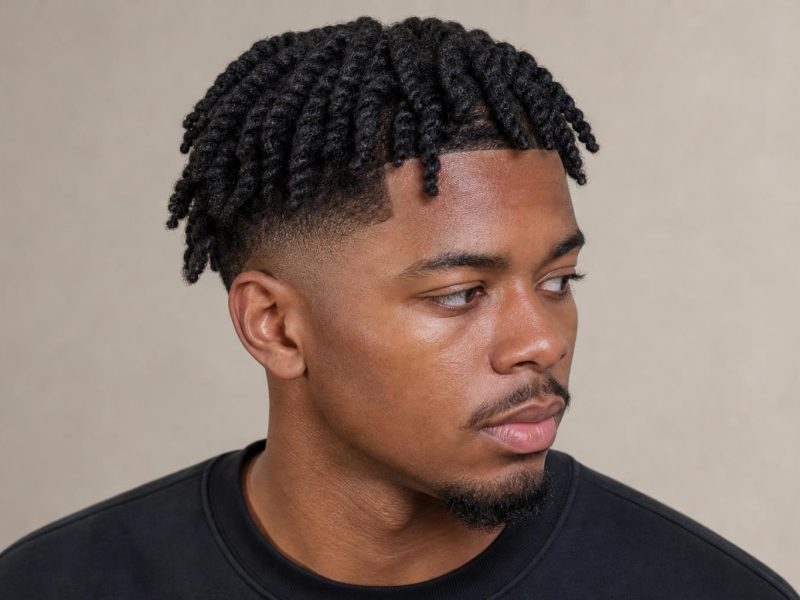
14. Two-Strand Twists
Two-strand twists wrap two sections of hair around each other for a simple, low-tension protective style. They work on your natural hair alone or with added length. Our two-strand twist guide covers styles and how to do them at home.
15. Passion Twists
Passion twists use wavy, bohemian hair for a soft, romantic rope twist with built-in texture. The pre-curled hair gives them an effortless, undone look. They are lighter than many braids, which makes them comfortable for longer wear.
16. Senegalese Twists
Senegalese twists are smooth, sleek rope twists made with shiny braiding hair for a polished finish. The clean texture reads elegant and dressed-up. Keep the size medium so the twists stay neat without too much weight.
17. Marley Twists
Marley twists use matte, natural-textured hair for a fuller, more organic look than Senegalese. The coarser hair grips well and blends seamlessly with type 4 textures. They give a soft, voluminous finish that suits a natural aesthetic.
18. Faux Locs
Faux locs wrap or braid hair to mimic the look of traditional locs without the commitment. They let you test the loc aesthetic for a few weeks at a time. Choose the thickness based on how chunky or refined you want the locs to read.
19. Soft Locs
Soft locs use a lighter, more flexible technique for locs that feel and move more naturally. The softer finish is gentler on the scalp than heavier faux locs. Our soft locs guide covers styles and maintenance in depth.
Boho and Curly-End Braids
Boho and curly-end styles add loose, curly hair to braids for a soft, romantic finish that sealed braids cannot match. The curls peek out along the length or trail at the ends. These entries cover the bohemian end of the spectrum.
20. Boho Knotless Braids
Boho knotless braids tuck loose curly pieces throughout for an effortless, free-flowing look. The curls soften the whole style and add visible movement. Our boho knotless braids gallery breaks down the curl placement.
21. Knotless Braids with Curly Ends
Leaving the bottom of each knotless braid loose with curly hair gives a sleek-to-curly contrast that frames the face. The curls trail at the ends rather than throughout. See our curly-end knotless braids gallery for length and curl options.
22. Coi Leray Braids
Coi Leray braids are small, thin knotless braids worn long, often with curly ends or color. The skinny braids give a youthful, trendy finish with lots of movement. Our Coi Leray braids gallery shows colors and lengths.
23. Boho Bob Braids
A boho bob keeps things short and light with curly pieces softening a chin-to-shoulder length. The combination is one of the easiest, lowest-tension protective styles. It suits anyone wanting a playful, fuss-free look.
24. Goddess Braids with Curls
Goddess braids add curly hair to chunkier braids for a fuller, romantic finish with plenty of volume. The larger braids install faster than small boho styles. The loose curls give the bold size a soft edge.
Braided Styles by Length
Beyond the braid type, the length and how you wear it change the whole look. Braids move easily into updos, ponytails, and half-up styles for variety between salon visits. These entries cover styling across lengths.
25. Bob-Length Braids
Bob-length braids sit at the chin or shoulders for the lightest, most comfortable wear. The short length puts the least strain on your edges and is easy to style. It is the friendliest starting point for braids if you have never worn them.
26. Shoulder-Length Braids
Shoulder-length braids balance enough length to style with a manageable weight. They move into ponytails and buns without dragging on the scalp. This length suits most face shapes and lifestyles.
27. Mid-Back Braids
Mid-back braids give flowing length and plenty of updo options while staying reasonable on weight. Medium sizing keeps them comfortable at this length. They are a popular middle ground between short and dramatic.
28. Braided Ponytail
Gathering braids into a high or low ponytail is one of the quickest ways to switch up the style. The look reads polished and keeps the length off your neck. Our braided ponytail gallery covers every texture and height.
29. Braided Top Bun
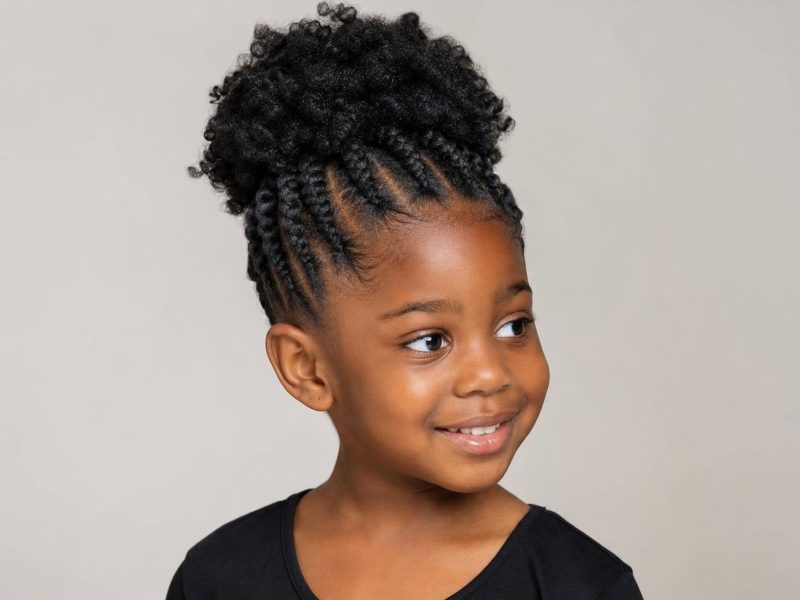
Twisting braids into a high bun is an effortless way to dress up the style or beat the heat. The knotless base makes a tension-free bun easy to achieve. Let a few face-framing braids fall loose to soften the look.
30. Halo Braid Updo
Wrapping braids around the head into a halo or crown reads elegant and keeps the length controlled. The style works beautifully for weddings and formal occasions. It also keeps the braids protected and out of the way.
How to Choose Braids for Your Length and Lifestyle
The best braid style depends on how much time you have to install, how long you want it to last, and how much tension your edges can handle. Smaller braids last longer but take more hours and weight, while larger braids are faster but bolder. The table below compares the main types.
| Braid Type | Install Time | Wear Time | Best For |
|---|---|---|---|
| Small box braids | 6 to 8 hours | 6 to 8 weeks | Longevity and styling flexibility |
| Knotless braids | 4 to 7 hours | 4 to 6 weeks | Less tension and a flat root |
| Jumbo braids | 2 to 4 hours | 4 to 6 weeks | A fast install with a bold look |
| Cornrows | 2 to 5 hours | 2 to 4 weeks | Sleek styles and feed-in length |
| Twists | 3 to 6 hours | 4 to 6 weeks | Lighter weight and soft texture |
| Faux or soft locs | 4 to 8 hours | 6 to 8 weeks | A loc look without commitment |
If your edges are fragile, lean toward knotless styles, larger sizing, and shorter lengths to keep weight and tension low. For maximum longevity, small box braids give you the most weeks per install, while cornrows and twists are quicker but need refreshing sooner. Match the style to your real schedule, since a six-week style is wasted if you take it down in two.
What to Tell Your Braider
Walk in knowing the braid type, the size, the length, and the part you want, plus a reference photo. Try, “I want medium knotless box braids, mid-back length, with a center part and a few curly pieces at the ends.” That covers the type, size, length, and finish in one sentence.
Speak up about tension from the very first braid. Braids should feel secure, not painful, and a too-tight install at the hairline is the leading cause of traction alopecia over time. It is far easier to loosen a section during the appointment than to undo damage afterward. Confirm how many packs of hair to buy so you are not short partway through.
Stylist tip: If you get tension headaches or notice your edges thinning, ask for knotless braids one size up from your usual and a looser feed-in at the hairline. You keep the protective benefit and the look while sparing the most fragile hair around your face.
Protecting Your Hair and Edges
Braids are a protective style only if you care for them and take them down on time. Leaving braids in too long lets your natural hair lock, matt, and shed at the roots, which undoes the protection. The goal is a clean scalp, moisturized hair, and a sensible takedown schedule.
| Aspect | What to Do |
|---|---|
| Takedown | Remove by 6 to 8 weeks to prevent matting and breakage |
| Scalp care | Cleanse with diluted shampoo or a scalp spray weekly |
| Moisture | Light leave-in or oil on the braids and scalp a few times a week |
| Night care | Satin bonnet or scarf to reduce frizz and friction |
| Edges | Skip heavy gel daily; give edges a rest between installs |
Give your natural hair a break of at least a week between styles, with a deep conditioning treatment before you reinstall. Counter-intuitively, the most protective thing you can do is not chase the longest possible wear, since pushing a style past its limit causes more breakage than the braids prevent.
Stylist tip: Wash your braids in the shower with the water running down the length, not in circular scrubbing motions, which causes frizz and loosens the roots. Dilute your shampoo in an applicator bottle, aim it at the scalp in rows, and let the suds rinse down to clean the braids without disturbing them.
When Braids Are Not the Right Choice
Braids suit most people, but a few situations call for caution or a different approach.
- Already-thinning edges or a history of traction alopecia mean tight, heavy, or long braids can worsen the damage. Choose larger knotless braids, shorter lengths, and give your hairline regular breaks, or see a trichologist first.
- A very sensitive or irritated scalp can react to the tension and the synthetic hair, so soothe any existing irritation before installing. Soaking the braiding hair to remove the alkaline coating helps some people avoid itching.
- No time for upkeep or a timely takedown turns a protective style into a damaging one, since neglected braids matt and break. If you cannot commit to cleansing, moisturizing, and removing them on schedule, a simpler style serves your hair better.
FAQ
What Are the Best Braids for Black Women with Fragile Edges?
Knotless braids are the gentlest choice because the feed-in technique avoids a tight knot at the root, reducing tension on the hairline. Going one size larger and choosing a shorter length further lowers the weight your edges carry. Always speak up if any braid feels tight, and give your edges a rest between installs.
How Long Do Braids Last?
Most braids last four to eight weeks depending on the type, with small box braids lasting longest and cornrows the shortest. You should take any style down by around eight weeks to prevent matting and breakage at the roots. Curly-end and boho styles may need refreshing sooner because the loose curls frizz.
How Do I Keep My Scalp Clean with Braids?
Cleanse weekly with a diluted shampoo applied to the scalp with an applicator bottle, or use a dedicated scalp cleansing spray. Follow with a light oil to keep the scalp from drying out. Avoid heavy product buildup, which traps dirt and causes itching.
Which Braids Are Quickest to Install?
Jumbo braids and chunky cornrows are the fastest, often going in within two to four hours because the sections are larger. Twists fall in the middle, while small box braids take the longest at six to eight hours. If time is tight, size up rather than rushing a small-braid install.
Can Braids Help My Hair Grow?
Braids can support length retention by protecting your ends and reducing daily manipulation, but they do not make hair grow faster on their own. The benefit comes from low manipulation plus consistent moisture and a timely takedown. Tight or neglected braids do the opposite and cause breakage.
How Much Hair Do I Need for Braids?
It depends on the braid size and length, but most full styles use several packs of braiding hair, with longer and fuller looks needing more. Boho and curly styles also require extra curly hair for the loose pieces. Ask your braider for an exact count when you book so you can buy enough in advance.
From sleek cornrows to waist-length knotless styles, braids for Black women offer a protective, versatile way to wear your hair that adapts to any length, budget, and lifestyle. Decide how much tension your edges can handle and how long you need the style to last, bring a clear photo to your braider, and protect your hair with weekly cleansing and a timely takedown. Chosen and cared for well, braids reward you with weeks of low-effort style and healthier natural hair underneath.
Hair results vary based on your natural hair type, texture, density, and condition. Always consult with a licensed stylist or braider before installing a protective style, especially if you have fragile edges or a sensitive scalp. Photos may show styled results that require professional tools and products to replicate.
2 responses