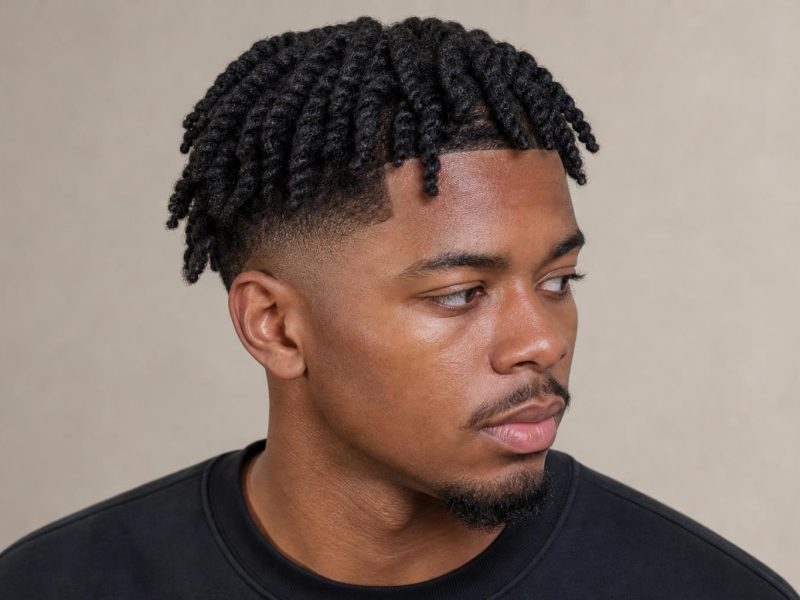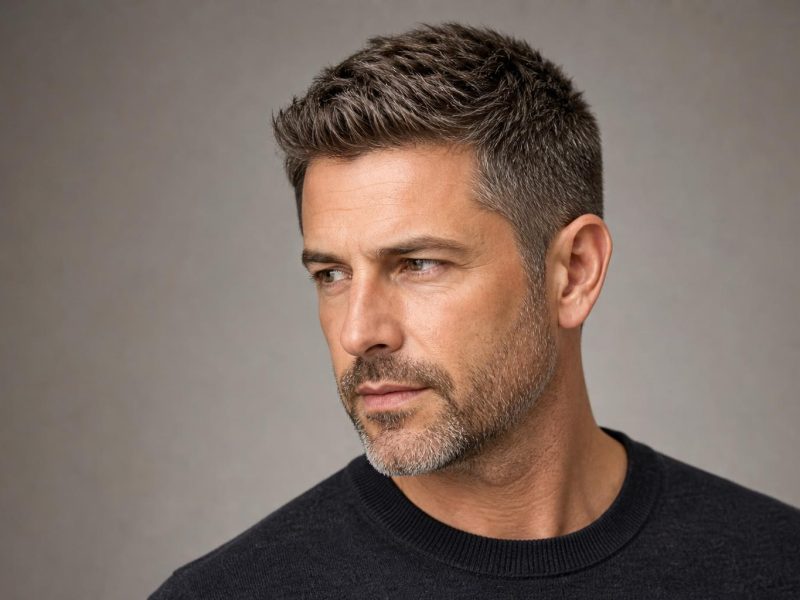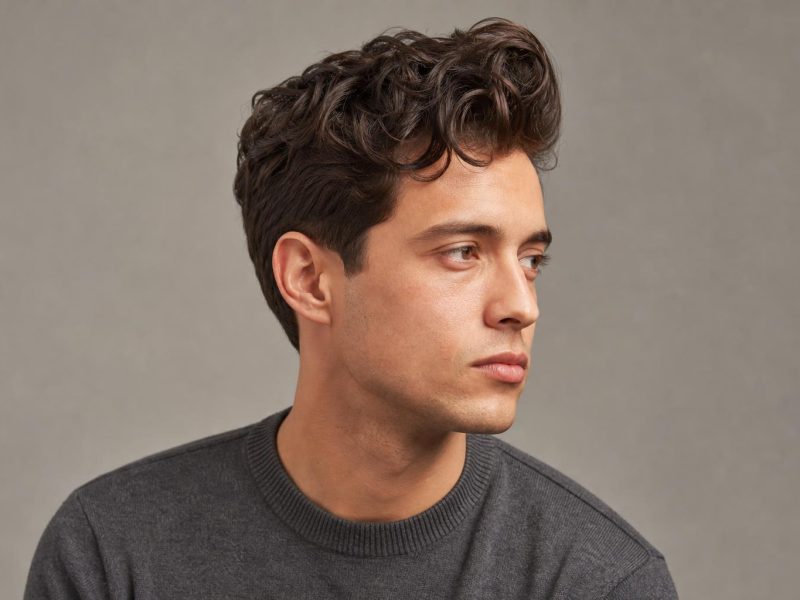

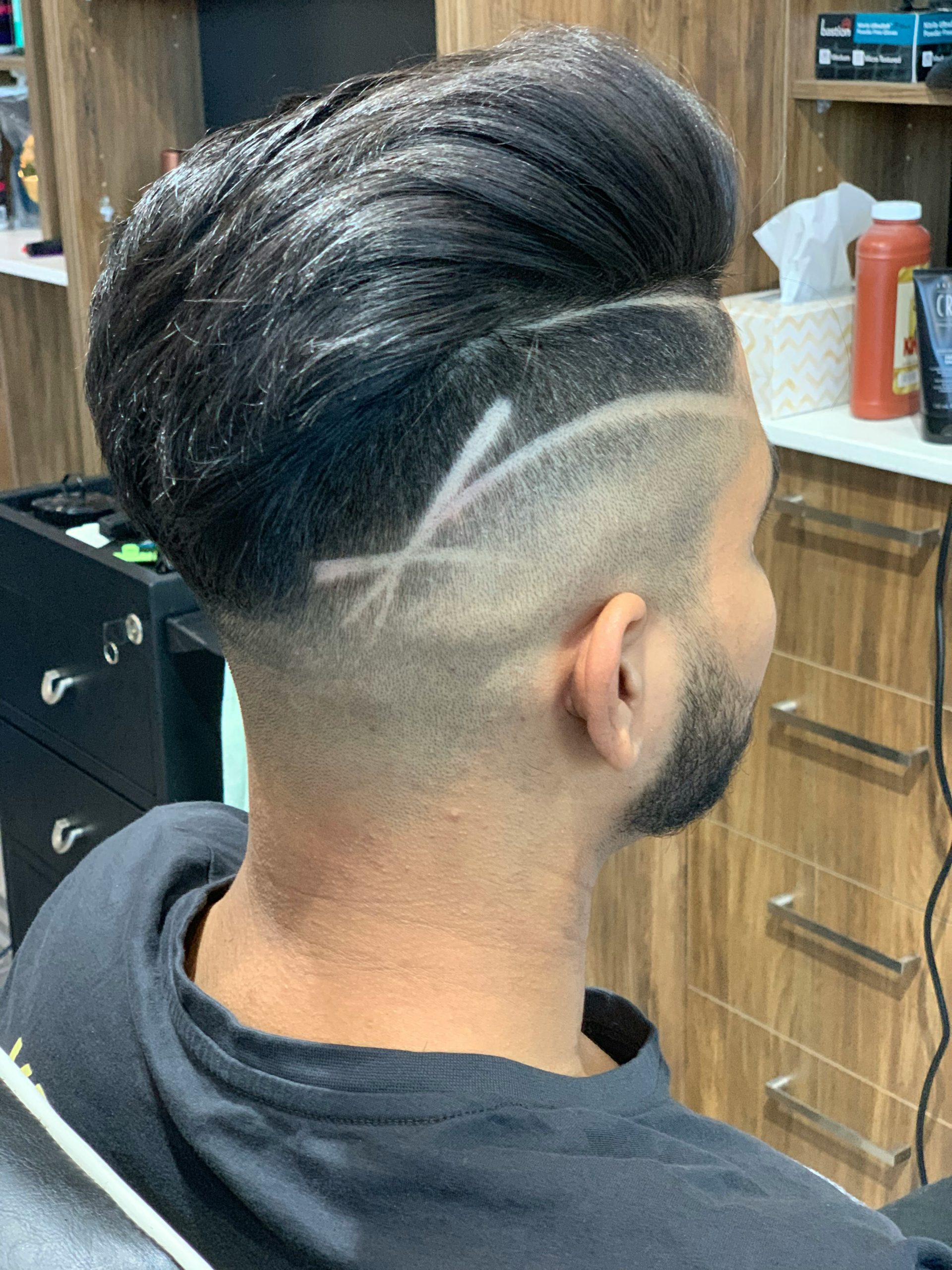

Haircut designs are patterns, lines, and shapes carved into short hair with clippers, trimmers, and a razor, turning a fade or a buzz into a piece of wearable barber art.
A haircut design is any intentional pattern etched into the hair, from a single clean line to an intricate geometric grid or a freestyle portrait. They work best on short hair or a faded side, where the contrast between the carved line and the skin shows up sharp. Here are 30 haircut designs, sorted from simple lines through geometric patterns, cut pairings, and bold custom work.
The gallery moves through simple line designs, geometric patterns, designs matched to specific cuts, then the boldest custom pieces. After the photos you will find how designs are actually carved, a design-style guide table, the exact language for your barber, a realistic upkeep schedule, and an honest look at when a design is the wrong call.
| Factor | Details |
|---|---|
| Best for | Men and boys who want to personalize a fade or short cut with carved detail |
| Maintenance | Re-etch every 1 to 2 weeks; the design blurs as hair grows |
| Works with | Short hair, fades, buzz cuts; straight, wavy, and coily textures |
| Avoid if | You want low upkeep, or your workplace bans bold grooming |
| Salon time | 10 to 40 minutes on top of the cut, depending on detail |
Simple Line Designs
The simplest designs use one or a few clean lines, which is the most restrained and professional way to add detail. A single razored line reads as a subtle accent that still looks tidy from a distance. These are the easiest to maintain and the best starting point.
1. Single Razor Line
One clean line etched above the temple or through the part is the most understated design you can ask for. The single stroke adds an accent without committing to a full pattern. It is also the quickest to touch up between cuts.
2. Twin Parallel Lines
Two parallel lines through the side give a sharper, more modern edge than a single part. The pair frames the side cleanly and pairs well with a flat or boxed top. Your barber can adjust the spacing for more or less contrast.
3. Hard Part Line
A razored hard part carves one defined line where the hair naturally splits, separating a comb-over or fade from the top. The clean line sharpens the whole cut and reads professional. Ask the barber to follow your natural part so it grows in evenly.
4. Curved Accent Line
A single curved line that follows the round of the head adds soft movement instead of a straight edge. The curve flows with the fade rather than cutting across it. It is a subtle way to add interest without a busy pattern.
5. Line-Up with Sharp Corners
A precise line-up squares off the hairline and corners for a crisp, architectural frame. The clean edges make the whole cut look freshly barbered. Expect to return often, since a sharp line-up softens within a week.
6. Nape Accent Line
A small line or detail at the nape adds a design that people notice most when you turn. The placement keeps it low-key from the front. Because the nape grows quickly, plan on a refresh roughly every week.
7. Double Line with Gap Fade
Two lines spaced with a faded gap between them create a clean, layered stripe effect. The fade softens the space so the lines do not look harsh. It is a step up in detail while staying easy to read.
Geometric and Pattern Designs
Geometric designs build lines into shapes, from zigzags and waves to grids and stars. These take more skill and time, and they make a bolder statement than a single line. They suit younger guys and anyone in a creative field.
8. Zigzag Pattern
A zigzag carved through the side adds energy and movement with a series of sharp angles. The repeating pattern catches the eye and reads playful. Keep the top simple so the zigzag stays the focal point.
9. Wave Pattern
Flowing wave lines give a softer, more fluid alternative to angular shapes. The curves suit wavy and curly textures by echoing the natural movement. A few stacked waves build a clean, rhythmic design.
10. Geometric Grid
A grid of intersecting lines creates a crisp, structured pattern that shows real barber precision. The clean squares read modern and graphic. This one demands a skilled hand and a frequent touch-up to stay sharp.
11. Tribal-Inspired Pattern
Bold, interlocking shapes inspired by tribal art make a striking, intricate statement. The dense pattern covers more of the side for maximum impact. Bring a clear reference so your barber can map the design before cutting.
12. Star Design
A single star or a scatter of small stars is a popular choice, especially among younger boys. The recognizable shape is fun and easy to place. A few stars near the temple keep it clean and balanced.
13. Lightning Bolt
A lightning bolt carved into the side is a bold, energetic design with a sharp, angular line. The shape reads dynamic and works well on a high-contrast skin fade. It is a favorite for kids and sports-inspired looks.
14. Checkerboard Pattern
A checkerboard of alternating shaved and left squares creates a striking, high-contrast grid. The pattern needs precise sectioning and a steady hand. It makes a serious statement and rewards a specialist barber.
15. Spiral or Swirl Design
A spiral or swirl adds a flowing, hypnotic shape that curves around the side or crown. The continuous line suits the rounded shape of the head. It is intricate but reads softer than a sharp geometric grid.
Designs Matched to Your Cut and Fade
A design reads differently depending on the cut underneath it, and pairing the two well is half the result. A skin fade gives the cleanest canvas, while curly hair limits the detail that will show. These entries pair designs with specific cuts.
16. Design on a Skin Fade
A skin fade gives the highest contrast, so a design carved into it reads the sharpest. The bare skin makes every line crisp and clean. Pair it with a simple top so the design stands out. Our temp fade gallery shows the clean lines that suit etched detail.
17. Design with a Drop Fade
A drop fade that curves behind the ear gives a rounded canvas that suits flowing or curved designs. The shape of the fade and the design work together. See our drop fade styles for the base cut.
18. Design on Curly Hair
On curly hair, designs work best carved into the faded sides rather than the curly top, where the texture would hide them. The clean side gives the line a place to show. A drop fade for curly hair keeps the curls framed while the design sits below.
19. Design on a Buzz Cut
A buzz cut is an even canvas where a design can run across the whole head, not just the side. The uniform length makes larger patterns possible. The trade-off is that the low contrast keeps the design subtle.
20. Design with a Mohawk
Carving lines or patterns into the shaved sides of a mohawk doubles the bold factor. The design frames the central strip of length. Our mohawk fade gallery shows how much contrast the sides can carry.
21. Design with a Mullet
A design etched into the faded sides of a modern mullet adds edge to an already-bold cut. The line work plays against the length at the back. For the base shape, see our modern mullet gallery for men.
22. Design with 360 Waves
A single sharp line or part carved into brushed 360 waves adds a clean break to the spinning pattern. The straight line contrasts the curve of the waves. Keep the design simple so it does not fight the wave pattern.
Bold and Custom Designs
The most ambitious designs go beyond patterns into letters, logos, and freestyle art. These are full barber showcases that demand a true specialist. They make the boldest statement and need the most upkeep.
23. Name or Initials
Carving initials or a short name into the side is a personal, custom touch. The letters need a skilled hand to stay legible as the hair grows. Keep it short, since long words blur quickly.
24. Logo or Symbol
A team logo, brand mark, or symbol turns the side into a billboard for what you love. The detail level depends on the barber’s skill and the size. Bring a crisp reference image so the shape is accurate.
25. Freestyle Pattern
A freestyle design has no stencil, just a skilled barber improvising a one-of-a-kind pattern. The result is completely unique to you. This one comes down entirely to trusting your barber’s eye.
26. Portrait or Face
A carved portrait is the most advanced barber art, etching a recognizable face into the hair. Only a true specialist should attempt it, and it photographs better than it lasts. It is a showcase piece for an event rather than everyday wear.
27. Multi-Color Design
Adding color into a carved design with a temporary spray or dye makes the lines pop even further. The color emphasizes the pattern for photos and events. Use a wash-out product if you want it gone quickly.
28. Full-Head Sculpted Pattern
Covering the whole head in a sculpted pattern rather than just the side is the boldest canvas. The all-over design needs a buzz or short length to work. It is a major commitment to both the look and the upkeep.
29. Kids’ Fun Design
Stars, bolts, and simple shapes are a playful way for boys to personalize a back-to-school cut. The simple designs are quick to carve and easy to refresh. Keep it small and fun rather than intricate.
30. Geometric Half-Head Design
Concentrating an intricate geometric pattern on one half of the head creates dramatic asymmetry. The bold split draws the eye and makes a real statement. It is a striking choice for anyone who wants their cut to stand out.
What Haircut Designs Are and How They Are Done
A haircut design is any pattern, line, or shape carved into the hair using clippers, trimmers, and a razor. The barber uses clippers and a trimmer to etch the lines, then often a straight razor to clean the edges down to bare skin for the sharpest contrast. The result can be anything from a single line to a detailed portrait, limited only by the barber’s skill and the length of your hair.
There are two broad approaches. Freestyle designs use no template, with the barber improvising the pattern by hand for a unique result. Stencil designs use a template to guide more complex or repeated shapes, which helps with intricate work like logos and grids. Either way, the design shows up best on short hair or a faded side, where the carved line stands out against the skin.
Stylist tip: The cleaner the canvas, the sharper the design, so a skin fade or a buzz holds detail far better than longer hair. If you want intricate line work, ask your barber to take the side down to skin first. On longer or curly hair, keep the design simple, because fine detail disappears into the texture.
How to Choose a Haircut Design for Your Cut and Style
The best design depends on how bold you want to go, how much upkeep you accept, and what cut you are pairing it with. Simple lines suit professional settings and low maintenance, while intricate patterns make a statement but blur fast. The table below compares the main styles.
| Design Style | Complexity | Best Placement | Upkeep |
|---|---|---|---|
| Single line | Low | Temple or part | Every 1 to 2 weeks |
| Geometric pattern | Medium to high | Faded side | Weekly to stay sharp |
| Letters or logo | High | Faded side or back | Weekly; blurs fast |
| Freestyle or portrait | Very high | Skin fade or buzz | Best for one event |
| Kids’ simple shape | Low | Side or back | Every 1 to 2 weeks |
If you work in a conservative environment, a single line or a hard part reads clean and professional while still adding detail. For a bold statement, a geometric pattern or a custom piece on a skin fade gives the highest impact, but plan on weekly touch-ups. Match the complexity to how often you can realistically get back to the barber, since a blurred intricate design looks worse than a simple sharp one.
What to Tell Your Barber
Bring a clear reference image, because describing a design in words rarely lands. Try, “I want a single clean line through my part on the left, carved down to skin, with a mid fade on the sides.” That gives the design, the placement, the depth, and the cut in one sentence. For anything intricate, let the barber see the exact pattern.
Ask whether your barber does freestyle or stencil work, and look at their portfolio for designs at the complexity you want. Not every barber carves detailed patterns, so a specialist is worth seeking out for ambitious work. Be realistic about what your hair length and texture can hold, and let the barber guide you if a design is too fine to last.
Stylist tip: Take a photo of your fresh design from a few angles the day you get it, before it grows out. A clear reference makes the re-etch far faster and more accurate at your next visit, and most barbers appreciate seeing exactly how the original was placed.
Maintenance and Upkeep
A haircut design is the highest-maintenance grooming choice here, because the carved lines blur as soon as the hair starts to grow. A sharp single line softens within a week or two, while intricate patterns lose definition even faster. Keeping a design crisp means frequent, sometimes weekly, trips to the barber.
| Aspect | What to Expect |
|---|---|
| Re-etch | Every 1 to 2 weeks; intricate designs sooner |
| Sharpness window | Crispest for the first 3 to 5 days |
| Home upkeep | A trimmer can touch up a simple line between visits |
| Scalp care | Moisturize shaved skin; use SPF on exposed scalp |
| Grow-out | Blurs into a normal fade within 2 to 3 weeks |
If you own a trimmer, you can sometimes re-line a simple single design at home, though anything detailed is best left to the barber. The good news is that a design grows out into a normal fade within a couple of weeks, so there is no awkward stage to escape. For the base cuts that hold designs best, the full set of men’s haircuts covers fades, tapers, and buzz cuts.
When a Haircut Design Is Not the Right Choice
Designs are fun but not right for everyone or every setting.
- A conservative workplace or dress code may not accept a bold carved pattern, since it reads as a strong grooming statement. A subtle single line or hard part is a safer middle ground.
- No time or budget for frequent barber visits makes an intricate design frustrating, since it blurs within a week. A simple line you can touch up at home holds up better with less effort.
- Longer or very curly hair will hide fine detail, so a complex design simply will not show. If you do not want a faded or buzzed side to carve into, a design is not the right pick.
FAQ
What Are Haircut Designs?
Haircut designs are patterns, lines, and shapes carved into the hair with clippers, trimmers, and a razor. They range from a single clean line to intricate geometric patterns, letters, and freestyle art. The design shows up best on short hair or a faded side where the line contrasts against the skin.
How Long Do Haircut Designs Last?
A design looks sharpest for the first three to five days and blurs as the hair grows, usually losing definition within one to two weeks. Intricate patterns fade faster than simple lines. Keeping one crisp means a re-etch at the barber roughly weekly.
Do Haircut Designs Damage Your Hair?
No, designs do not damage the hair, since they only involve cutting and shaving, not chemicals. The shaved skin can get dry or sunburned, so moisturize it and use SPF on exposed scalp. The hair grows back normally as the design blurs out.
Can You Get a Design on Curly Hair?
Yes, but the design works best carved into the faded or buzzed sides rather than the curly top, where the texture would hide it. A drop or low fade keeps the curls framed while the design sits on the clean side below. Keep the pattern simple, since curls limit fine detail.
How Do I Ask My Barber for a Design?
Bring a clear reference image and specify the placement, the depth, and the cut you want it paired with. Say whether you want it carved down to skin for maximum contrast. For intricate work, check that your barber does detailed line work and look at their portfolio first.
Are Haircut Designs Only for Men?
No, while they are most associated with men’s and boys’ cuts, carved designs work for anyone with short or faded hair, including women with undercuts or pixies. The technique is the same regardless of who wears it. Any clean, short canvas can hold a design.
From a single clean line to a full sculpted pattern, haircut designs turn an ordinary fade into a piece of personal barber art that shows real skill. Decide how bold you want to go and how often you can return for a re-etch, bring a crisp reference image, and pair the design with a skin fade or buzz so the lines read sharp. Carved well by a skilled barber, haircut designs give you a standout, custom look that no one else is wearing.
Hair results vary based on your natural hair type, texture, density, and condition. Always consult with a licensed barber before getting a carved design, especially intricate work that needs a specialist. Photos may show styled results that require professional tools and products to replicate.