

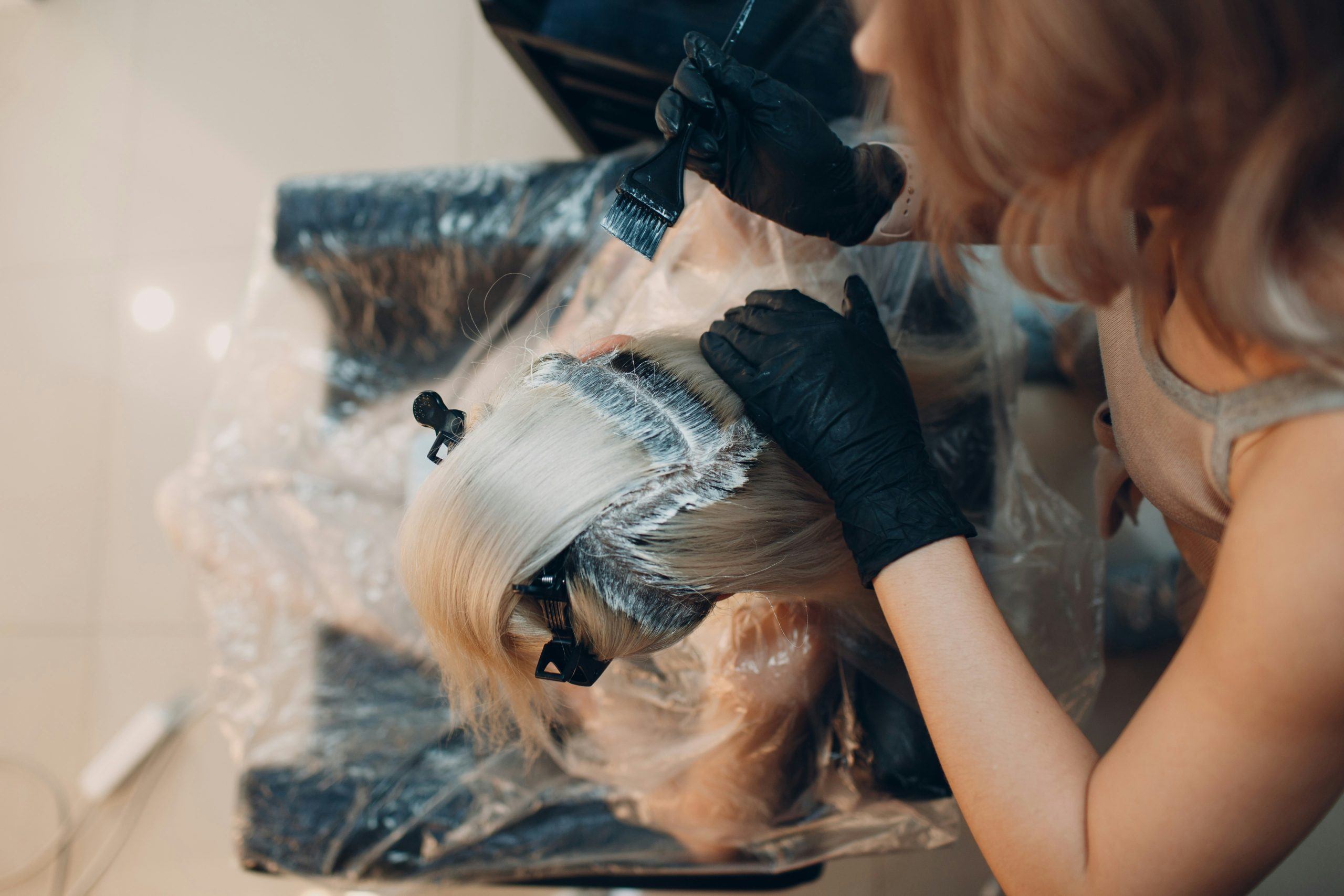

Hair color level is the depth of a color on a scale of 1 to 10, where 1 is black and 10 is the lightest blonde, and knowing yours is the single most useful thing you can bring to a color appointment.
Every shade of hair color, natural or dyed, sits somewhere on a 1-to-10 level scale that measures only lightness or darkness, not warmth or coolness. Understanding your starting level and your goal level is what determines whether a color is achievable in one visit, how much lift it needs, and which developer strength your colorist will reach for. This guide explains the level chart, the underlying pigment at each level, how level differs from tone, and how developer volume creates lift.
By the end you will be able to find your natural level, read a color chart, understand why dark hair turns orange when lightened, and walk into the salon speaking your colorist’s language.
| Term | What It Means |
|---|---|
| Level | How light or dark the color is, on a 1 to 10 scale |
| Tone | The warmth or coolness of the color, such as ash or gold |
| Lift | How many levels lighter the hair is made |
| Developer | The peroxide that opens the cuticle and drives lift |
| Underlying pigment | The warm color exposed underneath as hair lightens |
A Hair Color Level Measures Depth, Not Tone
A hair color level describes only one thing: how light or dark a color is, measured on a numbered scale from 1 to 10. Level 1 is the deepest black and level 10 is the palest blonde, with every natural and artificial shade falling somewhere in between. The scale ignores warmth and coolness entirely, so a golden brown and an ash brown can share the exact same level while looking very different.
This matters because level is the foundation of every color formula. A colorist first identifies your current level and your target level, then works out how much lift or deposit is needed to bridge the gap. Tone is layered on afterward. Getting the level right is what makes the difference between a color that turns out as planned and one that lands too brassy, too dark, or too muddy.
Stylist tip: When you describe a color you want, give your colorist a level and a tone separately, like “a level 7 with a cool ash tone,” rather than just naming a shade. Two people picturing caramel can mean colors two levels apart, but a number plus a tone leaves no room for misreading.
The 1 to 10 Hair Color Level Chart
The level chart runs from 1 at the darkest to 10 at the lightest. Each level also has an underlying warm pigment that becomes visible as the hair is lightened, which is why the chart matters for predicting results. The table below lays out each level, its everyday name, and the warm pigment hiding underneath.
| Level | Depth | Underlying Pigment |
|---|---|---|
| 1 | Black | Deep red |
| 2 | Darkest brown | Red |
| 3 | Dark brown | Red |
| 4 | Medium brown | Red-orange |
| 5 | Light brown | Orange |
| 6 | Dark blonde | Orange |
| 7 | Medium blonde | Orange-yellow |
| 8 | Light blonde | Yellow |
| 9 | Very light blonde | Pale yellow |
| 10 | Lightest blonde | Palest yellow |
Some professional brands extend the scale slightly differently or split it into half levels, but the 1-to-10 structure is the universal backbone. The numbers on a box of color or a tube of professional dye refer to this same scale, which is why learning it lets you decode a color chart anywhere. Brunette shades cluster around levels 3 to 5, while most blondes live at 7 and above.
Underlying Pigment Explains Why Dark Hair Turns Orange
As the level chart shows, every level has a warm underlying pigment, and it shifts from red at the dark end to yellow at the light end. Dark hair holds a lot of red and orange pigment, medium hair holds orange, and light hair holds yellow. When lightener lifts the hair, it removes the darker pigment first and exposes these warm tones underneath in stages.
This is why lifting dark brown hair almost always passes through orange before it reaches yellow. The lightener has to travel up through the red and orange bands of the underlying pigment, and if it stops partway, the hair looks brassy. Reaching a clean, pale blonde means lifting all the way to pale yellow, then toning to cancel out whatever warmth remains. Understanding this stops the common shock of asking for blonde and getting orange.
Stylist tip: The darker your starting level, the more warmth your colorist has to lift through and then neutralize, which is exactly why going from a level 3 to a level 9 is a multi-session project. If a single appointment leaves you more orange than planned, it usually means the hair was not lifted far enough, not that the color failed.
Developer Volume Controls How Many Levels You Lift
Developer, also called peroxide, is the oxidizing agent mixed with color or lightener that opens the hair cuticle and powers the lift. It comes in standard strengths measured in volume, and the higher the volume, the more lift it provides. Choosing the right developer is how a colorist controls exactly how many levels lighter the hair goes.
| Developer | Strength | Typical Use |
|---|---|---|
| 10 volume | 3 percent | Deposit color or tone with little to no lift |
| 20 volume | 6 percent | Lift 1 to 2 levels; cover gray |
| 30 volume | 9 percent | Lift 2 to 3 levels |
| 40 volume | 12 percent | Maximum lift; used carefully with lightener |
A 10 volume developer mostly deposits color or refreshes tone without lightening, which is what a gloss or toner uses. A 20 volume is the everyday workhorse for a level or two of lift and for covering gray. Higher strengths like 30 and 40 volume lift further but are harsher on the hair, so a careful colorist uses the lowest volume that achieves the goal. This is also why dramatic lightening is usually done in stages rather than blasting the hair with 40 volume in one sitting.
How to Find Your Natural Hair Color Level
To find your level, look at your hair in natural daylight, near a window rather than under warm indoor bulbs that distort the color. Take a section from the mid-shaft, away from sun-faded ends and any previous color, since that part best reflects your true natural level. Compare it against a level chart or color swatches, focusing only on how light or dark it is and ignoring warmth.
Most people are not as light as they assume, since indoor lighting and memory both flatter. A large share of natural hair sits in the level 4 to 6 range of medium brown to dark blonde. If you are between two levels, note both, because a colorist would rather know you are a level 5 or 6 than guess. Knowing this number is the most useful single fact you can bring to a consultation, and it pairs naturally with the dimension ideas in our brown balayage guide.
Common Hair Color Level Myths
A few persistent misunderstandings about levels lead to disappointment at the salon. Clearing them up makes for a smoother appointment and more realistic expectations.
Myth: A Higher Volume Developer Always Means Lighter Hair
Reality: Volume controls lift, but past a point it mostly damages the hair rather than lightening it further. A 40 volume developer does not magically reach platinum on dark hair in one go. Lift is limited by the hair’s starting level and condition, which is why big changes happen over several sessions.
Myth: Box Dye Lets You Skip the Level System
Reality: Box dye uses the exact same level scale, and the number on the box is its target level. The problem is that box color cannot read your individual starting level the way a colorist does, so the result on your hair often differs from the photo. The level system applies whether the color comes from a box or a salon.
Myth: Color Can Lighten Previously Dyed Hair
Reality: Permanent color cannot lift permanent color, a rule colorists sum up as color does not lift color. Once a section has been dyed darker, only lightener can remove that artificial pigment, not another box of dye. This is the single most common reason at-home color corrections go wrong.
What to Tell Your Colorist
Walk into a consultation knowing your natural level, any previous color in your hair, and the level and tone you want. Try, “My natural level is about a 5, my ends still have old box color, and I want to reach a level 8 with a cool tone.” That gives your starting point, the hidden obstacle, and the goal, which is everything a colorist needs to plan the path and the number of sessions.
Be honest about your hair history, since old box dye, henna, and previous lightening all change how the hair behaves. Ask how many sessions your goal will take and what developer and process they plan to use. Browse more shade and tone ideas across our full hair color gallery, from bronde blends to cool silver, so your reference photos match the level you have in mind.
FAQ
What Does Hair Color Level Mean?
Hair color level is the measure of how light or dark a color is, on a numbered scale from 1 to 10. Level 1 is black and level 10 is the lightest blonde, with every shade in between. The level describes only depth, not warmth or coolness, which is measured separately as tone.
How Do I Know My Hair Color Level?
Look at a mid-shaft section of your hair in natural daylight and compare it to a level chart, focusing only on lightness or darkness. Avoid sun-faded ends and any previously colored sections, which do not reflect your true natural level. Most people fall in the level 4 to 6 range of medium brown to dark blonde.
What Is the Difference Between Level and Tone?
Level is how light or dark a color is, while tone is its warmth or coolness, such as ash, golden, or copper. Two shades can share the same level but look completely different because of tone. Colorists set the level first, then add tone on top to reach the final shade.
Why Does My Hair Turn Orange When I Lighten It?
Dark hair holds warm red and orange underlying pigment that becomes visible as lightener removes the darker color. If the hair is not lifted far enough toward pale yellow, that exposed orange shows as brassiness. Reaching a clean blonde means lifting fully and then toning to cancel the remaining warmth.
What Developer Volume Should I Use?
A 10 volume developer deposits color or tone with little lift, 20 volume lifts one to two levels and covers gray, and 30 to 40 volume lift further but are harsher on the hair. A good colorist uses the lowest volume that achieves the goal to protect the hair. Dramatic lightening is best done in stages rather than one high-volume application.
Can I Lighten Dark Hair to Blonde in One Session?
Usually not safely, since lifting from a dark level like a 3 up to a light blonde requires traveling through several bands of warm pigment. Forcing it in one visit risks brassiness and serious damage. Most dark-to-blonde transformations take two or three sessions spaced weeks apart to protect the hair.
Understanding hair color levels turns a confusing salon conversation into a clear one, since the 1-to-10 scale, the underlying pigment at each level, and the developer that drives lift are the foundation of every color formula. Find your natural level in daylight, be honest about any previous color, and describe your goal as a level plus a tone. Knowing how hair color levels work helps you set realistic expectations and get the shade you actually want.
Hair results vary based on your natural hair type, texture, density, and condition. Always consult with a licensed colorist before chemical treatments, especially lightening dark or previously colored hair. Photos may show styled results that require professional tools and products to replicate.
2 responses