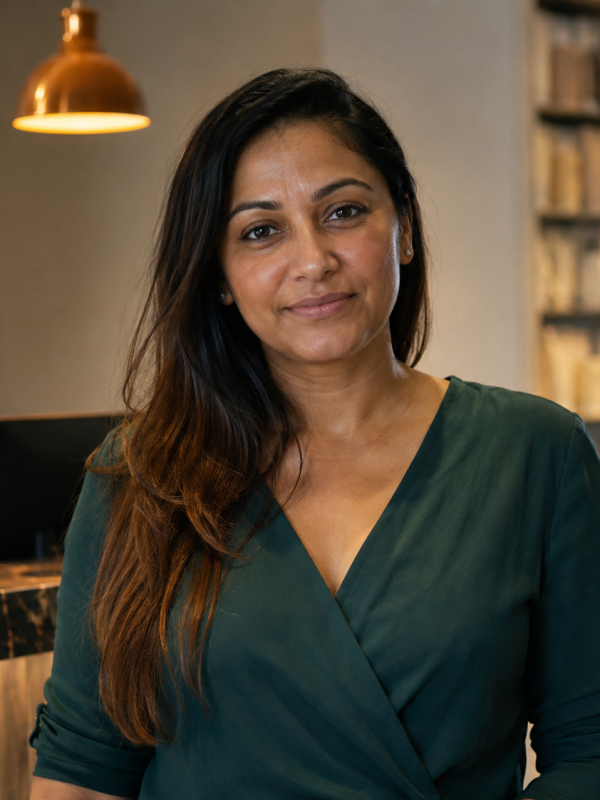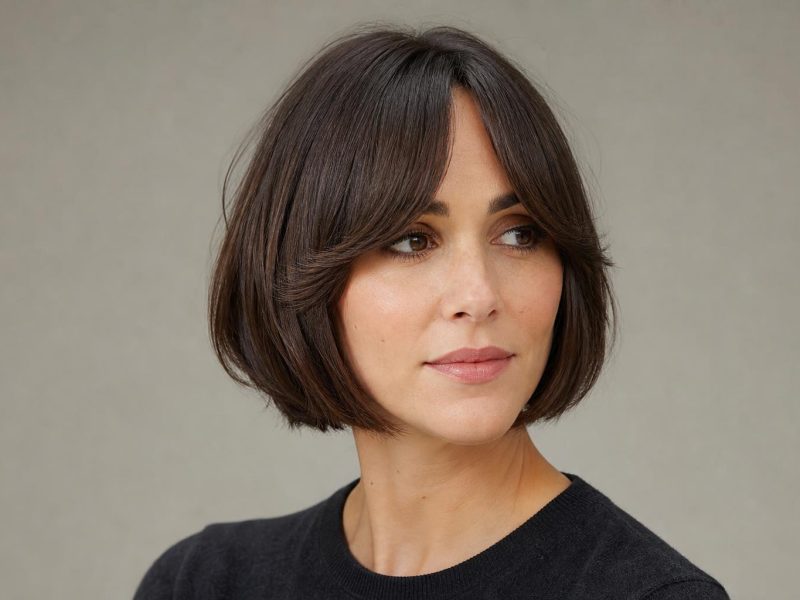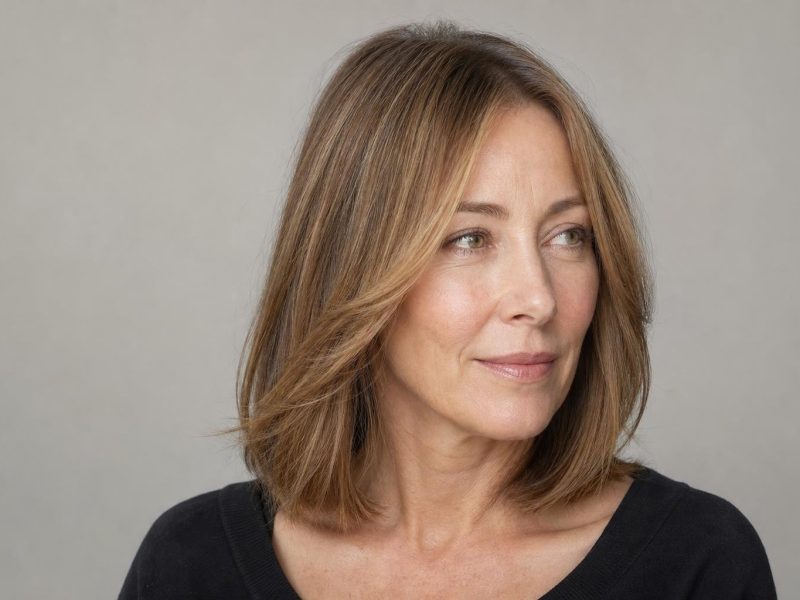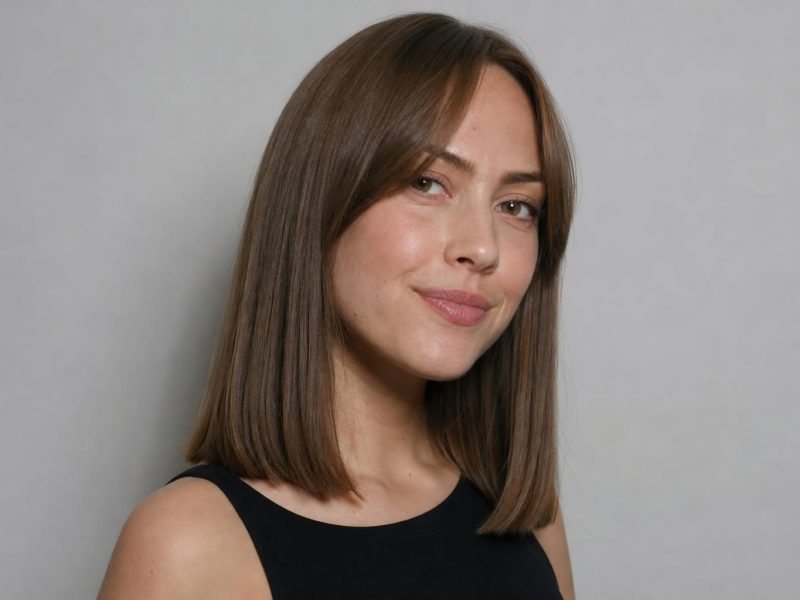

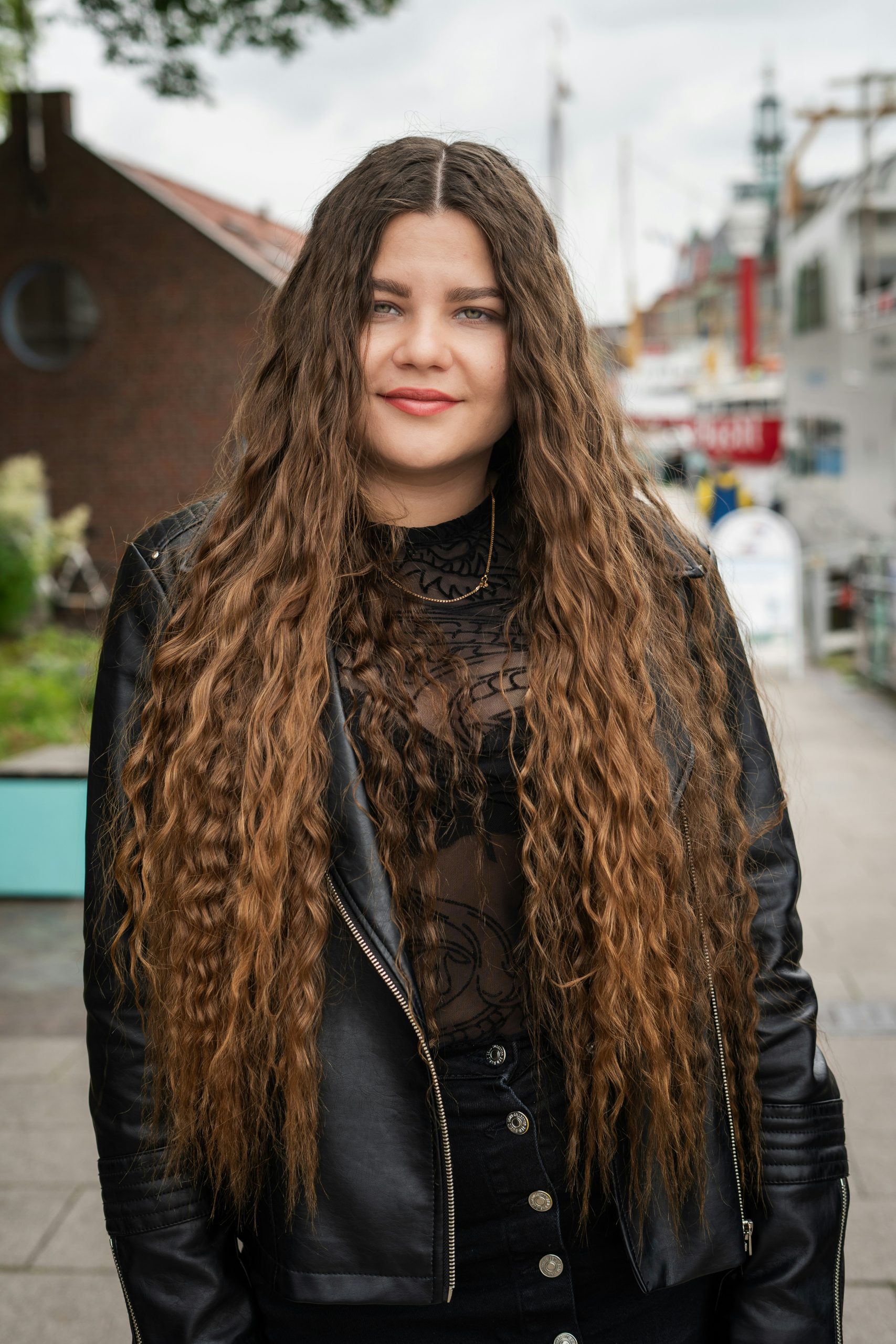

Long layers with face-framing keep your length intact while shorter pieces around the face draw the eye to your cheekbones and eyes, adding movement and shape without committing to a fringe.
Face-framing layers are shorter sections cut around the front of the hair, usually starting at the cheekbone, that frame the face and blend back into long layers throughout the rest. The combination is one of the most flattering and versatile ways to wear long hair, since it adds movement and dimension while keeping the length you can still tie back. Here are 30 long layers with face-framing styles, sorted by fringe pairing, where the framing starts, hair texture, and color.
The gallery moves through curtain-bang pairings, framing by length and start point, versions by hair texture, then color and movement. After the photos you will find how face-framing differs from bangs, a face shape table, the exact language for your stylist, a maintenance routine, and an honest look at when this cut is the wrong call.
| Factor | Details |
|---|---|
| Best for | Keeping length while adding movement and framing the face |
| Maintenance | Trim every 8 to 12 weeks; low daily styling |
| Works with | Fine, thick, wavy, curly, and straight hair |
| Avoid if | You want a blunt one-length look or have very fine, sparse hair |
| Salon time | 45 to 60 minutes for the cut |
Long Layers with Curtain Bangs
Pairing long layers with curtain bangs is the most popular version of this cut, since the center-split fringe blends seamlessly into the face-framing pieces. The two work as one continuous frame around the face. These versions lean soft and effortless.
1. Long Layers with Soft Curtain Bangs
Soft curtain bangs that part in the middle and sweep toward the cheeks melt into the face-framing layers for a seamless look. The fringe frames the eyes while the layers add movement below. Our face-framing bangs gallery shows how to vary the length.
2. Long Layers with Wispy Curtain Bangs
Lighter, wispy curtain bangs keep the front airy and suit finer hair that a heavy fringe would flatten. The see-through pieces frame the face without weight. A round brush gives them a soft sweep.
3. Long Layers with Bardot Bangs
Longer, grown-out Bardot bangs give a French, undone feel that blends into the long layers below. The relaxed fringe reads cool rather than precise. Air-dry and tousle for the right effortless finish.
4. Long Layers with Center-Part Framing
Skipping true bangs in favor of a clean center part lets the longest face-framing pieces do the work. The symmetrical part suits oval and heart faces. The framing starts at the cheekbone for the most flattering line.
5. Long Layers with Eyebrow-Grazing Fringe
A slightly heavier curtain fringe that grazes the brows frames the eyes more dramatically. The fuller front suits those wanting a bolder face frame. Blend it carefully into the layers so there is no hard line.
6. Long Layers with Side-Swept Fringe
A long side-swept fringe crosses the forehead diagonally and flows into the face-framing layers. The sweep softens a strong forehead and is easy to pin back. It is the most forgiving fringe pairing here.
7. Long Layers with Birkin Fringe
A piece-y, lived-in Birkin fringe sits between full and curtain and blends into long layers for a relaxed finish. The texture keeps it from looking precise. A texturizing spray gives it the right undone feel.
Face-Framing by Length and Start Point
Where the shortest face-framing piece begins changes the whole effect, from a subtle cheekbone frame to a dramatic collarbone sweep. Matching the start point to your features is the key to a flattering result. These entries vary the length and placement.
8. Cheekbone-Starting Layers
The classic placement starts the shortest framing piece at the cheekbone, drawing the eye to the center of the face. This length flatters nearly everyone. It is the safest, most universally flattering start point.
9. Chin-Length Framing
Starting the framing at the chin gives a softer, longer frame that suits those who want subtlety. The longer pieces still add movement without a dramatic shortest layer. It grows out gracefully.
10. Collarbone Framing
Beginning the framing at the collarbone keeps the look very long and understated, with just a gentle frame. The minimal layering suits anyone protective of their length. It adds shape without sacrificing inches.
11. Long Layers with Money-Piece Framing
Pairing the framing with two brighter money-piece sections doubles the face-framing effect. The lighter front lifts the complexion as it frames. Ask your colorist to start the brightness at the cheekbone.
12. Stepped Face-Framing Layers
Cutting the framing in clear steps, shorter near the face and longer toward the back, creates a graphic, defined frame. The stepped effect reads bold and structured. It suits straight hair that shows the lines clearly.
13. Feathered Face-Framing
Feathered, razored framing pieces give a soft, airy frame that blends invisibly into the layers. The technique suits fine to medium hair. It is the most natural-looking placement here.
14. Long Layers with a Deep Side Part
A deep side part sweeps the longest framing piece across the forehead for added volume and asymmetry. The off-center line flatters round faces. It is an easy styling change that shifts the whole look.
Long Layers with Face-Framing by Hair Texture
Your texture changes how the layers fall and how visible the framing is, so choosing for your hair matters. Fine hair needs careful layering, while curls show the frame differently. These entries match the cut to your texture.
15. Fine Hair Long Layers
Fine hair needs light, face-framing layers concentrated around the front so the length keeps its density. Heavy layering thins already-fine ends, so the framing should stay subtle. A volumizing mousse adds the body fine hair lacks.
16. Thick Hair Long Layers
Thick hair benefits from internal layers that remove weight, with face-framing pieces that break up the bulk around the face. The layering keeps the hair from sitting heavy. A smoothing serum tames the ends.
17. Wavy Long Layers
Natural waves and face-framing layers are a perfect match, with the framing adding shape that the waves enhance. A sea-salt spray on damp hair brings out the bend. Most face shapes carry this comfortably.
18. Curly Long Layers
Curly hair takes face-framing layers beautifully when cut dry so the framing lands right once the curls spring up. The framing should be longer to account for shrinkage. Our curly bangs gallery covers framing for curls.
19. Straight Long Layers
Straight hair shows the layers and framing most clearly, with each piece reading as a distinct line of movement. A light texturizing paste stops the layers from sticking together. The graphic, sleek finish is the appeal.
20. Coily Long Layers
On type 4 coils, face-framing layers add shape to long natural hair and frame the face softly. A custom dry cut keeps the framing even and intentional. A leave-in keeps the coils defined and soft.
21. Coarse Hair Long Layers
Coarse hair needs generous internal layering so the framing moves rather than puffing out at the front. Point cutting softens the framing pieces. A richer cream weighs the ends into smooth movement.
Long Layers with Color and Movement
Color and styling bring the layers and framing forward, catching the light along each piece. The right technique depends on how much maintenance you want. These entries pair the cut with smart color and finishes.
22. Balayage Long Layers
Hand-painted balayage brightens the mid-lengths and ends, making the layers and framing read more clearly. The soft gradient adds dimension that flatters the cut. Our brown balayage gallery shows tones that suit it.
23. Lived-In Brunette Layers
A rich brunette base with subtle lowlights makes long layers look glossy and full. The depth adds the illusion of thickness. It is one of the lowest-upkeep color pairings.
24. Sun-Kissed Layered Hair
Soft, sun-kissed highlights around the face emphasize the framing and brighten the complexion. The painted pieces catch the light along the layers. Keep the contrast soft for a natural finish.
25. Beachy Wavy Layers
Long layers styled into loose beach waves show off the movement the cut creates. A salt spray and a loose curl give the relaxed bend. It is an easy, low-effort way to wear the cut.
26. Blowout-Bouncy Layers
A bouncy blowout gives long layers volume and a polished, swingy finish. A round brush curves the framing pieces inward. It is the dressed-up way to wear the cut for events.
27. Sleek Straight Layers
Flat-ironed sleek and smooth, long layers read polished and modern with the framing falling cleanly. A shine serum finishes the glassy look. Straight hair takes this finish most easily.
28. Tousled Lived-In Layers
Air-dried with a little texture cream, long layers fall into a relaxed, lived-in shape. The undone finish grows out gracefully. It is the most low-maintenance way to wear the cut.
29. Layers with a Half-Up Style
Pulling the top section into a half-up shows off the face-framing pieces left loose around the face. The style keeps length down while framing stays visible. For more ways to part it, see our middle part guide.
30. Voluminous Layered Lob Hybrid
Keeping the length just past the collarbone bridges long layers and a lob with plenty of framing. The slightly shorter length adds volume and movement. Our long bob gallery shows where this can go shorter.
What Face-Framing Layers Are and How They Differ from Bangs
Face-framing layers are shorter sections cut around the front of the hair to frame the face, usually starting at the cheekbone and lengthening as they move back to blend into the rest of the layers. Unlike bangs, they do not cross the forehead or cover it. Instead, they sit along the sides of the face, drawing attention to the cheekbones and eyes while leaving the forehead clear.
This is the key difference from a fringe. Bangs are a horizontal section that falls over the forehead, while face-framing layers are vertical pieces that frame the face from the sides. You can wear face-framing layers with or without bangs, and many people choose them precisely because they want the flattering frame without the commitment and upkeep of a fringe. Paired with long layers throughout, they add movement to the whole cut.
Stylist tip: The single most important decision is where the shortest framing piece starts. Starting it at the cheekbone draws the eye to the center of your face and flatters almost everyone, while starting too high can look like grown-out bangs and too low barely registers. Ask your stylist to start the framing at your cheekbone unless you have a specific reason to go higher or lower.
How to Choose Long Layers with Face-Framing for Your Face Shape
Face-framing layers are flattering because they can be placed to balance your specific features. The goal is to use the start point and the fringe to complement your face shape. The table below pairs each shape with the most flattering approach.
| Face Shape | Best Framing | Why It Works | Avoid |
|---|---|---|---|
| Oval | Cheekbone-starting framing, any fringe | Balanced proportions take any placement | Little to avoid |
| Round | Long framing with a deep side part | Vertical lines lengthen and slim the face | Short framing that adds width at the cheeks |
| Square | Soft feathered framing, curtain bangs | Soft pieces ease a strong jaw | Blunt, hard framing lines |
| Heart | Framing starting at the jaw with volume low | Width lower down balances a wide forehead | Heavy framing high at the temples |
| Oblong | Cheekbone framing with curtain bangs | A fringe shortens a long face | Very long framing with no fringe |
| Diamond | Chin-length framing with soft fringe | Framing balances wider cheekbones | Framing that narrows the forehead |
If your face is round, keep the framing longer and add a deep side part so the vertical lines lengthen and slim. For an oblong face, the opposite helps, so cheekbone framing with a curtain fringe adds width and shortens the look. Square jaws soften with feathered, layered framing rather than hard, blunt lines that echo the angle.
What to Tell Your Stylist
Lead with the start point and whether you want a fringe, since those two details define the whole cut. Try, “I want to keep my length but add face-framing layers starting at my cheekbones, blended into long layers, with soft curtain bangs.” That gives the length to protect, the framing placement, the layering, and the fringe in one sentence.
Be clear about how much length you are willing to lose, since face-framing can be subtle or dramatic. Mention how you usually wear your hair, since the framing falls differently parted in the middle versus the side. If you have curly hair, ask for a dry cut so the framing lands right once the curls spring up.
Stylist tip: Bring a photo on hair the same length and texture as yours, not a styled editorial shot on different hair. Face-framing layers fall completely differently on fine straight hair versus thick curls, and matching the reference to your real hair prevents a result that looks nothing like the picture.
Maintenance and Styling
Long layers with face-framing are forgiving because the length and the layers disguise grow-out, so most people trim every 8 to 12 weeks. The framing pieces soften gradually rather than turning shapeless, which keeps the cut looking intentional between visits. Daily styling depends on your texture.
| Aspect | What to Expect |
|---|---|
| Trim frequency | Every 8 to 12 weeks; sooner if you add bangs |
| Daily styling | 5 minutes air-dried; 15 with heat tools |
| Products | Volumizing mousse, salt spray, light serum for ends |
| Tools | Round brush for the framing; 1.25-inch iron for waves |
| Grow-out | Graceful; framing blends into the length as it grows |
The framing pieces are the part you will style most, so a quick curve inward or outward with a round brush sets the whole look. If you add curtain bangs, factor in a quick fringe trim every few weeks, since the front grows fastest. For more layered length ideas, browse our long shag gallery, which takes the layering further.
When Long Layers with Face-Framing Are Not the Right Choice
This cut suits most people, but a few situations point elsewhere.
- Wanting a blunt, one-length look clashes with layers and framing, which are built to add movement and break up the line. A blunt long cut holds a sharper, heavier perimeter if that is your preference.
- Very fine, sparse hair can look thinner if the face-framing layers are cut too short or too heavy, exposing rather than disguising the lack of density. Keep the framing long and subtle, or skip it in favor of a one-length cut.
- A strong attachment to every inch of length means even subtle framing involves cutting some pieces shorter. If you cannot part with any length at the front, this cut is not for you.
FAQ
What Is the Difference Between Face-Framing Layers and Bangs?
Face-framing layers are vertical pieces cut along the sides of the face, usually starting at the cheekbone, while bangs are a horizontal section that falls across the forehead. Face-framing leaves the forehead clear and frames the face from the sides. You can wear the two together or choose framing alone to skip the upkeep of a fringe.
Where Should Face-Framing Layers Start?
The most universally flattering start point is the cheekbone, which draws the eye to the center of the face. Starting higher can look like grown-out bangs, while starting lower barely registers. Round faces benefit from longer framing, while oblong faces suit a slightly higher start with a fringe.
Do Face-Framing Layers Work on Curly Hair?
Yes, but the framing should be cut dry and slightly longer to account for shrinkage as the curls spring up. A dry cut lets the stylist place the framing exactly where the curls fall. A curl cream keeps the framing defined and in place.
How Often Do Long Layers with Face-Framing Need Trimming?
Most need a trim every 8 to 12 weeks, since the length and layers disguise grow-out gracefully. If you add curtain bangs, the fringe needs a quick trim every few weeks to stay in shape. The framing pieces themselves soften slowly rather than losing shape.
Will Face-Framing Layers Make My Hair Look Thinner?
Not if they are cut correctly for your density, since light framing actually adds movement and the illusion of fullness. The risk is over-layering fine hair, which can thin the ends. Keep the framing long and subtle on fine hair, and ask your stylist to remove minimal weight.
Can I Add Face-Framing Layers Without Cutting My Length?
Yes, that is exactly the appeal, since the framing only shortens the pieces around your face while the rest stays long. You keep your length and add a flattering frame and movement. Starting the framing lower, at the chin or collarbone, sacrifices even less length.
Long layers with face-framing give you the best of both worlds, keeping your length while adding the movement and flattering frame that draws attention to your features. Decide where you want the framing to start, choose whether to pair it with a fringe, and bring a photo on hair like yours so your stylist places it right. Cut for your texture and face shape, long layers with face-framing reward you with a soft, versatile style that flatters from every angle.
Hair results vary based on your natural hair type, texture, density, and condition. Always consult with a licensed hairstylist before significant changes. Photos may show styled results that require professional tools and products to replicate.