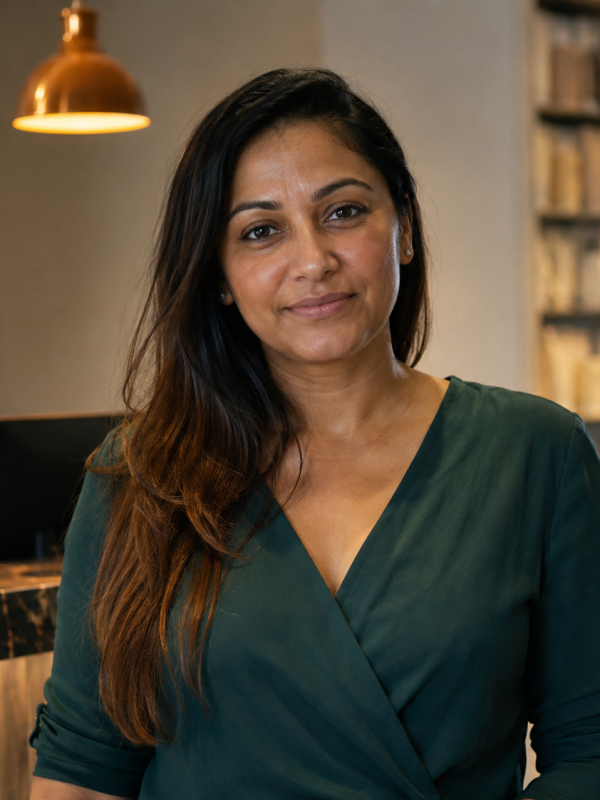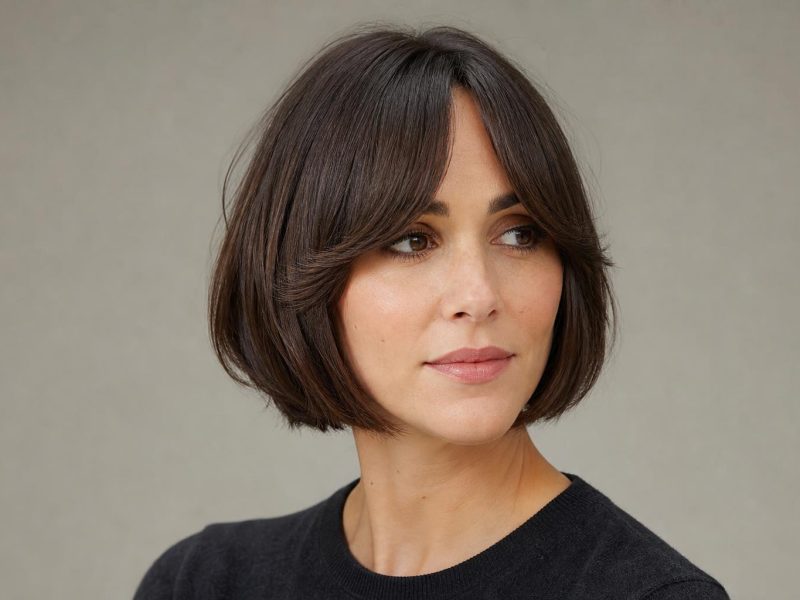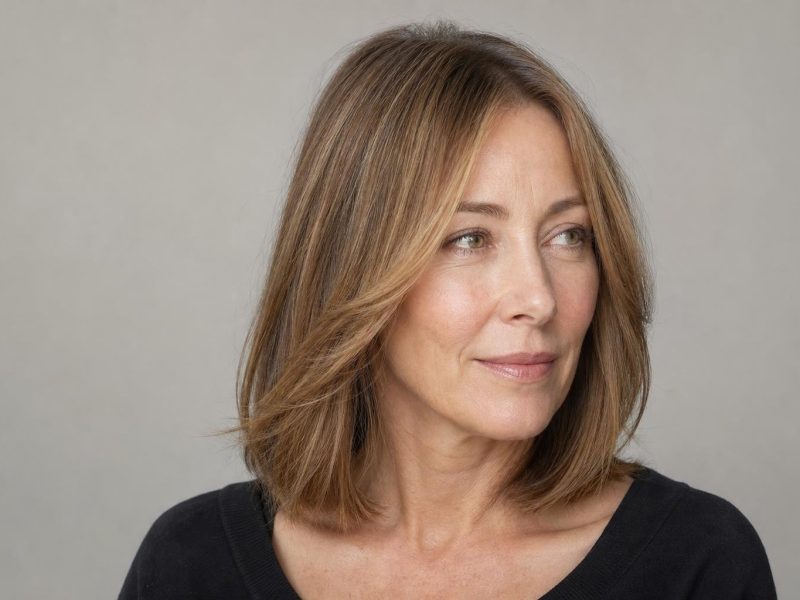



A long bob, or lob, falls between the collarbone and the jaw, giving you the freshness of a real haircut without losing the length you need to tie it back.
A long bob (lob) sits longer than a classic bob but shorter than mid-length hair, usually landing somewhere between the chin and the collarbone. That in-between length is exactly why it suits almost everyone: it adds shape and movement on fine hair, removes bulk from thick hair, and shows off waves and curls without the weight that drags them down. Here are 30 long bob variations sorted by cut style, hair texture, fringe, and color.
The gallery opens with blunt and sleek versions, moves through layered and choppy cuts, then breaks the lob down by hair type, bangs, and color placement. After the photos you will find a face shape compatibility table, the exact language to bring to your stylist, a realistic maintenance schedule, and an honest look at when a lob is the wrong call.
| Factor | Details |
|---|---|
| Best for | Most face shapes and hair types; anyone wanting length they can still tie back |
| Maintenance | Trim every 8 to 10 weeks; 5 to 20 minutes daily styling |
| Works with | Fine, thick, wavy, curly, and straight hair with the right layering |
| Avoid if | You want a wash-and-go style and have very curly hair that needs a specialist cut |
| Salon time | 45 to 60 minutes for a cut; longer if color is added |
Blunt and Sleek Long Bobs
A blunt lob keeps the ends cut to one clean line, which makes thin hair look denser and gives thick hair a polished, deliberate finish. These versions lean sleek and modern, relying on a sharp perimeter rather than layers for their shape. They reward a good blow-dry and a smoothing product.
1. Blunt Collarbone Lob
The single blunt line at the collarbone is what gives this lob its weight and swing. Cut without layers, the perimeter looks dense and intentional, which flatters thick straight hair that holds a clean edge. A smoothing serum on damp hair before blow-drying keeps the line glassy.
2. Sleek Center-Part Lob
A precise center part suits oval and heart faces because it splits the face evenly and frames the cheekbones. Worn sleek with the ends tucked slightly inward, it has a quiet, expensive look. Flat-iron the ends in a soft bend rather than a flick for the modern version.
3. Blunt Lob for Fine Hair
Fine hair gets the biggest payoff from a blunt cut, since keeping all the ends at one length makes the hair read thicker than it is. Skip heavy layers, which thin out already-sparse ends, and ask for a one-length perimeter with minimal internal removal. A volumizing mousse at the roots lifts it off the scalp.
4. Glass-Hair Straight Lob
Achieve the glass-hair finish with a flat iron and a drop of lightweight shine oil smoothed over the lengths. The mirror-smooth surface depends on a healthy cuticle, so a weekly bond treatment keeps it from looking dull. Best on straight to slightly wavy hair that takes heat well.
5. Low-Maintenance One-Length Lob
A one-length lob grows out more gracefully than a layered cut, so you can stretch trims to every ten weeks without losing the shape. The blunt line slowly softens rather than turning shaggy. If you want a cut you can mostly air-dry, this is the easiest blunt option here.
6. Inverted Lob with Stacked Back
Unlike a straight-across lob, the inverted version sits a touch shorter at the back and angles longer toward the front. That stacking builds subtle volume at the crown where many people fall flat. It is a smart pick if your hair tends to go limp at the back of the head.
Layered and Choppy Lobs
Layering brings movement to a long bob and keeps thick hair from sitting like a heavy block. Choppy, piece-y ends in particular have driven the lob’s recent surge, giving the cut a lived-in, undone quality. The amount of layering should match your density, so these entries range from soft to heavily textured.
7. Choppy Textured Lob
Ask your stylist for point-cut, piece-y ends rather than a blunt line to get this tousled, modern shape. The choppy finish hides grow-out well and looks intentional even on day-three hair. A texturizing spray scrunched through the mid-lengths brings the separation to life.
8. Soft Layered Lob
Gentle internal layers add bounce without sacrificing the perimeter, which keeps the lob looking full at the ends. Round and square faces benefit from the softness, since the movement breaks up hard lines. The layers fall naturally into place with a quick rough-dry.
9. Razored Shaggy Lob
Razor cutting feathers the ends for an airy, rock-and-roll edge that overlaps with shag territory. If you love effortless texture, this leans closest to a medium shag with built-in movement while staying lob length. Fine to medium hair takes the razor best; very thick hair can puff out.
10. Wolfish Lob with Heavy Layers
Pushing the layering higher into the crown gives the lob an edgier, almost shag-meets-mullet attitude. This sits a step away from a full wolf cut with its sharper layer contrast, but keeps things wearable. Medium-to-thick hair carries the volume without looking thin at the ends.
11. Curtain-Layer Lob
Long face-framing layers that split like curtains around the face are the easiest way to flatter nearly any shape. Have your stylist start the shortest framing piece at the cheekbone so it draws attention to the center of the face. A round brush curved inward gives the layers their soft sweep.
12. Piece-Y Lob for Thick Hair
Thick, coarse hair needs internal weight removal so a lob does not sit like a triangle. Point cutting and subtle internal layers thin the bulk while keeping the perimeter strong. Tell your stylist to remove weight from the inside, not the outline, so the shape stays clean.
13. Lived-In Tousled Lob
Diffuse damp hair upside down, then scrunch in a matte texture cream for that just-woke-up-perfect bend. The lived-in lob is built for people who want low effort but still polished. It grows out so gracefully you can push a trim to ten weeks.
Long Bobs by Hair Texture
Your natural texture decides which lob will actually behave for you, so it pays to choose a version cut for your hair. Curls shrink, fine hair needs weight, and coily hair benefits from a dry cut. These entries match the lob to what grows out of your head.
14. Wavy Beach Lob
Natural waves are practically made for lob length, where the cut hits at the shoulder and the waves get room to move. A sea-salt spray scrunched into damp hair pumps up the bend before you air-dry. Heart and oval faces wear the soft volume especially well.
15. Curly Lob with Dry-Cut Shape
Curly hair should be cut dry so the stylist can see where each spiral lands once it springs up. Wet cutting is how curly clients end up far shorter than planned, so confirm a dry cut before any scissors touch your hair. Leave a little extra length to allow for shrinkage at lob level.
16. Coily Lob with Defined Shape
Type 4 coils take a lob beautifully when the cut is shaped to the curl rather than forced into a straight line. A custom dry cut builds an even, rounded silhouette that frames the face. Seal the shape with a curl custard and a diffuser on low heat for definition without frizz.
17. Fine-Hair Lob with Root Volume
Volume on fine hair starts at the root, so blow-dry upside down with a round brush to lift the base. A lightweight mousse gives hold without the crunch that weighs fine strands down. Keep layering minimal here, since fine hair looks fullest with most of its length intact.
18. Thick-Hair Lob with Weight Removed
Cutting a lob into thick hair is mostly about subtraction, taking out enough internal weight that the hair falls instead of poofing. A flat iron run through the ends after blow-drying keeps the bottom sleek. The trade-off is real: thick lobs need a smoothing routine to look polished.
19. Straight Blunt-Wave Lob
Straight hair can fake movement with one soft bend created on a 1.25-inch iron held loosely. The single wave keeps the lob from looking flat without committing to full curls. It is a five-minute styling trick that reads as effortless.
20. Asymmetrical Lob
An asymmetrical lob runs noticeably longer on one side, which adds a graphic, fashion-forward edge. The angle draws the eye diagonally and can slim a rounder face. Pair it with a deep side part to push the asymmetry further.
Long Bobs with Bangs and Face-Framing
Adding bangs changes the whole personality of a lob and gives you a built-in way to flatter your forehead and features. The fringe you choose should suit both your face shape and how much styling you are willing to do. These versions cover the most wearable options.
21. Lob with Curtain Bangs
Curtain bangs split softly around the face and blend into the length, making them the lowest-commitment fringe you can add. They suit nearly every face shape and grow out without an awkward stage. Browse our gallery of soft face-framing bang ideas if you are deciding how short to go.
22. Lob with Blunt Bangs
Blunt bangs cut straight across at the brow give a lob a bold, graphic frame. Oblong faces benefit most, because the horizontal line shortens the look of a longer face. Be honest about upkeep: blunt fringe needs a trim every two to three weeks to stay sharp.
23. Lob with Wispy Bangs
Wispy, see-through bangs add softness without the heaviness of a full fringe, which keeps fine hair from looking sparse. The airy texture suits round and heart faces by drawing attention to the eyes. A tiny amount of light cream tames flyaways without flattening the wisps.
24. Lob with Side-Swept Fringe
A long side-swept fringe diagonally crosses the forehead and melts into the face-framing layers. The sweep softens a strong forehead while staying easy to pin back on busy days. It is the most forgiving fringe for anyone nervous about commitment.
25. Lob with Middle Part and No Bangs
Skipping bangs in favor of a clean middle part keeps things low maintenance while still framing the face. The look pairs naturally with a few long framing pieces at the front. For more ways to wear it, see our guide to the middle part across every hair length.
26. French-Girl Lob with Bardot Bangs
Long, grown-out Bardot bangs and a touch of undone texture give this lob a Parisian feel. If you love the relaxed French aesthetic, it shares DNA with the shorter French bob but keeps more length to play with. Air-dry and tousle rather than over-styling.
Long Bobs with Color and Dimension
Color placement can emphasize the shape of a lob, adding depth at the ends or brightness around the face. The right technique depends on how much maintenance you want and how dramatic a change you are after. These final entries pair the cut with smart color.
27. Balayage Lob
Hand-painted balayage brightens the mid-lengths and ends while keeping a natural, grown-out root. The dimension makes the layers in a lob read more clearly. Because the root stays dark, you can stretch color appointments to every twelve weeks.
28. Money-Piece Lob
Two bright money-piece sections at the front instantly lift the complexion and draw attention to the face. The contrast works on both blonde and brunette bases. Ask your colorist to keep the brightness starting at the cheekbone so it frames rather than washes you out.
29. Lived-In Brunette Lob with Lowlights
Lowlights woven through a brunette lob add depth that makes the hair look thicker and glossier. The subtle dimension is ideal if you want richness without going lighter. It is also one of the lowest-upkeep color choices, since darker tones fade slowly.
30. Bold Fashion-Color Lob
For a striking finish, a vivid fashion shade on a blunt lob turns a simple cut into a statement. Pastels and bold tones show up best on a pre-lightened base, which means more salon time and committed upkeep. Use a color-depositing conditioner at home to slow the fade between visits.
How to Choose a Long Bob for Your Face Shape
The lob is flexible, but small adjustments to length, part, and bangs make it far more flattering for your specific face. The goal is to balance your proportions, lengthening a rounder face or softening a strong jaw. The table below pairs each shape with the version that works best.
| Face Shape | Best Lob | Ideal Length | Avoid |
|---|---|---|---|
| Oval | Almost any version | Chin to collarbone | Heavy full bangs that hide balanced features |
| Round | Longer angled or asymmetrical lob, deep side part | Collarbone | Chin-length blunt with a center part, it adds width |
| Square | Soft layered lob with curtain bangs | Just below the jaw | Blunt jaw-length cuts that echo the jaw angle |
| Heart | Lob with wispy or side-swept fringe and ends with volume | Collarbone | Heavy volume at the crown that widens the forehead |
| Oblong | Blunt lob with blunt bangs and waves for width | Chin to jaw | Long, flat, straight lengths that elongate further |
| Diamond | Lob with face-framing layers and a soft part | Jaw to collarbone | Slicked-back styles that narrow the forehead |
If your face leans long or oblong, keep the lob shorter and add waves or bangs to introduce width, which shortens the visual length. For round faces, the opposite applies, so go for the longest version that still counts as a lob and lean on a deep side part and angled ends. Those carrying width in the jaw should soften the perimeter with layers rather than a hard blunt line, and our breakdown of the best cuts for an oblong face shape covers the proportions in more detail.
What to Tell Your Stylist
Walk in with the length, the layering, and the part you want, plus two reference photos. Try something like, “I want a long bob hitting just below my collarbone, with soft internal layers to remove weight but a strong perimeter, and long curtain bangs starting at my cheekbone.” That gives your stylist the length, the layering approach, and the fringe in one sentence.
Be clear about whether you want a blunt or a textured edge, because the two grow out very differently. Mention how you usually wear your hair, since a stylist cuts a wash-and-go lob differently from one you plan to flat-iron daily. If you have curly hair, ask specifically for a dry cut so the length accounts for shrinkage.
Stylist tip: Bring a photo of the back of a lob you like, not just the front. The crown layering and how the ends sit at the back is where most cuts succeed or fail, and a back-view reference prevents a flat, shapeless result.
Maintenance and Styling
A long bob is more forgiving than a short bob because the extra length disguises grow-out, so most people trim every 8 to 10 weeks. Layered and choppy versions hide the in-between stage best, while blunt cuts show a soft, fuzzy line sooner. Daily styling time depends entirely on your texture and how polished you want the finish.
| Aspect | What to Expect |
|---|---|
| Trim frequency | Every 8 to 10 weeks; blunt cuts closer to 6 to 8 |
| Daily styling | 5 minutes air-dried; 15 to 20 with heat tools |
| Products | Volumizing mousse for fine hair; smoothing serum for thick; salt spray for waves |
| Tools | Medium round brush; 1.25-inch iron; diffuser for curls |
| Grow-out | Graceful; relaxes into mid-length hair without an awkward stage |
Stylist tip: If your lob looks great leaving the salon but falls flat by day two, the issue is usually product weight, not the cut. Switch a heavy cream for a lightweight mousse applied only at the roots, and you will keep the shape without the droop.
One genuinely low-effort path is to embrace your natural texture rather than fight it: a wavy or curly lob that air-dries with the right product saves you twenty minutes every morning. If you color the cut, a glossing treatment every few weeks keeps the tone fresh and the ends shiny. For more length-specific inspiration across the women’s range, browse our full library of haircuts for women.
When a Long Bob Is Not the Right Choice
The lob suits most people, but a few situations point to a different cut.
- Very tight 4c coils that you want truly wash-and-go can fight a precise lob shape, which needs a specialist dry cut and regular shaping to stay even. A rounded tapered cut is often more forgiving.
- A strong attachment to updos and ponytails can clash with lob length, since the shortest layers slip out of a tie. If you wear your hair up most days, keeping a few extra inches makes life easier.
- Hair that is already fine and heavily layered may look thin at lob length without a blunt perimeter. Building the weight back with a one-length cut usually serves fine hair better than more layering.
FAQ
What Is the Difference Between a Lob and a Bob?
A lob is simply a longer bob, usually falling between the chin and the collarbone, while a classic bob sits at or above the jaw. The extra length makes a lob more versatile and easier to tie back, and it tends to suit more face shapes. If you are nervous about going short, a lob is the natural first step before a true bob.
Is a Long Bob Good for Fine Hair?
Yes, a long bob can make fine hair look noticeably fuller, especially with a blunt or one-length perimeter. Keep heavy layering to a minimum, since removing too much weight thins out already-sparse ends. A volumizing mousse at the roots and a slightly inverted shape at the back add the most body.
How Do I Style a Long Bob Without Heat?
Work a salt spray or light texture cream through damp hair, then either air-dry or diffuse on low heat for soft, natural movement. Scrunching as it dries encourages bend and volume without a single hot tool. This approach works best on wavy and curly textures, while very straight hair may need one quick bend with an iron.
How Often Should I Trim a Lob?
Most lobs hold their shape for 8 to 10 weeks between trims, longer than a short bob because the extra length hides grow-out. Blunt versions need attention a little sooner, around every 6 to 8 weeks, to keep the perimeter sharp. Layered and choppy cuts are the most forgiving and stretch the furthest.
Can I Get a Long Bob with Curly Hair?
Absolutely, but the cut should be done dry so your stylist can see where each curl lands once it springs up. Wet cutting curly hair often leaves it far shorter than expected because of shrinkage. Ask for a curl-specific dry cut and leave a little extra length to keep the lob from rising above your jaw.
Will a Long Bob Suit a Round Face?
A long bob flatters a round face when you keep it at the longer end and add a deep side part or angled ends. Those vertical and diagonal lines visually lengthen the face and break up width. Avoid a chin-length blunt cut with a center part, which tends to emphasize roundness.
A long bob earns its popularity by adapting to almost any hair type, face shape, and styling routine, which is why the lob keeps showing up season after season. Decide how much layering your density can handle, match the length and part to your face shape, and bring both front and back reference photos so your stylist shapes it correctly. Customized to your texture, a long bob gives you length you can live with and a shape that actually holds.
Hair results vary based on your natural hair type, texture, density, and condition. Always consult with a licensed hairstylist before making significant changes, especially with chemical treatments or dramatic length changes. Photos may show styled results that require professional tools and products to replicate.