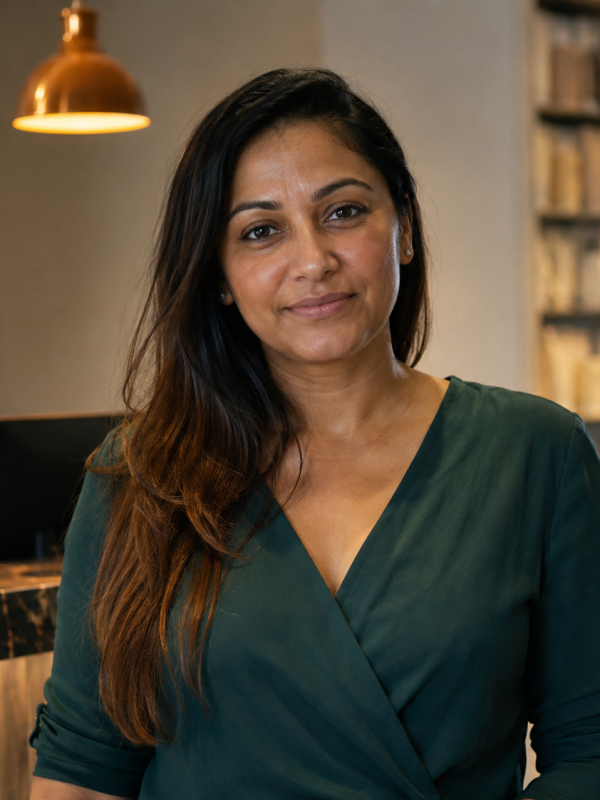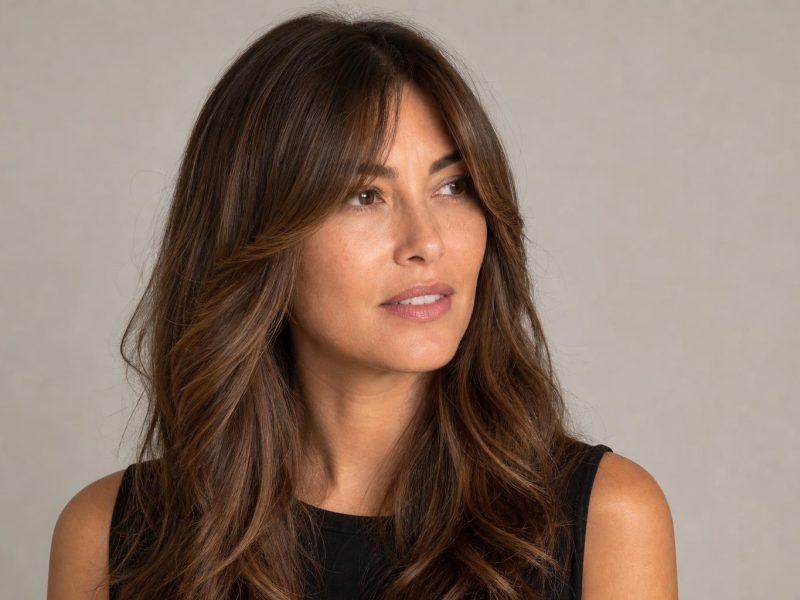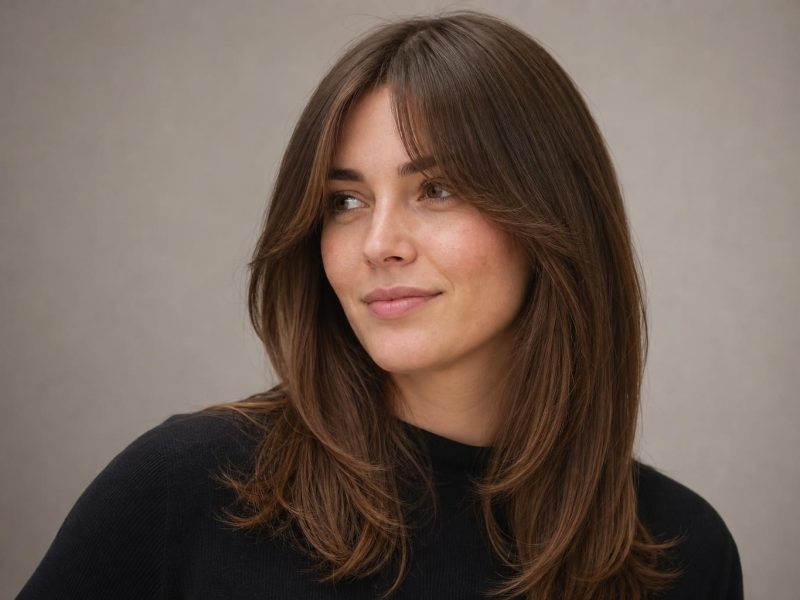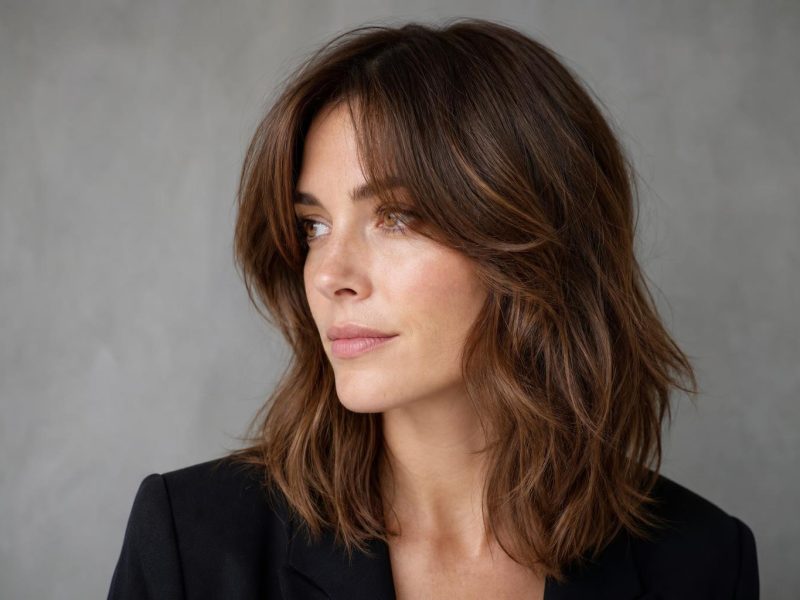

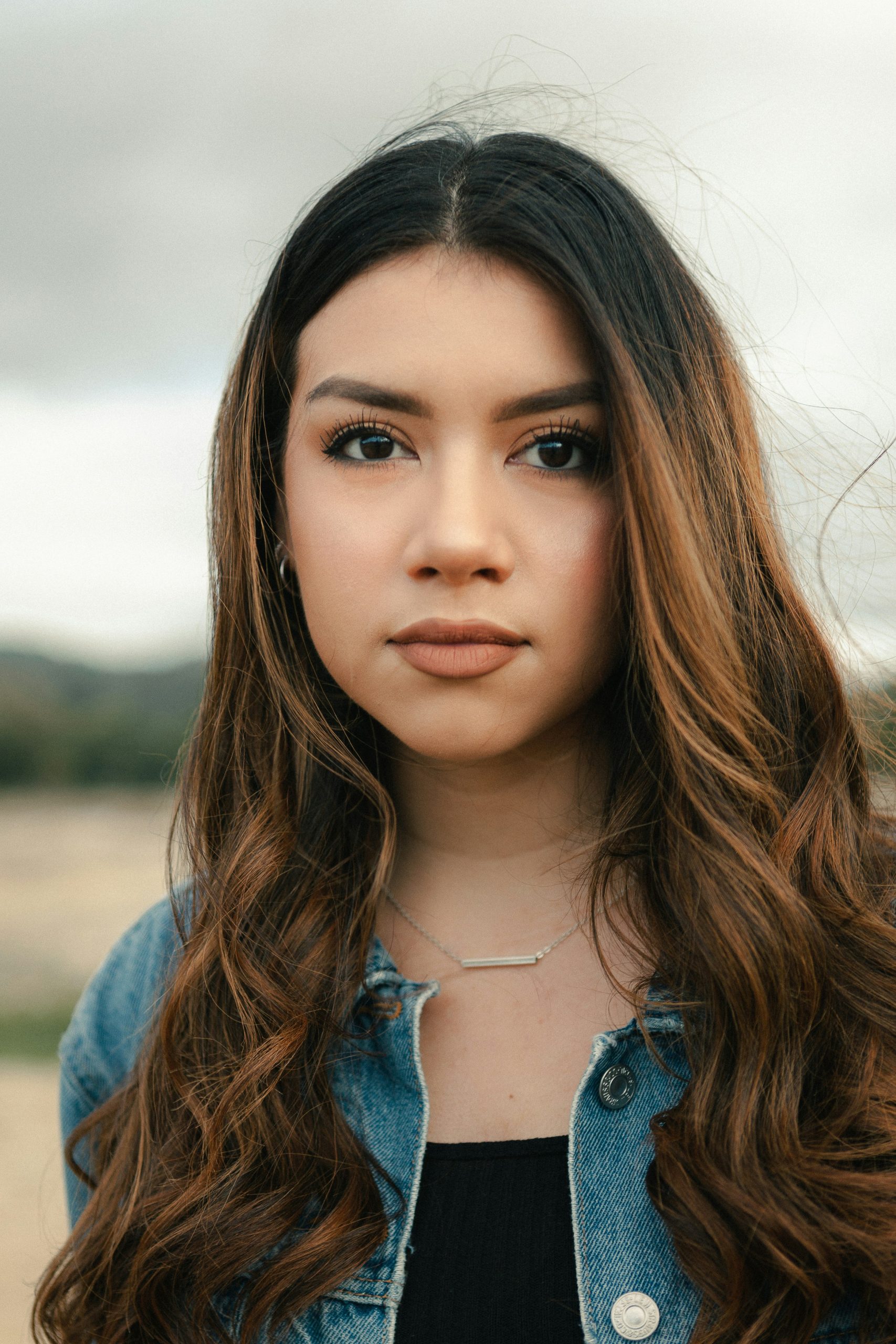

Face-framing bangs are longer, soft pieces cut to fall around the face from the cheekbone down, framing the features without the full forehead coverage of a true fringe.
The 30 styles below cover the full range: soft side-swept versions, face-framing by length from bob to long, the best shapes for each face shape, and how the look changes across hair types. Each entry names what defines it and who it flatters, so you can find the version that suits your length and features.
Face-framing bangs are the gentlest, most grow-out-friendly way to add a fringe effect, sitting a step softer than the fringes in the types of bangs guide and blending naturally with curtain bangs and layers. After the gallery, this article covers choosing a length, what to ask your stylist, and styling at home.
| Factor | Details |
|---|---|
| Best for | Every face shape; the most versatile fringe option |
| Where it starts | Usually at the cheekbone, blending into the length |
| Upkeep | Low; grows out softly with no awkward phase |
| Trim | Every 8 to 12 weeks, less often than a full fringe |
| Styling | A round brush or a quick curl away from the face |
Soft Side-Swept Face-Framing Bangs
The classic face-framing look sweeps softly to the sides, opening up the face rather than covering it. These versions are the most flattering and forgiving, which is why they suit nearly everyone.
1. Cheekbone-Grazing Side Sweep
The most popular face-framing shape starts at the cheekbone and sweeps softly back, drawing attention to the eyes and cheeks. It flatters every face shape and grows out without an awkward phase. A round brush sets the gentle backward sweep.
2. Curtain-Style Face Framing
A center-parted version that frames each side like curtains is the softest take on the look. It blends seamlessly into the length and suits anyone wanting the gentlest fringe effect. The curtain bangs and layers combination keeps the whole shape cohesive.
3. Wispy Face-Framing Pieces
Thin, wispy framing pieces add the lightest touch of shape around the face. They suit fine hair that cannot carry heavy bangs. The airy finish reads soft and effortless.
4. Long Side-Swept Bangs
Bangs cut longer and swept to one side blend into the rest of the hair while still framing the face. The diagonal line flatters round and square faces. They are the easiest framing style to pin back when needed.
5. Money Piece Face Framing
Lightening the front framing pieces a shade or two brightens the complexion and emphasizes the frame. The color draws light to the face. It pairs the cut and color in one flattering effect.
6. Soft Feathered Framing
Feathered, point-cut framing pieces fall in soft layers around the face for a 70s-inspired softness. The feathering adds movement without weight. This suits medium textures that hold a gentle flick.
7. Face Framing with a Deep Side Part
A deep side part sends a longer sweep of framing across the forehead for added drama and asymmetry. The sweep adds width balance to longer faces. It is a polished, grown-up version of the look.
8. Jaw-Length Framing Sweep
Framing pieces that reach the jaw create a longer, elegant frame that suits anyone who wants subtlety over a noticeable fringe. The length keeps it office-appropriate. It blends almost invisibly into the rest of the cut.
Face-Framing Bangs by Length
Face-framing reads differently depending on the overall length it sits on, from a short bob to long layers. These entries pair the framing with specific lengths.
9. Face Framing on a Bob
On a bob, face-framing pieces at the front add softness to the blunt perimeter and break up the shape. They keep a structured bob from looking heavy. A slight curl inward or outward sets the frame.
10. Face Framing on a Lob
A long bob with face-framing layers is one of the most requested cuts for its balance of length and shape. The framing adds movement to the lob. It flatters a wide range of faces and textures.
11. Face Framing on Long Layers
On long layered hair, face-framing pieces start the layering at the front and pull movement toward the face. The framing connects the layers to the face for a cohesive look. Loose waves bring out the shape best.
12. Face Framing on a Shag
A shag uses face-framing as part of its layered, textured shape, with the shortest pieces near the face. The framing is built into the cut. It reads effortless and modern.
13. Face Framing on a Layered Bob
A layered bob with face framing adds dimension at the front and softens the overall shape. The framing keeps the layers from looking blocky. It suits fine and medium hair that needs movement.
14. Face Framing on Mid-Length Hair
On collarbone-length hair, face framing adds shape without the commitment of a full cut. It is the easiest length to grow framing into. The pieces blend cleanly into the mid-length.
15. Face Framing on Very Long Hair
On waist-length hair, dramatic face-framing pieces add shape to an otherwise one-length curtain of hair. The framing breaks up the heaviness at the front. It is the simplest way to add interest to very long hair.
Face-Framing Bangs by Face Shape
The right framing shape balances your proportions, which is why face shape is the most useful guide. The goal is always to bring the face toward a balanced oval.
| Face Shape | Best Framing | Why It Works |
|---|---|---|
| Round | Long, straight framing past the chin | Vertical pieces elongate and slim the face |
| Square | Soft, curved framing around the jaw | Curves soften a strong jawline |
| Heart | Framing that widens toward the chin | Adds balance to a narrower lower face |
| Oblong | Shorter framing at the cheekbone, with a fringe | Adds width and shortens a long face |
| Oval | Almost any length and shape | Balanced proportions suit most framing |
16. Face Framing for Round Faces
Long framing pieces that fall past the chin add vertical lines that elongate a round face. Keeping them straight rather than curved in maximizes the slimming effect. The round-face cut guide covers the same balancing principle.
17. Face Framing for Square Faces
Soft, curved framing around the jaw softens the strong angles of a square face. Avoiding hard, blunt lines keeps the shape gentle. Waves through the framing add to the softening effect.
18. Face Framing for Heart Faces
Framing that stays longer and widens toward the chin balances a heart shape’s narrower lower face. The added width at the jaw evens the proportions. Keep the framing away from heavy volume at the forehead.
19. Face Framing for Oblong Faces
Shorter framing starting at the cheekbone, often paired with a fringe, adds width and shortens a long oblong face. The horizontal emphasis balances the length. Waves through the framing add further width.
20. Face Framing for Oval Faces
An oval face suits nearly any framing length and shape, so the choice comes down to personal taste. Most lengths and sweeps flatter the balanced proportions. This is the most flexible face shape for the look.
21. Face Framing for Diamond Faces
Framing that adds softness at the forehead and chin balances a diamond face’s wider cheekbones. Chin-length pieces work especially well. Avoid pulling all the framing tight against the cheeks.
22. Face Framing for Pear Faces
Framing that adds volume and movement at the upper face balances a pear shape’s wider jaw. Lighter pieces at the top draw the eye up. Keep the framing softer toward the jaw to avoid adding width there.
Face-Framing Bangs by Hair Type and Styling
Texture changes how face framing falls and how it is styled. These entries match the look to specific hair types and finishing techniques.
23. Face Framing on Straight Hair
Straight hair shows the cleanest face-framing line, falling smoothly along the face. A round brush gives the soft backward flick. It is the easiest texture for a polished frame.
24. Face Framing on Wavy Hair
Wavy hair gives face framing natural movement that needs little styling. The waves soften the framing into an effortless shape. A light texture spray enhances the bend.
25. Face Framing on Curly Hair
On curly hair, face framing should be cut dry so the stylist can see where each curl lands once it springs up. The curls create a soft, voluminous frame. A curl cream keeps the framing defined.
26. Face Framing on Fine Hair
Fine hair suits lighter, wispier framing that does not pull density from the rest of the hair. Keeping the pieces soft avoids a sparse look. A volumizing product adds body to the frame.
27. Face Framing on Thick Hair
Thick hair needs the framing texturized so it does not sit heavy and blunt. Point-cutting the pieces keeps the frame soft. The density gives the framing strong, lasting shape.
28. Blow-Dried Face Framing
A round-brush blow-dry sweeping the framing away from the face gives the polished, salon finish. This is the classic way to set the shape. A small amount of heat protectant keeps the pieces healthy.
29. Curled Face Framing
A quick curl away from the face with a wand gives the framing soft, bouncy movement. Curling outward opens up the face. This finish reads glamorous and dressed-up.
30. Air-Dried Natural Framing
Letting the framing air-dry with a light product gives the most effortless, lived-in finish. It suits wavy and curly textures best. This is the lowest-effort way to wear the look day to day.
How to Choose Your Face-Framing Length
The length of your framing decides how subtle or noticeable the effect is. Shorter framing at the cheekbone reads as a clear fringe effect, while framing that starts at the jaw or below blends almost invisibly into the cut.
Match the length to your goal: shorter, cheekbone-level framing adds the most shape and works best for long or oblong faces that want width, while longer framing suits anyone wanting subtle movement they can grow out easily. Hair texture matters too, since curly and coily hair shrinks, so the framing should be cut a little longer than the target to account for the spring.
Stylist tip: If you are unsure how short to go, start with longer framing at the jaw and go shorter at your next trim. Face framing is far easier to shorten than to grow back, so beginning conservatively lets you find your ideal length without a regretful too-short result.
What to Tell Your Stylist
Bring a photo and name where you want the framing to start, usually the cheekbone or jaw, and whether you want it swept to the side or center-parted. Mention your face shape and your goal, such as adding width or softening angles, so the stylist can tailor the shape rather than copying a photo that may not translate to your hair.
Stylist tip: Ask for the framing to be connected to your existing layers rather than cut as a separate disconnected piece. Connected framing grows out seamlessly and blends into the cut, while a disconnected chunk creates an awkward shelf as it grows and is harder to style.
When Face-Framing Bangs Are Not the Right Choice
Face framing suits almost everyone, but a few situations are worth weighing.
- You want full forehead coverage: framing leaves the forehead visible. A blunt or full fringe from the bangs guide covers more.
- A strong cowlick at the front hairline: framing can separate or stick up. Longer, heavier pieces lie flatter over a cowlick.
- You never style your hair: framing looks best with a quick brush or curl. If you air-dry and go, choose wavy or curly framing that needs no heat.
FAQ
What Are Face-Framing Bangs?
Face-framing bangs are longer, soft pieces cut to fall around the face from the cheekbone down, framing the features without the full forehead coverage of a true fringe. They blend into the length and are the gentlest, most grow-out-friendly way to add a fringe effect. They suit every face shape.
What Is the Difference Between Face-Framing Bangs and Curtain Bangs?
Curtain bangs are shorter and parted in the center to frame each side like curtains, while face-framing bangs are longer pieces that start lower, around the cheekbone, and blend into the length. Curtain bangs read as a clearer fringe, whereas face framing is subtler. Both grow out softly, but face framing is the gentler of the two.
Do Face-Framing Bangs Suit Round Faces?
Yes, long face-framing pieces that fall past the chin are especially flattering on round faces because the vertical lines elongate and slim the face. Keeping the pieces straight rather than curved inward maximizes the effect. Avoid short, curved framing that adds width.
How Often Do Face-Framing Bangs Need Trimming?
Every eight to twelve weeks, far less often than a full fringe because they grow out softly with no awkward phase. The longer length means small amounts of growth are barely noticeable. You can stretch trims even longer if you are growing the framing out.
Can Fine Hair Have Face-Framing Bangs?
Yes, fine hair suits lighter, wispier face framing that adds shape without pulling density from the rest of the hair. The key is keeping the pieces soft rather than heavy, so the rest of the hairline does not look sparse. A volumizing product adds body to the frame.
How Do You Style Face-Framing Bangs?
A round-brush blow-dry sweeping the pieces away from the face gives the classic polished finish, while a quick curl outward with a wand adds bouncy movement. Wavy and curly textures can simply air-dry with a light product. The goal is to direct the framing away from the face to open up the features.
Face-framing bangs come down to choosing a length that matches how much shape you want, picking a shape that balances your face, and asking your stylist to connect the framing to your layers. Bring a reference photo and start longer if you are unsure. Soft, well-placed face-framing bangs are the most flattering and low-maintenance way to frame your features and refresh any length.
Hair results vary based on your natural hair type, texture, density, and condition. Always consult with a licensed hairstylist before making significant changes, especially with chemical treatments or dramatic length changes. Photos may show styled results that require professional tools and products to replicate.