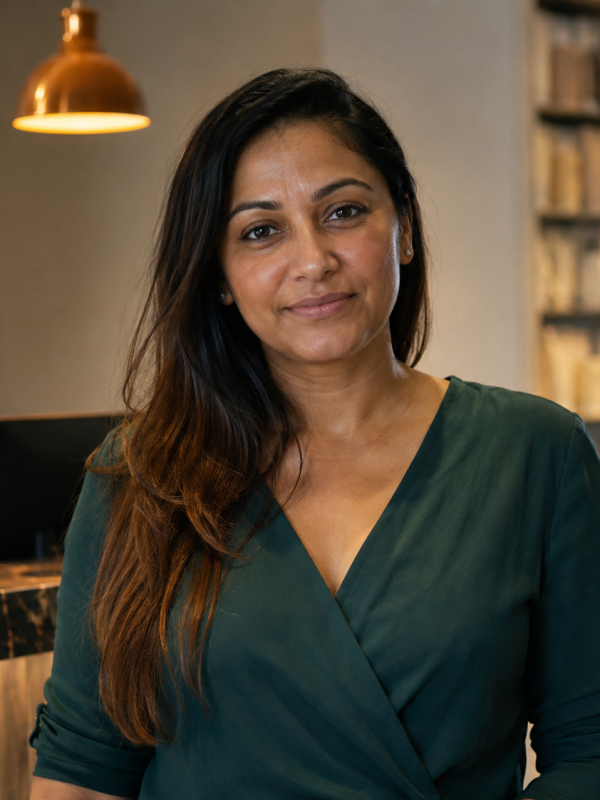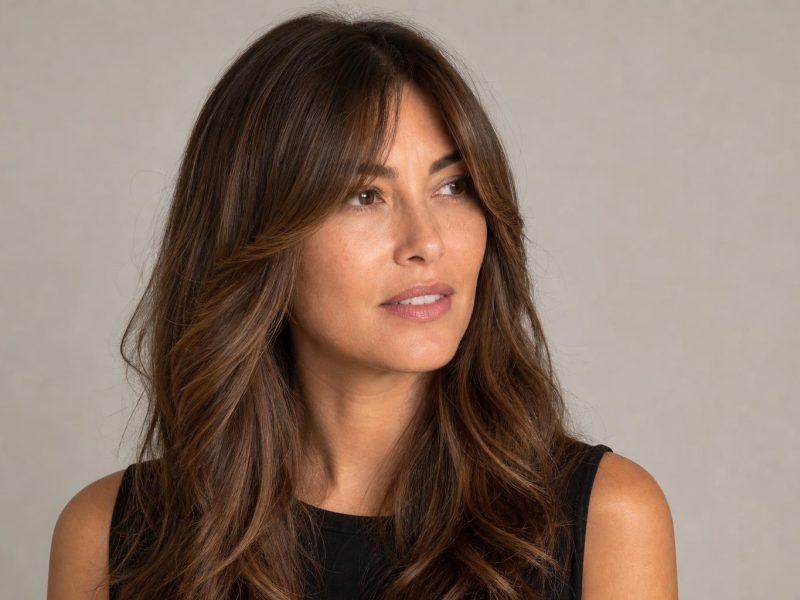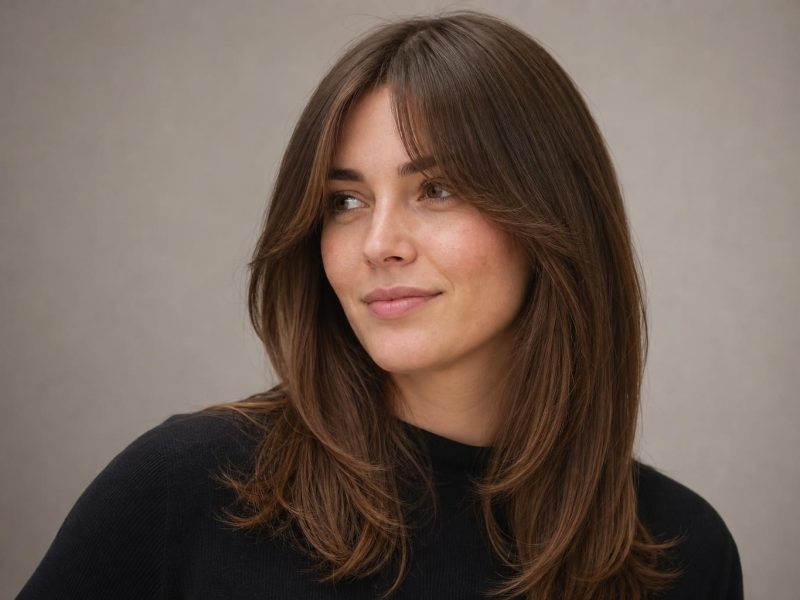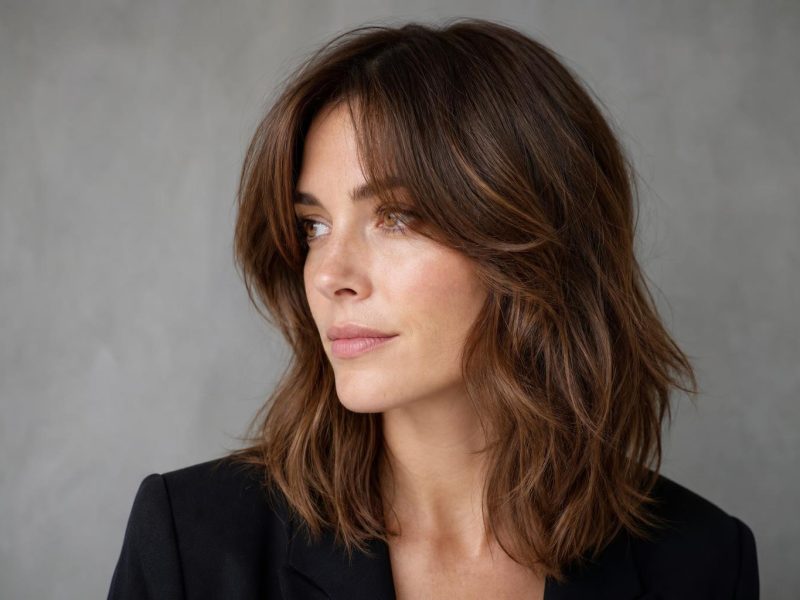

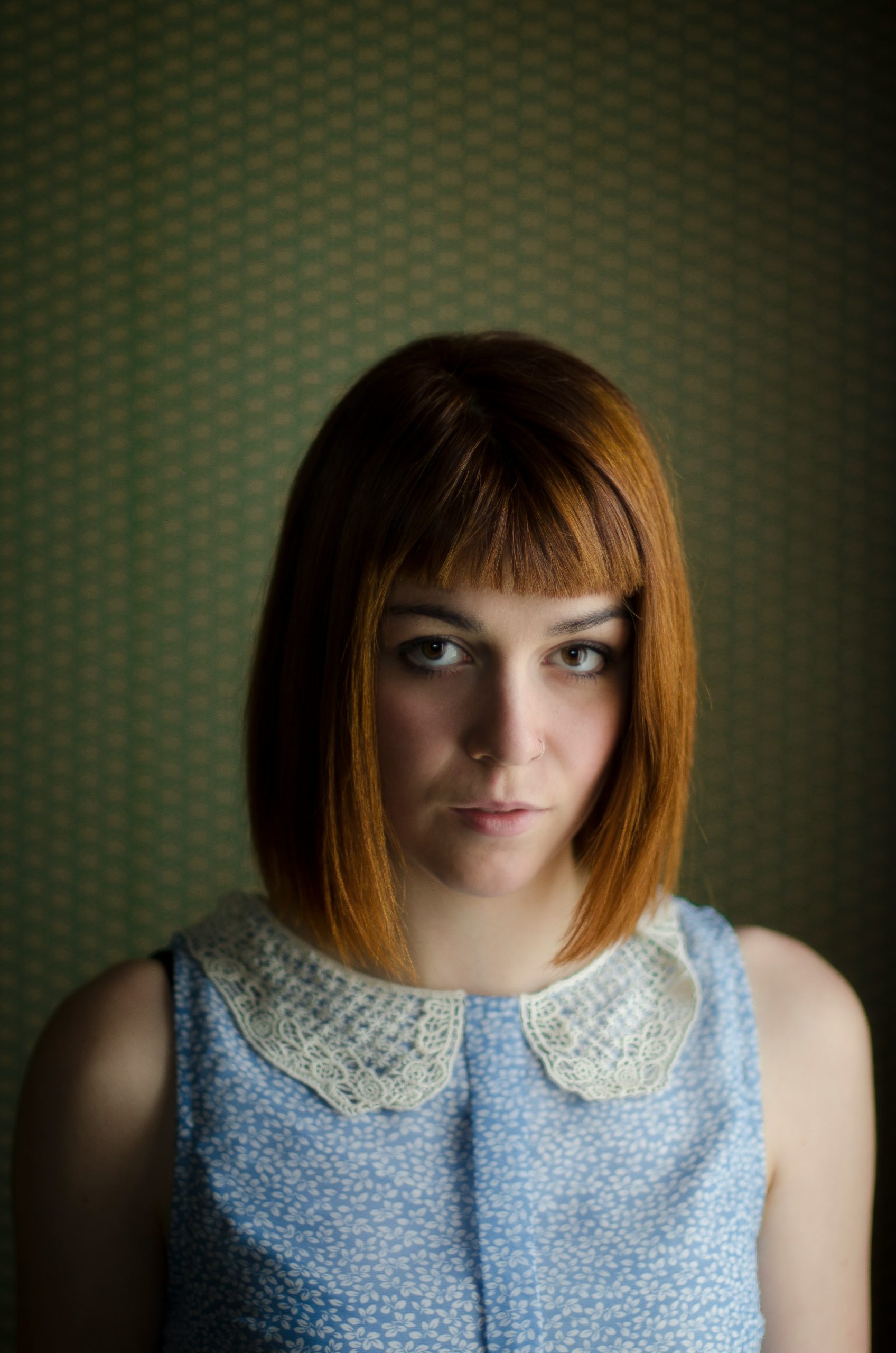

The main types of bangs are curtain, blunt full, wispy, side-swept, baby, and arched, and the right one depends far more on your face shape and hair texture than on which is trending.
Bangs change the whole balance of a haircut, so choosing a type is really about two questions: what you want them to do for your face, and how much daily styling you are willing to commit to. A curtain fringe softens and frames with little upkeep, while a blunt full fringe makes a sharper statement that needs regular trims and morning attention.
This guide explains each type of bang, who it suits, and what it takes to maintain, then breaks down the best bangs by face shape and hair type. If you are still deciding whether to commit at all, the should you get bangs guide is a useful first read before you book.
| Factor | Details |
|---|---|
| Lowest upkeep | Curtain and side-swept bangs grow out softly |
| Highest upkeep | Blunt full and baby bangs need trims every 2 to 4 weeks |
| Most versatile | Curtain bangs suit nearly every face shape |
| Trim frequency | Most fringes need a shape-up every 3 to 5 weeks |
| Daily styling | 2 to 10 minutes depending on the type and your texture |
Classic and Full Bang Types
The bolder bang types make a clear statement and tend to need more upkeep, since a defined shape shows grow-out quickly. These are the fringes that change a look the most dramatically.
1. Blunt Full Bangs
A blunt full fringe is cut straight across the forehead with a solid, dense edge, usually landing at or just above the eyebrows. It makes the strongest statement of any bang and suits thick, straight hair that can fill the heavy line. Expect a trim every two to four weeks, since even a little growth softens the blunt edge.
2. Choppy Textured Bangs
Choppy bangs are cut with uneven, point-cut ends that break up the line for a lived-in, piecey finish. The texture makes them far more forgiving than a blunt fringe, both to style and to grow out. They suit anyone who likes a full bang but wants a softer, more casual edge.
3. Arched Bangs
Arched bangs are cut slightly longer at the temples and shorter in the center, creating a gentle curve across the forehead. The arch opens up the eyes and softens a full fringe. This shape flatters rounder faces because the curve adds a little length through the center.
4. Baby Bangs
Baby bangs sit high on the forehead, well above the eyebrows, for a bold, fashion-forward look. They are the highest-maintenance fringe because the short length shows growth within days and needs trimming every couple of weeks. Baby bangs suit confident wearers with an even hairline and oval or heart face shapes.
5. Asymmetrical Bangs
Asymmetrical bangs are cut at an angle so one side is noticeably longer than the other, adding an edgy, modern line. The diagonal draws the eye across the face, which helps balance rounder shapes. This type suits anyone who wants a fringe with movement rather than a straight line.
6. Parted Bangs
Parted bangs are split down the middle or off-center so they fall to either side of the forehead, a softer alternative to a solid fringe. The opening keeps the forehead partly visible, which feels less heavy. They bridge the gap between a full fringe and a curtain look.
Soft and Wispy Bang Types
The softer fringes frame the face without covering it fully, which makes them lower maintenance and easier to grow out. These are the most popular types because they suit the widest range of faces and routines.
7. Curtain Bangs
Curtain bangs are parted in the center and sweep softly to each side, framing the face like a pair of curtains. They are the most versatile and forgiving fringe, growing out seamlessly into the rest of the hair and suiting nearly every face shape. Pairing them with curtain bangs and layers blends the fringe into the length even more naturally.
8. Wispy Bangs
Wispy bangs are thin and see-through, with fine, feathered ends that lightly graze the forehead. They add a soft frame without the weight or commitment of a full fringe. Fine hair wears them especially well, since they do not demand the density a blunt bang needs.
9. Side-Swept Bangs
Side-swept bangs are cut longer and styled diagonally across the forehead to one side. The sweeping line is one of the most flattering for balancing a longer or rounder face, and it grows out gracefully. They need a little product or a quick blow-dry to hold the sideways direction.
10. Bottleneck Bangs
Bottleneck bangs are a cross between a curtain and a full fringe, shorter and rounded in the center and longer at the sides, shaped like the neck of a bottle. They give more coverage than curtain bangs while keeping a soft frame. This newer shape suits oval and heart faces particularly well.
11. Birkin Bangs
Birkin bangs are long, full, and slightly tousled, sitting at or just below the brow with an effortless, undone quality. Named for the relaxed 1970s look, they read soft rather than sharp. They suit anyone who wants a full fringe with a lived-in rather than polished finish.
12. Face-Framing Fringe
A face-framing fringe is the longest and softest option, with pieces that start around the cheekbone and blend into the length rather than crossing the forehead. It is the gentlest way to add a fringe effect and the easiest to grow out. The guide to face-framing layers covers how to tailor the starting point to your face.
Bang Types by Hair Texture
The same bang shape behaves very differently depending on your hair texture, so the right choice depends as much on your hair type as the style itself. These entries match fringe types to specific textures.
13. Curly Bangs
Curly bangs work best cut to sit as a soft, rounded fringe that follows the curl pattern rather than a straight blunt line. They should be cut dry so the stylist can see where each curl lands once it springs up. A curl cream keeps them defined and stops them frizzing into the rest of the hair.
14. Wavy Curtain Bangs
On wavy hair, curtain bangs fall into a natural soft bend that needs little styling beyond a quick rough-dry. The wave adds built-in movement that suits the curtain shape. A light texture spray enhances the bend without making the fringe stiff.
15. Straight Blunt Fringe
Straight hair is the natural home of the blunt fringe, since it falls into the dense, sharp line the style depends on. The smooth texture shows the clean edge at its best. A daily pass with a flat brush and a little heat keeps it sitting flat and even.
16. Wispy Bangs for Fine Hair
Fine hair suits wispy, see-through bangs because they do not need the density a full fringe requires to look right. Cutting them too thick on fine hair leaves the rest of the hairline looking sparse. Keeping the fringe light balances the hair you have.
17. Textured Fringe for Thick Hair
Thick hair needs a fringe with internal texturizing so it does not sit as a heavy, solid block. A stylist point-cuts and thins the bang from underneath to remove bulk while keeping the surface full. Without this step, a thick fringe can look helmet-like rather than soft.
18. Bangs with Glasses
If you wear glasses, the fringe length matters most: bangs should sit above the frames or be wispy enough to fall around them rather than bunching on top. Side-swept and curtain bangs are the easiest to wear with glasses because they move out of the way. Bring your glasses to the appointment so the stylist can cut around them.
Best Bangs for Your Face Shape
Face shape is the single most useful guide to choosing a fringe, because the right bang balances your proportions while the wrong one exaggerates them. The goal is always to bring the face toward a balanced oval.
| Face Shape | Best Bangs | Approach with Care |
|---|---|---|
| Oval | Almost any; curtain, blunt, or wispy all work | Very heavy bangs can hide balanced proportions |
| Round | Side-swept, long curtain, arched bangs | Short blunt bangs add width across the face |
| Square | Soft wispy, side-swept, curtain bangs | Heavy blunt bangs echo a strong jaw |
| Heart | Curtain, wispy, side-swept to balance the forehead | Very full bangs can overwhelm a narrow chin |
| Oblong | Blunt full or heavy bangs to shorten length | Wispy see-through bangs do little to shorten |
For a long or oblong face, a fuller fringe is the goal, which the oblong face shape guide covers in more detail. Round and square faces do better with softer, angled fringes that add length and movement instead of width.
How to Choose Bangs for Your Hair Type
Hair texture decides which bangs are realistic to maintain day to day, so be honest about your natural texture rather than the styled version. Fine hair suits wispy and curtain bangs that do not need density, while thick hair needs texturized fringes to avoid bulk.
Curly and coily hair does best with bangs cut for the curl pattern and styled with the curl rather than fought straight, since heat-styling a curly fringe daily leads to damage. Straight hair has the most options, holding everything from a sharp blunt line to a soft curtain. Cowlicks and strong growth patterns at the hairline matter too, so flag them, because a cowlick can push a blunt fringe apart no matter how it is cut.
Stylist tip: If you have a strong cowlick at the front hairline, ask your stylist to leave the bangs slightly longer and choose a curtain or side-swept shape rather than a blunt fringe. Heavier, longer hair has the weight to lie flat over a cowlick, while a short blunt bang will separate and stick up.
Maintaining Bangs Between Salon Visits
Bangs are the fastest-growing-out part of any haircut to notice, so plan for upkeep before you commit. Most fringes need a shape-up every three to five weeks, while blunt and baby bangs need attention every two to four weeks to keep their defined edge.
Daily styling ranges from almost nothing for a wavy curtain fringe to a few minutes of blow-drying for a blunt bang that needs to sit flat. A small round brush and a touch of heat tame most fringes, and a little dry shampoo at the roots keeps bangs from going greasy faster than the rest of the hair, which they tend to do from forehead contact. Many salons offer free or low-cost bang trims between full cuts, which is worth asking about.
Stylist tip: Resist trimming your own bangs straight across while they are wet. Hair shrinks up as it dries, so a wet-cut blunt fringe ends up shorter than planned. If you trim between visits, do it on dry hair, point the scissors upward into the ends rather than cutting straight across, and take off less than you think.
When Bangs Are Not the Right Choice
Bangs suit most people, but a few situations are worth weighing before you commit.
- You have very little styling time: most fringes need at least a quick daily fix. A long face-framing piece gives the effect with almost no upkeep, or skip the fringe entirely.
- You exercise or sweat heavily most days: bangs stick to a damp forehead and need restyling. A side-swept or curtain shape that pins back easily handles this better than a blunt fringe.
- You are growing out a previous fringe: starting a new bang resets that progress. Consider a long curtain or face-framing cut that blends as it grows instead.
FAQ
What Are the Most Popular Types of Bangs?
Curtain bangs are the most popular because they suit nearly every face shape and grow out without an awkward phase. Wispy and side-swept bangs follow closely for the same low-maintenance reasons. Blunt full bangs remain popular for a bolder statement, though they take the most upkeep.
Which Type of Bangs Is Lowest Maintenance?
Curtain bangs and long side-swept bangs are the lowest maintenance because their length and soft shape blend into the rest of the hair as they grow. They need only an occasional shape-up rather than frequent trims. A long face-framing fringe is even easier, since there is no hard line to maintain.
What Bangs Suit a Round Face?
Side-swept bangs, long curtain bangs, and arched bangs all flatter a round face because they add length and a diagonal line that breaks up width. Short blunt bangs are best avoided, since a straight horizontal line across a round face emphasizes its width. The goal is any fringe that draws the eye up and down rather than side to side.
Can Fine Hair Pull Off Bangs?
Yes, fine hair suits wispy, see-through bangs and soft curtain bangs that do not require much density to look right. Avoid a thick blunt fringe, which takes so much hair from a fine hairline that the rest can look sparse. A lightweight fringe balances fine hair rather than overloading it.
How Often Do Bangs Need Trimming?
Most bangs need a shape-up every three to five weeks, while blunt and baby bangs need trimming every two to four weeks to keep their sharp edge. Softer curtain and side-swept bangs can stretch longer because grow-out is less obvious. Many salons offer free bang trims between full haircuts, so it is worth asking.
What Is the Difference Between Curtain Bangs and Bottleneck Bangs?
Curtain bangs part in the center and sweep softly to the sides with an open frame, while bottleneck bangs are shorter and rounded in the center with longer sides, giving more forehead coverage. Bottleneck bangs sit closer to a full fringe, whereas curtain bangs leave more of the forehead visible. Both grow out softly, but bottleneck bangs make a slightly bolder statement.
Choosing among the types of bangs comes down to matching the shape to your face, picking a texture-appropriate version, and being realistic about the trims and daily styling each one needs. Bring a reference photo and tell your stylist your face shape and how much time you have each morning. The right type of bangs frames your features and feels easy to live with, rather than becoming a daily battle.
Hair results vary based on your natural hair type, texture, density, and condition. Always consult with a licensed hairstylist before making significant changes, especially with chemical treatments or dramatic length changes. Photos may show styled results that require professional tools and products to replicate.