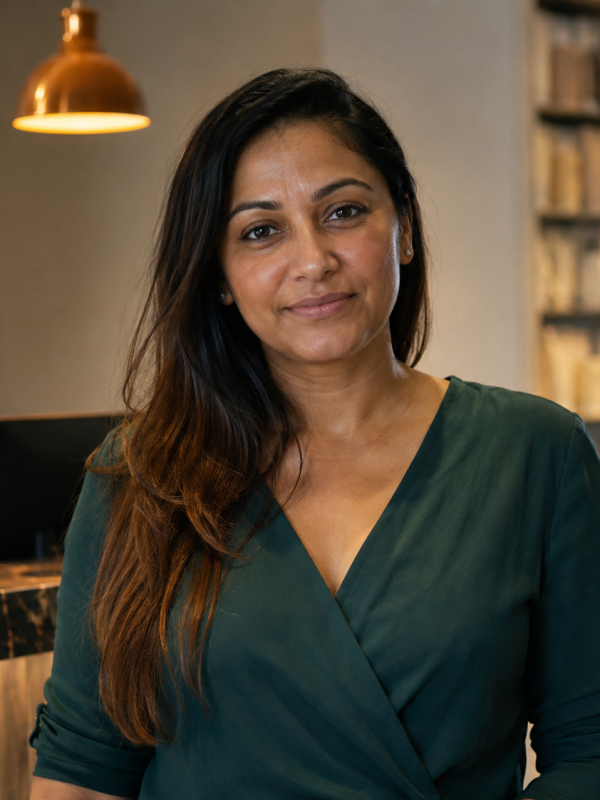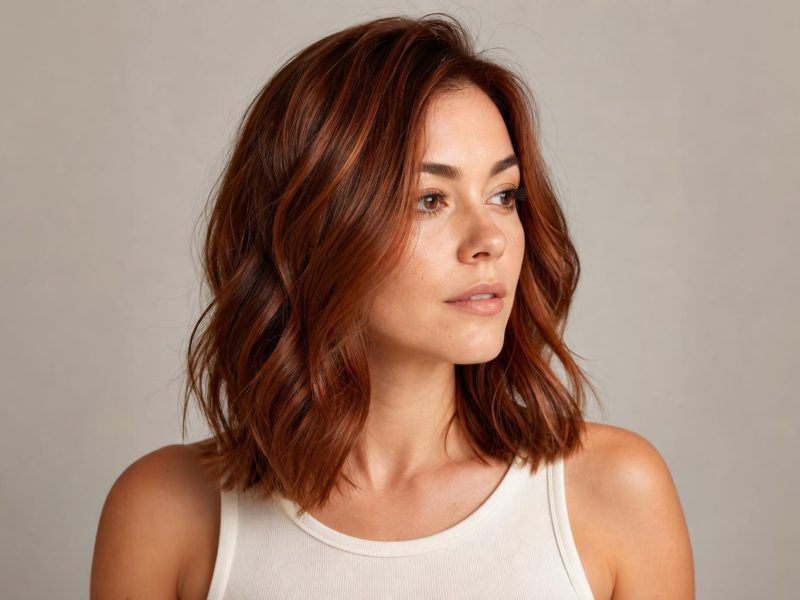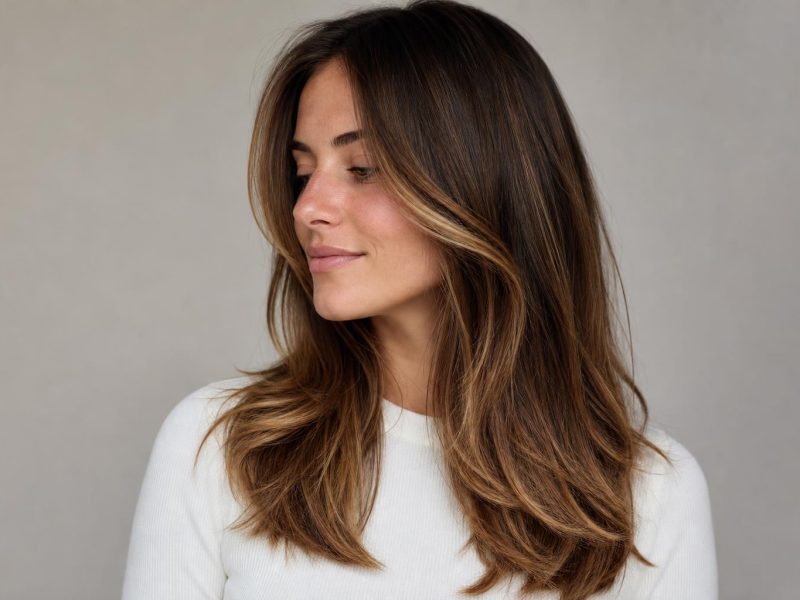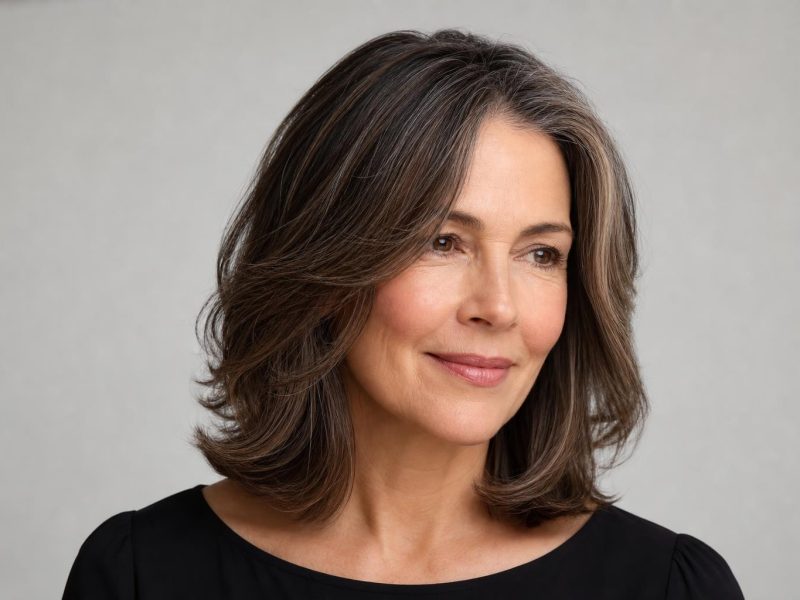

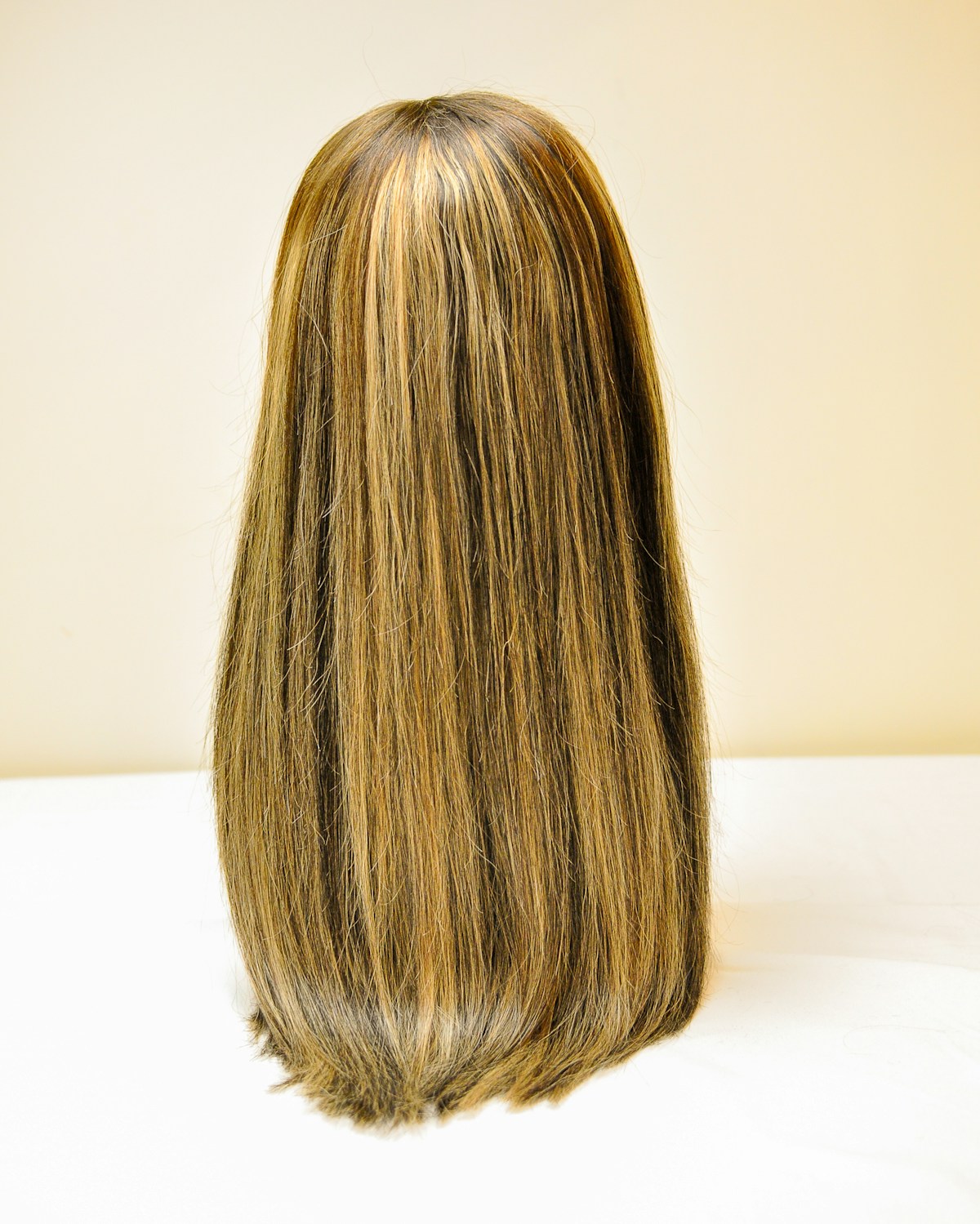
Milk tea brown is a soft, cool-leaning light brown with grey and beige undertones that mute the usual warmth of brunette, giving the muted, milky finish that made the shade a K-beauty favorite.
The color takes its name from the drink: a brown softened with milk until it turns hazy and low-contrast. On hair, that means a light-to-medium brown stripped of brassy orange and red, then balanced with a sheer ashy or beige tone so it reads creamy rather than golden. It sits between a true ash brown and a warm caramel, which is why it flatters a wide range of skin tones without the heavy commitment of going blonde. If you have leaned toward warmer brunettes before, the balayage brown palette shows how different a warm base looks next to this cooler one.
This spotlight breaks milk tea brown into its shade variations, then shows how it plays across skin tones, lengths, and coloring techniques. Use the quick reference table to find the undertone that suits you, then read the colorist notes before booking, since this shade depends almost entirely on getting the tone right.
| Milk Tea Variation | Undertone | Flatters | Upkeep |
|---|---|---|---|
| Classic milk tea | Neutral beige | Most skin tones | Medium |
| Ashy milk tea | Cool grey | Cool, fair to medium | High |
| Warm milk tea | Soft caramel | Warm, medium to deep | Medium |
| Milk tea blonde | Light beige | Fair, cool to neutral | High |
What Milk Tea Brown Actually Is
Milk tea brown is defined by what it removes as much as what it adds. A colorist lifts the natural base a few levels to a light or medium brown, then cancels the warm orange and red that lifting exposes, finishing with a sheer beige or ash gloss. The result keeps the depth of brown but loses the brassiness, landing on a hazy, low-contrast finish.
The shade differs from a standard ash brown by keeping a touch of creamy warmth, so it never tips into the grey-blue cast that pure ash can have. It also differs from caramel or bronde by staying muted instead of sun-kissed. Think of it as the midpoint: brown enough to feel natural, cool enough to feel current, soft enough to read like the color of tea with milk stirred through.
Milk Tea Brown Shade Variations
The base recipe shifts depending on how much warmth your colorist leaves in. These five variations cover the range from nearly grey to gently golden, so you can point to the exact balance you want. Bring a photo, since the difference between them is subtle in words but obvious on hair.
1. Classic Neutral Milk Tea
The signature version balances beige and brown so neither warm nor cool dominates. It suits the widest range of skin tones and is the safest starting point if you are new to the shade. This is the one most reference photos show when the color is named.
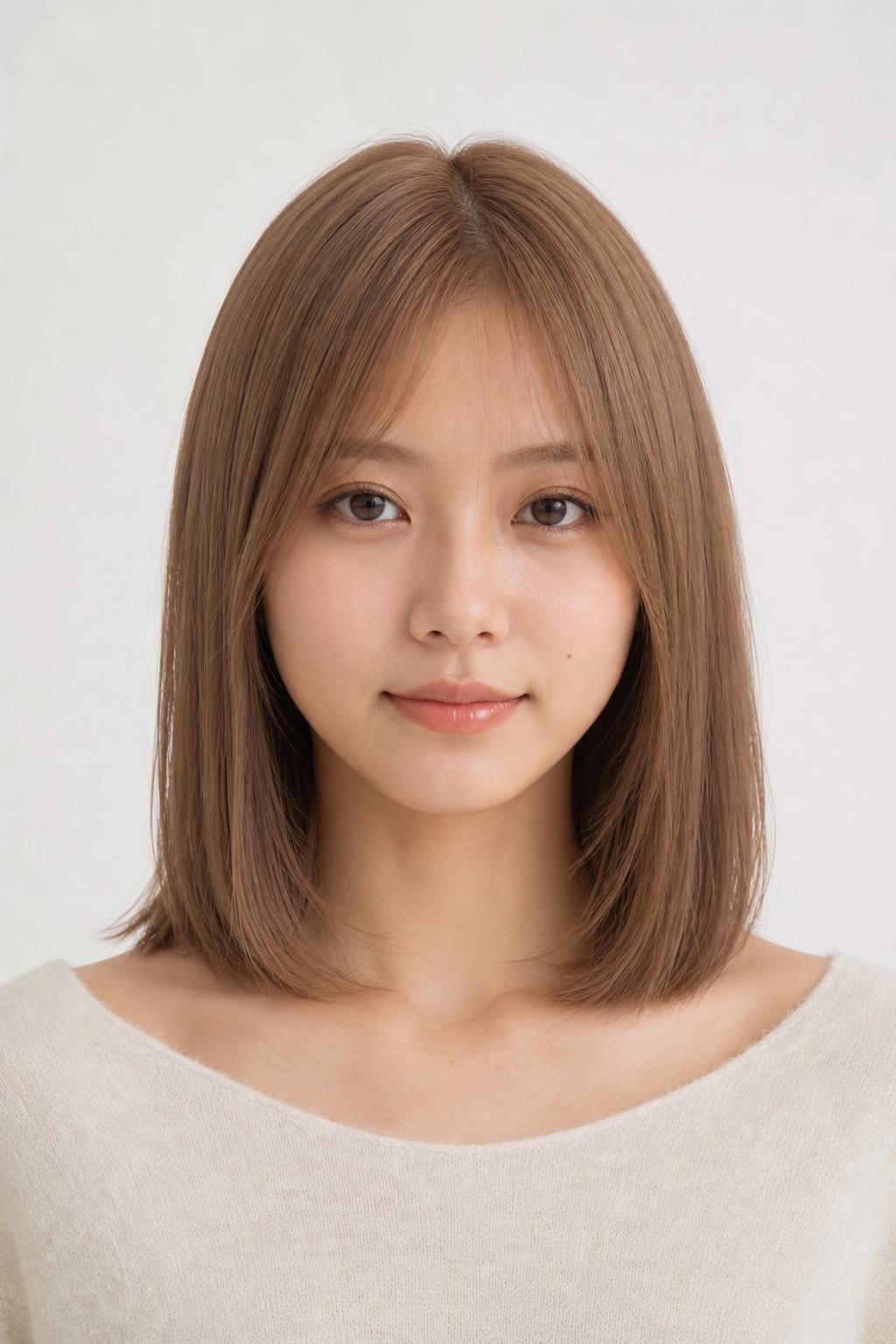
2. Ashy Grey Milk Tea
Pushing the tone cooler adds a soft grey haze that reads almost smoky in low light. Cool-toned skin carries this best, since the greyness can look flat against very warm complexions. Expect more frequent toning to hold the cool cast.
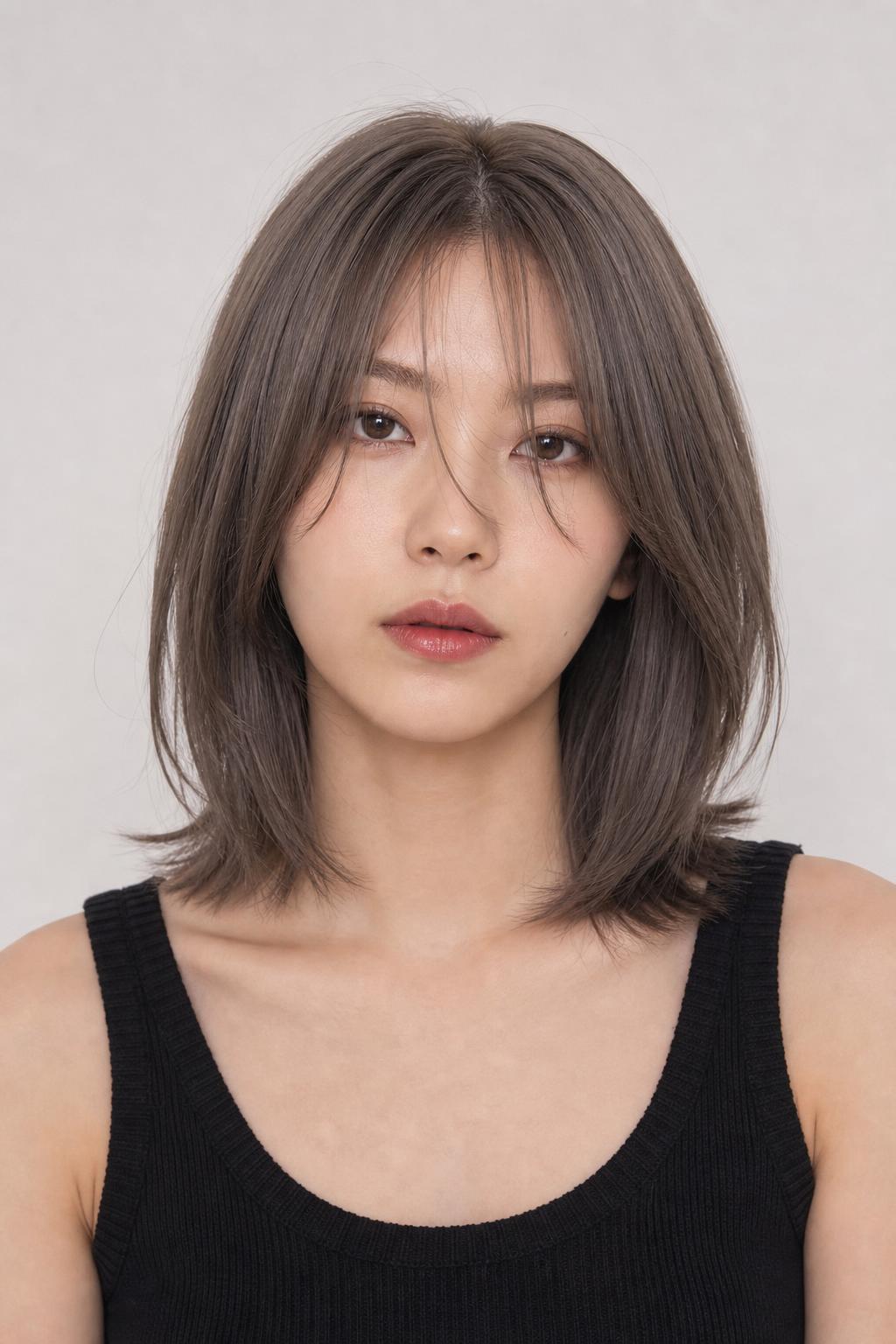
3. Warm Caramel Milk Tea
Leaving a little golden warmth keeps the color soft while adding glow against deeper or olive skin. It is the most forgiving variation to maintain because the warmth that fades back in still suits the shade. Think tea with a touch more honey stirred in.
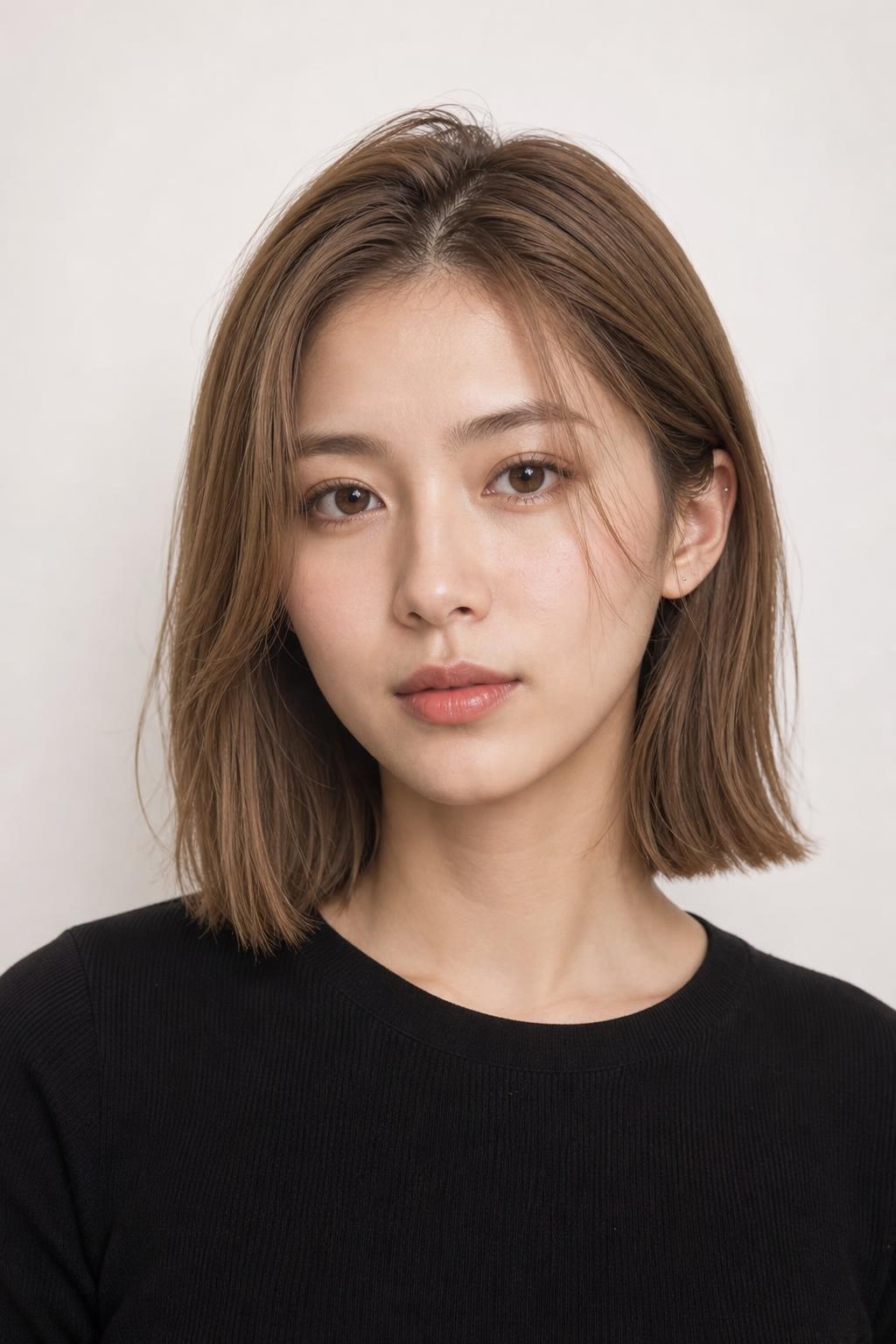
4. Milk Tea With Beige Highlights
Fine beige highlights woven through the base add dimension without breaking the muted finish. The contrast stays low, so the color still reads as one soft tone from a distance. This is a good bridge if you want movement without obvious stripes.

5. Light Milk Tea Blonde
Taking the base a level or two lighter shifts it toward a creamy beige blonde while keeping the milky softness. It needs more lifting and more upkeep, so it suits anyone already lightened or willing to commit to the maintenance. Fair, cool skin wears it most naturally.
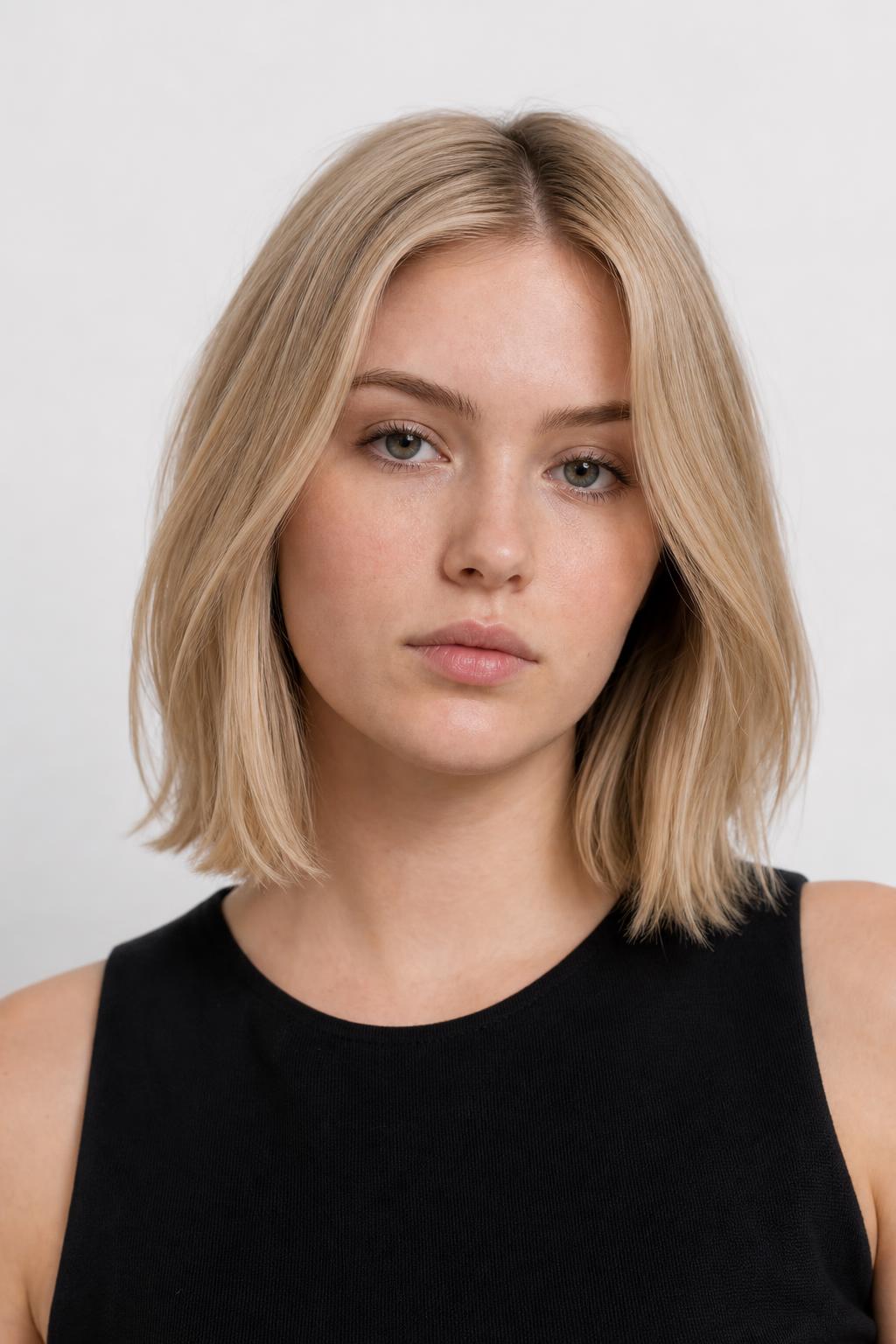
Milk Tea Brown by Skin Tone
Because milk tea brown lives or dies on undertone, matching the variation to your skin is the single most important decision. The same base can flatter or wash out depending on whether your complexion is cool, warm, or neutral. Use these pairings as a starting point for your consultation.
6. Cool Fair Skin With Ashy Milk Tea
Pink or blue-based fair skin pairs cleanly with the ashy grey variation, which echoes the coolness without adding warmth. Avoid heavy golden tones here, since they can make fair skin look ruddy. A sheer cool gloss keeps the match crisp.
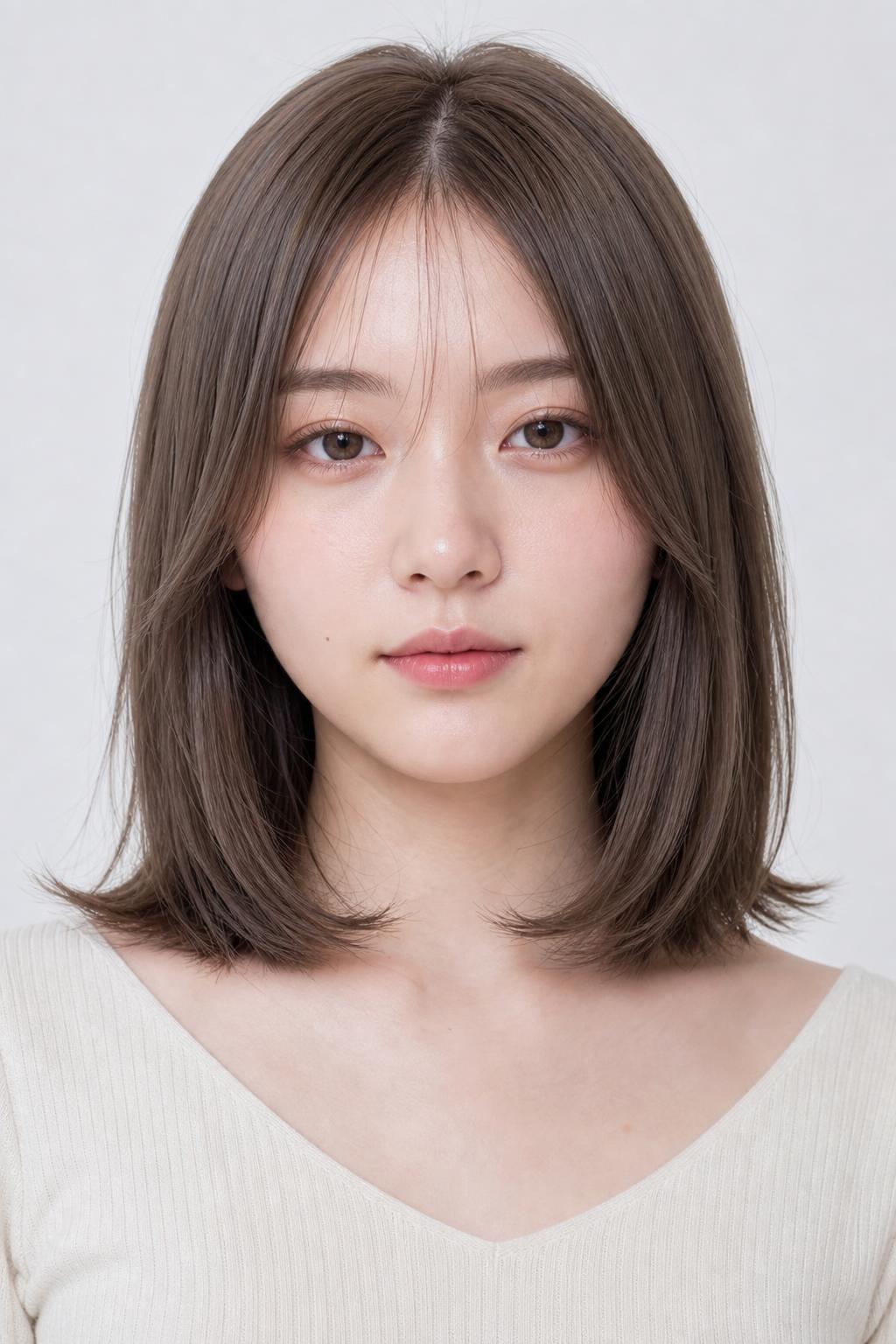
7. Warm Olive Skin With Caramel Milk Tea
Olive and golden complexions glow against the warmer caramel variation, which picks up the skin’s natural warmth. A fully ashy version can look grey and draining on olive skin. Keeping a hint of warmth is the safer route.
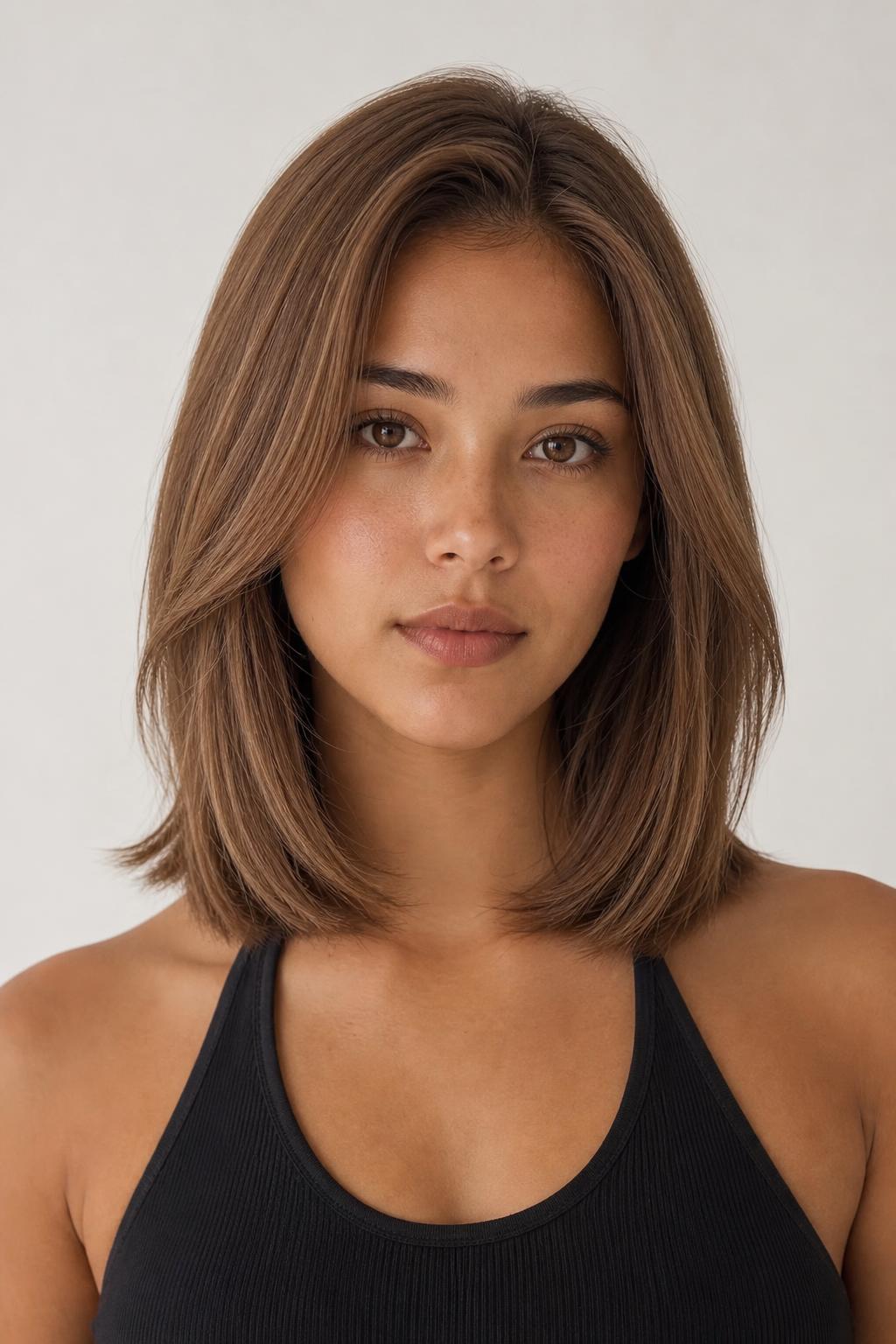
8. Neutral Medium Skin With Classic Milk Tea
Neutral complexions have the most freedom and look balanced in the classic beige-brown version. The shade reads natural without leaning cool or warm. This is the most flexible pairing for anyone unsure of their undertone.
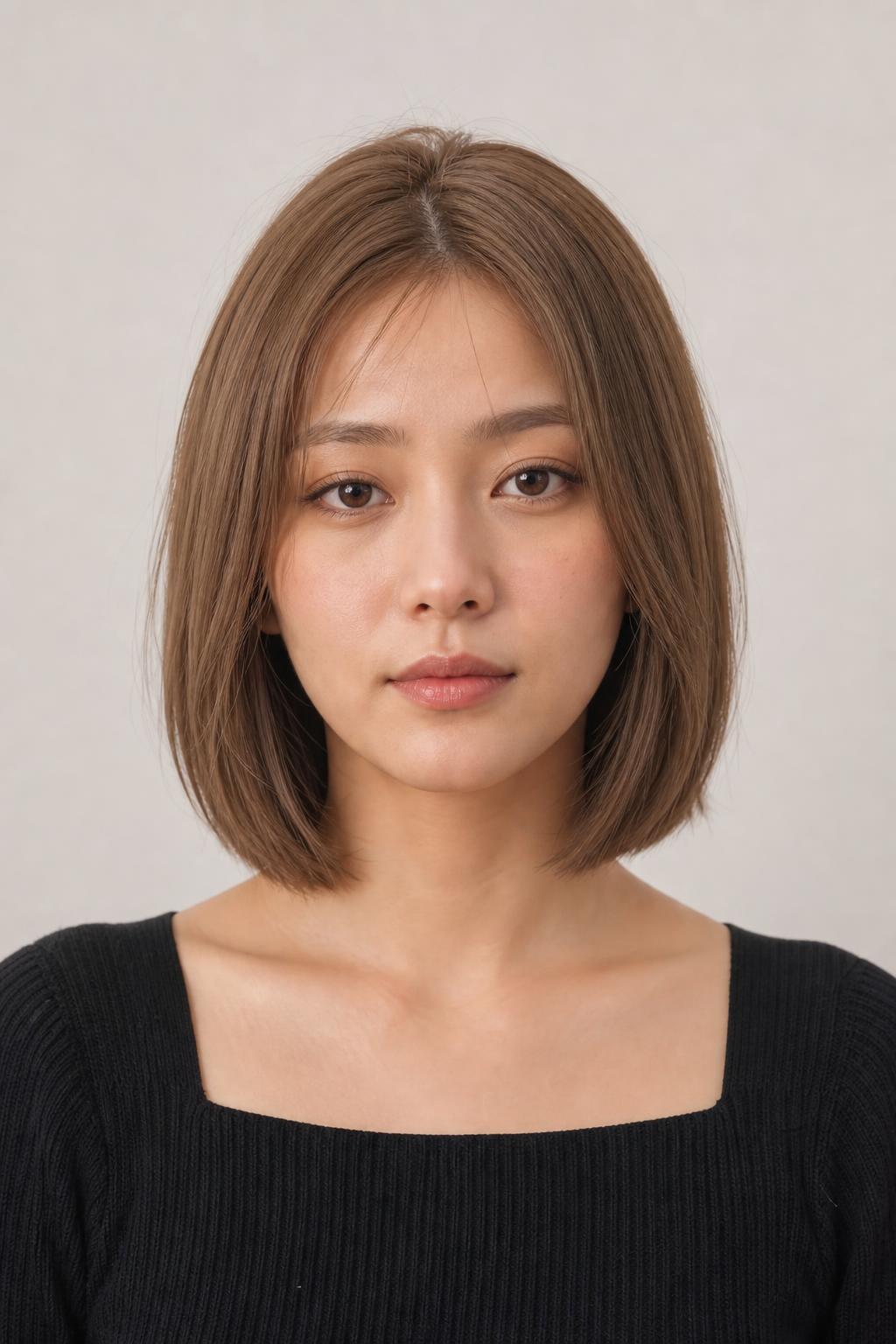
9. Deep Skin With Rich Milk Tea
On deeper skin, a richer medium milk tea with soft warmth keeps the color from looking dull. Going too light or too ashy can flatten the contrast against deep complexions. A glossy finish adds the dimension that keeps it lively.
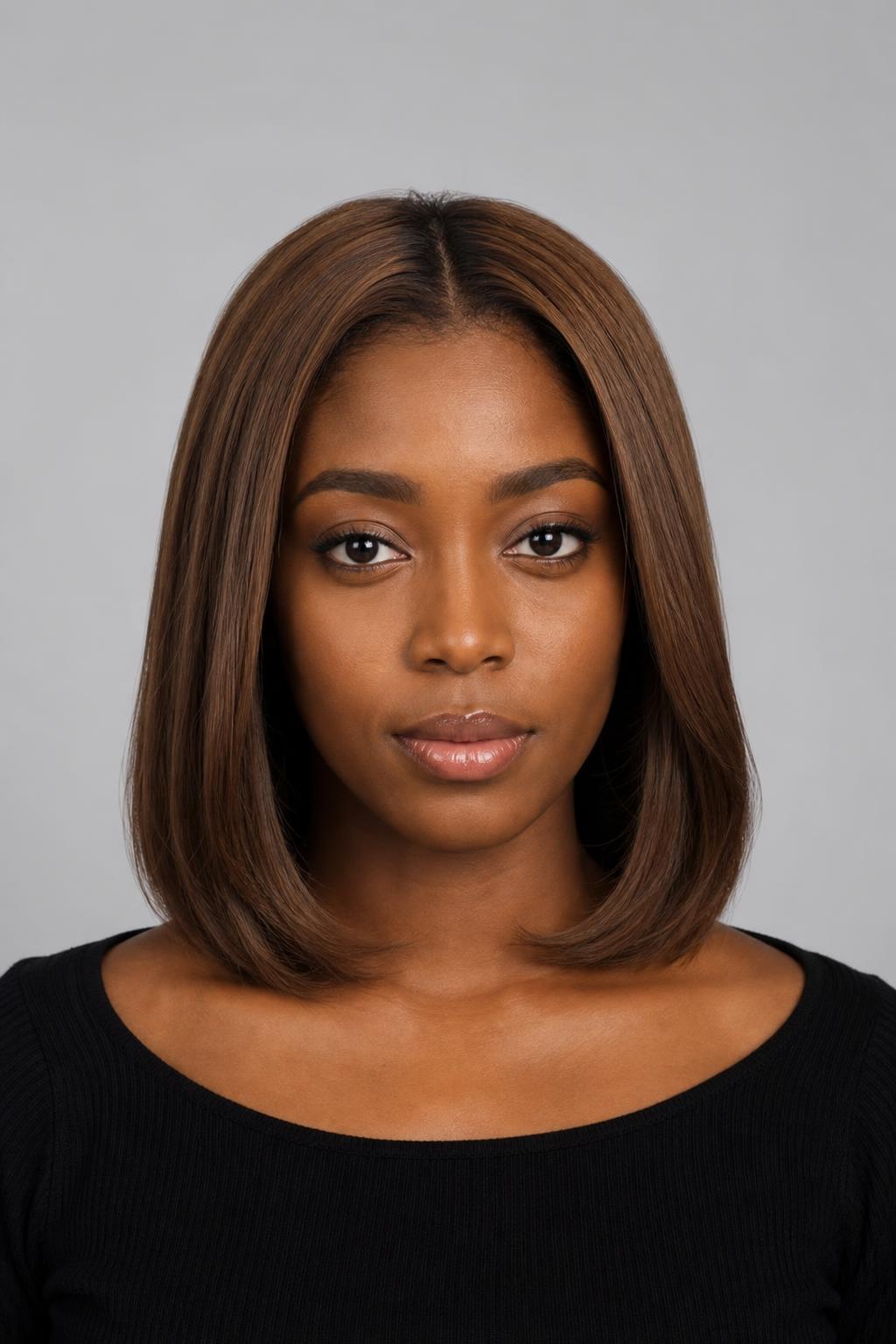
10. Fair Warm Skin With Beige Blonde Milk Tea
Fair skin with golden warmth can carry the lightest beige blonde version, which keeps brightness without going brassy. A toner knocks down any gold that creeps in between salon visits. This pairing reads soft and sunlit rather than stark.

Milk Tea Brown by Length and Style
The shade shifts in character depending on the cut it sits on, since length changes how light moves through the color. Soft, muted tones show their dimension best on hair with some movement. These pairings match the color to popular cuts.
11. Long Layers in Milk Tea
Long, layered hair lets the muted tone shift subtly from root to end as the light catches the layers. The movement keeps a single soft color from looking flat. For cut ideas that show off this kind of color, the long layered haircuts gallery pairs naturally with the shade.
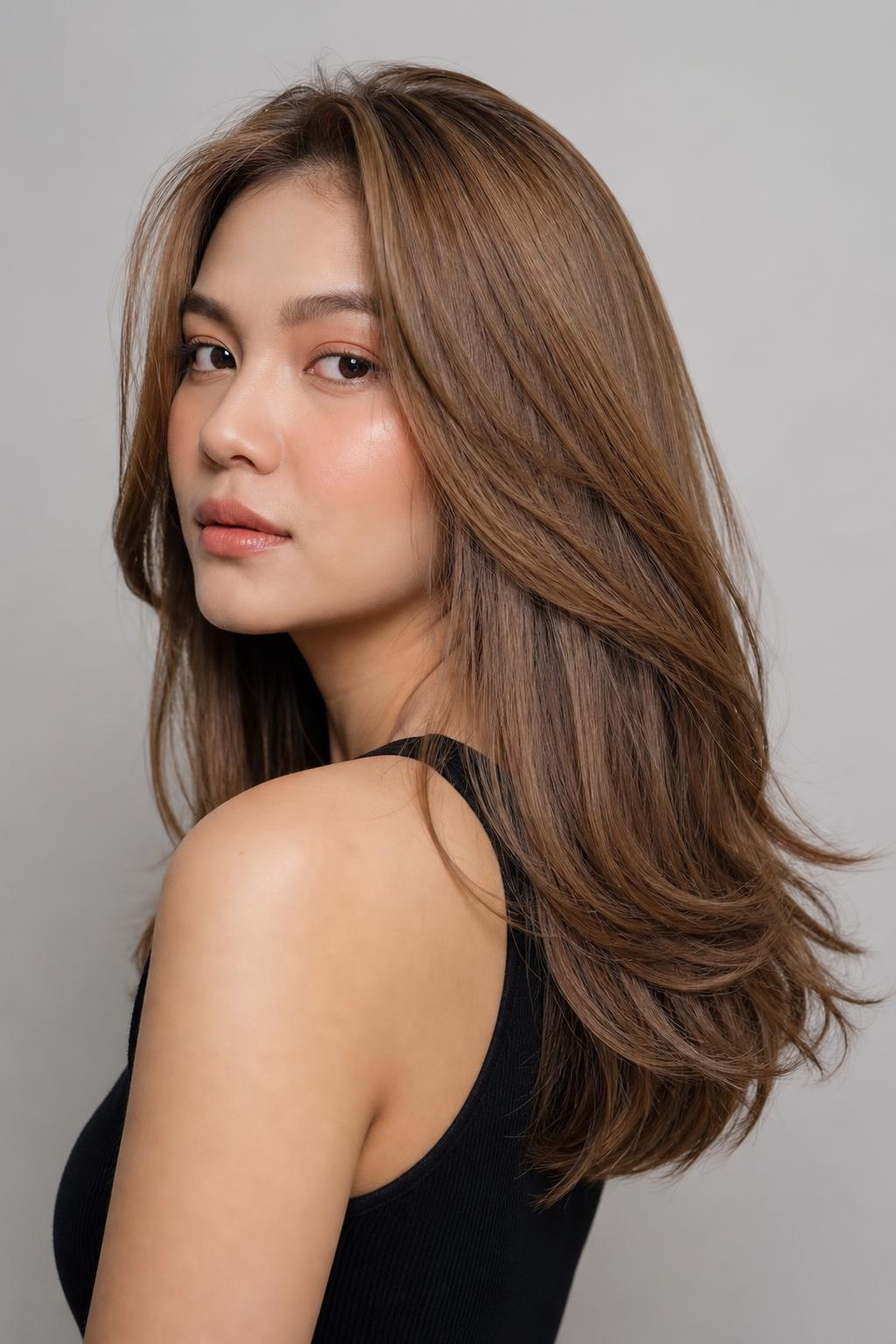
12. Milk Tea Bob
A blunt or soft bob in milk tea brown reads polished and modern, with the cool tone keeping a short cut from looking heavy. The shade suits the clean lines of a bob, since there is nowhere for brassiness to hide. A gloss keeps the ends from dulling.
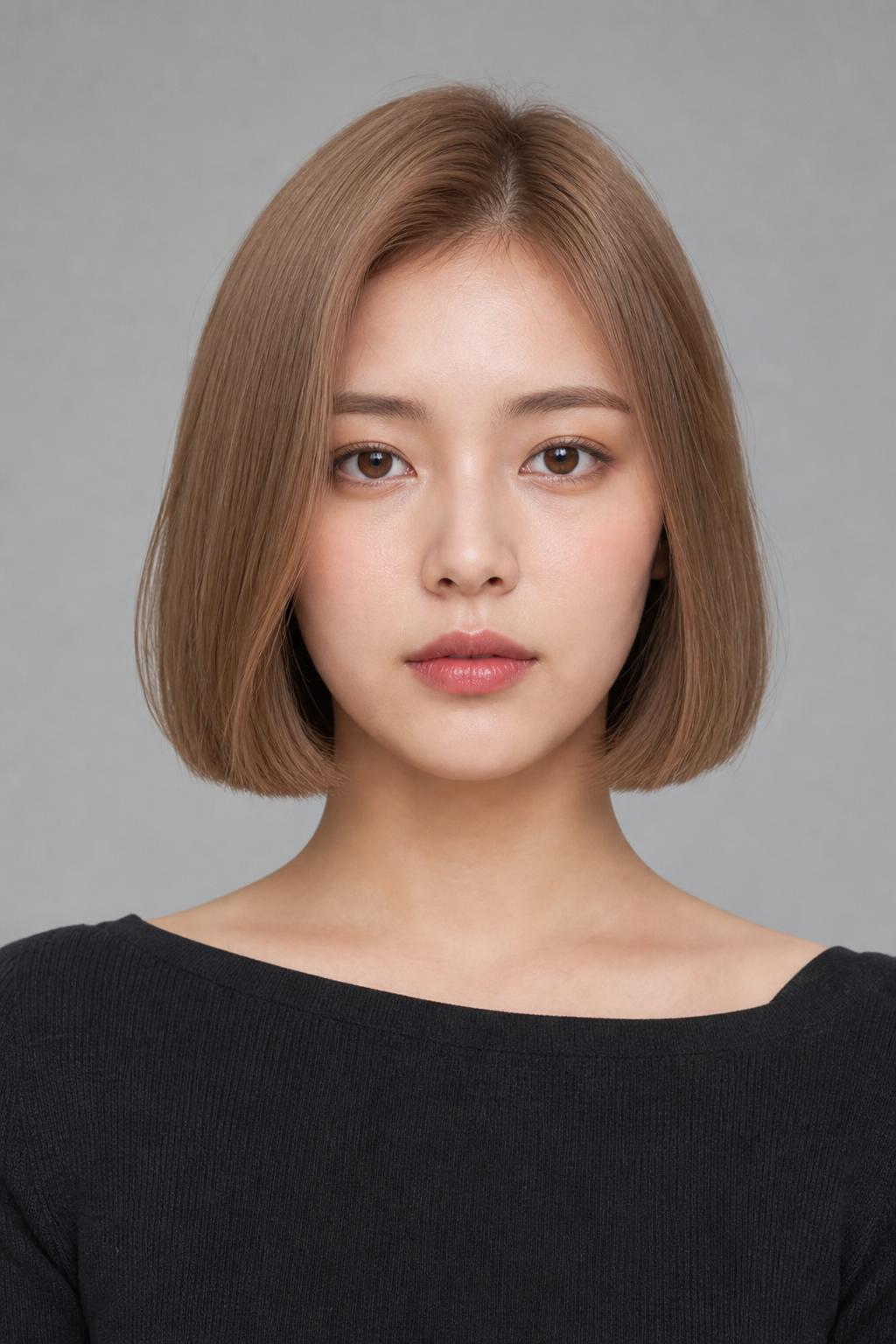
13. Milk Tea With Curtain Bangs
Soft curtain bangs framing the face show off the creamy tone right where the eye lands. The low-contrast color keeps the bangs looking gentle rather than blocky. It is a flattering pairing for nearly every face shape.
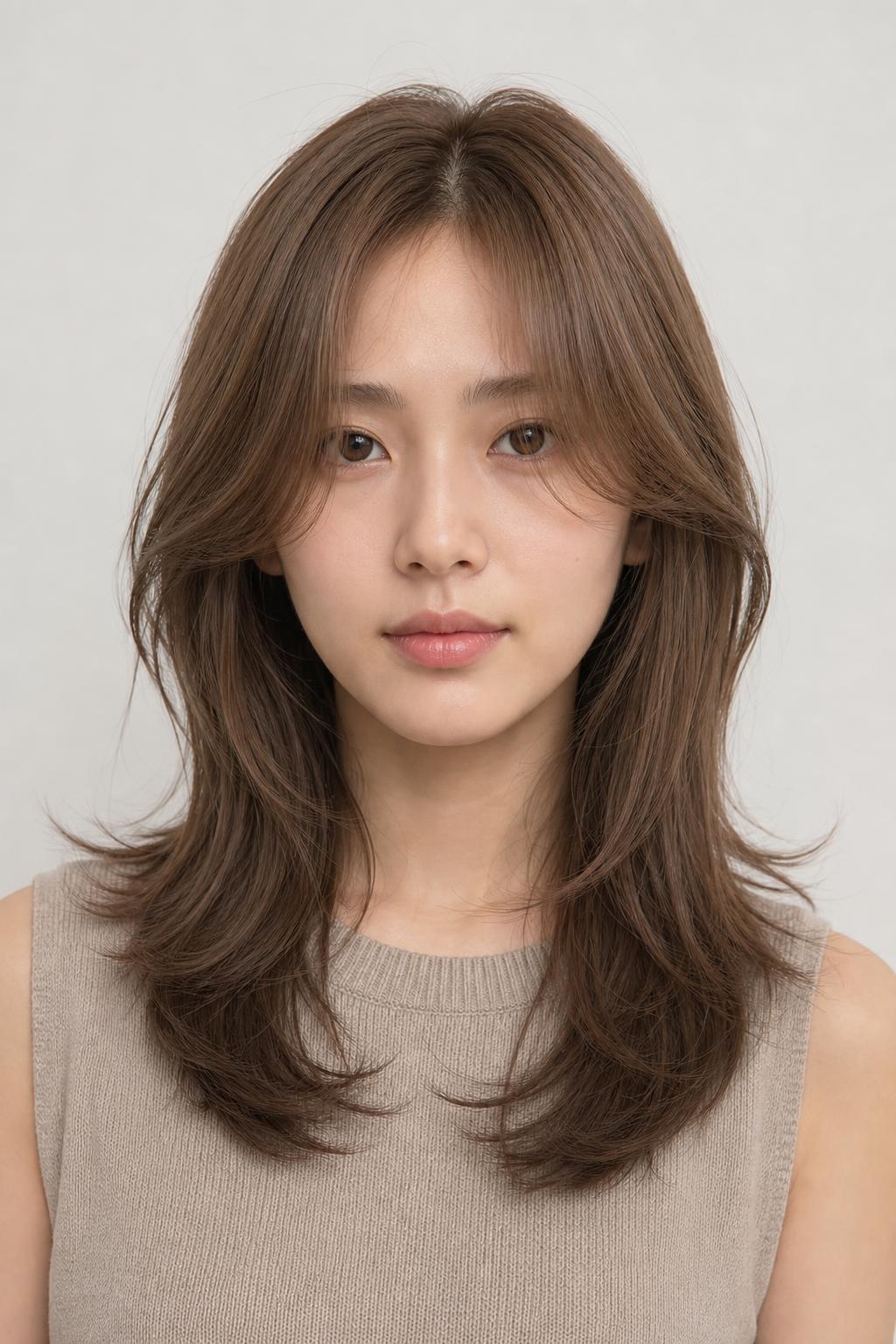
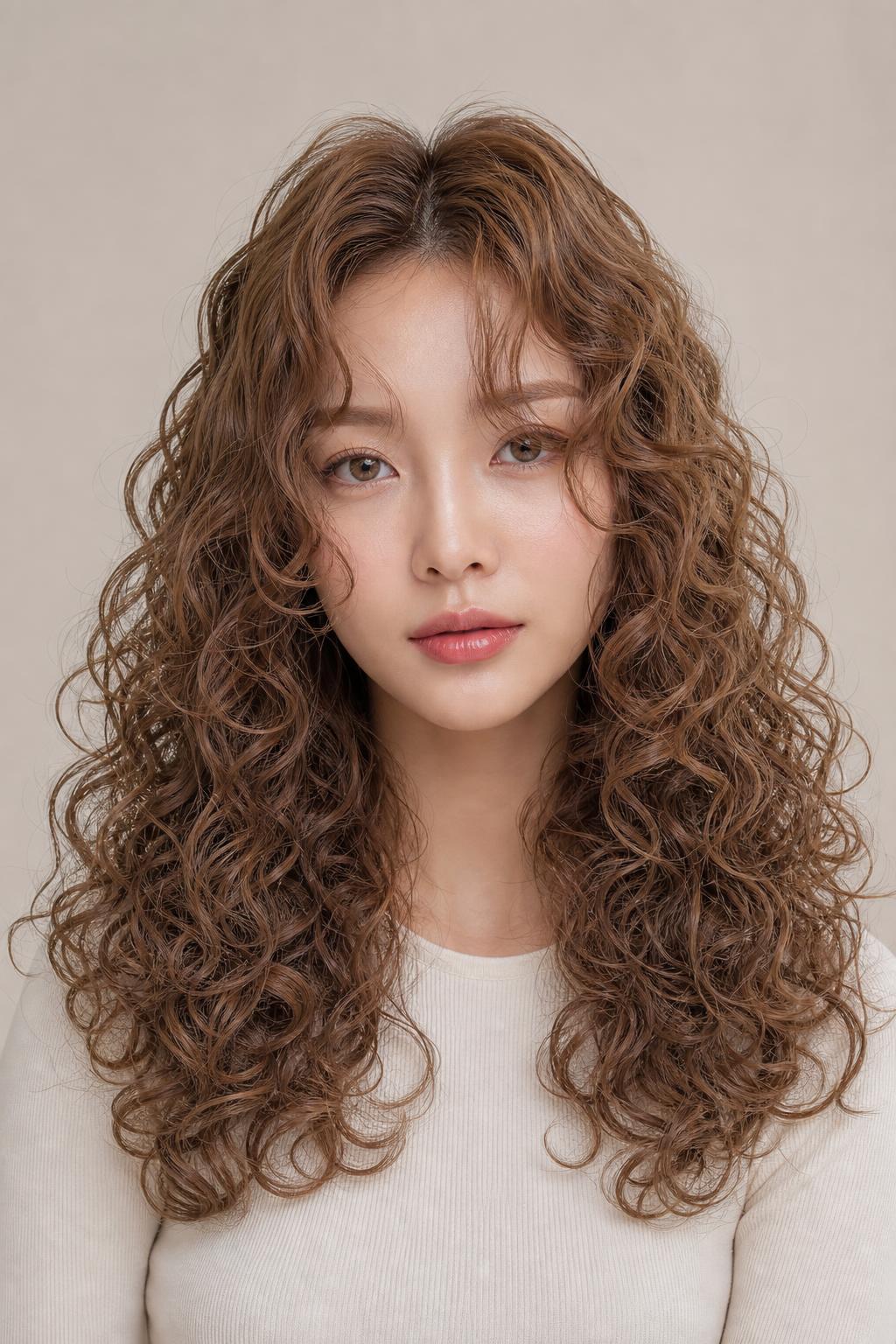
14. Milk Tea on Curly Hair
On curls, the muted brown softens the depth of the texture without flattening definition. A glossy toner keeps each curl reflecting light evenly. Curly hair often pulls warm when lifted, so factor in extra toning to hold the milky finish.
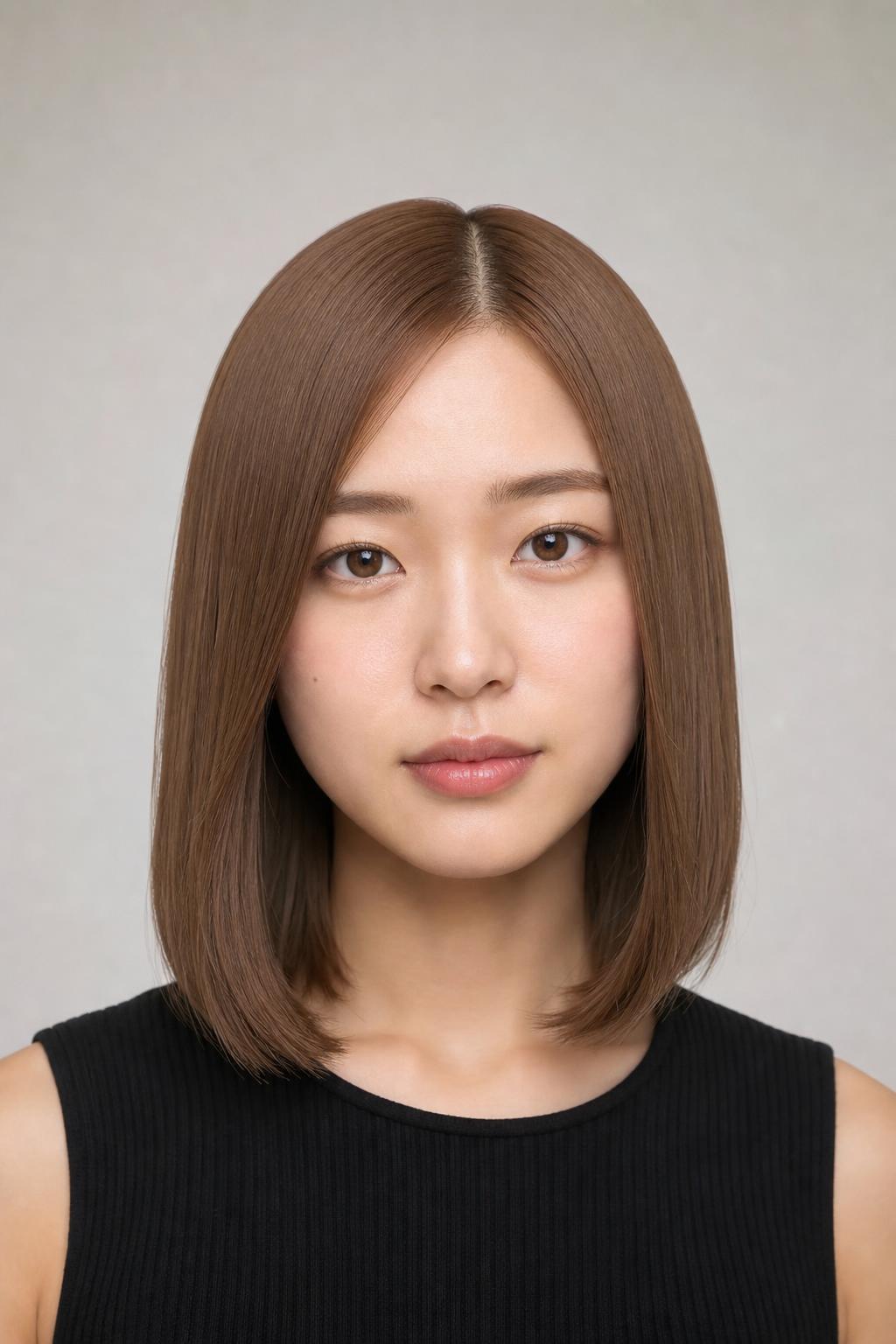
15. Sleek Straight Milk Tea
Poker-straight hair shows the color at its purest, with the cool tone reading almost like silk under light. Any unevenness shows clearly here, so the application needs to be precise. A smoothing treatment keeps the finish glassy.
Milk Tea Brown Coloring Techniques
How the color is applied changes how it grows out and how much you visit the salon. Some techniques keep the tone uniform, others build soft dimension. Match the method to how much maintenance you want to take on.
16. All-Over Milk Tea Tone
A single-process application coats every strand in the same soft tone for a clean, uniform finish. It gives the most true-to-photo result but shows regrowth at the root sooner. This suits anyone who wants the color exactly as pictured.
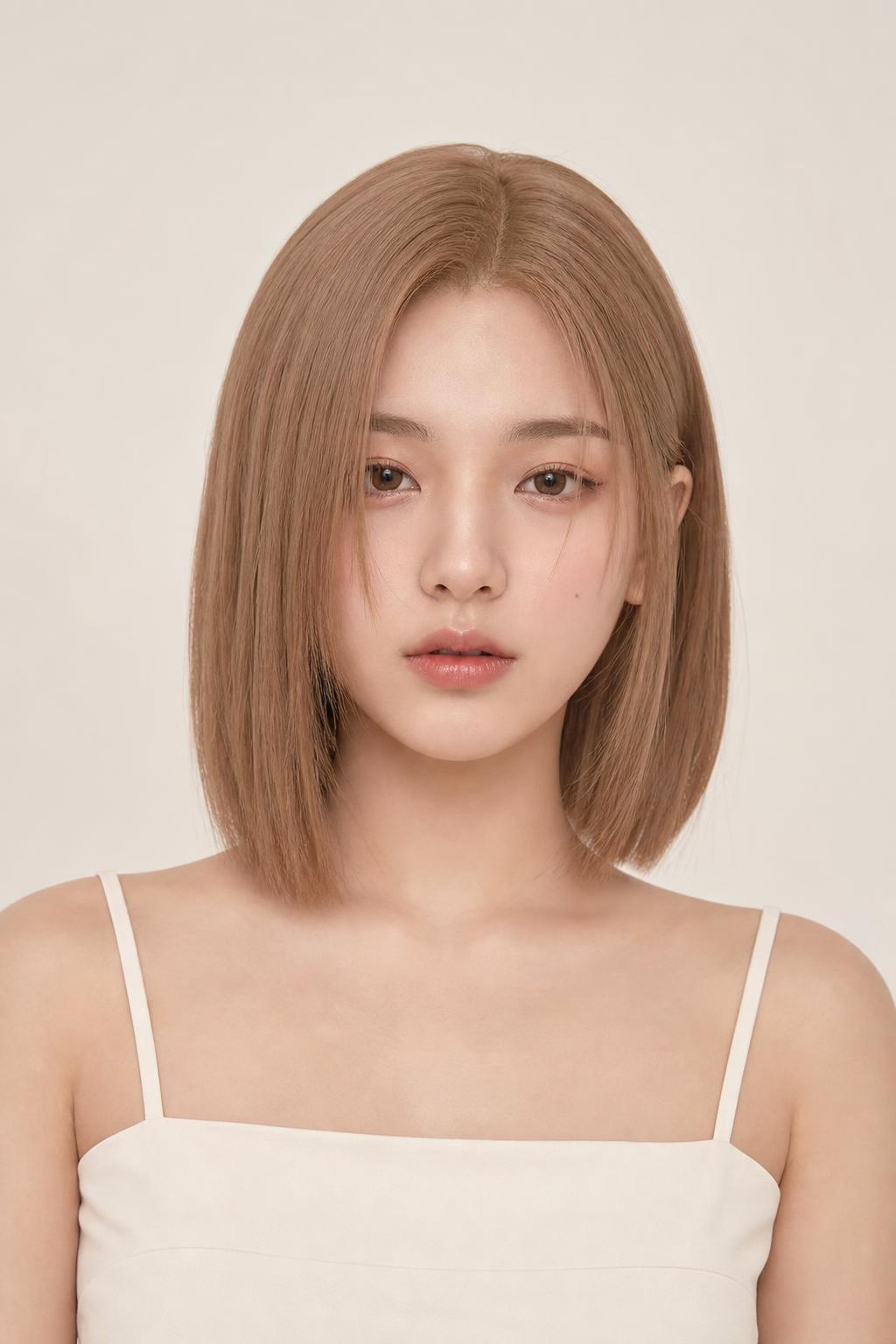
17. Milk Tea Balayage
Hand-painted balayage keeps the root soft and builds the milky tone toward the ends, so grow-out stays gentle. The low-contrast nature of the shade makes balayage especially seamless here. It is the lowest-maintenance way to wear the color.
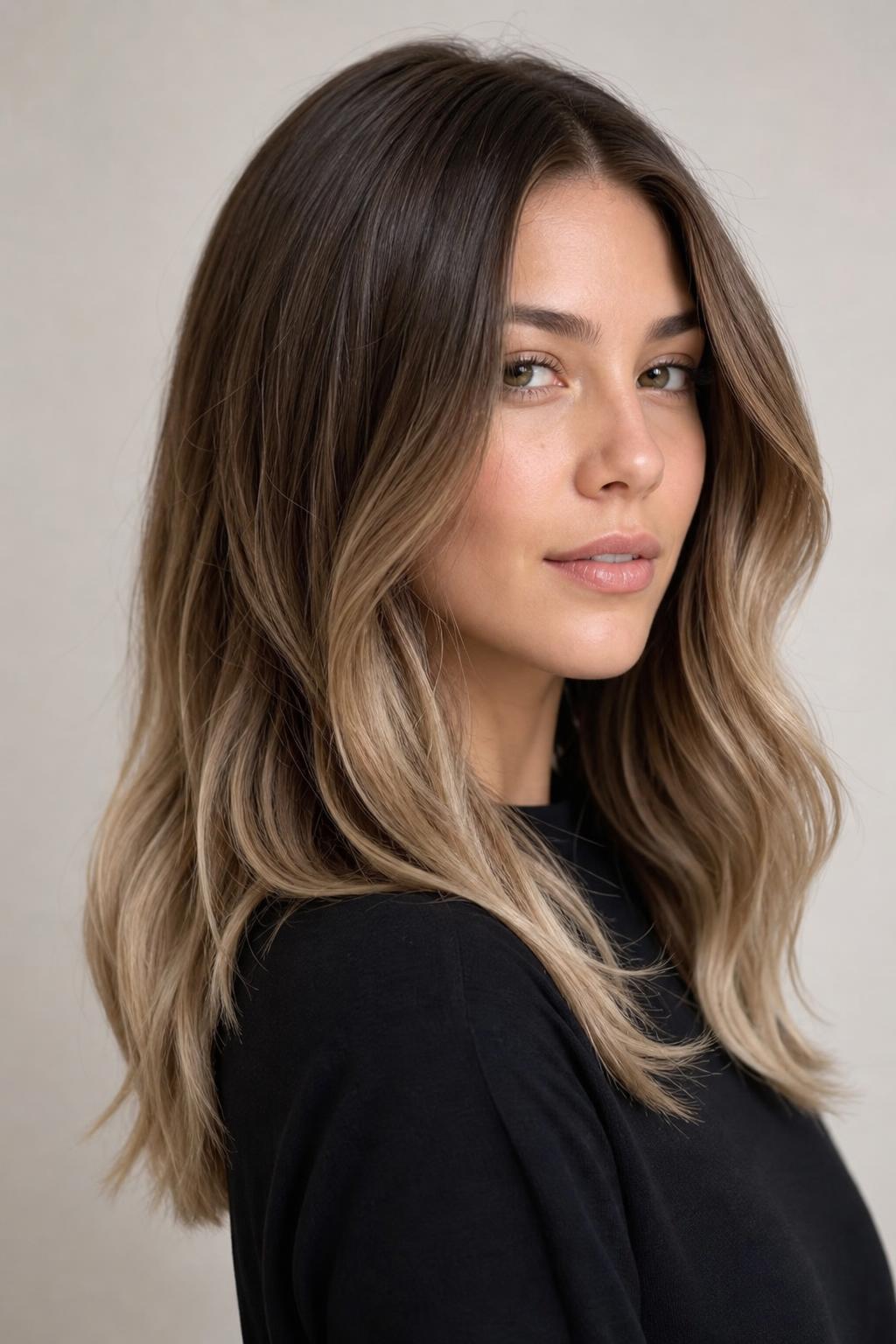
18. Milk Tea Root Melt
Melting a slightly deeper root into the lighter milk tea length blurs regrowth and adds soft depth. The gradient suits the hazy character of the shade. It buys extra weeks between root touch-ups.
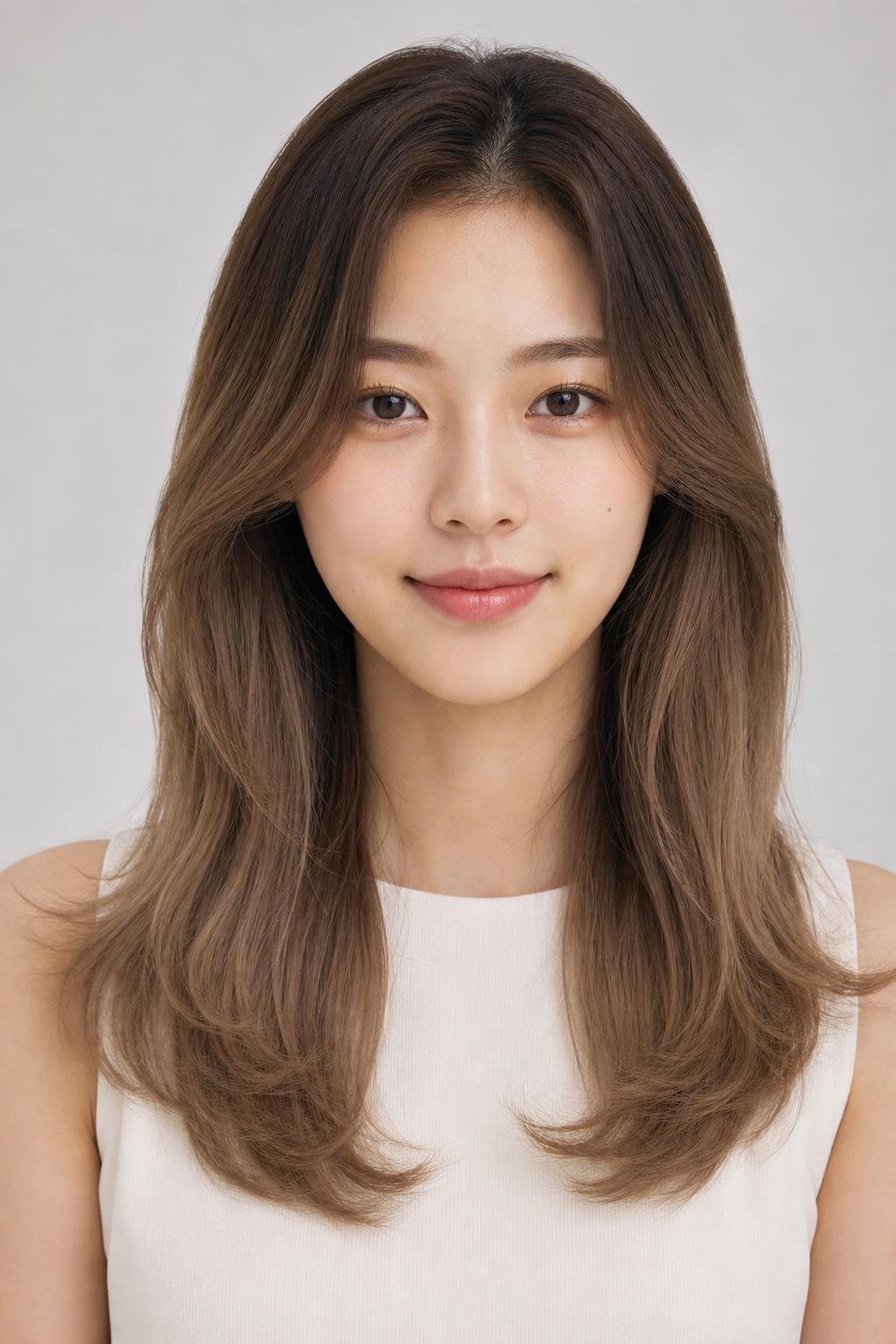
19. Milk Tea Money Piece
Brightening the front face-framing pieces a touch lighter than the base draws the eye and frames the face. The accent stays subtle because the whole palette is muted. For more on this placement, the face-framing highlights guide covers how to keep it soft.
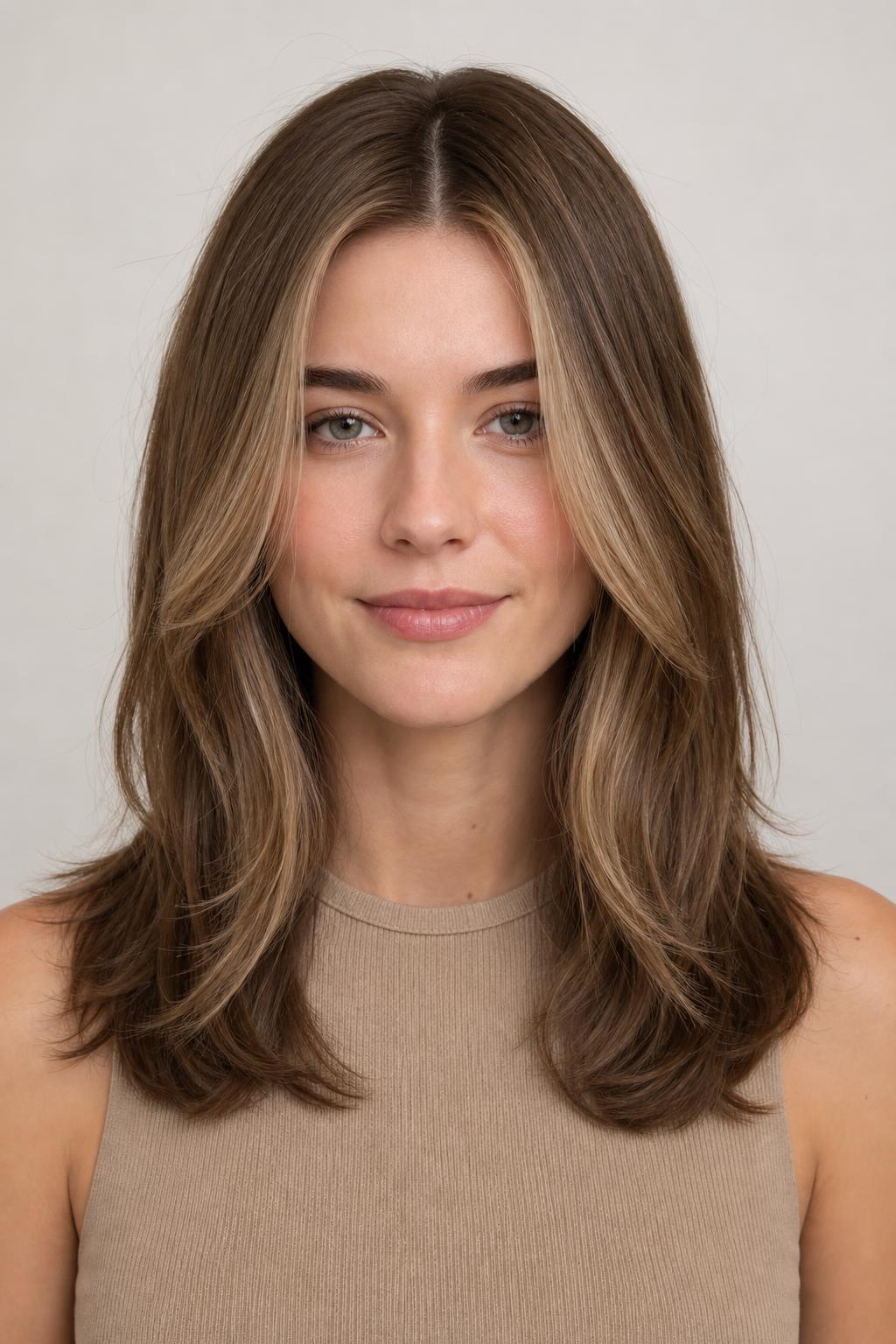
20. Milk Tea Babylights
Ultra-fine babylights add the faintest dimension while keeping the overall tone uniform. The effect reads as natural light rather than highlights. It is a refined option for anyone who wants depth without visible contrast, much like the soft blends in a caramel highlights approach but cooled down.
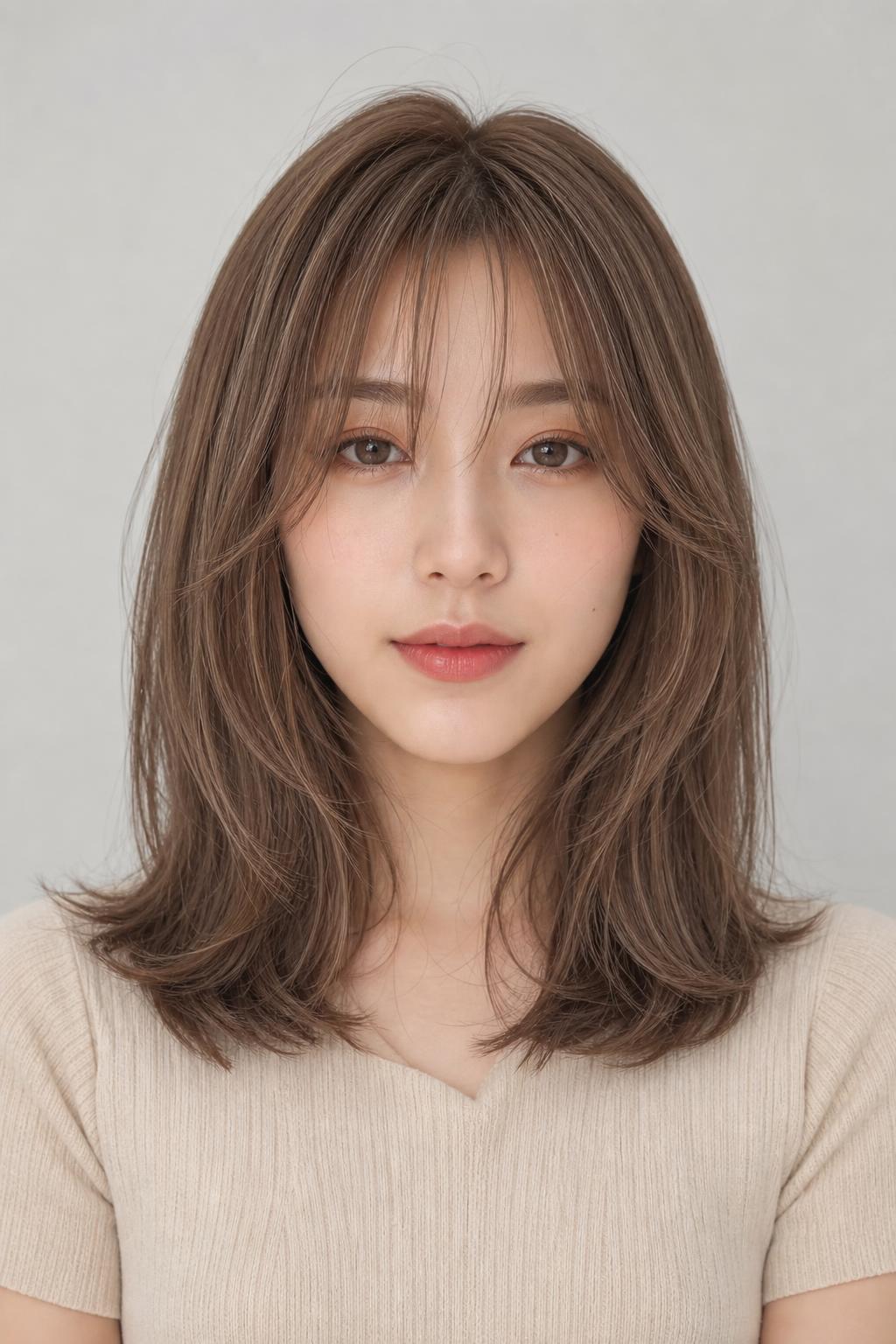
Maintaining Milk Tea Brown
This is a toned shade, which means it fades on a schedule and needs a plan to stay milky rather than brassy. The cool and beige tones lift out first, exposing the warmth underneath. Building a simple home routine keeps the color true between salon visits.
21. Purple and Blue Toning Shampoo
A toning shampoo used once or twice a week neutralizes the gold and orange that creep back as the color fades. Purple counters yellow on lighter versions, while blue counters orange on deeper ones. Leave it on a few minutes for the tone to take.
22. Gloss Refresh Every Few Weeks
A salon or at-home gloss re-lays the soft tone and restores shine without lifting the base. Most people need a refresh every four to six weeks to keep the milky finish. It is the single most effective way to extend the color.
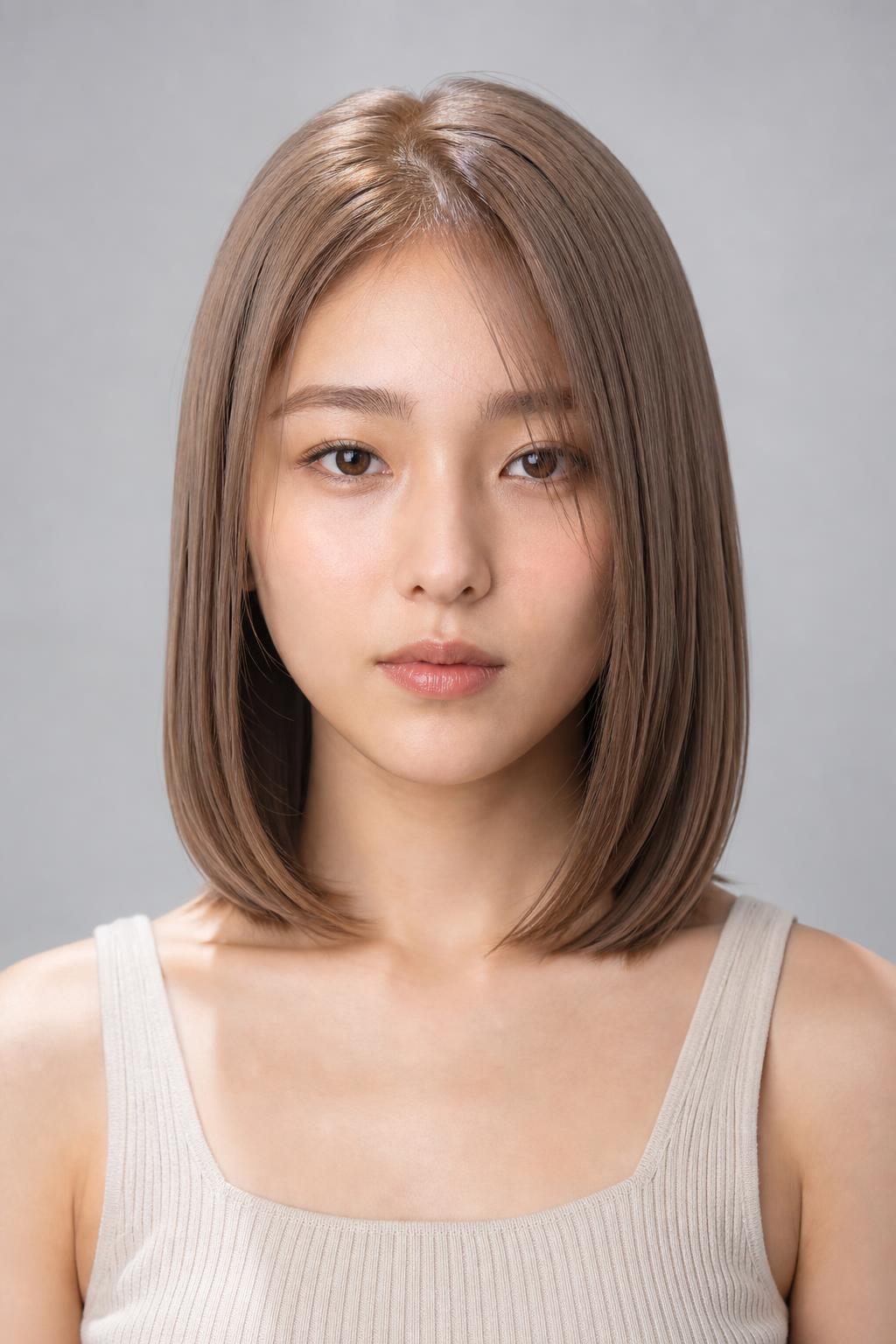
23. Heat Protection and Low Wash Frequency
Washing less often and using heat protectant slows fade and keeps the cuticle smooth so the tone reflects evenly. Hot water and frequent washing strip toner fastest. Cooler rinses help the color last.
24. Bond Treatments for Lifted Hair
Because the shade requires lifting, a weekly bond or protein treatment keeps lightened hair strong and the ends from looking dry. Healthy hair holds tone better and reflects more light. This matters most on the lighter beige blonde versions.
25. Root Touch-Up Timing
Plan a root touch-up every six to eight weeks for all-over color, or stretch to three months with balayage. Watching your regrowth tells you which technique fits your schedule. The softer the grow-out, the longer you can wait.
What to Tell Your Colorist
Milk tea brown is a toned color, so the words you use about warmth decide whether you walk out with the shade you wanted. Vague requests like just a light brown often come back too warm. Be specific about the undertone.
Start by naming the variation: classic neutral, ashy, warm caramel, or beige blonde. Say clearly whether you want to avoid warmth or keep a little, since this is the choice that defines the result. Bring two or three reference photos in natural light, and point out exactly which tone you mean, because milk tea brown looks different under every screen.
Stylist tip: Ask your colorist what level your natural hair is and how much lifting the shade will need. Darker natural hair may need more than one session to reach a true milk tea without going brassy.
Mention any previous color, especially old highlights or box dye, since they affect how evenly the new tone takes. Ask whether a gloss or a permanent color suits your goal, and request a toner recommendation for home so you can hold the shade between visits.
Stylist tip: If you are unsure between cool and warm, ask for a neutral milk tea first. You can always cool it down at the next gloss, but correcting an over-ashy result takes longer.
When Milk Tea Brown Is Not the Right Choice
Milk tea brown asks for lifting and toning, so it is not a low-maintenance color despite its soft, natural look. If you want a shade you can color once and forget, a tone closer to your natural depth will fade far more gracefully than this lifted, toned finish.
It also fades toward warmth, which means anyone unwilling to use toning products or visit the salon for glosses will watch the milky cast turn brassy within weeks. Very dark or coarse hair can be hard to lift cleanly to this level without several sessions, and the cost adds up. If your hair is already damaged from previous lightening, building strength back should come before another round of lifting. In those cases, a richer brunette or a warm bronde blend gives a similar softness with less upkeep.
Frequently Asked Questions
What is milk tea brown hair?
Milk tea brown is a soft, light-to-medium brown with cool grey and beige undertones that mute the usual warmth of brunette. It is lifted a few levels from a natural base and then toned to cancel brassiness, giving the hazy, milky finish the shade is named for. The look became popular through K-beauty and Korean hair trends.
Is milk tea brown warm or cool?
It sits on the cool-to-neutral side, though it keeps a touch of creamy softness so it never looks stark or grey-blue. Colorists can push it warmer or cooler depending on your skin tone. The classic version stays neutral, balancing beige and brown.
How much maintenance does milk tea brown need?
Plan on a toning shampoo once or twice a week and a gloss refresh every four to six weeks to keep it from going brassy. Root touch-ups run every six to eight weeks for all-over color, or longer with balayage. It is a toned shade, so some upkeep is part of the deal.
Will milk tea brown work on dark hair?
It can, but very dark hair usually needs lifting over one or more sessions to reach the level without exposing too much warmth. A colorist will assess your natural level first. Expect a bigger commitment than someone starting from a lighter base.
What skin tones does milk tea brown suit?
Nearly all of them, as long as the undertone is matched to your skin. Cool skin pairs with the ashy version, warm and olive skin with the caramel version, and neutral skin with the classic balance. Getting the undertone right is what makes it flattering.
How is milk tea brown different from ash brown?
Ash brown leans fully cool and can read grey or smoky, while milk tea brown keeps a sheer creamy warmth that softens the cool tone. Milk tea reads milkier and a touch lighter, where ash reads cooler and flatter. The difference is in that hint of beige warmth.
Milk tea brown earns its place as a soft, modern take on brunette by trading brassiness for a hazy, milky finish that suits almost any skin tone when the undertone is matched well. Pick the variation that fits your complexion, commit to the toning routine that keeps it cool, and bring clear reference photos to your colorist, since this shade depends entirely on tone. For warmer alternatives that fade more gently, the honey blonde palette is worth a look.
This article is for inspiration and general guidance only. Results vary based on individual hair type, starting color, and condition. Consult a professional colorist before lifting or coloring your hair.