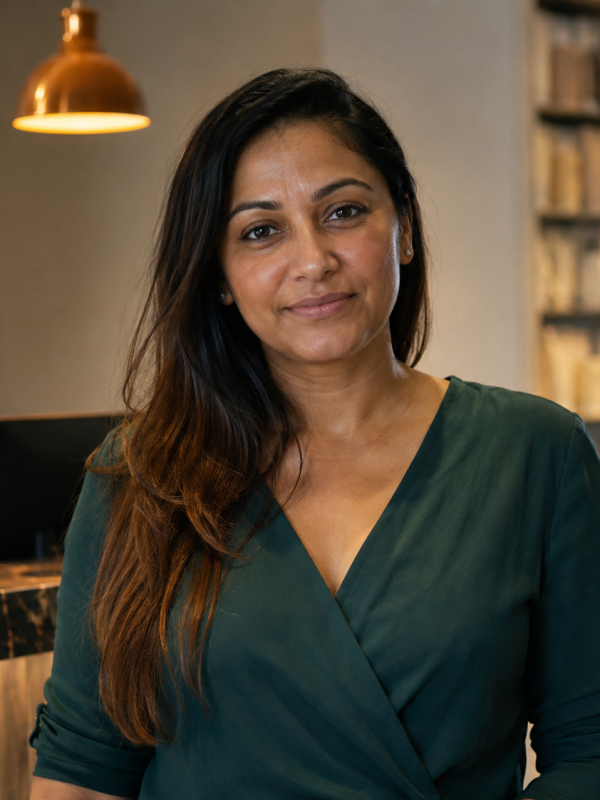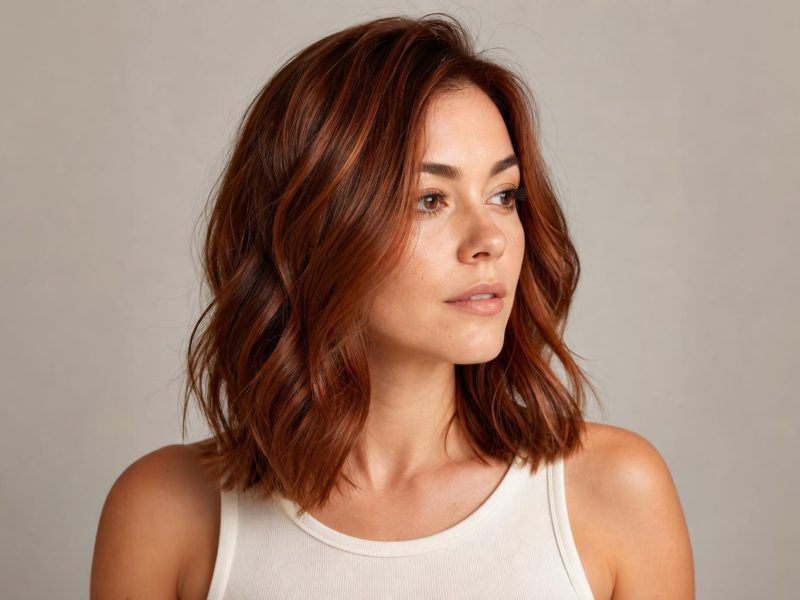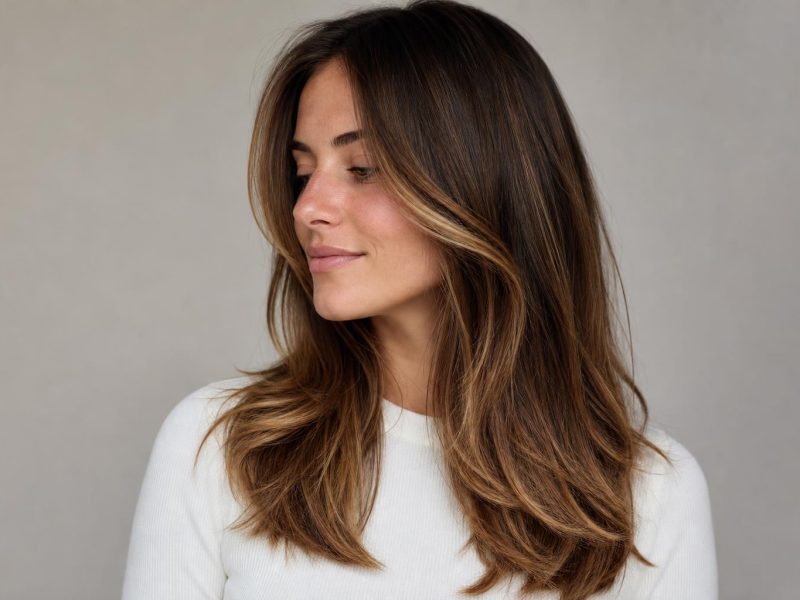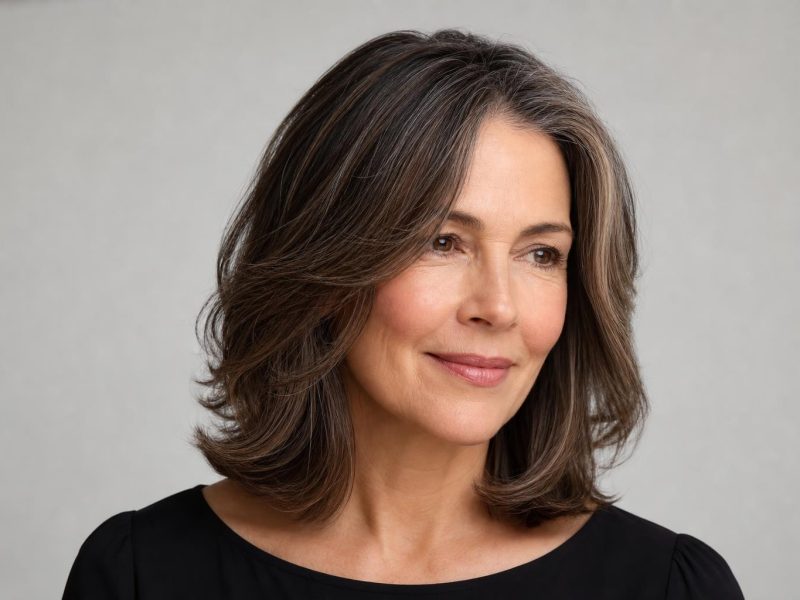

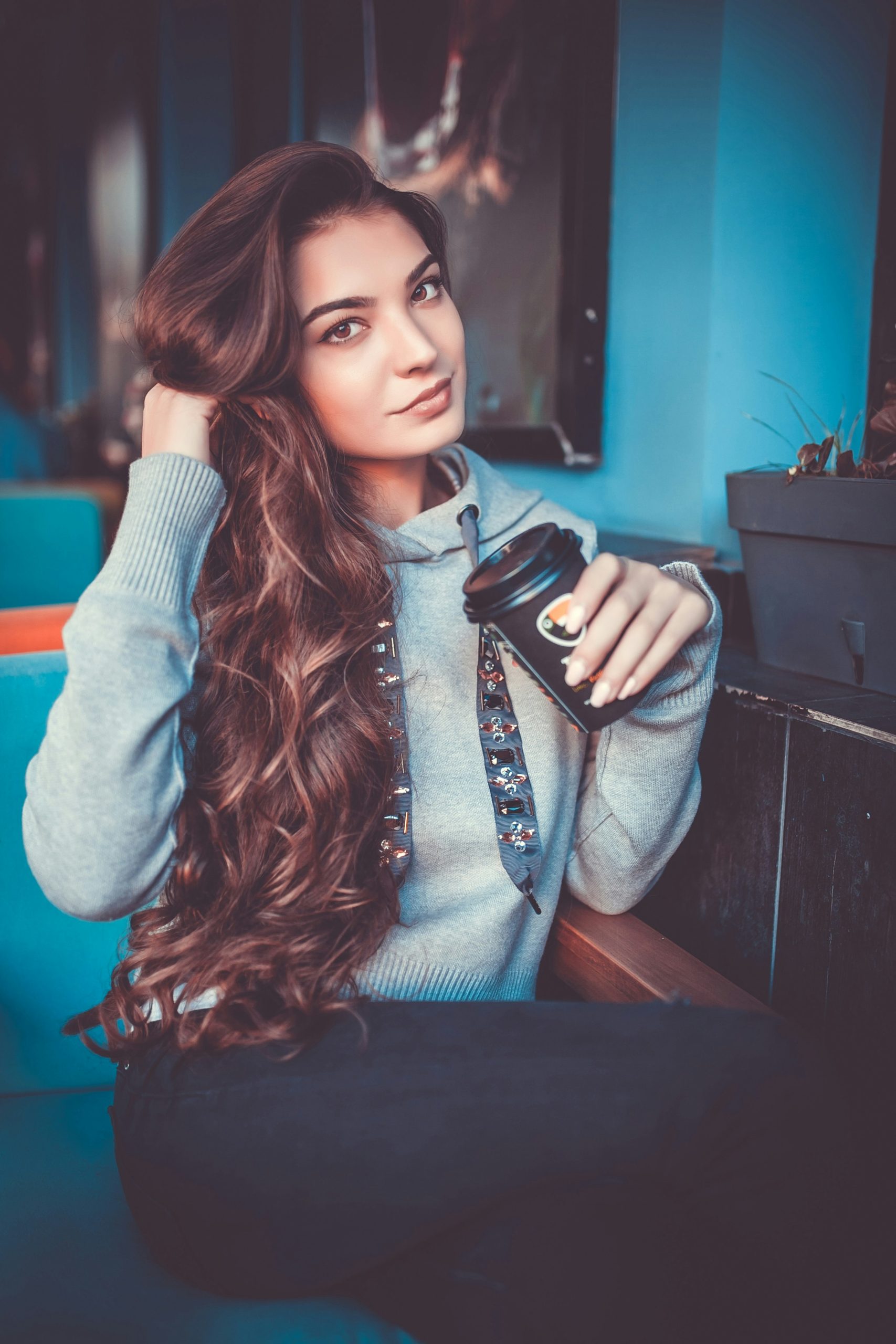
Caramel highlights weave warm, golden-brown ribbons through darker hair to add dimension and a soft, sun-kissed glow, and they read differently on brown, dark brown, and black bases.
Caramel highlights sit in the warm middle of the brown family, lighter and golder than the base but never as bright as blonde, which is what gives them their natural, lived-in warmth. They flatter warm and neutral skin tones and work on brown, dark brown, and black hair, with the contrast shifting from subtle to bold depending on the base. Here are 30 caramel highlight ideas sorted by base color and technique, each with notes on who they suit and how to keep the warmth rich without going brassy.
The collection runs from caramel on medium brown hair through dark brown and black bases, then into balayage, face-framing, and texture-specific looks. After the gallery you will find a base-color guide, the words to give your colorist, a realistic maintenance plan, and an honest section on when caramel highlights are the wrong choice.
| Factor | Details |
|---|---|
| Best for | Warm and neutral skin tones; brown, dark brown, and black base hair |
| Maintenance | Touch-up every 10 to 14 weeks for balayage; gloss every 6 to 8 weeks |
| Keeps warmth rich with | A gloss and a color-safe, sulfate-free routine; avoid over-toning cool |
| Works with | Balayage, foils, babylights, face-framing, ombre, curly and straight hair |
| Avoid if | You have cool, pink-toned skin that warm gold tends to overwhelm |
Caramel Highlights on Brown Hair
On a medium brown base, caramel highlights blend softly because the base and the highlight sit close in depth, giving warmth and dimension without harsh contrast. This is the most natural-looking starting point and the easiest grow-out. The looks here suit anyone who wants a sun-kissed lift rather than a dramatic change.
1. Soft Caramel Balayage on Light Brown
Hand-painted caramel through a light brown base gives a gentle, sun-grown effect that brightens the lengths and keeps the root natural, a softer cousin of a richer chocolate brown. Because the root stays dark, regrowth is soft and salon visits stretch out. It is the easiest entry point into caramel for a light brunette.
2. Caramel Highlights for Round Faces
Placing the brightest caramel pieces from the cheekbone down draws the eye vertically, which lengthens and slims a round face. Keep the crown and root deeper so the contrast stays low up top. A colorist who paints with the face in mind shapes your features with placement alone.
3. Chunky Caramel Highlights
Bolder, chunkier caramel pieces give a higher-contrast, statement look that reads more defined than fine highlights. The thicker ribbons show clearly against the brown base. This is the version to ask for if your last subtle highlights barely showed.
4. Caramel Babylights on Brown
Ultra-fine babylights weave caramel so finely that the result looks like natural lightness rather than applied color. The fineness keeps the grow-out seamless. They suit anyone who wants warmth so subtle it reads as genetics.
5. Caramel and Honey Blend
Layering caramel with slightly lighter honey pieces builds a warm, multi-tonal brown with real depth and glow. The two warm tones read as natural variation rather than a single processed color. Warm and neutral skin suits this golden-on-golden blend best.
6. Caramel Highlights on Wavy Brown Hair
Waves and caramel are a natural match because the bends in the hair show the lighter ribbons in turns as the light moves. Air-dried waves play up the dimension with no heat needed. A texture spray defines the waves and makes the caramel pop.
7. Caramel Highlights Versus Full Balayage
Unlike a full balayage that lightens broadly across the surface, woven caramel highlights keep more of the brown base for a more dimensional, lower-commitment result. Choose highlights for subtle warmth and balayage for an overall brighter finish. Highlights also grow out with a softer line.
Caramel Highlights on Dark Brown Hair
On a dark brown base, caramel highlights create richer contrast and a warm, golden shimmer that lights up the whole head. The deeper base makes the caramel read as a glow rather than blonde. These looks suit anyone who wants dimension without lightening their natural depth all over.
8. Caramel Balayage on Dark Brown
Hand-painted caramel over dark brown gives a seamless, dimensional finish that shimmers as the hair moves. The dark root keeps the grow-out forgiving and stretches the time between visits. It is the most-requested caramel look for a deep brunette base.
9. Face-Framing Caramel on Dark Brown
Brightening the pieces around the face with caramel sets the front aglow and draws the eye to your features. The face frame is the cheapest way to refresh the color since the colorist only touches the front. It instantly warms up a dark brown base.
10. Caramel Ombre on Dark Brown
Blending a dark brown root into caramel ends gives a soft gradient that keeps depth up top and warmth at the bottom. The seamless melt suits anyone who wants the gentlest grow-out. It reads modern and low-maintenance at the same time.
11. Caramel Highlights for Square Faces
Softening caramel highlights around the jaw and temples adds light and movement that breaks up a strong square jawline. Pair the placement with a few face-framing pieces for the most flattering effect. The goal is to soften angles with warmth rather than add contrast.
12. Dark Brown with Caramel Money Piece
A bold caramel money piece on either side of the part frames the face and gives dark brown an instant focal point. The chunky front pieces refresh the look between full appointments. It suits anyone who wants the color to brighten the face directly.
13. Caramel Highlights on Straight Dark Brown
Straight dark brown hair shows caramel highlights as clean, defined ribbons since there is no curl to break the line. Keep the placement varied so the ribbons read natural rather than striped. A gloss adds shine that makes the caramel look richer.
14. Caramel Balayage Versus Foils on Dark Brown
Unlike foils that lift evenly from the root for uniform brightness, caramel balayage concentrates warmth on the surface and ends for a softer, sun-grown effect. Choose balayage for low upkeep and natural placement, foils for even, all-over dimension. Balayage is the kinder choice for stretching out salon visits.
Caramel Highlights on Black Hair
On a black base, caramel highlights add the boldest warmth and a posh, sun-kissed depth, with the contrast reading striking against the dark hair. Lifting black hair to caramel takes care to protect the strands, so technique matters. These looks suit anyone who wants rich dimension on naturally black hair.
15. Caramel Balayage on Black Hair
Hand-painted caramel over black hair dances with dimension as the light catches the warm ribbons. The colorist places the lift through the lengths rather than the root so the grow-out stays soft. It gives black hair a warm, sunlit depth without going fully light.
16. Dark Caramel Highlights on Black Hair
Keeping the highlights a deeper, dark caramel rather than light gives warmth and dimension while staying close to the natural base. The low contrast reads rich and subtle. It is the gentlest way to add warmth to black hair without a dramatic change.
17. Caramel Highlights on Curly Black Hair
Curly black hair shows caramel beautifully because each curl catches the light at a different angle, multiplying the dimension. Curls run dry, so a bond treatment during the lift protects the curl pattern. Keep the root deep so new growth on curly hair stays forgiving.
18. Caramel Face-Framing on Black Hair
Setting caramel pieces around the face lights up the frame and warms the complexion against a black base. The front placement is easy to maintain and refresh. It draws the eye to your features with a soft, sun-kissed glow.
19. Caramel Highlights on Black Hair for Deep Skin Tones
Deep skin tones with warm undertones glow against caramel highlights because the gold in the color echoes the warmth in the skin. Keep the caramel on the richer, deeper side rather than pale, which can look ashy. A warm gloss keeps the tone luminous.
20. Caramel Highlights Versus Honey on Black Hair
Unlike honey, which lifts lighter and brighter, caramel stays deeper and browner for a richer, more subtle warmth against black hair. Choose caramel for a low-contrast glow and honey blonde for a brighter lift. The two blend well for a multi-tonal result.
Caramel Highlight Techniques and Styles
Beyond the base color, the technique and placement shape how caramel reads, from fine babylights to bold chunky pieces. This section covers methods and texture-specific looks across all bases. Treat them as the most varied end of the caramel range.
21. Caramel Sombre for Subtle Warmth
A sombre, a soft and subtle ombre, melts caramel gradually from a deeper root to warmer ends with almost no visible transition. It is even lower contrast than balayage, which suits the gentlest grow-out. The gradual melt keeps the warmth looking effortless.
22. Caramel Highlights with Lowlights
Weaving deeper lowlights alongside caramel highlights restores depth and stops the color from looking flat or washed out. The mix of light and dark reads as natural dimension. It also makes fine hair look fuller.
23. Caramel Highlights on Fine Hair
Fine hair looks thicker with caramel highlights because the painted pieces create the illusion of depth and movement that flat single-color lacks. Keep the contrast soft so the lighter pieces do not expose the scalp. A root-shadow finish adds the look of density up top.
24. Caramel Highlights on Coily Hair
Coily hair shows caramel as warm flashes through the dense curl pattern, adding dimension to the texture. A bond treatment during the lift keeps the coils from drying out. A rich leave-in keeps the curl springy and the color shiny.
25. Chunky Caramel Streaks
Bold caramel streaks placed for a high-contrast, Y2K-inspired look read as a statement rather than a subtle blend. Keep the streaks intentional and varied so they look styled, not dated. A gloss keeps the streaks rich and shiny.
26. Caramel Highlights with a Root Shadow
Adding a soft root shadow over caramel highlights blends the regrowth line and gives the color a lived-in depth at the top. The shadow buys weeks of extra wear before the roots demand attention. It is the detail that separates a salon look from a box-color one.
27. Caramel Balayage on Long Hair
Long hair gives caramel balayage the most room to show its gradient, with the warmth building from the mid-lengths to the ends. The length lets the colorist place dimension that moves as the hair does. Air-dried waves show the melt at its best.
28. Warm Caramel for Olive Skin
Olive and warm complexions glow against caramel highlights because the gold echoes the warmth in the skin. Keep the tone on the richer, golden side rather than pale, which can look ashy on olive skin. A face-framing piece a touch brighter lifts the whole look.
29. Caramel Highlights Grown into Bronde
Caramel highlights that grow out for a few months naturally settle into a warm bronde, part of why the look is so low-maintenance. Many people let the color shift through the seasons on purpose. A gloss every couple of months keeps the grown-out version intentional.
30. Caramel Highlights with a Copper Tilt
Tilting caramel toward copper gives the warmest, boldest version, a striking choice for fall and for warm skin that carries rich color. Copper fades fastest of the warm tones, so a depositing conditioner keeps it alive between visits. Keep the root deeper so the bright ends stay the focus.
Choosing Caramel Highlights by Base Color and Skin Tone
The same caramel reads differently depending on your base depth and skin tone. A lighter base gives soft blending, while a darker base gives bolder contrast, and warm skin suits richer caramel while cooler skin needs it pulled softer. Use the table as a starting point, then confirm with your colorist.

| Base Color | Caramel Effect | Best Technique | Watch For |
|---|---|---|---|
| Light brown | Soft, blended, sun-kissed | Balayage or babylights | Too little contrast to show |
| Dark brown | Rich, golden shimmer | Balayage or face-framing | Brassiness if under-toned |
| Black | Bold, posh contrast | Dark caramel balayage | Dryness from lifting; use bond repair |
| Cool skin tone | Use softer, fewer pieces | Fine highlights, money piece | Warm gold overwhelming the face |
What to Tell Your Colorist
Bring two or three reference photos and name your base depth, how warm you want the caramel, and how much contrast you are after. Caramel covers a wide range from soft to bold, so the more specific you are, the closer the result. The consultation also sets a realistic plan if you are lifting from black hair.
Say something like: “I want caramel highlights with a warm, golden tone, placed as a balayage so they grow out softly, and I want my root kept deep.” Mention your skin tone so the colorist balances how warm to go, and say if you want face-framing pieces brighter than the rest. If your hair tends to pull orange when lightened, tell them so they tone the caramel correctly.
Stylist tip: Lifting black or very dark hair to caramel often takes more than one session to do it safely and evenly. Pushing all the lift at once risks damage and an uneven, muddy tone, so ask for a plan across two appointments with a bond treatment in between. The result is richer caramel and healthier hair than rushing it in one sitting.
Maintenance and Keeping Caramel Rich
Caramel highlights are lower-maintenance than blonde because the warm tone and dark root grow out softly, but they still need care to stay rich. A balayage can stretch to 10 to 14 weeks between touch-ups, while a gloss every 6 to 8 weeks keeps the warmth from fading flat. Budget for a gloss between full appointments to refresh the shine and tone.
At home, wash with sulfate-free, color-safe products and turn the water cooler, since hot water opens the cuticle and speeds fading. Unlike cool blondes, caramel does not need purple shampoo and can actually go dull if over-toned cool, so use a color-depositing or warm-toned conditioner instead. A weekly bond or moisture mask keeps lifted pieces from going dry, which makes any highlight look brassier than it is.
Stylist tip: Skip the purple shampoo that works for cool blondes, since it dulls caramel and can leave it looking muddy and grey. If your caramel starts to fade flat, a warm-toned gloss or a color-depositing conditioner brings the golden warmth back far better than any toning shampoo.
When Caramel Highlights Are Not the Right Choice
Caramel highlights are warm and flattering, but they are not the best call for every base or skin tone. A few honest exceptions:
- Cool or pink-toned skin: warm gold can overwhelm a cool complexion, so a cooler ashy highlight or a soft dirty blonde may flatter you more.
- Very damaged or over-processed hair: lifting for highlights adds stress, so a moisture and bond-repair plan should come before any new lightening.
- You want a true blonde brightness: caramel stays in the warm brown range, so if you want a light, bright result, a honey or bronde approach gets you closer.
FAQ
Do Caramel Highlights Work on Black Hair?
Yes, caramel highlights add bold, posh warmth and a sun-kissed depth to black hair, with the contrast reading striking against the dark base. Lifting black hair to caramel takes care, so ask for a bond treatment and possibly two sessions to protect the strands. Keeping the highlights a deeper, dark caramel gives a softer, more subtle result.
How Much Maintenance Are Caramel Highlights?
Caramel highlights are lower-maintenance than blonde because the warm tone and dark root grow out softly. A balayage can stretch 10 to 14 weeks between touch-ups, with a gloss every 6 to 8 weeks to keep the warmth rich. A color-safe, sulfate-free routine and cooler water slow fading between visits.
Will Caramel Highlights Suit My Skin Tone?
Caramel highlights flatter warm and neutral skin tones best because the gold complements the warmth in the complexion. Cool or pink-toned skin can still wear caramel with softer, fewer pieces so it does not overwhelm the face. Bring a photo of your face alongside your hair inspiration so the colorist can balance how warm to go.
What Is the Difference Between Caramel Highlights and Balayage?
Caramel is a color, while balayage is a technique, so caramel highlights can be applied with balayage, foils, or babylights. Balayage hand-paints the caramel for a soft, sun-grown placement, while foils give more even, all-over lift. Choose the technique based on how subtle and low-maintenance you want the result.
Do Caramel Highlights Damage Hair?
Caramel highlights involve lightening, which adds some stress, but they are gentler than going fully blonde because the lift is smaller, especially on brown bases. Asking for a bond treatment during the service and using a moisture mask at home keeps the hair healthy. On black hair, spreading the lift across two sessions protects the strands.
How Do I Keep Caramel Highlights from Looking Brassy?
Keep caramel rich rather than brassy with a gloss every 6 to 8 weeks and a color-safe, sulfate-free routine. Unlike cool blondes, caramel does not need purple shampoo and can go dull if over-toned cool, so use a warm or color-depositing conditioner instead. A weekly moisture mask keeps the lifted pieces from drying out and looking dull.
Caramel highlights give brown, dark brown, and black hair warmth, dimension, and a sun-kissed glow, with the base color deciding how subtle or bold the contrast reads. Bring reference photos, name your base depth and how warm you want the tone, and ask for a realistic plan if you are lifting from black hair. Caramel highlights placed and toned for your base and skin tone keep their rich warmth far longer, and you can compare them with related warm shades like honey brown hair and our full hair color collection.
Hair results vary based on your natural hair type, texture, density, and condition. Always consult with a licensed colorist before making significant changes, especially with chemical lightening or dramatic tone changes. Photos may show styled results that require professional tools and products to replicate.