

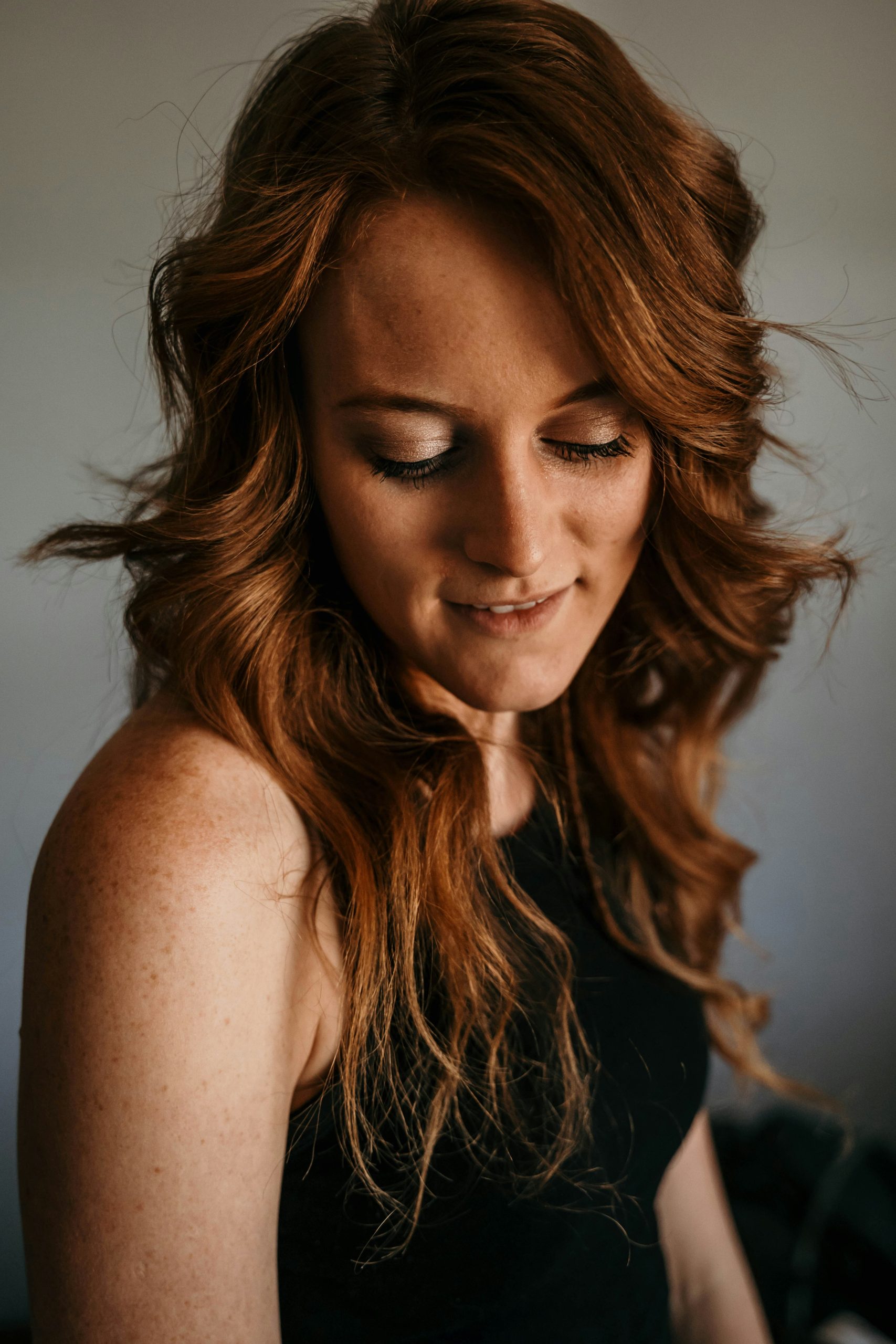

Honey brown is a warm brunette with golden undertones that sits between medium brown and caramel, giving a sunlit glow without crossing into red or blonde.
The 30 ideas below cover the full honey brown range: soft balayage, all-over color, face-framing money pieces, and dark-to-light placements, organized so you can find a version that matches your starting color and how much upkeep you want. Each entry names the technique and tone that defines it and who it flatters. Honey brown is the warmer, golden cousin of richer shades like chocolate brown, and it sits a step deeper than a true honey blonde.
After the gallery, you will find a spotlight on what separates honey brown from caramel and honey blonde, a skin-tone guide, the exact words to give your colorist, and a realistic toning and refresh schedule.
| Factor | Details |
|---|---|
| Tone | Warm golden brunette, roughly level 5 to 7, between medium brown and caramel |
| Best for | Naturally light to medium brown bases; warm, neutral, and many cool skin tones |
| Maintenance | Balayage refresh every 8 to 12 weeks; gloss or toner every 4 to 6 weeks |
| Main concern | Brassiness as the warmth shifts; managed with a gloss, not purple shampoo |
| Avoid if | You want an ashy, cool-toned result; honey brown is warm by definition |
Honey Brown Balayage and Highlights
Balayage and highlights are the most popular way to wear honey brown because they keep the roots low-maintenance while adding golden brightness through the mid-lengths and ends. The hand-painted approach grows out softly with no harsh line. These eight entries cover the painted and foiled options.
1. Classic Honey Brown Balayage
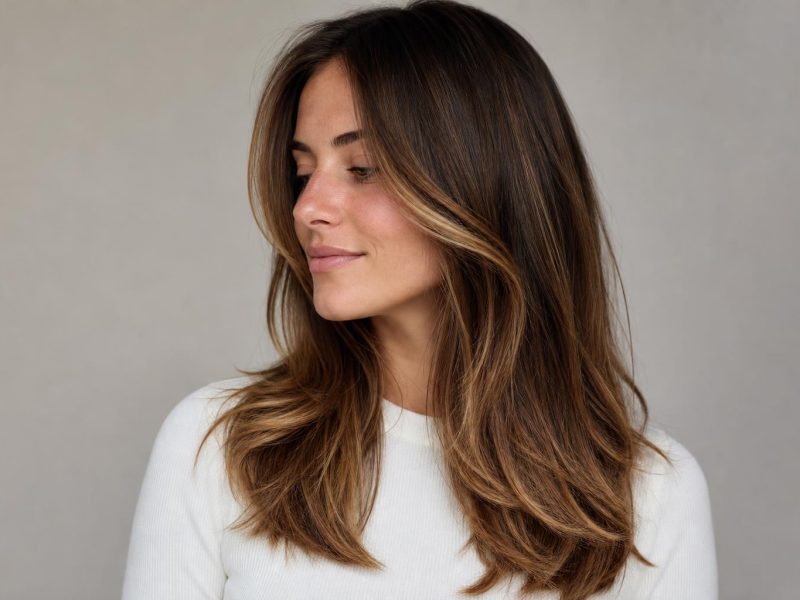
Hand-painted honey highlights swept through the mid-lengths and ends over a warm brown base give the signature sunlit look with minimal root upkeep. The balayage placement keeps brightness where the light naturally hits, so it reads dimensional rather than flat. Because the roots stay your natural depth, you can stretch eight to twelve weeks between appointments.
2. Golden Honey Money Piece
Brightening just the front pieces that frame the face creates a money-piece effect that lifts your complexion without committing to all-over lightening. The contrast draws the eye to your features and is the lowest-commitment way to test honey brown. Refreshing only the face-framing section keeps salon visits short and affordable.
3. Honey Brown Babylights for Fine Hair
Babylights use very fine, delicate sections to weave golden tones through brown hair for a soft, natural blend that suits fine hair beautifully. The fineness avoids the chunky stripes that thicker highlights can leave, so the color looks grown-in from day one. This technique adds the illusion of depth and movement that fine hair often lacks.
4. Foilyage for a Brighter Honey Lift
Foilyage combines hand-painting with foils to push the honey tone lighter and brighter than open-air balayage alone. The foils trap heat so the lift reaches a clearer golden level, which works well on darker brown bases that resist lightening. Expect a bolder result than classic balayage, with a touch more maintenance to keep the brightness toned.
5. Honey Brown with Caramel Lowlights
Weaving deeper caramel lowlights through honey highlights adds dimension and keeps the color from looking one-note. The mix of light and dark tones reads rich and expensive, especially on medium to thick hair. Lowlights also reduce how often you need to retone, since the darker pieces disguise any brassiness that creeps in.
6. Sun-Kissed Honey Brown for Wavy Hair
Wavy hair shows off honey balayage especially well, since the bends catch the golden tones and create natural-looking dimension. Painting the highlights to follow the wave pattern makes the color move with the texture. A curl-friendly gloss between salon visits keeps the waves shiny and the honey tone from dulling.
7. Honey Brown Balayage Compared to Ombre
Balayage scatters honey tones throughout for a blended, all-over glow, while ombre keeps the roots dark and melts into lighter ends in a more obvious gradient. Balayage looks more natural and grows out softer; ombre makes a bolder statement at the ends. If you are unsure which suits you, our balayage versus ombre comparison breaks down the difference in detail.
8. Asking Your Colorist for Honey, Not Brass
Tell your colorist you want a warm golden honey, then add the key qualifier: golden, not orange or brassy. Bring a photo and point to the exact tone, since honey covers a wide range from pale to deep. Ask them to finish with a gloss in a golden-beige tone, which keeps the warmth clean rather than letting it tip orange.
Honey Brown by Depth: Light to Dark
Honey brown spans a real range of depth, from a light, sandy version near blonde to a deep, glossy brunette with golden warmth woven through. Where you land changes how bold the color reads and how it suits your features. These eight entries move from lightest to deepest.
9. Light Honey Brown Near Blonde
The lightest honey brown sits close to a dark blonde, with golden warmth that brightens the whole face. This level suits anyone with a naturally light brown base, since it needs the least lifting to reach. It is the brightest honey brown you can wear before the color crosses fully into blonde territory.
10. Medium Honey Brown for a Natural Glow
A true medium honey brown is the most wearable version, warm and golden without being especially light or dark. This is the everyday honey brown that flatters the widest range of complexions and grows out gracefully. It reads polished at work and soft in natural light, which is why it is the most requested depth.
11. Deep Honey Brown with Subtle Warmth
A deeper honey brown keeps a rich brunette base with golden warmth that only shows fully in the sun. This version is the lowest maintenance of the depths, since the darker base hides regrowth and brass longer. It suits anyone who wants the warmth of honey brown without the brightness reading bold indoors.
12. Honey Brown for Round Faces
Placing the lightest honey tones in face-framing pieces and keeping the depth fuller elsewhere creates vertical brightness that slims and lengthens a round face. The contrast between the lighter front and deeper interior draws the eye downward. Pairing this placement with long layers enhances the lengthening effect.
13. Honey Brown Root Melt
A root melt blends a slightly deeper root into the honey lengths so regrowth is nearly invisible as it grows. This technique stretches your time between appointments and softens any harsh line at the roots. The melt keeps the overall look dimensional and is one of the smartest choices for low-maintenance wear. For more on this approach, see our guide to the shadow root technique.
14. Sandy Honey Brown with Beige Tones
Adding cooler beige to a honey base softens the warmth for anyone who loves honey brown but wants it slightly toned down. The beige keeps the gold from reading too orange and gives a more neutral, modern finish. This balance suits those with cooler skin who still want the glow of a warm brunette.
15. Honey Brown with a Glossy Finish
A clear or golden gloss over honey brown adds shine that makes the color look freshly done and expensive. Gloss also smooths the cuticle, so the warmth reads clean and reflective rather than dull. A salon gloss every few weeks is the single best way to keep honey brown looking its best between full colors.
16. Deep Honey Brown Compared to Chocolate Brown
Deep honey brown carries golden warmth that catches the light, while chocolate brown leans into richer, cooler cocoa tones. Honey brown reads softer and sunnier; chocolate reads deeper and more polished. If you find honey brown grows too warm for your taste, shifting toward chocolate gives a cooler take on a similar depth.
Honey Brown with Dimension and Placement
Where the color sits, and how light and dark pieces are arranged, gives honey brown its dimension and movement. Smart placement can brighten your face, add the illusion of thickness, or keep upkeep low. These seven entries focus on technique and placement.
17. Dimensional Honey Brown with Ribboned Highlights
Ribbons of lighter honey threaded through a deeper base create bold, visible dimension that moves as the hair does. This placement reads richer than uniform color and adds the appearance of fullness. It suits medium to thick hair where the contrast has room to show.
18. Teasylights for Seamless Honey Blending
Teasylights backcomb each section before painting so the color fades into the root with no visible line, giving an ultra-soft grow-out. The technique blends honey highlights into the base so naturally that regrowth almost never looks obvious. This is a strong pick for anyone who hates the stripe a traditional highlight can leave.
19. Honey Brown Color Melt from Root to Tip
A color melt blends a deeper root through honey mid-lengths into the brightest ends with no hard transitions. The seamless gradient keeps the whole look cohesive and dimensional. This works beautifully on longer hair where the melt has length to travel through.
20. Chunky Honey Highlights for a 90s Revival
Bolder, chunkier honey highlights bring back a 90s-inspired contrast that reads retro and intentional. This is a more high-impact placement than fine babylights and makes the warmth a clear statement. Keep the base a defined brown so the chunky pieces have something to contrast against.
21. Honey Brown Face-Framing Highlights
Concentrating the brightest honey around the face frames and lifts your features while keeping the rest lower maintenance. The placement brightens your complexion in the most visible spot with the least lightening overall. It pairs well with layers cut to fall right where the brightness sits.
22. Honey Brown Balayage on Dark Brown Hair
On a naturally dark brown base, honey balayage instantly brightens without going fully blonde, adding warmth and movement to deep hair. The lift may take a session or two to reach a clear honey on very dark hair, so be patient with the process. The payoff is a glowy, dimensional brunette that still reads natural. If you prefer to stay deep, our dark brown hair ideas keep the richness without the lift.
23. Streaky Low-Maintenance Honey Brown
A deliberately streaky placement leaves the base intact and drops golden pieces around the face and ends, which keeps upkeep minimal. Because most of your natural color stays, regrowth is barely noticeable and refreshes are quick. This is the honey brown for anyone who wants the glow with the least possible salon commitment.
Honey Brown for Skin Tones and Features
Honey brown is warm by nature, so a few adjustments in tone and placement make it flatter different complexions and eye colors. The right balance of gold and depth is what makes the color feel made for you. These seven entries tailor honey brown to your features.
24. Warm Honey Brown for Olive Skin
A rich, golden honey brown complements olive skin by echoing its warm undertones for a glowing, harmonious result. Keeping the tone golden rather than ashy avoids the gray cast that cool colors can give olive complexions. Face-framing brightness lifts the whole look without fighting the skin’s natural warmth.
25. Honey Brown for Fair, Cool Skin
Fair, cool complexions wear honey brown best when it leans slightly beige to balance the warmth against cooler skin. A neutral honey avoids the orange clash that very warm gold can create on cool undertones. A gloss in a beige-gold tone keeps the color flattering rather than brassy against pale skin.
26. Deep Honey Brown for Rich, Dark Skin
A deep, glossy honey brown with golden warmth glows beautifully against rich, dark skin tones. The warmth catches the light and adds dimension that flatters deeper complexions. Keeping the depth full rather than very light keeps the contrast elegant and the upkeep manageable.
27. Honey Brown to Brighten Brown Eyes
Golden honey tones make warm brown eyes look brighter and more luminous by echoing their warmth. Placing brightness around the face draws attention up to the eyes. This pairing is one of the most flattering combinations honey brown offers.
28. Honey Brown to Complement Green and Hazel Eyes
The golden warmth of honey brown brings out the flecks in green and hazel eyes, making them appear more vivid. Warmer hair shades pull the gold and amber tones in these eye colors forward. Soft face-framing honey is the most effective placement for this effect.
29. Honey Brown for Gray Blending
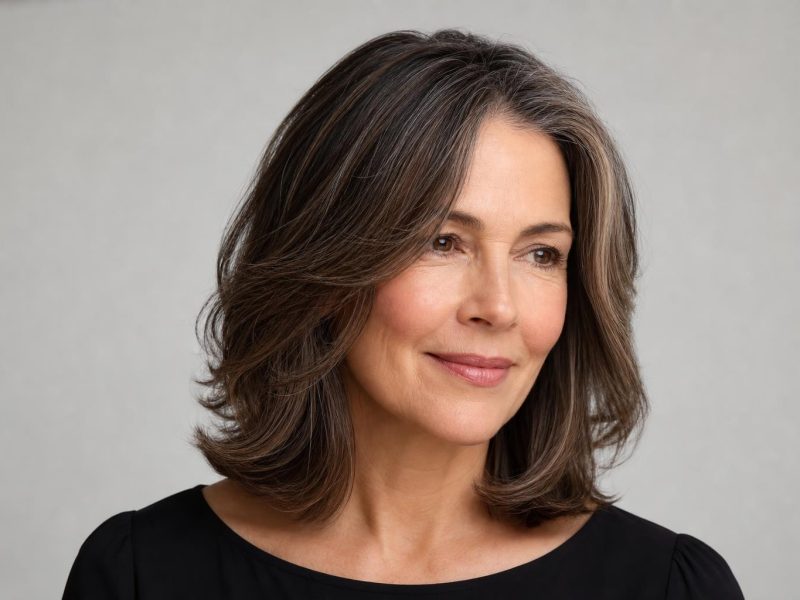
Honey highlights woven through brown hair blend emerging grays far more gracefully than a solid color, since the lighter pieces disguise regrowth. This is a smart, low-pressure way to grow through the early gray stage without harsh root lines. The warmth also adds softness that solid brunette can lack on maturing hair.
30. Strawberry Honey Brown for a Warm Twist
Adding a whisper of strawberry to honey brown creates a warm, sunset-leaning brunette that flatters fair and freckled complexions. The hint of red keeps the warmth interesting without committing to a full copper. Those drawn to this twist may also love a true strawberry blonde, which takes the warmth lighter.
What Honey Brown Hair Actually Is
Honey brown is a warm brunette, roughly a level 5 to 7, defined by golden undertones that give it a sunlit quality without tipping into red or blonde. It is essentially a brown base with golden warmth woven through, which is what separates it from a flat, neutral brown. The defining feature is that glow: in natural light it reads luminous, while indoors it settles into a rich, warm brunette.

The shade is easy to confuse with caramel and honey blonde, since all three are warm and golden. The comparison below shows where honey brown sits between them.
| Shade | Depth | Tone | Best Starting Base |
|---|---|---|---|
| Honey Brown | Medium brown, level 5 to 7 | Warm, golden | Light to medium brown |
| Caramel | Medium, level 6 to 8 | Warm, golden-amber | Medium brown, as highlights |
| Honey Blonde | Light, level 7 to 9 | Warm, golden | Dark blonde to light brown |
Stylist tip: Honey brown and caramel are close enough that many colorists use caramel as the highlight shade to build a honey brown overall look. If you love the idea but cannot decide between them, ask for caramel highlights over a honey brown base and you get the best of both, with dimension built in.
How to Choose Honey Brown for Your Skin Tone
Honey brown is warm, so the trick is balancing its gold against your undertone rather than fighting it. Warm skin loves a true golden honey, while cool skin does better with a beige-leaning version. Getting that balance right is what makes the color look custom rather than off-the-shelf.

| Skin Tone | Best Honey Brown Version | Why It Works |
|---|---|---|
| Fair, cool | Beige-leaning honey, face-framing | Softened warmth avoids an orange clash |
| Fair, warm | Light golden honey brown | Gold echoes the skin’s warmth for a glow |
| Olive | Rich golden honey brown | Warm tone harmonizes with olive undertones |
| Medium, warm | Medium honey brown with caramel | Dimension flatters and reads natural |
| Deep | Deep glossy honey brown | Golden warmth glows against rich skin |
What to Tell Your Colorist
Honey brown covers a wide range, so a vague request can land anywhere from sandy blonde to brassy orange. Naming the depth, the tone, and the placement gets you the shade in your reference photo. Bring two photos in natural light, since honey brown looks different under salon bulbs than in daylight.
The four things to communicate at your consultation:
- Depth: Light, medium, or deep honey brown. This sets how much lifting your base needs and how bold the result reads.
- Tone: Say golden, not brassy or orange, and mention if you want a beige softness for cooler skin.
- Placement: All-over, balayage, face-framing, or money piece. This decides your maintenance level.
- Finish: Ask for a gloss to seal the tone, which keeps the warmth clean and adds the shine that makes the color look expensive.
Stylist tip: If your base is dark, ask your colorist to be honest about how many sessions reaching a clear honey will take. Lifting dark brown to a bright, clean honey often needs two visits to avoid orange and to protect the hair. A colorist who promises a dramatic lift in one session may be setting you up for brassiness or damage.
“I’d like a medium honey brown, golden but not brassy, as a balayage with brighter face-framing pieces, finished with a gloss to keep the tone clean.”
Honey Brown Maintenance and Common Myths
Honey brown is one of the lower-maintenance warm colors because the warmth works with your natural pigment rather than against it. The main task is managing brass and keeping the shine, both of which a gloss handles. Here is the realistic upkeep, plus two myths worth clearing up.
| Aspect | Details |
|---|---|
| Color refresh | Balayage every 8 to 12 weeks; all-over color every 4 to 6 weeks at the roots |
| Toning | A gloss every 4 to 6 weeks keeps the gold clean and the shine up |
| At-home care | A warm honey or caramel color-depositing conditioner to maintain tone |
| Wash routine | Sulfate-free shampoo, cooler water, and heat protectant to slow fade |
| Sun exposure | UV protection spray; sun pulls warm tones brassy faster |
Myth: Purple Shampoo Keeps Honey Brown Fresh
Reality: Purple shampoo neutralizes yellow and can dull the golden warmth that makes honey brown glow. Honey brown is meant to be warm, so stripping the gold with purple toning works against the color. Use a color-depositing conditioner in a warm honey tone instead, and leave the purple shampoo for cool blondes.
Myth: Honey Brown Is High Maintenance Because It Is Warm
Reality: Honey brown is one of the lower-maintenance dyed shades because it works with your natural warmth rather than fighting it. Regrowth blends softly, especially with balayage placement, and the warm tone hides brass better than a cool color would. A gloss every several weeks is usually all the upkeep it needs.
FAQ
What Is Honey Brown Hair?
Honey brown is a warm brunette shade with golden undertones that sits between medium brown and caramel, around a level 5 to 7. It gives a sunlit, glowing quality without crossing into red or blonde. The defining feature is its golden warmth, which reads luminous in natural light and rich and warm indoors.
Does Honey Brown Suit Cool Skin Tones?
Yes, when the tone is adjusted slightly toward beige to balance the warmth against cool skin. A neutral or beige-leaning honey avoids the orange clash that very warm gold can create on cool undertones. Ask your colorist for a softer, beige-gold honey and finish with a gloss to keep it flattering.
How Do I Keep Honey Brown from Going Brassy?
Use a warm-toned color-depositing conditioner and book a gloss every four to six weeks rather than reaching for purple shampoo. Honey brown is supposed to be warm, so the goal is keeping the gold clean, not stripping it. Sulfate-free shampoo, cooler water, and UV protection in summer all slow the shift toward brass.
How Much Lifting Does Honey Brown Need on Dark Hair?
On a naturally dark brown base, reaching a clear, bright honey often takes one to two sessions to avoid orange and protect the hair. A deeper honey brown can be achieved faster than a light, bright one. A good colorist will be upfront about whether your goal needs a single visit or a gradual approach.
Is Honey Brown the Same as Caramel?
They are very close, but caramel usually sits a touch lighter and more amber, while honey brown keeps a slightly deeper brown base with golden warmth. Many colorists actually use caramel as the highlight shade to build a honey brown look. If you cannot decide, caramel highlights over a honey brown base gives you both with built-in dimension.
How Long Does Honey Brown Color Last?
A professionally applied honey brown looks beautiful for eight to twelve weeks before a balayage refresh, with toning fading sooner, around every four to six weeks. The balayage grows out gradually and gracefully thanks to the soft placement. Color-depositing conditioners and regular glosses meaningfully extend the life of the color between salon visits.
The right honey brown hair color comes down to choosing a depth and warmth that flatter your skin tone, then keeping the gold clean with a gloss rather than a cool toner. Bring two natural-light reference photos to your colorist, ask for golden rather than brassy, and lean on a warm color-depositing conditioner at home. Done well, honey brown gives a warm, glowing brunette that looks expensive and grows out beautifully.
Hair results vary based on your natural base color, hair history, porosity, and condition. Lightening and color services should be performed by a licensed colorist, especially on previously colored or dark hair. Individual results will vary, and the exact tone shown in photos may require specific products and professional application to achieve.
1 response