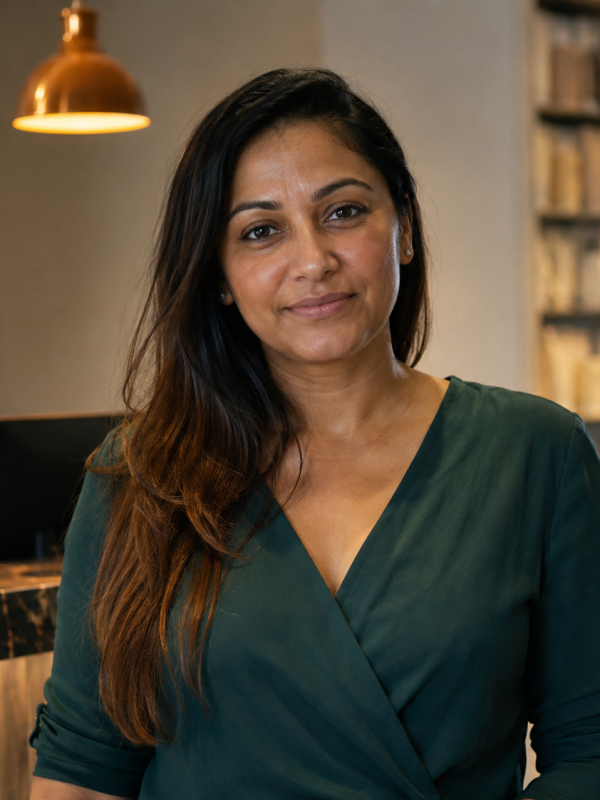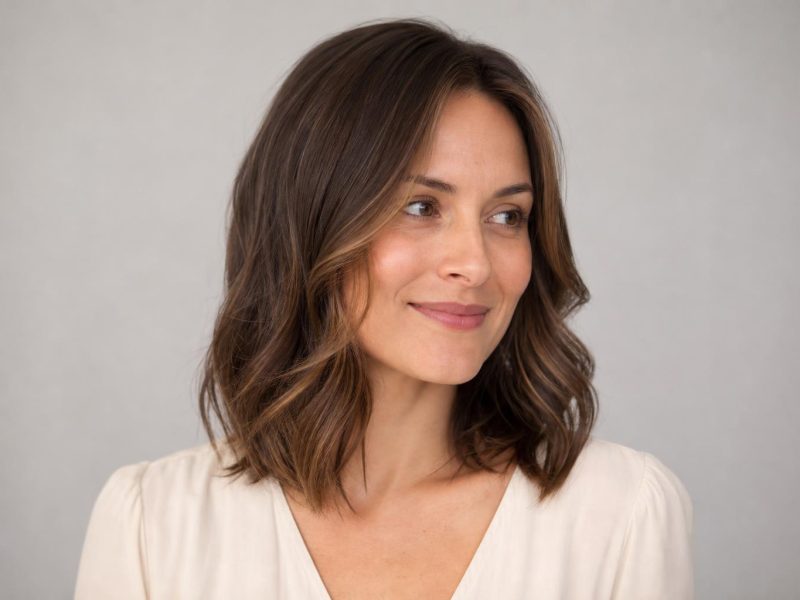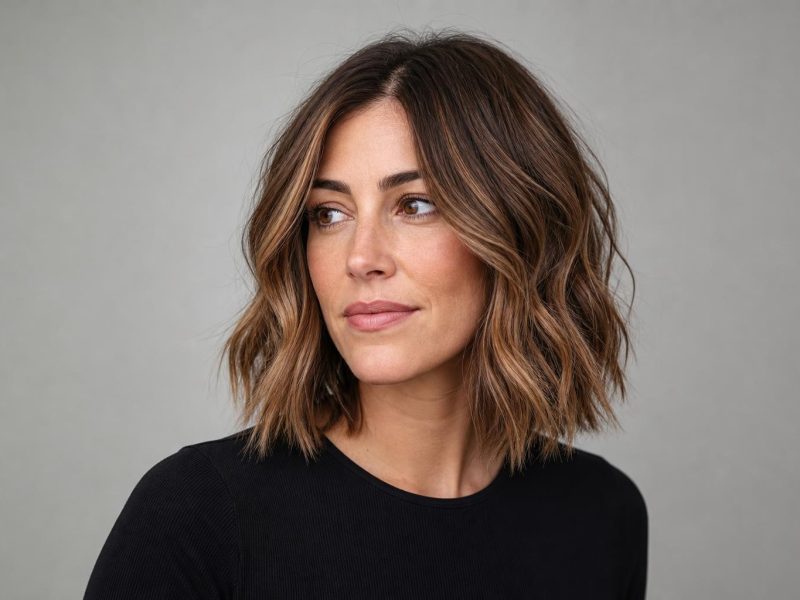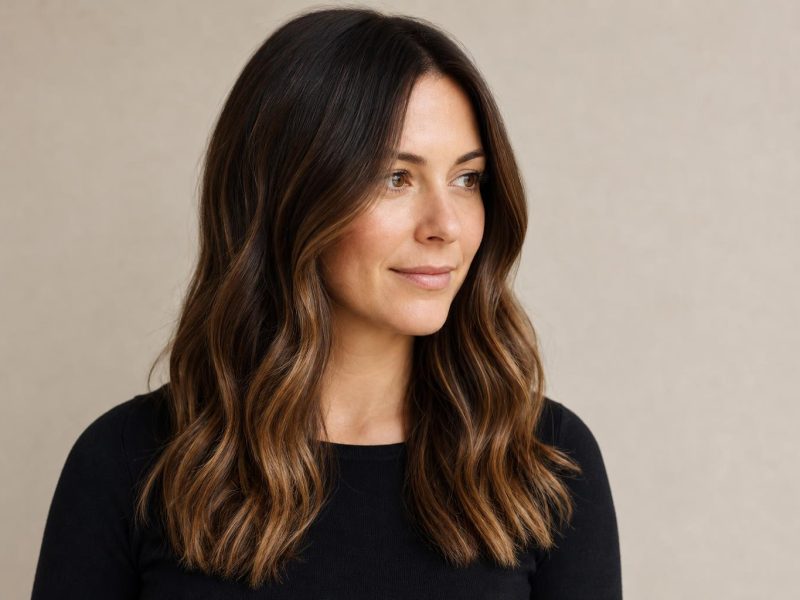

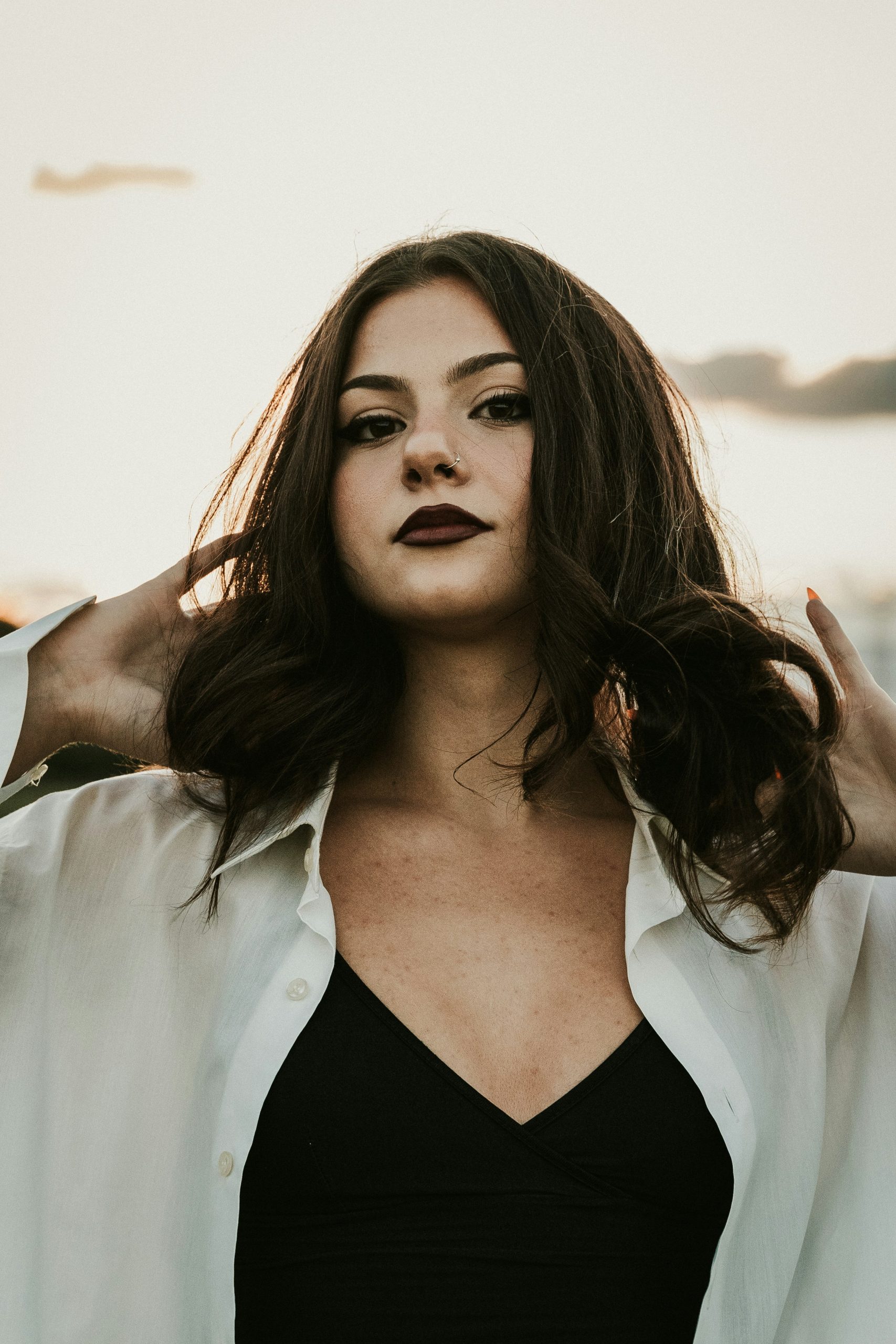
Dark brown hair runs from near-black espresso through warm chestnut and mahogany to cool ash and mushroom tones, and the shade you choose depends far more on your skin undertone than on the photo that caught your eye.
The 30 ideas below are sorted by tone family: true neutral browns, warm browns with golden or red depth, cool ash and smoky browns, dark brown with added dimension, and dark brown carrying a colored undertone. Each entry names the specific quality that defines it and who it tends to suit, so you can narrow a wide category down to the two or three shades worth bringing to a colorist. For the lighter end of the brunette range, the THP guide to chocolate brown hair covers glossier mid-depth options.
After the gallery, this article includes an undertone matching guide, a plain explanation of where dark brown sits on the color level scale, exact language to use with your colorist, and a realistic maintenance schedule covering gloss timing and how different tones fade.
| Factor | Details |
|---|---|
| Color level | Level 2 to 4 on the 1-to-10 scale (black is 1, espresso is 2 to 3, medium-dark brown is 4) |
| Tone families | Neutral, warm (golden, red, copper), cool (ash, mushroom, smoky) |
| Gloss refresh | Every 6 to 8 weeks to hold shine and tone |
| Lift required | Low to none for naturally dark hair; some lift for cool or dimensional versions |
| Best for | Anyone wanting depth with low root upkeep; tone is matched to skin undertone |
True and Neutral Dark Browns
Neutral dark browns sit balanced between warm and cool, which makes them the safest starting point if you have never colored your hair or are not sure of your undertone. These five shades read as rich and natural rather than obviously dyed, and they grow out with the least visible regrowth line because they stay close to most natural dark hair.
1. Espresso Brown with a Soft Matte Finish
Espresso is the darkest true brown before hair reads as black, with cool depth that keeps it from looking flat. A matte or low-shine finish suits anyone who wants the depth without the high-gloss look that can appear wet under bright light. Because the shade sits so close to natural dark hair, regrowth is barely visible for six to eight weeks, which makes espresso one of the lowest-upkeep ways to add richness.
2. Neutral Dark Brown for First-Time Color
A balanced neutral brown carries neither golden warmth nor ashy coolness, so it flatters the widest range of complexions and is the shade most colorists reach for when a client is unsure. First-time color clients get the most forgiving result here because there is no strong tone to clash with skin or fade unevenly. Ask for a demi-permanent formula the first time, since it deposits color without a hard line and softens out gradually if you decide to change direction.
3. Cool Mocha Brown
Mocha brown layers a soft coffee depth over a cool base, landing between neutral and ash without going fully smoky. Cool or neutral skin tones get a clean, modern result that avoids any orange cast as it grows out. The shade photographs well in natural light, where the cool depth keeps it from looking muddy the way warmer browns sometimes do indoors.
4. Rich Brunette with a Glossy Glaze
A clear or tinted gloss applied over dark brown is the single fastest way to make the color look expensive, adding mirror shine that bounces light off the surface. Glazes last four to six weeks and can be refreshed at the salon in under 30 minutes, making this the entry point for anyone curious about color without commitment. Fine hair benefits most, since the gloss coats each strand and creates the impression of more density.
5. Soft Off-Black Brown
Sitting at level 2, soft off-black brown gives the drama of black hair with a touch of brown warmth that keeps it from looking harsh against the skin. Deep complexions and cool undertones carry this shade with real impact. Unlike true black, an off-black brown lifts more easily later if you change your mind, which spares you the long correction process that solid black dye usually requires.
Warm Dark Browns with Golden and Red Depth
Warm dark browns carry gold, red, or copper in the undertone, which makes them glow in sunlight and flatter warm and olive skin in particular. These seven shades range from subtle chestnut to deep mahogany, and they are the browns most likely to read as multidimensional because the warmth catches light at the ends and around the face.
6. Chestnut Brown with Golden Warmth
Chestnut builds a medium-dark brown base with red and gold undertones that bring a classic, lit-from-within brunette warmth. Warm and neutral skin tones, especially anyone with brown or green eyes, get the most natural-looking result. The gold component means chestnut reads richer indoors than a flat neutral brown, so it suits people who spend more time under warm interior lighting than in daylight.
7. Chocolate Brown with Subtle Red Depth
A whisper of red warmth under a chocolate base adds depth without tipping into auburn territory. Olive and warm complexions find this one especially flattering because the red counters any sallowness in the skin. For a fuller exploration of the glossier mid-tones in this family, the THP guide to chocolate brown hair breaks down the lighter variations.
8. Deep Mahogany Brown
Mahogany blends dark brown with red and a faint purple tinge, producing one of the richest shades in the brunette-red crossover. The purple element is what separates mahogany from a plain auburn, giving it a wine-like depth that flatters fair-to-medium skin with pink undertones. Red and purple pigments are the fastest to fade, so plan on a color-depositing conditioner between appointments to hold the tone.
9. Golden Brown for Olive Skin
Golden brown leans warmest of all the dark browns, with a honeyed undertone that brings light to olive and tanned complexions. The warmth reads strongest at the mid-lengths and ends, where it picks up sunlight. If your skin has green or yellow undertones, golden brown harmonizes where a cool ash brown would leave the complexion looking dull.
10. Toffee-Touched Dark Brown
Toffee accents woven through a dark brown base create soft warmth that stops well short of caramel brightness. The look works for someone who wants warmth contained to a gentle glow rather than obvious highlights. Because the contrast between base and accent is low, grow-out stays soft and forgiving, with no sharp demarcation line at the roots.
11. Warm Cinnamon Brown
Cinnamon brown carries a spiced red-orange warmth that sits brighter than mahogany but darker than copper. Warm and medium skin tones with golden undertones suit it best. The shade has real presence in sunlight, so it is a strong pick for anyone who wants their brown to register as a deliberate color choice rather than a near-natural match.
12. Dark Caramel Brunette
Caramel depth folded into a dark brown base adds warmth and the suggestion of dimension without committing to full highlights. The result is a brunette that looks like it catches light naturally rather than one that has been sectioned and foiled. Anyone wanting a step toward dimension before trying balayage often starts here, since a tinted caramel gloss achieves the effect in one low-commitment appointment.
Cool, Ash, and Smoky Dark Browns
Cool dark browns pull the warmth out and replace it with ash, smoke, or a mushroom grayness. These six shades suit cool and neutral undertones and are the right direction if your hair tends to turn brassy or orange as it fades. They read as modern and muted, and they pair cleanly with cool-toned makeup and clothing.
13. Ash Brown for Cool Undertones
Ash brown adds a smoky gray cast that neutralizes warmth and gives dark hair a cool, muted finish. Cool and neutral skin tones get a chic, contemporary result that sidesteps brassiness entirely. The cool pigment does fade faster than warm tones, so a blue or purple toning shampoo used once a week keeps the ash from drifting warm between salon visits.
14. Mushroom Brown
Mushroom brown combines an ashy base with soft taupe and gray, landing somewhere between brown and a muted greige. The shade flatters fair-to-medium cool complexions and has a low-key, expensive quality that explains its staying power. It is one of the few cool browns with enough depth to work at level 3, where lighter mushroom shades would wash out.
15. Smoky Dark Brown
Smoky brown sits darker and moodier than ash, with a translucent gray veil over an espresso base. Cool undertones and deeper complexions carry the depth with impact. The smoke effect comes from a toner laid over the natural base rather than from lifting, which keeps the hair healthy and the upkeep limited to periodic re-toning.
16. Cool Espresso with Blue-Black Depth
A blue reflect added to espresso deepens the base toward blue-black while keeping it a true brown rather than a flat black. Cool and deep skin tones get a glossy, high-impact result. The blue undertone is what gives the shade its cool shine, and it counters any red or orange that dark hair tends to show in direct sunlight.
17. Dark Mushroom Mocha
Blending mushroom’s taupe-gray with mocha’s coffee depth produces a cool brown with more richness than a straight ash. Neutral-to-cool complexions suit it, and the mocha element keeps it from reading as washed-out or gray. This is a practical middle ground for someone who likes ash tones but worries a pure mushroom shade will look too light or too cool against their skin.
18. Steel-Toned Brunette for Gray Blending
A cool steel-toned dark brown is one of the smartest choices for blending early grays, since the muted tone disguises new gray growth far better than a warm brown that contrasts sharply with silver. Cool undertones suit the shade naturally. Grays catch the cool base and read as subtle dimension rather than as obvious regrowth, which stretches the time between root touch-ups.
Dark Brown with Added Dimension
Dimension turns a single dark brown into a color with depth and movement, using balayage, highlights, face-framing pieces, or a shadow root. These seven options keep the base dark while adding lighter or contrasting elements, and they are the most popular way to wear dark brown without going lighter overall. For the difference between two common techniques, the THP comparison of balayage versus ombre is a useful primer.
19. Dark Brown Balayage with Caramel Ends
Hand-painted caramel through the mid-lengths and ends of a dark brown base creates soft, sun-grown dimension that needs almost no root maintenance. The painted technique avoids a hard regrowth line, so you can stretch appointments to three or four months. Warm and neutral skin tones get the most natural result, since caramel reads as a believable lightening of warm brown rather than an added color.
20. Face-Framing Money Piece on Dark Brown
A money piece brightens the two front sections that frame the face, lifting the area closest to the skin for an instant brightening effect. The contrast draws the eye upward and works on any face shape because you control exactly where the lighter pieces sit. Keep the rest of the hair its natural dark brown to limit upkeep to just the front sections.
21. Subtle Babylights on Espresso
Babylights are fine, closely spaced highlights that mimic the natural lightening children’s hair shows, adding the gentlest possible dimension to a dark espresso base. The effect is barely-there in shade but noticeable in how light moves through the hair. Fine hair benefits most, since the delicate highlights create the impression of texture and density without heavy contrast.
22. Chocolate Brown Ombre
An ombre keeps the roots and upper lengths dark while gradually warming toward a lighter chocolate or caramel at the ends. The gradient is strongest at the bottom third, which means root regrowth is irrelevant and salon visits can be months apart. Longer hair shows the transition best, where there is enough length for the fade to look gradual rather than abrupt.
23. Peekaboo Highlights Under Dark Brown
Peekaboo highlights hide lighter or colored pieces in the under-layers, visible only when the hair moves or is tucked back. The top layer stays a solid dark brown, which keeps the look professional while the hidden color adds a personal element. This placement is the lowest-commitment way to test a brighter or bolder tone before committing to anything visible.
24. Dark Brown with a Shadow Root
A shadow root keeps the roots intentionally darker than the lengths, which softens any existing highlights and erases the pressure of frequent root touch-ups. The technique blends regrowth into the design rather than fighting it. The THP breakdown of the shadow root technique covers how it stretches the time between color appointments.
25. Ribbon Highlights for Low-Key Dimension
Ribbon highlights are wider, fewer panels of lightness placed strategically rather than woven throughout, giving bold dimension with less foiling time. Thick hair carries the wider panels without looking stripey. The lower highlight count also means less lightener overall, which keeps the cost and the commitment down compared to a full head of fine highlights.
Dark Brown with a Colored Undertone
These five shades add a deliberate color reflect, red, violet, copper, or blue, to a dark brown base. The base stays dark and wearable, but the undertone shows in sunlight and gives the color a personality that a plain brown lacks. They are the boldest options in the gallery while still reading as brunette day to day.
26. Mahogany with Cherry Undertones
A cherry-red reflect under mahogany pushes the shade toward the popular brown-red crossover that glows deep red in sunlight and reads dark brown indoors. Fair and medium skin with pink undertones suits it best. Because red sits highest on the fade list, a red-depositing conditioner is the difference between a tone that lasts eight weeks and one that dulls in three.
27. Violet-Tinted Dark Brown
A violet reflect woven into dark brown adds cool depth and a subtle jewel-toned shine that surfaces in bright light. Cool and neutral undertones get the cleanest result. For anyone drawn to a bolder version of the same idea, the THP gallery of purple hair ideas shows where the violet family goes when it moves past a subtle tint.
28. Auburn-Kissed Dark Brunette
Auburn warmth folded through a dark brown base lands between brown and red, warmer than mahogany but darker than a true copper. Warm and golden complexions glow against it. The shade is a practical way to test red-family color while keeping a brunette base, since it reads as a warm brown to most people and only shows its red in direct light.
29. Dark Brown with Copper Money Pieces
Copper-toned face-framing pieces against a dark brown base create a striking warm contrast that brightens the complexion without lightening the whole head. The copper sits brightest where it frames the face, drawing attention to the eyes and cheekbones. Warm undertones carry the copper naturally, while the dark base keeps overall upkeep limited to refreshing the front pieces.
30. Espresso with a Cool Blue Reflect
A cool blue reflect over espresso is the deepest cool option in the gallery, producing a near-black brown with a glassy blue shine in the light. Deep and cool complexions wear it with the most impact. The blue counters warmth so effectively that this is a reliable corrective shade for hair that has previously gone brassy or orange when colored.
How to Match Dark Brown to Your Skin Undertone
The single biggest factor in whether a dark brown flatters you is how its undertone relates to your skin’s undertone. A quick test: look at the veins on your inner wrist in natural light. Blue or purple veins point to a cool undertone, green veins point to warm, and a mix suggests neutral. Match warm hair to warm skin and cool to cool, or choose neutral if you fall in between.

| Skin Undertone | Flattering Dark Brown Shades | Shades to Approach Carefully |
|---|---|---|
| Warm (green veins, golden skin) | Chestnut, golden brown, caramel brunette, mahogany, auburn-kissed | Cool ash and smoky browns can read dull or gray against warm skin |
| Cool (blue veins, pink skin) | Cool espresso, ash brown, mushroom, smoky brown, blue-reflect espresso | Strong golden and copper warmth can emphasize redness in the skin |
| Neutral (mix of both) | Neutral brown, mocha, chocolate, toffee-touched, most dimensional looks | Very few; neutral skin carries the widest range of dark browns |
| Deep complexions | Off-black brown, espresso, blue-reflect espresso, mahogany | Very light mushroom or ash can lack contrast against deep skin |
Where Dark Brown Sits on the Color Level Scale
Colorists describe darkness on a scale of 1 to 10, where 1 is black and 10 is the lightest blonde. Dark brown occupies levels 2 through 4, and knowing your starting level helps you set realistic expectations for any lightening. Going from a level 3 dark brown to a light caramel balayage means lifting several levels, which takes time and can expose warm or orange tones along the way.
Stylist tip: If you are coloring dark for the first time, go one level lighter than your inspiration photo. Dark color photographs richer than it looks in person, and most people are surprised by how dark a true level 2 espresso reads in daylight. You can always deepen at the next visit, but lifting out color you find too dark is a slower, more damaging process.
What to Tell Your Colorist
Walk in with the tone family, the level, and a reference photo taken in natural light rather than under salon or filter lighting. Naming the undertone you want is the most useful thing you can say, because “dark brown” alone covers everything from warm chestnut to cool ash.
The four points worth communicating at the consultation:
- Tone direction: Say warm, cool, or neutral clearly. “A neutral-to-cool dark brown, no red or gold” gives your colorist a precise target.
- Depth level: Reference the scale if you can. “Around a level 3, so dark but not black” prevents a result that is darker or lighter than you pictured.
- Dimension or solid: State whether you want a single block of color or added highlights, balayage, or a money piece, and roughly where the lighter pieces should sit.
- Maintenance appetite: Be honest about how often you will return. This determines whether your colorist recommends a root-shadowed dimensional look or a solid color with visible regrowth.
Stylist tip: Ask for a gloss or glaze to finish, even on an all-over color. The gloss seals the tone and adds the shine that separates a salon brunette from a box-dye result, and it costs little to add at the end of an appointment you are already paying for.
“I’d like an all-over dark brown around a level 3, neutral-to-cool with no warmth, finished with a clear gloss. I come in roughly every eight weeks, so nothing too high-maintenance at the roots.”
Maintenance: Keeping Dark Brown Glossy and True
Dark brown is one of the lower-maintenance color choices because the base sits close to most natural hair, but tone and shine still fade between appointments. How fast depends almost entirely on the undertone: cool and red shades shift first, while neutral and warm browns hold longest.
| Timeframe | What to Do |
|---|---|
| Weeks 1 to 2 | Wait 48 hours before the first wash. Switch to a sulfate-free, color-safe shampoo and wash less often to slow fade. |
| Weeks 3 to 4 | Use a color-depositing conditioner matched to your tone (red or warm for warm shades, blue or purple for cool shades) once a week. |
| Weeks 6 to 8 | Book a gloss or glaze refresh to restore shine and re-balance tone. Solid colors may need a root touch-up here. |
| Ongoing | Rinse with cooler water, limit hot tools, and use heat protectant. Heat and hot water open the cuticle and speed tonal fade. |
When Dark Brown Is Not the Right Choice
Dark brown suits most people, but a few situations call for a different plan or a modified approach.
- You are planning to go blonde soon: Adding dark color, especially anything with a blue or red reflect, deposits pigment that has to be lifted out later. If lighter hair is your goal within the year, do not go darker first; talk to your colorist about a gradual lightening plan instead.
- You want true low maintenance and have warm-fading hair: If your hair reliably turns brassy, a cool ash brown will need weekly toning shampoo and gloss refreshes to stay cool. A warm or neutral brown in that case is the genuinely lower-upkeep choice, since it fades in a direction you actually want.
- Significant gray coverage with infrequent visits: Solid dark brown over heavy gray creates a sharp regrowth line within two to three weeks. If you cannot return monthly, a dimensional brown with a shadow root or a slightly lighter, warmer brown hides regrowth far better than a flat dark shade.
FAQ
What Is the Most Flattering Dark Brown Hair Color?
The most flattering dark brown is the one whose undertone matches your skin’s undertone: warm browns like chestnut for warm and olive skin, cool browns like ash or mushroom for cool and pink-toned skin, and neutral brown for those in between. Eye color matters less than skin, though brown and green eyes pair especially well with warm chestnut and mahogany. When in doubt, a neutral dark brown is the safest universally flattering choice.
Does Dark Brown Hair Fade Fast?
Dark brown holds longer than blonde or vivid colors because the base is close to most natural hair, so regrowth is less obvious. Tone fades faster than depth, though: red, copper, and ash reflects shift within three to six weeks, while neutral and warm browns hold their tone for eight weeks or more. A gloss every six to eight weeks and a tone-matched color-depositing conditioner are the two things that keep the color true longest.
Can I Go Dark Brown from Blonde or Highlighted Hair?
Yes, but lightened hair is porous and often needs a filler step first so the dark color grabs evenly and does not turn muddy or green. A colorist will usually apply a warm-toned filler to replace the underlying pigment that bleaching removed, then layer the dark brown on top. Skipping this step is the most common reason at-home dark dye over blonde turns out patchy or ashy-green.
What Is the Difference Between Espresso and Mahogany?
Espresso is a cool, near-black true brown with no red, while mahogany is a warm dark brown with red and a faint purple tinge. Espresso suits cool and deep complexions and stays neutral as it fades; mahogany flatters pink and fair-to-medium skin and glows red in sunlight. The practical difference is upkeep: mahogany’s red reflect fades faster and needs color-depositing care, where espresso holds its tone with minimal effort.
Will Dark Brown Cover Gray Hair?
Dark brown covers gray well when a permanent or demi-permanent formula is used, but solid coverage shows regrowth quickly because the contrast between dark color and silver roots is sharp. For heavier gray, a colorist may add a small amount of warmth or a neutral base to help the color grab on resistant grays. A dimensional dark brown with woven lighter pieces disguises new gray growth much longer than an all-over solid shade.
How Do I Keep Dark Brown Hair from Looking Flat?
Shine and subtle dimension are what keep dark brown from reading flat. A gloss finish adds the surface shine that bounces light, and even a few face-framing pieces or fine babylights break up a solid block of color enough to create movement. Avoiding heavy product buildup and rinsing with cooler water also keeps the cuticle smooth, which is what lets dark hair reflect light rather than absorb it.
Choosing among dark brown hair ideas comes down to one decision made well: match the undertone to your skin first, then pick the depth and any dimension that fits how often you can realistically sit in the chair. Bring a natural-light reference photo, name your tone direction out loud, and ask for a gloss to finish. A dark brown chosen for your undertone rather than for the photo that caught your eye is the one that still looks right months after you leave the salon.
Hair results vary based on your natural hair color, level, porosity, and condition. Always consult a licensed colorist before significant color changes, especially when lifting dark hair lighter or coloring over previously bleached or highlighted hair. Tone, fade rate, and gray coverage vary by individual. Photos may show glossed or freshly colored results that change in appearance over the life of the color.