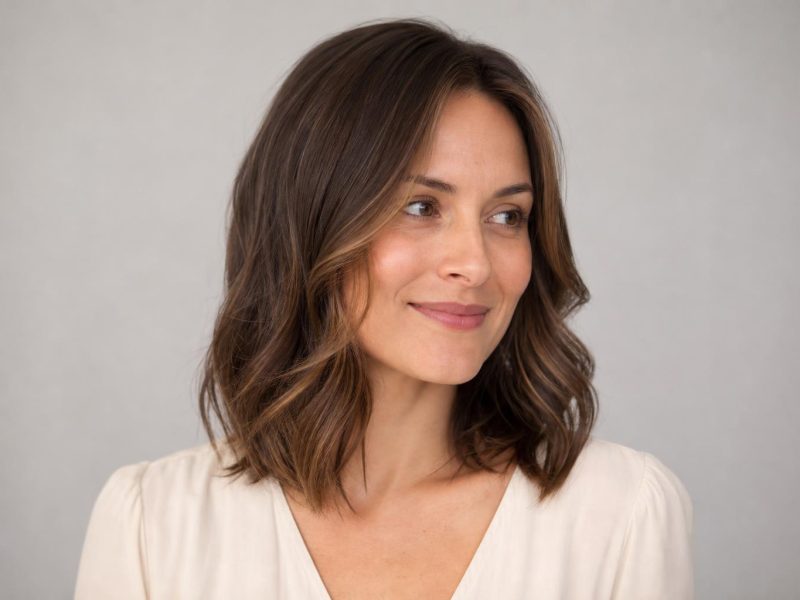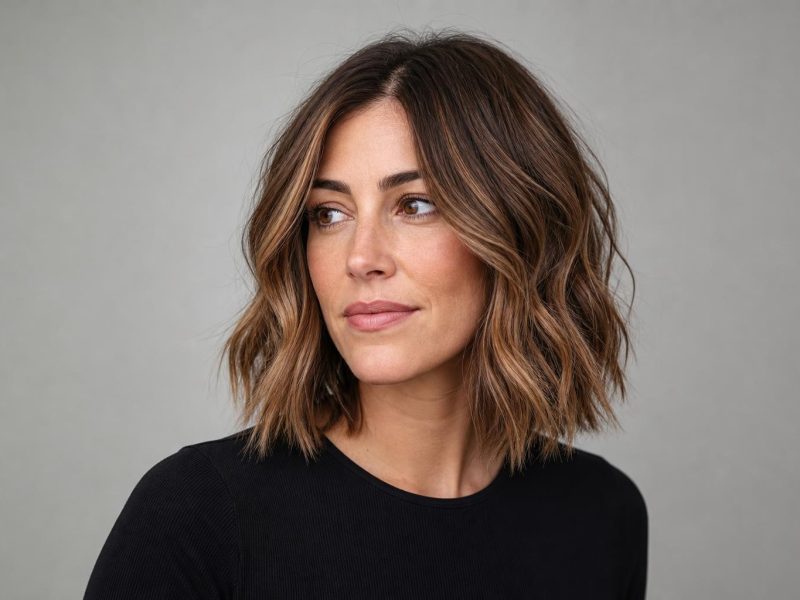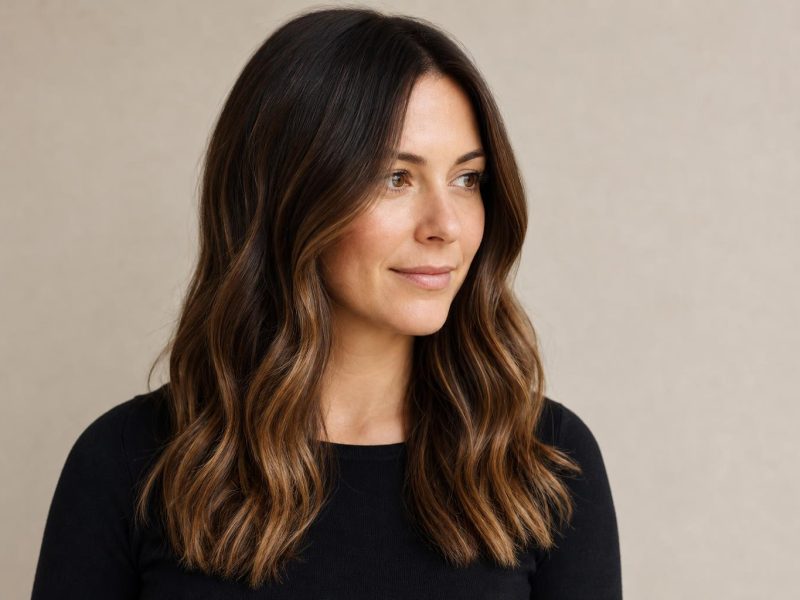



Dark red hair covers every rich shade from cherry and auburn to wine and oxblood, all built on a deep base that flatters more skin tones than bright red and hides regrowth far better.
The 30 ideas below are sorted by tone family so you can find your exact shade: cool wine and cherry reds, warm auburn and copper-leaning reds, deep burgundy and plum, and dark red worn on specific cuts and textures. Each entry names the undertone and who it suits, since the difference between a cool cherry and a warm auburn is the difference between a color that flatters you and one that fights your complexion.
Dark red sits between brunette and vivid color, so if you are weighing your options, the galleries on chocolate brown and purple shades show the neighbors on either side. After the gallery, this article covers skin-tone matching, fade control, and a realistic upkeep routine, because red is the fastest-fading color family there is.
| Factor | Details |
|---|---|
| Best for | Most skin tones; cool reds for cool skin, warm reds for warm skin |
| Lift needed | Little to none on dark hair; some lift for brighter cherry tones |
| Refresh | Color gloss every 4 to 6 weeks; red fades faster than other shades |
| Home care | Color-depositing conditioner; sulfate-free wash; cool rinses |
| Avoid if | You want a no-upkeep color or rarely refresh between salon visits |
Cherry and Wine Reds
Cool-leaning dark reds carry blue or violet underneath, which keeps them from turning orange as they fade and makes them a natural match for cool and neutral skin. Cherry and wine shades are the most striking of the dark reds and photograph vividly under most lighting.
1. Deep Cherry Red
A glossy cherry red blends a dark base with a cool crimson that catches light without tipping orange. The blue undertone is what keeps it flattering on fair cool skin and stops the fade from going brassy. A weekly color-depositing conditioner in red keeps the cherry vivid between salon glosses.
2. Black Cherry
Black cherry sits so deep that it reads near-black indoors and reveals its red only in direct light, which makes it the lowest-maintenance way to wear dark red. Because the base is so dark, regrowth is barely visible for weeks. This shade suits anyone who wants a hint of red rather than an obvious statement.
3. Wine Red
Wine red leans into deep berry tones with a touch of purple, giving it a luxurious depth that flatters deep and cool skin tones especially well. The violet base resists the orange fade that plagues warmer reds. Pair it with a glossy finish so the color reads rich rather than flat.
4. Cherry Cola
Cherry cola mixes a brown base with cool red highlights, landing somewhere between brunette and cherry for a wearable everyday version. The brown grounding makes it one of the easiest dark reds to maintain since the fade lands on a flattering warm brown. It works on most skin tones because the brown softens the intensity.
5. Crimson Balayage on Dark Brown
Painting crimson through a dark brown base concentrates the red on the surface where it shows most and leaves the roots low-maintenance. The placement gives the red somewhere to fade gracefully without a harsh regrowth line. For the difference between this and a graduated red ombre, the balayage versus ombre breakdown explains the placement.
6. Ruby Red
Ruby red is a clear, jewel-toned cool red that reads brighter than wine but stays deep enough to count as a dark shade. It is one of the genuinely showstopping options in this gallery for anyone who wants the red to be the headline. Expect to refresh it often, since clear bright reds fade fastest of all.
7. Merlot
Merlot blends red and brown with a soft purple cast for a muted, sophisticated take on wine red. The lower saturation makes the fade less noticeable, so it stretches longer between glosses than a true cherry. Neutral skin tones that find pure red too bold usually wear merlot comfortably.
8. Cool Cherry Money Piece
Framing the face with cool cherry pieces against a darker base is the lowest-commitment way to try dark red, since only the front sections carry the color. The placement brightens the complexion where it matters most. It also grows out softly because the contrast was built in from the start.
Auburn and Copper-Leaning Reds
Warm dark reds borrow from copper and gold, which makes them glow on warm and olive skin tones. These shades are the most natural-looking reds because they echo the warmth found in deep auburn hair, though that same warmth is what makes them drift toward orange as they fade.
9. Dark Auburn
Dark auburn blends bronze, copper, and cinnamon over a deep base for a warm red that looks almost natural on warm complexions. The multi-tonal warmth gives it depth that a single flat red lacks. To slow the orange fade that warm reds are prone to, keep washes cool and infrequent.
10. Copper Red
Copper red is the brightest of the warm family, with a metallic glow that flatters golden and olive skin. It reads vivid in sunlight and softer indoors. Because copper pigment sits high on the warmth scale, a copper-toned conditioner is the most useful tool for holding it between appointments.
11. Chestnut Red
Chestnut red is a brown-dominant shade with warm red running through it, making it the most office-friendly dark red here. The brown base means the fade lands on a flattering neutral rather than brass. This is a strong starter shade for anyone moving from brunette toward red for the first time.
12. Mahogany
Mahogany balances brown and red with a faint cool edge, giving it a polished, furniture-rich depth that suits a wide range of skin tones. It is one of the most universally flattering dark reds because it is neither too warm nor too cool. A glossy finish brings out the red sheen the shade is named for.
13. Auburn Balayage
Hand-painted auburn through a dark base adds dimension that a solid red cannot, and the lighter copper ribbons catch the light as the hair moves. The technique makes thinner hair look fuller because the eye reads multiple tones as density. It also keeps the roots low-maintenance for a longer stretch between visits.
14. Cinnamon Red
Cinnamon red blends warm red with a golden-brown undertone for a soft, spiced shade that glows on medium and warm skin. It is gentler than copper but warmer than chestnut, sitting comfortably in the middle. Style it with loose waves so the golden notes catch the light.
15. Burnt Sienna
Burnt sienna is a deep earthy red-orange that reads bold without crossing into bright copper. It flatters warm and deep skin tones and pairs beautifully with autumnal makeup palettes. Because it leans warm, a clarifying wash now and then keeps mineral buildup from muddying the tone.
16. Red Chocolate Melt
A red chocolate melt keeps a deep brown root and warms into red through the mid-lengths and ends, blending two shades for low-upkeep dimension. The dark root means regrowth stays invisible for a long stretch. It is a practical bridge for anyone who likes dark brown but wants a warm red glow in the length.
Burgundy and Plum Reds
The deepest, coolest dark reds tip toward purple, landing in burgundy, plum, and oxblood territory. These shades are the richest in the gallery and the most forgiving on deep skin tones, where their depth reads as intentional saturation rather than a faded attempt at brightness.
17. Classic Burgundy
Burgundy pairs deep red with violet undertones for a shade that is bold yet wearable and famously flattering on cool and deep skin. The purple base is the secret to its longevity, since it resists the orange fade entirely. A purple-red color conditioner keeps the violet depth from washing thin.
18. Plum Red
Plum red leans further into purple than burgundy, giving it a cooler, berry-forward character that suits cool complexions. It is one of the more creative dark reds without being a full fashion color. The shade reads especially rich on dark hair that needs little or no lift to achieve it.
19. Oxblood
Oxblood is an ultra-deep red-brown with a cool edge that looks almost black until the light hits it. It is the most understated way to wear a dramatic dark red, which makes it popular for anyone who wants depth without obvious color. Regrowth is minimal thanks to the dark base.
20. Garnet
Garnet pairs crimson overtones with a soft neutral-brown undertone, giving it a vivid but grounded quality that flatters a wide range of skin tones. It is brighter than oxblood but deeper than cherry, hitting a versatile middle. A glossy finish makes the jewel tone read its richest.
21. Maroon
Maroon is a brownish dark red with muted warmth, less purple than burgundy and less bright than cherry, which makes it an easy everyday shade. The muted saturation means the fade is gentle and forgiving. It suits warm and neutral skin tones that want depth without intensity.
22. Burgundy Balayage on Black Hair
Burgundy painted through naturally black hair creates a tonal contrast that reads as rich color in the light without lifting the whole head. The dark base anchors the look and keeps the upkeep low. This is one of the best dark red options for deep natural hair because it needs minimal processing.
23. Plum to Cherry Ombre
A plum root melting into cherry ends blends two cool reds in one gradient, with the cooler tone at the scalp keeping regrowth soft. The graduated fade gives long hair somewhere for the color to travel. It is a creative option that still reads as a dark red rather than a fashion shade.
Dark Red on Different Cuts and Textures
The same dark red reads differently depending on the cut and texture it sits on, since layers, curls, and length all change how light moves through the color. These entries pair specific shades with the shapes that show them best.
24. Dark Red on Long Layers
A deep red on long layers lets the color shift in depth as the layers catch light, which adds movement a single-length cut cannot. The layering shows off any dimensional balayage especially well. Loose waves bring out the brightest notes in the mid-lengths.
25. Cherry Red Curly Hair
Cherry red on natural curls reads vivid because each coil reflects the color from a different angle, building visual saturation. Curly hair holds red pigment well thanks to its porosity, though that same porosity means it needs gentle, sulfate-free washing to avoid fast fade. A curly bob keeps the shape full and the color concentrated.
26. Auburn Pixie
A warm auburn on a pixie cut puts the color right around the face where it brightens the complexion. The short length means each refresh covers little hair, which offsets red’s fast fade and keeps upkeep manageable. Style with a matte paste so the color reads rich rather than greasy-shiny.
27. Burgundy Blunt Bob
Burgundy on a blunt bob makes the deep color look dense and glossy because the heavy perimeter holds the tone in a clean line. Straight hair shows the shine of a dark red best. The combination is polished enough for professional settings while still reading as color.
28. Dark Red Money Piece on Brown
Two bright dark-red face-framing pieces against a brown base add a pop of color with almost no commitment, since only the front needs refreshing. The contrast draws light to the face. It is a low-risk way to test whether a dark red suits your complexion before going all over.
29. Mahogany Shag
Mahogany on a textured shag uses the cut’s constant movement to show the red’s brown-and-red interplay from every angle. The choppy layers keep the color from looking flat. Scrunch in a texturizing spray to separate the pieces and let the dimension show.
30. Wine Red Glass Hair
Wine red styled poker-straight to a high shine reads as glass hair, where the smooth surface turns the deep color into a mirror-like finish. This look needs healthy hair, since any frizz breaks the reflective effect that makes the shade so rich. A smoothing serum and a flat-iron pass set the glossy surface.
How to Match a Dark Red to Your Skin Tone
The single biggest factor in whether a dark red flatters you is matching its undertone to your skin. Cool skin (with pink or blue undertones) glows next to cool reds like cherry, wine, and burgundy, while warm skin (with golden or olive undertones) comes alive next to auburn, copper, and cinnamon.
| Skin Tone | Best Dark Reds | Approach with Care |
|---|---|---|
| Cool / pink | Cherry, wine, burgundy, plum | Warm copper can clash with pink undertones |
| Warm / golden | Auburn, copper, cinnamon, mahogany | Cool plum can look ashy against golden skin |
| Neutral / olive | Mahogany, chestnut, garnet, maroon | Very bright ruby can overwhelm; keep it deep |
| Deep | Burgundy, wine, oxblood, plum | Pale copper reads dull; choose saturated depth |
What to Tell Your Colorist
Red is one of the easiest colors to miscommunicate because the same shade name can mean a dozen tones. Bring photos and name the undertone you want, such as “a cool cherry with no orange” or “a warm auburn that glows copper in the sun,” and say whether you want it solid or dimensional.
Stylist tip: Tell your colorist if your hair was previously lightened or color-treated, because porous hair grabs red unevenly and can pull darker or patchier than expected. A filler or a strand test on previously treated hair prevents the ends from turning muddy.
Maintenance Reality: Why Red Fades First
Red is the fastest-fading color family because its pigment molecule is larger than other dyes and sits closer to the surface of the hair, so it washes out sooner. That is the real reason a cherry or copper can look dull within a few weeks while a brunette holds for months. Knowing this upfront lets you plan the routine that keeps it rich.
Wash less often and only in cool water, since heat opens the cuticle and lets pigment escape. A sulfate-free, color-safe shampoo and a red or copper color-depositing conditioner used weekly top up the tone between salon glosses. Most people refresh a dark red with a gloss every four to six weeks, faster for bright cherry and copper, slower for deep burgundy and oxblood.
Stylist tip: Add a color-depositing mask in your shade the same week you notice the fade starting, not after the color has gone flat. Topping up early keeps the tone consistent and stretches the time between salon appointments, which saves money over a year.
When Dark Red Is Not the Right Choice
Dark red flatters most people, but a few situations call for a different plan before you commit.
- You want a wash-and-go color: red needs the most upkeep of any family. If low effort matters most, a dimensional brown holds far longer with less refreshing.
- Heavily lightened or damaged ends: porous hair grabs red unevenly and fades patchy. Repair and fill the hair first, or keep the red to the more intact mid-lengths.
- Frequent swimming in chlorinated pools: chlorine strips red fast and can shift it green-toned. A pre-swim leave-in and a swim cap protect the investment.
FAQ
Does Dark Red Hair Fade Fast?
Yes, red fades faster than any other color family because its pigment molecule is large and sits near the surface of the hair, washing out sooner than brown or black dyes. Cooler shades like burgundy and wine hold longer than bright cherry or copper. Washing less, using cool water, and topping up with a color-depositing conditioner all slow the fade noticeably.
What Skin Tone Suits Dark Red Hair?
Almost every skin tone suits some dark red, but the undertone needs to match. Cool skin with pink undertones glows next to cherry, wine, and burgundy, while warm and golden skin comes alive next to auburn, copper, and cinnamon. Neutral and deep skin tones have the most range and look striking in mahogany, garnet, and saturated burgundy.
Can I Get Dark Red Hair Without Bleaching?
Often yes, especially for deep shades like burgundy, oxblood, wine, and black cherry, which sit close to a dark natural base and need little or no lift. Brighter cherry and copper tones may need some lightening to show their full vibrancy on dark hair. A colorist can tell you during a consultation how much lift, if any, your target shade requires.
How Do I Keep Dark Red from Turning Orange?
Choose a cooler shade with blue or violet undertones, like wine or burgundy, since those resist the orange fade that affects warm reds. Wash in cool water with a sulfate-free shampoo, and use a red color-depositing conditioner to replace pigment as it washes out. The orange you see is warm red fading unevenly, so topping up the cool tone prevents it.
How Often Should I Refresh Dark Red Hair?
Most dark reds need a salon gloss every four to six weeks, with bright cherry and copper on the shorter end and deep burgundy and oxblood on the longer end. Between appointments, a weekly color-depositing conditioner keeps the tone from going flat. The deeper and cooler your shade, the longer you can stretch between refreshes.
Is Dark Red Hard to Remove Later?
Red pigment is stubborn to remove because it penetrates and stains the hair, so going lighter later usually takes a color remover and possibly several sessions. If you think you may want to change soon, tell your colorist so they can use a less permanent formula. Plan any major lightening with a professional rather than attempting it at home.
The right dark red hair comes down to matching the undertone to your skin, picking a depth that suits how much upkeep you want, and committing to the cool-water, color-conditioner routine that keeps red from fading flat. Bring a few photos from this collection to your colorist and name the exact undertone you are after. A dark red that is matched and maintained well is one of the richest, most dimensional colors you can wear.
Hair results vary based on your natural hair type, texture, density, and condition. Always consult with a licensed hairstylist before making significant changes, especially with chemical treatments or dramatic length changes. Photos may show styled results that require professional tools and products to replicate.