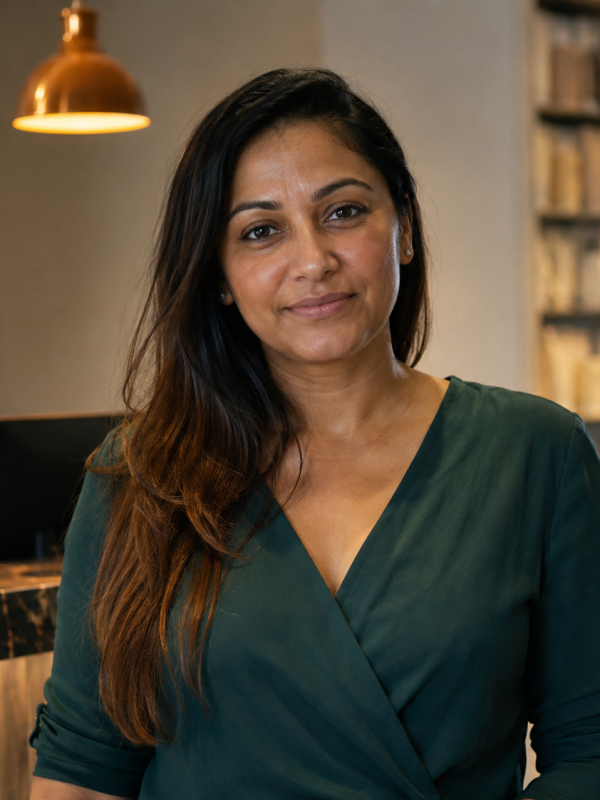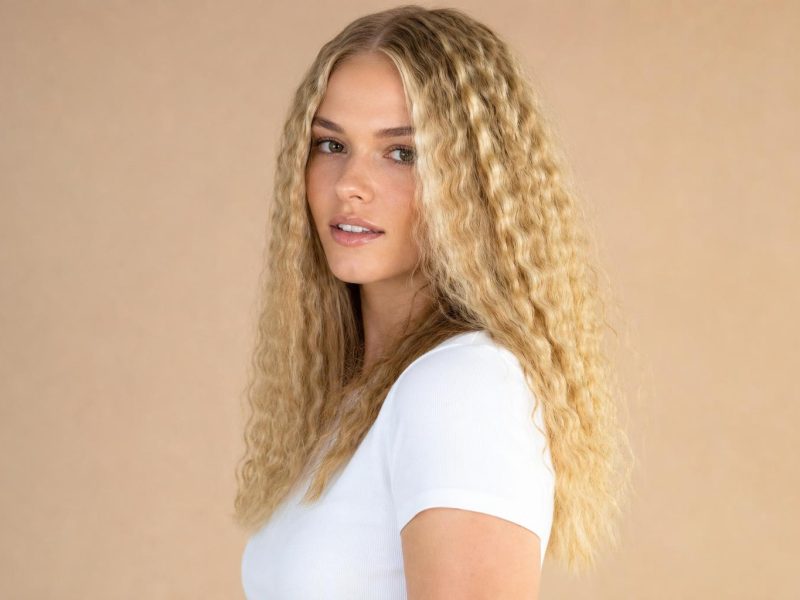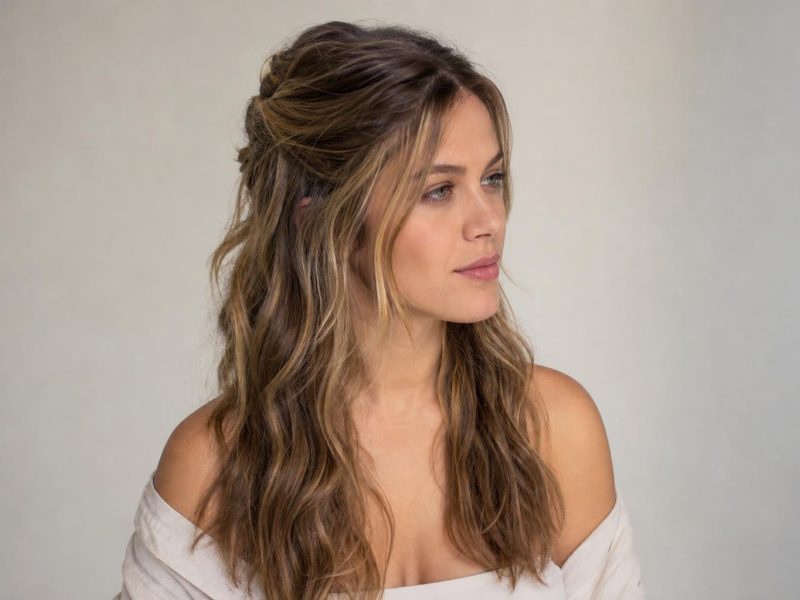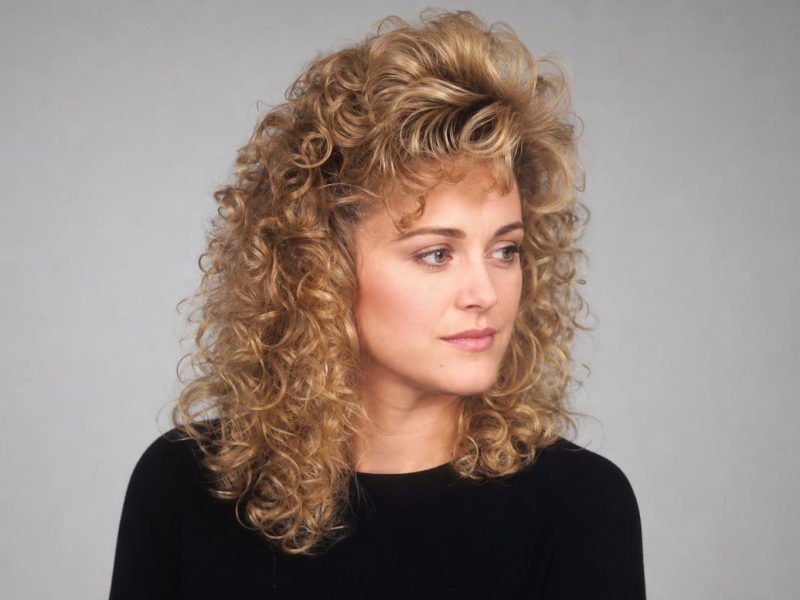

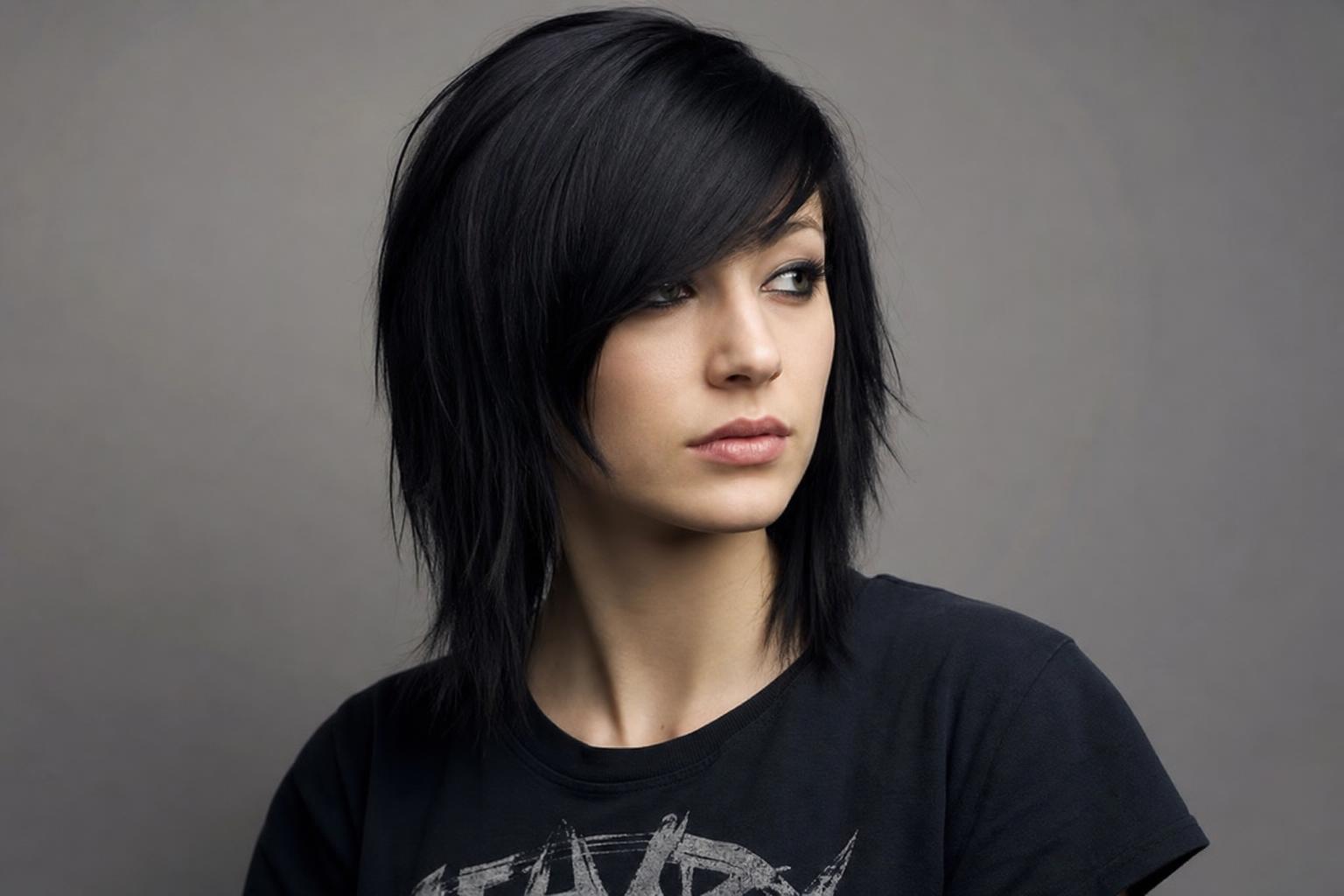
Emo hair comes down to one feature you cannot skip: a long, side-swept fringe that falls across the forehead and over one eye, cut into choppy, razored layers.
Emo hair is a straight, heavily layered style built around a long diagonal fringe, usually dyed black or very dark, with choppy ends and extra volume at the crown. It works for guys and girls at almost any length from a cropped cut to mid-back, as long as the hair can be straightened flat at the front. Scene hair is its louder cousin, with teased height, bright color and clip-in streaks, and both are covered here in 24 ideas that range from the mid-2000s originals to softer versions people wear now.
The gallery runs from classic emo cuts to modern low-key versions, emo for guys, scene hair, and emo on curly and coily hair. After it you will find an emo vs scene table, a face shape guide, a heat-safety section for the daily flat iron, a trim and color schedule, and the exact words to use at the salon.
| Factor | Details |
|---|---|
| Defining feature | Long side-swept fringe over one eye, choppy razored layers |
| Best for | Straight to slightly wavy hair of medium to thick density |
| Maintenance | Fringe trim every 2 to 3 weeks; full cut every 5 to 8 weeks; 10 to 20 minutes daily |
| Color | Black or dark brown base; optional red, blue or platinum streaks |
| Avoid if | You cannot live with hair in one eye or will not flat iron most days |
Classic 2000s Emo Hair
The original look took shape in the late 1990s hardcore scene and hit the mainstream in the mid-2000s. According to the history of the emo subculture, straight black hair with long swooped bangs spread after Refused released the “New Noise” video in 1998, and bands like Eighteen Visions paired straightened hair and swooped bangs with eyeliner and skinny jeans. These entries stay close to that template.
1. Jet Black Swoop with Razored Layers
A razor carves the layers so each piece ends in a thin, wispy point, and the fringe is cut long on one side, falling past the cheekbone. Jet black dye makes every jagged edge visible. This is the look most people picture when they hear “emo.”
2. Shoulder-Length Emo with Stacked Crown
Short layers stacked at the crown push the top up while the lengths hang straight to the shoulders. Round and heart faces balance well with this, since the height at the crown adds length to the face.
3. Long Emo Hair to Mid-Back
Thick hair suits the long version best, because the choppy layers need enough density to stay visible through the length. Fine hair at this length tends to look stringy at the ends.
4. Short Emo Bob
Flat iron the fringe across the forehead first, then tuck the shorter back sections behind the ear on the opposite side. The chin-length bob is the fastest emo cut to style, usually ten minutes including the iron.
5. Black with Red Underlayer
Only the hidden layer under the crown is bleached and dyed red, so it flashes through when the hair moves. The underlayer fades from bright red to a coppery pink in about three to four weeks, so plan a color-depositing conditioner if you want it to stay loud.
Modern Soft Emo Hair
The current version keeps the diagonal fringe but softens everything else: less teasing, more natural color, and layers that look closer to a shag or wolf cut. It suits people who liked the look the first time around but need something that works at the office. Several of these overlap with Y2K hairstyles, which borrow from the same era.
6. Emo Wolf Cut
Unlike a standard wolf cut with curtain bangs, this version swaps in a long one-sided fringe and keeps the crown choppy. It grows out well because the shaggy shape hides uneven layers.
7. Dark Brown Emo with Face-Framing Pieces
Ask for a long side fringe blended into face-framing layers that start at the cheekbone, with the rest of the length kept fuller. Dark brown instead of black makes it softer against lighter skin tones.
8. Wispy Side Fringe on Long Layers
Oval and oblong faces carry this well, because the long diagonal fringe breaks up the length of the face. The fringe is thinned so it moves instead of sitting as a solid curtain.
9. Air-Dried Emo Shag
Slightly wavy hair can skip the daily iron with this cut. A light texturizing spray and a round brush on the fringe only take about five minutes, and the choppy layers look fine with some bend in them.
10. Soft Black Skunk Stripe
A single platinum stripe runs along the front hairline on the fringe side, the rest stays soft black. It is a toned-down take on the high-contrast skunk highlights popular now, and roots show at about six weeks.
Emo Hair for Guys
Men’s emo hair follows the same rules on a shorter canvas: longer on top, a fringe that sweeps across the forehead, and sides left long enough to cover the ears. The biggest mistake is getting the sides faded, which turns the style into a modern textured crop.
11. Classic Emo Swoop for Guys
Four to five inches at the front, swept across one eye, with scissor-cut sides that cover the ears. Straight hair works best, and a small amount of light wax on the ends keeps the swoop from drifting back.
12. Emo Fringe with Short Back
Bring a photo and tell your barber you want a long fringe sweeping to one side but a tidy, tapered back and nape. It is the office-safe version, and it is close to a long fringe haircut for men with more length at the front.
13. Messy Emo Crop
Choppy point cutting on top gives a scruffy texture that needs no flat iron. Square faces benefit from the messy fringe, which softens a strong brow line.
14. Black Emo Hair with Blue Streaks
Two or three thin streaks are bleached and dyed blue near the fringe. Blue fades toward green on hair that was not lifted pale enough, so ask for the streaks to be lightened to a pale yellow before the color goes on.
15. Emo Mullet
Compared with a shaggy mullet, this one adds the long diagonal fringe and dyes everything black. The back grows past the collar and the crown is razored for height.
Scene Hair
Scene hair grew out of emo around the same period but went bigger and brighter. It keeps the side fringe and adds teased volume at the crown, bright color blocks and clip-in extensions, often striped like a raccoon tail. It takes longer to style than emo and needs more product, so it tends to be worn for events rather than every day.
16. Teased Crown Scene Hair
Backcomb the crown in one-inch sections with a fine-tooth comb, smooth the top layer over it and set it with a strong-hold spray. Keep the fringe flat and straight so the height on top contrasts with it. Expect 20 to 30 minutes.
17. Raccoon Tail Extensions
The striped clip-ins, usually black and platinum or black and bright color, go in underneath the top layer. They add length without cutting your hair, which makes them the easiest way to try scene hair.
18. Rainbow Color Block Scene Hair
Each section is bleached and dyed a different bright shade, so the colors stack in bands. It is one of the more striking looks in this gallery, and the bleach work means a salon visit of four to six hours. See more placement ideas under color block hair.
19. Platinum Scene Hair with Black Tips
Very fine hair struggles to hold the teased crown, so this version relies on the high-contrast color to do the work instead. Platinum through the top and black on the ends looks bold even when it is styled flat.
20. Pink and Black Scene Bob
A short, teased bob with a bright pink fringe and black lengths. Pink semi-permanent dye fades in two to four weeks, faster with hot water, so wash in cool water and keep a pink conditioner in the shower.
Emo Hair on Curly and Coily Hair
Most emo galleries only show straight hair. Curly and coily hair can get the same silhouette, but the fringe has to be cut for the curl rather than straightened into place every day. The key is a stylist who cuts curls dry, so the layers land where they will actually rest.
21. Curly Emo Cut with Long Side Fringe
The fringe is cut longest on one side and allowed to curl across the forehead instead of being ironed flat. Choppy layers at the crown are shaped curl by curl so the top builds height. It keeps the look without daily heat.
22. Coily Emo with Pressed Fringe Only
Only the fringe is silk pressed on a low setting, and the rest of the coils stay natural with a rounded crown. Pressing a small section limits heat damage to the front, which you can trim off more easily.
23. Wavy Emo with Diffused Crown
Wavy hair gets the stacked crown from a diffuser rather than teasing. Scrunch in a light mousse, diffuse the crown upside down, then flat iron just the fringe. The result is a softer emo that suits people who hated the flat, helmet look of the originals.
24. Curly Scene Hair with Clip-In Color
Curly clip-ins in a bright shade go under the top layer, which gives scene color without bleaching your own curls. It works on 3a to 4a curls, provided the extensions match your curl size.
Emo vs Scene Hair
People often use the two terms interchangeably, but they are different looks. Emo hair is darker and flatter, while scene hair is teased, brighter and louder. The table breaks down the practical differences for anyone deciding which to ask for.
| Feature | Emo Hair | Scene Hair |
|---|---|---|
| Fringe | Long, side-swept, flat over one eye | Similar side fringe, often shorter and more blunt |
| Volume | Moderate lift from stacked crown layers | Big teased height at the crown |
| Color | Black or dark brown, maybe one accent shade | Bright blocks, rainbow sections, platinum |
| Extensions | Rare | Common, including striped raccoon tails |
| Daily styling | 10 to 20 minutes | 20 to 40 minutes |
| Bleach needed | Only for accent streaks | Usually, for bright colors |
Choosing an Emo Cut for Your Face Shape
The diagonal fringe is a strong line across the face, so where it falls matters more than the length of the rest of the hair. Use this table to pick where the fringe should end and how much crown height to add.
| Face Shape | Best Variation | Fringe Length | Avoid |
|---|---|---|---|
| Oval | Any, including long emo | Cheekbone to jaw | Very little |
| Round | Stacked crown with long lengths | Past the jaw | Chin-length bobs that stop at the widest point |
| Square | Wispy fringe, emo shag | Cheekbone | Blunt, heavy fringes ending at the jaw |
| Heart | Shoulder-length with fuller ends | Cheekbone | Big teased crowns over a narrow chin |
| Oblong | Emo bob or wolf cut | Eyebrow to cheekbone | Scene height that adds more length |
| Diamond | Face-framing pieces at the cheek | Cheekbone | Tight, flat sides that widen the cheekbones |
Flat Ironing Emo Hair Without Frying It
Classic emo hair usually means a flat iron every day, and on dyed black hair that adds up. A study in the Journal of Cosmetic Science found that flat irons running above 200 degrees Celsius damaged hair keratin and significantly increased breakage when the hair was combed afterward, while certain polymer pretreatments reduced that breakage. In practice that means three habits.
- Iron only dry hair, never damp, and apply a heat protectant spray first.
- Keep the temperature as low as gets the fringe flat, usually 300 to 350 degrees Fahrenheit for fine or dyed hair.
- Straighten the fringe and top layer daily but leave the underneath alone unless it needs it.
For settings by hair type, the flat iron temperature guide goes into more detail.
Stylist tip: Iron the fringe in the direction it falls, pulling it diagonally across the forehead rather than straight down. It stays in place longer and needs one pass instead of three.
Upkeep: Trims, Color and Daily Styling
Emo and scene hair look great the week of the appointment and messy by week six. The fringe is the first thing to go, because an extra half inch pushes it from over the eye into it. Use this schedule to plan appointments.
| Task | How Often | Notes |
|---|---|---|
| Fringe trim | Every 2 to 3 weeks | Many salons do it free between cuts |
| Short cuts and crops | Every 3 to 5 weeks | Sides lose their shape first |
| Medium to long cuts | Every 6 to 8 weeks | Razored ends split sooner than blunt ones |
| Black root touch-up | Every 4 to 6 weeks | Sooner if your natural color is light |
| Bright streaks refresh | Every 3 to 4 weeks | Semi-permanent dye can be done at home |
Daily styling starts with a heat protectant, the flat iron on the fringe, then a pea-sized amount of light wax or texture paste on the choppy ends to separate them. Scene hair adds teasing and a strong-hold spray on top. Wash two or three times a week in cool water so black and bright shades last longer.
What to Tell Your Stylist
“Emo haircut” means different things to different stylists, especially ones who were not cutting hair in 2005. Bring front and side photos and use specific terms. For a classic emo cut, try this:
“I want a long side-swept fringe, longest on my left, falling past my cheekbone. Choppy, razored layers through the top with shorter layers at the crown for lift, and keep the length at my shoulders. Please texturize the ends so they come to points instead of a blunt line.”
For scene hair, add: “I will be teasing the crown, so keep the top layer long enough to smooth over it.” If you have fine hair, ask for point cutting instead of a razor, which can leave fine ends looking thin; the razor cut vs scissor cut breakdown explains why.
Stylist tip: Ask for the fringe to be cut dry and a little longer than you want. It is easy to take off another half inch at a free fringe trim, but a fringe cut too short loses the eye-covering look for a month.
When Emo Hair Is Not the Right Choice
It is a look with real trade-offs. These situations call for a different cut or a softer version.
- Workplaces that need clear eye contact or safety gear make a fringe over one eye impractical; the modern soft versions with a shorter fringe are a better fit.
- Very fine hair looks thin with heavy razoring and cannot hold scene teasing; stick to point-cut layers and let color add the contrast.
- Hair already damaged from bleach will not handle daily flat ironing well, so choose an air-dried shag or curly version instead.
- Naturally light blonde hair shows black roots within three weeks, which means more color appointments than most people expect.
FAQ
What Is the Difference Between Emo and Scene Hair?
Emo hair is dark, straight and flatter, with a long side fringe as its main feature. Scene hair keeps the fringe but adds teased crown volume, bright color and often clip-in extensions. Scene takes longer to style and usually needs bleach.
Do You Need to Dye Your Hair Black for Emo Hair?
No, the cut matters more than the color. Black is traditional because it shows off choppy layers, but dark brown or even your natural color works with the right fringe and layering. Soft black or darkest brown fades more gracefully than blue-black box dye.
Can You Have Emo Hair with Curly Hair?
Yes, as long as the fringe and layers are cut for your curls. A stylist who cuts curly hair dry can shape a long side fringe that curls across the forehead, so you do not need to straighten it every day. Pressing only the fringe is another low-damage option.
Is Emo Hair Coming Back?
A softer version is popular now, mixing the side fringe with shag and wolf cut layers. It uses less teasing and more natural color than the mid-2000s original, which makes it easier to wear day to day.
How Long Does It Take to Style Emo Hair?
Plan on 10 to 20 minutes for emo hair and 20 to 40 for scene hair. Most of that time is the flat iron on the fringe and top layer. Air-dried and curly versions cut that to about five minutes.
What Should Guys Ask for to Get Emo Hair?
Ask for four to five inches at the front swept across to one side, choppy texture on top, and scissor-cut sides that cover the ears. Tell the barber no fade, since a faded side turns the style into a standard textured crop.
Emo hair still works because its one essential feature, the long diagonal fringe, adapts to almost any length and texture. Start by deciding how much daily styling you want, pick a classic, soft or scene version to match, and bring front and side photos so your stylist knows exactly where the fringe should fall.
Hair results vary based on your natural hair type, texture, density, and condition. Always consult with a licensed hairstylist before making significant changes, especially with chemical treatments, bleaching or dramatic length changes. Photos may show styled results that require professional tools and products to replicate.