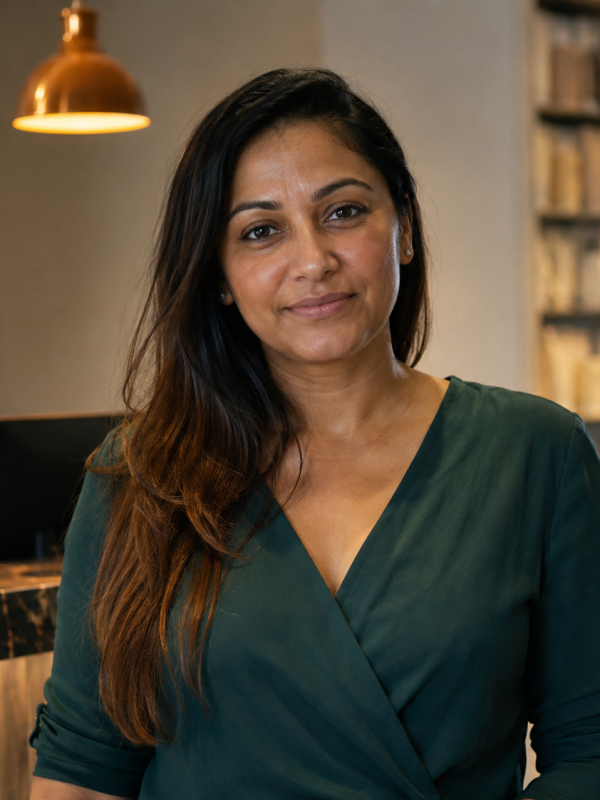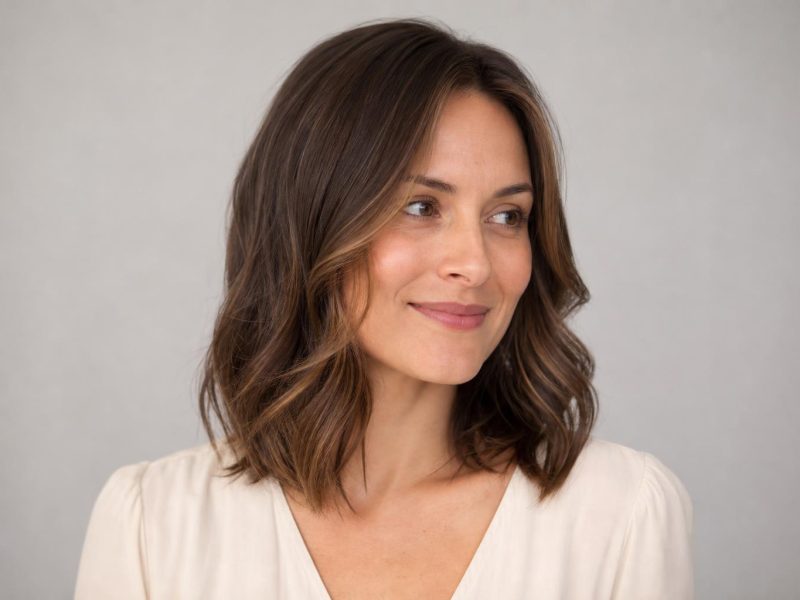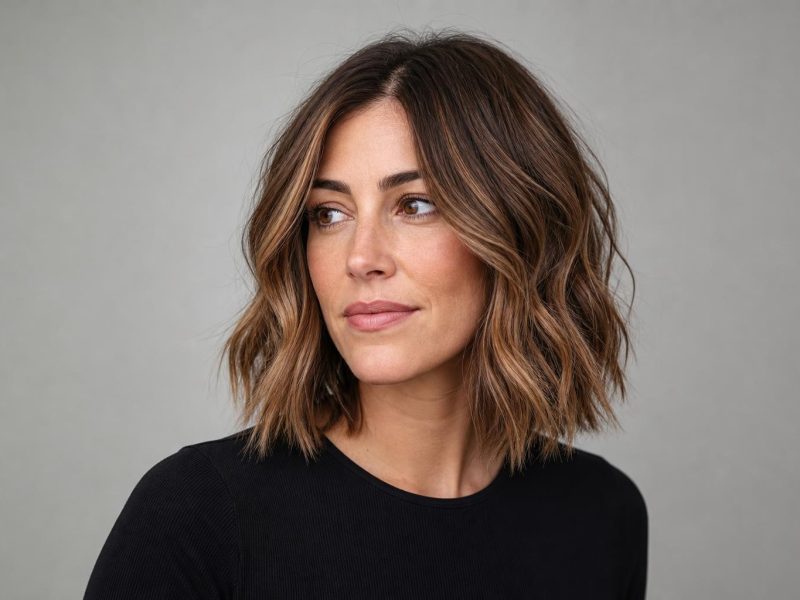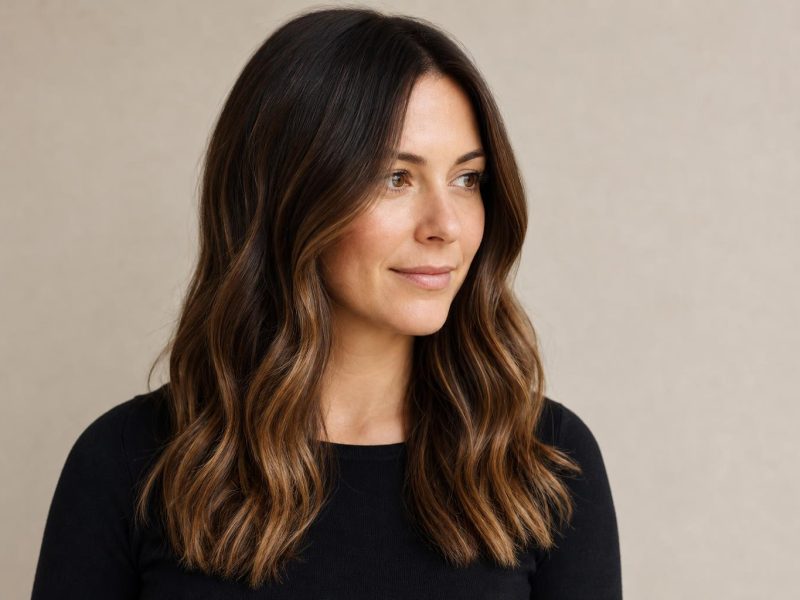
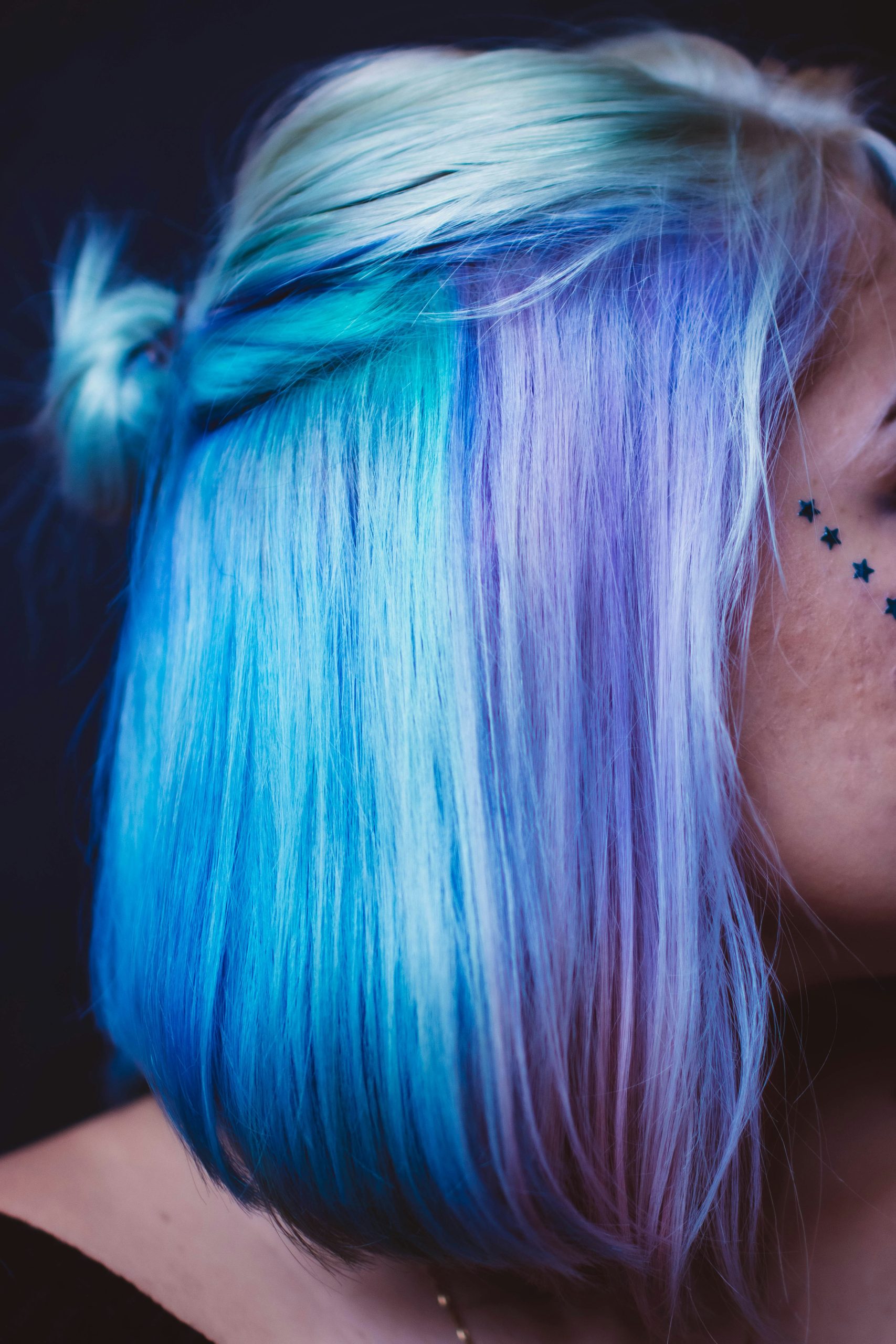

Color block hair applies two or more solid, non-blended shades to distinct sections of the hair, creating visible contrast where one color ends and the other begins with no gradual fade between them.
Color block hair divides the hair into zones: one color on one side, section, or layer, with a contrasting shade on the other. The sections can run vertically down a center part in the classic split-dye format, horizontally across the length with one color on top and another below, as chunky panels along the sides, or as an underlayer that only shows when the hair is pulled up or back. The approach works across most hair types, lengths, and skin tones, and ranges from two natural shades that appear sophisticated to high-contrast vivid pairings that appear deliberately bold.
Here are 25 color block looks organized by technique, with a face shape placement guide, a maintenance table, and the exact salon language that gets the result you actually want.
| Factor | Details |
|---|---|
| Best for | Most hair types and lengths; works best on medium to thick density hair with enough body to show contrast cleanly |
| Technique types | Split dye, panel, underlayer, face frame, horizontal two-tone |
| Maintenance | Every 6–10 weeks depending on color type; vivid shades fade faster than natural tones |
| Color range | Natural two-tone (dark/light brunette) to high-contrast vivid (black/neon) |
| Avoid if | Very fine hair without body, strictly conservative workplace, hair that cannot tolerate bleach for the lighter color zone |
What Color Blocking Does Differently from Highlights and Balayage
Color blocking is not highlights, not balayage, and not ombre. Each of those techniques relies on blending, where the transition between shades is either seamless (balayage), graduated (ombre), or scattered (highlights). Color blocking deliberately removes that transition. One section is one color. An adjacent section is a different color. The line between them is either sharp and clean or feathered just enough to prevent a visible root gap as the hair grows.
The practical difference is in how the color appears at a distance. Balayage on brown hair adds dimension and movement through gradual lightening. Color blocking adds graphic visual contrast through defined zones. Knowing which one you want before your consultation prevents the most common source of miscommunication at the chair.
Stylist tip: Color blocking requires clean, precise sectioning before any color is applied. If your stylist skips the sectioning consultation and goes straight to mixing, ask them to walk you through the placement first. Where the section lines land determines everything about how the finished look appears on your specific hair texture and face shape.
Split-Dye Color Blocks
Split-dye divides the hair down a center part so one half is one color and the other is a contrasting shade. It is the most graphic form of color blocking, producing the highest contrast with the fewest sections. The dividing line runs from the crown to the nape and is visible from the front, side, and back.
1. Jet Black and Platinum Blonde Split Dye
Bleaching one half to platinum before depositing any tone creates a canvas for the sharpest possible contrast, since the lightened side reflects light and the dark side absorbs it. The center part does the structural work: keep it straight and precise during coloring or the sections will appear uneven when the hair hangs naturally. Allow four to five hours for the session since the bleaching, toning, and dark deposit on the opposite side each require separate processing time.
2. Dark Brown and Honey Blonde Split for Oval Faces
Oval faces are the most adaptable for a split dye because balanced proportions do not need compensating through color placement. Keeping the honey blonde on the side that frames the face more prominently creates subtle brightness near the cheekbone, while the dark brown side adds depth. Neither color needs to be extreme to make the split-dye silhouette visible and distinct.
3. Split Dye on Thick Hair
Thicker hair carries a split dye better than fine hair because density prevents either section from appearing flat. On thick hair, ask your colorist to feather the edges of the darker section very slightly at the parting to prevent the hard line from appearing drawn on rather than naturally cut. The goal is a clean-edged division that does not look applied.
4. Styling a Split Dye for Two-Tone Definition
Air-drying a split dye produces the most accurate representation of the two sections, since heat styling can blur where one color meets the other if the hair frizzes or waves. For curly hair, section the curl clumps by color after washing and scrunch each side separately so the curl pattern does not carry one color’s pigment visually into the other side. Straight or wavy hair benefits from blow-drying each half toward its own side.
5. Split-Dye Maintenance Timeline
Root growth on the lighter side of a split dye shows faster than on the darker side, because the contrast between a new dark root and a platinum or blonde base is more visible than between a dark root and a dark shade. Plan for root maintenance every 6–8 weeks if the lightened side is platinum or very pale. A darker blonde or warm honey on the lighter side can extend that to 8–10 weeks before the grow-out appears unintentional.
6. Choosing Two Colors for a Natural-Looking Split Dye
Natural split dyes pair two shades within the same tone family separated by three to five levels of depth, such as level 4 dark brown against level 8 light blonde. Staying within a shared undertone family (both warm, or both cool) makes the split look deliberate rather than accidental, while a dramatic cross-undertone pairing (warm golden brown against ashy platinum) creates more visual tension. That tension suits high-contrast editorial looks but can feel harsh in person if the skin tone is not part of the color decision.
Panel and Section Color Blocks
Panel color blocks apply color to defined sections of the hair rather than full halves, which allows more control over placement. Panels can be positioned along the sides, at the front, across the crown, or at the nape. They appear differently depending on where they sit relative to the face.
7. Chunky Front Panel on Dark Hair
Tell your colorist: “I want a chunky color block panel at the front, approximately two inches wide from the hairline back, in [your chosen color], with a clean edge on both sides of the panel and no blending into the base.” A panel this width is visible when the hair is parted to either side and frames the face without requiring a full split dye. This description eliminates the most common misunderstanding, where “panel” gets interpreted as “highlights.”
8. Color Block vs. Highlights: What Each Gives You
Hand-painted highlights, including caramel highlights, blend into the base at application time, creating the appearance of gradual brightening. Color block panels remain visually separate from the base because they are applied to a defined zone that is not feathered into the surrounding hair. Both can use similar colors: the difference is in whether you want the color to appear as part of the base or as a distinct zone alongside it. If you want depth and warmth that feels naturally brightened, highlights fit better. If you want the second color to be immediately distinct, a color block panel is the right technique.
9. Vertical Side Panel on Dark Hair
Placing a vertical panel along one side of the hair from root to end creates a lateral stripe that is visible from the front when the hair falls open and disappears when the hair is brushed over it. This placement suits people who want color block hair for most situations but the option to conceal it for formal contexts. Ask your colorist to position the panel starting one inch from the center part so it remains visible when the hair hangs naturally centered.
10. Side Panel Color Block for Round Faces
Round faces benefit from color placement that creates vertical visual lines rather than horizontal ones. A panel running along one or both sides of the face from crown to collarbone adds length rather than width, which counteracts the horizontal emphasis a round face shape already has. Keep the panel color lighter than the base for this placement, since light draws the eye upward and downward rather than across.
11. Panel Color Block on Fine Hair
Fine hair can carry a panel block, but the colorist needs to account for density. A panel that removes too much pigment from one zone of fine hair can make that section look thinner than the rest, since lightened fine strands reflect light and appear even finer. On fine hair, a two-level contrast within the same tone family (medium blonde panel on light blonde base, for instance) creates visible distinction without the optical thinning that a high-lift bleach causes.
12. Styling Panel Color Blocks for Movement
Waves and curls make panel color blocks more dynamic than straight hair because the color zones bend and overlap as the hair moves. A 1.25-inch curling iron used through a panel color block creates visible color contrast in each wave, with the panel color showing on the ridges and the base color in the depths. A wolf cut with bangs pairs well with a side panel since the layered structure keeps the panel color visible at the face frame even when the rest of the hair moves.
Underlayer and Hidden Color Blocks
Underlayer color blocking places the contrasting color beneath the top layer of hair, so it shows when the hair is lifted in a ponytail, braid, updo, or when wind moves the hair. From the outside, the hair presents as its natural base color. The reveal is contextual.
13. Hidden Underlayer for Office Environments
Underlayer placement gives color block hair a professional default setting. The base color is visible at all times; the contrasting shade only appears when the hair is put up. Maintenance requirements mirror any other color service, every 6–10 weeks depending on the shade, but the color stays hidden until the wearer chooses to show it. This placement is the most practical entry point for people who want color block hair but work in conservative environments.
14. Teal Underlayer on Dark Brown Hair
Teal over dark brown requires significant lift before the teal pigment looks saturated rather than murky. Ask for at least a level 7 or 8 lift on the underlayer sections before the teal is applied; on unlifted dark hair, teal deposits as a barely visible sheen rather than a defined block of color. Dark red and navy are the two alternatives that do not require as much lift on dark bases and still produce a visible underlayer effect.
15. Underlayer Color Block for Ponytail Reveals
Specify the exact reveal point you want when booking: “I want the underlayer color to show across the back of a ponytail but stay hidden when my hair is fully down.” The colorist then places color starting from the nape sections inward and up, stopping at the point where the natural top layer covers the underlayer when the hair hangs loose. Different ponytail heights reveal different sections, so also tell your colorist whether you typically wear your ponytail high or low.
16. Underlayer vs. Peek-a-Boo Highlights
Peek-a-boo highlights scatter multiple small sections of contrasting color throughout the underlayer, creating a dappled effect when the hair moves. An underlayer color block is a single continuous zone of contrasting color that presents as one clean field. Highlights work best when you want intermittent flashes of a second shade. An underlayer block works best when you want the second color to present as a distinct layer with clear separation from the base.
17. Purple Underlayer on Curly Hair
Curl texture makes underlayer color more visible than straight hair because the curl pattern naturally lifts and separates the underlayer sections, showing the color even without deliberate styling. On curly hair, the underlayer color appears through the perimeter of each curl clump and along the nape line, creating a color-block effect that requires less effort to reveal. Always cut the underlayer sections while dry before coloring on curly hair; wet-cut underlayer sections often end up shorter than planned once the curl rebounds.
Face Frame Color Blocks
Face frame color blocking applies the contrasting shade to the sections closest to the face, from the hairline back to approximately the temples. The framing sections are always visible, appear from the front, and interact directly with the face shape. Placement here has the most impact on how the overall look flatters.
18. Platinum Face Frame on Dark Base for Heart Faces
Heart-shaped faces have a wider forehead and a narrower chin, which makes a bright platinum face frame around the perimeter of the forehead a risky placement: it draws the eye to the widest part of the face. A better approach for heart faces is to position the face frame color lower, starting from just below the temple rather than from the hairline, so the lightness sits at cheekbone level and draws the eye down rather than up. Curtain bangs paired with a lower face frame placement create the same cheekbone brightness with less forehead emphasis.
19. Copper Face Frame on Thick Black Hair
Copper and auburn are the warmest high-contrast tones that do not require the same lift as platinum on dark hair. On level 1 or 2 black hair, a copper face frame still requires lifting the face frame sections to approximately level 7 before depositing a copper tone, otherwise the warmth does not show through the existing pigment. On thick dark hair, a wide face frame works well because the density of the base keeps the contrast visible. The same width on fine hair can look proportionally heavy and draw attention to any asymmetry in the hairline.
20. Styling a Face Frame Color Block
Soft curtain bangs styled into a face frame color block create a combined effect where the bangs frame the center of the face while the color block frames the perimeter. Blow the face frame sections outward and slightly forward to maximize visibility of the contrasting shade, then scrunch or diffuse if the hair has natural wave or curl. Avoid flat-ironing a vivid face frame color, since consistent heat causes pigment molecules to break down faster than air-drying or diffusing does.
21. Face Frame Color Block Maintenance Schedule
Face frame sections fade faster than sections elsewhere on the head because they receive more sunlight during the day and are washed and dried more frequently during styling. Vivid or pastel face frame colors typically need refreshing every 4–6 weeks. Natural or permanent colors (copper, honey, platinum) hold longer, around 6–8 weeks, but the root grow-out at the hairline is noticeable within the first 6 weeks since the face frame sections are always directly in the line of sight.
Horizontal and Multi-Zone Color Blocks
Horizontal color blocking places distinct colors across the length of the hair rather than side to side or in panels. One common variation is a dark top half with a lighter or vivid bottom half, where the division runs parallel to the shoulders. Multi-zone blocks add a third or fourth color between the two anchor shades.
22. Choosing the Right Contrast Ratio for Horizontal Blocks
Light-on-top and dark-on-bottom horizontal blocks elongate the overall silhouette because light draws the eye upward and dark recedes downward. Dark-on-top with vivid or light-on-bottom creates an inverted effect where the emphasis falls on the ends, which suits people who wear their hair in ponytails or braids frequently since the contrast is visible from the back. For both pairings, the contrast ratio should span at least three to four color levels to produce visible separation at normal viewing distance.
23. What to Tell Your Colorist for a Horizontal Color Block
Bring a reference photo showing the division point you want on your specific hair length. Then say: “I want a horizontal color block at [mid-length, collarbone, or shoulder level], with [Color A] from the root down to that point and [Color B] from that point to the ends. I want a clean transition edge, not blended, but with a slight feather right at the division line so the grow-out doesn’t look harsh.” Specify whether you want the feathering to lean toward the upper or lower color, since the direction affects how the grow-out appears at your next appointment.
24. Horizontal Color Block vs. Dip Dye
Dip dye colors only the very ends of the hair, typically the bottom three to five inches, and relies on a gradual fade from the base to the dipped section. A horizontal color block places a deliberate edge higher on the hair shaft and maintains clean definition at the division. Dip dye is lower commitment and fades more naturally; a horizontal color block requires more precision in application and represents a more deliberate technical choice. If you are considering either, the key decision is how visible you want the contrast line to be.
25. Three-Zone Multi-Color Block
A three-zone color block adds a third section between the top and bottom anchor shades, reducing the contrast at each individual transition point while increasing overall visual complexity. A dark root section transitioning to a mid-tone before a vivid or light base creates a color-block structure that feels more wearable in some professional contexts than a two-zone high-contrast pair. Each additional zone extends the color session by 30–45 minutes and adds fading complexity, since three pigments fade at three different rates.
How Color Block Placement Affects Your Face Shape
Color placement in a color block works the same way color placement in makeup does: light draws the eye toward a feature, dark recedes it. The table below maps the most effective placements by face shape.

| Face Shape | Best Color Block Placement | Avoid |
|---|---|---|
| Oval | Any placement; split dye and horizontal blocks both work equally well | No face-shape-specific restrictions |
| Round | Vertical panels or face frame starting below the temples; lighter color along vertical sections | Horizontal division at chin level; full-forehead face frames that add width |
| Square | Soft face frames starting at cheekbone level; panels on one or both sides to soften jaw angles | Heavy dark color at the jaw line that emphasizes jaw width; blunt horizontal division at the jaw |
| Heart | Lighter color at mid-length and ends; face frame starting below the temple rather than at the hairline | Bright face frames running from the hairline that widen the forehead further |
| Oblong | Horizontal division at or above shoulder level; face frames that add horizontal width at the temples | Vertical panels without any horizontal element; all-dark top with vivid bottom (adds visual length) |
| Diamond | Face frame color at the temples to add width at the widest natural point; lighter ends to balance a narrow chin | Heavy dark panels at the temples that narrow an already narrow mid-face |
When Color Blocking Is NOT the Right Choice
Color blocking works for most hair types and most people, but there are specific situations where a different color approach produces better results.
- Very fine hair with low density: The defined section boundaries in a color block can visually separate already-fine strands into two distinct thin zones, making the hair look thinner overall rather than more dimensional. A jellyfish cut with tone-on-tone highlights often gives fine hair more visual interest without the graphic division lines that emphasize thinness.
- Hair that cannot tolerate bleach: Most high-contrast color block combinations require lifting the lighter section with bleach. If your hair is severely damaged, previously over-processed, or very short after a recent cut, the bleach needed for dramatic contrast can cause breakage in the affected section. A professional consultation before committing to any lift-based color block is essential.
- Strictly formal or conservative workplaces: Visible color block hair makes a statement that some professional environments do not accommodate. The underlayer technique (entries 13–17 above) addresses this partly, but a face frame or split dye is visible even in a formal updo. If your workplace prohibits non-natural hair color, an underlayer placement is the only viable option.
- Very short pixie lengths: Color blocking at pixie length does not have enough hair area per section to create visually distinct zones. The sections can appear as small patches rather than defined blocks, and grow-out is visible within weeks. At least two to three inches per section is needed for the technique to present clearly as color blocking rather than uneven color.
What to Tell Your Colorist
The most common misunderstanding at a color block consultation comes from using the term “two-tone” or “color block” without specifying the technique. Those terms describe the result, not the method, and different colorists interpret them differently. Bring a reference photo that shows your specific technique (split dye, panel, underlayer, face frame, or horizontal block), and then use these scripts:
For a split dye: “I want a vertical split from the crown to the nape, with [Color A] on the left side and [Color B] on the right. I want a clean line at the center part with a minimal feather at the edges.”
For a panel: “I want a [width]-inch section on the [left/right/both] side(s) of my hair in [color], with defined edges and no fading into the base.”
For an underlayer: “I want the underlayer sections from the ear down to the nape in [color], hidden when my hair is fully down but visible in a ponytail or braid.”
Stylist tip: Color blocking requires more precise sectioning than balayage or highlights. If your colorist spends more time on the sectioning than on the actual coloring, that is a good sign, not inefficiency. Rushed sectioning on a color block produces uneven edges that are expensive to correct later.
Maintenance and Upkeep
Color block maintenance depends heavily on which technique you chose and how much contrast the two shades have. Higher contrast between sections means grow-out and fading are more visible, and maintenance timelines are shorter.
| Factor | Natural Tones | Vivid Shades |
|---|---|---|
| Touch-up frequency | Every 8–10 weeks | Every 4–6 weeks |
| Shampoo | Sulfate-free, color-safe formula | Color-depositing or vivid-safe formula |
| Heat styling | Standard heat protection | Lower heat settings; vivid pigment breaks down faster with heat |
| Sun exposure | UV protection spray on lighter sections | UV protection required; vivid shades fade rapidly with sun |
| Between visits | Monthly gloss service to maintain tone | Color-depositing conditioner in matching shade applied weekly |
FAQ
What Is the Difference Between Color Blocking and Highlights?
Color blocking applies a single contrasting color to a defined zone of hair with visible section boundaries. Highlights scatter multiple thin strands of color throughout the hair to create dimension through variation rather than through graphic contrast. The key distinction is defined edges: a color block has them, highlights do not. You can use the same two colors with either technique and get completely different results depending on the method.
Can I Get Color Block Hair on Dark Hair Without Bleach?
On very dark hair (level 1–3), most contrasting colors require bleach to show through the existing pigment. The exceptions are darker vivid shades applied over dark hair that has been lifted to level 6 or 7, and techniques like an underlayer in black over dark brown where the contrast relies on depth difference rather than lightness. For most color block looks on dark hair, some degree of lift on the contrasting section is necessary. A consultation with a colorist who specializes in dark hair is the most reliable way to understand what is achievable in a single session versus multiple visits.
How Long Does Color Block Hair Last?
The structural result (section placement) lasts permanently until hair grows out or is recolored. The color itself fades at different rates: permanent natural colors last 6–10 weeks before requiring a touch-up, vivid semi-permanent shades fade noticeably within 4–6 weeks, and pastel shades can begin fading within 2–3 weeks. The two sections of a color block fade at different rates, which is a maintenance consideration worth discussing with your colorist before the service.
Does Color Block Hair Work on Short Hair?
Color blocking is achievable on short hair but requires at least two to three inches per section for the color zones to present as distinct blocks rather than patches. At pixie length, a split dye works reasonably well because the two-color concept is visible across the entire head even at short lengths. Panel and underlayer techniques require more length to show defined zones. A bob (at least chin length) is the most practical minimum for panel, face frame, and horizontal color block variations.
Will Color Blocking Damage My Hair?
Damage depends entirely on what the lighter section requires. If the contrast color is darker than your natural base, there is minimal damage risk. If achieving the lighter section requires bleach or high-lift color, the bleached sections will experience some porosity increase and need additional moisture treatment. A deep conditioning treatment in the same session as the color service, and a protein-moisture bond-building treatment in the weeks following, addresses most bleach-related concerns. The key question to ask at consultation: does the color I want require bleach, and if so, what is the current condition of my hair?
How Do I Prevent Fading at the Color Block Edges?
The section edges are where fading first becomes visible because that is where the two pigments are in closest proximity and where washing and heat styling most actively move color molecules. Rinse the hair in cool or cold water rather than warm, since warm water opens the cuticle and accelerates pigment loss. Apply a small amount of color-depositing conditioner in each respective shade to each section separately rather than combining them, which prevents the two colors from mixing and muddying the edge definition.
Color block hair produces some of the most distinctively personal results in hair color because the section placement is a design decision rather than a formula. The right technique and placement depend on your hair type, length, face shape, and how visible you want the contrast in your daily context. Bring at least two reference photos to your consultation and ask your colorist to walk you through the sectioning plan before any color is mixed.
Hair results vary based on your natural hair type, texture, density, and condition. Always consult with a licensed hairstylist before making significant changes, especially with chemical treatments or dramatic length changes. Photos may show styled results that require professional tools and products to replicate.