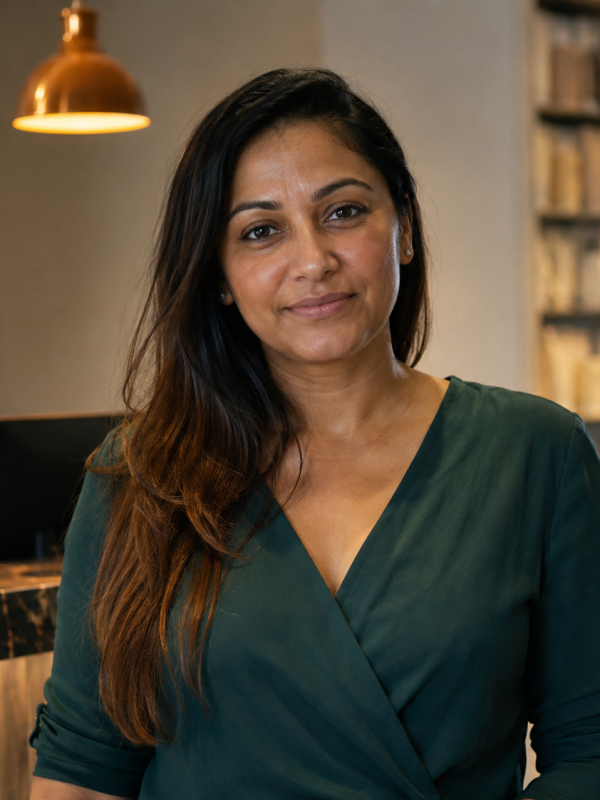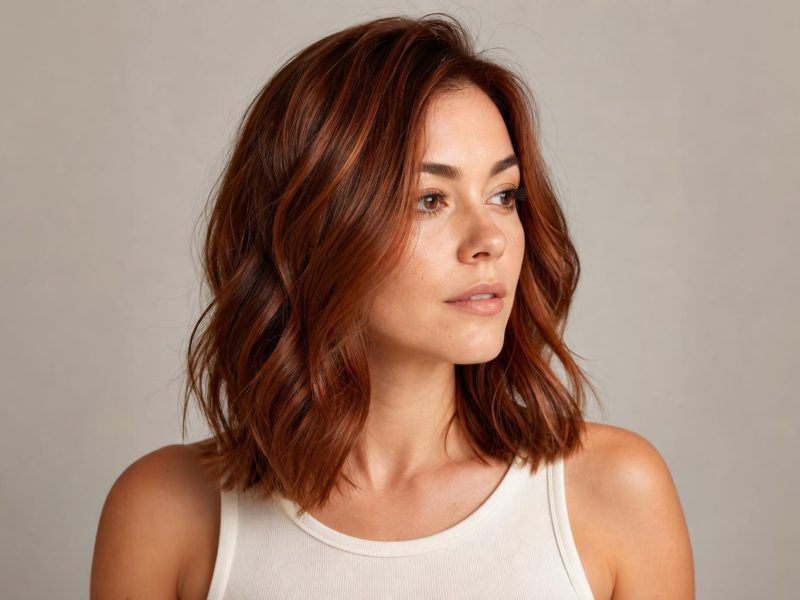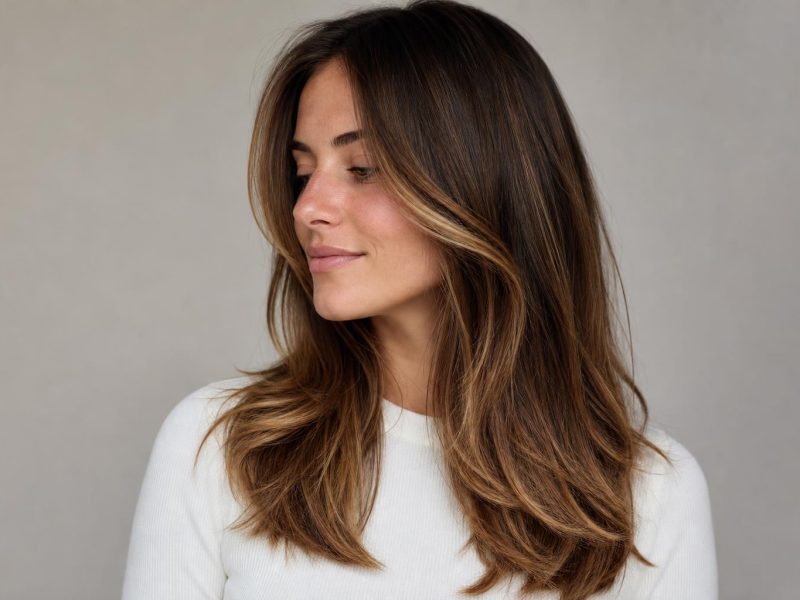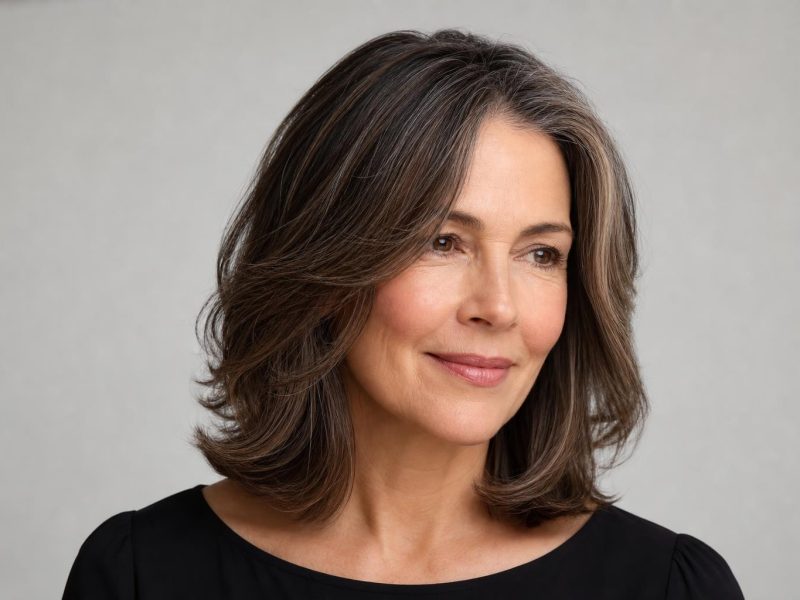
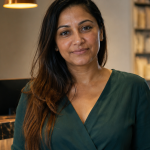


Caramel honey balayage layers soft caramel and golden honey through a brown base for a dripped-in-gold effect that grows out with no harsh line.
Caramel honey balayage combines two warm tones, buttery caramel and lighter golden honey, hand-painted onto a brown base so the color catches light like it was lifted by the sun. The two-tone approach gives more depth than a single caramel, and because it is painted rather than foiled root-to-tip, regrowth stays soft. These 25 ideas are sorted by base color, placement, cut, and warm-tone twist, with the exact shade balance noted for each.
After the gallery you will find a skin-tone matching table, the language to bring to your colorist, and a realistic upkeep routine built around holding the gold without letting it turn brassy. Balayage is one of the lowest-maintenance color techniques there is, which is a big part of why this warm blend has staying power.
| Factor | Details |
|---|---|
| Best for | Light to dark brown and dark blonde bases; warm and neutral skin |
| Tone balance | Caramel for depth, honey for brightness, blended to your undertone |
| Maintenance | Toning gloss every 8 to 10 weeks; grow-out is soft and forgiving |
| Avoid if | You want a cool, ashy result or an all-over solid color |
| Salon time | 2.5 to 4 hours for painting, processing, toning, and a blow-dry |
Caramel Honey Balayage by Base Color
Your starting base decides how bright the honey reads and how much lift the caramel needs. Darker bases give a richer, higher-contrast melt, while lighter browns let the honey glow with almost no lift. This section shows the blend across dark brown, medium brown, light brown, and dark blonde starting points.
1. Golden Caramel Melt on Dark Brown
A seamless melt drops from a dark brown root into caramel through the mid-lengths and honey at the ends, so the color looks poured rather than painted in pieces. The gradual transition is what gives that dripped-in-gold finish without any visible stripe. Dark brown bases need a careful lift here, so a bond-building additive keeps the ends healthy.
2. Caramel Honey on Medium Brown for Round Faces
Placing the brightest honey vertically down the front sections draws the eye up and down, which slims a round face. Keep the caramel deeper at the sides so the contrast stays where it lengthens rather than widens. Longer face-framing pieces in the lighter tone amplify the effect.
3. Caramel Honey on Fine Light Brown
Fine light brown hair gains the look of extra body from caramel honey because two warm tones woven together read as more texture and depth. Keep the painting soft and diffused so there are no heavy blocks that can expose sparse spots. A volumizing mousse before blow-drying gives fine hair the movement that shows the dimension off.
4. Honey Caramel Beach Waves on Bronze Brown
Loose waves bend the caramel and honey around each curve, so a warm bronze-brown base lights up with movement. Style with a 1.25-inch iron and a texture spray, alternating wave direction for a natural finish. The waves are what turn a subtle painted color into an obvious golden glow.
5. Low-Upkeep Caramel Honey on Dark Blonde
Dark blonde is the easiest base for this blend because the honey barely needs lift, which keeps both damage and upkeep low. Regrowth blends almost invisibly, so you can stretch salon visits to three or four months. It is the version to ask for if you want warmth with the least commitment.
6. Caramel Flan Brunette
Caramel flan is a low-contrast take that melts rich brown and soft caramel together for a polished, expensive-looking brunette rather than a bright one. The tones sit close in depth, so the result is glossy and refined instead of stripey. It suits anyone who wants warmth without an obvious highlight.
7. Caramel Honey Over Black Hair
Getting true caramel honey on naturally black hair takes real lift, so tell your colorist “warm caramel and honey, no orange, and use a bond builder.” The result keeps a deep black-brown root with warm painted pieces that avoid the brassy stage most black-to-caramel jobs fall into. Plan for more than one session if your hair is very dark.
Placement and Technique
Where the caramel and honey land, and how they are applied, changes the whole feel of the color. Money-piece brightness reads bold, teasylights read seamless, and foilyage gives the cleanest lift on stubborn hair. This section walks through the placement choices worth naming at your consult.
8. Caramel Honey Money Piece Versus Full Balayage
Unlike a full head of balayage, a caramel honey money piece concentrates the brightness in two panels around the face for a fraction of the cost and upkeep. The framing glow gives most of the flattering effect while the rest stays your natural brown. It is the smart starter if you are testing warm tones for the first time.
9. Teasylight Caramel Honey Dimension
Teasylights backcomb each section before painting, which blurs the top of every piece so there is zero regrowth line. The technique gives the softest, most blended caramel honey of any method. Ask for it if you love dimension but hate the grown-out foil look.
10. Caramel Honey Curtain-Bang Frame for Long Faces
Warm honey painted into curtain bangs adds a horizontal pop of brightness that visually shortens a long, oblong face. Keep the fringe cheekbone-length so it frames without covering the color. The bangs and the balayage work together to balance the proportions here.
11. Caramel Honey on Thick Coarse Hair
Thick, coarse hair carries caramel honey with real richness because there is enough density to hold multiple tones without looking busy. Coarse strands can grab warm and read orange, so a colorist neutralizes with a cooler caramel where needed. A weekly moisture mask keeps the tone from dulling on thirsty ends.
12. Sleek Straight Caramel Honey Ribbons
Poker-straight styling lines up the caramel and honey ribbons into clean vertical streaks that shine down the length. Use a heat protectant and a flat iron, then a shine serum to make the gold gleam. Straight hair shows the ribbon placement more clearly than any other style.
13. Gloss-Refreshed Caramel Honey
A toning gloss every couple of months is what keeps caramel honey golden instead of brassy as it settles. Ask for “a warm gloss to refresh the honey and knock back any orange,” and the color looks freshly painted again in half an hour. It is the cheapest way to stretch a full balayage to six or more months.
14. Honey-Forward Caramel Balayage
Leaning the blend toward honey gives a brighter, sunnier result where the golden tone leads and caramel just adds depth underneath. The lighter reading flatters fair to medium warm skin and photographs bright in daylight. Tell your colorist you want “more honey than caramel” to land it.
Caramel Honey on Cuts and Textures
The right cut makes caramel honey balayage move and shine, and different textures reveal the two tones in different ways. This section places the color on specific lengths, layers, and curl patterns so you can picture it on your own hair. Layers especially help the caramel and honey read as dimension.
15. Caramel Honey Foilyage Request
Foilyage pairs hand-painting with foils to give dark or resistant hair a cleaner, brighter lift than open-air balayage. Ask for it by name if your hair has been stubborn to lighten in the past. The foils drive a more even honey while the painting keeps the softness.
16. Caramel Honey Versus Ashy Balayage
Where an ashy balayage cools everything down, caramel honey does the opposite, leaning fully warm for a golden glow. If your last balayage looked flat or grayish on you, the warm version often flatters warm and olive skin far better. Seeing the two side by side makes the difference obvious, and our brown hair balayage gallery shows the full cool-to-warm range.
17. Caramel Honey Babylights on a Lob
Fine babylights of caramel and honey scattered through a collarbone lob give delicate, sun-kissed brightness that suits the blunt weight of the cut. The tiny pieces melt into the brown for a natural, expensive finish. Babylights are the gentlest way to add warmth without a bold highlight.
18. Caramel Honey for Square Faces
Softer honey placed around the jaw helps round off the strong corners of a square face, while deeper caramel keeps the overall look grounded. Pair it with soft layers rather than a blunt perimeter so both color and cut soften the angles. The warmth at the jawline is what does the flattering.
19. Caramel Honey on Curly 3A Hair
Springy 3A curls turn caramel honey into a bouncing play of light, since each curl catches the honey at its peak and the caramel in its hollow. A dry cut and painted balayage let the colorist place tone where the curl actually falls. A sulfate-free routine keeps the curls defined and the gold bright.
20. Caramel Honey Half-Up Glow
Pulling the top half up reveals the under-sections where colorists often place the brightest honey, so the glow shows when you move. Style it loose with a couple of face-framing pieces left down. It is a fun way to control how much warmth shows on a given day.
Warm Multi-Tone Variations
Caramel and honey both sit in the warm family, so the blend takes easily to copper, toffee, and bronde neighbors for extra range. This section pushes the two-tone idea into richer or lighter territory. Each variation keeps the soft, painted balayage base while shifting the overall warmth.
21. Sun-Faded Caramel Honey Grow-Out
Left to grow for a few months, caramel honey fades into a softer, sandier version of itself that many people like as much as day one. Because there is no line to chase, the grow-out looks like a natural summer lightening rather than a job that needs redoing. A hydrating mask keeps the faded tone from looking dry.
22. Copper-Kissed Caramel Honey
Adding a whisper of copper into the caramel gives a richer, spicier warmth that glows red-gold in the sun. The extra warmth flatters warm and olive skin and pairs naturally with brown eyes. For a fuller warm-red direction, our caramel highlights ideas show where the copper family leads.
23. Caramel Honey Dimension, What to Ask For
To get real dimension rather than a flat single tone, tell your colorist “two warm tones, caramel for depth and honey for brightness, painted seamless with no chunky pieces.” Naming both tones and the softness you want is what separates a rich result from a stripey one. Bring a photo in natural light so the warmth reads true.
24. Caramel Honey Versus Bronde
Unlike a true bronde, which balances brown and blonde evenly, caramel honey keeps the warmth turned all the way up for a golden rather than neutral finish. If you want warmth, caramel honey wins; if you want a cooler brown-blonde blend, the honey brown family lands closer to neutral. The choice comes down to how warm you want to read.
25. Ribboned Toffee Caramel Honey
At its richest, the blend deepens into toffee, a darker caramel that keeps honey ribbons for contrast so the color stays multi-tonal without going light. The deeper reading suits medium to dark brown bases and cooler-leaning warm skin. It is the most wearable version for anyone who wants dimension but not brightness.
How to Match Caramel Honey Balayage to Your Skin Tone
Caramel honey is a warm blend, so it flatters warm, neutral, and olive skin most easily, while cool complexions need the tone pulled back toward a softer, less golden caramel. The table matches undertone to the balance and depth that works hardest for it.
| Undertone | Best Balance | Ideal Base | Avoid |
|---|---|---|---|
| Warm / golden | Honey-forward, bright | Light to medium brown | Cool ashy toners |
| Olive | Caramel-forward with copper | Medium to dark brown | Very pale honey ends |
| Neutral | Balanced caramel flan | Any brown | Overly brassy gold |
| Cool / fair | Soft toffee, low contrast | Dark blonde to light brown | Bright orange caramel |
What to Tell Your Colorist
Caramel honey means different things to different colorists, so name both tones and the finish you want. A reliable script: “Caramel honey balayage on my natural brown, caramel for depth and honey for brightness, painted seamless with a soft root, warm but not brassy.” Mention your skin undertone and bring a daylight photo, since gold reads differently under salon bulbs. If your hair has old highlights or color, say so, because it changes how the caramel takes.
Stylist tip: Ask for a toner or gloss to be included in the first appointment, not just the lightening. Freshly lifted warm hair can sit too orange for a day or two, and the gloss is what turns raw lift into that finished caramel honey glow.
If you are still choosing your overall depth, comparing warm options helps. Our dark brown shades and honey blonde ideas bracket caramel honey on the darker and lighter sides, which makes it easier to confirm this warm middle ground is the one you want.
Maintenance and Upkeep
Balayage is genuinely low maintenance because the painted, root-free placement means no sharp regrowth to fix, so most people go three to four months between full appointments. The real upkeep is tonal: warm blends drift brassy over time as the lightened pieces oxidize and pick up warmth from washing and sun. A toning gloss every 8 to 10 weeks resets the gold and keeps orange in check.
Stylist tip: Skip the purple shampoo unless your hair genuinely turns yellow. On caramel honey, heavy purple toning can dull the warm gold you paid for, so use it sparingly and reach for a warm-toned or gold-preserving conditioner instead. A weekly bond or moisture treatment matters more here, since lifted warm tones live on slightly more porous hair.
When Caramel Honey Balayage Is Not the Right Choice
The blend is flattering and low-fuss, but it is not the answer for every goal. Be honest about these before you book.
- You want a cool, ashy, or icy result: caramel honey is fully warm by design, and forcing it cool fights the whole point. A cooler chocolate brown or an ash balayage suits that goal better.
- You want an all-over solid color: balayage is dimensional and painted, so if you want one uniform shade with full gray coverage, a single-process color is the right tool.
- Your hair is very dark and very damaged: reaching true honey needs lift, and compromised hair can break or grab uneven warmth. Repair first, then lighten gradually across sessions.
- You never want to see a colorist for toning: warm balayage stays best with an occasional gloss, so a completely maintenance-free option means choosing a shade close to your natural depth.
FAQ
What Is the Difference Between Caramel Honey Balayage and Caramel Highlights?
Balayage is a freehand painting technique that keeps a soft, root-free melt, while traditional highlights use foils from the root for a more uniform, higher-contrast lift. Caramel honey balayage blends two warm tones for dimension and grows out with no line, whereas foiled highlights show regrowth sooner. If you want low maintenance and a natural melt, balayage is the better fit.
Does Caramel Honey Balayage Work on Dark Hair?
Yes, but dark hair needs real lift to reach true honey, so expect a careful lightening step and possibly more than one session. A colorist keeps a deep root and paints warmth through the lengths to avoid an orange stage. A bond-building additive protects dark hair during the lift, so ask for one.
How Long Does Caramel Honey Balayage Last?
The placement itself lasts three to four months because there is no harsh regrowth line to chase, which is why balayage is considered low maintenance. The tone is what needs attention, drifting brassy over 8 to 10 weeks as the warm pieces oxidize. A toning gloss on that schedule keeps the gold looking fresh between full appointments.
Will Caramel Honey Turn Brassy?
It can, because warm lifted hair naturally picks up extra warmth from washing, heat, and sun over time. The fix is a warm-balancing gloss every couple of months rather than heavy purple shampoo, which can dull the gold you want. Cool-water washing and UV protection also slow the shift toward orange.
Is Caramel Honey Balayage Good for Fine Hair?
Yes, and it often makes fine hair look thicker, since two woven warm tones read as more depth and texture. Keep the painting soft and diffused so heavy blocks do not expose the scalp. A volumizing product before blow-drying gives fine hair the movement that shows the dimension.
Which Skin Tones Suit Caramel Honey Balayage?
Warm, neutral, and olive skin wear it most easily because the gold echoes the warmth in the complexion. Cool and fair skin can still pull it off with a softer, toffee-leaning balance that avoids bright orange. The blend is adjustable, so a colorist tunes the caramel-to-honey ratio to your undertone.
The best caramel honey balayage is the one balanced to your base color and undertone, whether that means a bright honey-forward melt on light brown or a deep toffee blend on a dark base. Save a couple of daylight reference photos, name both the caramel and the honey when you describe the finish you want, and book a toning gloss into your first appointment. That planning is what turns a warm trend into a low-maintenance color you can wear for months.
Hair results vary based on your natural hair type, texture, density, and condition. Always consult with a licensed hairstylist before making significant changes, especially with chemical treatments or dramatic length changes. Photos may show styled results that require professional tools and products to replicate.