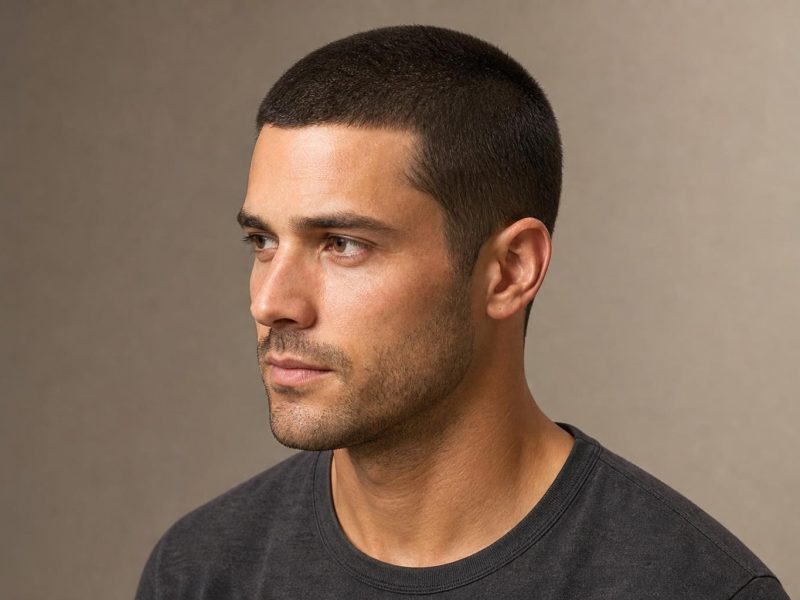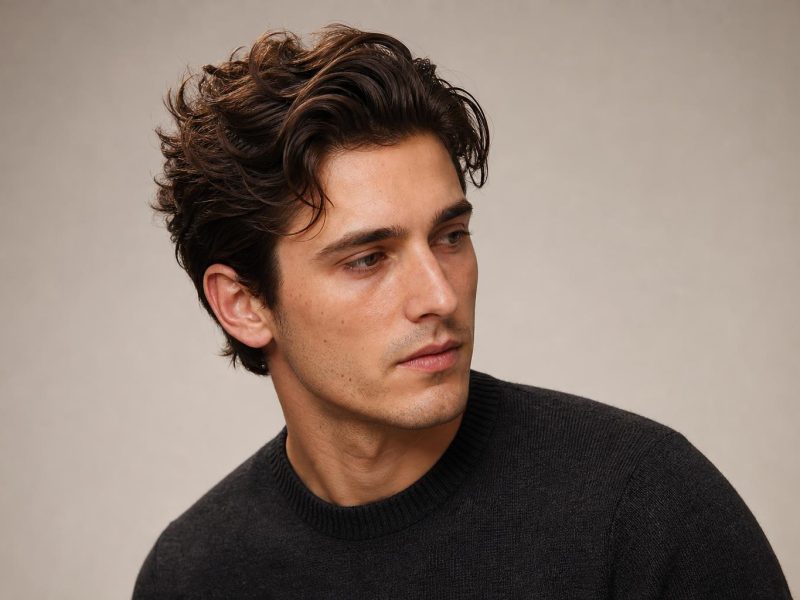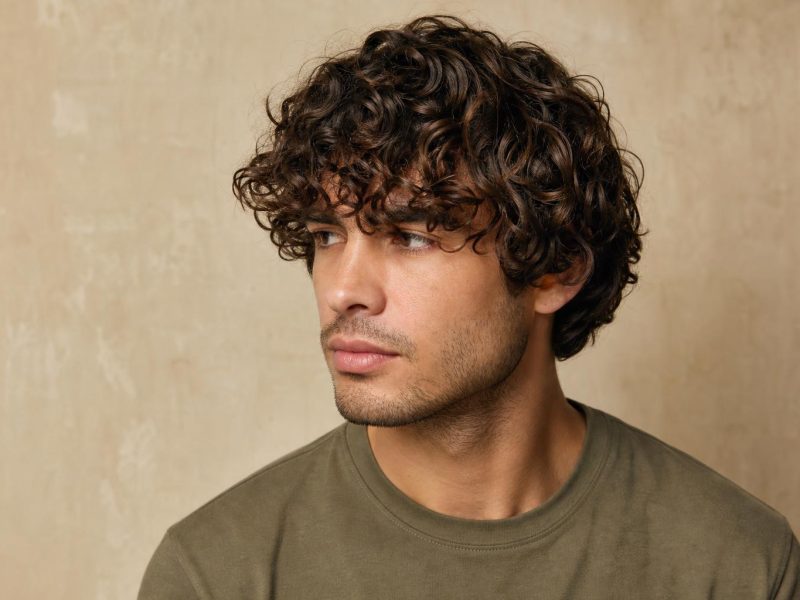

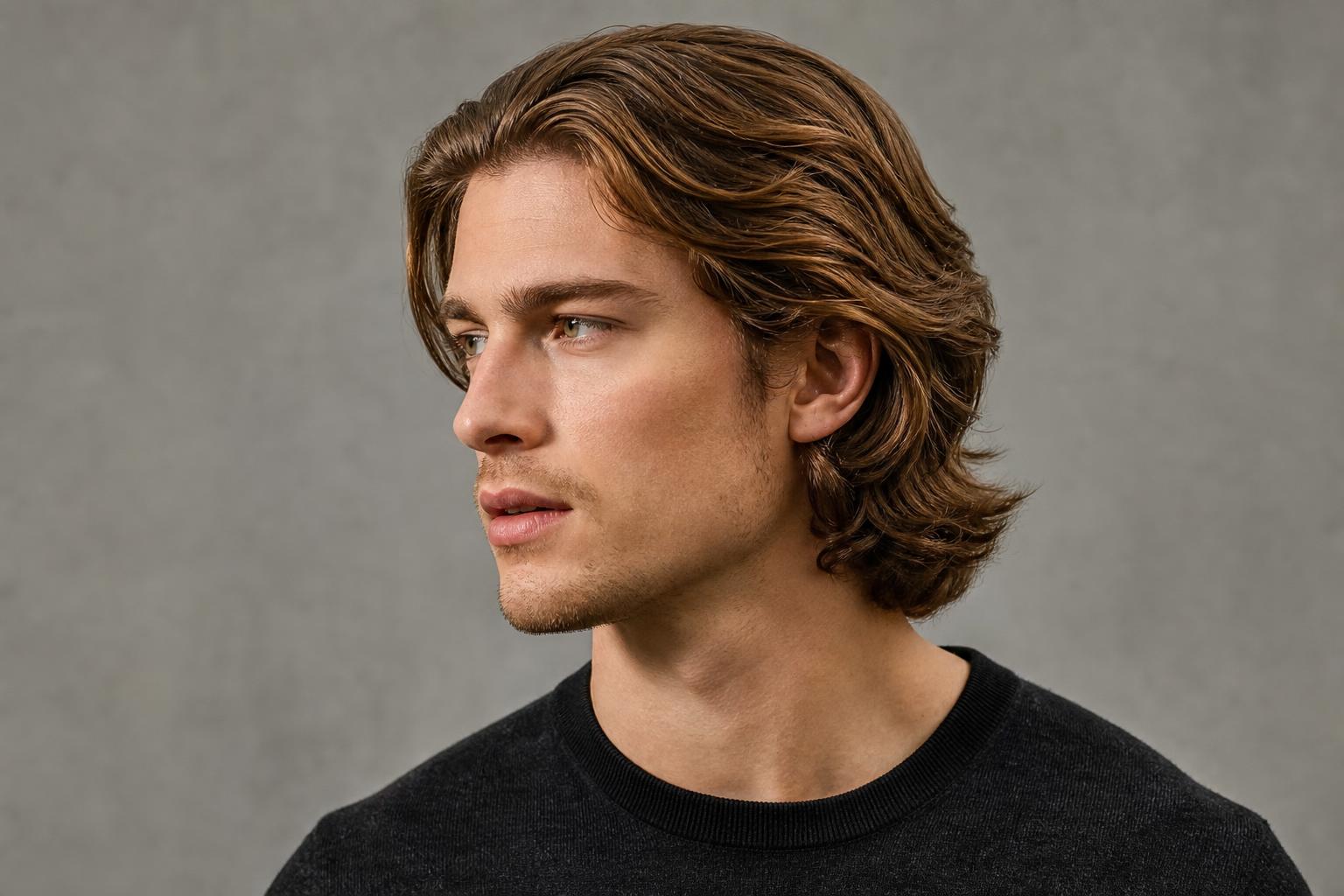
The flow haircut is medium-length men’s hair that moves back and away from the face, long enough to tuck behind the ears and grown for movement rather than a sharp shape.
A flow haircut keeps the hair at roughly three to six inches, layered so it sweeps backward or to the side instead of falling forward or sitting stiff. The defining trait is movement, not length alone, which is why surfers, hockey players, and anyone growing their hair out gravitate toward it. Here are 25 flow haircut styles sorted by length, hair texture, and how you pair it with a fade or part.
The gallery starts with classic medium flow, moves through versions for each hair texture, then covers flow paired with tapers and the longer, bolder takes. After the photos you will find a plain explanation of what the cut is, a face shape table, the exact words for your barber, an honest grow-out timeline, and the situations where a flow is the wrong call.
| Factor | Details |
|---|---|
| Best for | Men growing their hair out; wavy and thick textures; oval and square faces |
| Maintenance | Shape-up trim every 6 to 8 weeks; 5 minutes daily styling |
| Works with | Straight, wavy, and curly hair; pairs with tapers or a full grow-out |
| Avoid if | You want zero styling, have very fine flat hair, or cannot wait out the grow-in |
| Salon time | 20 to 40 minutes for a shaping trim |
Classic Medium Flow Styles
The classic flow runs three to five inches all over, layered so it falls back off the face and tucks behind the ears. This is the version most men picture when they hear the word, balanced enough to suit nearly any face shape. It relies on natural movement rather than heavy product.
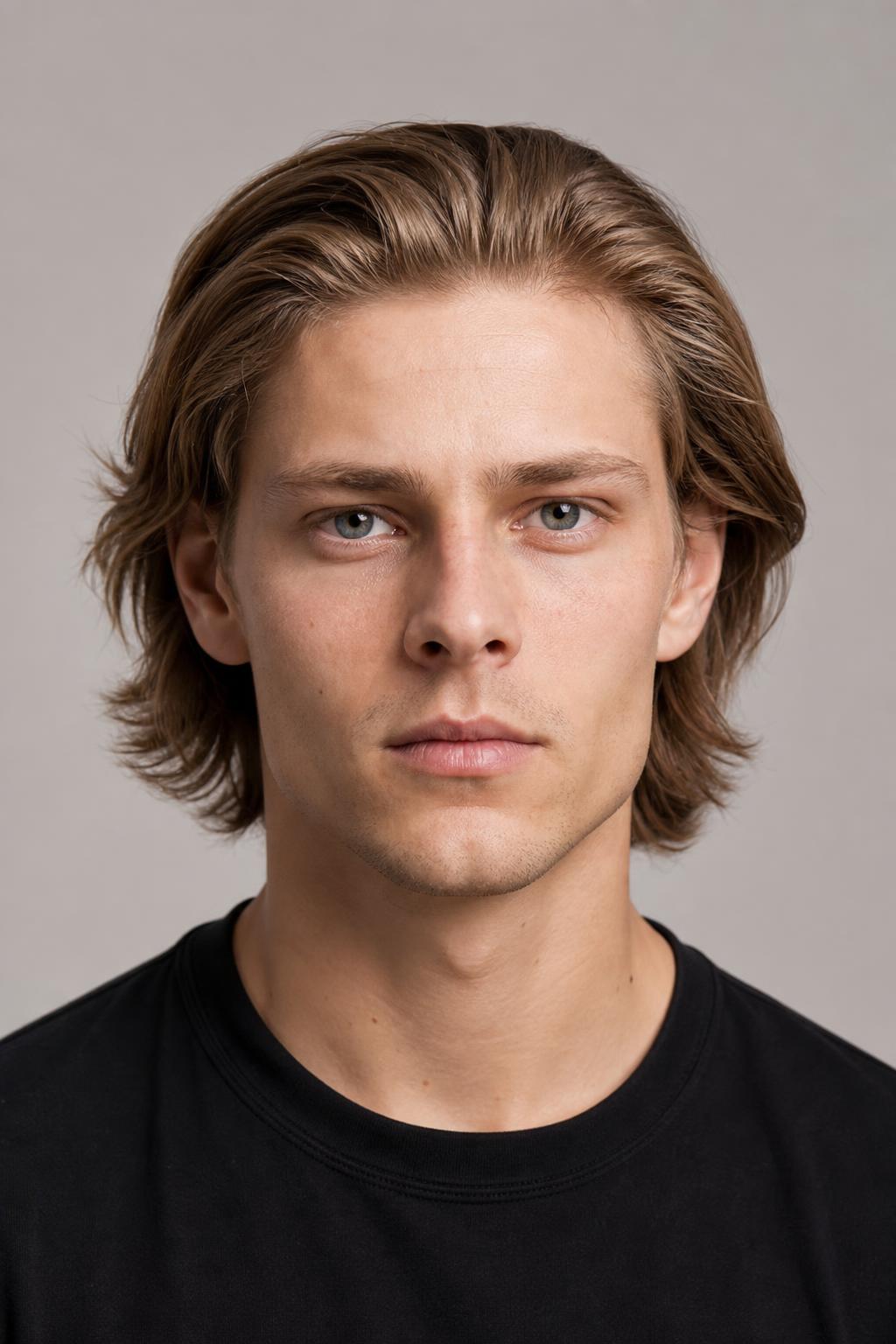
1. Mid-Length Swept-Back Flow
Hair pushed straight back from the forehead and feathered at the ears is the purest form of the flow. Rough-dry it backward with your fingers and a touch of sea-salt spray to set the sweep without stiffness. Most face shapes carry this comfortably, which makes it the safest starting point.
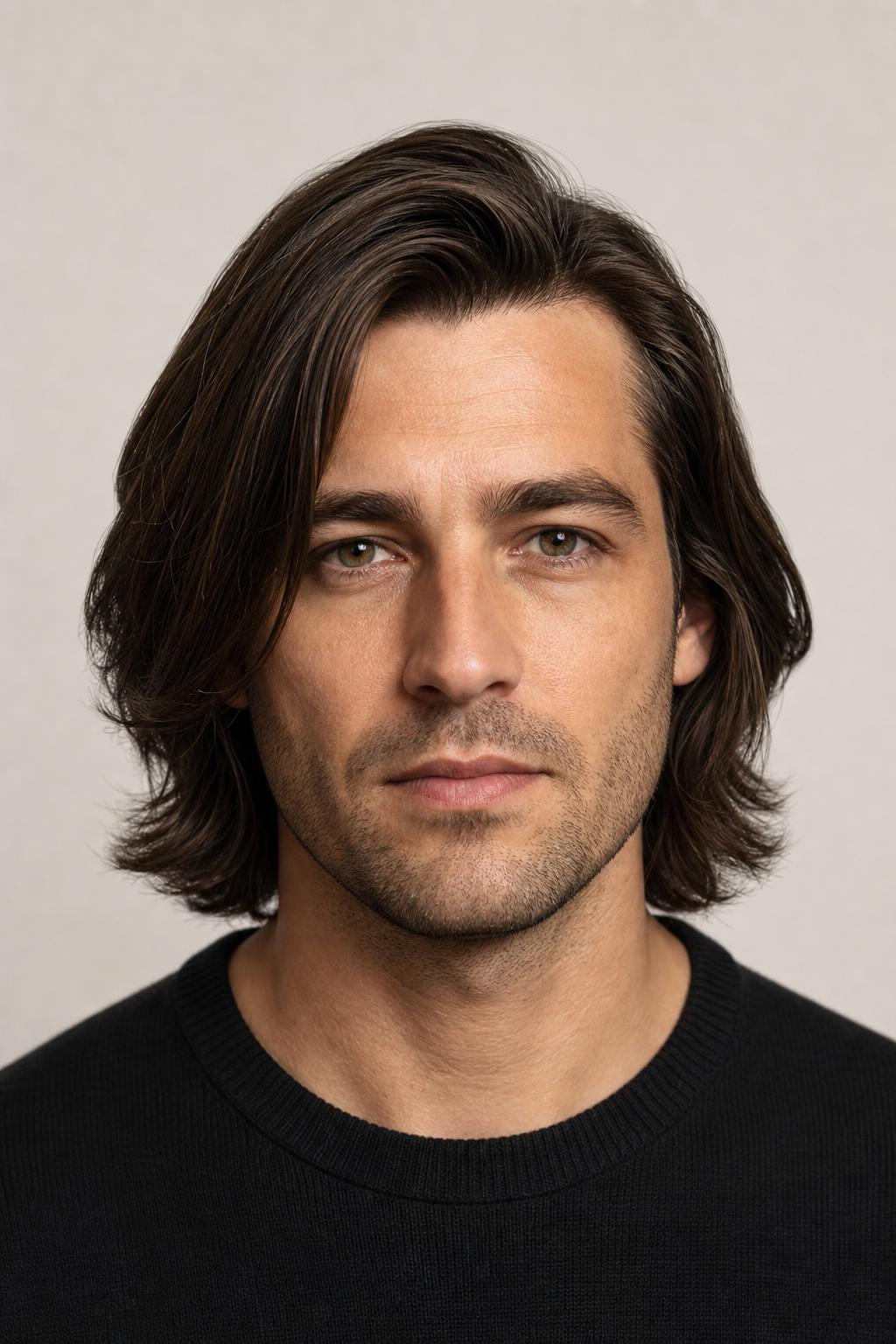
2. Side-Parted Flow
A loose side part gives the flow a slightly more put-together feel while keeping the movement. Square and oval faces suit the part because it adds a diagonal line that softens a strong forehead. Comb it over damp and let it air-dry for a relaxed finish.
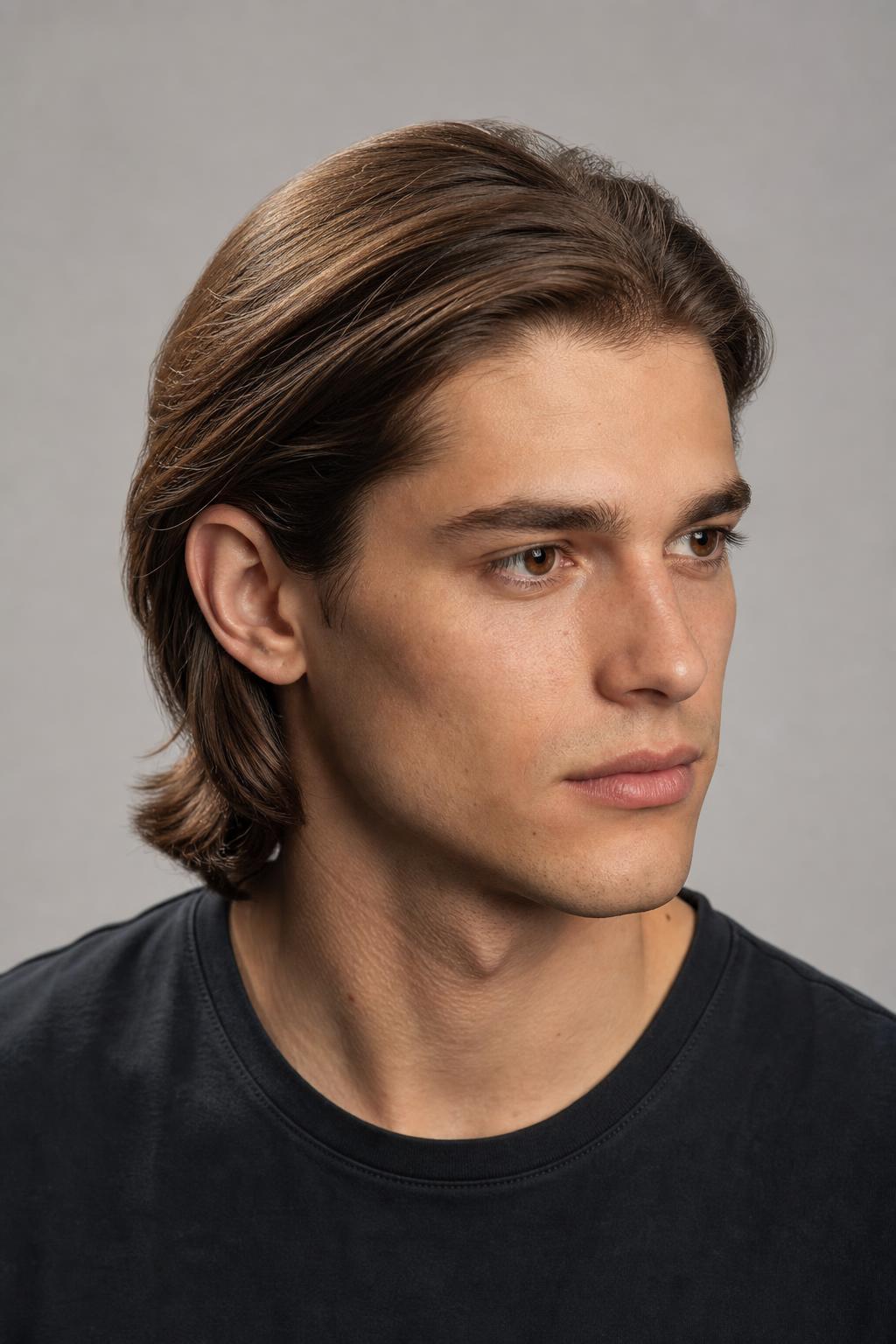
3. Ear-Tuck Flow
Reaching the length where hair tucks behind the ears is the milestone every flow chases, and this style shows it off. Tucking keeps the sides controlled while the back and top stay loose. A lightweight leave-in stops the tucked sections from kinking by midday.
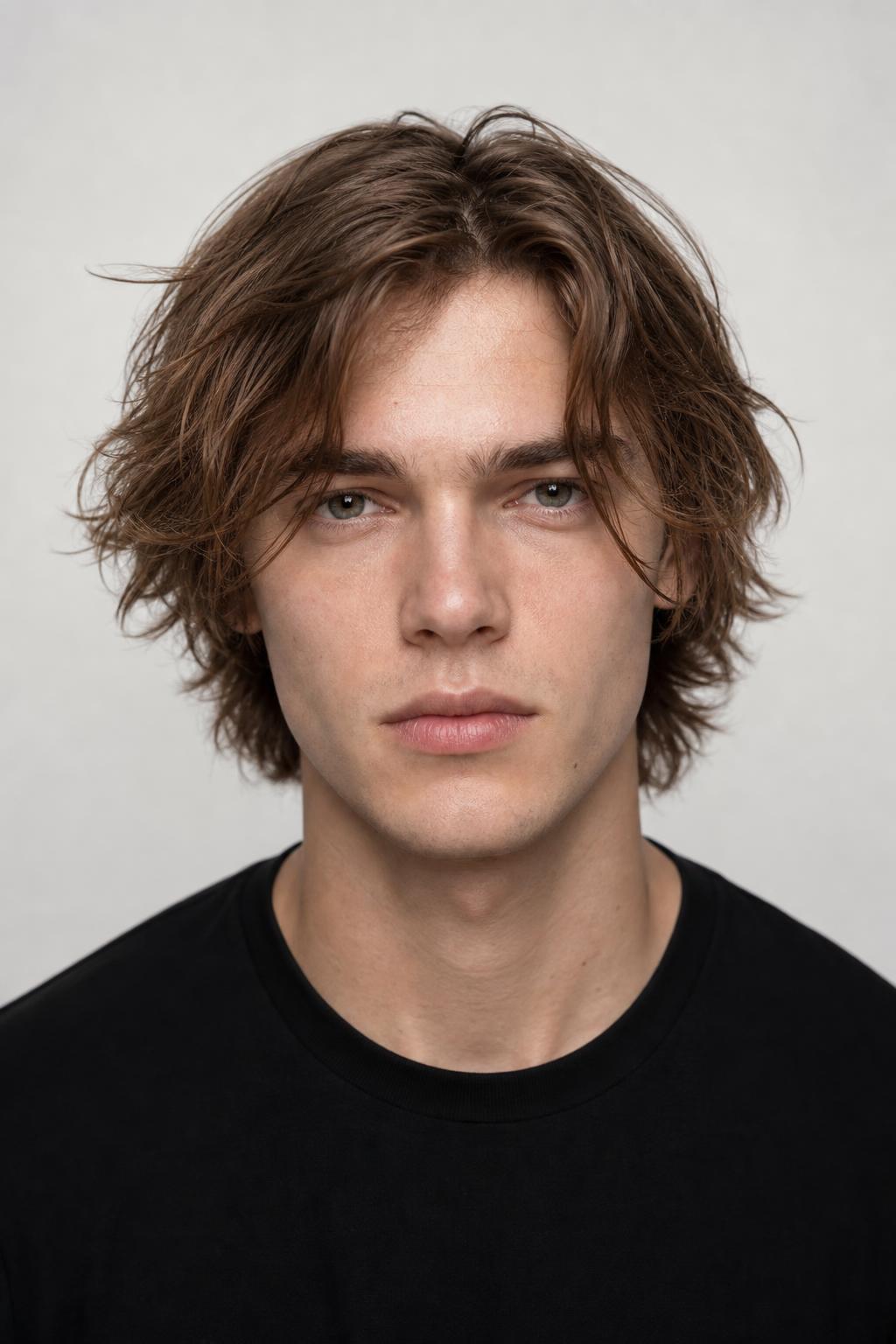
4. Tousled Natural Flow
Letting the hair dry on its own with minimal product gives a soft, undone version of the cut. Scrunch a little texture cream through the mid-lengths for separation, then leave it alone. Guys who hate styling tend to land here, since it rewards doing almost nothing.
5. Voluminous Blow-Dried Flow
For more lift, blow-dry the hair up and back over a vent brush before it cools into shape. The added height suits rounder faces by drawing the eye upward. A matte clay raked through the roots holds the volume through the day.
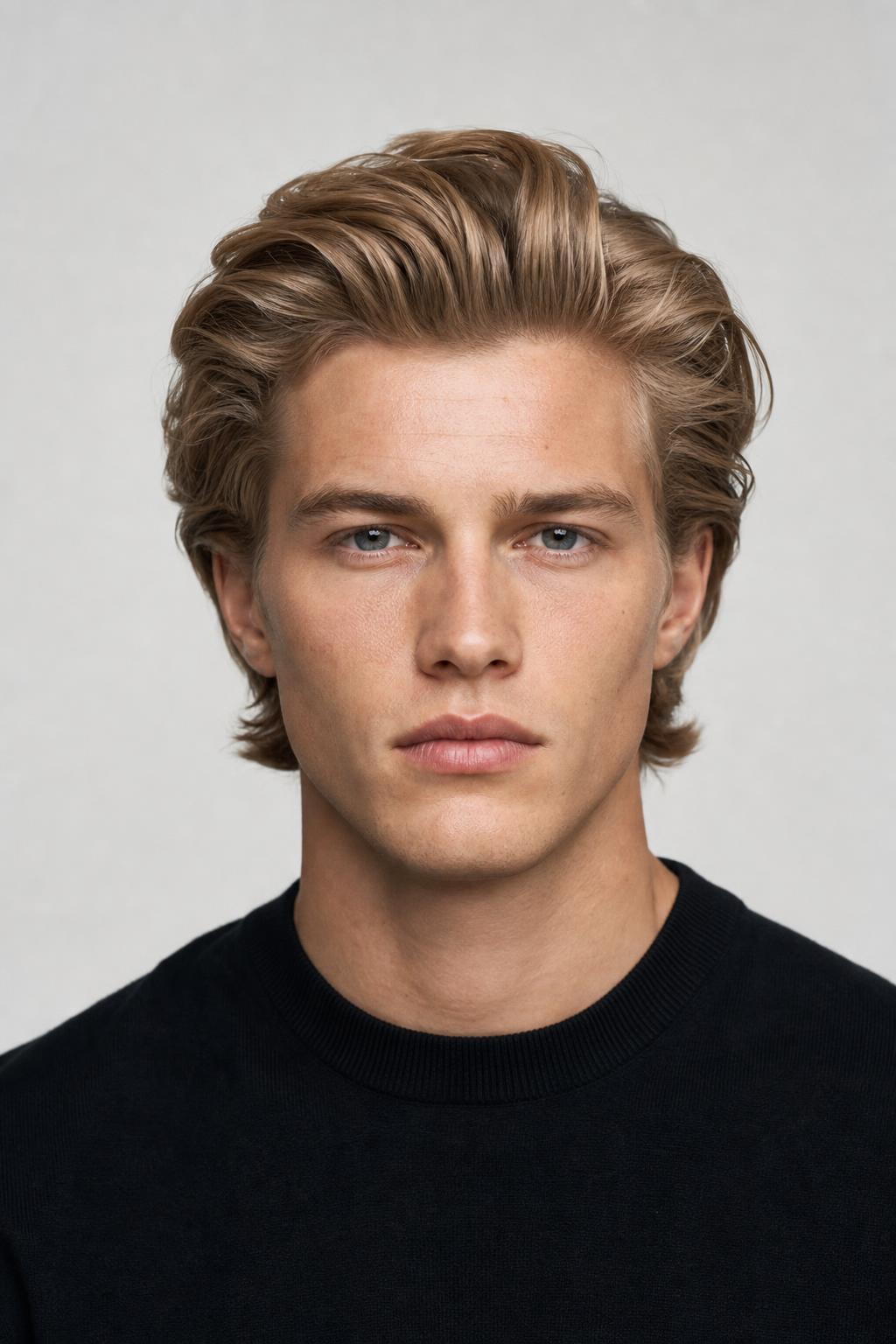
6. Short-to-Medium Starter Flow
At the shorter end of flow length, this version works for men still growing things out who want it to look intentional now. Keeping the layers connected stops the cut from looking shapeless during the in-between stage. It bridges neatly toward the longer styles further down this list.

Flow Haircuts by Hair Texture
Texture decides how much a flow moves and how much work it needs, so choosing for your hair type matters. Straight hair falls sleek, waves get the most natural flow, and curls turn the cut into something with real body. These entries match the style to your texture.
7. Straight Sleek Flow
Straight hair gives the cleanest, most uniform flow, falling in one smooth sweep off the face. Because straight strands can go flat, blow-dry at the roots for lift before letting the lengths fall. A drop of light oil on the ends keeps it glossy rather than greasy.
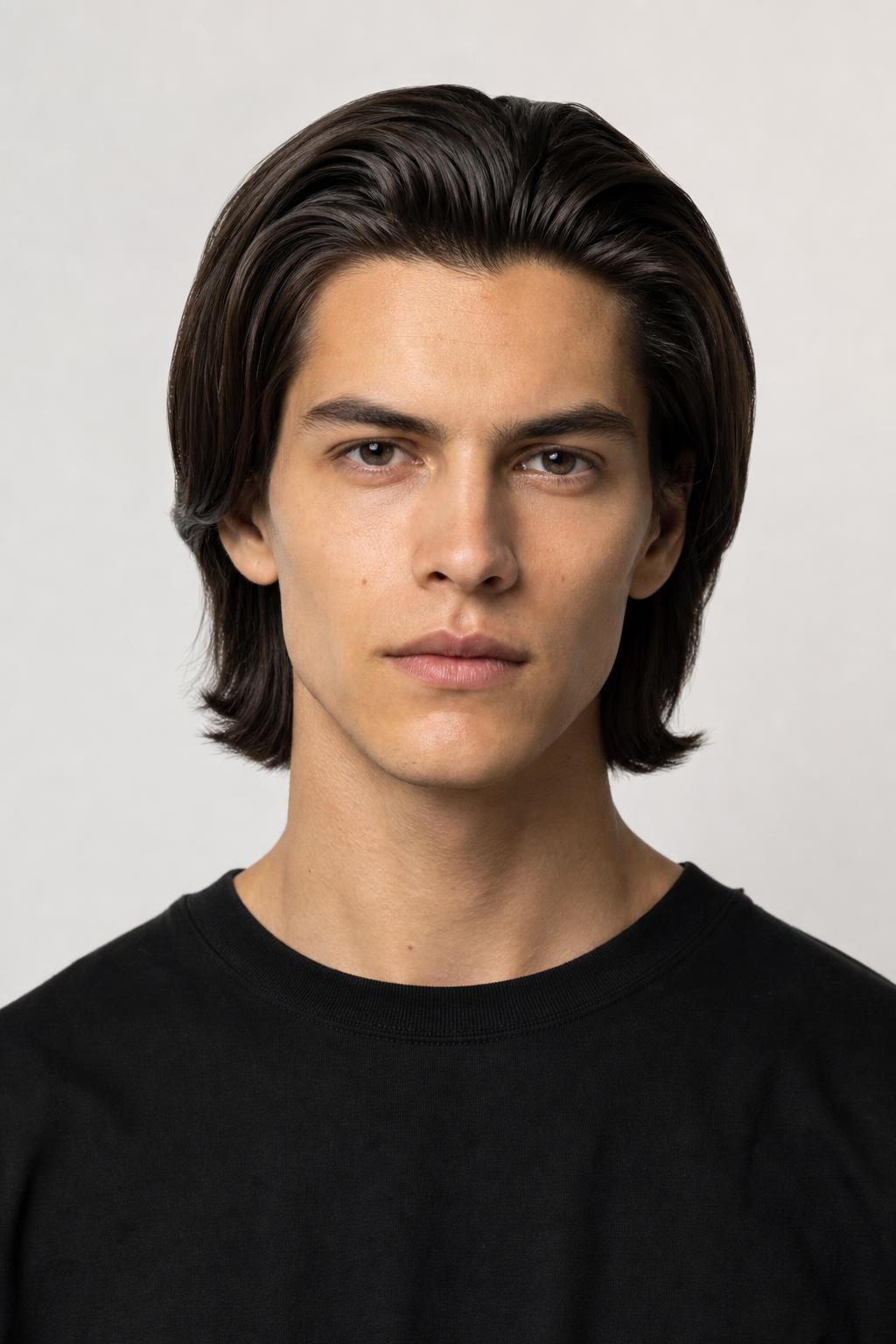
8. Wavy Surfer Flow
Natural waves are the texture the flow was practically built for, giving that beach-after-a-swim look without effort. Sea-salt spray on damp hair pumps up the bend, then air-dry and shake it out. Oval and oblong faces wear the relaxed waves especially well.
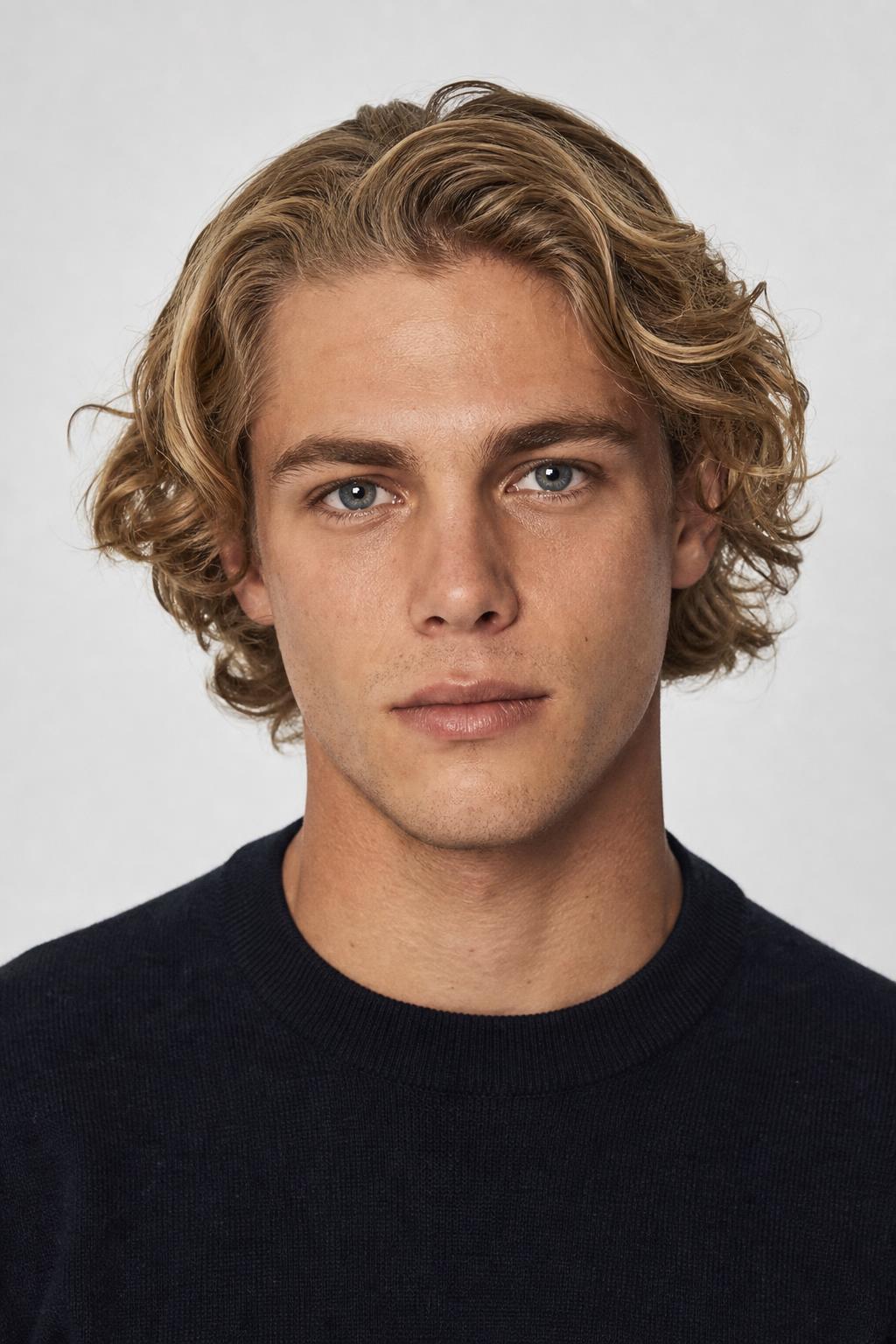
9. Curly Flow with Body
Curly hair turns a flow into a full, rounded shape with plenty of height and movement. A curl cream worked in at the wash basin defines the pattern so it reads as styled, not unruly. Men with curls can study our gallery of taper fades shaped for curly textures if they want cleaner sides.
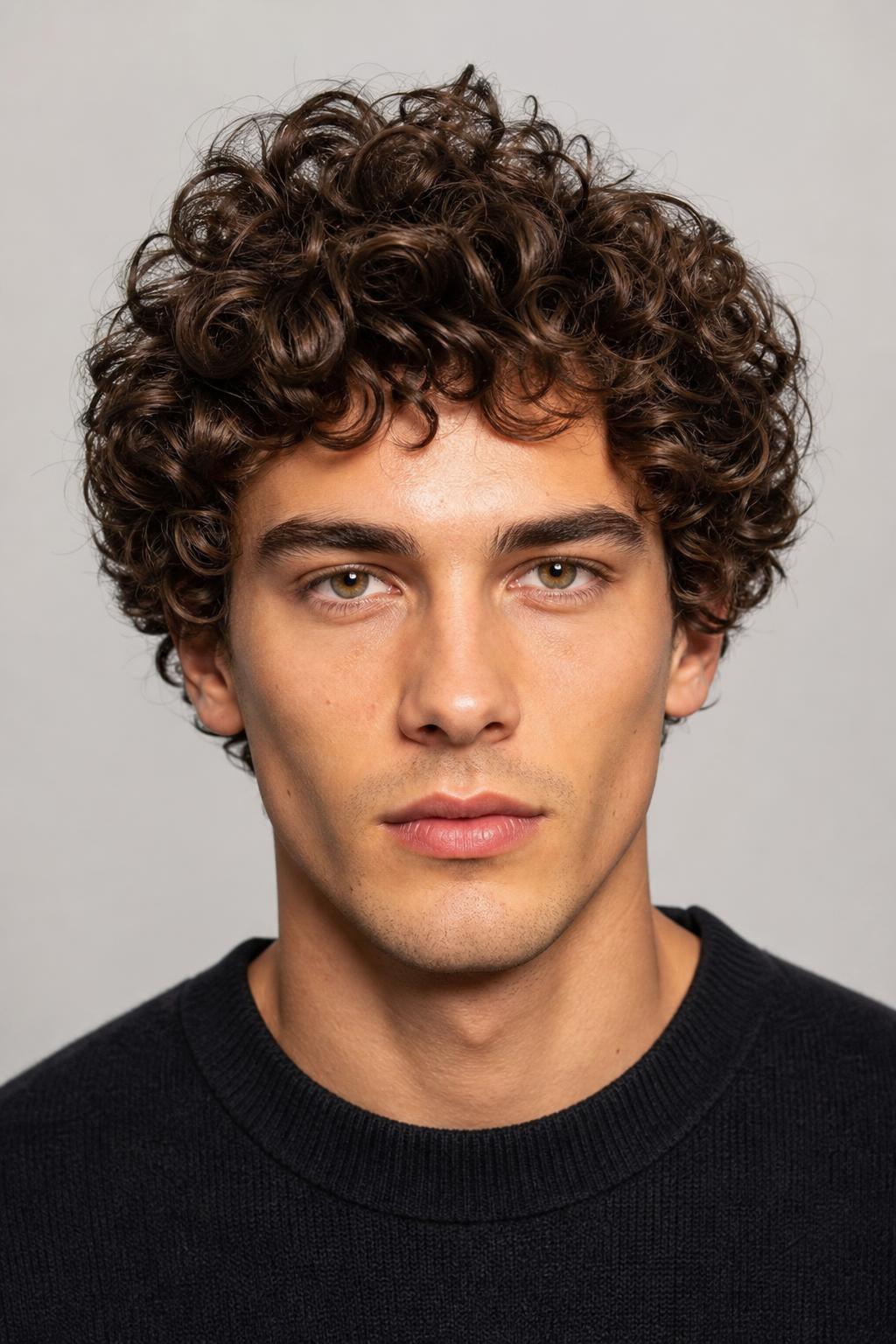
10. Thick-Hair Flow with Weight Removed
Thick hair needs internal thinning so a flow falls back instead of stacking up into a helmet. Ask your barber to remove weight from the inside while keeping the length, which lets gravity do the work. The payoff is a heavy, satisfying sweep that holds its shape.
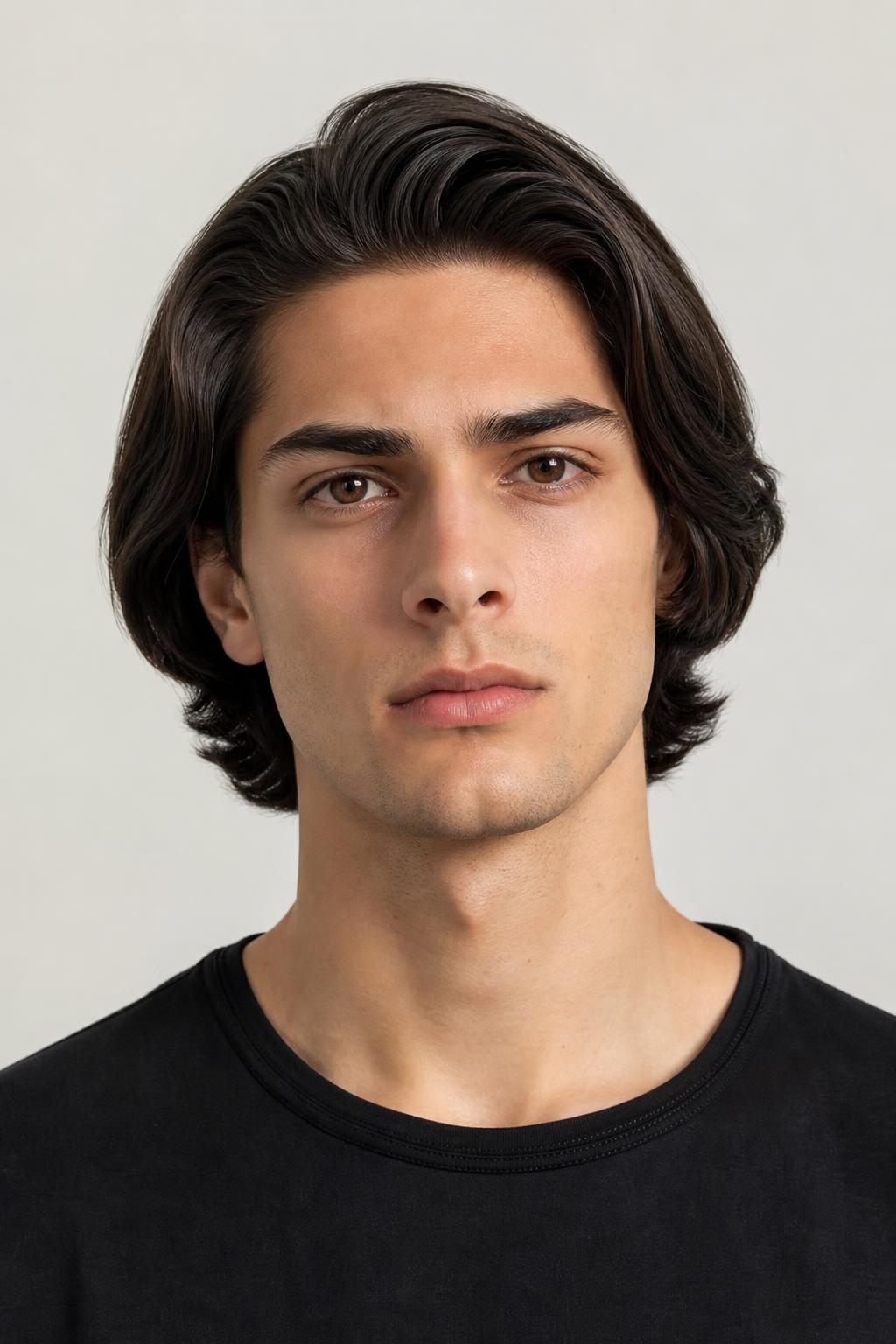
11. Fine-Hair Flow with Lift
Fine hair can manage a flow, but it lives or dies on root volume and the right product. Skip waxes and creams that drag it down, and reach for a volumizing mousse blow-dried in at the base instead. Be realistic: fine flow looks best freshly styled and softens by evening.
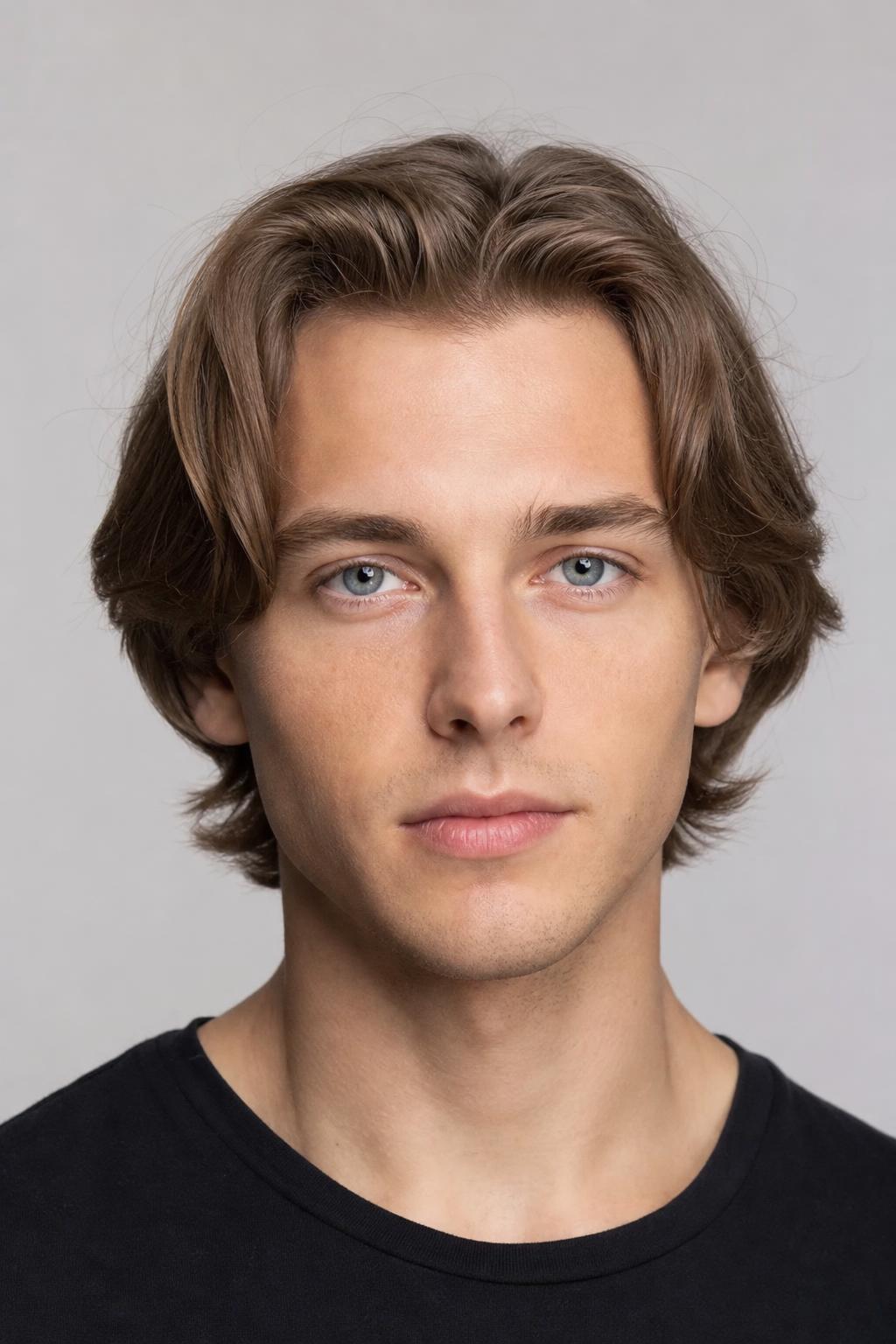
12. Coily Flow with Shape
On coily hair, a flow becomes a shaped, lifted silhouette rather than a backward sweep, and that is part of its appeal. A barber scissors the shape so it grows outward evenly, then a leave-in keeps it soft. The look has more in common with a grown-out fluffy textured style than a sleek surfer cut.
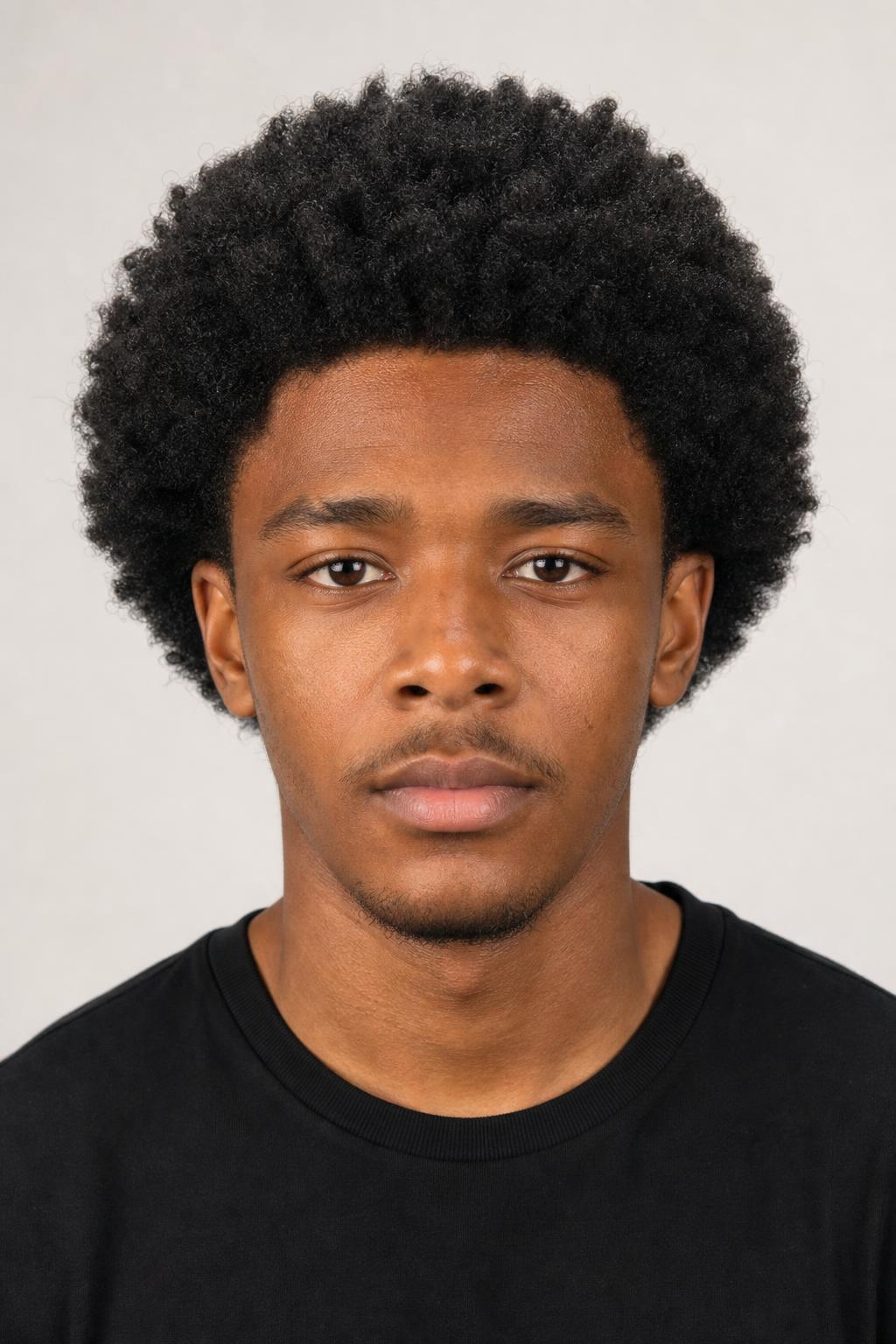
13. Mixed-Texture Flow
Plenty of guys have waves up top and straighter pieces underneath, and a flow handles that mix well. Letting the natural pattern lead, with light product to unify it, keeps the cut from fighting itself. Embrace the irregularity rather than forcing every strand the same direction.
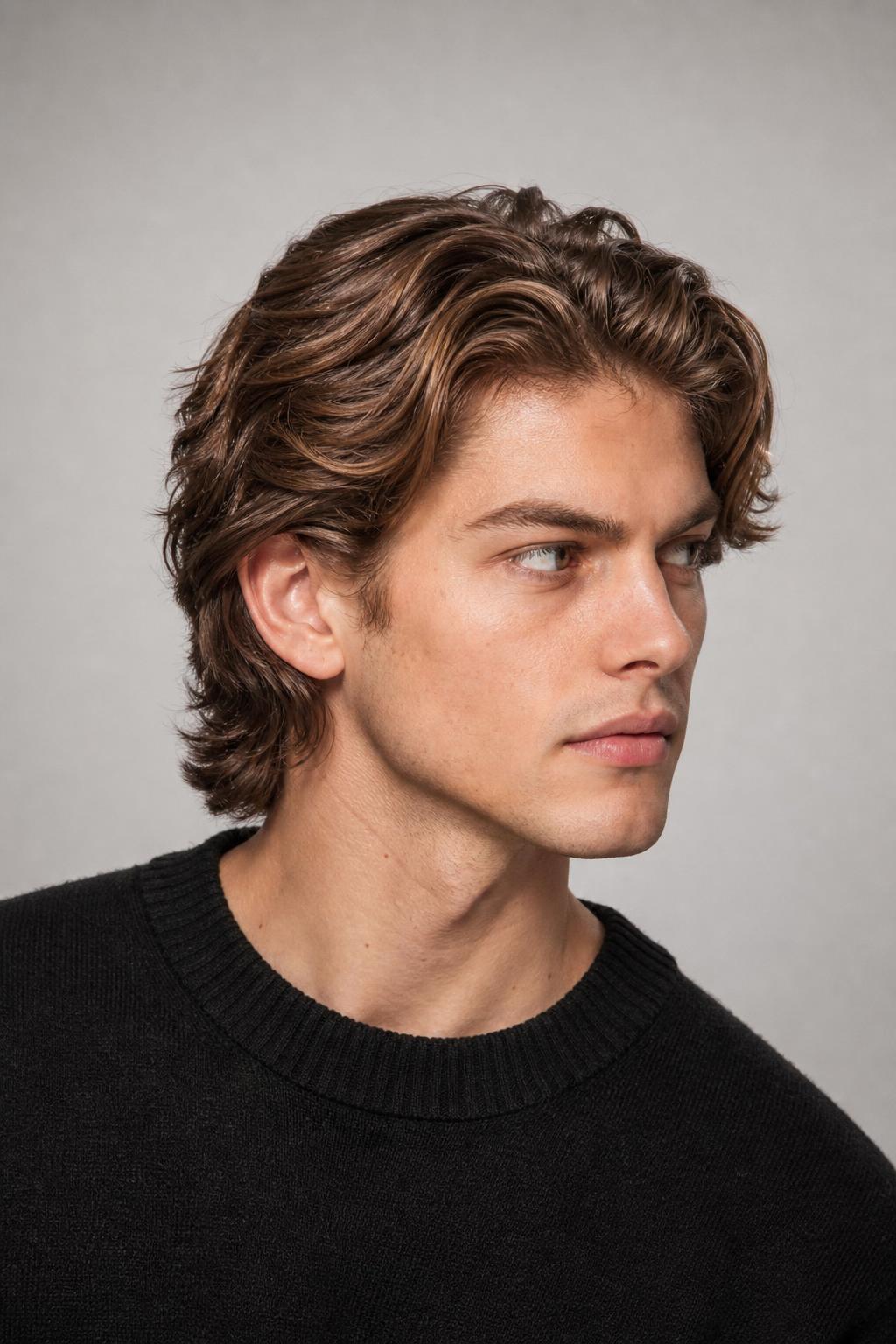
Flow Haircuts with Fades and Tapers
Pairing a flow with shorter sides keeps the length on top while tidying the perimeter, a popular update on the all-over grow-out. The contrast suits men who want movement but cannot wear long sides for work or sport. If you like a clean front but want texture up top, a blowout taper with a textured fringe is a shorter cousin of these styles. These versions combine flow with a fade, taper, or undercut.
14. Flow with a Low Taper
A low taper at the sideburns and neckline cleans up a flow without touching the length on top. The subtle blend keeps things office-appropriate while the top still sweeps back freely. Pair it with the kind of clean edge seen in our drop fade styles for men.
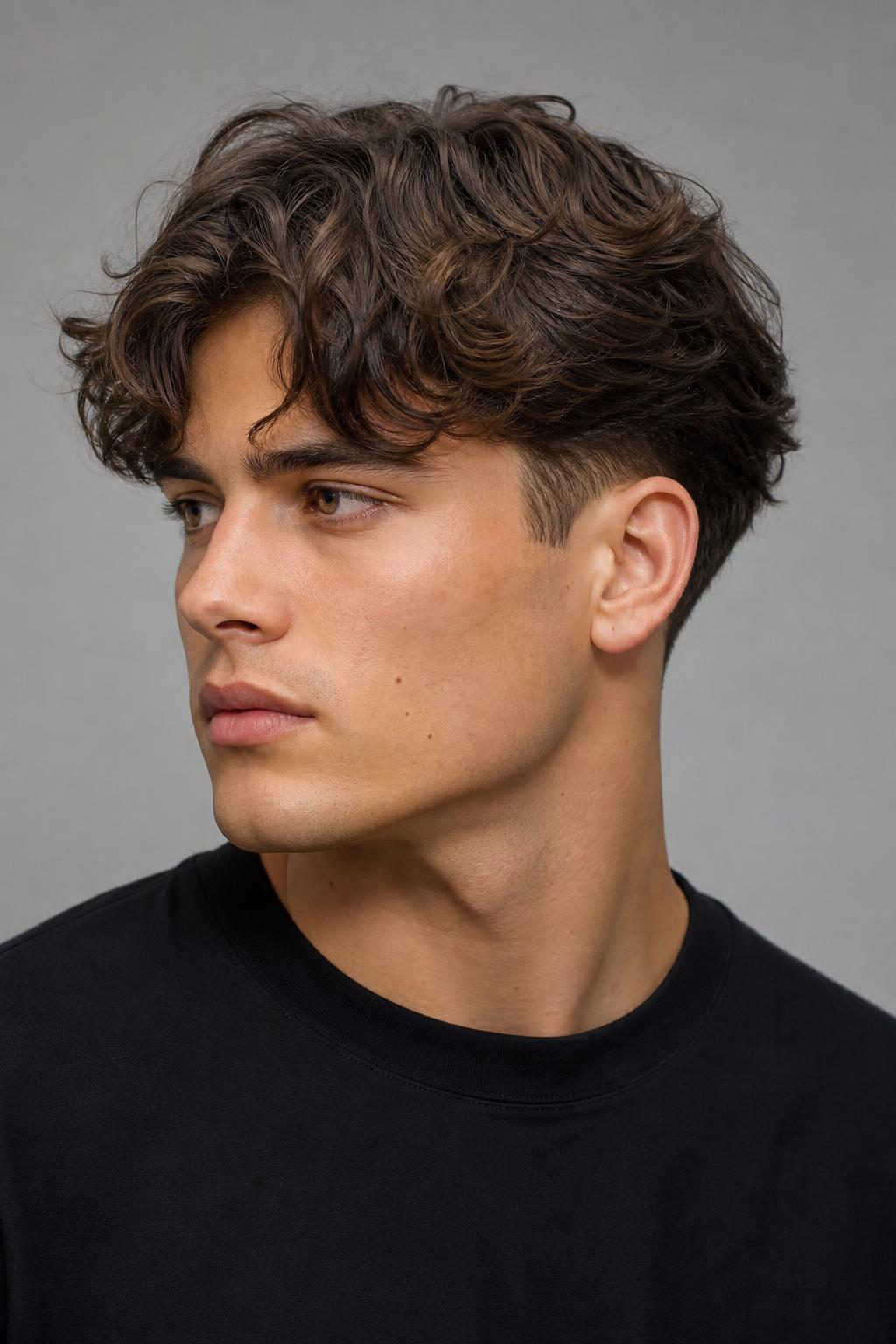
15. Hockey Flow with Short Sides
The hockey flow keeps the sides shorter and the back long, built so it spills out from under a helmet. Function drives the shape, but it reads as confident off the ice too. Let the back grow while a barber maintains the sides every few weeks.
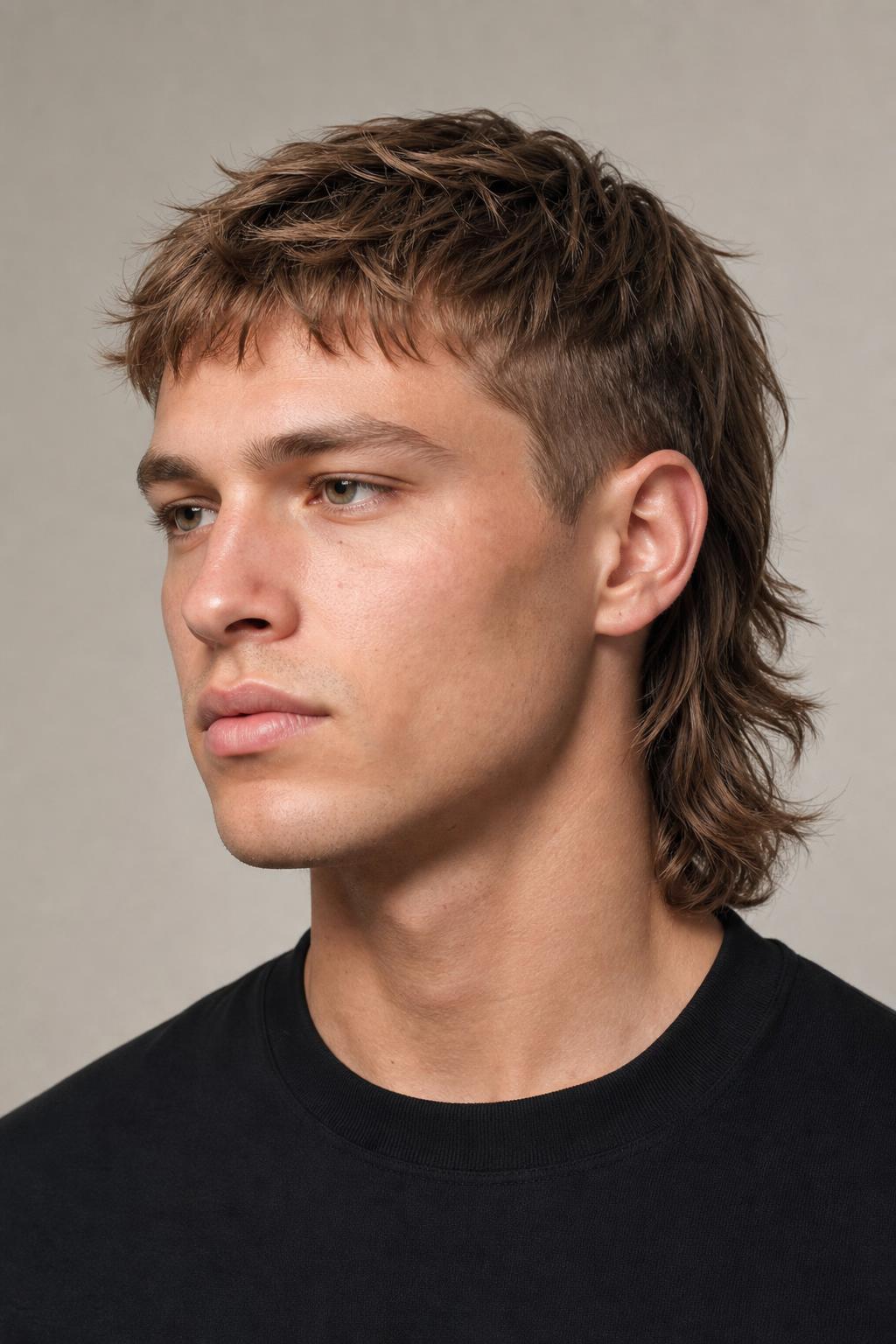
16. Flow with a Drop Fade
Adding a drop fade that curves behind the ear frames a flow with a sharp, modern line. The contrast between faded side and flowing top makes both elements stand out. Bring a photo so your barber knows you want length preserved on top.
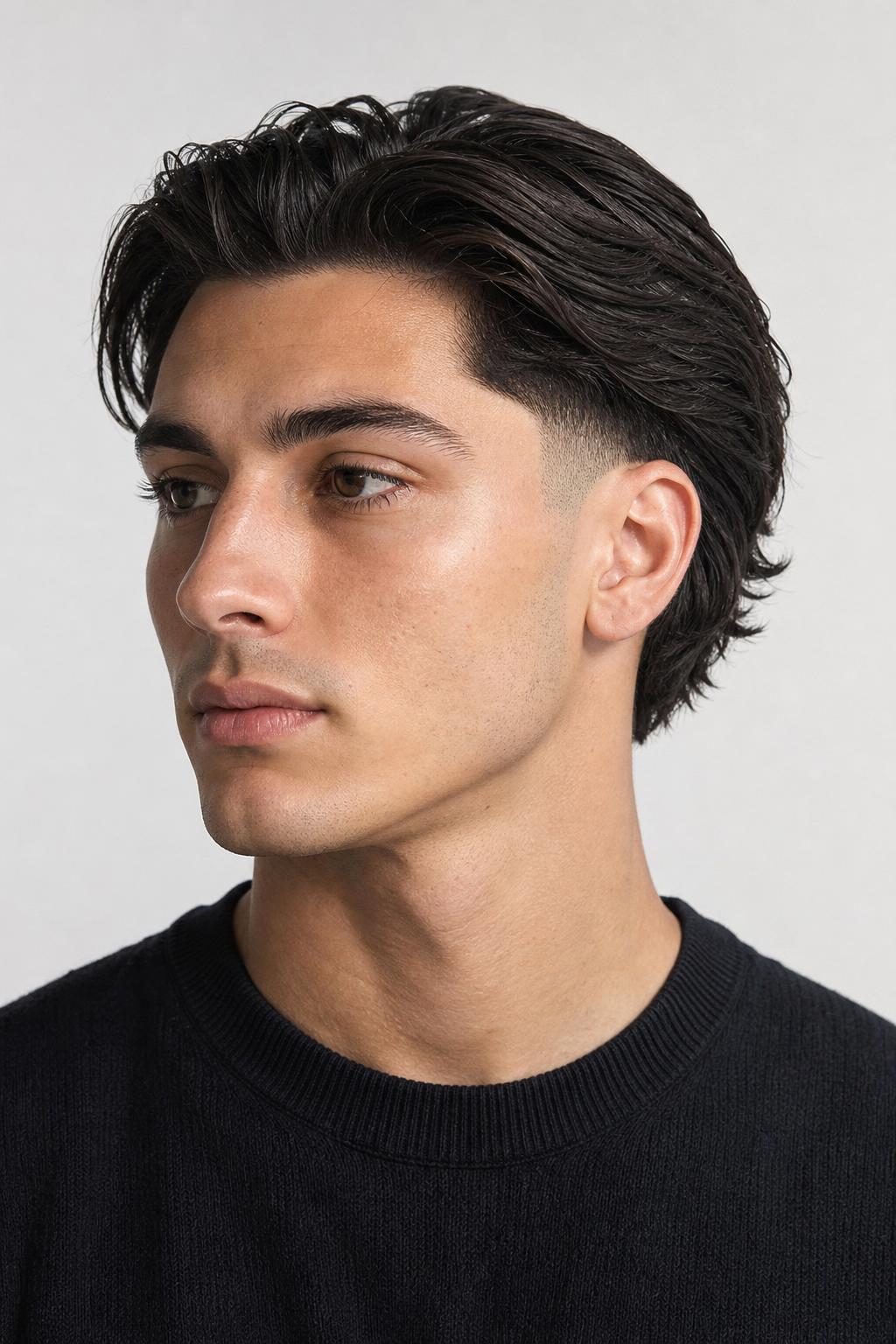
17. Undercut Flow
An undercut keeps the sides uniformly short and disconnected from the long top, giving a bold split. When you sweep the top back, the length covers the undercut for a clean look that hides extra volume. It is a strong pick for thick hair that otherwise sits too wide.
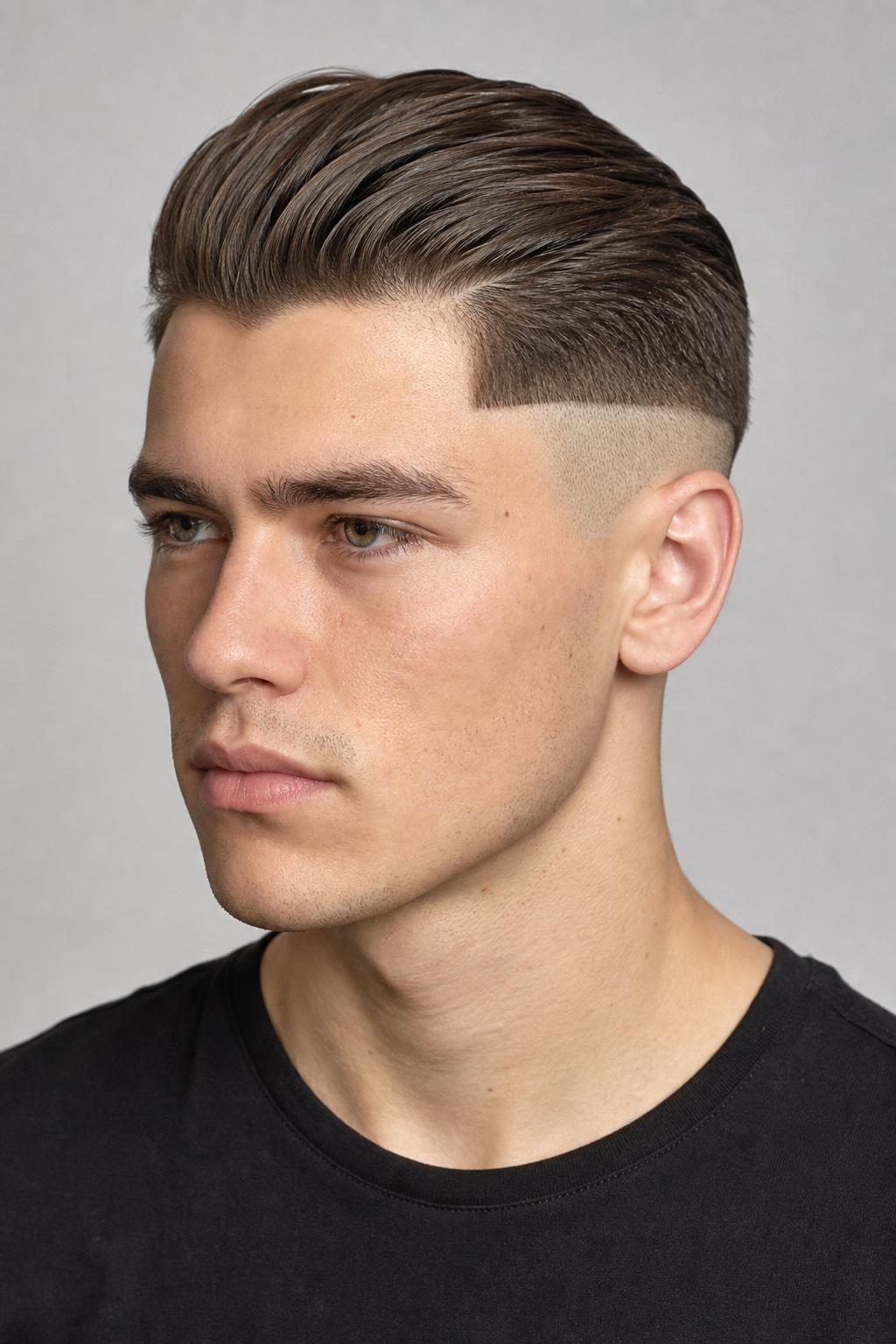
18. Flow with a Mid Taper and Beard
Connecting a mid taper into a beard balances a flowing top with a defined lower face. The structure below the ears keeps a long top from looking overgrown. Keep the beard shaped so it matches the intent of the cut above.
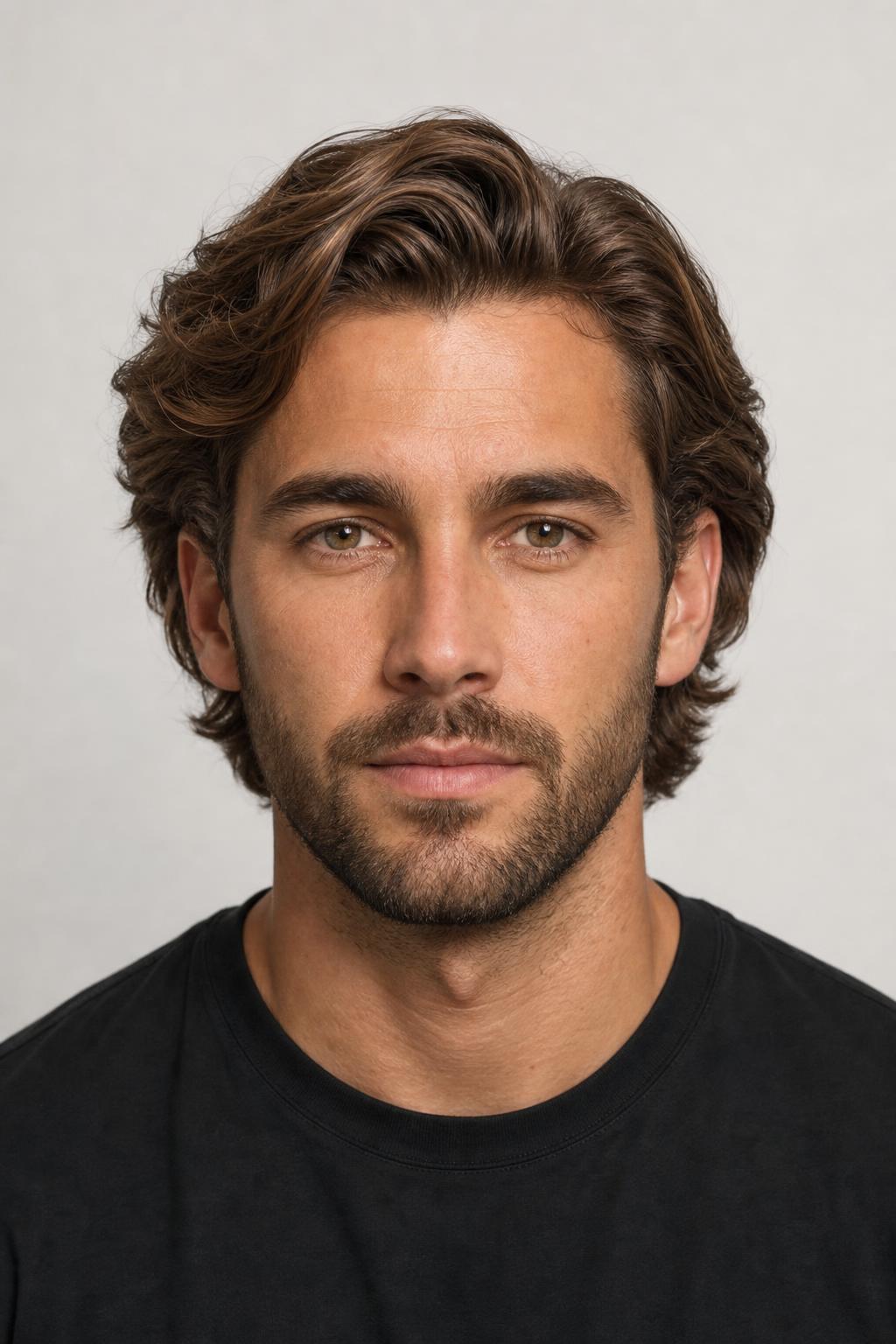
19. Business Flow with Tapered Neckline
For a workplace-friendly version, keep the top flowing but ask for a tapered, blocked-free neckline that stays tidy between cuts. The result reads professional from the front while still having movement. A side part and a light pomade dress it up further.
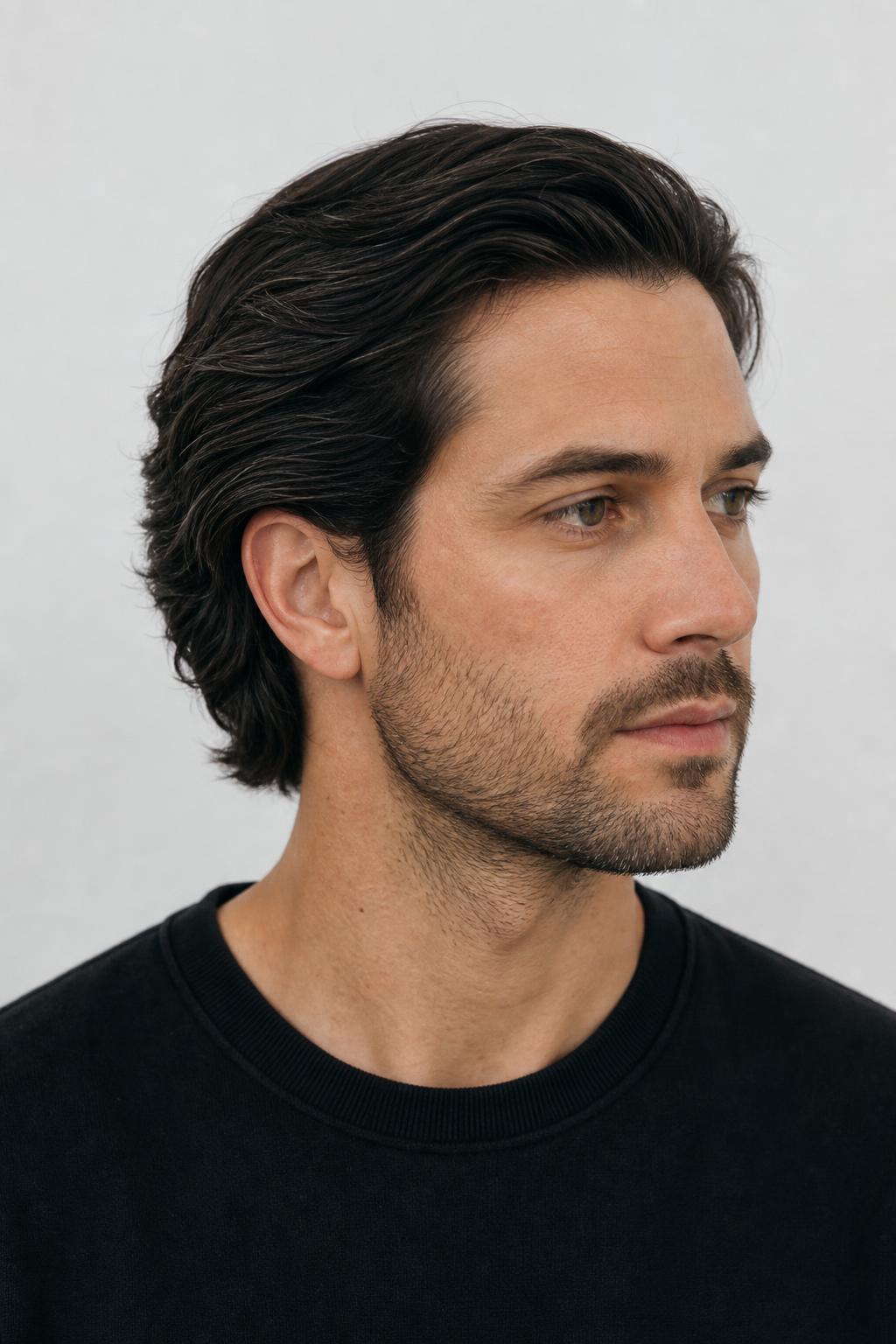
Longer and Bolder Flow Styles
Pushed past six inches, the flow becomes a statement of length and a commitment to upkeep. These versions lean into curtains, slicked finishes, and full surfer length. They reward patience and a willingness to style.
20. Long Surfer Flow
Grown well past the ears, the long surfer flow falls in loose, sun-bleached-looking waves. Salt spray and air-drying keep the texture relaxed, while regular dusting of the ends prevents splitting. Commit to the length, because this is several months of growing.
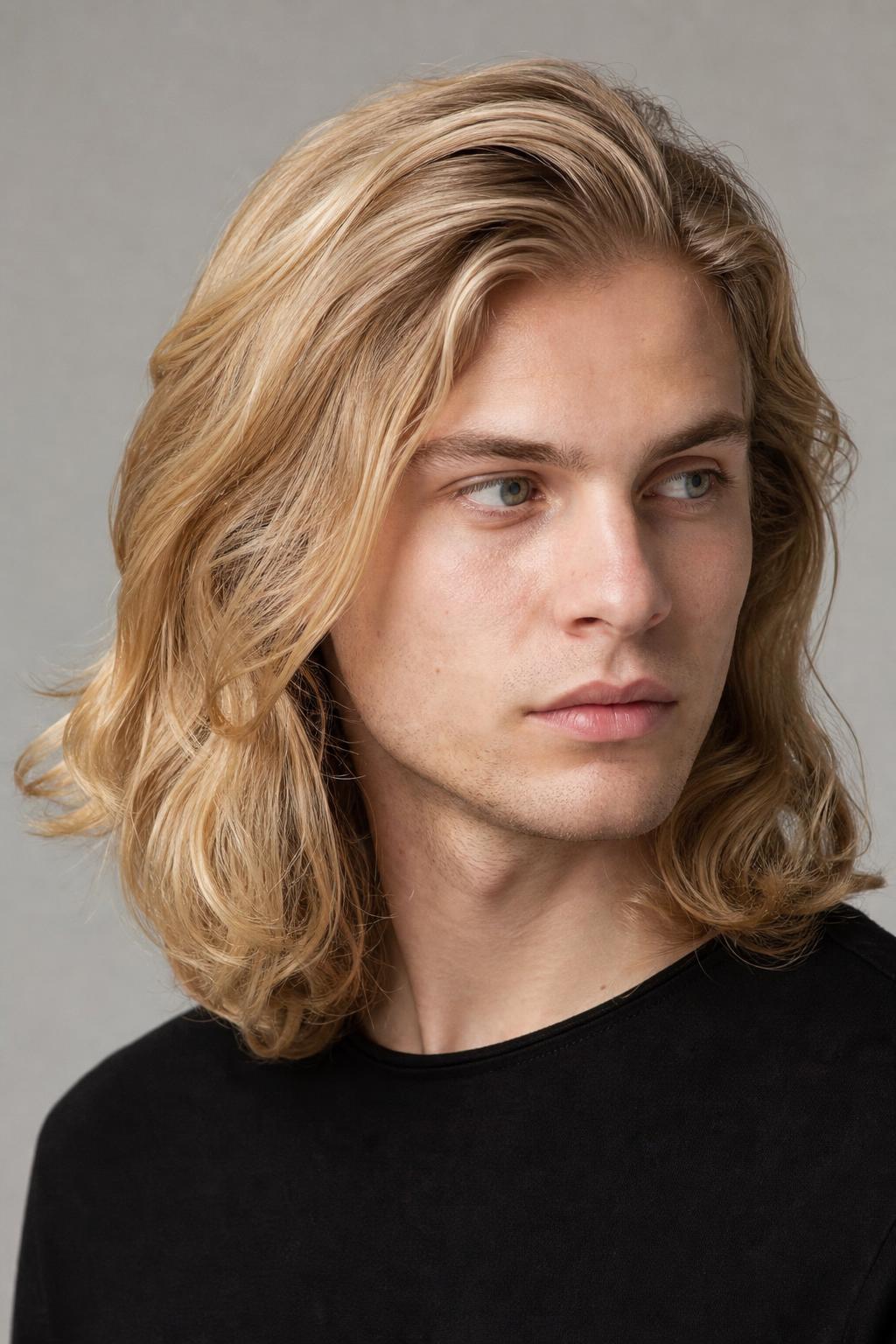
21. Center-Part Curtain Flow
Splitting a longer flow down the middle creates a curtain effect that frames the face on both sides. The look overlaps with the middle part across hair lengths and suits oval and heart faces. Tuck the curtains behind the ears when you want them out of the way.
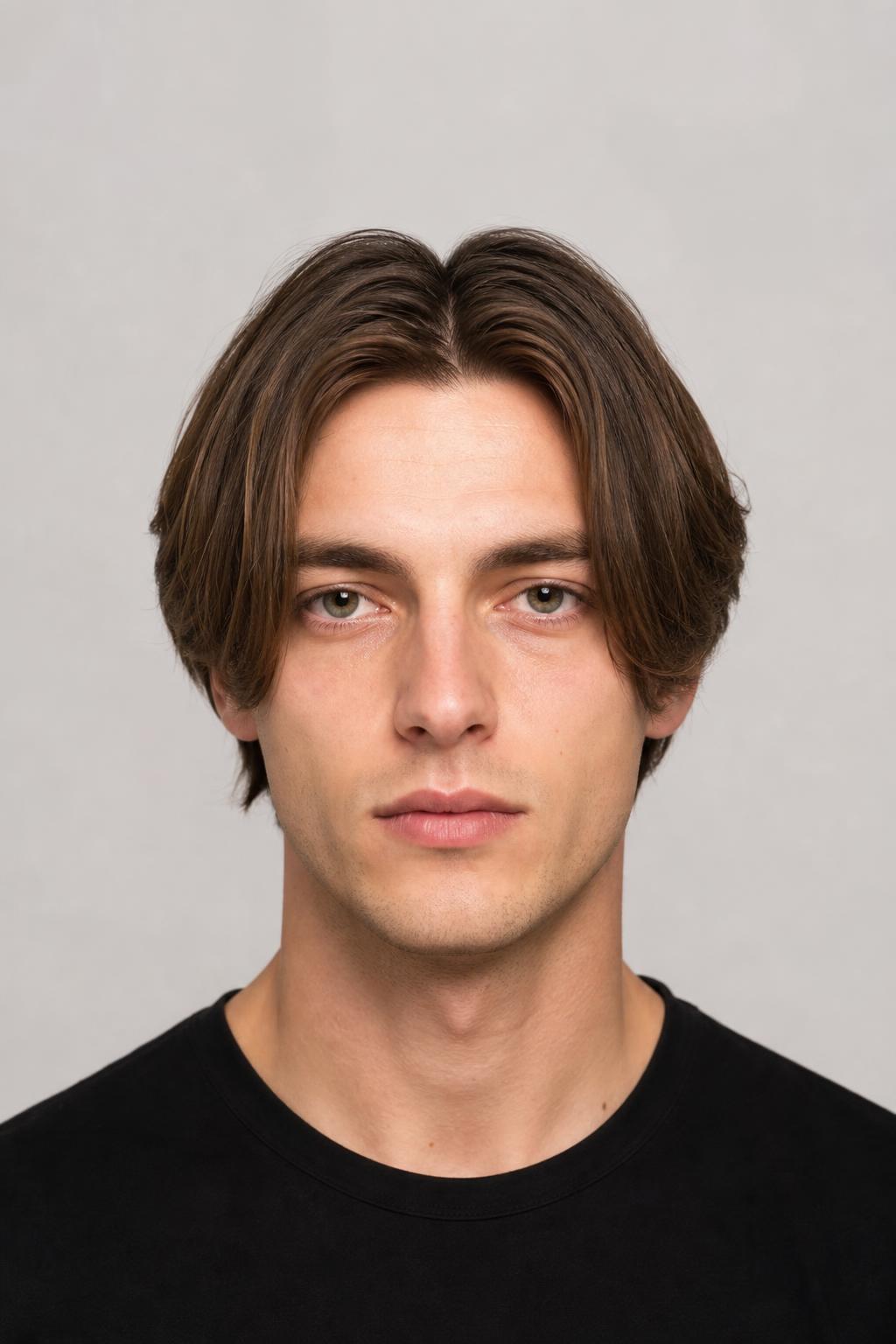
22. Slicked-Back Long Flow
For a polished take, slick a long flow straight back with a strong pomade for a dramatic, formal finish. The slicked version dresses up a length that usually reads casual. A fine comb and a mirror keep every strand in place for the evening.
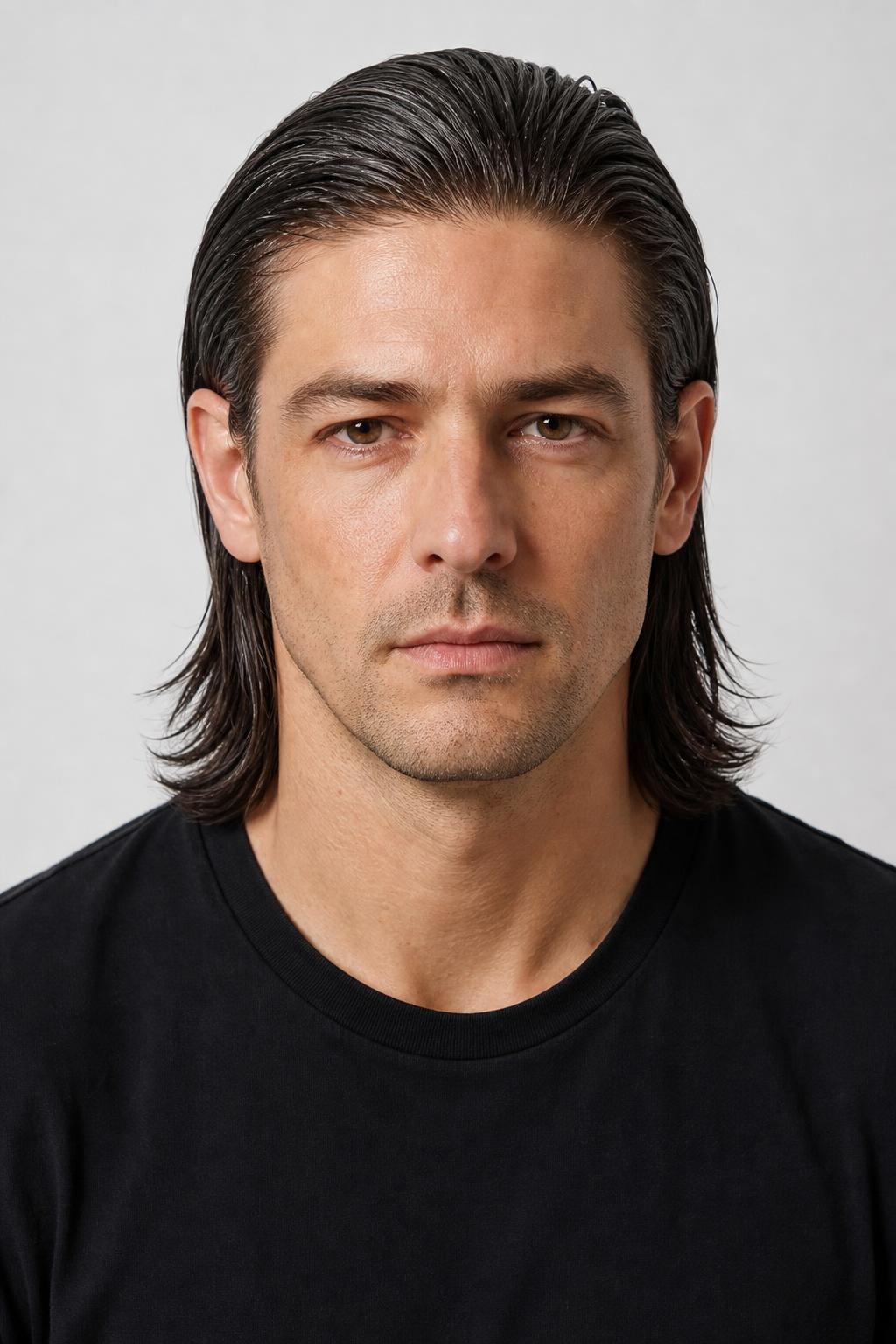
23. Shoulder-Length Flow
At shoulder length, the flow blurs into long hair territory while keeping its backward sweep. Layering through the lengths stops it from sitting flat and heavy. Tie it back on busy days, then wear it loose when you want the full effect.
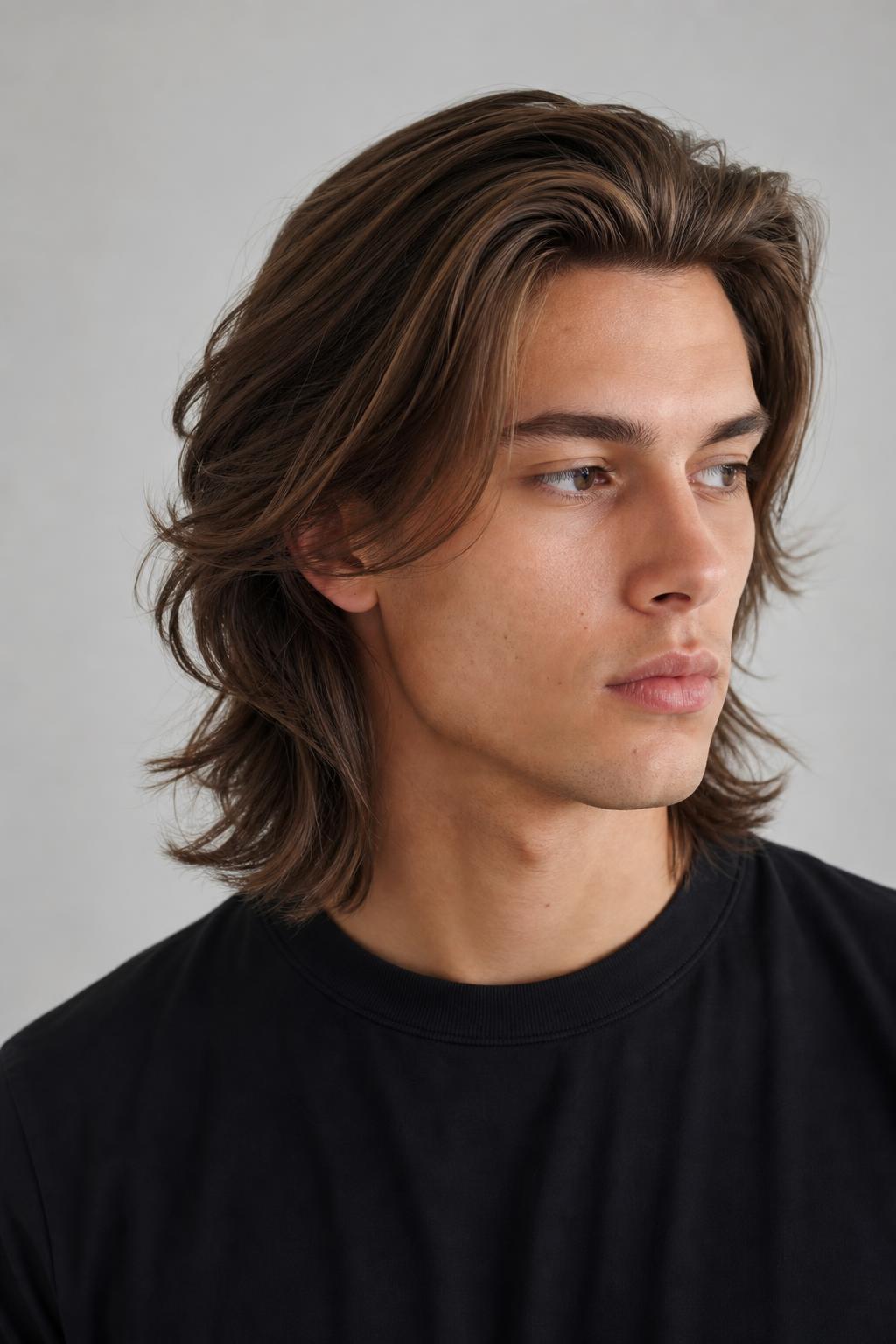
24. Messy Rocker Flow
A deliberately messy, lived-in flow channels a rock-and-roll edge with piece-y, undone texture. Work a matte paste through dry hair and rough it up rather than smoothing it down. The studied carelessness is the whole point, so resist over-styling.
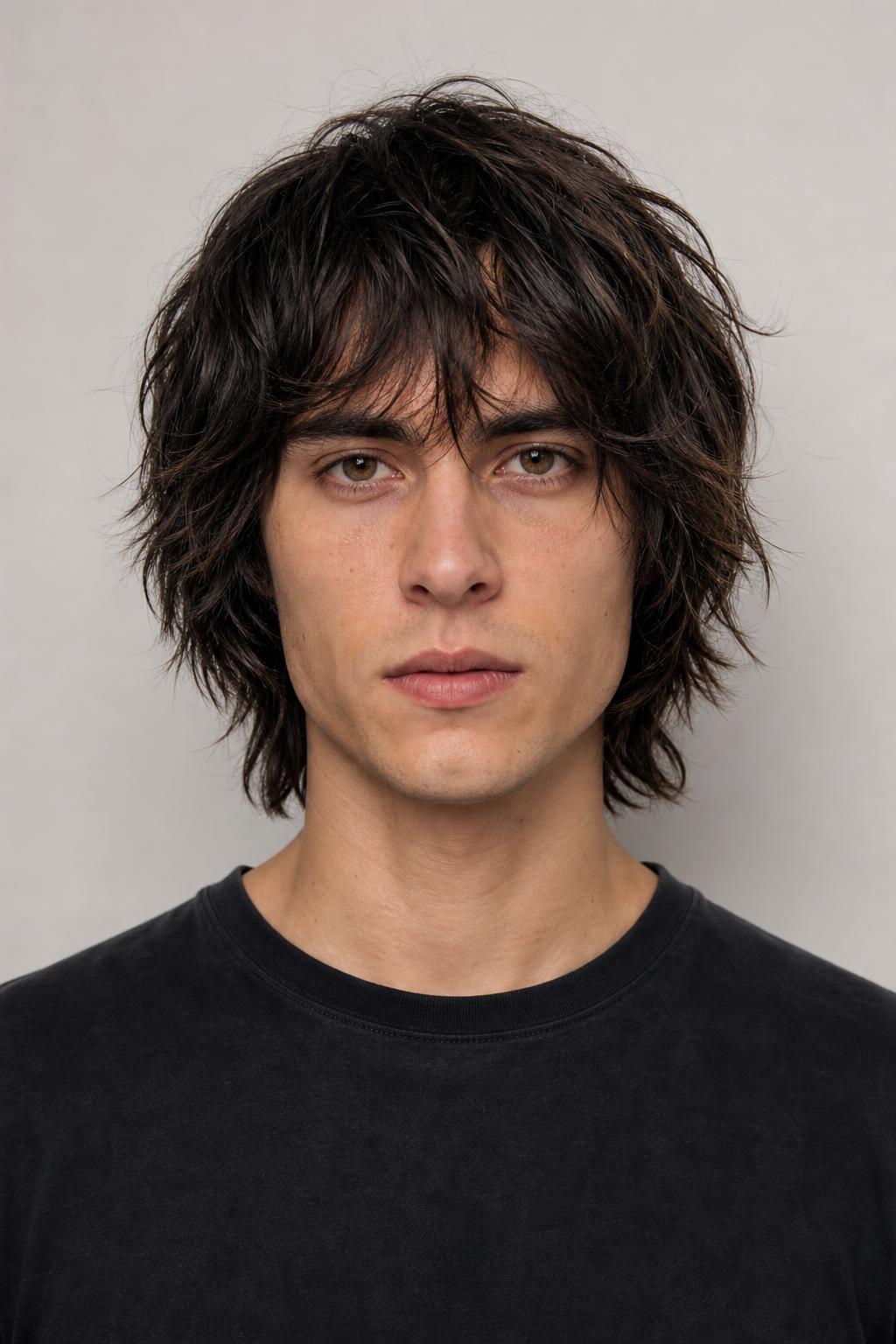
25. Flow with Natural Highlights
Subtle sun-kissed highlights through a flow add dimension that makes the movement read more clearly. A few lighter pieces around the face mimic natural lightening from time outdoors. Keep the color soft, since heavy contrast fights the easy, casual spirit of the cut.
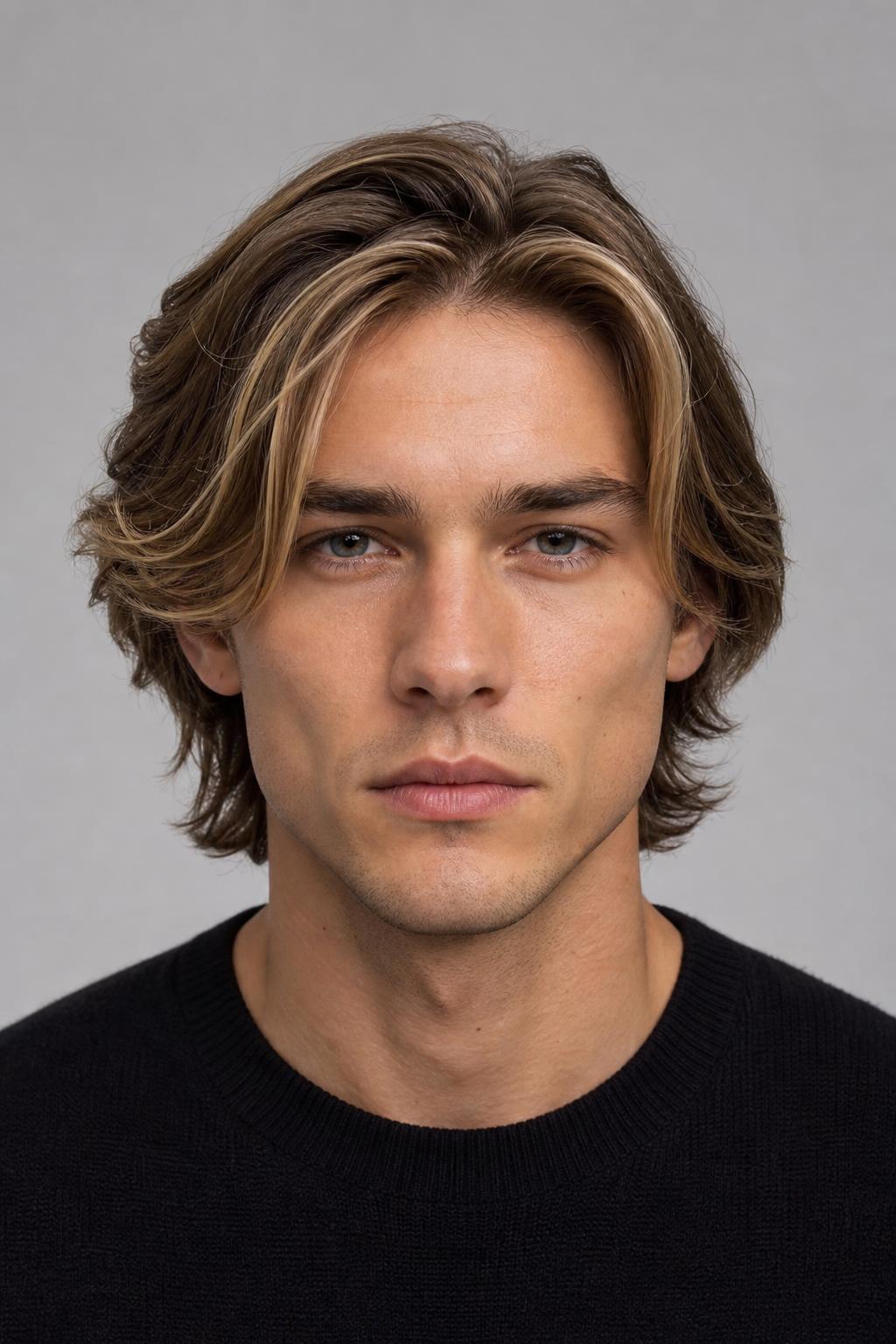
What the Flow Haircut Actually Is
A flow haircut is medium to long men’s hair, usually three to six inches, layered so it moves backward or to the side and is long enough to tuck behind the ears. The key word is movement. Where a slick comb-over or a forward-falling crop is built around control, the flow is built around letting the hair fall in a natural sweep off the face.
People often confuse it with simply having long hair, but the two are different. Long hair can sit flat or fall forward with no shape, while a flow is layered and directed so it always moves back and out. It overlaps with the surfer cut and the hockey flow, which are texture and lifestyle variations on the same idea rather than separate haircuts.
Stylist tip: The single most useful thing a barber does to a flow is internal layering. Without it, thick hair stacks up and sits like a block, and fine hair has no separation. Ask specifically for weight removed on the inside while the length stays, and the cut will fall back the way the photos show.
How to Choose a Flow Haircut for Your Face Shape
A flow is forgiving, but the volume, part, and length should still suit your proportions. The goal is to add height where a face is wide and width where a face is long. The table below pairs each shape with the version that works best.
| Face Shape | Best Flow | Styling Note | Avoid |
|---|---|---|---|
| Oval | Almost any version | Swept back or side-parted both work | Little to avoid; a balanced shape |
| Round | Voluminous swept-back flow | Build height on top to lengthen | Wide, flat sides that add width |
| Square | Side-parted or tousled flow | Soft movement to ease the jaw | Hard slicked styles that harden angles |
| Heart | Center-part curtain flow | Length at the sides balances a wider forehead | Heavy top volume that widens the forehead |
| Oblong | Wavy flow with width at the sides | Keep height low, let waves add width | Tall slicked-back volume that elongates |
| Diamond | Tousled flow with fullness at the forehead | Soften the widest point at the cheekbones | Tight sides that narrow the temples |
If your face is on the rounder side, build height with a blow-dryer to stretch the proportions upward. For a longer, oblong face the priority flips, so keep the top low and let waves add width at the sides. Square jaws look best with softer, tousled movement rather than a hard slick, which only sharpens the angles already there.
What to Tell Your Barber
Because a flow is about growing and shaping rather than cutting short, the conversation is different from a fade. Tell your barber, “I am growing a flow, so keep the length but add internal layers so it falls back, and just clean up the neckline and around the ears.” That protects your length while keeping the shape intentional.
Name the parts you want left alone. Many men lose months of growth because a barber tidied the sides too aggressively out of habit. Say clearly whether you want the ears covered or tucked, and whether the neckline should be tapered or left to grow. Bring a photo at the length you are aiming for, not just the finished look.
Stylist tip: During the grow-out, book a light shape-up rather than skipping the barber entirely. Trimming the very ends and blending the layers every six to eight weeks keeps the flow from looking neglected while it gets longer, which is the difference between intentional and shaggy.
Growing Out and Maintaining a Flow
The hardest part of a flow is the grow-out, and being honest about it saves a lot of frustration. Most men hit an awkward stage around weeks six to twelve, when the hair is too long to sit neat and too short to tuck or sweep back. Pushing through that stage with light shape-ups is the only way to reach true flow length.
| Aspect | What to Expect |
|---|---|
| Barber visits | Light shape-up every 6 to 8 weeks during grow-out |
| Daily styling | 5 minutes; rough-dry back or air-dry with product |
| Products | Sea-salt spray for waves; light leave-in; matte clay for hold |
| Tools | Vent brush or fingers; blow-dryer for volume |
| Awkward stage | Weeks 6 to 12; use light product and a headband or cap to push through |
Once you reach full length, upkeep is genuinely low. A dusting of the ends every couple of months prevents splits, and most days come down to a quick rough-dry and a shake. The counter-intuitive part is that a longer flow can need less daily effort than a short styled cut, because gravity and your natural texture do most of the work. For more medium and longer options, browse the full set of men’s haircuts.
When the Flow Haircut Is Not the Right Choice
The flow suits a lot of men, but it is not for everyone or every situation.
- Very fine, flat hair struggles to hold the movement that defines a flow, looking limp by midday no matter the product. A shorter textured crop creates the illusion of fullness more reliably.
- A strict dress code or job that bans long hair makes the full flow impractical. A flow paired with a tapered, tucked-back version is a better compromise than fighting the grow-out.
- No patience for the awkward stage will end the project early, since the middle months look messy by nature. If you cannot tolerate a few weeks of in-between hair, this is not your cut.
FAQ
How Long Does Hair Need to Be for a Flow?
A flow generally starts around three inches on top and reaches its signature look once the hair is long enough to tuck behind the ears, often four to six inches. Below that length, the hair will not have enough weight to sweep back. Most men need three to six months of growing from a short cut to get there.
How Do I Style a Flow Haircut?
For most textures, rough-dry the hair backward with your fingers or a vent brush, then add a light product like sea-salt spray or a matte clay. Wavy and curly hair can often air-dry with a leave-in for a more natural finish. The aim is movement off the face, so avoid heavy waxes that flatten and stiffen the hair.
What Is the Awkward Stage of Growing a Flow?
The awkward stage usually hits around weeks six to twelve, when the hair is too long to sit neatly but too short to tuck or sweep back. Light shape-up trims and a little product help you push through it. A cap or headband during this phase keeps the hair controlled until it gains the length to flow.
Does a Flow Haircut Work on Curly Hair?
Yes, curly hair makes one of the fullest, most textured versions of the flow. The cut shapes the curls into a lifted silhouette rather than a flat backward sweep. Use a curl cream to define the pattern, and consider shorter or tapered sides if the volume gets too wide.
How Often Should I Get a Flow Trimmed?
During the grow-out, a light shape-up every six to eight weeks keeps the layers blended and the neckline tidy without sacrificing length. Once you reach full length, you can stretch to every couple of months and mostly just dust the ends. Tell your barber you are growing it so they do not trim too much.
Is a Flow the Same as a Surfer Haircut?
They are closely related, and many people use the terms interchangeably. A surfer cut is essentially a wavy, sun-bleached version of the flow, leaning more casual and beachy. The flow is the broader category, covering straight, wavy, and curly takes as well as fades and longer styles.
The flow haircut rewards patience with a low-effort, movement-driven style that suits most men once the length arrives, which is exactly why it keeps trending among guys growing their hair out. Decide how long you want to go, ask your barber to protect the length while layering for movement, and brace for the awkward stage in the middle. Stick with it, and a flow haircut gives you a relaxed, confident look that mostly styles itself.
Hair results vary based on your natural hair type, texture, density, and condition. Always consult with a licensed barber or hairstylist before making significant changes. Photos may show styled results that require professional tools and products to replicate.