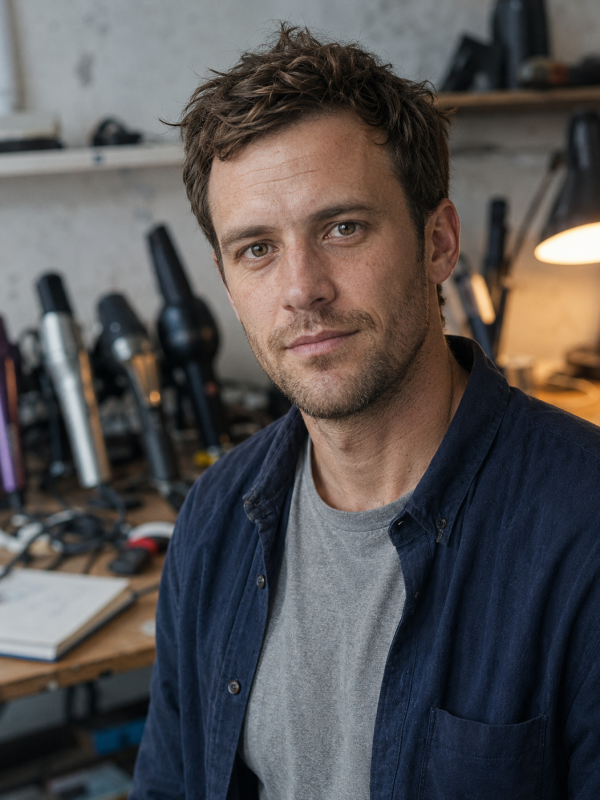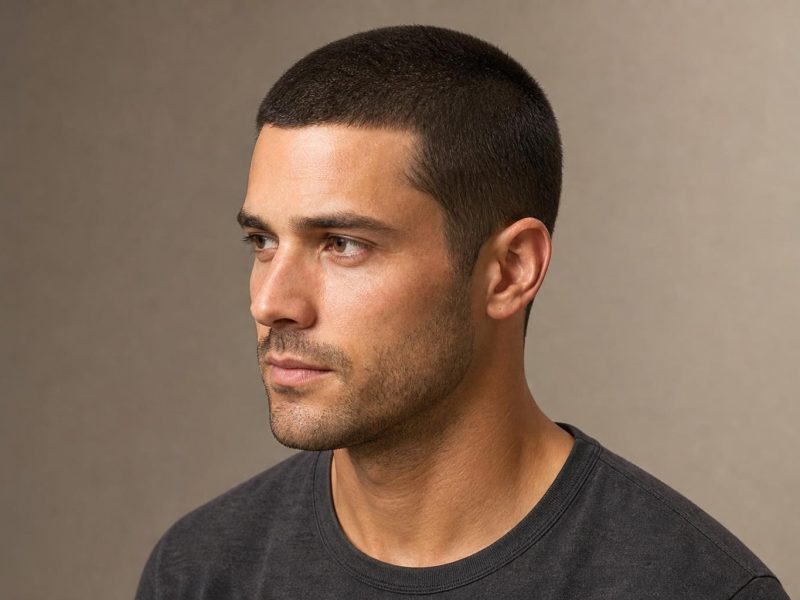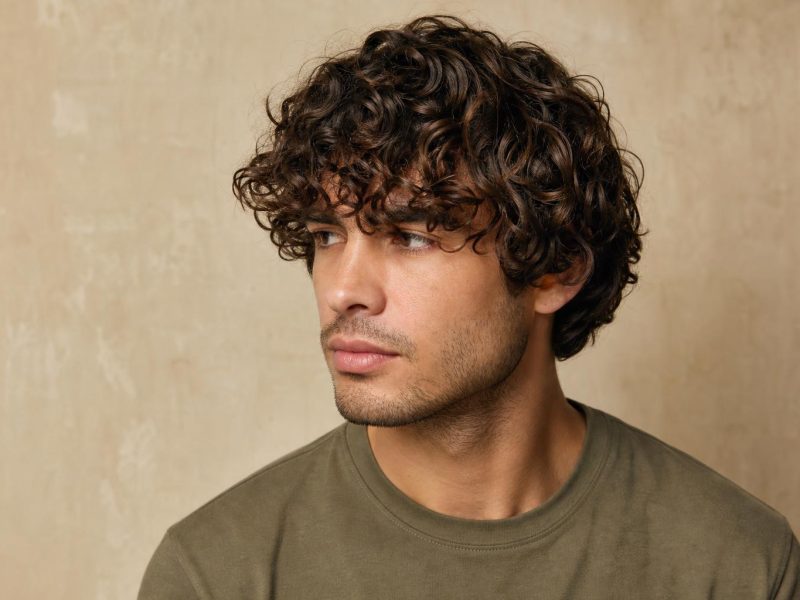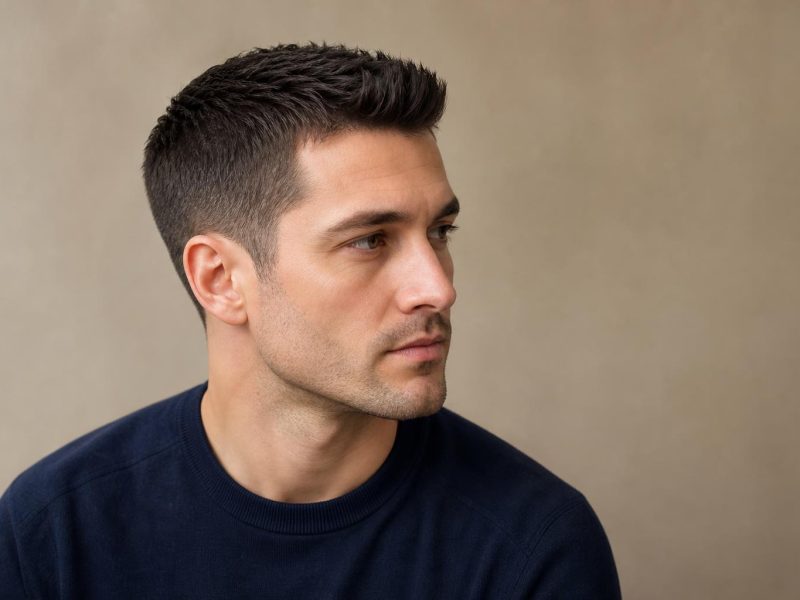

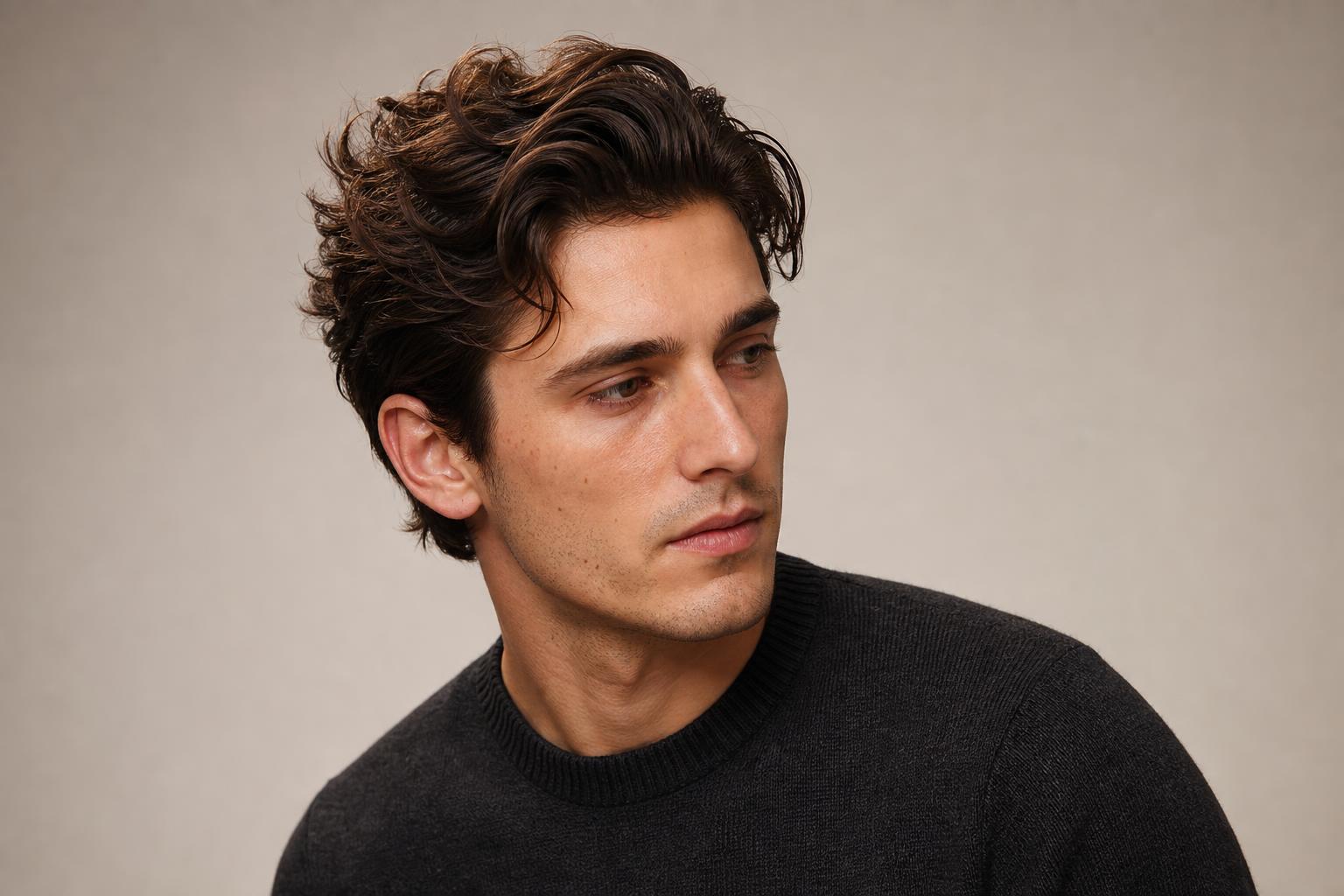
Every version of the Jacob Elordi haircut starts from the same place: thick hair left three to five inches long on top and cut with scissors at the sides, never faded down to skin.
The Jacob Elordi haircut is a scissor-cut, medium-length men’s style with about three to five inches on top, one and a half to two inches over the ears, and enough weight left in the hair for his natural wave to show. Across his roles and red carpets it has shifted from a tidy side part to a tousled mid-length cut to a soft mullet, but the sides have stayed soft rather than clipper-faded, which is the detail most barbers get wrong when a client just says the actor’s name. Below are 20 versions of the look, from the preppy side part to the longer, looser mullet he wore for the Wuthering Heights press tour, adapted for straight, wavy, curly and fine hair.
The gallery is grouped into the clean side-part era, tousled mid-length cuts, the mullet versions, the longer romantic grow-out, and adaptations for different hair types. After it you will find a guard-number chart for barbers who insist on clippers, a face shape table, a grow-out timeline, a barber script and a list of when this cut is the wrong call.
| Factor | Details |
|---|---|
| Top length | 3 to 5 inches, longer at the front than the crown |
| Sides | 1.5 to 2 inches, scissor over comb; no skin fade |
| Best for | Medium to thick straight or wavy hair; oval, oblong and square faces |
| Maintenance | Shape trim every 5 to 8 weeks; 5 to 10 minutes of styling |
| Avoid if | Your hair is very fine or you want a sharp faded look |
| Chair time | 40 to 60 minutes for a full scissor cut |
The Clean Side-Part Era
The best-known version of his hair is the short, neat side part from his Euphoria role as Nate Jacobs: short back and sides, a defined part and a top long enough to comb over. It is the most office-friendly take on the look and the easiest to keep tidy. The trick is that the sides are still scissor cut, so the head shape stays soft even though the style is polished.
1. Classic Scissor-Cut Side Part
Scissor-over-comb sides at about an inch and a half blend into three inches on top, combed across from a natural part. Ask for the part to be found, not cut in with a razor line, so it moves with the hair. A matte cream keeps it neat without shine.
2. Side Part with Soft Lift at the Front
Long faces and oblong shapes do well here, because the front is blow-dried up and over by half an inch rather than flat, which adds a little width at the temples. Keep the lift modest; a full quiff pushes the look somewhere else entirely.
3. Textured Side Part for Thick Hair
Thick hair gets bulky at the part line, so the barber point cuts into the top to take out weight while keeping length. The result lies flat enough to part cleanly but still looks lived in by the afternoon.
4. Wet-Look Side Part
A slick red-carpet version: comb a water-based pomade through damp hair, set the part with a fine-tooth comb and let it air dry. It works on straight and wavy hair alike and takes about four minutes once the cut is right.
Tousled Mid-Length Cuts
Off duty, he usually wears the hair longer and looser, pushed back with the fingers and allowed to fall forward in pieces. This is the version most people mean when they search his name. It needs medium to thick hair with some wave, because the shape comes from texture, not from product holding it in place.
5. Finger-Combed Push-Back
Tell your barber you want four to five inches on top, cut so it falls back from the hairline without a part, and sides long enough to tuck behind the ears. The ask matters more than the product here, because a shorter top simply flops forward.
6. Tousled Waves with a Loose Middle Split
Unlike a true middle part haircut, the split here is rough and shifts during the day. Four inches at the front lets the two sides curve away from the forehead instead of hanging like curtains.
7. Messy Forward Fringe
Scrunch a sea-salt spray into damp hair and rough-dry it forward with your hands, then push a few pieces off to the side. Square and diamond faces benefit most, since the loose fringe softens a strong brow and jaw.
8. Blown-Out Volume Version
On fine to medium hair, the tousled look can go flat by noon. Blow-drying the top upward with a vent brush before roughing it up with fingers gives it the height thicker hair gets for free.
9. Low-Maintenance Air-Dried Cut
Wavy hair can skip the dryer altogether: a pea-sized amount of light cream on damp hair, then hands off until it dries. This cut grows out well for eight weeks or more because there is no hard line anywhere to lose its edge.
The Mullet Versions
At some point his cut picked up length at the nape and became a soft, grown-in mullet. It is nothing like a business-in-front mullet with shaved sides. The back simply grows long enough to touch the collar, the sides stay tucked, and the top keeps its texture. If you want the sharper, faded kind, the modern mullet gallery covers those.
10. Collar-Grazing Soft Mullet
Bring a photo and ask for the back left to touch the collar, the sides cut to cover the top half of the ear, and the top point cut for texture. That three-length structure is the whole cut.
11. Choppy-Fringe Mullet
A short, broken fringe at the front sets this version apart from the pushed-back cuts above. The fringe is point cut at eyebrow level so it separates into pieces instead of hanging as a block.
12. Dark Espresso Mullet
Deep brown or near-black hair makes the layering easier to see in photos, because the light catches each separate piece. If you color it, a demi-permanent espresso shade fades softly and needs no bleach.
13. Mullet for Curly Hair
Curly hair builds width at the sides fast, so this adaptation takes weight out from underneath and keeps the back longer to pull the shape down. Cutting the curls dry, one by one, keeps the barber from over-shortening the top.
14. Mullet with Longer Sideburns
The sideburns are grown down to the middle of the ear and squared off. It is a small change, but it links the sides to the beard line and adds a seventies feel without committing to full mutton chops.
The Longer, Romantic Grow-Out
For the 2026 Wuthering Heights press tour, his cut grew longer and softer. His stylist Jillian Halouska told Coveteur the aim was something more romantic, soft and whimsical, and the result was a looser, windswept seventies mod-mullet. These versions need at least four to six months of growth past a standard mid-length cut.
15. Windswept Mod Mullet
The front reaches the cheekbones, the back passes the collar, and the layers are long and blended so nothing looks stepped. Oval and oblong faces carry it best. Rough-dry it with a diffuser on low to keep the wave loose.
16. Tucked-Behind-the-Ear Length
Getting the sides long enough to tuck is the unglamorous middle stage of any grow-out. Ask for only the ends to be dusted, a quarter inch at most, so you keep gaining length while the shape stays tidy.
17. Mutton-Chop Sideburn Version
Pairing longer hair with full sideburns that widen toward the jaw is the most striking variation here and the least forgiving. It suits a strong jaw and a narrow face; on a round face the extra width at the cheeks is hard to balance.
Adapting the Look to Your Hair Type
His hair is thick with a natural wave, which is the easiest texture for this cut. Straight, fine and tightly curly hair can all get close to the look, but each needs a different cut underneath. These three adaptations cover the most common gaps.
18. Straight-Hair Version with Point-Cut Texture
Straight hair hangs heavier than wavy, so the cut needs more internal texture to avoid a bowl shape. Deep point cutting through the top and a texture spray on dry hair give it the separation the wave would normally provide.
19. Fine-Hair Version Kept Shorter
Stopping at about three inches on top keeps fine hair from looking thin at the ends. Color can help too: a shade one level darker than your natural color makes the hair look denser against the scalp.
20. Coily Adaptation with Length on Top
Coily hair will not fall like his, so this version keeps the proportion rather than the texture: a rounded top with two to three inches of stretched length and soft, tapered sides. Ask a barber who works with 4a to 4c hair for a scissor taper, not a skin fade.
Guard Numbers If Your Barber Uses Clippers
Almost every guide to this cut skips guard numbers, but plenty of barbers reach for clippers by default. The honest answer is that this look is a scissor cut, and clippers below a #6 will make it look like a different haircut. If your barber prefers clippers, use the chart below as the floor, and ask for the edges to be softened with scissors afterward.
| Area | Target Length | Clipper Equivalent | Notes |
|---|---|---|---|
| Top | 3 to 5 inches | None, scissors only | Longest at the front hairline |
| Sides above the ear | 1.5 to 2 inches | Too long for guards; scissor over comb | Should cover part of the ear |
| Lower sides (side-part era) | 3/4 to 1 inch | #6 to #8 | Never shorter than #6 |
| Nape (side-part era) | 1/2 to 3/4 inch | #4 to #6 | Tapered neckline, not blocked |
| Nape (mullet versions) | Collar length or longer | None | Dust the ends only |
Stylist tip: If a barber reaches for a #2 on the sides, stop them before the first pass. A tight fade under a long, textured top is the single change that turns this cut into a generic undercut, and it takes two months to grow back.
Which Version Suits Your Face Shape
His own face is long with a defined jaw, which is why length on top and at the sides works so well on him. On other face shapes, the version matters more than the cut itself. Use the table to pick a starting point, then fine-tune the length at the sides with your barber.
| Face Shape | Best Version | Ideal Top Length | Avoid |
|---|---|---|---|
| Oval | Any, including the long mod mullet | 3 to 6 inches | Very little; skip heavy volume on top |
| Oblong | Messy forward fringe or choppy-fringe mullet | 3 to 4 inches | Pushed-back height that adds length |
| Square | Tousled mid-length or soft mullet | 4 to 5 inches | Slick wet-look parts that sharpen the jaw further |
| Round | Side part with soft lift | 3 to 4 inches | Long sides and sideburns that widen the cheeks |
| Diamond | Forward fringe with tucked sides | 3 to 5 inches | Short sides that expose wide cheekbones |
| Heart | Collar-grazing soft mullet | 3 to 4 inches | Big height on top over a narrow chin |
For more detail on balancing a long face in particular, the oblong face shape guide explains why forward texture beats height.
How Long It Takes to Grow Into Each Version
Most people searching for this cut are starting from something shorter. Hair grows roughly half an inch a month, so the longer versions are a project rather than a single appointment. The timeline below assumes you start from a standard short cut with about two inches on top.
| Stage | Roughly When | What Your Barber Does |
|---|---|---|
| Side part | Month 1 to 2 | Stops using short guards on the sides |
| Tousled mid-length | Month 3 to 5 | Texturizes the top, leaves the sides alone |
| Soft mullet | Month 5 to 7 | Tidies the sides, lets the nape run long |
| Long mod mullet | Month 9 to 12 | Blends long layers, dusts the ends |
If you give up somewhere between months three and five, a flow haircut is the natural resting point, and it looks finished at that length on its own.
What to Tell Your Barber
Saying the actor’s name alone gets you a generic textured cut with a fade about half the time. Bring two photos of the exact version you want, one from the front and one from the side, and describe the lengths out loud. Here is a script for the tousled mid-length version:
“I want about four inches on top, longest at the front, point cut for texture so it can be pushed back or worn forward. Scissors on the sides, about an inch and a half, covering the top of my ears. No fade and no hard lines. Tapered neckline, and please cut it so it still looks right when it air dries.”
For the mullet version, swap the last part for “leave the back long enough to touch my collar and only dust the ends.” If your barber mostly does fades, a stylist who cuts longer hair may be a better fit; the difference between a razor cut and a scissor cut is worth reading before you choose, because a razor can make fine hair look stringy at this length.
Stylist tip: Ask for the final check to happen on dry hair. Wavy hair can shrink up to an inch at the front once it dries, and a fringe that looked right wet ends up sitting halfway up the forehead.
Styling and Upkeep
Day to day, the look takes five to ten minutes. Towel dry, work a small amount of sea-salt spray or light cream through the top, rough-dry with your hands or a diffuser, then finish with a pinch of matte paste on dry hair to separate pieces. Heavy gels and high-shine pomades flatten the texture that makes the cut work, except for the deliberate wet-look side part.
Plan on a shape trim every five to eight weeks for the shorter versions and every eight to twelve for the longer ones. Wavy and thick hair can stretch toward the upper end; straight hair loses its shape sooner. Washing two or three times a week rather than daily keeps enough natural oil in the hair for it to hold texture, which is why the look often seems better on day two. If your hair tends to wave on its own, the wavy hairstyles for men collection has more routines that lean on that.
When This Cut Is Not the Right Choice
It is a flexible cut, but not a universal one. These are the situations where a different style will serve you better.
- Very fine or thinning hair at the crown will look sparse at four to five inches on top; a shorter textured crop gives similar movement with more density.
- A job that requires a sharp, faded look every Monday will clash with a cut that is built to look slightly undone.
- Strong cowlicks at the front hairline fight any forward fringe; stick to the side-part versions and let the part follow the cowlick.
- Hating the grow-out stage is a real reason to skip the mullet versions, since months four to six look unfinished on almost everyone.
FAQ
What Is Jacob Elordi’s Haircut Called?
There is no single name for it, because it has changed over time. The shorter version is a scissor-cut side part, the off-duty version is a tousled medium-length cut, and the longer press-tour version is usually described as a soft or mod mullet. Ask for the version by length rather than by name.
Does Jacob Elordi Have Curly or Wavy Hair?
His hair looks thick with a natural wave rather than tight curls. It can be blow-dried fairly straight or scrunched curlier, depending on the product and drying method, which is part of why his looks vary so much from event to event.
Can I Get the Jacob Elordi Haircut with Straight Hair?
Yes, but the cut needs more internal texture. Deep point cutting through the top and a texture spray on dry hair replace the separation that a natural wave provides. Keep the top closer to three or four inches so it does not hang flat.
How Long Does My Hair Need to Be for the Jacob Elordi Look?
You need at least three inches on top and one and a half inches at the sides for the shortest version. The tousled cut works at four to five inches, and the long mullet needs the back to pass the collar, which usually takes nine months or more from a short cut.
Is the Jacob Elordi Haircut a Fade?
No, the sides are scissor cut and soft. If your barber uses clippers, keep the guard at #6 or longer on the lower sides and ask for the edges to be blended with scissors, because a skin or low fade changes the look completely.
What Product Does the Jacob Elordi Hairstyle Need?
A sea-salt spray or light cream on damp hair and a small amount of matte paste on dry hair cover most versions. Fine hair benefits from a volumizing mousse at the roots before drying. Only the wet-look side part calls for a water-based pomade.
The Jacob Elordi haircut works because it is honest about texture: it keeps length where thick, wavy hair looks best and leaves the sides soft. Pick the version that matches your current length and hair type, bring front and side photos, and ask for scissors on the sides from the first appointment.
Hair results vary based on your natural hair type, texture, density, and condition. Always consult with a licensed hairstylist or barber before making significant changes, especially with chemical treatments or dramatic length changes. Celebrity hairstyles are styled by professionals for camera and may need extra product and tools to recreate.