
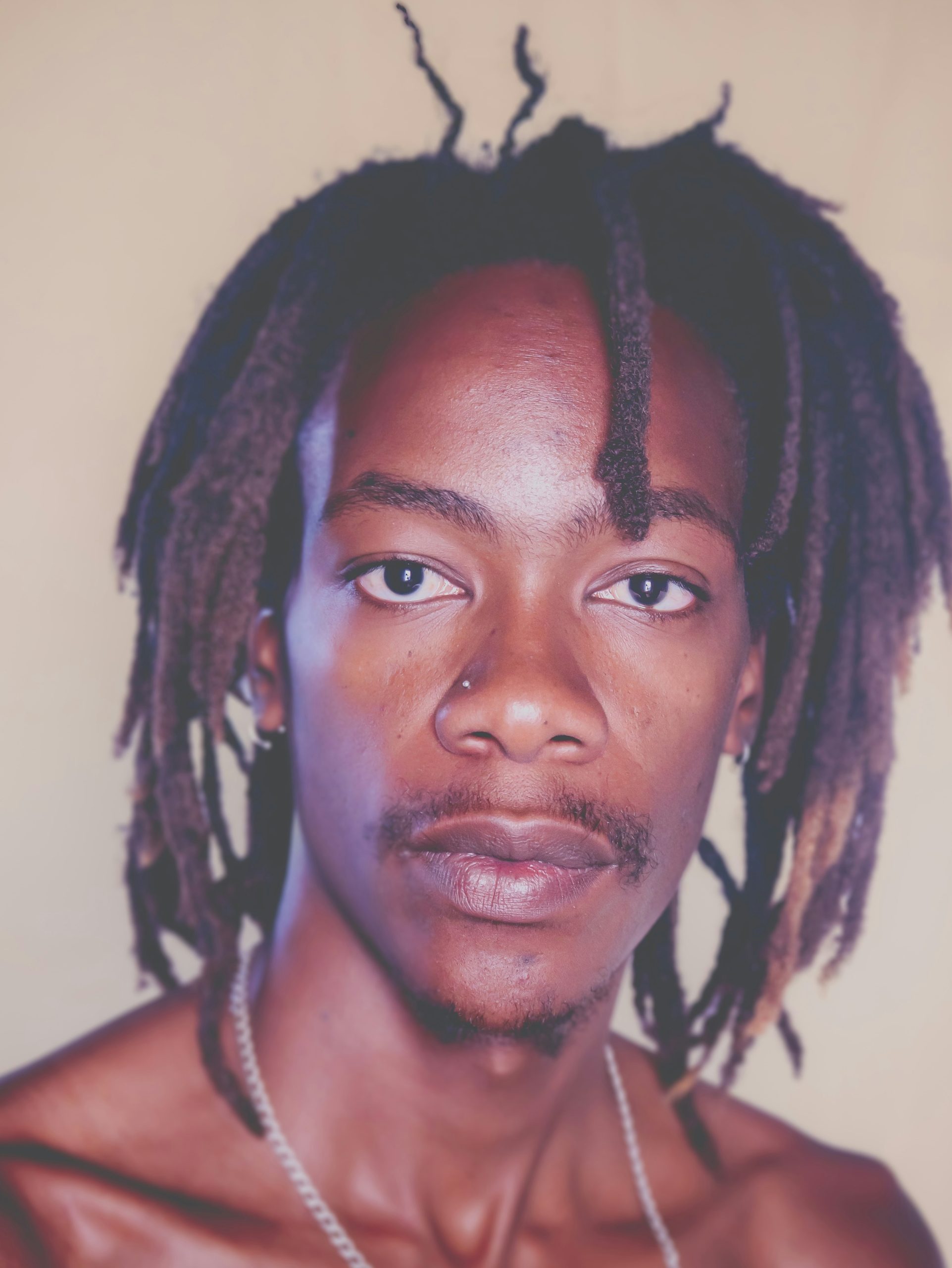

Freeform dreads are locs left to form on their own with no twisting, parting, or product, so the size and shape of each loc is decided by your natural hair pattern rather than a stylist.
The 25 styles below cover the full freeform journey: the messy early budding stage, freeform locs paired with fades and cuts, ways to style mature locs, and length and color variations. Each entry names what defines that look and where in the loc journey it fits, since a freeform style at month three looks nothing like one at year three.
Freeform is the lowest-maintenance end of the loc spectrum, so if you want a more uniform result, the soft locs and two-strand twist guides cover the manicured alternatives. After the gallery, this article explains how freeform differs from traditional locs, what upkeep it still needs, and how to start.
| Factor | Details |
|---|---|
| Best for | Type 4 coily hair; anyone wanting the lowest-upkeep locs |
| How it forms | Hair locs on its own with no parting, twisting, or gel |
| Upkeep | Mainly washing; little to no retwisting or parting |
| Loc size | Uneven and varied; decided by your natural pattern |
| Avoid if | You want uniform, symmetrical, manicured locs |
Starting and Early-Stage Freeform Dreads
The early freeform stage is the most misunderstood part of the journey, because the hair passes through a budding and matting phase before it looks like locs at all. These styles cover the first months when the locs are taking their own shape.
1. The Budding Stage
In the budding stage the hair starts knotting at the roots and mid-shaft, forming the small tangles that will become locs. It can look messy and uneven, which is normal and the point of freeform. Resist combing or separating beyond pulling apart locs that try to merge at the root.
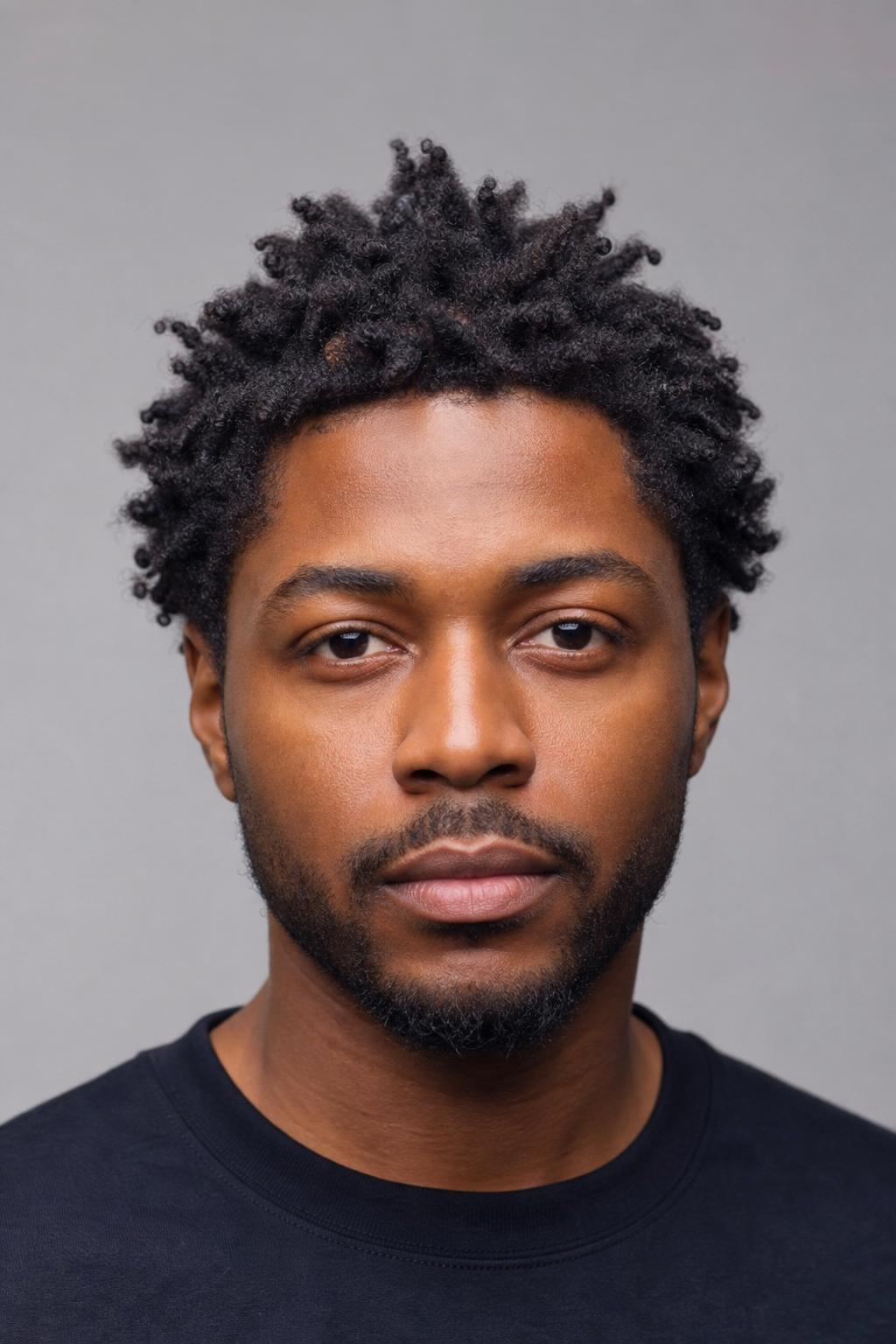
2. Freeform on a High-Top Shape
Letting freeform locs build height while keeping the sides shorter gives an early high-top silhouette. The uneven loc formation reads as texture rather than a flaw at this stage. This suits anyone who wants volume up top while the locs are still young.

3. Coily Freeform with Defined Roots
Tightly coiled type 4 hair starts locking fastest, and the natural coil pattern gives early freeform locs a defined, springy root. Washing regularly keeps the new growth healthy as it knots. This is the most reliable starting texture for a freeform set.

4. Separated Freeform to Prevent Merging
The one piece of upkeep freeform benefits from is gently separating locs that grow into each other at the root, so they do not form one large mat. Pulling them apart by hand once a week is enough. This keeps the set as individual locs rather than a single congo.

5. Freeform with a Headwrap
During the awkward early months, a headwrap or durag is a practical way to keep young freeform locs contained and protected. It also reduces lint and frizz while the locs are loose. This is a styling bridge for the budding stage rather than a permanent look.

6. Short Freeform Buds
Short freeform on a compact head of coily hair reads as a textured, knotty crop in the first stage. The look is low-key and easy to wash. It is the most wearable early freeform option for anyone in a professional setting.
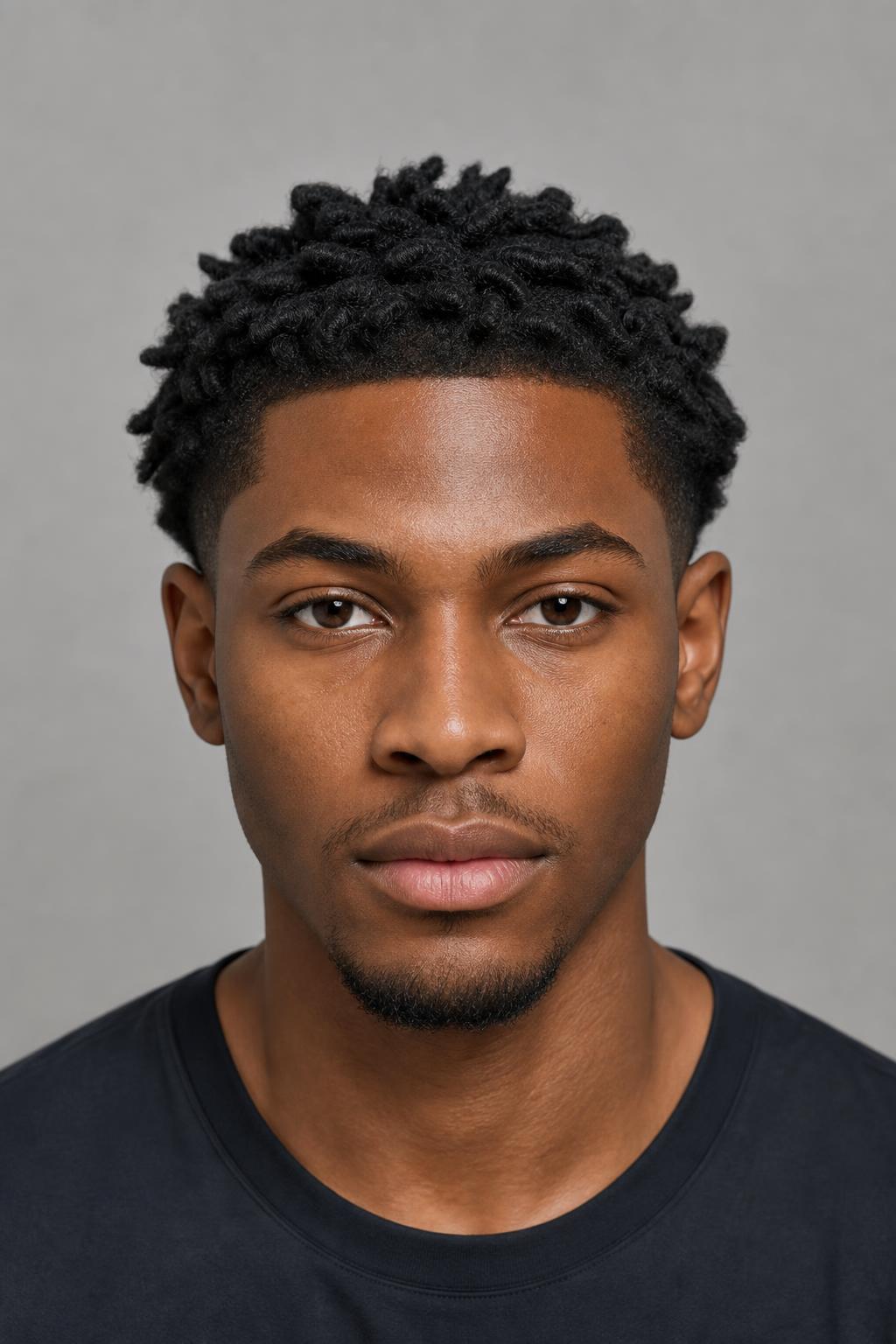
7. Freeform Starting from a Twist-Out
Some people begin freeform from an old twist-out or braid-out, letting the existing texture knot rather than starting from loose hair. The leftover pattern gives the early locs a head start on shape. From there, no further twisting is done, keeping it true freeform.

Freeform Dreads with Fades and Cuts
Pairing freeform locs with a cut is what gives the style structure, since the locs themselves are uncontrolled. A fade or taper on the sides turns a wild freeform set into a deliberate, modern shape.
8. Freeform with a Low Taper
A low taper around the hairline and nape cleans up freeform locs without removing the natural volume on top. The contrast between tidy edges and free locs reads intentional. A low taper on type 4 hair grows out softly between barber visits.

9. Freeform with a High Fade
Taking the sides up to a high fade concentrates all the freeform volume on top for a bold, high-contrast shape. The clean faded sides frame the uneven locs sharply. This needs a barber visit every two to three weeks to keep the fade crisp.

10. Freeform Mohawk with Faded Sides
Fading the sides and leaving a central strip of freeform locs creates a loc mohawk, one of the boldest freeform shapes. The locs stand as the statement down the middle. This suits a confident, expressive look that still reads structured.
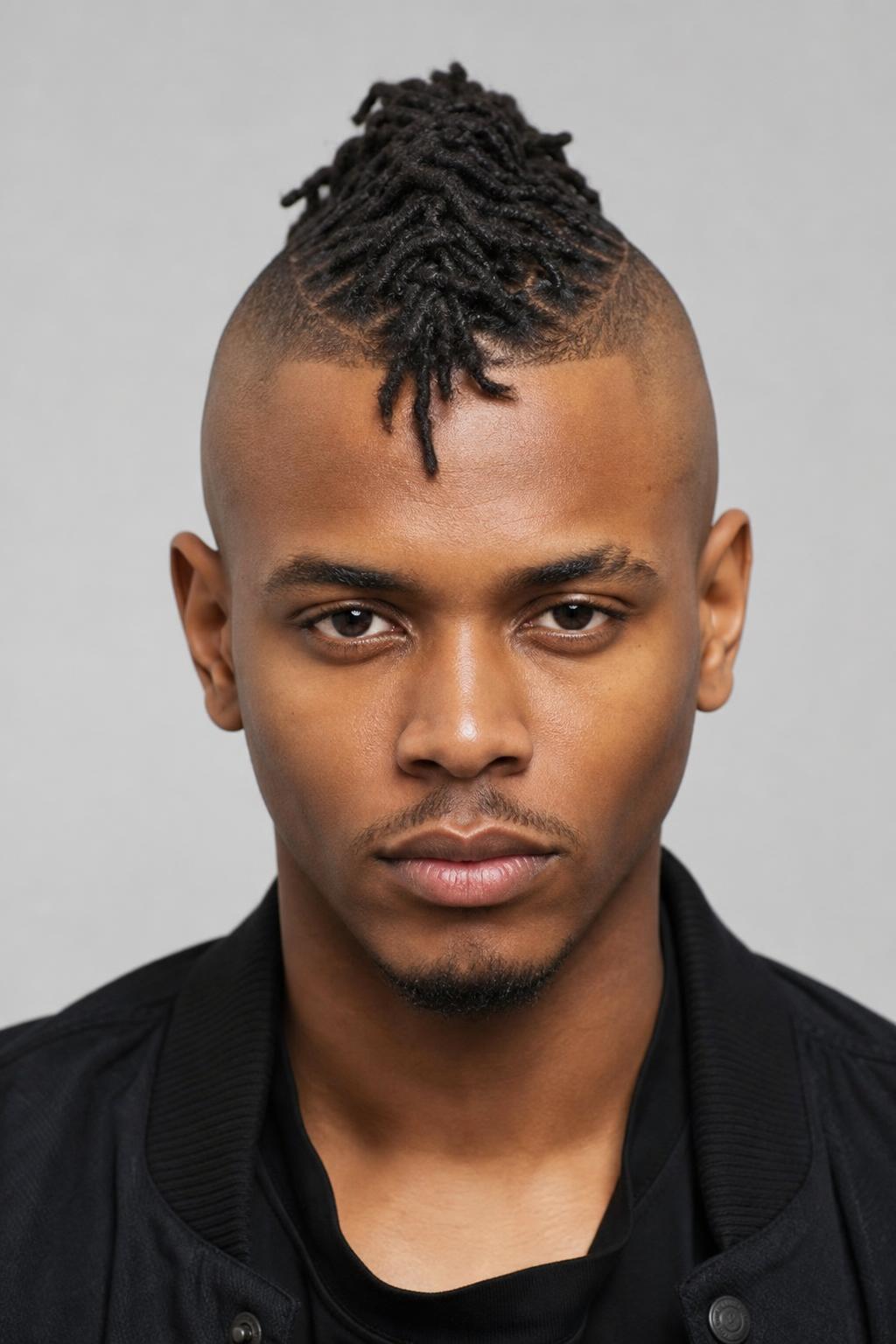
11. Tapered Freeform with a Loc Beard
Connecting tapered freeform locs into a loc’d or faded beard ties the whole look together from hairline to jaw. The continuous shape frames the face cleanly. This is a popular pairing for men who wear both locs and facial hair.

12. Freeform with a Line-Up
Adding a sharp line-up at the front hairline gives freeform locs a defined frame against the forehead. The crisp edge contrasts the deliberately undone locs. It is the simplest barber detail that makes a freeform set look cared for.

13. Freeform with Shaved Sides
Shaving the sides to skin and leaving long freeform locs on top is the highest-contrast version of the cut. The bare sides exaggerate the volume and movement of the locs. This bolder option needs frequent shaping to keep the shaved sections clean.
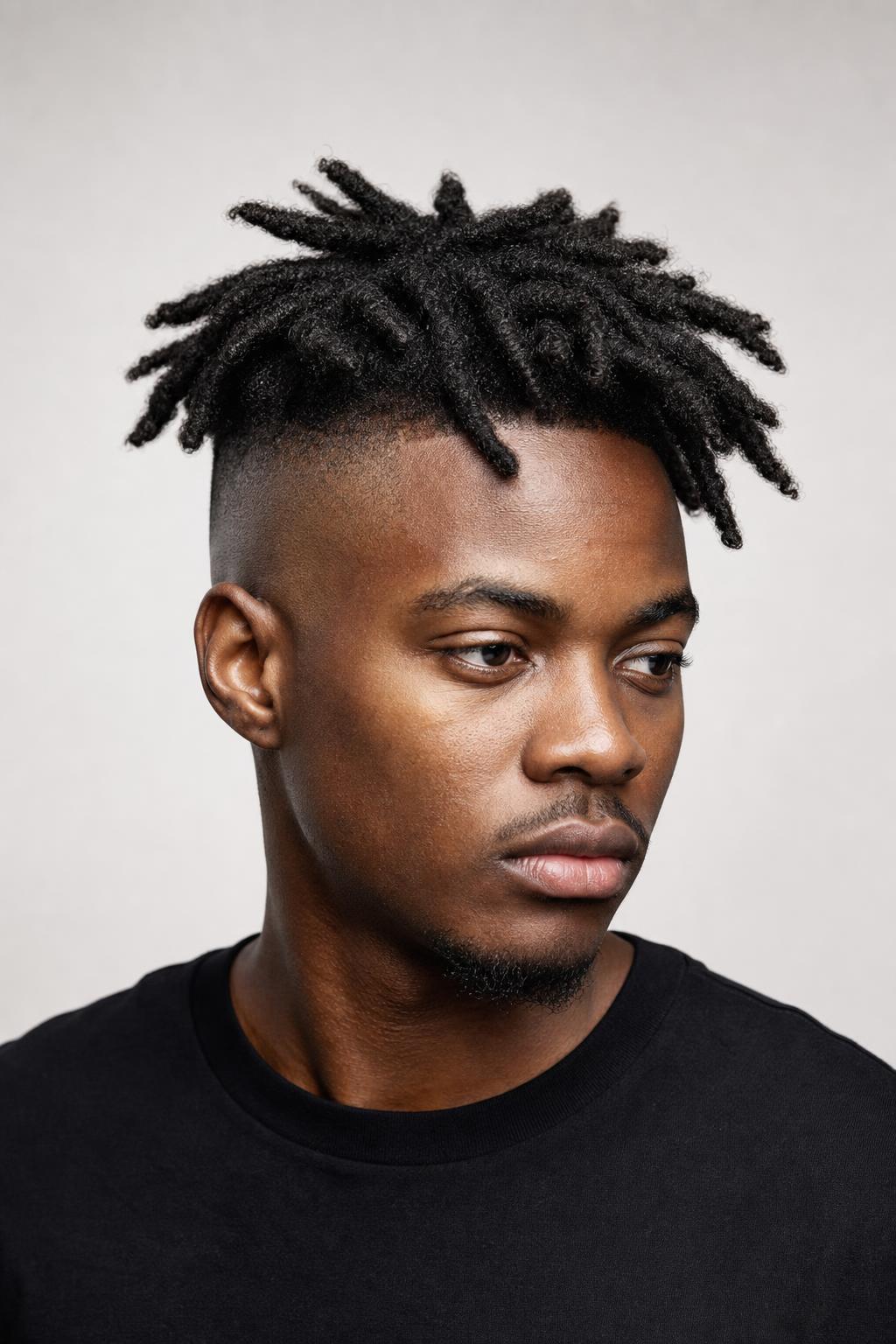
14. Mature Freeform with a Natural Taper
On a long-established set, a soft natural taper at the nape keeps the back from looking heavy without imposing structure. The taper respects the freeform character while tidying the perimeter. This is the most subtle way to cut freeform locs.

Styling Mature Freeform Dreads
Once freeform locs have matured, usually after a year or more, they become long and versatile enough to style in the same ways as any locs. These entries cover what to do with a fully formed set.
15. High Freeform Loc Bun
Gathering mature freeform locs into a high bun keeps them off the face and shows the varied loc sizes at the crown. The bun is practical for work or workouts. A loc tie rather than a tight elastic protects the roots from tension.
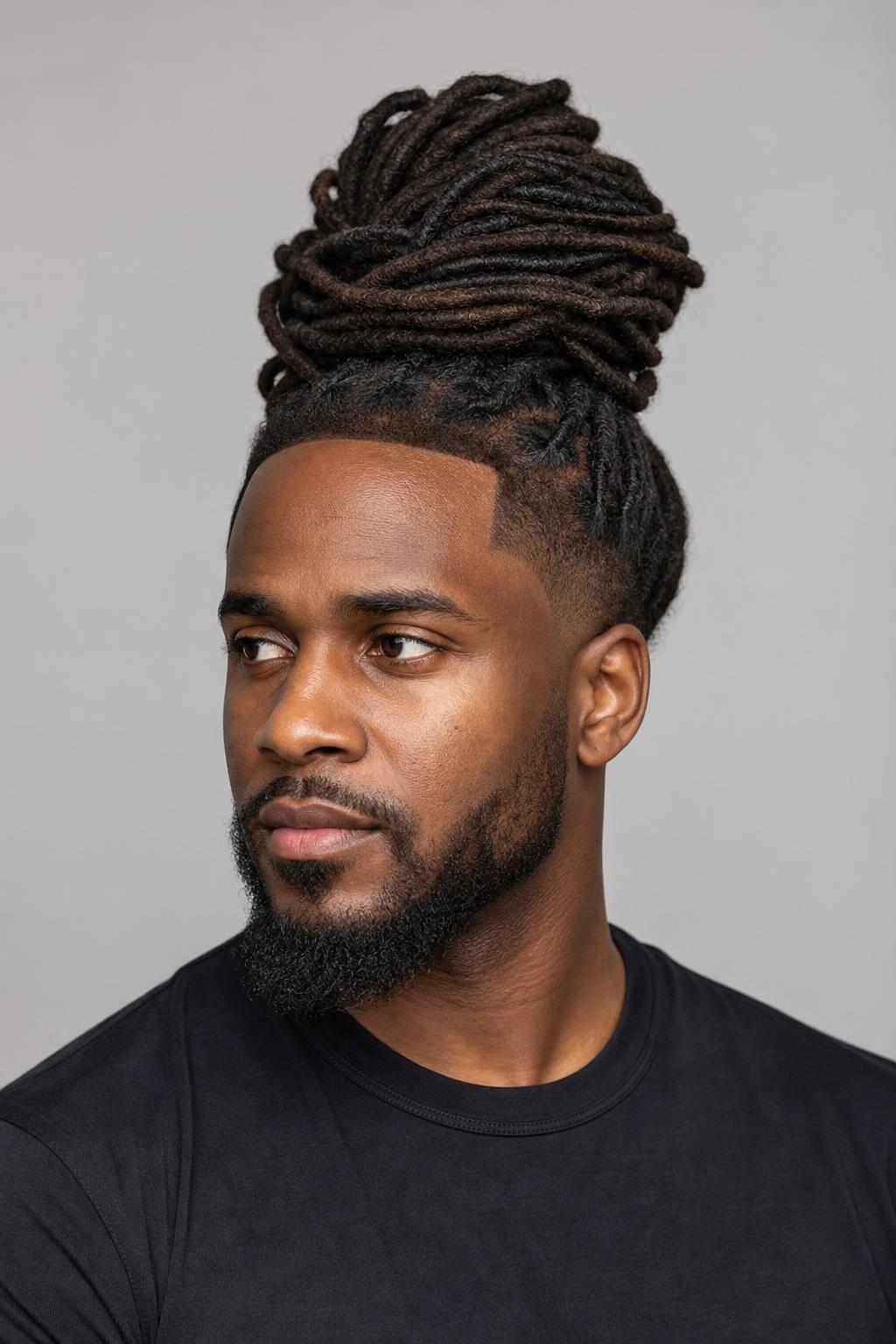
16. Half-Up Freeform Style
Pulling the top half of freeform locs up and leaving the rest down balances volume and length. The half-up shape frames the face while showing off the full set. It is an easy everyday style that needs no product.

17. Freeform Locs with Cuffs and Beads
Adding metal cuffs or wooden beads to mature freeform locs personalizes them without imposing structure on the hair itself. The accessories catch the eye against the natural shapes. Keep them spaced out so the locs stay comfortable to sleep on.

18. Freeform Ponytail
Tying long freeform locs into a single gathered ponytail is the simplest way to contain length. The varied loc thickness gives the ponytail natural texture. A loose tie keeps tension off the hairline.
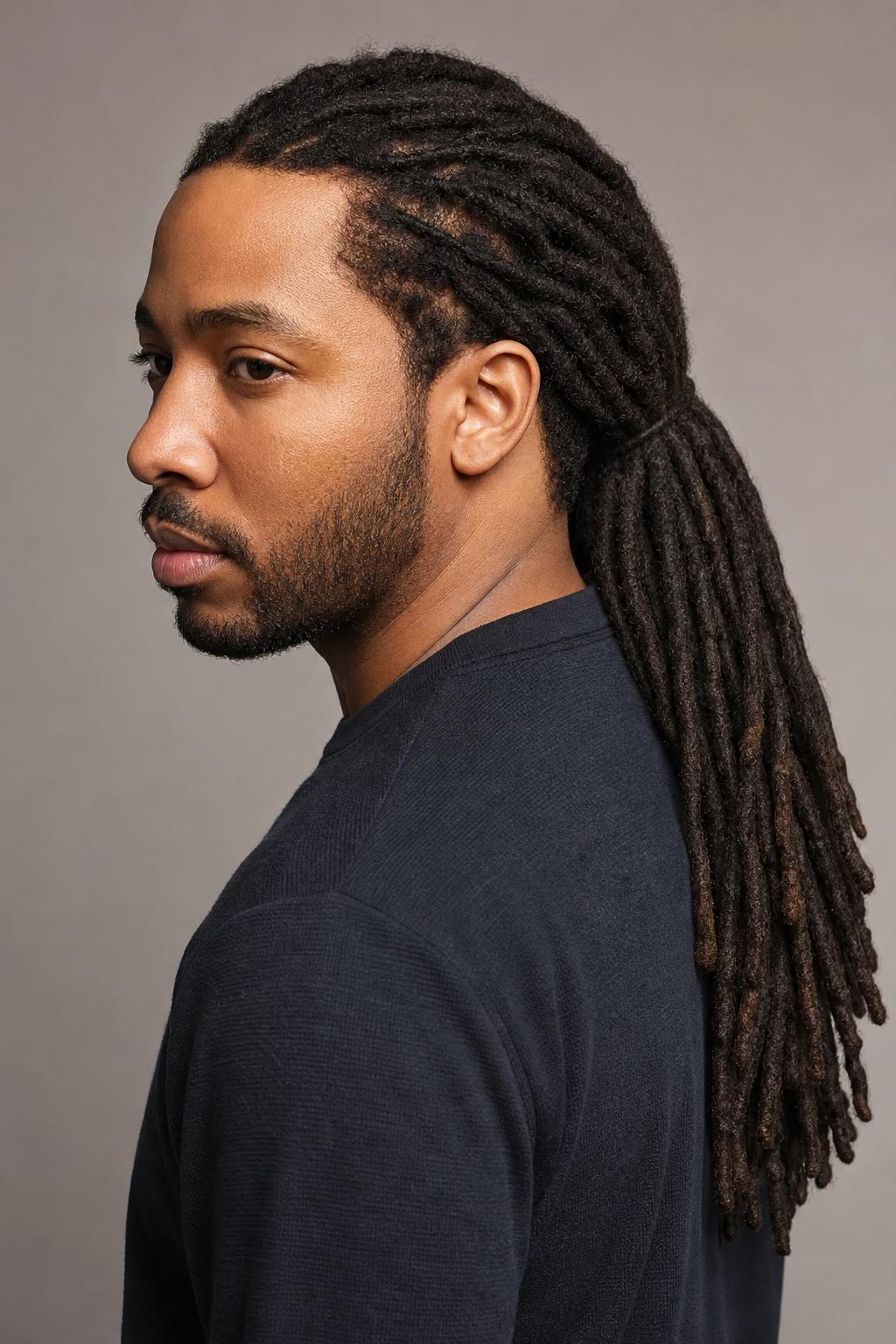
19. Pulled-Back Freeform with a Headband
A wide headband or wrap pushes freeform locs back off the forehead for a clean, framed look. It is a fast styling fix that needs no retwisting. This suits both early and mature locs.
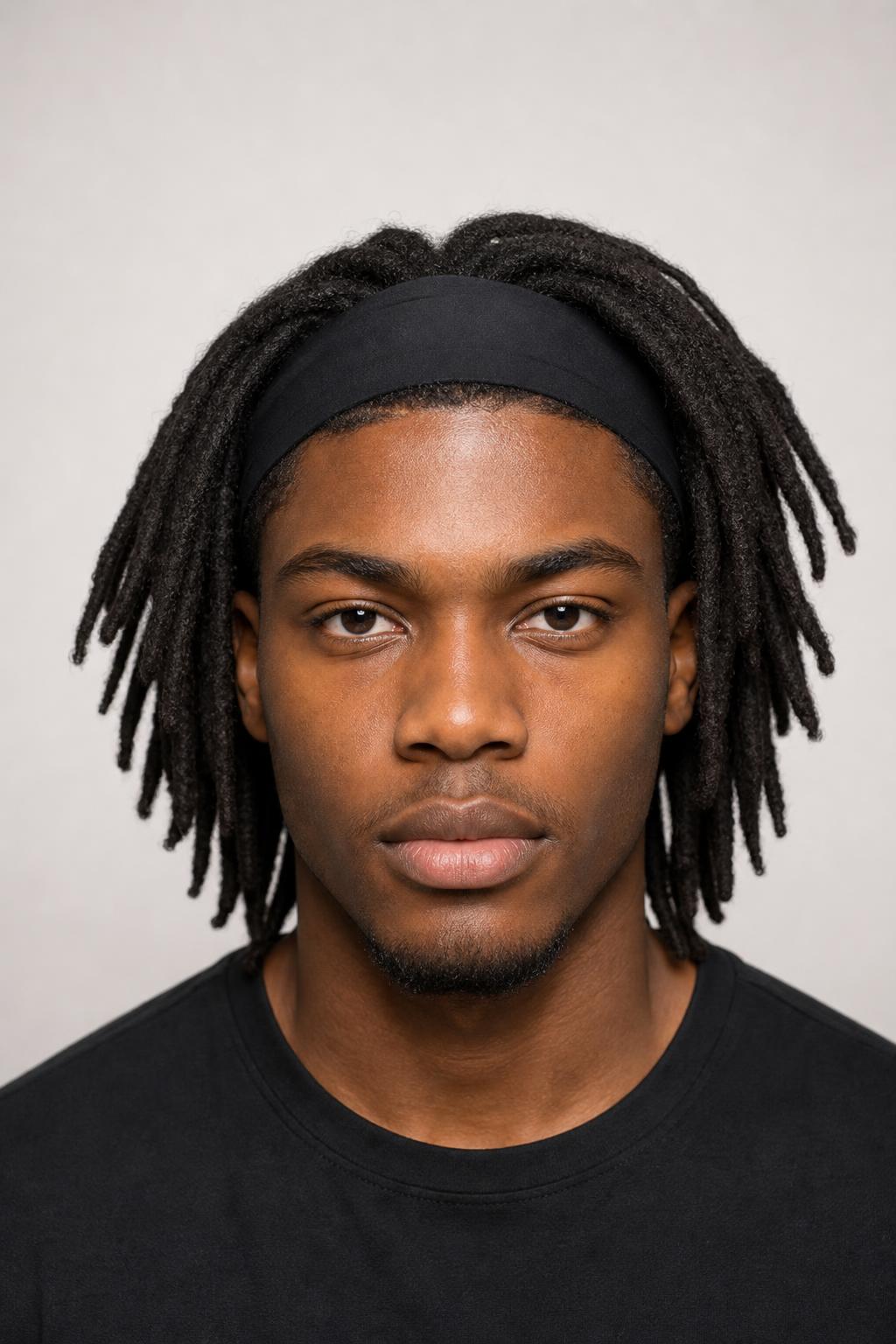
20. Freeform Locs Worn Loose and Long
The signature freeform look is simply wearing a mature set loose, letting the uneven locs hang in their natural shapes. The varied thickness and organic pattern are the whole appeal. This is the lowest-effort style there is, needing only clean, moisturized locs.

Freeform Loc Variations and Length
As freeform locs grow, length and color open up further variation. These entries cover the longer-term and more personalized versions of the style.
21. Waist-Length Freeform Locs
Years of growth produce waist-length freeform locs with dramatic, varied thickness from root to tip. The length carries real weight, so a satin pillowcase and occasional root separation protect it. This is the long-game payoff of a freeform journey.
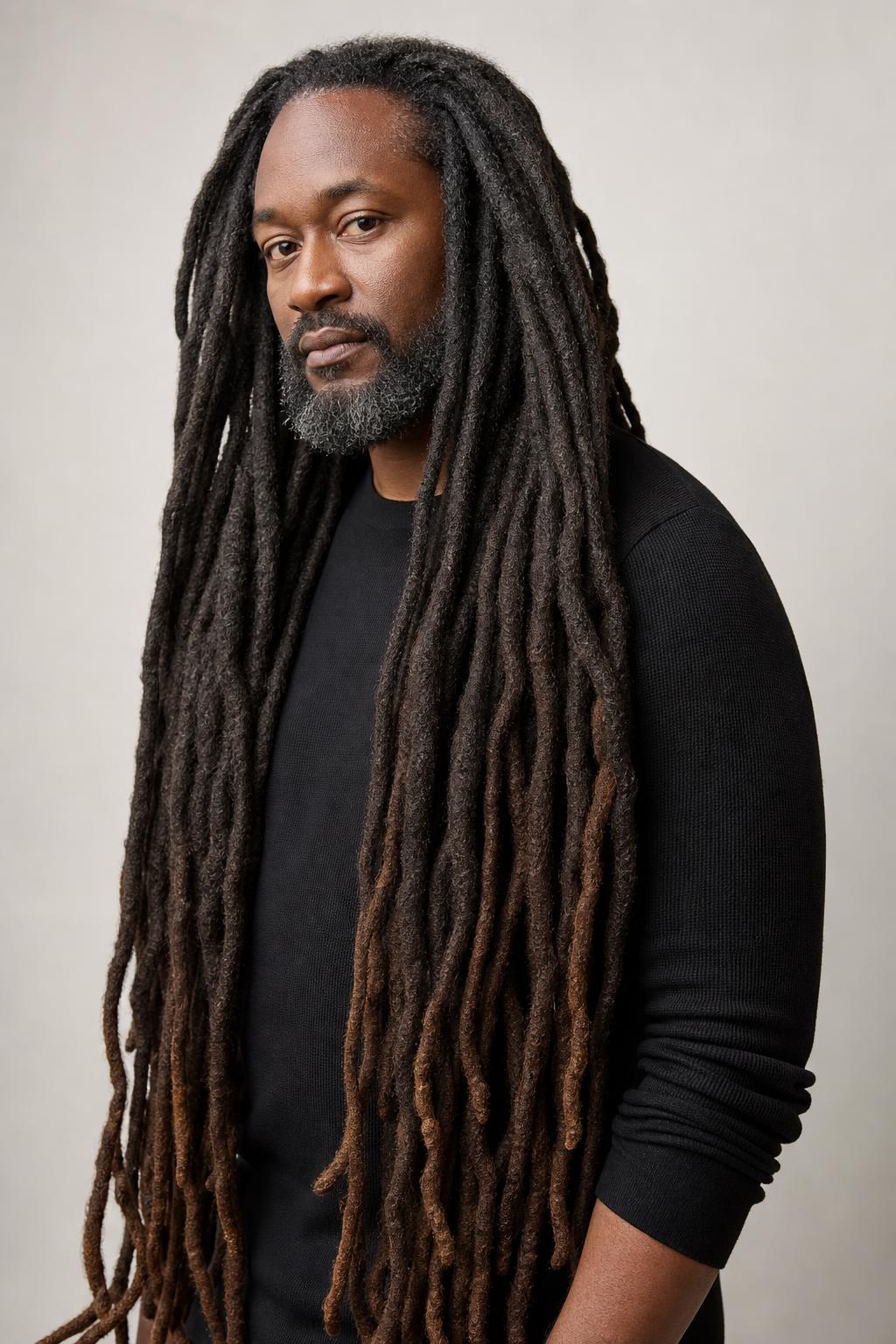
22. Freeform with Color on the Ends
Adding color to the ends of mature freeform locs, from honey to copper, adds dimension without chemically treating the roots. The color shows most where the locs hang free. Coily hair is drier, so a deep conditioning routine keeps colored ends from getting brittle.

23. Freeform with Congo Locs
When several freeform locs naturally merge into one thicker loc, the result is a congo, a hallmark of a true freeform set. Some people embrace congos for their bold size, while others split them early. Letting a few form adds to the organic character.

24. Thin Freeform Locs
Finer hair tends to freeform into many thin locs rather than a few thick ones, giving a lighter, more abundant look. The smaller locs move easily and dry faster after washing. This is the natural outcome for looser or finer textures.

25. Freeform Locs with a Twisted Front
A common hybrid keeps the back and sides fully freeform while lightly twisting only the front locs for a tidier hairline. It is a small concession to neatness that keeps most of the set natural. Purists skip it, but it is a practical middle ground.
How Freeform Dreads Differ from Traditional Locs
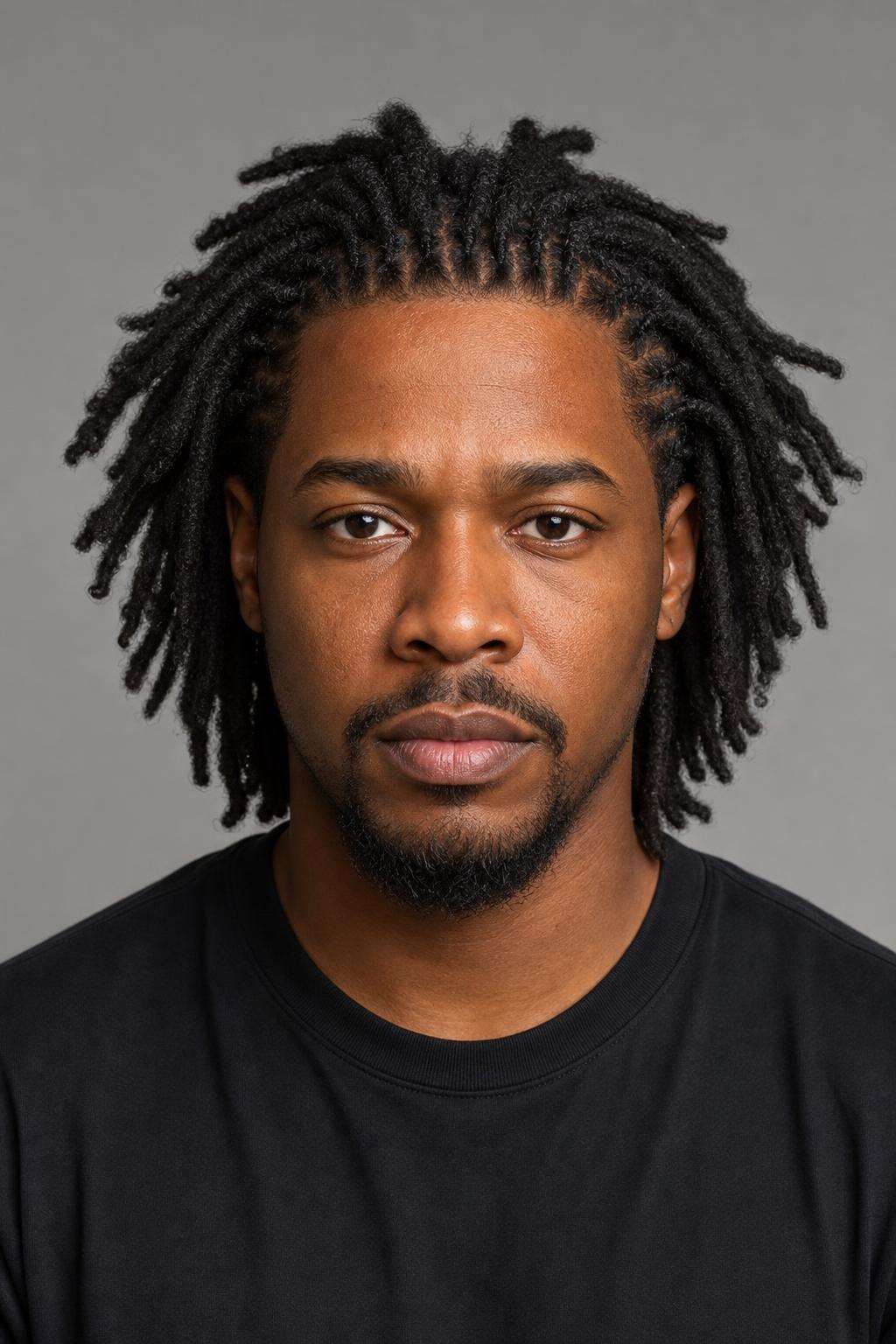
The core difference is manipulation: traditional locs are parted into a grid and retwisted on a schedule, while freeform locs are left to knot and shape themselves. That single choice changes the upkeep, the uniformity, and the look entirely.
| Feature | Freeform Locs | Traditional Locs |
|---|---|---|
| Parting | None; locs form where they will | A defined grid kept over time |
| Upkeep | Mainly washing and separating | Regular retwisting every few weeks |
| Loc size | Uneven and varied | Uniform and consistent |
| Look | Organic, individual | Manicured, structured |
How to Start and Maintain Freeform Dreads
Starting freeform is genuinely simple: wash your hair, stop combing it, and let it knot on its own. Type 4 coily hair locks fastest, while looser textures take longer and may need a little encouragement by leaving the hair undisturbed for longer stretches.
The biggest myth is that freeform means dirty. Clean hair locs better than oily, product-coated hair, so washing every one to two weeks with a residue-free shampoo is the most important habit. Beyond washing, the only real upkeep is separating locs that merge at the root if you want to avoid congos, and moisturizing to keep coily hair from getting brittle. There is no retwisting schedule and no salon dependency.
Stylist tip from a loc specialist: Separate your locs at the root while they are damp after washing, not dry. Damp locs pull apart cleanly along their natural divisions, while forcing dry, merged locs apart can tear the hair and create weak points that snap later.
When Freeform Dreads Are Not the Right Choice
Freeform suits a specific mindset and hair type, so a few situations call for a different approach.
- You want uniform, symmetrical locs: freeform is uneven by nature. Traditional or soft locs give the manicured result freeform cannot.
- A workplace with strict grooming rules: the early budding stage looks deliberately messy. A neater starter-loc method may suit better if appearance is tightly regulated.
- Very fine or straight hair: looser textures lock slowly and unpredictably freeform. A method that sets the locs first gives a more reliable result on that hair type.
FAQ
Are Freeform Dreads Dirty?
No, that is the biggest misconception about freeform locs. Clean hair actually locks better than oily, product-coated hair, so washing every one to two weeks is essential to a healthy freeform set. Freeform refers to not manipulating or parting the hair, not to skipping washing.
How Long Do Freeform Dreads Take to Form?
Type 4 coily hair usually starts forming recognizable locs within three to six months, with a mature set taking a year or more. Looser textures take longer and lock less predictably. The timeline depends entirely on your natural curl pattern and how little you manipulate the hair.
Can You Maintain Freeform Dreads at All?
Yes, light maintenance is normal and does not break the freeform principle. The main tasks are washing regularly, separating locs that merge at the root if you want to avoid congos, and moisturizing to keep coily hair healthy. What you avoid is parting into a grid and retwisting on a schedule.
What Is the Difference Between Freeform and Traditional Locs?
Freeform locs are left to knot and shape on their own with no parting or retwisting, giving uneven, organic locs, while traditional locs are parted into a grid and retwisted regularly for a uniform look. Freeform is far lower maintenance but less predictable. Traditional locs need ongoing salon upkeep but stay symmetrical.
Will Freeform Dreads Ruin My Hair?
Freeform does not damage hair when you keep it clean and moisturized and separate merging locs to prevent excessive matting. The main risks come from neglect, like never washing or letting the whole head mat into one piece. Treated with basic care, freeform locs keep the hair healthy.
Can You Get a Fade with Freeform Dreads?
Yes, pairing freeform locs with a taper or fade is one of the most popular ways to give the style structure. The clean faded sides contrast the uncontrolled locs on top for a deliberate, modern shape. A barber visit every two to three weeks keeps the fade sharp against the locs.
The appeal of freeform dreads is letting your hair do what it naturally wants while you keep it clean and healthy, which makes it the lowest-maintenance loc style there is. If you want structure, add a fade and a line-up; if you want pure freeform, simply wash, separate, and let the locs take their own shape. Embraced with that mindset, freeform dreads become a genuinely individual style no two people share.
Hair results vary based on your natural hair type, texture, density, and condition. Always consult with a licensed hairstylist before making significant changes, especially with chemical treatments or dramatic length changes. Photos may show styled results that require professional tools and products to replicate.