

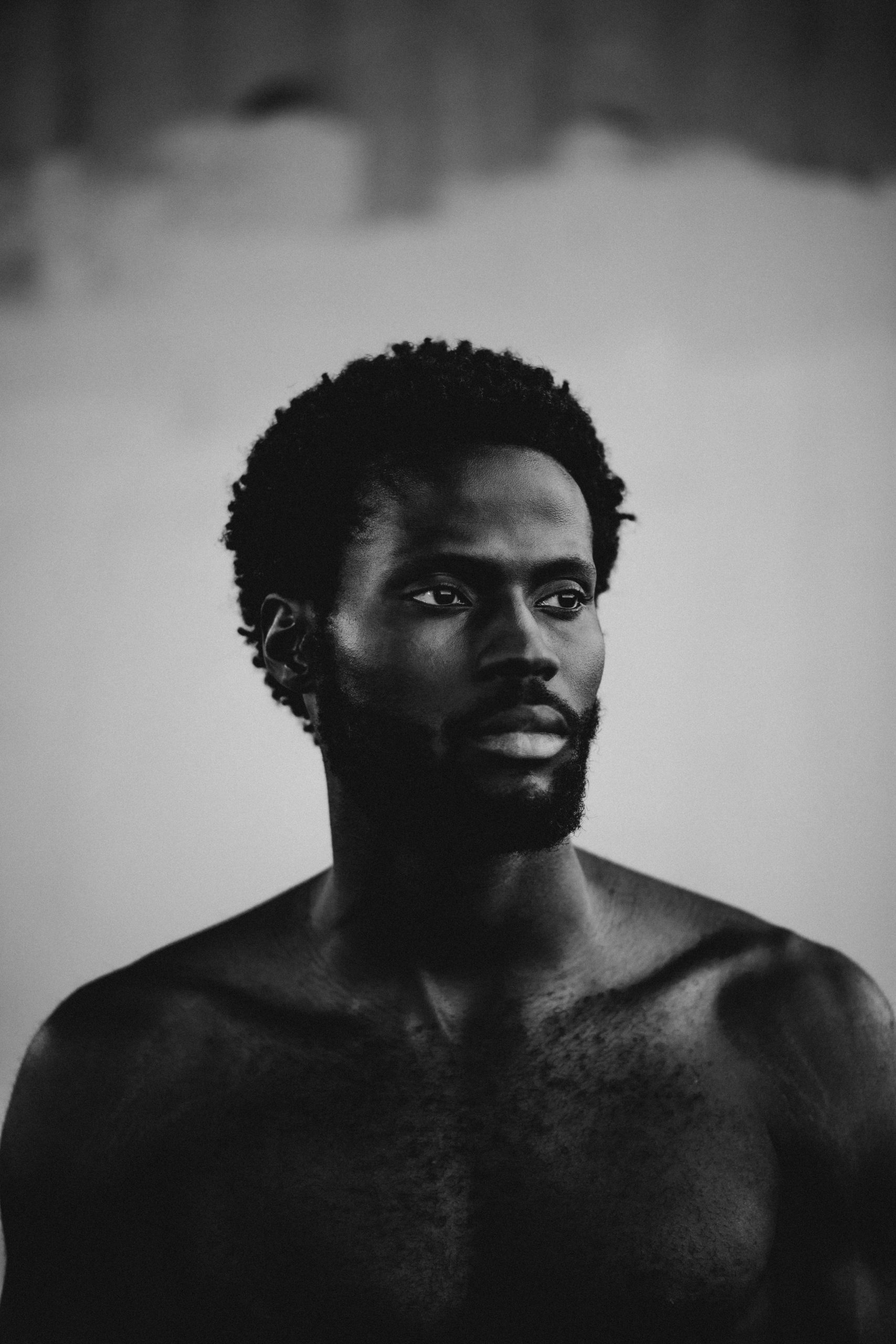

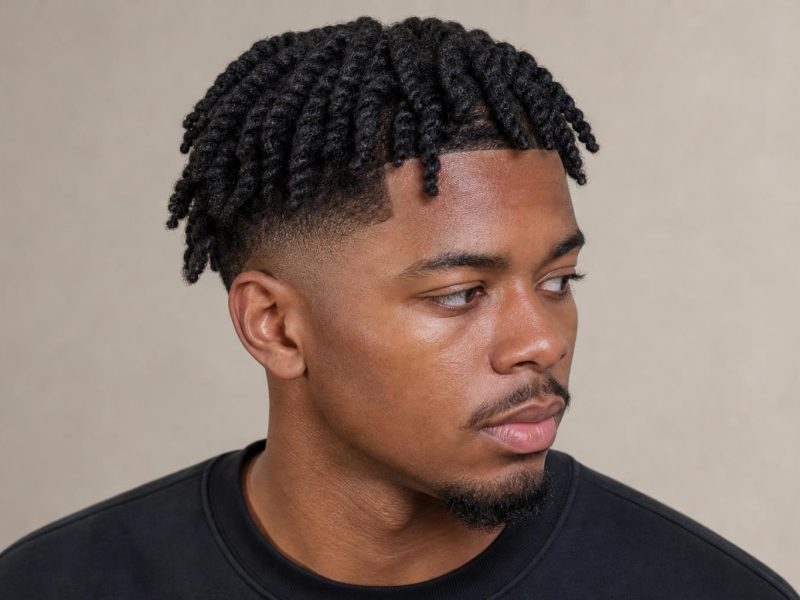
A low taper fade for Black men keeps the fade short and gradual right at the sideburns and nape, leaving the rest of the hair full so an afro, waves, twists, or locs stay the focus while the edges stay sharp.
The 30 styles below are built around type 4 hair and the textures most Black men actually work with: tight coils, sponge curls, 360 waves, braids, twists, and locs. Each entry covers how the low taper interacts with that specific top, who it suits, and what to tell your barber so you walk out with the cut in the photo. Because the fade stays low, this is a flexible, work-appropriate option that still leaves room for a bold afro or a full set of braids for men up top.
After the gallery, you will find a face shape guide, the exact words to ask for at the chair, a realistic moisture and trim schedule for type 4 hair, and the cases where a different fade height serves you better.
| Factor | Details |
|---|---|
| Best for | Type 4 coily and kinky hair; afros, waves, twists, braids, and locs |
| Fade position | Low, starting just above the ear and following the hairline at the nape |
| Maintenance | Line-up every 2 weeks; full fade and shape every 3 to 4 weeks |
| Daily care | Moisturize with a leave-in or oil, pick out the top, wear a durag at night |
| Avoid if | You want maximum contrast between top and sides; a high or burst fade does that better |
Low Taper Fade with an Afro and Curls
The most popular pairing keeps a full afro or defined curls on top with the fade dropping low at the perimeter, so the volume reads as intentional rather than overgrown. The low position protects more of your natural density than a higher fade, which matters when the goal is a full, rounded shape. These eight entries cover the afro and curl variations.
1. Low Taper Fade with a Full Rounded Afro
The classic version leaves the afro full and shaped into a clean round dome while the fade stays tight only at the sideburns and nape. Because the fade is low, almost all of your density stays intact, so the afro looks dense rather than thinned at the edges. Ask your barber to shape the afro with a hard part or a sculpted outline if you want more structure than a free-form round.
2. Sponge-Twist Curls Over a Low Taper
Working a twist sponge through the top creates uniform coils that sit above a clean low fade for a textured, defined finish. The sponge technique works on hair roughly one to three inches long, so it is a good first style while growing out toward a fuller afro. Apply a curl-defining cream to damp hair before sponging, and the coils hold their shape for days with a nightly durag.
3. Low Taper Fade for a Round Face Shape
Height is your friend with a round face, so keeping the afro tall and the fade low draws the eye upward and lengthens the face. A low fade preserves a little width low on the sides, but the vertical lift of a tall afro outweighs it and slims the overall look. Sculpting the top slightly taller at the crown than the front exaggerates the lengthening effect.
4. Afro Blowout with a Low Taper
An afro blowout stretches and lifts the coils with a blow-dryer and pick for a bigger, softer cloud of texture above the low fade. This look needs more length than a sponge twist, usually three inches or more, plus a heat protectant before blow-drying. The blowout reads fuller and rounder than natural shrinkage allows against a clean low taper.
5. Defined Curls with a Low Taper and Beard Fade
Connecting the low taper into a matching beard fade frames the whole face and keeps the transition from hairline to jaw seamless. Defined curls on top, set with a curl cream and a diffuser or sponge, balance the structure of the faded beard. Tell your barber to bridge the fade and the beard at the sideburn so there is no hard gap between the two.
6. Low Taper Fade on Looser 3C to 4A Curls
Looser curl patterns in the 3C to 4A range fall into more of a defined wave-and-curl mix on top, and a low taper keeps that movement intact rather than cutting it short. This texture benefits from a dry cut so the barber can see where the curls land before shaping. A leave-in conditioner keeps the curls soft and clumped instead of frizzy as they grow between visits.
7. Tall Afro with a Subtle Low Drop Fade
Dropping the low fade so it curves down behind the ear toward the nape frames the back of the head and follows the round shape of a tall afro. The drop curve adds a custom touch without raising the overall fade height, so you keep the density a low fade protects. For a closer look at how that curve behaves, the low drop fade gallery breaks it down across lengths.
8. Coily Afro with a Hard Part and Low Taper
A razored hard part cut into the side of a coily afro adds a sharp graphic line that separates the volume from the low fade. The part suits anyone who wants definition and structure rather than a free-form round shape. Because the part line grows out within a couple of weeks, plan on a line-up to keep it crisp between full cuts.
Low Taper Fade with Waves and Short Styles
When the top is kept short, the low taper fade turns into a clean, understated cut that suits professional settings and low-maintenance routines. Waves, short crops, and buzzed tops all pair well with a fade that stays low and subtle. These seven entries cover the shorter end of the range.
9. 360 Waves with a Low Taper Fade
Waves are the signature short style, and a low taper keeps the wave pattern flowing almost all the way down the sides before the fade takes over at the very bottom. Because the fade is low, the waves stay visible across more of the head than a high fade would allow. Brushing daily and wearing a durag at night are non-negotiable for keeping the pattern crisp.
10. Short Caesar Cut Over a Low Taper
A Caesar keeps the top short with a straight-across line at the front, sitting clean above a low fade for a sharp, low-effort look. This cut suits thinning hairlines because the blunt front can be positioned to disguise a receding edge. It needs almost no daily styling beyond a quick moisturize, which makes it one of the easiest options here.
11. Low Taper Fade for an Oval Face Shape
Oval faces carry almost any version of this cut, so a short top with a low taper lets the natural balance show without correction. There is no shape to disguise or counter, which means you can choose the top length purely on lifestyle and preference. A short crop keeps it work-ready; a fuller afro pushes it bolder, and both sit well on an oval face.
12. Buzzed Top with a Low Taper and Line-Up
A near-buzzed top above a low taper is the cleanest, most minimal version of the cut, relying on a razor-sharp line-up to look deliberate. The contrast is gentle because both the top and the fade are short, so the line-up does the heavy lifting. It is a strong pick for looking groomed with almost zero daily care.
13. Low Taper with Soft S-Curl Texture
A texturizer or S-curl product loosens tight coils into a soft, wavy texture that lies flatter on top above a low fade. This chemical option changes the hair pattern, so weigh the upkeep and the commitment before going for it. Once set, the look is sleek and needs a low fade to keep the edges clean against the softened top.
14. Low Taper Fade with a Temple Line-Up
A crisp temple line-up squares off the corners of the hairline and gives the low fade a defined frame at the front. The line-up is where a low taper fade looks most polished, so a barber with a steady hand at the edges matters more than the fade itself here. Edges grow back faster than the fade, which is why a two-week line-up keeps the cut looking fresh.
15. Low Taper Fade Compared to a Mid Taper Fade
A low taper keeps the fade hugging the hairline, while a mid taper raises the blend up toward the temple for more contrast between top and sides. The low version protects more density and reads softer; the mid version looks sharper and shows more skin. If you want a bolder split between your afro and the sides, the mid taper fade gallery shows where that higher line sits.
Low Taper Fade with Braids, Twists, and Locs
Protective and length-focused styles pair naturally with a low taper, which cleans up the perimeter without sacrificing the braids, twists, or locs on top. The low fade keeps the edges sharp between the longer protective work, so the whole look stays tidy. These eight entries cover braided and loc’d variations.
16. Cornrows with a Low Taper Fade
Straight-back cornrows over a low taper keep the braids as the focus while the fade cleans up the sides and nape below them. The low position means the cornrows can start closer to the hairline without a high fade cutting into the braid pattern. A line-up at the front edge keeps the cornrows looking sharp where they begin.
17. Two-Strand Twists Over a Low Taper
A set of two-strand twists on top sits cleanly above a low fade and holds for one to two weeks before retwisting. The low taper keeps the perimeter neat so the twists do not look unkempt as they age. Moisturize the scalp along the part lines to keep the twists healthy through the wear period.
18. Starter Locs with a Low Taper Fade
Early-stage locs paired with a low taper give a clean, intentional frame while the locs are still forming and can look uneven. The low fade keeps the sides controlled so the focus stays on the developing locs rather than loose hair around the edges. Avoid taking the fade too high during the starter phase, since you want to preserve length and density for the locs to mature.
19. Mature Locs with a Low Taper and Undercut Blend
Fully matured locs worn up top with a low taper underneath create a strong contrast between thick locs and clean faded sides. The low fade can blend into the base of the locs so the transition looks deliberate rather than abrupt. This pairing reads as both natural and groomed, which is why it has stayed popular for years.
20. Box Braids with a Low Taper Fade
Box braids on top with a low taper at the sides keep the braids long and full while the fade keeps the hairline crisp. The low fade is the better choice here because a higher fade would cut into the braided sections and reduce how full the braids look. Refresh the edges with a line-up while the braids are still holding to extend the life of the whole style.
21. Low Taper Fade for a Square Face Shape
Square faces with a strong jaw are balanced by height and softness on top, so a fuller twisted or braided top with a low taper works well. The low fade keeps a touch of width low on the sides, but the volume up top draws the eye upward and away from the angular jaw. Rounded twists or curls soften the overall impression more than a flat, blunt top would.
22. Flat Twists with a Low Taper and Designs
Flat twists laid against the scalp pair with a low taper for a sleek, patterned top that sits clean above the fade. The twists can be laid straight back or in a curved pattern depending on the look you want. A light gel or twisting cream keeps the flat twists defined and close to the scalp through the wear period.
23. Faux Locs or Twists with a Connected Beard
Longer faux locs or twists up top, connected to a faded beard through a low taper, create a fully framed, cohesive look. The low taper is the bridge that ties the top and the beard together without a hard break. Ask your barber to keep the taper consistent from the sideburn down into the beard line for the cleanest connection.
Low Taper Fade with Designs and Color
For a more personalized finish, the low taper fade is a clean canvas for shaved designs, parts, and color work. These elements add individuality without changing the underlying cut. These seven entries cover the statement variations.
24. Shaved Line Design into a Low Taper
A single razored line or small geometric design cut into the low fade adds a custom detail that is easy to change at the next visit. Keep it simple so it reads clean rather than busy, especially with a low fade where there is less faded area to work with. Designs grow out within two to three weeks, so they suit anyone who refreshes the look often.
25. Low Taper Fade with Dyed Afro Tips
Coloring just the tips of an afro, often blonde, copper, or red, adds dimension that the low fade frames cleanly. Because only the tips are lightened, upkeep stays low and the roots grow in without an obvious line. Bleaching type 4 hair needs a careful hand, so seek out a colorist experienced with textured hair.
26. Frosted Curls Over a Low Taper
Lightening scattered curls rather than the whole afro gives a frosted, dimensional effect above a clean low fade. The partial lightening is gentler than a full color and creates contrast that catches the light. A color-safe leave-in keeps the lightened curls moisturized, since bleached type 4 hair dries out faster.
27. Low Taper Fade with a Two-Tone Color Block
A bolder color choice splits the top into two tones above the clean low fade for a striking, high-contrast finish. This statement look suits anyone comfortable with attention and willing to maintain the color. The low fade keeps the edges grounded so the bold color does not look chaotic.
28. Low Taper Fade with 360 Wave Designs
Pairing brushed 360 waves with a small shaved part adds detail to a wave pattern above a low fade. The waves flow into the low taper for a continuous textured look that the part accents rather than interrupts. Consistent brushing and a durag keep both the waves and the edges sharp.
29. Asking Your Barber for a Low Taper, Not a Low Fade
Say it clearly: “I want a low taper at the sideburns and neck only, please do not fade it high.” Barbers sometimes hear fade and go higher than you want, so naming the low position twice prevents losing density. Add your top in the same sentence, whether that is a full afro, twists, or waves, so the barber shapes the whole cut to match.
30. Low Taper Fade with a Full Afro and Sharp Outline
The boldest take keeps a large, full afro with a precisely sculpted outline above a clean low fade for maximum volume. The sharp outline turns the afro into a deliberate shape rather than a free-form round, while the low fade preserves the density that makes it look full. It works best on dense type 4 hair that holds a tall shape without collapsing.
How to Choose a Low Taper Fade for Your Face Shape
The low taper fade is flexible, but the length and shape you keep on top should match your face. Height on top lengthens a face, width adds balance, and the low fade itself keeps a little fullness low on the sides that higher fades remove. Matching your top to your face shape is what turns a good fade into the right cut for you.

| Face Shape | Best Top | Avoid | Why It Works |
|---|---|---|---|
| Oval | Almost any length | Nothing major | Balanced proportions carry short crops to tall afros |
| Round | Tall afro or high twists | Flat, wide tops | Height lengthens the face and reduces visual width |
| Square | Rounded curls or twists | Sharp, blunt flat tops | Soft volume balances a strong, angular jaw |
| Heart | Medium afro with width | Very tall, narrow tops | Width at the sides balances a wider forehead |
| Oblong | Shorter, wider crop | Tall afros that add height | Less height keeps a long face from looking longer |
What to Tell Your Barber
The low taper fade goes wrong when the request is vague and the barber fades higher than you wanted, taking density you cannot get back until it grows. Naming the low position clearly, then describing your top and your edges, gets you the cut you pictured. Bring a reference photo of both the fade height and the finished top, since one photo rarely shows both clearly.

The four things to say at the chair:
- Fade position: “Low taper at the sideburns and neck only, do not fade it high.” Say the word low twice so there is no confusion.
- The top: Name it specifically, whether that is a full afro, sponge twists, 360 waves, cornrows, or locs, so the barber shapes around it.
- The line-up: Ask for a clean line-up at the hairline and temples, and say whether you want the corners squared or rounded.
- The beard: If you want the fade to connect into your beard, say so, and point to where you want that transition to start.
Stylist tip: Ask your barber to cut your afro or curls dry, not wet. Type 4 hair shrinks dramatically when wet, so cutting it dry is the only way the barber can see the true shape and avoid taking off more than you wanted. A dry cut also keeps the outline even once the hair springs back to its natural height.
“I want a low taper at the sideburns and neck only, keep my afro full on top with a sharp outline, a clean line-up at the front, and connect the taper into my beard.”
Maintenance and Daily Care for Type 4 Hair
A low taper fade looks sharp out of the chair, but type 4 hair needs daily moisture to stay healthy and a regular barber schedule to keep the fade and edges crisp. The fade grows out faster than the top, so the edges drive your visit frequency. Plan for a quick daily routine and a touch-up every couple of weeks.
| Aspect | Details |
|---|---|
| Line-up frequency | Every 2 weeks to keep the edges and fade sharp |
| Full cut frequency | Every 3 to 4 weeks to reshape the top and re-fade |
| Daily moisture | Leave-in conditioner or a light oil such as jojoba or coconut |
| Tools | Wide-tooth pick for the afro, a wave brush for waves, a durag at night |
| Night routine | Durag or satin bonnet to protect waves, twists, and moisture |
Stylist tip: Moisturize before you pick out your afro, not after. Working a leave-in or oil through the hair first softens the coils so the pick glides instead of snagging, which reduces breakage and helps the afro lift into a fuller, rounder shape. Dry picking on tight coils tears the hair and flattens the result.
When a Low Taper Fade Is Not the Right Choice
The low taper fade suits most Black men and most type 4 textures, but a few goals point toward a different fade height or style.
- You want maximum contrast: A low fade keeps the split between top and sides subtle. If you want a dramatic difference between a tall afro and bare skin, a high taper fade or the dropped, high-contrast boosie fade delivers that sharper line.
- You want a true blowout shape on the sides: If the goal is a full afro blowout with curls flowing down the sides too, a heavier curly cut may suit you better than a clean low taper. Our low taper fade for curly hair gallery covers more of that texture-forward direction.
- A receding or uneven hairline: A line-up on a receding hairline can push the edge back further over time. A softer, less defined edge or a shorter overall cut protects the hairline better than a sharp squared line-up.
- Very little time for upkeep: The edges need a line-up every two weeks to look their best. If you cannot keep that schedule, a shorter all-over cut with a soft taper stays presentable longer between visits.
FAQ
What Is a Low Taper Fade on Black Hair?
A low taper fade keeps the fade short and gradual right at the sideburns and the nape, following the natural hairline, while the rest of the hair stays full. On Black hair it is popular because it cleans up the edges without cutting into the density of an afro, waves, twists, or locs. The low position preserves more of your natural hair than a mid or high fade, which is why it suits fuller styles.
How Often Do I Need to Get a Low Taper Fade Touched Up?
Plan a line-up every two weeks and a full re-fade every three to four weeks. The fade and the edges grow out faster than the top, so the perimeter is what drives the schedule. Type 4 hair shows new growth at the hairline quickly, so consistent two-week line-ups are what keep the cut looking fresh between full appointments.
Can I Get a Low Taper Fade with an Afro?
Yes, and it is one of the most popular pairings. The low fade cleans up the sideburns and nape while leaving the afro full and round on top. Ask your barber to keep the fade low so it does not eat into the afro’s density, and to shape the afro with an outline if you want a defined shape rather than a free-form round.
What Is the Difference Between a Low Taper and a Low Fade?
A low taper fades only a small section right at the sideburns and nape, keeping more length through the sides, while a low fade blends a larger area of the side up from the bottom. The taper is subtler and preserves more density; the fade shows more skin. For a full afro, the low taper is usually the better choice because it keeps the sides fuller.
How Do I Keep My Afro Healthy Under a Low Taper Fade?
Moisturize daily with a leave-in conditioner or a light natural oil, and pick the afro out only after softening it with product to avoid breakage. Wear a durag or satin bonnet at night to lock in moisture and protect the shape. Deep condition weekly, since type 4 hair is naturally drier and the afro shape depends on healthy, hydrated coils to look full.
Does a Low Taper Fade Work with Waves?
Yes, and the low position lets the wave pattern flow further down the sides than a higher fade would allow. Keep brushing daily and wear a durag at night to maintain the pattern. The low taper at the bottom edge frames the waves cleanly without cutting the pattern short, which is why many wavers prefer a low taper over a mid or high fade.
The right low taper fade for Black men comes down to the texture and length you keep on top, from a short Caesar to a full afro, twists, or locs, all framed by a clean low fade and a sharp line-up. Bring a reference photo of both the fade height and the top, ask your barber to cut your coils dry, and keep a two-week line-up schedule to hold the shape. Matched to your hair and your face, the low taper fade is one of the most versatile cuts available.
Hair results vary based on your natural hair type, texture, density, and condition. Consult a licensed barber experienced with type 4 textured hair before a significant change, and take extra care with color or chemical treatments on coily hair. Individual results will vary, and styled results in photos may require specific products and tools to recreate.

2 responses