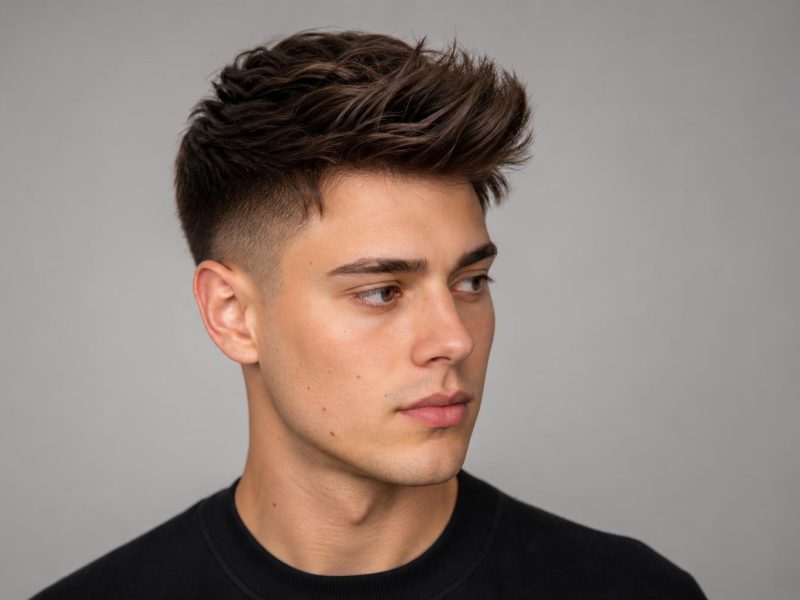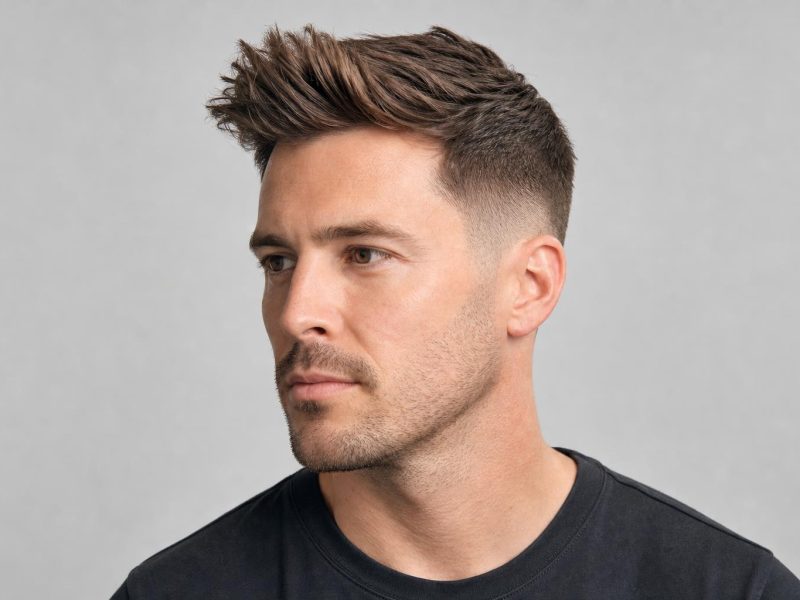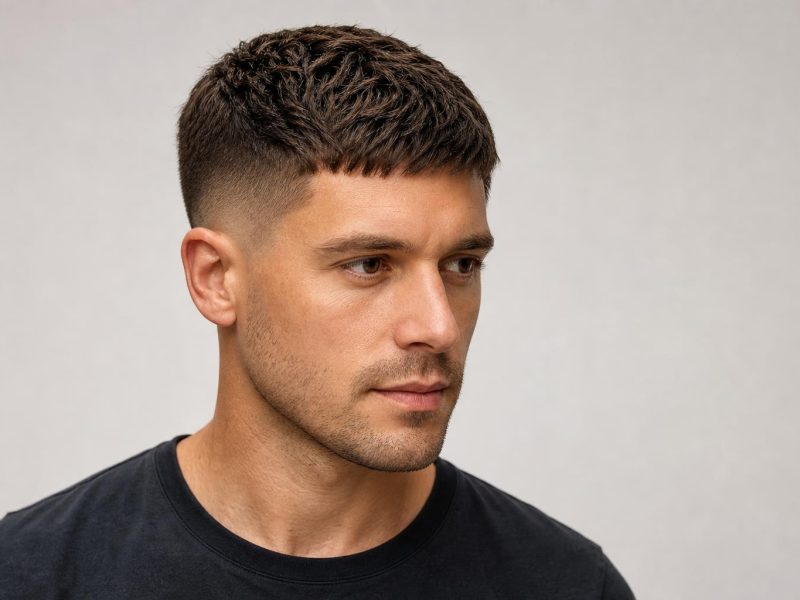

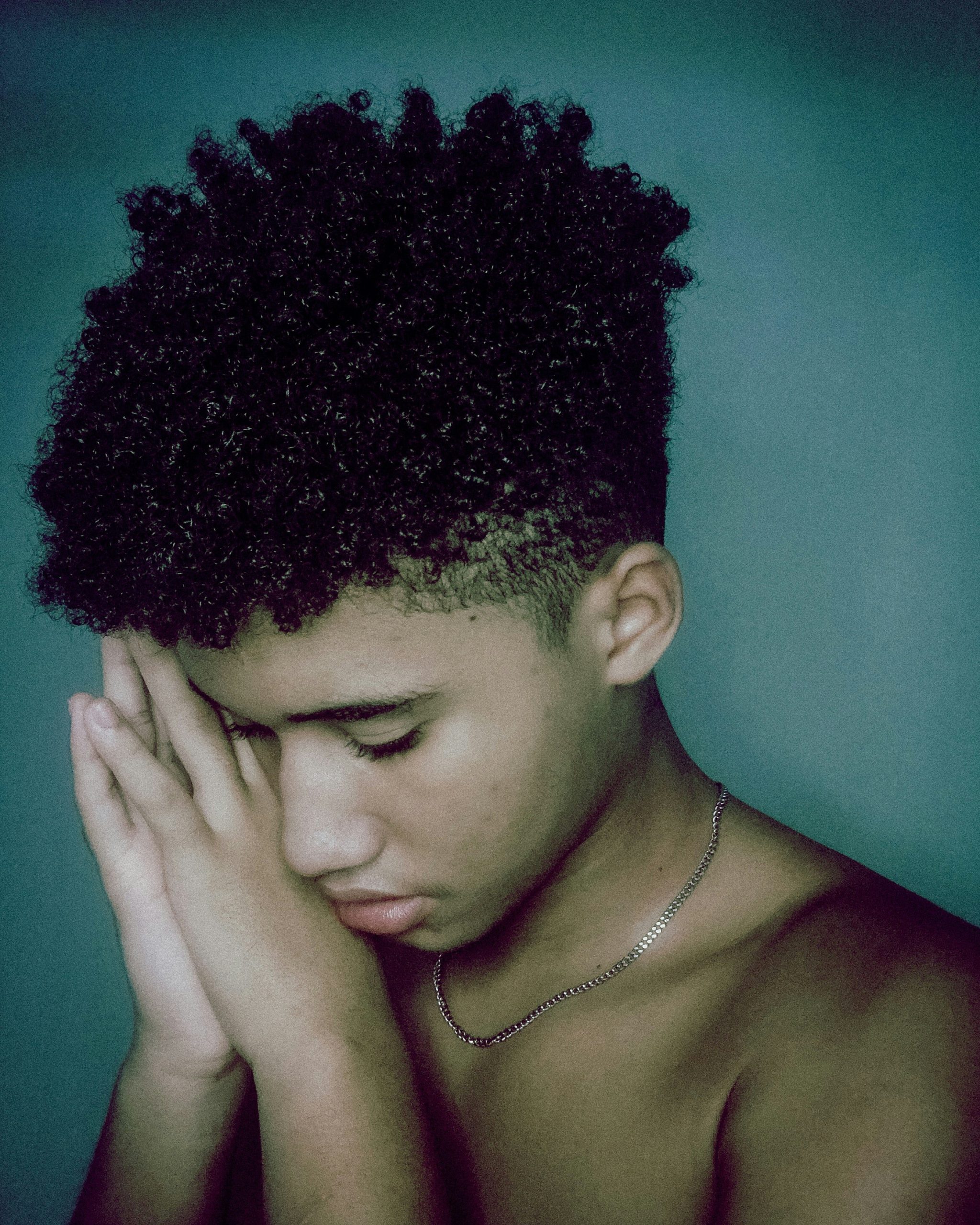
A low taper fade on curly hair keeps the curls full and natural on top while the sides and neckline fade gradually just above the ears, giving curls room to stand up without the heavy, boxy edges a higher fade can create.
The 30 styles below are organized by what actually changes the look: curl pattern, top length and volume, the technique used to define the curls, and the finishing details like a hard part or line-up. Each entry names the specific thing that makes it distinct and who it suits, so you can walk into the chair with two or three clear references instead of a vague idea. The low taper is the most forgiving fade for curls because it sits low enough to grow out cleanly, which is why it pairs with everything from a short sponge twist to a tall afro.
After the gallery you will find a curl-type guide for choosing the right version, the exact language to use with your barber, and a realistic care routine covering how often to refresh the taper versus the curls on top. For a sharper contrast at the sides, the THP gallery of the high taper fade shows where the same cut goes when the fade climbs higher.
| Factor | Details |
|---|---|
| Fade height | Low, starting just above the ear and wrapping the neckline |
| Top length | Curls left long enough to keep their pattern, from short sponge curls to a full afro |
| Taper refresh | Every 2 to 3 weeks to keep the sides clean |
| Curl cut | Best cut dry so the barber sees the curls at their true resting length |
| Best for | Curl patterns 2c through 4c; anyone wanting volume on top with low-key sides |
Low Taper Fade Curly Foundations
These five are the core versions of the cut, the looks a barber produces by default when you ask for a low taper on curly hair. They work across most curl patterns and make the best starting point if this is your first time pairing a fade with natural texture. Each one keeps the curls intact while the low fade does the cleaning up at the sides.
1. Classic Low Taper Fade with Natural Curls on Top
The foundation version leaves the curls their natural length and pattern on top while the sides taper down gradually to skin just above the ear. Cutting the top dry is what separates a good result from a flat one, because the barber can see where each curl actually falls before removing any length. This is the most flexible starting point, since you can grow the top taller or keep it cropped at the next visit without changing the fade.
2. Low Taper Fade for Loose Waves
Looser 2c waves sit softer and flatter than tight coils, so the low taper does extra work here by giving the sides definition that the gentle top texture lacks on its own. Square and oval faces carry this version well, since the clean fade adds the structure that loose waves do not provide. A light curl cream worked through damp hair keeps the waves from separating into frizz as they dry.
3. Clean Low Taper with a Sponge-Defined Curl Finish
Running a curl sponge over the top before the fade coils short curls into a tight, even texture that pairs cleanly with the low taper underneath. The technique suits shorter curly hair that has not been grown out yet, turning what could look uneven into a deliberate, uniform curl pattern. Sponge work takes two minutes at home and is the fastest way to make a short curly top read as styled rather than grown out.
4. Low Taper Fade with a Soft Curly Fringe
Leaving the front curls longer so they fall forward into a soft fringe brings the texture down toward the forehead and frames the face. Longer faces benefit, since the forward curls add width at the brow and shorten the visual length of the face. Ask your barber to keep the fringe disconnected from the fade so the curls can move freely rather than being blended into the sides.
5. Subtle Low Taper for First-Time Fade Clients
A softer, more gradual low taper that never reaches full skin is the easiest entry point for someone who has never had a fade and is not sure how short they want the sides. The gentle transition grows out without an obvious line, so a missed appointment is far less noticeable than with a sharp skin fade. It is also the lowest-commitment way to test whether you like your curls sitting above cleaner sides before going shorter.
Low Taper Fade by Curl Pattern
Curl pattern changes everything about how this cut looks and how it is maintained, so these six entries break the style down by where you fall on the curl scale. From loose 3a spirals to tight 4c coils, the fade stays low while the top is cut and cared for differently. Knowing your pattern is the single most useful thing you can tell a barber.
6. Low Taper Fade for 3A Loose Curls
Loose 3a spirals carry length well and fall into open, defined curls, so the top can be left longer for a relaxed, bouncy shape above the low fade. This pattern shows frizz faster than tighter coils, which makes a regular conditioning routine more important than the cut itself. A diffuser on low heat dries the curls without blowing them apart, keeping the spiral pattern that makes 3a hair look its best.
7. Low Taper Fade for 3B Springy Curls
Springy 3b curls have a tighter, more elastic coil that holds shape with less product, giving a full, rounded top over the low taper. Round faces gain structure from this combination because the low fade narrows the sides while the curls add controlled height. The key with 3b is not over-thinning the top, since removing too much bulk makes the curls separate and lose the dense, uniform look they do best.
8. Low Taper Fade for 3C Tight Corkscrews
Tight 3c corkscrews pack densely and stand up on their own, which lets the top build real height while the low taper keeps the perimeter clean. The contrast between dense curls and a soft fade reads sharp without the hard line a high fade creates. Cut dry and shaped rather than thinned, 3c hair holds a rounded top for weeks between curl trims.
9. Low Taper Fade for 4A Coils
Defined 4a coils have an S-shaped pattern that responds well to a curl sponge or a wash-and-go routine, building a soft afro shape that the low taper frames neatly. This pattern holds moisture poorly, so a leave-in conditioner is doing as much for the look as the cut. The low fade is the right call here because it grows in evenly with the coils rather than fighting the natural shrinkage that 4a hair shows day to day.
10. Low Taper Fade for 4C Tight Coils
Tight 4c coils shrink the most and pack the densest, which makes them ideal for a sculpted afro or a sponge-twist top sitting above a clean low taper. The fade adds the crisp edge that defines the shape, since 4c hair on its own reads as soft all around. Moisture is non-negotiable for this pattern, so a daily spritz of water and leave-in keeps the coils from looking dry and dull between washes.
11. Low Taper Fade for Hispanic and Mixed-Texture Curls
Mixed-texture and Hispanic curls often combine looser waves at the crown with tighter curls underneath, and a low taper handles the inconsistency by cleaning the sides while the varied top reads as natural movement. The barber should cut to the loosest curl pattern present so the shape holds as it grows. A curl cream rather than a heavy gel keeps multiple textures defined without forcing them into a single uniform pattern.
Length and Volume on Top
How tall and full you build the curls is the biggest visual choice in this cut, and these seven entries run from a short crop to a full blown-out afro. The low taper stays the same underneath; what changes is how much presence the top carries. More height suits longer styling routines, while shorter tops are the genuinely low-effort option.
12. Broccoli Cut with a Low Taper Fade
The broccoli cut keeps the curly top thick, full, and rounded like its namesake, with the low taper cleaning the sides so the volume reads as deliberate. Younger clients and anyone with dense 3b to 3c curls get the strongest version of this shape. Ask your barber to round the top rather than square it off, since the rounded crown is what gives the broccoli its recognizable silhouette.
13. Afro Low Taper Fade
A full afro on top with a low taper fade delivers bold volume while keeping the neckline and sides clean and modern. The low fade is the right height for an afro because it preserves most of the natural shape rather than carving into it the way a high fade does. Pick this if you want maximum presence on top with sides that still grow out gracefully between cuts.
14. Mini Afro with a Clean Low Taper
A mini afro keeps the rounded volume of a full afro at a shorter, more manageable length, sitting neatly above the low taper. This is the practical middle ground for someone who likes the afro shape but does not want the styling time a tall version demands. The shorter length also holds its shape longer between curl trims, since there is less length to lose definition.
15. Short Curls with a Low Taper
Keeping the curls short and close on top makes this one of the lowest-maintenance versions of the cut, with the low taper doing most of the styling work. Professional settings suit this length, where a tall curly top might read as too casual. A short curly top air-dries in minutes and needs little more than a curl cream to look finished.
16. Long Curly Top with a Low Taper Fade
Growing the top long lets the curls cascade and fall with real weight, with the low taper keeping the sides from looking unkempt as the length builds. This version rewards patience, since curly hair takes months to reach a length where it falls rather than stands. Grown longer and angled at the back, the same texture moves toward the curly mullet territory. Longer curls need more conditioning and a looser styling product so the weight does not flatten the pattern at the roots.
17. Curly Blowout with a Low Taper Fade
A blowout uses a diffuser to expand the curls into a big, voluminous top that sits above the low taper for a high-impact contrast. Black men and boys with dense coils get the fullest version of this look. Keep the dryer on low heat with a diffuser attached, since direct high heat is what turns a blowout into frizz and loosens the curl pattern you are trying to build.
18. High-Volume Curly Top with a Low Fade Contrast
Building the curls as tall as they will go while keeping the fade low creates a deliberate top-heavy silhouette that draws the eye upward. Shorter faces and rounder face shapes carry the added height well, since the vertical volume lengthens the overall proportions. This look needs the most product and the most styling time of any version, so it suits someone who enjoys the morning routine rather than avoiding it.
Curl-Defining Technique on Top
The same curly top can be finished several ways, and these six entries cover the techniques that change the texture itself. Sponge twists, twist-outs, finger coils, and two-strand twists each produce a distinct pattern above the low taper. The fade stays constant while the top technique defines the personality of the cut.
19. Sponge Twist Curls with a Low Taper
A curl sponge rubbed in circular motions over damp hair creates tight, uniform sponge twists that sit densely above the low taper. The technique works best on 4a to 4c coils that are at least an inch long, where the sponge has enough hair to coil. Two minutes with the sponge after a shower is all it takes, which makes this the fastest defined-curl finish at home.
20. Twist-Out Top with a Low Taper Fade
A twist-out, where the hair is twisted in sections while damp and unraveled once dry, produces elongated, defined curls with more length and stretch than a wash-and-go. The result reduces shrinkage, so the top reads taller and looser above the low taper. The twists need to dry fully before unraveling, which usually means twisting at night and taking them down in the morning for the cleanest definition.
21. Finger Coils with a Low Taper
Finger coiling wraps individual sections around a finger to set each curl, creating a precise, uniform coil pattern that pairs cleanly with the low taper. Shorter 4a to 4c hair takes this technique best, where each coil holds its shape. It is more time-consuming than a sponge, but the payoff is the most defined, deliberate curl pattern of any technique here.
22. Two-Strand Twist Top with a Low Taper Fade
Two-strand twists worn as the finished style, rather than unraveled into a twist-out, give a rope-like texture on top that sits above the low taper for a clean, distinctive look. The twists can stay in for several days, making this a multi-day style rather than a daily one. For more on the technique itself, the THP guide to two-strand twist styles covers how to section and twist for the cleanest result.
23. Wavy Top with a Low Taper Fade
For looser wave patterns, brushing and a durag can train the top into deep, uniform waves that sit sleek above the low taper rather than standing up. This look suits 2c to 3a textures that lie flatter naturally. Consistent brushing and a durag worn at night are what build and hold the wave pattern, so this version rewards routine over product.
24. Permed Curls with a Low Taper Fade
A texturizing perm adds curl to straighter hair, letting anyone wear the curly-top-over-low-taper look regardless of natural pattern. The perm needs a few weeks of careful conditioning to settle, and the curls will be more uniform than natural texture. This is the route for straight or wavy hair that wants the defined curl shape the cut is built around, though it commits you to the upkeep a chemical service requires.
Finishing Details and Design
The final touches set one low taper apart from another, and these six entries cover the design elements that personalize the cut. A hard part, a sharp line-up, a drop at the back, or a beard blend each change how finished the whole thing looks. These are the details worth naming specifically at the chair.
25. Low Taper Fade with a Hard Part
A hard part is a single razor line shaved into the side, adding a sharp, deliberate division between the curls and the fade. The line reads as a modern, intentional detail and works on any curl pattern dense enough to frame it. The part needs re-shaving every week or two to stay crisp, so it suits someone already visiting the barber on a tight schedule.
26. Low Taper Fade with a Sharp Line-Up
A line-up squares off the hairline at the forehead and temples, giving the curly top a clean, defined frame above the low taper. The crisp front edge is what makes the whole cut look freshly done, even as the curls grow. Curly hairlines can be irregular, so a good barber follows your natural line rather than forcing a hard square that will look unnatural as it grows back. For sharper edge work around the temples, the THP guide to the temp fade covers temple line-ups in depth.
27. Low Drop Taper Fade for Curly Hair
A drop fade follows the curve of the head down behind the ear, so the low taper drops lower at the back than at the sides. The shape frames the curls from behind and pairs especially well with a fuller top. The THP gallery of the low drop fade shows the full range of this variation across hair types.
28. Curly Top with a Low Taper and Burst at the Back
A burst fade radiates outward behind the ear in a curved arc, and pairing it with a low taper at the sides creates a curved, dynamic perimeter under a full curly top. The combination suits anyone who wants more visual movement at the sides than a straight taper gives. This is a more advanced barber request, so bring a clear photo and confirm the barber is comfortable with burst work before they start.
29. Low Taper Fade with a Full Curly Beard Blend
Connecting the low taper into a curly beard creates one continuous line of texture from the curls down through the jaw, framing the whole face. The blend at the sideburn is the technical part, where the fade has to transition smoothly into the beard rather than stopping abruptly. Ask for the beard line to be cleaned up at the same appointment, since a sharp beard edge is what makes the blend look deliberate.
30. Low Taper Fade with a Curly Comb-Over
Sweeping the curly top to one side creates a comb-over that adds direction and a slightly dressier finish above the low taper. The look suits looser 2c to 3b curls that can be encouraged to fall one way. A small amount of curl cream worked in the direction of the sweep holds the shape without flattening the curls into a stiff, wet-looking finish.
What a Low Taper Fade Actually Is
A taper means the hair gradually shortens from longer at the top to shorter at the edges, and “low” describes where that fading begins: just above the ear, wrapping around the natural hairline and neckline. It differs from a low fade in degree, since a taper is generally softer and does not always reach bare skin, where a fade usually blends down to skin. For curly hair specifically, the low taper is the gentlest option, preserving the most natural curl volume while still cleaning up the perimeter.
Stylist tip: The single most important instruction for any curly cut is to have the barber cut your hair dry, in its natural curl state. Wet curls stretch out and hide where they will actually fall, which is how people end up shorter and more uneven than they wanted. A dry cut shows the barber the true shape before a single curl is removed.
Choosing a Low Taper Fade by Curl Type
Your curl pattern decides how much length to leave on top, which curl-defining technique works, and how much daily moisture the style needs. The table below maps common patterns to the versions of this cut that suit them best, so you can find your starting point quickly.

| Curl Pattern | Best Top Style | Care Priority |
|---|---|---|
| 2c to 3a (waves to loose curls) | Soft fringe, comb-over, longer top, wavy brushed top | Frizz control with a light curl cream; diffuse on low heat |
| 3b to 3c (springy to tight curls) | Broccoli cut, rounded top, twist-out, high volume | Shape rather than thin; condition to keep curls dense |
| 4a to 4b (defined to dense coils) | Afro, sponge twists, finger coils, blowout | Daily moisture; leave-in conditioner is essential |
| 4c (tight coils, high shrinkage) | Sculpted afro, sponge-twist top, mini afro | Water plus leave-in daily; seal with a light oil |
How to Ask Your Barber for a Low Taper Fade on Curly Hair
Bring a photo taken from the front and the side, name the fade height, and say clearly that you want to keep your curls natural on top. Curly cuts go wrong most often when the barber treats the top like straight hair, so a few specific words at the start prevent a disappointing result.
The four things worth saying before the clippers start:
- Fade height and finish: “A low taper, soft around the ears and neckline, blended down to skin” or “not all the way to skin” depending on how sharp you want the sides.
- Cut the top dry: Ask for the curly top to be cut dry, in its natural state, so the shape is judged at the curls’ real length.
- Top length and shape: Say how much height you want and whether you want it rounded, like a broccoli or afro, or swept to one side.
- Line-up preference: State whether you want a sharp squared hairline or a softer, natural follow of your curly hairline.
Stylist tip: Ask the barber to clean up your beard line at the same appointment if you have one. A freshly edged beard makes the whole cut read as more deliberate, and blending the low taper into the beard is far easier when both are being shaped in the same sitting.
“I’d like a low taper fade, soft around the ears and neckline, and please cut the curls on top dry so we keep the natural shape. Leave good height on top, rounded, and follow my natural hairline rather than squaring it off hard.”
Maintenance and Curl Care
This cut has two clocks running at different speeds: the taper at the sides grows out faster and visibly, while the curls on top can go longer between trims. Most people refresh the taper every two to three weeks and leave the top alone for a month or more.
| Timeframe | What to Do |
|---|---|
| Daily | Spritz with water and a leave-in, then define curls with a sponge, fingers, or a curl cream. Sleep in a durag or on a satin surface to protect the pattern. |
| Weekly | Wash and deep condition. Curly hair holds little moisture, so a weekly conditioning treatment keeps the curls from looking dry and dull. |
| Every 2 to 3 weeks | Return for a taper refresh and line-up. The sides show growth fastest and are what make the cut look unkempt first. |
| Every 4 to 6 weeks | Have the curly top shaped or trimmed to keep the silhouette even as it grows. |
When a Low Taper Fade Is Not the Right Choice
The low taper suits most curly hair, but a few situations point toward a different cut or fade height.
- You want maximum contrast and sharp sides: The low taper is deliberately subtle. If you want a dramatic difference between bare skin and a tall curly top, a mid or high fade delivers that contrast far better, and the THP guide to the mid taper fade covers that higher placement.
- Very thin or fine curls: Sparse curls can look thinner once the sides are faded, since the fade removes the surrounding bulk. A uniform scissor cut that keeps a little length on the sides preserves the appearance of density better than a fade.
- You cannot commit to the two-week taper refresh: The low taper looks its best clean, and the sides grow out visibly within two to three weeks. If you genuinely cannot return that often, a longer scissor-tapered cut grows out more gracefully and forgives a missed appointment.
FAQ
What Is a Low Taper Fade on Curly Hair?
A low taper fade on curly hair is a cut where the curls stay full and natural on top while the sides and neckline fade gradually, starting low just above the ear. The low placement preserves more of the curly volume than a higher fade and grows out more cleanly. It works across curl patterns from loose 2c waves to tight 4c coils, with the top length and styling adjusted to the pattern.
How Often Do You Need to Get a Low Taper Fade Touched Up?
The taper at the sides needs refreshing every two to three weeks to stay clean, since that is where growth shows first. The curly top can go four to six weeks or longer between trims because curls hide growth better than faded sides. Many people book a quick taper-and-line-up between full cuts to keep the sides sharp without touching the top.
Should Curly Hair Be Cut Wet or Dry for a Fade?
The curly top should be cut dry so the barber sees the curls at their natural resting length and shape. Wet curls stretch out and spring back shorter, which is the most common reason a curly cut ends up shorter and more uneven than expected. The faded sides can be cut with clippers either way, but the top length should always be judged dry.
What Is the Difference Between a Low Taper and a Low Fade on Curly Hair?
A low taper is generally softer and more gradual and does not always go all the way to bare skin, while a low fade usually blends down to skin for a sharper edge. On curly hair, the taper keeps more natural volume and grows out with less of a visible line, making it the more forgiving choice. A low fade gives a crisper, more defined side that needs more frequent upkeep to maintain.
What Products Work Best for a Curly Top with a Low Taper?
A leave-in conditioner and a curl cream are the two products that do the most work, hydrating the curls and defining the pattern without stiffness. A curl sponge is the most useful tool for shorter 4-type coils, building uniform definition in minutes. Avoid heavy gels that dry hard and flake; curly hair reads best when the curls stay soft and moveable rather than crunchy.
Does a Low Taper Fade Work for All Curl Types?
Yes, the low taper works across curl patterns from loose 2c waves through tight 4c coils, which is part of why it is so popular for curly hair. What changes by pattern is the top length, the curl-defining technique, and how much daily moisture the style needs. Looser patterns suit longer, looser tops and frizz control, while tighter coils suit sponge twists or an afro and a daily moisture routine.
A low taper fade for curly hair comes down to two decisions made well: keep the sides low and clean so the curls stay the focus, and have the top cut dry so the natural pattern is respected. Bring a front-and-side photo, name your fade height, and be specific about the top shape you want. A low taper fade matched to your curl pattern, and refreshed on a realistic schedule, is the cut that keeps your curls looking deliberate rather than overgrown.
Hair results vary based on your natural curl pattern, density, and hair condition. Consult a licensed barber or stylist experienced with textured hair before any significant cut, particularly if you are considering a perm or other chemical service. Curl behavior, shrinkage, and maintenance needs vary by individual. Photos may show freshly cut or styled results that change in appearance as the hair grows.