

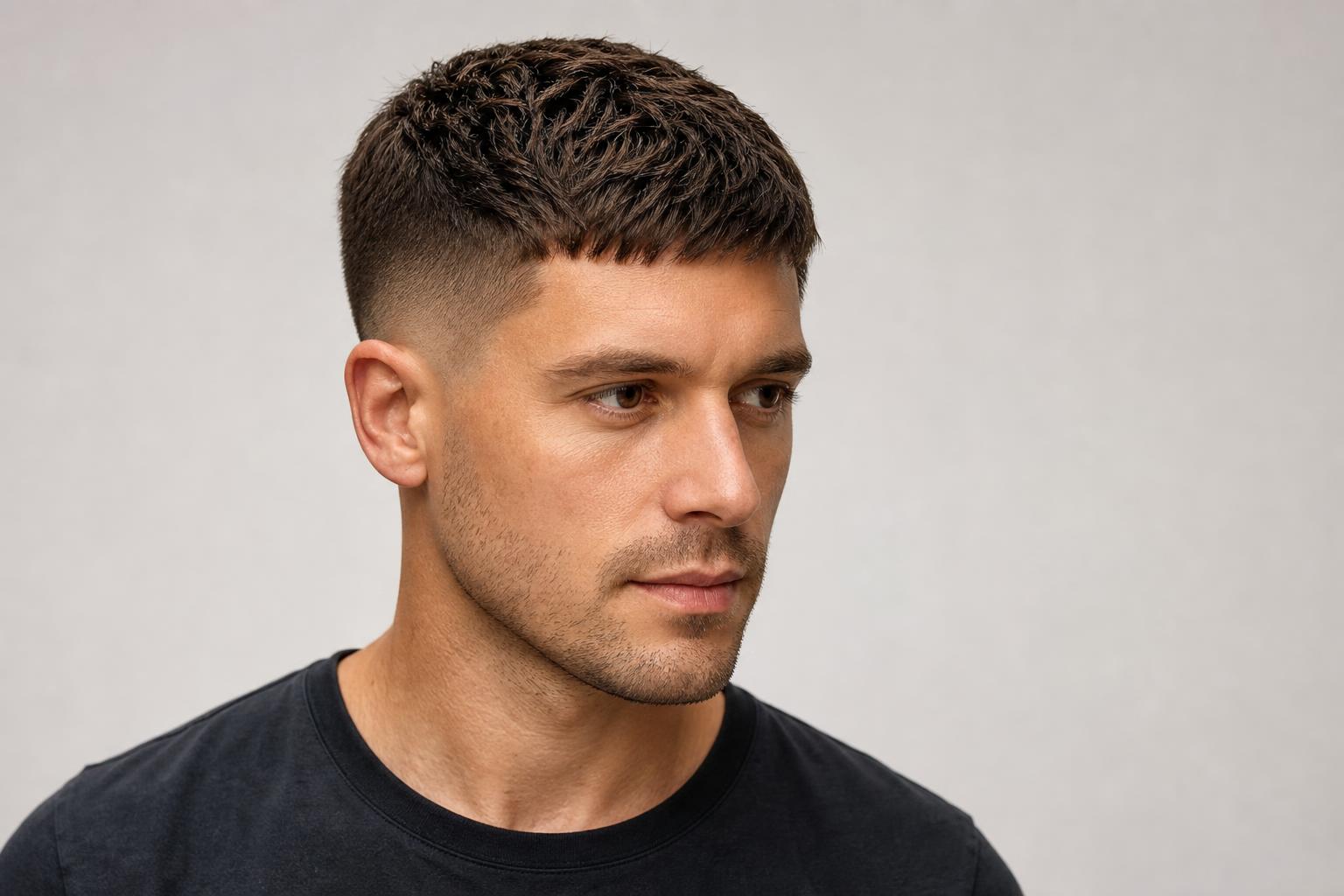
A thinning crown responds to one thing above everything else, and that is cutting down the contrast between the areas where hair is still full and the areas where it has gone sparse.
The best men’s haircuts for a thinning crown keep the top under an inch and a half, push the hair forward or leave it textured rather than combed flat, and taper the sides so nothing draws the eye upward. Length is the variable that matters most: hair left long over a sparse crown separates into visible rows and shows scalp, while the same head cut short holds together. Below are 24 cuts a barber can do in a standard chair, grouped by how much coverage each one buys you.
After the photos you will find a table matching cuts to where your thinning actually is, a face shape breakdown, the exact wording to use at the shop, a realistic maintenance schedule, and a section on what a haircut simply cannot fix.
Short Crops That Reduce Crown Contrast
The whole category works on a single principle. A sparse crown only becomes obvious when the hair around it is noticeably fuller, so bringing every section to a similar short length erases the comparison your eye was making. These six all keep the top between a quarter inch and an inch and a half, the window where a thin vertex stops registering as a distinct patch.
1. Classic Buzz Cut at Grade 3
Running a single guard across the whole head removes the length difference that makes a thin crown obvious in the first place. At grade 3, roughly three-eighths of an inch, enough hair remains to cast a soft shadow over the scalp rather than a hard outline.
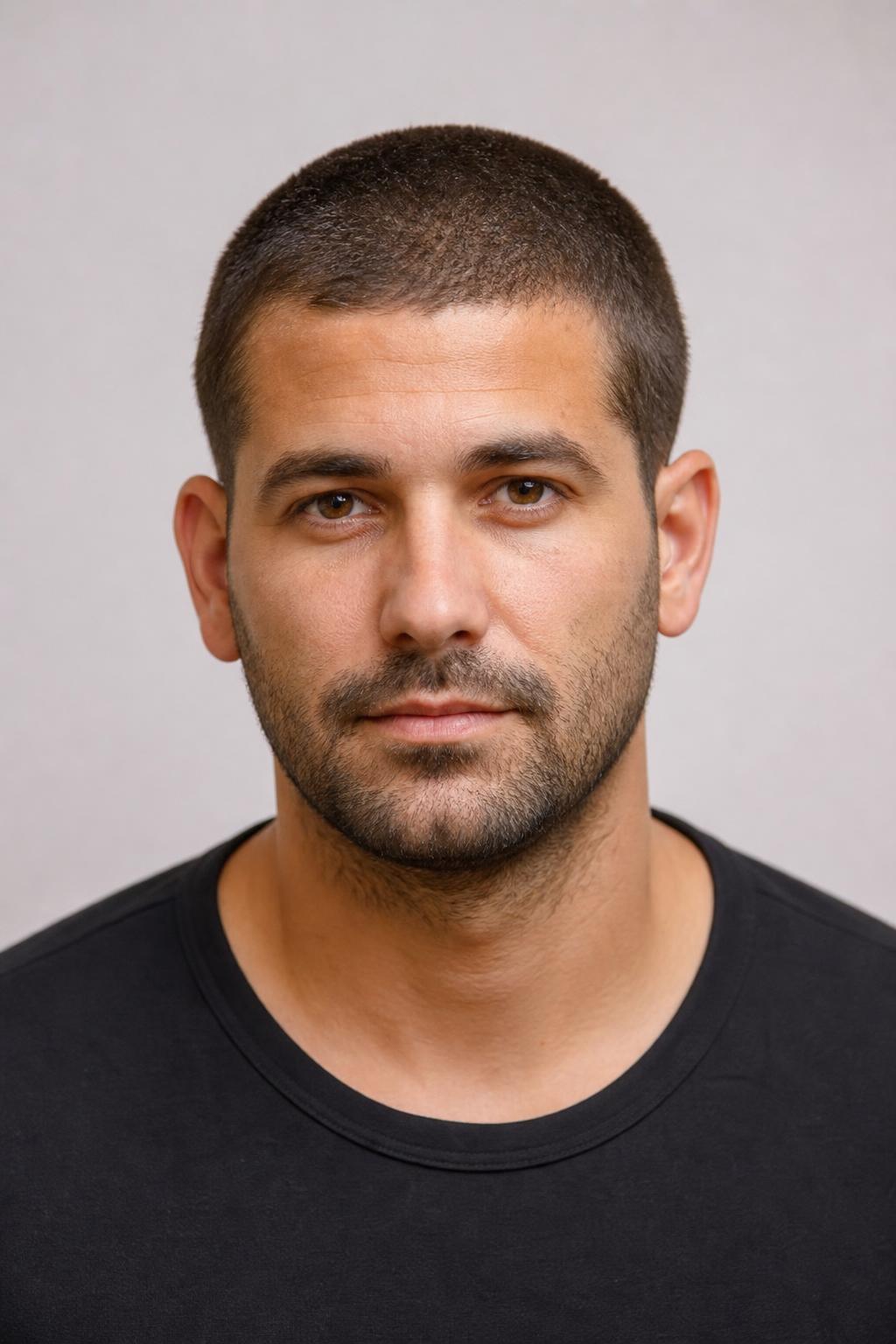
2. Textured French Crop with a Mid Fade
Long, narrow faces gain balance from a French crop because the fringe cuts a horizontal line across the forehead and shortens the face visually. The top stays around an inch, pushed forward and textured so the crown never lies flat against the scalp. A mid fade through the sides keeps the width in check without exposing skin high on the head.
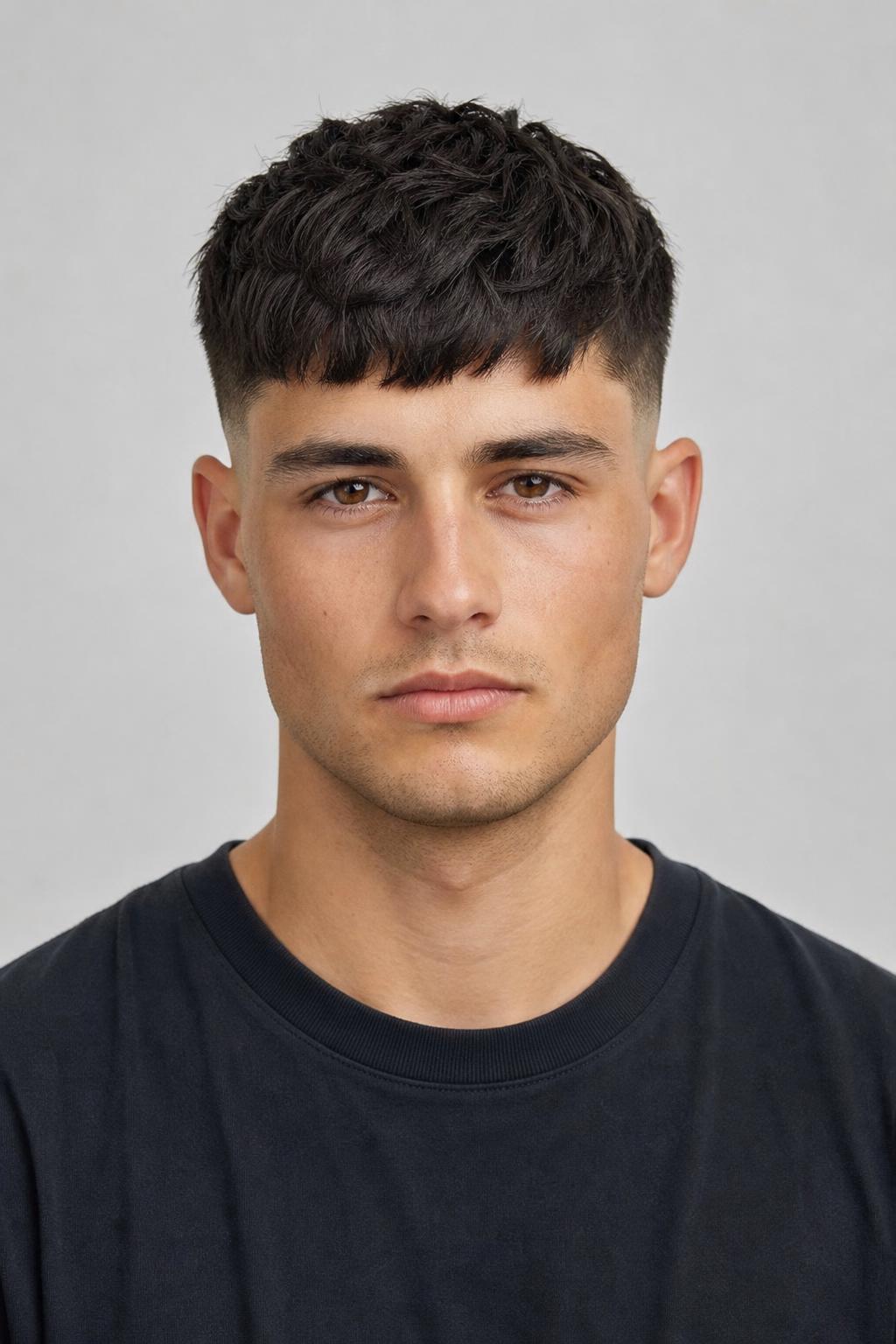
3. Caesar Cut with a Blunt Forward Fringe
Fine, straight hair benefits most here, because the forward direction stacks strands over the front third of the scalp instead of letting them separate into rows. The fringe is cut in a straight line just under the hairline at about an inch and a half, and the crown stays the same length so nothing sinks. Coarse or strongly wavy hair fights the forward set and needs more product to hold it there.
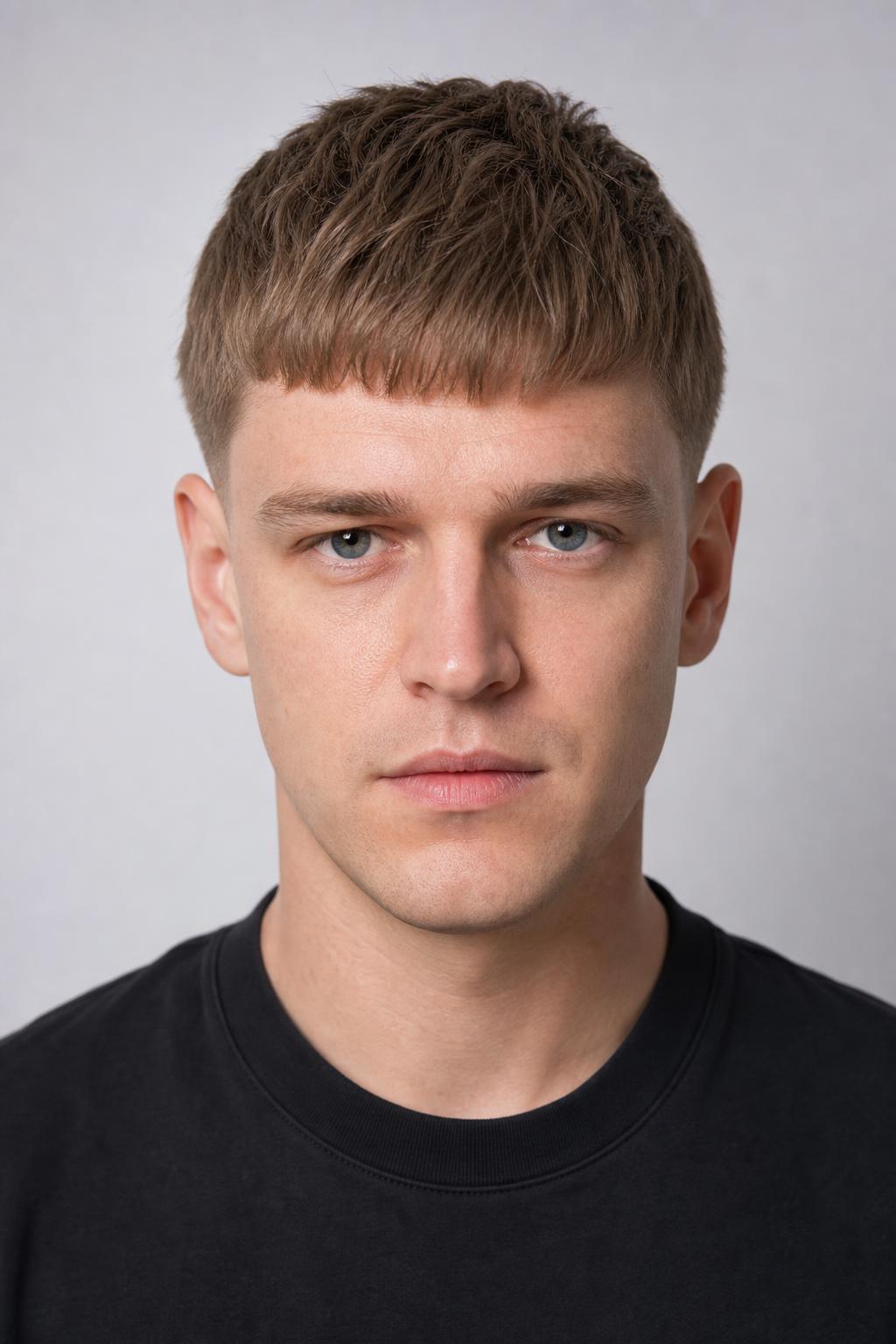
4. Crew Cut with a Rounded Neckline
Blow-drying a crew cut forward for thirty seconds before any product does more for crown coverage than styling paste on its own. Length graduates from about an inch at the front down to a quarter inch at the back, and the rounded neckline keeps the outline soft. Finish with a pea-sized amount of matte clay, fingertips only.
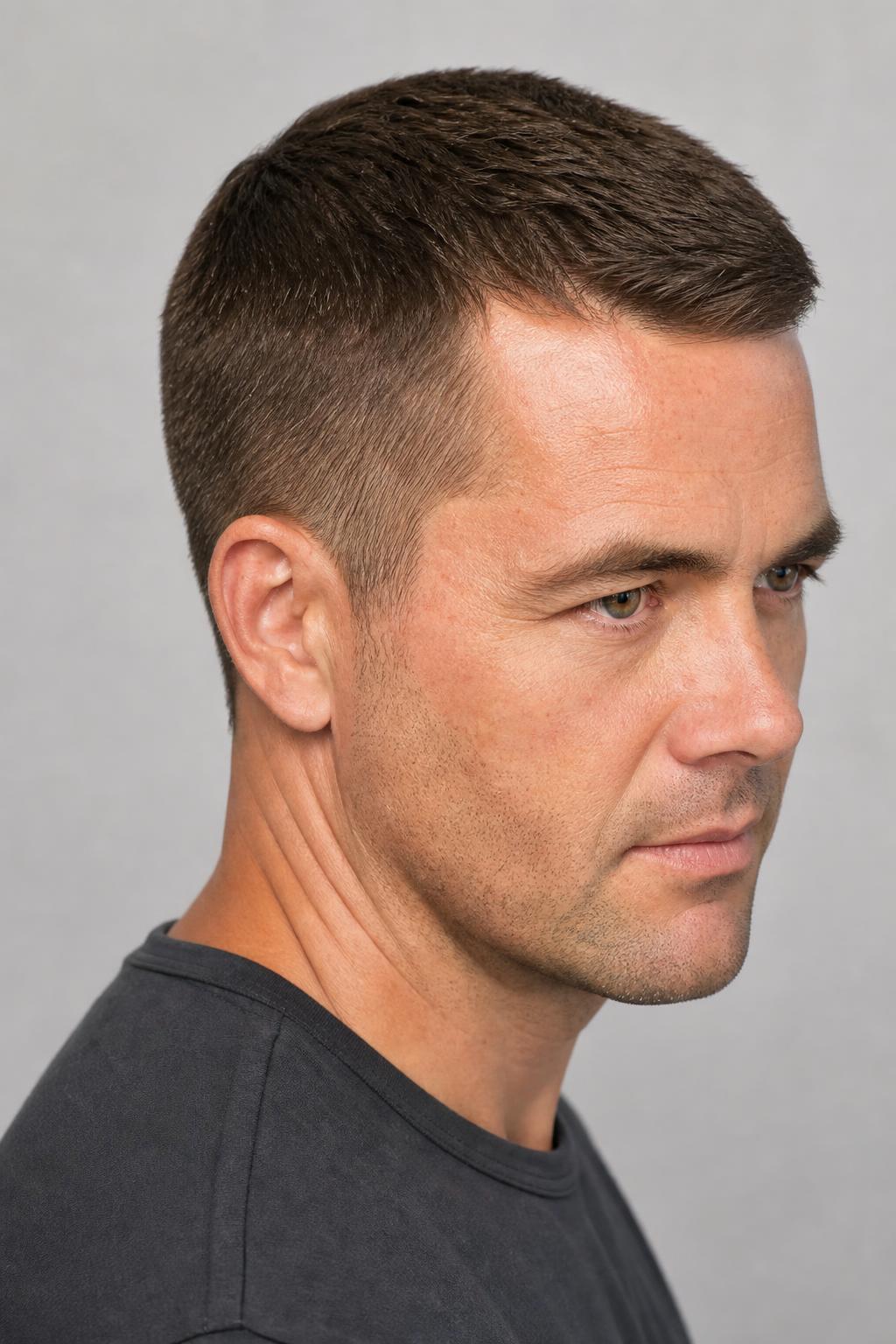
5. High and Tight with a Soft Top
Grow-out works against every crown-focused cut, and a high and tight buys roughly two weeks before the contrast creeps back in. Sides go down to a grade 1, the top stays under three-quarters of an inch, and the transition is left slightly blended instead of hard.
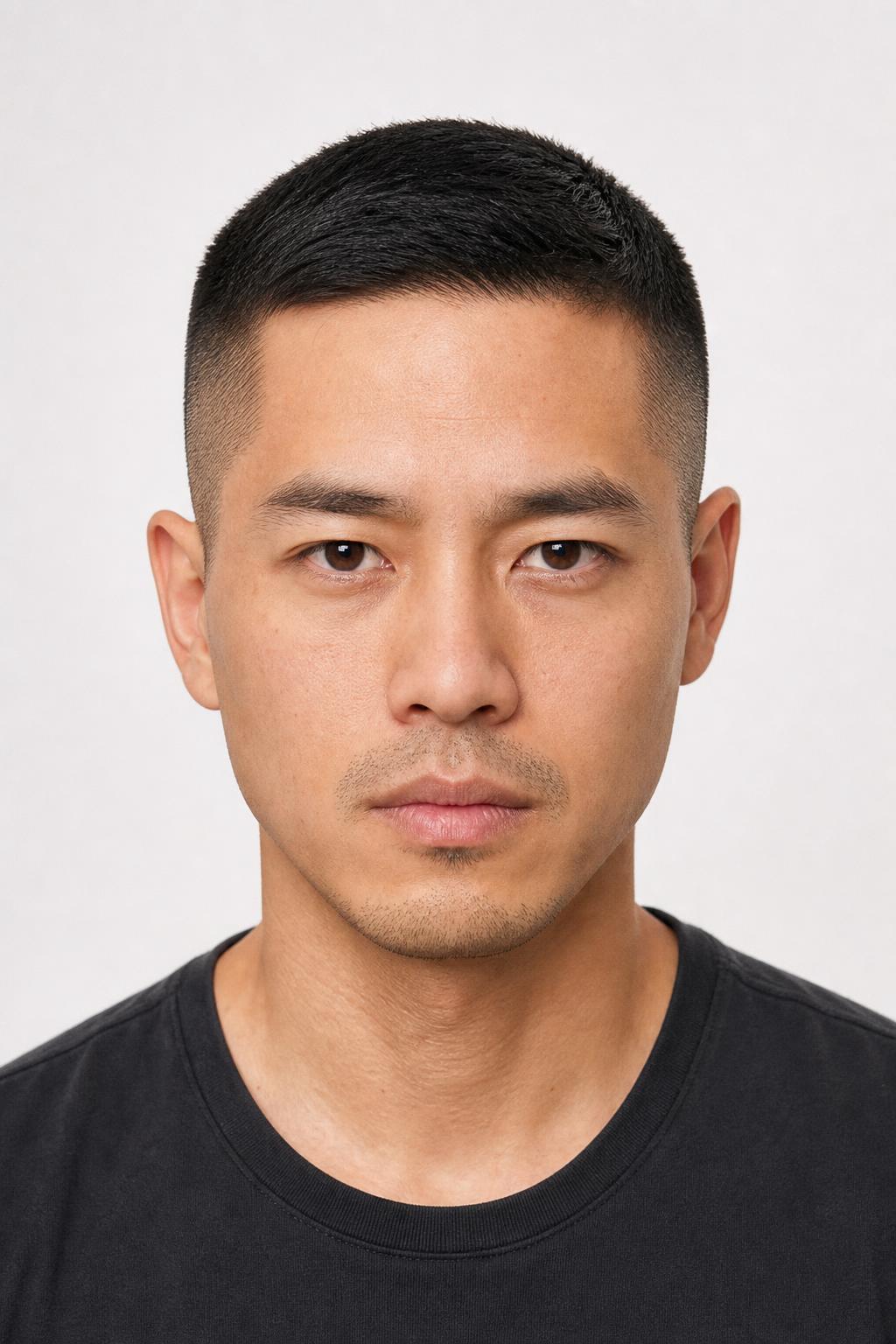
6. Ivy League Cut in a Matte Mid-Brown
Color depth changes how much scalp you see. A near-black shade against pale skin creates the sharpest contrast, while a mid-brown tone on the same head of hair looks noticeably fuller under the same lighting. The Ivy League holds about an inch at the front and tapers back, with a soft side part combed rather than pressed down. If you color, ask for a matte finish, since gloss adds shine that highlights sparse patches.

Fades and Tapers That Redirect the Eye
A fade adds no hair to the crown, but it changes where people look. Taking the sides down gradually builds a vertical line from the ear upward that holds attention at eye level. Fade height is the decision that matters: high fades pull focus up and suit early thinning, while low fades and tapers keep weight low and work better once the vertex is open.
7. Mid Skin Fade with a Half-Inch Top
Ask for a mid skin fade starting at the temple line, blended across about two inches, with the top left at half an inch and point cut rather than thinned. That last word matters, because thinning shears through a sparse crown remove density you cannot spare. Say the phrase crown coverage out loud during the consultation so the barber checks it with a hand mirror before starting.
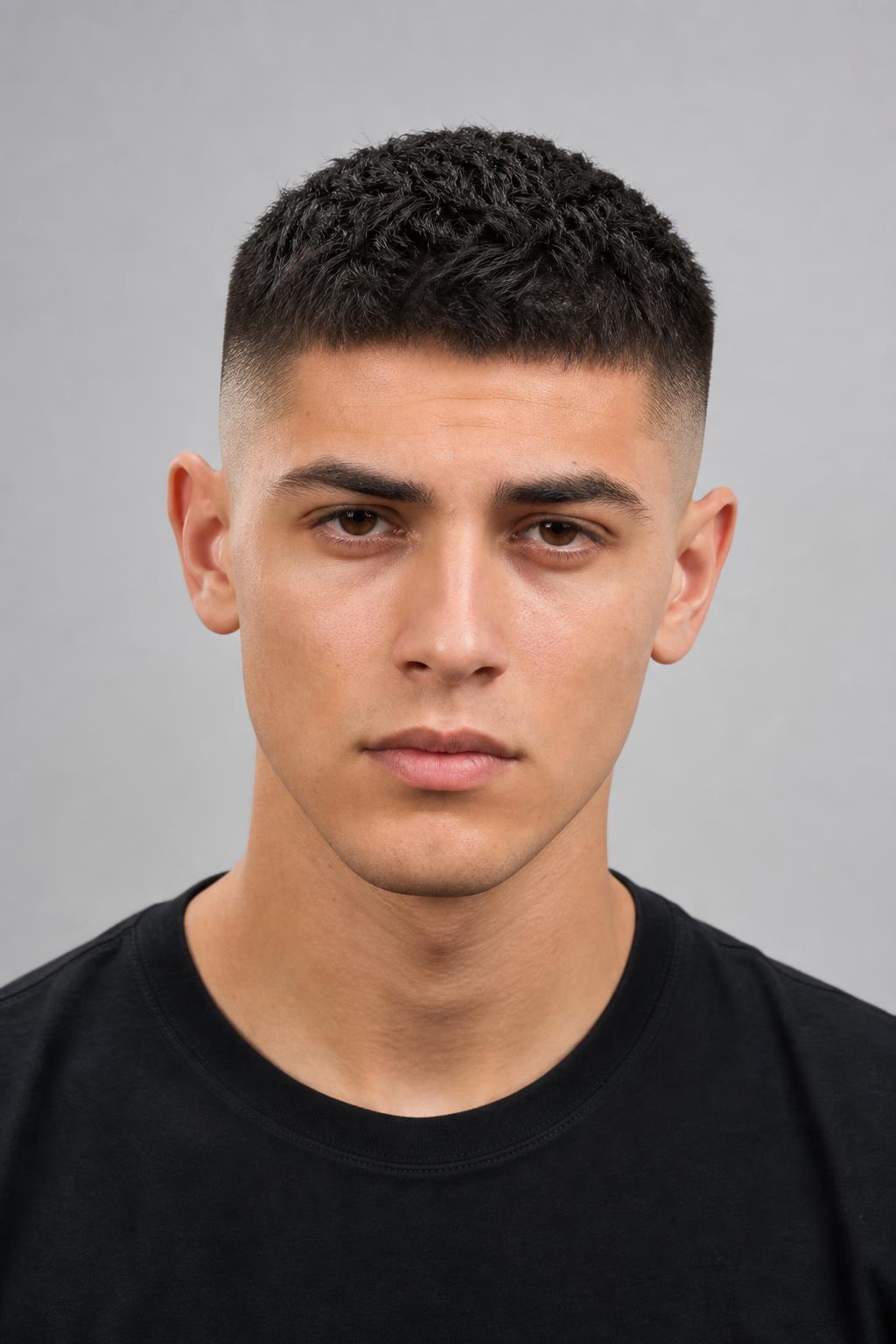
8. Low Taper with Scissor-Cut Length on Top
Unlike a skin fade, a low taper keeps some weight down at the sides, which softens the jump between a full lower head and a thinner upper one. The top is scissor cut to about an inch so it holds a little movement without collapsing onto the scalp. Men who find skin fades too severe usually land here and stay.
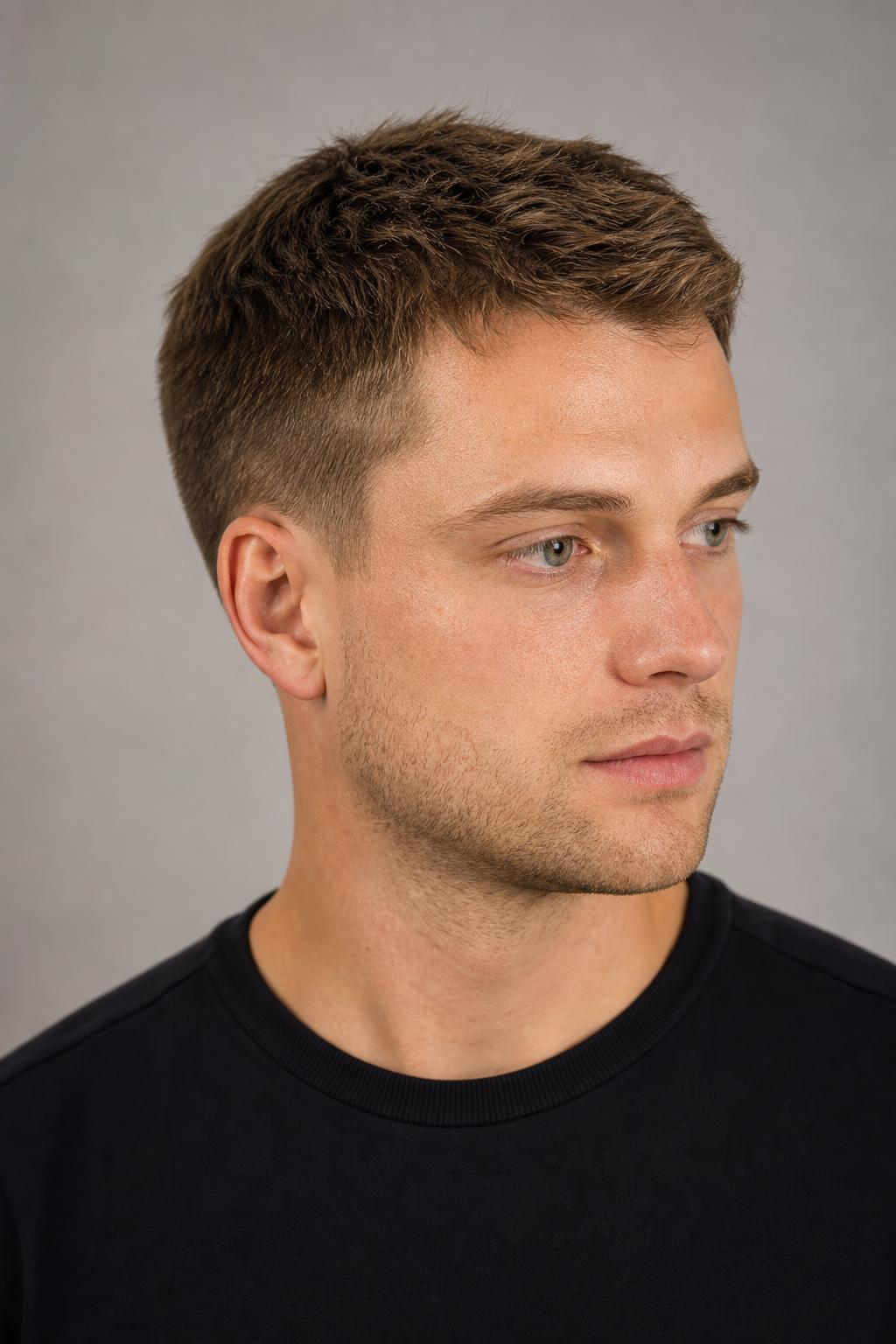
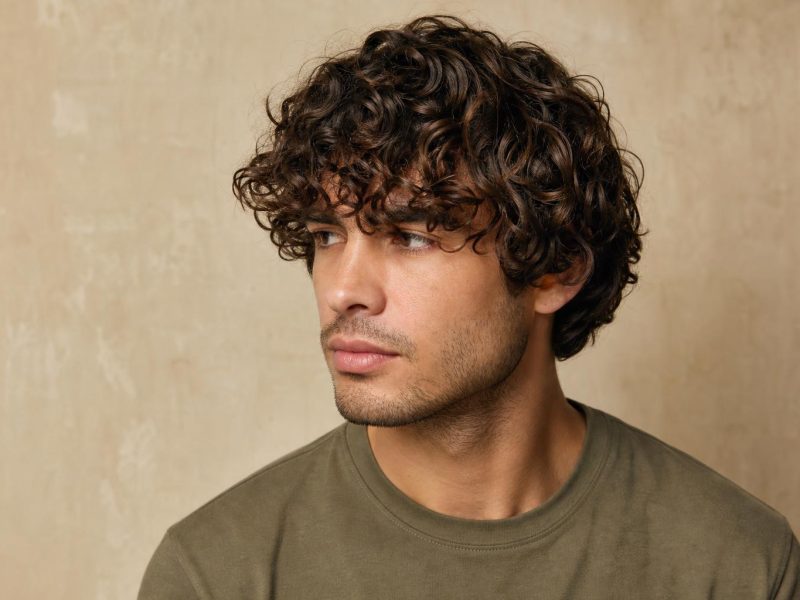
9. Burst Fade Around the Ear
Curly and coily textures get the most from a burst fade shaped around the ear, since curl pattern at the crown already scatters light and hides scalp far better than straight hair manages. The fade arcs behind the ear and leaves weight at the back, so nothing pulls focus upward. Keep the top at whatever length lets the curl clump together, usually one to two inches.
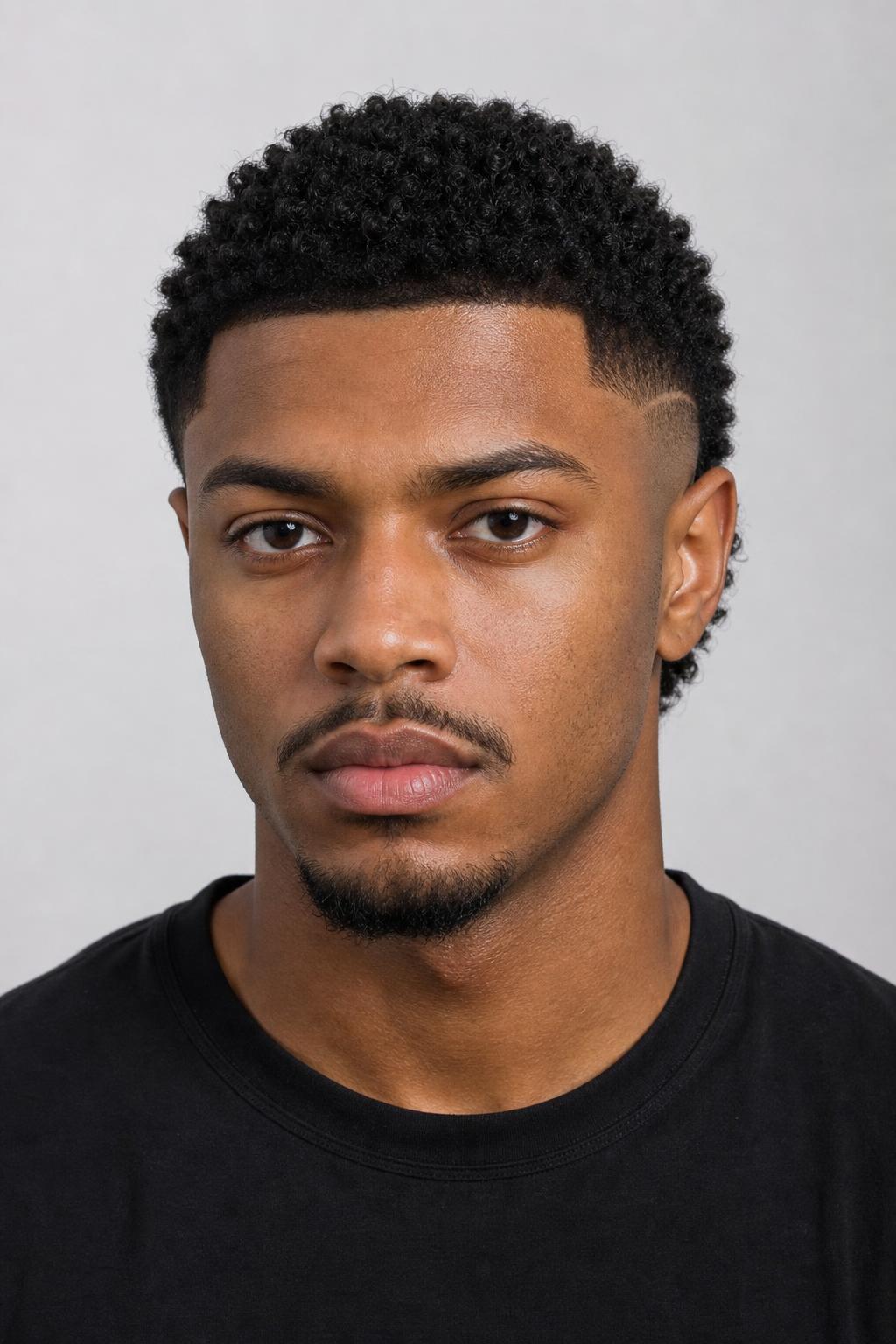
10. Drop Fade Following the Occipital Curve
Dropping the fade line behind the ear follows the natural curve of the skull and keeps the shortest hair well away from the crown, where every strand counts. The barber walks the guard line downward as it travels back instead of holding it level, which gives a rounder silhouette that does not flatten the back of the head.
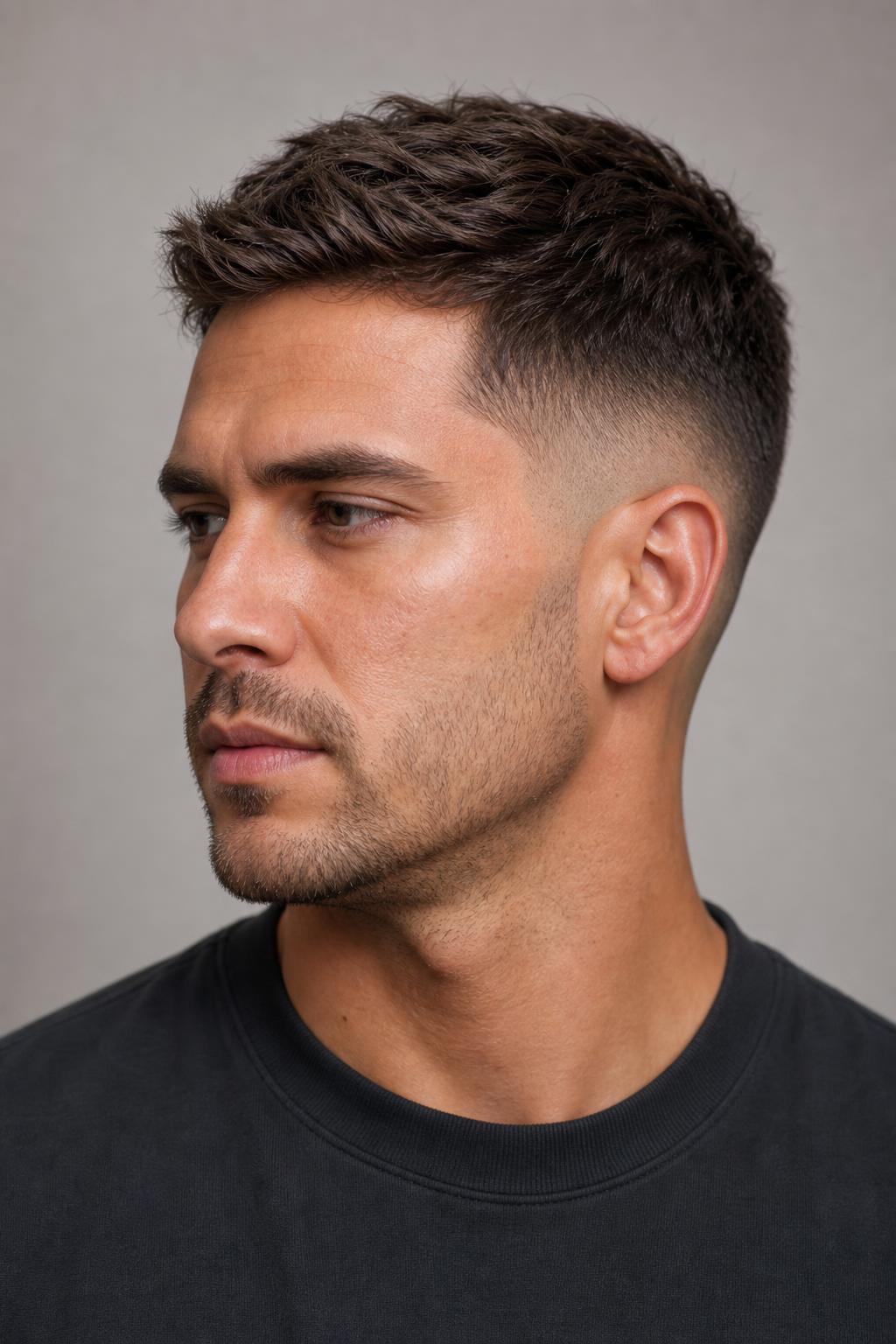
11. Temple Fade with a Cropped Crown
Fingertip styling beats a comb every time on a cropped crown, because comb teeth part the hair into rows and rows show scalp. Keep the fade tight only at the temples, leave the rest of the sides at a grade 2, and crop the top to three-quarters of an inch. A matte paste pressed outward from the crown gives the flattest finish.
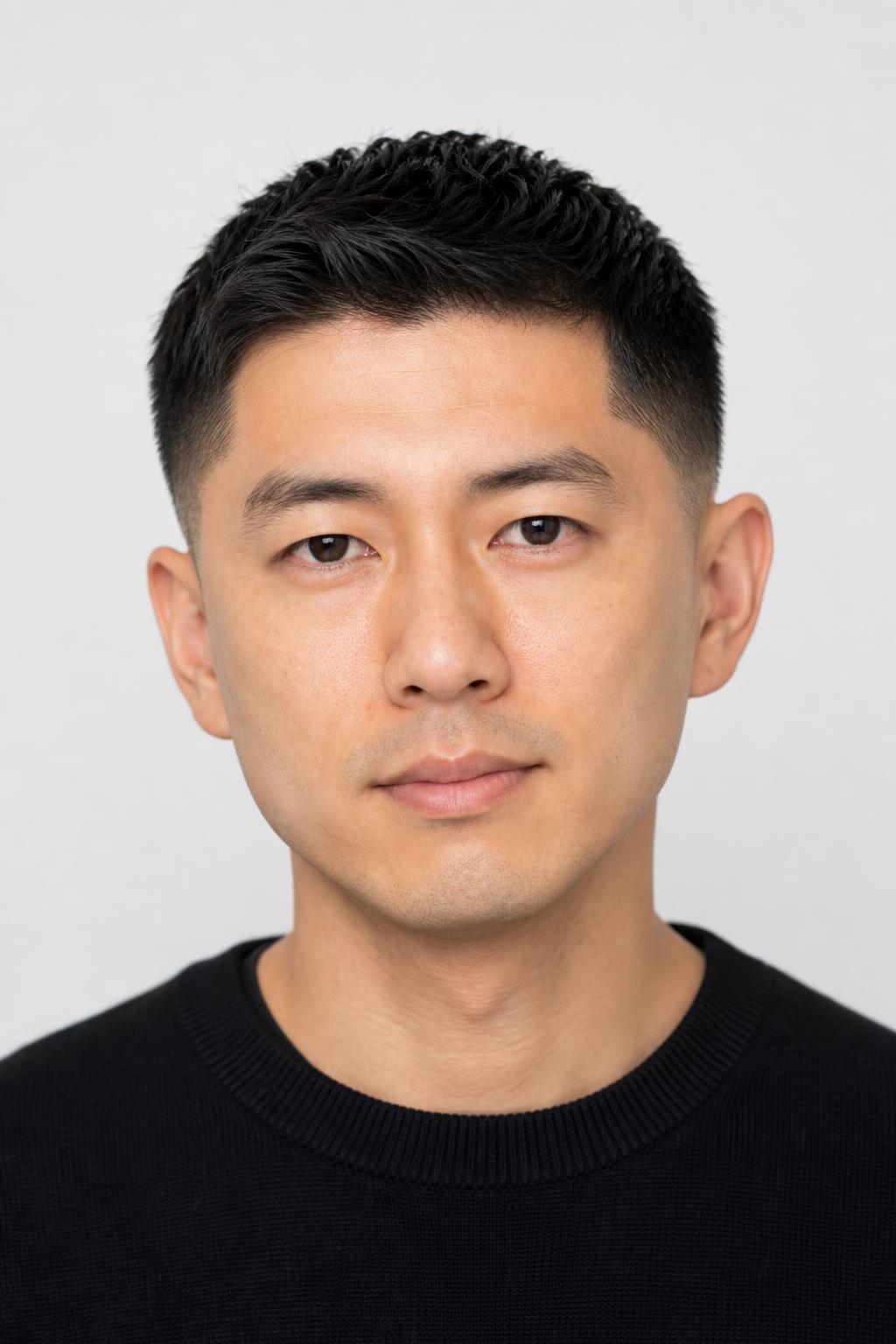
12. High Fade with a Squared-Off Top
Round faces hold up well under a high fade, since the vertical line from ear to crown adds height where the face is widest. The top is squared off at about an inch and cut level rather than rounded, which builds a clean edge across the front. Worth knowing before you book it: this shape needs real density through the front third, so it suits early crown thinning rather than an advanced pattern.
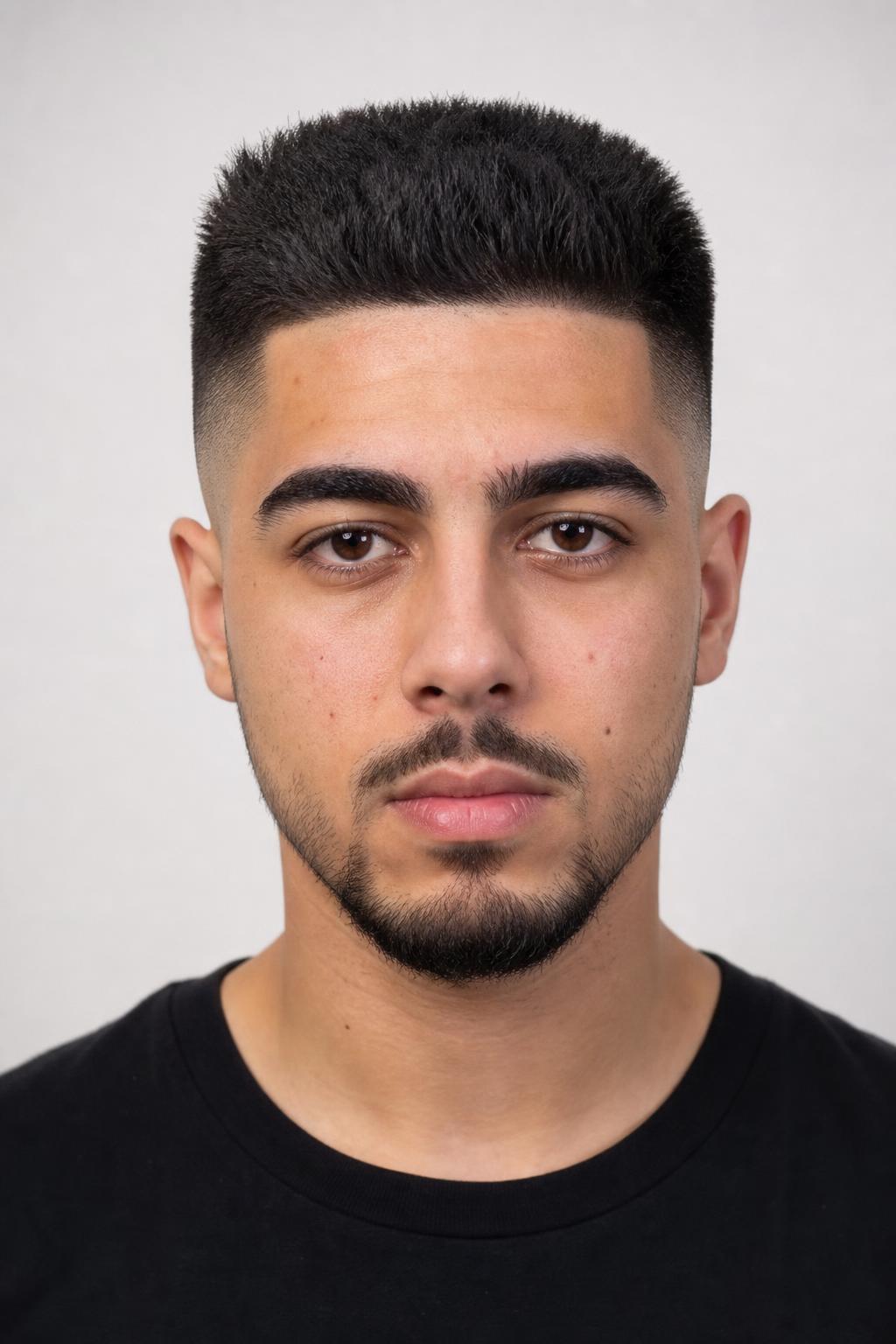
Textured Tops That Make Thin Hair Look Fuller
Texture is the closest thing to free density. When every strand on top finishes at a slightly different height, the ends overlap and cast small shadows across the scalp, which a uniform blunt cut cannot do. All six of these rely on point cutting, where the barber cuts into the ends with the tips of the shears held vertically.
13. Messy Textured Crop with Point-Cut Ends
Ask for point cutting through the top, cutting into the ends vertically instead of straight across, so the perimeter breaks into uneven tips that overlap each other. The phrase worth memorizing is texture without removing weight. Length runs about an inch and a quarter, dressed forward and slightly off-center.
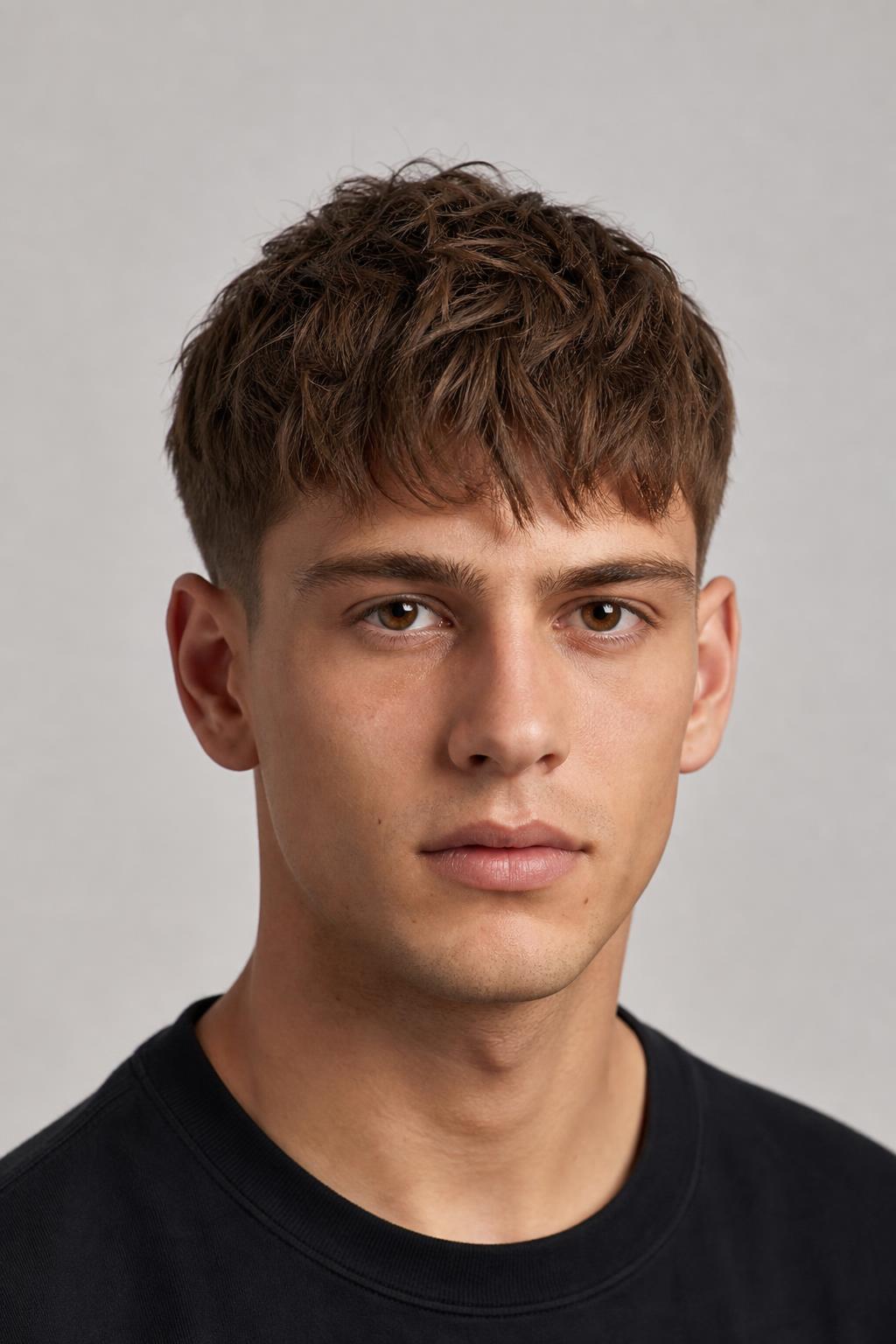
14. Short Quiff with Matte Hold
Daily upkeep runs about three minutes here: rough-dry the front upward, then press matte clay in with flat palms. Trims land every four weeks, because a quiff loses its lift the moment the top passes an inch and a half. Skip anything sold as pomade or gel, since shine turns a thin crown into a mirror under office lighting.

15. Forward-Swept Crop with a Broken Fringe
Where a Caesar lays one solid blunt line across the forehead, a broken fringe splits into two or three separated pieces, which suits men who find the blunt version too heavy. Both styles push hair forward off the crown, so the coverage they buy is about the same; the difference lives entirely in the front edge. Length runs an inch and a half, with the fringe left a little longer than the rest.
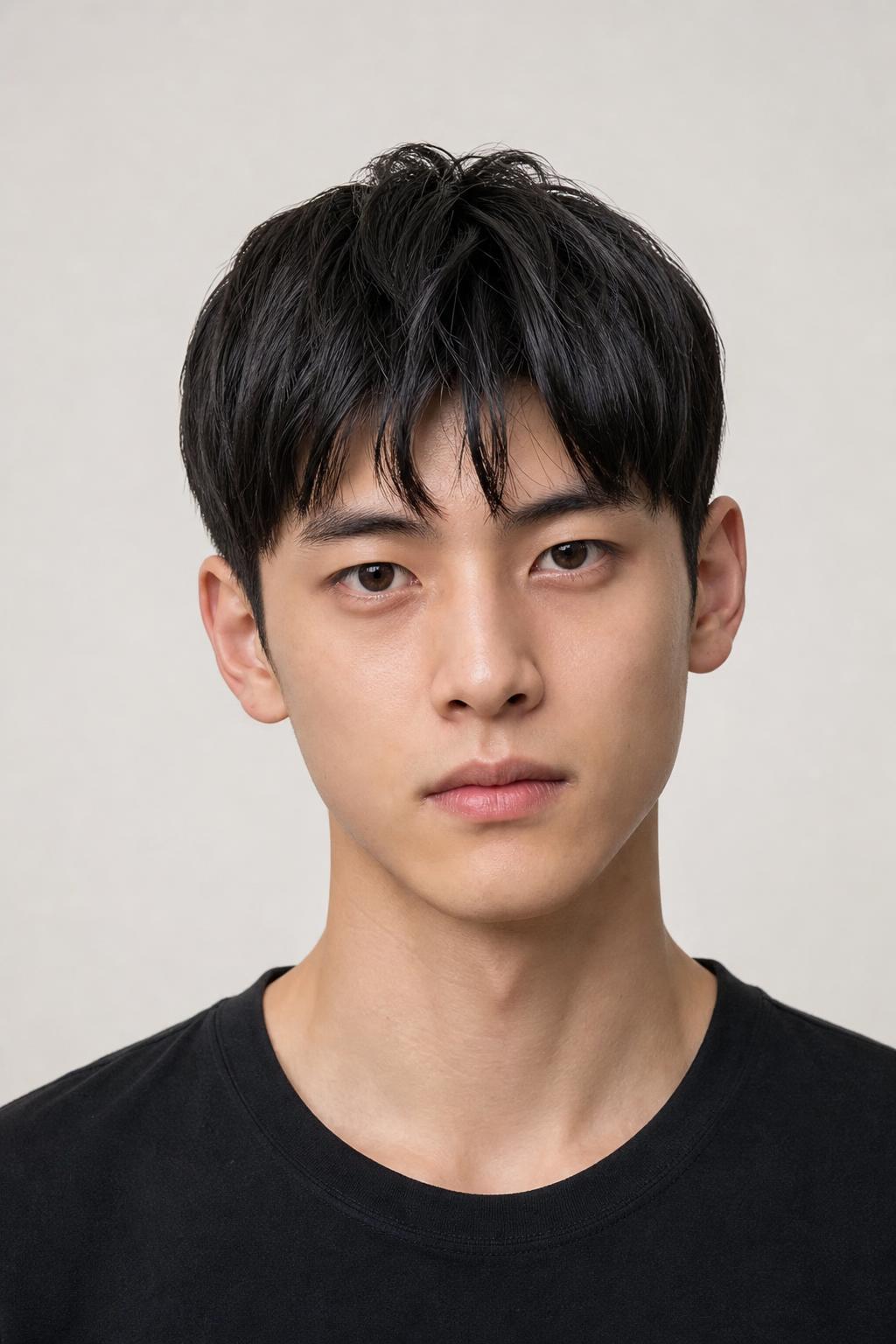
16. Crop Lightened a Shade to Soften Scalp Contrast
Going one level lighter than your natural shade closes the gap between hair color and scalp color, and it is the cheapest single change most men can make to a thinning crown. A demi-permanent gloss in a warm mid-brown or dark blond does the job without leaving the hard regrowth line a permanent color creates.

17. Choppy Crop with Point-Cut Separation
Cutting the top in irregular sections, each finishing at a slightly different height, produces overlap that a single uniform length can never deliver. The barber works section by section with the points of the shears, leaving the shortest pieces near the crown and the longest at the front. Nothing gets thinned or razored, both of which cost density where there is none to spare.

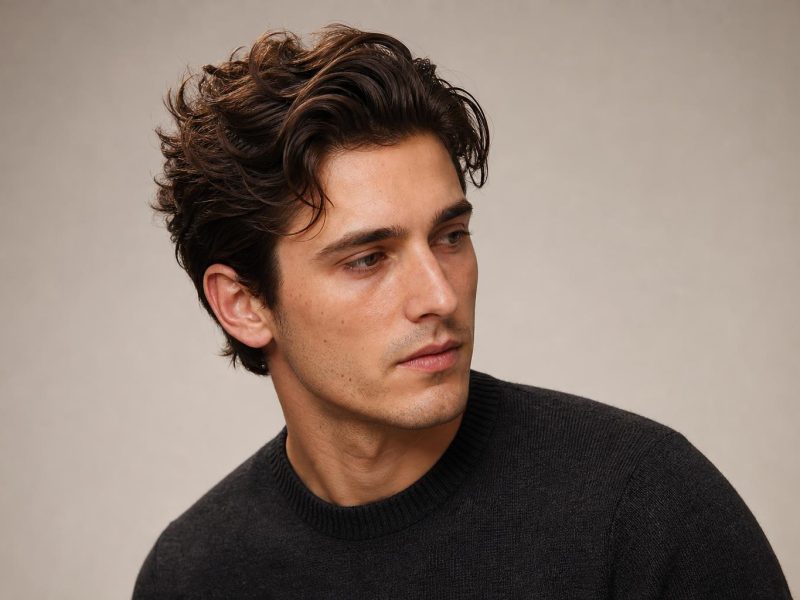
18. Textured Top for Wavy Hair
Wave pattern is an advantage worth using. A 2a to 2b wave lifts off the scalp on its own and throws small shadows that break up any thin patch without help from a product. Keep about an inch and a half so the bend has room to form, then air-dry instead of blow-drying flat. Fine wavy hair does better with a sea salt spray than a cream, which weighs the wave straight back down.
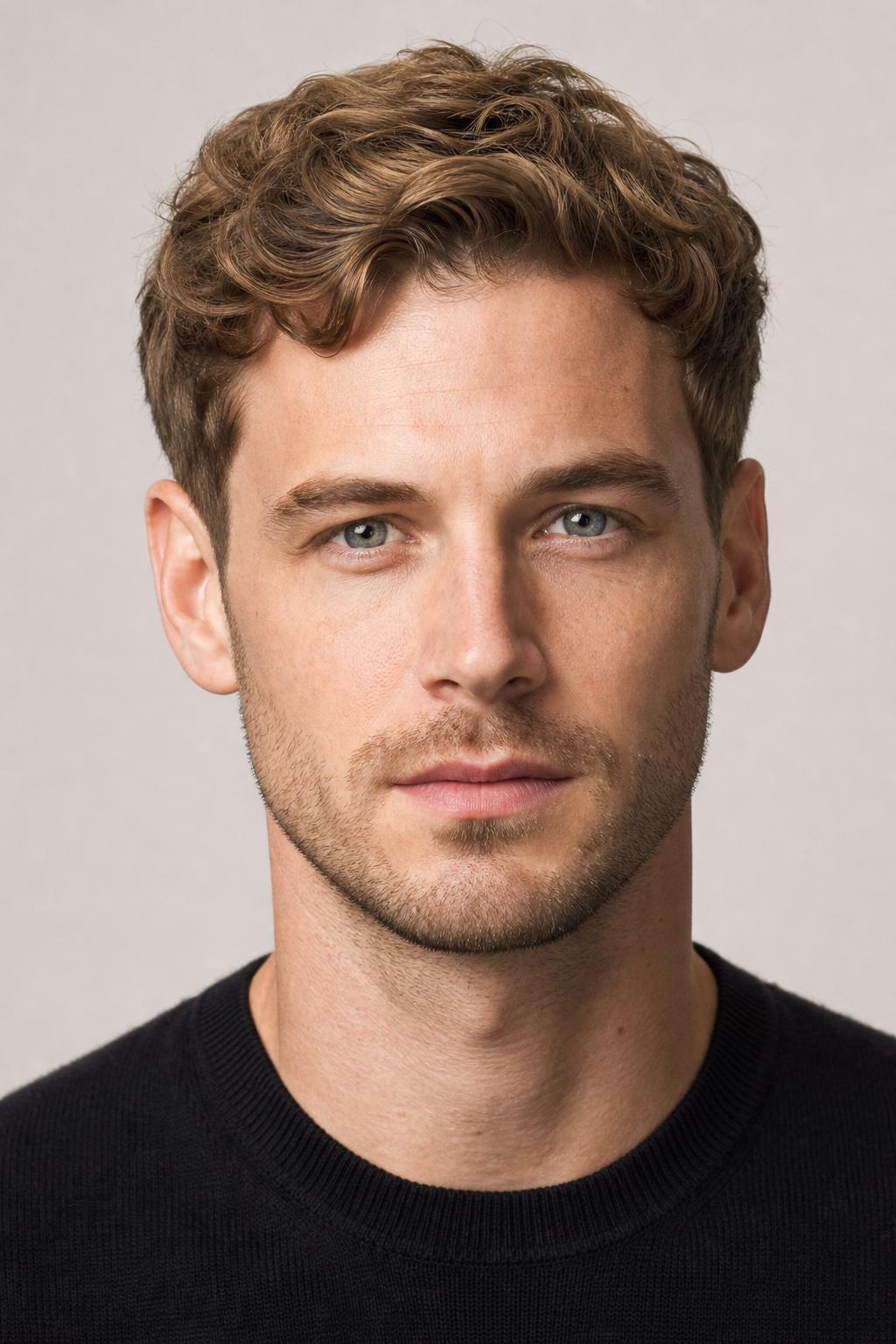
Buzzed and Shaved Cuts, Rated Honestly
At some point the arithmetic changes. Once the vertex is open enough that no amount of forward styling covers it, the cuts that look best are the ones that stop pretending. These six run from a half-inch buzz down to a fully shaved head, and the trade-off is simple: the shorter you go, the less a thin crown registers, and the more your head shape does the work instead.
19. Grade 1 Buzz with a Faded Outline
Square and oval faces carry a grade 1 buzz most easily, because the cut removes all hair-based shaping and hands the job to bone structure. A soft fade at the perimeter rather than a hard line keeps the outline from looking drawn on with a marker.
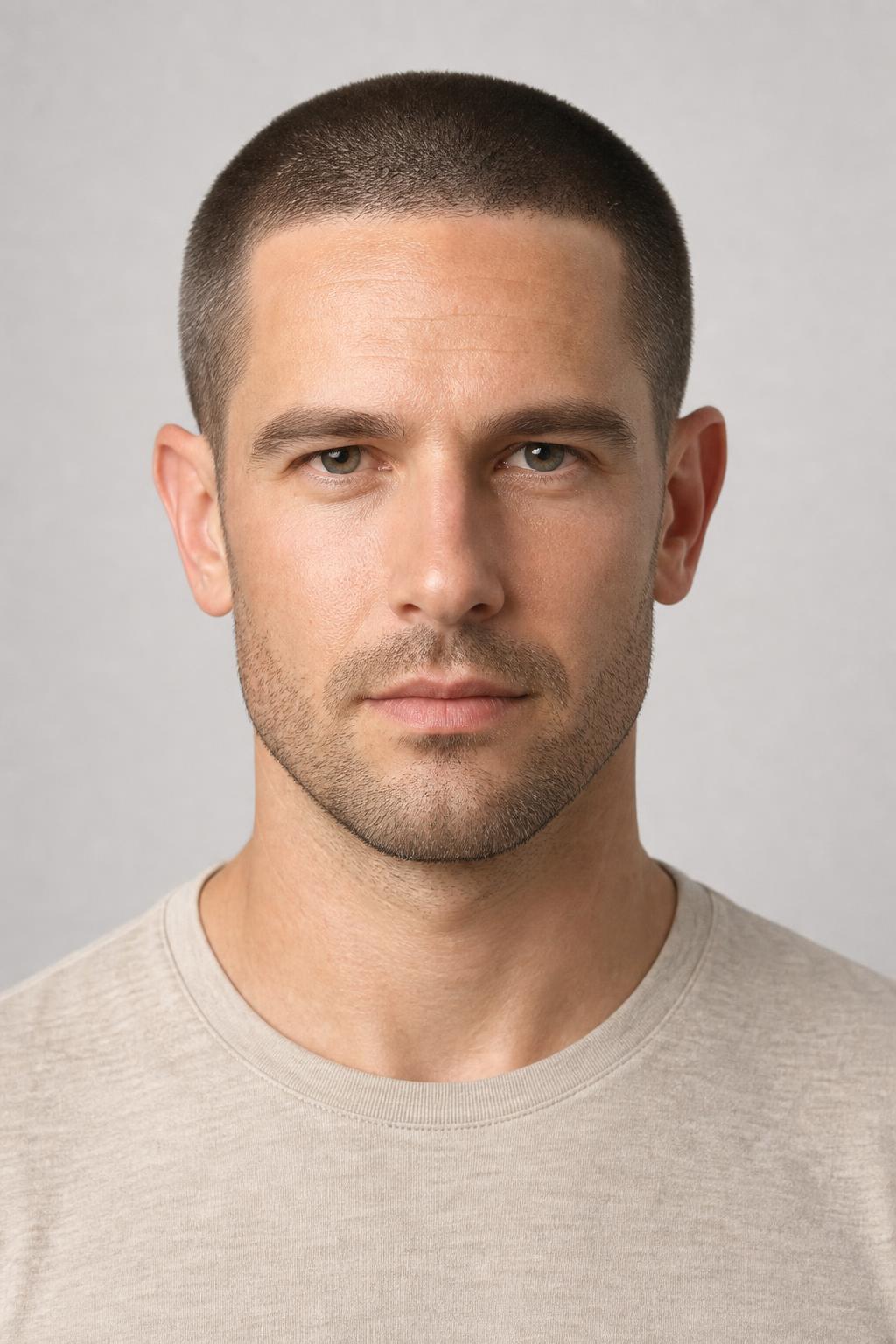
20. Induction Cut at Grade Zero
Upkeep drops to a clipper pass every seven to ten days, which you can do at home once you own a decent set. Grade zero leaves a shadow of hair with no length difference anywhere on the head, so a thin crown stops registering as a separate area. Scalp care replaces hair care here, with a daily SPF standing in for styling product.
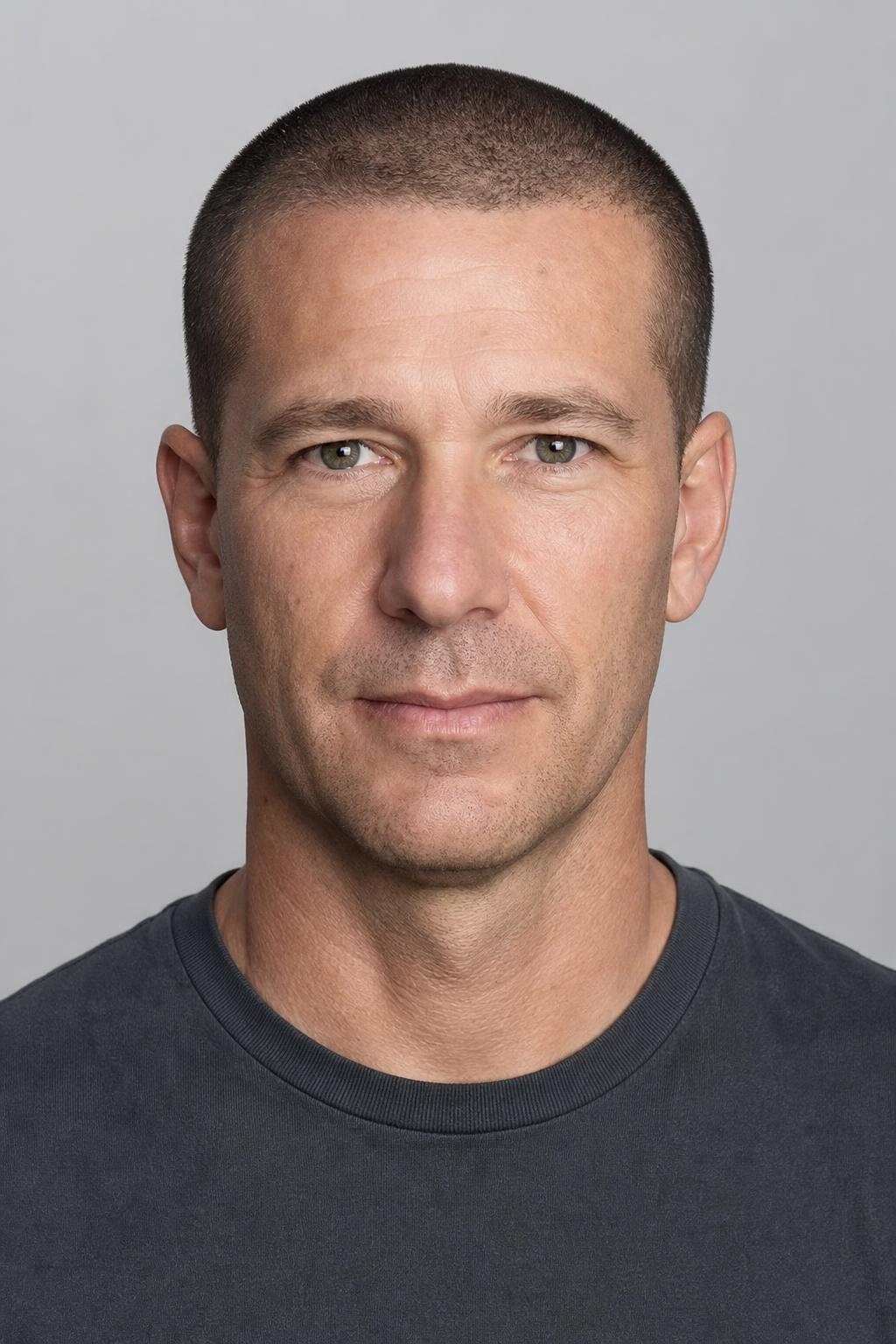
21. Fully Shaved Head with a Clean Line-Up
Shaving takes about ten minutes with a proper head razor and a slick shave cream, and the finish holds for two days before stubble comes back. A barber line-up at the neckline and around the ears is what separates a deliberate shaved head from one that looks rushed. Follow with a matte scalp balm, because anything glossy makes bare scalp shine under overhead light.
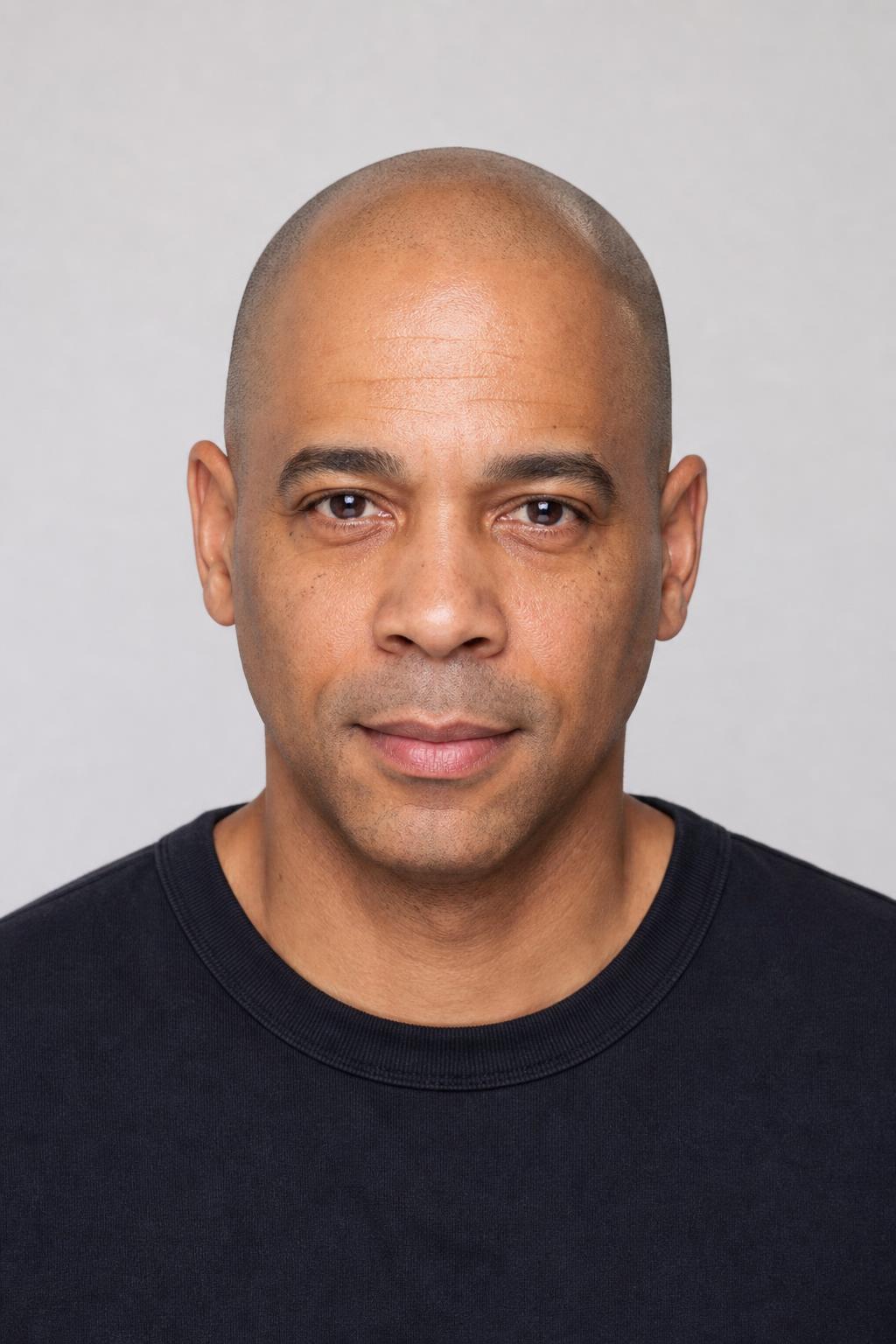
22. Grade 4 Buzz with a Tapered Neckline
Where a grade 1 gives up on coverage entirely, a grade 4 buzz keeps half an inch, enough that the crown still carries a little shadow of its own. The trade-off is honest: a thin vertex stays faintly visible under bright overhead light, which it does not at a grade 1. A tapered rather than blocked neckline keeps it looking cut rather than clipped at home.
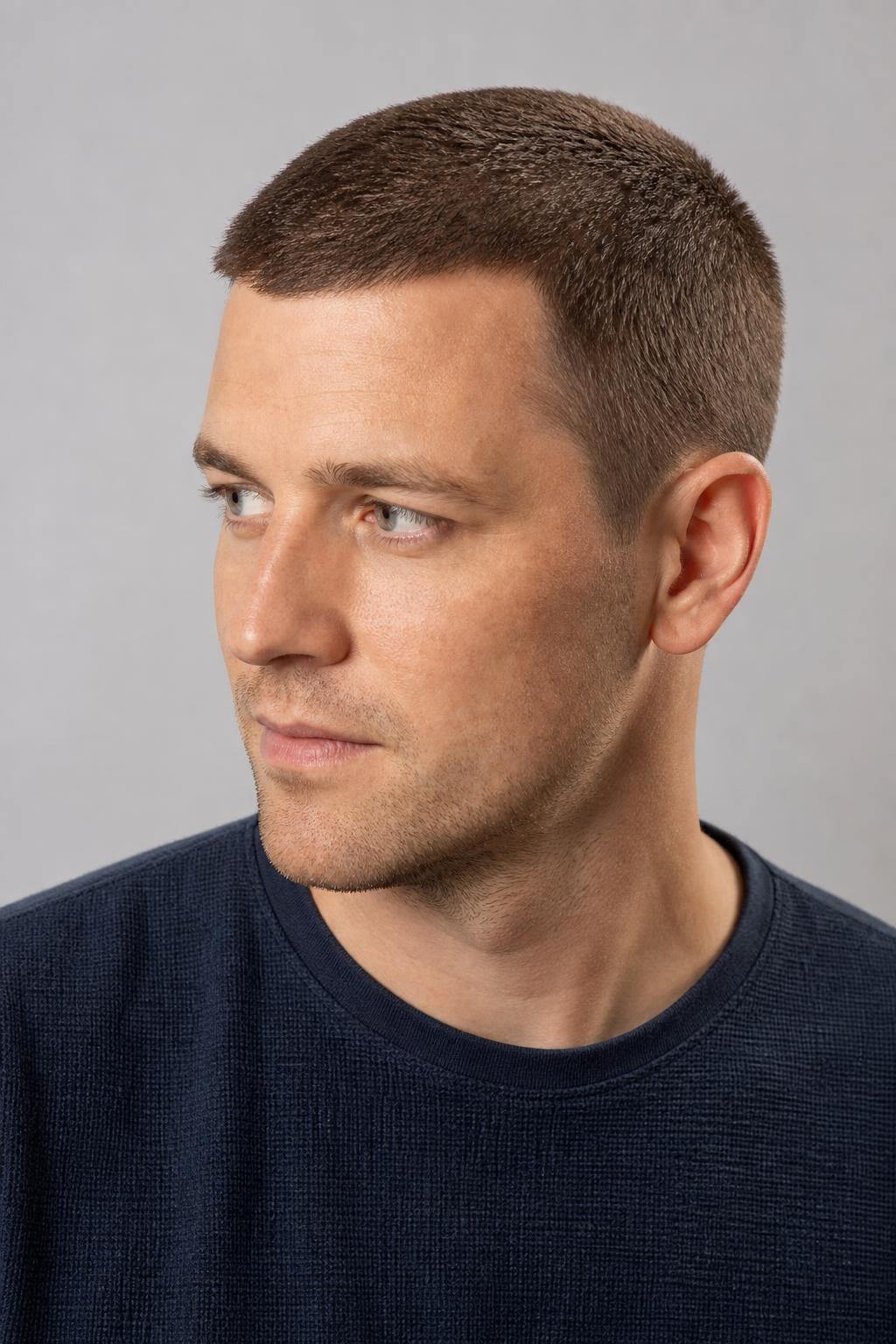
23. Buzz Cut on Graying Hair
Gray works in your favor at this length, because silver strands against light scalp show far less contrast than dark hair does on the same head. Men who start graying and thinning at the same time often find the crown becomes less obvious rather than more. Keep the buzz at a grade 2 or 3 and skip color, since dyeing gray back to dark undoes the advantage.

24. Short Back and Sides at One Inch
Ask for short back and sides, scissor over comb, with the top left at one inch and blended into the sides with no visible step. This is the least clipper-heavy cut on the list and the easiest to request in a shop that does not specialize in fades. Add the line keep the weight at the crown, and a competent barber will bring the surrounding hair down to meet the crown rather than the other way around.

Match the Cut to Where Your Thinning Actually Is
Crown thinning is not one condition, and the right cut depends on how far it has gone and whether your hairline has moved with it. The common mistake is picking a cut suited to a stage you passed two years ago, which is how men end up with an inch and a half of length over an open vertex. Check yours with a hand mirror held against the bathroom mirror under a ceiling light, the least flattering angle you will ever be seen from and therefore the most useful.
| What You See at the Crown | Best Cut | Length on Top | Avoid |
|---|---|---|---|
| Slightly less density, no visible scalp | Textured crop, quiff, or high fade with a squared top | 1 to 1.5 inches | Slicked-back styles, which flatten the top early |
| Scalp visible under direct overhead light only | French crop, Caesar, or choppy point-cut crop | 1 to 1.25 inches, worn forward | Side parts, which open a channel across the thin area |
| A defined open circle at the vertex | Crew cut, high and tight, or mid skin fade with a short top | 0.5 to 0.75 inch | Any length over an inch, which frames the circle |
| Crown open and hairline receding to meet it | Grade 2 to 4 buzz with a tapered neckline | 0.25 to 0.5 inch, uniform | Comb-overs and any attempt to bridge the gap |
| Bridge between crown and front largely gone | Grade 0 or 1 buzz, or a fully shaved head with a line-up | 0 to 0.125 inch | Keeping the sides long while the top stays sparse |
Stylist tip: Ask your barber to check the crown with a hand mirror at the consultation, before the cape goes on and before any hair is cut. Wet hair at the sink always looks thinner than dry hair, so a barber who only assesses your crown after shampooing will consistently talk you into something shorter than you need.
How Face Shape Changes the Right Answer
Two men with identical crown patterns can need different cuts, because face shape decides how much height and width the finished silhouette can carry. The rule for crown thinning is that you want the eye traveling horizontally across the face rather than upward, and face shape determines how hard you have to work for it. The measurements are the same ones used for women’s cuts, so a breakdown of oblong and long face proportions applies here too.
| Face Shape | Best Choice | Why It Works | Avoid |
|---|---|---|---|
| Oval | Anything from a crew cut to a full shave | Balanced proportions carry any silhouette without correction | Heavy fringes that hide a good forehead line |
| Round | High fade with a squared-off top | Vertical sides plus a flat top add height and cut visual width | Uniform buzz cuts, which follow the round outline exactly |
| Square | Grade 1 to 3 buzz, or a short crew cut | A strong jaw carries the shape once hair stops shaping the head | Squared-off flat tops, which double up on hard angles |
| Oblong or long | French crop or Caesar with a forward fringe | The fringe draws a horizontal line and shortens the face | High fades and any added height on top |
| Heart or triangular | Textured crop with a broken fringe | Softened front edge reduces the width of a broad forehead | Blunt full fringes, which widen the top of the face further |
| Diamond | Low taper with an inch of scissor-cut length | Weight left at the sides balances wide cheekbones | Skin fades, which narrow the head above already narrow temples |
What to Tell Your Barber
Most bad outcomes here come from vague requests, not bad barbers. Walking in and saying short on the sides, leave some on top hands over every decision that matters, and the barber will default to whatever they cut most that week. Say what you want the cut to do, not only what you want it to look like, and name the crown directly so nobody has to guess whether you have noticed.
A script that works in almost any shop: “I am thinning at the crown, so I want to keep the contrast low. Take the sides down to a mid fade, leave the top at three-quarters of an inch, point cut it for texture, and please do not use thinning shears anywhere on top.” Then add the direction you style it, forward or back, so the barber cuts the front edge to suit. If you have never had a fade before, a tapered buzz cut is the gentlest starting point, since it keeps a single length on top and only changes what happens at the sides.
Two questions before the clippers start. Ask which guard number they plan to use on top, since grade numbers are the only shared language you both have. Then ask them to leave it slightly longer than they think it should be on the first visit, because one cut that goes too short costs six weeks.
Stylist tip: Book your appointment for the morning rather than the end of the day. Barbers cut more conservatively when they are not eleven heads deep into a shift, and a crown-focused cut needs the kind of section-by-section attention that gets rushed at six in the evening.
Maintenance and Product Reality
A thinning crown shortens every haircut cycle, because grow-out reintroduces the length difference the cut was built to remove. That means shorter gaps between visits than a man with full hair needs, and it changes the products too. Shine works against you, so the pomade and gel category is out and matte clay, paste, and powder are in.
| Cut | Barber Visit | Daily Styling | Product | Grow-Out Behavior |
|---|---|---|---|---|
| Textured crop | 4 weeks | 2 to 3 minutes | Matte clay, pea-sized | Fine to week 5, then the top starts falling flat |
| Skin or high fade | 2 to 3 weeks | 1 to 2 minutes | Matte paste or nothing | The fade line blurs first, usually by day 12 |
| Crew cut or high and tight | 3 weeks | 1 minute | Light matte cream | Holds shape well, softens gradually rather than collapsing |
| Buzz, grade 1 to 4 | 2 to 4 weeks, or at home | None | Scalp moisturizer, daily SPF | Contrast returns as the crown grows slower than the sides |
| Shaved head | Line-up monthly | 10 minutes every 2 days | Shave cream, matte scalp balm, SPF | Stubble shows at 48 hours and needs a full reshave |
When a Haircut Cannot Cover a Thinning Crown
Cutting is a presentation tool, not a treatment, and being straight about the limits saves people a lot of money on products that will not deliver. Here is where the approach in this article stops working.
- The bridge between crown and hairline has closed, leaving an island of hair at the front. Keeping that island long makes it more obvious, not less, and a grade 1 buzz is the honest answer.
- Your thinning is patchy rather than diffuse, with round bare spots and defined edges. That pattern differs from ordinary male pattern loss and is worth a doctor’s opinion first.
- Hair is shedding in noticeable quantity over weeks rather than thinning over years. A haircut is the wrong first response to that.
- You want to keep three or more inches on top. It is a fair preference, but no cutting technique makes long hair cover an open vertex; every version becomes a comb-over eventually.
- Your scalp is irritated, flaking, or sore where the thinning is worst. Treat that first, because no cut hides redness seen through sparse hair.
Stylist tip: If you are considering shaving but are not sure about your head shape, go to a grade 0 with clippers first rather than a razor. It costs nothing, takes ten minutes, grows back inside a fortnight, and gives you an accurate preview of the outline without committing to a daily shave.
FAQ
Does a Short Haircut Really Hide a Thinning Crown?
Yes, and the reason is contrast rather than coverage. Short hair does not physically cover more scalp, but it removes the length difference between your full areas and your sparse ones, which is what makes the crown stand out to anyone looking at you. The effect is strongest between a quarter inch and an inch; past an inch and a half it stops working and starts reversing.
What Guard Number Should I Ask For?
For most crown thinning, a grade 2 or 3 on top, which is a quarter to three-eighths of an inch, with a grade 0 or 1 blended through the sides. If you want more length to style forward, ask for scissor work on top instead of a guard and specify three-quarters of an inch. Guard numbers vary slightly between clipper brands, so confirm in inches as well as grades.
Should I Shave My Head If My Crown Is Thinning?
Not until the crown and hairline have started to meet, because a buzz cut gets you most of the benefit with none of the daily upkeep. Shaving makes sense once you are spending real effort on a cut that still does not convince you in overhead light. Test it with a grade 0 clipper pass before you commit to a razor, since head shape and scalp tone matter more than most men expect.
Will a Fade Make My Crown Look Thinner?
A high or skin fade can, because taking the sides to bare skin narrows the head and puts more visual weight on top, where you have the least hair. Low fades and tapers avoid this by keeping some density down at the sides. If your vertex is genuinely open, a drop fade that follows the skull or a plain taper is a safer choice than a high skin fade.
Does Hair Product Make a Thinning Crown Look Worse?
Shine does, and so does anything applied wet and combed through. Gels, pomades, and glossy waxes coat the strands, clump them into separated pieces, and reflect light off the scalp between them. Matte clay, paste, and dry texture powder do the opposite, adding grip and bulk without reflection; apply them to fully dry hair with fingertips, never to damp hair with a comb.
Can I Keep Longer Hair on Top with a Thinning Crown?
Up to about an inch and a half, yes, provided the length is textured and worn forward rather than back. Past that point the hair separates under its own weight and the gaps between sections become the thing people see. Curly and coily textures carry more length than straight hair, because the bend keeps strands lifted off the scalp instead of lying flat against it.
Choosing among men’s haircuts for a thinning crown comes down to one honest measurement: how much scalp shows under a ceiling light, not in your bathroom mirror at eye level. Take that reading, pick the row in the crown table that matches it, and bring the photo and the guard number to your barber. A cut chosen for the stage you are actually at beats one chosen for the stage you would prefer.
Hair results vary based on your natural hair type, texture, density, and condition. Always consult with a licensed hairstylist before making significant changes, especially with chemical treatments or dramatic length changes. Photos may show styled results that require professional tools and products to replicate.

2 responses