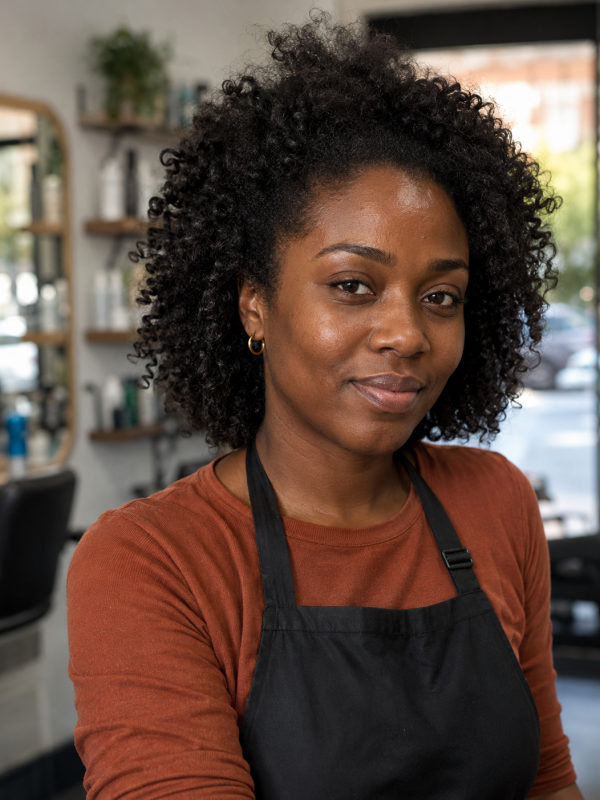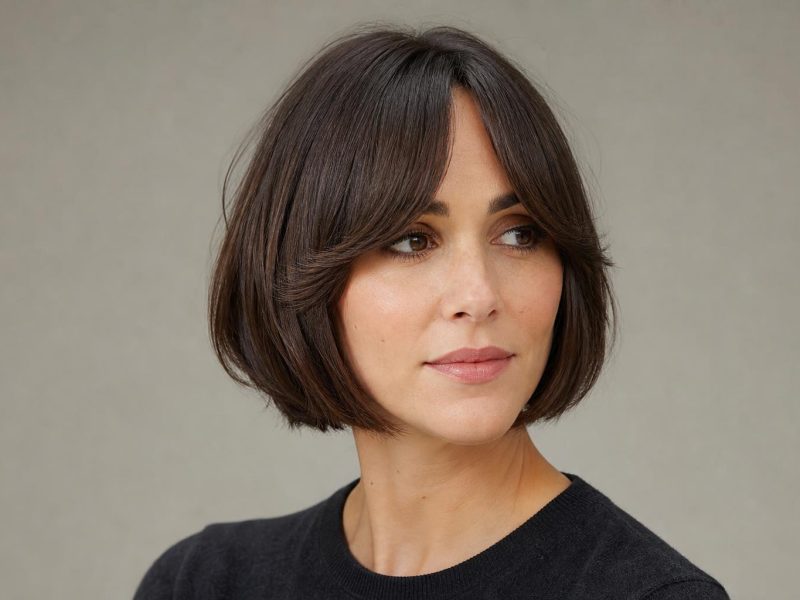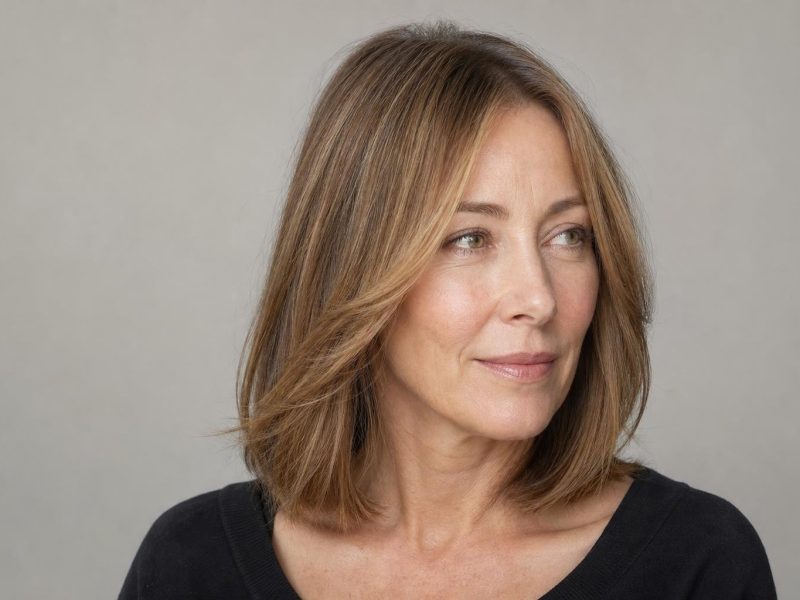
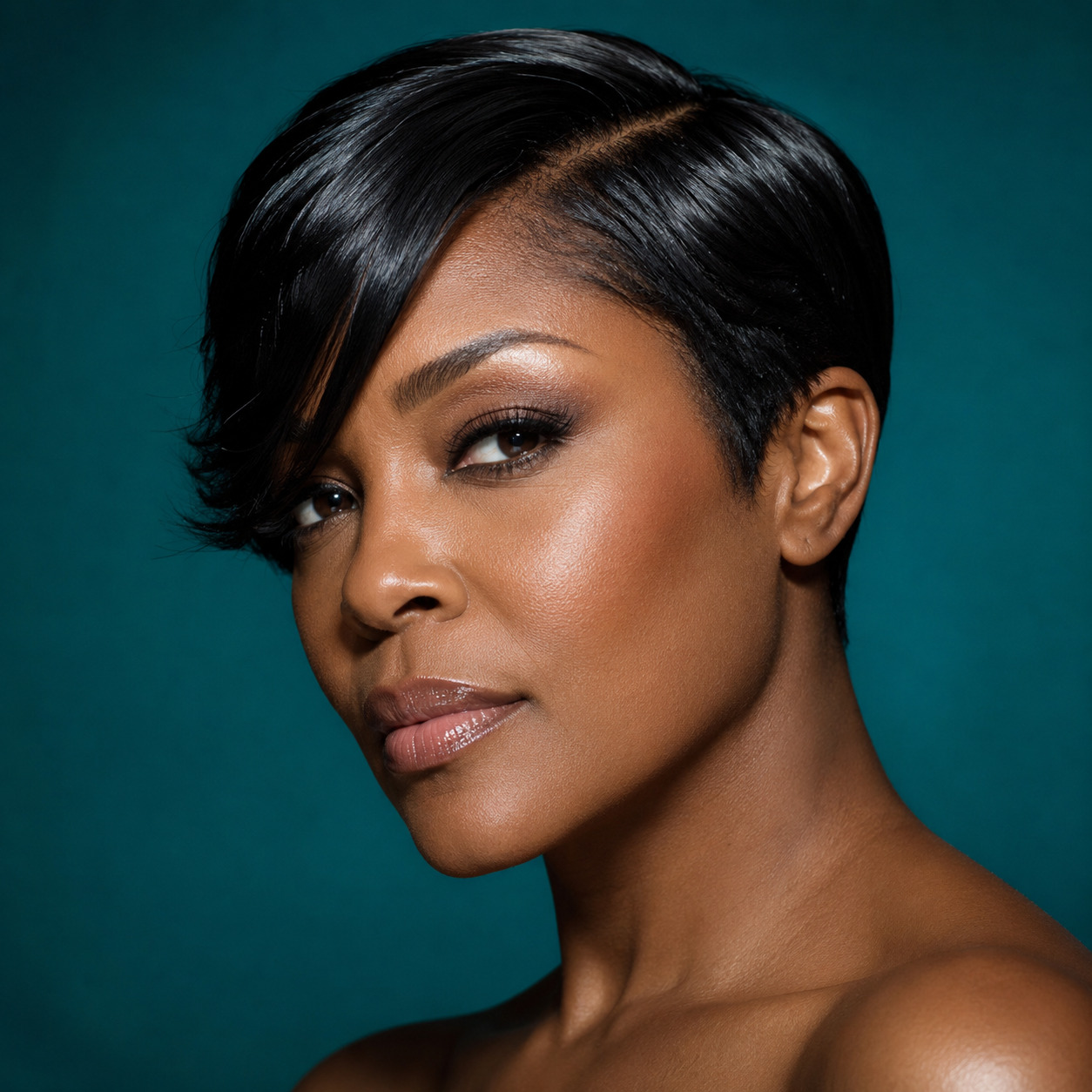
A pixie cut on Black women works across natural, relaxed, and tapered styles, with the cut tailored to the curl pattern so coils, waves, or sleek texture each get a shape that suits them.
The 30 ideas below sort by approach: tapered and faded pixies, natural curly and coily versions, relaxed and sleek styles, and bold cuts with color or shaved details. Each entry names what defines it and who it suits, so whether your hair is 3c curly or 4c coily or relaxed, you can find a version shaped for your texture.
The pixie is one of the most freeing short cuts, and it pairs with the same tapering used in men’s textured cuts, so the taper fade on curly hair guide is a useful companion. For broader short-cut inspiration, the textured pixie gallery covers more variations. After the gallery, this article covers choosing a version for your texture, what to tell your stylist, and maintenance.
| Factor | Details |
|---|---|
| Best for | Natural, relaxed, and tapered textures; most face shapes |
| Cut dry | Curly and coily pixies are best cut dry for accuracy |
| Trim | Every 4 to 6 weeks to keep the shape and taper |
| Styling | Curl cream or moisturizer for natural; minimal for tapered |
| Avoid if | You want length, or a no-salon-visit routine |
Tapered and Faded Pixie Cuts
A tapered pixie keeps length and volume on top while cutting the sides and back close, which flatters Black hair textures by framing the natural volume. These versions are among the most popular for their sharp, modern shape.
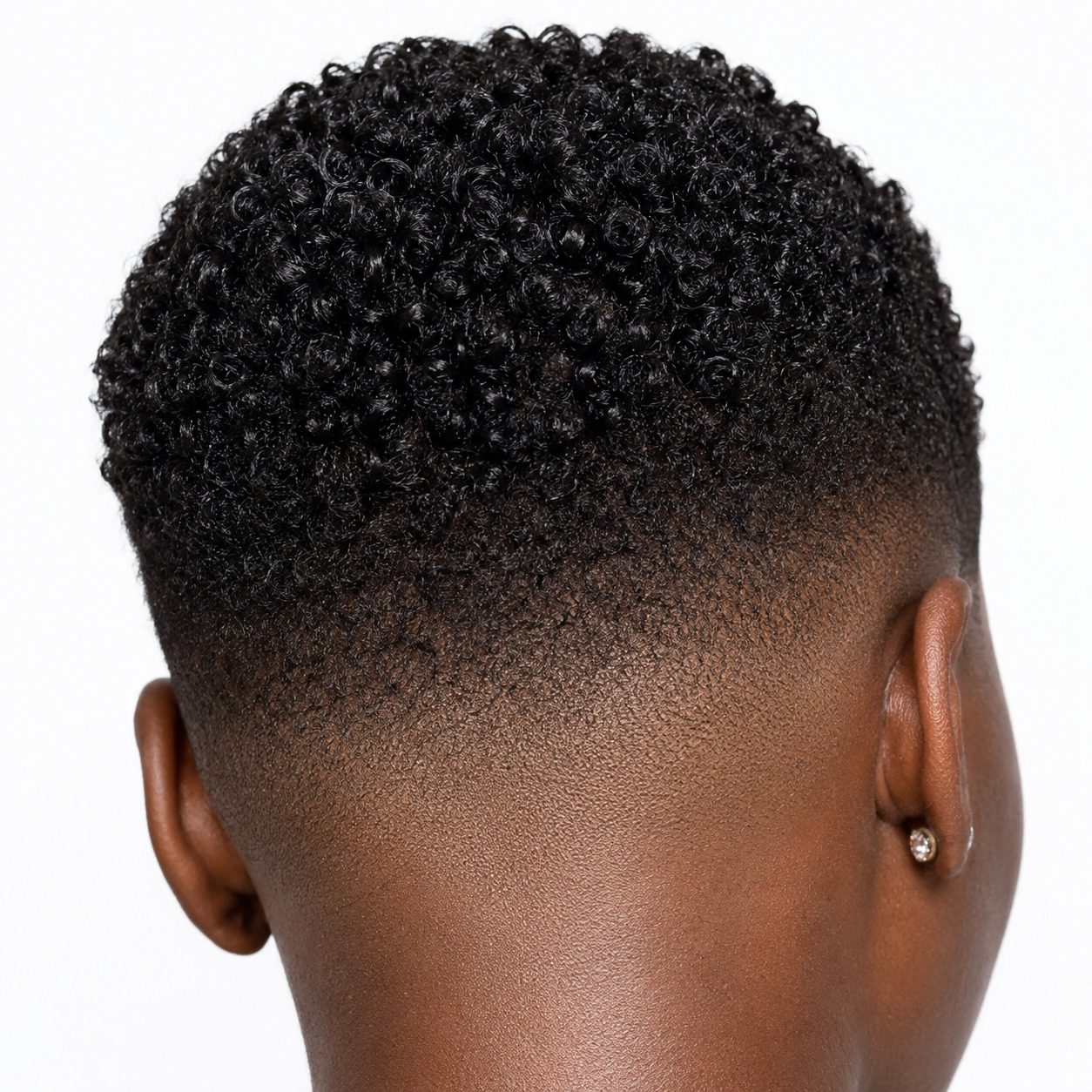
1. Tapered Pixie with Curly Top
A close-tapered back and sides with defined curls left on top is one of the most flattering pixies for natural hair. The taper frames the curl volume and keeps the shape sharp. A curl cream defines the top while the sides stay clean.
2. Pixie with a Low Taper Fade
A low fade on the sides keeps the cut subtle while cleaning the perimeter. It suits anyone wanting a softer contrast. A low taper grows out gracefully between visits.
3. High Taper Pixie
Taking the taper higher concentrates the volume on top for a bold, high-contrast pixie. The clean sides exaggerate the texture above. It suits oval and square faces that carry a strong line.
4. Tapered Pixie with Shaved Sides
Shaving the sides while keeping soft, thick texture on top makes a striking, standout pixie. The bare sides amplify the volume above. It suits anyone wanting a bold, edgy short cut.
5. Tapered Pixie with a Design
A razor design shaved into the tapered side personalizes the cut with lines or patterns. The design sits in the clean faded space. Bring a reference so the stylist can place it well.
6. Coily Tapered Pixie
On 4c hair, a tapered pixie keeps a soft, rounded coil shape on top over close sides. The tight texture holds height naturally. A light moisturizer keeps the coils defined rather than dry.
7. Tapered Pixie with Waves
Brushing the top into 360 waves over a tapered cut combines two techniques for a sharp, polished pixie. The waves add pattern and shine. A durag and consistent brushing maintain the waves.
8. Tapered Pixie with an Undercut
An undercut beneath a tapered pixie removes weight and adds a hidden two-length detail. The undercut keeps thick hair manageable. It reads modern and bold.
Natural Curly and Coily Pixie Cuts
Embracing the natural texture is one of the most rewarding ways to wear a pixie, letting coils and curls take center stage. These versions celebrate the natural pattern with a shape built around it.
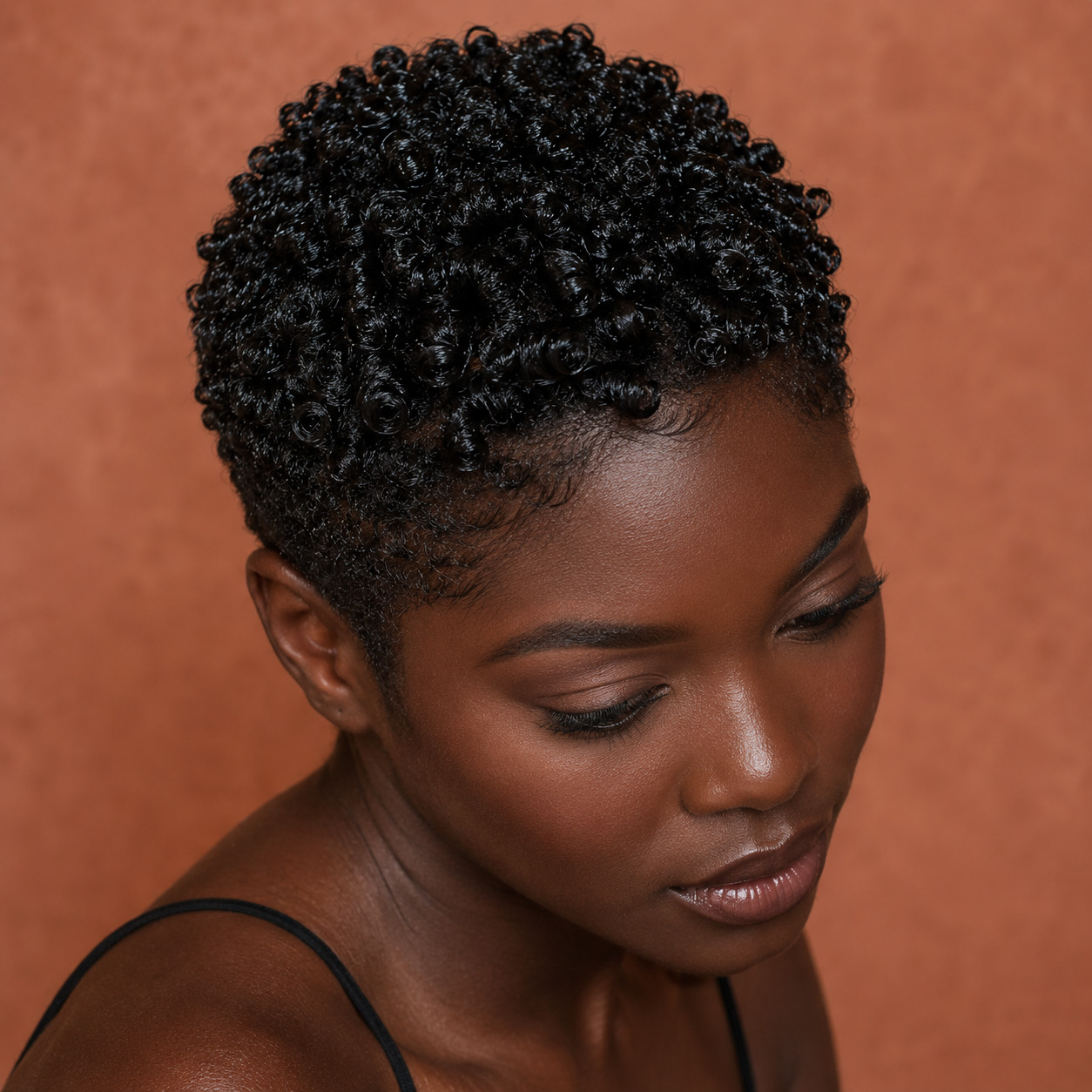
9. Curly Pixie Cut
A pixie that showcases natural curls emphasizes texture while staying light and easy. A good curl cream boosts the volume and definition. It reads carefree, youthful, and confident.
10. Coily Crop
A short coily crop keeps tight 4c texture in a rounded, even shape close to the head. The cut needs almost no styling beyond moisture. It is the lowest-effort natural pixie.
11. Curly Pixie with a Defined Part
Adding a clean part to a curly pixie gives the soft texture structure and direction. The part frames the face. It is an easy way to make a curly crop look styled.
12. Voluminous Curly Pixie
Leaving more length on top builds a full, voluminous curly pixie with real presence. The volume balances a longer face. A diffuser and curl cream maximize the fullness.
13. Finger-Coiled Pixie
Finger coiling the top defines individual curls for a crisp, detailed natural finish. The technique gives uniform definition. A gel or cream sets the coils.
14. Twist-Out Pixie
A twist-out on a pixie length creates soft, stretched definition with body. The twist-out adds movement to short natural hair. It is a versatile everyday natural style.
15. Wash-and-Go Pixie
A wash-and-go on a pixie length is the simplest natural routine, letting the curl pattern fall as it dries. A leave-in and gel define it. It suits anyone wanting minimal daily effort.
16. Curly Pixie for Round Faces
Keeping height on top of a curly pixie adds length that flatters a round face. The volume up top draws the eye upward. The round-face pixie guide covers the balancing principle.
Relaxed and Sleek Pixie Cuts
Relaxed or pressed hair takes a pixie in a sleeker direction, with smooth shapes and sharp lines. These versions suit anyone who wears their hair straightened or relaxed.
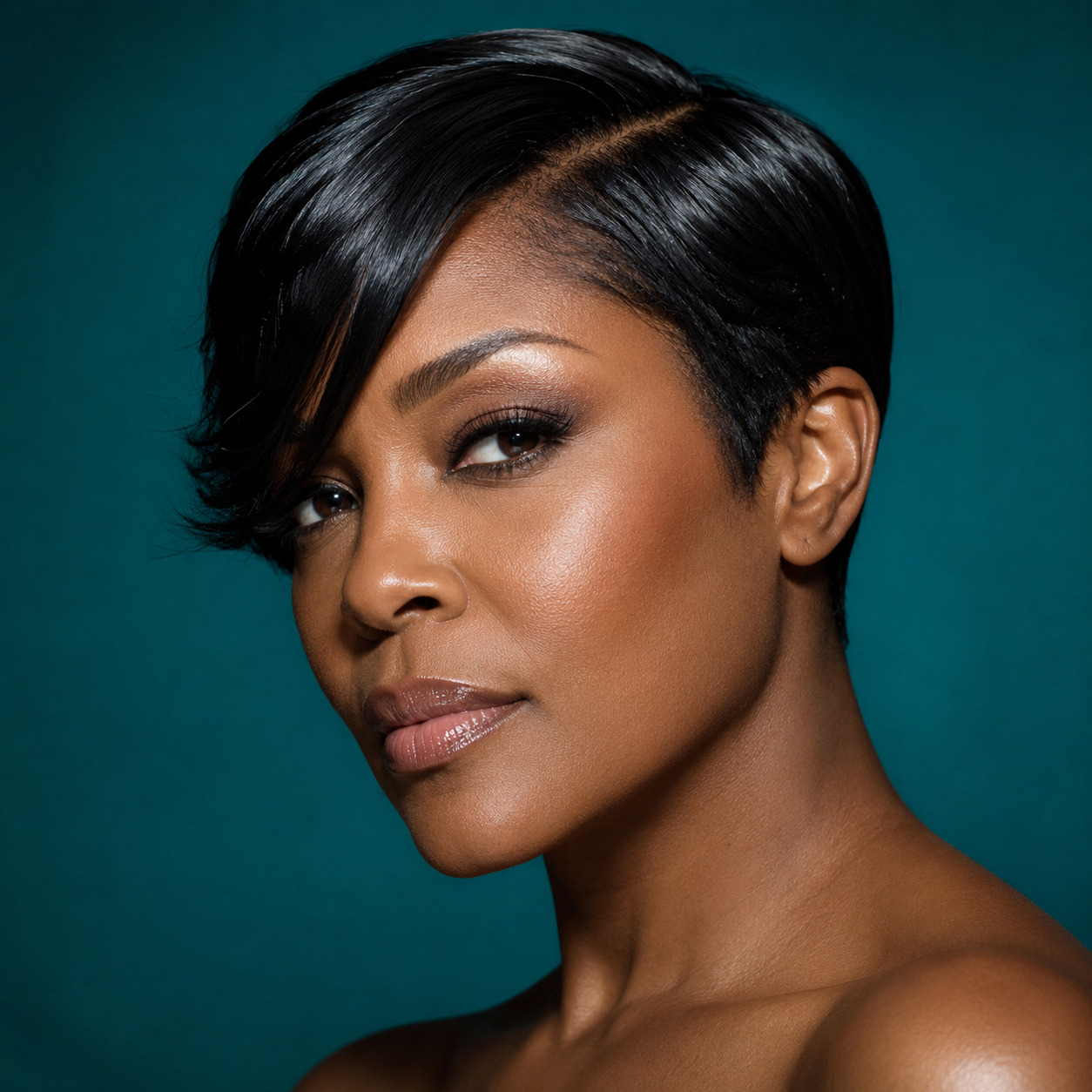
17. Sleek Relaxed Pixie
A smooth, relaxed pixie reads polished and sharp, with the texture pressed flat to the head. The sleek finish highlights the cut’s shape. A light serum keeps it smooth.
18. Side-Swept Relaxed Pixie
Sweeping the top to one side adds softness and movement to a relaxed pixie. The side sweep frames the face. It is a flattering, feminine finish.
19. Pixie with a Swoop
A long, swooped front piece on a relaxed pixie adds drama and frames the eyes. The swoop is the statement detail. It suits anyone wanting a softer, dressed-up short cut.
20. Pixie with Finger Waves
Setting a relaxed pixie into finger waves gives a glamorous, vintage-inspired finish. The waves read elegant and detailed. It is a special-occasion styling.
21. Asymmetrical Relaxed Pixie
Cutting one side longer than the other adds bold, modern drama to a sleek pixie. The asymmetry breaks the symmetry for an edgy line. It suits a confident, fashion-led look.
22. Pixie with Soft Layers
Soft layers through a relaxed pixie add movement and keep it from looking flat. The layering gives body to fine, relaxed hair. It is a flattering update for thinner textures.
23. Pixie with a Side Part and Waves
A deep side part with a soft wave gives a relaxed pixie polish and flow. The combination reads grown-up and elegant. A small iron sets the wave.
Bold Pixie Cuts with Color and Detail
Color and shaved details turn a pixie into a true statement, and the short canvas shows bold choices clearly. These versions are for anyone wanting maximum impact.
24. Blonde Pixie
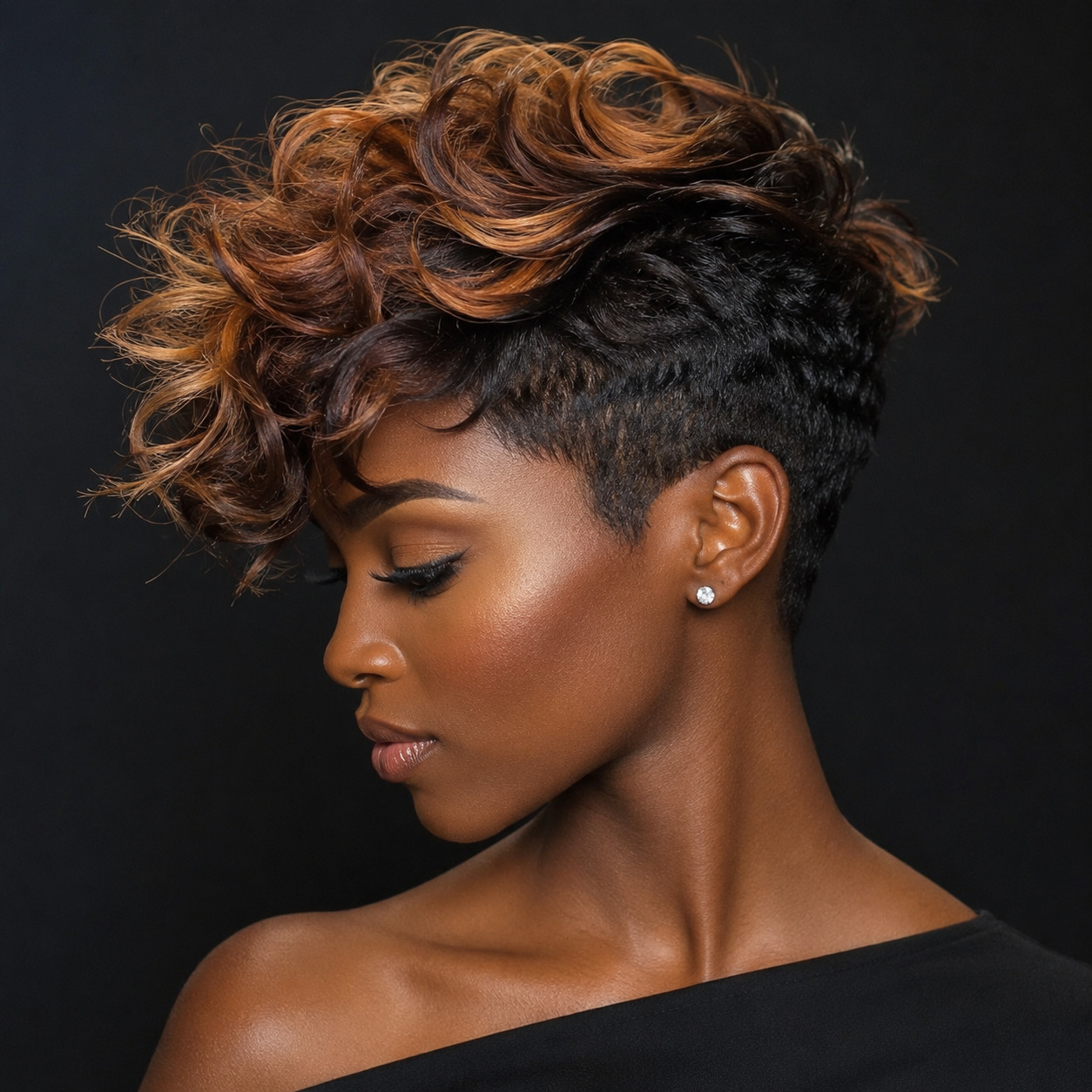
A blonde pixie against deep skin creates a striking, high-contrast statement. The light color shows the cut’s shape sharply. A toner keeps the blonde clean and brass-free.
25. Copper Pixie
A warm copper pixie glows against a range of skin tones and adds richness to the short shape. The warm tone flatters and brightens. A color conditioner holds the copper.
26. Burgundy Pixie
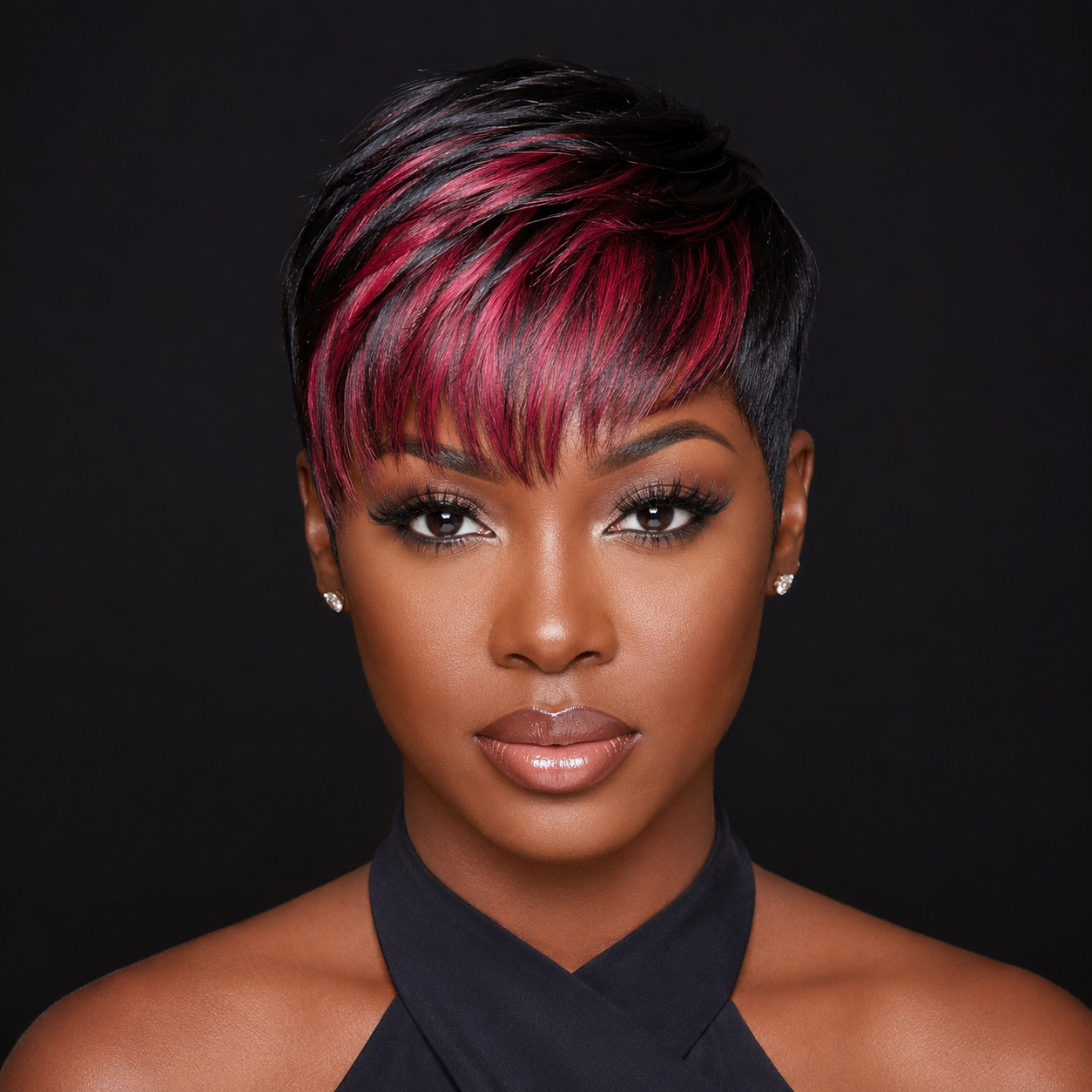
A deep burgundy pixie reads rich and bold while staying wearable. The cool red tone suits many complexions. It is a flattering way to wear color short.
27. Two-Tone Pixie
Splitting the color, such as dark sides and a lighter top, exaggerates the cut’s shape. The contrast reads graphic and modern. Bring a clear reference for the placement.
28. Pixie with a Pop of Color
A single bright streak or colored fringe adds personality without full commitment. The pop draws the eye to the face. It is an easy way to experiment with color.
29. Honey Blonde Curly Pixie
Honey blonde on a curly pixie warms the texture and catches light in every coil. The color emphasizes the curl definition. A leave-in keeps colored curls hydrated.
30. Pixie with a Shaved Side and Color
Combining a shaved side, a design, and a bold color makes the most expressive pixie of all. Every element amplifies the others. It suits a confident statement look.
How to Choose a Pixie for Your Texture
The best pixie depends on your texture and how you wear your hair. Natural coils and curls suit a tapered or rounded cut that frames the volume, relaxed or pressed hair suits a sleeker shape with sharp lines, and a tapered or faded version works across all textures by keeping the focus on top.
Curl pattern matters for the cut itself: curly and coily pixies should be cut dry so the stylist can see where each curl lands once it springs up, since wet cutting on shrinking hair leads to a shape that is shorter and less even than planned. Face shape plays in too, with height on top flattering round faces and softer, side-swept shapes balancing square jaws.
Stylist tip: Go to a stylist experienced with your specific texture, not just short hair in general. A pixie on 4c coils is a completely different cut from a pixie on relaxed hair, and a stylist who understands shrinkage and your curl pattern will shape it to grow out well rather than leaving you with an uneven crop.
What to Tell Your Stylist
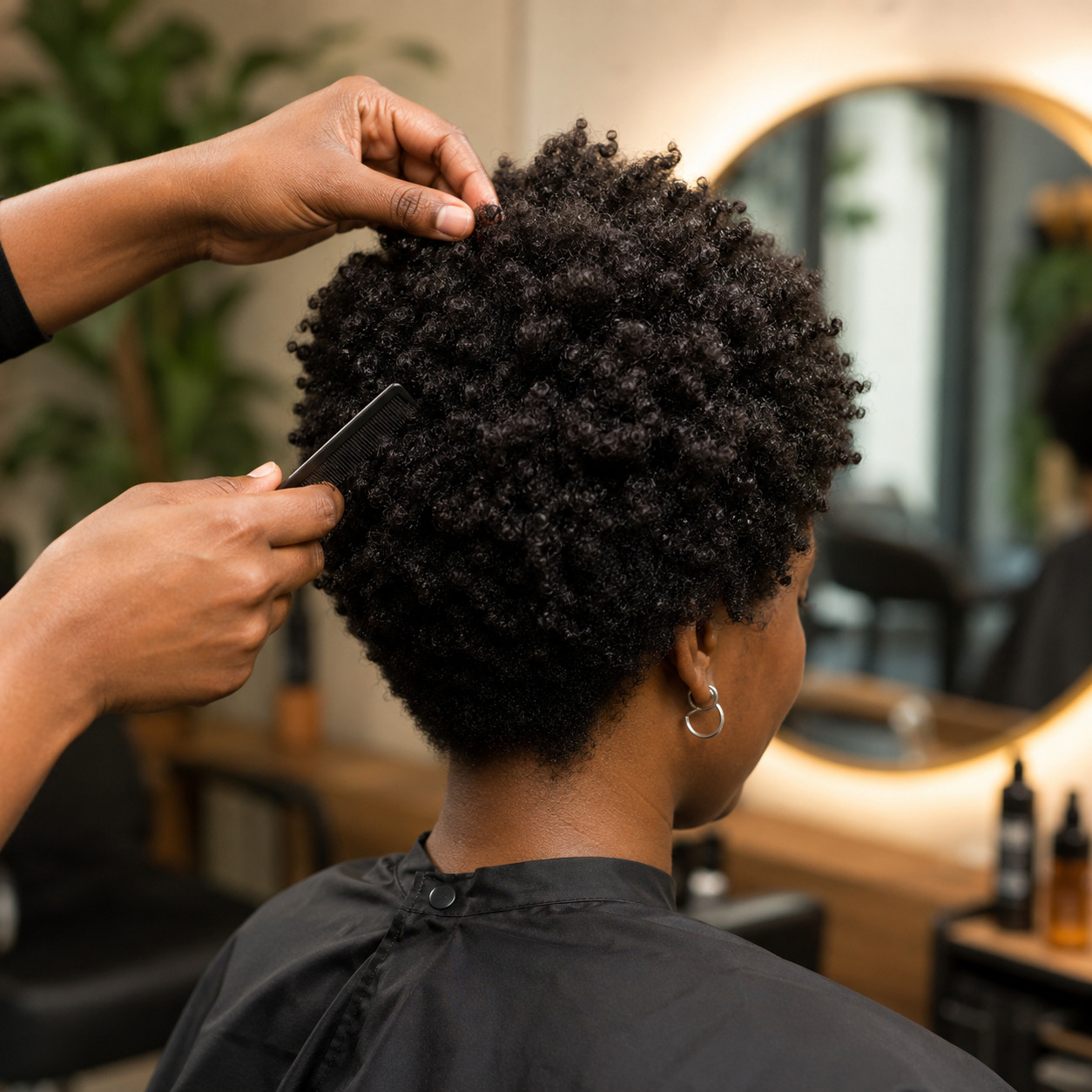
Name your texture and how you wear it, the version you want (tapered, natural curly, relaxed sleek), and how much length to keep on top. Saying “a tapered pixie with defined curls left on top, cut dry, with a low fade on the sides” gives a clear, texture-specific request.
Stylist tip: Ask for your curly or coily pixie to be cut dry and in its natural state, not blown out or stretched. Cutting the hair as it actually falls is the only way to get an even shape, because coily hair can shrink by half or more, and a cut that looks right stretched can look uneven once it springs back.
Maintenance and Upkeep
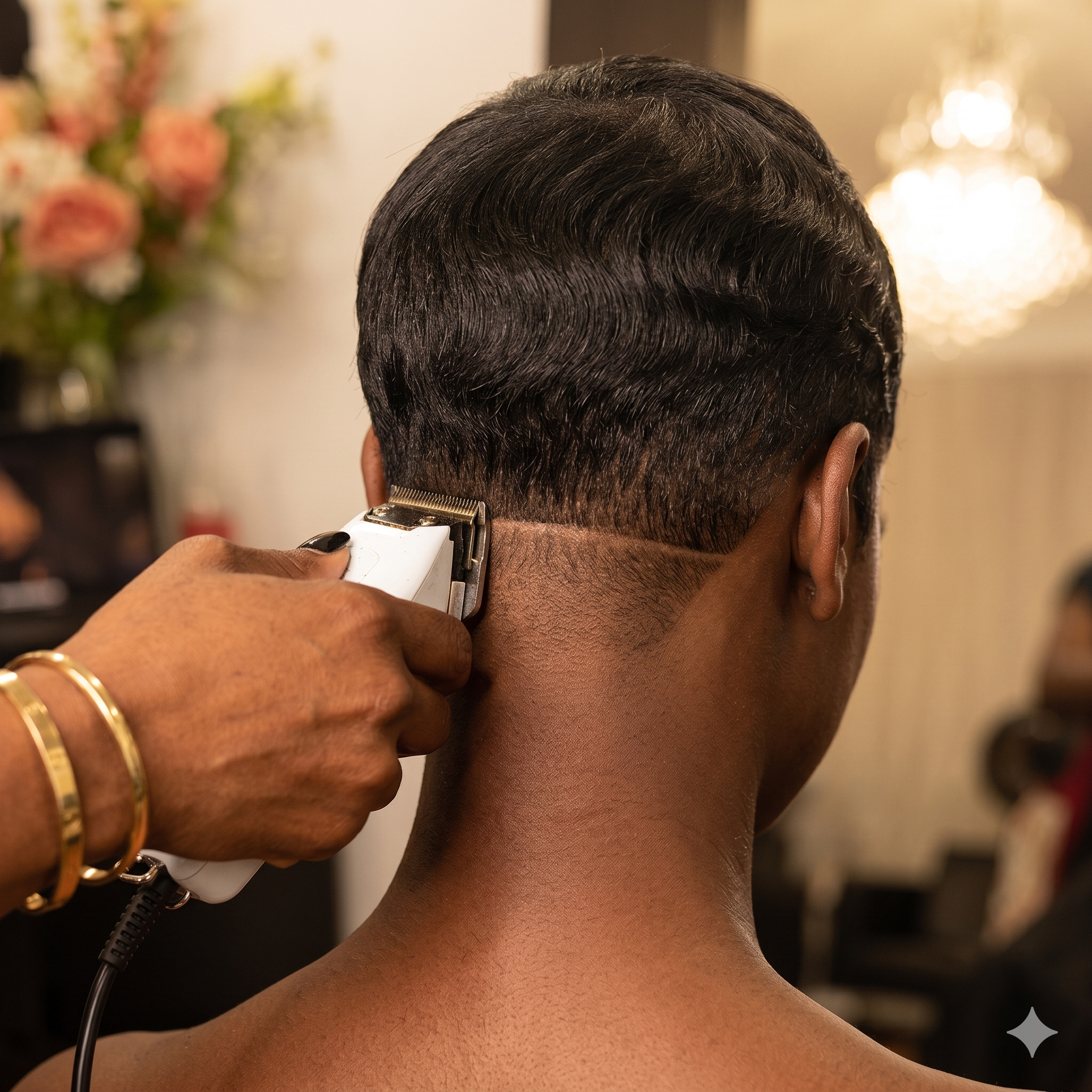
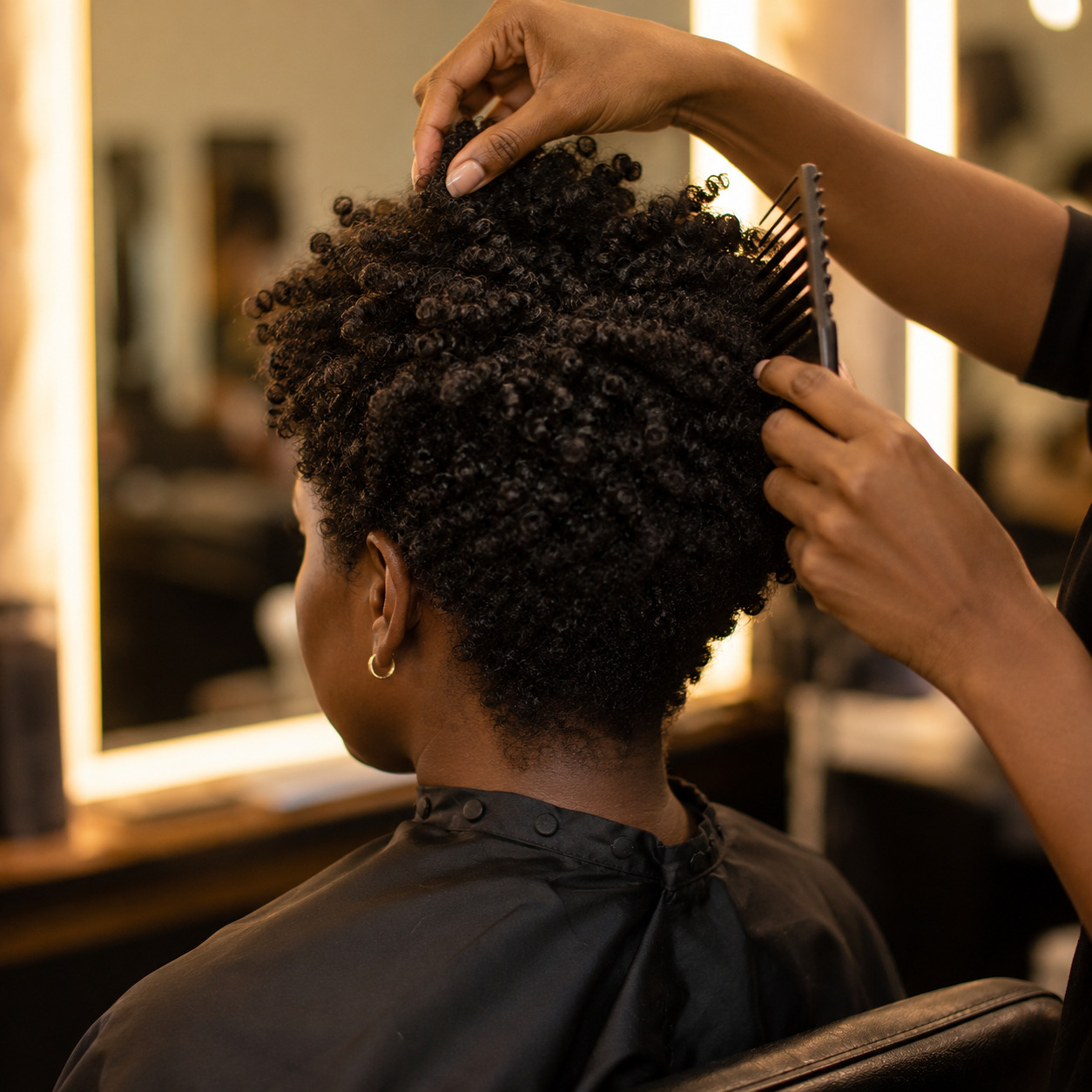
A pixie is low-styling but needs regular salon visits to keep its shape, with a trim every four to six weeks to maintain the taper and the length on top. The shorter and more tapered the cut, the faster it grows out of shape.
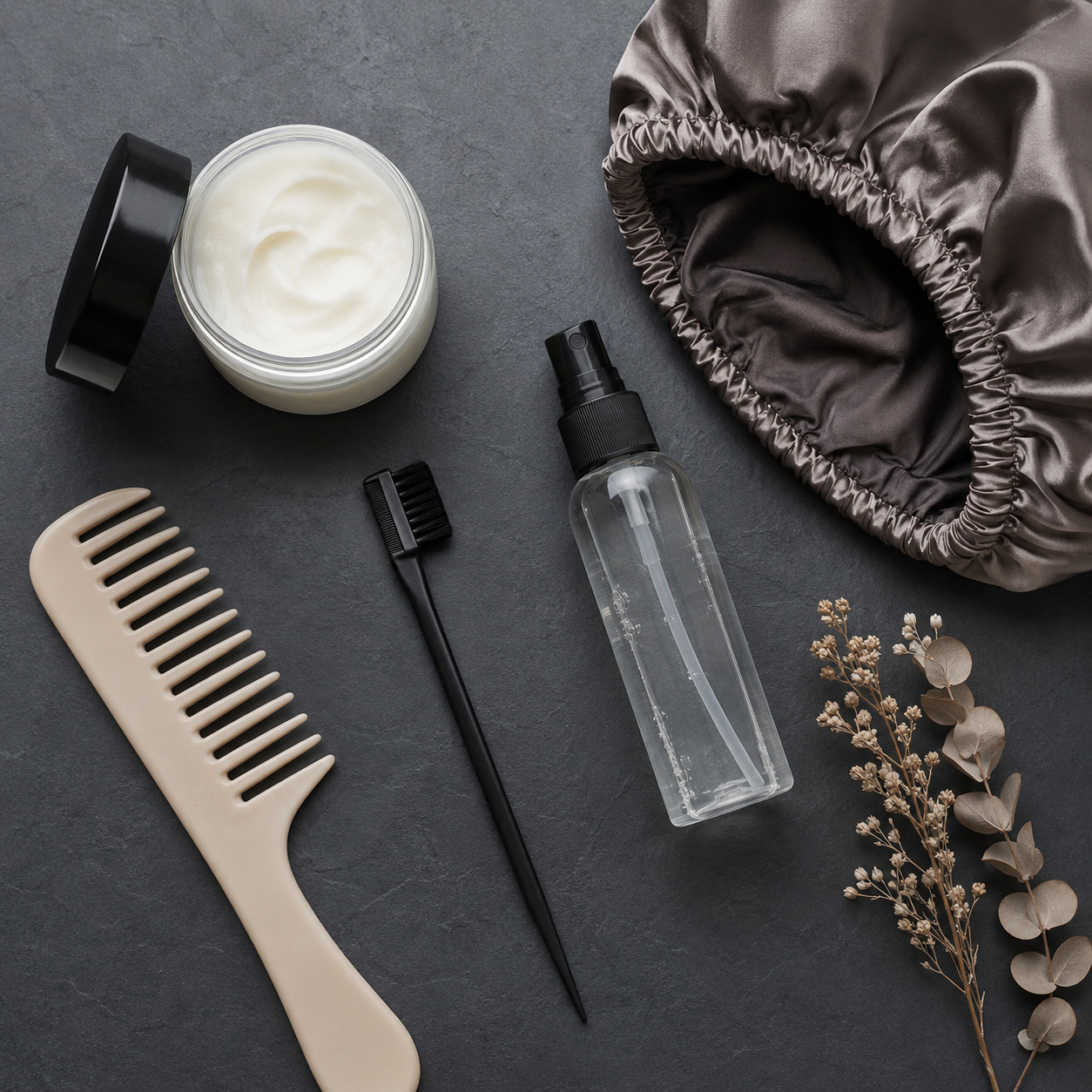
Daily care depends on the version: natural curly and coily pixies need moisture, with a leave-in and curl cream to keep the texture defined and healthy, while tapered and relaxed versions need little more than a light product and edge control. A satin bonnet at night protects the curls and the shape. Keeping the edges and taper fresh between cuts with a quick line-up extends the look.
When a Pixie Is Not the Right Choice
A pixie suits many people, but a few situations call for a different cut.
- You want length or a protective style: a pixie is short by definition. Knotless braids or twists give length and protection instead.
- You dislike frequent salon visits: the taper needs a trim every four to six weeks. A longer cut holds its shape much longer.
- You are mid-way through a big growth goal: cutting to a pixie resets length. Consider a tapered cut you can grow rather than a very short crop.
FAQ
What Is the Best Pixie Cut for Black Women?
The best pixie depends on your texture: a tapered pixie with curls left on top flatters natural hair, a sleek shape suits relaxed hair, and a faded version works across all textures. The key is choosing a cut shaped around your curl pattern rather than a generic short crop. A stylist experienced with your texture makes the difference.
Should a Curly Pixie Be Cut Wet or Dry?
Curly and coily pixies should be cut dry, in the hair’s natural state, so the stylist can see where each curl lands once it springs up. Cutting wet on shrinking hair leads to a shape that ends up shorter and less even than planned. Dry cutting is the single most important factor in an even curly pixie.
How Often Does a Pixie Cut Need a Trim?
A pixie needs a trim every four to six weeks to keep the shape and the taper sharp. The shorter and more tapered the cut, the faster it grows out of shape. Keeping the edges fresh with a quick line-up between cuts extends the look.
Does a Pixie Cut Suit a Round Face?
Yes, especially a pixie with height and volume kept on top, which adds length that balances a round face. The volume up top draws the eye upward and slims the overall shape. Avoid a flat, rounded crop with no height, which can echo the roundness.
Can You Wear a Pixie on 4C Hair?
Yes, 4c hair takes a pixie beautifully, whether as a soft coily crop, a tapered shape, or a finger-coiled style. The tight texture holds volume and shape well with moisture. A stylist experienced with 4c will cut it dry and shape it to suit your growth pattern.
How Do You Maintain a Curly Pixie?
Keep a curly pixie moisturized with a leave-in and curl cream to define the texture and prevent dryness, and protect it at night with a satin bonnet. A trim every four to six weeks keeps the shape, and edge control keeps the perimeter clean. The cut is low-styling but needs consistent moisture and regular shaping.
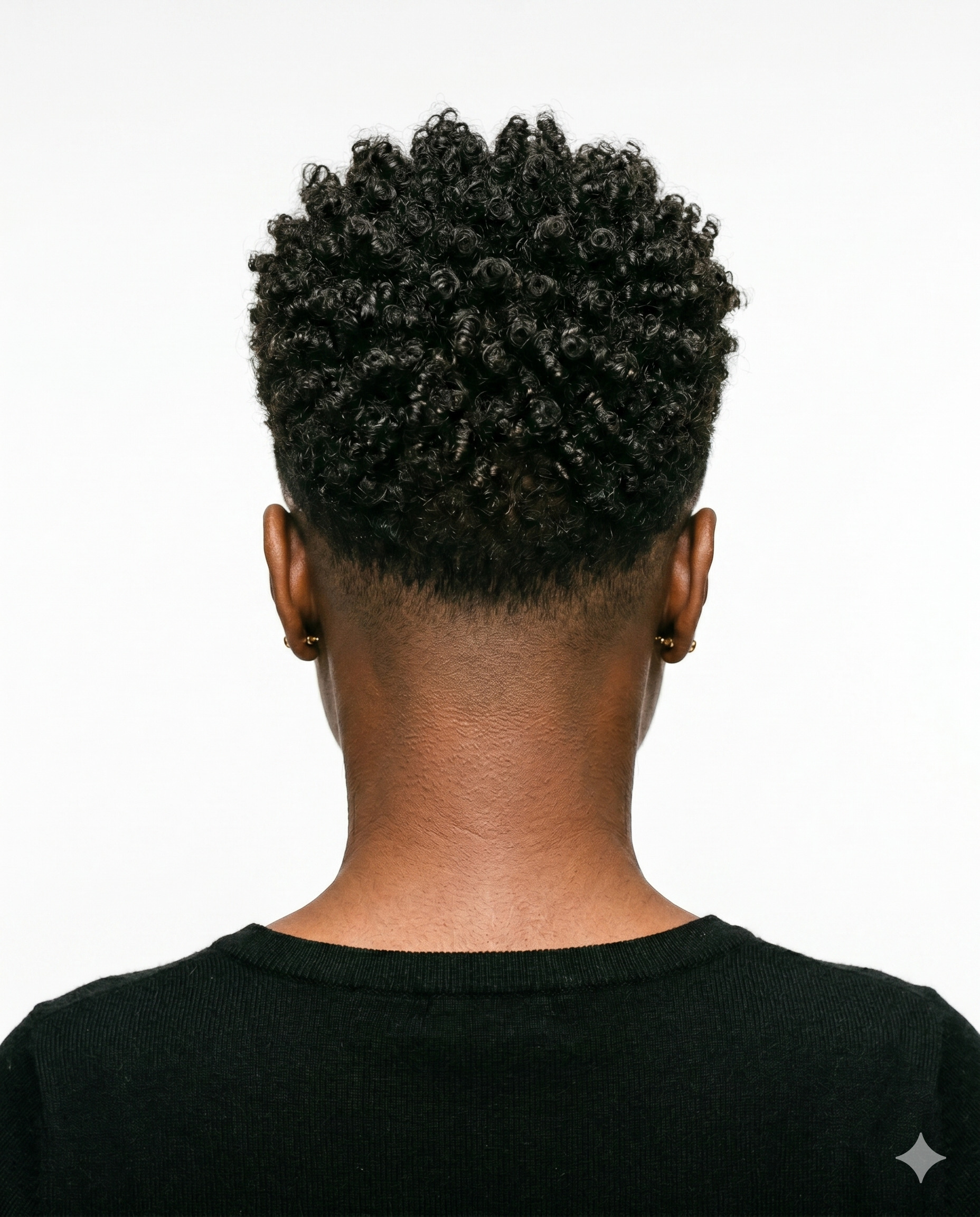
A pixie cut for Black women is one of the most freeing and flattering short styles when it is shaped around your texture, whether natural, relaxed, or tapered. Go to a stylist who knows your curl pattern, ask for curly versions to be cut dry, and keep up with the taper and the moisture your texture needs. A pixie cut tailored to your hair is light, bold, and genuinely low-effort to wear day to day.
Hair results vary based on your natural hair type, texture, density, and condition. Always consult with a licensed hairstylist before making significant changes, especially with chemical treatments or dramatic length changes. Photos may show styled results that require professional tools and products to replicate.