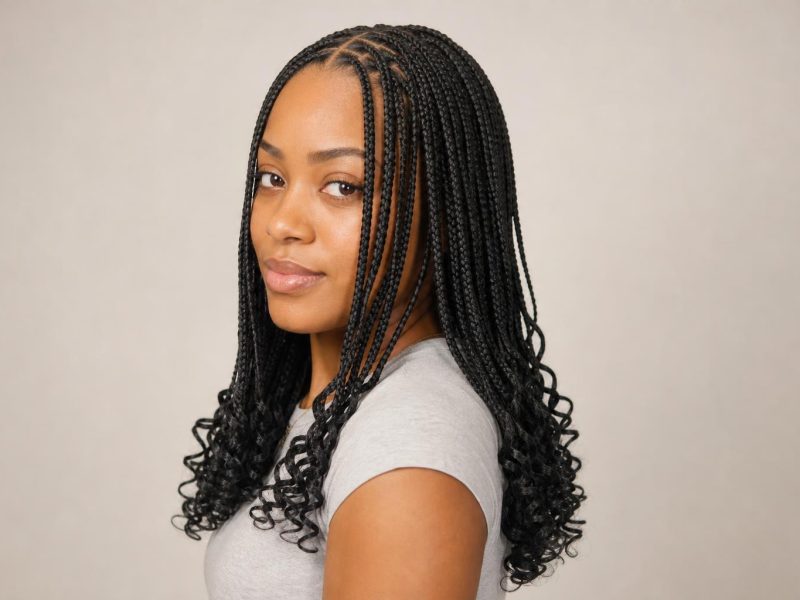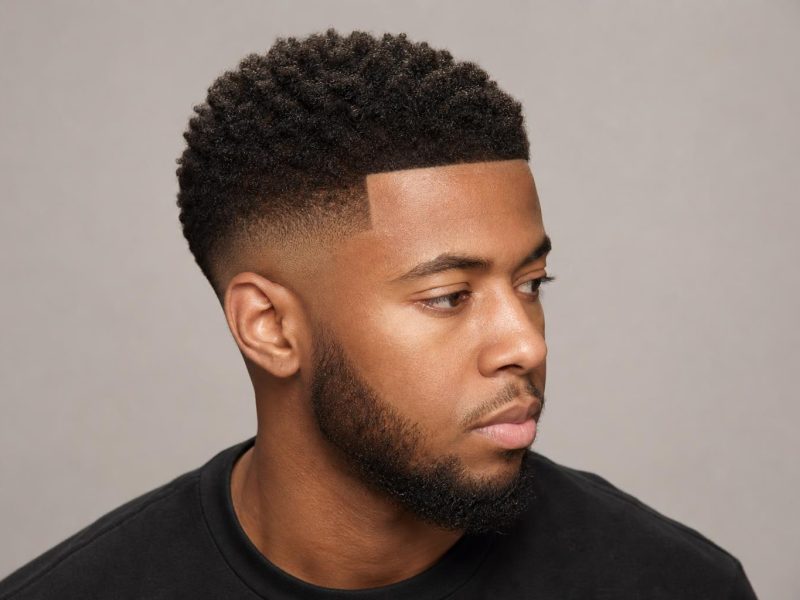

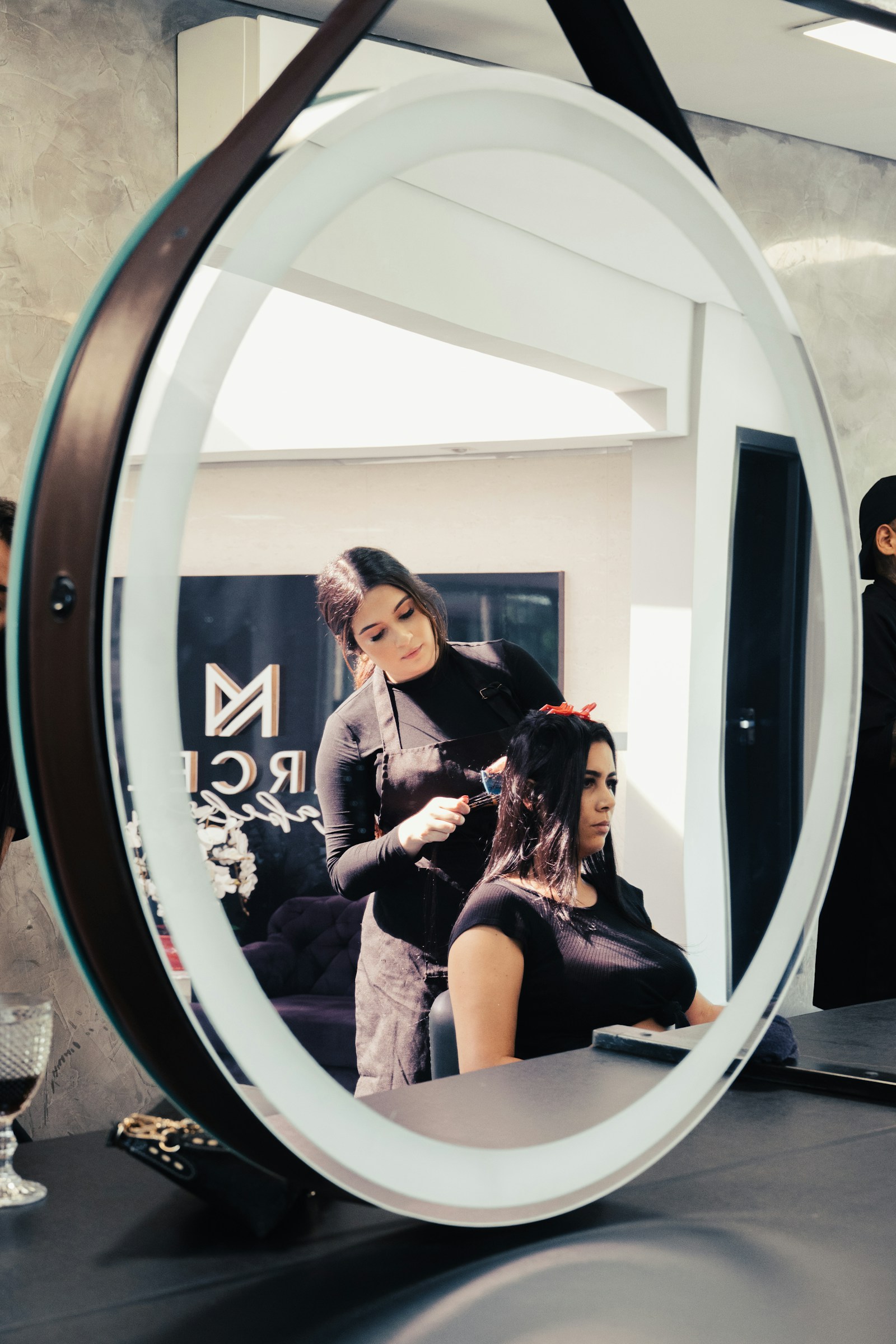
If you just left the salon hating your hair, take a breath: most haircut regret is fixable, and a lot of it fades on its own once your hair settles and you learn to style it yourself.
Most haircut regret is temporary. Freshly cut hair looks different from hair you have styled yourself a few times, and the first reaction in the salon mirror is rarely the final verdict. If something genuinely went wrong, most salons will adjust or redo a cut for free within roughly one to two weeks, and hair grows back at a steady, predictable pace. The worst thing you can do in the first 48 hours is make a rash decision you cannot undo.
This guide walks you through the first two days after a cut you dislike, helps you figure out whether the problem is the cut, the styling, or plain unfamiliarity, gives you the exact calm language to request a fix at the salon, and covers the quick styling tricks that make living with it easier while it settles.

What Haircut Regret Usually Comes Down To
Before you decide anything, pin down what is actually bothering you. Almost every case of haircut regret traces back to one of three causes, and each one has a different fix. Getting the diagnosis right saves you from booking a corrective cut you do not need, or from living with something a five-minute styling change would solve.
Unfamiliarity Fades Within a Few Days for Most People
A big share of regret is your brain adjusting to a new reflection, not a bad cut. You have looked at your old hair every day for months or years, so a shorter or different shape feels wrong at first even when it suits you. This kind of regret softens quickly. Give it three or four days of normal life before you judge, because the version you see walking out of the salon is the least representative one you will ever see.
Styling Problems Look Like Cut Problems but Are Not
A stylist blow-dries with two mirrors, professional tools, and product you may not own. Your hair at home, air-dried or styled in a rush, can look like a completely different cut. If the shape looked right in the chair but falls flat the next morning, the cut is probably fine and the styling is the gap. This is the most common false alarm, and it is also the easiest to close with a different brush, a new product, or a five-minute technique.
A True Cut Problem Shows Up No Matter How You Style It
Genuine cut errors are consistent. Uneven lengths on one side, a fringe cut too short, layers that sit wrong every single time regardless of how you dry it, or a shape that does not match the photo you brought all point to the cut itself. If the problem survives a wash and a restyle at home, that is the one worth taking back to the salon.
Stylist tip: Wash and style your hair yourself once before you decide the cut is wrong. Wet hair looks shorter and flatter than dry hair, and layers that look severe soaking wet often relax into shape once dry. Judging a cut while it is still wet from the salon sink is the single most common reason people panic over hair that is actually fine.
How to Tell If a Bad Haircut Is Fixable
Once you know which of the three causes you are dealing with, the next question is whether the fix happens now, needs a professional, or just needs time. Some problems have a same-day solution at home. Others need a stylist and a corrective appointment. And a few, like length, cannot be undone by anyone and only respond to patience. The table below sorts the most common complaints into those three buckets.
| Problem | Likely Cause | Fix Now / See Stylist / Wait It Out |
|---|---|---|
| Falls flat, no volume at home | Styling and product gap | Fix now (mousse, round brush, root lift) |
| Uneven length side to side | Cutting error | See stylist for a courtesy adjustment |
| Bangs cut too short | Cutting error or miscommunication | Wait it out (pin, part, or grow) |
| Feels too short overall | Length, unfixable by cutting | Wait it out; accessories help |
| Blunt line looks too harsh | Finish preference, not an error | See stylist for point cutting or soften with heat |
| Layers sit wrong every time | Cutting or placement error | See stylist within the redo window |
| Just feels unfamiliar and wrong | Adjustment period | Wait it out (three to four days) |
A useful rule of thumb: anything about length or how much hair was removed falls into wait-it-out, because no stylist can add hair back. Anything about evenness, symmetry, or a shape that does not match your reference photo belongs in the see-stylist column. Anything about volume, movement, or how the cut behaves at home usually starts as a fix-now styling problem. If you are unsure whether your face shape is fighting the cut rather than the cut being wrong, our guide to the most flattering cuts for a triangle face shows how the same shape can look very different depending on where the weight falls.
How to Ask Your Stylist for a Fix
If the problem is a genuine cut error, going back to the same stylist is almost always your best and cheapest option. They already know your hair, they have your history, and most salons treat a prompt adjustment as a normal part of the service. The key is timing and tone. Call within one to two weeks, stay specific and solution-focused, and you will usually get it corrected at no charge.
Most Salons Offer a Free Adjustment Within One to Two Weeks
A courtesy fix window is standard across most salons, typically running about one week, sometimes two. Inside that window, an adjustment to even out a line or reshape a section is generally free, especially when the result did not match what you agreed on in the consultation. Past two weeks, expect to pay, since at that point the cut has grown and it counts as a new appointment rather than a correction. Tipping on a redo is entirely your call and never expected.
Specific, Calm Language Gets a Better Result Than a Complaint
Stylists respond to clear, unemotional requests far better than to a venting session. Frame the issue as a shared problem to solve, name the exact section, and describe the outcome you want. Try lines like these when you call or arrive:
- “I have been wearing it a few days and the right side feels a little longer than the left. Could we even that out?”
- “The layers around my face are shorter than I expected and they are hard to style. Is there room to blend them softer?”
- “The blunt line feels heavier than the photo I brought. Could we add some point cutting to soften the edge?”
- “I think we went shorter than I was picturing. I know length cannot come back, so what can we do with the shape to make it work for me?”
Stylist tip: Bring the original reference photo back with you, plus one photo of how the cut looks at home when you style it. Two images turn a vague “I do not like it” into a concrete, fixable brief, and they protect you from the awkward back-and-forth of trying to describe hair with words alone.
A Corrective Cut Can Reshape and Blend, but It Cannot Add Length
Be realistic about what a redo can deliver. A corrective cut can even out uneven sides, blend layers that were placed too high, soften a harsh perimeter, and clean up a fringe line. What it cannot do is put back hair that is gone. If the core problem is that the cut is simply too short for your taste, a corrective appointment will refine the shape, but the length itself is now a waiting game. Knowing this before you sit down keeps the conversation productive and stops you from expecting the impossible.
How to Live With It While It Settles
While you wait for a redo appointment, for the unfamiliarity to fade, or for length to return, a handful of low-effort tricks make the cut far easier to live with day to day. None of these require a stylist, and most take under five minutes. The goal is to buy yourself comfort and time, not to permanently disguise the cut.
- Change your part. Shifting from a center part to a deep side part, or the reverse, redistributes weight and can completely alter how a cut looks. This is the fastest free reset for a shape that feels off.
- Use product to rebuild movement or soften a line. A texturizing spray breaks up a blunt shape that feels too heavy, while a smoothing serum tames a cut that looks choppy or dry at the ends.
- Soften a too-blunt line with heat. Passing a flat iron through the ends and bending them slightly under, or a quick wave with a curling iron, takes the hard edge off a perimeter that feels severe.
- Lean on accessories. A wide headband, a silk scarf, claw clips, or a row of decorative pins pull attention away from an awkward length and buy weeks of grow-out time with zero commitment.
- Pin or sweep short bangs. Bangs cut too short respond well to a small clip, a side sweep set with a light hold, or being tucked back until they reach a length you can work with.
Short cuts especially reward a small styling investment during the settling phase. If your regret is really about the shape feeling boxy or heavy, a few styling ideas from our walkthrough on styling layered, movement-heavy cuts translate well to reshaping the feel of a fresh cut without touching the length. For longer bobs that fell shorter than planned, the styling notes in our collarbone bob guide show how a small change in part and finish shifts the whole silhouette.
Color Regret Follows Different Rules Than Cut Regret
If the thing you hate is the color rather than the cut, the timeline flips. With a bad color, the standard advice is to do nothing for at least two weeks and ideally closer to a month before a correction, which gives the hair time to recover from the first process. Brassy tones, a shade that turned out too dark, uneven patches, or bands of color are all corrective-color territory, not a home-kit job. Color removers and correction products are built for professional use, and a botched at-home attempt usually makes the eventual salon fix longer and harder. If your regret is about color, book a colorist who specifically lists color correction as a service and plan for a long appointment.
Common Bad-Haircut Myths That Make It Worse
Some of the most tempting reactions to a bad cut are exactly the ones that dig the hole deeper. These are the beliefs that push people toward rash choices in the first 48 hours, and they are worth clearing up before you do something you cannot take back.
Myth: Cutting It Even Shorter Will Fix an Uneven Cut
Reality: Chasing evenness by removing more length is how a small problem becomes a big one. A skilled stylist can often even out a line with a very small amount of refinement, sometimes just cleaning up a single section. Going drastically shorter to “balance” it removes your options and your styling flexibility. Let a professional assess it before anyone takes off more than a trim.
Myth: You Should Never Go Back Because It Is Rude
Reality: Returning for an adjustment is a normal, expected part of salon service, not an insult. Stylists would far rather fix a cut than lose a client to a bad memory, and most build a courtesy window into their pricing for exactly this reason. Staying quiet and stewing helps no one. A calm, specific request inside the redo window is the professional move.
Myth: A Box Dye or Home Trim Will Rescue It Fast
Reality: Home fixes are the single most reliable way to turn a fixable problem into a correction that costs real money. Trimming your own layers, taking scissors to your fringe, or reaching for a box color to cover a bad shade almost always sends you to a professional in worse shape than before. If the cut is bad enough to fix, it is bad enough to leave to someone with training.
When to Wait It Out Instead of Fixing It
Not every cut you dislike is a problem to solve. When the issue is length, a fringe that is simply too short, or the plain strangeness of a new look, the honest answer is time. Hair grows at a fairly steady pace, so a cut that feels too short now is a temporary state, not a permanent one. According to dermatology figures on average hair growth, scalp hair grows on the order of a centimeter, or roughly half an inch, per month, which means even a fringe disaster is usually back to a workable length within a season. If you specifically want to speed a grow-out along and manage the awkward in-between stages, our dedicated walkthrough on how to grow out a bad haircut faster covers the trims, products, and phase-by-phase tactics in full, so this guide keeps that topic brief on purpose.
Waiting is also the right call when the only real problem is unfamiliarity. Give a genuinely new shape a couple of weeks of living, styling, and photographing before you conclude it does not suit you. Age and life stage change what feels right, too, and a cut that feels like a shock at first can settle into a favorite. Readers navigating a bigger style shift may find it reassuring to browse a range of options, such as our collection of bang-friendly styles for women over 60, before deciding a fresh cut was a mistake.
FAQ
How Long Should I Wait Before Deciding I Hate My Haircut?
Give it at least three to four days, and ideally a full week, before making any decision. Freshly cut hair looks different from hair you have washed and styled yourself, and the salon mirror shows the least flattering version you will see. Wash it, style it your normal way once or twice, and see how you feel then. Many cuts that feel like disasters on day one look right by day five.
Is It Free to Go Back to the Salon to Fix a Bad Haircut?
Usually yes, if you return within the salon’s courtesy window, which is typically one to two weeks. An adjustment that corrects an uneven line or reshapes a section is generally free when the result did not match your consultation. After that window the cut has grown and it counts as a new appointment, so expect to pay. Call sooner rather than later to stay inside the free-fix period.
What Should I Say to My Stylist If I Do Not Like My Cut?
Be specific, calm, and solution-focused rather than apologetic or angry. Name the exact section and the outcome you want, such as “the right side feels longer than the left, could we even it out?” Framing it as a shared problem to solve gets a far better response than a general complaint. Bring your original reference photo so there is something concrete to work from.
Can a Stylist Fix a Haircut That Is Too Short?
No stylist can add length back, so a cut that is simply too short is a waiting game rather than a fixable error. What a corrective appointment can do is refine the shape, blend awkward layers, and soften harsh lines so the length you have works better in the meantime. If the shape is the problem, that is fixable; if the length is the problem, only time solves it.
Should I Fix a Bad Haircut Myself at Home?
Home trimming almost always makes things worse and often turns a free salon adjustment into a paid correction. Cutting your own layers or fringe without training tends to compound the unevenness you are trying to fix. Styling changes, product, and accessories are safe to experiment with at home, but leave scissors and box color to a professional.
How Fast Does Hair Grow Back After a Bad Cut?
Scalp hair grows on average around half an inch, or roughly a centimeter, a month, though the exact rate varies with genetics, age, and hair thickness. That means a too-short fringe is usually back to a workable length within a couple of months, and a length you regret returns steadily over a season or two. Gentle handling and regular tiny trims to remove split ends keep the grow-out looking neat and deliberate.
Is Color Regret Handled the Same Way as Cut Regret?
No, color follows a different timeline and set of rules. With a bad color you generally wait at least two weeks, and often closer to a month, before a correction so the hair can recover from the first process. Brassiness, bands, or a shade that is too dark are jobs for a professional color-correction specialist, not a home kit. Reaching for box dye to fix a bad color usually makes the eventual salon repair longer and more expensive.
Haircut regret feels enormous in the moment, but it is almost always smaller and more solvable than it seems on the first day. Diagnose whether you are dealing with unfamiliarity, a styling gap, or a true cut error, use the redo window if the cut is genuinely wrong, and lean on parting changes, product, and accessories while everything settles. Give it a few days before you judge, bring photos if you go back, and remember that the one thing time reliably fixes is length.
Hair results vary based on your natural hair type, texture, density, and condition. Always consult with a licensed hairstylist before making significant changes, especially with chemical treatments or dramatic length changes. Photos may show styled results that require professional tools and products to replicate.