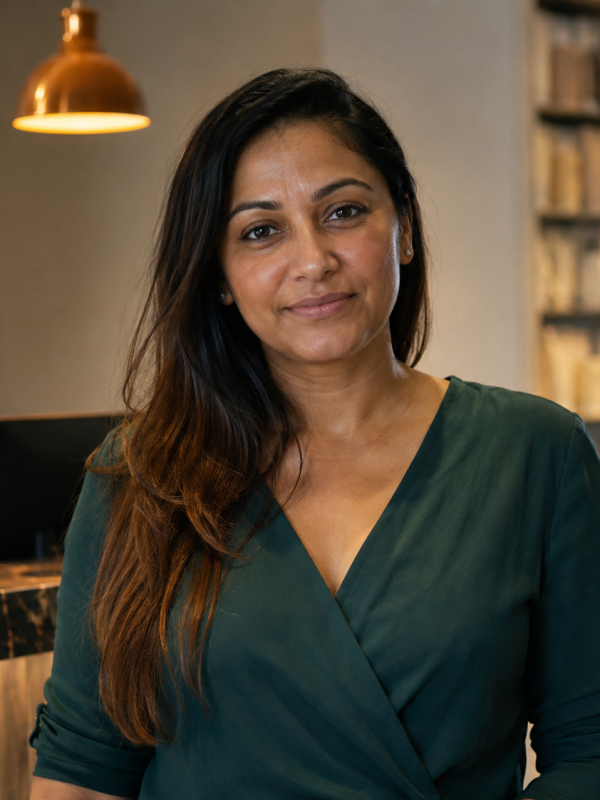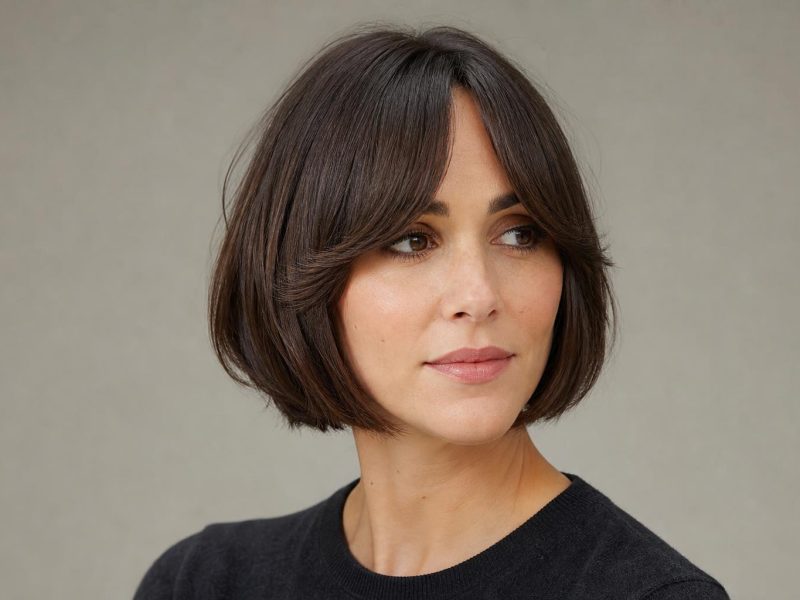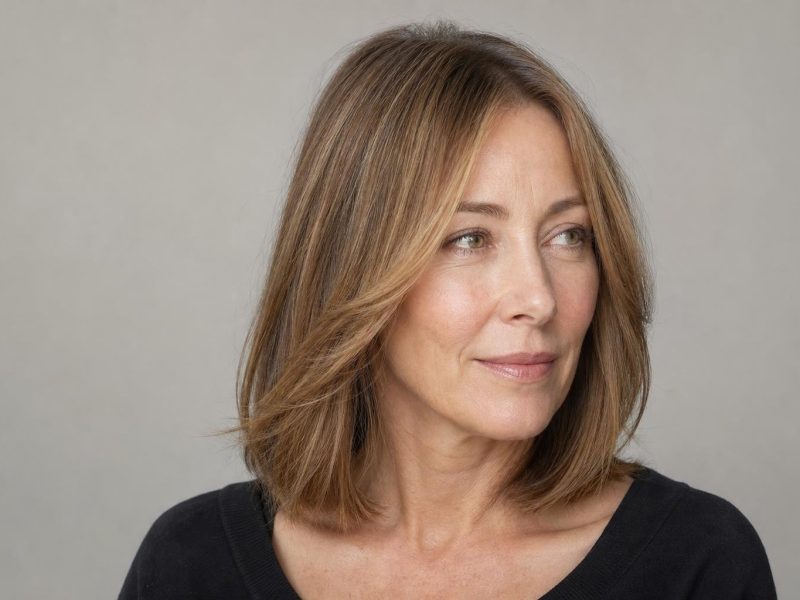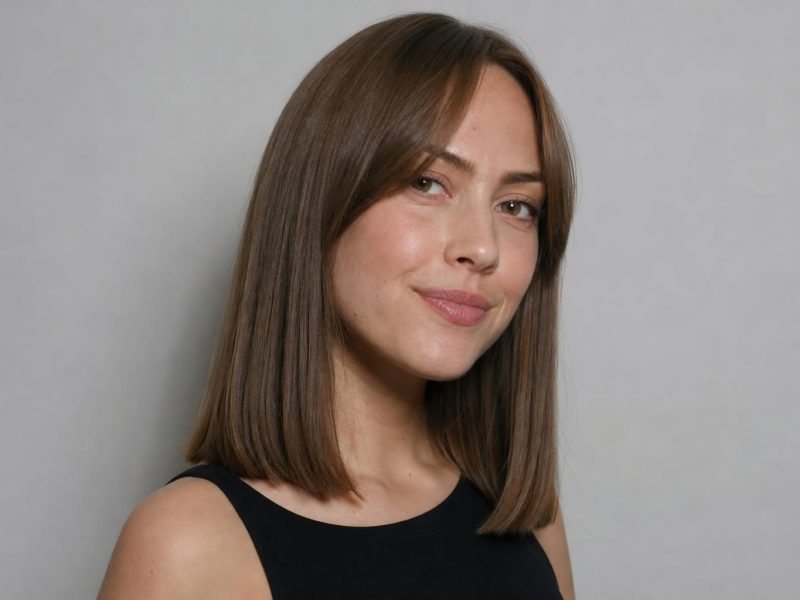
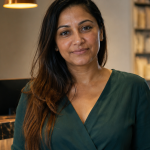
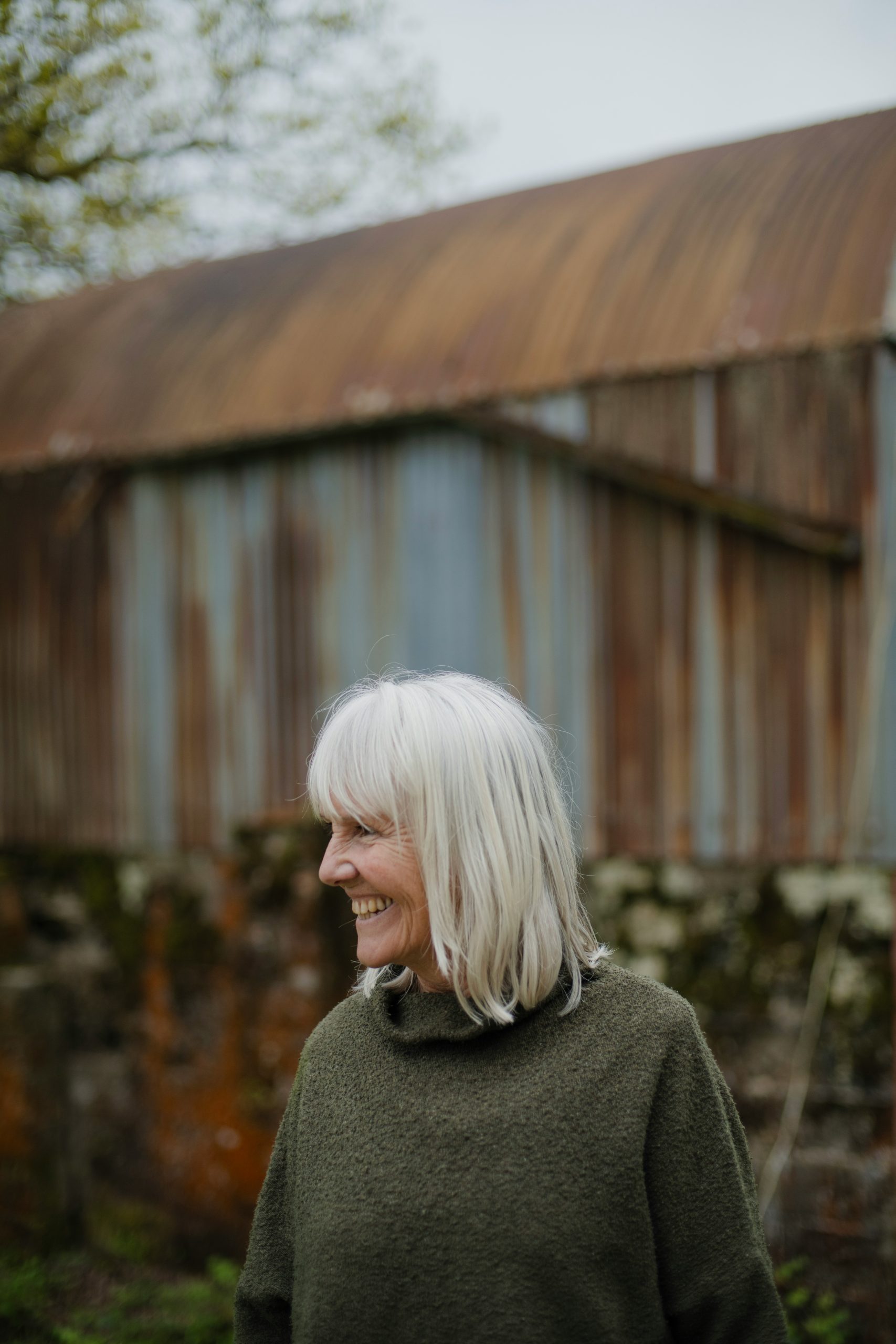

Soft, wispy bangs are one of the most flattering updates for women over 60, framing the eyes, softening the forehead, and adding a youthful lift without heavy upkeep.
Bangs work beautifully for women over 60 because the right fringe softens a lined forehead, draws attention to the eyes, and adds fullness at the front where fine hair often thins first. The key is choosing a soft, blended style, such as curtain, wispy, or side-swept bangs, rather than a heavy straight-across fringe that can look severe or expose thinning at the temples. These 25 ideas are sorted by bang type, length, and hair type, with practical notes on styling and what to ask for.
After the gallery you will find a guide to matching bangs to your hair type, salon-ready language, and honest upkeep expectations, because bangs need more frequent trims than the rest of a cut. If you want the full cut first, our guide to short shaggy haircuts for women over 60 pairs well with any of these fringe styles.
| Factor | Details |
|---|---|
| Best bangs | Curtain, wispy, and side-swept fringe |
| Why they flatter | Soften the forehead, frame the eyes, add front fullness |
| Maintenance | Fringe trim every 3 to 5 weeks; soft styles grow out easily |
| Avoid | Heavy straight-across bangs that expose thinning temples |
| Best with | Bobs, lobs, shags, pixies, and soft layers |
Curtain and Wispy Bangs
Curtain and wispy bangs are the most flattering and forgiving fringe styles for women over 60, since they part softly and blend into the length as they grow. Neither one demands daily precision to look good. This section covers the soft, low-commitment options.
1. Classic Curtain Bangs
Curtain bangs part in the middle and sweep gently to each side, framing the face without covering the eyes. The soft split opens up the forehead and flatters nearly every face, which is why it is the most popular fringe for this age group. Ask for them cheekbone-length so they blend into your layers.
2. Curtain Bangs for Round Faces
On a fuller or rounder face, curtain bangs that sweep longer at the sides add a lengthening vertical line down the center. The parted shape draws the eye up and in rather than out at the cheeks. Keeping the outer pieces past the cheekbone helps slim the face gently.
3. Wispy Bangs for Fine Hair
Fine or thinning hair looks best in wispy, feathered bangs that add softness at the front without the density a blunt fringe demands. The see-through, piecey texture frames the face while letting a little forehead show, so it never looks heavy. A light dusting of dry texture spray keeps wispy bangs from going flat.
4. Blow-Dried Curtain Fringe
A quick blow-dry sets curtain bangs into their soft, swept shape and adds the lift that fine hair needs at the front. Use a round brush to curve the fringe back and away from the face, then a shot of cool air to hold it. Five minutes of styling is all this fringe asks for.
5. Grow-Out-Friendly Curtain Bangs
Curtain bangs are the easiest fringe to grow out because the longer side pieces simply blend into face-framing layers with no awkward stage. You can stretch the time between trims and still look polished. It is the low-commitment choice for anyone unsure about committing to bangs.
6. Curtain Bangs on Silver Hair
Natural silver or gray hair looks fresh and modern with a soft curtain fringe, which frames the face and shows off the color. The bangs keep silver hair from looking severe and add a youthful touch. A purple-toning shampoo keeps the fringe and the length bright and free of yellow.
7. How to Ask for Soft Bangs
To avoid a heavy fringe, tell your stylist “soft, wispy curtain bangs that blend into my layers, nothing blunt or thick.” Naming the soft, blended finish steers the cut away from a solid line that can look dated. Add that you want them long enough to sweep aside on busy days.
Side-Swept and Soft Fringe
Side-swept bangs are among the most universally flattering fringes, adding a soft diagonal that frames the face and grows out gracefully. They suit women who want the softness of bangs with even less upkeep. This section covers the swept and angled options.
8. Curtain Versus Blunt Bangs
Where a blunt straight-across fringe covers the forehead in a solid, heavy line, curtain bangs part and sweep for a softer, more open frame. Blunt bangs can look severe and expose thinning at the temples, while curtain bangs flatter and forgive. For nearly every woman over 60, the softer version is the better choice.
9. Soft Side-Swept Bangs
Side-swept bangs angle across the forehead and blend into the length on one side, adding softness around the eyes and cheekbones. The diagonal line flatters almost every face shape and hides a higher or lined forehead. A little smoothing cream keeps the sweep sitting neatly to one side.
10. Side Bangs for Long Faces
A fuller side-swept fringe adds a horizontal break that helps balance a long or narrow face. Keeping the bangs a touch heavier and brow-skimming shortens the visual length of the face. Sweeping them across rather than parting them center adds the width a long face benefits from.
11. Side Bangs for Thinning Hair
Side-swept bangs are a smart choice for thinning hair because they cover a receding or sparse hairline at the temples while adding fullness at the front. The angled sweep draws the eye across rather than to any thin spots. Keep them soft and layered so they blend with fine hair rather than sitting apart.
12. Side-Swept Bangs Styling
Styling side bangs takes only a minute with a round brush or a flat iron to set the diagonal sweep. Direct them away from the face and finish with a light hairspray to hold the shape in humidity. The low effort is part of why this fringe suits a busy, low-fuss routine.
13. Low-Upkeep Side Bangs
Side-swept bangs need fewer trims than a straight fringe because they blend into the length as they grow, so an awkward stage never appears. A shape-up every five or six weeks keeps them tidy. It is the fringe to choose if frequent salon visits are hard to fit in.
14. Highlighted Face-Framing Bangs
Adding a few lighter, brighter pieces through the bangs and face-framing sections pulls light toward the center of the face and brightens the complexion. The color makes the fringe look fuller and adds dimension to gray or dark hair. Keep the brightest pieces around the front where they lift the face most.
Bangs by Length and Cut
Bangs pair differently with each length, from a chin bob to long layers, so the cut underneath matters as much as the fringe itself. This section shows the most flattering pairings for women over 60. Each length balances the fringe in its own way.
15. Bob with Curtain Bangs
A chin-length or jaw-length bob with soft curtain bangs is a classic, polished pairing that frames the face and adds fullness at the front. The bob keeps the shape neat while the bangs soften the forehead. Ask for the bangs and the bob to be cut to work together so the fringe blends into the sides.
16. Micro Bangs Versus Wispy Bangs
Unlike bold micro bangs that sit high on the forehead, wispy bangs are longer, softer, and far more forgiving for mature hair. Micro bangs make a fashion statement but expose the whole forehead, while wispy bangs frame and soften it. For most women over 60, the wispy version flatters more.
17. Lob with Side-Swept Fringe
A collarbone-length lob with a soft side-swept fringe adds movement and a youthful frame while keeping enough length to style several ways. The lob suits women who want length without the upkeep of very long hair. The fringe brightens the face against the longer shape.
18. Bangs for Square Faces
Soft, wispy curtain bangs and a bit of length around the jaw help round off the strong corners of a square face. Keeping the fringe airy rather than heavy softens the whole look. A center-parting curtain fringe works better here than a blunt straight line.
19. Bangs for Curly Gray Hair
Naturally curly gray hair suits a soft, longer fringe cut dry so the curls fall into a flattering frame without shrinking too short. The curl adds its own softness at the forehead. A light curl cream keeps the fringe defined and separated rather than frizzy.
20. Pixie with Wispy Bangs
A short pixie softened with a wispy, textured fringe adds a youthful, modern frame to a low-maintenance crop. The soft bangs keep a pixie from looking too severe on a mature face. A little styling paste defines the fringe and the crown in seconds.
21. Lob with Bangs Upkeep
A lob with a fringe holds its shape for six to eight weeks on the length, but the bangs themselves need a trim every three to five to stay out of the eyes. Booking a quick fringe trim between full cuts keeps the style neat. Many salons offer free bang trims between appointments, so ask.
Bold and Color Options
A few bolder and color-driven choices give bangs extra personality for women over 60 who want more than a soft frame. The theme stays flattering: soften the face and brighten the complexion. This section covers the standout options.
22. Warm Color with Soft Bangs
A warm brunette, honey, or soft copper color paired with a curtain fringe adds richness and the look of fullness for women who prefer color over gray. Warm tones reflect light and make fine hair look denser at the front. A gloss every few weeks keeps the color shiny rather than dull.
23. Asking for a Fringe Trim Between Cuts
To keep bangs looking their best, ask your salon about a standalone fringe trim between full appointments, which many offer at little or no cost. Naming it as a maintenance visit keeps the bangs from growing into the eyes. A quick trim every three to five weeks is all a soft fringe needs.
24. Bangs Versus No Bangs Over 60
Where a fringeless cut opens up the whole face and needs less trimming, bangs soften the forehead, frame the eyes, and hide fine lines at the front. Bangs add upkeep but bring a youthful, softening effect that many women love. Choose bangs if you want the softening frame and can keep up with the trims.
25. Long Layers with Curtain Bangs
For women over 60 who keep their hair long, soft layers paired with a curtain fringe frame the face and add movement without cutting the length. The bangs brighten the face against longer hair. Keep the layers face-framing so the fringe blends into them seamlessly.
How to Choose Bangs by Hair Type
The right fringe depends most on your hair type and how much thinning you are managing, since fine and curly hair ask for different bangs. The table matches each hair type to the fringe that flatters it and the styling it needs.
| Hair Type | Best Bangs | Styling Note |
|---|---|---|
| Fine or thinning | Wispy, see-through fringe | Dry texture spray for lift; avoid heavy blunt lines |
| Straight and medium | Curtain bangs | Round-brush the sweep; a shot of cool air to set |
| Wavy | Soft side-swept fringe | A little smoothing cream to control the sweep |
| Curly | Longer fringe cut dry | Curl cream to define; account for shrinkage |
What to Tell Your Stylist
Name the softness you want and mention any thinning, since a stylist who knows your hair is fine at the temples will cut the fringe to cover and flatter rather than expose. A reliable request: “Soft curtain or wispy bangs that blend into my layers, long enough to sweep aside, and nothing heavy or blunt.” Ask them to cut the bangs dry so they land where they will actually fall, and mention how much time you want to spend styling. Bring a photo, but be open to a length adjusted for your face and density.
Stylist tip: Ask for your bangs to be point-cut rather than cut straight across. Point cutting softens the edge into a wispy, textured finish that flatters mature hair far more than a blunt line, and it grows out without the harsh stage a straight fringe goes through.
If very fine hair is your main concern, our guide to hairstyles for women over 70 with fine hair and our collection of soft curtain bangs cover the gentlest ways to add a flattering fringe.
Maintenance and Styling
Bangs need more frequent attention than the rest of a cut, with a fringe trim every three to five weeks to stay out of the eyes, while the length holds for six to eight. Soft curtain and side-swept styles grow out gracefully, so a missed trim never looks awkward. Daily styling is quick, usually a round brush or a smoothing cream to set the sweep, plus a little dry texture spray to keep fine bangs lifted.
Stylist tip: Wash your bangs more often than the rest of your hair if they go flat or oily at the forehead. A quick rinse and a blow-dry of just the fringe revives the whole style without a full wash, which keeps fine bangs from separating or looking greasy by midday.
When Bangs Might Not Be the Right Choice
Bangs flatter most women over 60, but a few situations point toward a fringeless cut. Weigh these before booking.
- You cannot commit to frequent fringe trims: bangs grow into the eyes within weeks, so a face-framing layer suits a lower-upkeep routine better.
- Your hairline is very thin at the front: a sparse fringe can look wispy rather than full, so a side-swept style or soft layers may cover better.
- You have a cowlick at the fringe: a strong cowlick fights a straight fringe, so a side-swept shape that works with the growth is more forgiving.
- You wear your hair pulled back most days: bangs stay down at the front, so if you prefer everything off your face, a fringeless cut is simpler.
FAQ
What Bangs Are Most Flattering for Women Over 60?
Soft curtain, wispy, and side-swept bangs are the most flattering because they frame the face and soften the forehead without looking heavy. They also grow out gracefully and suit fine or thinning hair. Avoid heavy straight-across bangs, which can look severe and expose thinning at the temples.
Do Bangs Make You Look Younger Over 60?
Yes, soft bangs tend to look youthful because they frame the eyes, soften a lined forehead, and add fullness at the front where hair often thins. The effect is gentlest with wispy or curtain styles rather than a blunt fringe. Pairing them with a modern layered cut adds to the fresh effect.
Are Bangs Good for Thinning Hair?
Soft, wispy bangs can help thinning hair by adding the look of fullness at the front and covering a sparse hairline. Keep them see-through and layered rather than dense, so they blend with fine hair. A side-swept shape is especially good for covering thinning at the temples.
How Often Do Bangs Need Trimming?
Bangs need a trim every three to five weeks to stay out of the eyes, more often than the rest of a cut. Soft curtain and side-swept styles are the most forgiving between trims because they blend as they grow. Many salons offer a free fringe trim between full appointments, so ask.
What Bangs Work Best on Fine Hair Over 60?
Wispy, see-through bangs work best on fine hair because they add softness without demanding the density a blunt fringe needs. Point-cut edges keep them light and textured. A dusting of dry texture spray lifts fine bangs and stops them from going flat by midday.
Can You Have Bangs with Curly Gray Hair?
Yes, curly gray hair suits a soft, longer fringe cut dry so the curls fall into a flattering frame without shrinking too short. The natural curl adds softness at the forehead. A light curl cream keeps the fringe defined, and a longer length accounts for the shrinkage as curls dry.
The most flattering hairstyles for women over 60 with bangs all share a soft, blended fringe, whether curtain, wispy, or side-swept, matched to your hair type and paired with a cut you can easily maintain. Bring your stylist a photo, ask for point-cut bangs that blend into your layers, and schedule the quick fringe trims that keep the shape fresh. Chosen with those details in mind, bangs are one of the easiest and most youthful updates a woman over 60 can make.
Hair results vary based on your natural hair type, texture, density, and condition. Always consult with a licensed hairstylist before making significant changes, especially with dramatic length changes. Photos may show styled results that require professional tools and products to replicate.