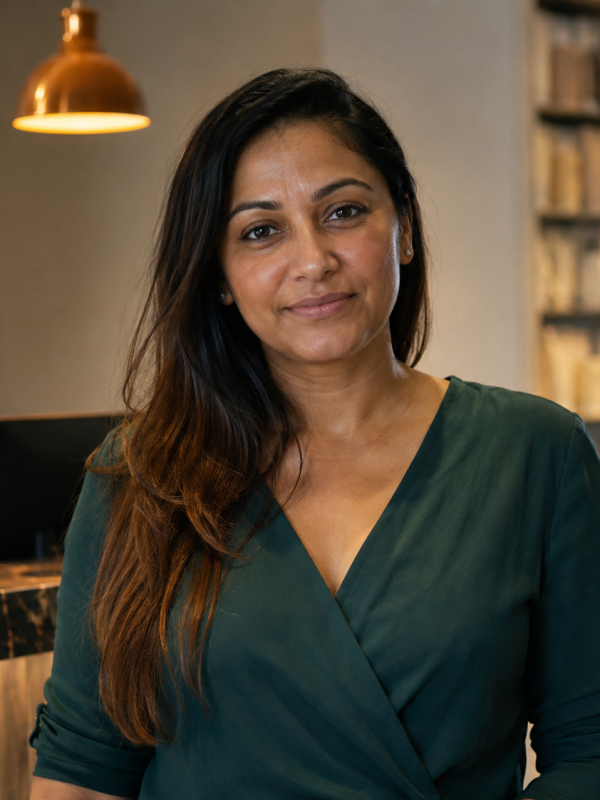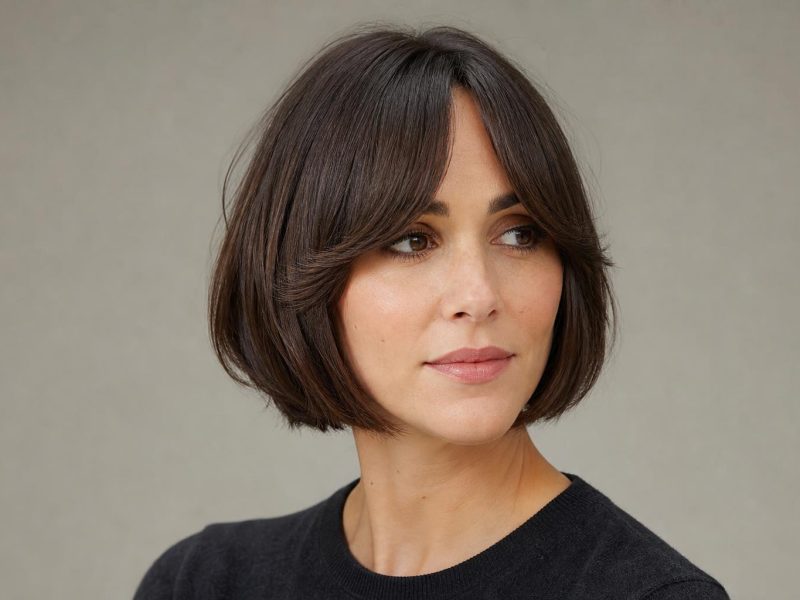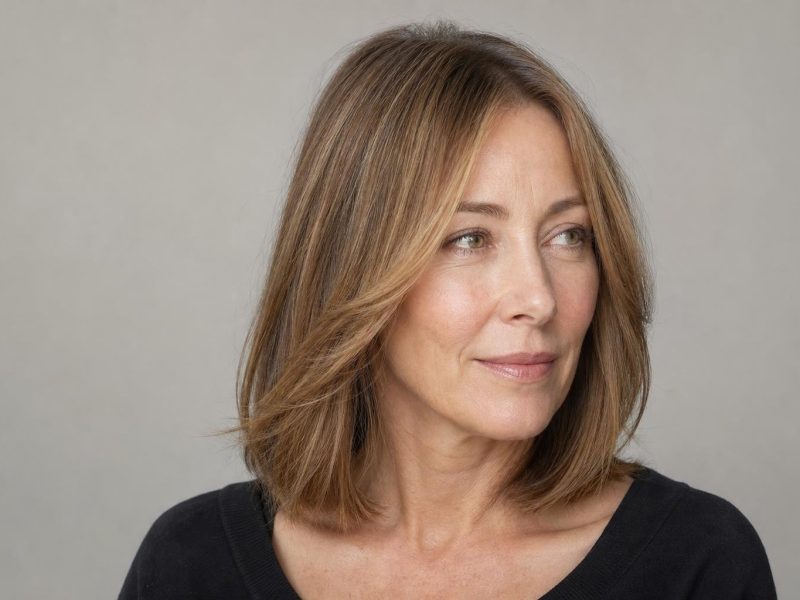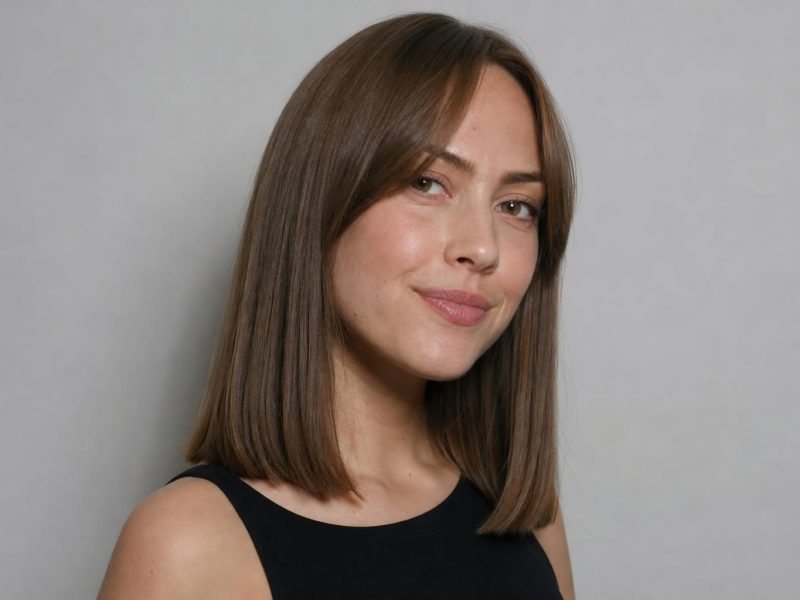

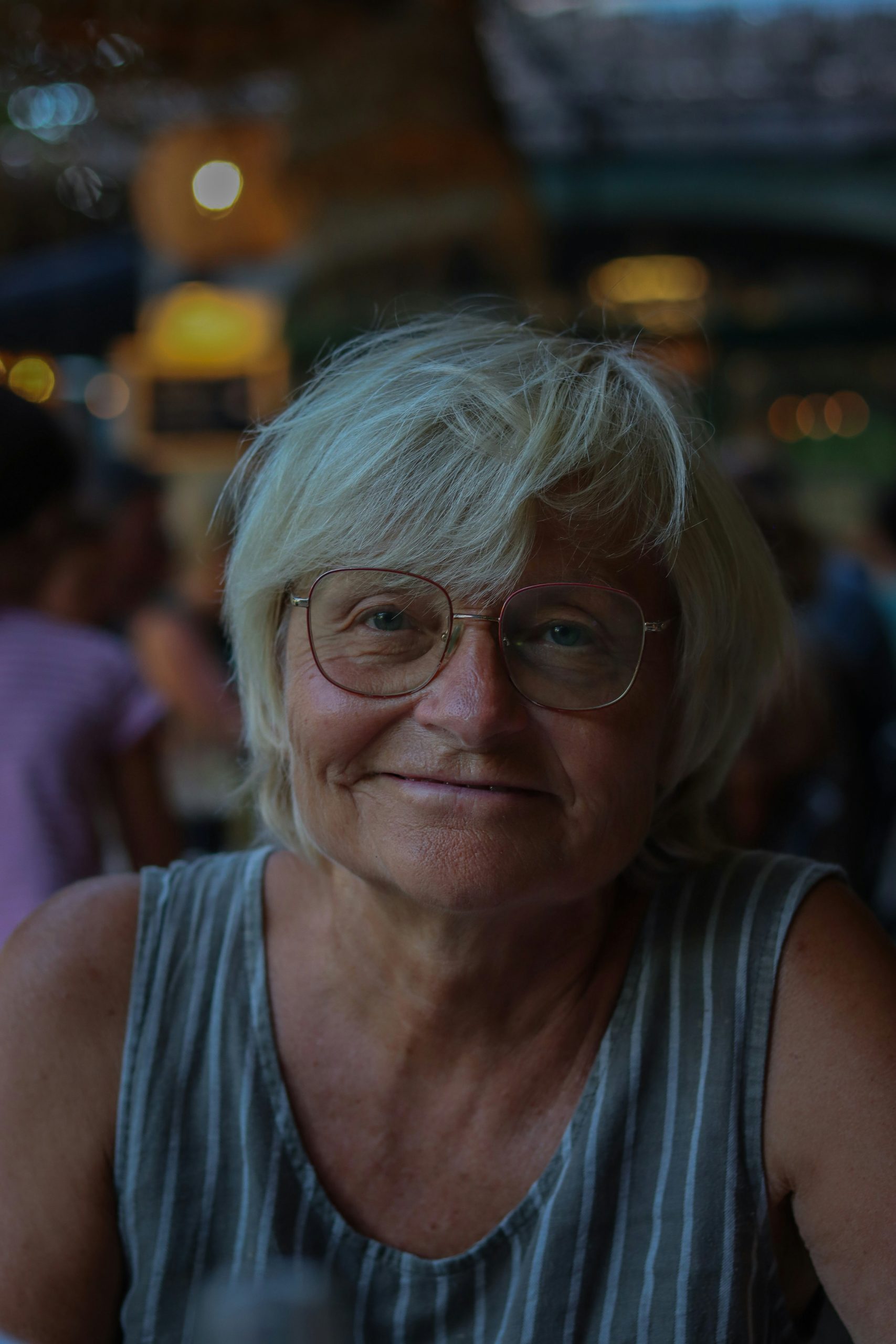

The best short shaggy haircuts for women over 60 use soft, choppy layers to add the volume and movement that fine, aging hair loses, while keeping styling to a quick wash-and-go.
Short shaggy haircuts work well for women over 60 because the layering does the heavy lifting that fine or thinning hair cannot do on its own, lifting flat roots, adding movement, and framing the face without needing daily heat styling. Hair naturally loses density and body with age, and a well-cut shag builds in the fullness and texture that make hair look healthy again. These 30 ideas are sorted by cut length, hair type, and color, with practical notes on volume, upkeep, and what to ask for at the salon.
After the gallery you will find a guide to matching the cut to your hair type, salon-ready language, and honest maintenance expectations, because a shag is low fuss but still needs the right trim and product to stay full. If you have very fine hair, our guide to hairstyles for women over 70 with fine hair covers even gentler volume tricks.
| Factor | Details |
|---|---|
| Best for | Fine, thinning, or flat hair that needs volume and movement |
| Key benefit | Layers lift the crown and add fullness without daily styling |
| Maintenance | Trim every 6 to 8 weeks; 5 to 10 minutes of styling |
| Color | Flatters natural silver, gray, and dyed shades equally |
| Avoid if | You want a sleek, one-length blunt shape with no texture |
Short Shag Bobs
A shag bob is the most popular length in this category because it keeps enough hair to feel substantial while the choppy layers add lift and movement. The bob length flatters most women over 60 and stays easy to wash and wear. This section covers the everyday bob-length versions.
1. Choppy Shag Bob
Choppy, uneven layers cut through a chin-to-jaw bob create instant texture and stop fine hair from lying flat. The broken-up ends catch the light and give the shape natural movement without any curling. Ask for the layers to start high at the crown so the volume lands where hair tends to thin first.
2. Shag Bob for Round Faces
Keeping the shag bob a little longer, just past the jaw, with layers that fall vertically helps lengthen a rounder face. The height at the crown and the length at the sides draw the eye up and down rather than across. A side part adds a further slimming diagonal line.
3. Feathered Shag Bob for Fine Hair
Fine hair gains the most from a feathered shag, where soft, wispy layers create the illusion of density the hair lacks. Keep the layering light rather than heavily thinned, since over-thinning fine hair leaves it sparse. A volumizing mousse worked into damp roots before air-drying builds body that lasts all day.
4. Tousled Wash-and-Go Shag Bob
Meant to be scrunched and left alone, this version air-dries into soft, tousled texture with almost no effort. Apply a leave-in and a little texture spray to damp hair, then scrunch and let it dry. It is the lowest-effort way to wear a full, lived-in shape.
5. Low-Maintenance Blunt-Ended Shag Bob
Pairing shaggy crown layers with a slightly blunter perimeter gives a shag bob that holds its shape longer between trims. The heavier ends keep fine hair from looking stringy as it grows. You can stretch this version to eight weeks without it losing its form.
6. Silver Shag Bob
Natural silver hair looks bright and modern in a shag bob, where the layers separate lighter and darker gray strands for extra dimension. A weekly purple-toning shampoo keeps the silver crisp rather than dull or yellow. The texture of the cut makes gray hair look styled and current rather than simply grown out.
7. The Volume-at-the-Crown Bob Request
To make sure the fullness lands where you need it, tell your stylist “a shag bob with the shortest layers at the crown for lift, and keep some weight on the perimeter.” Naming the crown as the priority zone stops a stylist from layering evenly, which can leave the top flat. Mention your hair feels finest on top so they cut accordingly.
8. Shag Bob Versus a Classic Bob
Unlike a classic one-length bob, a shag bob is layered throughout for movement and built-in volume rather than a smooth, solid line. The classic bob looks polished but can fall flat on fine hair, while the shag stays full with less effort. Choose the shag if volume matters more to you than a sleek finish.
Pixie Shags
A pixie shag is the shortest option here, ideal for women who want the least possible upkeep and the coolest, easiest style. The layered, textured crop keeps volume on top while staying close and neat elsewhere. This section covers the very short versions.
9. Textured Pixie Shag
Soft, choppy layers worked through a pixie give the crop volume and separation that a plain pixie lacks. The texture keeps fine hair from looking flat against the head. A little wax or paste pinched through the ends defines the pieces in seconds.
10. Pixie Shag for Long Faces
Keeping the layers softer and the fringe a bit fuller stops a pixie shag from lengthening a long or narrow face. Width at the sides and a wispy fringe add the horizontal balance the shape needs. Avoid piling too much height on top if your face is already long.
11. Pixie Shag for Thin Hair
Thin hair often looks fullest when it is short, and a pixie shag concentrates what density there is into a textured, lifted crown. The layers create movement that makes sparse hair look thicker. A root-lifting spray or volumizing powder at the scalp gives an extra boost.
12. Piecey Spiky Pixie Shag
Styling the layers up and out gives a fun, spiky pixie shag with real personality for women who like a bolder look. Work a matte clay through dry hair and push the pieces where you want them. The choppy cut is what lets the spikes separate cleanly.
13. Grow-Out-Friendly Pixie Shag
Cut with softer, blended layers, this pixie shag grows out gracefully into a longer crop rather than an awkward shape. It suits women who want short hair but visit the salon less often. The blended layers mean grow-out looks deliberate for weeks.
14. Salt-and-Pepper Pixie Shag
A pixie shag shows off natural salt-and-pepper color beautifully, since the texture breaks up the mix of white and darker strands into soft dimension. Embracing the natural blend is far lower maintenance than covering it. A gentle sulfate-free shampoo keeps the tones clean and bright.
15. Asking for a Soft Pixie Shag
If a spiky crop feels too bold, tell your stylist “a soft pixie shag with wispy, rounded layers, nothing spiky.” The word soft steers the cut toward a gentler, more feminine finish. Add that you want it easy to finger-style with no gel for the lowest upkeep.
Short Shags by Hair Type
Hair type changes how a shag behaves, so the cut should be tailored to your texture rather than copied from a photo. Thick, wavy, curly, and coarse hair each need a slightly different approach. This section matches the shag to your specific hair.
16. Shag Versus a Layered Bob for Thick Hair
Where a layered bob removes weight evenly, a shag on thick hair adds visible choppy texture that keeps the density from looking heavy or helmet-like. The shag looks more relaxed and modern on thick hair. If your hair is thick and you want movement rather than just weight removal, the shag wins, and our layered cuts for thinner hair guide covers the opposite texture.
17. Razored Shag for Thick Hair
Thick, heavy hair benefits from a razored shag that slices weight from the interior while leaving the shape full. The razoring removes bulk so the cut moves instead of sitting like a block. Keep the razoring to healthy hair only, since fragile ends can frizz.
18. Shag for Square Jaws
Soft, face-framing layers around the jaw take the edge off a strong or square jawline while the crown stays full. Letting a few wispy pieces fall at the cheekbones rounds the overall shape. Avoid a blunt, jaw-length line here, which can emphasize the jaw.
19. Wavy Shag for Natural Texture
Natural waves and a shag are a perfect match, since the layers let the wave pattern separate into effortless, piecey movement. Scrunch a curl cream into damp hair and let it air-dry for a defined, no-heat finish. Wavy hair gets a full, textured shape with almost no work.
20. Curly Shag Wash-and-Go
On loose curls, a shag cut dry lets each curl fall into a rounded, bouncy shape without the triangle that one-length curly hair forms. A gel over a leave-in on wet hair sets a defined wash-and-go. Cutting curls dry is the key to getting the length right.
21. Coarse-Hair Shag Upkeep
Coarse hair holds a shag well but needs moisture to keep the ends soft and the texture from turning frizzy. A weekly hydrating mask and a smoothing serum on the ends keep coarse, shaggy hair looking healthy. A trim every six weeks keeps the shape defined as coarse hair grows quickly.
22. Warm Brunette Shag
A warm brunette or soft chestnut color adds richness and the look of density to a shag, which flatters women who prefer color over gray. Warm tones reflect more light than flat, dark shades, making fine hair look fuller. A gloss every few weeks keeps the brunette shiny rather than dull.
23. Face-Framing Layer Request
For the most flattering finish, ask for “face-framing layers starting at the cheekbone to soften and lift the face.” These front pieces do the most to frame and flatter, especially as the face changes with age. Mention where you want them to start so they land at your best angle.
Shags with Bangs, Fringe, and Color
Bangs and color choices give a short shag extra flattering power and let you tailor the look to your features. The right fringe softens the face, while the right color adds the illusion of fullness. This section covers the finishing details.
24. Shag with Bangs Versus Without
A shag with soft bangs frames the eyes and softens a lined forehead, while a shag without bangs opens up the face and needs less trimming. Bangs add a youthful, framed effect but need a trim every few weeks, and a fringeless shag is lower upkeep. Choose based on how much maintenance you want.
25. Curtain-Fringe Shag
A soft curtain fringe parted in the middle frames the face on either side and grows out without an awkward stage. The curtain shape flatters nearly everyone and softens the whole look. Blow-dry the fringe back with a round brush for a soft, swept finish.
26. Shag for Heart-Shaped Faces
Keeping fullness and length toward the jaw balances the wider forehead of a heart-shaped face, while a wispy fringe softens the top. Letting the layers build volume lower down draws the eye away from the forehead. A side-swept fringe works better here than a heavy blunt one.
27. Shag for Fine Straight Hair
Fine straight hair looks fullest in a shorter shag where the layers create lift the hair cannot hold on its own at length. Keep the cut above the shoulders so the weight does not drag the roots flat. A root-lifting spray and a quick rough blow-dry build lasting volume.
28. Modern Shag with Side-Swept Fringe
A side-swept fringe gives a modern, softening frame that flatters most face shapes and hides a higher forehead. Sweep it to one side with a little cream and let the layers blend into the length. It is an easy, low-commitment way to update a short shag.
29. Between-Trim Shag Refresh
Keeping a shag looking full between salon visits comes down to a quick refresh with dry texture spray at the roots and a scrunch. The spray revives volume and separation on second- or third-day hair. A trim every six to eight weeks keeps the layers from growing heavy and flat.
30. Blonde Shag for Softened Contrast
A soft blonde or highlighted shag lightens the contrast against fair, aging skin and blends grays gracefully as they come in. Lighter color around the face brightens the complexion and looks low maintenance as roots grow. A hydrating routine keeps lightened fine hair from feeling dry.
How to Choose a Short Shag for Your Hair Type
The right short shag depends most on your hair type and how much volume you need, since fine and thick hair ask for opposite approaches. The table pairs each hair type with the shag version and length that works hardest for it.
| Hair Type | Best Shag | Ideal Length | Avoid |
|---|---|---|---|
| Fine or thin | Feathered shag with light layers | Pixie to chin-length bob | Heavy thinning that removes density |
| Thick or coarse | Razored shag to reduce bulk | Jaw-length bob shag | Blunt, one-length shapes |
| Wavy | Air-dried wavy shag | Chin to collarbone | Over-layering that causes frizz |
| Curly | Dry-cut curly shag | Short to chin-length | Wet cuts that shrink too short |
What to Tell Your Stylist
Name your priority, which for most women over 60 is volume, and describe the finish you can realistically keep up at home. A reliable approach: “A short shag with the most volume at the crown, soft face-framing layers, and nothing that needs a round brush every day.” Mention your hair type and whether it feels finest on top, and say if you are embracing gray so the stylist cuts to show it off. Bring a photo, but be open to a length adjusted to your own density.
Stylist tip: Ask for the crown layers to be cut a little shorter than the rest. Shorter crown layers stand up and create root lift, which is exactly where hair over 60 tends to fall flat, and it is the single biggest difference between a shag that looks full and one that looks limp.
If a wash-and-go shape is the goal, comparing easy cuts helps. Our wash-and-wear haircuts for women over 60 and longer shag options show where else the low-effort, layered approach goes.
Maintenance and Styling
A short shag needs a trim every six to eight weeks to keep the layers from growing heavy and losing their lift, which matters more on fine hair that flattens quickly. Daily styling is minimal, usually a scrunch of texture spray or a quick rough blow-dry with fingers lifting at the roots. Because aging hair tends to run dry, a weekly conditioning treatment keeps the shaggy ends soft rather than wispy.
Stylist tip: Rough-dry your roots upside down for the last minute of drying. Flipping your head and drying the roots in the opposite direction of how they grow builds lasting lift at the crown, which gives fine hair far more volume than drying it flat ever will.
When a Short Shag Might Not Be the Right Choice
A shag flatters most women over 60, but a few preferences point toward a different cut. Weigh these before booking.
- You want a sleek, polished, one-length look: a shag is textured and lived-in by design, so a blunt bob suits a smooth finish better.
- You cannot commit to trims every six to eight weeks: shaggy layers grow heavy and flat without upkeep, so a simpler blunt cut holds its shape longer.
- Your hair is extremely thin or sparse: very sparse hair can look wispy in a heavily layered shag, so a fuller blunt or one-length short cut may look denser.
- You always wear your hair pulled back: a short shag has short crown pieces that will not reach a ponytail, so keep more length if tying it back matters.
FAQ
Are Short Shaggy Haircuts Good for Fine Hair Over 60?
Yes, a short shag is one of the best choices for fine hair over 60 because the layers create volume and movement the hair cannot hold on its own. Keep the layering light rather than heavily thinned, since fine hair needs to preserve its density. A volumizing mousse and a root-lifting blow-dry make the fullness last.
How Often Does a Short Shag Need Trimming?
Every six to eight weeks keeps the layers light and lifted, since a shag loses its volume as the layers grow heavy. Pixie-length shags may need a trim closer to every four to six weeks to hold their shape. Regular trims matter more on fine hair, which flattens faster as it grows.
Does a Shag Work on Gray or Silver Hair?
Yes, a shag flatters gray and silver hair especially well because the choppy layers separate the mix of tones into soft dimension. Natural silver looks modern and deliberate in a textured cut rather than simply grown out. A purple-toning shampoo used weekly keeps the gray bright and free of yellow.
What Is the Easiest Short Shag to Style?
A tousled wash-and-go shag bob or a soft pixie shag is the easiest, needing only a scrunch of product and air-drying. The layered cut does the shaping, so you skip the round brush and daily heat. A quick texture spray revives the volume on second-day hair.
Can I Get a Shag if My Hair Is Thick?
Yes, a razored or heavily textured shag suits thick hair by removing bulk while keeping movement, so the density looks relaxed rather than heavy. Ask the stylist to thin from the interior and keep the outer shape full. Thick hair holds a shag well and needs a trim about every six weeks.
Will a Short Shag Make Me Look Older or Younger?
A soft, layered short shag tends to look youthful because the volume and movement counter the flatness that ages a hairstyle. Face-framing layers and a soft fringe are the most flattering, softening the face gently. Avoid overly severe or spiky versions if your goal is a softer, fresher effect.
The best short shaggy haircuts for women over 60 come down to matching soft, volume-building layers to your hair type and keeping the crown full where fine hair falls flat. Bring your stylist a photo, ask for the shortest layers at the crown and soft face-framing pieces, and choose a length that fits how much styling you enjoy. A short shag cut with those details in mind keeps hair full, modern, and genuinely easy to wear every day.
Hair results vary based on your natural hair type, texture, density, and condition. Always consult with a licensed hairstylist before making significant changes, especially with chemical treatments or dramatic length changes. Photos may show styled results that require professional tools and products to replicate.