
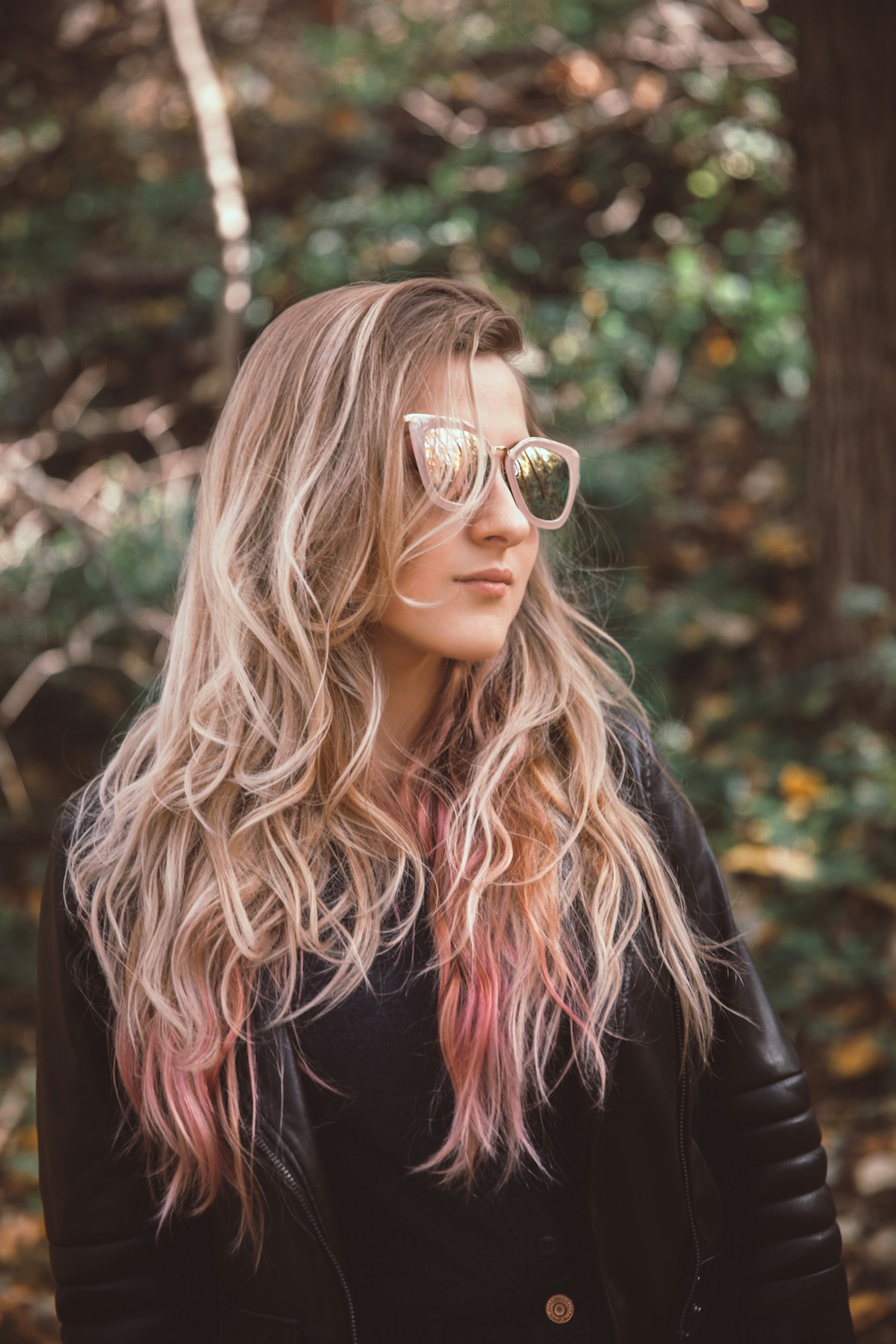
A long wolf cut keeps your length past the collarbone while stacking shorter layers through the crown, so you get the shaggy volume up top and the swing of long hair below, without the choppy mullet shape a shorter version creates.
The long version solves the biggest worry people have about the wolf cut: that it will look too extreme or grow out awkwardly. By keeping the bottom length intact and concentrating the layering above the ears, the cut reads soft and wearable, and it loosens into a gentle shag as it grows rather than going through a mullet stage. If you want a softer, more uniform take on the same idea, the Korean wolf cut blends its layers more gradually.
Below are 25 long wolf cut styles for women, grouped by length, texture, fringe, and finish. Use the quick reference table to match a version to your hair type and how much daily styling you want, then read the notes in each section before you book.
| Length | Layer Intensity | Best Texture | Daily Styling |
|---|---|---|---|
| Collarbone | Soft | Fine to medium | Low |
| Mid-back | Medium | Wavy | Medium |
| Waist | Heavy | Thick or curly | Medium to high |
Long Wolf Cuts by Length
Where you keep the bottom length sets the whole mood of the cut. A collarbone wolf reads playful and easy, while a waist-length version turns it into a dramatic, rock-leaning shape. Pick your length first, then layer to suit your density.
1. Collarbone Wolf With Soft Crown
Length stops right at the collarbone while the crown carries the shortest layers for lift. This is the most beginner-friendly long wolf, since the layering stays subtle and the shape grows out without fuss. Fine hair benefits most here, because the shorter top builds volume the lengths cannot.
2. Mid-Back Shaggy Wolf
Keeping length to the mid-back gives the layers room to cascade and creates that lived-in shag movement. The contrast between the airy top and the heavier ends reads as effortless rather than styled. Wavy hair shows off this version best.
3. Waist-Length Rock Wolf
Length running to the waist turns the wolf into a statement, with heavy layering up top and long, swinging ends below. The shape needs density to carry it, so thick hair holds the silhouette without thinning out at the bottom. Expect a bit more drying time in exchange for the drama.
4. Hip-Skimming Layered Wolf
For very long hair, the wolf cut adds shape that plain long layers cannot, breaking up the weight with shorter pieces at the face and crown. The length stays mostly intact, so you keep your growth while gaining movement. This suits anyone reluctant to lose inches but tired of one-length hair.
5. Long Wolf With Invisible Layers
Here the layering is cut to blend almost seamlessly, so the shape reads as textured long hair rather than an obvious wolf. It is the subtlest version on this list and the easiest to wear in formal settings. A stylist achieves it by point-cutting rather than blunt-layering the top sections.
Long Wolf Cuts by Texture
Your natural texture decides how the layers move and how much styling the cut needs. Straight hair shows every layer line, wavy hair softens them, and curly hair turns them into volume. Match the layering intensity to what your texture does on its own.
6. Sleek Straight Wolf
On straight hair the layers fall in clean, defined steps that show off the precision of the cut. A little smoothing serum keeps the ends from looking wispy. Because straight hair reveals every line, ask for softer, point-cut layers if you want less obvious separation.
7. Beachy Wavy Wolf
Natural waves slot right into the wolf cut, bending the layers into loose, tousled movement. A salt spray scrunched into damp hair brings out the texture with minimal effort. This is one of the lowest-maintenance versions for anyone with a natural bend to their hair.
8. Defined Curly Wolf
Curly hair turns the wolf cut into stacked volume, with each layer adding bounce through the crown. A dry cut helps the stylist see where each curl falls before they remove length. Pair it with a curl cream and a diffuser to keep the shape defined rather than frizzy.
9. Coily Wolf With Volume
Tighter coils carry the wolf shape beautifully, since the layering lets the crown expand while the lengths stay weighted. Leave-in conditioner and a wash-and-go routine keep it soft. Going long here means the shrinkage works in your favor, packing volume into the top of the cut.
10. Thick Hair Wolf With Removed Weight
Dense hair often feels heavy and triangular, and the wolf cut fixes that by carving internal layers that release the bulk. The result moves instead of sitting like a block. For more ideas on lightening dense hair, the layered haircuts for thick hair guide covers the same weight-removal logic.
Long Wolf Cuts With Bangs and Fringe
Fringe is what pushes the long wolf from layered-long into true shag territory. The right bangs frame the face and tie the airy top layers to the front. Choose the fringe weight that matches how much upkeep you want.
11. Curtain Bangs Wolf
Center-parted curtain bangs blend straight into the face-framing layers, making them the most natural fringe for a long wolf. They grow out gracefully and need little daily shaping. This pairing reads soft and flattering on nearly every face shape, and you can see more combinations in the long layers with curtain bangs gallery.
12. Wispy Bottleneck Fringe
A bottleneck fringe sits narrow at the center and widens at the sides, creating a soft frame that flatters round faces. The wispy ends keep it from looking heavy against the long layers. It is a modern, low-commitment way to add fringe.
13. Full Blunt Bangs Wolf
Heavier straight-across bangs add a bold, retro edge to the long wolf and balance a longer face. This fringe needs regular trims to stay clean, so factor in the upkeep. The contrast between blunt bangs and shaggy lengths is part of the appeal.
14. Side-Swept Long Fringe
A long side-swept fringe sweeps across the forehead and melts into the layers, which suits anyone growing out shorter bangs. It softens a square jaw and keeps the look asymmetric and easy. Tuck it back on no-styling days without it looking out of place.
15. Micro Bangs With Long Layers
Very short micro bangs against long shaggy layers make a high-fashion, unexpected statement. This is the boldest fringe choice here and works best on oval faces with confidence to carry it. Keep the rest of the styling minimal so the bangs stay the focus.
Long Wolf Cuts by Face Shape
The same long wolf flatters different faces depending on where the layers and fringe land. Placing volume and face-framing pieces to balance your proportions does more than any single length choice. Use these as starting points to discuss with your stylist.
16. Round Face With High Layers
Lifting the shortest layers higher on the crown adds vertical height that lengthens a round face. Keep the face-framing pieces long and angled to draw the eye down. The combination slims and elongates without losing the shaggy character.
17. Square Face With Soft Frame
Soft, curved face-framing layers offset a strong jaw and angular hairline. Avoid blunt fringe here and let wispy pieces fall around the cheekbones instead. The softness balances the bone structure while keeping the cut current.
18. Long Face With Added Width
Layers that build outward at the cheekbones add width that balances a long face, and a fuller fringe shortens the forehead. Keep the crown layers from going too high, since extra height stretches the face further. Width is the goal, not lift.
19. Heart Face With Mid-Length Layers
Starting the layers around the jaw adds fullness lower down to balance a wider forehead and narrow chin. Curtain bangs soften the hairline without adding width up top. This placement keeps the proportions even.
20. Oval Face With Free Layering
Oval faces carry almost any layer placement, so this is the version to wear with the most freedom. Let the stylist layer for movement rather than correction and choose whatever fringe you like. The shape leads, and the cut follows your preference.
Long Wolf Cuts by Color and Finish
Color brings out the dimension that layering builds, catching light at the different lengths. Keep the finish in line with how much maintenance you want, since some looks ask for regular salon visits. One well-placed color choice lifts the whole cut.
21. Money-Piece Wolf
Lightening the front face-framing layers a few shades draws attention to the cut’s movement around the face. The brightness frames the eyes and needs only occasional root touch-ups. It is the easiest color accent to maintain on a long wolf.
22. Lived-In Balayage Wolf
Soft balayage painted through the lengths plays up the layered ends as they swing and separate. The grown-out root means fewer salon trips, which suits a low-maintenance routine. The color reads sun-kissed rather than striped.
23. Bold Underlayer Peekaboo
A vivid color hidden under the top layers flashes through when the hair moves, a playful match for the wolf’s shaggy texture. You control how much shows by how you part and style it. This is the most expressive finish on the list.
24. Glossy Single-Tone Wolf
A rich, all-over color with a high-shine gloss keeps the focus on the cut’s shape rather than on dimension. The finish reads polished and works for anyone who wants the wolf to look refined. A gloss treatment every few weeks keeps it reflective.
25. Smoky Root Melt Wolf
A darker root melting into lighter ends adds depth that follows the layers down the cut. The gradual blend grows out softly and hides regrowth, making it a forgiving choice. It pairs especially well with a mid-back or waist length where the melt has room to travel. For more shag-adjacent shapes, the modern shag haircuts gallery is a natural next stop.
What to Tell Your Stylist
A long wolf goes wrong when the layers get cut too short or too high, turning the soft shag into a mullet. Clear language about length and layer placement keeps the cut on the wearable side.
Start by stating the bottom length you want to keep, in inches or by pointing to a body landmark like the collarbone or mid-back. Then say you want the shortest layers to stay at or below the cheekbone, not at the crown, if you want to avoid heavy top volume. Ask for point-cut or soft layers rather than blunt steps if your hair shows lines easily.
Stylist tip: Bring a photo of the back, not just the front. The wolf cut is defined by its layered crown and lengths, and a front-only reference leaves the most important part open to interpretation.
For fringe, name the type directly, whether curtain, bottleneck, or blunt, and say how far down your face it should reach. If you are growing out a previous cut, tell your stylist so they can blend rather than remove length.
Stylist tip: Ask whether your hair should be cut wet or dry. Curly and very textured hair is often better cut dry so the stylist can see where each layer lands once it springs up.
When a Long Wolf Cut Is Not the Right Choice
The long wolf depends on enough density to fill out the layered crown. If your hair is very fine and sparse, the shorter top layers can look thin and stringy rather than full, and a long layered cut without the heavy wolf shaping usually flatters more.
It also asks for some daily styling to keep the texture looking intentional rather than messy. If you air-dry and go with zero product, the layers can fall flat and read unkempt. People who want a true wash-and-wear style with no shaping are often happier with soft long layers. And if you are trying to grow out length quickly, remember the wolf removes some crown length to build its shape, so it can slow that goal.
Frequently Asked Questions
What makes a wolf cut long instead of short?
A long wolf keeps the bottom length past the collarbone, often to the mid-back or waist, while concentrating the shorter layers in the crown and around the face. A short wolf cuts the overall length much closer, which creates the choppier, mullet-leaning shape. The long version keeps the swing of long hair with the volume of a shag.
Will a long wolf cut grow out into a mullet?
No, when the layers are placed correctly, a long wolf grows into a soft shag rather than a mullet. The key is keeping the shortest layers at or below the cheekbone instead of high on the crown. Ask your stylist to avoid heavy disconnection if you want the easiest grow-out.
Is a long wolf cut good for fine hair?
It can work with soft layering that keeps weight at the ends. Avoid heavy or high crown layers, since fine hair can look thin and stringy when over-layered. A collarbone length with subtle layers gives fine hair the most fullness.
How much length do I lose with a long wolf cut?
You keep most of your bottom length, since the layering happens above it. The crown and face-framing pieces lose a few inches to build the shape, but the overall length stays close to where you started. Tell your stylist your exact length goal so they layer conservatively.
How often does a long wolf cut need trimming?
Plan on a trim every eight to twelve weeks to keep the layers from blurring together. The cut grows out softly, so you can stretch appointments longer than with a short wolf. Fringe, if you have it, needs more frequent shaping.
Can I style a long wolf cut without heat?
Yes, especially on wavy or curly hair, where a salt spray or curl cream brings out the layers as the hair air-dries. Straight hair may need a little texturizing product to keep the layers from falling flat. The cut is designed to look lived-in, so perfect styling is not the goal.
A long wolf cut for women gives you the volume and movement of a shag while keeping the length you have worked to grow, and the styles here span everything from a subtle collarbone version to a dramatic waist-length one. Match the length and layering to your texture and your styling habits, bring a back-view photo to your appointment, and the cut will grow out as softly as it wears. For related layered shapes, the shaggy mullet and curly mullet galleries share the same textured spirit.
This article is for inspiration and general guidance only. Results vary based on individual hair type, density, and growth pattern. Consult a professional stylist before making significant changes to your cut or color.