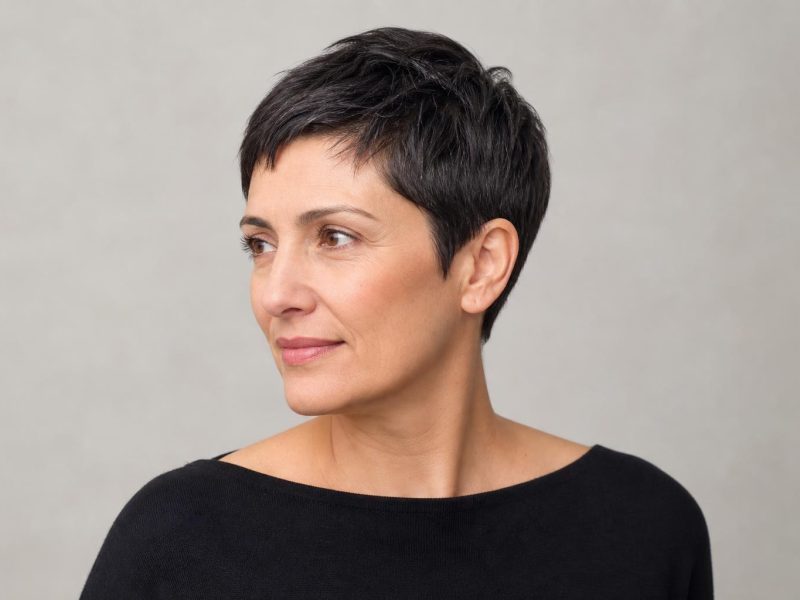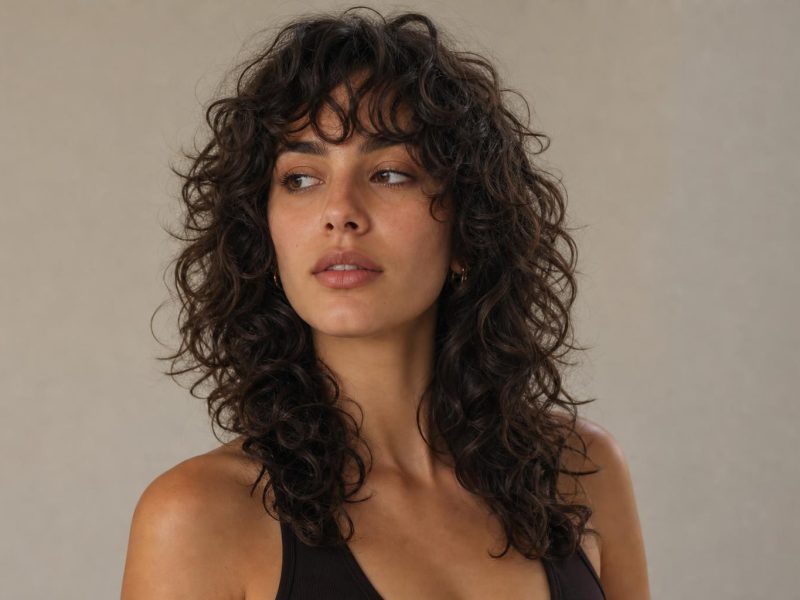

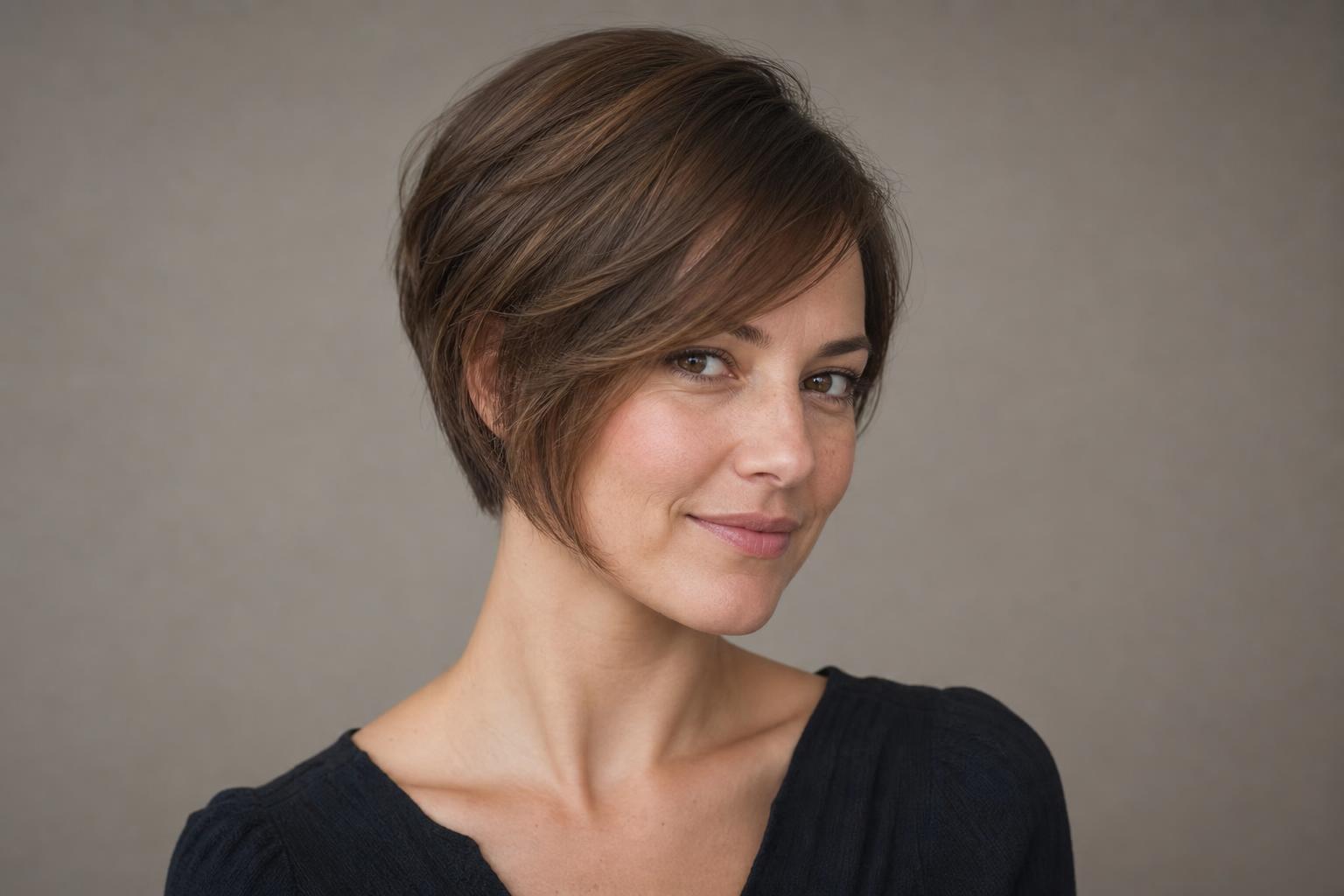
A pixie bob is the longer, softer cut and a bixie is the shorter, choppier one, and that single difference in length and texture is what separates them.
The quickest way to tell a pixie bob from a bixie is length: a pixie bob keeps enough weight at the sides and front to graze the jaw or chin, while a bixie stops higher, closer to the ear, with choppier layers and a more cropped, undone finish. Both blend a pixie’s short crown with a bob’s added length, so they get mixed up constantly, but they suit different hair types, face shapes, and styling habits. This guide breaks down what each cut actually is, how they differ point by point, which one fits your hair and lifestyle, and the exact words to bring to your stylist so you walk out with the one you meant to ask for.
What a Pixie Bob Is
A pixie bob keeps a pixie’s cropped nape and short back but leaves the sides and front long enough to reach the jaw or chin, giving a softer, rounder outline than a true pixie. The extra length at the front frames the face and offers more coverage, which is why it feels more classic and polished than an edgier crop. Most pixie bobs fall between ear and jaw length, with graduated layers that keep weight through the perimeter rather than removing it.
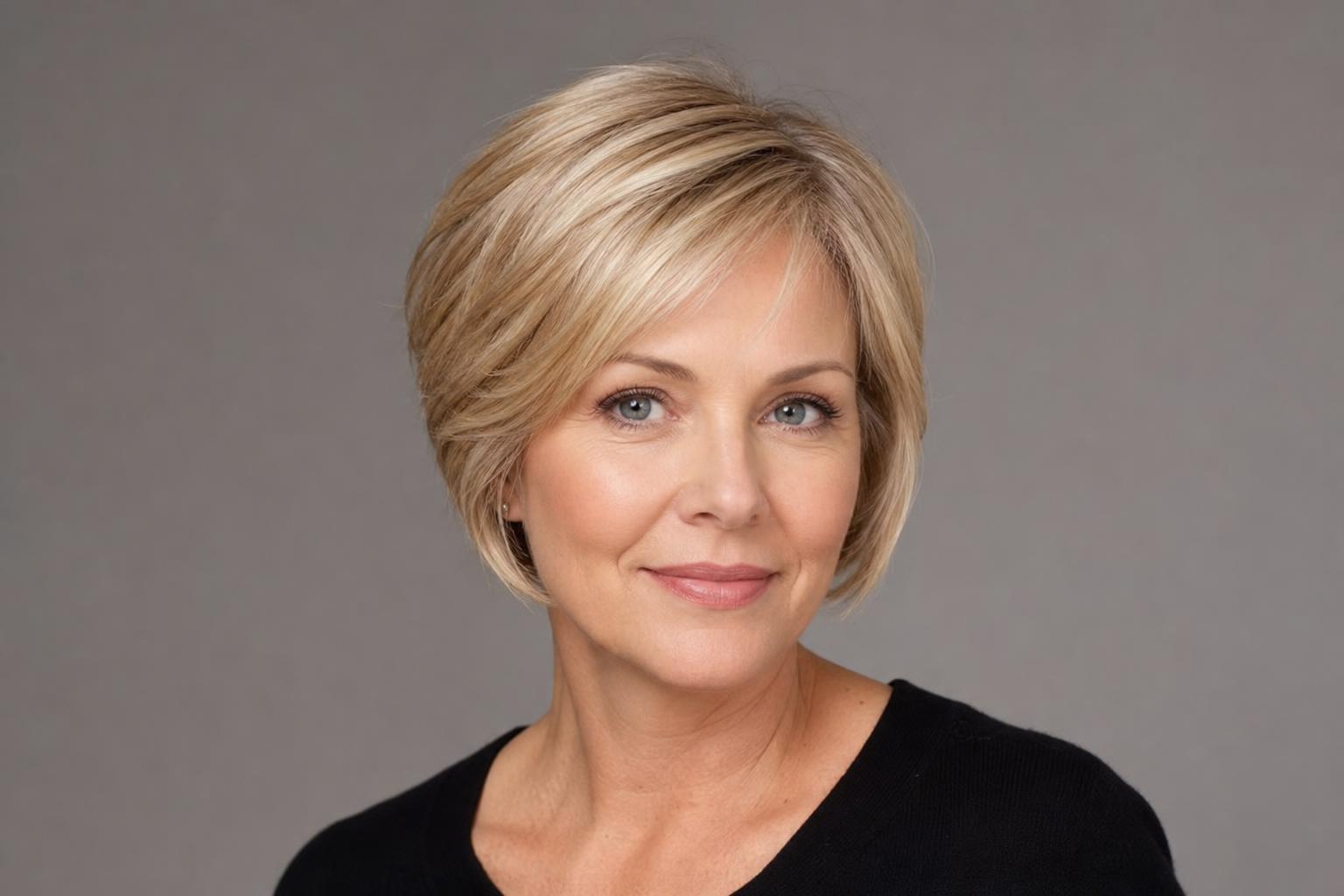
Because it holds more weight, a pixie bob works well on fine hair that needs the illusion of fullness and on anyone growing out a pixie who wants a shape that still looks finished. It is the more forgiving of the two through the grow-out phase, since the longer front blends into a bob as it grows. For the closest short cousin with more edge, compare it to the shapes in our feminine pixie with undercut styles.
What a Bixie Is
A bixie blends a bob and a pixie into a shorter, choppier cut that stops higher on the head, usually around the ear, with heavily layered, piecey texture. Where a pixie bob stays smooth and rounded, a bixie leans into separation and movement, so it looks deliberately undone. The crown stays pixie-short while the perimeter is left just long enough to layer and texturize, giving that lived-in French-girl finish.
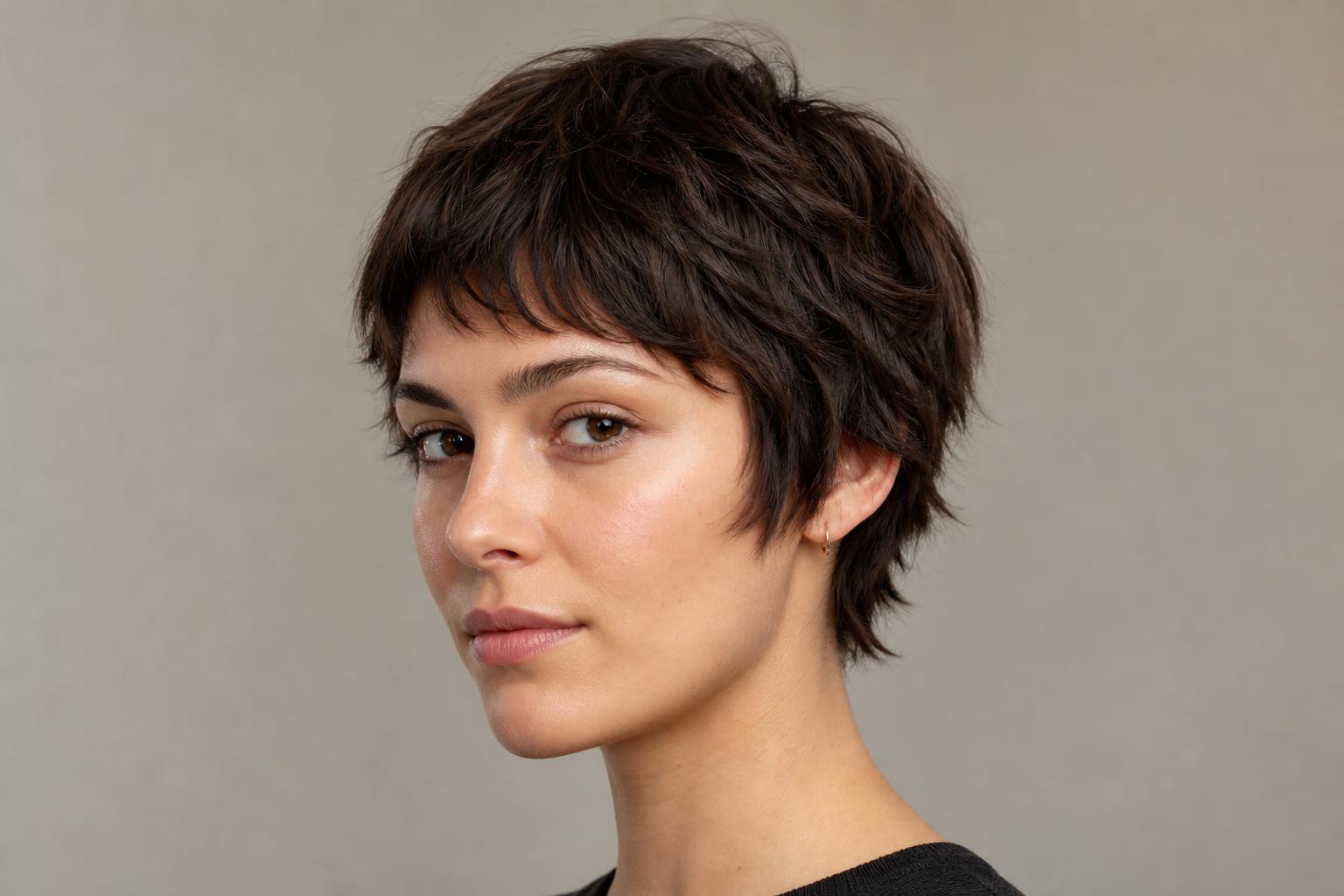
The bixie suits thick or wavy hair that has enough body to hold all that texture, and it rewards anyone who likes an edgier, low-polish look. It needs a texturizing product daily to keep the pieces defined rather than flat, so it is less wash-and-go than it appears. The choppy cutting has a lot in common with our choppy razor-cut pixie, just left a touch longer through the sides.
The Real Difference Between a Pixie Bob and a Bixie
The two cuts sit on a spectrum, with the bixie shorter and choppier and the pixie bob longer and smoother. Length, texture, and overall vibe are the three things that actually separate them once you get past the similar-sounding names.
| Feature | Pixie Bob | Bixie |
|---|---|---|
| Length | Sides and front reach the jaw or chin | Stops higher, around the ear |
| Texture | Smoother, rounded, graduated layers | Choppy, piecey, heavily layered |
| Vibe | Soft, polished, classic | Edgy, undone, lived-in |
| Best hair type | Fine to medium; needs weight for shape | Medium to thick; needs body for texture |
| Daily styling | 5 to 10 minutes, smoothing | 5 to 10 minutes, texturizing product |
| Grows out | Blends into a bob gracefully | Needs reshaping to avoid a shaggy stage |
Which One Suits You
Your hair type does most of the deciding. Fine hair looks fuller in a pixie bob, where the retained weight builds a solid shape, while thick or wavy hair has the body a bixie needs to hold its piecey layers without going flat. If your hair is very fine, a bixie can separate into thin, stringy pieces rather than defined ones, so the pixie bob is the safer call.
Face shape matters too. Rounder faces tend to prefer the longer front of a pixie bob, which adds a vertical line that lengthens the face, while stronger, more angular faces can carry the bixie’s shorter, edgier shape. If you are working with a specific face shape, the guidance in our pixie cuts for square faces and our pixie cuts for heart-shaped faces translates directly to both cuts.
Stylist tip: If you cannot decide, start with the pixie bob. It is the longer of the two, so your stylist can always cut it down into a bixie at your next visit, but a bixie cannot be made longer without waiting for it to grow. Going longer-first keeps your options open.
How to Ask Your Stylist for Each
The names alone will not get you the right cut, because stylists define them slightly differently, so describe the length and texture you want. For a pixie bob, say: “I want a pixie bob, cropped short at the nape but left long enough at the sides to reach my jaw, with soft rounded layers, not choppy.” For a bixie, say: “I want a bixie, short and choppy, stopping around my ears, with piecey textured layers and an undone finish.”
Bring a photo of the length you mean, since the difference between the two is mostly a matter of inches. It also helps to say how much styling time you have, because the bixie needs daily texturizing to look right, and our guide on pixie cut maintenance covers the upkeep both cuts share.
When Neither Cut Is the Right Choice
Both cuts are short, and short hair is not automatic for everyone, so a few situations point elsewhere.
- You want true wash-and-go with zero product: the bixie needs daily texturizing and the pixie bob needs a quick smooth-through, so neither is genuinely no-effort. A longer layered bob you can tuck behind your ears asks less of your mornings.
- Your hair is very fine and very straight with a flat crown: a bixie can look sparse and a pixie bob can fall flat without lift. A cut with a rounded, stacked back builds more visible fullness than either hybrid.
- You are growing out toward long hair soon: both cuts add awkward months. A longer chin-length shape moves toward a bob faster, and our chin-length bob styles show where that grow-out lands.
FAQ
Is a Bixie Shorter Than a Pixie Bob?
Yes, a bixie is generally shorter than a pixie bob. A bixie stops higher on the head, around ear length, with choppy layers, while a pixie bob keeps the sides and front long enough to reach the jaw or chin. If you lined the two up, the bixie would look like the edgier, cropped version and the pixie bob like the softer, longer one.
Is a Bixie Just a Grown-Out Pixie?
A bixie often starts as a grown-out pixie, but a true bixie is cut with intention rather than left to grow randomly. The stylist adds choppy layers and shapes the perimeter so the crown stays short while the sides gain textured length. Left alone without shaping, a growing pixie turns shaggy instead of becoming a clean bixie.
Which Is Better for Fine Hair, a Pixie Bob or a Bixie?
A pixie bob is usually the better choice for fine hair because it keeps more weight, which builds the look of fullness. A bixie relies on piecey texture that can separate into thin, wispy strands on fine hair rather than defined pieces. If your heart is set on a bixie with fine hair, ask your stylist to keep the layers softer and add a volumizing mousse for body.
Can You Turn a Pixie Bob Into a Bixie?
Yes, and it is the easy direction to go. Because a pixie bob is longer, a stylist can cut it shorter and add choppy layers to create a bixie at a later appointment. Going the other way is not possible without waiting for the bixie to grow, which is why starting with the longer pixie bob keeps your options open.
Which Cut Is Lower Maintenance?
The pixie bob is slightly lower maintenance day to day because it needs only a quick smooth-through, while the bixie needs daily texturizing product to keep its pieces defined. Both need a trim every four to six weeks to hold their shape, since short cuts show growth quickly. Neither is truly wash-and-go, but the pixie bob comes closer.
Do These Cuts Work on Curly Hair?
Both can work on curly hair when cut dry so the stylist can see where each curl lands. Curls add natural volume, which suits the bixie’s textured shape especially well, while a curly pixie bob keeps a rounder, fuller outline. The styles in our curly pixie cut collection show how both shapes read across different curl patterns.
Choosing between a pixie bob and a bixie comes down to how much length and polish you want: the pixie bob is the longer, softer, more forgiving cut, and the bixie is the shorter, choppier, edgier one. Decide based on your hair type first, your face shape second, and your styling patience third, then bring a photo of the exact length so your stylist knows which side of the pixie bob vs bixie line you want to land on. When in doubt, start longer, because you can always take more off.
Hair results vary based on your natural hair type, texture, density, and condition. Always consult with a licensed hairstylist before making significant changes, especially with chemical treatments or dramatic length changes. Photos may show styled results that require professional tools and products to replicate.