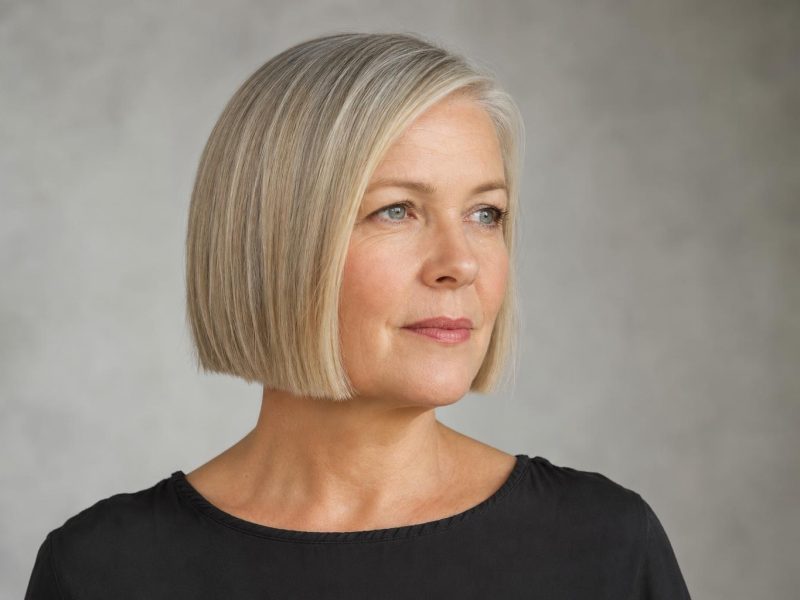



A choppy razor-cut pixie uses a razor instead of scissors to carve piece-y, textured layers, giving short hair an edgy, lived-in finish with built-in movement.
A choppy razor-cut pixie is a short crop cut with a straight razor rather than shears, which slices the ends at an angle to create soft, feathered, piece-y texture instead of a blunt line. The razor removes weight and adds separation, so the cut looks tousled and full of movement even on fine hair. These 30 ideas are sorted by hair type, face shape, and length, with the exact language to bring to your stylist so the texture comes out choppy rather than uneven.
After the gallery you will find a face shape guide, a stylist script, and honest maintenance expectations, because razored ends need a trim every four to six weeks and a razor cut is not right for every texture. If you want a softer version with a shaved detail, compare it with our feminine pixie with undercut gallery first.
| Factor | Details |
|---|---|
| Best for | Fine to medium hair that needs volume and separation |
| Technique | Razor cutting for feathered, piece-y ends |
| Maintenance | Trim every 4 to 6 weeks; 5 minutes of daily styling |
| Avoid if | Very dry, damaged, or tightly coiled hair the razor can frizz |
| Salon time | 30 to 45 minutes for a cut and style |
Classic Choppy Razor-Cut Pixies
The foundation of this cut is the razored end, which feathers each piece to a fine point rather than a straight edge. This section covers the core versions that define the style, from the everyday crop to the disconnected and undercut takes. All of them rely on the razor to add movement.
1. The Classic Razor-Cut Pixie
Short all over with razored, feathered ends, the classic version carries just enough length on top to style with your fingers. The razor thins the interior so the crop lies close without looking flat or helmet-like. Ask for the texture concentrated at the crown and fringe, where movement matters most.
2. Razor Pixie for Round Faces
Extra height and razored texture at the crown draw the eye up and lengthen a round face. Keeping the sides close and the top piece-y creates the vertical line a round shape benefits from. A little wax worked into the roots holds the lift through the day.
3. Razored Pixie for Fine Hair
Fine hair is the ideal candidate for a razor cut because the feathered ends create the look of separation and fullness that fine strands lack on their own. Keep the razoring light, since over-thinning fine hair can leave it wispy rather than textured. A volumizing mousse on damp roots before air-drying gives fine hair the body this cut is built to show off.
4. Piece-y Tousled Razor Pixie
Worn deliberately messy, this version pulls the razored pieces in different directions for a tousled, undone finish. Work a pea-sized amount of matte paste through dry hair and push the pieces where you want them. The whole point is that it looks better a little disheveled than perfectly smooth.
5. Grown-Out Low-Maintenance Razor Pixie
Cut a touch longer with heavier razoring, this version grows out softly because the feathered ends blur rather than forming a hard line. You can stretch a trim to six or seven weeks without the shape falling apart. It is the choppy pixie to ask for if you like the look but dread frequent salon visits.
6. The Choppy, Not Blunt, Request
To make sure your stylist razors rather than scissors the ends, say “a razor-cut pixie with choppy, piece-y texture, no blunt lines.” Naming the razor and the piece-y finish stops a stylist from defaulting to a cleaner scissor crop. Add where you want the most movement, usually the fringe and crown.
7. Razor Cut Versus Scissor Cut Pixie
Unlike a scissor-cut pixie with clean, defined lines, a razor cut gives soft, feathered, lived-in ends with more visible separation. The scissor version looks sharper and more polished, while the razor version looks textured and relaxed. Choose the razor if you want movement and the scissors if you want structure.
Choppy Razor Pixies by Hair Type
The razor behaves differently on each texture, so the cut has to be adapted to your hair. Thick hair loses bulk beautifully, while curly and coily hair needs a careful hand to avoid frizz. This section matches the choppy pixie to your specific texture.
8. Undercut Razored Pixie
Pairing a razored, textured top with a clippered undercut at the sides and nape gives the crop an edgier, disconnected shape. The razored length on top stays soft while the undercut keeps the profile sharp. Our pixie with undercut ideas break down how deep to take the shaved section.
9. Razor Pixie for Square Faces
Softer, feathered pieces around the face take the edge off a strong square jaw while the razored crown adds height. Letting a few longer wisps fall at the temples rounds the overall shape. Avoid a heavy, straight-across fringe here, since it emphasizes the jaw rather than softening it.
10. Razored Pixie for Thick Hair
Thick hair benefits hugely from razoring, which strips the weight that makes a dense pixie puff out into a boxy shape. The stylist slices through the interior to leave a close, controlled crop with soft ends. A smoothing cream keeps thick, razored hair from frizzing as it dries.
11. Spiky Textured Razor Pixie
Styling the razored pieces up and out gives a short, spiky finish with plenty of attitude. Use a strong matte clay on dry hair and pinch the ends into points. The razor cut is what lets the spikes separate cleanly rather than clumping.
12. Edgy Pixie Upkeep Between Cuts
A choppy razor pixie holds its shape for about four to six weeks, after which the crown starts to lose height and the fringe drifts long. A light dusting of dry texture spray revives the piece-y separation on second-day hair. Keeping a standing appointment on the calendar is the easiest way to stay ahead of the grow-out.
13. Asking for Razored Layers on Top
If your hair is heavy or flat on top, tell your stylist “razored internal layers through the crown for lift and separation.” The interior razoring is what builds volume without adding length. Mention if you want to keep enough to sweep to one side rather than spiking it up.
14. Choppy Pixie Versus Bixie
Where a choppy pixie stays cropped and close, a bixie keeps a little more length and blends toward bob territory for a softer, longer-on-top hybrid. The bixie is the gentler step for anyone nervous about going very short. Both use razored texture, but the bixie leaves more to work with day to day.
15. Feathered Razor-Cut Pixie
Delicate feathering throughout gives this version the softest, most romantic take on the choppy pixie. The razor sweeps each piece to a fine, wispy point that moves with you. It suits anyone who wants texture without a bold, spiky edge.
Choppy Razor Pixies by Face Shape and Length
Length and where the texture falls should balance your face shape, since the same crop can flatter one person and exaggerate another’s proportions. This section places the choppy pixie on different face shapes and length points. Curly and wavy takes get their own approach here too.
16. Razor Pixie for Heart Faces
A longer, textured fringe balances the wider forehead of a heart-shaped face while the razored ends keep it soft. Letting the fringe fall to one side rather than straight across adds width lower down. A wispy, piece-y front is the flattering choice over a heavy block.
17. Razored Pixie for Curly Hair
Loose 3A curls can take a razor cut when the stylist works carefully on nearly dry hair, slicing to shape the curl rather than thin it out. Tighter curl patterns are riskier, since razoring can spark frizz and disrupt the pattern. If your curls are loose and healthy, a razored curly pixie gives soft, defined movement.
18. Side-Swept Razor Pixie with Bangs
A long, razored fringe swept across the forehead softens the whole crop and frames the eyes. Blow-dry the fringe to one side with a round brush, then break it up with a little paste. The side sweep pairs a choppy pixie with the flattering effect of a soft bang.
19. Wash-and-Go Razor Pixie
Cut short with plenty of razored texture, this version air-dries into shape with almost no effort. Scrunch a lightweight cream through damp hair and let it dry, then tousle with your fingers. It is the lowest-effort way to wear the style day to day.
20. The Long-Fringe Choppy Pixie Request
For a modern, grown-up crop, ask for “a razored pixie with a long, textured fringe I can sweep or wear forward.” The longer fringe gives styling flexibility the classic short crop lacks. Specify how far you want it to fall, usually cheekbone or below, so it does not come out too short.
21. Choppy Pixie Versus Shaggy Pixie
Unlike a shaggy pixie, which layers longer, softer pieces for a grown-out feel, a choppy razor pixie stays shorter and sharper with more defined separation. The shag is airier and more forgiving, while the choppy crop is bolder. Choose based on how short and how edgy you want to go.
22. Disconnected Razor-Cut Pixie
A hard disconnect between a longer razored top and much shorter sides gives this version a graphic, fashion-forward edge. The razor keeps the top soft so the disconnect looks deliberate rather than harsh. It is a strong choice for anyone who wants a statement crop.
23. Razor Pixie for Long Faces
Keeping some width and a fuller, textured fringe stops a long or oblong face from looking further stretched. Avoid too much height on top, which lengthens the face. A softer, wider shape with razored sides adds the horizontal balance a long face needs.
24. Razored Pixie for Wavy Hair
Natural waves and a razor cut are a great pairing, since the razored ends let the wave pattern separate into piece-y, textured movement. A sea-salt spray scrunched into damp hair brings the waves forward. Wavy hair gets an effortless, tousled version of the crop with very little styling.
25. Messy Bedhead Razor Pixie
The razored ends are what make a deliberately messy, just-woke-up finish look styled rather than neglected. Rough-dry the hair, then work texture paste through with your fingers going against the growth. It is a relaxed, cool-girl take on the choppy crop.
26. Silver Razor-Cut Pixie Upkeep
On silver or gray hair, a razored pixie shows off natural dimension while the texture keeps fine, aging hair from looking flat. Silver hair can run dry, so a weekly hydrating mask keeps the razored ends from turning brittle. A purple toning shampoo used sparingly keeps the silver from yellowing.
27. Razored Nape Request
For a clean finish at the back, ask your stylist to “razor the nape close and soft, no harsh line.” The razored nape keeps the back of the crop from looking blunt or heavy. Mention if you want it tapered into the sides for an even softer transition.
28. Choppy Pixie Versus a Buzz-Adjacent Crop
Where a very short buzz-adjacent crop keeps almost no length, a choppy razor pixie keeps enough on top to style and separate. The buzz is the lower-maintenance extreme, while the choppy pixie offers movement and versatility. Go choppy if you still want something to work with in the mornings.
29. Two-Length Razored Pixie
Leaving noticeably more length on top than at the sides creates a two-length shape the razor blends with soft, feathered texture. The contrast gives the crop dimension without a hard disconnect. It is a flattering middle ground between a classic pixie and an undercut version.
30. Razor-Cut Pixie for Diamond Faces
Adding softness and width at the forehead and chin, where a diamond face is narrowest, balances the wider cheekbones. A textured fringe and a little length near the jaw do the balancing work. Keeping the sides from puffing at the cheekbones is the detail to mention at your consult.
How to Choose a Choppy Pixie for Your Face Shape
Where the texture and length fall should balance your proportions, since a crop that flatters an oval face can widen a round one. The table pairs each face shape with the choppy pixie approach that works hardest for it.
| Face Shape | Best Approach | Fringe | Avoid |
|---|---|---|---|
| Oval | Almost any length and texture | Short or long, both work | Nothing specific; a versatile shape |
| Round | Height and texture at the crown | Side-swept, longer | Flat tops and full cheek-width sides |
| Square | Soft feathered pieces near the face | Wispy, side-swept | Heavy, straight-across blunt fringe |
| Heart | Longer textured fringe, softer sides | Long, side-falling | Very short micro-fringe |
| Oblong / long | Width at the sides, fuller fringe | Full, brow-skimming | Tall crown height |
| Diamond | Softness at forehead and chin | Textured, forward | Width piled at the cheekbones |
What to Tell Your Stylist
The word “choppy” gets interpreted loosely, so name the razor and the texture you want. A reliable script: “A razor-cut pixie with choppy, piece-y texture, extra separation at the crown and fringe, and a soft razored nape.” Ask to see the shape before it is styled with product, since a razor cut can look very different wet than it does finished. If you are going short for the first time, mention it so the stylist leaves a little extra length to adjust.
Stylist tip: Ask your stylist how healthy your ends need to be for a razor cut. Razoring dry, damaged, or brittle hair splits and frizzes the ends, so if your hair is fragile, a light scissor-over-comb texture is the safer way to get a similar piece-y look.
If you are still deciding how short to go, browsing related crops helps. Our short layered haircuts and pixie cuts for Black women galleries show the range of textures and lengths that pair with razored styling.
Maintenance and Styling
A choppy razor pixie needs a trim every four to six weeks, since the crown loses height and the fringe grows into your eyes faster than a longer cut. Daily styling is quick, usually five minutes of paste or wax pushed through dry hair to define the pieces. Because the razor thins the ends, a leave-in or light oil keeps them from looking dry between washes.
Stylist tip: Reach for a matte paste or clay rather than a shiny pomade on a choppy pixie. Matte product separates the razored pieces and holds the texture, while shine products can make short, thinned ends look flat and greasy.
When a Razor-Cut Pixie Is Not the Right Choice
The razor is what makes this cut, but it does not suit every head of hair. Be honest about these before you book.
- Your hair is very dry or damaged: razoring fragile ends causes splitting and frizz, so repair the hair first or ask for a scissor-cut texture instead.
- You have tightly coiled 4A to 4C hair: a razor tends to disrupt tight coil patterns and spark frizz, so a scissor or clipper-shaped crop suits coily texture far better.
- You want a sleek, polished finish: a razor cut is built to look textured and lived-in, so if you prefer a smooth, structured pixie, ask for a scissor cut.
- You cannot commit to frequent trims: short razored crops lose their shape within six weeks, so a longer layered style is more forgiving if you skip appointments.
FAQ
What Is a Razor-Cut Pixie?
A razor-cut pixie is a short crop shaped with a straight razor instead of scissors, which slices the ends at an angle to create soft, feathered, piece-y texture. The razor removes weight and adds separation, giving short hair movement and a lived-in, edgy finish. It differs from a scissor pixie, which has cleaner, more defined lines.
Is a Razor Cut Good for Fine Hair?
Yes, fine hair is one of the best textures for a light razor cut, since the feathered ends create the look of separation and fullness. The key is keeping the razoring gentle, because over-thinning fine hair can leave it wispy rather than textured. Pair it with a volumizing mousse to build body at the roots.
Does a Razor-Cut Pixie Cause Split Ends?
It can if your hair is dry or damaged, since a razor slices the cuticle at an angle and fragile ends split more easily. On healthy hair cut by a skilled stylist with a sharp blade, split ends are not a major issue. Using a leave-in and getting regular trims keeps the razored ends in good shape.
How Often Does a Choppy Pixie Need Trimming?
Every four to six weeks keeps the shape sharp, since a short crop shows grow-out at the crown and fringe quickly. Stretching past six weeks lets the cut lose its height and the fringe fall into your eyes. Booking a standing appointment is the easiest way to maintain the style.
Can Curly Hair Get a Razor-Cut Pixie?
Loose curls can, when a stylist razors carefully on nearly dry hair to shape the curl without disrupting the pattern. Tighter coils are riskier, since razoring can cause frizz and uneven definition. If your curls are loose and healthy, a light razored pixie gives soft, defined movement.
How Do You Style a Choppy Razor Pixie?
Work a small amount of matte paste or clay through dry hair with your fingers, pushing the razored pieces where you want them for separation and texture. Avoid shiny pomades, which flatten the thinned ends. For extra lift, apply a volumizing product at the roots before drying and tousle as it dries.
A choppy razor-cut pixie gives short hair the movement, separation, and edge that a blunt crop cannot, as long as your hair is healthy enough to take the razor and you keep up with regular trims. Bring your stylist a photo, ask specifically for razored, piece-y texture, and match the length and fringe to your face shape. Done right, the choppy razor-cut pixie is one of the most low-effort, high-impact short cuts you can wear.
Hair results vary based on your natural hair type, texture, density, and condition. Always consult with a licensed hairstylist before making significant changes, especially with chemical treatments or dramatic length changes. Photos may show styled results that require professional tools and products to replicate.